TL;DRNew York is safe for tourists, and in 2025 the subway logged its lowest crime rate in 16 years. Violent crime is concentrated well away from the tourist trail, in areas like Brownsville, East New York, Hunts Point and Mott Haven — easy enough to steer clear of. The real risk comes from petty scams: costumed characters on Times Square who expect tips, street vendors pushing CDs into your hands, fake monks with bracelets, dodgy Statue of Liberty ticket sellers near Battery Park, and overpriced taxis from JFK (the official flat rate is $70 plus surcharges, but you’ll often end up paying $85–$115). At night on the subway, stick to the lit-up middle carriage where the conductor is based. Good travel insurance is a must, since healthcare in the US is eye-wateringly expensive. The trick to staying safe is simple: be assertive and turn down anything a stranger on the street offers you for free.
The year 2025 brought the New York subway its lowest crime rate in sixteen years. Yet many travellers still arrive in the United States with a slight knot in their stomach. TV news and Hollywood thrillers paint a picture of dark alleys where danger lurks on every corner. You’ve probably invested a fair bit of money in your flights and you’re looking forward to the trip of a lifetime, so don’t let needless worry spoil the fun. People often ask whether New York is safe for the average tourist, and New York safety is one of the most common concerns before a first visit.
The answer is a clear yes. The American metropolis ranks among the safest big cities in the USA for tourists. Violent crime exists, but it’s concentrated in specific areas well away from the tourist trail. It very rarely affects ordinary visitors. You’re far more likely to come across skilled pickpockets in a crowd or street hustlers trying their luck on inattentive foreigners.
I’ve put together a clear, fact-based guide for you. You’ll get practical advice on how to move around the city, what to watch out for and how to protect your belongings. The aim is to give you the confidence to focus purely on exploring the wonders of Manhattan and the surrounding boroughs.
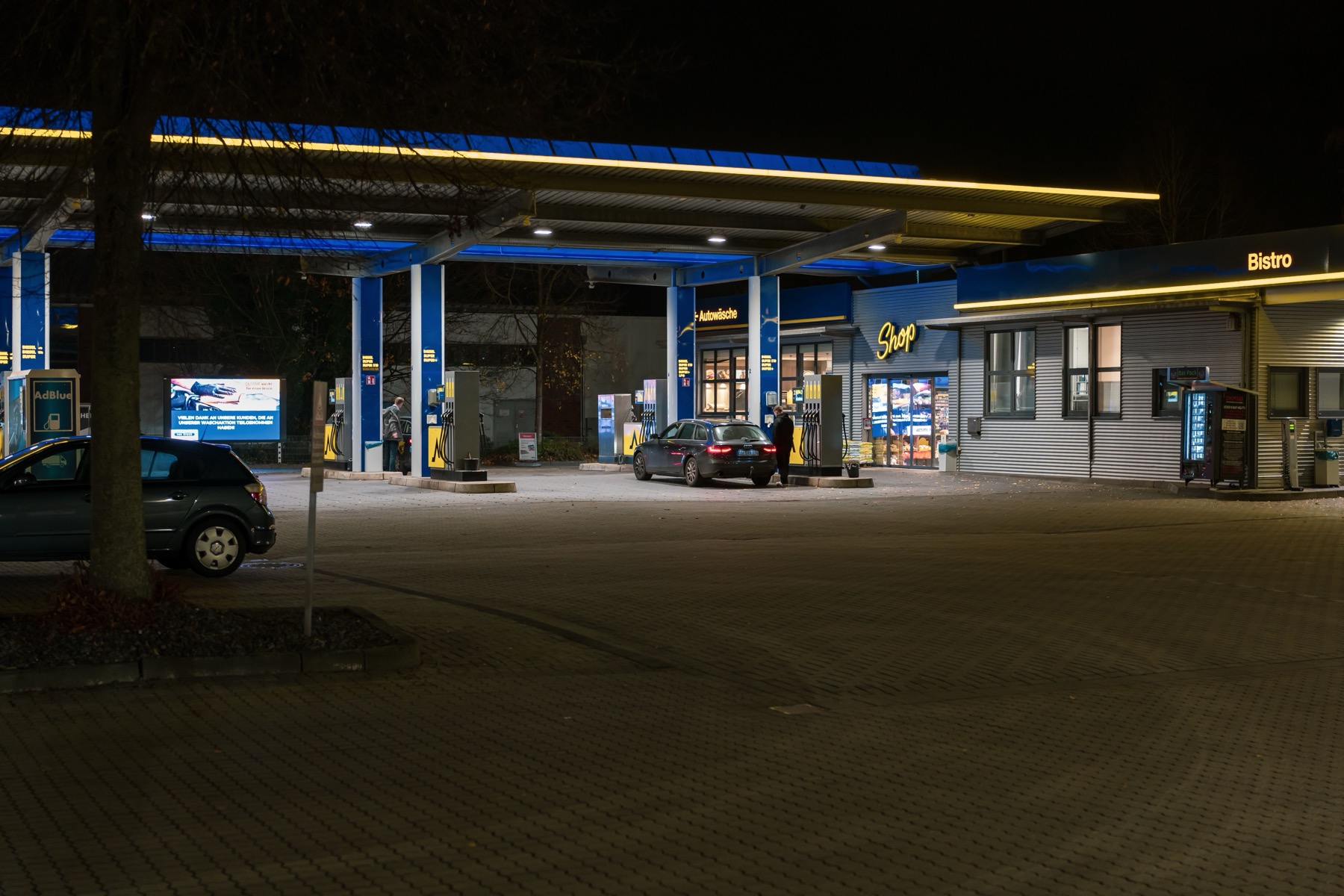
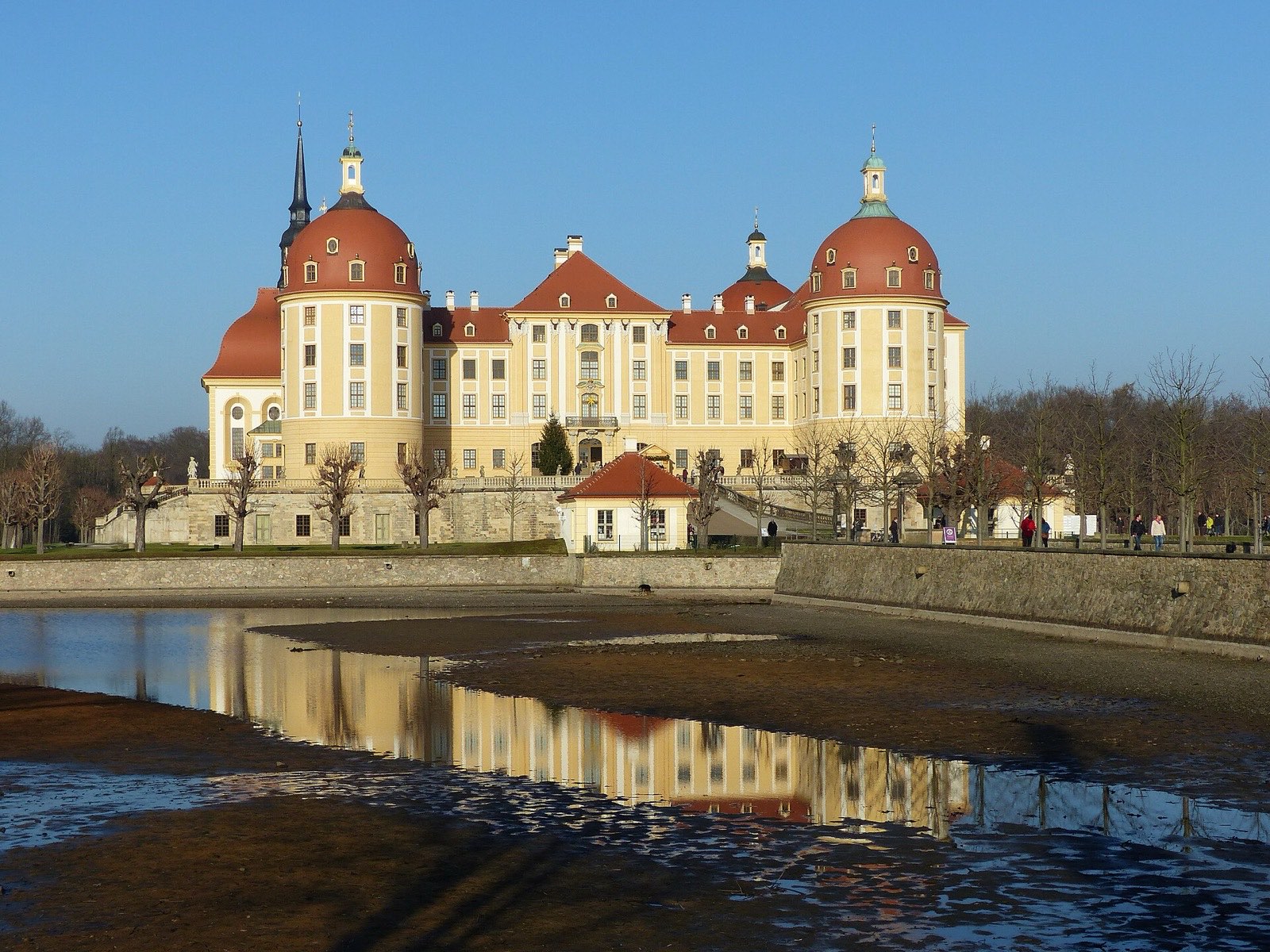
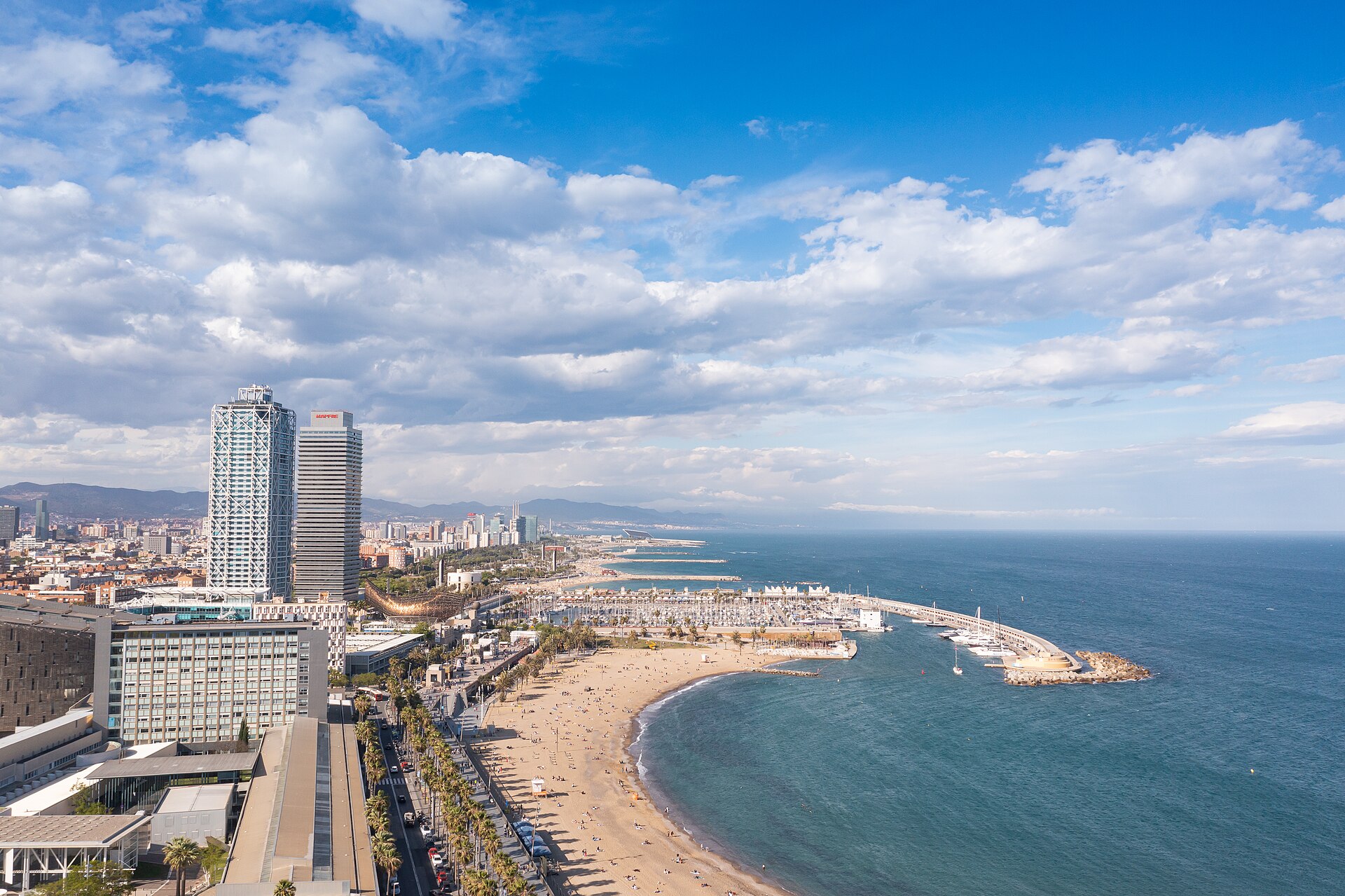
New York is safe for tourists (photo: Fletcher6, Wikimedia Commons, CC BY 4.0)
TL;DR
New York ranks among the safest large American cities and violent crime stays away from tourists.
Watch out for pickpockets in crowds and street scammers on Times Square.
Never take anything “for free” from strangers and never give your name to street sellers.
The subway runs around the clock and in 2025 reported the lowest crime rate in 16 years.
At night, board the well-lit middle car where the train conductor sits.
Tourists have no reason to visit neighbourhoods like Brownsville, East New York, Hunts Point or Mott Haven.
Healthcare in the USA costs astronomical sums, so always travel with quality insurance.
When you step off the plane, you might subconsciously brace for the tense atmosphere you’ve seen in films. You’ll quickly discover, though, that the streets buzz with ordinary life, people rushing to work and tourists photographing skyscrapers. Manhattan feels more like a giant living beehive than a danger zone. The city’s tourist core is patrolled by large numbers of police, and cameras monitor most public spaces. Any sense of threat soon gives way to awe at the architecture.
The statistics back up the experiences of millions of visitors. Violent crime is concentrated in specific gang conflicts on the city’s edges. Ordinary tourists are not affected by violence. The media often pick out the most shocking cases and play them on a loop, which leaves you with a distorted view of everyday life in the city. The real problem for visitors tends to be losing a wallet through a moment of carelessness.
It pays to keep the same common sense you’d use in London or any other European capital. Don’t carry more cash than you need and don’t flash expensive valuables in quiet places. If you stick to the areas meant for visitors, you’ll have a calm and trouble-free stay. The city never sleeps, which brings the advantage of constant eyes on the streets.
On Times Square, watch mainly for pickpockets and scammers
The Most Common Scams and How to Avoid Them
Local scammers rely on your politeness and your reluctance to start a confrontation. They target confused visitors who can’t say no quickly and firmly enough to unwanted attention. Assertiveness is your best defence. You don’t have to respond to every greeting from a stranger on the street. Here’s my list of the most common tricks you’re very likely to encounter during your stay.
Fake Characters on Times Square
As you stroll beneath the glowing neon of Times Square, you’ll meet dozens of people in costume. Elmo, Spider-Man or Minnie will wave cheerfully and lure you in for a photo together. But the moment you press the shutter, the friendly mood vanishes. The characters start aggressively demanding a hefty tip for the snapshot. They’ll often surround you in a group, creating uncomfortable psychological pressure.
⚠️ Warning: These people don’t work for the city or any official studio. If you do want a photo, always agree on an exact price beforehand. If you’re not interested, simply don’t pose with them and don’t give them any attention. That way you’ll save yourself a ruined afternoon.
CD and Mixtape Sellers
You’re walking along the pavement when a smiling young man unexpectedly presses a CD into your hand. He asks for your name, which he then writes straight onto the case with a marker. At that point he tells you that you have to pay for the signed CD, because he can’t sell it to anyone else now. Out come the arguments about supporting local artists, and the pressure builds.
💡 Tip: Never take anything from a stranger’s hand. Keep your hands by your sides or in your pockets. If someone does manage to force a disc on you, put it down on the ground and walk away. Above all, never give your name to strangers on the street.
Fake Monks With Bracelets
In parks and on busy avenues you may come across men dressed in traditional robes. They look peaceful and, with a smile, hold out a small beaded bracelet or a gold medallion. If you accept the gift, they immediately pull out a notebook and demand a donation for their temple. They often show you large sums supposedly given by people before you.
This is an organised scam. Real Buddhist monks never aggressively demand money on the street. Ignore their outstretched hands and keep walking. There’s no need to feel guilty about turning down a “holy man”.
Fake Tickets for the Statue of Liberty
Around Battery Park in Lower Manhattan, dozens of sellers in vests hang about. They offer ferry tickets to the Statue of Liberty and claim the official ticket office is sold out. In reality, they sell you overpriced tickets for boats that never actually dock at the island and only circle it from a distance. You lose your money and your precious time.
Buy tickets for the official cruise only from Statue City Cruises. You can also use trusted platforms like GetYourGuide. Give the touts hanging around the park a wide berth.
Airport Taxis and the So-Called Flat Rate
After a tiring flight into JFK, helpful men in the arrivals hall will offer you a ride. They promise an attractive fixed rate with no waiting. They lead you to an unmarked car, and at the end of the journey they demand several times the amount they promised. The official yellow cabs have a fixed base fare of $70 from JFK to Manhattan, plus tolls and airport fees. The realistic final price comes to somewhere between $85 and $115.
Watch out: Ignore the touts in the hall. Head outside the terminal and join the queue at the official taxi stand. A dispatcher will assign you a licensed car. You can also safely use the well-known ride-hailing apps.
There’s one simple golden rule for all street interactions. If someone offers you something “for free” and won’t take no for an answer, walk away immediately. In these situations, you have to leave your politeness aside.
New York Subway Safety and Travelling at Night
The subway is the artery of the entire city, running reliably twenty-four hours a day, seven days a week. Although the stations can sometimes look grimy and uninviting, the statistics are clear. The year 2025 brought the lowest subway crime rate in 16 years. During the day, thousands of ordinary New Yorkers pack into the carriages, and a ride is a safe and quick way to get around. Just watch out for pickpockets, especially during the morning and evening rush hours when people are squeezed together.
At night and in the early morning, travelling underground calls for a little more attention. Platforms empty out and the gaps between trains grow longer. Always stand back from the platform edge and keep an eye on your surroundings. Don’t get absorbed in your phone screen. Take your backpack off your shoulders and hold it firmly in front of you. That way you’ll prevent anyone from snatching it the moment the doors close.
💡 Tip: On night rides, board only well-lit cars where other passengers are already sitting. The ideal choice is the middle car, where the conductor sits. You can spot where this car stops by the distinctive black-and-white striped sign hanging above the platform.
The subway is safe and runs 24/7 (photo: Martin David, Unsplash)
The vast majority of places your guidebook will send you to pose no risk at all. Manhattan and the main tourist parts of Brooklyn and Queens are patrolled by police and the streets stay safe. There are, however, specific neighbourhoods that struggle with higher crime. Luckily, a tourist has no reason whatsoever to travel there, since they offer no sights or attractions. Just remember these names and don’t book accommodation in them.
In Brooklyn, steer clear of the residential areas of Brownsville and East New York. These neighbourhoods have long struggled with social problems and gangs. In the South Bronx, skip Hunts Point and Mott Haven. If you’re heading to the Bronx for a Yankees baseball game or the famous zoo, you’ll be in safe zones. The problem areas lie well off those routes.
Manhattan itself is safe, but in the evening I’d suggest extra caution on the outer streets of Hell’s Kitchen towards the Hudson River. The long avenues by the water empty out quickly after dark, and they lack the natural buzz of shops and restaurants. It’s better to stick to the main thoroughfares closer to the centre of the island, where crowds keep flowing well into the small hours.
Practical Safety Tips for New York City
Prevention solves most unpleasant situations before they even arise. A little preparation before you fly and a few simple habits on the ground will save you plenty of trouble. Focus on protecting your documents, your money and your health. Here are the concrete steps every responsible visitor to the United States should follow.
Travel Insurance Is a Must
Healthcare in the USA is among the most expensive on the planet. Even a routine treatment or a short ambulance ride can climb into the thousands of dollars. Never travel to New York without quality insurance with a high coverage limit. A broken leg without a policy could leave you in financial ruin for years. For US trips I recommend SafetyWing travel insurance, which is designed with American healthcare costs in mind.
Protecting Your Money and Documents
Pickpockets love tourist crowds on Times Square, outside Rockefeller Center or while boarding the ferries. Don’t keep all your money and cards in one place. Split your cash across several pockets. Never leave your wallet in your back pocket, and in a dense crowd it’s best to take your backpack off and hold it in front of you. Don’t pull out big wads of notes on the street just to pay for a coffee.
Document Copies and the Hotel Safe
Before you fly, photograph your passport, your ESTA authorisation and your travel insurance on your phone. Email the copies to yourself. If you lose your documents, this will speed up dealing with the authorities considerably. Keep your passport and any larger sum of money locked in the hotel safe. For everyday walks around the city, an ID card or a copy of your passport and one payment card are all you need.
The 911 Emergency Line
If you find your health at risk, become the victim of a crime or witness a fire, call the universal number 911. The operators are used to dealing with foreigners and can arrange an interpreter if needed. For non-urgent reports or general questions about the city, there’s the 311 information line.
Tips and Traveller Experiences
When we ask our readers and seasoned travellers about their impressions after returning from the USA, the answers are strikingly similar. Their original fears from films dissolve within the first day. New York is far safer than it looks on TV. People enjoy evening walks and feel relaxed.
Travellers confirm that in tourist areas they feel comfortable even alone and after dark.
The most common real experience is minor scams on Times Square, which you can simply ignore and walk past.
On the subway, they’ve learned to keep an eye on their phone and bag, especially near the carriage doors.
Everyone we asked strongly recommends taking out travel insurance, because the peace of mind is well worth those few extra euros.
Your trip should be about discovery, great food and unforgettable views. Follow the basic rules and you won’t run into any trouble. For more verified information about the city, current events and official advice for visitors, I recommend following the official NYC tourism website.
Where to Stay (Safe Neighbourhoods)
Choosing the right area for your hotel or apartment plays a big part in how you feel about the city overall. Most of Manhattan offers a great and safe base. Tourists most often choose Midtown, which sits right in the heart of the action close to the main attractions. The streets here are alive well into the night and you’ll meet people everywhere.
If you’re after a quieter residential vibe with beautiful architecture, look at the Upper West Side or Upper East Side lining Central Park. These neighbourhoods are home to families, everything is orderly and you’ll find excellent cafés. Greenwich Village, with its narrow tree-lined streets, is another great choice where you’ll feel very relaxed and safe.
Got the safety questions sorted and ready to start planning your actual itinerary? I’ve put together detailed guides to help you build the perfect plan for your trip. Get inspired by my tips and discover the best places in the city.
“`html
Yes, New York is among the safest major cities in the USA. Violent crime rarely affects tourists and main tourist areas are safe even in the evening. The main risk is pickpockets and scammers, not violence.
“`
Is it safe to ride the New York subway?
“`html
Yes. The metro runs 24/7 and in 2025 recorded the lowest crime rate in 16 years. At night we recommend boarding a lit carriage with people, the middle carriage near the conductor, and keeping an eye on your backpack and phone.
“`
What scams to avoid in New York?
Pay extra attention to fake mascots in Times Square (Elmo, Spider-Man), CD and mixtape sellers, men in yellow robes forcing bracelets on you, and fake Statue of Liberty ticket sellers at Battery Park. A simple rule applies: refuse anything offered for free by a stranger who won’t take no for an answer, and keep walking.
Which neighborhoods in New York should you avoid?
As a tourist, there’s no reason to visit Brownsville and East New York in Brooklyn or Hunts Point and Mott Haven in the South Bronx. Manhattan and the main tourist areas of Brooklyn and Queens are safe.
Is New York safe at night?
In main tourist areas, yes. Times Square, Midtown, Greenwich Village and Brooklyn Bridge area are lively even late in the evening and safe. We recommend sticking to well-lit streets and avoiding remote docks and dark alleys on the outskirts.
Do I need travel insurance for New York?
Travel insurance is practically a necessity in the USA. American healthcare is among the most expensive in the world — even a simple ambulance ride can cost thousands of dollars. Insurance with coverage of at least €40,000 for medical care and repatriation is an absolute must.
Tips and Tricks for Your Vacation
Don’t Overpay for Flights
Search for flights on Kayak. It’s our favorite search engine because it scans the websites of all airlines and always finds the cheapest connection.
Book Your Accommodation Smartly
The best experiences we’ve had when looking for accommodation (from Alaska to Morocco) are with Booking.com, where hotels, apartments, and entire houses are usually the cheapest and most widely available.
Don’t Forget Travel Insurance
Good travel insurance will protect you against illness, accidents, theft, or flight cancellations. We’ve had a few hospital visits abroad, so we know how important it is to have proper insurance arranged.
Where we insure ourselves: SafetyWing (best for everyone) and TrueTraveller (for extra-long trips).
Why don’t we recommend any Czech insurance company? Because they have too many restrictions. They set limits on the number of days abroad, travel insurance via a credit card often requires you to pay medical expenses only with that card, and they frequently limit the number of returns to the Czech Republic.
Find the Best Experiences
Get Your Guide is a huge online marketplace where you can book guided walks, trips, skip-the-line tickets, tours, and much more. We always find some extra fun there!
TL;DRPravčická brána is the largest sandstone rock arch in Europe, spanning 26.5 metres with an opening 16 metres high. You haven’t been allowed onto the arch itself since 1982, but the views from the surrounding rock platforms are even better anyway. You can only reach it on foot – either a steep 4-kilometre climb from Hřensko (about an hour), or the gentler Mlýnská cesta from Mezní Louka (3.5 km), since Gabrielina stezka is closed after a fire. Entry to the site costs 125 CZK for adults and 50 CZK for children, students and seniors, cash only. Below the arch stands Sokolí hnízdo, a historic little chateau from 1881 with a restaurant, where parts of The Chronicles of Narnia were filmed. Reckon on 3 to 4 hours for the whole round trip, up and back down.
Bohemian Switzerland is an absolute favourite of mine, and Pravčická Brána in Czechia is its ultimate symbol. It’s no wonder, really, because this massive stone arch towering high above the forests is simply a fascinating sight. Lukáš and I have been coming here for years, and it always surprises us anew just how enormous it actually is. If you’re planning a trip to the north of the Czech Republic, a visit to the largest sandstone rock arch in Europe and an icon of Bohemian Switzerland is something you definitely shouldn’t skip.
Right off the bat, though, I have to be honest about one really important thing. The national park was hit by two forest fires in recent years (a large one near Hřensko in 2022 and a smaller one near Jetřichovice in May 2026). Thankfully, the arch itself and the fairy-tale Falcon’s Nest château were spared — the fire missed them, and the landmark is open as usual. The photos in this article, however, are still from the green forest before the first fire, so the surroundings look a little different today. That said, it takes nothing away from the magic of the place, and nature is already slowly beginning to recover.
Let’s take a look together at the most important things you need to know before you go. I’ll tell you where to park, which way to head up, and what to watch out for.
TL;DR: what to expect at Pravčická Brána
A European gem: It’s the largest natural sandstone arch in Europe, with an impressive span of over 26 metres and an opening 16 metres high.
No climbing on the arch: Since 1982, walking directly up onto the arch has been banned for conservation reasons, but the views from the surrounding rock platforms are well worth it.
A fairy-tale setting: Right beneath the sandstone nestles the historic Falcon’s Nest excursion château from 1881, which also houses a period restaurant.
Fire aftermath: The landmark remained untouched, but some access routes — including the popular Gabriela Trail — are currently closed due to the risk of falling trees.
Getting to the arch: You have to walk up; the car stays down below. Be ready for a proper climb from Hřensko or a gentler route from Mezní Louka.
Film location: The famous Chronicles of Narnia were filmed at Pravčická Brána, where the arch played the part of a stone bridge.
If you want to see Pravčická Brána in all its glory, it pays to plan your visit a little. This area is extremely popular, with over 200,000 visitors a year. Personally, we love late spring and early autumn best, when the temperatures are just right for hiking and you don’t bump into such big crowds.
The main tourist season runs from March to October. During these months the site is open daily from 10:00 to 18:00. If you’d like to come in winter, between November and March, you’ll need to plan your trip for a Friday or the weekend, when it’s open from 10:00 to 16:00. I’d definitely recommend setting off right as it opens, or — on the flip side — saving your visit for late afternoon. On summer weekends especially, the arch and the restaurant get genuinely packed around midday.
Entry to the national park itself is free, but there’s a charge to enter the Pravčická Brána site. For 2026, the price list has adults paying 125 CZK (around €5), while children aged 6 to 14, students and seniors get a reduced rate of 50 CZK (around €2). Children under 6 enter completely free. Here’s one huge warning from experience: you can’t pay by card up top, and you’d search in vain for an ATM nearby, so bring plenty of cash so you don’t have to turn back from the ticket booth empty-handed.
Before any trip, I’d also recommend checking the latest closures on the official website of the Bohemian Switzerland National Park Administration. After the 2022 and 2026 fires, the situation in the forest can change, and it’s best to have fresh information straight from the source.
How to get to Pravčická Brána and where to park
Pravčická Brána lies deep in the forest, and no car or bus will take you right up to it. So a walk awaits you — but it’s absolutely worth it. You have two basic routes to choose from; each has its own appeal and they differ in difficulty.
The first and probably best-known route leads from Hřensko, which, incidentally, is the lowest-lying village in the Czech Republic. The path is roughly 4 kilometres long, and you should reckon on about an hour of solid uphill climbing. The route is a touch more demanding and follows a forest trail, so it’s better to wear sturdy shoes. In Hřensko you can park at several paid car parks. Prices are around 30 CZK (€1.20) per hour or roughly 120 CZK (€5) for the whole day. You can occasionally find a free spot by the local petrol station, but those fill up fast in the early morning.
The second option leads from Mezní Louka. Originally you’d walk from here along the famous Gabriela Trail, but that has been closed since the big fire. I’ll write more about it a little further down. As an alternative route, you can now use the so-called Mill Path (Mlýnská cesta). From Mezní Louka it’s about 3.5 kilometres to the arch, and the climb is much gentler, so even families with children or less fit walkers can manage it. Parking in the large car park at Mezní Louka costs around 100 CZK (€4) per day, and there’s usually more space here than in overcrowded Hřensko.
If you’re travelling from the UK, the easiest way in is to fly into Prague — there are plenty of direct flights from London, Manchester and other UK airports with carriers like Ryanair, easyJet and British Airways. From Prague, the drive along the D8 motorway takes about an hour and a half, covering roughly 135 kilometres. The great news is you can reach the area easily without a car too. Comfortable direct trains run from Prague to Děčín (the journey takes about an hour and a half). Right outside Děčín railway station you then hop on bus number 434, which takes you either to Hřensko or all the way to Mezní Louka. In summer, you can even set off from Děčín on an excursion boat along the Elbe, which is an experience in itself.
Where to stay nearby
If you want to spend several days in Bohemian Switzerland and make sure you reach the arch early in the morning before the main crowds, staying right in the area is absolutely ideal. I’m happy to recommend a few specific places that have great reviews and a strategic location.
Closest to the arch and other tourist spots (such as the gorges) is Hotel Mezní Louka. It’s a hugely practical spot — you’re a short hop from the start of the Mill Path, the hotel has its own restaurant, a sauna for relaxing after your hike, and, crucially, hassle-free parking for guests.
If you prefer the buzz of a little town and want to sleep right in Hřensko, try the historic Hotel Praha Hřensko. It offers a beautiful setting and a very pleasant wellness area, which you’ll certainly appreciate after a full day of climbing among the rocks.
A great family-friendly alternative is also Pension Klepáč Hřensko. The guesthouse sits right on the path towards Pravčická Brána and just a short walk from the bus stop, which makes it a perfect choice for those of you travelling by public transport from Děčín.
What to see and do at Pravčická Brána
The site itself isn’t just about a single viewpoint. Up top you’ll find several points of interest, so set aside half a day if you can. Let’s take a look at the 6 main highlights you mustn’t miss during your visit.
1. Pravčická Brána itself
When you stand before it for the first time, it rather takes your breath away. The dimensions of this natural wonder are genuinely impressive. The span of the arch at its base is 26.5 metres, the height of the opening reaches 16 metres, and the summit platform sits a full 21 metres above the floor of the arch. It’s a formation of Cretaceous sandstone, shaped by erosion over millions of years. Since 1992 it has held the status of a national natural monument.
You might be surprised that climbing onto the arch itself is forbidden. This ban has been in place since 1982 and for a very good reason. Sandstone is a soft rock, and the huge crush of tourists was causing erosion and dangerous cracks in the vault. So today you only walk beneath the arch, enjoying the views from the rock platforms opposite — from where you actually get a far better view of the arch anyway.
2. The Falcon’s Nest château and restaurant
Just beneath the rock arch, as if straight out of a fairy tale, the Falcon’s Nest excursion château emerges (Sokolí hnízdo in Czech, Falkennest in German). It was built in 1881 at the behest of Prince Edmund Clary-Aldringen and ranks among the very first tourist attractions of its kind in Europe.
Originally it served as accommodation for the family’s distinguished guests, and one fascinating detail is that all the building material had to be carried up by hand or with the help of mules. Today, the ground floor of the château houses a stylish period restaurant with beautiful wooden interiors and an outdoor terrace from which you have Pravčická Brána literally at your fingertips.
Lukáš and Lucie recommend
Where to stay near Pravčická brána
4 accommodations — hotels and other lodging options
For decades, the Gabriela Trail was the most beautiful and most popular access route. It was a classic traverse winding along the sandstone massifs from Mezní Louka all the way to the arch. Unfortunately, this trail has been closed since the devastating fire in 2022. In our photos in this article you can still see it full of life, but right now it really isn’t walkable.
The reason for the closure is the enormous risk of charred trees and unstable rock blocks falling onto the path. The park administration promises to assess the situation in 2027 at the earliest, so until then we’ll just have to wait. As a great alternative, though, the aforementioned Mill Path will get you safely to your destination.
4. The rock viewpoints and Růžovský vrch
Since you can’t go up onto the arch, the surrounding viewpoints make up for it. Around the Falcon’s Nest, steps carved into the rock and narrow little paths lead up to several secured rock platforms. The climb up gives your legs a bit of a workout, but the views from the top are simply phenomenal.
As well as the arch itself, which you can photograph from the best angles here, you’ll see the deep forests of the national park, and on a clear day the majestic Růžovský vrch rises on the horizon. Thanks to its volcanic origin, it creates a beautiful, striking contrast against the sandstone landscape.
5. The nature trail and the forests around the arch
You can also explore the Pravčická Brána area along a nature trail called “Around Pravčická Brána”. This trail forms a loop roughly 6 kilometres long and takes you through the most interesting sections in the immediate vicinity of the landmark.
Along the way you’ll come across several information panels that teach you plenty about the geological development of the sandstone, the local flora and fauna, and the history of tourism in the region. Despite the aftermath of the fires, it’s fascinating to watch how nature finds a way and how new green life slowly sprouts from the charred trunks.
6. Pravčická Brána on film
If you love film locations, you’ll be thrilled. Pravčická Brána has a Hollywood past, too. In 2005 it starred in the famous fantasy film The Chronicles of Narnia: The Lion, the Witch and the Wardrobe.
It served the filmmakers as the magical, snow-dusted stone bridge across which the young heroes flee. Because of the strict conservation rules, no filming took place directly on the vault — the shots were created beneath the arch and with the help of movie magic, so that the precious landmark wouldn’t be damaged in any way.
💡 Tip: For more practical advice on trips in the area, you can read our detailed guide to Bohemian Switzerland, where we cover plenty of other beautiful spots nearby.
Where to eat
After the climb uphill, you’re guaranteed to work up an appetite. Right up top in the site you’ll find a beautiful historic restaurant inside the Falcon’s Nest château. During the summer season there’s also an outdoor refreshment stand near the viewpoints, where you can grab basic quick food and drinks.
The restaurant in the Falcon’s Nest is renowned for classic Czech mountain cuisine, and the menu features traditional Czech specialities that many tourists make a point of coming here for.
As vegetarians, Lukáš and I went for the meat-free classic and ordered smažený sýr (fried cheese) with chips, plus a large coffee. Sitting with a warm drink on the terrace of the Falcon’s Nest, silently gazing at the enormous rock arch in front of you, is an experience we’ll remember for a long time. Price-wise, reckon on a higher tourist mark-up, but you’re mainly paying for the unique location and the view. Don’t forget to have cash ready.
Where to go next in Bohemian Switzerland
Bohemian Switzerland offers far more than just one sandstone arch. If you’re spending a weekend or a whole holiday here, be sure to add a few more gorgeous places to your itinerary. Most of them are easily reached by car or by the local buses.
The Wild Gorge on the Kamenice River: A romantic little boat ride with the ferryman’s witty commentary is an absolute classic. The gorge is normally in operation and complements a trip to the arch.
The Tisá Rocks: A stunning rock labyrinth full of weird and wonderful shapes. Incidentally, this is where the winter part of Narnia was filmed, when the heroes wander through the snow.
The Jetřichovice viewpoints: The climb up to Mariina skála (Mary’s Rock) or Vilemínina stěna (Wilhelmina’s Wall) offers some of the most beautiful sunsets in the Czech Republic.
Hřensko: Take a stroll through the lowest-lying village in the country, full of half-timbered houses, and along the Kamenice River.
Bastei (Germany): Just over the border in Saxon Switzerland lies the breathtaking Bastei stone bridge, towering high above the Elbe valley.
And if you’re heading to the capital as well, you’ll definitely appreciate our tips on what to see in Prague.
💡 GetYourGuide tip: If you’d rather not deal with transport and planning, you can use an organised tour through GetYourGuide, which picks you up in Prague and takes you around Pravčická Brána and the gorges in a single day.
Yes, both Pravčická brána itself and the Sokol’s Nest château survived both fires (2022 and 2026) unharmed and are fully accessible to tourists. Only some hiking trails in the surrounding area are closed, especially the burned-out Gabriela Trail.
Can I bring a dog on the trip?
Yes, you can head to the Pravčická brána area with your four-legged companion. Just remember that you’re in a national park, so your dog must be kept on a leash at all times without exception.
Can you pay by card at the top?
Unfortunately not. Entrance to the complex and expenses at the restaurant in Falcon’s Nest must be paid in cash. There are no ATMs nearby, so make sure to withdraw money beforehand down in Hřensko or even at home.
Is the route to the gate suitable for strollers?
It definitely isn’t. The path up from Hřensko is quite steep and full of stones and roots. The area around the gate itself is also full of stairs and narrow rocky paths. For families with small children, I recommend a baby carrier or backpack carrier.
Why can’t you walk to the gate itself?
“`html
Entry to the arch has been prohibited since 1982. The reason is nature protection, as thousands of tourists per year were causing severe erosion of the soft sandstone and the arch began to crack dangerously. However, the views from neighboring viewpoints are actually better anyway.
“`
How long will a visit to Pravčická brána take me?
Plan on spending at least half a day for this trip. The hike up from Hřensko will take you about an hour, at the top you’ll need around an hour and a half to two hours to check out the viewpoints and grab some refreshments, and the way back down takes just under an hour. All in all, set aside about 3 to 4 hours.
Tips and Tricks for Your Vacation
Don’t Overpay for Flights
Search for flights on Kayak. It’s our favorite search engine because it scans the websites of all airlines and always finds the cheapest connection.
Book Your Accommodation Smartly
The best experiences we’ve had when looking for accommodation (from Alaska to Morocco) are with Booking.com, where hotels, apartments, and entire houses are usually the cheapest and most widely available.
Don’t Forget Travel Insurance
Good travel insurance will protect you against illness, accidents, theft, or flight cancellations. We’ve had a few hospital visits abroad, so we know how important it is to have proper insurance arranged.
Where we insure ourselves: SafetyWing (best for everyone) and TrueTraveller (for extra-long trips).
Why don’t we recommend any Czech insurance company? Because they have too many restrictions. They set limits on the number of days abroad, travel insurance via a credit card often requires you to pay medical expenses only with that card, and they frequently limit the number of returns to the Czech Republic.
Find the Best Experiences
Get Your Guide is a huge online marketplace where you can book guided walks, trips, skip-the-line tickets, tours, and much more. We always find some extra fun there!

TL;DRSan Miguel de Allende is a colonial gem in Mexico’s central Bajío region, with 12 highlights worth building a trip around: the pink-spired Parroquia de San Miguel Arcángel, the main square El Jardín, the gallery spaces at the former factory Fábrica La Aurora, the botanical garden El Charco del Ingenio, and day trips out to Guanajuato and Querétaro. The best time to visit is November to April, when daytime temperatures sit around 24°C, though nights can dip as low as 4°C. Two to three days is enough for the town itself, but if you’re adding day trips, plan on staying 4 to 5 nights. San Miguel is one of Mexico’s pricier destinations — accommodation and food often come close to US or Western European levels, and a monthly flat rental will set you back 16,000 to 28,000 Kč.
A little town where narrow cobblestone lanes twist between colourful colonial houses, the smell of freshly roasted coffee drifts from every corner, and towering above it all stands an incredible pink church that looks as if someone moulded it out of sugar icing. This is San Miguel de Allende, Mexico — the jewel of central Mexico and a place that completely wins over every romantic soul. No wonder it regularly appears at the top of rankings of the world’s most beautiful towns.
If you’re looking for a destination in Mexico that isn’t just about beaches and resorts, but offers a deep cultural experience, amazing food and unbelievable visual beauty, you’re in the right place. San Miguel de Allende has a distinctive, slightly bohemian atmosphere that has drawn artists, digital nomads and travellers from all over the world for decades. In this guide you’ll find everything you need to plan your trip, from practical accommodation tips to the very best things to do in San Miguel and its surroundings.
Photo: Heber Vazquez / Pexels
TL;DR
Biggest icon: Parroquia de San Miguel Arcángel, the majestic pink church on the main square that sets the tone for the entire town.
The heart of the action: El Jardín square is the centre of town, buzzing from morning until night.
For art lovers: Stop by the former textile mill Fábrica La Aurora, now packed with amazing galleries and design shops.
When to go: The best weather runs from November to April, when it’s dry and pleasantly warm (watch out for chilly nights, though).
Budget: Be prepared — San Miguel is one of the most expensive towns in Mexico, with prices often on par with the USA or Western Europe.
Day trips: Set aside time to visit nearby Guanajuato (the funicular to the Pípila monument) or historic Querétaro.
When to go and what weather to expect in San Miguel de Allende, Mexico
Choosing the right time to visit central Mexico is crucial, because the weather here behaves a little differently than on the Caribbean or Pacific coasts. The Bajío region, where San Miguel sits, lies at an altitude of over 1,800 metres above sea level. That means one thing — the sun can really beat down during the day, but as soon as it sets, the temperature drops sharply.
The best time to visit is from November to April, during the dry season. Daytime temperatures hover around a very pleasant 24°C, which is absolutely ideal for strolling around town. Travellers do point out one quirk, though: the winter nights. During December and January the temperature after dark can easily fall to around 4°C, so a warm jumper or light jacket is an absolute must (source). From June to August comes the rainy season. That doesn’t mean it rains non-stop — usually it’s heavy night or afternoon showers — but it’s worth factoring in.
💡 Tip: If you want to experience something truly magical, plan your trip for late October/early November during the Día de Muertos celebrations (Day of the Dead). The town is decorated with cempasúchil marigolds, the air smells of incense and the streets are full of processions. Just bear in mind you’ll need to sort out accommodation anything from six months to a year in advance. For more, check out our article When to go to Mexico.
Where to stay in San Miguel de Allende
Accommodation in San Miguel de Allende is a chapter all of its own. The town is a huge draw for expats (mainly retirees from the USA and Canada), who make up roughly 10% of the local population. The result is a massive rise in property prices and rents. According to experiences shared on forums, the median price of a house in the centre has climbed over the past decade from 324,000 to 540,000 USD (about €500,000), and a monthly rental of a small flat will set you back 700 to 1,200 USD (€650 to €1,100). Short-term stays via Booking or Airbnb therefore aren’t the cheapest, but the experience of sleeping in a historic colonial house is more than worth it.
If you want to be right in the thick of it and don’t mind a higher budget, look for accommodation in the Centro Histórico neighbourhood. You’ll be just a few steps from the main square, the best restaurants and cafés. The boutique hotels here often occupy renovated villas with inner courtyards full of greenery and fountains. For a calmer atmosphere and slightly friendlier prices, take a look at the San Antonio or Guadalupe neighbourhoods. Both are about a 15- to 20-minute gentle walk from the centre and offer a more authentic local vibe full of street art and small bakeries.
Where exactly to stay:
Budget option:Hostel Inn or La Catrina Hostel offer clean, cosy digs for backpackers and solo travellers. A bed in a shared dorm costs around 400 to 600 MXN (€20 to €30) per night.
The happy medium:Hotel Antigua Trece or Casa 1810 Hotel Boutique. Beautifully renovated houses with terraces and plunge pools. Prices run around 2,500 to 4,000 MXN (€125 to €200) per night for two.
Luxury and romance:Rosewood San Miguel de Allende or Belmond Casa de Sierra Nevada. The absolute top tier, perfect if you’re celebrating an anniversary or simply want to treat yourselves. These hotels rank among the best in all of Mexico.
In San Miguel de Allende everything revolves around a view of the pink Parroquia cathedral, so a rooftop bar with a view is the highest-value currency in town. You can walk the entire historic centre on foot — just count on cobblestone lanes that are no friend to wheeled suitcases.
💑 For couples:Casa de Sierra Nevada, A Belmond Hotel is the romantic flagship spread across colonial houses just steps from the square, with a hidden rooftop speakeasy bar (from ~€400 per night).
👨👩👧 For families:Casa 1810 Parque Hotel Boutique has family rooms, a main pool and a kids’ pool plus a garden, and it’s still walkable to the centre (from ~€240 per night).
💰 Best value for money:Hotel Punto 79 offers modern rooms around a patio and a rooftop pool just two minutes from the centre — a mid-range pick that guests rate very highly (from ~€75 per night).
✨ For the experience:Rosewood San Miguel de Allende is the town’s luxury flagship, with the famous Luna rooftop bar and a panoramic view of the Parroquia (from ~€400 per night).
Booking tip: for all of these hotels, choose a rate with free cancellation — plans change and you don’t want to pay for somewhere you never end up reaching. And don’t leave it to the last minute: the top-rated addresses sell out months ahead in high season, and prices then jump by tens of percent.
💡 Tip: When picking a hotel in the historic centre, always check whether the rooms face the inner courtyard (patio) or the street. The sound of the cobblestone streets and night-time celebrations can get pretty loud, so a courtyard-facing room guarantees you a peaceful night’s sleep.
Things to do in San Miguel de Allende, Mexico: the 12 best tips
San Miguel de Allende isn’t a town where you have to dash around dozens of museums with a tick-list in hand. Here it’s mostly about soaking up the atmosphere, wandering the lanes, discovering hidden cafés and admiring the architecture. Let’s take a look at the highlights — the best things to see in San Miguel and its surroundings.
1. Parroquia de San Miguel Arcángel
The town’s most famous building and probably one of the most photographed churches in all of Mexico. With its neo-Gothic façade of pink sandstone, the Parroquia de San Miguel Arcángel looks a bit like a fairy-tale castle or a giant wedding cake. Travellers often agree that whichever way you head in town, all roads eventually lead you back to its pink spires.
The original church dates from the 17th century, but it acquired its iconic look only at the end of the 19th century. The local self-taught mason Zeferino Gutiérrez took inspiration from postcards of European Gothic cathedrals and designed the new façade. The result is breathtaking. Entry to the church is free, and inside you’ll find beautiful neoclassical altars and the venerated statue of the Lord of the Conquest (Señor de la Conquista).
The church looks loveliest just before sunset, when the pink stone takes on an incredibly warm hue. Don’t forget to come back after dark too, when the whole building is beautifully lit and the square in front of it comes alive with Mexican music.
2. El Jardín: the heart of town
Photo: Chris Luengas / Pexels
Right in front of the Parroquia stretches the main square known as El Jardín (the Garden). It’s not just an ordinary park — it’s the social epicentre of all of San Miguel. Visitors describe this spot as the perfect place for people-watching, where, in the shade of precisely trimmed trees, local families, street musicians, balloon sellers and crowds of expats all mingle.
You’ll find plenty of wrought-iron benches here where you can sit down with an ice cream or some fresh fruit from a nearby stall and simply soak up the atmosphere. In the evening the mariachi bands gather to play requested songs for a small fee. It’s the perfect spot for a lazy afternoon, when you have no particular plan and just want to drift along to the rhythm of Mexican life.
The square is lined with historic arcades (portales) that hide restaurants and shops. Food prices right on the square are understandably steep, but for a coffee or margarita with a view of the church, it’s an ideal stop.
3. Fábrica La Aurora
Photo: Yohantha Gunawarna / Pexels
If you love art and design, this place will absolutely thrill you. Fábrica La Aurora is a former textile mill that has been sensitively renovated and turned into an enormous complex of art galleries, studios, antique shops and cafés. You’ll find it about a 15-minute walk from the historic centre.
Many original industrial features have been preserved here, even old weaving looms, which now create an interesting contrast with modern paintings and sculptures. You could easily spend half a day here admiring works by both Mexican and international artists. The complex is huge and very photogenic.
Travellers recommend planning your visit for a Thursday, when the so-called Open Studio day takes place. Many artists open the doors of their studios, you can watch them at work, chat about their techniques and they’ll often offer you a glass of wine too. Entry to the entire complex is completely free.
4. Views from the rooftop bars
Photo: Chris Luengas / Pexels
San Miguel is famous for its rooftop bars and restaurants. Because the town sits in hilly terrain and buildings in the centre can’t exceed a certain height, these terraces offer fantastic views of the Parroquia and the surrounding rooftops. A sunset from one of these bars is an absolute must.
Among the most popular are the Atrio and Quince bars, which sit so close to the main church that you feel as if you could reach out and touch it. Before sunset you can watch the ceremonial bell-ringing and the gradual lighting-up of the town from here. A real classic is then the Luna Tapas Bar on the roof of the Rosewood hotel. It’s a bit further from the centre, but it offers the most iconic panoramic view of the whole San Miguel skyline.
Bear in mind that cocktails at these venues aren’t cheap at all (often around 250–400 MXN / €12–20 per drink). For weekends and around holidays, definitely make a reservation in advance — they tend to be hopelessly full.
5. El Charco del Ingenio botanical garden
Photo: Andrius La Rotta / Pexels
When you fancy a break from the bustle of town, head to El Charco del Ingenio. This huge, 220-acre botanical garden and nature reserve lies on the edge of San Miguel and is dedicated to rescuing Mexican succulents, cacti and endangered plant species.
The garden spreads around a deep canyon and an old dam. You can walk a roughly 3.5-kilometre loop, which takes one to two hours. Travellers point out that although you can walk here from El Jardín square in about 40 minutes, the route climbs steeply uphill and can be very exhausting in the sun. Most people therefore prefer a short taxi or Uber ride, which costs just a few dozen pesos.
Admission to the garden is around 80 MXN (about €4). Don’t forget to bring comfortable shoes, plenty of water and sunscreen, because there’s not much shade on the dusty paths between the cacti.
6. Mercado de Artesanías and Ignacio Ramírez
Photo: Jorge Acre / Pexels
Markets are the soul of Mexico, and in San Miguel you’ll find two great ones right next to each other. The Mercado de Artesanías (Craft Market) is a long alley full of brightly coloured stalls where you can buy everything from hand-painted talavera ceramics, woollen rugs and silver jewellery to the typical tin hearts and stars (corazones de hojalata) the local craft is famous for. Haggling isn’t really expected here, but if you’re buying several pieces, you can try asking for a small discount.
Right next door, the Mercado Ignacio Ramírez flows seamlessly on — a classic food market. Here you’ll see piles of fresh fruit, vegetables, dried chillies and spices. It’s also a great place to eat cheaply and well. At the back of the market you’ll find stalls with fresh juices (jugos) and women who make homemade tortillas right in front of you and fill them with cheese or squash blossoms.
Lukáš and Lucie recommend
Where to stay in San Miguel de Allende
6 accommodations — hotels, wellness hotels and other lodging options
7. Experience a traditional wedding and a callejoneada
Photo: Amar Preciado / Pexels
San Miguel de Allende is probably the most popular wedding destination in all of Mexico. Local weekends are full of huge, lavish celebrations. Mexican weddings here usually last two to four days, and an integral part of them is the so-called callejoneada.
A callejoneada is essentially a big street procession. The wedding party makes its way through the narrow lanes accompanied by a live mariachi band, sipping tequila from little ceramic cups and following enormous papier-mâché puppets called mojigangas, which usually represent the bride and groom. The procession often includes a donkey decorated with paper flowers, too. Wedding sites note that it’s a fantastic way for wedding guests to loosen up and get to know each other on the very first day.
Even if you’re not invited to any wedding, you’ll almost certainly come across some callejoneada in the centre on a Friday or Saturday evening. Stop, listen to the music and enjoy that infectious joy radiating from the procession.
8. Santuario de Atotonilco
Photo: Leslie del Moral / Pexels
About 15 kilometres outside town lies the unassuming village of Atotonilco, which conceals a real treasure. The Santuario de Jesús Nazareno de Atotonilco is a Baroque church from the 18th century that, thanks to its incredible decoration, is on the UNESCO list and is often nicknamed “the Sistine Chapel of Mexico”.
From the outside, the church looks quite ordinary, more like a fortress with high walls. But the moment you step inside, you’ll understand the comparison. Almost every centimetre of the walls and ceilings is covered in detailed frescoes depicting biblical scenes and the life of Jesus. The paintings were created by the local artist Antonio Martínez de Pocasangre over a period of thirty years. The atmosphere inside is very dark, mystical and, for some, even a little eerie, but the artistic value is priceless.
💡 Tip: You can easily reach Atotonilco by local bus from the centre of San Miguel, or you can take a taxi. Combine your visit with the nearby hot springs (balnearios), such as La Gruta or Escondido Place, where you can relax in the warm water.
9. Instituto Allende
Photo: Wikimedia Commons
Another important stop for understanding the town’s atmosphere is the Instituto Allende. This art school and cultural centre occupies a magnificent 17th-century palace that originally belonged to a noble family. It was the founding of this school in the 1950s that drew the first wave of American and Canadian art students and veterans to San Miguel, kicking off the town’s transformation into what it is today.
You can simply wander through the sprawling courtyards full of sculptures, peek into the studios and check out the current exhibitions. From the institute’s main terrace there’s also one of the nicest classic views of the Parroquia and the town centre. On the ground floor there’s a lovely café, a great spot to work or read.
10. The Cañada de la Virgen archaeological site
Photo: Juan Chamo / Pexels
If pre-Columbian history interests you, set aside half a day to visit the Cañada de la Virgen pyramids. This archaeological site lies about 30 kilometres from town and was opened to the public only recently. It was originally inhabited by the Otomí people between 540 and 1050 AD.
It’s not as enormous a complex as Teotihuacán or Chichén Itzá, but it has its own particular charm. The complex mainly served for astronomical observations and rituals. Because the site is protected, you can’t move around it entirely freely. A shuttle bus takes you from the visitor centre, and you do the tour itself with a local guide. I’d recommend booking an English-speaking guide in advance — the explanation of the link between the local architecture and the movement of celestial bodies is fascinating.
11. Day trip to Guanajuato
San Miguel de Allende is a great base for exploring the whole Bajío region. Travellers advise spending at least 4 nights in San Miguel so you have time for full-day trips too. The absolutely essential one is neighbouring Guanajuato, the capital of the state of the same name, about a 90-minute bus ride away.
Guanajuato is colourful, chaotic and completely different from polished San Miguel. It’s built in a deep valley, and its houses climb the steep hillsides like a colourful amphitheatre. The town is famous for its network of underground tunnels, through which cars now drive to relieve the narrow lanes above.
You’ll get the best view of the town from the Pípila monument. You don’t have to slog up the steep hill — a funicular runs from the centre that takes you up for 40 MXN (about €2). The view from above of the basilica, the university and the tangle of colourful houses is unforgettable. In the evening, traditional callejoneadas wind through the narrow lanes here too, by the light of lanterns. And if you’ve got a strong stomach, the town is bizarrely famous for its Mummy Museum (Museo de las Momias).
12. The historic centre of Querétaro
Photo: El Mango Sabroso / Pexels
The second great trip is the neighbouring city of Santiago de Querétaro, which lies just about an hour from San Miguel. Its historic centre is on the UNESCO list and is full of beautiful pedestrian zones, shady squares and gorgeous Baroque churches.
Querétaro’s best-known landmark is the huge stone aqueduct from the 17th century. It consists of 74 massive arches, stretches almost 1.3 kilometres and is still a city landmark to this day. Querétaro is also the gateway to a wine region (Ruta del Queso y Vino), so if you love wine and cheese you can combine your trip with a visit to one of the local wineries, such as Finca Sala Vivé by Freixenet.
What to taste and where to eat well
The food scene in San Miguel de Allende is at an incredibly high level. You’ll find everything here from street stalls to luxurious chef-led restaurants. Since Lukáš and I are vegetarians, we pick out the best meat-free dishes from Mexican cuisine — and believe me, it’s heaven.
At the markets or street stalls, definitely try quesadillas with flor de calabaza (squash blossoms) or with huitlacoche (a special kind of corn fungus nicknamed the Mexican truffle, with a wonderful earthy flavour). A great quick snack is elote — boiled or grilled corn on the cob, slathered with mayonnaise, cotija cheese, lime and chilli powder.
In restaurants I recommend trying the legendary chiles en nogada, if it happens to be in season (around September). It’s a large poblano pepper smothered in a walnut sauce and sprinkled with pomegranate seeds (the colours of the Mexican flag). It’s traditionally stuffed with minced meat, but in San Miguel you can readily find amazing vegetarian versions filled with a mixture of nuts, cheese and dried fruit. Also excellent are the various types of mole (thick sauces with dozens of ingredients, including chocolate), which you can have with cheese-filled enchiladas, for example.
Among the local meat specialities (which we skip, but I have to mention them for completeness), the Bajío region is known for its carnitas (slow-pulled pork) and barbacoa (meat cooked in an earth oven). Cochinita pibil also has an excellent reputation — pork marinated in achiote and citrus juice, slow-roasted wrapped in banana leaves.
💡 Tip: In better restaurants it’s standard to leave a tip (propina) of 10 to 15%. Always check the bill — some venues (especially in the tourist centre) automatically add the tip to the total, so you don’t pay it twice.
Practical tips for a smooth trip
Before you set off, a few practical pointers will come in handy so nothing catches you out once you’re there.
Transport and how to get there: San Miguel de Allende doesn’t have its own international airport. From the UK there are no direct flights, so most travellers fly into Mexico City — typically via a connection with the likes of British Airways, KLM/Air France or Lufthansa from London — and then continue on. The nearest airports for San Miguel de Allende are Mexico City, León (Bajío airport – BJX) or Querétaro (QRO). From Mexico City to San Miguel de Allende you can catch very comfortable and safe long-distance coaches run by Primera Plus or ETN. The journey takes about 4 hours and a ticket costs roughly 25 to 40 USD (£20 to £32). The seats are spacious, reclining and often have their own screens.
Money and paying: In Mexico you pay in Mexican pesos (MXN); the exchange rate is roughly around 23 MXN to £1. In hotels, better restaurants and larger shops you can normally pay by card. Watch out, though, for ATMs and card terminals that often offer an unfavourable currency conversion (so-called DCC – Dynamic Currency Conversion). Always decline this option and choose to be charged in the local currency (pesos). For markets and smaller stalls you’ll need cash.
Safety: San Miguel de Allende is considered one of the safest towns in all of Mexico, even for evening walks through the historic centre. Caution is warranted, though, if you’re driving a rental car around the Bajío region and the state of Guanajuato. Outside the main routes and tourist centres, cartels operate, and night driving is definitely not recommended. If you’re driving, always use the toll motorways (cuota), where you pay a toll (roughly £2 to £12 per section) — they’re much safer and better maintained than the free roads (libre).
💡 Tip: The centre of San Miguel is entirely paved with very uneven cobblestones. Leave the heels at home, or you’ll wreck your feet. The only right footwear for this town is a comfortable pair of trainers.
Where to go next in Mexico
If you’re planning a longer trip around central Mexico, I recommend taking a look at our other articles too, which will help you put together the perfect itinerary:
Stop off in the capital. We’ve put together a detailed guide to things to see in Mexico City, which is incredibly dynamic and full of great food.
Read our big article Things to see in Mexico, with an overview of the most interesting places across the whole country.
The neighbouring colonial gem will charm you with its colours. Find out what not to miss in our article Guanajuato, Mexico.
You can book city tours and day trips to the surrounding area on GetYourGuide.
Frequently asked questions
Is San Miguel de Allende a safe city?
Yes, the center of San Miguel de Allende and its main tourist and residential neighborhoods are considered very safe, even for solo travelers and evening walks. Higher caution (as everywhere else in Mexico) should be paid to pickpocketing at markets, and above all, avoid driving at night on the surrounding intercity roads.
How many days do I need to visit San Miguel?
For the city itself, 2 to 3 full days are ideal, during which you can comfortably explore the center, the markets, and the viewpoints. But if you also want to take trips to the surrounding area (for example to Guanajuato or Querétaro), we recommend planning at least 4 to 5 nights here.
How’s the altitude situation in the city?
The city lies at an altitude of over 1,800 meters. Most people don’t suffer from altitude sickness here, but for the first few days you might feel tired more quickly or get more out of breath when walking uphill. It’s important to drink plenty of water and limit alcohol until you acclimatize.
Do I have to rent a car?
Definitely not. The center of San Miguel itself is best explored on foot and parking there is an absolute nightmare. For trips to surrounding towns, luxury long-distance buses work great and are cheap, and within the city itself, Uber and inexpensive taxis operate without any problems.
What’s the source of the omnipresent American influence in the city?
In the 1950s, the art school Instituto Allende was established here. After World War II, the American government offered veterans generous scholarships for study, and it turned out that this support also applied to schools in Mexico. Hundreds of American veterans and artists thus moved to San Miguel, which began an influx of expats that continues to this day.
What are the prices like in San Miguel compared to the rest of Mexico?
San Miguel de Allende is one of the most expensive destinations in the country. Due to the high concentration of foreigners and luxury hotels, prices for accommodation, restaurant meals, and cocktails are often comparable to those in the USA or Western Europe. You’ll only find cheaper options at local markets or street food stalls.
Is it possible to pay by card everywhere?
In hotels, tourist restaurants, galleries and art shops, card payment is absolutely standard. However, if you’re planning to shop at Mercado de Artesanías, eat street food or buy small items at the square, you’ll definitely need cash (pesos). There are plenty of ATMs (cajero) in the center.
Tips and Tricks for Your Vacation
Don’t Overpay for Flights
Search for flights on Kayak. It’s our favorite search engine because it scans the websites of all airlines and always finds the cheapest connection.
Book Your Accommodation Smartly
The best experiences we’ve had when looking for accommodation (from Alaska to Morocco) are with Booking.com, where hotels, apartments, and entire houses are usually the cheapest and most widely available.
Don’t Forget Travel Insurance
Good travel insurance will protect you against illness, accidents, theft, or flight cancellations. We’ve had a few hospital visits abroad, so we know how important it is to have proper insurance arranged.
Where we insure ourselves: SafetyWing (best for everyone) and TrueTraveller (for extra-long trips).
Why don’t we recommend any Czech insurance company? Because they have too many restrictions. They set limits on the number of days abroad, travel insurance via a credit card often requires you to pay medical expenses only with that card, and they frequently limit the number of returns to the Czech Republic.
Find the Best Experiences
Get Your Guide is a huge online marketplace where you can book guided walks, trips, skip-the-line tickets, tours, and much more. We always find some extra fun there!

TL;DRFrida Kahlo’s Casa Azul sits in the colonial neighbourhood of Coyoacán, in the south of Mexico City, and you can only buy tickets online through the museum’s website — there’s no box office on site. Book 2 to 3 months ahead in high season (December to March); outside that window, 2 to 4 weeks is enough. Entry for foreign adults runs about 320 Mexican pesos (roughly 380 Kč), and the museum’s open Tuesday to Sunday, 10am to 6pm (Wednesdays from 11am). Give yourself an hour and a half to two hours to see the house and garden. Inside you’ll find Frida’s studio, her four-poster bed with the mirror overhead, the colourful kitchen and a collection of pre-Columbian artefacts. For more of Frida and Diego Rivera’s work, head to the Palacio de Bellas Artes in the city centre or the Anahuacalli Museum, where entry is often included free with your Casa Azul ticket.
You’re wandering down cobblestone lanes lined with colourful colonial houses, the air smells of cinnamon from freshly fried churros, and then suddenly a wall in such a vivid cobalt blue appears that it almost dazzles you. That’s exactly the first impression you get when you reach the place where Mexico’s most famous painter was born, lived and created her art. Frida Kahlo is an absolute phenomenon today, and her legacy can be felt on every street corner in Mexico City.
If Mexico City is on your radar, the Blue House of Frida Kahlo is something you simply cannot miss. This isn’t just an ordinary gallery full of paintings. It’s an incredibly intimate window into the life of a woman who endured enormous physical and emotional pain, loved the tempestuous Diego Rivera, and channelled her inner strength into art that still fascinates the whole world. If you’re heading to the Mexican capital, trust me — this place will leave a deep impression on you.
In this guide you’ll find all the practical tips, what to see and do around Coyoacán, why you absolutely must sort out tickets well in advance, and which other places connected to Mexican art are worth adding to your itinerary.
Photo: Wikimedia Commons
TL;DR
Where it is: Casa Azul (the Blue House) sits in the gorgeous historic neighbourhood of Coyoacán in southern Mexico City.
Tickets are everything: Tickets are sold online only for a specific time slot. In high season they sell out 2 to 3 months ahead; off-season, book at least 2 to 4 weeks in advance. You won’t get a ticket at the door.
Opening hours: The museum is open Tuesday to Sunday, 10:00 to 18:00 (Wednesdays it opens at 11:00). Closed on Mondays.
What you’ll see: Frida’s studio, her bed with a mirror in the canopy, the vibrantly coloured kitchen, the wheelchair in front of her easel, and a beautiful tropical garden.
Getting there: The safest and most convenient way to reach Coyoacán is via the Uber or DiDi app.
More art to explore: Don’t skip the Palacio de Bellas Artes in the centre, home to huge murals by Diego Rivera.
The Blue House (Casa Azul): what you’ll see inside
Photo: Loudavým krokem
When people hear Frida Kahlo museum, many imagine vast halls filled with her most famous canvases. The reality is a little different — and, in my opinion, far more magical. The Blue House, or Casa Azul, is a real home. Frida was born here, spent her childhood here, recovered from her terrible accident here, and ultimately died here too. You’ll only find a handful of paintings, but what truly gets to you is the incredible atmosphere and the little details that let you step straight into her private world.
As soon as you walk through the entrance gate, you find yourself in a beautiful inner garden full of lush tropical greenery, cacti and small pre-Columbian statues that Frida and Diego collected. Inside the house, you wander through rooms preserved exactly as the artist left them. The room that struck me most was the blue-and-yellow kitchen filled with traditional Mexican ceramics. Little clay mugs hang above the stove, and the whole space radiates a deep love for Mexican traditions.
Another deeply moving spot is her studio. Large windows flood the room with natural light, and there you’ll see her wheelchair pulled right up to the easel. Her palette and brushes lie beside it, as if she’d just stepped away for a moment. In the bedroom you’ll find her canopy bed, with a mirror fixed to the underside of the canopy. It was thanks to that mirror that Frida was able to paint her famous self-portraits during the periods when, after spinal surgeries, she was bedridden and had to wear plaster corsets.
💡 Tip: Be sure to set aside time for the special exhibition of Frida’s dresses and corsets, usually housed in a separate building right on the courtyard. It’s fascinating to see how she transformed her medical aids and braces into works of art, and how she used traditional Tehuana dresses to cover her physical imperfections.
How to get tickets: booking hell and how to beat it
Mexico City has seen a massive tourism boom in recent years, and gentrification is in full swing. Unfortunately, that has a big impact on visitor numbers at the Blue House too. If you think you can simply wake up in the morning, head over to Coyoacán and queue for a ticket, I have to set you straight right away. Tickets are sold strictly for specific time slots, and without a prior online booking they simply won’t let you in.
You’ll need to buy your tickets through the official Frida Kahlo museum website. Prices are around 320 Mexican pesos (roughly €15) for international adult visitors, and weekends tend to be a touch pricier. I’d recommend buying tickets at least two to four weeks ahead. If you’re heading to Mexico in the high season from December to March, or during holidays like the Day of the Dead (Día de los Muertos), sort it out two to three months in advance. Tickets vanish at lightning speed and scalpers often snap them up.
If you do find that the official site is already sold out, you can sometimes grab tickets as part of an organised tour through various agencies. They’ll charge you a hefty premium for it, of course, and often bundle it with a trip to Xochimilco or other sights, which can eat up your whole day. We preferred to plan our visit independently, and it paid off — we could explore the house at our own pace.
💡 Tip: If you can, book the very first morning slot at 10:00 (11:00 on Wednesdays). The house is fairly small and the corridors are narrow. By the afternoon it’s packed with crowds of tourists and the atmosphere gets a little frantic. In the morning you can soak up the magic in peace.
Getting to Coyoacán and what to see nearby
Photo: Noemí Jiménez / Pexels
For me personally, Coyoacán is one of the most beautiful neighbourhoods in all of Mexico City. While the city centre is loud, enormous and full of concrete, Coyoacán feels like a little colonial village that someone accidentally left behind in the middle of a sprawling metropolis. The houses come in every colour, mature trees shade the streets, and there’s an incredibly laid-back, almost bohemian vibe throughout.
For getting around the city we relied exclusively on Uber or the DiDi app, which is completely normal in Mexico — cheap and, above all, safe. You can reach Coyoacán by metro too, but the stations are quite far from the historic heart of the neighbourhood and from the museum, so you’d be in for a fairly long walk. An Uber ride from popular neighbourhoods like Roma Norte or La Condesa takes roughly 30 to 40 minutes, depending on Mexico City’s notorious traffic jams.
Once you make it to Coyoacán, don’t just stop at the Blue House. The heart of the neighbourhood is two connected squares, Jardín Centenario and Plaza Hidalgo. You can sit on a bench, watch the street performers and drink in the local atmosphere. Just a short walk away you’ll find the wonderful Mercado de Coyoacán local market. Here you’ll discover the real Mexican madness, full of colours, aromas and handmade crafts.
💡 Tip: When you get hungry at the market, head straight for the food stalls and order some fresh quesadillas. As vegetarians, we absolutely feasted on the version with flor de calabaza (squash blossoms) and huitlacoche (Mexican corn truffle). It’s cheap, authentic and utterly divine. And just off the square, go for the best coffee at the famous little café Café El Jarocho.
More Frida and Mexican art spots in CDMX
Photo: Alan Moes / Pexels
Although the Blue House is the biggest draw, the legacy of Frida Kahlo and her husband Diego Rivera is scattered all across Mexico City. If Mexican art captures your heart the way it did ours, definitely add a few other intriguing places to your itinerary — they’ll help you piece together the full picture of their fascinating lives.
An absolute must is a visit to the historic centre and the Palacio de Bellas Artes (Palace of Fine Arts). The building itself is an architectural gem blending Art Nouveau and Art Deco, but the main attraction is hidden upstairs. There you’ll find monumental murals by the most important Mexican muralists, including Diego Rivera himself. His enormous work “Man at the Crossroads” is breathtaking and packed with hidden political and social meanings. Rivera believed art should belong to the people and be accessible to everyone, which is why he painted his works on public buildings.
Another fascinating spot is the Museo Anahuacalli. This museum was designed by none other than Diego Rivera himself, and the building resembles a dark pre-Columbian pyramid made of volcanic stone. Here Diego gathered a vast collection of thousands of ancient artefacts that he and Frida collected throughout their lives. The architecture is intensely dramatic and dark, creating a striking contrast to the colourful, playful Blue House.
💡 Tip: A ticket to the Frida Kahlo museum often includes free entry to theAnahuacallimuseum, valid for several months from purchase. Show your Casa Azul ticket and you’ll save money on another admission. You can fit both places into a single afternoon — just take a quick Uber between them.
Practical tips for visiting the Blue House
Photo: Liane Ferreira / Pexels
To make your visit go as smoothly as possible and leave you with only the best memories, I’ve got a few small but important practical pointers. Mexico is wonderful, but it sometimes has its own quirky rules that are worth being prepared for.
First, if you want to take photos or videos inside the museum (and you definitely will, because it’s gorgeous in there), you’ll need to buy a special photography permit at the entrance. It only costs a few dozen pesos, you’ll get a little sticker for your clothing, and the guards will leave you to shoot in peace. Without that sticker they’ll tell you off in every room. Don’t bring large backpacks or luggage into the museum at all — you’d have to leave them in the cloakroom and it would only slow you down.
Also keep in mind that Mexico City sits at an altitude of over 2,240 metres above sea level. The sun is far more intense here and you tire more easily. At the Blue House you’ll spend a fair amount of time in the outdoor courtyard, so be sure to bring a hat, slather on sunscreen and always carry plenty of bottled water. You should never drink tap water in Mexico.
💡 Tip: It tends to get fairly busy right next to the museum, with souvenir sellers gathering there. You can buy souvenirs in the lovely (if pricier) museum shop inside, but if you want to save money, pick up your trinkets at the Mercado de Coyoacán instead. You’ll find the exact same tote bags, mugs and Frida magnets there — but for half the price.
Where to next
If Mexico is calling and you’re planning a longer trip, we’ve put together plenty of other useful guides for you. To start, check out our big article on what to see in Mexico, where you’ll find the most beautiful beaches, Mayan ruins and hidden cenotes.
If the metropolis itself has captivated you, you’ll find detailed tips on interesting neighbourhoods, safety and transport in our comprehensive Mexico City guide. And if you’re already in the capital, you absolutely can’t miss a day trip to the ancient pyramids. Everything about how to avoid the crowds and enjoy a magical morning is in our article on Teotihuacán.
You can book tickets to the Blue House and tours of Coyoacán on GetYourGuide.
🔗 These are affiliate links — they don't change your price and help us create content. · All experiences →
Frequently asked questions
Where is the Blue House located?
You’ll find the Blue House (Casa Azul) in the southern part of Mexico City in the beautiful historic and bohemian neighborhood of Coyoacán. The exact address is Londres 247, Del Carmen, Coyoacán.
How much are tickets to Casa Azul?
“`html
For international adult visitors, the price is around 320 Mexican pesos (approximately €15). On weekends, the museum usually charges a slight surcharge and tickets are a bit more expensive.
“`
Can you buy a ticket on-site?
No, tickets are fundamentally not sold on-site at the box office. Everything works strictly through the online reservation system and tickets are often sold out weeks or even months in advance.
How long does a tour of the Frida Kahlo Museum take?
“`html
A tour of the house itself and the surrounding gardens will take you about an hour and a half to two hours. It depends on how much time you want to spend on individual details and whether you also check out the temporary exhibitions.
“`
Can I take photos inside the Blue House?
“`html
Yes, photography is allowed, but you need to purchase a special permit (photo permit) at the entrance, which costs around 30 pesos. You may only take photos without flash, and professional equipment or tripods are prohibited.
“`
When is the museum open?
“`html
The museum is open from Tuesday to Sunday. Regular opening hours are from 10:00 AM to 6:00 PM, except on Wednesdays, when it opens at 11:00 AM for operational reasons. It’s always closed on Mondays.
“`
Is Coyoacán safe?
Coyoacán is among the safest and most peaceful neighborhoods in all of Mexico City. During the day you can walk around here completely worry-free, take photos and enjoy the cafés, although it’s always good to keep an eye on your personal belongings as in any big city.
Tips and Tricks for Your Vacation
Don’t Overpay for Flights
Search for flights on Kayak. It’s our favorite search engine because it scans the websites of all airlines and always finds the cheapest connection.
Book Your Accommodation Smartly
The best experiences we’ve had when looking for accommodation (from Alaska to Morocco) are with Booking.com, where hotels, apartments, and entire houses are usually the cheapest and most widely available.
Don’t Forget Travel Insurance
Good travel insurance will protect you against illness, accidents, theft, or flight cancellations. We’ve had a few hospital visits abroad, so we know how important it is to have proper insurance arranged.
Where we insure ourselves: SafetyWing (best for everyone) and TrueTraveller (for extra-long trips).
Why don’t we recommend any Czech insurance company? Because they have too many restrictions. They set limits on the number of days abroad, travel insurance via a credit card often requires you to pay medical expenses only with that card, and they frequently limit the number of returns to the Czech Republic.
Find the Best Experiences
Get Your Guide is a huge online marketplace where you can book guided walks, trips, skip-the-line tickets, tours, and much more. We always find some extra fun there!
TL;DRLouny pack eight great reasons into one trip: the Gothic Church of St Nicholas, built by Benedikt Rejt, with a 60-metre lookout tower up 180 steps for around 20 CZK, the Žatec Gate dating from 1500, well-preserved town walls, Mírové Square, the Benedikt Rejt Gallery, a synagogue, riverside walks along the Ohře, and trips out to the volcanic hills of Raná and Oblík, about 6 km from town. Half a day covers the old centre, but set aside a whole weekend if you want to add a nature walk or a run out to Žatec, roughly 22 km away. It’s about 60 kilometres from Prague, and driving there on the D7 takes around 50 minutes. Spring and autumn are the best times to visit.
Louny, in the Czech Republic, is one of those underrated late-Gothic gems of north-western Bohemia that most people simply whizz past on the nearby motorway without a second thought. That’s a real shame, because this historic royal town on the River Ohře hides a breathtaking church by the famous architect Benedikt Rejt — and on top of that, it makes the perfect base for trips into the volcanic hills of the České středohoří (Central Bohemian Uplands).
We come here often, because Lukáš grew up in the area. So today I’ll show you, from a local’s point of view, what to see in Louny, where to grab a specialty coffee, and why it’s worth heading up the nearby hill of Oblík for sunset.
I’m sure this town of around eighteen thousand people will pleasantly surprise you with its laid-back vibe, rich history, and above all by just how close you are here to gorgeous countryside.
TL;DR: what to expect in Louny
Historic centre: the town has kept much of its original walls and beautiful old lanes.
Church of St Nicholas: a fascinating example of late Gothic with a unique vaulted ceiling and a tall tower with views over the region.
Žatec Gate: the only surviving gate from the original fortifications, dating back to 1500.
Great coffee and food: the town is surprisingly friendly to vegetarians and lovers of quality ingredients.
Trips into nature: the magical hills of the Central Bohemian Uplands, such as Raná and Oblík, rise up right outside town.
Hop country: the UNESCO-listed town of Žatec is just a short hop away.
Louny and its surroundings have their charm in every season, but you’ll enjoy a visit most in spring and autumn. In these months the temperatures are just right for strolling through the historic centre and, above all, for hiking up the hills of the Central Bohemian Uplands. In spring nature wakes up and the steppe landscape around the hills of Raná and Oblík bursts into bloom. Autumn, in turn, brings vivid colours to the surrounding woods and the hop fields stretching towards Žatec.
In summer the town bathes in sunshine and comes alive with outdoor events. You can spend long evenings along the River Ohře or watch the paragliders on Raná. Just bear in mind that in July and August the steppe hills outside town can get seriously hot, as there’s not much shade to be found. So plan your hikes for early morning or late afternoon instead.
Half a day is plenty for the historic core of Louny itself. But if you want to combine your visit with a trip into nature, explore the surrounding viewpoints, or pop over to neighbouring Žatec, set aside a full day — or better still, a whole weekend.
How to get to Louny and where to park
Getting to Louny is very easy and quick. If you’re flying in, the most convenient gateway is Prague, with direct flights from major UK airports such as London, Manchester and Edinburgh; from Prague it’s roughly sixty kilometres north-west. By car along the D7 motorway the drive takes about fifty minutes. The town sits just off the exit, so you won’t end up wandering around lost. Keep in mind that to drive on Czech motorways you’ll need a digital vignette, which you can buy online before you travel.
For public transport, I’d definitely recommend the bus. Direct services run from Prague and get you to Louny in roughly an hour. Travelling by train to this area, on the other hand, is rather impractical — connections tend to be slow and often involve unnecessary changes, so a hire car or a direct bus is your safest bet.
Once you arrive by car, the easiest option is to park right on Mírové náměstí (Peace Square) in the very heart of Louny. The first half hour is usually free, which is handy for a quick errand, but for longer stays it’s best to check the current rates on the parking machine. You’ll find smaller car parks dotted around the edges of the historic centre too, and from any of them the main sights are only a few minutes’ walk away.
Where to stay in Louny and the surrounding area
Whether you’re after a romantic wellness weekend or just a clean, cosy room after a full day of exploring, you’ll find something to suit you in Louny and the area nearby. What’s more, accommodation prices here are noticeably friendlier than in nearby Prague.
Right in the town centre you’ll find several popular hotels just a few steps from the sights and the cafés. If you prefer peace and quiet out in nature, it pays to drive a few kilometres out of town towards the Central Bohemian Uplands, where you’ll find some truly lovely resorts.
Hotel Na Hradbách Louny: A very well-rated hotel (often around 8.6) set in a quiet part of the centre, right by the historic walls. It’s an ideal starting point for evening strolls through the old town.
Hotel Merlot Louny: A family-run hotel right next to the Žatec Gate. As well as the pleasant rooms, guests often praise the award-winning restaurant on the ground floor.
Hotel U Radnice Louny: If you want to be right in the thick of it, this hotel on Mírové náměstí is a great choice. All the sights are literally around the corner.
Hotel Zlatý lev Louny: A cheaper but still perfectly decent option that will appeal to travellers on a tighter budget.
Oblík Resort Raná: Our premium pick for lovers of wellness and nature. This gorgeous resort at the foot of Oblík hill offers saunas, a pool with a view, and a very vegetarian-friendly restaurant. It has excellent reviews and is the ideal spot for a romantic weekend.
8 things to see in Louny
Let’s take a look together at exactly what not to miss when you visit this royal town founded by Přemysl Otakar II. The historic core is fairly compact, so you can easily explore all the town’s landmarks on foot.
1. The Church of St Nicholas and the climb up the tower
Photo: Txllxt TxllxT, CC BY-SA 4.0, Wikimedia Commons
This is, without question, the town’s most important monument and a stunning work of Czech late Gothic. The original church was destroyed in 1517 by a great fire that swept through the town. Rebuilding it after the disaster fell to the famous royal architect Benedikt Rejt (sometimes spelled Ried), whom you may know as the creator of the Vladislav Hall at Prague Castle. He left a similar signature in Louny. Inside, you’ll be enchanted by the twisting net ribbed vaulting, while outside the church is crowned by its trademark trio of pyramidal tented roofs. The interior is decorated with three mighty Baroque wooden altars dating from 1701 to 1706. No wonder the church has been a national cultural monument since 1995. Benedikt Rejt is even buried here. Entry is free. You’ll find more detail on the history on the official Church of St Nicholas pages.
If you love a good view, don’t miss the climb up the sandstone church tower. It stands sixty metres tall, and exactly 180 steps lead up to the gallery. Once you’ve conquered them, a gorgeous panorama of the whole town opens up before you, and above all the skyline of the Central Bohemian Uplands. Admission costs around €1 for adults and €0.50 for children, and you can only pay in cash at the ticket desk inside the church. In high season from April to September it’s usually open Tuesday to Sunday, roughly from 10am to 5pm; in winter the opening hours are shorter.
2. The Žatec Gate and the town walls
Photo: Txllxt TxllxT, CC BY-SA 4.0, Wikimedia Commons
As you wander through the old town you’ll sooner or later come across the imposing Žatec Gate. It dates back to 1500 and is the only surviving gate from the original town fortifications. It looks wonderfully photogenic and beautifully rounds out the historic atmosphere of the whole area.
Louny once had a mighty defensive system, and to this day about two-thirds of the town walls around the perimeter of the historic core have been preserved. A pleasant path runs along the walls, and I really recommend walking it. The old walls are especially magical at dusk, lit up with warm light.
3. Mírové náměstí and the town hall
Photo: Lubor Ferenc, CC BY-SA 4.0, Wikimedia Commons
Mírové náměstí (Peace Square) is the natural centre of Louny and the ideal starting point for your tour. It’s lined with historic burgher houses that reflect the town’s rich past. The square is dominated by the town hall building, and you’ll also find the tourist information centre here, where staff will happily help with the latest programme of events or hand you maps of the area. History buffs should read up on the town’s origins on the official Louny website.
Lukáš and Lucie recommend
Where to Stay in Louny
6 accommodations — hotels, wellness hotels and other lodging options
For fans of art and architecture, a visit to this gallery is a must. The gallery of modern and abstract art is housed in a former brewery building. The modern conversion from the late 1990s is itself highly regarded architecturally and creates an interesting contrast with its historic surroundings.
The gallery focuses on geometric abstraction and devotes plenty of space to the so-called Louny trio of painters: Zdeněk Sýkora, Kamil Linhart and Vladislav Mirvald. Sýkora (1920–2011), a native of Louny, is a world-renowned artist and one of the early pioneers of using computers in the visual arts. It’s open Tuesday to Sunday and basic admission is around €4, with concessions at about €3. You can check the current exhibitions directly on the Benedikt Rejt Gallery website.
5. The synagogue and traces of Jewish history
Photo: Wikimedia Commons, CC BY-SA 4.0
A short distance from the main bustle you’ll come across the Louny synagogue. Built in 1871 in an intriguing pseudo-Moorish style, it serves as a quiet reminder of the town’s former Jewish community. Although it’s fairly inconspicuous from the outside, its distinctive architecture is well worth a brief stop and a look.
6. Macrolife Food & Coffee
Now I have to make a little personal detour and come clean about one thing: this café belongs to our family. In our grinder we have great specialty coffee from the Doubleshot roastery, and alongside it we serve honest breakfasts and brunches. At lunchtime you’ll find hearty soups, many of them vegan and gluten-free.
7. Views over the Central Bohemian Uplands: Raná and Oblík
Right beyond the edge of Louny, the magical landscape of volcanic cones begins to rise. About six kilometres north of town lies the unmistakable hill of Raná. It’s the best-known paragliding spot in the Czech Republic and at the same time a protected steppe nature reserve. On warm days it’s full of rare plants and fluttering insects.
Right next to Raná rises Oblík. This basalt cone, 510 metres high, is a real labour of love for us personally. Rare steppe flora grows here, and while the climb up is a bit of a workout, at the top you’re rewarded with a fantastic 360-degree view in every direction. Some of our favourite photos come from right up here, sitting on the grass watching the sun set over the Uplands.
8. The River Ohře and walks along the water
Photo: Wikimedia Commons, CC BY-SA 4.0
The River Ohře gives the whole of Louny a wonderful sense of calm. It flows right through town, and well-kept paths run along its banks where you can take a pleasant stroll. It’s the perfect place to unwind after a demanding day — listening to the murmur of the water and soaking up the nature that’s literally within reach of the historic centre.
💡 Tip: If you’re staying longer, take a wander through the adjacent Výstaviště park, which flows naturally on from the river and offers plenty of greenery to relax in.
Where to eat in Louny
Louny is a treat for anyone who appreciates good food, and for vegetarians it’s an especially pleasant surprise. Lukáš and I know the local food scene well, and we can recommend several favourite spots.
The fully vegetarian restaurant Vegetariana Louny is a great choice on weekdays, when they serve honest, healthy lunch menus. And if you fancy a lighter lunch, a bowl of soup, or a beautifully made dessert with your coffee, we’d love to see you at our own café, Macrolife.
Day trips from Louny
Louny has an absolutely strategic position for exploring north-western Bohemia. Within half an hour’s drive you can reach gorgeous chateaux, castle ruins, and interesting towns.
Žatec (about 22 km): The neighbouring town of beer and hops, which joined the UNESCO list in 2023. Be sure to visit the Temple of Hops and Beer or climb the Hop Lighthouse viewpoint.
Raná and Oblík (about 6 km): As I’ve already mentioned, these two hills are a must for lovers of nature and beautiful views.
Peruc (about 14 km): A small town famous for the old legend of Prince Oldřich and the humble peasant girl Božena. You’ll find the famous Oldřich’s Oak here, estimated to be a remarkable thousand years old.
Libochovice (about 18 km): If you love history, make a trip to this gorgeous Baroque chateau surrounded by an extensive park.
Hazmburk (about 20 km): A striking Gothic castle ruin perched on a hill and visible from miles around. The walk up is a pleasant one, rewarded with a view across the whole Polabí region.
💡 Tip: It pays to buy tickets for experiences in the area (such as the hop tours in Žatec) online in advance through GetYourGuide — that way you’ll skip the queues at the ticket desks.
You’ll only need half a day for the historic center of Louny itself and the climb up the church tower. But if you want to combine your visit with a hike into the Bohemian Central Highlands or a trip to the neighboring town of Žatec, we recommend setting aside an entire weekend.
Where can you park in the center of Louny?
The best option is parking directly at Mírové Square, where the first half hour is usually free. Additional paid parking lots can be found in close proximity to the historic city walls.
What sights are worth visiting in Louny?
“`html
You definitely shouldn’t miss the Church of St. Nicholas by architect Benedikt Rejt, the Žatec Gate from 1500, the beautifully preserved town walls, and the modern Benedikt Rejt Gallery.
“`
Is the climb to the tower of St. Nicholas Church paid?
Yes, there’s a small entrance fee for the tower. Adults pay around €0.80 and children €0.40. Tickets are purchased with cash at the ticket office directly inside the church.
Where can I get good food if I’m vegetarian?
Louny is very friendly for vegetarians. You can try the 100% vegetarian restaurant Vegetariana Louny, our organic café Macrolife, the Asian bistro Vikarka, or the Mexican dePresso, where they have meat-free options.
What to see around Louny?
The surrounding area offers plenty of options. We recommend heading out to the volcanic hills Raná and Oblík, visiting the hop-growing town of Žatec listed in UNESCO, checking out the baroque château in Libochovice, or the thousand-year-old oak in Peruc.
Tips and Tricks for Your Vacation
Don’t Overpay for Flights
Search for flights on Kayak. It’s our favorite search engine because it scans the websites of all airlines and always finds the cheapest connection.
Book Your Accommodation Smartly
The best experiences we’ve had when looking for accommodation (from Alaska to Morocco) are with Booking.com, where hotels, apartments, and entire houses are usually the cheapest and most widely available.
Don’t Forget Travel Insurance
Good travel insurance will protect you against illness, accidents, theft, or flight cancellations. We’ve had a few hospital visits abroad, so we know how important it is to have proper insurance arranged.
Where we insure ourselves: SafetyWing (best for everyone) and TrueTraveller (for extra-long trips).
Why don’t we recommend any Czech insurance company? Because they have too many restrictions. They set limits on the number of days abroad, travel insurance via a credit card often requires you to pay medical expenses only with that card, and they frequently limit the number of returns to the Czech Republic.
Find the Best Experiences
Get Your Guide is a huge online marketplace where you can book guided walks, trips, skip-the-line tickets, tours, and much more. We always find some extra fun there!
TL;DREgypt’s must-sees start with the Pyramids of Giza and the Great Sphinx, plus the new Grand Egyptian Museum (GEM), home to the complete Tutankhamun treasure. Add the Karnak temple complex and the Valley of the Kings in Luxor, the monumental Abu Simbel near the Sudanese border, and a Nile cruise taking in Edfu, Kom Ombo and Aswan. Then there’s the natural side: the Red Sea and Ras Mohammed National Park, the White Desert and the remote Siwa Oasis. The best time to visit is October to April, with temperatures around 20 to 25 degrees, while summer’s 45-plus heat makes sightseeing pretty miserable. Entry fees range from about 220 EGP (Luxor Temple) to 690 EGP (GEM), and at the major sites you’ll almost always pay by card these days.
Egypt is probably one of the most fascinating countries on the entire planet. Just imagine being able to explore structures that are thousands of years old in the morning, and then happily snorkelling among colourful corals by the afternoon. Most people come here mainly for the seaside resorts, but trust me, when it comes to the best places in Egypt, it would be an enormous shame to spend your whole holiday lounging by the pool.
This country is quite literally a gigantic open-air museum that you simply have to experience for yourself. Whether you’re planning a Nile cruise, a big sightseeing tour, or just want to nip out from your resort for a few day trips, it definitely pays to know what’s truly worth your time and energy.
So pour yourself a glass of wine and let’s dive into my guide with 17 tips on what to see in Egypt, from the iconic pyramids and the temples of Luxor to the remote Siwa oasis. We’ll walk through the most beautiful monuments and places, show you current prices, give you tips on how to outsmart the ever-present touts, and of course there’ll be plenty of recommendations for fantastic local food.
TL;DR
The Pyramids of Giza and the Great Sphinx are the only surviving wonder of the ancient world and pretty much an absolute must for every visitor.
The new Grand Egyptian Museum (GEM) near the pyramids fully opened in autumn 2025 and houses the complete treasure of Tutankhamun.
The town of Luxor works like the world’s largest open-air museum, with Karnak, the Luxor Temple and the famous Valley of the Kings.
The temple of Abu Simbel, with its colossal statues of Ramesses II in the far south near the Sudanese border, is probably the most monumental structure in the country.
A classic Nile cruise conveniently combines the monuments in Edfu, Kom Ombo and Aswan into one big and wonderfully carefree experience.
The Red Sea and the Ras Mohammed national park rank among the very best diving and snorkelling spots on the entire planet.
The mysterious White Desert and the Siwa oasis show you a completely different, beautifully quiet and wild Egypt far from the tourist crowds.
At the major monuments you now pay almost exclusively by card, but for baksheesh and out in nature you’ll absolutely need cash.
If you’re planning a holiday focused primarily on sightseeing, you’ll need to choose your season very carefully, because the climate varies dramatically depending on whether you’re up north by the Mediterranean, in Cairo, or deep down south in Luxor and Aswan.
The absolute best time to visit the monuments is roughly from October to April, when Cairo and the south enjoy very pleasant temperatures of around 20 to 25 degrees Celsius, so you can stroll through the sprawling temple complexes without collapsing from unbearable heat.
The winter months from December to February are the main tourist season for sightseeing trips, which means the pyramids and the Valley of the Kings will be at their busiest and accommodation prices peak. The evenings and nights can also be surprisingly cold, and out in the desert temperatures drop below 10 degrees, so a warm jacket and a jumper are absolutely essential.
On the other hand, it’s best to steer well clear of the summer months from June to August if you’re planning intense sightseeing. While the coast is perfectly manageable thanks to the breeze and the swimming, in Luxor and Aswan temperatures regularly climb above 45 degrees in the shade.
In summer, a visit to the Valley of the Kings turns into a genuine test of physical endurance, with the rocks soaking up the heat and the tombs becoming impossible to breathe in. So if you absolutely must travel in summer, it’s crucial to head out to the monuments at dawn and rest in an air-conditioned hotel over midday 😅.
Where to Stay While Exploring Egypt
When planning a big sightseeing trip, it probably makes the most sense to split your accommodation between Cairo and the Luxor area, because these two strategic bases give you the best access to most of the key ancient monuments.
In Cairo you’ll have to decide whether you want to stay in the bustling centre near the old museum and the bazaars, or in the calmer Giza with views of the pyramids, which tends to be the nicer option for most travellers, as it lets you escape the worst of the city smog and look out at a wonder of the world right from your window.
Luxor offers accommodation on both banks of the Nile. The east bank is busier, full of restaurants, and home to the Luxor Temple and Karnak, while the west bank is much quieter and more rural, and closer to the Valley of the Kings.
If you fancy a truly unforgettable experience and top-notch service, I’ve picked out three specific hotels with fantastic reviews that will take your trip to a whole new level. We always book accommodation the classic way through Booking, where you can easily keep an eye on the cancellation terms.
Marriott Mena House (Cairo, Giza): Marriott Mena House is an absolute legend among hotels, sitting right at the gates of the pyramid complex, with iconic views straight onto the Great Pyramid of Khufu from its gorgeous gardens and pool. Trust me, breakfast with this panorama is a once-in-a-lifetime experience.
Steigenberger Nile Palace (Luxor): Steigenberger Nile Palace sits on the east bank right by the Nile and offers huge comfort, a beautiful inner courtyard with heated pools, and top-class service that just about everyone will appreciate after a demanding day in the dusty temples.
Sofitel Winter Palace (Luxor): Sofitel Winter Palace is a real gem for history lovers, because this luxurious 19th-century palace with its enormous tropical garden breathes the atmosphere of bygone days, and this is where Agatha Christie wrote Death on the Nile.
17 of the Best Places to See and Things to Do in Egypt
Let’s take a look together at the very best this fascinating country has to offer. I’ve divided our list into four main geographical areas, so you can plan your trip more easily and find your bearings on the map.
We’ll start up north in the pulsing heart of Cairo and at the iconic Pyramids of Giza, then move south to Luxor, which is quite literally packed with ancient temples. After that we’ll cruise further along the Nile to the Sudanese border, and finally we’ll see that Egypt also hides incredible natural beauty and remote desert oases.
Cairo and Giza: pyramids, the Sphinx and the great museums
Almost every great sightseeing journey begins right here, around the unbelievably noisy, dusty, twenty-million-strong Cairo, where in a single place the deepest antiquity meets Islamic and Coptic heritage, and where the most modern museum in the world now stands.
1. The Pyramids of Giza and the Great Sphinx
The Pyramids of Giza are the only surviving wonder of the ancient world and the main reason travellers from all over the planet have flocked here since time immemorial. Three monumental structures, led by the enormous Great Pyramid of Khufu, stand at the very edge of the desert right above the city. Only when you’re standing directly beneath them do you fully grasp the incredible scale and genius of the ancient builders.
Guarding the whole site alongside the pyramids is the mysterious Great Sphinx, a statue with a lion’s body and a human face. Basic entry to the site, which includes access to the Sphinx, now costs around 700 Egyptian pounds (roughly €12). If you want to go right inside the Great Pyramid, you’ll pay an extra 1,500 pounds or so (about €25) on top.
To be honest, though, there are no paintings or treasures whatsoever inside the pyramid — just steep, stuffy, empty passages leading to an empty burial chamber. It’s definitely not for the claustrophobic, and frankly it’s not really worth the extra money. So if you’re after a quieter alternative with fewer tourists, head instead to the nearby pyramids at Saqqara and Dahshur.
💡 Tip: The local touts will insist you have to take a camel to get the viewpoint of all three pyramids, but it’s not true — you can comfortably walk there on foot in about an hour, saving yourself a lot of stress over haggling.
2. The Grand Egyptian Museum (GEM)
The biggest tourist draw in modern Egypt has sprung up right next to the pyramids, because after many years of delays the Grand Egyptian Museum fully opened in autumn 2025. It’s simply an architectural masterpiece and the largest archaeological museum in the world devoted to a single civilisation.
The main and by far the most dazzling star of the entire exhibition is the complete treasure from Tutankhamun’s tomb, where for the first time in history over five thousand objects are displayed together, including his famous golden funerary mask. A foreign visitor pays around 1,450 pounds (about €25 or $30) for this, and the tour of the Tutankhamun collection is already included in the price.
Set aside at least three solid hours for your visit, because the complex is genuinely gigantic, and if you go with a guide you could easily spend four or five hours here. Even the grand entrance staircase alone, lined with statues of pharaohs and a glass wall framing the pyramids, is guaranteed to take your breath away.
💡 Tip: For 2026 there’s an absolutely crucial rule: tickets cannot be bought on site at the box office — you must purchase them exclusively online in advance via the official site visit-gem.com for a specific time slot.
3. The Egyptian Museum in Tahrir
The famous old Egyptian Museum on Tahrir Square, which has been running since 1902, certainly didn’t close after the new GEM opened. And although the crowds and headline attractions like Tutankhamun and the royal mummies have moved on, this is actually a huge advantage for history lovers.
The Tahrir building has been incredibly lightened and you can finally breathe in it, while it still holds thousands of beautiful statues, massive sarcophagi and rare papyri that would be the headline stars of exhibitions anywhere else in the world. And all of it comes with that unmistakable old-school atmosphere, massive wooden display cases, and a slightly nostalgic, dusty feel from the days of the first discoverers.
Admission here is now also significantly lower than at the new museum by the pyramids, costing roughly 550 pounds (about €10). If you love an authentic museum atmosphere without shouting crowds and modern screens, definitely set aside at least two hours for Tahrir.
💡 Tip: On the first floor you’ll find a fascinating collection of animal mummies, from small cats and birds to enormous mummified crocodiles — a part of the exhibition that many people sadly miss in the labyrinth of corridors.
4. Islamic Cairo: Khan el-Khalili, the Citadel and the mosque
The heart of historic Cairo is the legendary Khan el-Khalili market, an incredible 14th-century labyrinth of narrow alleys that smells wonderfully of spices, perfumes and the sweet smoke of shisha pipes. You’ll certainly face huge pressure from sellers to buy, and haggling here is basically a national sport, but the atmosphere is utterly absorbing and unmistakable.
Just above the city rises the Citadel of Saladin, a mighty medieval fortress that served as the seat of rulers for centuries, and whose walls offer one of the best panoramic views over all of Islamic Cairo. Inside the complex stands the beautiful alabaster Mosque of Muhammad Ali, with its characteristic Ottoman domes and slender minarets.
Entry to the Citadel including a visit to the mosque costs around 550 pounds (about €10), while wandering the bazaar itself is of course free. And after your shopping, don’t forget to sit down in one of the legendary little cafés like El Fishawy for a strong mint tea ☺️.
💡 Tip: Inside the mosque both men and women must have their shoulders and knees covered, and women also need to cover their hair with a scarf. While robes can be borrowed at the entrance, it’s always much better to have your own suitable clothing ready.
5. Coptic (Old) Cairo
Often overlooked but utterly enchanting is Coptic Cairo, a peaceful Christian quarter that grew up directly on the foundations of the old Roman fortress of Babylon. It’s an incredibly quiet and peaceful counterpoint to the ever-present chaos and noise of the surrounding metropolis.
Here you’ll find the very oldest churches in the entire country. The most famous is the so-called Hanging Church, literally suspended above the old water gate of the Roman fortress, its wooden ceiling built in the shape of an inverted Noah’s Ark. A little further along the narrow alleys stands the Church of St Sergius, where, according to legend, the Holy Family sheltered while fleeing from King Herod.
Entry to these historic Christian sites is usually completely free — a small voluntary contribution towards upkeep is appreciated at the entrance — and since the whole quarter is fairly small, you can easily walk it in one pleasant morning.
💡 Tip: Right at the entrance to the quarter you’ll find the Mar Girgis metro station, which makes Coptic Cairo one of the most accessible historic spots when exploring the city on your own.
Luxor: the world’s largest open-air museum
When you think of ancient Egypt in all its glory, every connoisseur immediately pictures Luxor, where on the site of ancient Thebes, spread across both banks of the Nile, there’s such a concentration of ancient temples and tombs that no other place in the world can compete.
6. Karnak
Karnak isn’t just some ordinary temple — it’s the single largest religious and temple complex ever built in ancient Egypt, constructed and expanded by various pharaohs over an incredible two thousand years. Every ruler wanted to leave their mark, so you’ll find a fascinating mix of obelisks, sanctuaries and massive courtyards.
The absolute heart of the complex, and a place that will take your breath away, is the Great Hypostyle Hall, where 134 gigantic stone columns stand, the tallest reaching over twenty metres. As you walk through this stone forest, you feel quite literally like an ant, puzzling in vain over how on earth they managed to build it thousands of years ago.
Admission to the site costs around 600 Egyptian pounds (about €11), and you’ll need at least two to three hours for a proper visit. The site is also largely without shade, so the sun here can be pretty merciless.
💡 Tip: You should head to Karnak first thing in the morning as it opens, or alternatively late in the afternoon, because around ten o’clock dozens of coaches arrive from the resorts, and by midday it’s both unbearably hot and absolutely heaving with crowds.
7. The Luxor Temple
Right in the centre of town, literally just a few steps from the bustling streets and the banks of the Nile, stands the beautiful Luxor Temple. It was once connected to nearby Karnak, and after restoration is connected again today, by an almost three-kilometre-long avenue of sphinxes that you can stroll along romantically. The temple was built mainly by two famous rulers, Amenhotep III and Ramesses II.
The colossal statues of Ramesses II and his huge granite obelisk guard the monumental entrance pylon, and the peculiarity of this temple is the way history blends across the centuries — right among the ancient columns you’ll see the functioning Abu Haggag mosque built into the structure, and at the back even the remains of Roman frescoes.
Basic admission is around 500 pounds (roughly €9), and since the temple lies right in town you don’t need any transport to reach it — from most hotels on the east bank it’s a pleasant walk.
💡 Tip: While Karnak is best visited in the morning, definitely save the Luxor Temple for the evening, because after dark the whole complex is beautifully lit with warm light, takes on an incredibly magical atmosphere, and the temperature is far more pleasant too.
8. The Valley of the Kings
On the west bank of the Nile, hidden behind tall cliffs in a perfectly parched landscape, lies the mysterious Valley of the Kings — a vast burial ground of New Kingdom pharaohs concealing more than sixty tombs cut deep into the rock to protect them from grave robbers.
The basic ticket, which costs around 750 pounds (about €13), lets you into three tombs of your choosing from those currently open. The open tombs change and rotate regularly so the precious paintings can recover from the humidity visitors breathe in, but what will truly amaze you inside are the incredibly vividly painted walls and ceilings, whose colours are still vibrant after thousands of years.
For the most famous tombs you have to buy special extra tickets, and the famous but small tomb of Tutankhamun costs an additional 700 pounds or so. But if you want to see something truly breathtaking, splurge on the tomb of Seti I — the ticket costs over two thousand pounds, but it’s the absolute pinnacle of Egyptian art. An excellent choice within the basic ticket is the tomb of Ramesses V or VI.
💡 Tip: Watch out very carefully for the guards inside the tombs, who’ll happily offer to “help with your photo” or take you behind the rope, then start very aggressively demanding a hefty tip — even in places where photography is officially forbidden.
9. The Temple of Queen Hatshepsut
The terraced temple of Queen Hatshepsut is architecturally probably the most elegant structure in all of ancient Egypt, where three huge colonnaded terraces connected by long ramps rise straight up to dramatic yellow cliffs, into which the building is partly carved.
It’s a monument dedicated to the only powerful female pharaoh who ever successfully ruled Egypt in a male role, and after her death her successor Thutmose III tried to erase her name from history, having her statues and carved names chiselled away — something still clearly visible in many places throughout the temple.
Admission costs around 440 pounds (about €8). The complex is expansive and highly photogenic even from a distance as you approach it, so a visit here is usually combined into one big half-day loop around the west bank together with the Valley of the Kings.
💡 Tip: On the temple’s sprawling terraces there’s absolutely no shade at all, and the yellow limestone rocks act like a mirror reflecting the heat, so come here as early in the morning as possible and don’t forget a large bottle of water and a hat.
10. The Colossi of Memnon
On your way from the Nile towards the tombs on the west bank, you’re guaranteed to pass two enormous, eighteen-metre-tall seated statues of Pharaoh Amenhotep III, known as the Colossi of Memnon. They’re the last surviving remnants of his once-gigantic mortuary temple, which was swept away by floods.
There’s a fascinating ancient legend attached to them: after an earthquake, the cracked northern statue began to emit a strange whistling sound at dawn, as if singing, and it sang on for centuries until a Roman emperor finally had it repaired.
A stop at the Colossi is completely free, as the statues stand freely accessible right by the main road, and although it’s only a very quick but utterly iconic photo stop, no driver or guide on a west bank tour will ever skip it.
By far the most comfortable way to explore southern Egypt is the classic Nile cruise between Luxor and Aswan, where your cabin on the boat slowly and comfortably carries you from temple to temple, you never have to keep packing your bags, and the loveliest ancient landscape glides smoothly past your eyes.
11. The Temples of Edfu and Kom Ombo
The essential and most popular stops on any proper Nile cruise are two fascinating temples lying between Luxor and Aswan. The temple in Edfu, dedicated to the falcon-headed god Horus, is the best-preserved temple in all of Egypt. Its massive walls and roof have remained intact, so in the dim light inside it feels as if it was finished only recently.
Kom Ombo, on the other hand, is an architectural one-off, because it’s a symmetrical double temple standing right on the bank of the Nile, dedicated to two gods at once — the falcon god Horus and the crocodile god Sobek. Right next to the temple you’ll also find a small but very interesting museum full of wonderfully preserved mummified crocodiles.
Admission to these monuments is the same, around 450 to 550 pounds (€8 to €10) per temple, and the temple in Edfu is traditionally reached from the cruise boat dock by horse-drawn carriage, which is an experience in itself for many.
💡 Tip: If you take a horse carriage at Edfu without a prepaid guide, negotiate and confirm the price very firmly in advance, ideally including the currency, because the drivers love to try “misunderstanding” tricks at the end of the ride and demand more money.
12. Aswan: the Temple of Philae and the High Dam
Aswan is the southernmost large city in Egypt and has a completely different, much calmer atmosphere than Cairo or Luxor. Here the Nile weaves between enormous granite boulders and traditional white sailing boats called feluccas constantly criss-cross the surface, making it the true heart of Nubian culture.
The absolute jewel of Aswan is the beautiful Temple of Philae, dedicated to the goddess Isis, which began to be swallowed by water during the construction of the first dam. So in a huge UNESCO-led project it was dismantled stone by stone and safely relocated to the higher island of Agilkia. You therefore have to reach it by motorboat, which adds wonderful romance to the whole experience.
Entry to Philae costs around 550 pounds (€10), but the boat fare to the island is negotiated and paid separately directly to the boatmen. Also worth a visit is the nearby controversial High Dam, and to add variety to your programme, the colourful Nubian villages on the west bank.
💡 Tip: For a sunset cruise in Aswan, definitely rent a traditional felucca sailing boat, because it’s a quiet, incredibly soothing experience without growling engines — just you, the wind and the setting sun over the ancient river.
13. Abu Simbel
Far down in the south near the Sudanese border lies what is probably the most monumental monument in the entire country, where Abu Simbel comprises two massive rock temples of Pharaoh Ramesses II, whose façade is guarded by four breathtaking, twenty-metre seated statues of the ruler himself. The smaller temple is dedicated to his beloved wife Nefertari.
These temples too were saved by UNESCO from being flooded by the newly created Lake Nasser, when in the 1960s they were cut into giant blocks and moved dozens of metres higher onto an artificial hill. The perfection of the ancient builders is proven by the fact that twice a year the sun’s rays penetrate dozens of metres deep into the temple’s interior and illuminate the statues of the gods in the rear sanctuary.
Basic admission is around 750 to 820 pounds (about €13 to €14), and visiting this place requires a considerable time investment, but it’s absolutely worth it, because you won’t see such a display of pure pharaonic power anywhere else.
💡 Tip: You can get here from Aswan either by car or by plane. The drive in convoy takes a gruelling almost four hours each way through dark desert, with a 4 a.m. wake-up call, and costs around €40–60. The flight option takes just 45 minutes but costs an extra €100 or so, and flights are occasionally cancelled due to sandstorms. Either way, you’ll only spend about two hours at the site itself 😉.
Nature and desert: the Red Sea, Sinai and the oases
Egypt is far from just parched stone, dust and ancient temples, because beneath the surface of the Red Sea hides one of the most colourful underwater worlds on our planet, and deep in the desert, on the contrary, you’ll find silence and millions of stars the likes of which you’ll simply never see back home.
14. The Red Sea and Ras Mohammed National Park
The Red Sea clearly ranks among the very best spots for snorkelling and scuba diving anywhere in the world, and for British travellers it’s one of the most accessible world-class diving destinations within easy reach, where rich coral reefs often start quite literally just a few metres from your hotel beach.
Even a complete beginner with an ordinary mask and snorkel will see incredibly colourful fish, rays and occasionally even sea turtles right by the shore, and the very most beautiful and best-preserved reefs with huge drop-off walls are protected by Ras Mohammed National Park just outside Sharm el-Sheikh.
For visitors staying on the African coast, the resorts of Hurghada, or the more southerly and quieter Marsa Alam, make great starting points for boat trips out to corals and dolphins. The best season for diving with a pleasant water temperature is from October to the end of April.
💡 Tip: Fees for entering the marine nature reserves in southern Sinai and around the resorts have been rising lately, so take cash with you for these boat trips and park entries, because the card terminals on boats and in harbours very often don’t work at all.
15. St Catherine’s Monastery and Mount Moses
In the rugged mountains of the Sinai Peninsula, right beneath the summit where, according to biblical tradition, Moses received the Ten Commandments, stands the unassuming but enormously significant St Catherine’s Monastery — one of the very oldest continuously functioning Christian monasteries in the world, which with its walls resembles more of a fortress.
The monastery preserves an utterly priceless historical library of ancient manuscripts and beautiful Byzantine icons, and according to local tradition a direct descendant of the famous burning bush still grows in its courtyard to this day. For many travellers, though, the very greatest experience is the demanding night-time climb up Mount Moses itself and watching the magical sunrise from its summit. The ascent usually sets off deep in the night, and you can choose either the longer and slightly gentler camel path, or the shorter but extremely steep and physically demanding Steps of Repentance, with the reward being a view over endless jagged mountains tinged red.
💡 Tip: Even in the middle of the hot summer, the nights at the summit of Mount Moses are genuinely very cold and biting, so don’t forget to pack a warm jacket, a hat and a good torch or head lamp for the night-time hike. It’s best to check the monastery’s accessibility for 2026 in advance, because the complex occasionally undergoes renovations and has irregular closing days.
16. The White Desert
A few hours’ jeep ride west of Cairo lies the White Desert, a landscape where you’ll feel quite literally like you’re on another planet. Strong wind and sand have sculpted the enormous white limestone rocks into utterly bizarre and dreamlike shapes, so you’ll see stone mushrooms, tall towers, animals and abstract sculptures.
These snow-white formations are at their most beautiful precisely at dawn and dusk, when the sun tinges them in incredible shades of pink and orange. On the way to the White Desert you usually also pass through the contrasting Black Desert, whose yellow sand is densely scattered with dark volcanic stones resembling coal.
You can only get here on organised expeditions in 4×4 off-road vehicles, which start in the Bahariya oasis, and probably the greatest experience of all is an evening by the campfire and sleeping in a sleeping bag under the stars right among these chalky formations, where an absolute, almost ringing silence reigns.
💡 Tip: At night the desert is surprisingly cold even during the spring months, and even though the tour operators provide blankets, your own warm clothing is an absolute necessity. The most suitable period for this trip is from October to April, because in summer the trips often aren’t even run due to the extreme daytime heat.
17. The Siwa Oasis
Of all the Egyptian oases, Siwa is probably the most remote and culturally the most distinctive, because it lies very deep in the Western Desert, near the border with Libya, and its inhabitants even have their own Berber language and unique traditions that differ markedly from the rest of the country.
Awaiting you here are endless green palm groves, the photogenic ruins of the old mud-brick fortress of Shali, bubbling springs like the famous Cleopatra’s Bath, and you can even explore the remains of the oracle of the Temple of Amun, where Alexander the Great himself once came for advice. But the main draw today is the turquoise salt lakes, where the salt concentration is so high that you’ll float on the surface just as you would in the Dead Sea.
The journey here is genuinely very long and exhausting, though, as from Cairo or via the resort of Marsa Matrouh you’ll travel many hours on a night bus, so you have to treat Siwa as a proper multi-day trip — it’s definitely not a quick afternoon stop.
💡 Tip: The reward for the long journey will be an authentic, slow Egypt completely off the main tourist trail, and those sunsets over the date palms and salt lakes are among the very most beautiful memories you can bring home from here.
Practical Tips for Visiting the Monuments
Egypt’s monuments are stunning, but moving between them requires a little patience and preparation, so it pays to know a few things in advance to enjoy your visit in peace and not let pointless scams spoil it.
Touts and scams: The most common tourist complaint is the persistent sellers and touts, especially at the pyramids and in Cairo, where a classic trick is the offer of a “free” camel — but once you’re aboard you quickly discover you have to pay heavily to get off again. Ignore people with fake badges who want to take your ticket on the pretext of an inspection and then demand money to return it, and if someone slips a “free gift” into your hand, don’t take it — they’ll immediately demand payment. The best defence is a firm and decisive “La shukran” (no, thank you), a hand on the heart, and walking on smoothly without eye contact.
The ever-present baksheesh: Tips, or baksheesh, are an absolutely fixed part of life here, so people will want it for using the toilet, for toilet paper, for “helping” with your photo at a monument, or just for showing you the way. Always keep small notes in Egyptian pounds in your pockets (ideally notes of 5 to 20 EGP, that’s about 10 to 35 cents), and avoid giving foreign coins, because no bank will exchange them.
Cards vs. cash (2026): The situation is changing fast, and at the big official monuments like GEM, the pyramids or Karnak you now pay for tickets almost exclusively by card — they often don’t take cash at the box office at all. On the other hand, for markets, taxis, baksheesh and in the nature reserves you’ll absolutely need cash, so you simply have to carry both.
Guide vs. exploring on your own: Cairo and the complicated temple complexes are worth visiting with a good local guide or as part of an organised tour, because it not only gives you historical context but above all acts as a perfect shield against the touts and sorts out the logistics in that insane traffic. If you go alone, be prepared for constant haggling over absolutely everything.
Pharaoh’s curse and water: Stomach upsets are a real threat, so absolutely never drink the tap water — not even when brushing your teeth, please. Avoid ice in drinks from unknown sources and be wary of fresh salads, which may have been washed in tap water. Always drink only water from sealed bottles, and to be safe carry local medication (Antinal), which works far better on these troubles than the European stuff 😅.
Clothing for mosques: When visiting Islamic monuments in Cairo, men must wear trousers below the knee and cover their shoulders. For women, the rule is long trousers or a skirt, covered shoulders and a scarf over the hair. At the tourist temples in the south the dress code is looser, but out of respect for the locals it’s probably always better not to wander around in swimwear or overly revealing clothing.
Where to Eat
Arabic cuisine is excellent, and the good news is that Egypt is incredibly welcoming to vegetarians, since the everyday diet of ordinary people is based on pulses, fresh vegetables and spices.
An absolute must, which you should try at a street stall or in a local eatery, is the national dish called Koshary (or Kushari). It’s a wild and unexpectedly hearty mix of rice, lentils, pasta, chickpeas and crispy fried onions, all topped with a proper, slightly spicy tomato sauce and garlic vinegar. It may look like a mishmash, but it tastes divine, and a bowl will cost you just a couple of euros.
Another great choice is the traditional Egyptian falafel called Ta’meya, which, unlike the Middle Eastern chickpea falafel, is made from crushed fava beans and lots of fresh herbs, giving it a vibrant green colour when you bite into it and making it wonderfully moist.
For breakfast, try Ful medames, a slowly cooked and fragrantly spiced fava bean mash served with warm pita bread. And of course there are the ever-present bowls of creamy hummus and aubergine baba ganoush, which make a great light lunch during the hot days in Luxor.
The locals do love to grill lamb and prepare fresh fish on the coast, but trust me, with the pulse-based specialities mentioned above you won’t miss the meat for a second. Just to be safe, I’ll remind you again to be careful with fresh vegetables and iced drinks in cheaper establishments, so you don’t end up with unpleasant stomach troubles.
Where to Go Next from Egypt
If the idea of combining history with relaxation has caught your eye and you’re wondering exactly where to rest your head and how to plan it all, be sure to read my comprehensive article Where to Go on Holiday in Egypt: 20 Tips. It’s a guide to the best resorts and will help you find your bearings and decide whether the north or the south is better for you.
If you’re drawn to perfect snorkelling conditions for the family and a wide range of history-focused trips, take a look at my guide to Hurghada: 13 Tips. And for lovers of quieter beaches, sea turtles and pristine corals, I’ve put together an article on Marsa Alam: 13 Tips.
Before your final flight purchase, definitely read up on When to Go to Egypt / the weather, so you don’t land in the Valley of the Kings in the worst of the August heat. Don’t forget to sort out the necessary Egypt visa in good time, and when packing your bags our practical checklist What to Pack for Egypt is sure to come in handy.
💡 Tip: For booking activities and guided tours hassle-free, we recommend GetYourGuide, where you can easily reserve everything from skip-the-line tickets to multi-day excursions. And for staying connected the moment you land, a local eSIM from Holafly saves you a lot of hassle with roaming.
Frequently Asked Questions
What absolutely must be seen in Egypt?
An absolute must for everyone is definitely the iconic pyramids in Giza with the Great Sphinx, the new Grand Egyptian Museum near Cairo, and the town of Luxor with Karnak and the Valley of the Kings. If you have a bit more time and budget, add to that the monumental Abu Simbel and a traditional Nile cruise.
How many days are enough for Egyptian monuments?
200000
Set aside about two to three days for bustling Cairo itself and the Giza area, and another two full days for Luxor with both banks. For a complete and leisurely exploration of the entire south, including Aswan and Abu Simbel, a Nile cruise is ideal, which typically takes three to four nights.
Can Egyptian monuments be seen from a beach resort too?
Yes, they do. Long optional excursions to Luxor or safari trips are organized daily from both Hurghada and Marsa Alam, but the bus trip to the pyramids from the resorts is extremely long and tiring (easily 7 hours one way), which is why it’s much more comfortable to choose the slightly more expensive flight option directly to Cairo.
Is the Grand Egyptian Museum (GEM) fully open yet?
“`html
Yes, the Grand Egyptian Museum (GEM) near the pyramids fully opened in autumn 2025. Now you can see the biggest attraction, the complete treasure of Pharaoh Tutankhamun, but tickets cannot be purchased on-site and you must book them online in advance.
“`
Is it safe for tourists at the monuments?
The security situation in tourist areas is very good and strictly monitored by the tourist police, so you really don’t need to worry about violent crime. What you’ll actually be dealing with are pushy touts, trinket sellers and constant requests for baksheesh, which tests your patience rather than your safety.
Do you pay by card at major attractions, or is it more cash-based?
In 2026, at all major attractions (pyramids, museums, Karnak), tickets are now paid almost exclusively by card, and cash is often refused outright at the ticket office. However, definitely keep some cash in smaller Egyptian pounds for markets, taxis, baksheesh, and entrance fees to natural parks.
What about clothing for mosques in Cairo?
The rules here are pretty strict, so men must wear pants covering their knees and a shirt covering their shoulders. Women must wear a long skirt or pants, have their shoulders and neckline completely covered, and additionally must cover their hair with a scarf. While you can borrow robes at the entrance, it’s a hundred times better to come prepared.
Tips and Tricks for Your Vacation
Don’t Overpay for Flights
Search for flights on Kayak. It’s our favorite search engine because it scans the websites of all airlines and always finds the cheapest connection.
Book Your Accommodation Smartly
The best experiences we’ve had when looking for accommodation (from Alaska to Morocco) are with Booking.com, where hotels, apartments, and entire houses are usually the cheapest and most widely available.
Don’t Forget Travel Insurance
Good travel insurance will protect you against illness, accidents, theft, or flight cancellations. We’ve had a few hospital visits abroad, so we know how important it is to have proper insurance arranged.
Where we insure ourselves: SafetyWing (best for everyone) and TrueTraveller (for extra-long trips).
Why don’t we recommend any Czech insurance company? Because they have too many restrictions. They set limits on the number of days abroad, travel insurance via a credit card often requires you to pay medical expenses only with that card, and they frequently limit the number of returns to the Czech Republic.
Find the Best Experiences
Get Your Guide is a huge online marketplace where you can book guided walks, trips, skip-the-line tickets, tours, and much more. We always find some extra fun there!
TL;DRBar and Stari Bar in Montenegro pack in a modern port, abandoned medieval ruins and Europe’s oldest olive tree, over 2,240 years old, growing in the village of Mirovica. The must-see is Stari Bar, Montenegro’s answer to Pompeii, with more than 240 buildings left in ruins by the 1979 earthquake. It’s 4 kilometres from the centre and entry costs 5 euros. For the whole area — including Sutomore and Kraljičina beaches, the ferry port with crossings to Bari in Italy (78 euros, 8–9 hours), and the railway line to Belgrade with its Mala Rijeka viaduct — allow at least 2–3 days. The best time to visit is late April to June or September to October, when the sea sits at a pleasant 23–25 degrees. For accommodation, basing yourself in Bar itself is your best bet, or Sutomore if you want something cheaper.
If you’re looking for a spot in Montenegro that hasn’t yet been taken over by crowds of tourists and overpriced restaurants, then Bar in Montenegro is sure to win you over. This modern port town and the nearby historic Stari Bar offer a truly unique combination of seaside life and fascinating ancient ruins.
In this article I’m bringing you 10 tips for the ruins, the port and Europe’s oldest olive tree, so you can plan your Balkan holiday down to the last detail. I’ll also help you decide where to base yourself strategically, so you’re close to both the sea and the mountains, and I’ll share the latest ticket prices.
Get ready to experience the real, unspoiled Montenegrin atmosphere that has faded a little from many other resorts. Whether you crave challenging mountain hikes or relaxing on the beach, the south of Montenegro has something for everyone.
Photo: Magic K / Pexels
TL;DR
Stari Bar (Montenegro’s Pompeii): A vast abandoned town in the mountains, destroyed by a powerful earthquake in 1979.
The oldest olive tree: In nearby Mirovica you’ll find a tree more than 2,240 years old.
By train to Belgrade: A train departs from the local station along one of the most beautiful railway lines in Europe.
Ferry to Italy: The port serves as the main link between the Balkans and the Italian city of Bari.
Where to stay: The ideal base is the seaside town of Bar or the cheaper, more family-friendly resort of Sutomore.
Great prices: Compared to popular Budva or Kotor, you’ll find accommodation and excellent food noticeably cheaper here.
When to visit Bar and Stari Bar (Bar Montenegro weather)
The best time to visit southern Montenegro is from late April to June, and then again in September and October. In these spring and autumn months you’ll avoid the biggest crowds, and the weather in Bar, Montenegro is absolutely ideal for exploring the sights as well as for mountain hikes.
If you love swimming, in June and September the sea is a pleasant 23 to 25 degrees, so you can make the most of the beaches. The peak summer season in July and August brings temperatures climbing towards 35 degrees, which can be quite exhausting when walking around the sun-baked ruins.
An interesting alternative is a visit in November, when the historic lanes host the famous olive festival Maslinijada. Winter on the coast is very mild and offers a unique chance to explore the historic sights in complete peace — you’ll just need to pack a warmer jumper.
Photo: chenyingphoto / Wikimedia Commons, CC BY 2.0
Where to stay in Bar and the surrounding area
💡 Accommodation and experiences tip: We like to look for accommodation on Booking.com, where the cancellation terms tend to be best. For tickets, tours and activities, it pays to compare and book through GetYourGuide.
When choosing where to stay, you’ll mainly be deciding between the modern town by the port and the surrounding resorts, such as the popular Sutomore. In the centre itself you’ll find great amenities and the train station, while the surrounding villages offer prettier beaches and often lower prices.
I’d recommend sorting out your booking well in advance via Booking, because the best-rated hotels disappear really fast during the summer season. Here are three specific tips for great places to lay your head:
Hotel Princess: The largest and best-known four-star hotel, right on the beach in the town centre. It offers an indoor and outdoor pool and gorgeous sea views, making it ideal for those seeking maximum comfort.
Stara Čaršija Hotel & Spa: A beautiful boutique hotel located right by the entrance gate to the historic Stari Bar complex. With its wellness centre and oriental atmosphere, it’s a perfect romantic choice for couples.
Kuce Lekovica: Highly rated family-run accommodation just a short walk from the beach, offering fantastic value for money. Guests especially praise the incredibly friendly staff and the quieter location.
Photo: Igor Meghega / Pexels
10 things to do in Bar, Montenegro and Stari Bar
Let’s take a look together at the most interesting things this underrated region has to offer. You’ll find everything from abandoned ruins and golden beaches to epic mountain views.
Personally, I’d recommend setting aside at least two or three days for the whole area, so you don’t have to rush anywhere. Touring the historic sights and then lingering in the local cafés in particular calls for that proper, stress-free Balkan pace.
Photo: chenyingphoto / Wikimedia Commons, CC BY 2.0
1. Stari Bar (the abandoned town below Rumija)
This place is without question the biggest draw in the whole region. Stari Bar lies about four kilometres from the coast and is one of the largest abandoned medieval towns in the Balkans. You’ll find more than 240 ruined buildings here, swallowed up by wild nature and cypress trees.
The town took a hard hit in 1878 during a military siege, but the definitive end came with the enormous earthquake in April 1979. The residents then moved down to the sea and the historic centre was left abandoned, which is how it earned its nickname of the Montenegrin Pompeii.
As you walk around, don’t miss the imposing 17th-century Ottoman aqueduct, the Clock Tower, or the remains of old mosques and churches. In 2026 admission costs 5 euros for an adult, and in summer the site is open from eight in the morning until eight in the evening.
💡 Tip: Come right at opening time or in the late afternoon, because the midday sun among the stone ruins is truly merciless. The morning light also creates the most beautiful photos.
Photo: Fabio Gargano / Wikimedia Commons, CC BY-SA 3.0
2. Stara Čaršija (the lane below the fortress)
Just below the entrance gate to the ruins lies a picturesque cobbled lane called Stara Čaršija. It grew up during the long Ottoman rule and to this day has preserved an incredibly captivating oriental atmosphere that you simply won’t find elsewhere on the coast.
Today this street is a hub of local craftspeople, cafés and small restaurants. You won’t find any cheap plastic souvenirs here, but rather quality local produce, beautiful rugs and traditional ceramics.
This is exactly where you can buy the finest homemade olive oil, excellent cheeses or wild pomegranate jam. Sitting down with a strong coffee on one of the shaded terraces and watching the local hustle and bustle is a must.
💡 Tip: Try to plan your visit for a Friday afternoon, when the street regularly hosts a traditional outdoor market selling local vegetables and homemade cheeses.
Photo: Raymond Petrik / Pexels
3. Stara Maslina in Mirovica (the oldest olive tree)
Just a five-minute drive from the centre, in the village of Mirovica, you’ll find an absolute natural marvel. Growing here is an olive tree whose age scientists estimate at an incredible 2,240 years, making it one of the oldest living trees in all of Europe.
This majestic tree has a trunk circumference of an impressive ten metres and, most fascinating of all, it still bears olives to this day. They’re then pressed into an exclusive local oil that is the pride of the entire region.
The place also has a lovely legend tied to its name. The word Mirovica comes from “mir” (peace), because it was beneath this tree’s canopy that feuding families would once make their peace. Admission to the small enclosed grounds is a symbolic 1 euro.
Photo: Raymond Zoller from Bar, Montenegro / Wikimedia Commons, CC BY-SA 2.0
4. King Nikola’s Palace and the promenade
Right by the sea in the modern part of town stands the elegant Palace of King Nikola, built in 1885. The former summer residence of the Montenegrin ruler boasts beautiful architecture and is surrounded by a sprawling botanical garden full of rare trees.
Until recently there was an interesting museum inside, but since 2023 the palace has unfortunately been closed for extensive renovation. Before your trip it’s worth checking the current situation so you’re not disappointed.
Even if you can’t get inside, the park itself and the adjoining seafront promenade are well worth a stroll. It’s lined with tall palm trees and pleasant cafés, and in the evening it turns into a lively promenade where local families come for ice cream.
As you take in the skyline of the modern town, your eyes are immediately drawn to the huge golden domes that gleam far and wide. They belong to the largest Orthodox cathedral in the country, whose construction was only completed in 2016.
This grand building is dedicated to St Jovan Vladimir, an ancient ruler and patron of the town. Inside, you’ll be amazed by the beautiful, detailed frescoes that cover almost every inch of the walls and ceilings.
The cathedral boasts a total of eleven bells, and entry is completely free. Just don’t forget appropriate clothing — covered shoulders and knees are required for both men and women.
💡 Tip: You’ll get the most beautiful photos of the golden domes early in the morning, when the rising sun reflects off them and the sky tends to be at its clearest.
Photo: Diego Delso / Wikimedia Commons, CC BY-SA 3.0
6. The beaches of Sutomore, Red Beach and Kraljičina plaža
The region offers a surprisingly varied choice of places to swim. Very popular is the neighbouring resort of Sutomore, with its two-kilometre sandy beach, which is ideal for families with children, although in August it does get really crowded.
If you’re after something more unusual, stop by the so-called Red Beach (Crvena Plaža). It’s a small cove covered with tiny red pebbles, which owe their colour to the local sandstone cliffs.
The absolute gem, though, is Kraljičina plaža (Queen’s Beach), which is only accessible by boat from the surrounding harbours. Your reward for the trickier journey is turquoise-clear water and gorgeous rocky surroundings free of the ever-present cars.
Photo: Alexander Nadrilyanski / Pexels
7. The Port of Bar, Montenegro and the ferry to Italy
The local harbour is the largest and most important in all of Montenegro. It doesn’t just serve cargo ships — it’s the main gateway for travellers arriving by sea from Italy.
A regular line connects the Montenegrin coast with the Italian city of Bari. The crossing over the Adriatic takes roughly eight to nine hours and a basic adult ticket in season costs from 78 euros.
Thanks to the ferry, you can easily combine a Balkan holiday with a visit to southern Italy. It’s also a very practical choice for those travelling in their own car who want to save themselves long hours of driving through Croatia and Bosnia.
Photo: Adem Percem / Pexels
8. The Bar–Belgrade train and the Mala Rijeka viaduct
Right next to the port you’ll find the railway station, the starting point of one of the most visually breathtaking railway lines on the entire European continent. The journey to Belgrade in Serbia covers 476 kilometres and crosses an incredible 254 tunnels.
The absolute highlight of the trip is crossing the Mala Rijeka viaduct, which towers 198 metres above a deep canyon. The train doesn’t slow down on this stretch, so you need to have your camera ready well in advance. A ticket to Belgrade costs around 25 euros.
If you don’t fancy spending twelve hours on the train, just take a short trip to the little village of Virpazar. The journey takes about half an hour, costs a mere 2 euros and offers fantastic views over the vast Lake Skadar.
💡 Tip: When heading inland, sit on the left-hand side of the train for the best views of the canyons and the famous viaduct.
Photo: Earth Science and Remote Sensing Unit, Lyndon B. Johnson Space Center / Wikimedia Commons, Public domain
9. Mount Rumija (a hike with views of four countries)
Rising majestically above the coast to a height of 1,594 metres is Mount Rumija. It forms a natural barrier between the Adriatic Sea and Lake Skadar, and the hike to its summit is one of the best outdoor experiences in the area.
The most popular route starts in the village of Tuđemili and takes roughly four to six hours there and back. At the summit itself stands a small white chapel with a red roof, from which a panoramic view opens up in every direction.
On a clear day you’ll see not only the whole of Montenegro, but also Albania, Kosovo and across the sea as far as Italy. In summer, bring really large supplies of water, as there’s nowhere to refill along the trail.
Photo: Alexander Nadrilyanski / Pexels
10. Authentic atmosphere and local cuisine (Bar Montenegro restaurants)
While famous Budva is bursting at the seams under the onslaught of foreign tourists, Bar remains a wonderfully authentic place where you’ll mostly come across local people. This is reflected very pleasantly not just in the overall atmosphere, but above all in the prices.
The local cuisine is absolutely fantastic and will delight even die-hard vegetarians. You absolutely must try traditional kačamak (cornmeal porridge with cream and cheese), fried dough balls called priganice, or excellent local cheeses such as the salty bijeli sir and the delicate kajmak. Fish lovers, meanwhile, will appreciate the fresh catch straight from the harbour, served by most of the beach restaurants.
An absolute treasure is Montenegrin olive oil. The local oil is noticeably more peppery and aromatic than the kind you know from the supermarket, and a bottle bought at the Friday market in Stara Čaršija is the best souvenir you can take home.
Photo: Marek K. Misztal / Wikimedia Commons, CC BY 2.5
Where to go next from Bar
If you have a car, the whole coast and the adjoining hinterland are within easy reach. Heading south you can visit the historic town of Ulcinj, which has a strong Albanian influence, or the nearby Lake Skadar full of pelicans.
For more inspiration and detailed information on what you mustn’t miss in the country, be sure to check out our big articleHoliday in Montenegro: 15 tips for the coast and the mountains. You’ll find plenty of practical advice for planning your whole road trip.
Photo: Wolfgang Sauber / Wikimedia Commons, CC BY-SA 4.0
Frequently asked questions
How to get to Stari Bar from the modern center?
Historical ruins lie about 4 kilometers uphill from the coastal town. The fastest way is to take a taxi, which will cost you around 5 euros. During the summer season, there’s also a local bus service, or you can take a longer walk on foot, which takes about 45 minutes.
How much does admission to the ruins and the old olive tree cost?
The entrance fee to the historic complex of Stari Bar is 5 euros for adults (approximately 125 CZK) and 1 euro for children (approximately 25 CZK). Cash payment only. For a visit to the oldest olive tree (Stara Maslina) in nearby Mirovica, you’ll pay a symbolic 1 euro for adults and 50 cents for children.
Is the ferry to Italy still running?
“`html
Yes, the local port operates regular connections with the Italian city of Bari. The crossing takes approximately eight to nine hours and prices for a basic ticket start at 78 euros (about 1950 CZK). During the summer months, it’s necessary to make reservations well in advance.
“`
Does it make sense to take the train just a short distance?
Definitely. Even if you don’t have time for the twelve-hour journey to Belgrade, I highly recommend buying a ticket at least to the little village of Virpazar. The ride takes just 30 minutes, costs about 2 euros, and during it the train crosses the beautiful wetlands of Lake Skadar.
When is the famous olive festival held?
Traditional Maslinijada takes place every year in November, usually during the second weekend of November. It is held right in the streets below the walls of Stari Bar and is a great opportunity to taste fresh oil, local cheeses and homemade wine without the crowds of summer tourists.
Is King Nikola’s Palace currently open?
The palace and the museum housed within it were closed in 2023 due to necessary and extensive reconstruction. Before planning a visit to the interior exhibitions, it is essential to check the current status on the official website of the National Museum, but the adjacent botanical garden is freely accessible.
Is it better to stay in Bar or in Budva?
It depends on your preferences. Bar and nearby Sutomore are dozens of percent cheaper, you’ll meet more locals and the atmosphere is generally more peaceful. Budva, on the other hand, offers vibrant nightlife, a beautifully restored old town by the sea, but also significantly more tourists and higher prices.
Tips and Tricks for Your Vacation
Don’t Overpay for Flights
Search for flights on Kayak. It’s our favorite search engine because it scans the websites of all airlines and always finds the cheapest connection.
Book Your Accommodation Smartly
The best experiences we’ve had when looking for accommodation (from Alaska to Morocco) are with Booking.com, where hotels, apartments, and entire houses are usually the cheapest and most widely available.
Don’t Forget Travel Insurance
Good travel insurance will protect you against illness, accidents, theft, or flight cancellations. We’ve had a few hospital visits abroad, so we know how important it is to have proper insurance arranged.
Where we insure ourselves: SafetyWing (best for everyone) and TrueTraveller (for extra-long trips).
Why don’t we recommend any Czech insurance company? Because they have too many restrictions. They set limits on the number of days abroad, travel insurance via a credit card often requires you to pay medical expenses only with that card, and they frequently limit the number of returns to the Czech Republic.
Find the Best Experiences
Get Your Guide is a huge online marketplace where you can book guided walks, trips, skip-the-line tickets, tours, and much more. We always find some extra fun there!

TL;DRPraia da Rocha is the widest beach in the Algarve, stretching about 200 metres across and over a kilometre and a half long, backed by ochre cliffs and a wooden promenade full of cafés and restaurants. Top picks include the Três Castelos rock formations, the historic Fortaleza de Santa Catarina fort (free entry), and the marina, where boats set off for the Benagil cave (the trip takes around two hours and costs €35–€50) or dolphin-watching tours (€25–€40). The Atlantic water is warmest around late August and early September, hitting about 22°C, though May, June, September and October are the best months to visit. For a place to stay near the beach, there’s the upmarket Bela Vista Hotel & Spa, the family-friendly Jupiter Algarve Hotel right on the promenade, or the quieter NH Marina Portimão Resort by the harbour.
The first time we stood on the cliffs above Portimão, we couldn’t believe our eyes. Praia da Rocha in Portugal is a true one-of-a-kind, stretching around 200 metres wide — a beach that has practically no rival anywhere in the Algarve. We’ve been coming to southern Portugal regularly since 2020, and this place never stops winning us over with its energy.
While the smaller, picturesque coves get hopelessly packed in summer, here there’s always room thanks to the incredible expanse of more than a mile and a half of sand. Golden sand is framed by ochre and red cliffs, and a fantastic wooden promenade runs alongside it, lined with cafés, restaurants and laid-back beach bars.
This resort has a bit of a reputation as a busy holiday hotspot, but we’ve grown especially fond of its quieter corners near the marina and its brilliant access to boat trips. Let’s take a look together at what you mustn’t miss, where to base yourself, and what to watch out for when planning your trip.
Foto: Toni.063371 – Antonio Sáez / Pexels
TL;DR
The widest beach in the Algarve: A huge stretch of fine sand means you’ll have plenty of personal space even in August.
Rock formations and caves: Don’t miss the breathtaking cliffs and viewpoints around Três Castelos at the western end of the beach.
A great base for day trips: Dozens of boats set off daily from the local marina to the Benagil cave and for dolphin watching.
Ocean temperature: You’re swimming in the Atlantic, so even at the height of summer the water sits at a refreshing 22 °C.
Where to stay on the promenade: We recommend choosing hotels close to the ocean, such as the family-friendly Jupiter Algarve Hotel or the luxury boutique Bela Vista.
When to visit Praia da Rocha and what to expect from the weather
If you’re planning a holiday in Portugal, bear in mind that you’ll be swimming in the wild Atlantic, not the warm Mediterranean. The ocean here is fairly cool and only reaches its highest temperatures of around 22 °C at the turn of August and September.
Naturally, expect the biggest crowds and the highest accommodation prices in July and August, when the mercury often climbs into the thirties. Personally, we tend to avoid this peak of summer and opt for the calmer months instead, when the resort is far more pleasant and you can actually breathe.
The ideal time to visit is May, June, or then September and October. In September the ocean is still nicely warm after the summer, and the crowds of tourists are slowly heading home. Out of season, specifically from November to February, it’s completely peaceful and you can find accommodation for a fraction of the summer rates.
Foto: Sergei Gussev / Pexels
Where to stay in Praia da Rocha: the best hotels
💡 Tip for accommodation and experiences: We love to book our stays through Booking.com, which usually has the best cancellation terms. For tickets, tours and activities, it pays to compare and book through GetYourGuide.
Choosing the right hotel is absolutely key here, because the resort is quite long and each part has a slightly different vibe. When it comes to finding accommodation, we swear by Booking, where we always carefully filter by rating and distance from the water. If you want to be close to both the ocean and the restaurants, stick to the main promenade or the area around the yacht marina.
The western part of the resort tends to be a bit livelier thanks to the nightlife, whereas towards the marina and the Santa Catarina fortress you’ll find far more peace and quiet. In the winter months you’ll also find some of the most affordable prices in the entire region here. Here are the specific hotels that caught our eye the most:
Bela Vista Hotel & Spa: An absolutely iconic five-star boutique hotel set in a historic villa perched right on the cliff above the beach. It’s an oasis of luxury, perfect for romantic getaways, and it boasts the fantastic Michelin-starred restaurant VISTA.
Jupiter Algarve Hotel – Beach & Spa: A very popular four-star hotel sitting right on the main promenade with excellent beach access. Just be aware that this particular hotel doesn’t have water slides — you’ll find those at its sister resort in Albufeira.
NH Marina Portimão Resort: If you’re travelling as a family and prefer total tranquillity, this four-star complex right by the marina is a bullseye. It offers spacious apartments with their own kitchenette, and the main beach is just a few minutes’ easy walk away.
AP Oriental Beach: This adults-only hotel is made for couples looking to relax without children running around. It sits directly opposite the beach at the eastern end of the promenade, where you’ll enjoy gorgeous sea views from a stunning pool.
Hotel Algarve Casino: A huge five-star complex that will delight fans of nightlife and casino entertainment in particular. The reviews can be a bit mixed, but its great location and direct access to the sand are definitely worth a mention.
Foto: Murilo Fonseca / Pexels
12 things to see and do in Praia da Rocha, Portugal
This iconic resort offers far more than just endless sunbathing on the shore of the ocean. We’ve put together a detailed list of twelve places and activities you definitely shouldn’t skip on your holiday.
Foto: Nils Rotura / Pexels
1. Enjoy the incredible space on Praia da Rocha
The main draw of the whole resort is, of course, the beach itself, which at a colossal 200 metres wide is a genuine Portuguese phenomenon. Thanks to this enormous expanse, you’ll never feel like a sardine in a tin here — that all-too-familiar feeling on the smaller coves in peak season. The golden sand is beautifully fine and the entry into the water is gentle, which families with younger children will especially appreciate.
The water quality here has long been outstanding, and the beach has proudly flown the Blue Flag continuously since 1987. The local lifeguards and the large first-aid station are also a national benchmark for safety. The water itself is beautifully clean, with no treacherous rocks hidden near the shore, so swimming here is genuinely safe.
Right on the sand you can rent comfortable sunbeds with parasols for a fee, if you’d rather not just lie on a towel. 💡 Tip: If you like to save money, just buy your own parasol at the supermarket and set up in the free zone — there’s more than enough open space here for everyone.
Foto: Vera Emilie / Pexels
2. Stroll along the iconic wooden boardwalk
A superbly maintained wooden path runs almost the entire length of the huge beach, separating the sand dunes from the cliffs and restaurants. This long boardwalk is completely barrier-free, so you can easily walk it with a pushchair or a wheelchair without the slightest trouble. In the morning you’ll meet plenty of joggers and walkers, while in the early evening the path turns into a popular spot for romantic sunset strolls.
Along the wooden walkway you’ll find countless pleasant beach bars and smaller restaurants overlooking the waves. Lukáš and I love to stop here for a morning coffee or a freshly squeezed juice, when the resort is only slowly waking up. It’s simply the perfect place to soak up that authentic Portuguese beach atmosphere.
The path safely guides you from the eastern tip by the marina all the way to the western rocks, where the beach gradually changes character. It can get quite hot here during the day in summer, so we’d recommend saving a longer walk for the early evening, when the sun isn’t quite so scorching.
Foto: Toni.063371 – Antonio Sáez / Pexels
3. Explore the cliffs and caves at Três Castelos
As soon as you reach the very western end of the beach across the sand, the landscape begins to change dramatically and the wide flat gives way to mighty rocks. The rock formations known as Três Castelos, or “Three Castles”, are among the most photographed spots in the entire resort. Photogenic limestone pillars rise majestically out of the sea, sculpted into incredible shapes by the relentless surf.
The two beaches — Praia da Rocha and the adjoining Praia dos Três Castelos — are cleverly connected by a tunnel carved straight through the rock. This makes it easy to explore the smaller hidden coves and natural arches for which this coastline is so famous around the world. Just always keep an eye on the incoming tide, which can occasionally cut off some of the passages temporarily.
You definitely shouldn’t miss the lovely Miradouro dos Três Castelos viewpoint, reached by steps leading up straight from the beach. From here you’ll get a breathtaking panorama of the whole coastline, and it’s hands down the best spot for photographing stunning sunsets melting into the ocean.
Foto: Jo Kassis / Pexels
4. Take a boat trip to the iconic Benagil cave
If there’s one trip you absolutely shouldn’t miss in the Algarve, it’s a visit to the famous Benagil sea cave with its huge opening in the ceiling. The marina in Portimão is one of the best starting points for these cruises, with boats setting off from the nearby Vasco da Gama pier. The trip itself takes roughly two hours, and along the way you’ll see dozens of other stunning cliffs and beaches, including the renowned Praia da Marinha.
Prices for this fascinating excursion usually range between €35 and €50 per person, depending on the type of boat and the season. 💡 Tip: We recommend buying boat tickets well in advance online, for example through the handy GetYourGuide platform, because in summer the best slots are hopelessly sold out long ahead of time.
You can choose from a really wide range of companies, from speedy motorboats to the large, stable catamarans run by AlgarExperience. If you fancy something truly out of the ordinary, you can even set sail aboard an amazing replica of the pirate ship Santa Bernarda — an experience that’s guaranteed to thrill younger kids in particular.
Foto: Alesia Kozik / Pexels
5. Head out for some wild dolphin watching
Watching dolphins swim and leap happily in the open ocean is an experience you’ll remember for the rest of your life, and from the local harbour you have a great chance of spotting them. Dedicated dolphin-watching trips usually last an hour and a half to two hours and cost around €25 to €40. The experienced skippers know exactly where the pods hang out, so the success rate is very high.
Many boat companies even offer very practical combined cruises, on which you can visit the caves and search for dolphins all within two and a half hours. These combined tickets usually cost around €35 to €50 and offer fantastic value if you have less time set aside for excursions.
Some operators even have a trained marine biologist on board, who’ll share plenty of fascinating facts about the lives of these cetaceans. AlgarExperience also guarantees a 100% money-back refund or a free replacement cruise if you don’t manage to spot a single dolphin during your trip.
Foto: alleksana / Pexels
6. Visit the historic Fortaleza de Santa Catarina fortress
At the very eastern end of the beach, right above the mouth of the Arade river, stands a beautiful historic fortress dating from the turn of the 16th and 17th centuries. It originally served to defend the harbour against attacks by dangerous pirates, and today it’s one of the best viewpoints in the whole area. The big bonus is that entry to the fortress grounds is completely free all year round.
From the mighty stone ramparts you’ll have the entire resort, the beach and the busy marina laid out right in front of you. Looking across the river you’ll see the picturesque whitewashed houses of the village of Ferragudo, which, incidentally, you can easily reach by a little water taxi from the harbour. There are also handy public toilets here and a small seasonal café with a pleasant terrace.
It’s an absolutely ideal, peaceful stop on an early evening walk. 💡 Tip: If you arrive by car, just north of the fortress there are three parking garages where parking is free on a first-come, first-served basis. In peak season, though, you’ll need to arrive really early in the morning, or you won’t stand a chance of getting a space.
Foto: Fábio Scaletta / Pexels
Lukáš and Lucie recommend
Where to stay in Praia da Rocha
6 accommodations — hotels, resorts and other lodging options
7. Soak up the atmosphere at the Marina de Portimão
The modern yacht marina forms the natural eastern boundary of the resort, and it’s a place with a completely different, noticeably more upmarket and tranquil atmosphere. Gorgeous sailing boats and luxury yachts from all over the world are moored here, and you can wander freely among them and admire them. The harbour is elegantly lined with apartment complexes in warm pastel colours.
Around the docks you’ll find a whole range of pleasant cafés, ice-cream parlours and good restaurants, where it’s lovely to unwind with a view of the bobbing boats. We really love the quiet morning walks here, when the whole marina is just waking up and the crews are slowly getting their vessels ready for the demanding day’s sailing.
Besides being the main departure point for most boat trips, the marina also makes a great link between the resort and the centre of Portimão. It’s about a twenty-minute walk into the centre from here along a very pleasant promenade lining the bank of the Arade river.
Foto: Otra ruta / Pexels
8. Try water sports and adrenaline on the waves
If lounging on the fine sand all day isn’t quite your thing, the wide bay is made for all sorts of watery fun. The main water sports season here runs from May to September, when you’ll find several rental outlets and sports centres right on the beach. One very popular and reliable operator, for example, is Nauticdrive.
You can rent a classic paddleboard or a stable sea kayak and set off to explore the coastal cliffs at your own pace. For adrenaline lovers there’s the option of renting fast jet skis, with prices usually starting at around €65. A great laugh for bigger groups is a wild ride on an inflatable banana towed by a motorboat.
The real showstopper, though, is the ever-popular parasailing, where you’re hoisted high above the ocean on a giant parachute. From a bird’s-eye view the huge beach and the red cliffs look even more spectacular, and this unforgettable experience is well worth every euro you spend.
Foto: Marcos Túlio / Pexels
9. Try your luck at the oldest casino in the Algarve
Right in the middle of the beach promenade stands the Hotel Algarve Casino, which hides a big historical surprise inside. It’s home to the oldest casino in the entire Algarve region, with a rich history dating all the way back to 1910. The casino usually opens at three in the afternoon and closes at three in the morning — an hour later at weekends.
Inside, nine classic gaming tables with roulette and blackjack await, along with an incredible 355 modern slot machines. Even if you’re not a keen gambler, the interior has its own charm and breathes the genuine atmosphere of bygone days. Bear in mind there’s a fairly strict dress code, so they certainly won’t let you in wearing swimwear and flip-flops.
The vast complex also includes four different restaurants and the famous large Salão Aladino hall. This is where popular dinner shows are regularly held, combining a lavish dinner with a music and dance performance — for years one of the most beloved evening activities among holidaymakers.
Foto: Ivan Dražić / Pexels
10. Discover great vegetarian spots
As long-time vegetarians, we sometimes struggle to eat well in traditional Portuguese resorts that focus mainly on fish, but here we were pleasantly surprised. Right by the beach we recommend Super Juice, a fantastic little bar specialising in fresh juices, great nutritious smoothies and excellent homemade hummus. For a casual dinner, the Bella pizzeria is a great choice, where they’ll happily whip up a delicious vegetarian or gluten-free pizza.
If you fancy something more exotic, we enthusiastically tried the Indian food here too. Restaurants like Curry House or Charminar serve excellent meat-free dishes that will fill you up tastily and reliably. For classic Italian pasta with a proper tomato sauce and plenty of cheese, we occasionally pop into the nearby Ristorante Pinocchio.
For the absolute best fully vegan spots, though, it’s worth heading a little further into the centre of Portimão. We were completely won over by Vegetarianus, which offers traditional Portuguese cuisine in a purely vegan version, or the amazing zero-waste shop and restaurant Armazém Integral.
Foto: Samuel Jerónimo / Pexels
11. Experience the Praia da Rocha nightlife on the main avenue
As evening falls, the whole of Avenida Tomás Cabreira — the spine of the resort — transforms into one long, pulsing strip. This avenue full of colourful neon, bars and clubs is often called the local “strip”, but compared to the famous Strip in Albufeira, it’s still a touch milder and more refined. You’ll find plenty of pleasant venues with live music as well as classic discos.
Among the favourite spots are the buzzing Outro Bar with its great terrace and evening DJs, or the well-known Mandala Lounge, where they make absolutely brilliant drinks. We tend to prefer a quieter sit-down with a glass of wine, so we usually choose the bars towards the marina, where the music isn’t so loud and you can actually have a conversation. In the summer months the fun here routinely goes on until the early hours.
During the day this street is lined with dozens of stalls selling souvenirs, fantastic ice cream and all kinds of beach gear. If you don’t mind a bit of noise and love a lively holiday atmosphere, you’ll feel right at home here. Anyone after total silence, on the other hand, should keep their distance from the central part of this street after dark.
Foto: Carel Voorhorst / Pexels
12. Take a ride on the historic tourist train
Especially if you’re travelling with younger children or your feet are genuinely aching after a full day of exploring, you’ll appreciate the local transport. A great little attraction is the yellow-and-red tourist train that trundles through the resort’s streets, with its boarding stop at the western end of the promenade. A ticket costs a friendly €5 and the whole sightseeing ride lasts about half an hour.
This train even runs all year round, not just in peak summer season, and it’s a nice way to take in the resort quickly and effortlessly. If you need to get from the beach straight into the centre of Portimão, it’s far more practical to use the local Vai e Vem bus network. Specifically, lines 3N, 11 or 33 will take you right to the historic town centre for a euro and a half.
For trips further afield from the resort, Uber and Bolt also work reliably and are very cheap by UK standards. The journey from Faro airport takes about 45 minutes by car, with an app ride costing roughly €45 to €60 — quite a bit cheaper than a regular taxi, so you’ll save money right at the start of your holiday. If you’ve flown in from the UK (Faro is well served by easyJet, Ryanair and TUI from most major airports), this is the easiest way to reach Praia da Rocha.
Foto: Samuel Jerónimo / Pexels
Where to go next from Praia da Rocha
The whole region offers an endless choice of trips into the surrounding area. Just a short hop away, less than seven kilometres, lies the charming fishing village of Alvor with its lovely wooden boardwalks through the wetlands. If you love fast cars, in about half an hour you can reach the Autódromo Internacional do Algarve racing circuit, which once even hosted Formula 1. Read our other guides and plan the perfect holiday in Portugal:
Praia da Rocha is a great base for exploring the surrounding area. Nearby you’ll find the fairytale Praia da Marinha and the famous Benagil cave, which boat trips set out for from the marina.
Frequently asked questions
And finally, the most frequently asked questions people have about Praia da Rocha.
Is Praia da Rocha worth visiting?
Absolutely yes. It’s the widest beach in the entire Algarve region, measuring over a kilometre and a half, and it’s lined with stunning golden cliffs. Plus, you’ll find a great well-equipped promenade here and plenty of opportunities for boat trips from the nearby marina.
Where can you park here?
“`html
Right above the Santa Catarina fortress, you’ll find three parking garages that are completely free, but it’s first come, first served. Paid parking costs around 1 to 5 euros per hour, and in summer we recommend arriving early in the morning.
“`
What are the best hotels near the beach?
“`html
If you’re looking for true luxury, choose the five-star Bela Vista Hotel & Spa. For families with children, the Jupiter Algarve Hotel right on the promenade or the NH Marina Portimão apartments are excellent. Couples, on the other hand, will appreciate the tranquility at the adults-only AP Oriental hotel.
“`
Is the resort suitable for families with children?
“`html
Absolutely yes, the wide and extremely safe beach with a gradual entry into the water is perfect for families. Plus, there are plenty of family aparthotels with kitchenettes available and well-trained lifeguards ensure safety.
“`
How do I get to Benagil cave from here?
The easiest way is to set off by boat directly from the Vasco da Gama pier or the local marina. The trip takes about two hours, costs around 35 to 50 euros, and you have plenty of companies to choose from, including fast boats and comfortable catamarans.
Is it a loud and party destination?
It depends on where exactly you stay. The main avenue is very lively in the evening and full of bars, but overall it’s milder here than in the famous Albufeira. The quieter part of the resort is located more towards the yacht marina.
When is the sea warmest here?
“`html
The ocean is warmest here at the end of August and in September, when it reaches temperatures around 22 °C. The swimming season realistically lasts from June until November, but keep in mind that the water in the Atlantic is always more refreshing than warm.
“`
Is it better to choose Praia da Rocha or Albufeira resort?
Albufeira is wilder and offers a renowned nightlife that mainly attracts crowds of young Brits. Praia da Rocha, on the other hand, has an incomparably wider and more comfortable beach, and outside the main summer season you can often find much cheaper accommodation here. EXCERPT: Discover with us Praia da Rocha, an iconic resort with the widest beach in all of the Algarve. We bring you tips on amazing cliffs, boat trips and the best hotels by the ocean.
Tips and Tricks for Your Vacation
Don’t Overpay for Flights
Search for flights on Kayak. It’s our favorite search engine because it scans the websites of all airlines and always finds the cheapest connection.
Book Your Accommodation Smartly
The best experiences we’ve had when looking for accommodation (from Alaska to Morocco) are with Booking.com, where hotels, apartments, and entire houses are usually the cheapest and most widely available.
Don’t Forget Travel Insurance
Good travel insurance will protect you against illness, accidents, theft, or flight cancellations. We’ve had a few hospital visits abroad, so we know how important it is to have proper insurance arranged.
Where we insure ourselves: SafetyWing (best for everyone) and TrueTraveller (for extra-long trips).
Why don’t we recommend any Czech insurance company? Because they have too many restrictions. They set limits on the number of days abroad, travel insurance via a credit card often requires you to pay medical expenses only with that card, and they frequently limit the number of returns to the Czech Republic.
Find the Best Experiences
Get Your Guide is a huge online marketplace where you can book guided walks, trips, skip-the-line tickets, tours, and much more. We always find some extra fun there!

TL;DRThe best time to head to France is May, June and September — the sweet spot for weather, crowds and prices. Steer clear of the late July to August crossover, when French school holidays (from 3 July 2026) and the chassé-croisé changeover clog the A6 and A7 motorways, and the south bakes in 35 to 43°C heat. Provence’s lavender blooms from mid-June to the end of July, earliest on the Valensole plateau and lingering into early August around Sault. Driving into more than 25 cities means you’ll need a Crit’Air sticker (€5.11), and tolls come to around €9.50 per 100 km. Corsica’s at its best in June and the first half of September, while the Riviera is good for swimming from late June through to early October.
France beyond Paris is a completely different world, and knowing when to visit France will win you over completely. Endless lavender fields, jagged cliffs in Normandy and sleepy stone villages where time stands still are all waiting for you. The locals have truly mastered the art of living, something you’ll feel for yourself before long.
But this gorgeous country also has its unwritten rules and a distinctive bureaucracy that can give unprepared travellers a real headache. If you know how the lunch break works or how to dodge the motorway jams, though, you’ll save yourself a lot of stress. On top of that, knowing a single French word is often all it takes to get better service.
Thanks to that, your holiday instantly turns from a logistical battle into the pure joy of discovery. So drop the illusion that everything will somehow sort itself out, and prepare yourself properly for the French reality. That’s the only way to get the absolute most out of this wonderfully varied destination.
TL;DR
Best months to travel: May, June and September offer the perfect compromise between pleasant weather, bearable crowds and reasonable prices.
Summer holidays 2026: French schools close their doors on 3 July 2026 and the whole country then heads south, causing massive traffic chaos.
Extreme heat: The south of France regularly battles temperatures around 35 to 43 °C in July and August, making midday sightseeing practically impossible.
Crit’Air emission stickers: To drive into more than 25 large cities you need a special sticker costing €5.11, which you must order well in advance online.
Motorway tolls: France has no vignettes – you pay tolls based on the distance driven, which works out at an average of €9.50 per 100 kilometres.
The sacred lunch hour: Restaurants serve lunch strictly between 12:00 and 14:00, and arriving later means you’ll get a cold baguette from the bakery at best.
France is defined by extremely strong domestic tourism, which completely dictates the rhythm of the entire summer season. When the French go on holiday, the whole country starts moving and heads unmistakably south or towards the Atlantic coast. The summer school holidays traditionally begin in early July, which in 2026 falls on 3–4 July, and last a long eight weeks. During this period, accommodation on the Riviera and in Provence is at its most expensive, and endless queues form at the main tourist attractions.
If your circumstances allow it at all, definitely avoid driving at the turn of July and August. The phenomenon known as chassé-croisé happens regularly around 1 August, when the first wave of holidaymakers is heading home while the second wave is only just setting off for the sea. The A6 and A7 motorways, known by their poetic name Route du Soleil, turn into one giant car park full of honking cars at that moment. The Bison Futé traffic warning system forecasts a total of six so-called “black days” for 2026, when traffic on the main routes will completely grind to a halt.
If you have to make a crossing on these days, set off either in the middle of the night or prepare for long hours spent in a baking-hot car with little chance of smooth driving. A far better solution is to plan your long drives for weekdays, ideally a Tuesday or Wednesday. The roads tend to be noticeably calmer and you’ll avoid the worst of the stress.
💡 Tip: Download the official Bison Futé app to your phone – it alerts you to traffic peaks in real time and helps you cleverly plan a route around the congested stretches.
Photo: Gaetan THURIN / Pexels
2. Summer and Scorching Heat in the South of France
The south of France, which includes beautiful Provence and historic Languedoc, battles extreme temperatures in July and August that can completely wreck your travel plans. Temperatures during this period commonly range between 35 and 43 °C, with the sun beating down so intensely that colours lose their outlines at midday and fade to white. If you’re planning to walk around towns or explore famous Roman monuments like the mighty Pont du Gard aqueduct, August will cost you a huge amount of physical energy.
The rhythm of the day has to bow completely to nature during these months, which means early morning starts and a midday siesta in pleasant shade. Stone towns like Avignon or Aix-en-Provence radiate heat long past midnight, so finding accommodation with properly working air conditioning is an absolute necessity, not just a pleasant luxury. On the plus side, the south sees almost no rain – but bear in mind that by late summer the landscape can be rather parched.
The ideal months for exploring the southern regions are without a doubt May, June and September, when the weather is incredibly mild. In these months you can fully enjoy wandering the narrow streets without constantly hunting for shade, and the evenings are warm enough to sit outside. You’ll also reliably avoid the biggest crowds that pack out popular tourist spots to bursting point in summer.
💡 Tip: For sightseeing and hikes into national parks, always set off by eight o’clock in the morning at the latest, so you have the hardest part behind you before noon, when the heat becomes truly unbearable.
Photo: Mira Krumm / Pexels
3. The French Riviera and the Ideal Swimming Season
The French Riviera, or Côte d’Azur, is by far the most sought-after destination in all of France, and that brings certain logistical quirks. Demand for Nice, Cannes and Saint-Tropez overwhelmingly steamrolls every other region, so the summer months here mean a fight for every scrap of beach. The coastal roads regularly collapse under the onslaught of cars in season, and hunting for a parking spot in the narrow village streets will reliably fray every last nerve.
The biggest mistake you can make on the Riviera is trying to drive the whole thing in your own or a rented car. The solution is genuinely ingenious and simple, because the regional TER trains crisscross the coast with wonderful precision and will get you everywhere faster than a car. Pick vibrant Nice as your main base – from there you can reach Monaco in just twenty minutes for around five euros, while you’ll get to film-famous Cannes in under an hour. The stations are also often right in the town centres, just a few steps from the beaches.
If you’re coming purely for swimming, the sea reaches its ideal temperature from late June to early October. September is actually the Riviera’s best-kept secret, because the sea is beautifully warm after the whole summer and the crowds of families with children are long gone. The beaches in Nice are made entirely of pebbles, so if you long for fine sand, head instead to nearby Antibes or Italian-flavoured Menton.
💡 Tip: For intensive train hopping along the Riviera, it pays to get the regional Pass SudAzur ticket, which unlocks unlimited travel across the whole department and significantly cuts your travel budget.
Photo: AXP Photography / Pexels
4. When to See the Lavender in Bloom in Provence
Many people arrive in Provence in August, pay thousands for accommodation, and then stare in huge disappointment at mown, parched brown fields. Lavender doesn’t wait for your holiday, and its life cycle is fairly strictly set by nature. The main flowering season lasts roughly from mid-June to the end of July, with the absolute peak of the most intense colour and scent coming in the last week of June and the first week of July.
A lot depends on altitude and the specific location, though. On the famous, tourist-favourite Valensole plateau the lavender blooms earliest and is often harvested as early as mid-July. If you’re planning a later trip, you’ll need to head higher into the Sault area, where true lavender keeps flowering into early August. The atmosphere around Sault is also noticeably calmer, and you’ll avoid the massive crowds that occupy every field in the lower areas in July.
The most common tourist trap is timing your trip exactly around the local lavender festivals. The famous festival in Valensole always takes place on the third Sunday in July, which sounds very promising, but it’s in fact often already a celebration of the harvest itself. So you can easily end up arriving at a grand festival with markets full of soaps, only to find the surrounding fields have long been mown bare.
💡 Tip: If you want the most beautiful lavender fields at Sénanque Abbey or in Valensole all to yourself, be there by half past six in the morning, when the sun is rising and the tour buses are still asleep.
5. Corsica and the Best Time to Visit the Island of Beauty
Corsica, which the French proudly nickname the Island of Beauty, is a truly unique chapter of French travel. This wild, mountainous island in the Mediterranean offers an incredible combination of dramatic granite mountains, deep river canyons and beaches of dazzling white sand. In August, however, the island experiences an absolute invasion of tourists from mainland France and neighbouring Italy, which drives accommodation and ferry prices to astronomical heights and leaves the roads bursting at the seams.
The best time to visit Corsica falls clearly in June and the first half of September, when the island breathes at a much calmer pace and you can genuinely relax. In June the landscape is still wonderfully fresh and fragrant after the spring rains, while in September you can fully enjoy the ocean warmed up over the whole summer. The mountain trek GR20, considered the toughest long-distance route in all of Europe, is safely passable from roughly mid-June, when the treacherous snow fields finally disappear from the highest passes.
Getting around the island demands fairly steady nerves and an experienced driver. The local roads are incredibly winding, narrow and often lined with free-roaming semi-wild pigs or goats that have absolute right of way. If you come outside the main season in April or October, bear in mind that many restaurants and hotels in the smaller resorts will already be closed. Your reward, though, will be utter solitude in beautifully clean, wild nature.
💡 Tip: Book ferries to Corsica from the ports in Nice, Toulon or Marseilleup to six months in advance, because car capacity vanishes at lightning speed and prices rocket before summer.
Photo: Valeska Huyskens / Pexels
6. Normandy and Brittany, Where the Weather Does As It Pleases
The north-west of France certainly won’t leave you cold, but don’t expect carefree sunbathing under a parasol like in the south. Normandy and Brittany are regions you visit for the raw beauty of the jagged cliffs at Étretat, rich history and excellent apple cider. The weather here does absolutely as it pleases, and strong wind with heavy rain can catch you in August just as easily as in autumn in October.
If you’re into history and planning a visit to the famous landing beaches, 2026 brings the 82nd anniversary of D-Day, with the main commemorative ceremonies taking place in early June. Between 5 and 7 June 2026 the entire Normandy coast will be extremely crowded, and accommodation tends to be sold out a year in advance for these dates. You’ll also have to reckon with massive road closures and strict security checks, so for a peaceful exploration of the memorials, choose a different time.
Packing for these northern regions calls for a tactical layering strategy, because in a single day you’ll routinely experience three different seasons. Quality sturdy footwear and a reliable waterproof jacket are an absolute necessity even in the middle of summer. Your reward for the capricious weather is the stunning, dramatic light that gave rise to the entire Impressionist movement, and a gorgeously green landscape full of grazing cows and ripening local cheeses. The local food is famous for its rich cheeses and excellent cider; I’d leave the celebrated Normandy seafood to local connoisseurs and instead savour a proper French cheese tart.
💡 Tip: The famous historic tapestry in Bayeux will be completely inaccessible for two years from autumn 2025 due to a major museum renovation and a loan to London. Save yourself the disappointment and plan a trip to the gorgeous chalk cliffs at Étretat instead.
Photo: Gabriele Battimelli / Pexels
7. The Alps for Lovers of Snow and Summer Treks Alike
The French Alps offer two completely different seasons, each with something utterly unique and appealing about it. The winter season starts in December and usually ends in April, with the absolute peak coming during February, when French schools have compulsory spring breaks. If you long for perfect powder and half-empty slopes without queues, head to the Savoy Alps in January or else in the first half of March.
The summer season in the Alps is a wonderful chapter in its own right and is well worth experiencing. From late June to early September, the famous ski resorts smoothly transform into a paradise for hikers, climbers and cyclists. The glaciers beneath the iconic Mont Blanc melt rapidly, the mountain meadows bloom in dazzling colours and the cable cars comfortably whisk you up to enormous heights you’d otherwise have to hike towards all day long. August is by far the busiest in the mountains, because the French from the south flee the baking cities en masse in search of pleasant cool air.
If you’re heading for the famous long-distance Tour du Mont Blanc trek, the ideal weather window opens from mid-July to the end of August, when the route is reliably free of dangerous leftover snow. You must book the mountain refuges many months in advance, though, because interest in Alpine hiking has grown enormously in recent years and wild camping is strictly regulated in protected national park areas.
💡 Tip: In summer the weather in the highest mountains changes incredibly fast, and strong afternoon thunderstorms are almost the rule. Always plan your mountain hikes for very early morning and by the afternoon stay safe in the valley or at a mountain hut.
8. The Grape Harvest and Autumn Melancholy in the Vineyards
Autumn in France has an absolutely incredible charm, especially if you’re a lover of honest craft, good wine and great vegetarian food full of seasonal vegetables and cheeses. September and October are the months when the entire country focuses fully on the grape harvest and processing the crop. Regions like famous Bordeaux, the Burgundy slopes or the sprawling Loire Valley turn beautifully golden and deep red, while the cooler air smells pungently of fermenting grapes.
Visiting the wine regions during the main harvest takes a little more careful planning and patience. Many small family wineries don’t have much time for random tourists during this hectic period, so you’ll need to arrange any tastings well in advance via their websites or by phone. On the other hand, plenty of villages hold lively harvest festivals at this time, where you can taste local specialities and soak up the genuine rural atmosphere that’s a world away from classic mass tourism.
The weather in September tends to be still very warm and sunny in the south and south-west of the country, so you’ll get by comfortably in a T-shirt during the day. The mornings and evenings, though, are already noticeably cooler, creating those iconic autumn mists that drift lazily over the vineyards and lend the landscape a mysterious feel. It’s quite simply the ideal time for slow travel, discovering tucked-away little cheese dairies and long dinners in cosy bistros by the fireplace.
💡 Tip: If you want to actively get involved in an authentic grape harvest, many mid-sized wineries offer the chance to join the harvest for a few hours as part of experience packages that end with a generous shared lunch right among the rows of vines.
9. Christmas Markets in Alsace and a Winter Fairy Tale
When you say Christmas in France, one word has to come up immediately: Alsace. This distinctive region right on the border with Germany has taken Christmas decorations and winter atmosphere to absolute perfection. Towns like Strasbourg or magical Colmar transform completely into a perfect winter fairy tale as early as late November. The historic half-timbered houses are adorned with hundreds of tiny lights, giant teddy bears in the windows and fragrant fir branches at every turn.
Strasbourg quite rightly and proudly calls itself the Capital of Christmas, and its huge markets are among the oldest and most fascinating in all of Europe. Be prepared, though, for the narrow streets to burst at the seams under the crowds of visitors on December weekends, with accommodation prices across the wider region reliably tripling compared to the usual off-season rate. If you want to soak up the festive atmosphere without the crowds constantly pushing you along, plan your visit for a weekday, ideally right at the turn of November and December.
Winter in Alsace tends to be fairly sharp, cold and often very damp, so quality warm clothing is an absolute must. Luckily, the bustling markets will reliably warm you up with hot spiced mulled apple cider or the traditional thin, savoury tarte flambée, which also comes in fantastic cheese and mushroom vegetarian versions. The scent of freshly baked gingerbread is everywhere too, wafting out of every other wooden chalet.
💡 Tip: Strongly avoid parking right in the centres of Alsatian towns, which are often completely closed to all traffic during the Advent markets for security reasons. Use the spacious P+R park-and-ride car parks on the outskirts instead, from where a convenient tram will take you straight into the heart of the markets.
10. Motorways, Pricey Tolls and Low-Emission Zones
A car gives you absolute freedom of movement in France, but it’ll make you pay very dearly in return. Forget the classic annual vignettes you might be used to elsewhere, because here you pay a toll for every kilometre driven. That works out at an average of roughly €9.50 per 100 kilometres. On top of that, prices rose slightly again across the board from February 2026, so a long drive from, say, Paris down to the Riviera can easily cost you around €90 in tolls.
Watch out in particular for the new Free-Flow system, which is gradually being rolled out on the busy A4, A13 and A79 motorways. There are no classic barriers here – cameras simply read your number plate and you have to pay the toll yourself online within 72 hours, otherwise a hefty fine will unfailingly land at your home address. An even bigger trap for tourists is the Crit’Air emission stickers required to drive into low-emission zones. These zones apply to more than 25 large urban areas including Lyon and Marseille, where vehicles with a Crit’Air 4 or 5 sticker are banned from the centre.
You must buy this sticker exclusively on the official French government website for €5.11 including postage to the UK. There were political attempts in spring 2026 to abolish these zones, but the Constitutional Council blocked the proposal, so the strict rules still apply – and they naturally also cover cars with foreign plates. Order it at least three weeks before departure, as it arrives physically by ordinary post. Firmly ignore the dodgy reseller websites that cheekily flog you the same sticker for a ridiculous thirty euros.
💡 Tip: For completely smooth passage through the toll gates, get an electronic Télépéage box, which you simply stick to your windscreen and drive through the dedicated orange lanes at 30 km/h without stopping at all.
Photo: Rohit Verma / Pexels
11. TGV Trains, Discounts and a National Sport Called Striking
If you don’t fancy spending exhausting days on the incredibly expensive motorways, France’s TGV high-speed trains are an absolutely phenomenal and comfortable alternative. They’ll carry you safely across the whole country at speeds exceeding 300 km/h and offer far more space than a plane. The ticket sales system, however, works strikingly like airline pricing, so whoever books well in advance pays a fraction of the price.
The basic comfortable high-speed trains carry the TGV INOUI label and offer a well-equipped bar car and stable Wi-Fi. The low-cost version of the network is called OUIGO, and although it’s significantly cheaper, you’ll pay extra for every larger piece of luggage and the seats are a little more cramped. If you’re planning more than two longer high-speed trips, it’s definitely worth getting the €49 Carte Avantage discount card. It guarantees you a 30% discount on all TGV services for a whole year and sensible price caps even for last-minute ticket purchases.
Strikes by SNCF state railway staff are unfortunately as inseparable a part of France as a crispy morning croissant. For 10 June 2026, for example, another major national strike is firmly announced, which will guaranteed significantly cripple all public transport. So always download the official transport app and thoroughly check your service 24 to 48 hours before departure, so you have enough time to react and, if necessary, exchange your ticket free of charge.
💡 Tip: Tickets for the closely watched summer 2026 season officially go on sale at the French railways as early as 11 March. Set an alarm on your phone and buy them the very same day to get the lowest possible starting prices.
12. The Sacred Lunch Hour and the Golden Rule of Greeting
French gastronomy is a worldwide byword, but it works according to very strict rules that trip up plenty of completely unprepared tourists. At high noon the whole of France practically grinds to a halt and a hot lunch is served in restaurants exclusively between 12:00 and 14:00. If you turn up at a place with a rumbling stomach at quarter past two, the kitchen will already be uncompromisingly closed, and at most you’ll be saved by a cold baguette from the nearest bakery or a piece of traditional chickpea flatbread on the street.
The best value for money is found at lunchtime under the heading menu du jour, which for roughly €15 to €25 fills you up with an excellent starter and a fresh main course full of seasonal vegetables. A carafe of ordinary tap water and a basket of fresh bread are, incidentally, always free with every meal by law. The tip, called service compris, at 15% is already automatically included in every bill, so the staff are fairly paid. But if you were exceptionally pleased, it’s polite to round the bill up slightly or leave a few small coins in cash on the table, since you usually can’t add a tip via the card terminal.
The single most important thing for getting by successfully, though, is the local language and etiquette. The French aren’t nearly as arrogant as is often claimed – they’re just extremely sensitive about basic politeness. There is one single absolute rule: you must always and in all circumstances say “Bonjour” first. Whether you’re walking into a small bakery, boarding a bus to greet the driver or addressing a busy waiter, you must make eye contact and greet them warmly. Only after this utterly crucial show of respect can you try to ask, ideally with the polite phrase “Parlez-vous anglais?”, whether they speak English.
💡 Tip: In an ordinary restaurant they’ll never bring you the final bill of their own accord, because in the local culture that would be taken as a very rude and tactless way of chasing the guest out. You always have to actively and clearly ask for it with the phrase “L’addition, s’il vous plaît”.
Photo: Daria Agafonova / Pexels
Practical Summary and Sample Prices (2026)
To give you a better idea of how much a trip to France in 2026 will actually cost you, we’ve put together a quick overview of the most important items:
Motorway tolls (péages): approx. €9.50 per 100 kilometres driven
Crit’Air emission sticker: €5.11 (including postage to the UK, buy only on the official website)
Espresso at the bar: €1.80 – €2.50
Lunch menu (menu du jour): €15 – €25 per person
Dinner at an ordinary bistro (without drinks): €20 – €35 per person
Train discount card (Carte Avantage): €49 per year
Entry to Mont-Saint-Michel Abbey: €16 (high season from April to September)
Basic entry to the Palace of the Popes in Avignon: €12
💡 Accommodation and experiences tip: We like to look for accommodation on Booking.com, where the cancellation terms tend to be the best. For tickets, tours and activities, it pays to compare and book through GetYourGuide.
Where to Go Next on the Blog
Once you’re clear on when to set off, take a look at some specific tips on where to go:
The ideal time to visit most French regions is during the months of May, June, and September. The weather during these months is pleasantly warm, you’ll avoid the extreme August heat in the south, and at the same time you won’t have to fight your way through massive crowds of tourists, since French children are still (or already back) in school.
Do I need an eco sticker for France?
Yes, if you’re planning to drive to larger cities or metropolitan areas. Low-emission zones (ZFE) are now reliably in place in more than 25 major areas, including Lyon, Marseille, Strasbourg, and the popular Bordeaux. You’ll need an official Crit’Air sticker for €5.11, which must be ordered online well in advance, as it will be delivered physically by regular mail to your home address.
When do lavender fields bloom in Provence?
The lavender fields are absolutely most beautiful from mid-June to mid-July, when they have their most intense color. In lower elevations, which includes the famous Valensole plateau, the busy harvest takes place around mid-July. If you’re planning to travel a bit later, you’ll need to head straight to the higher areas around Sault, where true lavender typically keeps blooming until early August.
Are there really traffic jams everywhere in France in August?
Unfortunately yes, summer traffic here is really extremely demanding. Especially the turn of July and August represents the so-called chassé-croisé period, when massive waves of holidaymakers massively swap over. The main A6 and A7 motorways heading to the sunny south experience huge collapses at this time and endless traffic jams form. If you simply must travel in August, ideally plan longer journeys for weekdays and constantly monitor the official traffic news in the Bison Futé app.
When are the D-Day commemorations held in Normandy?
Traditional D-Day anniversary celebrations always take place at the beginning of June, with the 82nd anniversary being commemorated in 2026, and the main memorial events will be held primarily between June 5th and 7th. During this historically significant period, the entire coast is extremely crowded, accommodation tends to be sold out even a year in advance, and you must expect quite extensive security road closures.
Do I have to tip in France?
The service charge you’ll find on your bill labeled as service compris at 15% is always automatically included in the final price by law in France, so the staff is fairly compensated. Therefore, you’re not directly obligated to leave extra money, but it’s absolutely common and polite practice to round up the amount slightly or leave one or two euros in cash on the table if you were really satisfied with the service.
Can I really not get by with English in France?
The situation is indeed improving quite significantly among the younger generation and in large modern cities, but in the traditional countryside, English can be considerably more challenging. However, your overall approach is absolutely crucial, so never start a conversation directly in English. Always first greet with a genuine smile saying “Bonjour” and only then ask if the person speaks English, because this small gesture of respect for their native language works absolute wonders in communication.
Tips and Tricks for Your Vacation
Don’t Overpay for Flights
Search for flights on Kayak. It’s our favorite search engine because it scans the websites of all airlines and always finds the cheapest connection.
Book Your Accommodation Smartly
The best experiences we’ve had when looking for accommodation (from Alaska to Morocco) are with Booking.com, where hotels, apartments, and entire houses are usually the cheapest and most widely available.
Don’t Forget Travel Insurance
Good travel insurance will protect you against illness, accidents, theft, or flight cancellations. We’ve had a few hospital visits abroad, so we know how important it is to have proper insurance arranged.
Where we insure ourselves: SafetyWing (best for everyone) and TrueTraveller (for extra-long trips).
Why don’t we recommend any Czech insurance company? Because they have too many restrictions. They set limits on the number of days abroad, travel insurance via a credit card often requires you to pay medical expenses only with that card, and they frequently limit the number of returns to the Czech Republic.
Find the Best Experiences
Get Your Guide is a huge online marketplace where you can book guided walks, trips, skip-the-line tickets, tours, and much more. We always find some extra fun there!
TL;DRA Turkish hammam is a proper cleansing ritual: a rough kese-mitt scrub followed by a foam massage on heated marble. In Istanbul it costs €50–150, and historic bathhouses like Çemberlitaş Hamamı, Cağaloğlu and Hürrem Sultan Hamamı require swimwear – nudity’s a no-go. Haggling (pazarlık) is expected, not confrontational, at markets like the Grand Bazaar or the Egyptian Spice Bazaar. Start at 40–50% of the asking price and you’ll usually settle around 50–70% of the original figure – mornings work best, and it helps to accept the tea you’re offered. Supermarkets, restaurants and branded shops are a different story: no haggling there. Safe bets for souvenirs are Turkish delight, spices and the nazar boncuğu evil-eye charm, but watch out for factory-made fakes when buying carpets or İznik ceramics.
You won’t really get to know Turkey just by ticking off ancient ruins and snapping photos of palaces. The true soul of the country lies in its everyday rituals – in the art of slowing down over a glass of tea, in cleansing the body beneath vaults half a millennium old, and in the masterful game known as the bazaar.
This isn’t Europe with its fixed price tags and sterile rules. Here a purchase becomes a conversation and hygiene becomes a social event. Be prepared to lose your bearings now and then, and maybe to overpay for the odd thing – but you’ll come home with experiences that get under your skin. Literally.
In this guide you’ll find everything about the Turkish hammam (how it works, what it costs, the etiquette), about the art of haggling at the bazaar step by step, about which souvenirs to buy and how not to get ripped off, plus the culture of tea, coffee and the water pipe.
Photo: Aydın Kiraz / Pexels
TL;DR
Hammam: a ritual – a scrub with the kese mitt + a foam massage on heated marble. ⚠️ Full nudity is taboo; swimwear is a must.
Hammam price: in Istanbul €50–150; historic baths Çemberlitaş, Cağaloğlu, Hürrem Sultan. Tip the attendant 10–20%.
Haggling: mandatory in the bazaars, not in supermarkets/restaurants. Open at 40–50% of the price, settle around 50–70%.
Accept the tea – it doesn’t commit you to buying anything; it’s simply hospitality.
Souvenirs ⚠️: carpets and İznik ceramics = watch out for factory fakes; safe bets are Turkish delight, spices and the nazar (blue eye).
Turkish coffee: don’t stir it, don’t drink the grounds.
Mosques: take off your shoes, cover shoulders/knees (women their hair too), don’t go during prayer times.
The Turkish bath, the hammam, is an institution. Forget the hushed, scented European spa with its relaxing soundtrack – the traditional hammam is raw, physical and liberating. If it’s your first time, you might feel a flicker of nerves about the nudity. No need: the hammam has clear rules, and full nudity is strictly off-limits.
How a Hammam Works Step by Step
It all starts in the changing room, where you’re handed a peştemal – a thin cotton wrap to drape around yourself. Underneath you keep your swimwear or underwear on (dark colours are ideal). Men and women either have separate sections or designated hours.
Next you step into the hot steam room, the hararet, whose centrepiece is the göbektaşı – a huge heated marble slab. You’ll spend the first 15–20 minutes here, letting your body warm up and your pores open. Then an attendant takes over (a man for men, a woman for women) and the key moment arrives: a scrub with the rough kese mitt that literally sloughs off layers of dead skin (don’t be alarmed by how much comes away). After a rinse comes the foam massage – a mountain of thick, fragrant suds and a proper kneading of the muscles. The ritual ends with alternating splashes of hot and cold water, a wrap in dry towels and a glass of apple tea in a cooler room.
Where to Go and What It Costs
Prices in Istanbul sit in the €50–150 range depending on the package. For history and top-notch service, head to Çemberlitaş Hamamı (built by the celebrated architect Mimar Sinan in 1584; the basic package is around €68) or the iconic Cağaloğlu Hamamı. If you’re worried about the language barrier and want somewhere more beginner-friendly, the perfectly structured Hürrem Sultan Hamamı sits right between Hagia Sophia and the Blue Mosque.
⚠️ Etiquette: speak quietly in the hammam – phones and photography are banned inside. And remember the golden rule: the attendant who scrubbed and massaged you gets a separate tip on the way out (usually 10–20% of the price, in cash).
The Art of Haggling: A Game You Have to Embrace
For most Brits, haggling (pazarlık) feels stressful – as if you’re picking a fight. Turks see it completely differently: haggling is a conversation, a way of building rapport and a test of mutual respect. Anyone who refuses to haggle is seen as either arrogant or naive.
You haggle at the Grand Bazaar (Kapalı Çarşı), at the Spice Bazaar, in souvenir shops and at local markets. ⚠️ What you shouldn’t try it on are supermarkets, restaurants, pharmacies and branded clothing stores. Here’s how to do it:
Hide your enthusiasm. The moment the seller sees you’re set on something, the price shoots up.
Let them name the first price. Your counter-offer starts at 40–50% of their figure.
A slow dance. They drop a little, you add a little. A realistic deal usually lands between 50 and 70% of the original asking price.
The walk-away weapon. When you hit a wall, thank them politely and slowly head off – in most cases the seller will come running after you with a better price.
Haggle in the morning. The first customer of the day brings luck (siftah), so your chances of a good deal are highest first thing.
💡 Tip: While you’re haggling you’ll almost certainly be offered tea. Accept it – it’s not a trap. You can happily finish your glass, chat about football and walk away empty-handed with a smile. It’s basic Ottoman hospitality, not a commitment to buy.
What to Take Home: A Souvenir Guide
The bazaar is a feast for the eyes – and a minefield for your wallet. Here’s what’s worth buying, and what to watch out for:
Carpets and kilims ⚠️ – gorgeous, but the sellers are masters of psychology and high-pressure sales. You can spot handmade work by the irregular knots on the back (a machine-perfect pattern = factory-made). Don’t trust certificates the seller pushes on you; only buy pieces whose price won’t hurt once you’re back home.
İznik ceramics ⚠️ – blue-white-red tulip patterns. The cheap bowls in Sultanahmet are printed replicas; genuine ceramics are hand-painted (no two plates are ever identical).
Nazar boncuğu – the blue glass eye that wards off the evil eye, the most common and safest souvenir.
Spices, teas and Turkish delight – head to the Spice Bazaar for saffron, sumac and chilli flakes. ⚠️ Don’t buy pre-packed Turkish delight in tourist shops (it’s full of sugar and starch) – go to the Tahtakale wholesale market instead, taste as you go and look for delight sweetened with honey.
Photo: Miomir Magdevski / Wikimedia Commons, CC BY-SA 4.0
In Turkey you’re never thirsty – drinks are the very backbone of social life.
The real ruler of the country is tea (çay): Turkey has the highest per-capita tea consumption in the world. It’s brewed in a double teapot, served in tulip-shaped glasses and sipped from morning to night. Turkish coffee (türk kahvesi) is a UNESCO heritage – ⚠️ never stir it (you’ll ruin the foam), wait for the grounds to settle to the bottom, and don’t drink the thick “mud” at the bottom. It always comes with a glass of water and a piece of Turkish delight.
The tradition of the water pipe (nargile) goes back to the 16th century. In Istanbul you’ll soak up the real atmosphere in the Tophane district (“Nargile Central”) or in the quiet courtyard of Çorlulu Alipaşa Medresesi, where people play backgammon (tavla) at little tables, sip tea and puff out clouds of apple-scented smoke. These aren’t noisy bars but places for quiet conversation.
Photo: Meruyert Gonullu / Pexels
Whirling Dervishes and Mosque Etiquette
The sight of men in white skirts spinning in an endless trance is mesmerising. This is the sema ceremony of the Mevlevi dervishes, followers of the poet Rumi. ⚠️ Don’t be fooled by the ticket – the sema is not a show but a spiritual liturgy: stay silent, no flash photography, don’t get up from your seat and don’t applaud at the end. It’s most authentic in Konya (the order’s home); in Istanbul, book the Hodjapasha cultural centre.
Visiting the mosques (the Blue Mosque, Süleymaniye) comes with rules that never change:
Take off your shoes at the entrance (shelves or a plastic bag for your footwear).
Cover your shoulders and knees (men and women alike); women also cover their hair – bringing your own scarf saves queuing for a loaner.
Don’t go during prayer times – mosques close to tourists roughly 30–60 minutes before and after each of the five daily prayers; the longest closure is Friday at midday.
⚠️ Hagia Sophia has been an active mosque again since 2024: the ground floor is reserved for worshippers, and tourists pay €25 just for the upper gallery (often under scaffolding) – no Museum Pass is valid here.
💡 Accommodation and experiences tip: We like to book our stays on Booking.com, which usually has the best cancellation terms. It then pays to compare and buy tickets, tours and activities through GetYourGuide.
Bring swimwear or underwear (ideally dark) to the hammam – complete nudity is taboo. You’ll receive a cotton towel called peştemal to wrap yourself in. You don’t need to bring your own towel, soap, or kese mitt; the baths will provide them. Leave your phone in the changing room, as photography is forbidden inside.
How much does a hammam cost in Istanbul?
The basic package (kese peeling + foam massage) costs around 50–150 € in Istanbul depending on the luxury level of the hammam. The historic Çemberlitaş Hamamı runs about 68 €, the iconic Cağaloğlu even over 100 €. ⚠️ Expect to add a 10–20% cash tip for your attendant when leaving.
How to Haggle Properly at a Turkish Bazaar?
Hide your enthusiasm, let the seller state the first price and start at 40–50% of their amount. Then negotiate calmly – a realistic deal lies around 50–70% of the original offer. If you get stuck, politely walk away (the seller will often rush out with a better price). Bargain in the morning and feel free to accept offered tea, it doesn’t commit you to buying.
Where to Haggle in Turkey and Where Not to?
Haggling is expected at bazaars and markets (Grand Bazaar, Egyptian Bazaar), in souvenir shops, carpet and ceramics stores. On the other hand, you don’t haggle in supermarkets, restaurants, pharmacies and brand-name stores with fixed prices – it would be a faux pas.
How to behave in a Turkish mosque?
Take off your shoes, keep your shoulders and knees covered (women also their hair) and don’t go inside during prayer times (mosques close to tourists about half an hour before and after each of the five daily prayers, longest on Friday at noon). Bringing your own headscarf will save you from queuing. In Hagia Sophia, tourists have had access only to the paid upper gallery since 2024.
Tips and Tricks for Your Vacation
Don’t Overpay for Flights
Search for flights on Kayak. It’s our favorite search engine because it scans the websites of all airlines and always finds the cheapest connection.
Book Your Accommodation Smartly
The best experiences we’ve had when looking for accommodation (from Alaska to Morocco) are with Booking.com, where hotels, apartments, and entire houses are usually the cheapest and most widely available.
Don’t Forget Travel Insurance
Good travel insurance will protect you against illness, accidents, theft, or flight cancellations. We’ve had a few hospital visits abroad, so we know how important it is to have proper insurance arranged.
Where we insure ourselves: SafetyWing (best for everyone) and TrueTraveller (for extra-long trips).
Why don’t we recommend any Czech insurance company? Because they have too many restrictions. They set limits on the number of days abroad, travel insurance via a credit card often requires you to pay medical expenses only with that card, and they frequently limit the number of returns to the Czech Republic.
Find the Best Experiences
Get Your Guide is a huge online marketplace where you can book guided walks, trips, skip-the-line tickets, tours, and much more. We always find some extra fun there!