

Heading off on a hike, a camping trip, a mountain getaway or just a longer adventure abroad and looking for the right travel backpack? I’ve put together a clear guide on how to choose the perfect one, and for a little inspiration I’ve also picked out 10 of the best travel backpacks on the market.
How to Choose a Travel Backpack
Travel backpacks are the most versatile type of pack for travelling. They’re great for day trips and multi-day outings, light hiking and even wandering around the city.
Picking a travel backpack is a key decision, but also a tricky one that can shape your entire trip. A quality backpack gives you comfort, support and enough room for everything you need, while a poorly chosen one can cause discomfort, unnecessary hassle and a thoroughly spoiled mood.
So let’s take a look at some of the best travel backpacks out there and what you should consider when choosing one.
You might also like: The Best Carry-On Luggage for Flying
Capacity
Once you start browsing travel backpacks, you’ll notice they come in various sizes, measured by volume (in litres) — based on how much each pack can actually hold.
Backpacks can be split into three main groups by capacity:
- 20–30 litres: Smaller backpacks, ideal for day trips and short hikes. They comfortably fit the essentials — personal items, food, a first-aid kit and a few spare layers or a rain jacket.
- 30–50 litres: Mid-size backpacks are a great choice for shorter multi-day trips or weekend breaks. Compared with smaller packs, they offer more room for clothing, food and basic camping gear. They usually have dedicated pockets and attachment points for a sleeping mat, tent, trekking poles or a water bottle.
- 50 litres and up: Large-capacity backpacks of 50 litres or more are made for experienced travellers heading out on longer treks or multi-day expeditions into the wild. They provide plenty of space for all your gear, such as a tent, sleeping bag, mat, stove and more.
Weight
Another factor worth considering is the weight of the backpack. Ideally, it should be as low as possible so the pack carries well without any extra, unnecessary load.
Storage Space
Storage space naturally plays another major role when choosing a travel backpack. A backpack is primarily made for carrying your belongings, so it’s important to look at its internal layout as well as how it opens, so you can get to your things quickly and easily.
For better organisation, internal and external pockets or organisers are handy, letting you keep things within easy reach. It’s also worth checking whether the pack has attachment points for larger gear, such as sleeping mats or trekking poles, depending on your needs.
Read also: How to Choose a Sleeping Bag
Intended Use
Before buying a travel backpack, think about what you’ll actually use it for. You can choose a backpack that’s:
- hiking (all-purpose),
- urban,
- cycling,
- expedition,
- climbing,
- ski touring,
- carry-on.
Material
The backpack’s material should be lightweight, yet durable and resistant to wear and the weather. Popular materials for travel backpacks are nylon and polyester. Some models also have a water-resistant finish or a built-in rain cover, which comes in handy in bad weather.
Safety Features
Travel backpacks often come with a range of safety features, such as reflective elements, hidden pockets, lockable zips, a hydration sleeve, a whistle or a rain cover.
Men’s, Women’s and Unisex Travel Backpacks
Travel backpacks can also be chosen by gender. In shops you’ll find unisex packs as well as men’s and women’s models. Women’s travel backpacks are designed to fit the female frame better. They have narrower shoulder straps, a shorter back length and a differently shaped hip belt. Men’s models, in turn, are tailored to the male physique.
Brand
Some of the most popular travel backpack brands include:
- Zulu,
- Deuter,
- Osprey,
- The North Face,
- Fjällräven,
- QUECHUA,
- Gregory.
Price
And the last — and often the most important — factor is price. The cheapest hiking backpacks start at around £35, while pricier packs range from roughly £100 up to as much as £1,000. In the end, it’s up to you how much you want to invest in your backpack.
10 of the Best Travel Backpacks
Choosing the right travel backpack can be tough, but if you factor in your needs and the conditions you’ll be using it in, you’re sure to find a model that works for you. Investing in a quality backpack pays off in the form of comfortable, carefree hikes wherever you go. To make things easier, I’ve put together 10 tips on the best travel backpacks.
| Backpack 🎒 | Ranking 🪜 | Typical price 💰 |
| Gregory Baltoro 65 | 🥇1st place | £280 |
| Fjällräven Kajka 55 | 🥈2nd place | £335 |
| Lowe Alpine Airzone Trek ND 43:50 | 🥉3rd place | £180 |
| Fjällräven Abisko Hike 35 | 4th place | £200 |
| Zulu Summit 55l | 5th place | £67 |
| Pinguin Explorer 60 | 6th place | £145 |
| Osprey Tempest Pro 33 | 7th place | £150 |
| Deuter Speed Lite 23 SL | 8th place | £115 |
| Zulu Sandstone 35 | 9th place | £50 |
| Quechua MH 500 | 10th place | £75 |
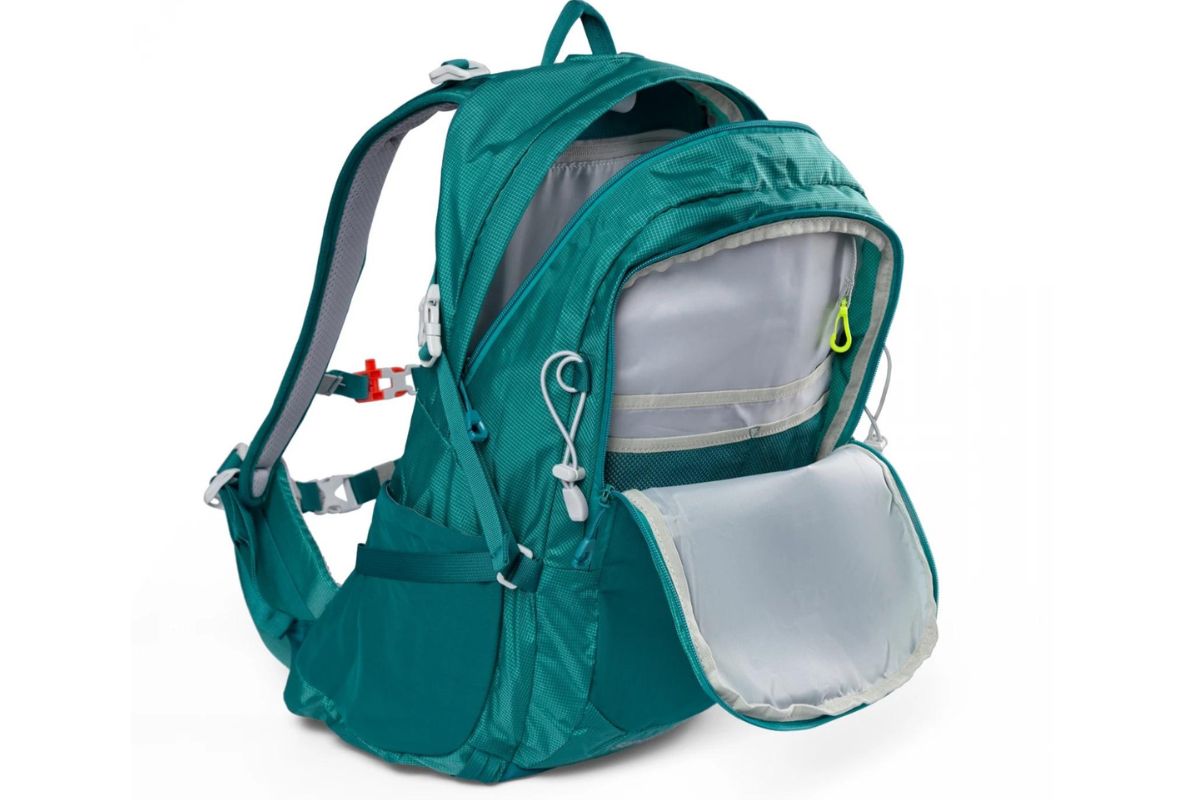
1) Zulu Sandstone 35 (small)
The Zulu Sandstone 35 hiking backpack is an ideal choice for trips and everyday wear alike. Thanks to its ventilated back system with a mesh construction, it keeps you comfortable even on hot summer days. The pack offers a large main compartment with room for a hydration bladder, a front pocket with an organiser and a key clip, plus a small pocket for odds and ends and a loop for trekking poles. Reflective elements ensure good visibility in poor conditions, while the adjustable chest strap with a whistle adds extra safety and comfort.
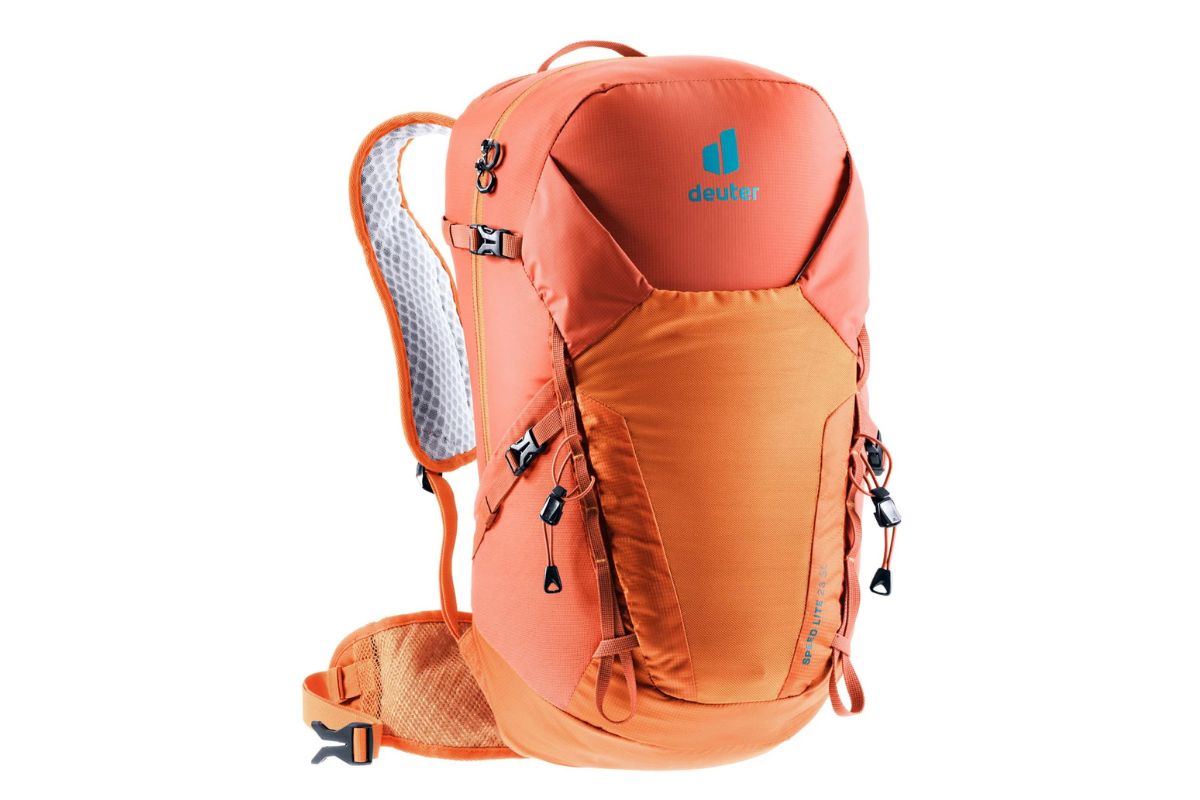
2) Deuter Speed Lite 23 SL (small)
The Deuter Speed Lite 23 SL hiking backpack is perfect for both hiking and trail running. Thanks to the deuter Lite back system, the pack is lightweight yet sustainable, made from 100% recycled, bluesign®-certified fabric. Perforated shoulder straps, flexible hip fins and a precisely adjustable chest strap ensure maximum comfort while you carry it.
Side compression straps, designed for fast hiking and trail running, minimise load sway and allow a full range of movement. A handy pocket on the shoulder straps holds everything you need on the trail. The pack isn’t just functional — it’s eco-friendly too.
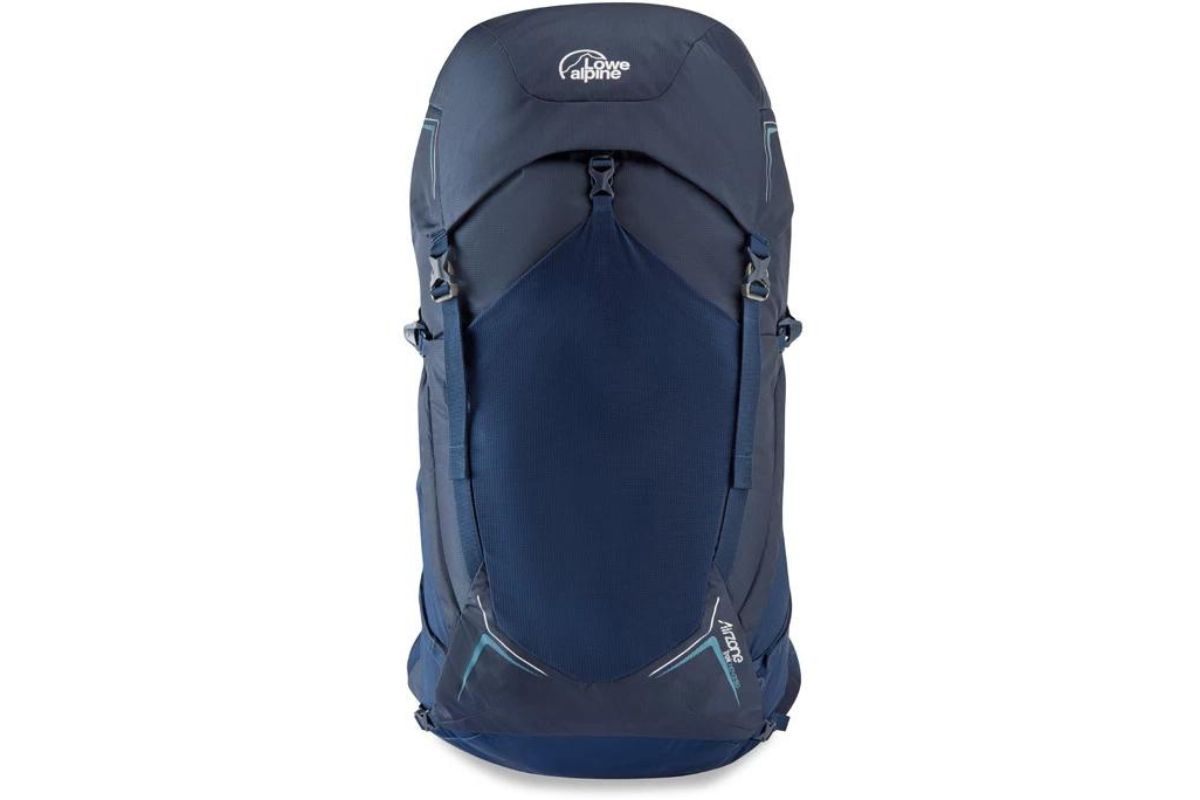
3) Lowe Alpine Airzone Trek (medium)
The AirZone Trek ND 43:50 women’s trekking backpack from Lowe Alpine is designed with the specific needs of the female frame in mind. It stands out with its comfortable, fully adjustable Centro Adjust AirZone back system, which provides optimal ventilation thanks to minimal contact area between the pack and your back. That means your back stays dry even on demanding ascents on hot summer days.
The pack features a hip belt with Adaptive Fit technology, ensuring stable, even weight distribution even during strenuous movement. The top of the pack is protected by tear-resistant Ripstop fabric. A practical pocket layout and dedicated attachment loops for gear such as trekking poles or an ice axe make this an ideal choice for multi-day treks.
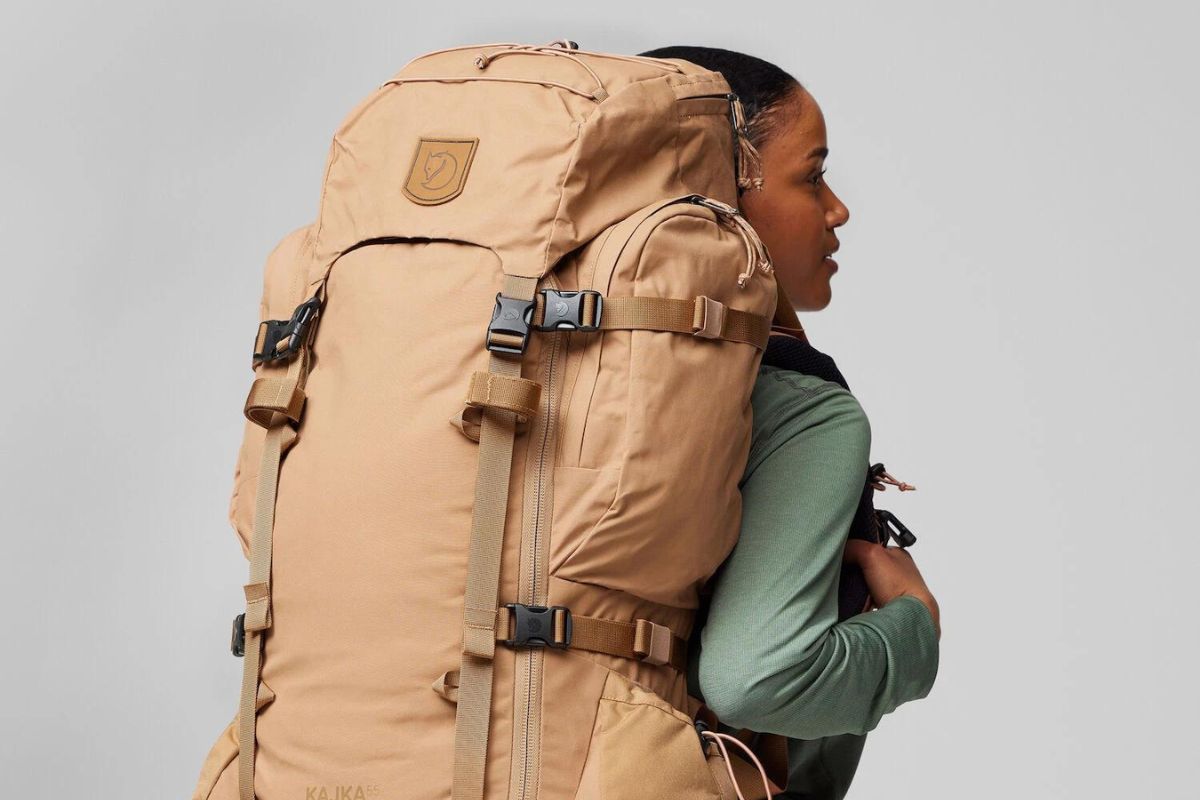
4) Fjällräven Kajka 55 (medium)
The Fjällräven Kajka 55 is an updated version of this much-loved hiking backpack, boasting an improved design, lower weight and recycled materials for the lining and reinforced sections.
The pack features the Perfect Fit Adjustment System, which — together with its unique wooden frame — allows precise back-length adjustment and even distribution of heavy loads. Ergonomic shoulder straps and a padded hip belt keep you comfortable even on long carries.
With a 55-litre capacity, the pack offers plenty of room for multi-day treks and trips abroad. In addition to the main compartment, it has 10 more pockets for keeping everything neatly organised.
The backpack also features attachment points for trekking poles and an ice axe, an integrated rain cover, hydration-bladder compatibility and compression straps. The removable lid easily converts into a hip pack or shoulder bag. For extra safety and comfort, the pack comes with a chest strap with a whistle and the option to attach the shoulder straps across the chest — handy when carrying valuables or a camera.
Fjällräven Kajka 55
- Rugged, ergonomic and superbly equipped backpack
- Ideal for multi-day treks
5) Pinguin Explorer 60 (large)
The Pinguin Explorer 60 hiking backpack offers outstanding flexibility and organisation thanks to its two-compartment construction, which lets you separate gear by how often you use it — or combine the compartments into one by unzipping the divider.
The innovative 4WE — four-way entry — system gives you four different ways to access the pack. The roomy lid detaches easily and can be used as a hip pack or shoulder bag.
The pack features a height-adjustable ABS back system with padding covered in breathable 3D mesh fabric, which efficiently ventilates your back while ensuring optimal load distribution. The back is reinforced with dural stays and an HDPE sheet, which help distribute weight evenly and minimise pressure on your back.
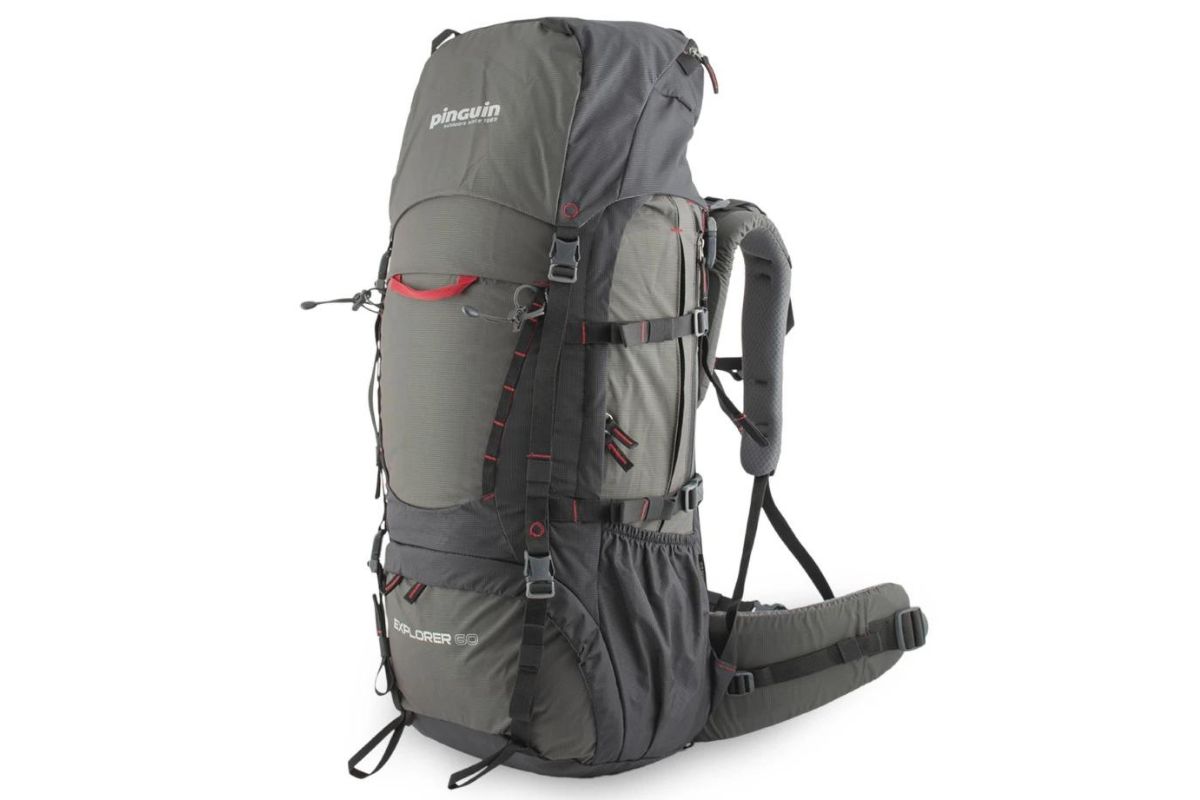
Pinguin Explorer 60
- Flexible backpack with good ventilation
- Good weight distribution
6) Gregory Baltoro 65 (large)
The Gregory Baltoro 65 hiking and expedition backpack is designed to reliably accompany you on multi-day mountain crossings.
The pack features the FreeFloat A3 back system, which allows the hip belt, shoulder straps and lower back panel to mould to the shape of your body. This patented system, along with the auto-rotating shoulder straps, ensures stability without the need to constantly counterbalance — saving energy with every step.
The AirCushion back panel, made from a patented 3D-structured mesh, offers more than 90% open air, ensuring excellent breathability, minimising pressure points and providing cooling, moisture-wicking properties.
The rubberised ComfortGrip lumbar pad stops the pack from slipping, allowing comfortable carrying without having to over-tighten the hip belt.
The pack offers extensive storage with a main compartment and a lower one separated by a removable divider. The main compartment is accessible via the lid as well as a wide front entry. On the front of the pack are two roomy zip pockets and a stretch pocket for quick access.
Another stretch pocket sits on one side of the pack, while the other side has a mesh bottle holder you can reach without taking the pack off. On the hip belt are two zip pockets for small items, plus handy pockets on top of and inside the lid, where the rain cover is stored.
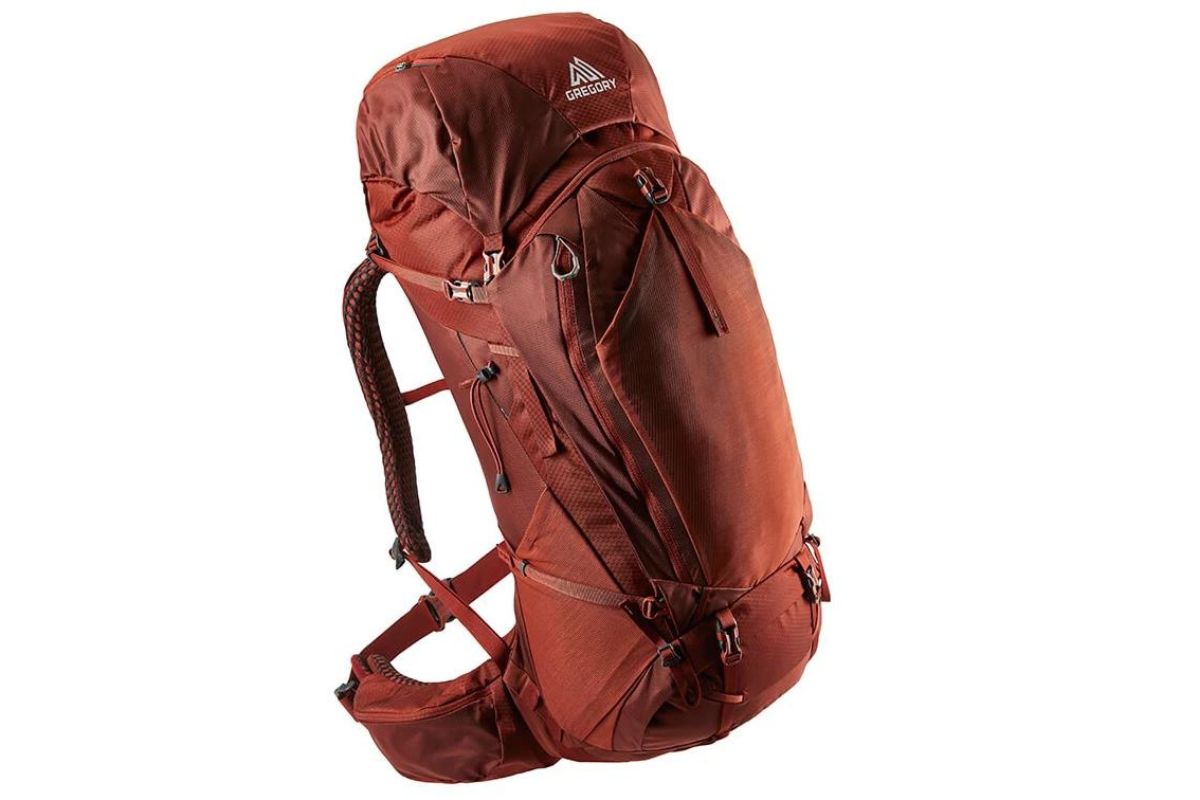
Gregory Baltoro 65
- Excellent back system
- Stability and comfort even on long carries
- Superbly equipped
7) Fjällräven Abisko Hike 35 (small)
The Abisko Hike 35 is a versatile hiking backpack ideal for shorter trips and day hikes. It offers an adjustable back-length system and breathable mesh on the back panel, shoulder straps and hip belt for maximum comfort. The pack has a spacious main compartment with top-loading and front access, plus a top lid with a drawcord and two zip pockets.
Inside the main compartment are two pockets and one zip pocket, accessible from the front or the top. Two larger side pockets are ideal for storing bottles, while two more pockets on the hip belt provide extra storage options.
The front of the pack has attachment points for trekking poles or an ice axe, and the backpack is compatible with a hydration system. A rain cover is also included, providing protection in poor weather conditions.
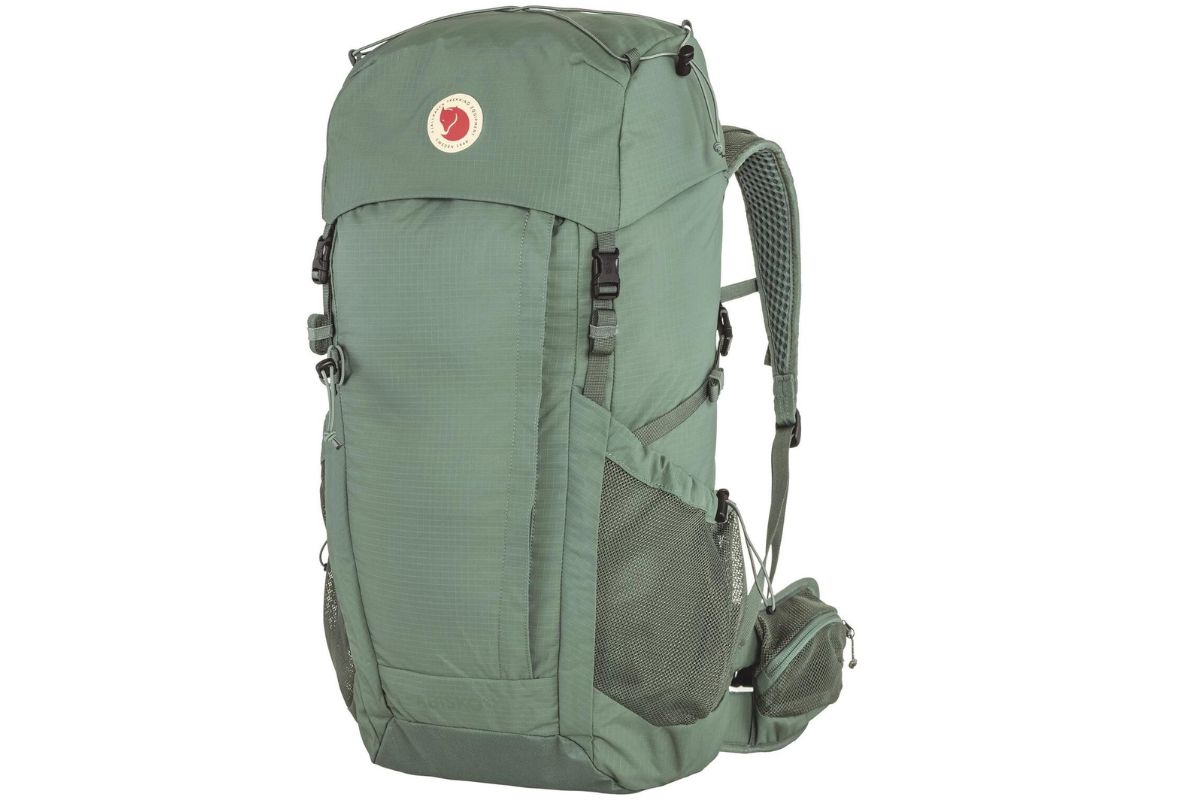
Fjällräven Abisko Hike 35
- Versatile and comfortable backpack
- Ideal for shorter trips
- Good breathability
8) Quechua MH 500 (medium)
The Quechua MH 500 backpack, with a 40-litre capacity, offers excellent carrying comfort thanks to its contoured hip belt, adjustable padded straps and thumb loops. The well-ventilated back with taut mesh (AirCooling) ensures effective air circulation. The pack measures 66 cm × 30 cm × 26 cm, which matches carry-on luggage dimensions.
The backpack has nine pockets, including two for bottles, a hydration-bladder pocket and two large pockets on the belt. It’s made from a coated water-repellent fabric, and the rain cover is stored in a pocket at the bottom of the pack to protect the contents. A side zip opening makes it easy to access the main compartment. The pack weighs just 1,260 g in size S and 1,390 g in size L, and comes with a 10-year warranty.
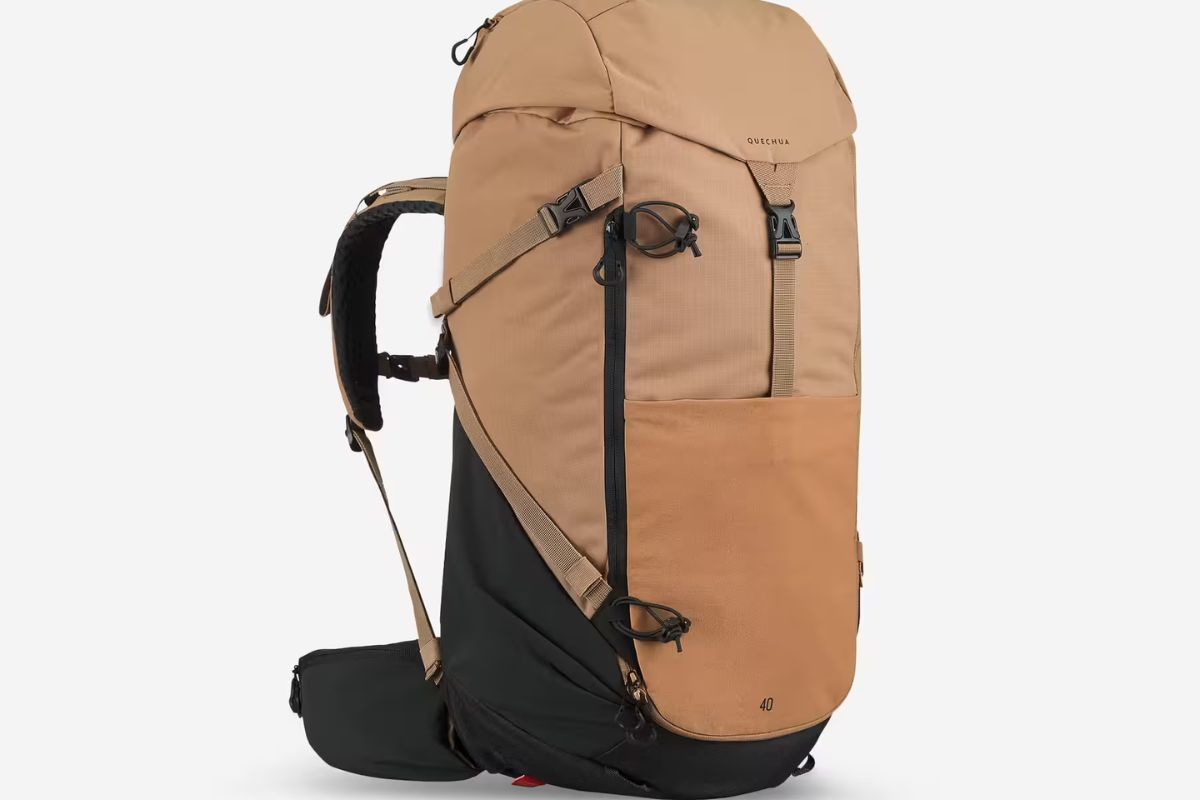
9) Osprey Tempest Pro 33 (small)
The Osprey Talon 33 hiking backpack features a cleverly designed, height-adjustable AirScape™ back panel with profiled foam for optimal ventilation and comfort.
The pack comes with a smart trekking-pole attachment, ice-axe loops, compression straps and hydration-bladder compatibility. It has plenty of pockets, including two small ones on the hip belt — perfect for a phone or energy bars — and a large front pocket for storing a fleece or jacket.
It also has stretch side pockets for bottles, a stretch pocket on the shoulder strap, and side compression straps to adjust the volume. Safety reflective elements and the option to attach a light improve visibility.
An external hydration-bladder pocket makes it easy to refill water without opening the pack. The Osprey Talon 33 has a 33-litre capacity, weighs 910 g and measures 30 × 62 × 29 cm.
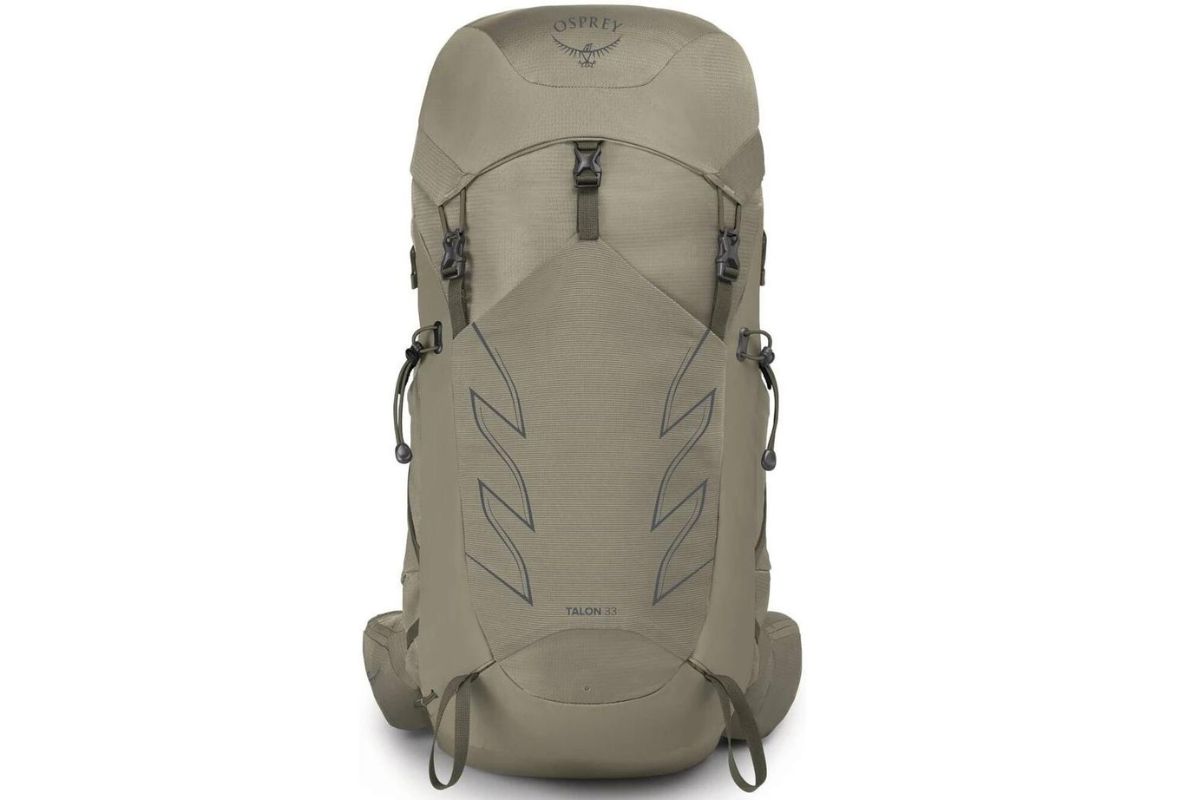
Osprey Tempest Pro 33
- Lightweight
- Well-ventilated backpack with smart features
- Better suited to shorter hikes
10) Zulu Summit 55l (large)
The Zulu Summit 55l hiking backpack offers a comfortable, breathable back system with ergonomically shaped shoulder straps that keep you comfortable even on long carries.
The hip belt has two small pockets, ideal for snack bars, a mobile phone or other small items you want to keep within reach. The lid has one internal and one external pocket for documents, keys and other essentials.
The pack features a handy suitcase-style front entry, making it easy to access your gear. Two elastic side pockets are designed for bottles, while the front pocket is ideal for a jacket or fleece. For protection against bad weather, there’s a rain cover tucked into a pocket in the lid.
Other features include side compression straps, a bottom entry, external straps for a sleeping mat or tent, and a front pocket for a wet jacket or odds and ends. The pack measures 70 cm in height and 33 cm in width.
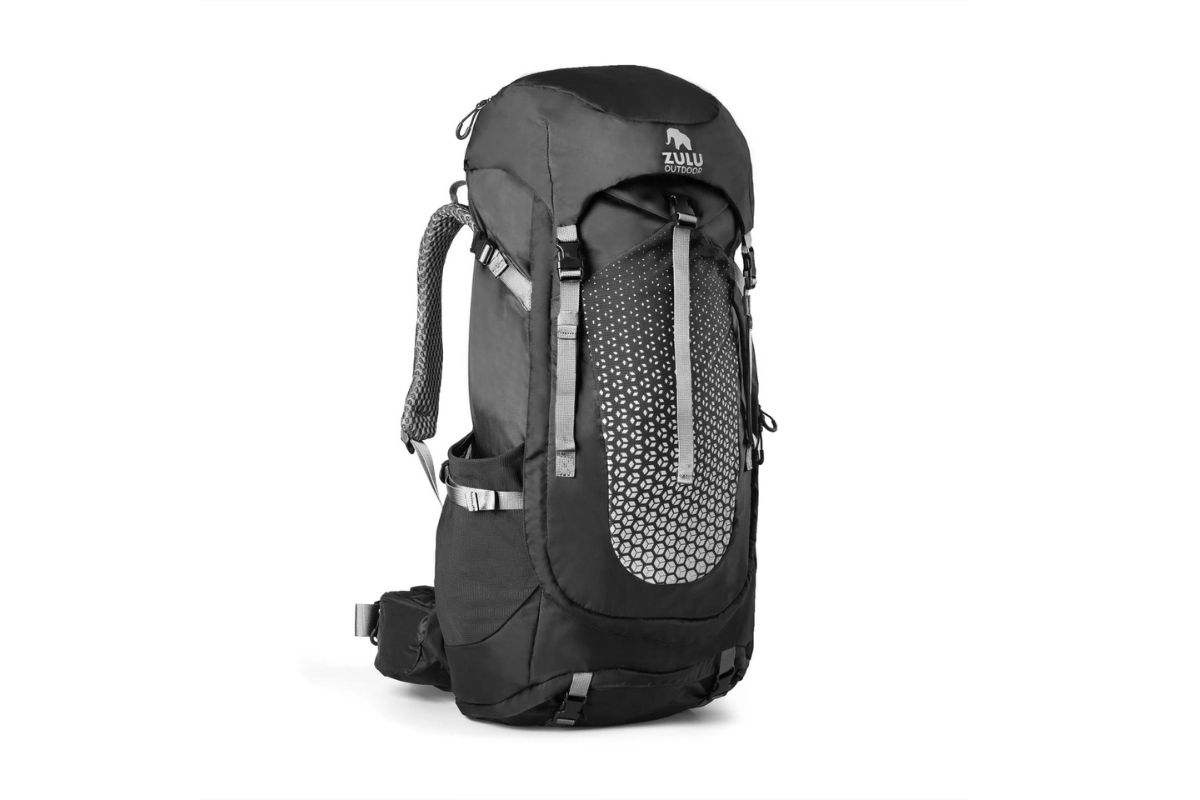
Zulu Summit 55l
- Great storage for organisation and comfort on the road
- Ergonomic straps and good ventilation
How to Try On a Travel Backpack When Choosing One
When choosing a travel backpack, the best thing you can do is try it on to see if it fits you perfectly. Test it in the shop, or as soon as it arrives at your door if you’re buying online. For trying on a hiking backpack, I recommend the following steps:
- Fill the pack: Load the backpack with around 10 kg to simulate a real load. Place lightweight, bulky items like a sleeping bag at the bottom, while heavier items should sit as close to your back as possible, near your centre of gravity. Pack lighter gear at the top.
- Tighten the compression straps: A quality hiking backpack has side straps and compression straps that let you secure useful items while reducing the pack’s volume.
- Adjust the back length: Match the back system to the length of your own back. Taller people should set the pack to the maximum length, while shorter people should shorten the back length.
- Adjust the hip belt: The hip belt should sit across the top of your hip bones, not across your stomach or too high on your sides. A properly adjusted hip belt takes the weight off your shoulders and stabilises the pack, stopping it from swaying side to side or tipping forward when you lean. The belt should be firm, hold well and, for comfort, be padded.
- Tighten the shoulder straps: Make sure the pack sits snugly against your back and that the shoulder straps aren’t too tight at your neck or slipping off your shoulders. The shoulder straps are one of the most heavily loaded parts of a pack, so their build quality matters a lot. When lifting the pack off the ground, always grab both carry straps to avoid damaging it.
- Fasten the chest strap: This strap helps distribute the pack’s weight across your back, reducing the strain on your shoulders. Most chest straps are height-adjustable and shouldn’t restrict your breathing or cause any discomfort.
- Adjust the load-lifter straps: These straps sit above your shoulders, between the shoulder straps and the pack. They’re especially useful when carrying a fully loaded backpack, as they help the top of the pack sit closer to your back.
- Fit the rain cover: Test how easily the rain cover goes on and whether it’s stored at the bottom or in the lid of the pack. Keep it within easy reach so you can deploy it quickly if it suddenly starts to rain.
Frequently Asked Questions
What backpack capacity should I choose for a multi-day hike?
For multi-day hikes, a backpack with a capacity between 40 to 70 liters is recommended, depending on the length of the hike and the amount of gear you plan to carry. If you’re expecting cold weather or need to carry additional equipment, such as a tent or sleeping bag, choose a backpack with a larger capacity.
How to properly adjust a backpack to make it comfortable?
Start by adjusting the hip belt, which should sit over your hip bones and carry most of the weight. Then adjust the shoulder straps so the backpack fits snugly against your back, but doesn’t strain your shoulders. The chest strap will help stabilize the backpack and prevent it from moving while walking.
What material is best for a hiking backpack?
Nylon and polyester are commonly used materials that are lightweight, durable and have a long lifespan. Water-resistant treatment or an integrated rain cover are advantageous if you’re planning hikes in areas with frequent rainfall.
What features should I look for in a hiking backpack?
Important are padded shoulder straps, an adjustable hip belt, good back ventilation, plenty of pockets for organization and easy access to items inside. Water bottle pockets, hip belt pockets and the possibility of side or bottom access are other practical features.
How do I know if my backpack fits correctly?
Try the backpack with a load to find out how it fits when loaded. The backpack should be comfortable, shouldn’t press on your shoulders or back, and should distribute weight evenly. If you feel pressure or discomfort, try adjusting the strap settings.
How much should I invest in a quality hiking backpack?
The prices of hiking backpacks can vary considerably. An investment in a quality backpack that will provide you with comfort and durability typically ranges from €120 to €280. More expensive models usually offer better construction, more durable materials, and more features.
What’s the difference between women’s and men’s hiking backpacks?
Women’s backpacks are designed to fit the female body better. They have narrower shoulder straps, a shorter back length, and a differently shaped hip belt. Men’s models are adapted to the male body and often have a larger capacity. When choosing a backpack, it’s important to consider individual body shape and comfort.
Tips and Tricks for Your Vacation
Don’t Overpay for Flights
Search for flights on Kayak. It’s our favorite search engine because it scans the websites of all airlines and always finds the cheapest connection.
Book Your Accommodation Smartly
The best experiences we’ve had when looking for accommodation (from Alaska to Morocco) are with Booking.com, where hotels, apartments, and entire houses are usually the cheapest and most widely available.
Don’t Forget Travel Insurance
Good travel insurance will protect you against illness, accidents, theft, or flight cancellations. We’ve had a few hospital visits abroad, so we know how important it is to have proper insurance arranged.
Where we insure ourselves: SafetyWing (simple monthly subscription) and TrueTraveller (for extra-long trips).
Find the Best Experiences
Get Your Guide is a huge online marketplace where you can book guided walks, trips, skip-the-line tickets, tours, and much more. We always find some extra fun there!


