

You probably picture Finland as the land of the northern lights, a thousand lakes and saunas – and it all sounds wonderful, right up until you start sorting out the practical side. When does it actually make sense to go? How much will the whole thing cost, given that Scandinavia is famously pricey? And can we pull it off on our own, or are we better off with a tour? That’s exactly the spot the two of us were in once, so we get it.
Here in one place you’ll find three things: current tour and flight prices that we refresh every morning; our tips from our own trips and articles on what’s genuinely worth it and what isn’t; and a plan for when and what to book so you don’t overpay for no reason.

What to see and do in Finland
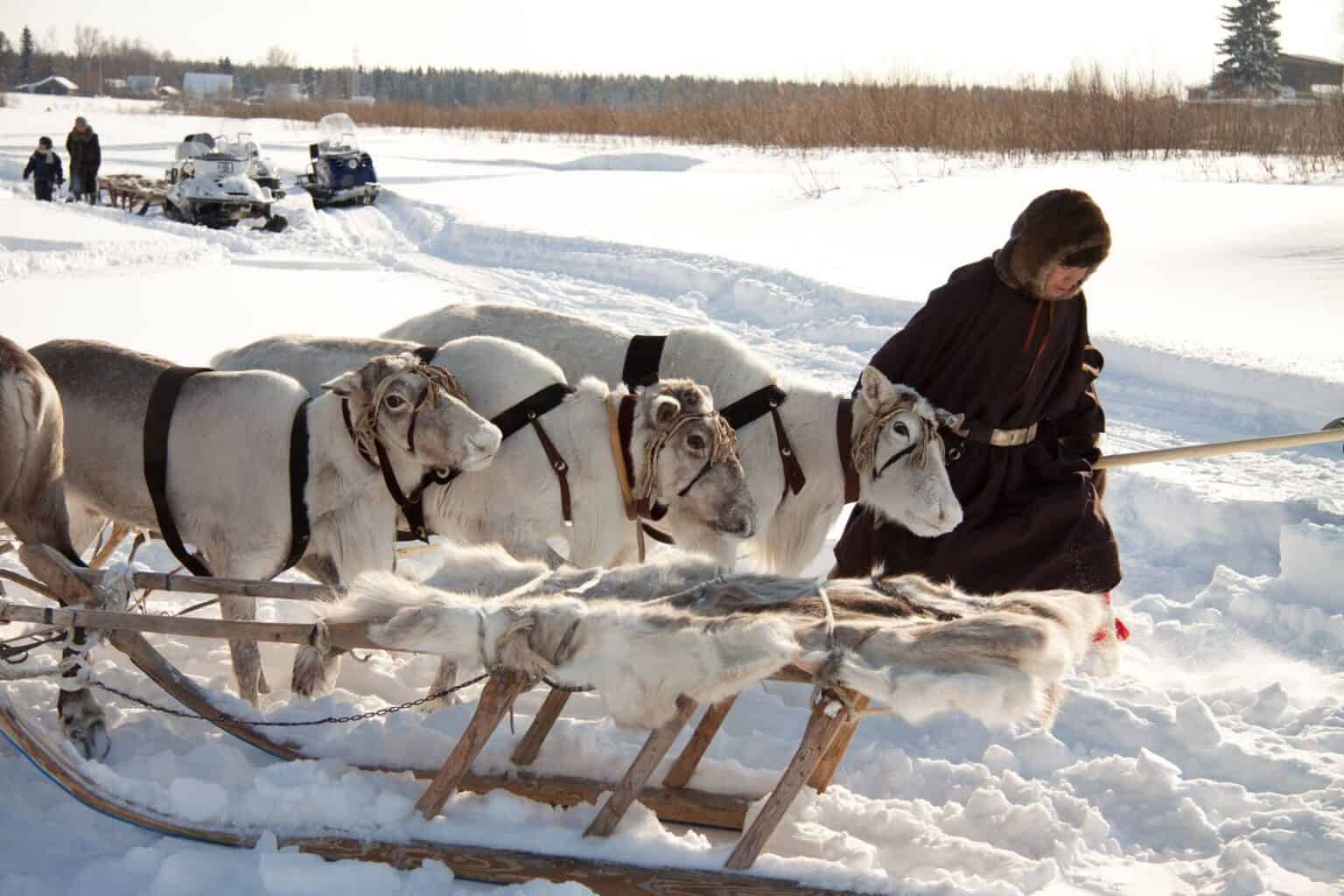
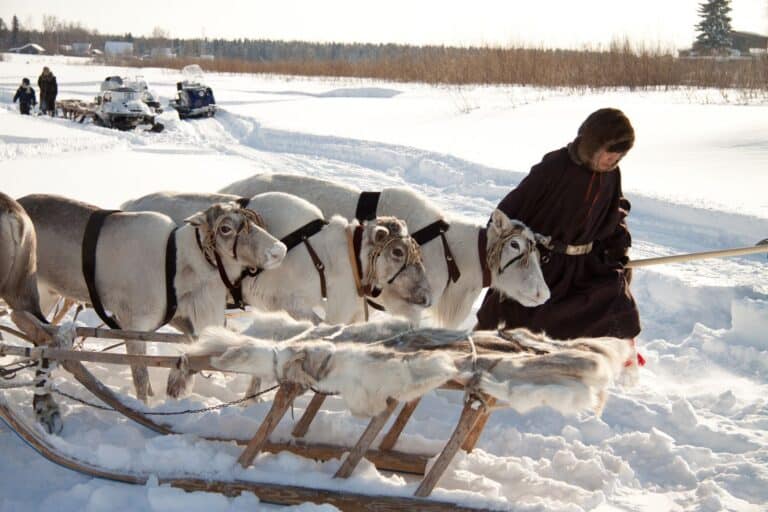
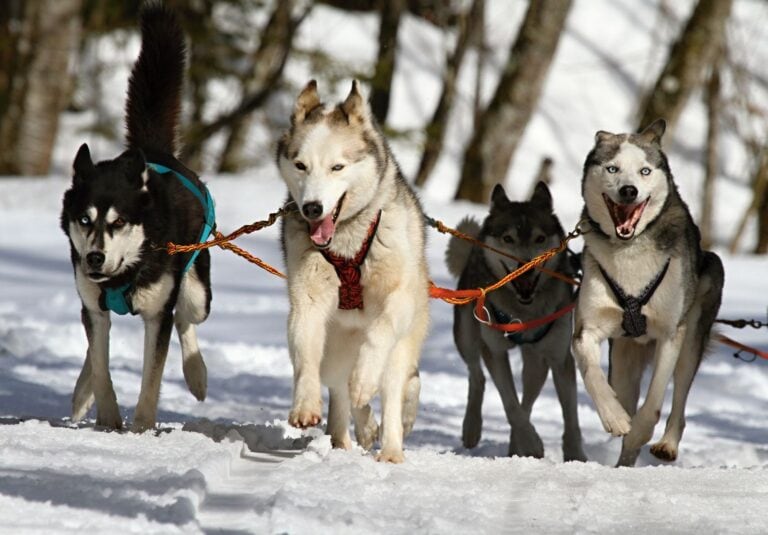
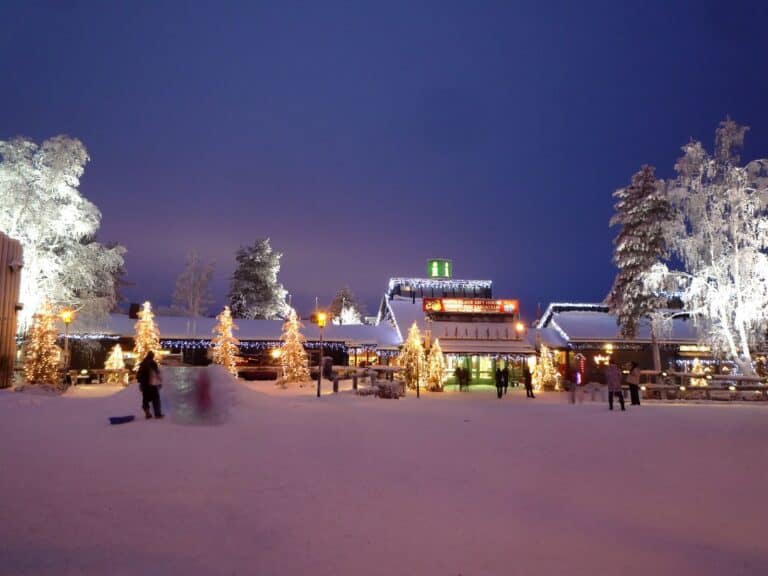
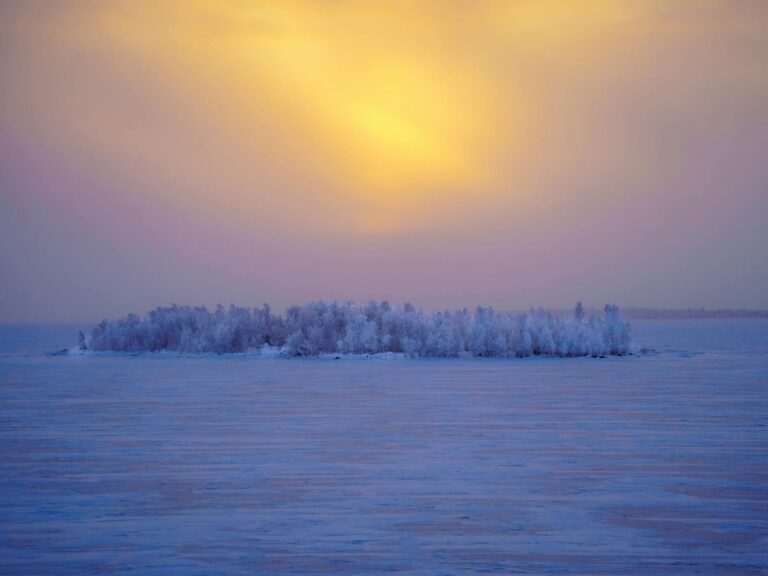
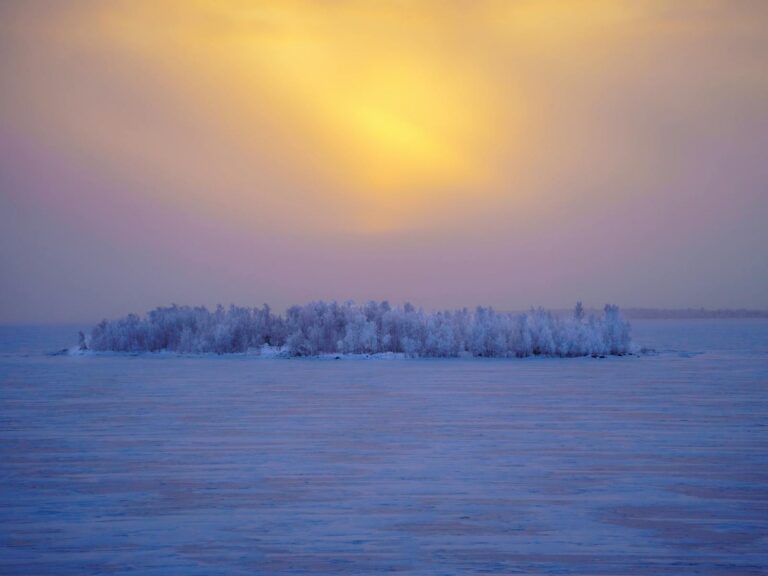
Finland splits into three different worlds, and each is worth it for its own reason. Up north you’ll find Lapland – snowy wilderness, reindeer, husky safaris, ice hotels and Santa Claus’s village in Rovaniemi. This is the Instagram side of Finland, but it works just as well in real life.
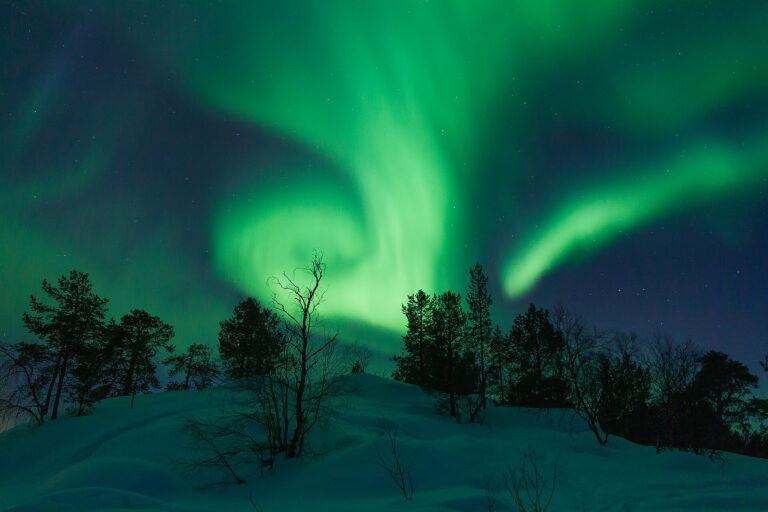
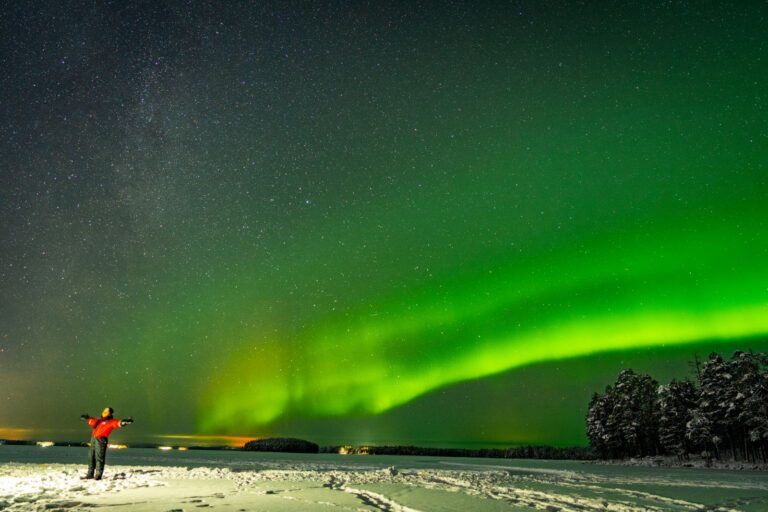
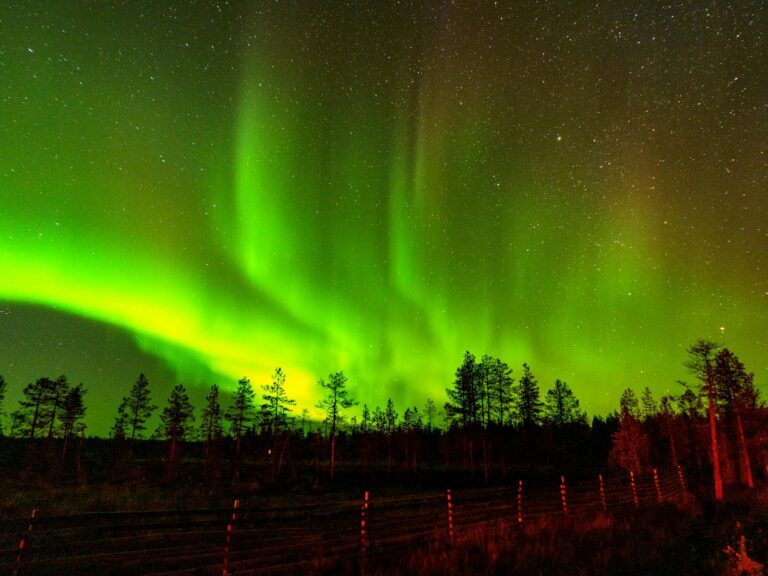
The star of the north is, of course, the northern lights. They’re not a guaranteed, made-to-order show, but if you come in the right month and head out into the dark away from town, the odds are genuinely high – and in our article we tell you exactly when and where.
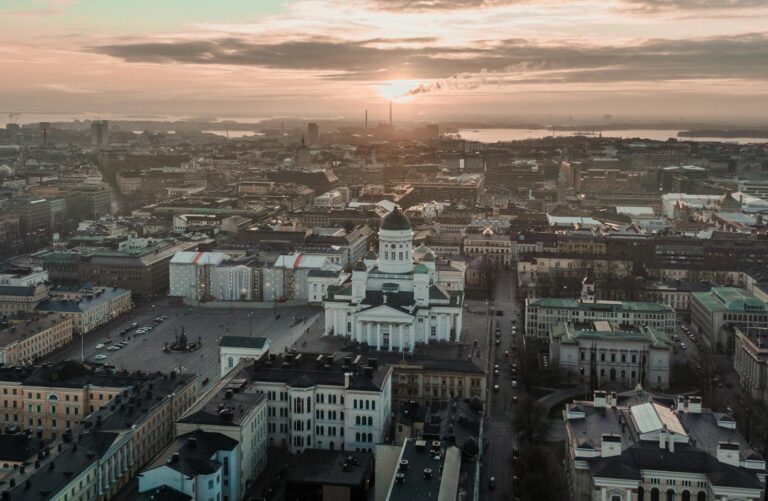
Down south, don’t skip Helsinki – a compact, laid-back capital full of design, a harbour, a market hall and sauna culture. In between lies the lake district around Saimaa, perfect for summer, canoeing and a cabin by the water.
When to visit Finland
Finland essentially has two completely different seasons. If you’re after snow, reindeer and above all the northern lights, head north between late September and late March – that’s when there’s enough darkness and the sky can “catch fire”. The most reliable winter experiences (snow, huskies, snowmobiles) tend to run from December to March, but be ready for temperatures of −20 °C or even lower.
Summer is a whole different story. From June to August you’ll enjoy long white nights, lakes warm enough for swimming, canoeing and easy-going wanders around Helsinki without the crowds. People still travel above the Arctic Circle in summer for the polar day, when the sun barely sets – but you won’t catch the lights then.
The shoulder seasons (April, May, September, October) are cheaper and quieter, but the weather is a lottery – either dirty melting snow or cold rain. If you have a specific goal (lights vs. summer by the lakes), stick to the main months and you’ll save yourself the disappointment.
How to get to Finland
The quickest and easiest way to reach Finland from Czechia is to fly. The main gateway is Helsinki-Vantaa airport, which you can reach direct from Prague in roughly 2.5 hours. If you’re heading straight north for the northern lights, you can connect via Helsinki to regional airports such as Rovaniemi, Kittilä or Ivalo.
Driving to Finland is doable, but it’s an expedition – count on looping around the Baltic or taking a ferry (typically Stockholm–Helsinki or Tallinn–Helsinki). A popular combination is to fly to Helsinki and rent a car only once you’re there, or to cross by ferry from Tallinn if you’re tying the Baltics and Finland into one trip.
Renting a car
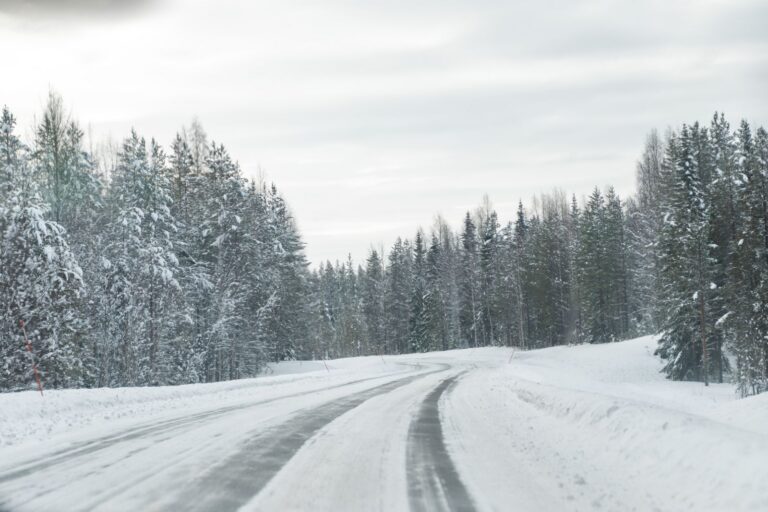
A car in Finland makes sense mainly when you want to be independent – cruising the lake district, getting to a cabin or hunting the northern lights at your own pace away from town. In Helsinki, on the other hand, you don’t need a car – public transport is excellent and parking is expensive. In winter Lapland, think hard about whether you’ve got the nerves for driving in −25 °C on snowed-over roads – if not, organised transfers are the calmer choice.
- Book ahead through a rental comparison site – in season, finding a car on the spot is hard and expensive.
- Request winter equipment in winter (winter tyres are mandatory in Finland), ideally a 4×4 for the north.
- Watch the insurance and deposit – basic cover often comes with a high excess, so top-up insurance is worth it.
- Factor in ferries if you’re combining Finland with Estonia or Sweden; you don’t need to worry about tolls on regular roads.
Where to stay in Finland
Where you lay your head depends a lot on where you’re going. In Helsinki down south you’ll find classic hotels and apartments, while up north there’s the kind of distinctive accommodation people actually travel for. Here are the types that make sense in practice:
- Glass igloos and aurora cabins in Lapland – pricey, but watching the northern lights from your bed is a once-in-a-lifetime experience.
- Hotels in central Helsinki – handy for a few days without a car, with everything reachable on foot or by tram.
- Lakeside cabins (mökki) – the summer ideal, usually with their own sauna and jetty.
- Apartments and hostels in the cities – the cheapest option, great for backpackers and longer stays where you cook for yourself.
Our advice: in peak season (winter up north, summer by the lakes) book even half a year ahead – there’s limited capacity at the unique places and they’re the first to disappear.
Package tour or independent travel?
Almost everyone wrestles with this question when it comes to Finland, so let’s be straight – both have their place, it comes down to you:
A package tour pays off when…
- you’re heading to winter Lapland for the northern lights for the first time and don’t want to deal with logistics in the cold;
- you want your activities (huskies, snowmobiles, aurora tour) arranged and paid for in advance;
- you’d rather not drive on snowy roads and you’ll appreciate having transfers and a guide;
- you’re travelling for just a few days and want maximum experiences without the planning.
Go on your own when…
- you’re heading mainly for Helsinki or the lakes in summer, where you can easily organise everything yourself;
- you want your own pace and flexibility, and to head out for the lights whenever the sky happens to clear;
- you’re used to sorting out accommodation, a car and activities yourself and want to skip the tour operator’s markup.
Here’s how the two of us do it: for winter Lapland the first time, we take a tour for the peace of mind and logistics, while for Helsinki and the summer lakes we go it alone. If you’re torn, start with your destination – it’ll answer the question for you.
Budget: daily costs in Finland
| Level | Accommodation | Food | Transport & activities | Total/day |
|---|---|---|---|---|
| Backpacker | 35 €–55 € (hostel, shared room) | 16 €–25 € (self-catering, cheap lunches) | 16 €–30 € (public transport, free nature) | approx. 70 €–105 € |
| Standard | 80 €–140 € (3* hotel, apartment) | 30 €–45 € (restaurants, cafés) | 40 €–80 € (car, entry fees, day trip) | approx. 150 €–260 € |
| Comfort | 200 €–470 € (igloo, design hotel) | 60 €–100 € (quality restaurants) | 100 €–240 € (husky safari, aurora tour) | approx. 360 €–790 € |
Prices are approximate, per person per day, excluding flights. Finland is one of the pricier destinations, so reckon on the higher end – especially in winter Lapland, where the organised activities make the biggest dent in your budget.
How to save when planning
- Buy flights 2–4 months ahead, and for winter Lapland even earlier – dates around the northern lights and Christmas are the quickest to climb. Search for flights in our finder.
- Book accommodation in season even half a year ahead – glass igloos and lakeside cabins are the first to go, and at the last minute you’ll pay double. Take a look at our accommodation tips.
- Book organised activities (husky, aurora tours) in advance – on the spot they’re often sold out or pricier. We round up what to lock in early in the what to book early section.
- A package tour pays off more as a first-minute deal for winter Lapland, where capacity is tight; in the shoulder season a last-minute one can sometimes work out too. You’ll find current offers in the current tours section.
- Save on food – cook your own breakfasts, make use of lunch menus and the tap water; dinner out is the biggest budget-eater in Finland.
Practical information
- Language: Finnish (and Swedish), but you’ll get by in English absolutely everywhere – the Finns speak it brilliantly.
- Payments: Finland is almost entirely cashless – you can pay by card even for a coffee or a ticket, and you’ll hardly need cash at all. The currency is the euro.
- Connectivity: coverage is excellent even up north; for hassle-free data without roaming worries, an eSIM you activate before you fly is the way to go.
- Safety: one of the safest countries in the world, with minimal crime. Be more wary of the winter wilderness – frost and darkness aren’t to be underestimated.
- Clothing: in winter, layer up; a good jacket and boots are a must, though many activities in Lapland lend out thermal suits.
A nice little bonus: the tap water is excellent, so bring a bottle and save on shop runs.


