

Hungary is one of those destinations that’s just a hop away from the Czech Republic – and yet, before you set off, the same questions keep spinning around in your head: how much will the whole thing cost, when’s the best time to go, and should you do it yourself or just book a package after all? Budapest, thermal baths, Lake Balaton, wine country… the appetite is huge, but practical uncertainty quickly reins it in.
This hub is here to make it easier. You’ll find up-to-date package and flight prices that we refresh every morning, our own hands-on tips from our travels and articles, and a simple plan for when and what to book so you don’t overpay for no reason.

What to see and do in Hungary
The vast majority of trips to Hungary start in Budapest – and no wonder. You could easily spend a week here alone and still not see it all. For inspiration on where to head, we’ve put together 66 of the best things to see in Budapest, complete with a map for your phone.
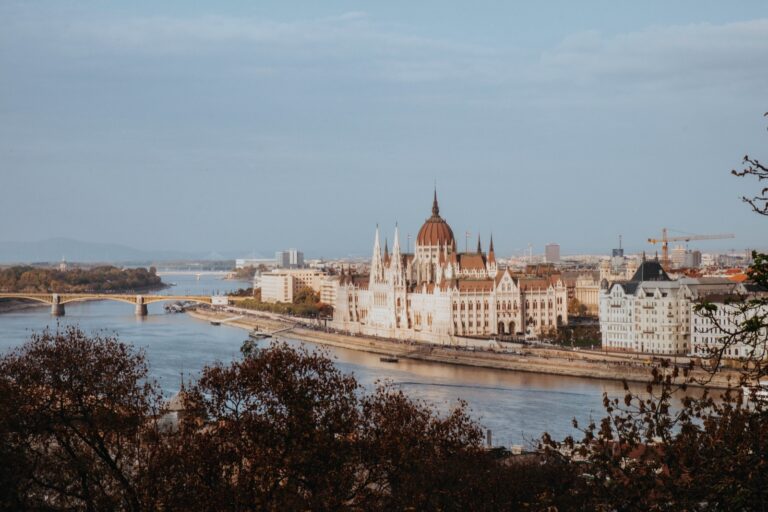
- A stroll along the Danube embankment from Parliament across the Chain Bridge up to Castle Hill – it’s loveliest at dusk.
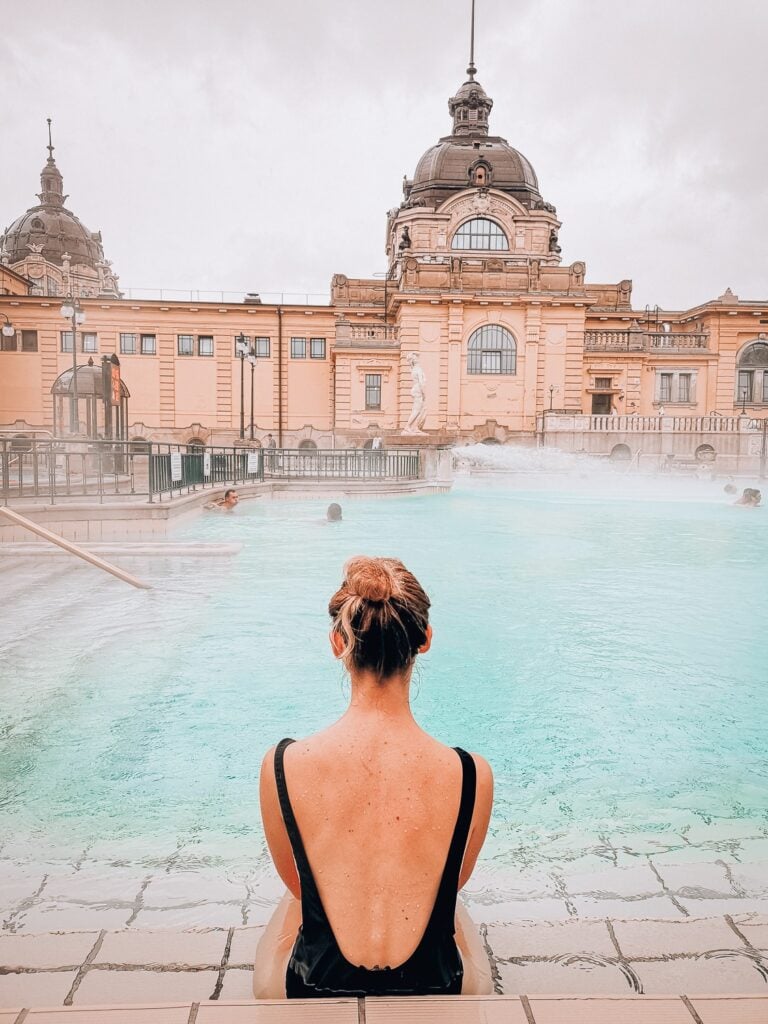
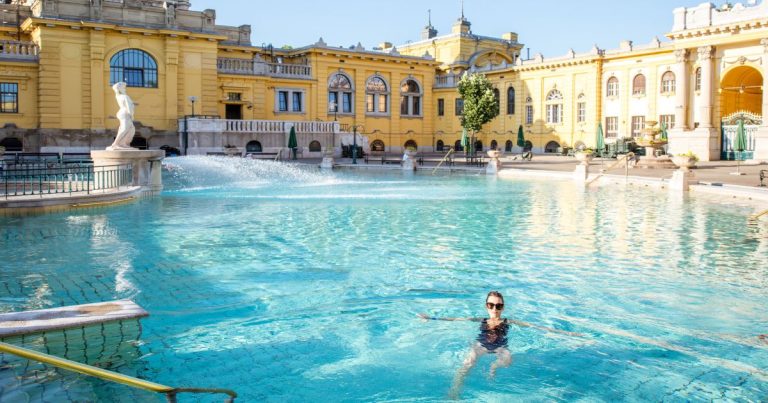
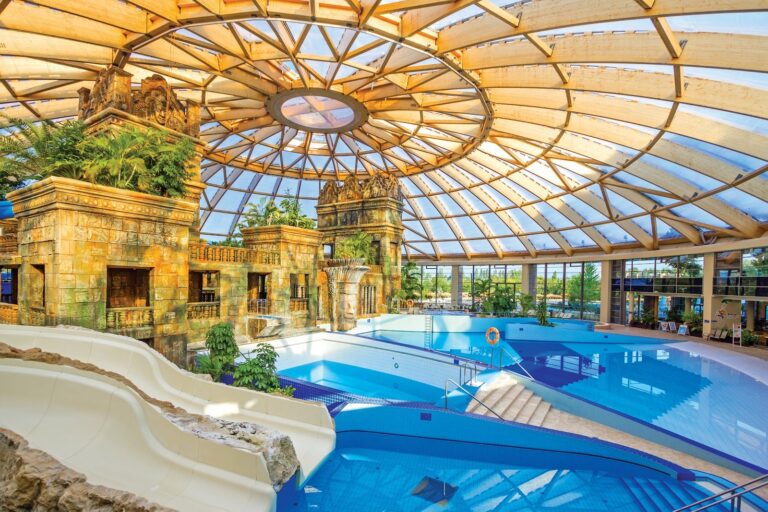
- Thermal baths are a national pastime in Hungary. Exactly where to go we’ve laid out in our article thermal baths in Hungary: 13 tips – from the grand Széchenyi to quieter baths outside Budapest.
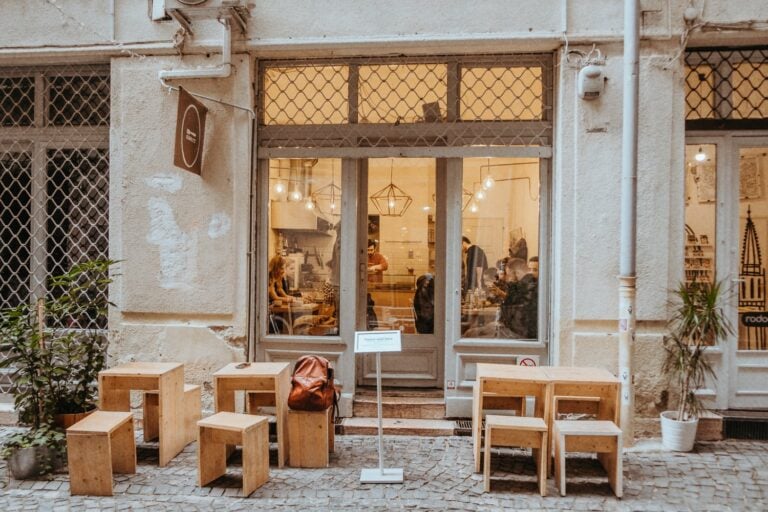
- The coffee and breakfast scene in Budapest is surprisingly strong – you’ll find our favourites in our roundup of the 12 best cafés in Budapest.
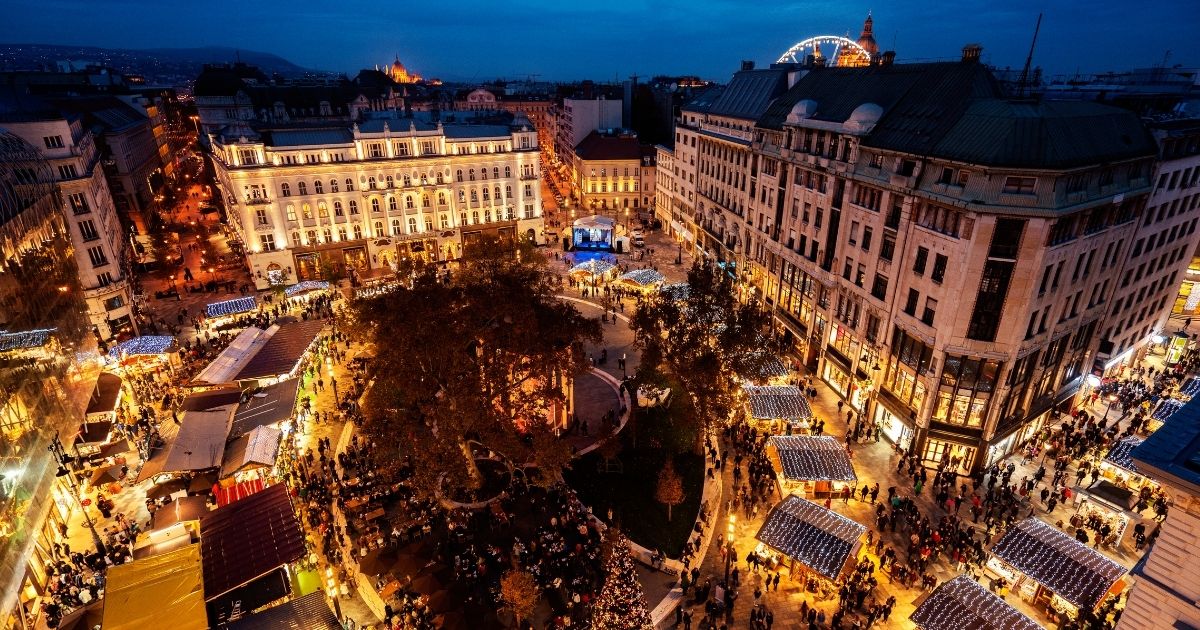
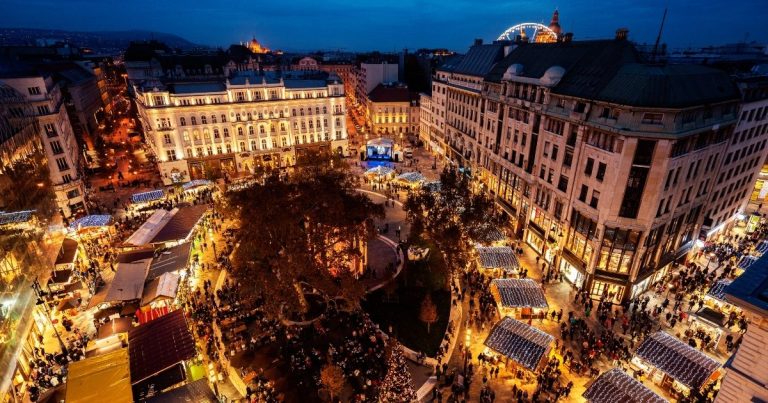
- During Advent the city transforms – Budapest’s Christmas markets are among the prettiest in Central Europe.
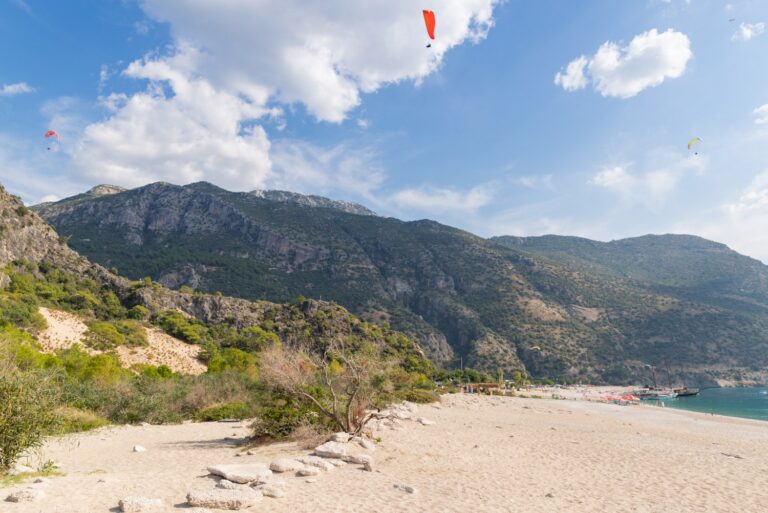
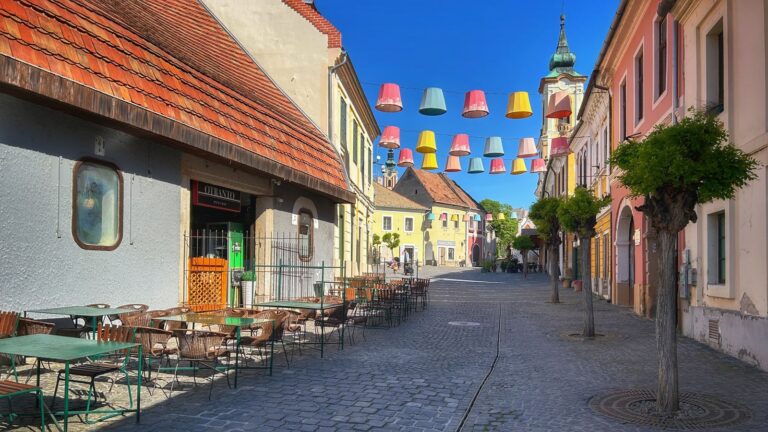
- Beyond the capital, it’s well worth a trip to Lake Balaton (the largest lake in Central Europe), historic Eger with its wineries, or the Danube Bend near Szentendre.
When to visit Hungary
You can visit Hungary pretty much year-round – just for different reasons each time. The most pleasant weather for sightseeing comes in May, June and September – warm but not muggy, and the cities aren’t as packed as in the height of summer.
Summer (July–August) belongs to Lake Balaton and swimming, but Budapest can get hot and parched, easily topping 35 °C. If you can’t stand the heat, you’re better off steering clear. October, on the other hand, is ideal for thermal baths and a calmer city weekend – we explain exactly why in our article on where to go on holiday in October.
The Advent season has a magic all its own – the Christmas markets run roughly from mid-November to early January. Expect chilly weather and shorter days, but the atmosphere more than makes up for it.
What absolutely shouldn’t you miss in Hungary? Here’s our short editorial pick of experiences worth your time – based on the places we ourselves kept coming back to.
- Széchenyi Thermal Baths – open-air bathing even in winter, a classic you shouldn’t miss (more in our tips on Hungary’s thermal baths).
- An evening Danube cruise – the floodlit Parliament and bridges seen from the water are unforgettable.
- Breakfast in one of the local cafés – you’ll find our favourites in our roundup of cafés in Budapest.
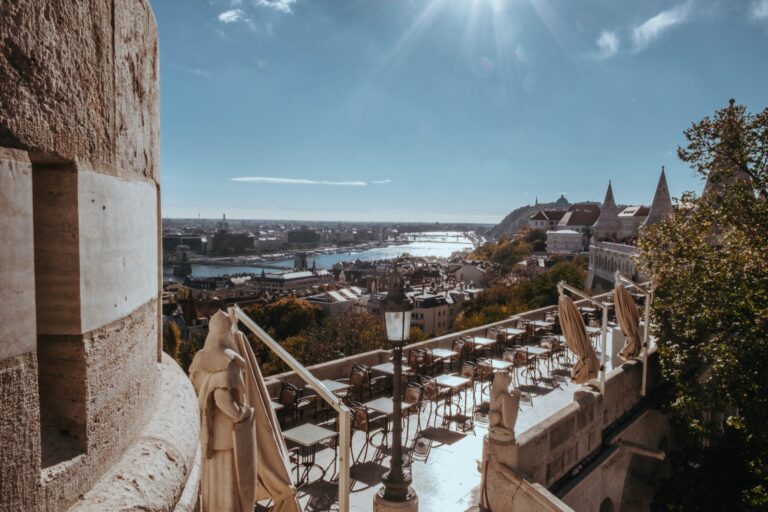
- A walk around Castle Hill with a view over all of Pest.
- Christmas markets by St Stephen’s Basilica – mulled wine, kürtőskalács and atmosphere (see our guide to the markets).
- Cellar tastings in Eger – the famous Egri Bikavér straight from the source.

How to get to Hungary
Hungary is brilliantly accessible from the Czech Republic by car and by direct connections alike – it’s roughly 530 km from Prague to Budapest, about 5–6 hours of driving. Both train and bus run direct and often work out cheaper than flying; how to get around the city once you’re there we cover in our article how to get to Budapest + getting around the city.
By air, there are direct flights from Prague to Budapest Airport (BUD), the main gateway to the whole country. The flight takes around 1 hour and 15 minutes, so it makes more sense for a quick weekend or when you snag a good deal – otherwise, for such a close destination, the train or car is often more practical.
Renting a car
For Budapest itself you don’t need a car – if anything, it’s a burden. Parking in the centre is expensive and complicated, and you’ll get around the city faster on public transport and on foot. A car only makes sense once you want to explore the surroundings: Lake Balaton, wine country, smaller towns or spas beyond the reach of the train.
- Compare prices via rental comparison sites and book ahead – on the spot it’s usually pricier with less choice.
- Keep an eye on the insurance and the deposit amount blocked on your card (it can run into thousands of crowns).
- Hungarian motorways run on an electronic vignette (e-matrica) – with a rental car, check whether it’s included in the price, or you risk a fine.
Where to stay in Hungary
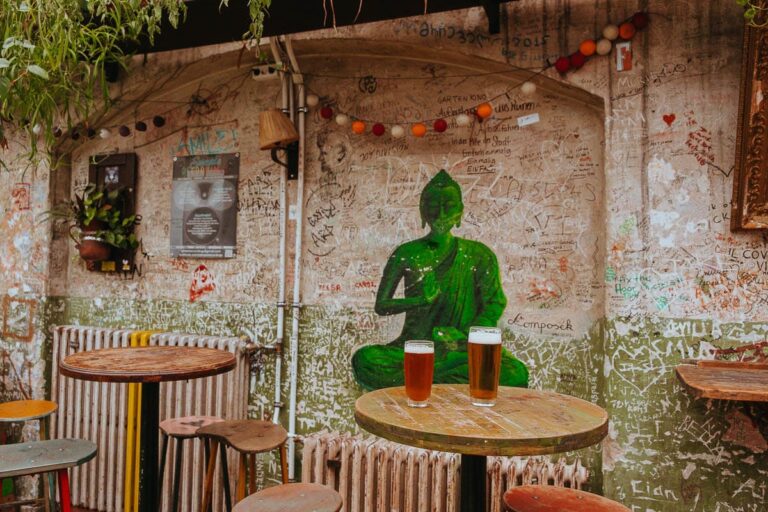
In Budapest it pays to stay as close to the centre as possible – you’ll save time and the hassle of getting around. The most popular choice is the Pest side (Districts V, VI, VII), where everything is within walking distance: the riverbank, restaurants and ruin bars. The Buda side tends to be quieter and often cheaper.
- Hostels and apartments – the best value for location for couples and groups alike, especially in District VII.
- Hotels with breakfast – a comfortable choice for a city weekend; it pays to book early.
- Spa hotels – outside Budapest (Hévíz, Eger, Hajdúszoboszló), perfect for a wellness break.
- Around Lake Balaton, guesthouses and apartments dominate – in summer, book well in advance.
Package tour or independent travel?
A package is worth it when…
- you want transport and accommodation sorted in a single bundle;
- you’re going for a spa/wellness break and don’t want to deal with anything;
- you don’t feel like planning and tracking prices on your own.
Go it alone when…
- you’re heading mainly to Budapest – it’s an ideal city for a self-guided weekend;
- you want to set your own pace and route;
- you’re coming from the Czech Republic and can use the car, train or bus directly.
The two of us almost always travel to Hungary independently – it’s close, the journey is simple, and Budapest is easy enough to handle on your own. A package makes more sense for spa stays, where you’ll appreciate the “all-inclusive” comfort.
Budget: daily costs in Hungary
| Level | Accommodation | Food | Transport & activities | Total/day |
|---|---|---|---|---|
| Backpacker | 6 200 Ft–9 400 Ft (hostel) | 4 700 Ft–7 000 Ft | 3 100 Ft–5 500 Ft | approx. 15 600 Ft–21 900 Ft |
| Standard | 14 100 Ft–23 400 Ft (apartment/3* hotel) | 7 800 Ft–12 500 Ft | 6 200 Ft–10 900 Ft | approx. 28 100 Ft–46 900 Ft |
| Comfort | 31 200+ Ft (4* hotel/spa) | 14 100 Ft–23 400 Ft | 12 500+ Ft | approx. 62 500+ Ft |
These prices are approximate, per person and per day, and assume two people sharing accommodation. Hungary is one of the cheaper destinations in the EU — you can eat well for just a few hundred crowns, only in the tourist heart of Budapest do prices climb higher.
How to save when planning
- Flights: for such a close destination, deals pop up sporadically – keep an eye on prices and buy when they drop. Search for flights in our search engine.
- Accommodation in Budapest: the best value-for-location places go first, so for Advent and summer book a good 2–3 months ahead. Our accommodation tips.
- Christmas markets: prices and crowds peak at the weekend – go on a weekday instead.
- Where you overpay: airport exchange offices, taxis you didn’t pre-book, and restaurants right by the main sights. A few metres into the next street can easily save you a third.
- Tours and activities: book spa stays and cruises in advance, especially in season. Check out the current packages and what to book early.
Practical information
- Currency: you pay in forints (HUF) – euros and crowns are usually not accepted. Cards work almost everywhere, but keep some cash for markets and small businesses.
- Language: Hungarian is a tough nut to crack, but in Budapest you’ll get by in English without any trouble.
- Connectivity: Hungary is in the EU, so roaming works just like at home. If your plan doesn’t include EU data, an eSIM sorts it out – you can activate it online in a few minutes.
- Safety: the country is safe; just watch your pockets on public transport and at markets, and beware of overpriced exchange offices and unlicensed taxis.
- Tip: exchange money in the city rather than at the airport – the rate there tends to be considerably worse.


