

Germany is that neighbour so many of us have “just around the corner” — and yet most of us only really know it from the motorway on the way to the sea. Christmas markets, beer gardens in Munich, hipster Berlin or a quick wellness break: the urge to go is there, but then come the practical questions: how much does it all cost, when is the best time to go, and should you do it yourself or trust a tour operator?
On this page you’ll find three things: up-to-date tour and flight prices that we refresh every morning; our own tips from our travels and articles, where we honestly tell you what’s not worth it too; and a plan for when and what to book so you don’t overpay needlessly. Let’s dive in ☺️

What to see and do in Germany
Germany is huge, and every corner is different — from the Bavarian Alps to the northern coast. Over the years we’ve mostly explored the south and the big cities, and here are the places we’d happily point you towards:
- Munich – beer gardens, Marienplatz, the English Garden and a great launchpad into the Alps. We’ve got over 40 tips here, including a map for your phone.
- Berlin – creative, raw and packed with history. For a relaxed wander around the city, set aside a full weekend.
- Nuremberg – a beautiful old town, a castle, a zoo and a dolphinarium. Perfect with kids, too.
- Schwäbisch Hall – our pick for a quieter day trip from Stuttgart that a lot of people overlook.
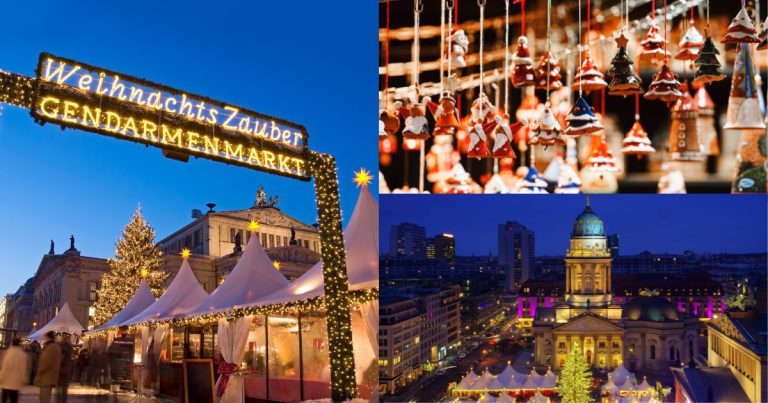
- Christmas markets – Germany is their spiritual home. From Dresden to Cologne; more on those below.
- Wellness hotels – when you just want to switch off, we’ve shortlisted 12 spots most people don’t know about.
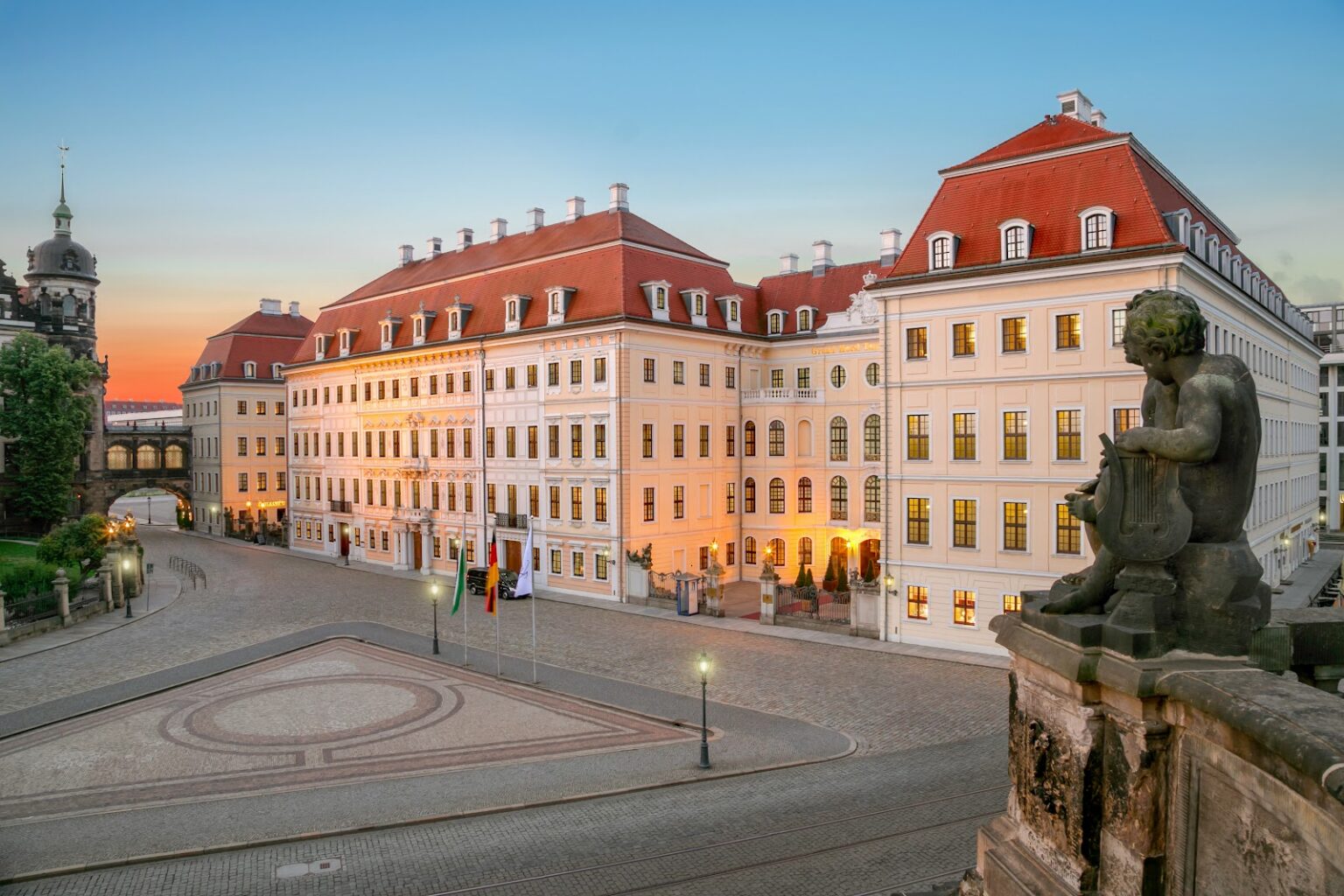
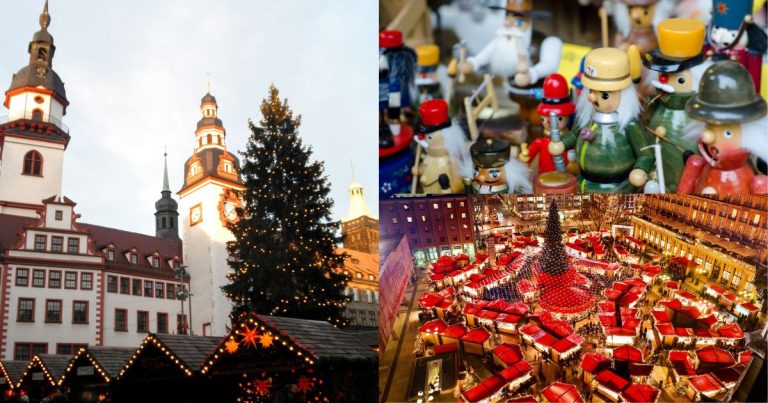
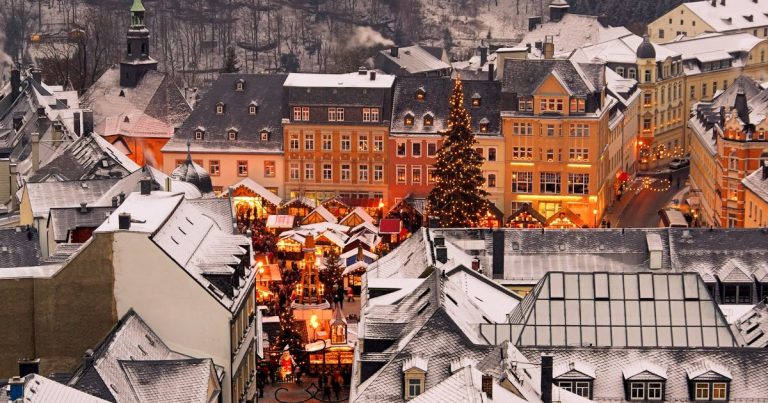
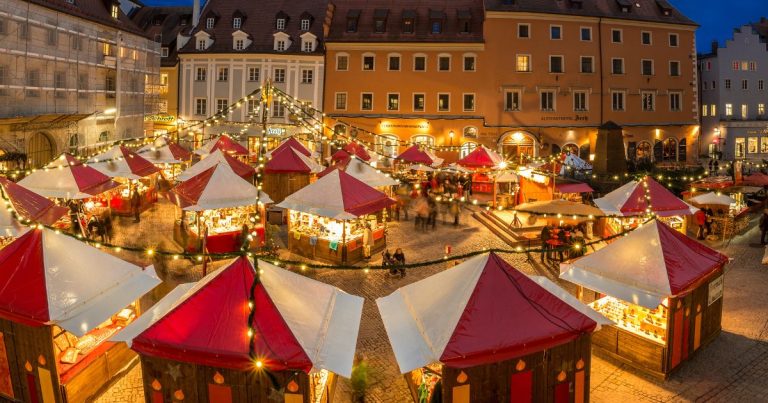
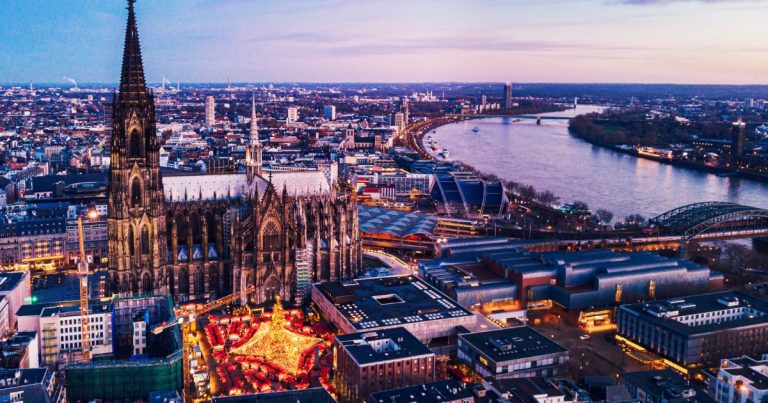
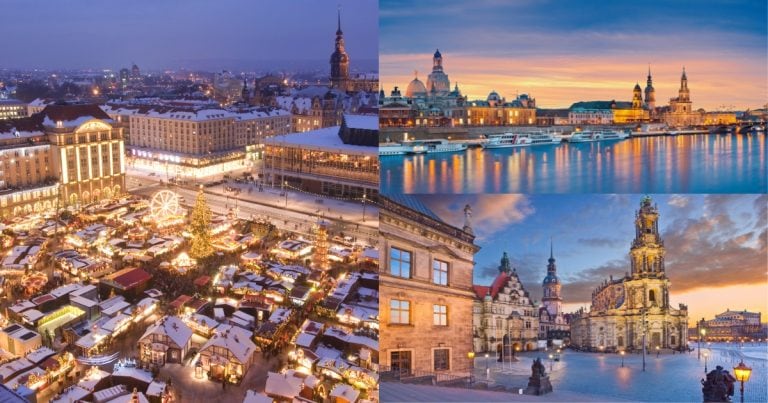
The Advent season deserves a chapter of its own here — beyond the big hitters of Berlin and Nuremberg, it’s well worth the trip to Dresden, Regensburg, Cologne and the smaller Annaberg in the Ore Mountains.
When to visit Germany
Germany is worth visiting all year round — you just need to know what you’re going for. The most pleasant weather for cities and day trips runs from May to September, when it’s warm and the days are long. Peak season and the highest accommodation prices tend to fall in July and August, especially in Bavaria and around the Alps.
Spring and early autumn (April–June and September–October) are, in our view, the best compromise: the weather still/already plays along, there are fewer crowds and prices are more reasonable. If you’re specifically heading to Munich, take a look at our month-by-month temperatures — they’ll help with both packing and planning.
A category all of their own are the Christmas markets, which usually run from late November to 23 December. Yes, it’s cold and gets dark early, but the atmosphere is well worth it — just bear in mind that accommodation in cities like Nuremberg or Dresden needs sorting well in advance.
Here are a few experiences from our travels around Germany that we’d recommend to anyone — from the classics to the things that tend to get overlooked:
- Beer culture in Munich – settling in at a beer garden or strolling through the English Garden; more in our Munich guide.
- History up close in Berlin – the Wall, the Brandenburg Gate, Museum Island; give Berlin at least two days.
- Advent markets – mulled wine, gingerbread and twinkling lights in Nuremberg or Dresden; you’ll find a rundown of locations in a separate article.
- The zoo and dolphinarium in Nuremberg – a great move with kids; details in our Nuremberg tips.
- A day at the spa – when you just want to switch off, take your pick from our 12 picks.
- A peaceful trip to Schwäbisch Hall – a picturesque little town and a pleasant counterpoint to the big cities; see our 11 tips.

How to get to Germany
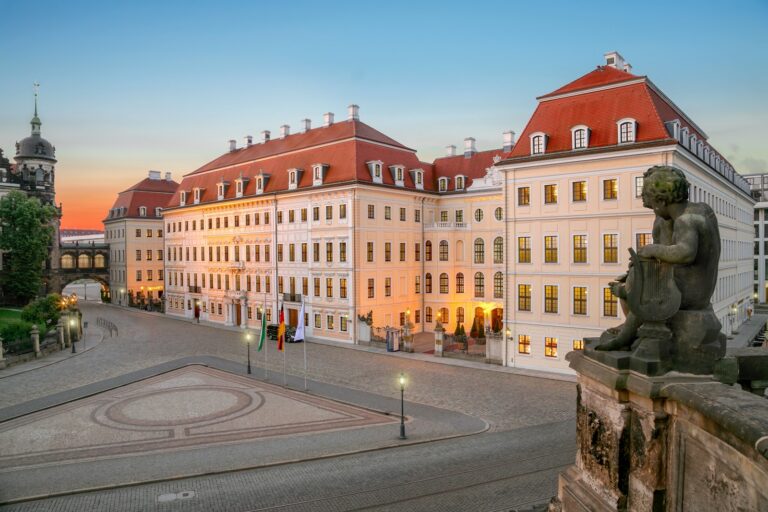
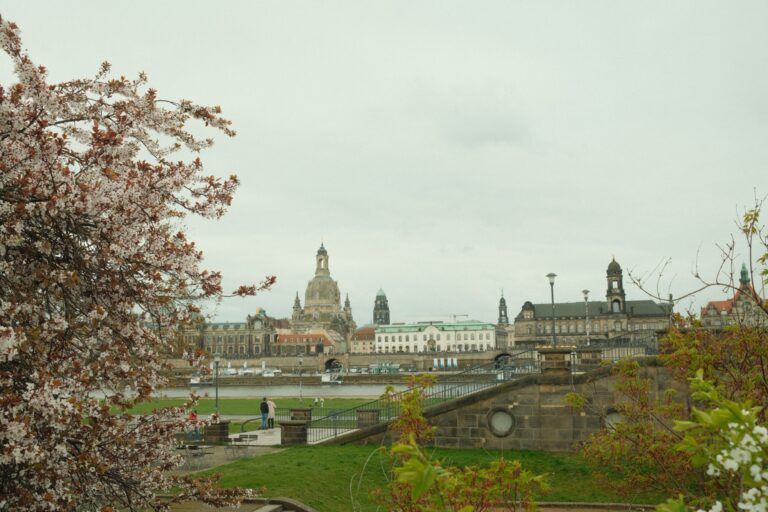
One of Germany’s big advantages is that it’s right on our doorstep. The south of the country (Bavaria, Saxony) is just a 3–5 hour drive from Prague, so for a long weekend in Dresden, Nuremberg or Munich you don’t need to bother with a plane at all. A car also comes into its own when you want to combine several cities or head into the mountains.
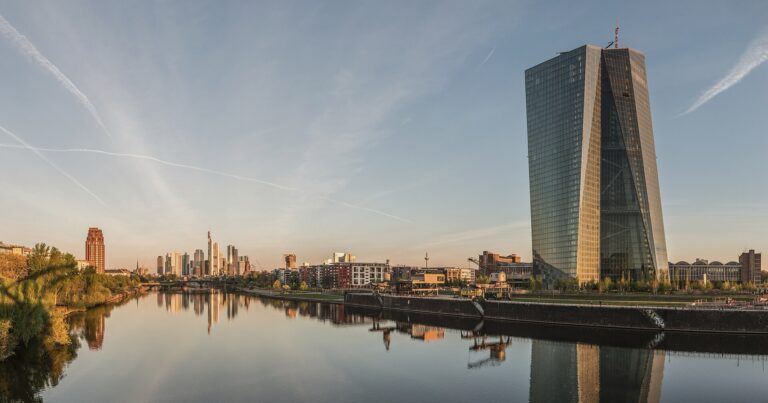
For destinations further afield (Berlin, Cologne, the north) it’s worth considering the train or a flight. From Prague there are direct flights mainly to the big hubs like Frankfurt, Munich and Berlin; the flight takes under an hour and a half. There’s also a comfortable Prague–Berlin train at roughly 4.5 hours. You’ll find current flight prices in our search tool.
Renting a car
A car makes sense in Germany mainly when you want to combine several places — say Bavaria, the Alps and smaller towns like Schwäbisch Hall, which are trickier to reach by train. Conversely, for a single big city (Berlin, Munich) a car is more of a nuisance — parking is expensive and public transport is excellent. And if you’re driving over from the Czech Republic, you don’t need to worry about a rental at all.
- Where to book: rental comparison sites and booking online in advance are usually cheaper than picking up a car on the spot.
- Insurance: keep an eye on the excess — basic cover often comes with a high excess, while top-up cover takes the worry off your hands.
- Deposit: the rental company blocks an amount on your credit card, so factor that in.
- Tolls: in Germany, cars pay no motorway toll — a welcome difference from Austria, where you need a motorway vignette.
Where to stay in Germany
Accommodation in Germany is reliable and clean, but in the big cities and in peak season you’ll pay a premium for it. It pays to book ahead and to decide whether you want to be in the heart of the action or save a little and commute on the excellent public transport.
- Hostels and private rooms – in the big cities (Berlin, Munich) the choice is wide, with a double room starting from around 60 € a night.
- City-centre hotels – comfort and everything on foot, but you’ll pay extra for the location; ideal for a short city break.
- Guesthouses and apartments on the outskirts – noticeably cheaper, easy to reach by car or public transport; great for families.
- Wellness hotels – if the goal is to relax, check out our 12 wellness picks.
Package tour or independent travel?
Germany is one of those destinations where independent travel is genuinely easy — but even here a tour has its place.
A tour is worth it when…
- you want to hit the Christmas markets without dealing with transport and parking — a coach tour drops you right at the markets and brings you back;
- you don’t want to plan and one or two days in a single city with transfers is all you need;
- you’re travelling in a bigger group or with people who don’t enjoy driving.
Go it alone when…
- you have your own car and the south of Germany is just a few hours away;
- you want your own pace, to linger longer and to combine several places;
- you’re travelling as a couple or with kids and want flexibility.
The two of us nearly always travel around Germany under our own steam — it’s close and easy to reach. The one exception is the day-trip Christmas markets, where we appreciate having the coach do the driving so we can enjoy our mulled wine without worrying about getting behind the wheel ☺️
Budget: daily costs in Germany
Price-wise, Germany is roughly on a par with Austria — pricier than the Czech Republic, but still reasonable, especially away from the tourist core of the big cities. The figures below are a rough daily budget per person to help you get your bearings:
| Level | Accommodation | Food | Transport & activities | Total/day |
|---|---|---|---|---|
| Backpacker | 30 € | 18 € | 12 € | approx. 60 € |
| Standard | 65 € | 30 € | 25 € | approx. 120 € |
| Comfort | 120 € | 60 € | 45 € | approx. 230 € |
The biggest difference comes down to accommodation and whether you eat out in restaurants or pop into a bakery and supermarket — which, incidentally, you can do cheaply and well in Germany. Public transport in the cities is excellent, and day tickets are well worth it.
How to save when planning
- Ideally buy your flights 2–3 months in advance and avoid Fridays and Sundays. Search for flights in our tool.
- Book city accommodation well ahead — in season, and especially before Advent, prices rise fast and availability disappears. Our accommodation tips.
- Christmas markets are the classic “last-minute” trap: the closer to December, the more you’ll pay for a hotel. Here a first-minute approach pays off.
- Sort out activities and tickets for popular sights in advance — you’ll save time and the frustration of queuing. What to book early.
- Where people overpay needlessly: food right on the squares and by the sights; a block away the same meal is usually cheaper. For getting around town, always consider a day public-transport ticket.
- If organised trips appeal to you, take a look at the section of current tours too — sometimes a package with accommodation works out better than piecing everything together yourself.
Practical information
- Language and getting by: the official language is German, but in cities and tourist spots you’ll get by just fine in English.
- Payments: Germany is surprisingly fond of cash — you can pay by card everywhere in the cities, but at smaller establishments, markets and stalls cash still comes in handy. The currency is the euro.
- Connectivity: as it’s in the EU, roaming works with no surcharge, so a Czech SIM is enough; for a longer stay or heavier data use, an eSIM can be cheaper and more hassle-free.
- Safety: Germany is a safe country — just watch out for pickpockets in crowds in the big cities and at railway stations.
- Tip: many shops are closed on Sundays — plan your shopping ahead.


