When I think back to our Bavarian adventure, the first thing that springs to mind is that wonderfully cosy atmosphere Munich manages to conjure up even when the sky turns grey. Lukáš and I took a lovely city break to Munich by coach — we wanted a relaxing weekend filled with long walks, great food and exploring new places without the stress of driving. We wandered through every charming little square we could find, ducked into enormous museums to escape the odd shower, and spent our evenings in traditional beer gardens enjoying ice-cold beers with warm pretzels and the delicious Bavarian cheese dip Obatzda.
The city absolutely enchanted us with its laid-back vibe — it’s so infectious that after a couple of hours strolling through the historic streets, you forget all your worries and just soak up the unique atmosphere. I remember holding Lukáš’s hand, watching locals debate over enormous steins, and it struck me how much the overall impression of a trip depends on the weather you’re greeted with. If you’re planning a similar getaway, you’ll definitely want to know what the Munich weather is like and when the best time is to pack your bags.
That’s why I’ve put together this detailed guide, combining our personal experiences with hard data on temperatures and rainfall. We’ll look at when to visit Munich so the rain doesn’t spoil your sightseeing, how to prepare for the autumn beer festival, and why you should always toss an umbrella into your bag before a summer stroll through the park.

TL;DR
- The best months for exploring the city without crowds or extreme temperatures are May, September and early October.
- Munich has a humid continental climate, which means the heaviest rainfall comes in summer due to frequent afternoon thunderstorms.
- The famous Oktoberfest runs from 19 September to 4 October in 2026 — expect pleasant Indian summer days but chilly evenings that call for a warm jacket.
- The magical Christmas markets open on 20 November and run through to Christmas Eve — hot punch or mulled wine is essential for keeping warm.
- In the winter months, be prepared for frosty nights and snow cover, which is most common in January and February.
- If you can, avoid November — it’s the greyest, foggiest time of the entire year.
The full destination guide: Germany — guide and what to see
Munich Weather by Month: Temperatures, Rainfall and Snow
To give you a really clear picture of what to expect in the Bavarian capital, I’ve put together a handy table with average values for the whole year. These figures show how daytime and night-time temperatures shift and how much rainfall you can expect in each period.
| Month | Day max °C | Night min °C | Rainfall / rainy days | Sun h/day | Snow |
| January | 3 | -4 | 55 mm / 9 days | 2.5 | yes, snow cover common |
| February | 5 | -3 | 45 mm / 7 days | 3.5 | yes (most snow along with Jan) |
| March | 9 | 0 | 60 mm / 9 days | 4.5 | disappears towards end |
| April | 14 | 3 | 55 mm / 9 days | 6 | rarely |
| May | 19 | 8 | 110 mm / 12 days | 7 | no |
| June | 22 | 11 | 120 mm / 13 days | 7.5 | no |
| July | 24 | 13 | 120 mm / 13 days | 8 | no |
| August | 24 | 13 | 115 mm / 12 days | 7.5 | no |
| September | 19 | 9 | 80 mm / 8 days | 5.5 | no |
| October | 14 | 5 | 70 mm / 8 days | 4 | rarely, towards end |
| November | 7 | 1 | 60 mm / 10 days | 2.5 | occasionally |
| December | 4 | -2 | 60 mm / 11 days | 1.5 | yes, common |
Munich sits at an elevation of roughly 520 metres above sea level and lies relatively close to the Alps, which fundamentally shapes its climate. The city has a humid continental climate characterised by fairly pronounced differences between the seasons and overall higher rainfall totals than many other parts of Germany. Annual precipitation reaches around 970 millimetres, and interestingly, the rainfall peaks in summer — from May to August each month brings over 100 millimetres of rain.
Fortunately, this summer rain doesn’t mean weeks of relentless drizzle. It mostly comes in the form of intense afternoon and evening thunderstorms that roll in with cooler air from the mountains. After one of these summer storms, the air clears beautifully and an evening sitting in a café feels incredibly refreshing. The warmest months are traditionally July and August, with average daytime highs around 24 °C — absolutely ideal, in my opinion, for exploring the city without melting in the heat.
Winter, on the other hand, brings a proper Central European chill. January is the coldest month, with daytime temperatures hovering just above freezing and overnight lows dropping to around -4 °C. The snowy season typically runs from mid-November to the end of March, so if you love the idea of romantic snow-dusted streets, you’ve got a great chance of seeing them at the start of the new year. Lukáš and I adore that sparkling winter atmosphere, even though it means bundling up in our warmest scarves and making frequent stops for hot tea — or hearty cheese spaetzle (Käsespätzle), which never fails to warm you right up.
When to Visit Munich by Trip Type
Choosing the right time for your trip depends largely on what you’re hoping to get out of it and which activities are on your wish list. Every season has its undeniable charm, but also its quirks — and it’s worth knowing about them in advance so nothing catches you off guard.
Best Time for Sightseeing
If your main goal is to wander the city, explore stunning museums, admire the architecture and soak up the local atmosphere without battling huge crowds, I’d recommend visiting between mid-May and mid-September. From our experience, the very best months are May, September and early October, when the climate is pleasantly mild and there are noticeably fewer tourists than during the summer holidays. Early autumn is a particularly brilliant choice because September and October, with an average of just eight rainy days each, are among the driest months of the year — giving you a great chance of beautiful walks bathed in soft autumn sunshine.

Summer, Beer Gardens and Parks
For lovers of long warm evenings and unmistakable Bavarian culture, June to August is the time to go — the traditional beer garden (Biergarten) season is in full swing. Temperatures hover around a very pleasant 24 °C and the days are gloriously long, giving you plenty of time to tick off sights and still relax in the greenery. The enormous English Garden is free to enter year-round, and in summer it transforms into one giant picnic spot where you could happily spend an entire afternoon with a book, watching the world go by. Just remember that the summer months are also the rainiest, so a folding umbrella tucked into your backpack will come in very handy during those afternoon storms.
Oktoberfest
The world’s biggest beer festival draws millions of visitors, and for many it’s the sole reason for heading to the Bavarian capital. In 2026, the famous 191st edition takes place on the vast Theresienwiese fairground from 19 September to 4 October, kicking off with the grand opening on Saturday at noon and the traditional cry of “O’zapft is!” When it comes to Oktoberfest weather, you can usually look forward to a lovely Indian summer — afternoon temperatures climb to a pleasant 17–20 °C, perfect for strolling between the stalls and the enormous beer tents.
While the tents fill with the aroma of roast sausages and pork knuckles amid raucous celebrations, Lukáš and I — being vegetarians — always seek out the best giant pretzels (Brezn) and pair them with excellent local beer, because that simply goes with the occasion. I do need to warn you about the evening chill, though: once the sun sets, temperatures can drop rapidly to around 8 °C and you’ll step out of a sweltering, packed tent straight into a cold night. That’s exactly why layering is absolutely essential — a good jacket you can tie around your waist or stuff into a bag during the day is a lifesaver.
Christmas Markets and Advent
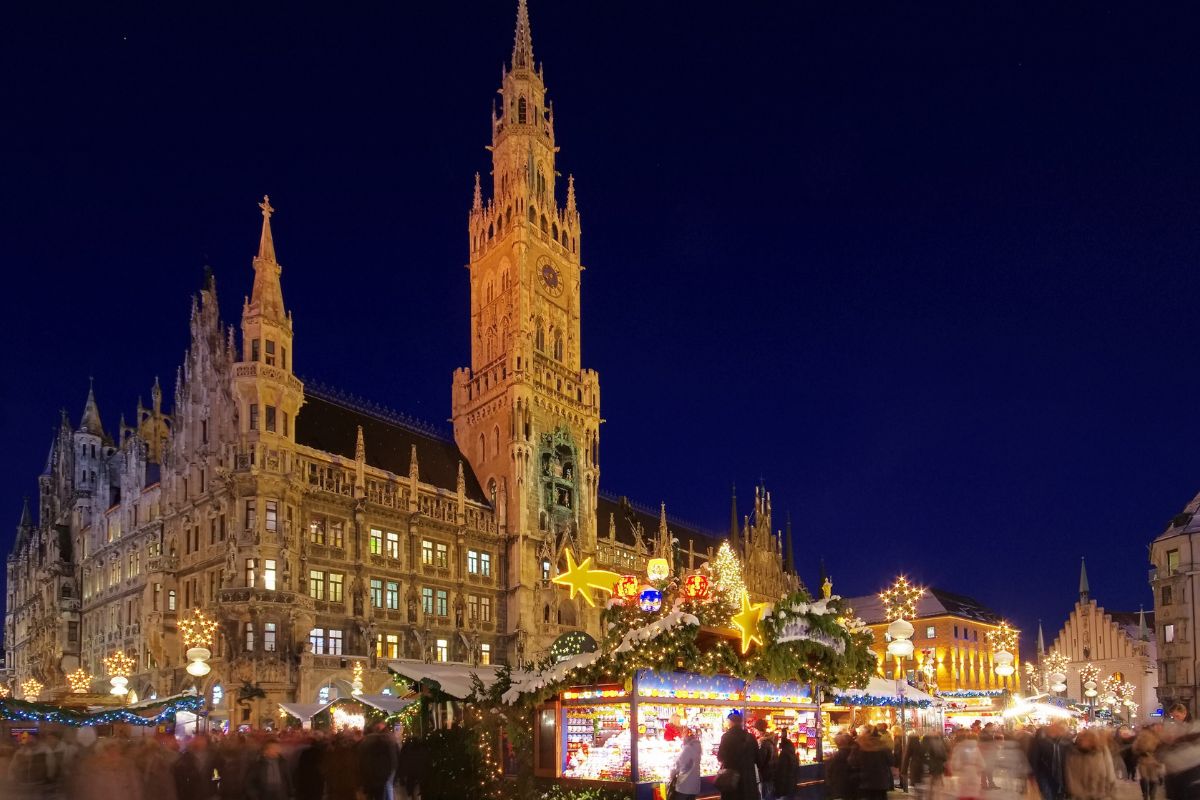
The pre-Christmas season transforms the entire city into a glittering wonderland scented with pine needles, cinnamon and roasted almonds. The main Christkindlmarkt on Marienplatz — a tradition on this square since 1972 — will run from 20 November to 24 December in 2026, featuring over 130 beautifully decorated stalls. A truly unforgettable experience is the live Advent music that drifts from the balcony of the majestic town hall, giving the entire square an incredibly festive feel. December weather is decidedly cold, with temperatures ranging from -2 to 4 °C and very short days with minimal sunshine, so wrap up warmly and keep yourself toasty with delicious hot apple strudel and mulled wine.

What to Avoid
While I always try to find something lovely about every time of year, I have to admit that November is the one month I probably wouldn’t recommend for a visit. It’s that classic in-between period when the skies are at their greyest, the city is often shrouded in persistent morning and evening fog, and the sun only manages around two and a half hours a day. You’re also caught in a tourist no-man’s-land: the outdoor summer and autumn events are long gone, but the magical Christmas markets with their twinkling lights haven’t started yet. Unless you’re a true fan of melancholic foggy walks and lingering in cosy cafés, you’re better off planning your trip for a cheerier time of year.
Munich Curiosities: The Föhn and Eisbach Surfers
Every city has its unique geographical or cultural quirks that set it apart from the rest of the world. The Bavarian capital is no exception, offering two fascinating phenomena you might well encounter during your visit — both of which add a distinctive rhythm to local life.
The first is a meteorological phenomenon known as the Föhn — a warm, very dry downslope wind that blows from the nearby Alps. It works like this: moist air rises on the Italian side of the mountain range, where it drops its moisture as rain, and then descends onto the Bavarian side as a much warmer, drier current heading straight for the city. When the Föhn blows, the sky clears spectacularly and the air becomes so pristine that you can see the stunning panorama of distant Alpine peaks with the naked eye from Munich. This wind can warm the air remarkably fast even in the depths of winter, but it has a flip side too — sensitive individuals suffer from what the Germans call Wetterfühligkeit, complaining of headaches or migraines, although direct scientific evidence for this link is actually lacking. The Föhn occurs roughly ten days a year, most commonly surprising visitors during the spring and autumn months.
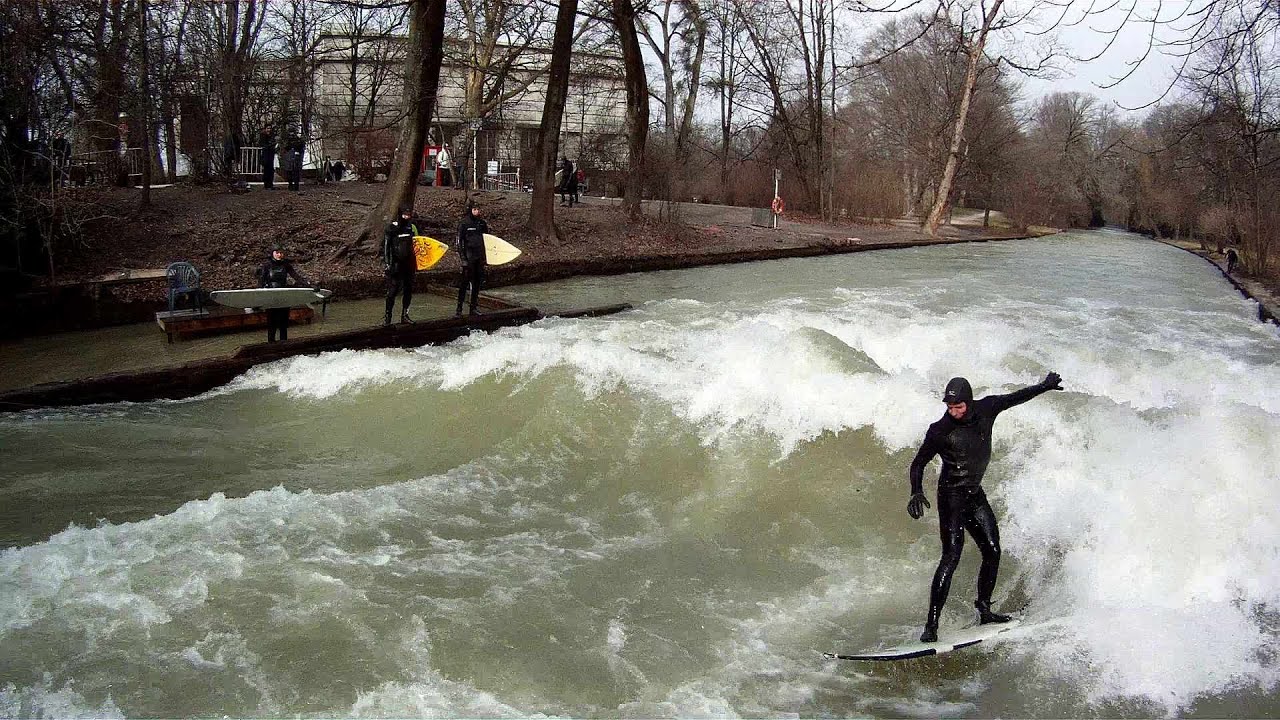
The second, and utterly iconic, spectacle is the surfers on the artificial Eisbach river wave, which you’ll find at the southern entrance to the sprawling English Garden. It’s a truly mesmerising sight — local enthusiasts surf here all year round, even in the bitterest cold. When Lukáš and I stood there in our winter coats and beanies, we watched in awe as athletes in thick wetsuits tamed the wild water, which in winter reaches a temperature of just 2–6 °C. The wave was temporarily closed in the past over safety concerns, but after strict new rules were introduced it’s open again — surfers must wear a mandatory safety leash, aren’t allowed to surf alone, and must observe set operating hours. If you visit, definitely stop by the wave — it’s an incredible experience and a brilliant spot for action photography.
What to Pack for Munich
Packing for a destination with a humid continental climate right next to high mountains requires a bit of strategic thinking, so you’re ready for rapid weather changes. The golden rule that has served Lukáš and me countless times is smart layering — shifting from the cool morning air into a heated museum and back out into afternoon sunshine can be quite a challenge.
Even if you’re visiting in the warmest summer months, a reliable folding umbrella and a lightweight waterproof jacket are absolute musts — those afternoon storms can catch you out of nowhere and hit fast. In winter, on the other hand, you’ll need to contend with icy Alpine air, so don’t leave home without a proper warm coat, quality gloves, a hat and, crucially, comfortable insulated boots that’ll keep your feet dry and warm during a full day exploring the Christmas markets.
Where to Stay in Munich
Choosing the right accommodation can make or break your trip, especially if you want to enjoy the city in the evening without a tedious journey back to the outskirts. We usually prefer staying close to the historic centre or somewhere with excellent connections to the U-Bahn metro network, so we can get around quickly and easily. If you’re after somewhere with traditional charm and history, try the popular Hotel Torbräu, while for a modern, practical and stylish sleep at a reasonable price, the tried-and-tested Motel One München is a great option. You can also browse more options on Booking.com to find the perfect fit for your budget and style.
Further Reading
The Bavarian capital is so vast and varied that you could easily spend a whole week here and still have something new to discover. If you’d like some concrete inspiration on which sights not to miss and how to plan your route, I’ve written a separate guide. Munich is also a fantastic base for day trips — for instance to the stunning Alpine castle of Neuschwanstein, though bear in mind the mountain air is noticeably cooler up there, so pack extra layers.
Frequently Asked Questions
When is the best time to visit Munich?
I’d personally recommend heading there in spring during April or May, or in fall throughout September and October, when the weather is mild and you’ll encounter significantly fewer tourists than in summer. The summer months are beautifully warm and ideal for lounging in beer gardens, but you’ll need to contend with the biggest crowds and fairly frequent afternoon thunderstorms. For lovers of festive atmosphere, December is obviously a huge draw with its magnificent Christmas markets.
What’s the weather like during Oktoberfest?
During the famous beer festival at the turn of September and October, you’ll typically find very pleasant Indian summer weather with daytime temperatures between 17 and 20°C (63-68°F). The afternoons are beautifully warm for walking around the entire grounds, but once it gets dark, temperatures can easily drop to 8°C (46°F), so definitely bring a warm jacket or sweater to the beer tent for your nighttime journey back to the hotel.
Does it snow in Munich?
Yes, it snows quite regularly, which transforms the city into a beautifully romantic winter scene. The snowy season lasts roughly from November through March, with your best chance of continuous snow cover in January and February. Even in December during Advent, snow falls regularly, although due to warmer temperatures in the city it can sometimes turn to rain or unsightly slush.
What’s the weather like in December?
December brings typically cold winter days with temperatures ranging from -2°C (28°F) at night to around 4°C (39°F) during the day. The days are very short, with sunshine only about an hour and a half daily, and rain showers often alternate with snow, but the ubiquitous lights and festive atmosphere of the markets reliably chase away that winter gloom.
Does it rain a lot in Munich?
Yes, there’s quite a bit of precipitation here—an average of around 970 millimeters (38 inches) annually, which is more than most other German cities. This is due to the proximity of the mighty Alps, which trap cloud cover, and interestingly, the heaviest rainfall comes during the summer months in the form of intense but usually quick thunderstorms.
What’s the weather like in summer?
Summer days are beautifully sunny and warm with average highs around 24°C (75°F), so being outdoors is really pleasant. Tropical days with temperatures above 30°C (86°F) are rather rare, but you’ll need to accept that the heat brings those frequent afternoon or evening thunderstorms I mentioned.
What is the föhn and why does it cause headaches?
The föhn is a peculiar warm, dry wind that descends from the Bavarian side of the Alps toward the city and can significantly raise air temperatures. During föhn conditions, the sky clears beautifully and you can see all the way to the mountain peaks, but many sensitive people complain of severe headaches and migraines during this period, though medical science hasn’t been able to definitively explain why.
Tips and Tricks for Your Vacation
Don’t Overpay for Flights
Search for flights on Kayak. It’s our favorite search engine because it scans the websites of all airlines and always finds the cheapest connection.
Book Your Accommodation Smartly
The best experiences we’ve had when looking for accommodation (from Alaska to Morocco) are with Booking.com, where hotels, apartments, and entire houses are usually the cheapest and most widely available.
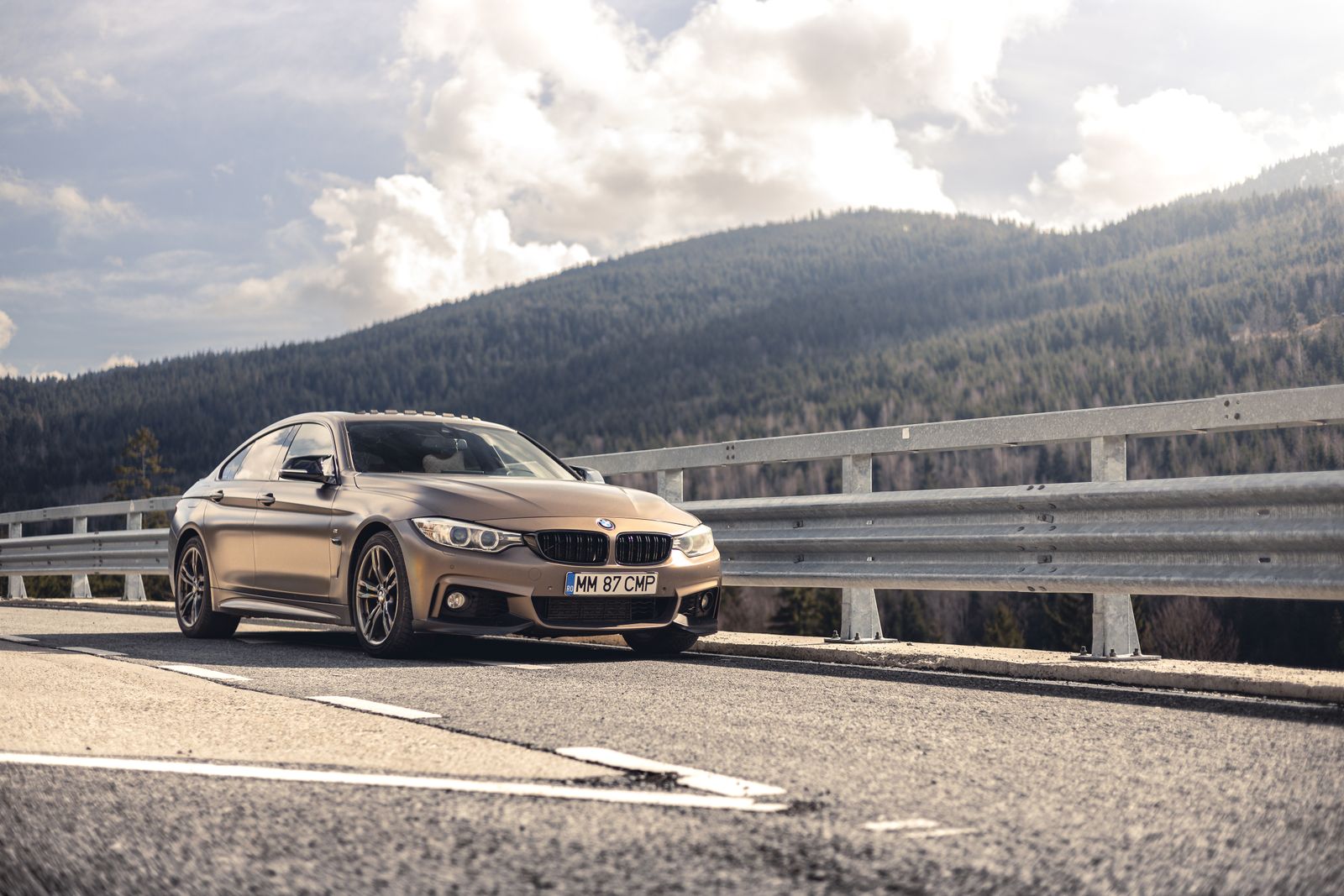 🚗 Car rental on the roadVerified rental cars in Germany
Search with the DiscoverCars comparison engine — it compares prices from dozens of local and international rental companies, and most bookings come with free cancellation.
Compare car prices in Germany →Don’t Forget Travel Insurance
Good travel insurance will protect you against illness, accidents, theft, or flight cancellations. We’ve had a few hospital visits abroad, so we know how important it is to have proper insurance arranged.
Where we insure ourselves: SafetyWing (simple monthly subscription) and TrueTraveller (for extra-long trips).
Find the Best Experiences
Get Your Guide is a huge online marketplace where you can book guided walks, trips, skip-the-line tickets, tours, and much more. We always find some extra fun there!