You don’t need a visa to visit Svalbard, Norway, the site of the world’s northernmost scheduled flight. Thanks to a unique treaty from 1920, the archipelago is formally open to everyone, but without a valid passport and special insurance, the harsh Arctic will only reluctantly let you go any further. And yet you can reach this icy kingdom comfortably in a single day, flying via Oslo.
If you’re planning a trip to a place where polar bears outnumber people, you have to be ready for a completely specific set of rules. Svalbard (part of Norway) works entirely differently from the mainland. Ordinary European health insurance doesn’t apply here, you can’t leave town without a rifle, and the local supermarket won’t sell you a beer unless you show your plane ticket.
From flights to documents and insurance to alcohol quotas: these are the things that really make the difference when planning a trip to the end of the world. Including the strict new rules in force from 2025 and 2026, why April is the absolute winner, and why you’d better avoid November.
TL;DR
- Flights: Only SAS and Norwegian fly to Longyearbyen (LYR), from Oslo or via Tromsø. The flight takes just under 3 hours.
- Ticket prices: A return ticket from Oslo usually costs around €250–310; in summer and spring, book well in advance.
- Documents: Svalbard is outside the Schengen Area. Even though an ID card technically suffices, the airlines and the Governor strongly recommend a passport.
- Insurance: The European card (EHIC) is not valid here. You need commercial insurance that also covers search and rescue operations (SAR).
- Best time for snow: March and April are ideal for snowmobile trips and ice cave visits.
- Best time for cruises: July and August offer the midnight sun, open fjords and the best chance of spotting whales and walruses.
- Safety rule: You must not leave the town of Longyearbyen without a firearm or an armed guide.
- Buying alcohol: The archipelago is a duty-free zone with a rationing system. Tourists must present a boarding pass when buying alcohol.
The full destination guide: Norway — guide and what to see
10 Things You Must Know Before Visiting Svalbard, Norway
Planning a trip beyond the Arctic Circle calls for a slightly different approach than a regular European holiday. Let’s take a detailed look at the ten most important points that will determine the success of your Arctic expedition.
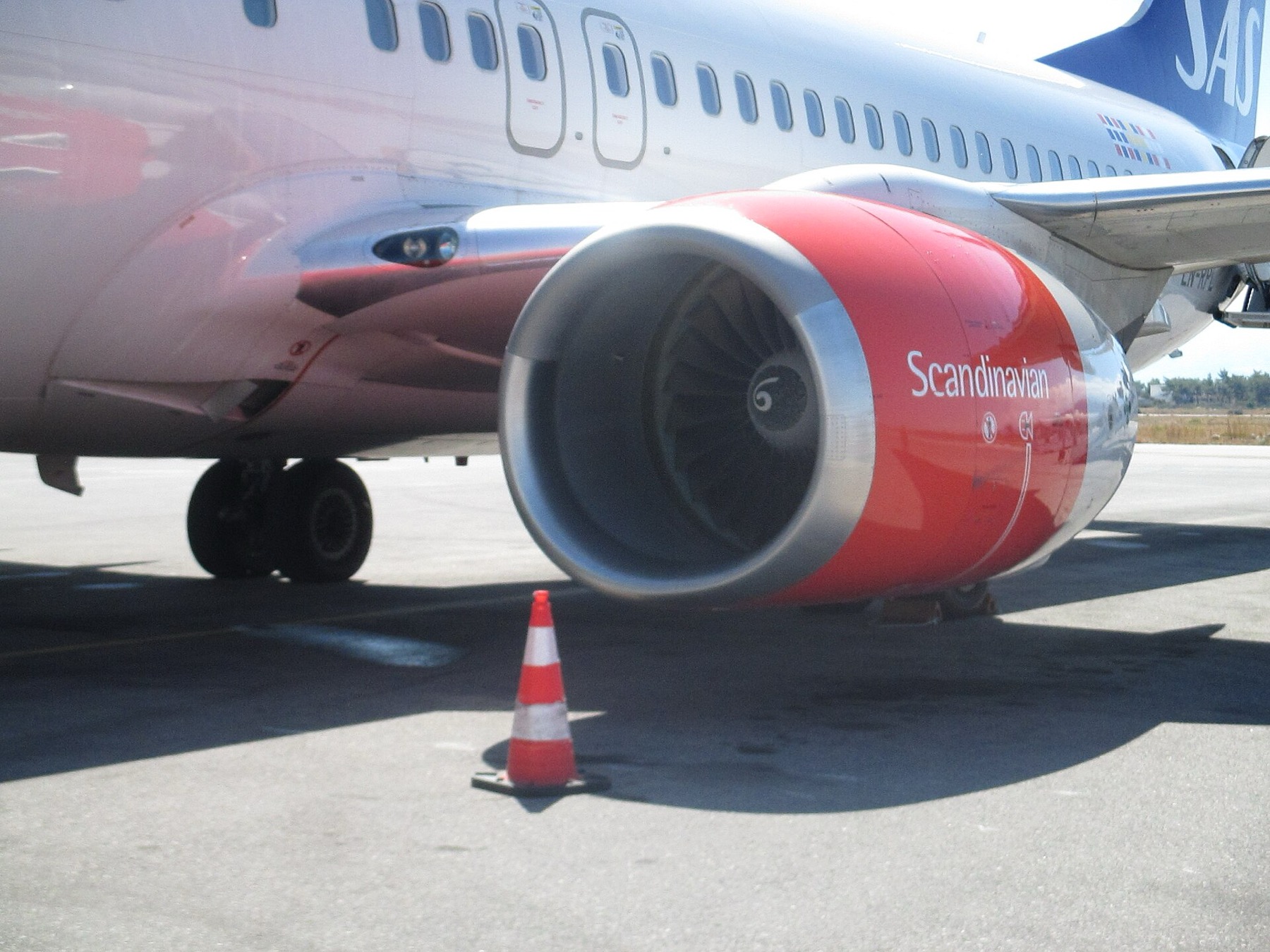
1. Svalbard, Norway flights and scheduled routes from Oslo
You can reach Svalbard lufthavn (code LYR) with just two airlines. These are the Norwegian carriers SAS and Norwegian, which keep up a reliable year-round service to the archipelago. During the peak summer season and the spring months, both airlines significantly increase frequency, so there can easily be seven flights a week from Oslo. The first morning planes take off from the Norwegian mainland before seven a.m., while the evening ones land in the Arctic after eight p.m.
The most common starting point is the Norwegian capital. The direct flight from Oslo takes just under three hours, and return tickets cost around €270–310 if you buy them early. SAS also operates very popular flights with a stopover in Tromsø in northern Norway. From that town above the Arctic Circle, the hop to Svalbard itself takes just a pleasant hour and a half.
If you’re flying in from major European hubs, you’ll always have to change planes at least once. I’d recommend booking your tickets with a huge head start, easily 330 days ahead, when the reservation systems open. Aircraft capacity to Longyearbyen is strictly limited, and in the spring months, when the snowmobile season peaks, the best dates tend to be hopelessly sold out.
2. Why you should always keep a “buffer” day
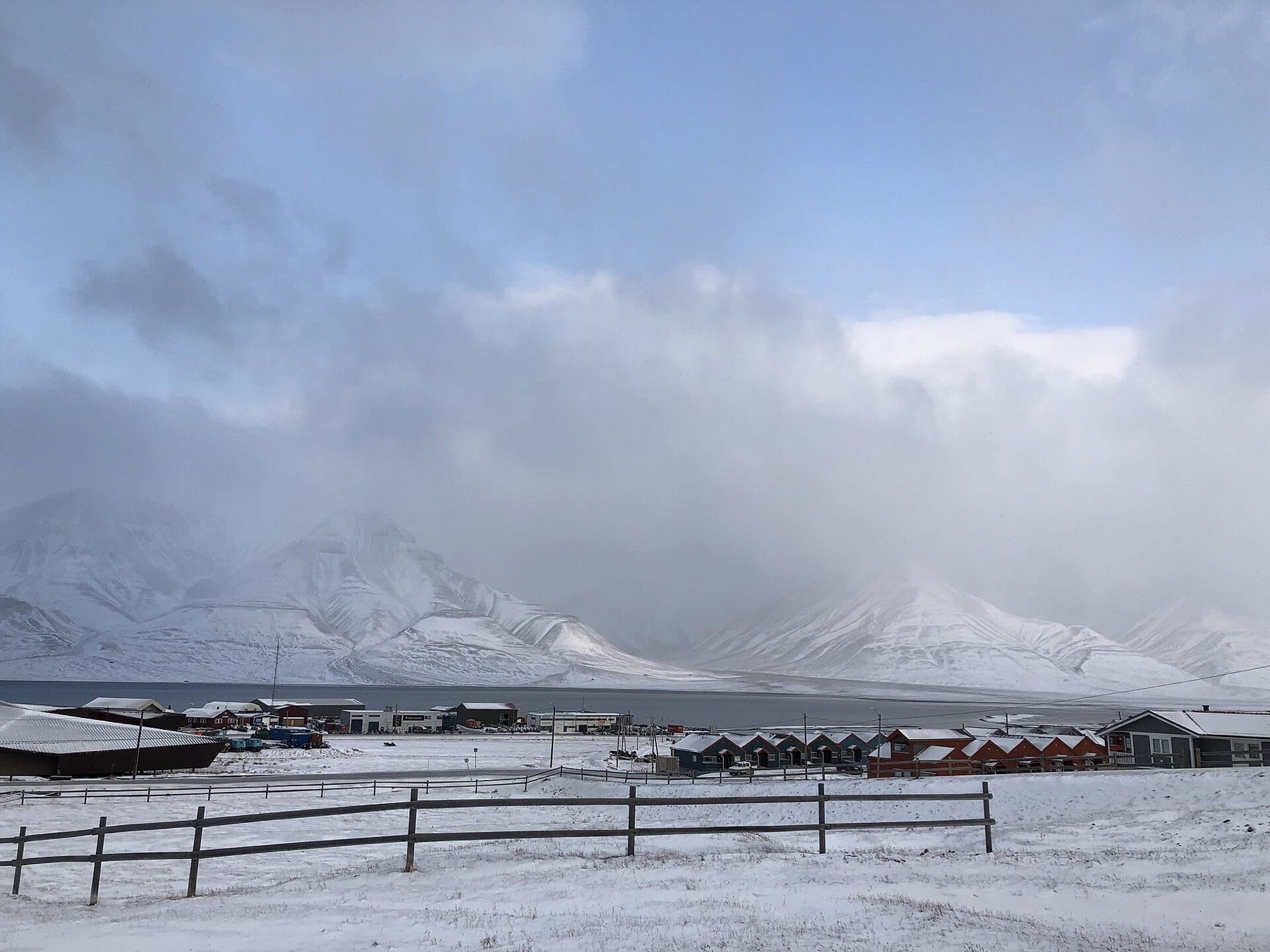
Arctic weather is unpredictable and can mercilessly wreck even the best-planned itineraries. Flights to Svalbard depend heavily on current visibility and wind strength. It’s not at all unusual for a plane from Oslo to make it all the way over Longyearbyen but be unable to land safely because of thick fog. After an hour of circling above the fjord, the pilot simply apologises and heads back to the mainland with all the passengers.
If you’re due to connect to an expensive expedition cruise on Svalbard or have a multi-day dog-sledding trip booked, never fly in at the very last minute. Travel forums are full of sad stories from people who missed their ship’s departure because of a delayed flight and lost thousands of euros as a result. The ideal strategy is to arrive in Longyearbyen a day or two early.
You can put this so-called buffer day to great use acclimatising to the freezing temperatures. Pop into the Svalbard Museum, where an entrance fee of 160 NOK (about €14) takes you through the whole history of the archipelago, from whalers to miners. You can also fill the time at the North Pole Expedition Museum, which charts the airship race to the North Pole. And if your luggage is delayed during a connection, you’ll at least have time to wait for the next flight, or buy warm clothes in the local shops.
3. Documents and the quirks of the Svalbard Treaty
Svalbard has an absolutely unique legal status in the world, stemming from an old international agreement. Under the so-called Svalbard Treaty of 1920, Norway requires no visa for entry to the archipelago, regardless of your nationality. You can even live and work here for an unlimited time, as long as you can support yourself and find your own accommodation.
But there’s one crucial catch that tourists often forget when planning their trip. Svalbard is not part of the Schengen Area or the European Economic Area. To get here, you have to go through a standard passport check when departing from Oslo or Tromsø, which formally means leaving the Schengen border. The same awaits you, of course, on the way back.
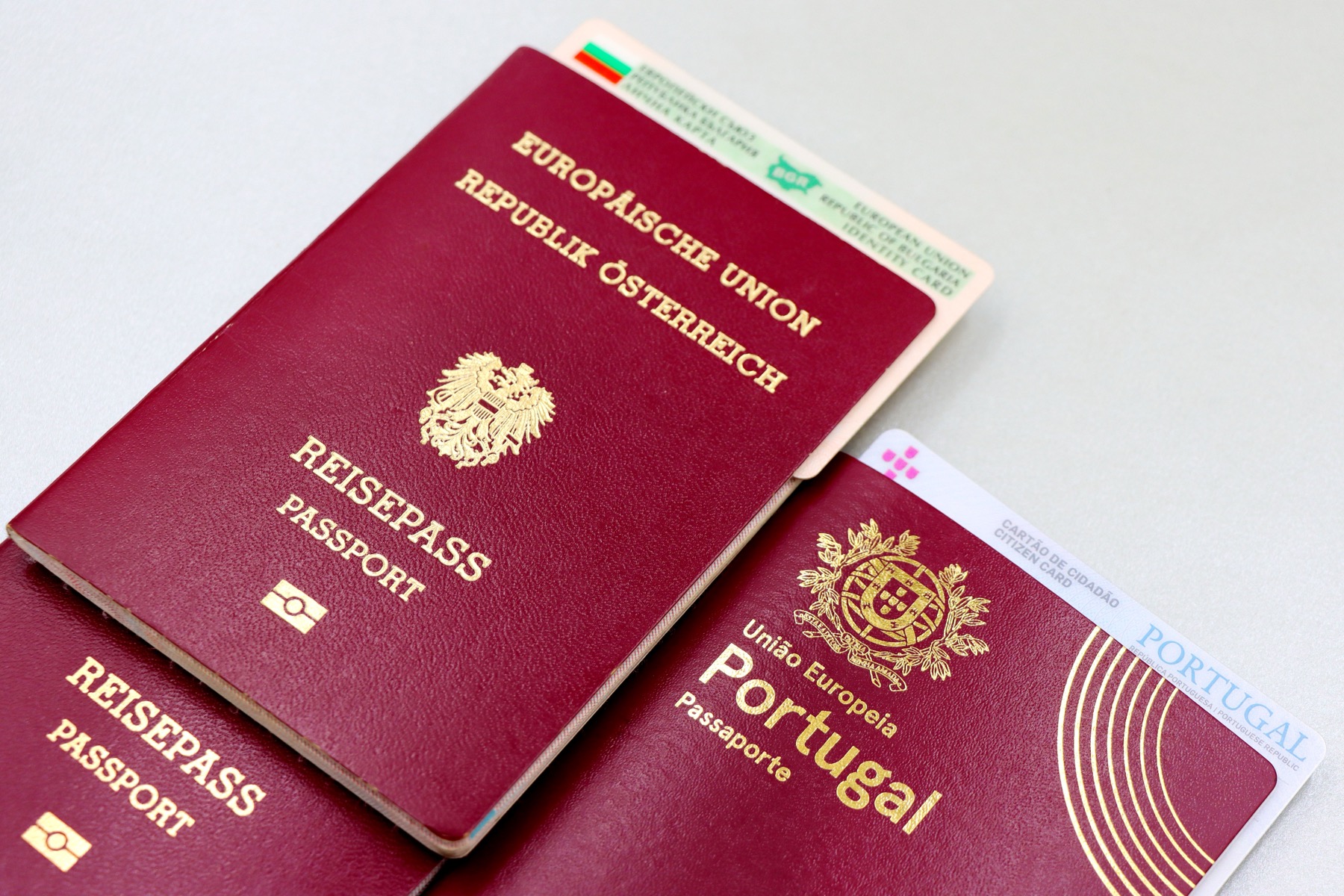
Although the Norwegian authorities theoretically accept national ID cards from EU countries, in practice a classic passport is strongly recommended everywhere. The airlines SAS and Norwegian often require it outright, and the local Governor warns against travelling on an ID card. With only an ID card you could run into completely needless problems handling emergencies, so definitely don’t leave your passport at home in a drawer.
4. Insurance and the tough new rules for 2026
The familiar blue European Health Insurance Card (EHIC) will, plainly put, be useless to you here. EU rules don’t apply to the archipelago at all, and the small local hospital in Longyearbyen deals only with acute cases. There’s no maternity ward, no complex surgery and no long-term care. Any more serious health problem requires immediate air transport to Tromsø on the Norwegian mainland, which without good insurance gets incredibly expensive.
Your travel insurance must also cover search and rescue operations, known by the acronym SAR. Arctic nature doesn’t forgive mistakes, and sending out a rescue helicopter to a remote fjord costs astronomical sums. If you go on an organised trip with a local certified agency, they usually arrange this special insurance as part of the trip price.
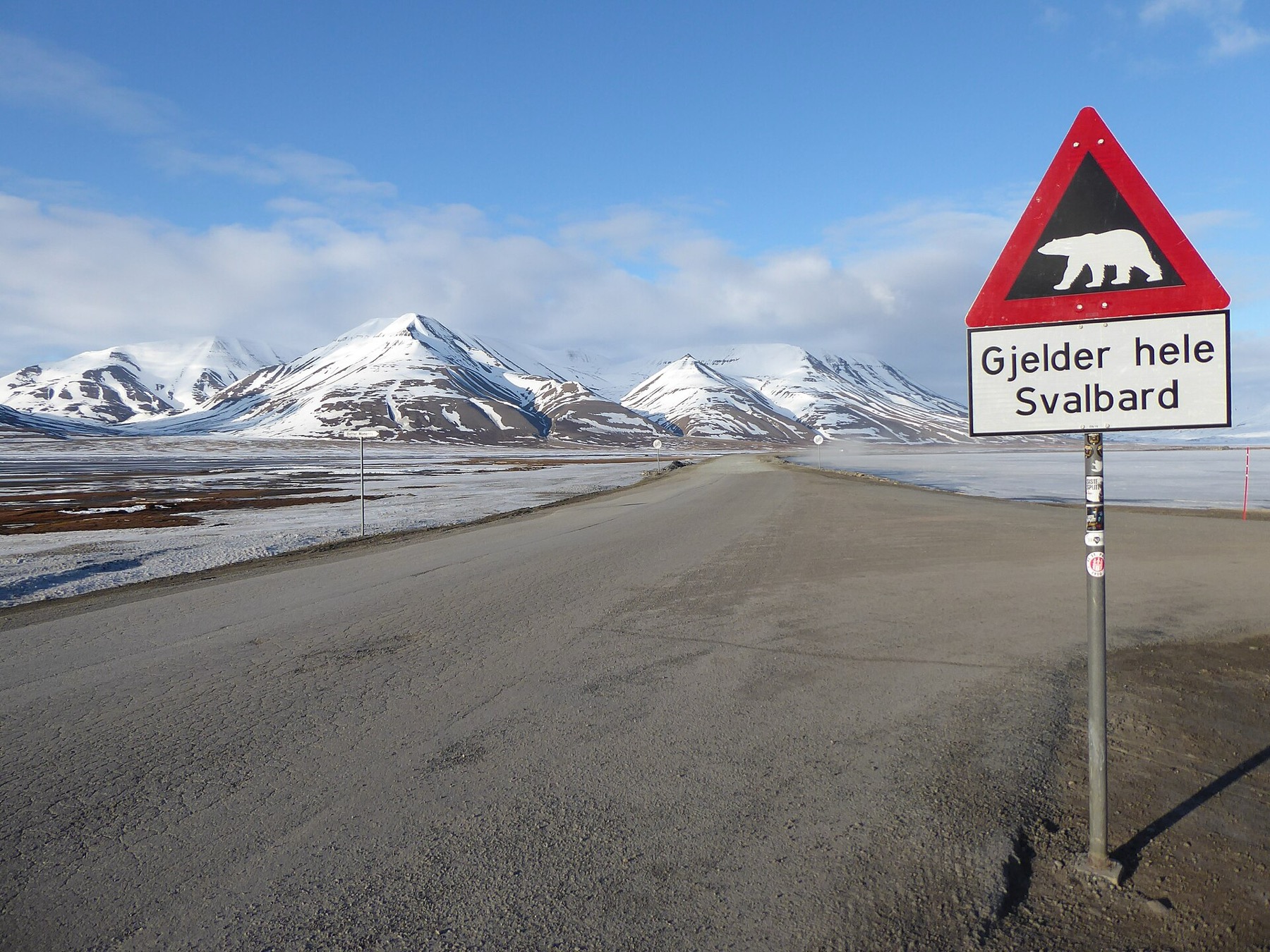
For independent travellers, though, strict new rules apply from January 2026. If you want to head outside the marked zone around town on your own, you have to report your plan to the Governor at least 4 weeks in advance. The application must include proof of a huge financial guarantee for a potential rescue operation. For the most common zone A, for example, you must prove coverage of 120,000 Norwegian kroner.
5. Longyearbyen airport and the transfer into town
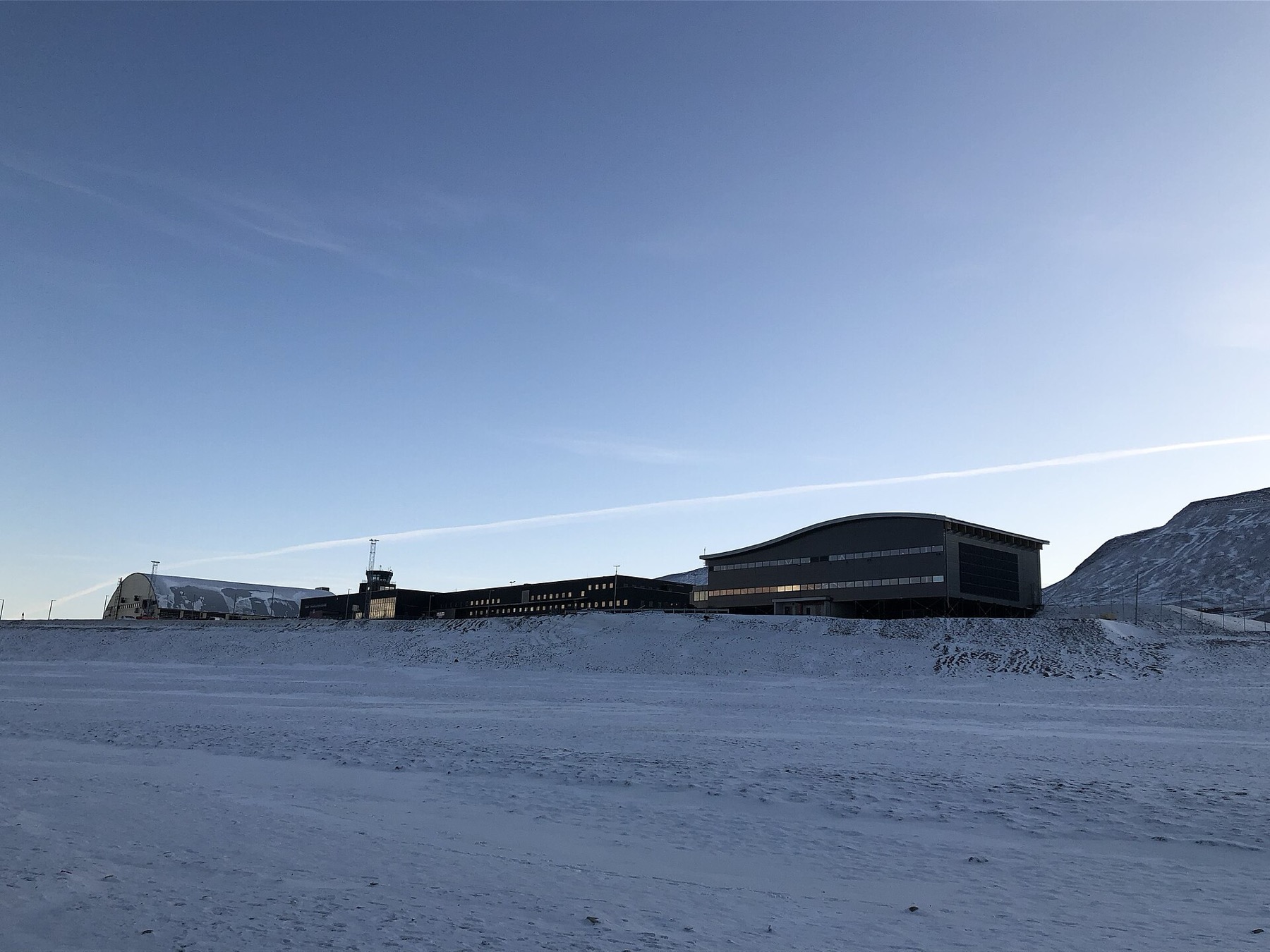
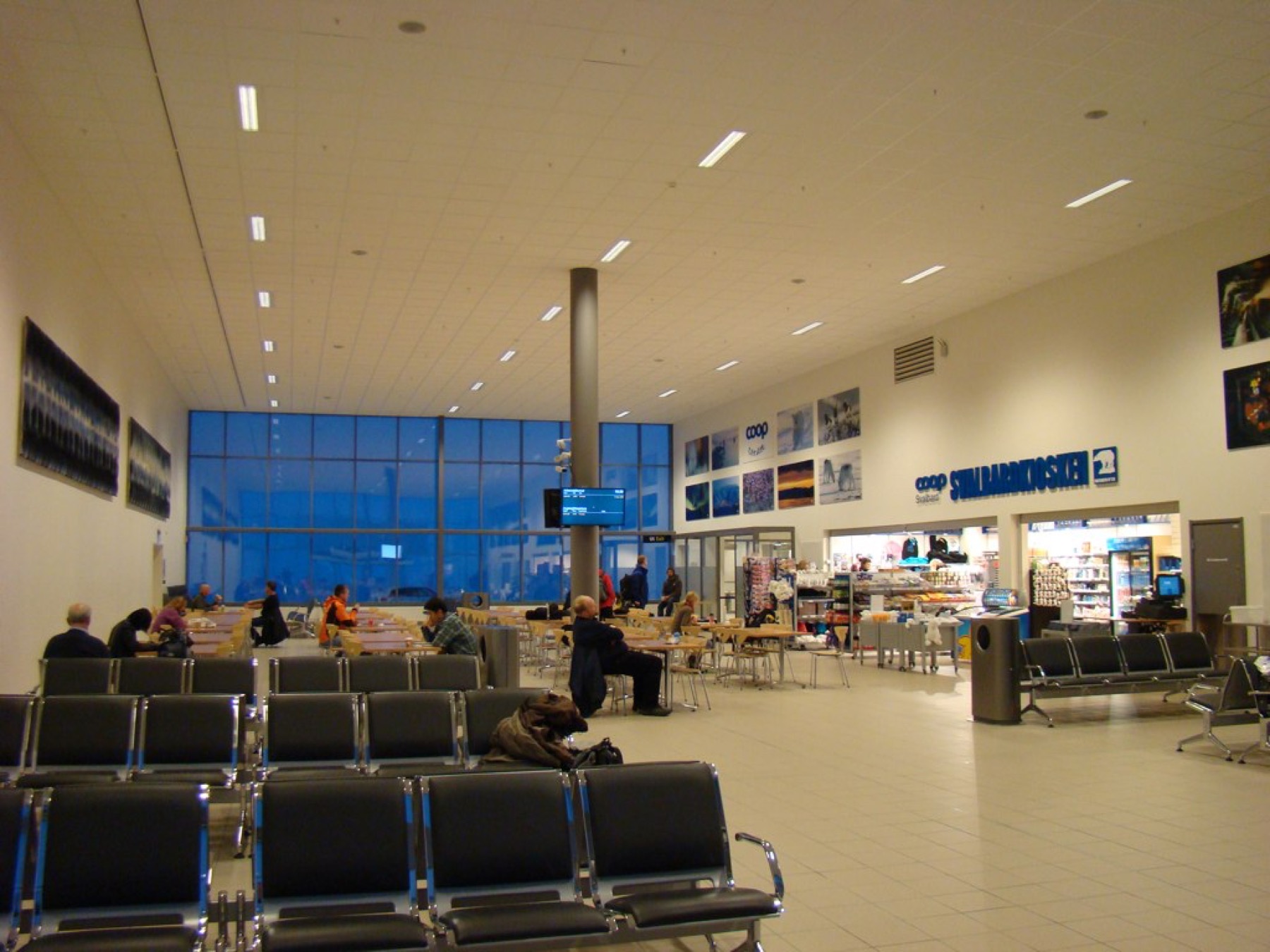
The runway at Svalbard lufthavn is built on permafrost right on the shore of an icy fjord, and the descent over the snowy peaks alone is worth a window seat. The airport is genuinely small, efficient and sits just a few kilometres from the centre of town. Right by the baggage claim you’ll be greeted by the iconic stuffed polar bear, which is by far the most popular spot for your first holiday photos.
The easiest way to get to your hotel with your bags is to use the official airport bus, called the flybuss. It runs in reliable connection with every arrival and departure, and dutifully calls at all the main hotels and guesthouses in town. A one-way ticket costs about 100 NOK (around €9), but a return ticket, which is better value, will set you back 170 NOK (approx. €15). Note that you can only pay by card on the bus.
If you’re in a real hurry or travelling in a larger group of friends, you can happily use the local taxi service. The ride to the centre takes just five to ten minutes and costs roughly 150 to 250 NOK (about €13–22). Car rentals do exist here, but renting a car makes absolutely no sense. The entire road network is only a little over 40 kilometres long, and you won’t be able to drive beyond the town limits anyway.
6. Spring season: March and April as the absolute winner
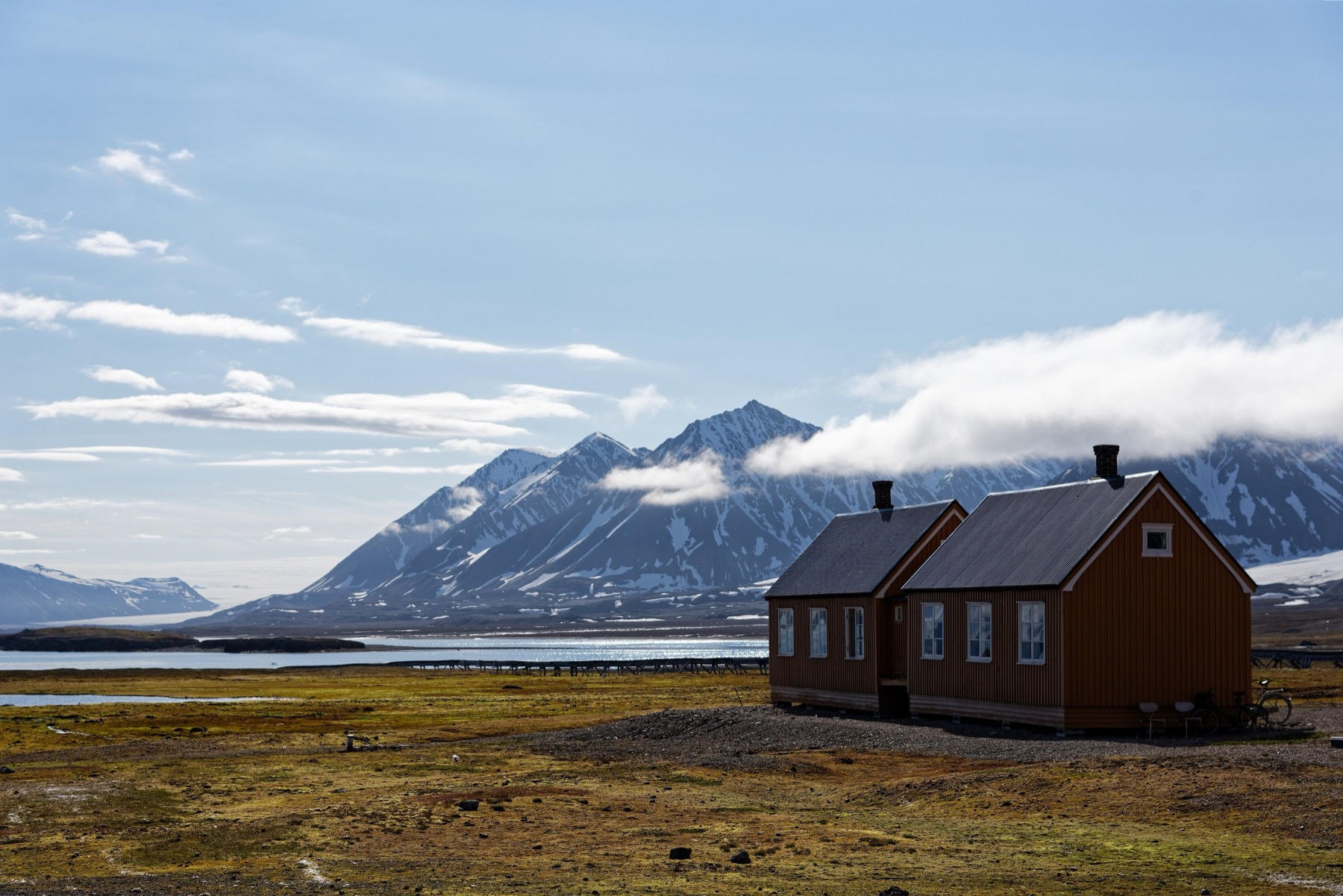
So when is actually the best time to head to the far north? According to local guides, the absolute peak of the tourist season is unquestionably April. By this month there’s already plenty of daylight, but the landscape is still deeply frozen and covered in a thick layer of snow. It’s the absolutely ideal time for long, full-day snowmobile trips to Tempelfjorden and superb dog-sledding rides.
A very magical period is also the turn of February and March, when the sun returns after the long polar night. Right in Longyearbyen, the traditional Sun Festival (Solfest) is celebrated every year on 8 March, when the sun’s rays fall on the steps of the old hospital for the first time. During this period the sky turns pastel shades of blue and pink, which is exactly why photographers make the trip.
Bear in mind, though, that March is statistically the coldest month of the whole year. Daytime temperatures regularly drop to a freezing -20 to -30 °C, and the icy wind lowers the feels-like temperature even further. Early spring is also the best time to visit the stunning ice caves, which you reach either on foot or by a special snowcat.
7. The May trap and the summer cruise season
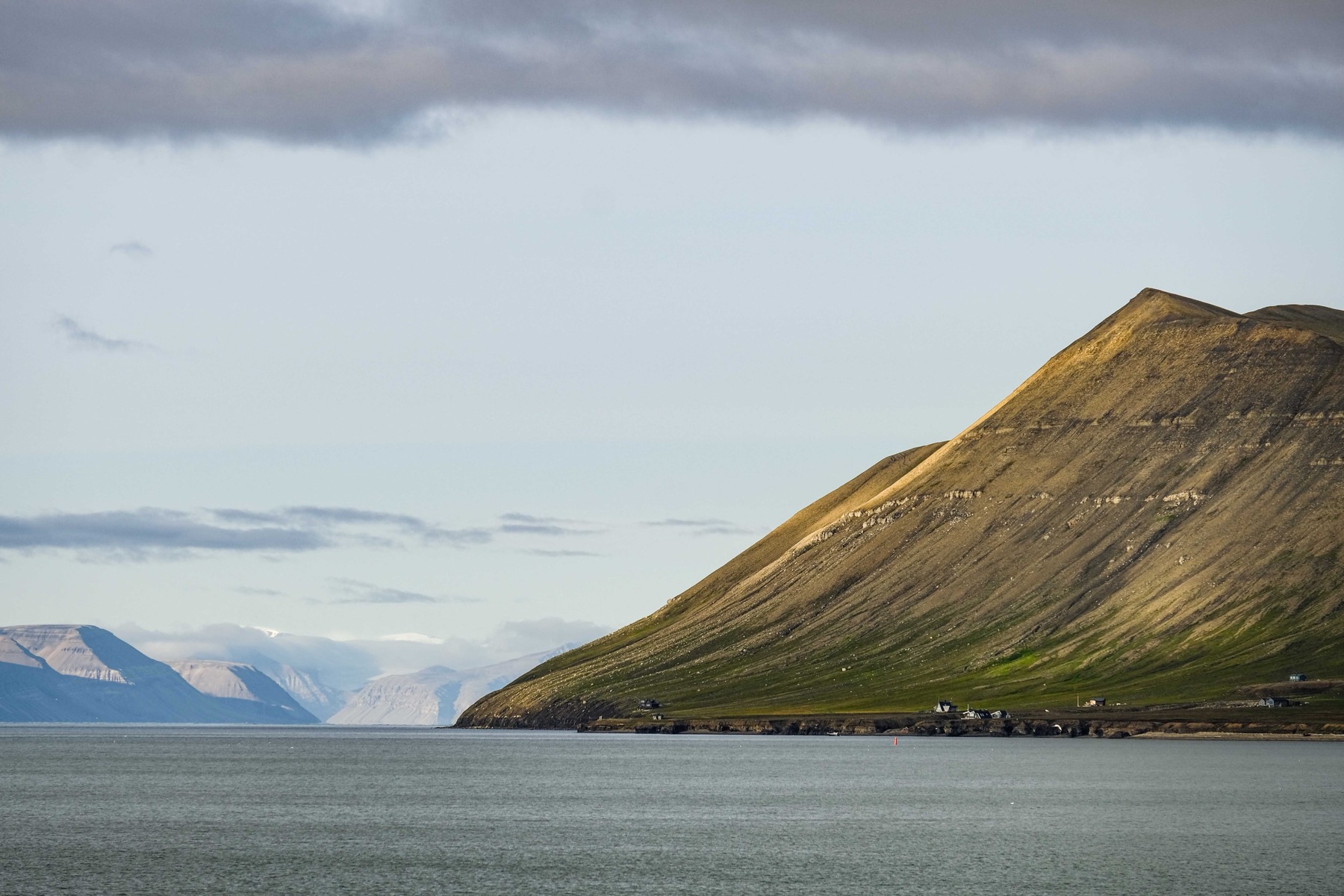
May is a very odd transitional period on Svalbard, one that travel forums often strongly warn about. The snow around town starts to melt slowly and turns into deep mud, but the sea fjords are still firmly frozen. Cruise ships therefore can’t reach the glacier fronts, while the snowmobile season is slowly ending because of the melting ice. If you come in early May, you risk not being able to do either summer or winter activities to the full.
The real polar summer breaks out fully in June and lasts until the end of August. From roughly 20 April to 23 August the phenomenon of the midnight sun rules here, meaning the sun never sets below the horizon at all. Summer temperatures most often hover between a pleasant 3 and 7 °C, occasionally climbing to ten degrees. For a good night’s sleep, definitely pack a quality eye mask, or you won’t drop off.
Summer is the main season for boat trips, trekking and wildlife watching. You can set off on a cruise to the abandoned Russian town of Pyramiden or look out for belugas by the glacier walls. Since 2025, however, very strict nature-protection rules apply here. Cruise ships may carry a maximum of 200 passengers, must keep a distance of 300 to 500 metres from polar bears, and flying drones is completely banned in the national parks.

8. The polar night and the myth of the northern lights
From mid-November to the end of January, the dark polar night reigns over the archipelago. The sun never appears above the horizon and even at true noon it’s pitch black outside. Travellers’ experiences are absolutely clear on this. November is probably the toughest and least welcoming month of the year to visit, because it’s very windy and there’s no snow for winter activities. If you really must go in winter, at least head to coal mine number 3 for a tour.
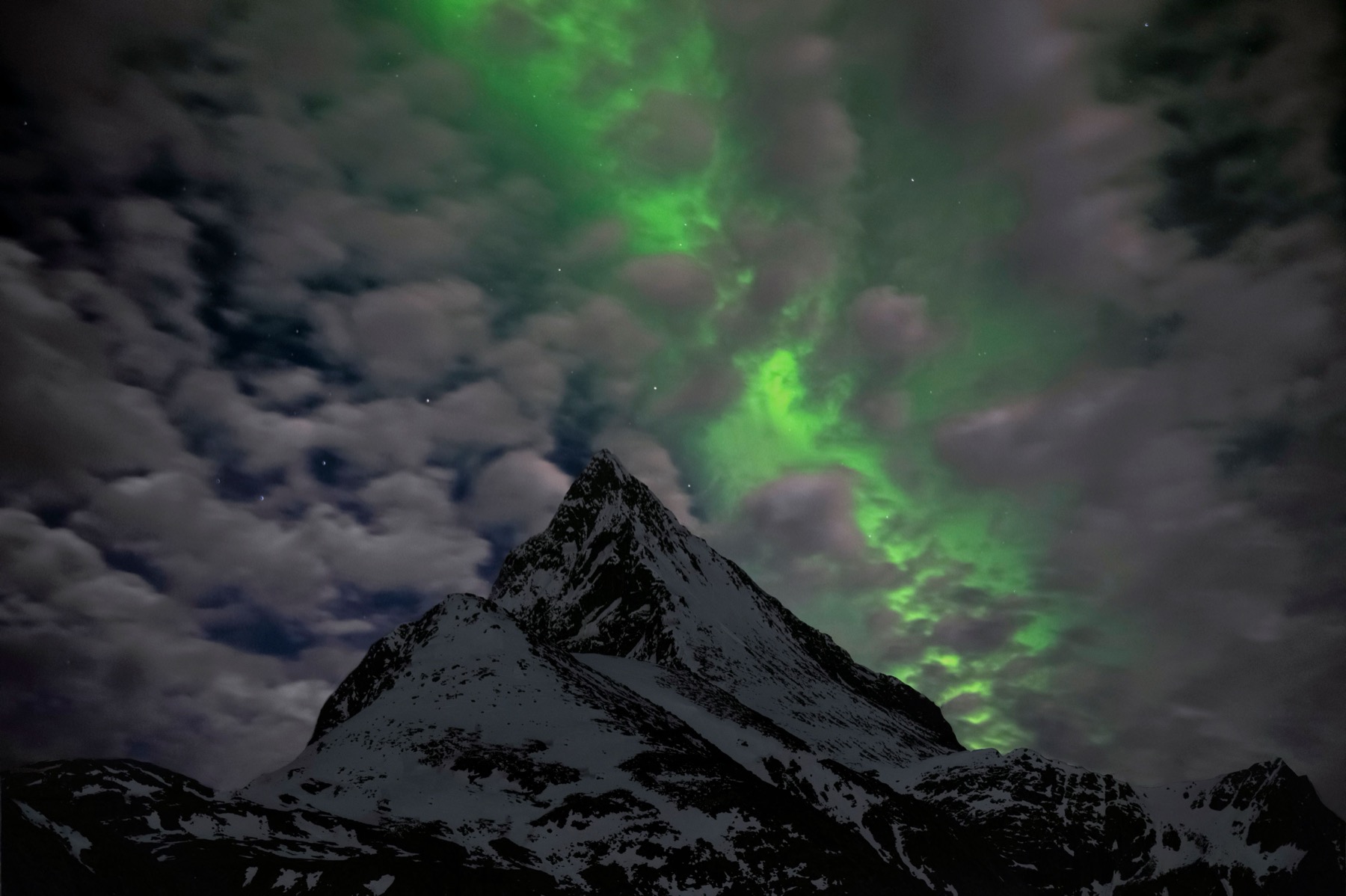
Many tourists fly here in winter dreaming of the perfect aurora, only to be disappointed. The truth is that Svalbard lies too far north for watching the aurora borealis. The main auroral belt is often located much further south, over northern Scandinavia. If your main goal is a dancing green sky, I’d recommend heading to Tromsø in Norway instead, where your chances of success are far greater.
Winter on Svalbard does, however, have one absolutely fascinating exception. During the deep polar night it’s so dark here that you can watch the northern lights even at true noon. Longyearbyen is in fact the only inhabited place on the planet where you can realistically experience this so-called daytime aurora. It’s more of a curiosity for enthusiasts, but if luck grants you a clear sky, you’ll see something truly unique.

9. What to pack for an Arctic expedition
The key to survival in the harsh Arctic is a well-thought-out clothing layering system. Whether you go in winter or summer, forget about one huge, shapeless jacket. Instead, opt for quality merino wool thermal underwear, an insulating fleece layer and a completely windproof outer shell. The wind is your biggest enemy here, and it can easily turn a normal -10 °C into a feels-like -25 °C within a few minutes.
In the summer months, be prepared for the fact that the Arctic tundra can be incredibly wet and full of treacherous mud. Quality waterproof hiking boots are an absolute must, because you’ll often be wading through shallow streams and soggy snow on your trips. Ordinary town trainers will soak right through within the first ten minutes of your walk.
A local quirk that tourists often aren’t ready for is the strict rule of taking your shoes off indoors. In Longyearbyen you must remove your shoes in hotels, museums, the library and the tourist info centre. It’s an old tradition from the mining days, to stop black coal dust being carried inside. So bring plenty of warm, clean socks, as you’ll be spending a lot of time in them.
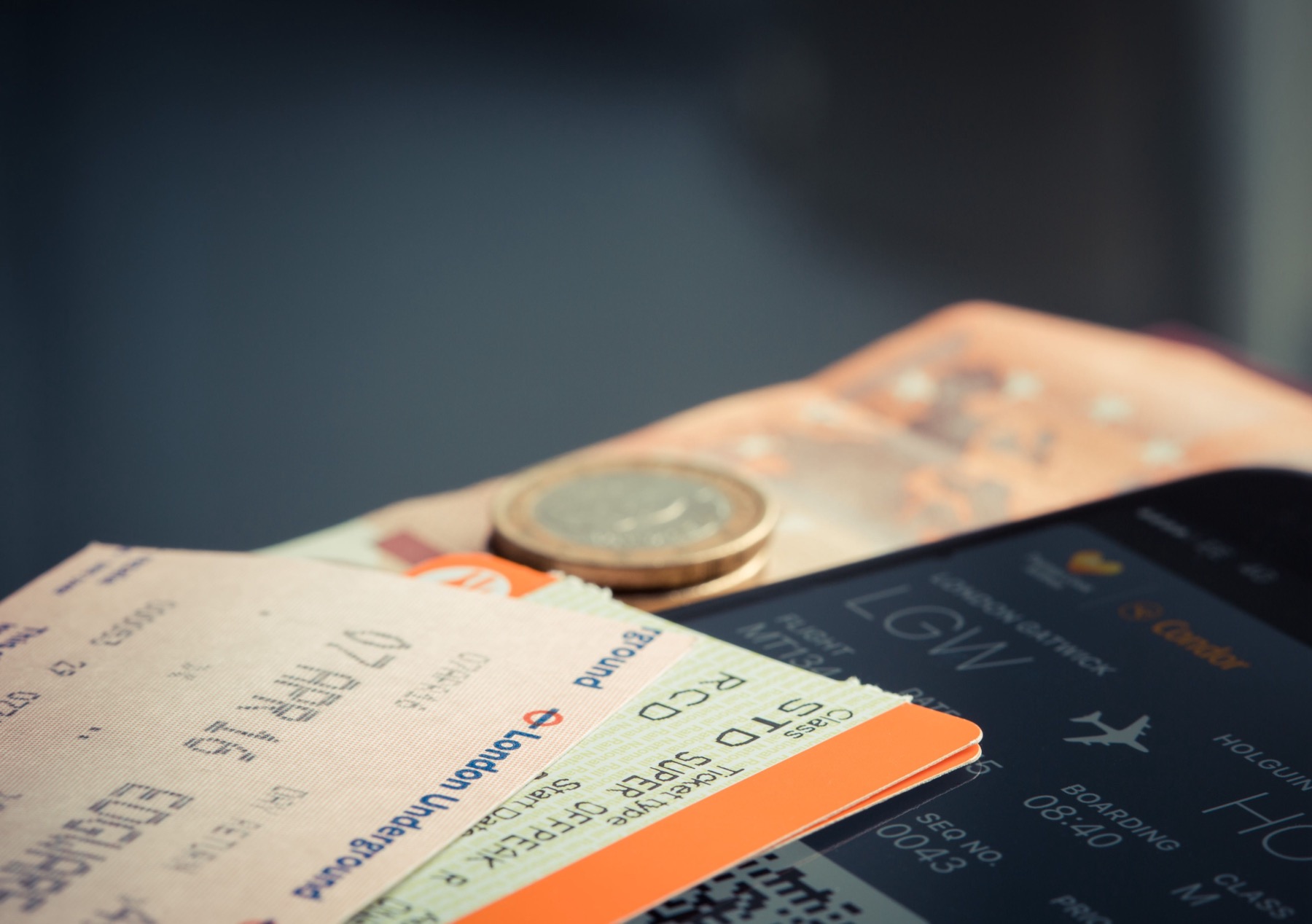
10. The alcohol quota and booking months ahead
Shopping on Svalbard has its own very specific and often amusing rules. The whole archipelago is a duty-free zone, which in practice means that outdoor gear and electronics tend to be noticeably cheaper here than on the Norwegian mainland. Fresh food, however, has to be laboriously flown in, so you’ll pay a hefty premium for something as simple as apples or fresh milk. Cooking from the well-stocked local supermarket still pays off.
The biggest curiosity is unquestionably the sale of alcohol. In the local Svalbardbutikken supermarket you’ll find the Nordpolet department, where a strict rationing system applies. As a tourist, you have to present your plane boarding pass at the till, or they simply won’t sell you spirits or beer. Wine is thankfully exempt from these historic quotas, so you can buy it without restriction.
The last and perhaps most important piece of advice is to plan early. Popular glacier trips, walrus cruises and dog-sledding rides tend to sell out months in advance in high season. The capacity of certified guides is strictly limited and can’t be expanded in any way. From 2027, moreover, all guides will have to hold official state certification, which will limit places on trips even further.
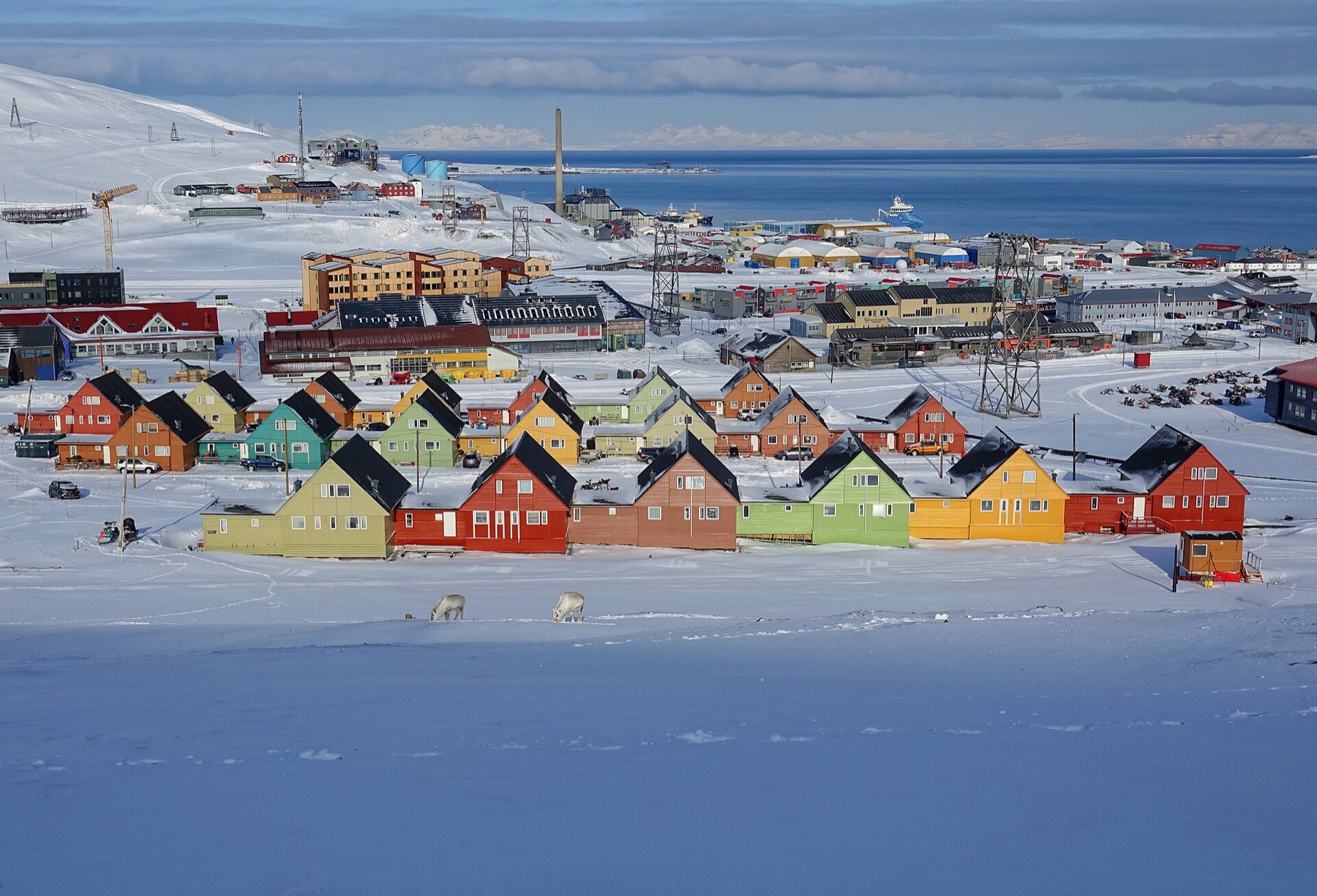
Where to stay in Svalbard, Norway and rough prices (2026)
💡 Accommodation and experiences tip: We prefer to look for accommodation on Booking.com, where the cancellation terms tend to be best. Tickets, trips and activities are then worth comparing and buying through GetYourGuide.
Prices on Svalbard are high even by normal Norwegian standards, and accommodation, together with trips, is the biggest budget item. There’s no cheap Airbnb-style cabin here; you’ll mostly sleep in classic hotels or guesthouses. Where you choose to stay directly affects how much you’ll walk in the cold and wind, because the town is spread out along a long valley. Let’s look at some specific tips by budget.
If you’re after a more affordable option and don’t mind longer walks, head to the Nybyen district at the upper end of the valley. The cheapest beds are at the Gjestehuset 102 guesthouse, where a double room costs roughly €150 to €180 a night. The district is safe, but it’s about a thirty-minute walk into the centre full of restaurants. Right next door stands the popular three-star hotel Coal Miners’ Cabins, set in beautifully renovated former miners’ lodgings.
For those who want to stay right in the heart of the action, I recommend the Basecamp Hotel. It offers an absolutely wonderful trapper atmosphere full of driftwood and furs, so you’ll feel like you’re on a real polar expedition. Directly opposite stands the Radisson Blu Polar Hotel Spitsbergen, which holds the title of the world’s northernmost full-service hotel and offers amazing outdoor hot tubs with mountain views.
If you’re looking for luxury and top-notch dining, the clear choice is Funken Lodge. This boutique hotel sits slightly uphill above the town centre and offers first-class service. In bad weather you may appreciate that you don’t even have to go outside, because their hotel restaurant cooks absolutely fantastically and even offers great vegetarian menus.
A significant chunk of your budget will be swallowed by the compulsory organised trips, because you simply can’t get beyond the town limits without a paid guide carrying a rifle. Here’s a rough cost overview to give you an idea (reckon roughly €0.09 per 1 NOK):
- Return flight from Oslo (SAS/Norwegian): 2,800 to 3,500 NOK (approx. €250–310)
- One night in a mid-range hotel (for two): 1,500 to 2,500 NOK (approx. €130–220)
- Airport bus (return): 170 NOK (approx. €15)
- Full-day snowmobile trip: 3,500 to 4,500 NOK (approx. €310–400)
- Boat cruise to a glacier or Pyramiden: 2,300 to 2,900 NOK (approx. €200–260)
- Ice cave visit: 1,300 NOK (approx. €115)
- Main course in a regular restaurant: 250 to 400 NOK (approx. €22–35)
- Beer in a restaurant / in the shop (tax-free): 130 NOK / from 17 NOK (approx. €11 / €1.50)
For a short four-day stay I’d recommend setting aside roughly €1,700 to €2,100 per person (including flights, accommodation and at least two proper trips). If you want to save, the well-stocked local Svalbardbutikken supermarket lets you cook your own meals, and you can then invest the money you save into better experiences out in the field.
Where to next
If the Arctic north tempts you, I’ve prepared more guides to help with your planning. Read about everything you can see and do in Svalbard, or dive into the details of the capital itself in the article Longyearbyen: what to see.
For those considering a route by water, I recommend the detailed overview Trips and cruises in Svalbard. If you’re more interested in the northern lights, find out why it’s better to head to the mainland to Tromsø: the gateway to the northern lights. And for a general overview of the Scandinavian climate, take a look at the article When to visit Norway: Norwegian weather.
Frequently asked questions
Here are the answers to the questions almost everyone asks before a trip to Svalbard.
Do I need a visa to travel to Svalbard?
You don’t. Thanks to the Svalbard Treaty of 1920, citizens of all signatory states can travel here without a visa, and the treaty has been in force for many countries since the early years. However, you must go through passport control when departing from mainland Norway, as Svalbard is not part of the Schengen Area.
Is an ID card sufficient, or do I need a passport?
Formally, EU citizens can travel with an ID card, but airlines and the Governor of Svalbard strongly recommend carrying a valid passport. Without one, you could face serious problems in case of emergencies, as the islands lie outside the European Economic Area.
Is the European Health Insurance Card (EHIC) valid in Svalbard?
It’s not. The archipelago does not belong to the European Economic Area at all, and the local hospital only handles the most essential cases. You must therefore arrange comprehensive commercial travel insurance that also covers search and rescue operations.
How long is the flight and how much does a ticket cost?
A direct flight from Oslo takes just under 3 hours, and from Tromsø you’ll arrive in as little as an hour and a half. A round-trip ticket from Oslo typically ranges from €240 to €300, depending on the season and how far in advance you book. In summer, flights operate up to seven times a week.
When is it darkest and coldest in Svalbard?
The deepest darkness occurs from mid-November to the end of January, when the sun doesn’t rise above the horizon at all (polar night). Surprisingly, the coldest month is statistically March, when daytime temperatures commonly drop to extreme -20 to -30 °C.
When is the best time to go for the Northern Lights?
Although the polar night in Svalbard is perfectly dark, the archipelago is already too far north for reliable aurora borealis viewing. You’ll have a much better chance of seeing a spectacular light show on mainland Norway in Tromsø, which lies directly beneath the auroral oval.
When is the best time for polar bear spotting?
Your best chance is during the summer months (July and August) on expedition cruises around the archipelago. Remember, however, that bears are wild animals, must not be actively sought out, and since 2025 boats must strictly maintain a minimum distance of 300 to 500 meters.
How far in advance do I need to book hotels and tours?
Ideally several months ahead. The spring season (March and April) and peak summer (July) in Longyearbyen sell out incredibly far in advance. Guide capacity for snowmobile tours or boat trips is very limited and cannot be expanded.
Tips and Tricks for Your Vacation
Don’t Overpay for Flights
Search for flights on Kayak. It’s our favorite search engine because it scans the websites of all airlines and always finds the cheapest connection.
Book Your Accommodation Smartly
The best experiences we’ve had when looking for accommodation (from Alaska to Morocco) are with Booking.com, where hotels, apartments, and entire houses are usually the cheapest and most widely available.
 🚗 Car rental on the roadVerified rental cars in Norway
Search with the DiscoverCars comparison engine — it compares prices from dozens of local and international rental companies, and most bookings come with free cancellation.
Compare car prices in Norway →Don’t Forget Travel Insurance
Good travel insurance will protect you against illness, accidents, theft, or flight cancellations. We’ve had a few hospital visits abroad, so we know how important it is to have proper insurance arranged.
Where we insure ourselves: SafetyWing (simple monthly subscription) and TrueTraveller (for extra-long trips).
Find the Best Experiences
Get Your Guide is a huge online marketplace where you can book guided walks, trips, skip-the-line tickets, tours, and much more. We always find some extra fun there!