Norway’s best-selling dish isn’t the famous fresh bounty of the fjords, the delicious game, or the legendary dried treasures of the sea. Honestly, it will probably surprise you that the single most popular dish in the land of the fjords is the frozen Grandiosa pizza. And that exact schizophrenic combination of ancient tradition and a frozen convenience meal is probably what got us most about traditional Norwegian cuisine. When Lukáš and I set off for the Lofoten Islands in the summer of 2026, we mainly expected breathtaking scenery, but in the end the local coffee culture and the ever-present smell of waffles on the ferries got us too.
Norwegian cuisine was historically shaped by harsh conditions, long winters, and the need to preserve food for as long as possible. Today, though, it’s a confident scene that combines absolute top-tier coffee preparation with the phenomenon of the Friday tex-mex taco. And even though it may look at first glance like we vegetarians would starve here, the opposite is true. Let’s take a look together at how to eat in Norway, what to try, and how to do it without wrecking your travel budget.
TL;DR
If you’re in a hurry and just want to know the most important basics, here’s a quick overview of the best and most practical parts of the Norwegian culinary scene.
- Matpakke is survival essential: Traditional packed lunch boxes with bread and cheese will save you a fortune — in Norway people don’t normally go out to restaurants for lunch.
- A coffee superpower: Norwegians drink almost 10 kilos of coffee per person a year and their roasteries are among the very best in the world.
- You have to try brunost: This sweet brown cheese with a caramel flavour is a Norwegian national treasure and the ideal souvenir to bring home.
- Vegetarians needn’t worry: Cities offer a huge choice of plant-based alternatives and supermarkets are brilliantly stocked; in the countryside sweet pastries and waffles will save you.
- Alcohol comes with rules: You can only buy beer in supermarkets until 8 p.m., while wine and spirits are sold only in the state-run Vinmonopolet shops.
- Extreme traditions: Local delicacies like fermented trout or sheep’s head are more of a Christmas affair and a tourist curiosity.
The full destination guide: Norway — guide and what to see
How to Eat in Norway: Eat Like a Local Without Ruining Your Budget
The way Norwegians eat is the complete opposite of what most of us are used to. If you’re looking for a classic set lunch menu with soup and a main course for a couple of euros, you’ll run into the harsh reality of Nordic prices. A regular lunch break here lasts just thirty minutes and takes place around eleven in the morning. Let me show you how to adapt to this rhythm, where to find the best alternatives to pricey restaurants, and how to enjoy the local flavours stress-free.
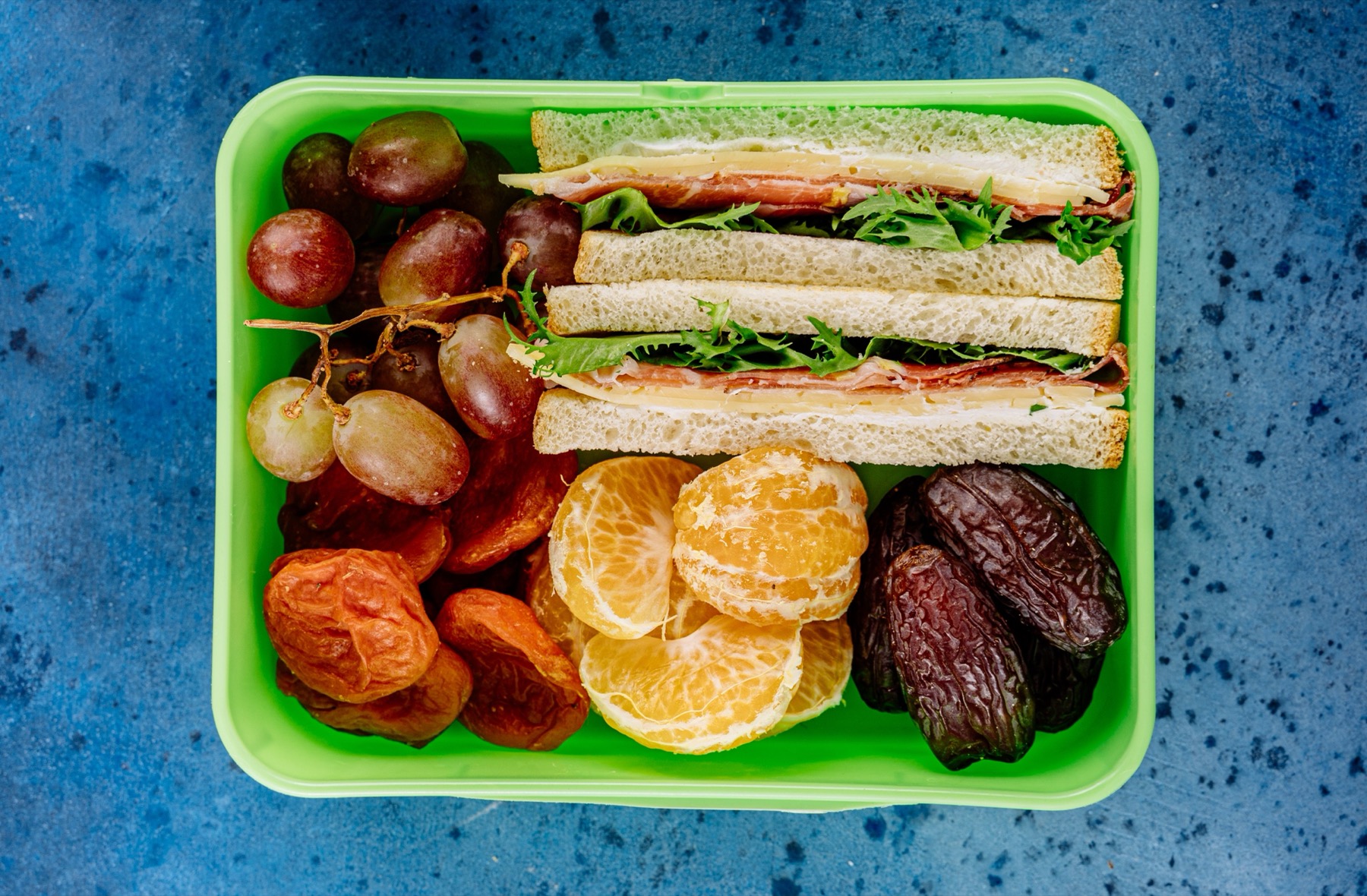
The phenomenon called matpakke
If you want to eat like a local in Norway, you’ll need to get yourself an ordinary plastic box. Matpakke, literally “food package,” is the absolute cornerstone of the Norwegian day and the vast majority of the population takes one to school and work. Historically, this thrifty habit stems from the so-called Oslo breakfast, a free school programme from the 1930s designed to give children basic nutrition.
It usually consists of two to four slices of dense wholegrain bread simply topped with cheese, brunost, or some kind of spread. The genius detail is that the individual slices are separated by a special waxed paper called mellomleggspapir. On the Lofoten Islands this was an absolute lifesaver for us, because we made our sandwiches in the morning and packed them for an all-day hike, saving a huge amount of money on eating out.
If you’re staying at a hotel, ask at reception whether you can make your own matpakke at breakfast. Some hotels offer this option for a small fee, and it’s still far more worth it than hunting down an expensive restaurant. On top of that, Norway is full of gorgeous viewpoints and benches, and thanks to the right to roam (allemannsretten) you can picnic almost anywhere. A lunch overlooking a deep fjord is the best culinary experience there is anyway.
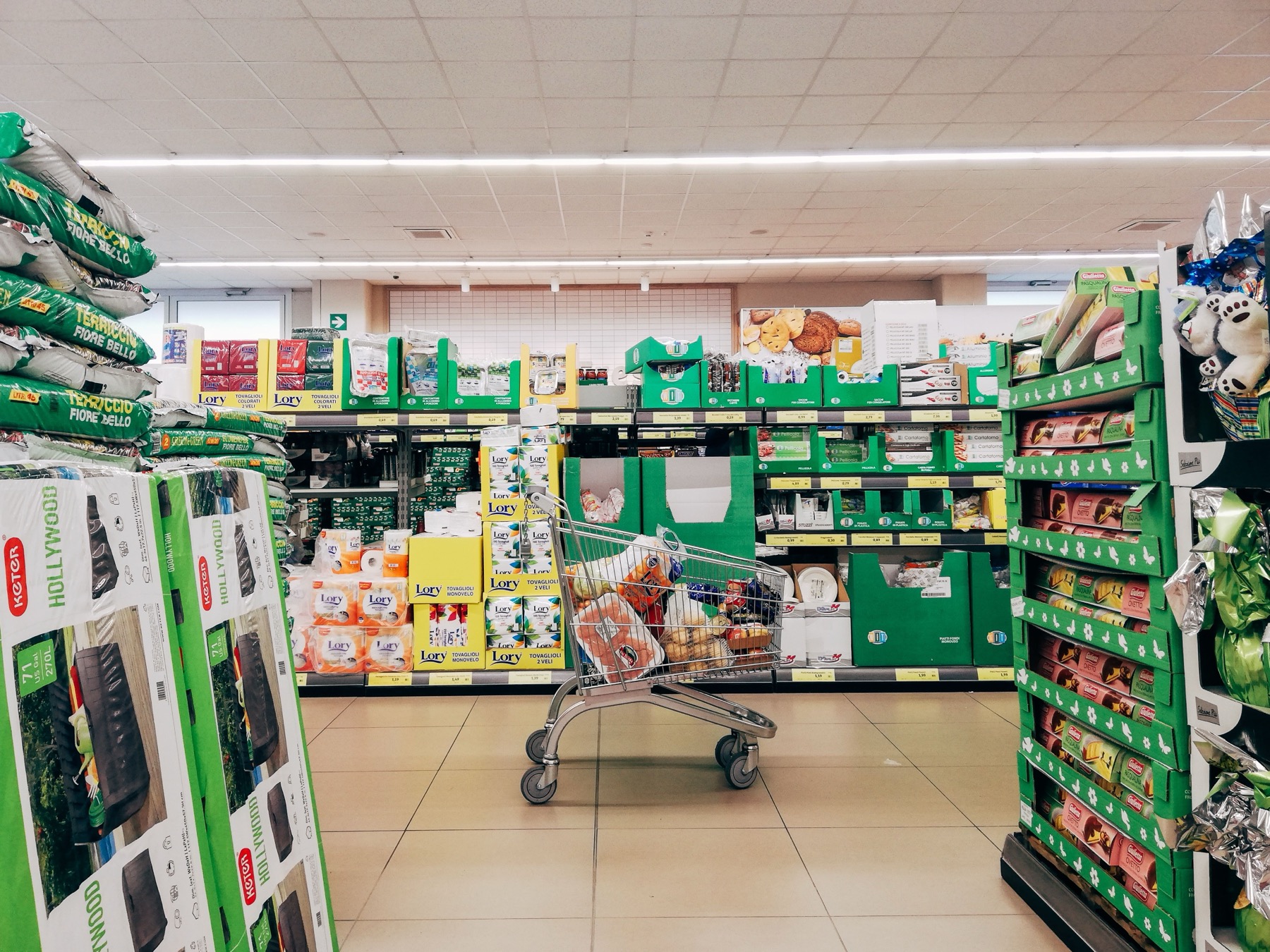
Supermarkets are your best friend
Restaurants in Norway really are expensive, which probably surprises no one, but with a little planning supermarkets are easy to handle. You’ll shop cheapest at discount chains like Rema 1000, Kiwi with the green logo, or Coop’s Extra. They’re easy to spot and you’ll find them in practically every larger town along the main routes. They also have their own private labels, of which the best known and most affordable is probably First Price in its typical blue-and-white packaging.
When we needed a quick lunch on the road, we often reached for packaged wraps or fresh salads, which are commonly available even in the smallest shops. Bigger, slightly pricier supermarkets like Meny even have huge hot counters with ready meals where you can grab grilled food for a fraction of the restaurant price. Just remember one absolutely crucial rule: on Sundays the vast majority of large shops are legally closed and only the more expensive smaller convenience stores like Joker or Bunnpris stay open.
Supermarkets also have very strict rules for selling alcohol that you need to watch out for. Beer under about five percent can only be bought in a regular shop until 8 p.m., on Saturdays only until 6, and not at all on Sundays. If you fancy wine or something stronger, you’ll have to head to the specialised state shops Vinmonopolet, which have very limited opening hours.
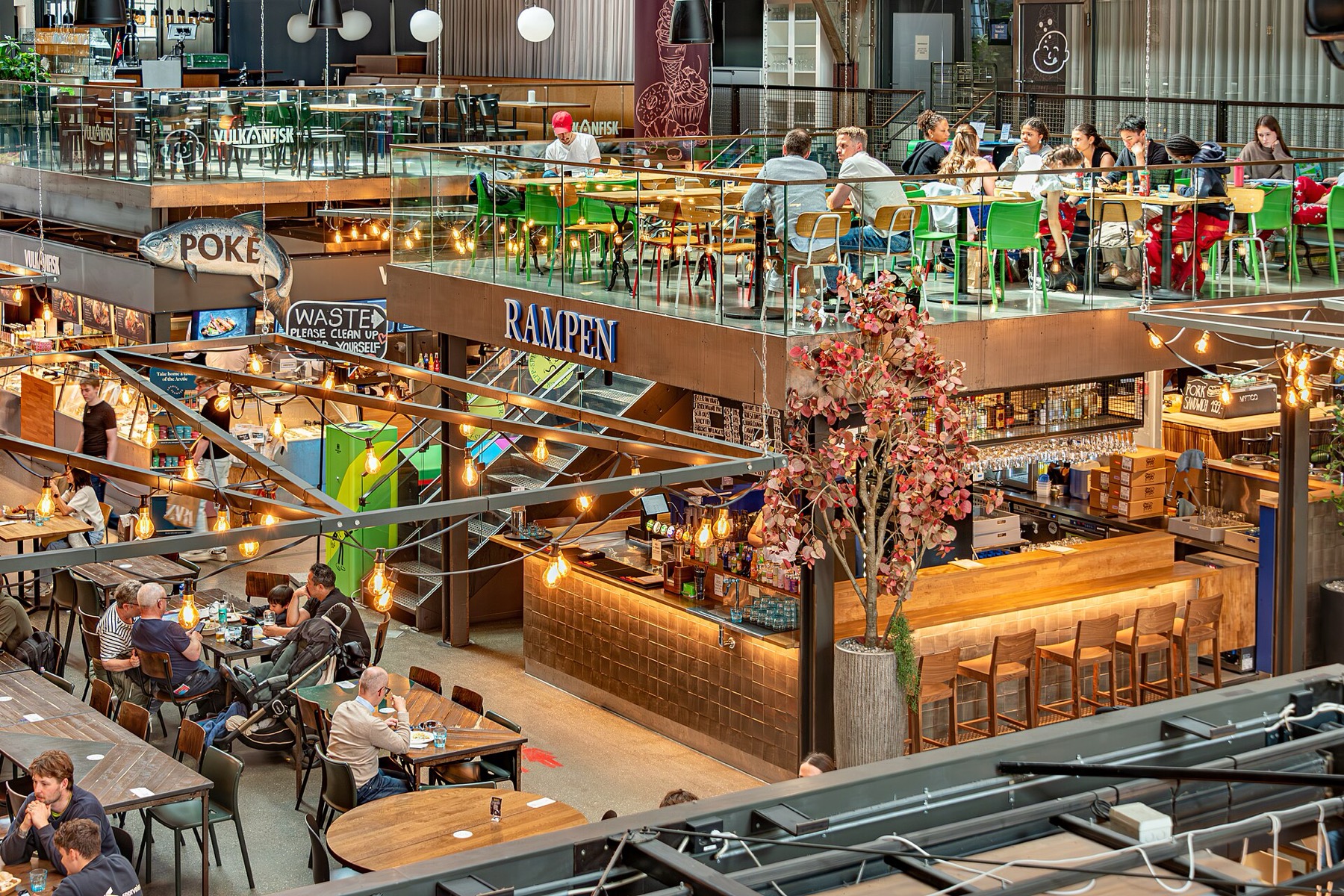
Where to eat: markets and food courts
When you do want to head out for food and soak up the atmosphere, I recommend making for the modern food courts that have become a huge hit in recent years. In Oslo the absolute top spot is Mathallen at Vulkan 5, a beautiful market inspired by European food halls. It’s packed with local cheeses, artisan bakeries, and small bistros serving Greek, Italian, and traditional Norwegian cuisine. The whole area around Vulkan and the neighbouring hipster district of Grünerløkka is absolutely fantastic for food, and you’ll find great places at more reasonable prices.
If you head to Bergen, you definitely won’t miss the famous Fisketorget fish market right by the historic Vågen harbour. This outdoor market dates back to the Middle Ages and today you’ll find stalls with fresh fruit and seafood. Since 2012 there’s also the covered year-round Torghallen market with upscale fish bars and a tourist info centre. Prices here are decidedly touristy and you won’t score a bargain, but strolling around the stalls of fresh crabs and watching the locals work is genuinely worth the moment.
In smaller towns and shopping centres it’s worth seeking out classic cafeterias, which often work as buffets. In western Norway these canteens have a special Thursday tradition when they offer traditional potato dumplings called komle as an affordable dish of the day. It’s one of the few moments when even regular Norwegians go out for a hot lunch during the working week.
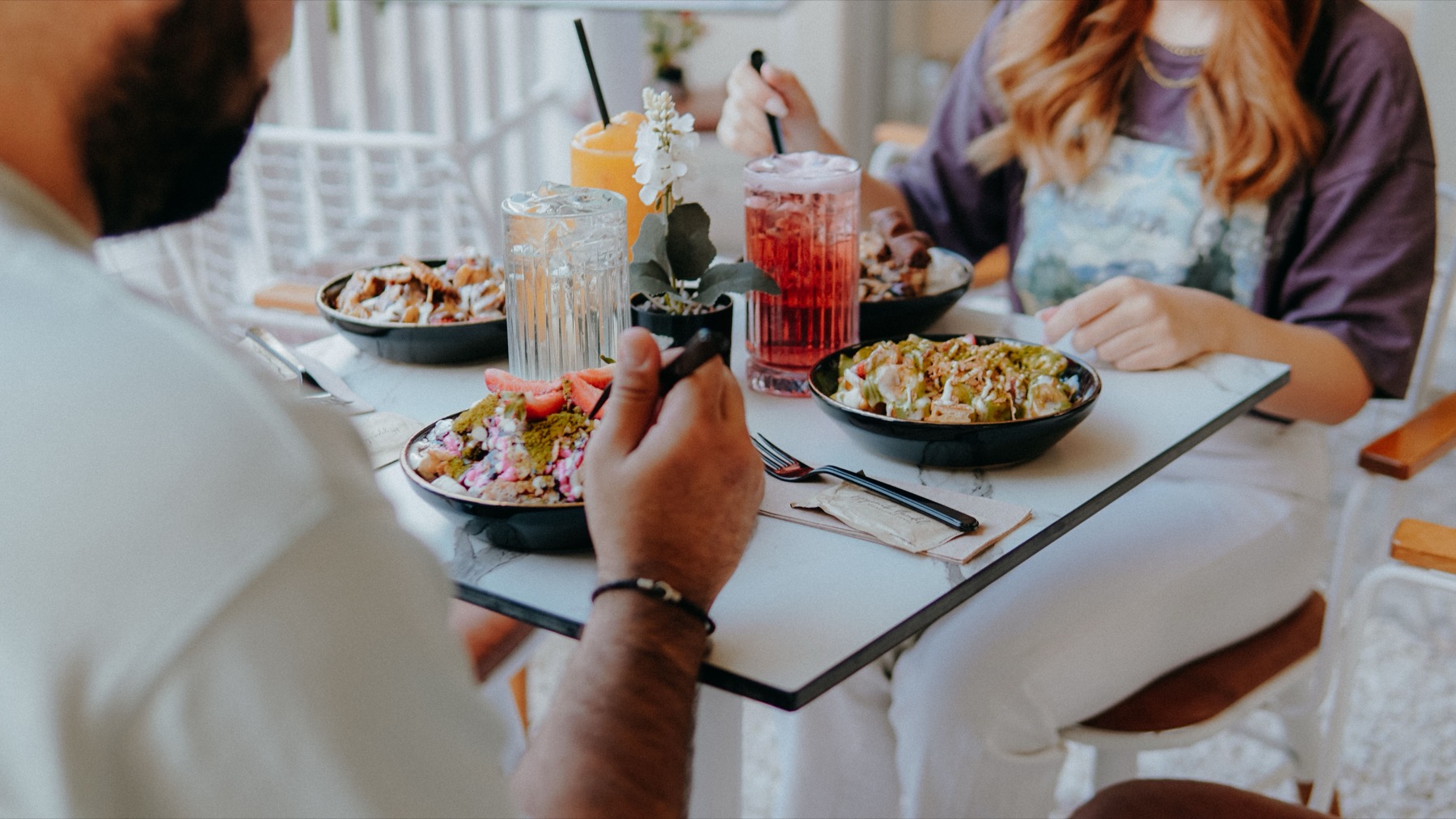
Vegetarian Norway in 2026
Being a vegetarian in a country historically obsessed with fishing and sheep farming sounds like quite a challenge, but in the big cities it’s actually a breeze. The popular HappyCow app alone lists nearly a thousand plant-friendly venues, of which almost three hundred are in Oslo itself. From our own experience, in the capital we can warmly recommend the excellent fully vegan restaurant Nordvegan or the renowned King Falafel.
In the countryside and more remote areas around the fjords it’s of course a bit trickier, but the fantastically stocked Norwegian supermarkets come to the rescue. You’ll find absolutely everything, from quality oat milks to vegan burgers and marinated tofu, even in the smallest village branches of the discount chains. Many common chains like Peppes Pizza or Egon also automatically feature plant-based alternatives and salads on the menu.
Personally, what saved us on our travels was the huge range of traditional sweet dishes, which are luckily naturally vegetarian. When we couldn’t get a hot lunch, we had coffee with waffles, oat porridge (havregrøt), or traditional sweet pastries from a local bakery. Indian, Thai, and Vietnamese restaurants are then a sure bet in every mid-sized Norwegian town, so you definitely won’t go hungry here.
How much does food cost in Norway (2026 prices)
Prices in Norway can really give your wallet a workout, so it’s good to have at least a basic idea beforehand. Here’s a rough table of average prices based on data from Numbeo for the summer of 2026. The conversion is roughly €0.09 per Norwegian krone (NOK).
| Item | Price in NOK | Approx. in EUR |
|---|---|---|
| Lunch at a cheap bistro | 222 NOK | €20 |
| Dinner for two (3 courses) | 1,000 NOK | €90 |
| Kebab to go | 130–170 NOK | €12–15 |
| Draught beer 0.5 l in a restaurant | 110 NOK | €10 |
| Cappuccino in a café | 53 NOK | €5 |
| Ready meal/wrap in a supermarket | 60–100 NOK | €5–9 |
| Frozen Grandiosa pizza | 45–60 NOK | €4–5 |
| Loaf of bread (500 g) | 35 NOK | €3 |
The best strategy for travellers on a limited budget is a combination of a hearty hotel breakfast, your own matpakke for lunch, and a hot dinner from the supermarket or a cheaper bistro. This way you can squeeze your daily food spend down to under 300 NOK (about €27) per person. Tipping isn’t generally expected in Norway; at most you round up the bill for truly exceptional service in an expensive restaurant. Feel free to leave your cash at home — you can pay by card or phone absolutely everywhere, even for waffles at a remote mountain cabin.
15 Foods You Have to Try (or at Least Know About)
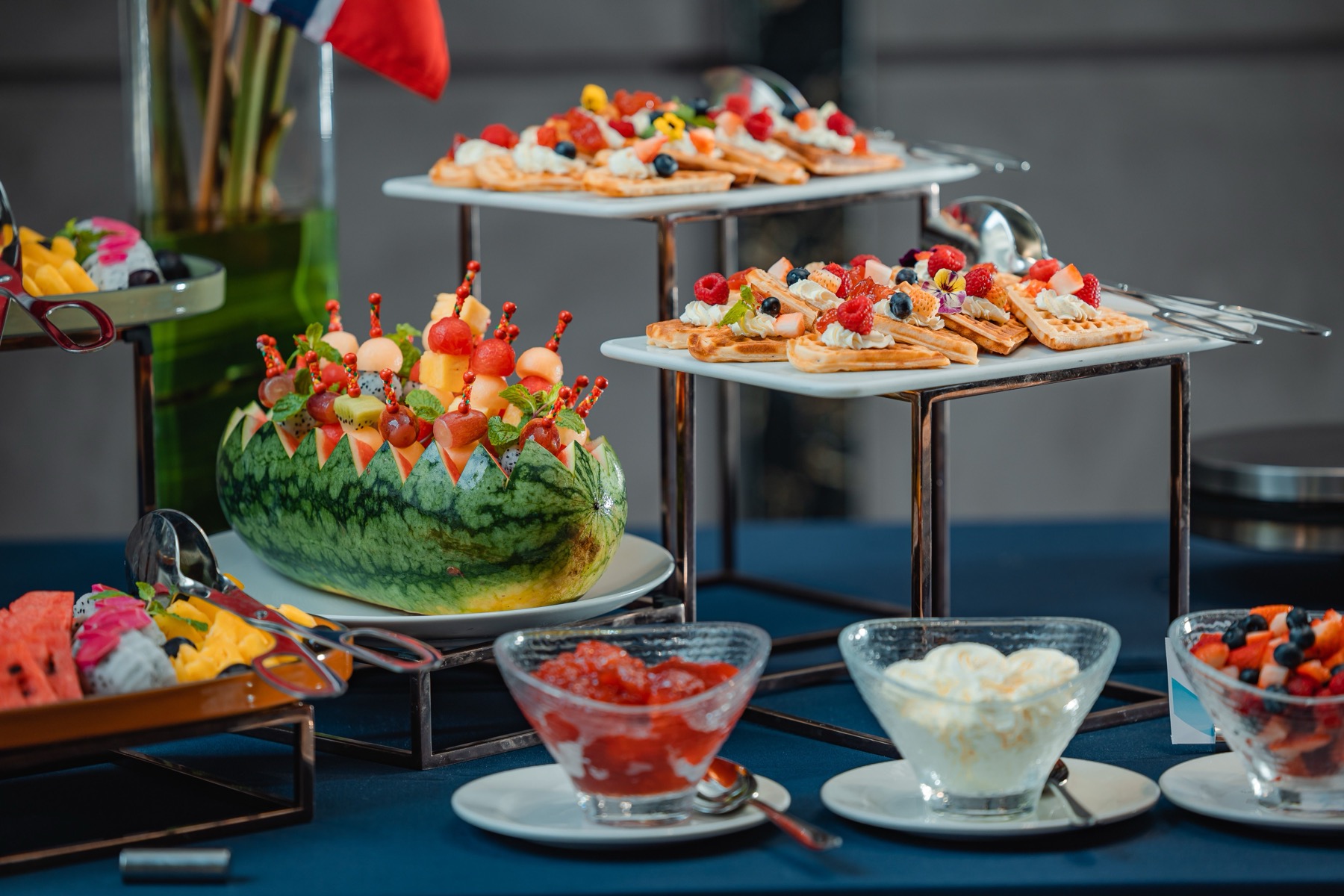
We put this list together with real affection — there are dishes we fell in love with and some that made the hair on the back of our necks stand up a little. But all of them are worth knowing about at the very least.
1. Brunost: A caramel miracle in thin slices
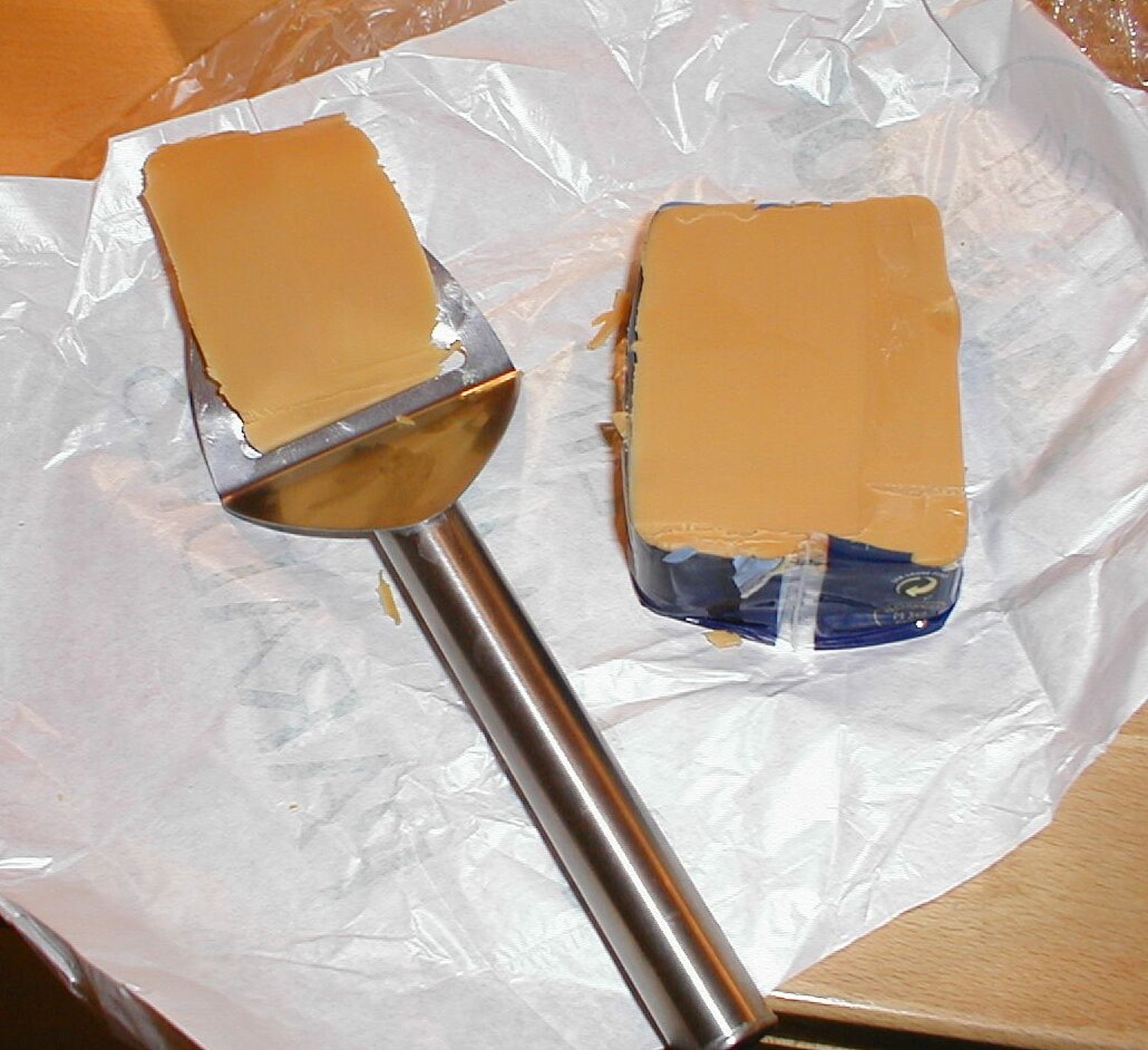
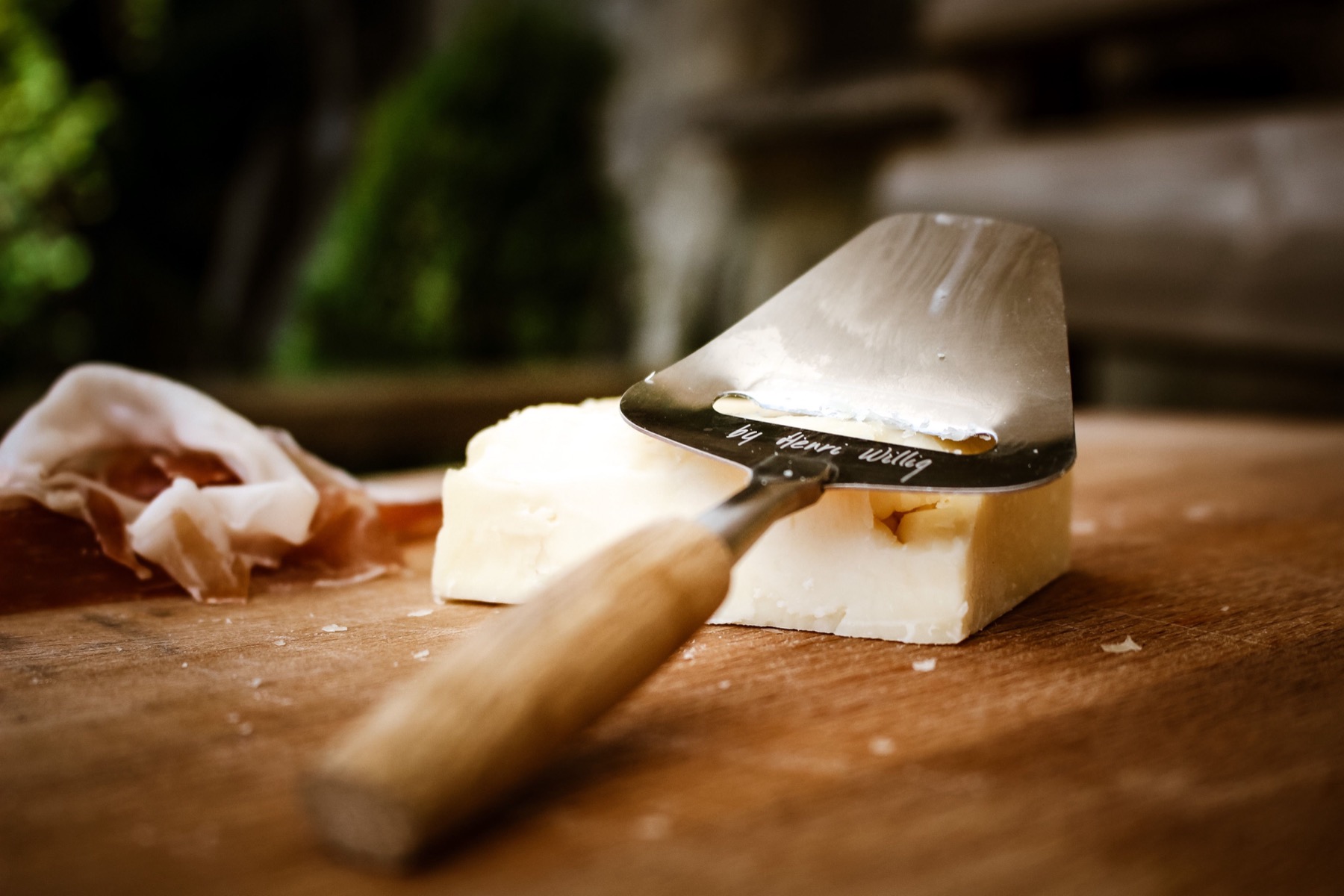
Brunost is something you either fall in love with instantly or never want to see again. Technically it isn’t actually cheese at all, but slowly caramelised whey. During the long boiling of milk, cream, and whey, the milk sugar caramelises, which gives the mass its typical brown colour and an incredibly distinctive sweet, slightly goaty, caramel flavour. Most often you’ll come across the Gudbrandsdalsost brand from the giant dairy cooperative Tine, recognisable by its typical red block.
We owe the modern form of this treasure to milkmaid Anne Hov, who in the 1860s added cream to ordinary whey and created a richer version. According to legend, this invention economically saved the entire Norwegian valley of Gudbrandsdalen. There are various versions, from pure goat’s geitost to the milder fløtemysost without goat’s milk, so you can pick according to your own courage.
It’s strictly portioned with a special cheese slicer called an ostehøvel, which is, by the way, a very famous Norwegian invention the locals are duly proud of. We absolutely fell in love with brunost on fresh bread or warm waffles. It also makes a genius souvenir, because it keeps reasonably long even outside the fridge without losing its typical flavour.
2. Waffles (vafler): A heart-shaped national obsession
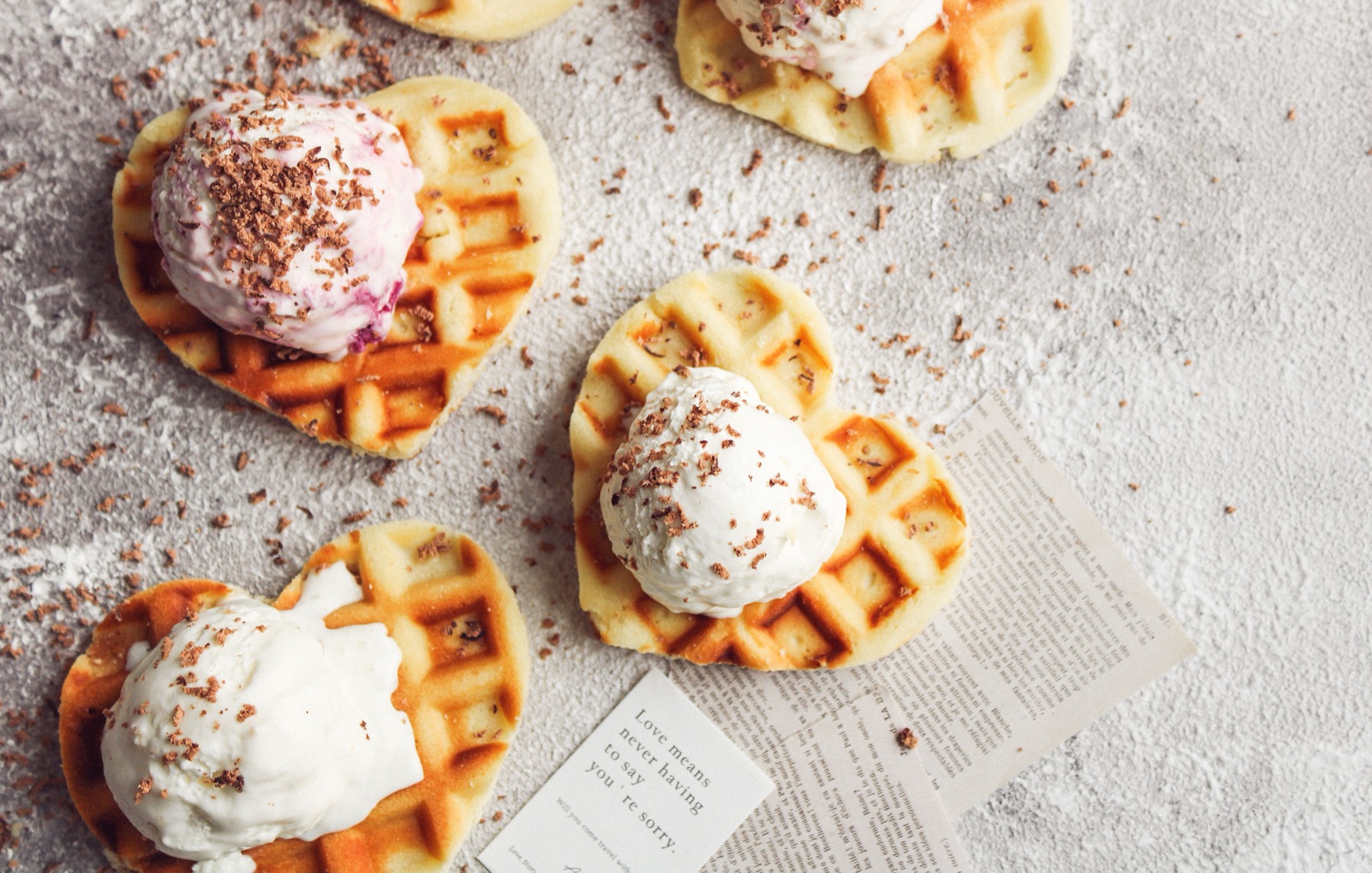
Norwegian waffles are thinner, softer, and much more delicate than the classic Belgian ones you might know from fairs. They’re strictly baked in the shape of five joined hearts and you’ll come across them on practically every corner in Norway. They’re sold at remote mountain cabins run by the DNT association, in museums, at sports matches, and at even the smallest roadside petrol stations.
The culture called kaffe og vafler — coffee and waffles — is a huge social institution and the Norwegian equivalent of English afternoon tea. They’re classically served with a generous spoonful of rich sour cream (rømme) and homemade strawberry or raspberry jam. Locals often add a slice of brown brunost cheese, which creates an absolutely perfect combination of sweet and savoury that you should definitely try. In our experience it’s the best way to warm up after a windy afternoon by the fjords.
3. Svele: The pancake that belongs on a ferry
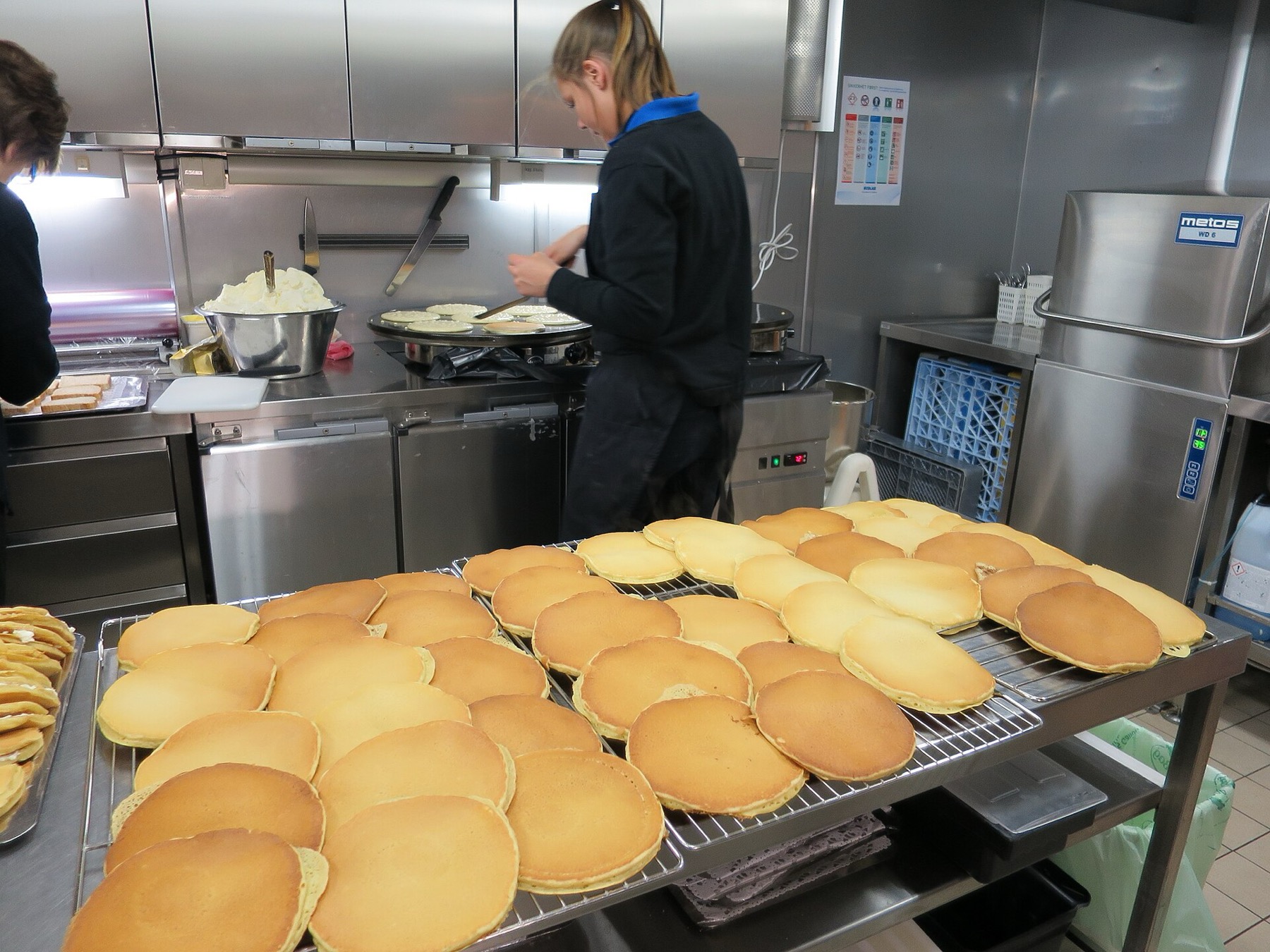
When we travelled along the west coast and to the Lofoten Islands, we spent a lot of time on ferries, and that’s exactly where we discovered this little masterpiece. Svele is a thicker pancake similar to an American flapjack, beautifully fluffy thanks to baking soda and a baker’s ammonia salt called hartshorn. The batter is also made with proper buttermilk, which gives it a very gentle tang and softness.
This treat comes from the picturesque Møre og Romsdal region and since 1971 has traditionally been served on all the fjord ferries. Having a warm svele folded in half, spread with butter and sprinkled with sugar while you sail between majestic cliffs became a little ritual for us — one that simply belongs to travelling along the Norwegian coast.
4. Skolebrød and kanelboller: The scent of every bakery
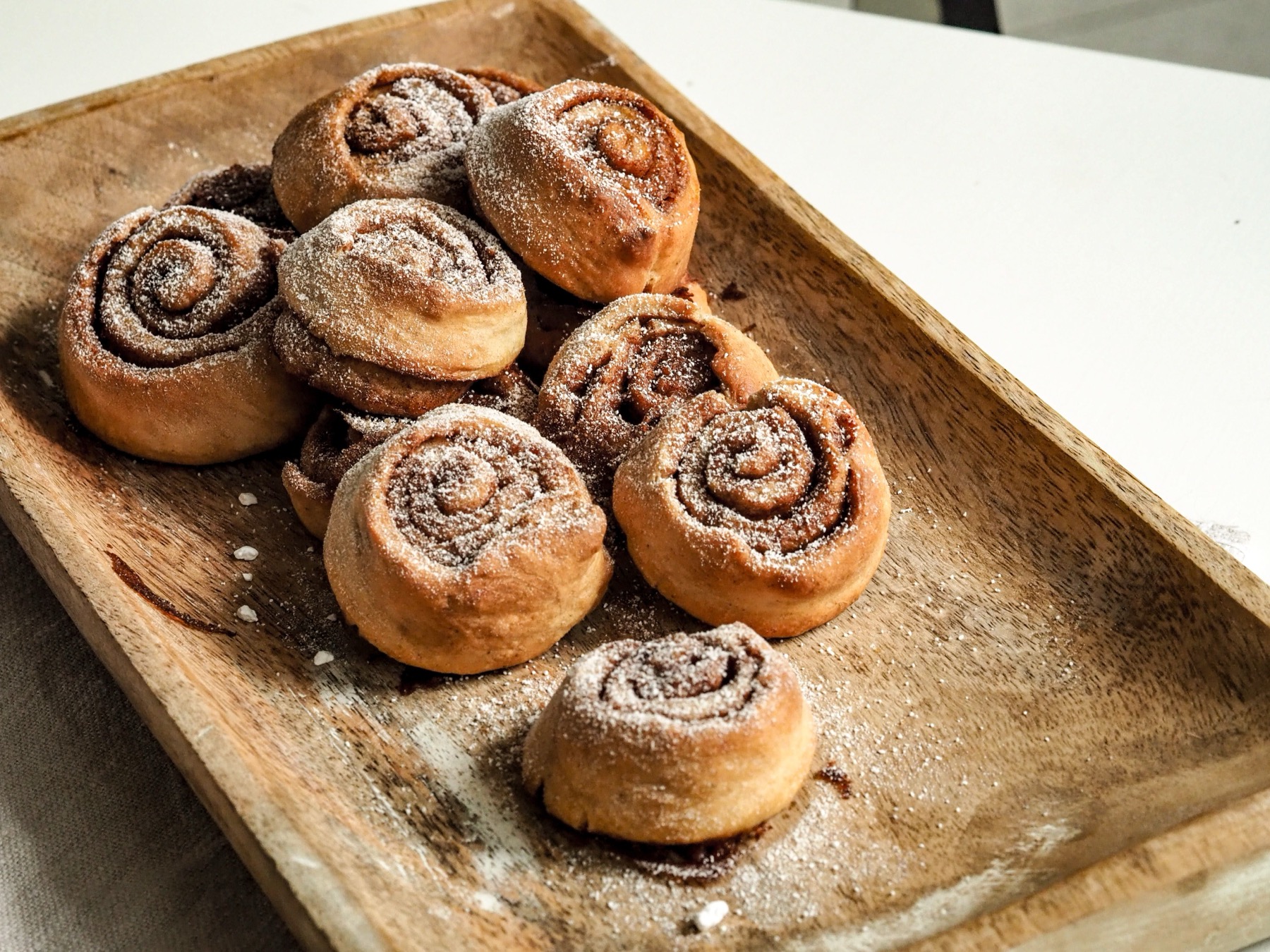
Norwegian bakeries are a little paradise for vegetarians and will save you whenever you fancy something quick with your coffee. One of the most popular items is skolebrød, which translates to “school bread.” It’s a fluffy leavened bun with proper vanilla custard in the middle, coated around the edges with sweet icing and generously sprinkled with grated coconut. Originally it really was packed into children’s matpakke as a special sweet snack.
The second pillar of Norwegian café culture is the kanelbolle, the classic cinnamon roll known across Scandinavia. In Oslo and Trondheim, famous bakeries like Baker Hansen or W.B. Samson compete fiercely over who bakes the best one. It’s an ideal and fairly cheap way to take a break during your city sightseeing, since one costs on average an acceptable 30 to 55 Norwegian kroner (about €3–5).
5. Rømmegrøt: Creamy porridge from mountain farms
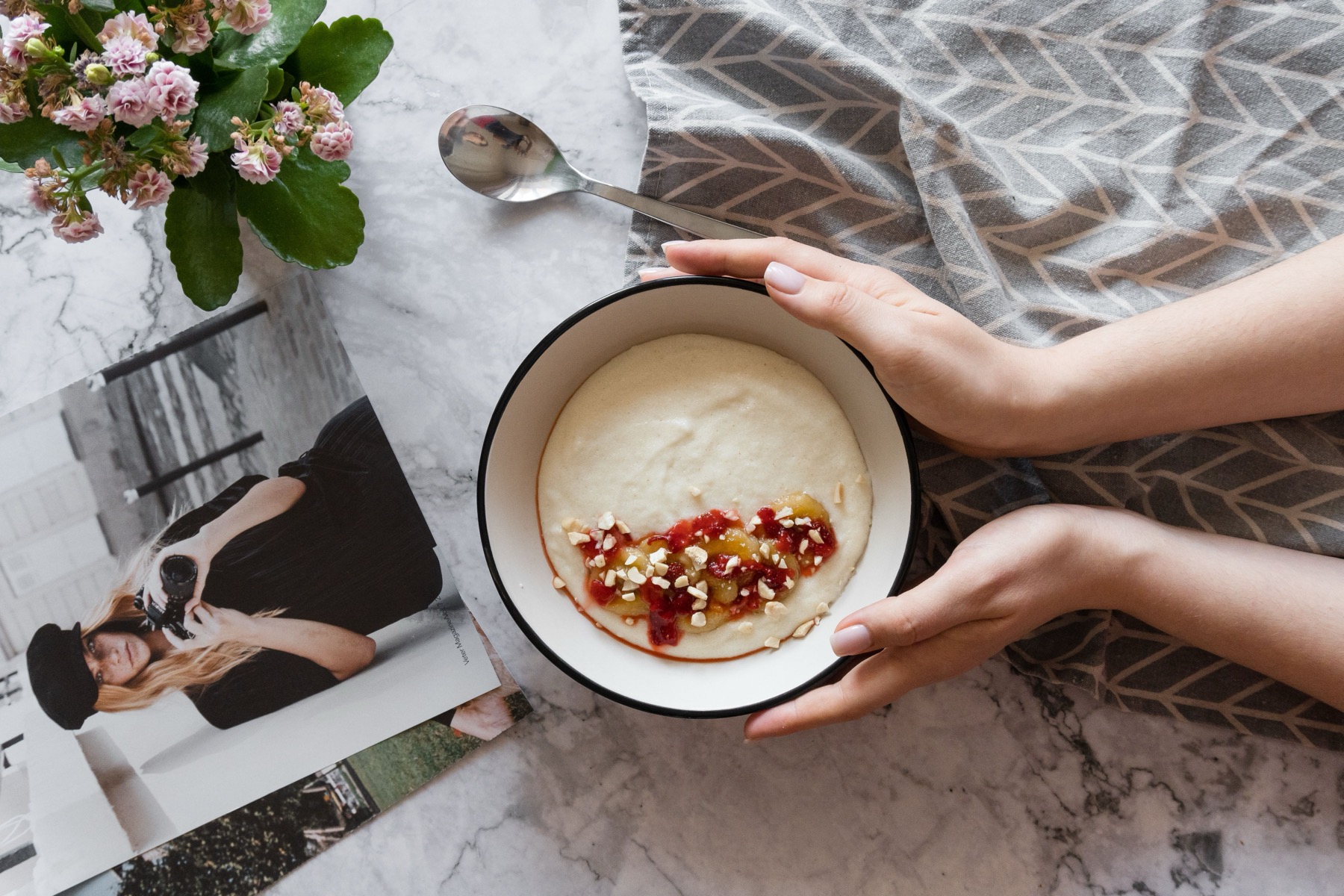
At first glance it looks like ordinary semolina porridge from a school canteen, but don’t be fooled. Rømmegrøt is an incredibly rich, thick porridge cooked from fatty sour cream, flour, and milk. It’s traditionally served generously sprinkled with sugar and cinnamon, with a big pool of melted butter in the middle.
Historically it’s a typical festive summer dish that was cooked at mountain dairy farms called seter, where farmers drove their cattle to graze. Locals like to have it with traditional cured meats (spekemat) to balance the sweet flavour, and you’ll often come across it in areas like historic Røros. We naturally had it just in the purely vegetarian version with butter, and that was plenty. It’s such an incredibly filling dish that after one bowl you have energy for an all-day hike 😅.
6. Multekrem: Arctic gold on a plate
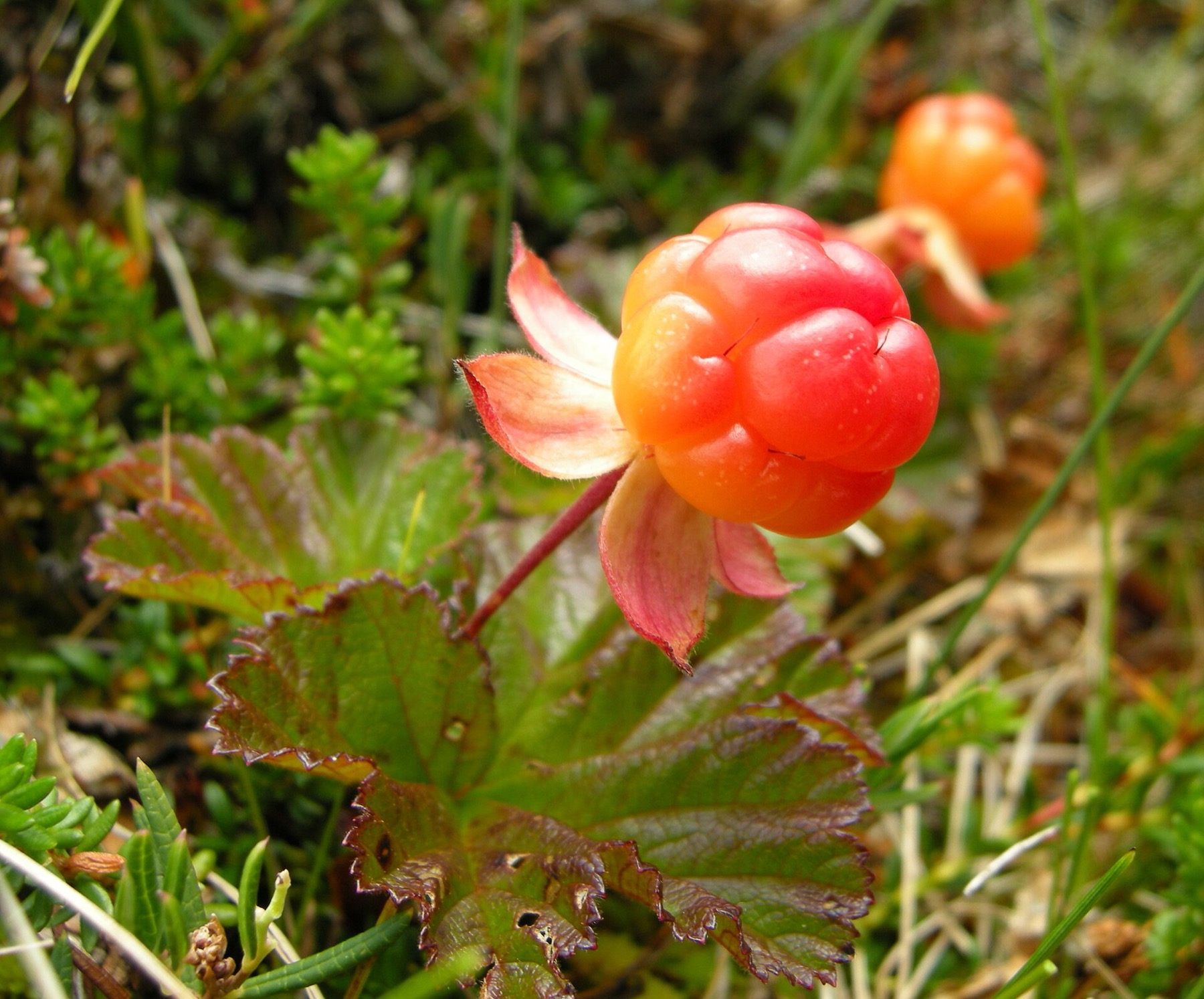
The cloudberry, called multe in Norwegian, is an orange berry similar to a blackberry that grows exclusively in Nordic peat bogs and mountain areas. It has never been fully cultivated for commercial farming and is picked only by hand in the wild, which is why it’s very expensive and nicknamed Arctic gold. In northern Norway there are also strict rules stating that unripe fruit must not be picked.
The most famous dessert made from these rare berries is multekrem, which is lightly whipped cream gently mixed with cloudberries and sugar. It’s commonly served as a traditional dessert at Christmas feasts, but you can also have excellent cloudberry jam on warm waffles at mountain cabins. The flavour is honeyed and winey, slightly tart, and utterly unique, so a jar of this jam from the supermarket is, by the way, the very best gift souvenir to take home.

7. Fårikål: The national dish that smells of autumn
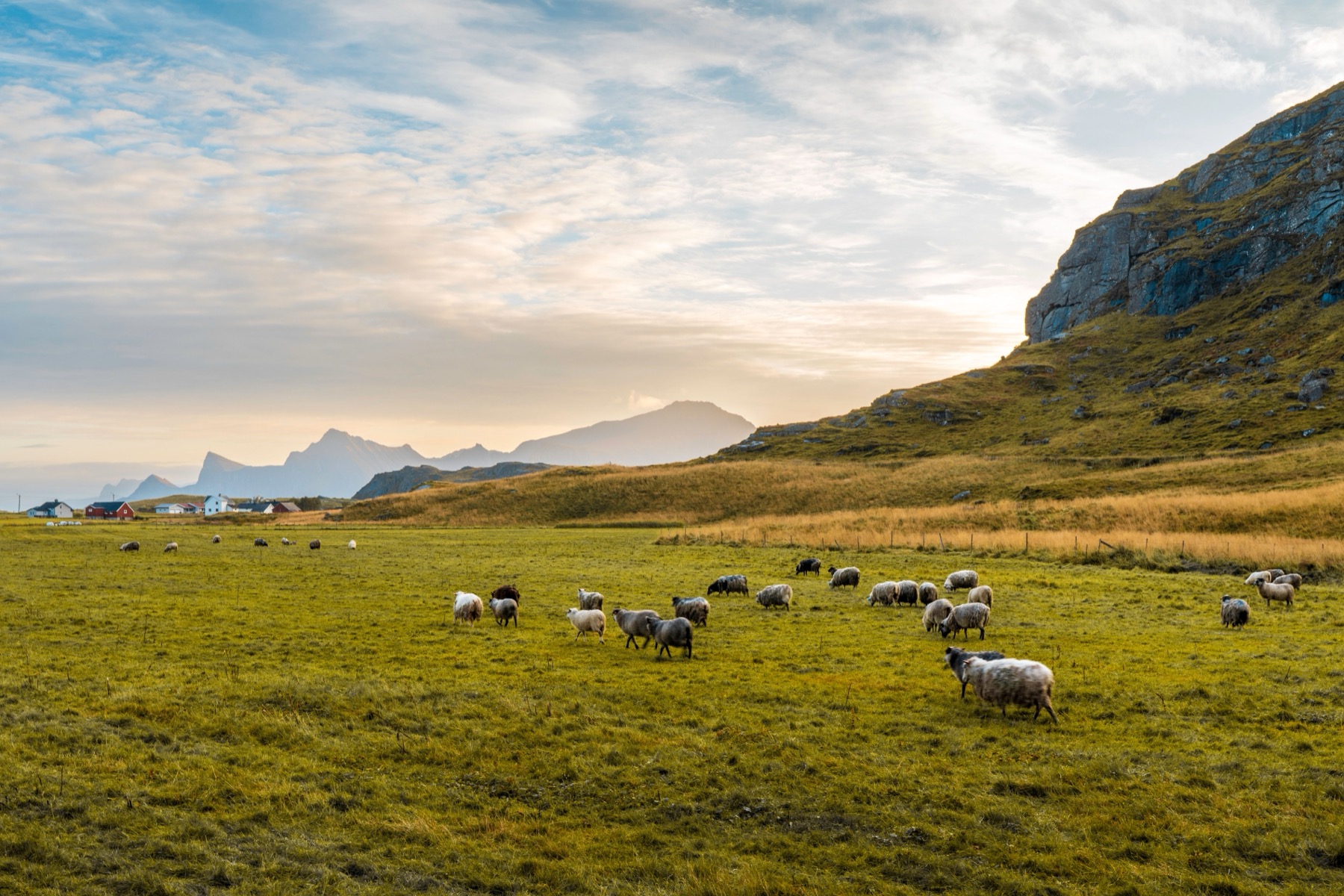
If you ask about the absolute foundation of Norwegian meat cooking, most locals will immediately mention fårikål. This dish of lamb or mutton and cabbage even won a radio poll on the Nitimen programme for the official national dish back in the 1970s, and it has defended its title several times since.
The recipe is completely minimalist: meat with cabbage, whole black peppercorns, and salt is simmered in water for roughly two and a half hours until it’s completely tender. The dish is firmly tied to the autumn season, when the sheep are slaughtered after a summer spent on mountain pastures. Norwegians love this simple dish so much that they’ve dedicated a whole holiday to it (fårikålens festdag), which falls on the last Thursday of September, when it’s cooked in practically every household.
8. Kjøttkaker and raspeballer: Classics of roadside inns
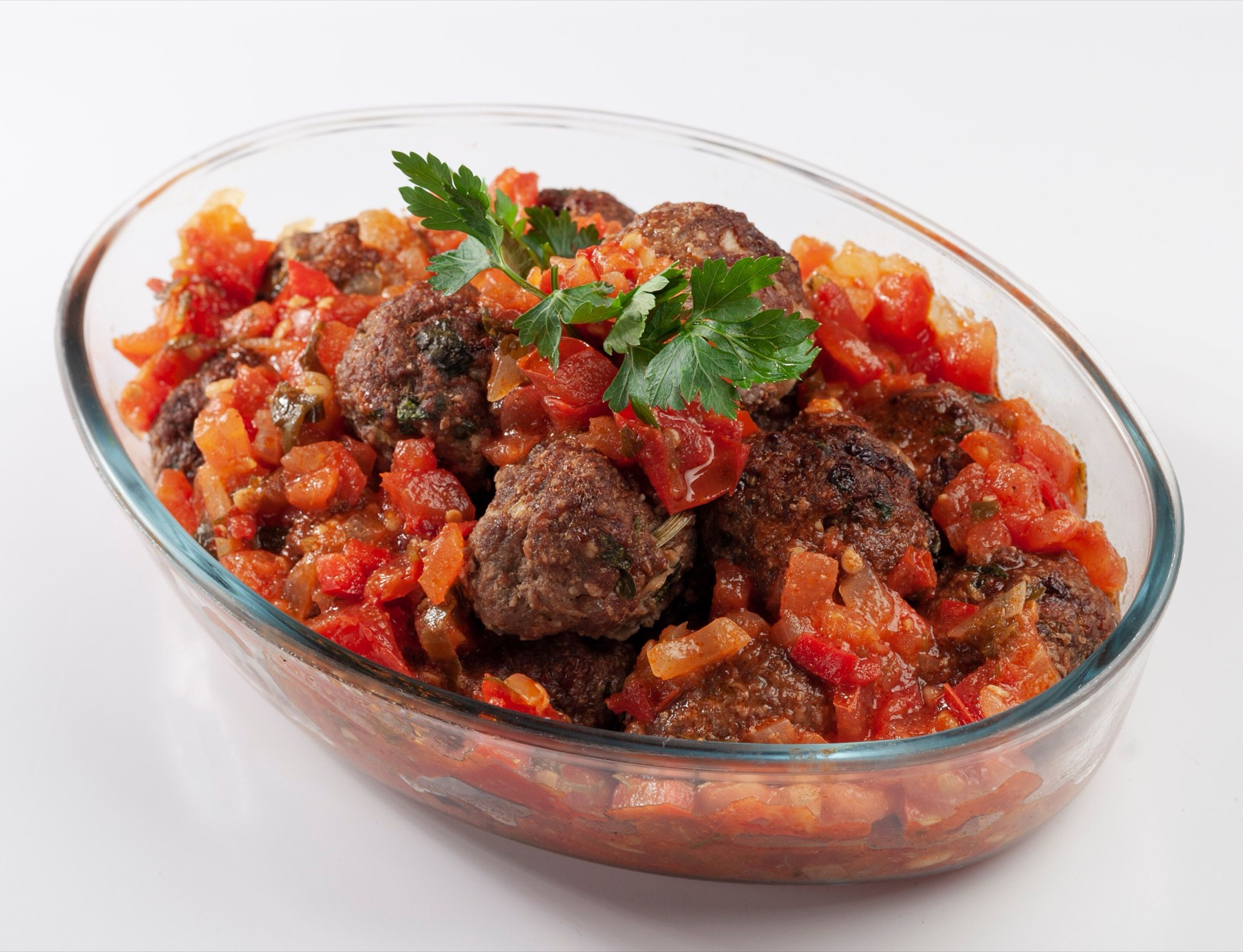
Traditional diners in Norway swear by kjøttkaker, hearty beef meatballs that are much bigger and coarser than the well-known Swedish ones from IKEA. They’re classically served with a thick brown gravy (brun saus), boiled potatoes, stewed cabbage, and lingonberries. This is the most common lunch menu at the typical roadside motorest restaurants along the main routes.
Western Norway then lives for the phenomenon called komle, also known as raspeballer, or kompe in the south. These are dense dumplings made of raw grated potatoes and flour, which locals usually eat with salted pork or sausages. Interestingly, in the west there’s a firm tradition of so-called Thursday dumplings (komle-torsdag), when most local eateries offer this dish. As vegetarians we could theoretically have it just with mashed swede and butter, but you have to be very careful in restaurants whether it was cooked in meat stock.
9. Tørrfisk and klippfisk: The fish that put Norway on its feet
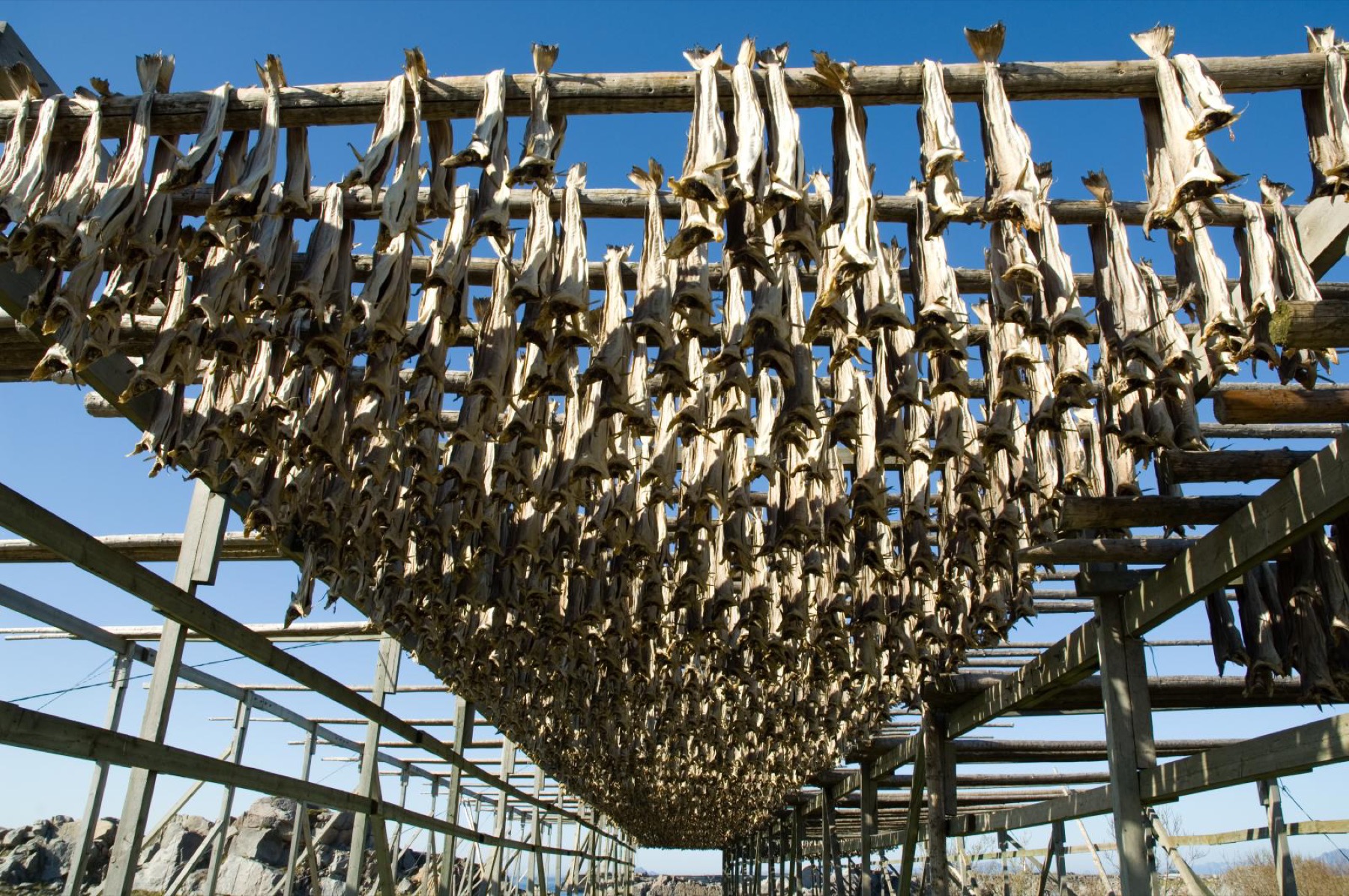
During our summer journey around the Lofoten Islands in 2026, the ever-present giant wooden racks for drying fish were an absolutely fascinating sight, even when they stood empty. Tørrfisk is cod dried by the cold polar air right on these wooden structures without any salt. Klippfisk, on the other hand, is heavily salted before being dried on the coastal rocks, and its main hub is the town of Kristiansund.
Historically it was the single largest Norwegian food export, on which the entire Hanseatic Bergen and its famous Bryggen district grew rich. To this day these dried fish are shipped by the ton to Italy or Portugal, where they’re used to make their famous national dish bacalhau. Locals in the Lofoten Islands commonly buy pieces of dried cod in small bags as a healthy afternoon snack, which a visitor can watch with some amazement at petrol stations.
10. Gravlaks and salmon: A global export superstar
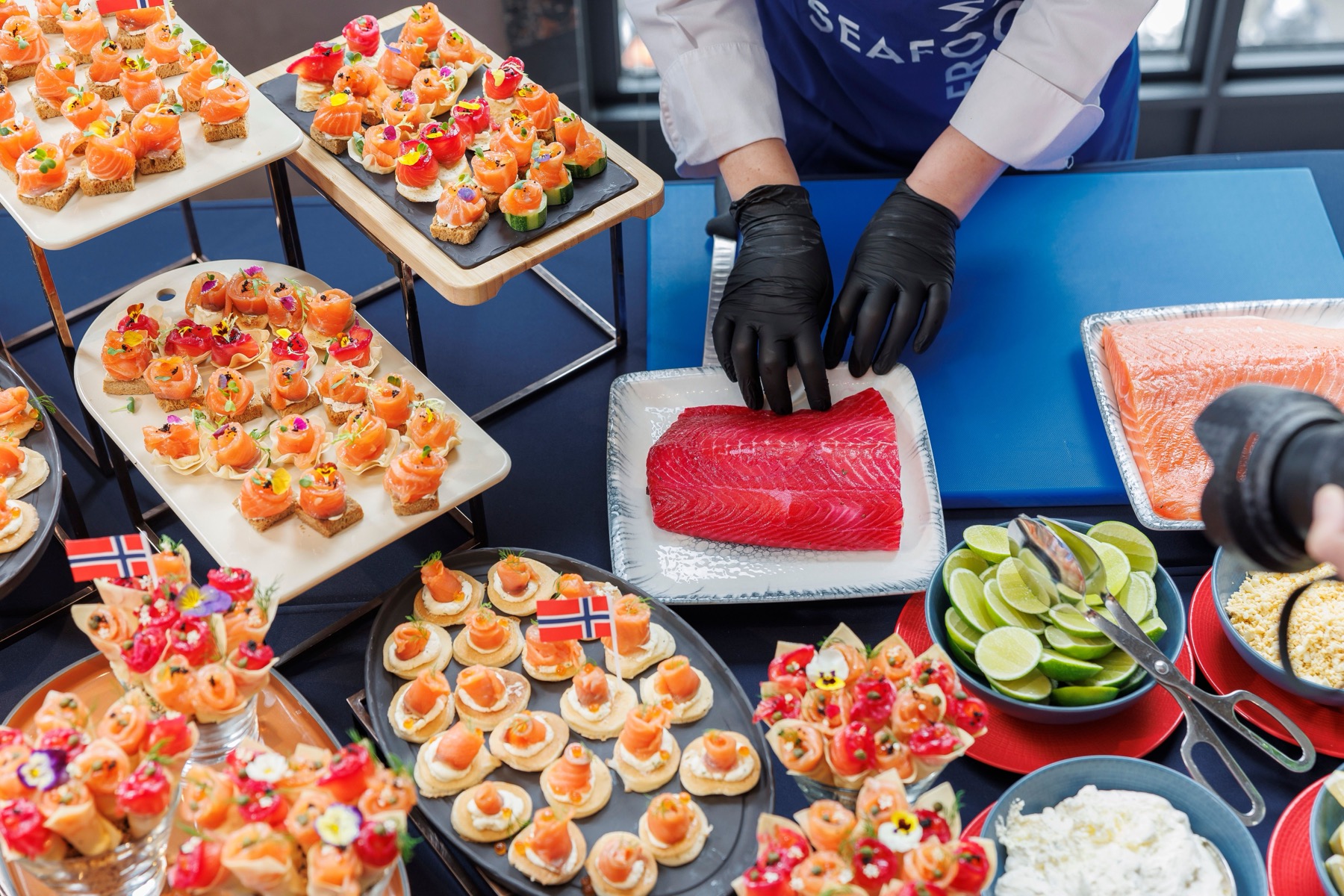
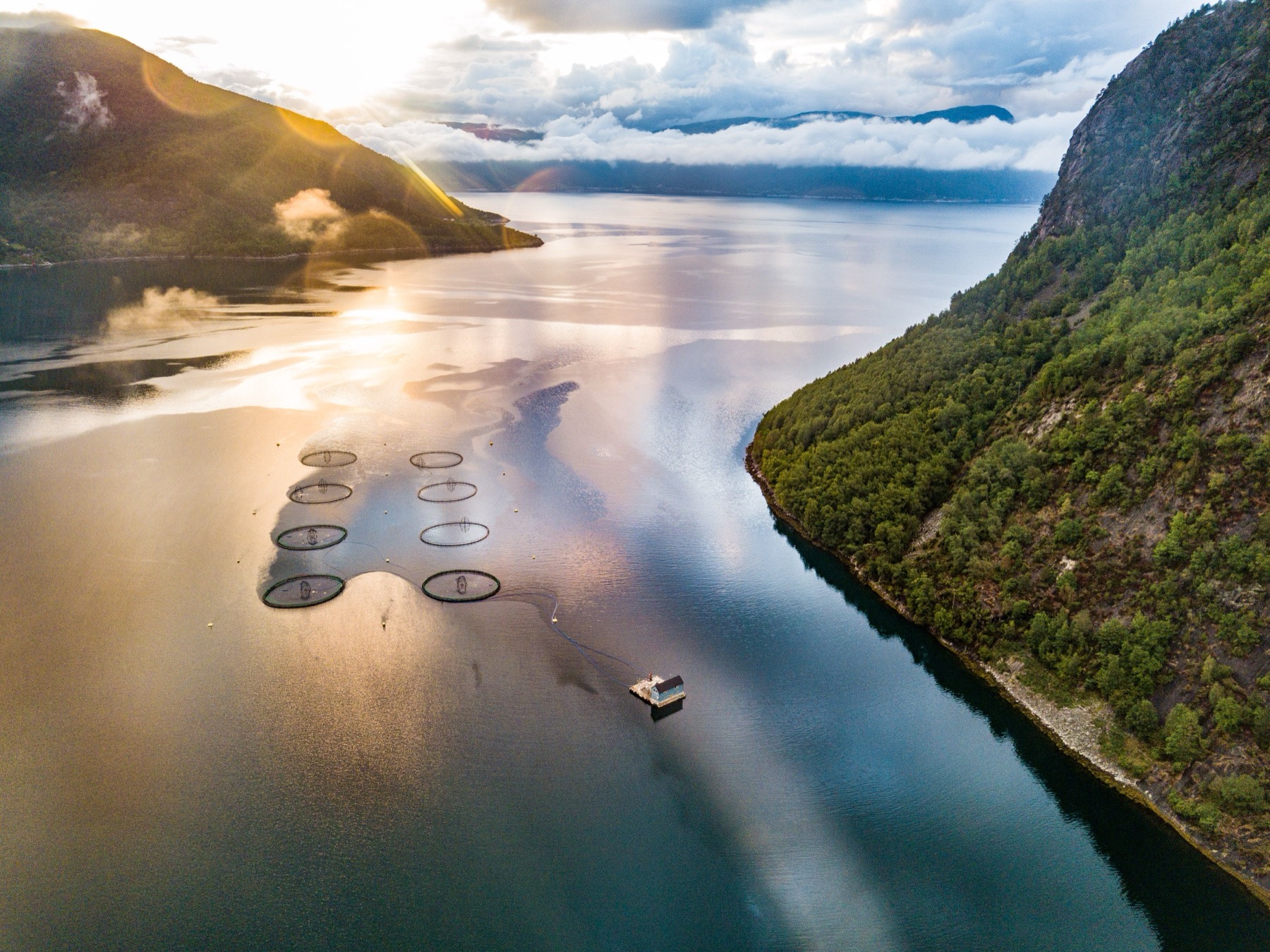
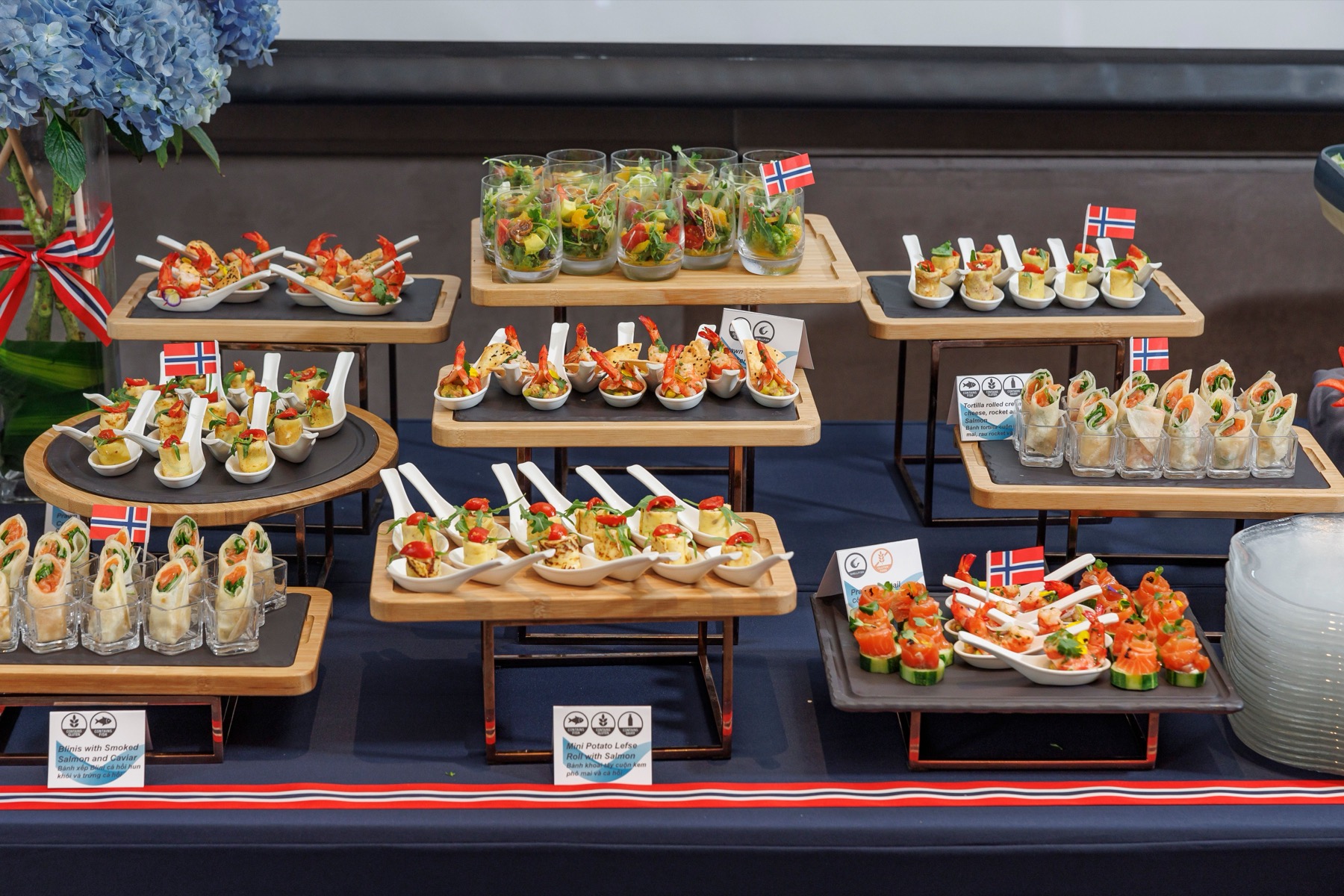
Norwegian salmon is a household name worldwide and makes up a huge part of both the local diet and lucrative exports. Besides the classic baking and smoking (røkelaks), the biggest local speciality is gravlaks. It’s raw salmon cured for one to two days in a special mixture of salt, sugar, and a large amount of dill, which gives it a fantastic tenderness.
It’s then traditionally sliced very thinly and served with a sweetish mustard sauce on a slice of fresh bread. Gravlaks is simply the Scandinavian contribution to world gastronomy, one the French should thank Norway for. A fun historical fact for every food lover is that it was Norwegian traders who, as part of the so-called salmon diplomacy in the 1980s, taught the Japanese to use raw salmon for making sushi.
11. Lutefisk and rakfisk: Controversy for the brave
Christmas time brings dishes to Norwegian traditional restaurants that command respect even among Norwegians themselves and divide the nation into two camps. Lutefisk is dried cod soaked for several days in a strong lye solution with a high pH. This breaks down the proteins and the fish takes on a peculiar translucent, jelly-like texture. Paradoxically, this bizarre tradition today is upheld more by the descendants of Norwegian emigrants in American Minnesota than by Norwegians themselves.
One level higher on the scale of extreme flavours is rakfisk, which is trout fermented under pressure at a low temperature for several months up to a year. It’s strictly eaten raw on potato flatbreads with onion and sour cream, has a very sharp salty taste and an immensely intense odour. The centre of this tradition lies in the Valdres valley, where a big festival, the Norsk rakfiskfestival, is held in its honour every November.
12. Smalahove and pinnekjøtt: Sheep feasts of the west coast
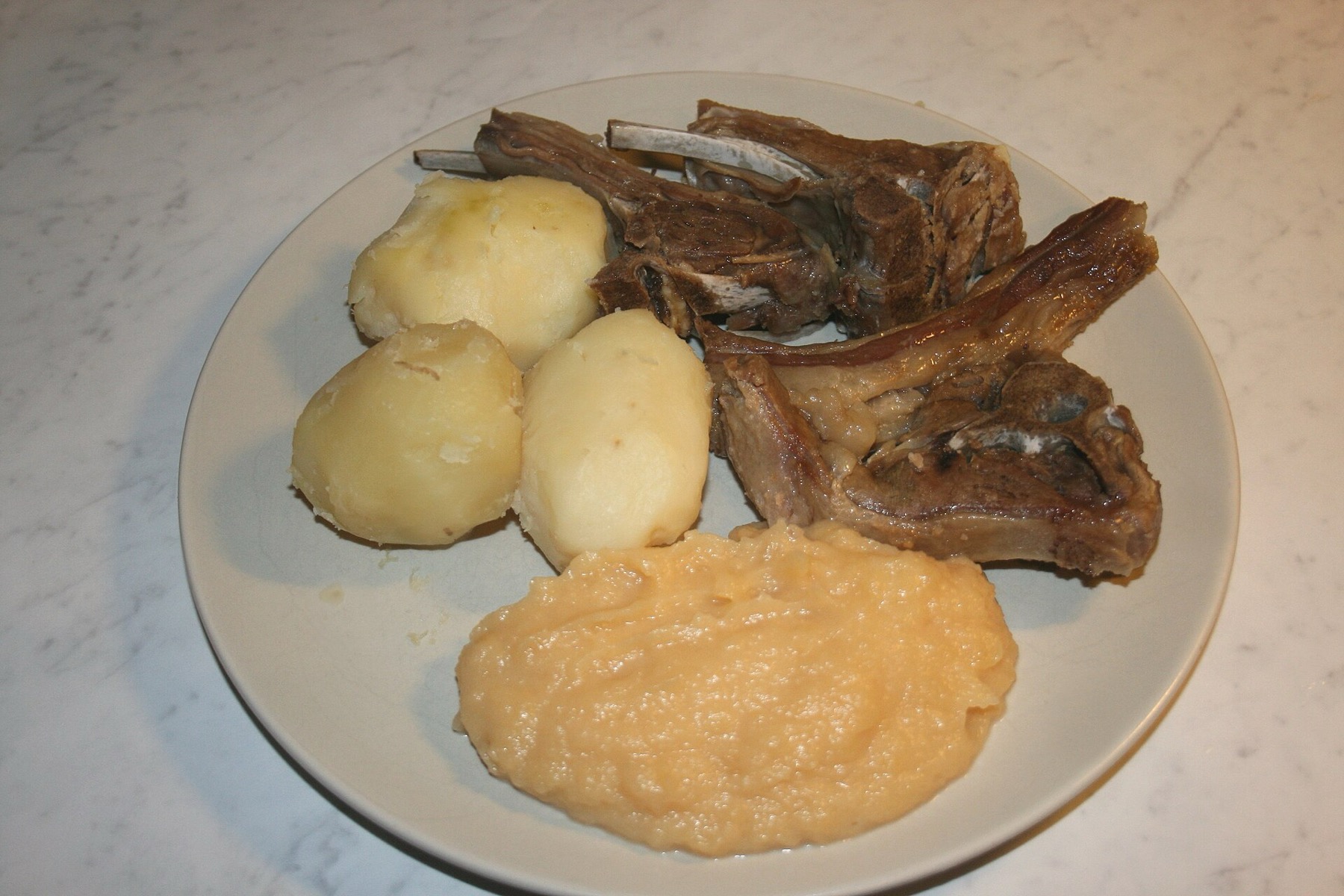
In western Norway, and especially in the wider area around Bergen, the Christmas tables are unequivocally ruled by pinnekjøtt. These are salted and dried lamb ribs that are slowly steamed for many hours on a rack of birch twigs, which is where the name comes from. For nearly a third of the entire nation this is the main Christmas Eve dish, which on the west coast clearly beats even the classic roast pork.
A tourist curiosity for the truly strong-stomached is then smalahove, which is a singed, salted, and smoked half of a sheep’s head. It’s boiled whole for several hours, and local culinary tradition dictates eating absolutely everything, including the eye and ear. Originally it was food of the poorest social classes, but today special trips to farms are organised in the town of Voss, where it has been turned into a rather lucrative attraction.
13. Pølse: The petrol-station hot dog as a national phenomenon
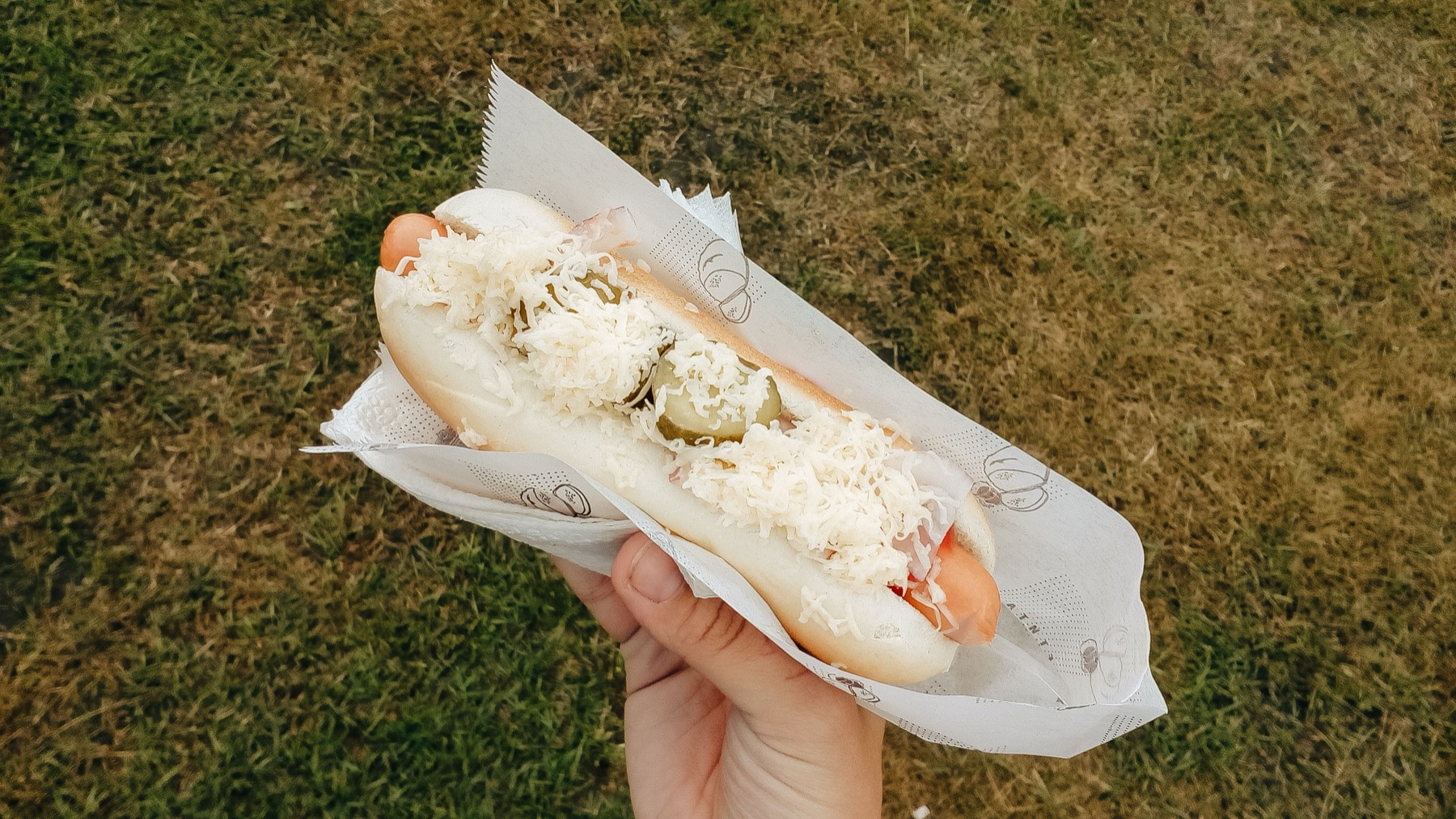
You probably wouldn’t expect the national street food in one of the world’s richest countries to be an ordinary sausage, but in Norway it holds absolutely true. Pølse is a classic heated sausage that locals love to buy at petrol stations like Circle K or in small Narvesen kiosks. It’s traditionally wrapped in lompe, a very thin, soft potato flatbread, or put in a classic soft bun.
It’s by far the cheapest hot food you’ll commonly find on the streets, costing around 40 kroner (about €3.50). The cultural significance of sausages is so huge that on the national holiday on 17 May the average Norwegian eats three of them. Sausages simply can’t be missing from any children’s birthday party, long ski trip, or lively midsummer celebration. As vegetarians we tended to go for the excellent coffee at petrol stations instead, but for locals it’s an absolute ritual.
14. Pizza Grandiosa: A modern legend from the freezer
You absolutely have to know about this one, even if you never buy it on your travels. The frozen Grandiosa pizza is an absolute cultural phenomenon in Norway and a symbol of modern times. In a country of just five and a half million people, an incredible twenty-four million of them are sold every year. Critics may mockingly nickname it “laziness in a box,” but plenty of people quite seriously consider it the unofficial national dish.
When a catchy promotional song about this pizza, Respekt for Grandiosa, came out in 2006, it stayed at the top of the official Norwegian charts for an incredible eight weeks. It has been made since 1980 in the town of Stranda and you’ll find it in the freezer of absolutely every supermarket. For budget travellers who have an oven at their hostel or wooden cabin, it’s also unbeatably the cheapest hot dinner, and luckily it comes in a vegetarian version too.
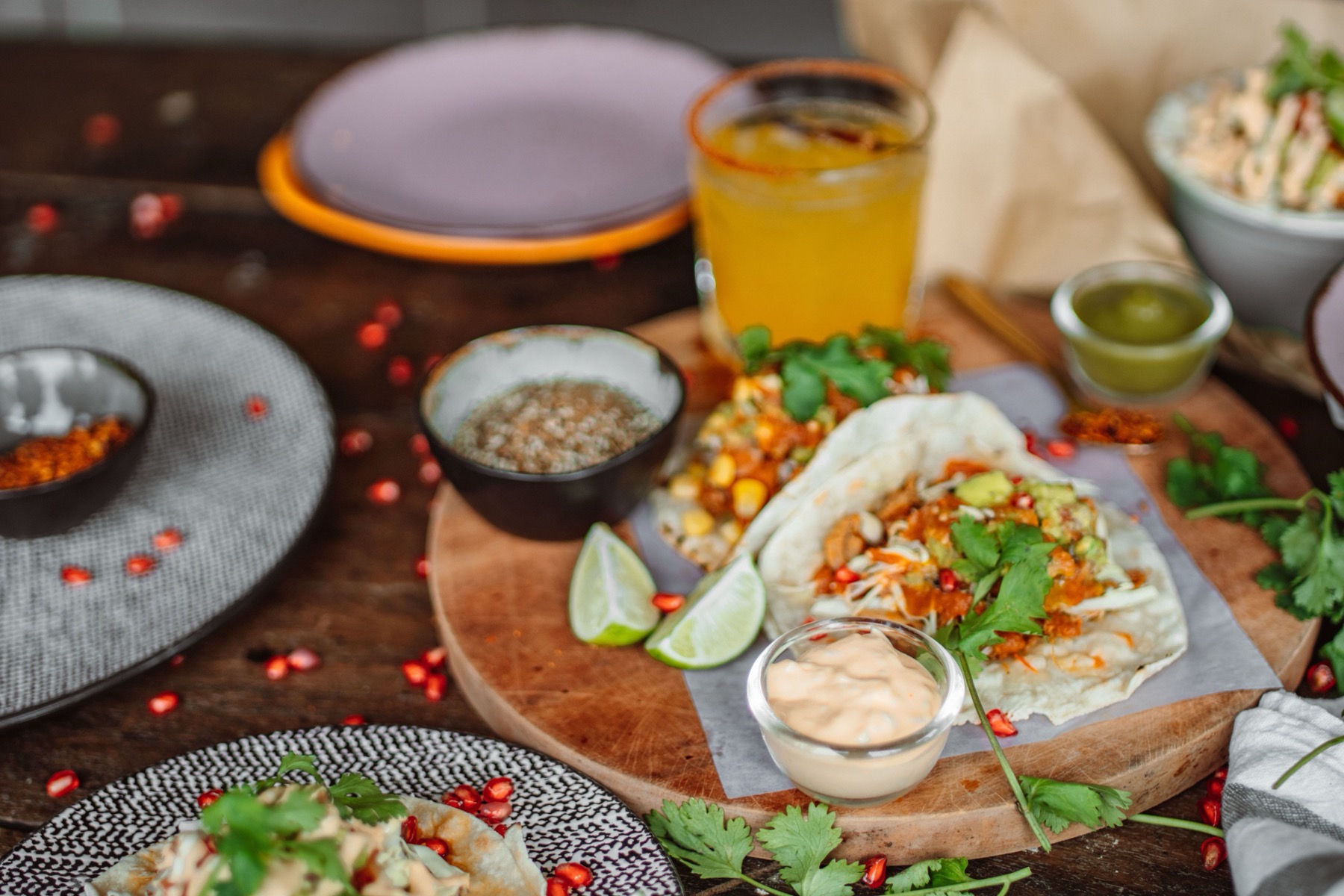
15. Fredagstaco: The tex-mex ritual of Friday night
The Norwegian weekend begins around a huge family bowl of minced meat, corn tortillas, and chopped vegetables. The Friday taco, fredagstaco in Norwegian, is a well-established nationwide tradition that the vast majority of families follow. Tacos arrived in Norway in the mid-1960s via American oil workers who worked in Stavanger, and gradually and quietly conquered the entire country.
Today, according to surveys, more than half of Norwegians eat tacos at least once a month, and Norwegian consumption of Mexican ingredients is among the very highest in all of Europe. It’s the classic tex-mex take known from the Old El Paso brand, where everyone at the table fills their own corn tortilla to taste. We sometimes made this lovely Friday tradition on our travels too, just with beans, corn, and veggies, and after a long day on our feet it was pure bliss.
What to Drink: A Coffee Superpower and Strict Rules for Alcohol
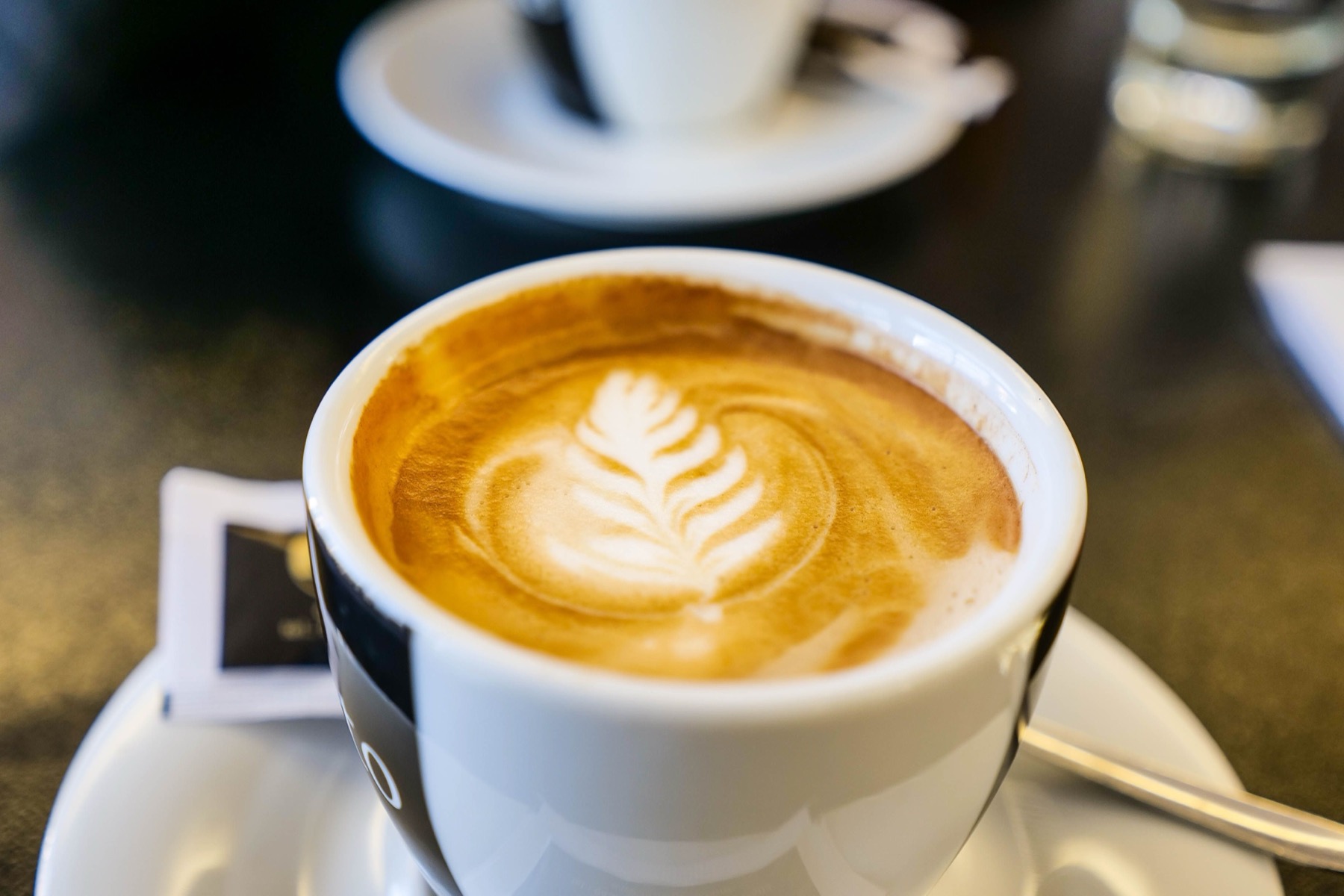
If there’s one thing Norwegians truly know and love, it’s drinking good coffee. Norway has long ranked in the world’s top four for coffee consumption per capita, with the average resident drinking an incredible nine and a half kilos a year, roughly three times more than in most of Europe. Coffee is drunk at home, in offices where an unlimited pot is an absolute standard, at mountain cabins, and during traditional fishing, where locals brew coarsely ground coffee (kokekaffe) right over the fire.
Oslo is today the global centre of the so-called Nordic roast — a very light roast that lets fruity notes shine and changes the way you look at coffee. You’ll find legendary roasteries here like Tim Wendelboe, whose owner won the World Barista Championship in 2004, or the vintage café Fuglen. If you want to save money at a café, order a plain filter coffee (kaffe), which is always noticeably cheaper than espresso drinks like cappuccino. At petrol stations there’s also the handy kaffeavtale, a good-value subscription with free refills.
As for water, tap water is perfectly clean and drinkable everywhere, so definitely bring your own bottle and don’t buy the bottled stuff. Alcohol in Lutheran Norway is traditionally more complicated and very expensive. You can buy beer under about five percent in regular supermarkets, but sales end on the dot of 8 p.m. on weekdays and at 6 on Saturdays. Wine and spirits are sold exclusively in the state-run Vinmonopolet shops, which have very limited opening hours and are uncompromisingly closed on Sundays.
Where to Stay
💡 Tip for accommodation and experiences: We prefer to look for accommodation on Booking.com, which tends to have the best cancellation terms. Tickets, tours, and activities are then worth comparing and buying through GetYourGuide.
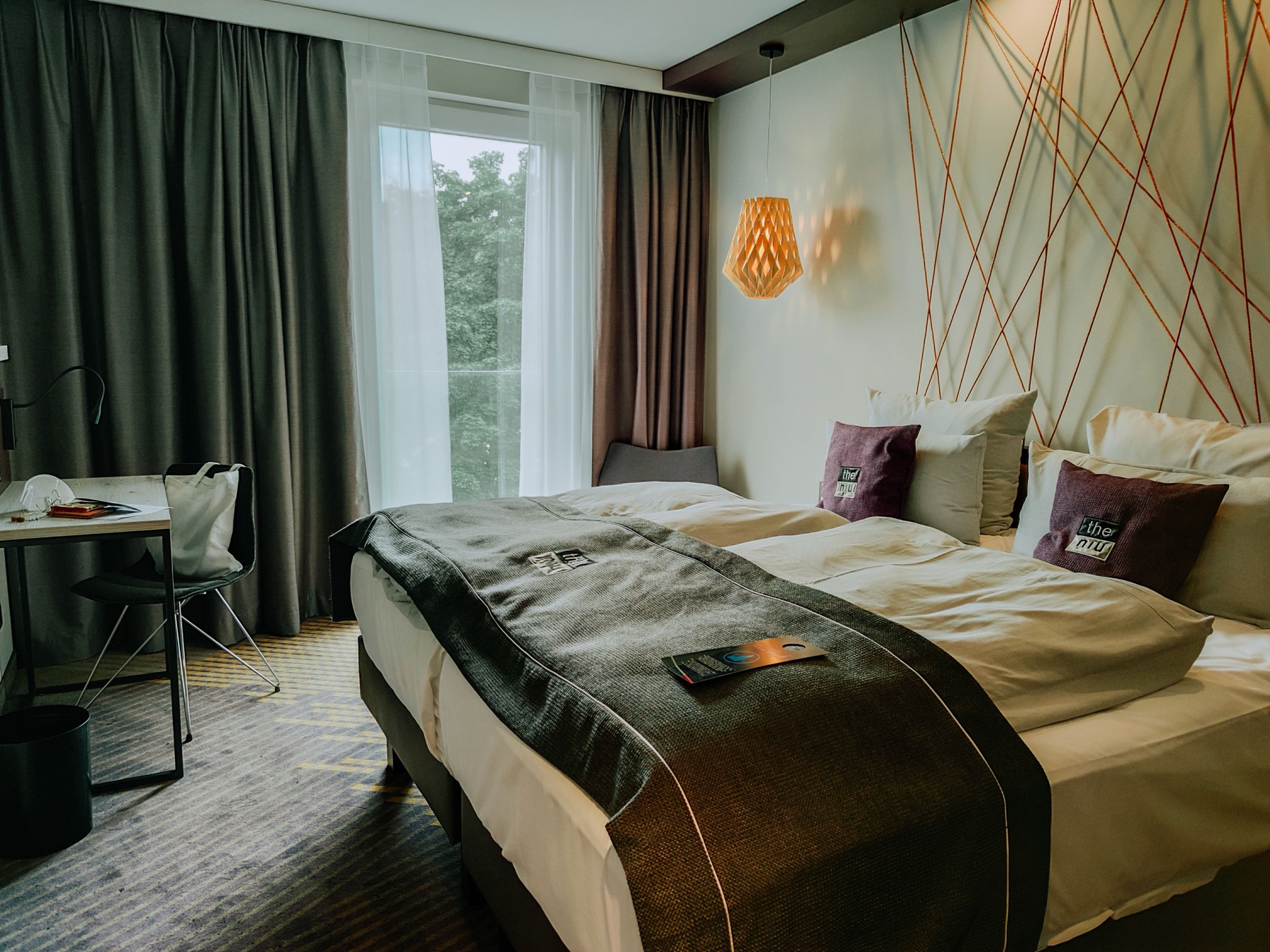
Finding affordable accommodation in Norway is a discipline in itself, but with a little planning you can find great places. What worked best for us were the traditional wooden cabins at campsites and smaller guesthouses, which often offer access to a shared kitchen — absolutely ideal for cooking your own food.
Our accommodation tips
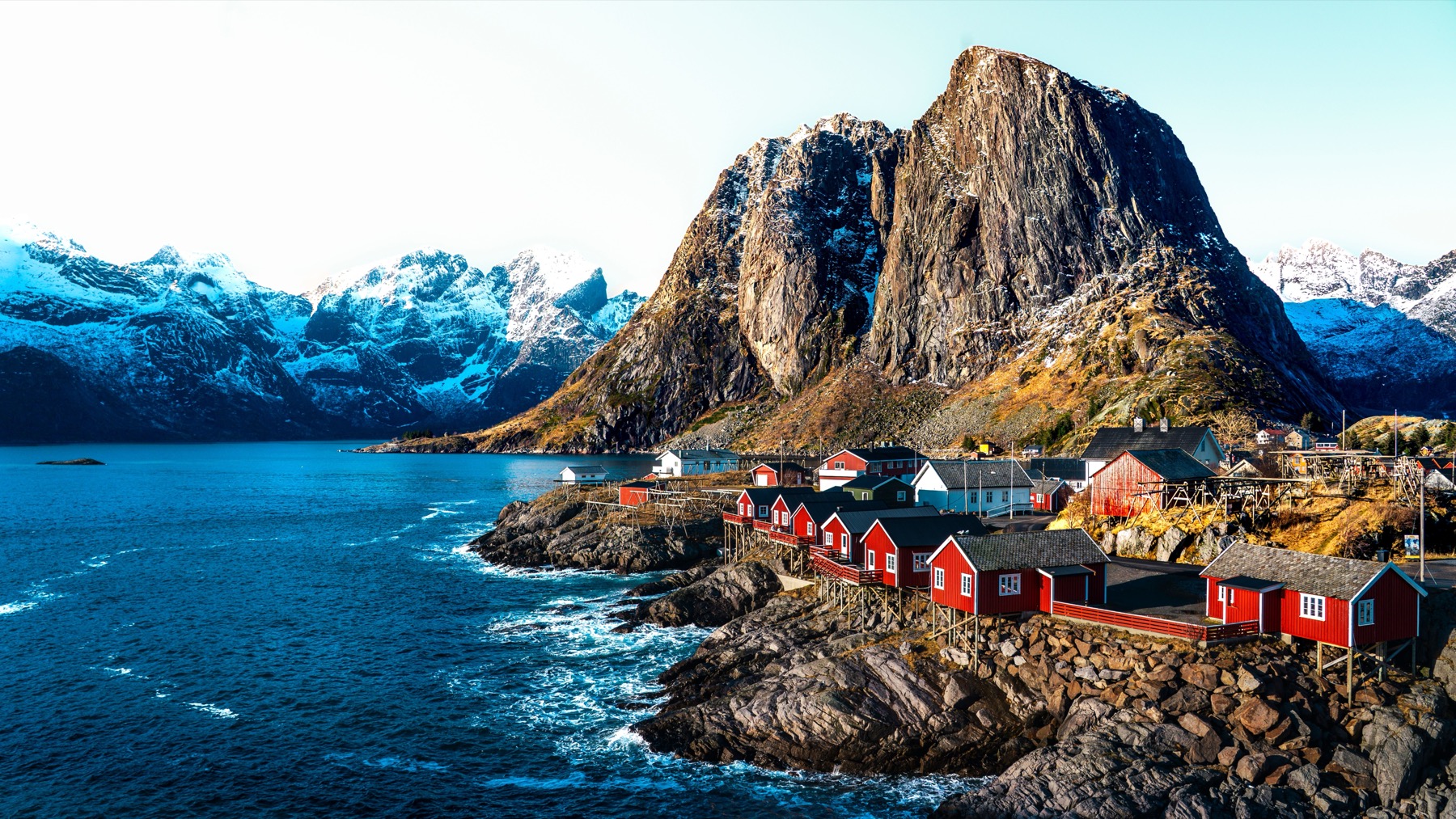
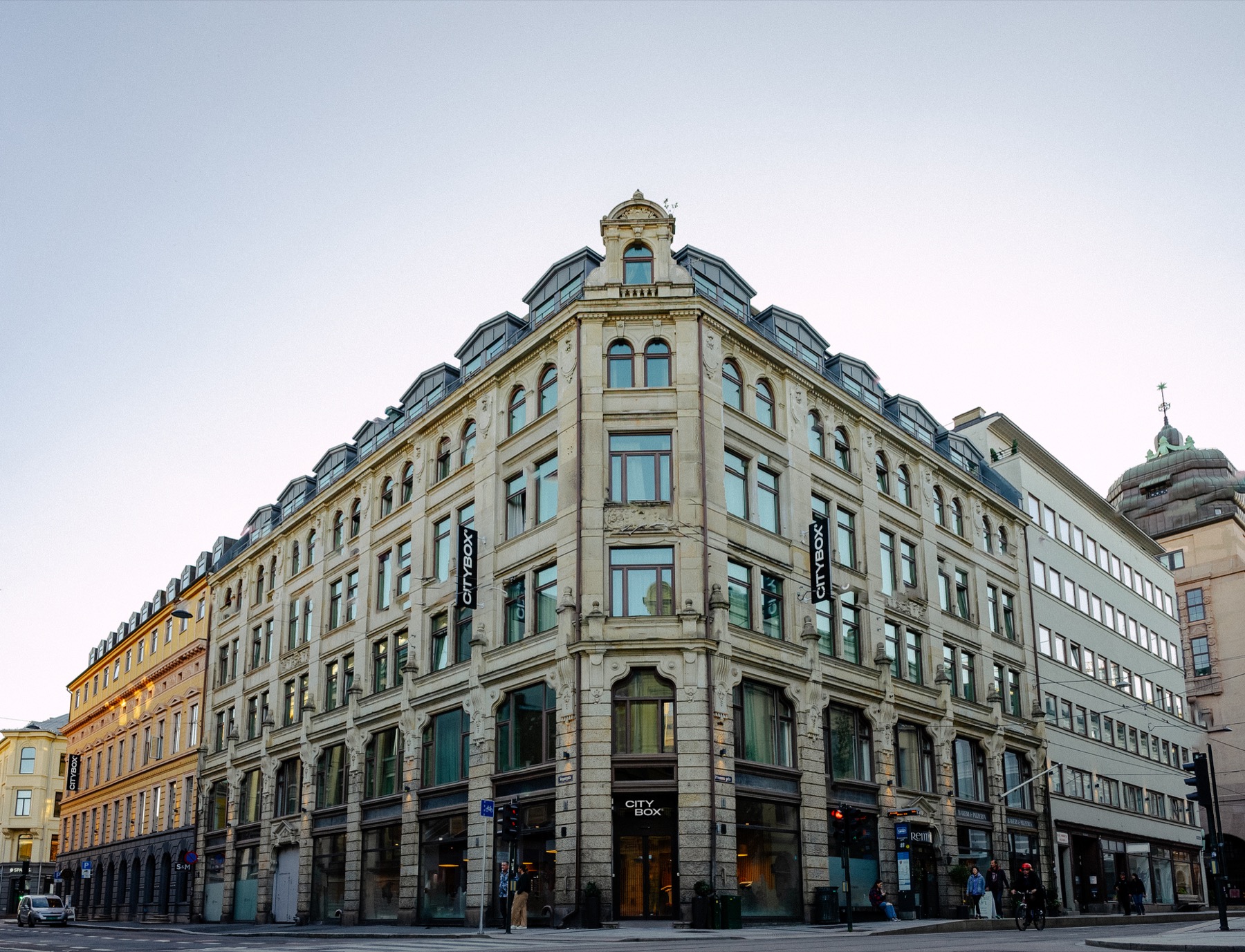
In the capital we tried Citybox Oslo, a fantastic self-service hotel right in the centre. The rooms are on the smaller side, but perfectly fine for sleeping and you’ll save a lot of money. During our journey around the Lofoten Islands we anchored at Reine Rorbuer, where we enjoyed the charm of the traditional red fishermen’s cabins right above the fjord. And if you’re exploring Bergen, I recommend the charming Magic Hotel Korskirken with perfect access to the fish market.
Where to Go Next
If you’re planning a trip north and thinking about your budget, definitely check out our article How Much a Holiday in Norway Costs. For inspiration for the trip itself, I recommend our big guide Norway: 50 Tips on What to See.
Interested in specific areas? We’ve written detailed tips on what to see in Bergen, as well as a complete guide to the capital, Oslo: What to See. And if you’re heading north, don’t miss our article Lofoten Islands: The Big Guide and practical advice on when to go to Norway.
Frequently Asked Questions
Heading to Norway and have a head full of questions about food? You’re not alone! We’ve put together the most common questions we get about Norwegian gastronomy so you can be perfectly prepared for your trip.
What is brunost and how does it taste?
Brunost is a traditional Norwegian brown cheese made by slowly caramelizing whey, milk, and cream. It has a sweet, slightly caramel-like, and distinctive goat-like flavor. It’s most often sliced into very thin slices with a special cheese slicer and eaten on fresh bread or on warm waffles as a great snack.
What is the Norwegian national dish?
The official national dish of Norway is fårikål, which is a very simple dish made from mutton or lamb, cabbage, and whole black pepper. It won a radio poll back in the seventies, and in autumn its feast day is celebrated, when it’s cooked in almost every household.
What does the term matpakke mean?
Matpakke is a traditional Norwegian packed lunch, usually containing several slices of whole-grain bread topped with cheese and separated by wax paper. Norwegians commonly bring it to school and to work for lunch, because restaurant lunches aren’t a common everyday habit in Norway due to prices.
How much does food cost in a Norwegian restaurant?
Norway is a really expensive destination. An ordinary lunch in a cheaper bistro costs about €20 (222 NOK), and a three-course dinner for two people in a mid-range restaurant will set you back around €85 (1,000 NOK). The cheapest option is definitely shopping at supermarkets and self-catering.
Can I eat in Norway as a vegetarian?
Yes, and quite easily. In big cities like Oslo or Bergen there’s a huge selection of purely vegetarian and vegan restaurants. In smaller towns and in the countryside, supermarkets have a wide range of plant-based alternatives, and you’ll also be saved by traditional sweet pastries or waffles.
What is fredagstaco?
It’s a popular Norwegian tradition of eating Tex-Mex tacos on Friday, which originated in the sixties. More than half of families gather around the table on Friday evening, where everyone fills corn tortillas according to their taste with ground meat (or beans), cheese, and fresh vegetables.
What Norwegian sweets should I try?
You should definitely try traditional Norwegian waffles in the shape of connected hearts with sour cream and strawberry jam. In bakeries, look for skolebrød (a fluffy yeast bun with vanilla custard and coconut), and you can’t miss the classic cinnamon rolls kanelboller with coffee.
Tips and Tricks for Your Vacation
Don’t Overpay for Flights
Search for flights on Kayak. It’s our favorite search engine because it scans the websites of all airlines and always finds the cheapest connection.
Book Your Accommodation Smartly
The best experiences we’ve had when looking for accommodation (from Alaska to Morocco) are with Booking.com, where hotels, apartments, and entire houses are usually the cheapest and most widely available.
 🚗 Car rental on the roadVerified rental cars in Norway
Search with the DiscoverCars comparison engine — it compares prices from dozens of local and international rental companies, and most bookings come with free cancellation.
Compare car prices in Norway →Don’t Forget Travel Insurance
Good travel insurance will protect you against illness, accidents, theft, or flight cancellations. We’ve had a few hospital visits abroad, so we know how important it is to have proper insurance arranged.
Where we insure ourselves: SafetyWing (simple monthly subscription) and TrueTraveller (for extra-long trips).
Find the Best Experiences
Get Your Guide is a huge online marketplace where you can book guided walks, trips, skip-the-line tickets, tours, and much more. We always find some extra fun there!