Norway has a reputation as a land blessed with endless mountains and deep fjords, but its capital might just surprise you with its incredibly modern face. Oslo, Norway has undergone a huge transformation in recent years, evolving from a quiet Nordic city into a buzzing hub of innovative architecture and outstanding food.
If you’re thinking about a long weekend up north, you’ll love how this city combines world-class museums with the chance to take an afternoon swim in the fjord. The centre is also wonderfully compact, so you can comfortably explore most of the best sights on foot or with the help of an excellent public transport network.
In this guide we’ll take a look at 14 places in the Norwegian capital you simply can’t miss. I’ll also help you pick a strategically located hotel, show you how to save money with the city card, and point you towards the best vegetarian food in town.
TL;DR
- Top attractions: Walk across the sloping roof of the iconic Opera House and don’t miss the famous painting The Scream in the new National Museum.
- History and seafarers: On the Bygdøy peninsula you’ll find incredible museums of polar expeditions and Viking history, easily reached by a little ferry from the centre.
- Nature in the city: Vigeland Sculpture Park boasts over two hundred unique sculptures and is absolutely perfect for an afternoon stroll.
- When to go: The best time to visit is from May to August, when you can enjoy long bright days and head out to the islands in the Oslofjord.
- Transport and discounts: If you plan to hop between museums, it’s definitely worth getting the Oslo Pass, which also covers all public transport.
- Where to stay: Choose a hotel within walking distance of the central station or in the modern Bjørvika district, where everything is right at your fingertips.
The full destination guide: Norway — guide and what to see
When to Visit Oslo
Planning a trip to Norway depends a lot on what exactly you want from your holiday. The city is at its most beautiful from May to August, when temperatures climb to a pleasant 20 degrees and the days are incredibly long. In summer all the outdoor terraces come alive, locals head down to the fjord for a swim, and you can make the most of boat trips to the nearby islands.
If you don’t mind cooler weather, spring and autumn offer a much calmer atmosphere without the tourist crowds. Just keep in mind that some seasonal attractions or boat lines may run on reduced schedules. Flights are often cheaper at this time of year, and you’ll have the museums almost to yourself.
The winter months have their own special magic in the Nordic countries, though be prepared for very short days and freezing temperatures. Before Christmas the city draws visitors with its enchanting festive markets, while in January and February you can combine your trip with skiing on the famous Holmenkollen hill, easily reached from the centre on the ordinary metro. This is also one of the best times to catch the northern lights on a day trip further north.
Where to Stay in Oslo
💡 Tip for accommodation and experiences: We love searching for places to stay on Booking.com, where you’ll usually find the best cancellation policies. For tickets, tours and activities, it pays to compare and book through GetYourGuide.
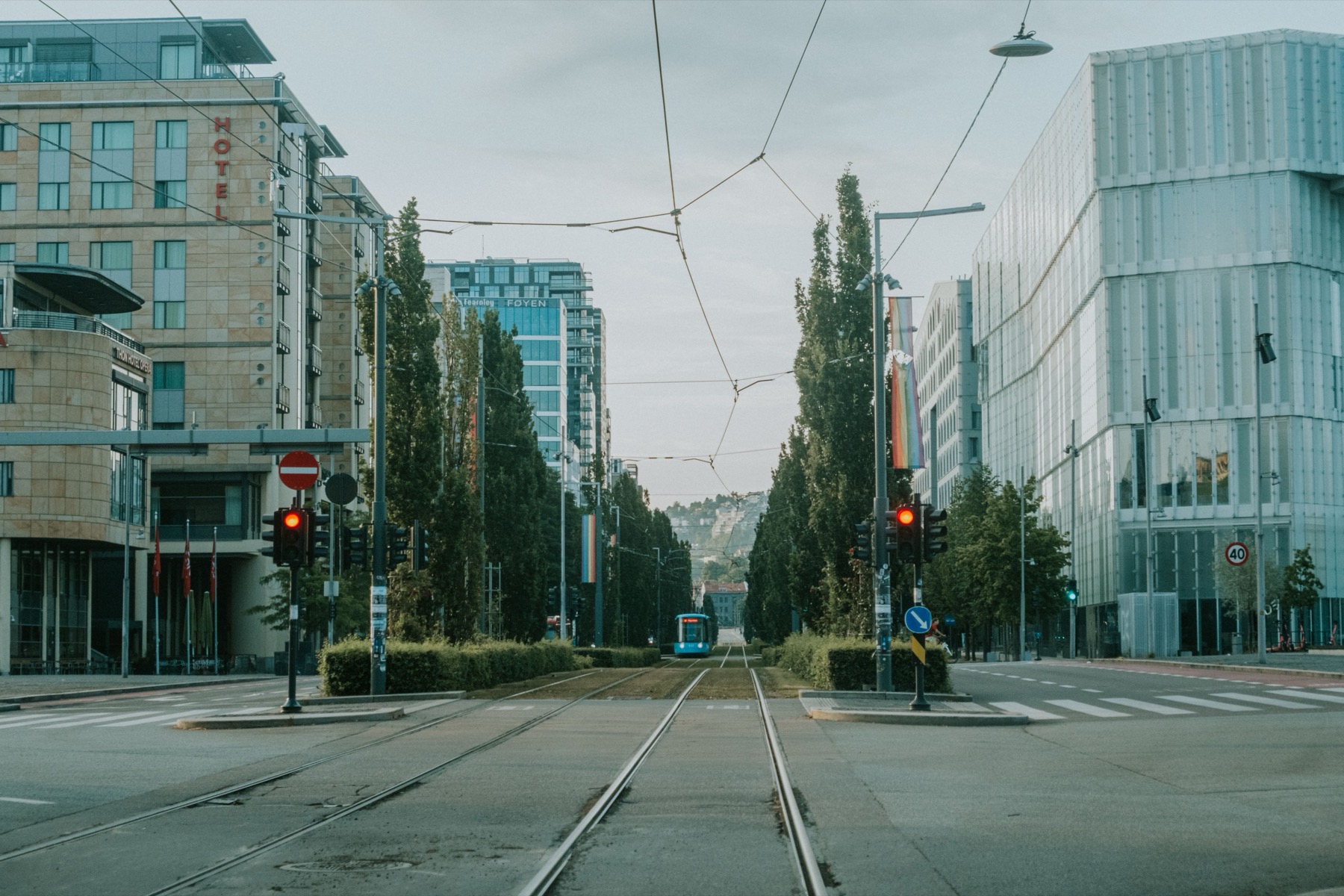
Norway generally isn’t the cheapest destination, and accommodation makes up a fairly large chunk of the budget. The best strategic location is around the central station and Karl Johans gate, from where you can comfortably walk to both the Opera House and the harbour. Don’t leave your Booking reservation until the last minute, because the best hotels tend to sell out months ahead in the summer season.
For lovers of modern design and great breakfasts, I recommend the Clarion Hotel The Hub, which boasts a fantastic rooftop bar and sits right in the heart of the city. A night for two costs roughly 2,000 NOK (around €175), which is a very fair price for this standard by local norms.
If you’re after the golden middle ground with excellent value for money, take a look at the Thon Hotel Rosenkrantz. This hotel is famous for its generous breakfasts and a night will set you back around 1,800 NOK (about €155), all while staying just steps from the main sights.
More demanding travellers will certainly appreciate the gorgeous Amerikalinjen, a more luxurious boutique hotel set in the historic building of a former shipping company. Rooms here start at roughly 2,500 NOK (around €220) per night, and the interiors transport you back to the era of the first transatlantic crossings.
Architectural Icons and Museums in the Centre
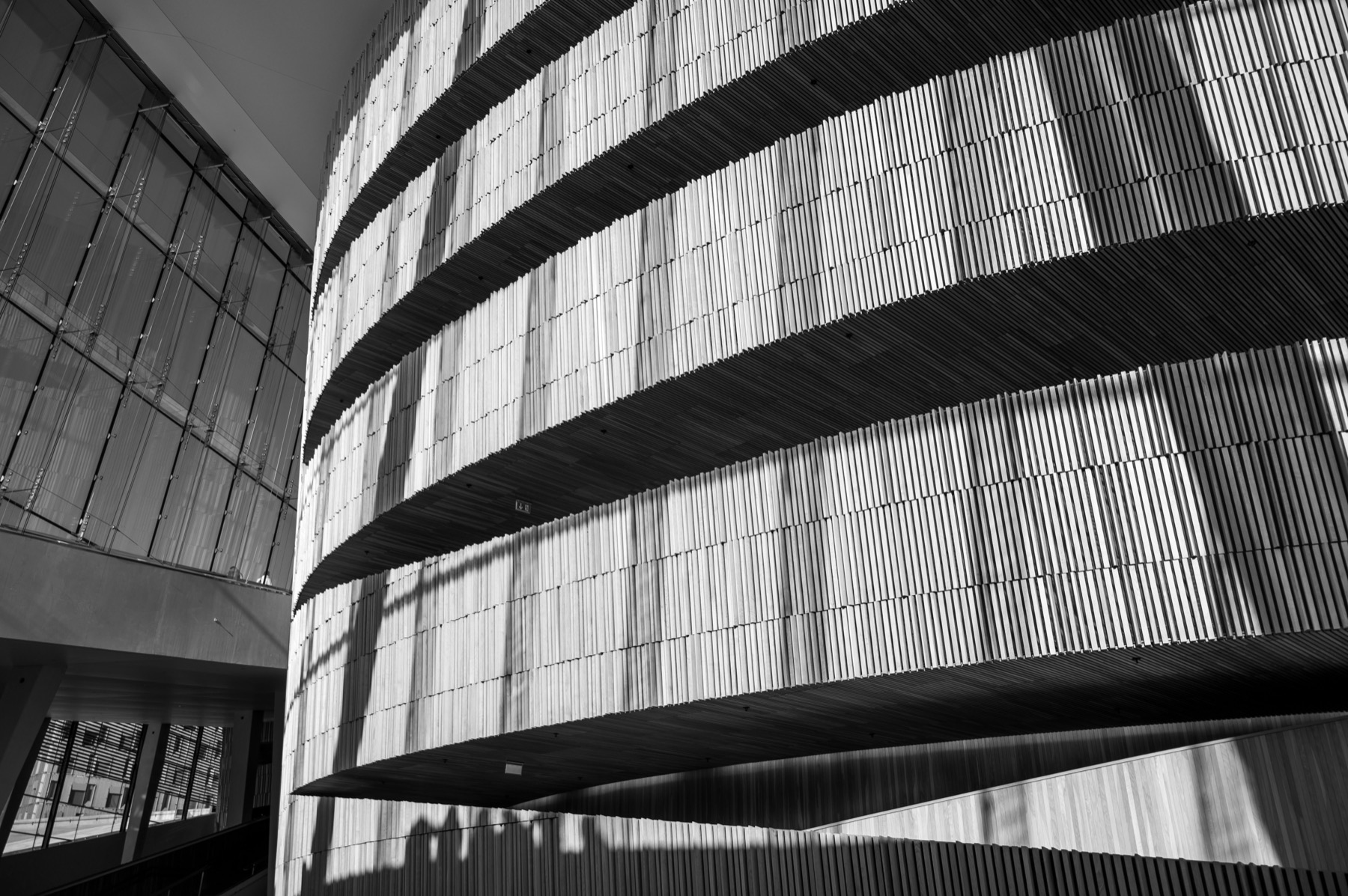
The foundation of any visit to the Norwegian capital is exploring its modern face, which is concentrated mainly around the harbour and the Bjørvika bay. In recent years the city has invested huge sums into developing the waterfront, giving rise to buildings that collect architectural awards all over the world.
These flagship institutions also house the most precious works of Nordic art. Set aside a whole day to explore these three main buildings and the historic fortress, because the collections are genuinely vast and it would be a shame to rush through them.
1. The Opera House (Operaen) and the Rooftop View
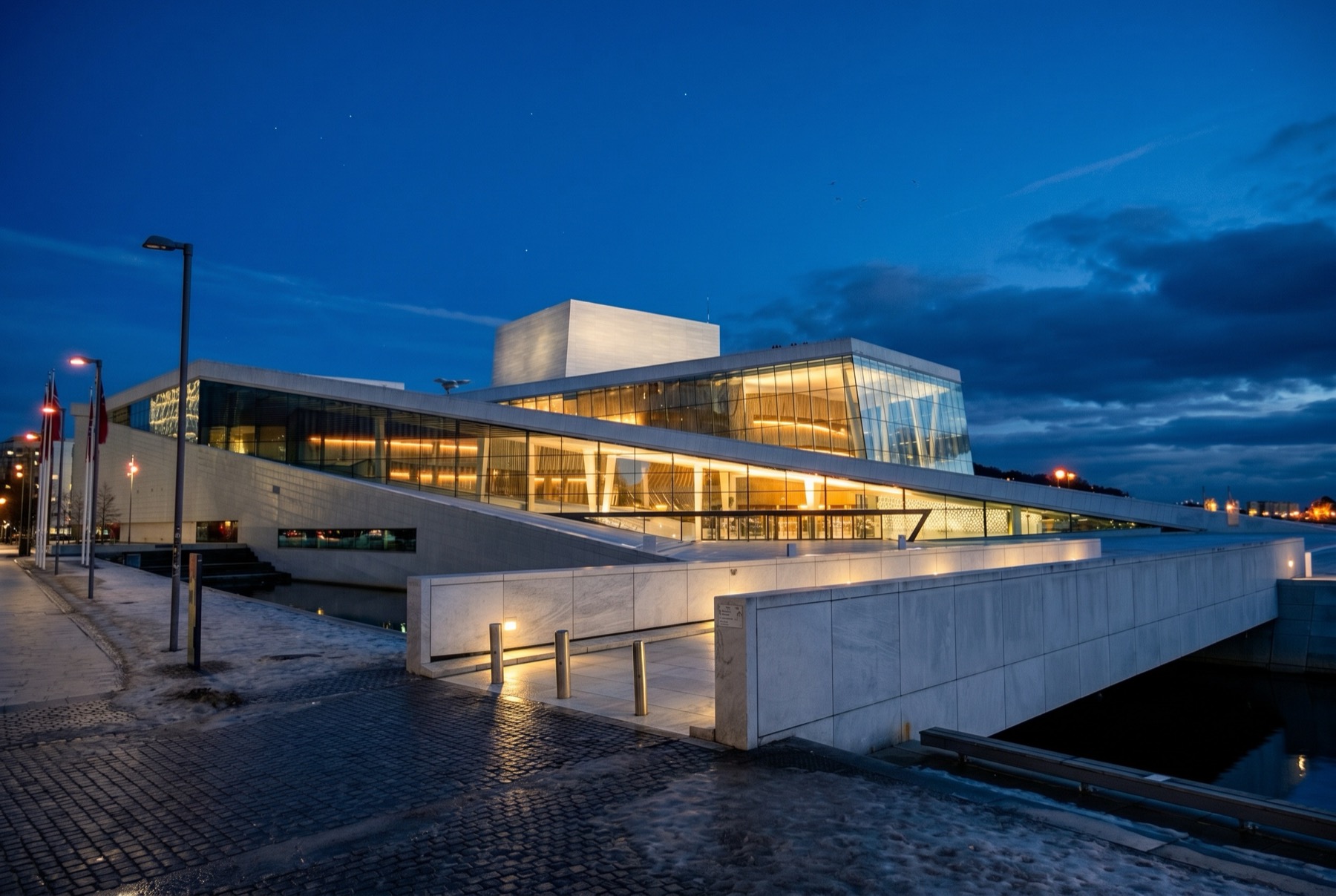
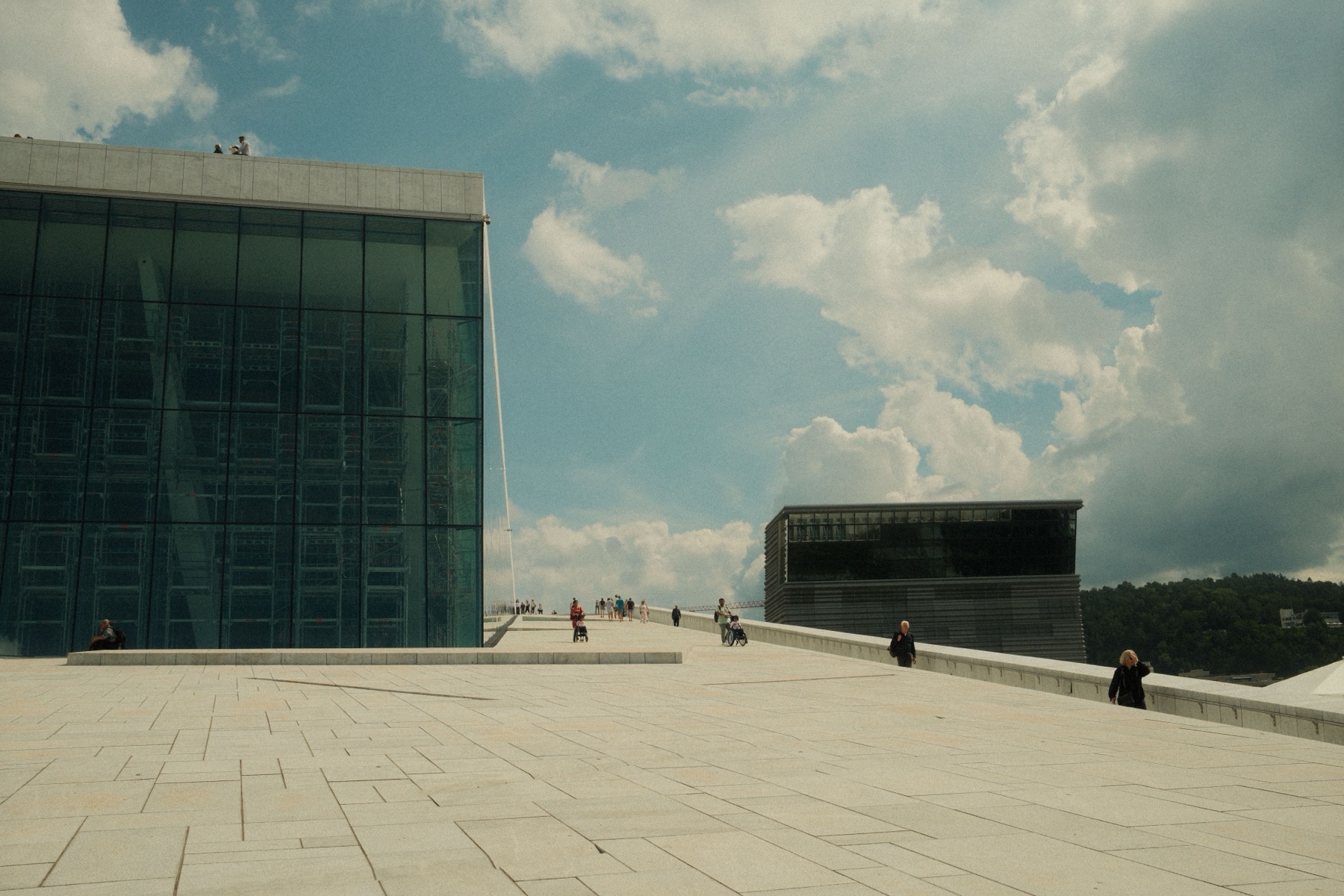
This is an absolute classic, and no visit to Oslo would be complete without it. The pristine white Opera House resembles a giant ice floe emerging from the waters of the fjord, and its architectural design is pure genius. The building is clad in Italian marble and white granite, which creates a stunning contrast with the blue sky on sunny days.
The biggest draw is the roof itself, which you can walk right up to the very top of, completely free of charge. From the highest point a fantastic view opens up over the city and the bay at any time of day. Try coming here in the early evening, when the surrounding glass buildings turn golden in the light of the setting sun.
💡 Tip: Right next to the Opera House, it’s also worth seeing the new Deichman Bjørvika public library, whose interior with its modern reading rooms and light installations will take your breath away. Entry is free and you can even grab an excellent coffee here.
2. The Edvard Munch Museum (MUNCH)
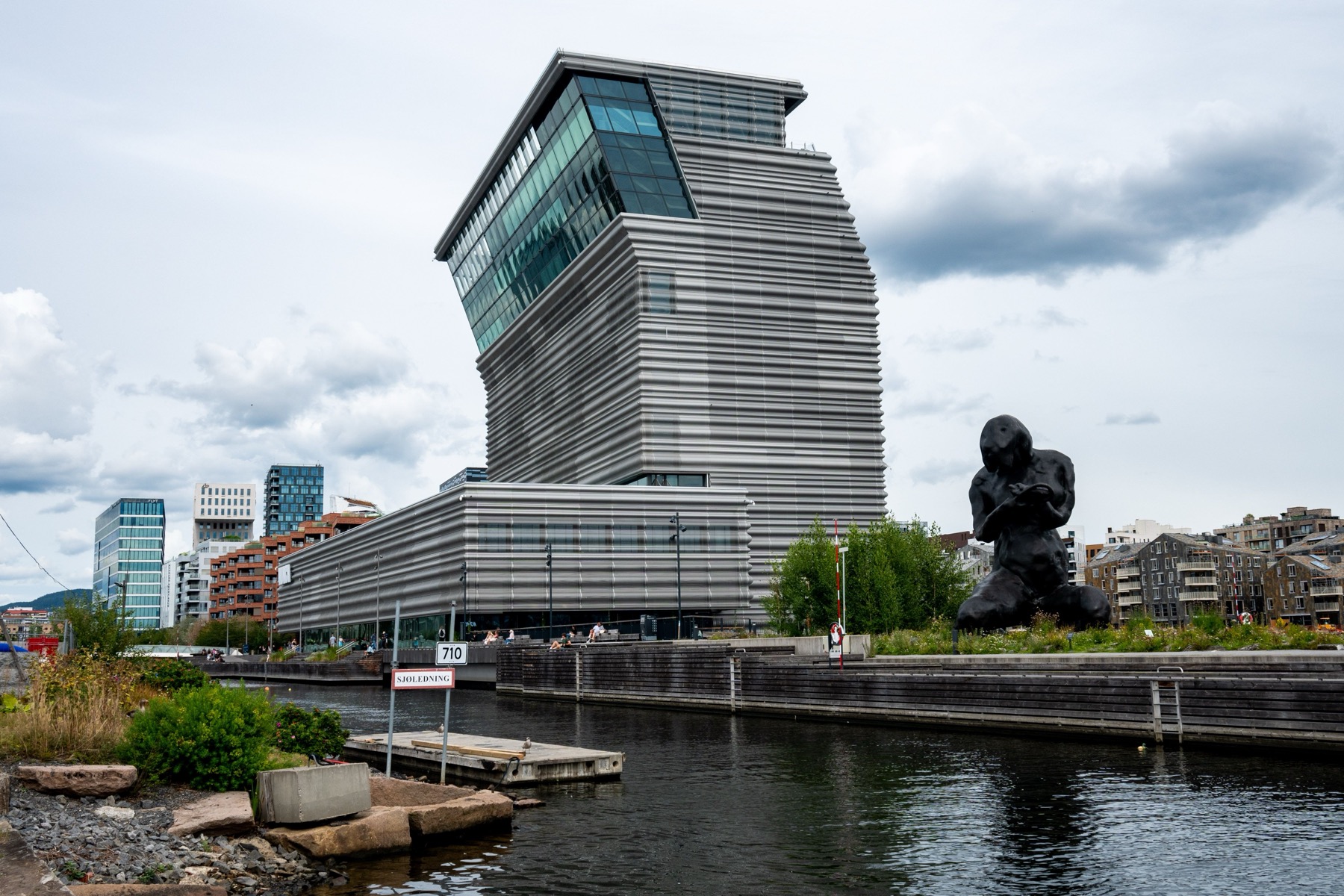
Right next to the Opera House rises the unmissable asymmetric tower of the new museum dedicated to Norway’s most famous painter. Since opening, MUNCH instantly became one of the most visited attractions, offering the world’s largest collection of the artist’s work across thirteen floors. The building itself sparked some pretty heated debate among locals, but inside it works absolutely brilliantly.
The main attraction is naturally the iconic painting The Scream, which draws crowds of tourists. The museum owns several versions of this masterpiece, and to protect it from light, only one is displayed at a time, rotating at regular intervals. Beyond The Scream, you’ll find thousands of other prints and paintings from Munch’s estate.
On the top floor of the skyscraper there’s an observation terrace and an elegant bar. Even if you’re not planning to see the exhibition, it’s worth taking the lift to the top, because the view of the Oslofjord from this height is simply spectacular, and a drink with that kind of view tastes that little bit better.
3. The National Museum (Nasjonalmuseet)
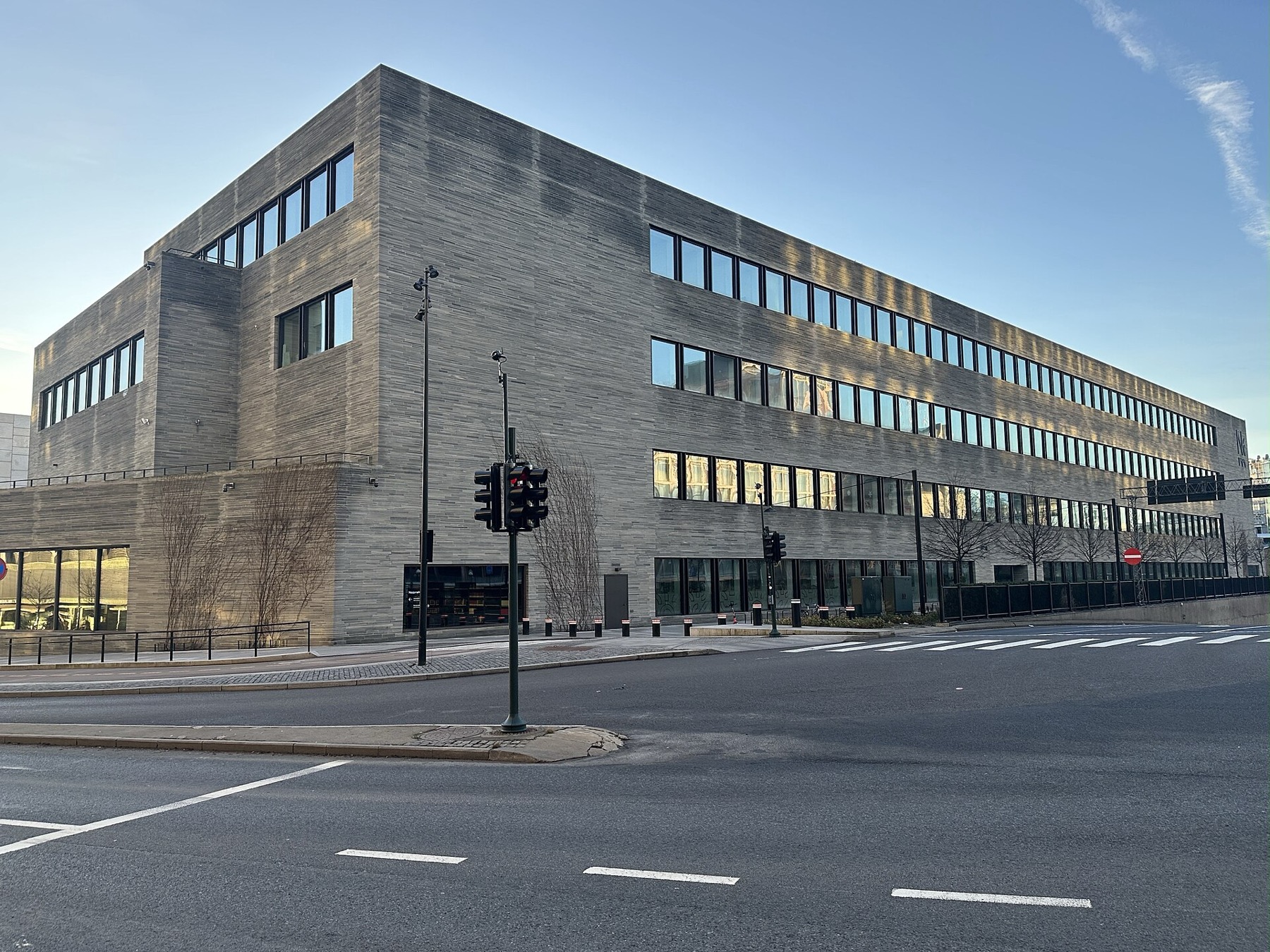
If you love art and design, this place will absolutely thrill you. The new National Museum opened in 2022 and is the largest art museum in Northern Europe, even bigger than the Rijksmuseum in Amsterdam. The enormous slate building just off the Aker Brygge waterfront holds over 400,000 objects spanning antiquity to the present day.
On the first floor you’ll lose yourself in the wonderful exhibitions of design and fashion, while the second floor is dedicated to fine art. You’ll find another famous version of Munch’s The Scream here, this time the 1893 one, along with a fascinating collection of Nordic landscape painting. Of course, there are also works by European masters such as Picasso, Monet and Van Gogh.
On the museum’s roof is the so-called Light Hall, a vast sunlit space dedicated to temporary contemporary art exhibitions. Allow at least three hours for your visit, because the museum really is enormous and the exhibitions are incredibly engaging.
4. Akershus Fortress
After all the modern architecture, this historic complex makes for a pleasant change. The medieval Akershus Fortress has protected the city since the end of the 13th century and still serves as an important military area today, even though most of the grounds are freely open to the public. The stone walls and old bastions form a beautiful contrast to the glass skyscrapers in the background.
A walk along the ramparts offers some of the best views over the harbour and the city hall. Entry to the outdoor grounds is completely free; you only pay to tour the Renaissance castle itself and the military museums inside. You’ll even find a royal mausoleum here, where Norway’s monarchs are laid to rest.
The fortress grounds are an ideal spot for a quiet afternoon stroll, especially in the summer months when it’s full of greenery. Various cultural events and concerts are often held here, so it’s worth checking the current programme before you go so you don’t miss anything special.
Parks, Art and Royal History
When you need a break from the busy streets, Oslo offers an incredible amount of greenery right in the centre. The city is famous for its huge sculpture parks, which are freely accessible all day and form an integral part of the local lifestyle.
At the same time, this is a monarchy, so a walk past the historic buildings and wide boulevards has its own distinct elegance. The blend of nature and grand architecture is handled superbly here and shows just how brilliantly public space can be planned.
5. Vigeland Park
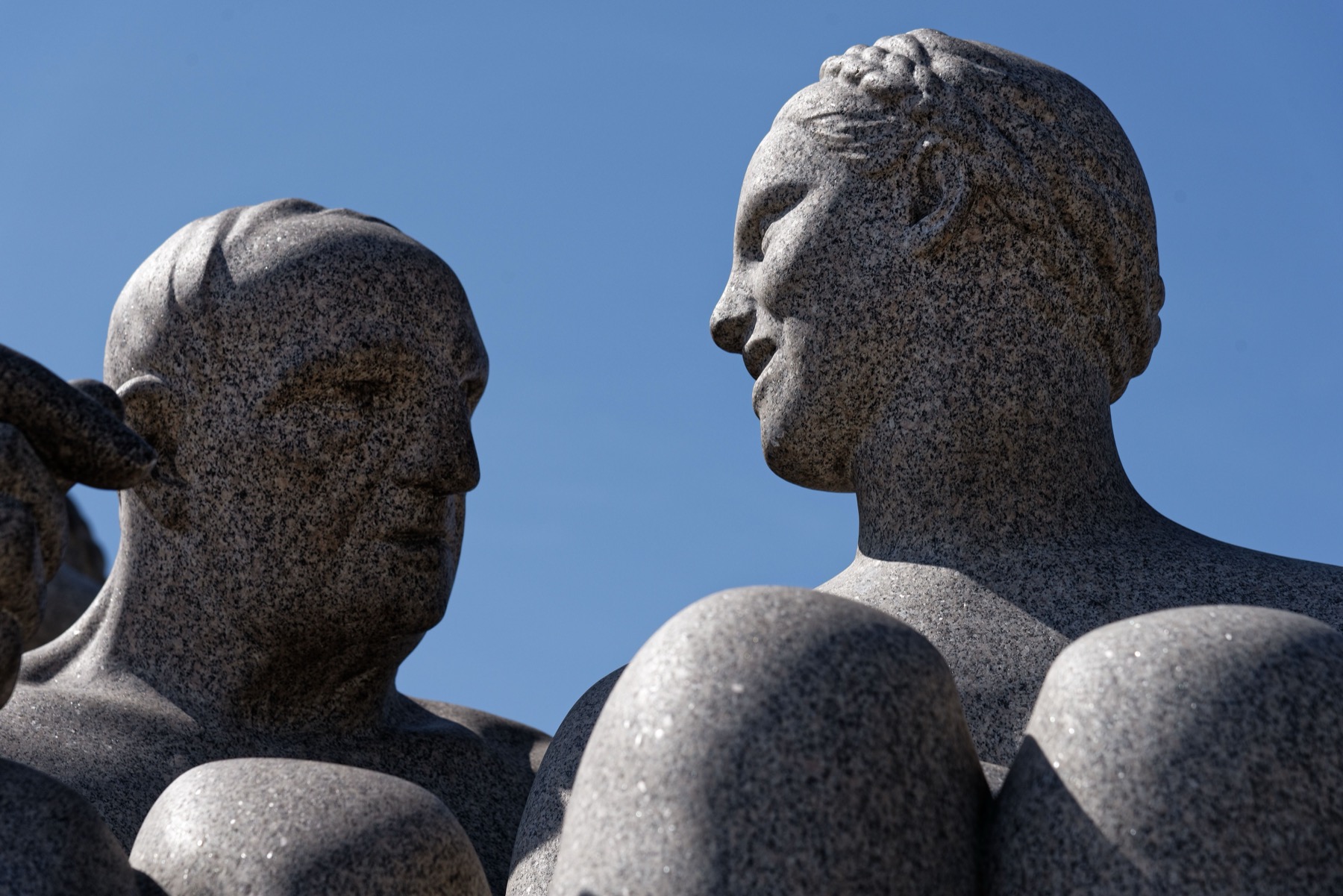
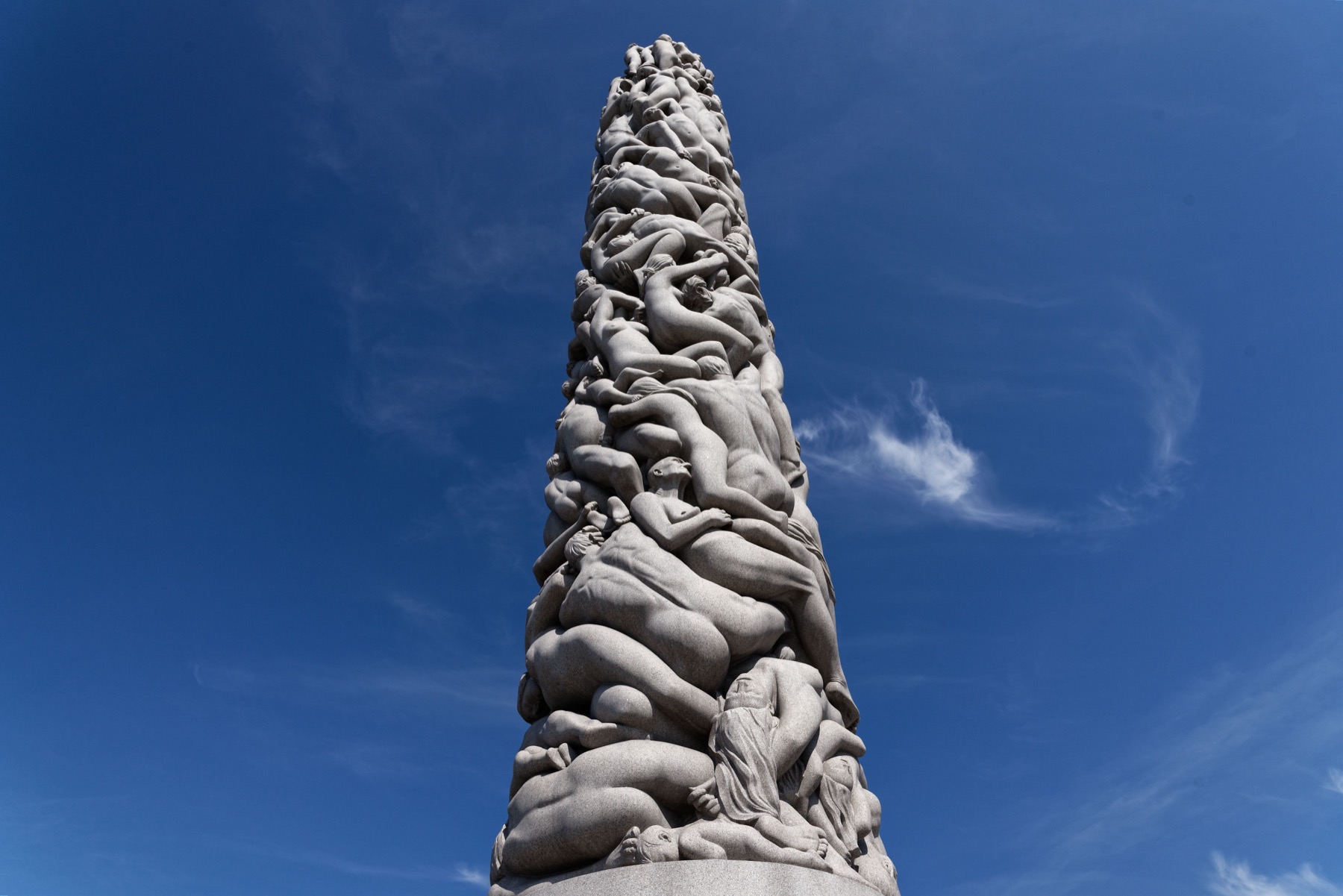
This park is, without exaggeration, one of the greatest treasures in all of Norway. Vigeland Park is the largest sculpture park in the world created by a single artist, Gustav Vigeland, who devoted a substantial part of his life to it. There are more than 200 sculptures in bronze, granite and wrought iron, depicting the entire cycle of human life from birth to death.
The centrepiece of the whole complex is the fourteen-metre-high Monolith, an incredible column carved from a single block of granite. The Monolith is made up of 121 intertwined human bodies reaching towards the sky, and the intricate detail of each figure is utterly fascinating. Dozens of other sculpture groups depicting various life situations are arranged around it.
Be sure to hunt down the famous little statue Sinnataggen, the angry crying boy who is one of the city’s unofficial symbols. Entry to the park is free all year round and the gates never close, so you can happily come for an early morning stroll or watch the sculptures at sunset.
6. Ekeberg Park
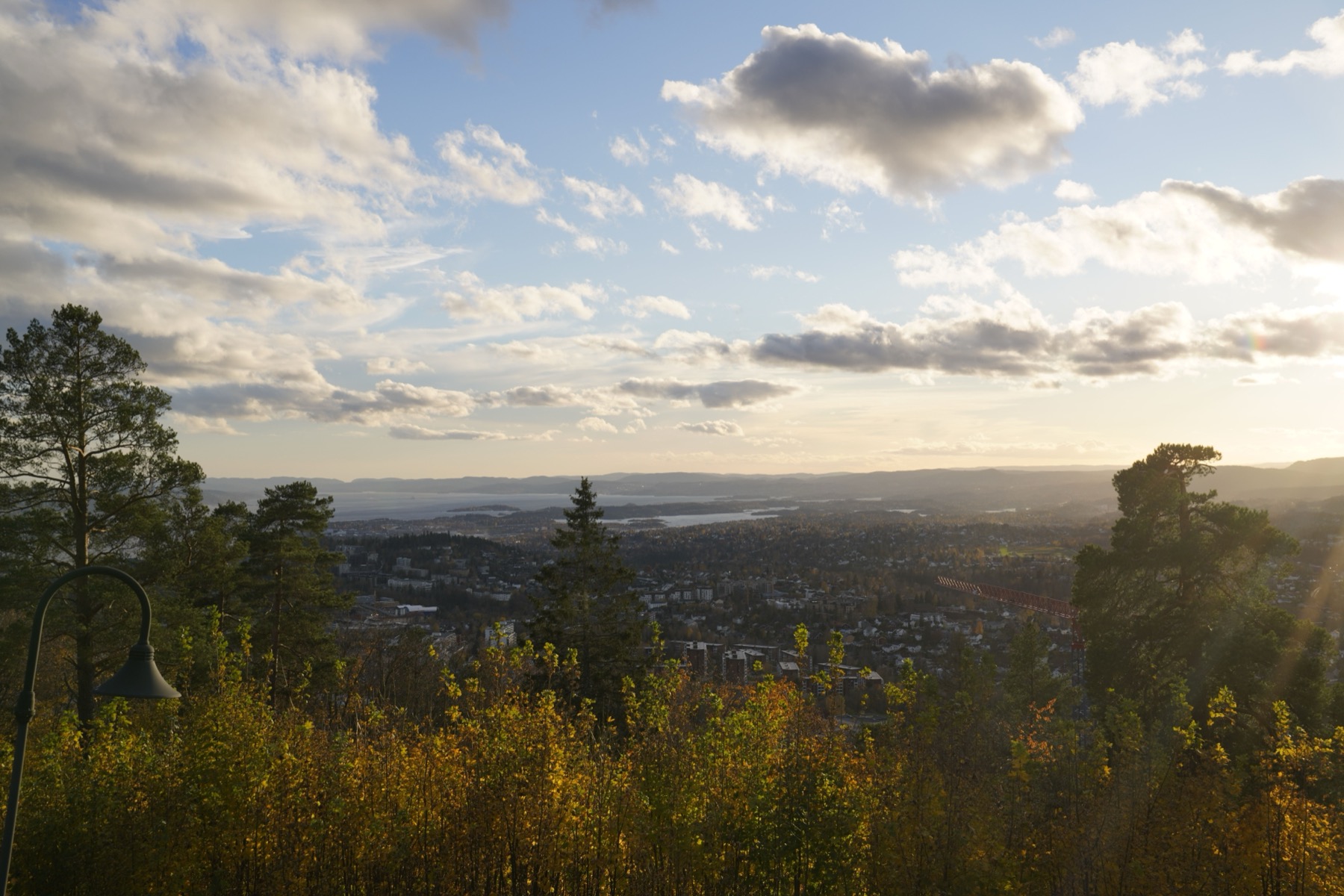
If you love art in nature and beautiful views, you’ll fall head over heels for this place. Ekeberg Sculpture Park sits on a wooded hill southeast of the centre and offers an amazing panoramic view over the entire Oslofjord and the Opera House. Compared to Vigeland Park, this area is noticeably wilder, with sculptures scattered through the forest.
You can see works by world-renowned artists such as Salvador Dalí, Auguste Renoir and Damien Hirst. Interestingly, it was the view from Ekeberg hill that inspired Edvard Munch to paint The Scream, so you can stand in the very same spot and imagine the blood-red sky from his famous canvas.
The climb up requires a bit of effort, but the reward is well worth it. Several pleasant trails wind through the park, where you’ll pass plenty of locals out running with their dogs, and at the top there’s a lovely restaurant with a terrace where you can treat yourself to a well-earned coffee after the hike.
7. The Royal Palace (Slottet)
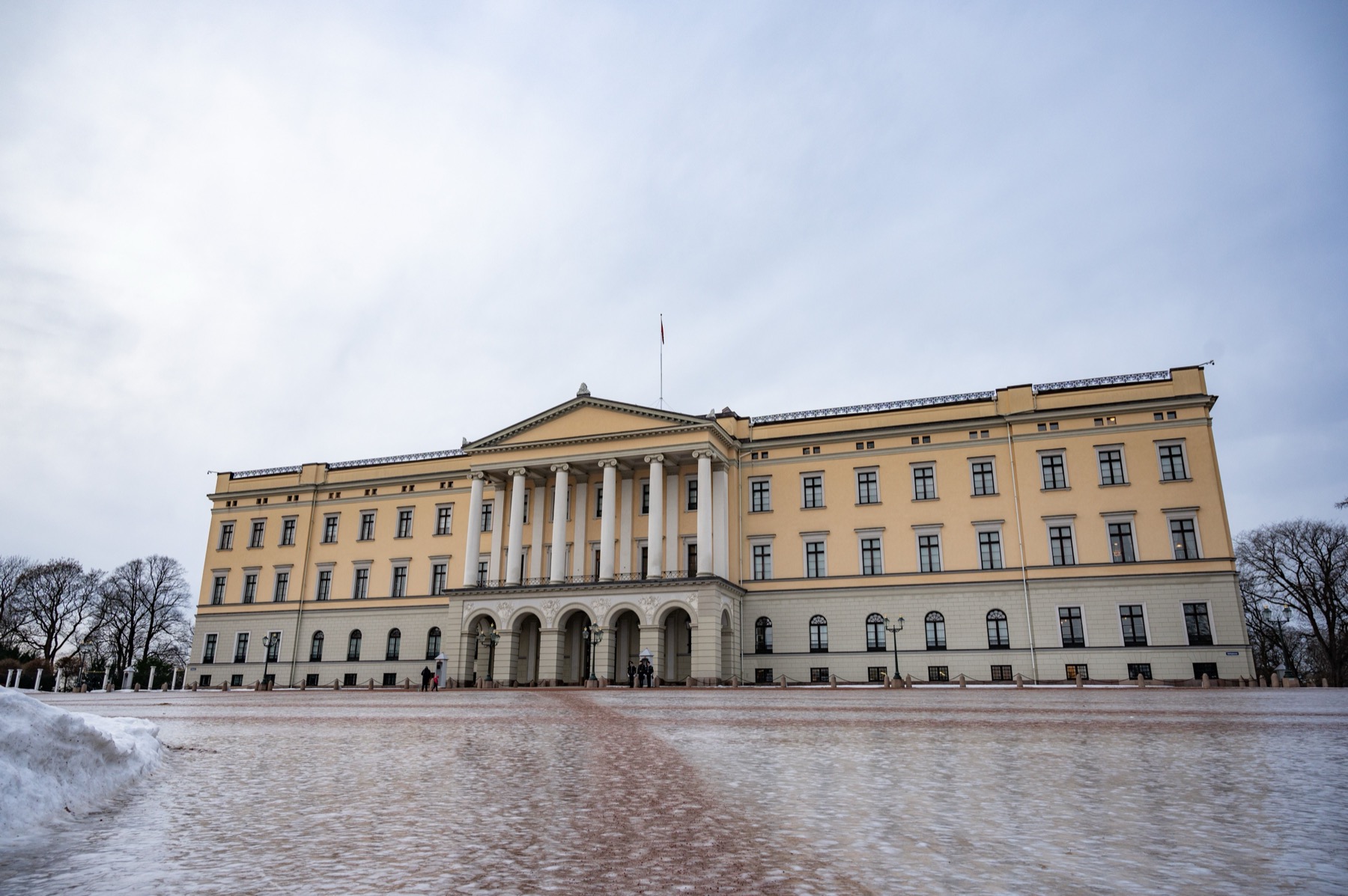
The landmark of the western part of the centre is the official residence of the Norwegian royal family. The Royal Palace stands on a gentle rise at the end of the main avenue and feels very elegant yet approachable. There are no huge fences around the building, as we know from other countries, and visitors can stroll right beneath its windows.
Every day at 1:30 pm, the traditional changing of the guard takes place in front of the palace, lasting about 40 minutes and proving a popular tourist attraction. During the summer months, part of the interior is open to the public, so you can take a guided tour of the ceremonial halls where the king receives foreign delegations.
The building is surrounded by a sprawling palace park with ponds and old trees, which locals use for picnics and relaxing. The atmosphere here is incredibly laid-back, and if you’re lucky, you might spot a member of the royal family heading out, since they reportedly move around the city quite freely and without much fuss.

8. Karl Johans gate and the Cathedral
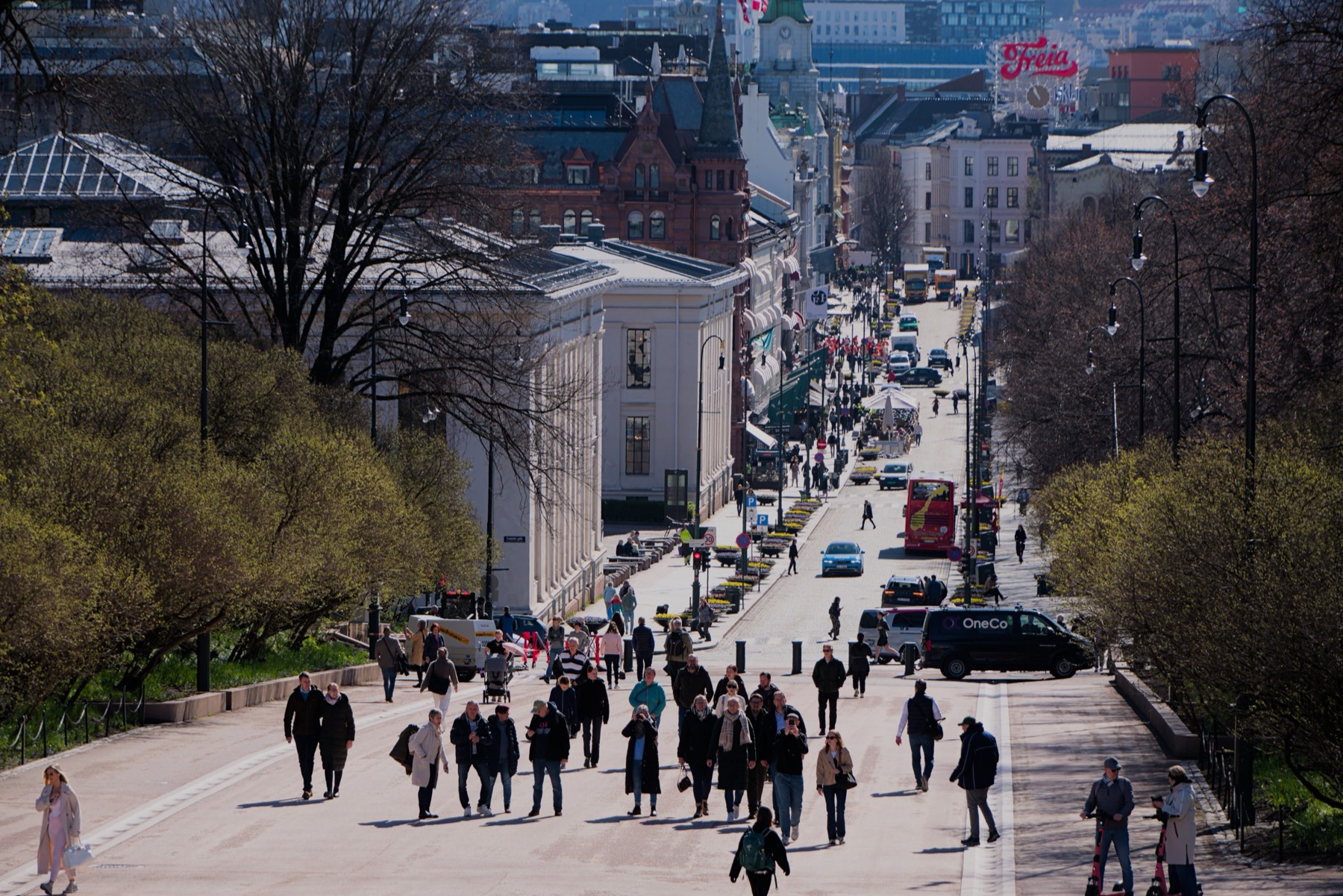
The main artery of the whole city is the wide shopping and promenade avenue Karl Johans gate. This bustling boulevard connects the central railway station directly with the Royal Palace and is lined with historic buildings, shops, cafés and street performers. In winter, part of the street turns into a beautiful ice rink and Christmas market.
As you walk along the street, you won’t miss the Norwegian parliament building, known as the Stortinget, which catches the eye with its yellow brick façade and rounded shapes. Right next to it stand the National Theatre and the old university building, so you’ll see the most important institutions in the country all in one place. The street is especially magical in the evening, when everything is beautifully lit up.
I’d also recommend stopping by Oslo Cathedral, which dates back to the 17th century and stands out for its beautiful modern stained glass and painted ceiling. Around the cathedral are the picturesque Basarene arcades, where today you’ll find cosy cafés and small shops selling handmade crafts, ideal for picking up original souvenirs.
Map of points of interest for your phone
Maritime History on the Bygdøy Peninsula
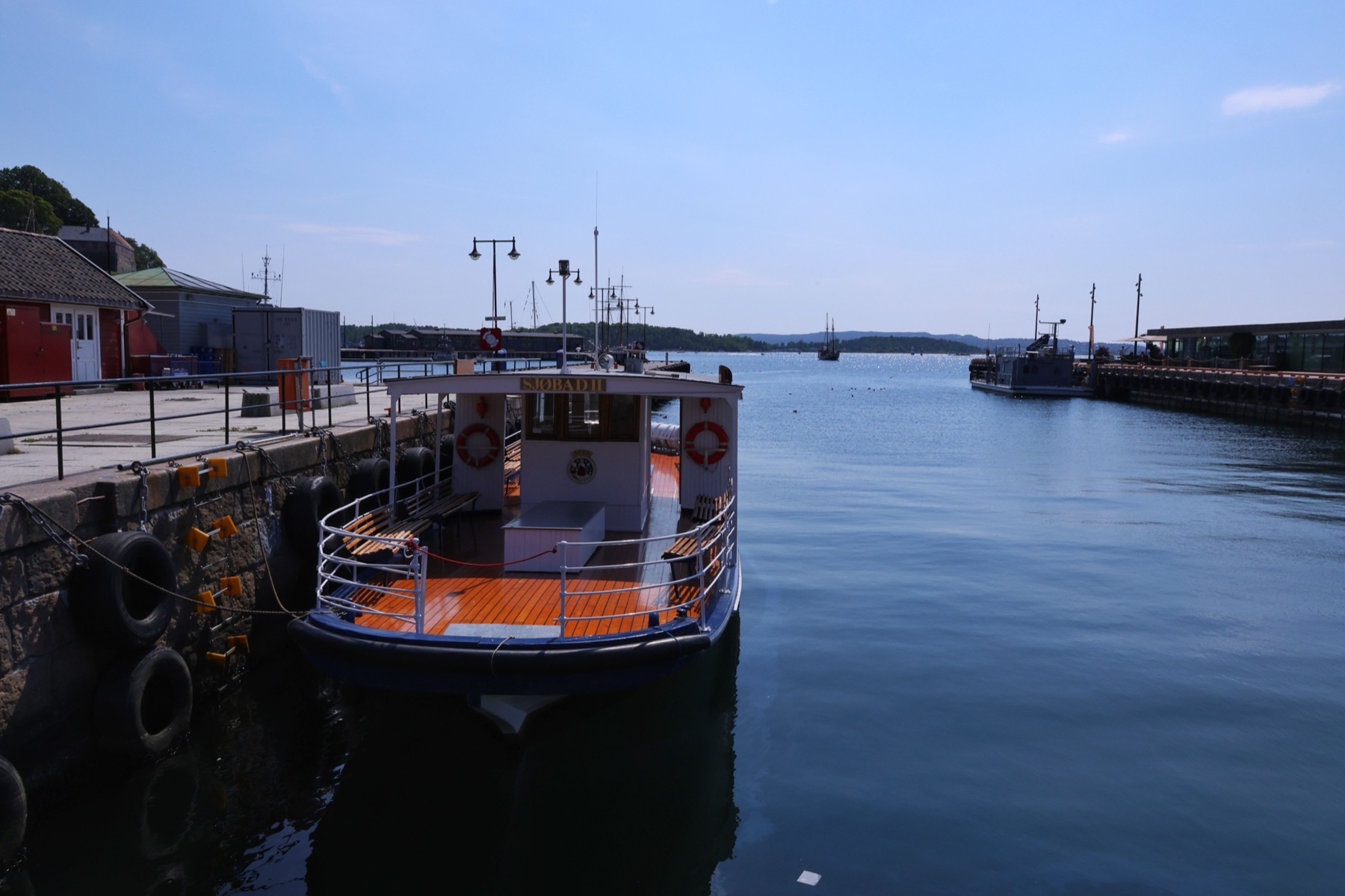
Norway and the sea belong inseparably together, and in Oslo you’ll feel it at every turn. The best concentration of maritime history is found on the Bygdøy peninsula, which you can reach either by bus or, far more stylishly, by a small ferry directly from the centre near the city hall.
This wooded residential district hides the most interesting museums dedicated to explorers and polar adventurers. Set aside at least half a day for this area, because moving between the various exhibitions takes some time, and each one is completely different and incredibly captivating.
9. The Bygdøy Peninsula (Fram, Kon-Tiki and the Open-Air Museum)
This is an absolute paradise for all lovers of adventure and history. The biggest hit is the Fram Museum, where the actual wooden ship is on display — the very vessel Roald Amundsen used to become the first person to reach the South Pole. You can board the ship, climb through the cabins and try to imagine how the sailors survived the brutal cold in such cramped conditions.
Right across the way you’ll find the Kon-Tiki Museum, dedicated to another Norwegian hero, Thor Heyerdahl. Here you’ll see the original balsa raft Kon-Tiki and the papyrus boat Ra II, which this adventurer used to sail the world’s oceans in order to prove his historical theories. The exhibits and expedition photographs are absolutely gripping.
The peninsula is also home to the sprawling Norwegian Open-Air Museum (Norsk Folkemuseum), where the atmosphere of old Norway washes over you. Among more than one hundred and fifty historic buildings from across the country, the stunning wooden Gol Stave Church stands out, built around the year 1200. By the way, a brand-new giant Viking ship museum is also being built on the peninsula, which everyone is already very much looking forward to.
Modern Districts, Fjords and Skiing
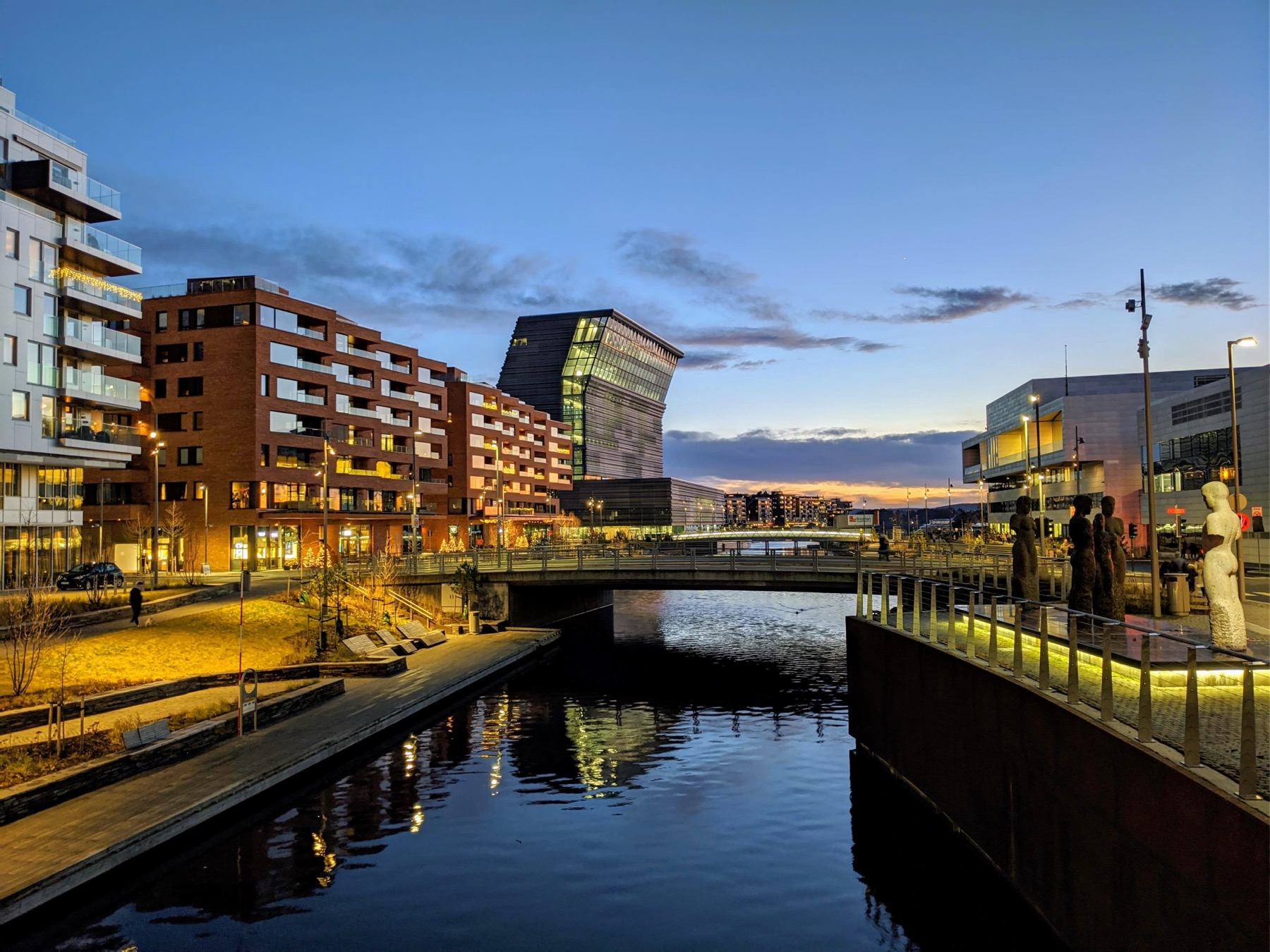
If you want to experience the true atmosphere of present-day Oslo, you need to venture beyond the main historic centre. Former industrial zones and old docks have transformed into the most stylish addresses here, full of great food, cafés and young people.
The city also has the incredible advantage of having nature right at your fingertips. Within half an hour you can take a ferry from a busy shopping street to a peaceful island or ride the metro high up into the hills, where you can strap on cross-country skis in winter. This accessibility makes the Norwegian capital an utterly unique place to live.
10. The Grünerløkka District and Great Food
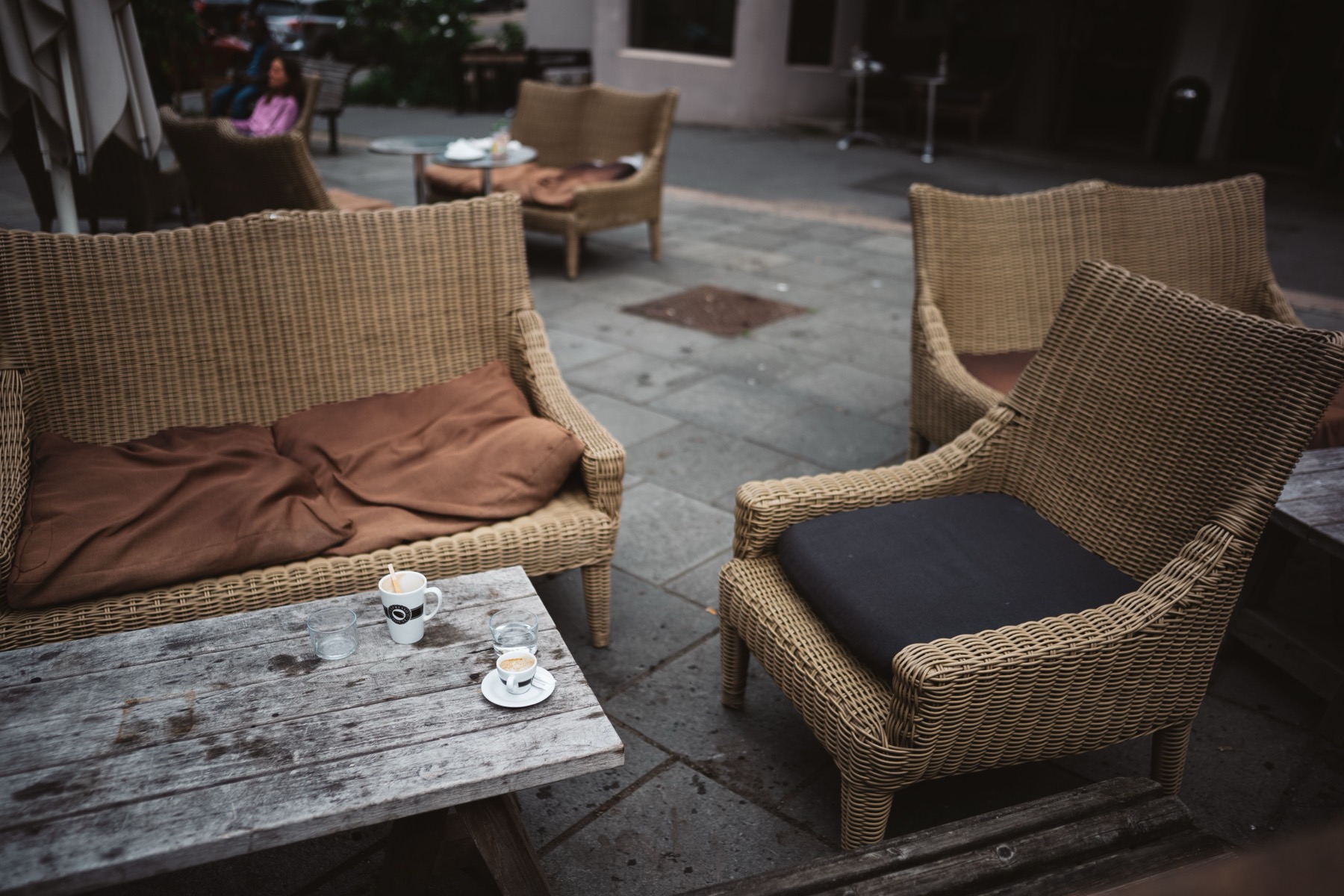
This is, without debate, the coolest part of the whole city. The former working-class district of Grünerløkka has transformed into a hipster paradise, full of vintage stores, independent boutiques and excellent cafés where they’ll make you the best speciality coffee. Colourful street art decorates the streets and the atmosphere is far more relaxed than in the slightly buttoned-up centre.
If you love plant-based food, you’ll be in absolute seventh heaven here, because Oslo has an incredibly varied selection of great vegetarian bistros and restaurants. You absolutely have to try the local hotspots famous for hummus and fluffy falafel, which have been popping up like mushrooms after rain in recent years and draw queues out the door. Among local specialities you’ll also come across plenty of fish and seafood, but the plant-based scene really steals the show.
The centrepiece of the area’s food scene is the Mathallen food hall, a brick industrial space full of stalls serving cuisine from all over the world. From here you can set off on a lovely walk along the Akerselva river, which flows through the district and whose old brick factories along the banks have been cleverly converted into galleries and art schools.
11. The Aker Brygge and Tjuvholmen Waterfront
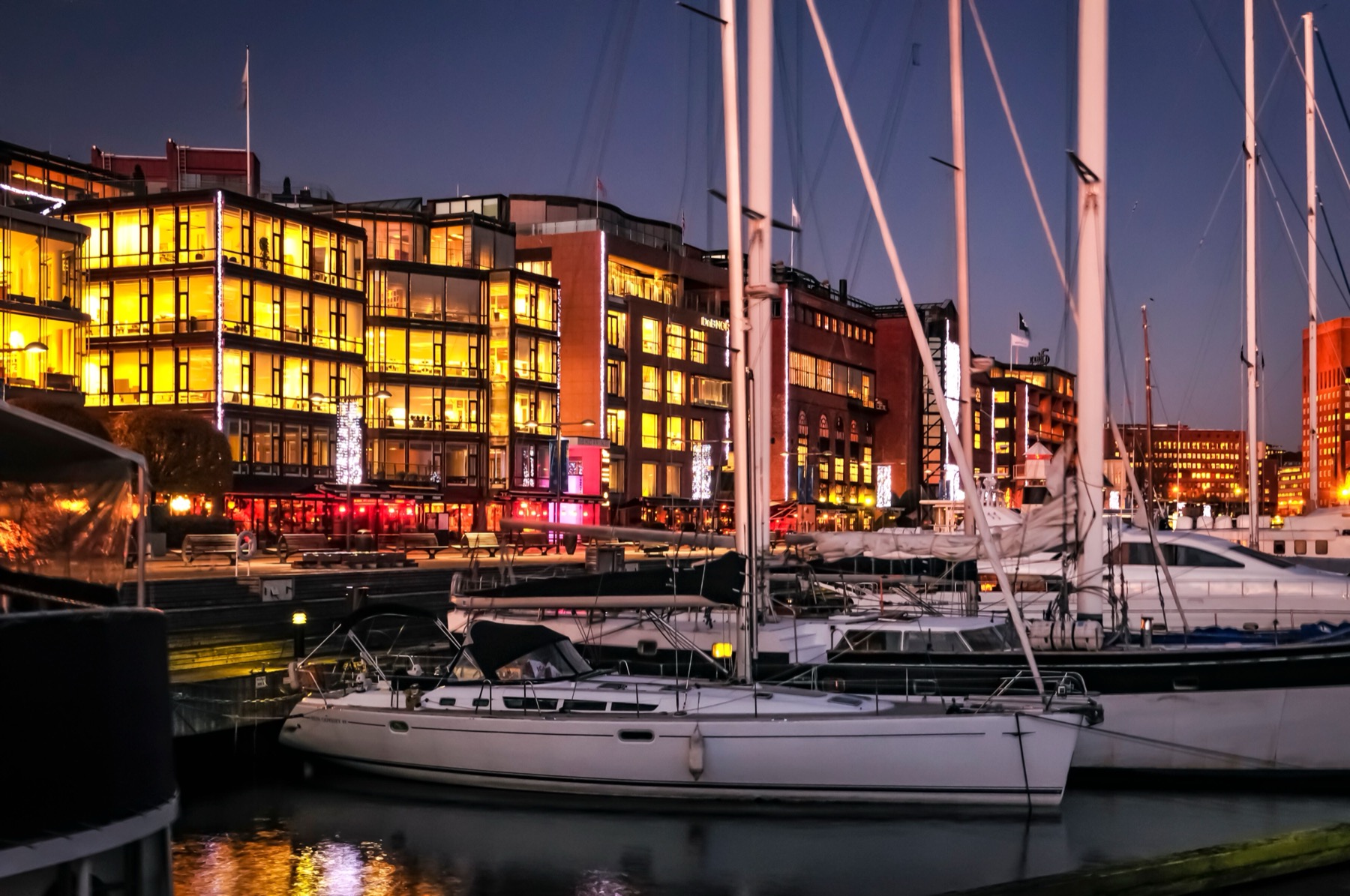
While Grünerløkka is alternative, this waterfront represents pure luxury and modern design. Aker Brygge used to be an old shipyard, but today it’s a gleaming waterside promenade, full of the priciest restaurants, glass offices and luxury apartments. Especially in summer, hundreds of people sit out on the outdoor terraces, soaking up the sun with a view of Akershus Fortress.
The promenade flows seamlessly into the newly built artificial island of Tjuvholmen, a showcase of cutting-edge contemporary architecture. The island’s main draw is the Astrup Fearnley Museum of Modern Art, whose gorgeous sail-shaped building was designed by the famous architect Renzo Piano. The collections are fairly provocative and exhibitions by the world’s best-known creators are often held here.
Around the museum there’s a small sculpture park and a beautiful city beach where you can swim in summer. The architects here really thought about connecting the city with the water, so everywhere you’ll come across wooden jetties, steps down into the water and benches where you can simply sit and watch the boats sail by.
12. The Oslofjord and Its Islands
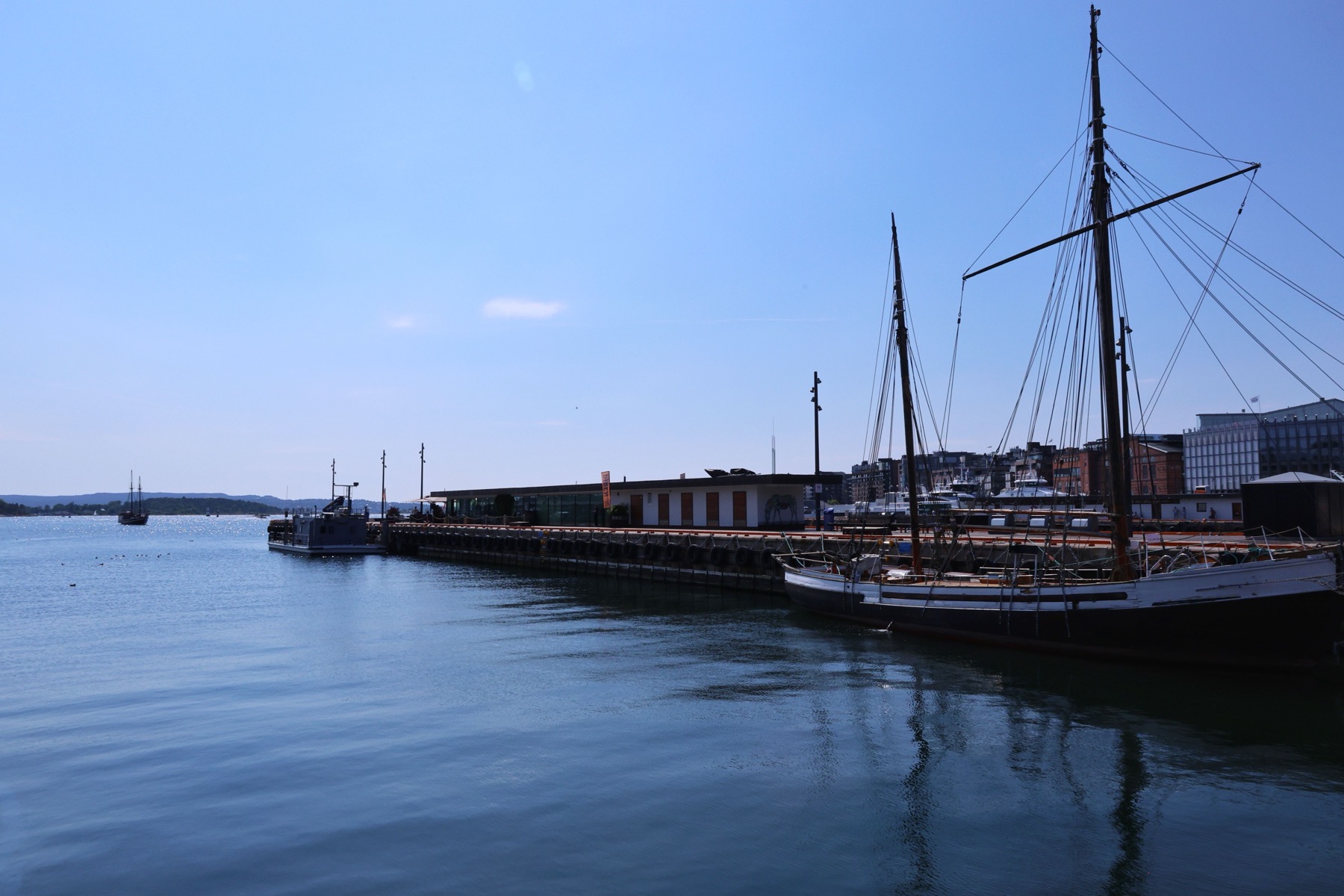
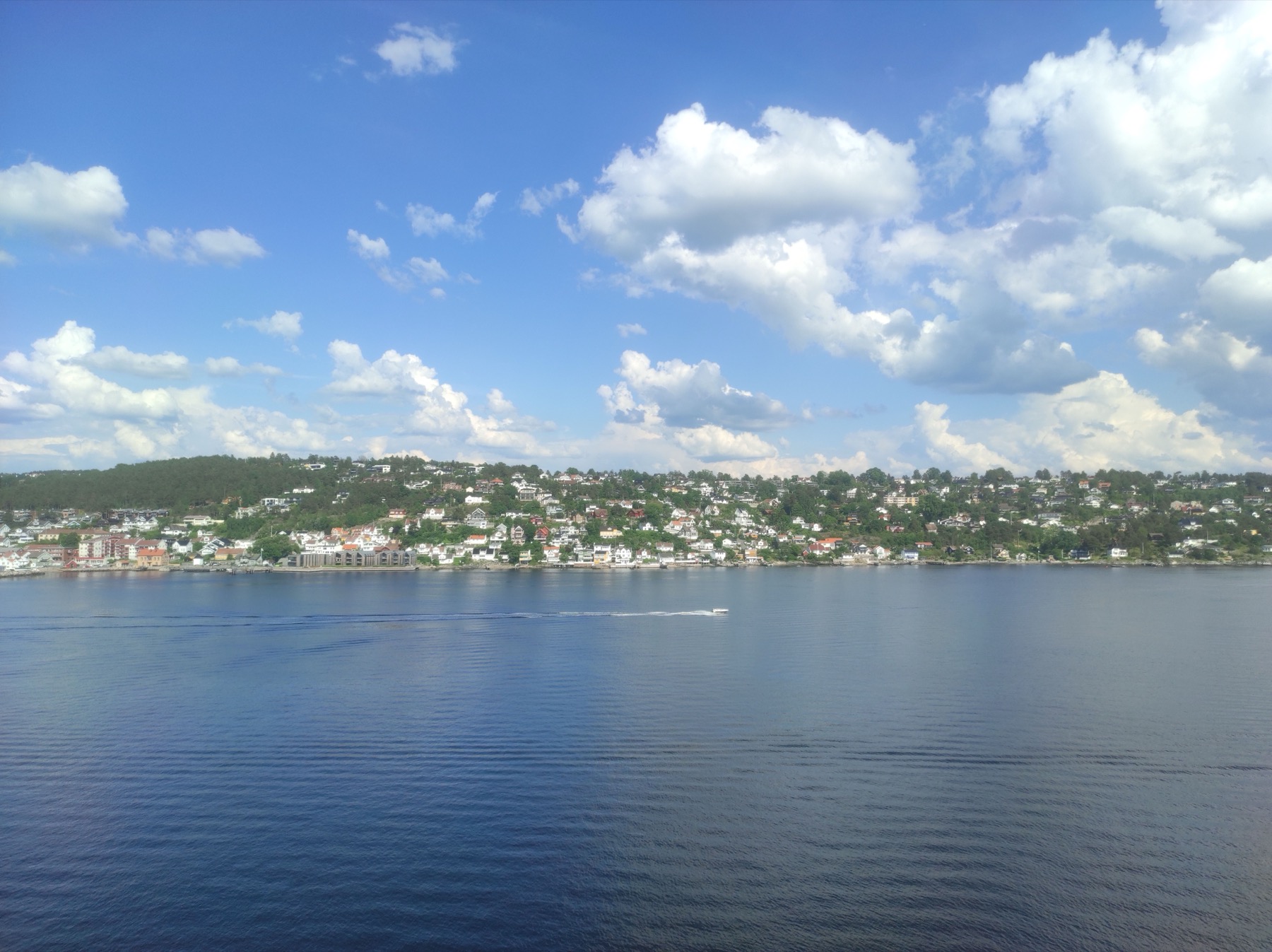
To be in Oslo and not head out onto the water would be a real sin. Regular ferry lines depart right from the city hall pier and function like ordinary public transport, so a normal ticket or tourist card is valid on them. Sailing through the maze of small islands with their colourful wooden houses is one of the most beautiful experiences of all.
💡 Tip: I recommend booking tickets for a longer sightseeing cruise on the fjord or various guided city tours in advance through GetYourGuide, where you’ll find plenty of interesting trips clearly laid out in one place and right on your phone.
The closest island to the centre is Hovedøya, where the journey takes barely ten minutes. On the island you’ll find romantic ruins of a medieval monastery, dense forests and several lovely beaches, which fill up with picnicking families in summer. There are no cars here, making it a perfect escape from the city bustle.
A bit further out lies the island of Gressholmen, known for its adorable rabbits and a historic pub, or the island of Langøyene, famous for its long sandy beaches and the option to camp. You can easily spend a whole afternoon hopping from one island to another and discovering their hidden nooks and corners.
13. Floating Saunas and Swimming in the Fjord
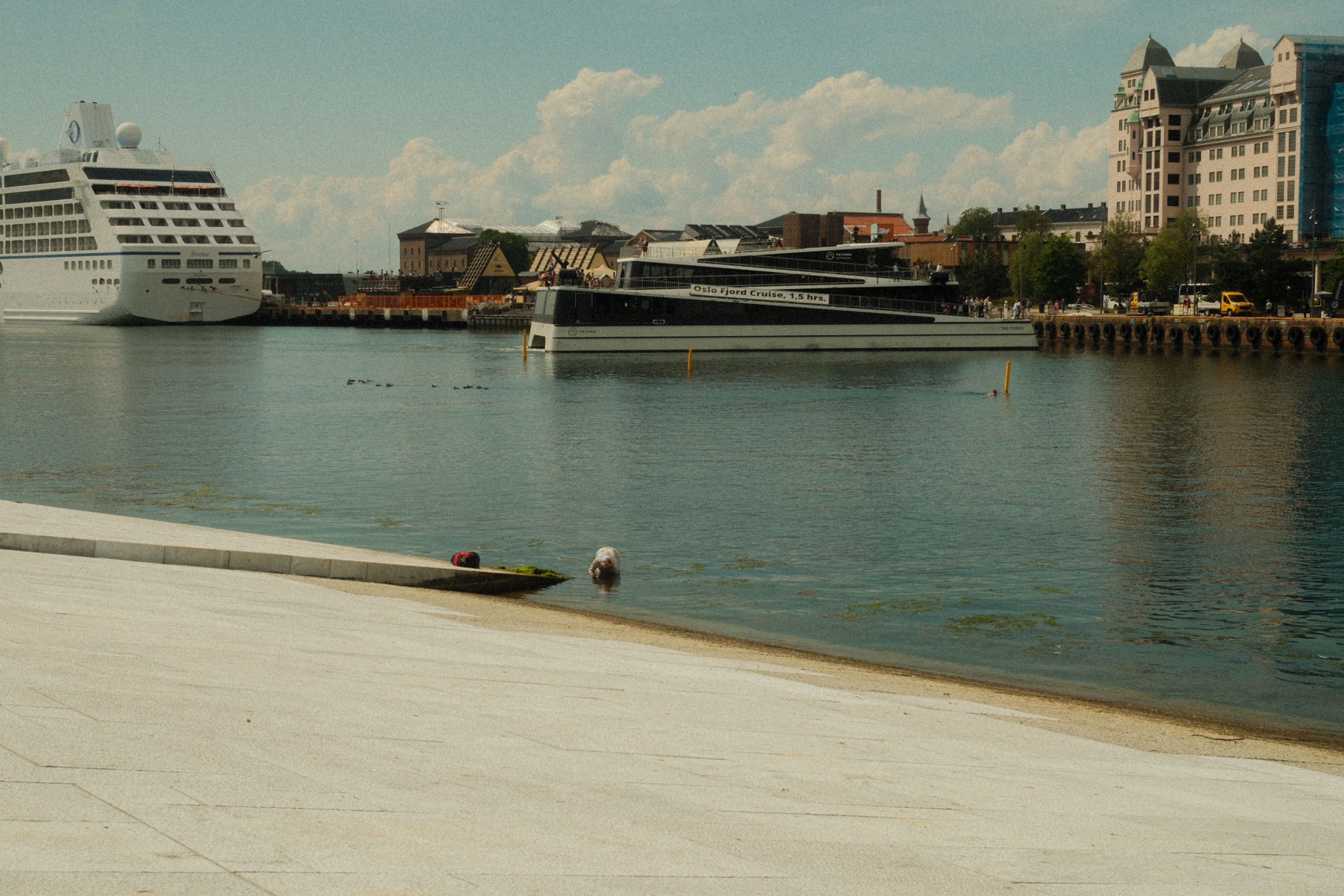
This is a huge hit of recent years and an experience that simply belongs to modern Norway. Right in the centre by the Opera House, or along the Aker Brygge promenade, a fleet of floating saunas is moored, which you can rent or buy a single entry to the shared sweat room. These wooden cabins on barrels often have large glass walls with a view straight onto the opera.
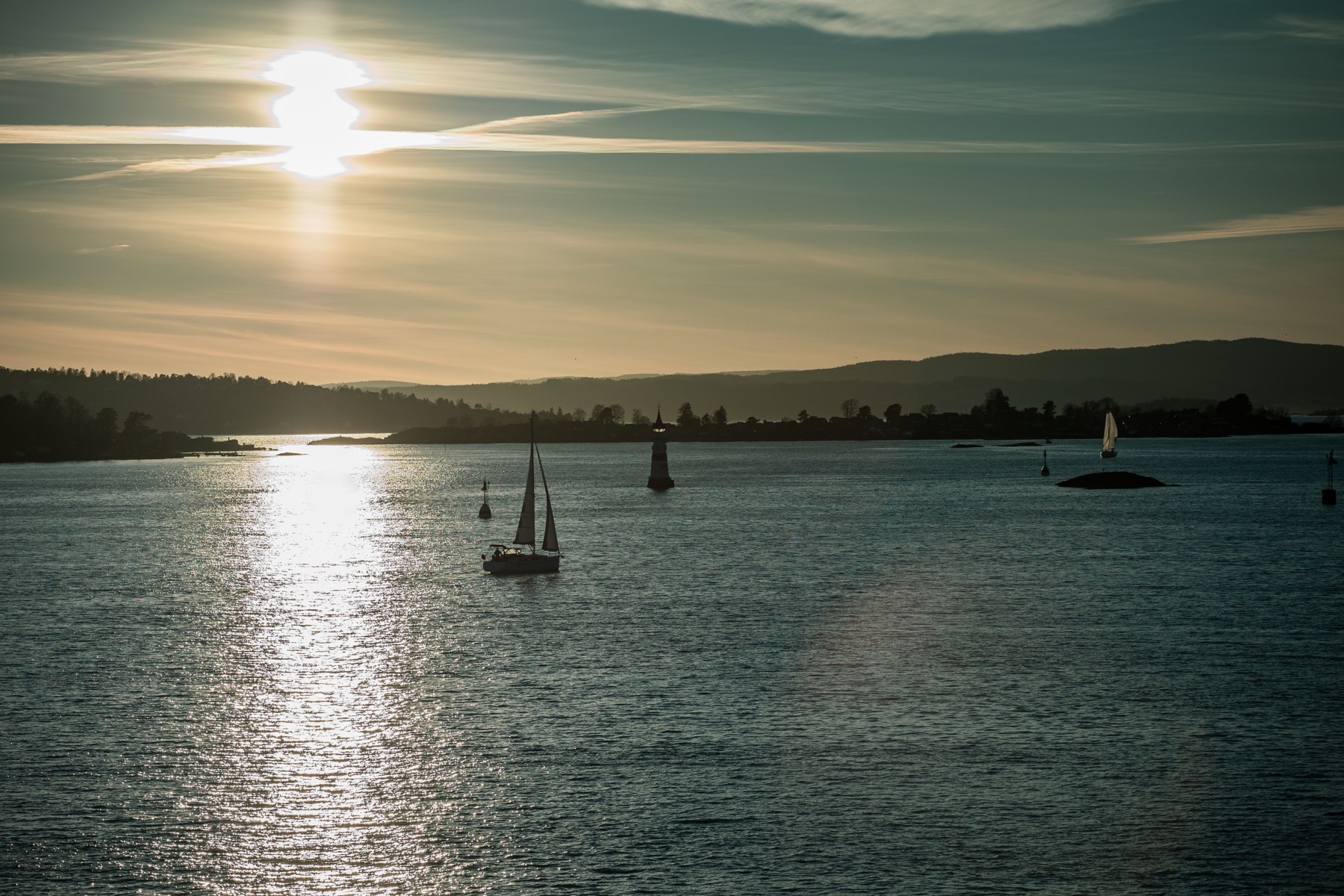
The principle is simple: you warm up properly and then jump straight into the icy waters of the fjord. Locals love this ritual and swim here year-round, even in the depths of freezing winter, when they sometimes have to chop a hole in the ice. The initial shock of the icy water is quickly replaced by an incredible rush of endorphins.
Demand for the saunas is enormous, so it’s almost essential to reserve a spot several days in advance online. The best-known operators are KOK and SALT, where, alongside the sauna, various cultural events and musical performances are held in huge wooden structures resembling fish-drying racks.
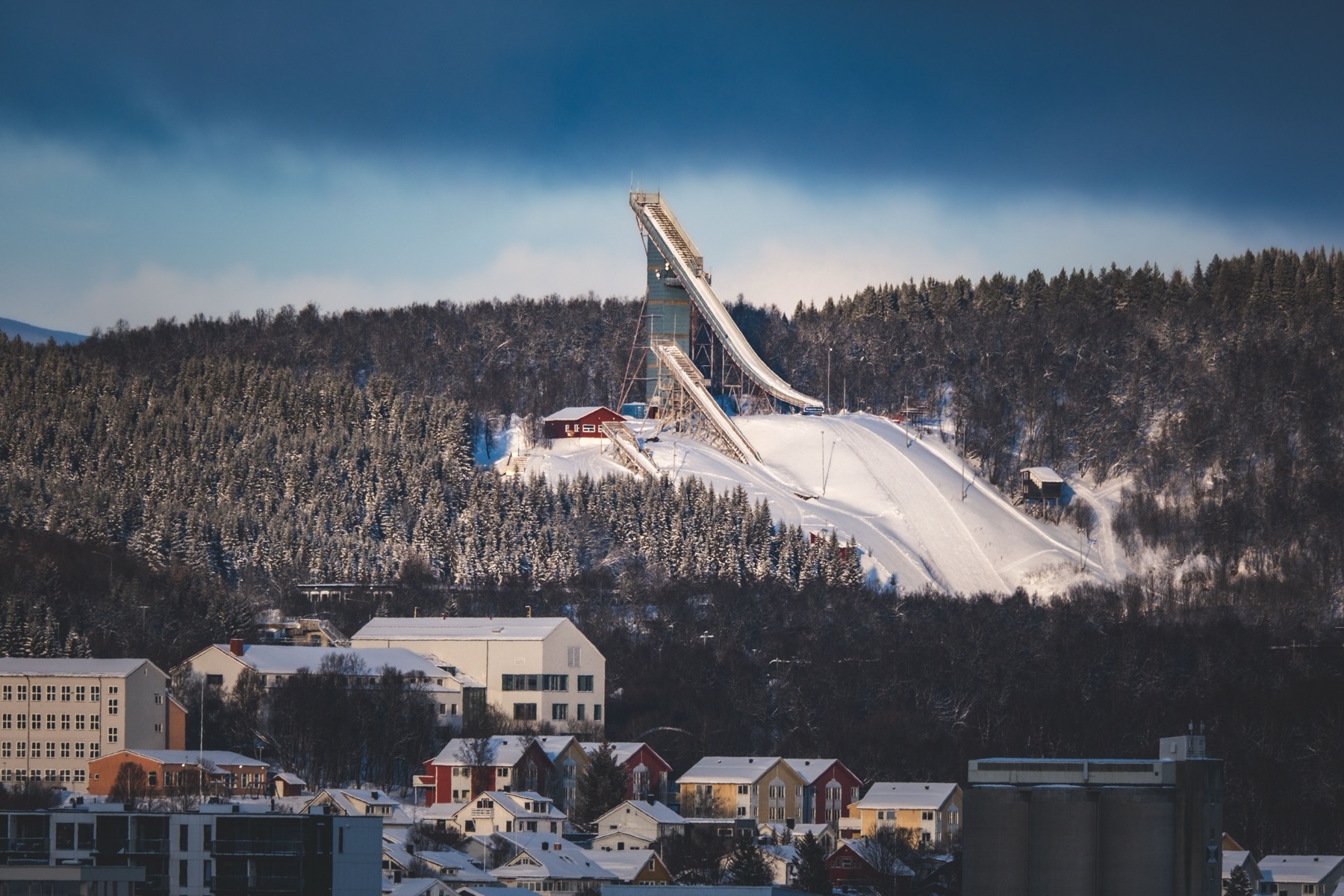
14. The Holmenkollen Ski Jump
Our last tip takes us high above the city, into a paradise for all winter sports. The legendary Holmenkollen ski jump is visible from afar and forms an unmistakable silhouette of the city, easily reached by metro line number one. The journey up takes about half an hour and offers amazing views in its own right as the train gradually climbs into the hills.
The current steel structure of the jump looks a bit like a spaceship, and inside its base hides the oldest ski museum in the world. You’ll see the evolution of skis over the centuries and exhibitions dedicated to famous polar expeditions, which couldn’t have happened without skis. The biggest draw, though, is the lift ride up to the very top of the jump.
When you stand on the starting platform and look down into the abyss, only then do you fully grasp how much courage the jumpers must have. The view from the tower takes in the entire city, the fjord and the surrounding wooded hills of Nordmarka. If you love adrenaline, you can try out a realistic jumping and downhill skiing simulator down below, which is guaranteed to make you break a sweat.
Practical Info: How to Save and Not Wreck Your Budget
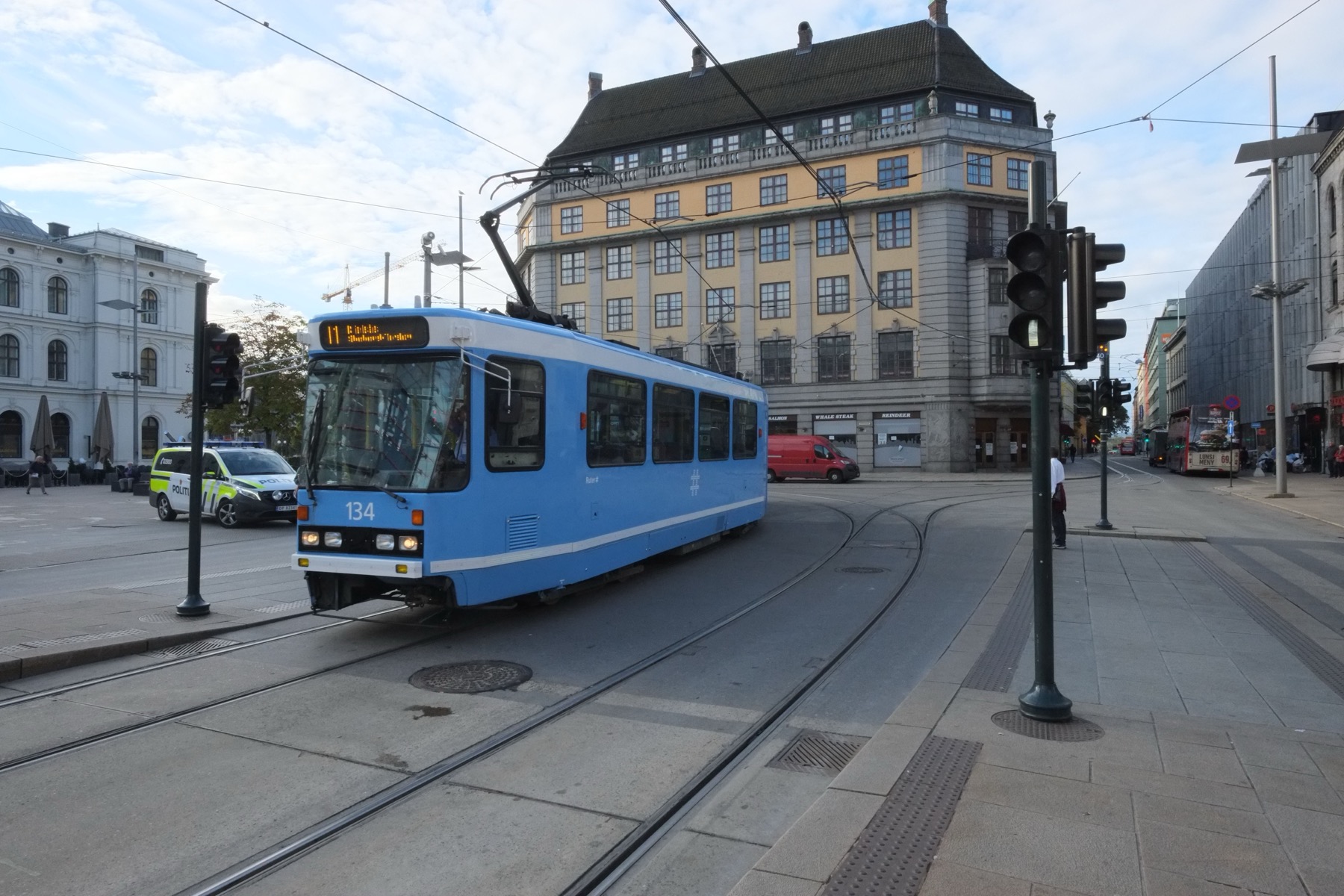
Norway is expensive, there’s no point arguing about it. But if you plan to visit several museums, getting the Oslo Pass is an absolute must, sold in 24, 48 or 72-hour versions. This card gives you free entry to most of the main sights (including the MUNCH museum, Fram and Kon-Tiki) and, crucially, works as an unlimited ticket on all public transport, including the ferries to the islands.
From Oslo Airport (Gardermoen) you can reach the centre in several ways. The fastest is the Flytoget express train, which takes around twenty minutes, though it’s fairly pricey. A very smart alternative is the ordinary red trains run by the state railway (Vy), which travel the same route, take just three minutes longer, but cost roughly half the price of the express. Travellers flying in from the UK will find direct flights to Oslo from London and several other British cities, with carriers such as Norwegian and SAS serving the route.
As for food, restaurants can put a serious dent in your wallet. The well-stocked supermarkets (such as REMA 1000 or Kiwi) are a real lifesaver, where you can buy fresh ingredients for a picnic in the park, along with the Asian and vegetarian bistros in Grünerløkka, which offer hearty and delicious portions at far more reasonable prices than the spots right on the waterfront.
Where to Go Next from Oslo
Frequently Asked Questions
How many days do you need to visit Oslo?
Two full days will be enough for the most important things in the center. However, if you want to leisurely explore the museums on the Bygdøy peninsula and take a boat trip to the islands in the fjord, I recommend setting aside a long weekend for the city, ideally three full days.
Is the Oslo Pass worth it?
Definitely yes, if you’re planning to explore culture. The card pays for itself the moment you visit two paid museums in a day and use the tram or boat a few times. You can conveniently download it straight to the mobile app.
How to best get from the airport to the center?
The most comfortable option is the train. The express Flytoget will get you to the central station in 20 minutes, but it’s more expensive. If you want to save money, go for the regular Vy connections, which run very frequently, take 23 minutes and you can get a ticket for a much more reasonable price.
When is the best time to visit the Norwegian capital?
The most beautiful experiences can be had from May to August, when the days are incredibly long and the warmth invites you to sit outside or go swimming. If you’re drawn to Christmas markets and skiing at Holmenkollen, head there during December or January, but expect early darkness.
Is Oslo really that expensive?
Yes, the prices of services, alcohol and food in restaurants are very high for us. You can cleverly cut your budget by getting an Oslo Pass, using clean water fountains and occasionally buying food at local supermarkets.
Where can you get good vegetarian food in the city?
A complete paradise for plant-based food lovers is the Grünerløkka district. You’ll find plenty of small bistros making fantastic creamy hummus and fresh falafel, as well as the Mathallen food hall, where everyone will find something from the diverse range of stalls.
What to see in Oslo with small children?
Children will be thrilled with the boat ride and the enormous polar ships in the Fram and Kon-Tiki museums. The outdoor Norwegian Folk Museum is also brilliant, where animals roam freely, and older kids will certainly enjoy the ski simulator beneath the Holmenkollen ski jump.
Tips and Tricks for Your Vacation
Don’t Overpay for Flights
Search for flights on Kayak. It’s our favorite search engine because it scans the websites of all airlines and always finds the cheapest connection.
Book Your Accommodation Smartly
The best experiences we’ve had when looking for accommodation (from Alaska to Morocco) are with Booking.com, where hotels, apartments, and entire houses are usually the cheapest and most widely available.
 🚗 Car rental on the roadVerified rental cars in Norway
Search with the DiscoverCars comparison engine — it compares prices from dozens of local and international rental companies, and most bookings come with free cancellation.
Compare car prices in Norway →Don’t Forget Travel Insurance
Good travel insurance will protect you against illness, accidents, theft, or flight cancellations. We’ve had a few hospital visits abroad, so we know how important it is to have proper insurance arranged.
Where we insure ourselves: SafetyWing (simple monthly subscription) and TrueTraveller (for extra-long trips).
Find the Best Experiences
Get Your Guide is a huge online marketplace where you can book guided walks, trips, skip-the-line tickets, tours, and much more. We always find some extra fun there!