

Italy has probably been on your bucket list for years – Rome, the rolling Tuscan hills, Sardinia’s beaches, and pizza so good you’d happily go even without the sea. But getting from daydreaming to actually packing your bags raises a bunch of questions: how much will it all cost, when to go so it isn’t 40 °C with hour-long queues, and whether to book a package tour or sort everything out yourself. That’s exactly what we want to help you with ☺️
You’ll find three things here: up-to-date tour and flight prices that we refresh every morning, so you’re not looking at last year’s deals; our tips from our own trips and articles, where we’re honest about what isn’t worth it; and a plan for when and what to book so you don’t overpay for nothing.

What to see and do in Italy
You can’t see Italy in a single holiday – and that’s a good thing, because you’ll happily come back. We’re working through it region by region, and here are the places worth packing your bags for:
- Rome – the Eternal City is doable in three days for a first visit. Don’t miss the Trevi Fountain, the Pantheon, Piazza Navona, the Spanish Steps, Castel Sant’Angelo and the Galleria Borghese. If you love a bit of life, head to Trastevere in the evening. With kids or without, we’ll help you figure out where to stay and what to do with children.
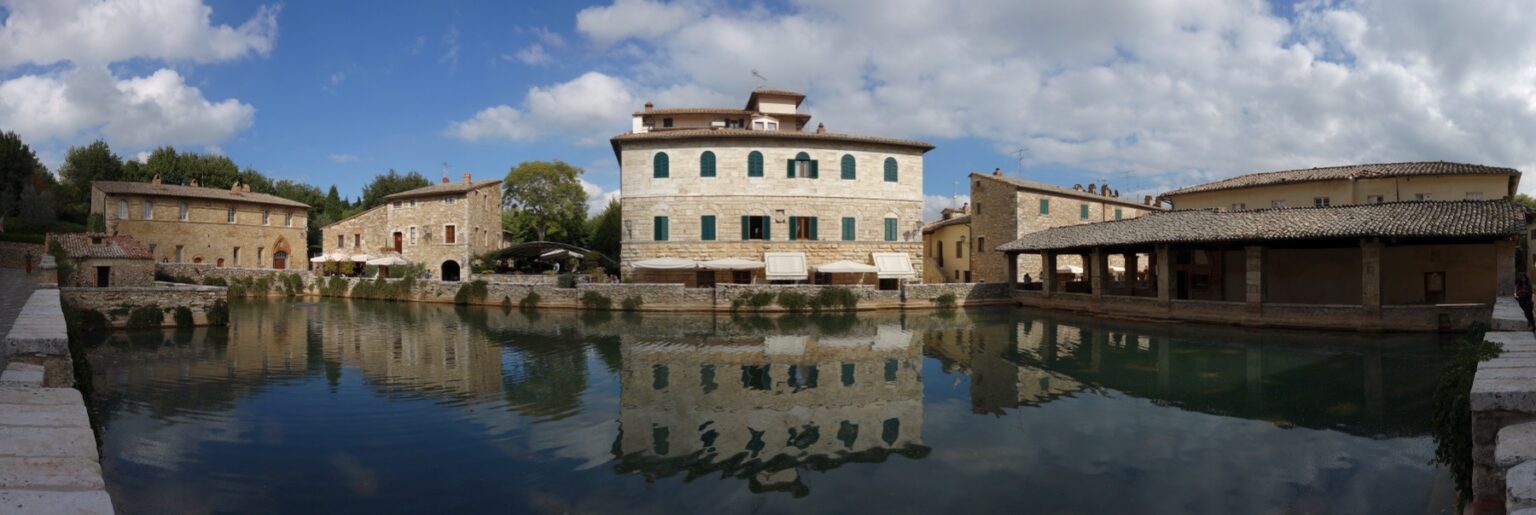
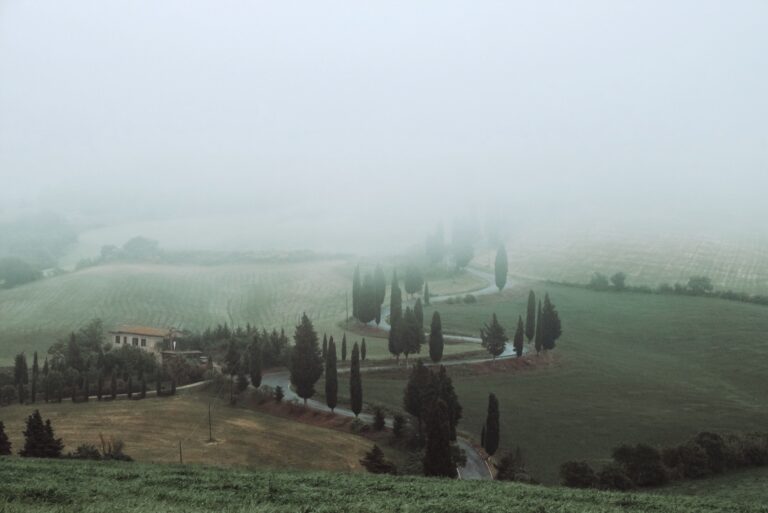
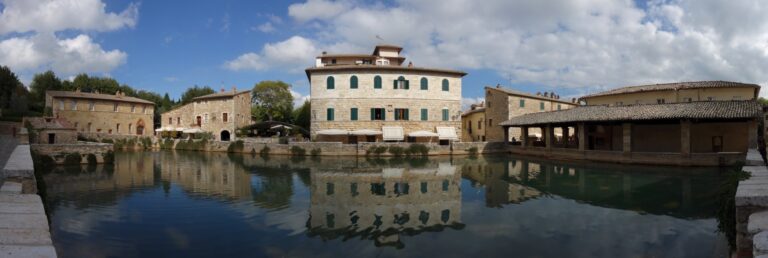
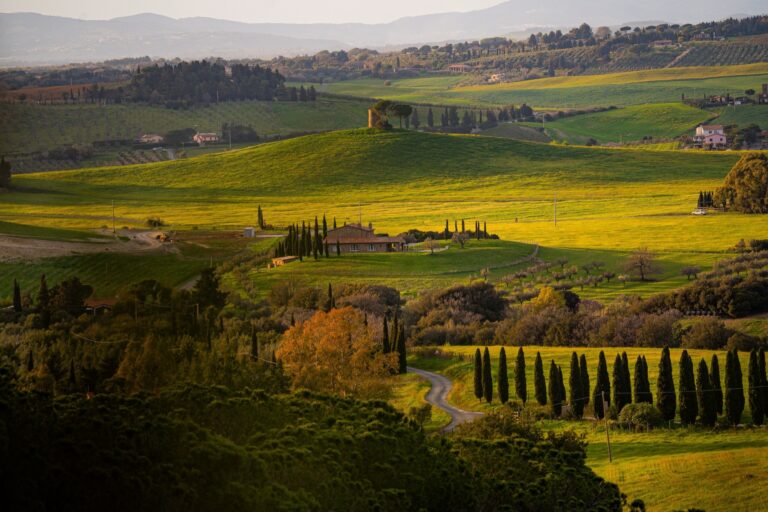
- Tuscany – hills, cypress trees, wineries and postcard-perfect towns. A few days in the thermal spas, which even the Romans knew, fit in beautifully too.
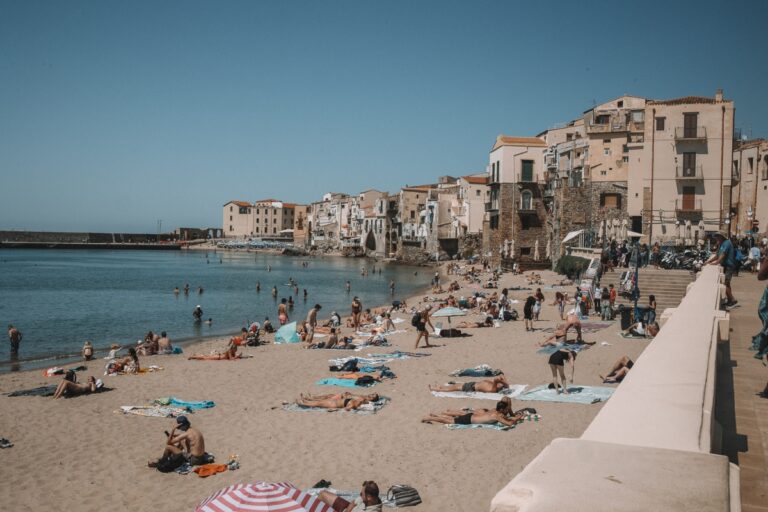
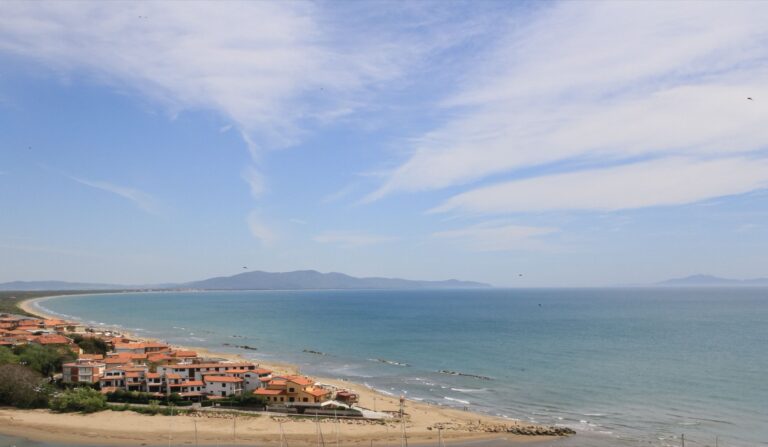
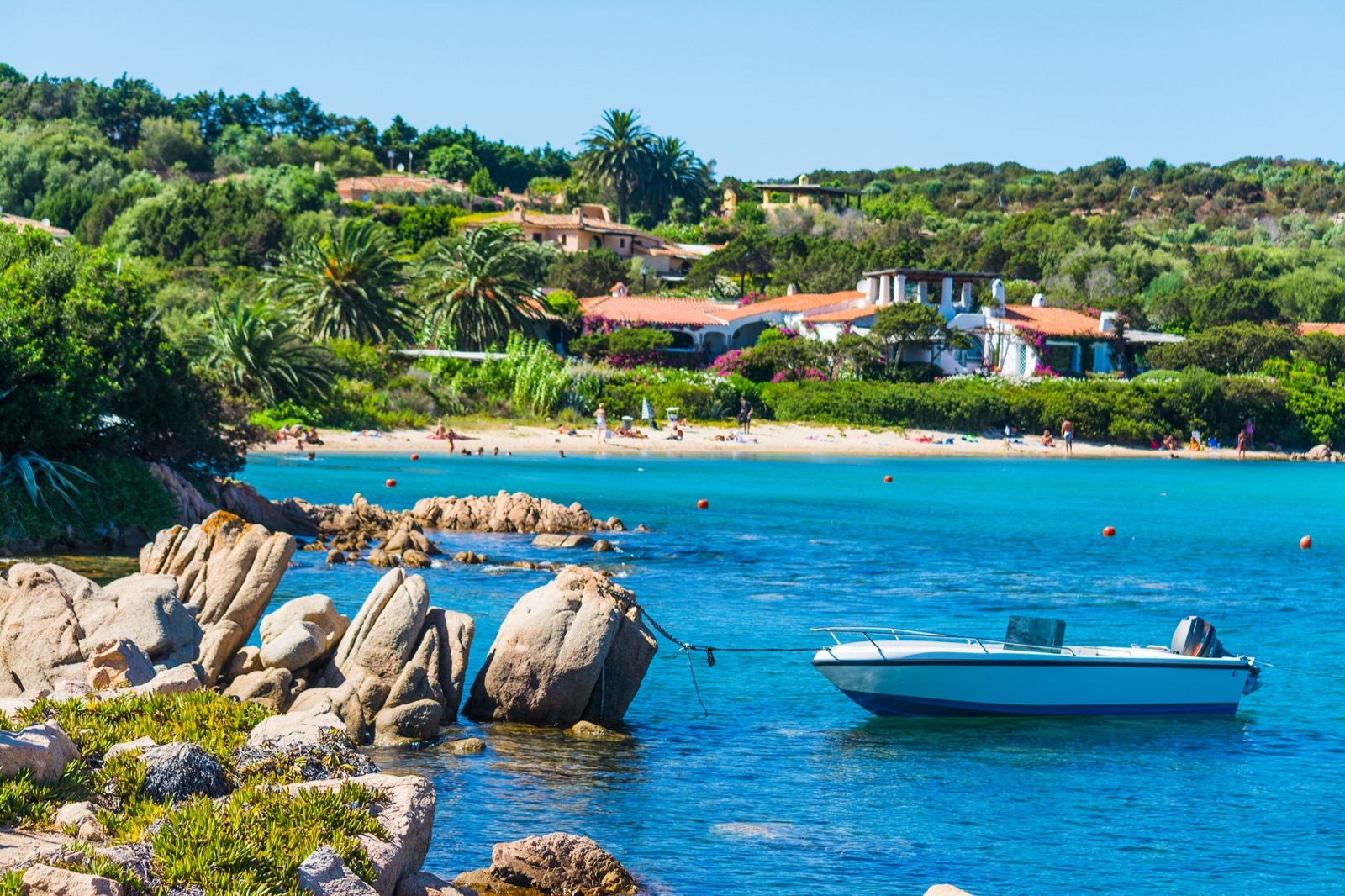
- Sardinia – for us, Italy’s number one beach destination. You’ll find Caribbean-looking beaches, lively Cagliari and the swanky Costa Smeralda in the north.
- Lake Como – the northern lakes for those who want mountains and water at once, with a dose of romance thrown in.
- Day trips from Rome – ancient Ostia Antica and the gardens of Tivoli are a great break from the city bustle.
- And of course the food – Italian cuisine region by region is a reason to come all on its own.
When to visit Italy
We find Italy is at its best for travelling in spring (April–June) and autumn (September–October). The weather is pleasant for wandering around cities, the crowds aren’t as thick as in summer, and prices haven’t hit their peak-season highs yet. May and September are our golden middle ground – warm, but not scorching.
Summer belongs to the sea. July and August are ideal for Sardinia and the beaches, but expect peak season, higher prices and heat in the cities – Rome in August can be downright hellish 😅. If you’re after a swim, check out our Sardinia weather month by month or the weather in Bari.
Winter has its charm too – cities without queues and lower accommodation prices. We break it all down in our article on when to go to Italy month by month, so you can dodge the crowds and the overpriced dates.
Italy is all about experiences – and these are the ones we remember most:
- An evening stroll through Trastevere – cobblestones, fairy lights and the best atmosphere for dinner in all of Rome.
- The Galleria Borghese – seeing Bernini’s sculptures up close is an experience; just don’t forget to book a timed slot.
- A day on Sardinia’s beaches – water straight off a Caribbean postcard; we’ll show you the prettiest coves in the article.
- A boat trip on Lake Como – cruising between villas and little towns, mountains in the background, pure calm.
- The thermal spas in Tuscany – bathing in hot water under the open sky, often even free in the natural springs.
- Tasting Italian cuisine region by region – from Neapolitan pizza to Tuscan bistecca, the food is different every single time.






How to get to Italy
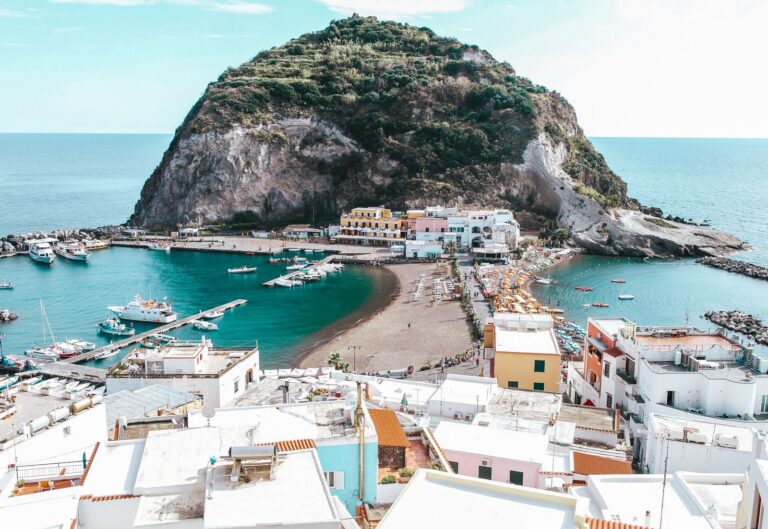
The fastest way to reach Italy is by air – there are direct flights from Prague to Rome, Milan, Venice, Bologna and the islands. The flight takes roughly 1.5–2 hours, and getting to the south or Sardinia sometimes involves a connection. For city breaks and shorter holidays, flying is clearly the number one choice.
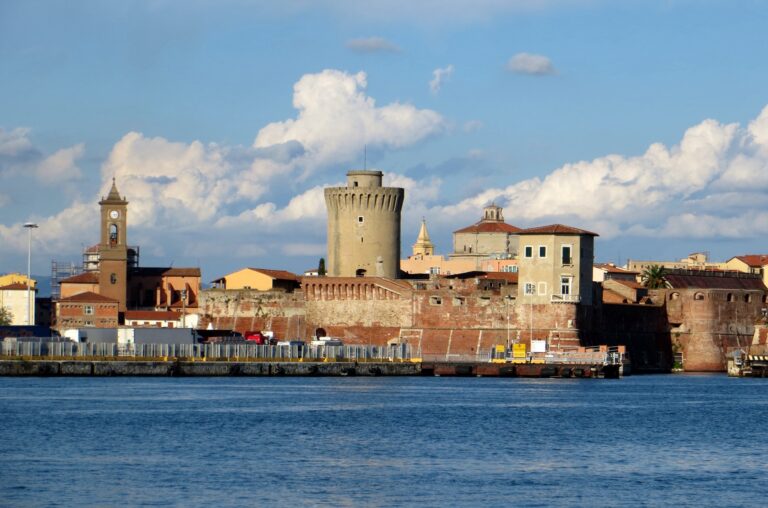
If you want your own car and the flexibility (especially around Tuscany or the lakes), Italy is also doable by car from the Czech Republic – you can reach northern Italy via Austria in roughly 8–10 hours. For Sardinia or Sicily, a ferry from ports like Genoa, Livorno or Civitavecchia comes in handy. We cover specific airports and connections below.
Renting a car
A car makes sense in Italy where the experiences are spread out – Tuscany, Sardinia, the lakes. In cities like Rome or Florence, on the other hand, skip it: parking is expensive, the centres are covered by ZTL zones (no-entry areas with fines, even for tourists), and you’ll get around better on public transport and on foot. So take the train for cities, and a car for the countryside and the coast.
- Book in advance through rental comparison sites – in season, on-the-spot prices are much higher and smaller cars run out fast.
- Watch the deposit and insurance – basic cover often has a high excess, so extra insurance is worth it. Read the terms so the card hold doesn’t catch you off guard.
- Budget for tolls (autostrade) and ferries to the islands – taking a car on the ferry is an extra cost that’s best booked ahead.
Where to stay in Italy
Where you rest your head depends a lot on whether you’re heading to a city or to the seaside. A few tried-and-tested pointers:
- Cities (Rome, Florence, Venice) – it pays to stay closer to the centre so you don’t waste time commuting. For Rome we’ve put together a guide on where to stay depending on your trip – you’ll pick a different neighbourhood with kids than for a party.
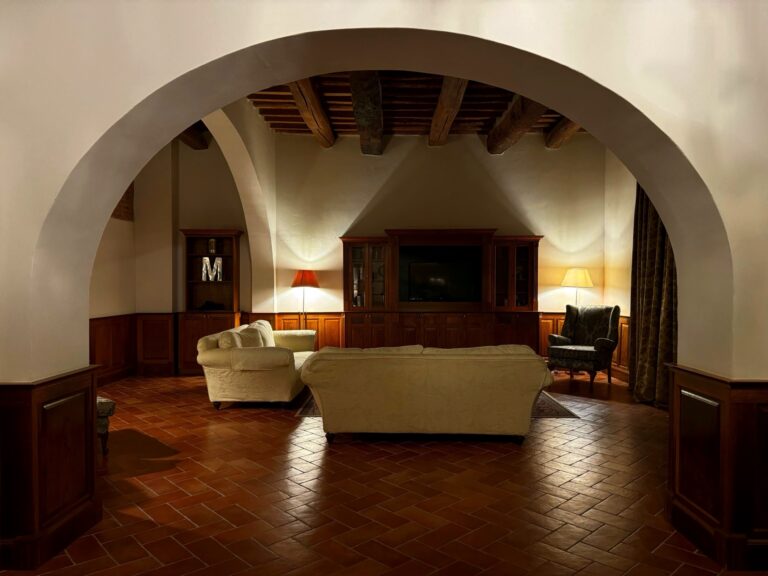
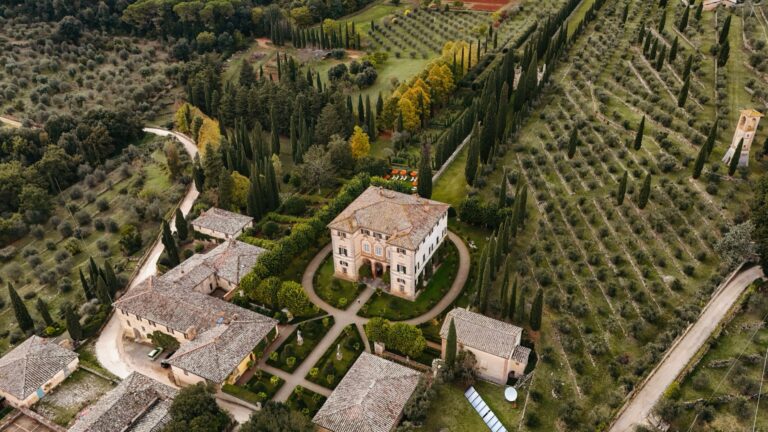
- Tuscany – agriturismo (farm and winery stays) are an experience in themselves, plus peace and quiet and home-cooked food. They combine wonderfully with wellness hotels too.
- Sardinia and the coast – resorts and apartments near the beach. Expect higher prices in the north (Costa Smeralda), while the south around Cagliari tends to be more affordable.
Our tip: in high season, book your accommodation even 3–4 months ahead, especially by the sea and in smaller towns where options are limited.

Package tour or independent travel?
Almost everyone wrestles with this one – and honestly, both options have something going for them.
A package tour is worth it when…
- you want the sea and relaxation without the planning – flight, transfer and hotel in one package;
- you’re travelling in high season, when booking on your own is pricier and more complicated;
- you appreciate the reassurance of a rep and having problems sorted out on the spot.
Go independent when…
- you want a sightseeing trip (Rome, Tuscany, a road trip) at your own pace;
- you’re flexible and enjoy hunting for flights and accommodation yourself;
- you’re planning to combine several places that tours don’t reach.
Here’s how the two of us do it: for the sea and relaxation we take a package tour (it saves time and stress), and for sightseeing we go independent – car, train and our own itinerary. We happily mix the two as well: a week on the beach from a tour, plus a few extra days in the cities.
Budget: daily costs in Italy
| Level | Accommodation | Food | Transport & activities | Total/day |
|---|---|---|---|---|
| Backpacker | 30 €–45 € (hostel, shared room) | 16 €–25 € (street food, supermarket) | 12 €–20 € (public transport, a few entries) | 55 €–85 € |
| Standard | 70 €–120 € (3* hotel, apartment) | 30 €–45 € (trattorias, cafés) | 25 €–40 € (entries, trips) | 125 €–210 € |
| Comfort | 160 €+ (4* and up, seaside resort) | 60 €+ (restaurants, wine) | 45 €+ (taxis, tours, car rental) | 260 €+ |
Prices are approximate, per person per day, and vary a lot by season and region — summer by the sea and tourist hotspots can be twice as expensive as the quieter inland areas out of season.
How to save when planning
- Buy flights ideally 2–4 months ahead, and even earlier for summer and school holidays. Prices swing up and down, so keep an eye on the trend. Search for flights in our finder.
- Book seaside accommodation for high season 3–4 months in advance – the best price-to-location deals disappear first. Take a look at our accommodation tips.
- Package tours have two good booking windows: first minute (for winter and spring, when discounts and choice are at their best) and last minute (if you’re flexible on dates and want the sea on the cheap). You’ll find current deals in the current tours section.
- Buy entries and tours online in advance – you’ll avoid the queues and the higher on-the-spot prices. We sum up what’s worth booking early in what to book in advance.
- Where you overpay: restaurants right next to the main sights, a taxi from the airport instead of the train, and airport currency exchanges. A few metres away from the tourist zone you’ll pay up to a third less.
Practical information
- Language: Italian. English works in tourist hubs, but in the countryside and smaller towns a few Italian words and a smile will sometimes get you a long way ☺️
- Payments: you can pay by card almost everywhere, but cash comes in handy for small trattorias, markets and parking machines. Italians like having small change.
- Connectivity: the easiest option is an eSIM – activate it before you leave and you’ll have data for maps and bookings the moment you land, no hunting for a local SIM.
- Safety: Italy is safe, just watch out for pickpockets in big cities and on public transport (especially Rome and Naples). Keep your documents and money close to your body.
- Queue tip: for top attractions (Galleria Borghese, the Vatican) buy your tickets online in advance – you’ll save up to an hour of waiting.


