

For so many of us, Naples and Amalfi are the Italy of our dreams – colourful houses clinging to the cliffs, the scent of lemons in the air, pizza done exactly the way it should be, and a sea so blue you want to dive straight into the photo. Then the reality of planning kicks in: when should you actually go so it isn’t unbearably packed, how much will the whole thing cost, and should you go independently or book a tour? The two of us have been through exactly this, and we know how quickly a romantic daydream turns into a pile of open browser tabs 😅
Here in one place you’ll find three things: current tour and flight prices that we refresh every morning, our specific tips from our own trips and articles about the individual spots, and a simple plan for when and what to book so you don’t end up overpaying for no reason.

What to see and do in Naples and Amalfi
This corner of Italy packs a serious amount of experiences into a small space. Start in Naples – a chaotic, noisy and utterly alive city where the pizza margherita was literally born and whose historic centre is among the most authentic in all of Italy. From here it’s a short hop to Pompeii, the ancient city buried by Vesuvius. Set aside half a day for the visit – it’s enormous.
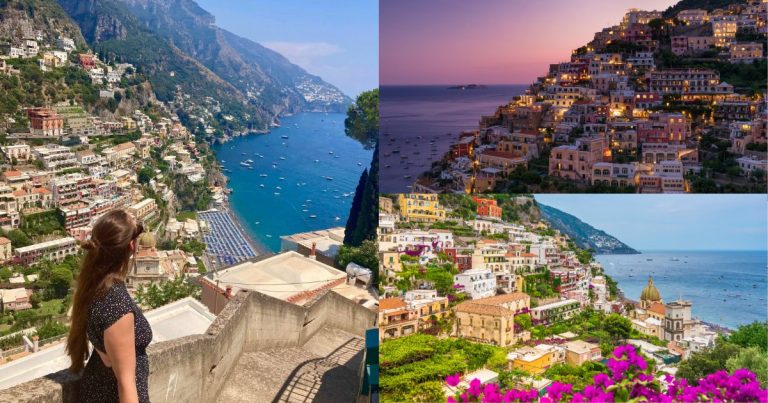
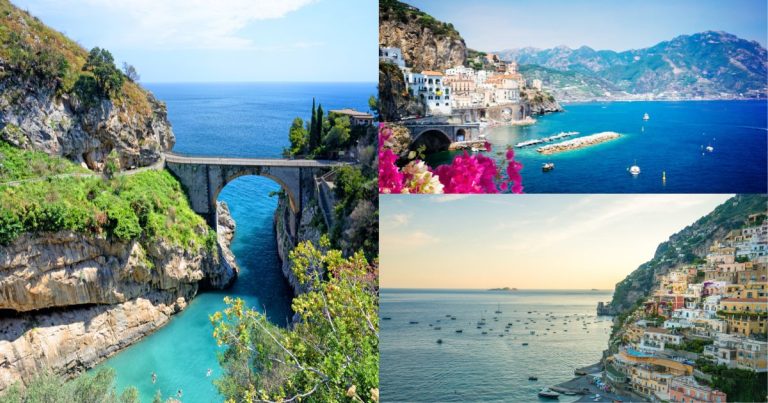
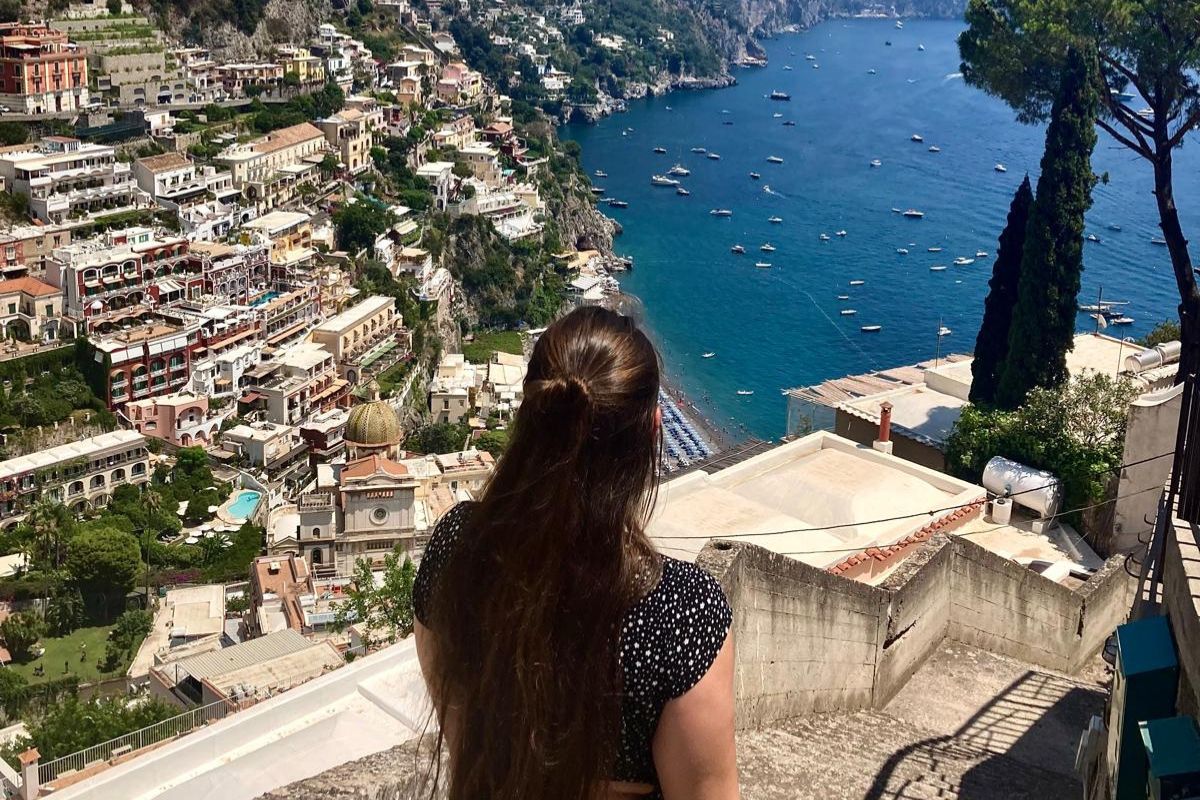
- Positano – the most photogenic village on the coast, with colourful houses cascading down to the beach. Gorgeous, but expect crowds and higher prices.
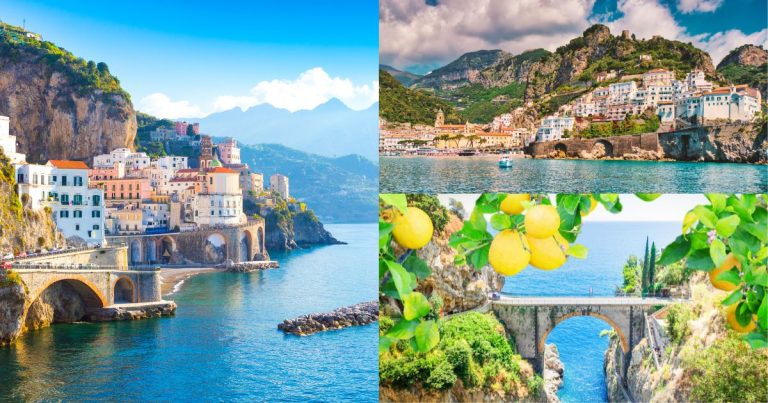
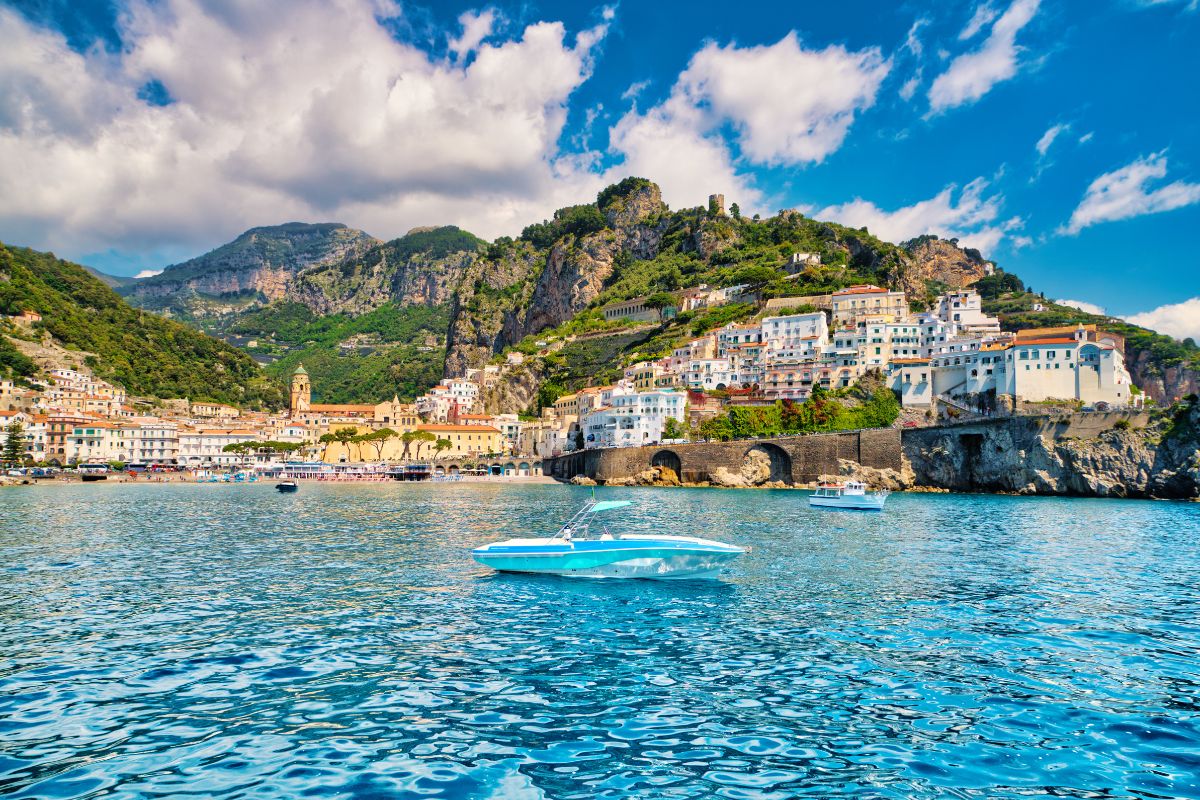
- Amalfi – the little town that gave the coast its name, with the stunning Cathedral of St Andrew.
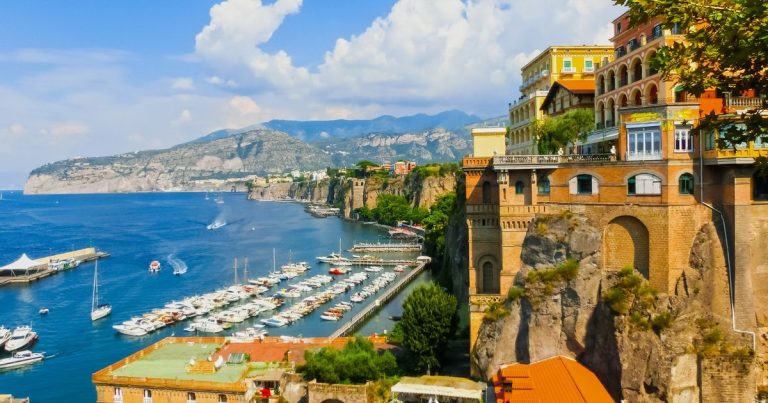
- Sorrento – an ideal base for day trips, with good transport links and a slightly calmer atmosphere.
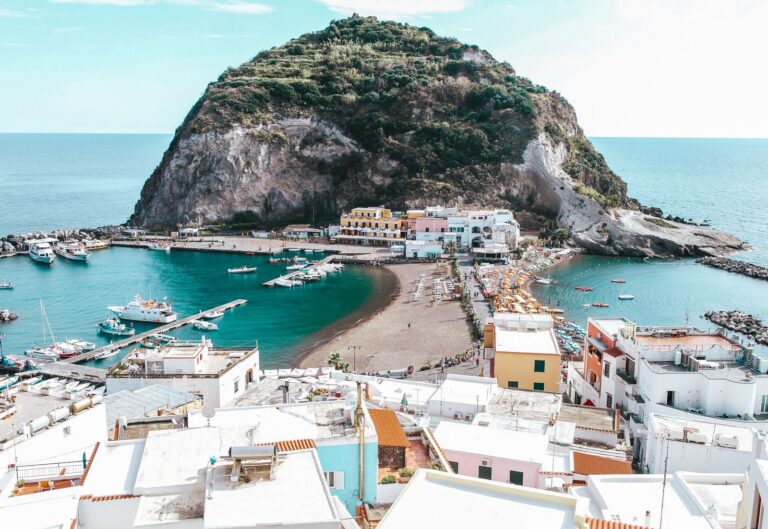
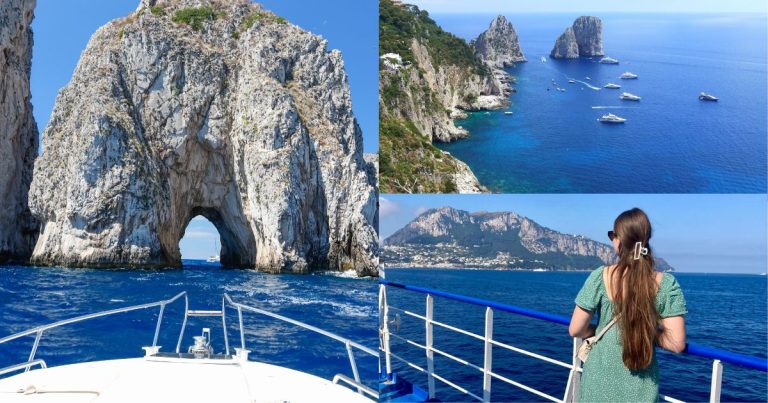
- The island of Capri – the Blue Grotto and a touch of luxury; take the boat trip ideally outside midday, when it’s at its busiest.
- The whole Amalfi Coast – a winding clifftop road with views you’ll love and curse in equal measure.

When to visit Naples and Amalfi
The nicest time to head to southern Italy is May, June and September – the sea is already (or still) warm, the sun is lovely, but it’s not the suffocating heat that makes it hard to breathe. In our view this is genuinely the ideal window, when you can enjoy both swimming and sightseeing without suffering in the midday blaze.
Peak season in July and August means the highest prices, jam-packed beaches and traffic on the coast road that can grind into one giant gridlock. If you’re not tied to the school holidays, it’s better to avoid it. On the flip side, April and October are great for exploring the cities and Pompeii – fewer people, pleasant temperatures, though swimming is a bit of a lottery by then.
Off-season (November–March) brings peace and low prices, but some of the hotels, ferries and restaurants along the coast simply close. There’s not much point heading to Capri or Positano in winter, but Naples and Pompeii are still well worth it.


How to get to Naples and Amalfi
The easiest way is to fly – the main gateway is Naples Airport (NAP), which sits right by the city. In season you can fly here direct from Prague, otherwise the most common option is a connecting flight (for example via Rome, Milan or one of the European hubs). The journey with a connection takes roughly half a day, while a direct flight is just over two hours.
Driving from Czechia is around 1,500 km and roughly 14–16 hours of pure driving, so it makes more sense for a longer holiday or an Italian road trip. After landing in Naples, you can reach the coast on the Circumvesuviana train to Sorrento, then continue by SITA bus or, most comfortably, by ferry. Boats run from both Naples and Sorrento to Positano, Amalfi and Capri, which in season is often faster than the clogged road.
Renting a car
Honestly, a car on the Amalfi Coast is more trouble than it’s worth. The coast road is narrow, full of hairpins, gridlocked in season, and parking is expensive and scarce. Getting around the coast is far more comfortable – and often faster – by ferry and SITA bus. A car makes sense if you want to combine the region with a longer road trip through southern Italy, or if you’re staying outside the main towns.
- Book in advance through a rental comparison site – on the spot in season it tends to be pricey and sold out.
- Watch your insurance and the deposit amount (the hold on your card can be high), and consider paying extra for full coverage.
- Factor in motorway tolls and ferry fees, and bear in mind you often can’t drive into town centres (ZTL zones come with fines).
Where to stay in Naples and Amalfi
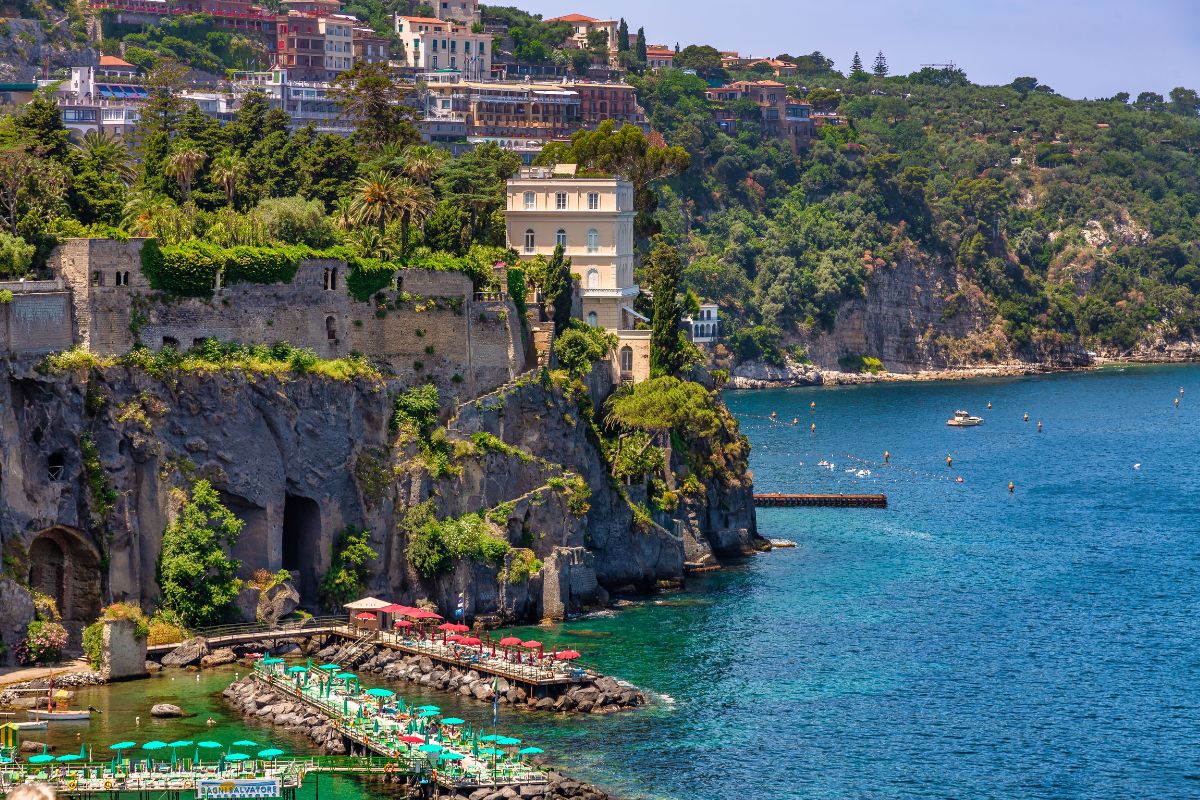
Where to stay depends a lot on what you want from the trip. If you’re keen to explore the cities and sights, Naples or Sorrento as a transport hub are practical choices. Anyone craving those iconic postcard views should head straight to Positano or Amalfi. Just be ready to pay a hefty premium for the location here.
- Sorrento – the best price-to-access ratio, an ideal base for trips to Capri, Pompeii and along the coast.
- Positano and Amalfi – the most atmospheric, but the most expensive; book well in advance.
- Naples – the cheapest option with the best flight and train connections, brilliant for lovers of city life and food.
- Salerno – an underrated, calmer and cheaper gateway to the eastern end of the coast.
Package tour or independent travel?
A tour is worth it when:
- you want transport, accommodation and basic excursions sorted, without getting bogged down in logistics,
- it’s your first visit and Italian chaos stresses you out more than it amuses you,
- you prefer a fixed price and the support of a guide.
Go independently when:
- you want to decide for yourself where and how long you stay,
- you don’t mind hunting for accommodation, connections and ferries,
- you want more time in one place and less ticking off of stops.
The two of us love doing this destination independently – the region is easy to get around by ferry and train, and flexibility really pays off here. But if you’re planning a shorter holiday or don’t want to sort anything out in advance, a tour is a perfectly fine choice.
Budget: daily costs in Naples and Amalfi
| Level | Accommodation | Food | Transport & activities | Total/day |
|---|---|---|---|---|
| Backpacker | 30 €–45 € (hostel, room in Naples) | 16 €–25 € (pizza, street food) | 12 €–20 € (train, bus) | approx. 55 €–85 € |
| Standard | 70 €–120 € (3* hotel, B&B) | 30 €–45 € (restaurants) | 25 €–45 € (ferries, entry fees) | approx. 125 €–210 € |
| Comfort | 180 € and up (hotel with a view in Positano) | 60 € and up | 60 € and up (private boats, taxis) | from approx. 300 € |
Prices are indicative, per person and per day, and vary a lot by season — in July and August expect to pay around a third more for accommodation, especially right on the coast.
How to save when planning
- Book flights 2–4 months ahead, ideally outside the summer holidays – that can easily mean a difference of several thousand crowns per person. Search for flights in our finder.
- Book coastal accommodation early (especially Positano and Amalfi) – the best-value places are the first to go. Take a look at our accommodation tips.
- Consider a tour as a first-minute deal for spring, or a last-minute one if you’re flexible – keep an eye on the current tours on this page.
- Buy your Capri boats and Pompeii entry in advance – on the spot you’ll overpay and queue. We sum up what to book early in the what to book in time section.
- Where you’ll overpay: restaurants with a view right by the main attractions and taxis along the coast – a meal a few streets away, and the ferries, will work out considerably cheaper.
Practical information
- Language and payments: the language is Italian, and you’ll get by in English in tourist areas. You can pay by card almost everywhere, but keep some cash for smaller shops, markets and stalls.
- Connectivity: the easiest option is to load an eSIM with an Italian/EU data plan in advance – it kicks in the moment you land and saves you hunting for a SIM at the airport.
- Safety: Naples has a reputation as a busy city – keep an eye on your belongings in crowds and on public transport, but otherwise it’s perfectly fine. On the coast road, watch out for the narrow hairpin bends.
- Our tip: buy your Pompeii tickets and Capri boat passes ahead of time in season – you’ll save yourself both the wait and the hassle.


