

France is a dream many of us carry around for years – lavender fields, a café with a fresh croissant, Alpine peaks above a lake and wild cliffs over the sea. But then the practical doubts kick in: how much will it all cost, when is it actually worth going, and should you book a comfortable package tour or arrange everything yourself? This is exactly where the two of us step in to help you decide with a clear head.
You’ll find three things here: current tour and flight prices, which we refresh every morning so you see real numbers rather than old promises; our tips from our own trips and articles, where we’re honest even about what isn’t worth it; and a plan for when and what to book so you don’t overpay for flights, accommodation or excursions.

What to see and do in France
France isn’t a single destination – it’s easily ten holidays rolled into one country. We’ve travelled it from end to end, and here are the places that make the trip worthwhile, each linked to our detailed article.
Normandy and the north are all about the sea, history and picturesque harbours. Don’t miss Mont-Saint-Michel, the painterly harbour of Honfleur, cathedral-crowned Rouen, the elegant duo of Deauville and Trouville, and the solemn D-Day landing beaches of Normandy.
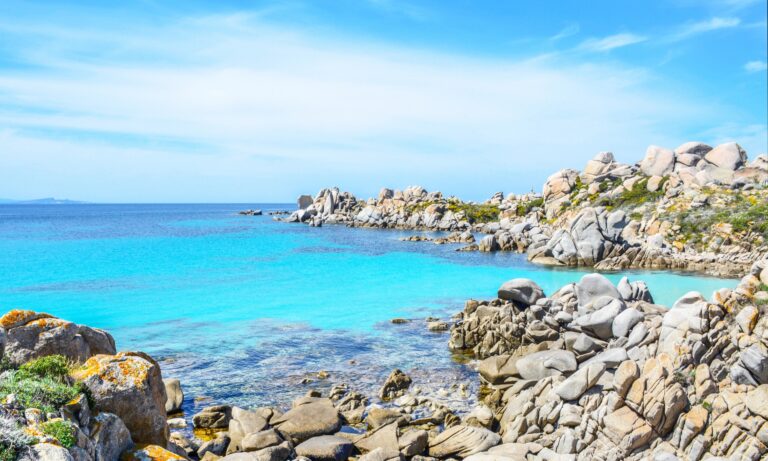
Provence and the south are what most of us picture when we think of France – the scent of lavender, sunshine and the sea. Head out to the lavender fields of Provence, the rocky coves of Cassis and the Calanques, the “Venice of Languedoc” Sète, lively Montpellier and the fairytale fortress of Carcassonne.
The southwest and the Atlantic have a completely different vibe – surf waves, oysters and Basque cuisine. We recommend Biarritz and the French Basque Country, the oyster bay of Arcachon and Cap Ferret, pink-brick Toulouse and the pilgrimage site of Rocamadour with the Gouffre de Padirac chasm.
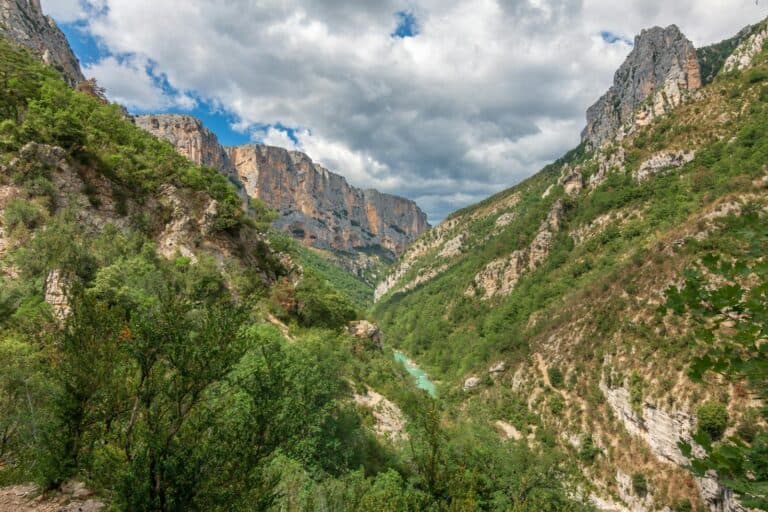
The Alps, Burgundy and Corsica are spot on for us when you want mountains and wine. Visit Lake Annecy, head beneath Mont Blanc to Chamonix, into the Ardèche canyon, wine-tasting through Burgundy and its hub Dijon, and over to Corsica – Bastia and Cap Corse, Calvi and the Balagne and the mountainous interior around Corte.
And if you’re still choosing where to go, take a look at our big roundup of 30 places for a holiday in France or our pick of the most beautiful villages in France.
When to visit France
France can be visited year-round, but in our view the ideal window is from May to September. May and June are the golden middle ground – pleasant warmth, blooming countryside and still-bearable crowds and prices. July and August are the hottest and liveliest, but also the priciest, and in the south it gets seriously hot (easily over 30 °C).
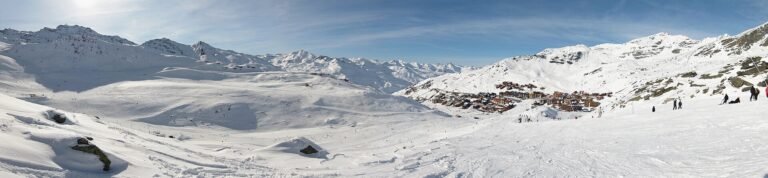
If you’re going for a specific experience, keep an eye on the timing. Lavender in Provence blooms roughly from mid-June to mid-July – outside that window you’ll find only mown fields. For surfing in the Basque Country and on the Atlantic, late summer is best; for Alpine hiking, July and August; and for skiing in Chamonix, winter.
September is our personal favourite – the sea is still warm, the grape harvest in Burgundy is in full swing and the crowds are thinning out. Spring and autumn also mean significantly cheaper flights and accommodation. Tours to France typically depart from February to October, so there’s plenty of room for an off-season bargain.
These are the experiences we remember most fondly from France – we’ve tried and described them all in our articles. Below this text you’ll find cards through which you can book them right away.
- A walk around the tidal Mont-Saint-Michel, watching the sea surround it – plan your visit around the tide.
- A boat trip among the limestone cliffs of the Calanques coves near Cassis – the colour of the water will take your breath away.
- Photos among the blooming lavender fields of Provence during their flowering season.
- Wine tasting straight from the cellars of Burgundy at the winegrowers along the Route des Grands Crus.
- The cable-car ride up to the Aiguille du Midi above Chamonix, with views of Mont Blanc.
- Kayaking or canoeing through the Ardèche canyon beneath the famous stone arch of the Pont d’Arc.
How to get to France
Flying is the most convenient option from Prague – Paris is about a 2-hour flight away, and from the main airports you can then reach practically anywhere by TGV high-speed train. Direct routes from the Czech Republic will also take you to other regional cities; otherwise you’ll change in Paris or via a major European hub. For the south (Provence, Languedoc, the Basque Country) and Corsica, you’ll usually fly with a connection.
Driving is mainly an option for Alsace, Burgundy and the Alps – you can reach eastern France in 8–10 hours, while the south is more like a day and a half. Factor in French tolls (péage), which aren’t cheap. To reach Corsica from mainland France you take a ferry (from Marseille, Nice or Toulon), an experience in itself, but plan your booking ahead.
Renting a car
A car makes sense in France the moment you want to discover the countryside – Provence, Burgundy, the Dordogne, the Ardèche or the villages are hard to get around without one, as public transport runs sparingly there. In big cities (Paris, Lyon, Marseille), on the other hand, a car tends to slow you down and parking is expensive – there, stick to public transport and the TGV.
- Book ahead through a rental comparison site – on the spot in season it’s often pricey and sold out, especially in Corsica and at airports.
- Insurance: watch the excess – extra zero-excess cover is worth it for longer rentals.
- The deposit is blocked on a credit card, so keep enough of a buffer on it.
- Tolls (péage): motorways are tolled and not cheap – factor them into your budget; you pay by card at the toll gates.
- In Corsica, expect narrow hairpin bends – a small car is an advantage there, not a drawback.
Where to stay in France
Accommodation in France is genuinely varied and much depends on the region. We most often go for apartments and smaller guesthouses – they give you freedom, your own little kitchen (a saving on breakfasts) and often a better location than a big hotel.
- Apartments and gîtes in the countryside (Provence, Burgundy, the Dordogne) – ideal if you have a car and a longer stay, often with a pool.
- Guesthouses and chambres d’hôtes in towns and villages – a personal touch, breakfast included and good value for money.
- Hotels in the centres of big cities (Paris, Lyon, Toulouse) – expensive, so book well ahead.
- Campsites and mobile homes by the sea and in the mountains – a popular and cheaper option in high season.
In seaside resorts and in Provence in July and August, it pays to have your accommodation booked a good 3–4 months ahead – availability disappears fast and last-minute prices climb. You’ll find our specific tips further down the page.
Package tour or independent travel?
This is the eternal dilemma, and the honest answer is: it depends on what you want from the trip. Here’s our no-frills comparison.
A package tour is worth it when:
- you want transport, accommodation and the programme all sorted, with no logistics stress,
- it’s your first time and you’d rather not deal with the language or bookings,
- you’re after a specific date at a reasonable price – deals start from 65 € and with discounts of up to −30%,
- you’re travelling for a shorter time and want to see the most in just a few days.
Go it alone when:
- you want the freedom to change plans and stop wherever you like,
- you’re planning the countryside, villages and a road trip by car,
- you enjoy seeking out your own bistros, markets and accommodation,
- you’re going for longer and want to set your own pace.
The two of us are at heart a “go it alone” team – France is made for a road trip. But if you just want a quick, hassle-free taste of Paris or the French Riviera, a well-chosen tour will save you a lot of planning and often money too. Feel free to combine the two: a tour as your base, plus a few extra days your own way.
Budget: daily costs in France
| Level | Accommodation | Food | Transport & activities | Total/day |
|---|---|---|---|---|
| Backpacker | 30 €–45 € (hostel, campsite) | 16 €–25 € (supermarket, baguettes) | 12 €–20 € (public transport, walking) | approx. 55 €–85 € |
| Standard | 60 €–100 € (guesthouse, apartment) | 30 €–45 € (bistro lunch, dinner) | 25 €–40 € (car, entry fees) | approx. 115 €–185 € |
| Comfort | 120 €–200+ € (hotel, boutique) | 60 €–100 € (restaurant, wine) | 40 €–80 € (excursions, car hire) | approx. 220 €–380+ € |
The figures are approximate, per person and per day, and assume you’re sharing accommodation between two. France is one of the more expensive European destinations — you’ll see the biggest differences in accommodation and restaurant prices, while eating from local markets and supermarkets can save you a lot.
How to save when planning
- Flights are best booked 2–4 months ahead, and even earlier for high season. The most expensive times are the summer holidays and long weekends. Search for flights in our finder.
- Accommodation in Provence and by the sea should be booked 3–4 months ahead for summer – at the last minute you’ll pay significantly more and be left with poorer locations. Our accommodation tips.
- A tour is worth booking either as a first minute deal (better choice of dates and hotels) or, conversely, last minute outside the holidays if you’re not tied to a specific date. We refresh our current tours every morning.
- Activities and tickets (cable cars, boat trips, tastings) should be booked online in advance – at popular spots you’ll save both queue time and money. What to book in good time.
- Where you overpay most: restaurants on the main squares and hotel breakfasts. Shop at the market, go for the menu du jour at lunch (usually cheaper) and you’ll save hundreds a day.
Practical information
- Language: you’ll manage in French and English in cities and tourist spots, less so in the countryside – but a few polite phrases (bonjour, merci) open doors.
- Payments: you can pay by card almost everywhere, but keep a little cash for markets, smaller bistros and toilets. In euros, of course.
- Connectivity: coverage is excellent; the easiest option is an eSIM you activate before departure, with no roaming to worry about in Europe.
- Safety: France is safe – just watch out for pickpockets in big cities and on public transport (Paris, Marseille).
- Opening hours: many shops and restaurants close for an afternoon break and on Sundays – plan your shopping ahead.


