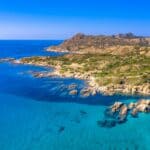
Take a deep breath and you’ll feel it instantly. A heady mix of wild thyme, rosemary, myrtle and sun-baked earth that the locals proudly call the maquis follows you with every step. While most visitors to Corsica, France head straight for the dazzling white beaches and turquoise sea, the island’s real soul is hidden high up in the mountains. In this article we’ll head into Corte and the surrounding interior together, where deep canyons, icy mountain lakes and centuries-old chestnut forests are waiting for you.
Be warned: the Corsican mountains are rugged, steep and unforgiving, but they’ll reward you with views you’ll never forget. Anyone who hasn’t seen the interior has barely seen the Isle of Beauty at all. The roads here twist above sheer drops and nature will push your physical limits to the very edge.
I’ll tell you when the best time to visit is and where to find the most magical places to stay. You’ll also learn exactly what you need to experience in this vertical world and how to dodge the biggest crowds. Let’s dive into the very best of Corsica’s mountainous heart.
TL;DR
- Corte is the historic heart of Corsica and makes the perfect base for exploring the central mountain massif.
- The Restonica gorge offers breathtaking scenery and acts as the main gateway to the popular mountain lakes of Melo and Capitello.
- The U Trinighellu mountain train safely carries you through the most inaccessible mountains and deepest valleys.
- The Castagniccia chestnut region is an oasis of calm with picturesque stone villages that feel completely untouched by time.
- Avoid August, when the narrow mountain roads are bursting at the seams and accommodation prices skyrocket.
- The local brocciu cheese is an absolute culinary marvel you simply can’t skip in any traditional mountain restaurant.
The full destination guide: Corsica — guide and what to see
When to Visit Inland Corsica
If you’re planning a trip into the Corsican mountains, timing is absolutely everything and will make or break your whole experience. The high-altitude areas have a completely different climate than the scorching coast around Porto-Vecchio or Bonifacio. While you can already happily swim in the sea in May, the peaks often still hold snow and many hiking trails remain impassable. The mountain weather is also notoriously treacherous, with afternoon storms rolling in fast and without mercy. That’s why you should start any demanding hike early in the morning, when the skies are usually clear and the air cool.
The ideal months for visiting the mountains are May, June and September, when there’s no longer any snow cover and daytime temperatures hover around a very pleasant 20 to 25 degrees. Spring is utterly magical thanks to the blooming maquis and waterfalls swollen with meltwater. Autumn, in turn, paints the chestnut forests in gorgeous golden hues and the mountain air is incredibly clean and fresh. These months also bring more favourable ferry prices, since you won’t have to pay sky-high peak-season surcharges.
Getting to the island is a chapter all of its own, and without your own car you’re essentially stuck in Corsica. The fastest ferry from Nice in France to Bastia takes roughly six to seven hours, while the crossing from Toulon runs around eight to ten hours. If you want to save money, the cheapest ferries have historically been from the Italian ports. A foot passenger pays between 40 and 100 euros, but once you add a car the price climbs rapidly. From the UK, the easiest approach is to fly into a mainland airport such as Nice or Marseille (direct flights run from London and other major cities) and pick up a hire car before catching the ferry.
One crucial warning applies to all of Corsica. Whatever you do, avoid August at all costs. During this month the French and Italians descend on the island en masse for their national holidays, and there can be up to three times more people than in July. The narrow mountain roads turn into impassable car parks and ferry tickets for two people with a car can shoot up to around 1,000 euros. For 2026, bear in mind that during peak season many valleys may have capacity limits in place to protect the environment.
Where to Stay in Corte and the Surrounding Area
💡 Tip for accommodation and experiences: We love searching for places to stay on Booking.com, which usually has the best cancellation policies. For tickets, tours and activities, it pays to compare and book through GetYourGuide.
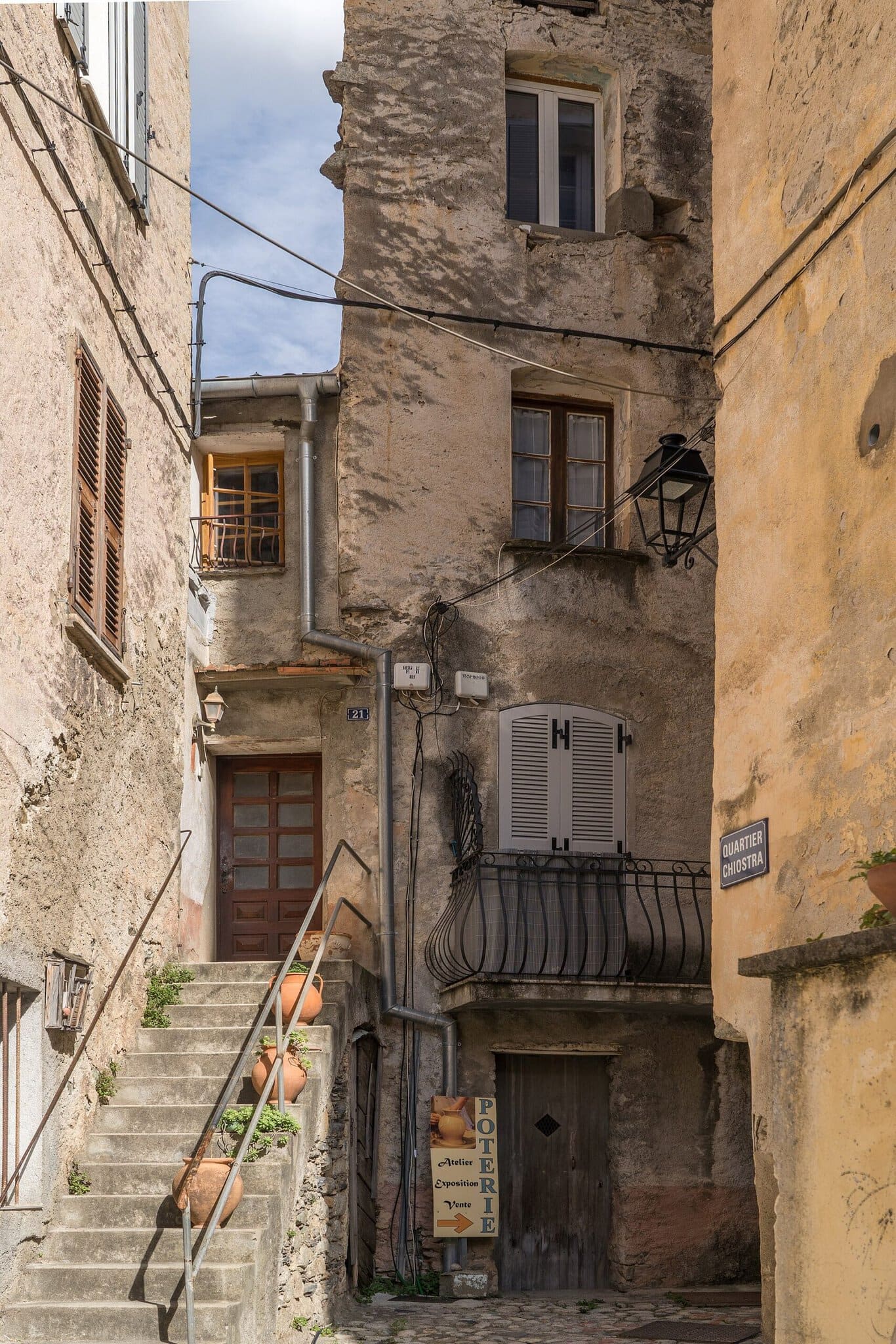
The town of Corte sits at the natural heart of the island and is hands down the best strategic base for your mountain adventures. You’ll find all the infrastructure you need here, from supermarkets and outdoor shops to brilliant traditional bakeries and restaurants. Because it’s a university town, there’s a lively, authentic buzz all year round that tempts you to wander its winding lanes after dark. From Corte you can easily reach the most famous valleys and the trailheads of the most popular mountain hikes.
When planning where to sleep, keep in mind that wild camping is strictly forbidden across all of Corsica and rangers hand out hefty fines. If you’re planning multi-day mountain crossings or tackling the famous GR20 trek, you must stay exclusively at the mountain huts known as refuges. These huts operate roughly from late May to early October, and thanks to enormous demand from hikers worldwide it’s absolutely essential to book a bed or tent pitch several months in advance.
If you want to stay right in the thick of things and enjoy evening strolls through the historic lanes, a fantastic choice is Hôtel Duc de Padoue. It sits just a few steps from the main square and offers beautifully renovated rooms with views over the old town. A double room in season runs around 120 to 150 euros a night. The bonus is that from here you can easily nip out for a morning coffee among the local students and soak up the true Corsican mood.
For nature lovers who crave total peace and quiet, I recommend staying right at the entrance to the famous Restonica valley. The gorgeous Hotel Dominique Colonna lies right on the bank of a mountain river and offers luxurious rest surrounded by pines and granite cliffs. Waking up to the sound of rushing water and having breakfast on the terrace above the river is a priceless experience, even if it costs you around 200 euros a night. Capacity in the mountain areas is very limited and the best spots are often sold out half a year ahead.
10 Things to See and Do in Corte and Inland Corsica
Let’s take a closer look at the most fascinating sights that central Corsica has to offer. From historic landmarks and deep canyons to picturesque villages tucked away in the forests. You’ll see for yourself that one week is nowhere near enough to explore this region.
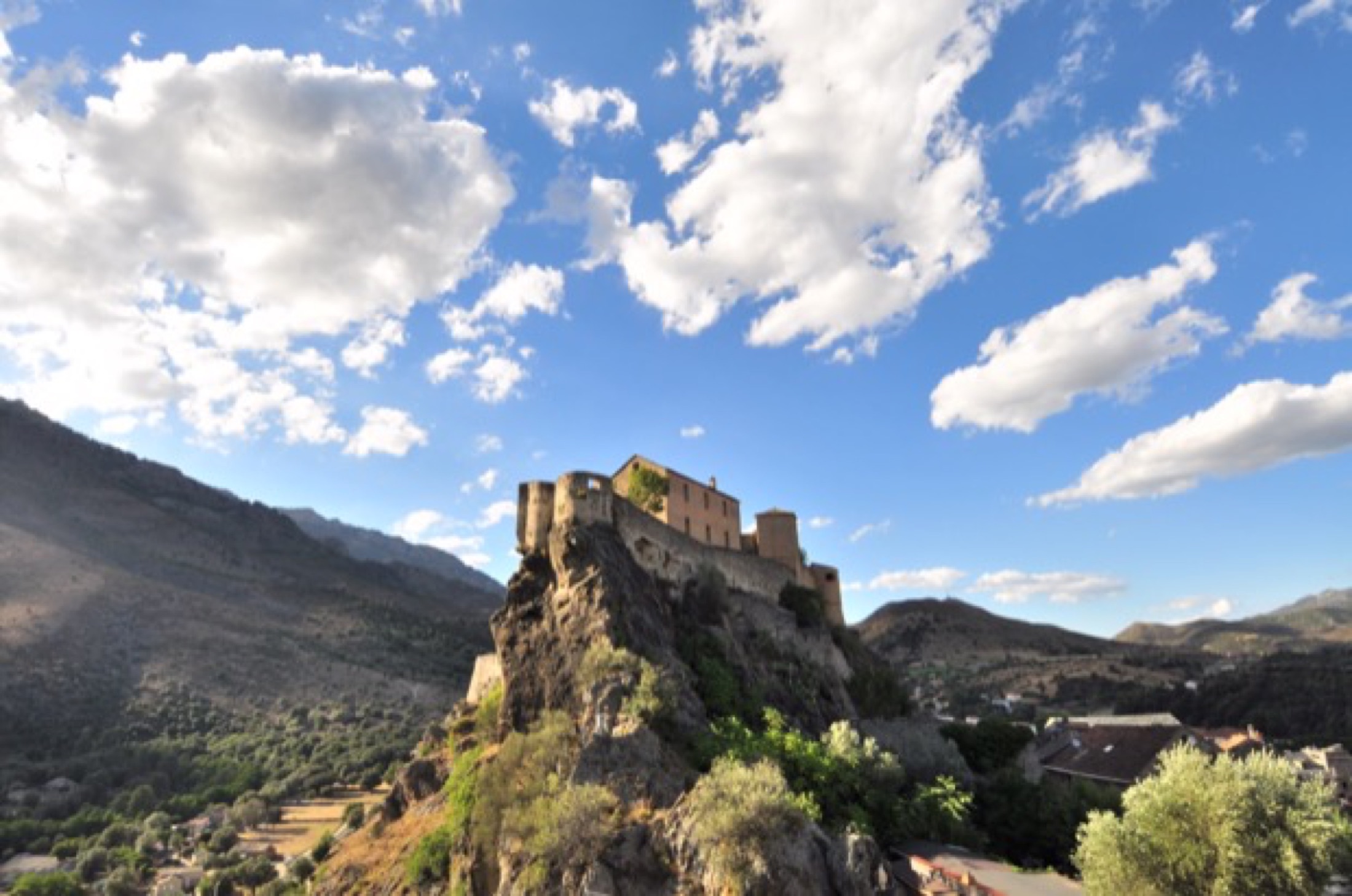
1. The Citadel in Corte: An Eagle’s Nest Above the Town
The moment you arrive in Corte, your eyes are drawn to the majestic citadel that utterly dominates the surroundings. This fortress rises on a steep rocky spur and looks like a genuine eagle’s nest balancing high above the rooftops. What’s remarkable is that it’s the only military citadel in all of Corsica not located on the coast — instead it was built deep inland as a strategic defensive point from which the entire island could be controlled.
The history of this place is firmly tied to Corsica’s fight for independence, and the locals are immensely proud of it. In the 18th century the famous leader Pasquale Paoli chose Corte as the capital of the newly formed independent republic and established the very first Corsican government here. As you stroll along the old ramparts, you’ll feel the indomitable pride of the locals, who fiercely resisted foreign rule and fought to keep the freedom they’d struggled so hard to win.
💡 Tip: The climb up to the citadel leads through steep cobbled lanes from Place Paoli. I’d suggest going either early in the morning or right before sunset. The view over the surrounding jagged peaks and the confluence of the Tavignano and Restonica rivers is absolutely breathtaking in the soft evening light, and well worth conquering those few dozen steep steps.
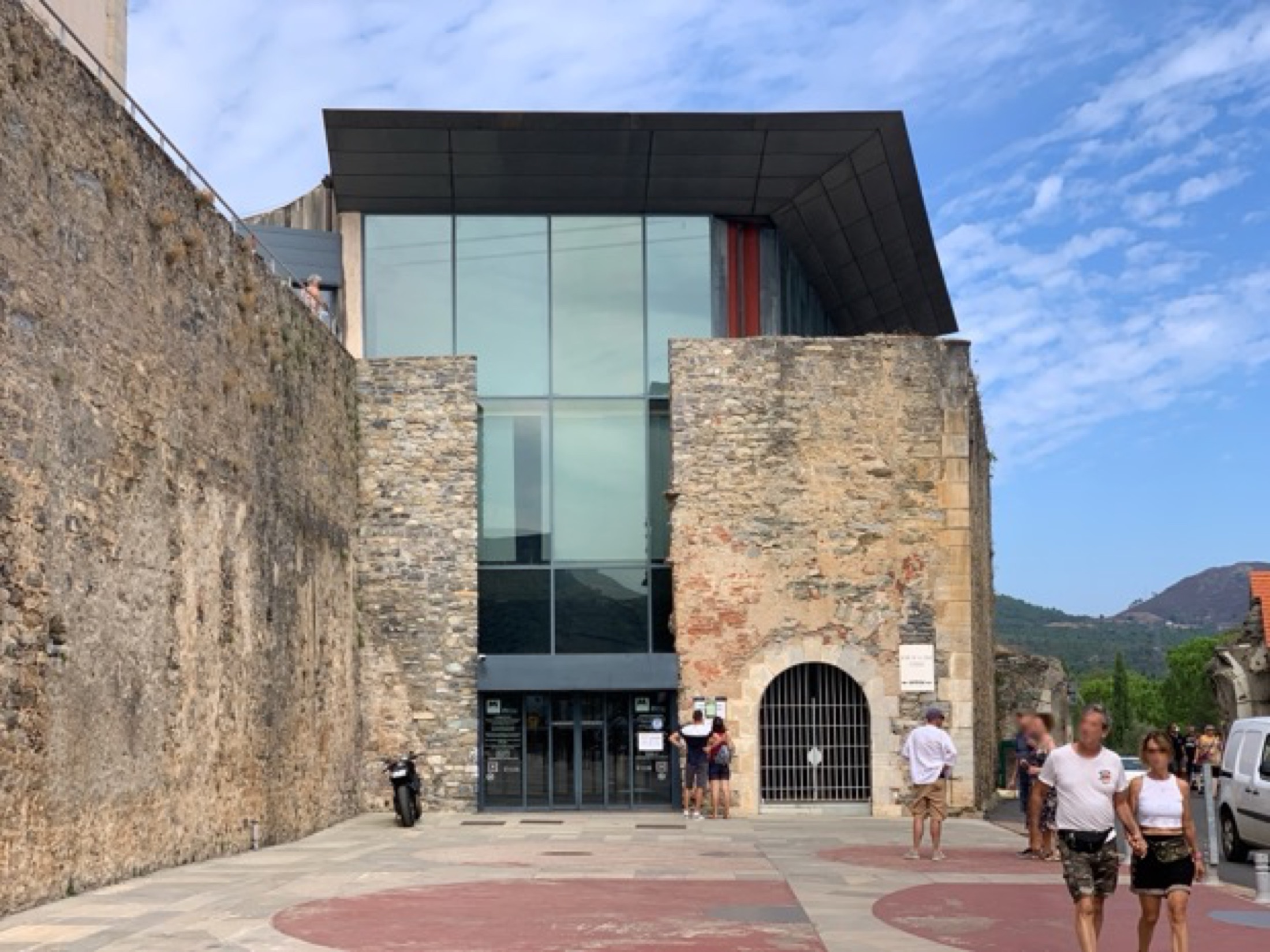
2. Musée de la Corse and the Local University
Right inside the historic citadel complex you’ll find the Museum of Corsica, which no visitor keen to understand the island more deeply should miss. It’s the best place to grasp the tangled history and unique culture that formed in harsh mountain conditions far from civilisation. The exhibitions take you engagingly through everything from traditional farming and shepherding to modern history and the relentless efforts to preserve the Corsican language, of which the locals are rightly proud.
Admission to the museum is around 6 euros and a relaxed visit takes roughly two hours. The institution has a very modern feel and brilliantly combines historic artefacts with interactive audio elements, so even younger travellers won’t get bored. Buying a ticket also gives you exclusive access to the amazing viewing terraces within the fortress complex — areas you normally can’t reach and from which you’ll snap the best photos of the town.
Corte is also home to the island’s only university, founded by the same visionary Pasquale Paoli to educate a new generation of independent Corsicans. Thanks to thousands of students, the town never sleeps and never feels like a mere open-air museum for passing tourists. In the evening the local cafés and bars fill with young people, the streets come alive with loud music, and you can fully enjoy a wonderfully authentic and lively Corsican night.
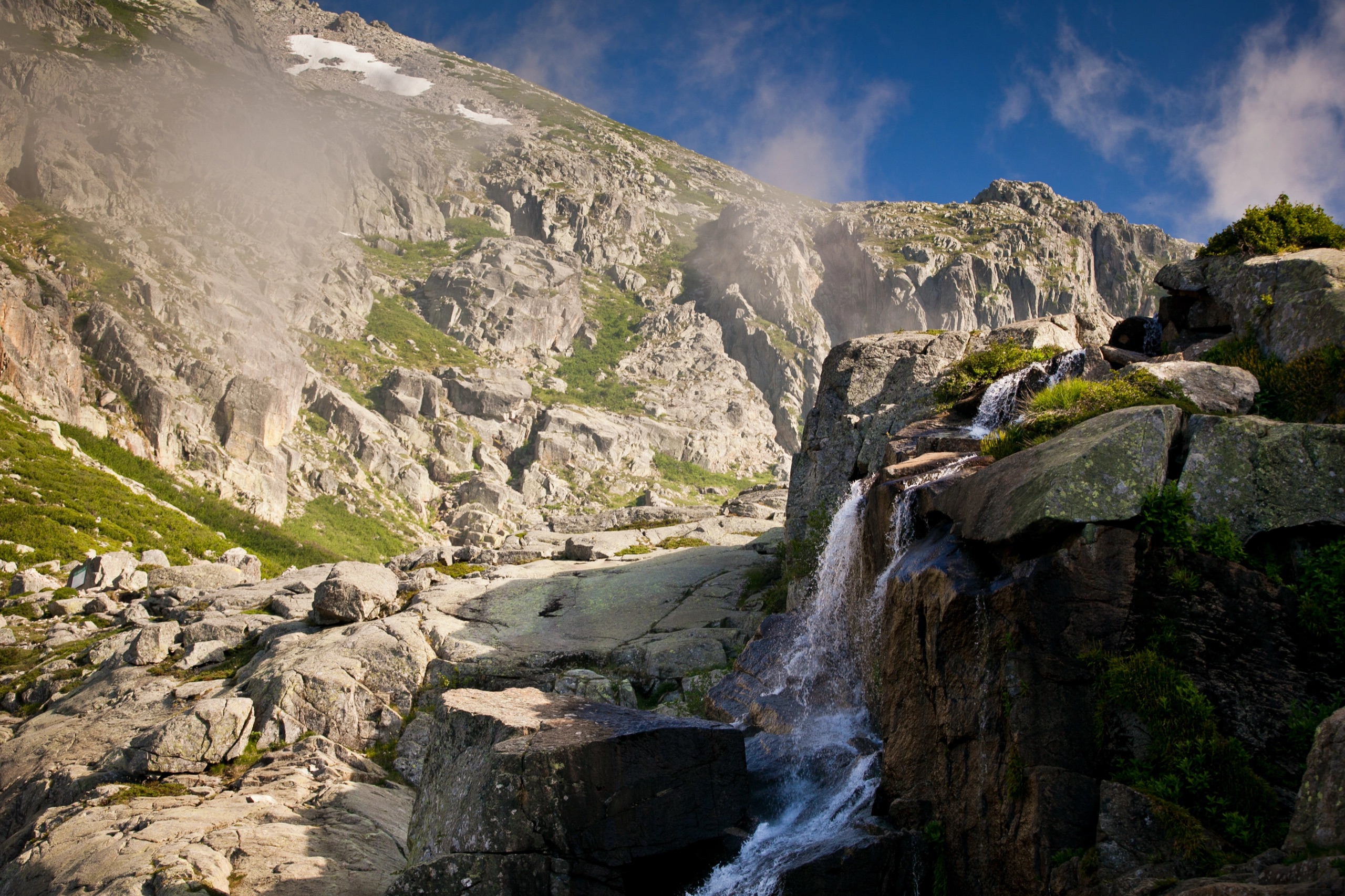
3. The Restonica Valley and Gorge
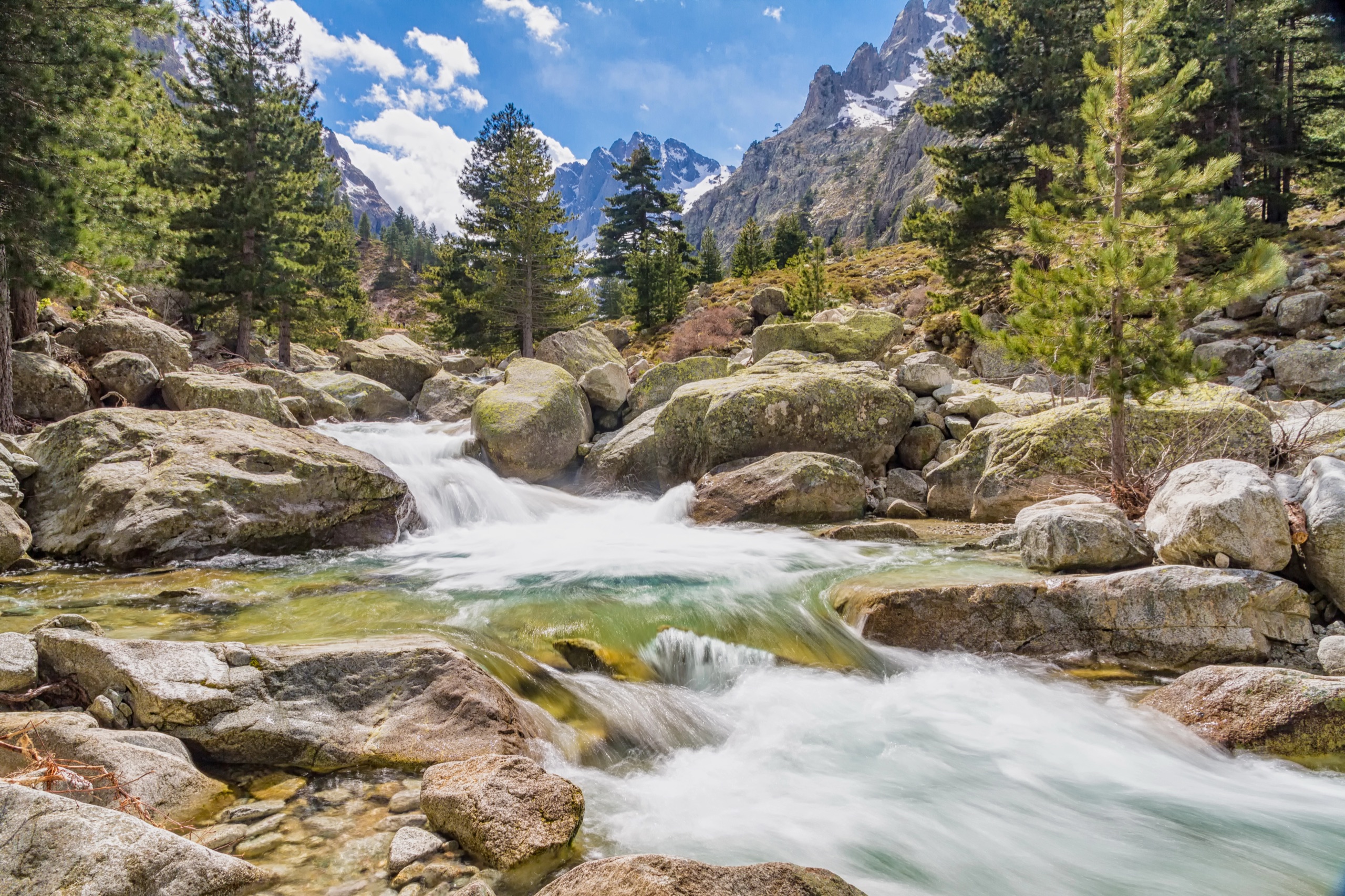
The Restonica gorge is, without exaggeration, one of the most beautiful natural wonders in Europe and a true jewel of the island’s interior. The deep valley is flanked by jagged granite peaks and at its bottom a crystal-clear mountain river tirelessly babbles among huge boulders and natural pools. The scenery changes with every kilometre you drive, ever more dramatic views of the surrounding summits open up, and the air is thick with the scent of sun-warmed pines.
The drive into the valley is an experience all of its own and will reliably test any driver’s nerves. The road is extremely narrow and often has no barriers at all, so passing oncoming cars or larger vans right on the edge of the abyss demands plenty of patience and skill. In the summer months traffic is also strictly regulated, and there’s a fee of around 10 euros to drive up to the final car park.
💡 Tip: After recent fierce storms, part of the road was permanently damaged, so an organised shuttle service currently runs in the upper part of the valley. Definitely don’t drive up here in a large camper van — instead, use the local buses. They’ll get you stress-free right to the trailheads for high-mountain hiking, without you having to grit your teeth at every blind corner.
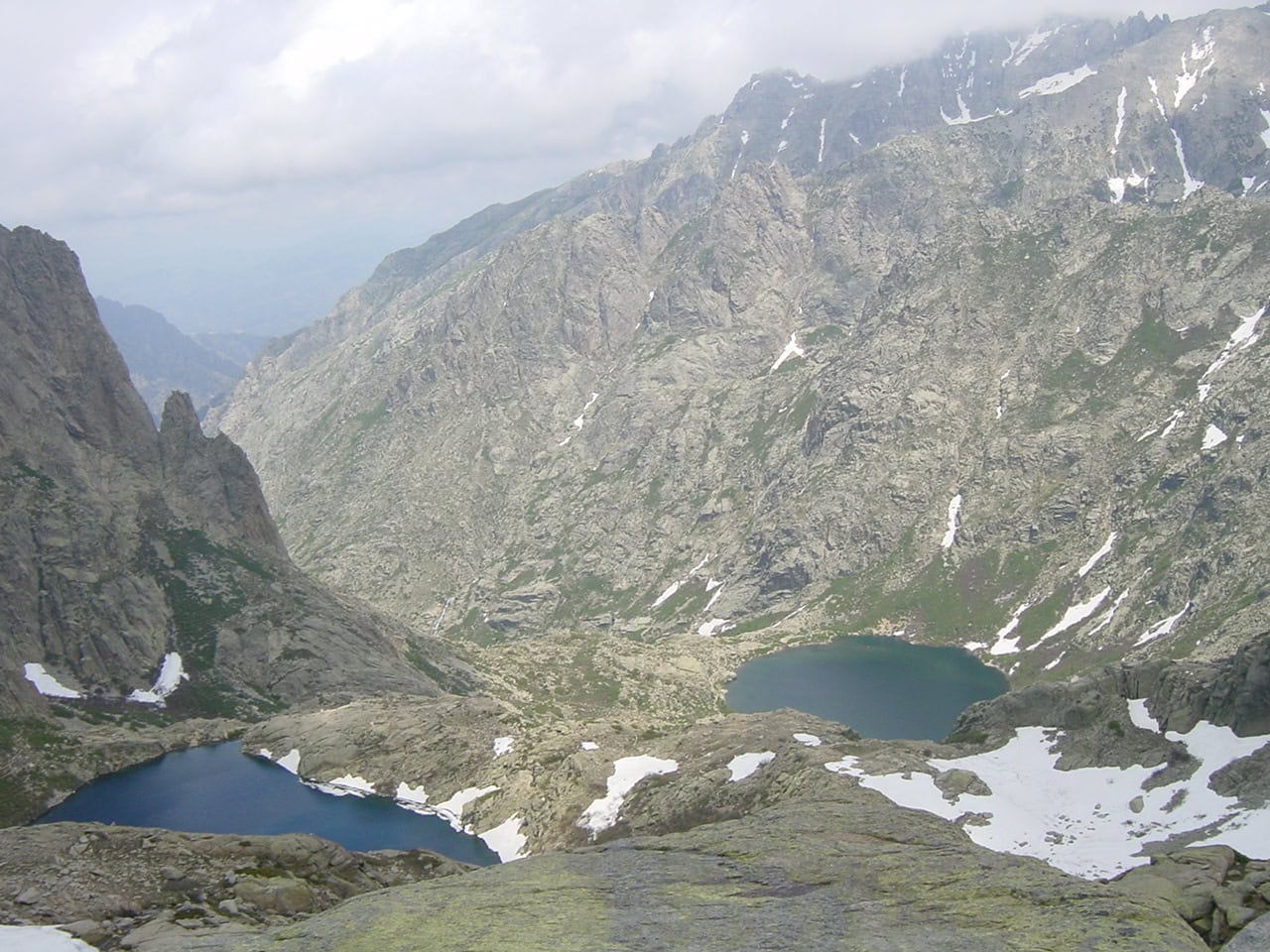
4. The Mountain Lakes Melo and Capitello
At the very end of the Restonica valley begins one of the most iconic hikes in all of Corsica, drawing crowds of eager hill walkers every summer. The trek to the glacial lakes of Melo and Capitello is fairly demanding, but it offers the most stunning high-mountain scenery you can imagine. The first section to Lake Melo is manageable even for an average hiker with kids, takes about an hour and a half, and winds through gorgeous countryside full of gnarled pines and huge granite rocks.
Lake Melo lies at an altitude of over 1,700 metres and its calm surface mirrors the lush green meadows around it like something from a fairy tale. If you’ve got the energy left, definitely keep going a little higher to the icy Lake Capitello. This section is considerably steeper, though, requiring you to scramble up smooth granite slabs with the help of sturdy steel chains and iron ladders — to some extent it echoes the difficulty of the famous GR20 trek.
Lake Capitello is the deepest lake on the island, and its dark blue water contrasts sharply with the sheer rock walls that hem it in on all sides. Don’t forget to bring really sturdy hiking boots and plenty of drinking water for this trek. The weather here changes minute by minute and the afternoon storms can be merciless, so always set off early in the morning under clear skies.
5. The Tavignano Hiking Gorge
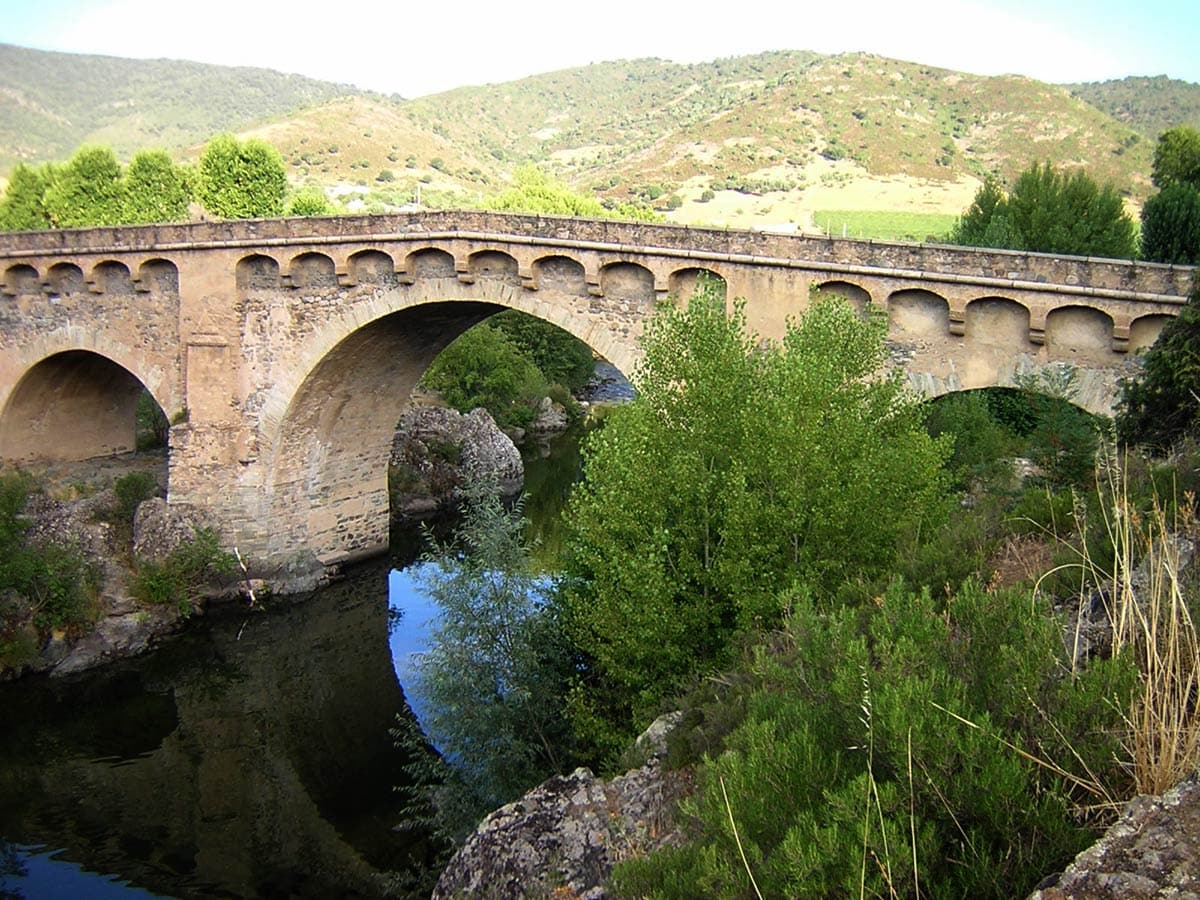
While neighbouring Restonica draws enormous crowds because you can drive fairly high up by car, the Tavignano valley offers a completely different experience. No road leads into this gorge at all, and the only way to explore it is to lace up sturdy hiking boots and set off on foot. Thanks to this natural barrier, the area has retained an incredible calm, untouched wildness and a true mountain atmosphere with no annoying engine noise.
The old shepherds’ trail starts right above the historic centre of Corte and slowly climbs high above the bed of the wild mountain river. The path is cut directly into the steep rock walls and opens up fantastic, undisturbed views down into the deep canyon below. After roughly two hours of steady walking and gentle climbing, you’ll reach the picturesque Passerelle de Rossolino bridge, where you can finally rest and recover your strength.
💡 Tip: Right beneath this bridge you’ll find the best natural swimming pools on the whole route. The water is crystal clear and perfectly refreshing after a tough climb in the blazing Corsican sun. So don’t forget to pack your swimwear, a towel and a light picnic, because you’ll happily spend a whole long afternoon in this forgotten paradise.
6. Castagniccia: Villages and Centuries-Old Chestnut Trees
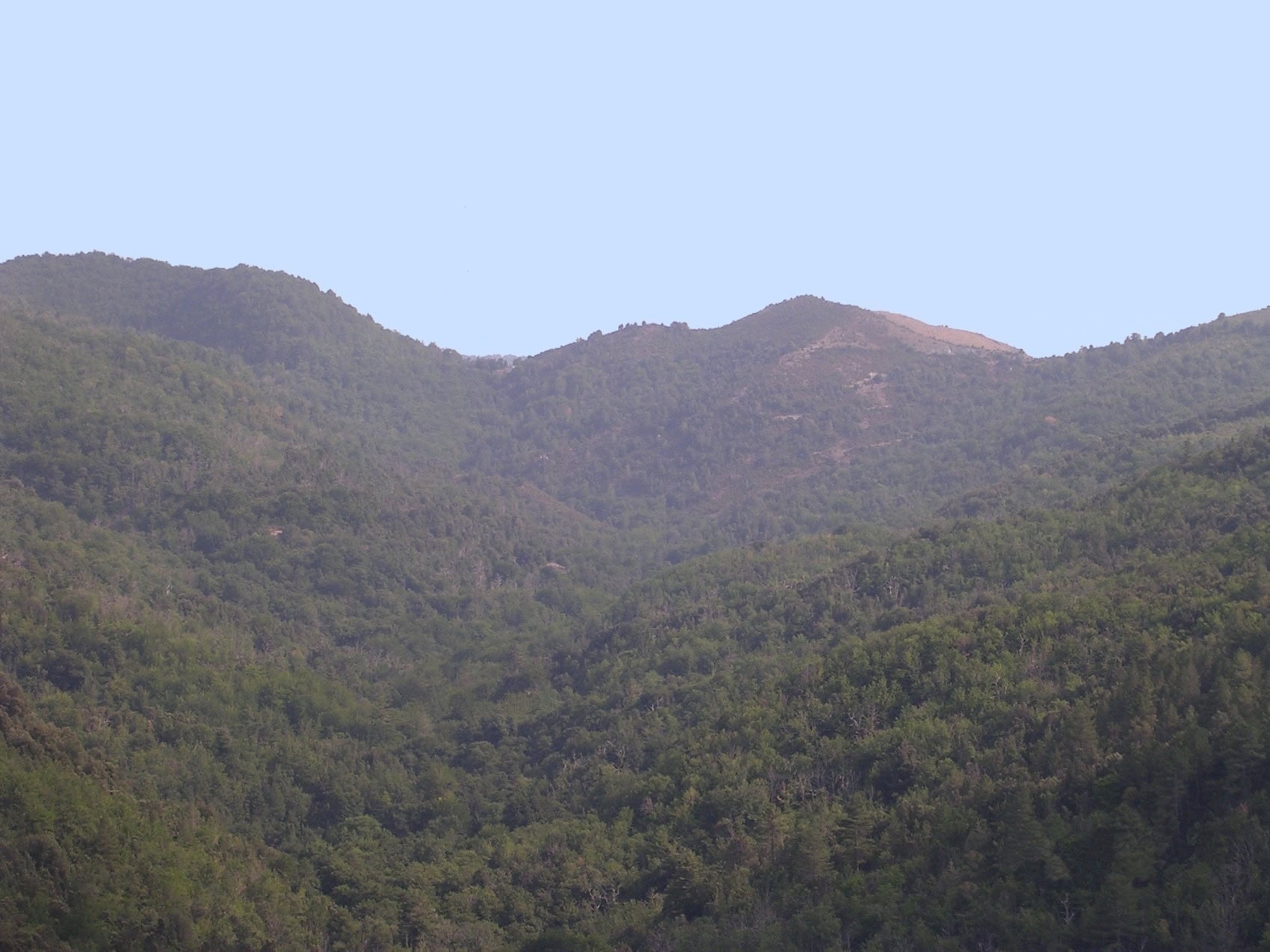
If you want to experience Corsica exactly as it was more than a hundred years ago, head to the forgotten region of Castagniccia. This forested area northeast of Corte is an absolute oasis of calm, reached by only a tiny fraction of all the island’s tourists. Its name comes from the vast, deep chestnut forests that sustained the local people for centuries, providing them with a livelihood and forming the very basis of their survival.
The narrow lanes wind endlessly here beneath a canopy of green leaves, linking dozens of small stone villages dramatically carved into the hillsides. The region’s standout feature is its beautiful baroque churches with surprisingly tall bell towers that often peek unexpectedly out of the dense forest. Be sure not to miss the village of Piedicroce with its imposing church of Saints Peter and Paul, well worth a short stop and a look around.
This remote corner is absolutely perfect for slow, mindful travel away from the main crowds. Stop at a tucked-away local café, order a strong espresso and watch the older gents playing pétanque on a small shady village square. Autumn is especially magical here, because that’s when the chestnuts are gathered and the whole wide valley is heady with the smell of smoke from the traditional drying houses and roasteries running at full tilt.
7. Traditional Corsican Cuisine and Brocciu Cheese
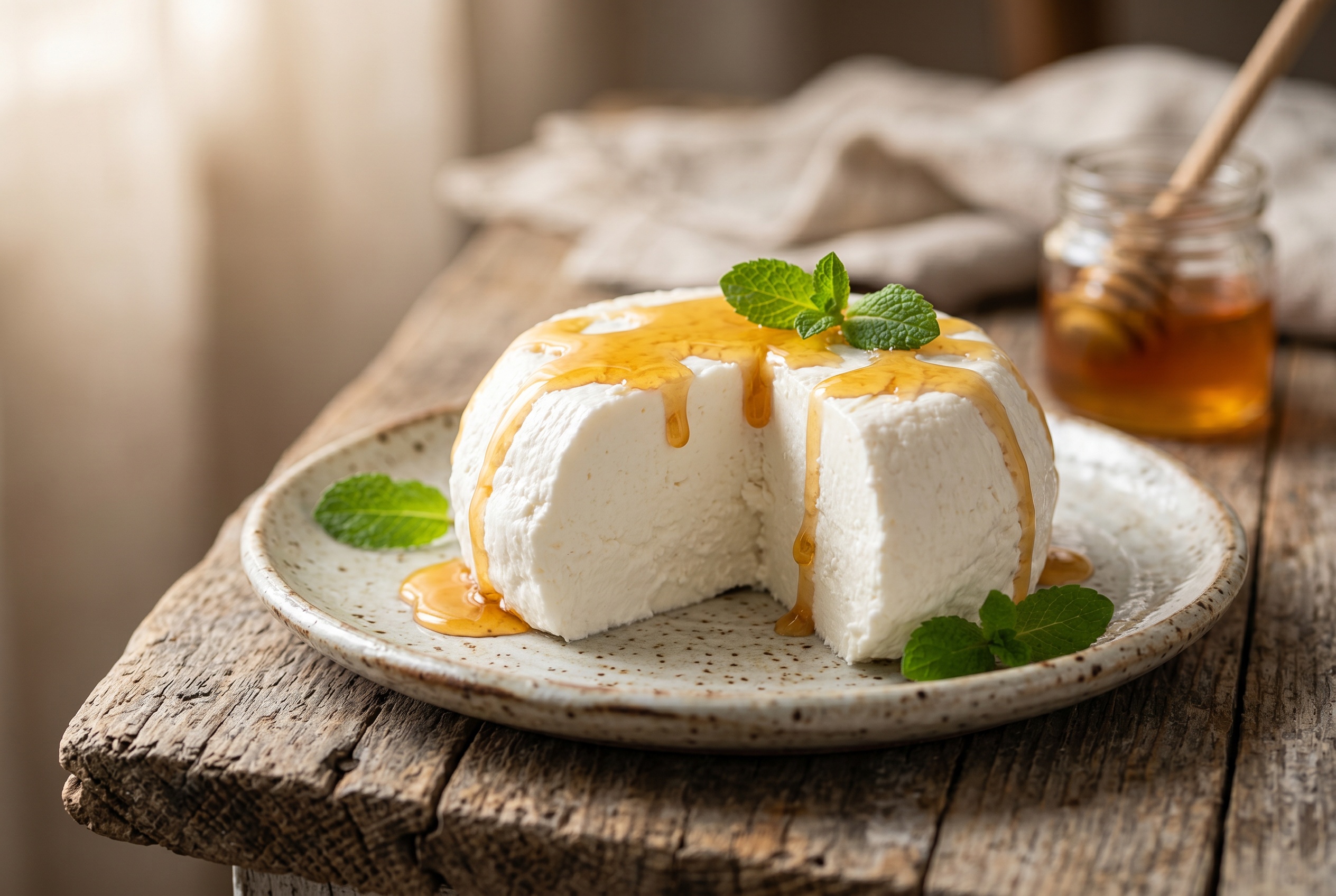
Corsican cuisine in the mountain areas is hearty, honest and packed with fantastic local ingredients that have slowly ripened under the hot island sun. The locals swear by their cured meats from semi-wild pigs, but even without meat you’ll feast on some genuinely unique local specialities. The undisputed king of mountain cooking is fresh brocciu cheese, made from sheep’s or goat’s milk and the rightful pride of every farmer.
This incredibly delicate cheese, which faintly resembles the more familiar Italian ricotta, is added to just about everything that lands on your plate in Corsica. I warmly recommend trying the delicious mint omelette with brocciu, savoury pies stuffed with wild herbs, or the thick vegetable soups known as soupe paysanne, which will reliably put you back on your feet after a full day of hiking. The best fresh brocciu is in season from winter to early summer.
💡 Tip: An absolute culinary must is to try the traditional dessert Fiadone. It’s a light lemon cake baked from brocciu cheese that literally melts on your tongue. Another speciality is pulenda, a dense porridge made from chestnut flour, traditionally served sliced with a thin thread. And to go with a great vegetarian meal, don’t forget to order the excellent local Pietra beer, brewed with added chestnut extract.
8. The Vizzavona Forest and Mountain Pass
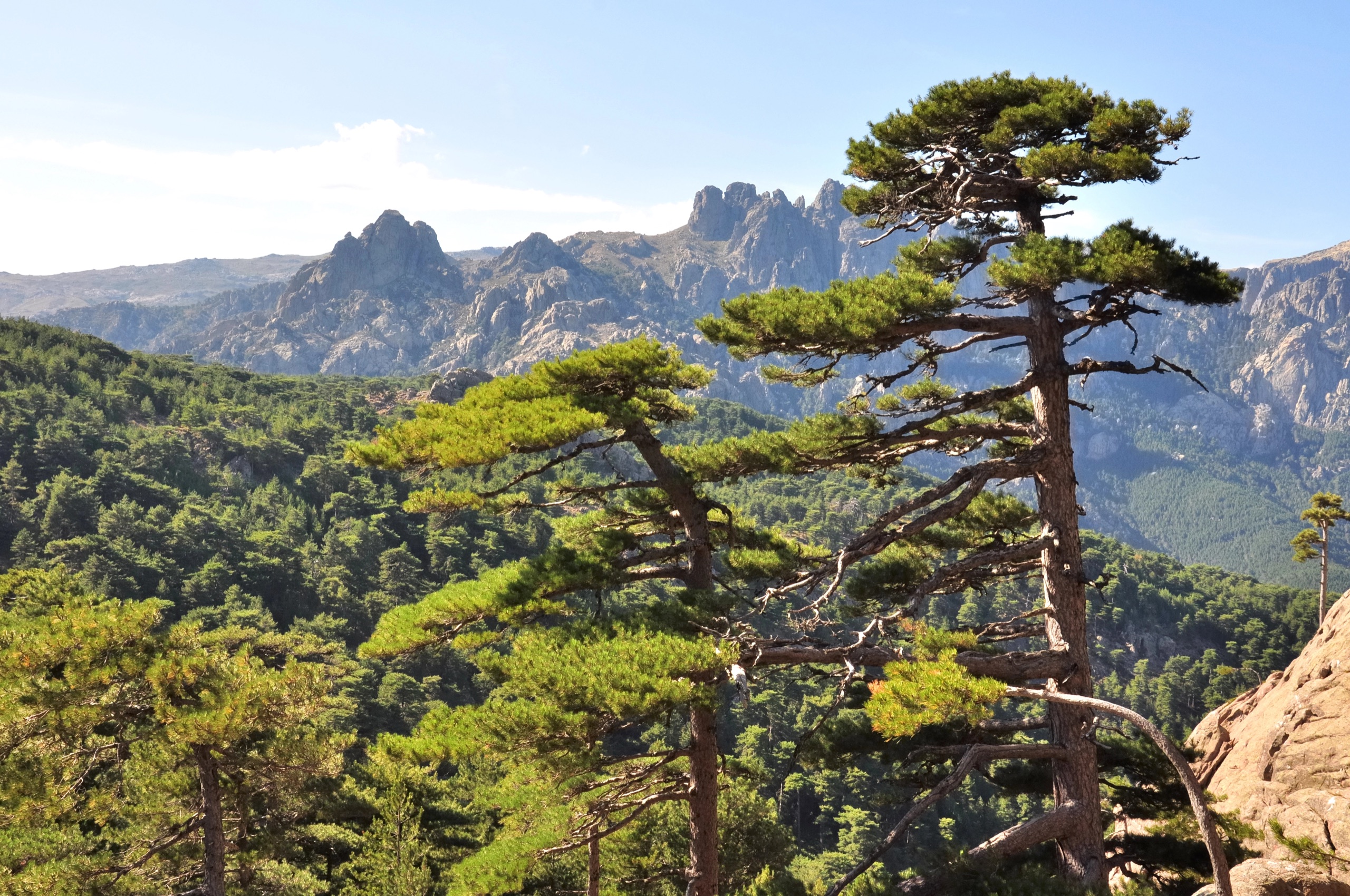
When you drive from the Corte area south towards the capital, Ajaccio, the road takes you into the cool mountain pass of Vizzavona. This gorgeous area is covered in majestic beech and pine forests that provide wonderful shade and much-needed cool even on the hottest summer days. It’s no wonder, then, that around the turn of the nineteenth and twentieth centuries this was a regular retreat for the English upper crust.
The area’s biggest draw is the magical cascade of waterfalls known as the Cascade des Anglais, reached by a pleasant, easy walk. Crystal-clear water from melting mountain snow forms dozens of natural pools here, where you can take a dip and cool your tired feet after a long journey. The water is more for hardy cold-water swimmers, but after a walk through the deep forest it’s an incredibly refreshing experience you’ll appreciate.
The starting point for excursions is the train station of the same name, around which you’ll find several pleasant mountain lodges with traditional restaurants. Vizzavona pass is, after all, an important crossroads for hikers tackling the legendary and extremely demanding GR20 trek. You can grab a great meal here and watch the exhausted but happy hill walkers with their enormous backpacks passing through with respect on their three-week expedition across the island.
9. A Ride on the Historic U Trinighellu Train
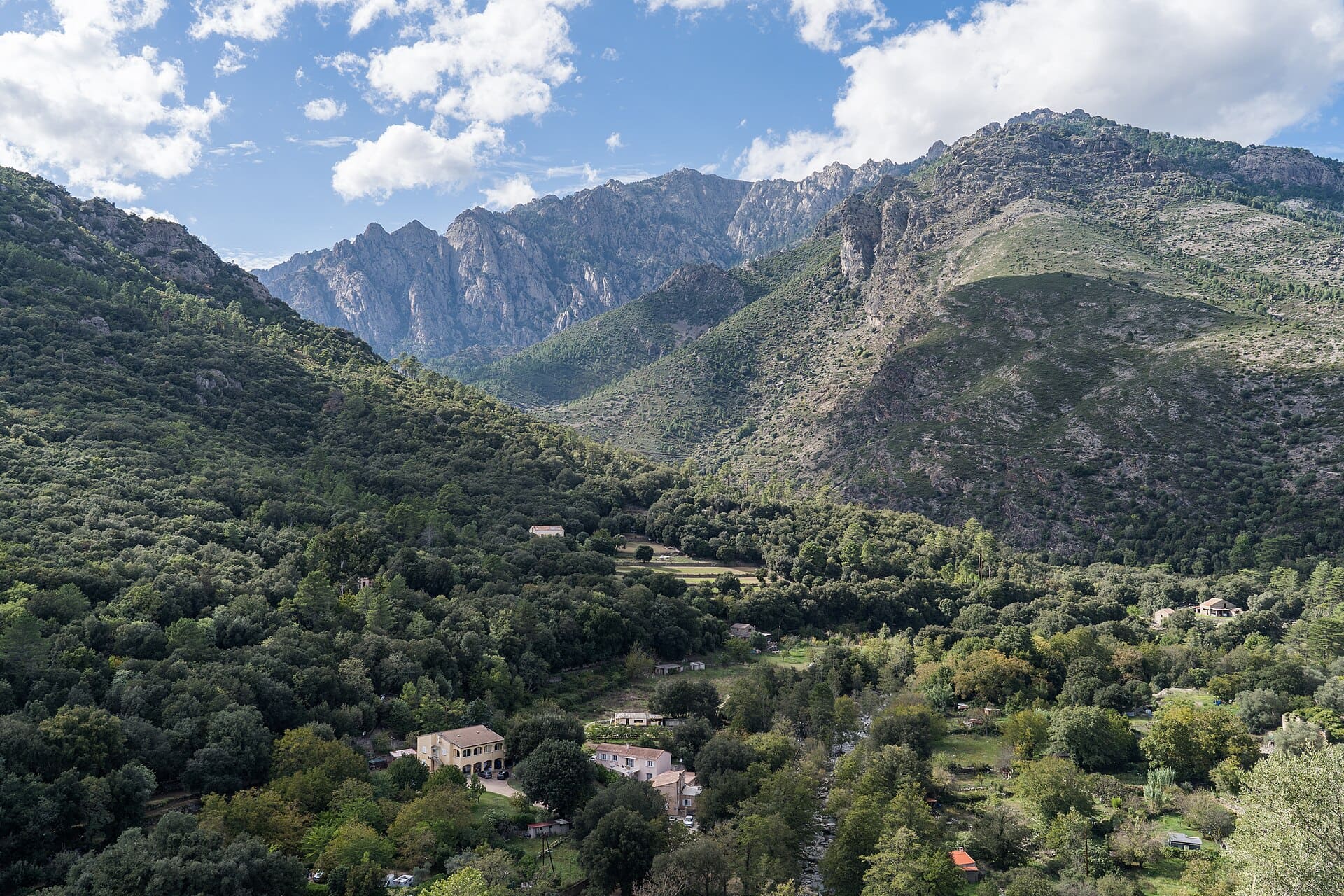
One of the most beautiful ways to discover inland Corsica without the needless stress of being behind the wheel and the constant fear of collisions is a ride on the legendary U Trinighellu train. This narrow-gauge railway links the port of Bastia in the north with Ajaccio in the south and passes right through the most rugged central mountains and the town of Corte. It’s a genuine engineering marvel, full of tall stone viaducts and long dark tunnels carved into the rock.
The train journey itself is a fascinating and utterly unforgettable experience for the whole family that you shouldn’t miss. The train slowly and steadily climbs steep slopes, passes through deep ravines and opens up views of pristine nature you couldn’t otherwise reach by car or even on foot. The carriages are also fitted with huge panoramic windows, so you can comfortably and safely photograph all that wild mountain beauty right from your cushioned seat.
💡 Tip: You can simply buy your tickets right at the train station in Corte just before departure — there’s no need to book weeks ahead. A great day out is to catch the morning service straight to the Vizzavona pass, walk through the shady forest to the English waterfalls, and then take the afternoon train calmly back for dinner. The journey takes about an hour and costs a very reasonable 10 euros each way.
10. Wild Swimming in Mountain Rivers
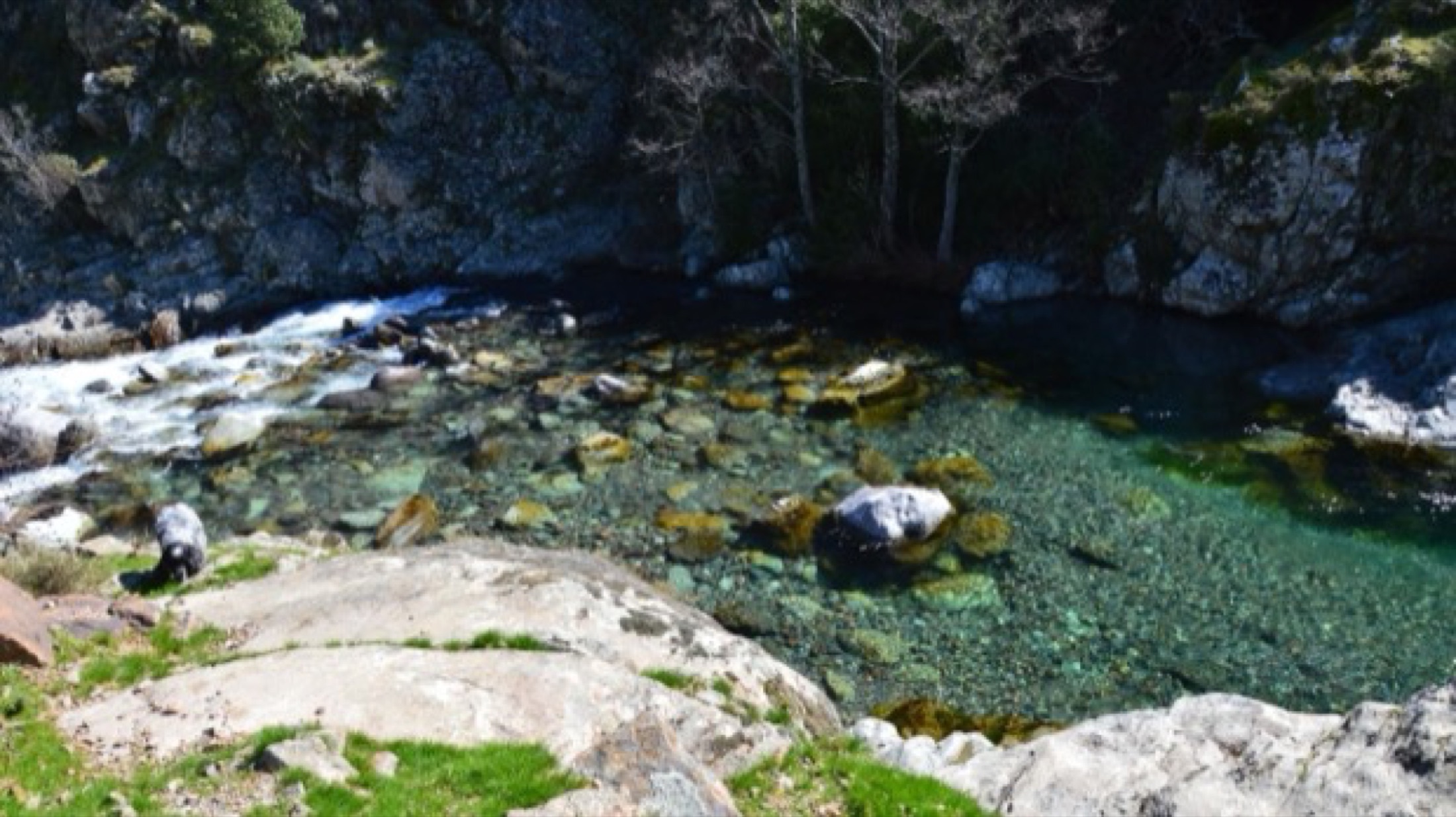
In its mountainous interior, Corsica is literally laced with countless icy mountain streams and wild rivers that, on their long journey to the sea, form amazing natural pools in smooth granite rock. Swimming in cool fresh water amid untouched nature is one of the highlights of any mountain visit. Unlike the crowded sandy beaches down on the coast, here you’ll very often find a gorgeous spot with a pool all to yourself.
Beyond the most famous valleys, like Restonica and Tavignano, the smaller, unassuming rivers in the immediate vicinity of Corte are well worth exploring too. The water here is so incredibly clear that you’ll easily spot tiny trout swimming and make out every pebble on the bottom. But be very careful of the extremely slippery, algae-covered rocks, and never dive in head first until you’ve thoroughly and personally checked the actual depth.
Always keep the basic safety rules in mind and treat the mountains with the utmost respect. If dark storm clouds start gathering over the surrounding peaks, leave the riverbed immediately and seek safety higher up the slope. The level of a mountain stream can rise dangerously by several metres in just a few minutes during a sudden cloudburst. A flash flood could easily cut off your only route back to safety, which is why caution and keeping an eye on the weather forecast always come first.
Map of points of interest for your phone
Where to Go Next from Inland Corsica
Once you’ve had your fill of mountain air, you can set off to discover more of this incredible island. If the mountains have captivated you and you count yourself among the very experienced and physically fit hikers, you can get inspired by our detailed guide to the famous GR20 trek. It’s the toughest long-distance trail in all of Europe, crossing the island from end to end and guaranteed to test both your physical and mental limits. Over sixteen days you’ll climb more than twelve thousand metres in elevation and tackle technical sections with chains.
For those of you already longing for salty air and fine white sand, I warmly recommend dropping down from the mountains to the east coast near Porto-Vecchio. The contrast between the rugged interior and the perfect Caribbean-like beaches such as Palombaggia or Santa Giulia is absolutely fascinating. You’ll find all the practical information for planning a coastal trip — including tips on the prettiest bays, the hard-to-reach Scandola reserve and the historic towns — in our big article Corsica: A Guide.
Frequently Asked Questions
Do I absolutely need a car to visit the mountains?
Yes, without your own car you’re very limited in the interior, as local buses run only a few times a day and often don’t connect with other services. A car gives you absolute freedom to stop at viewpoints and visit remote villages where public transport doesn’t go at all. The only exception is comfortable train travel between major cities.
Are mountain roads safe?
The roads in Corsica are extremely narrow, full of sharp bends, very often without guardrails and balanced on the edge of deep precipices. Fortunately, the asphalt is mostly in good condition. Slow and extremely careful driving is required here, constant monitoring of mirrors in blind sections and a large dose of consideration for oncoming cars and buses.
Is it safe to drink water from mountain springs?
Even though the water in mountain rivers looks crystal clear and tempting to drink, never drink it without thorough filtering first. Higher up in the mountains, large herds of semi-wild pigs, goats and cows roam freely, which can easily contaminate the water. The only safe sources for you are officially marked springs in individual villages.
How much does an inland vacation cost?
For 2026, count on roughly 120 to 150 euros per night in a decent hotel for two people, as wild camping is strictly forbidden and fined on the island. A hearty dinner in a traditional restaurant will set you back around 25 to 35 euros per person. Prices here are slightly lower than on the luxury coast, but in August everything shoots up sharply.
Can children handle the hikes in the Restonica Valley?
The first section to Lake Melo is relatively manageable and active children from about seven years old can handle it without problems with a little help from their parents. However, the route to the higher Lake Capitello is very steep, requires proper rock climbing using steel chains and is downright dangerous for smaller children.
Do I need to book restaurants in advance?
In the high season from mid-June to mid-September, booking a table for dinner at popular restaurants in Corte is an absolute must. The establishments are usually packed to the rafters and without a prior reservation you risk not getting into a good restaurant at all and having to make do with ordinary food from the supermarket.
Is there cell phone signal in the mountains?
In cities like Corte and in larger villages, the signal is excellent and completely reliable. However, as soon as you head into deep canyons like Restonica or on remote hikes in the area, the signal disappears very quickly. Therefore, always download maps directly to your phone for offline use before hikes and don’t rely on data.
Tips and Tricks for Your Vacation
Don’t Overpay for Flights
Search for flights on Kayak. It’s our favorite search engine because it scans the websites of all airlines and always finds the cheapest connection.
Book Your Accommodation Smartly
The best experiences we’ve had when looking for accommodation (from Alaska to Morocco) are with Booking.com, where hotels, apartments, and entire houses are usually the cheapest and most widely available.
 🚗 Car rental on the roadVerified rental cars in Corsica
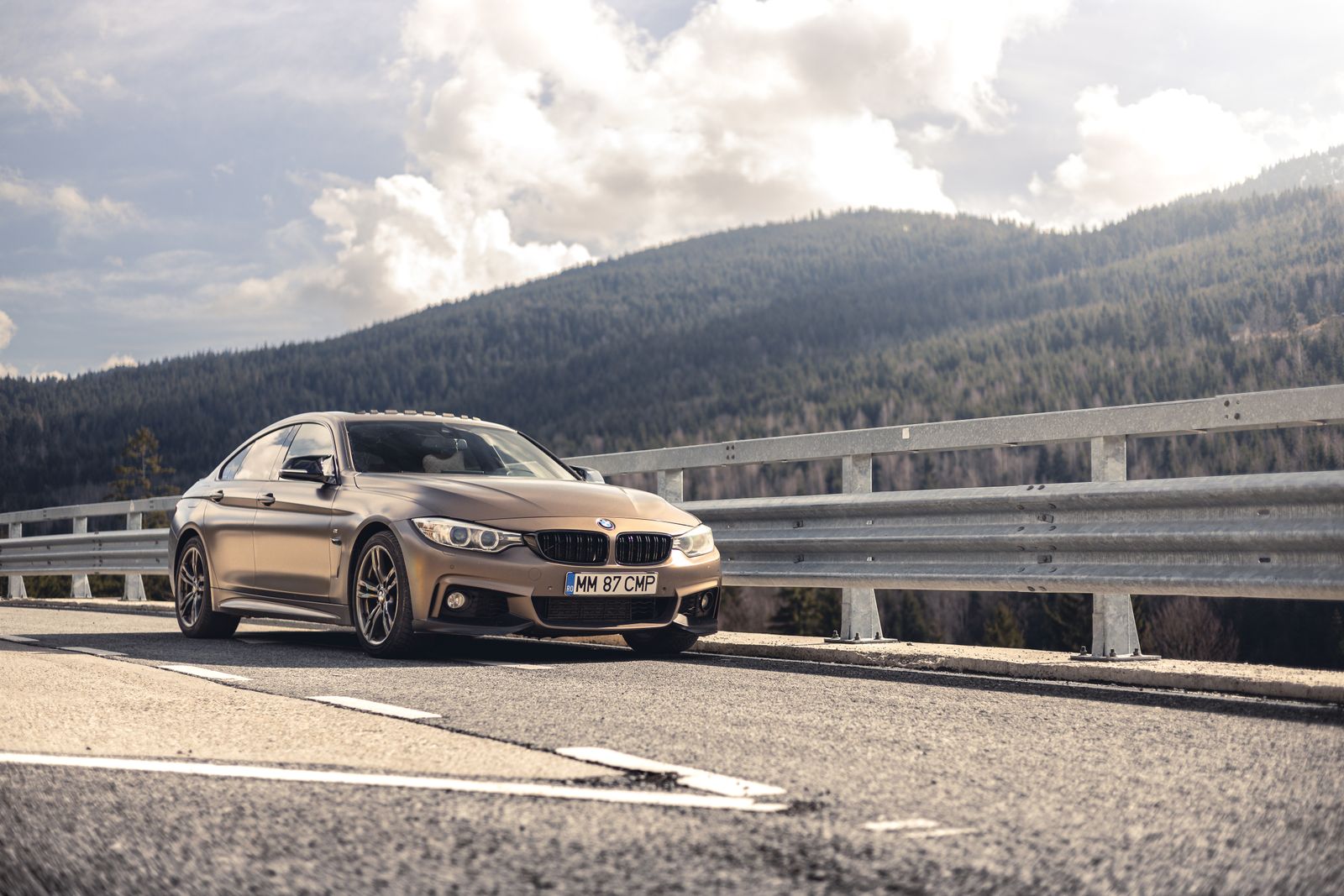
Search with the DiscoverCars comparison engine — it compares prices from dozens of local and international rental companies, and most bookings come with free cancellation.
Compare car prices in Corsica →Don’t Forget Travel Insurance
Good travel insurance will protect you against illness, accidents, theft, or flight cancellations. We’ve had a few hospital visits abroad, so we know how important it is to have proper insurance arranged.
Where we insure ourselves: SafetyWing (simple monthly subscription) and TrueTraveller (for extra-long trips).
Find the Best Experiences
Get Your Guide is a huge online marketplace where you can book guided walks, trips, skip-the-line tickets, tours, and much more. We always find some extra fun there!