

You probably picture Mexico as turquoise seas, Mayan pyramids and roadside tacos. But there are also plenty of practical questions buzzing around your head. How much does the whole thing cost? When’s the best time to go to dodge the rain and the crowds? And should you book a package or go it alone? We know the feeling — we’ve been there ourselves, and this page is here to clear up exactly those uncertainties.
You’ll find three things together here: up-to-date package and flight prices that we refresh every morning; our tips from our own travels and articles; and a plan for when and what to book so you don’t end up overpaying.

What to see and do in Mexico
Mexico is huge, and every corner is different. If you don’t know where to start, browse our overview of what to see in Mexico or jump straight to ready-made routes in our article Mexico itinerary for 10, 14 and 21 days. Here’s a quick rundown of the best bits by region.
The Yucatán Peninsula is Mexico’s most popular gateway — beaches, cenotes and Mayan ruins all packed into a small area. Start with our plan for a 2–3 week Yucatán holiday and our guide to things to do on the Yucatán.
- The Caribbean coast of the Riviera Maya – Cancún, Playa del Carmen and Tulum, plus tips on choosing an all-inclusive resort.
- Islands and lagoons – Isla Mujeres, laid-back Holbox with its glowing plankton and the turquoise Bacalar Lagoon.
- Mayan ruins – the famous Chichén Itzá, jungle-clad Calakmul and Cobá; we round them up in our article on the best of the Mayan ruins.
- Colonial towns – Mérida, Valladolid and Campeche.
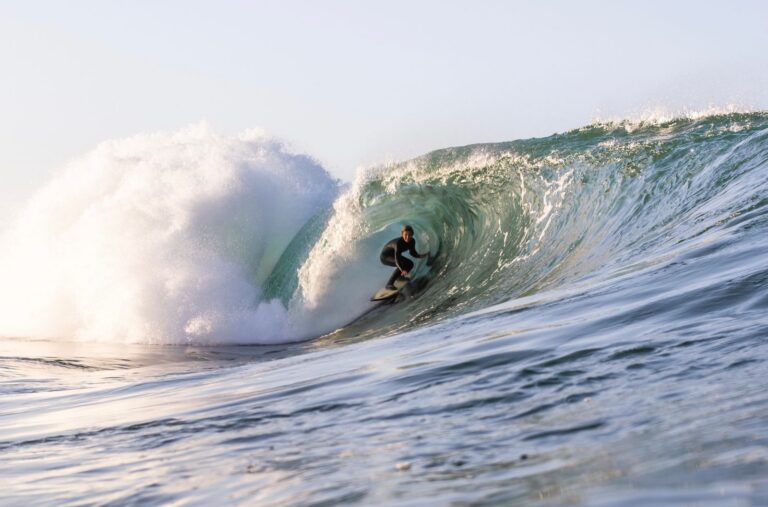
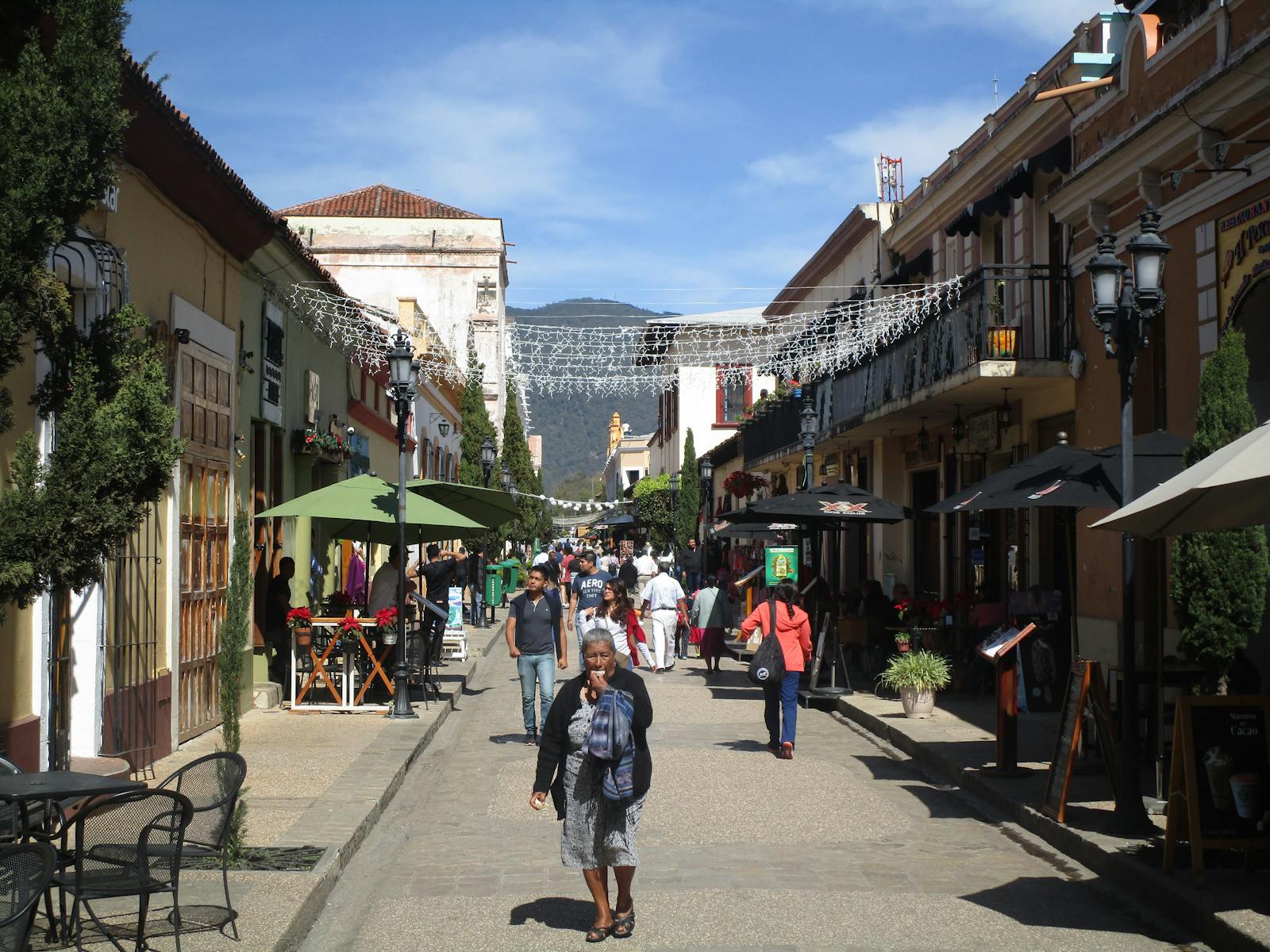
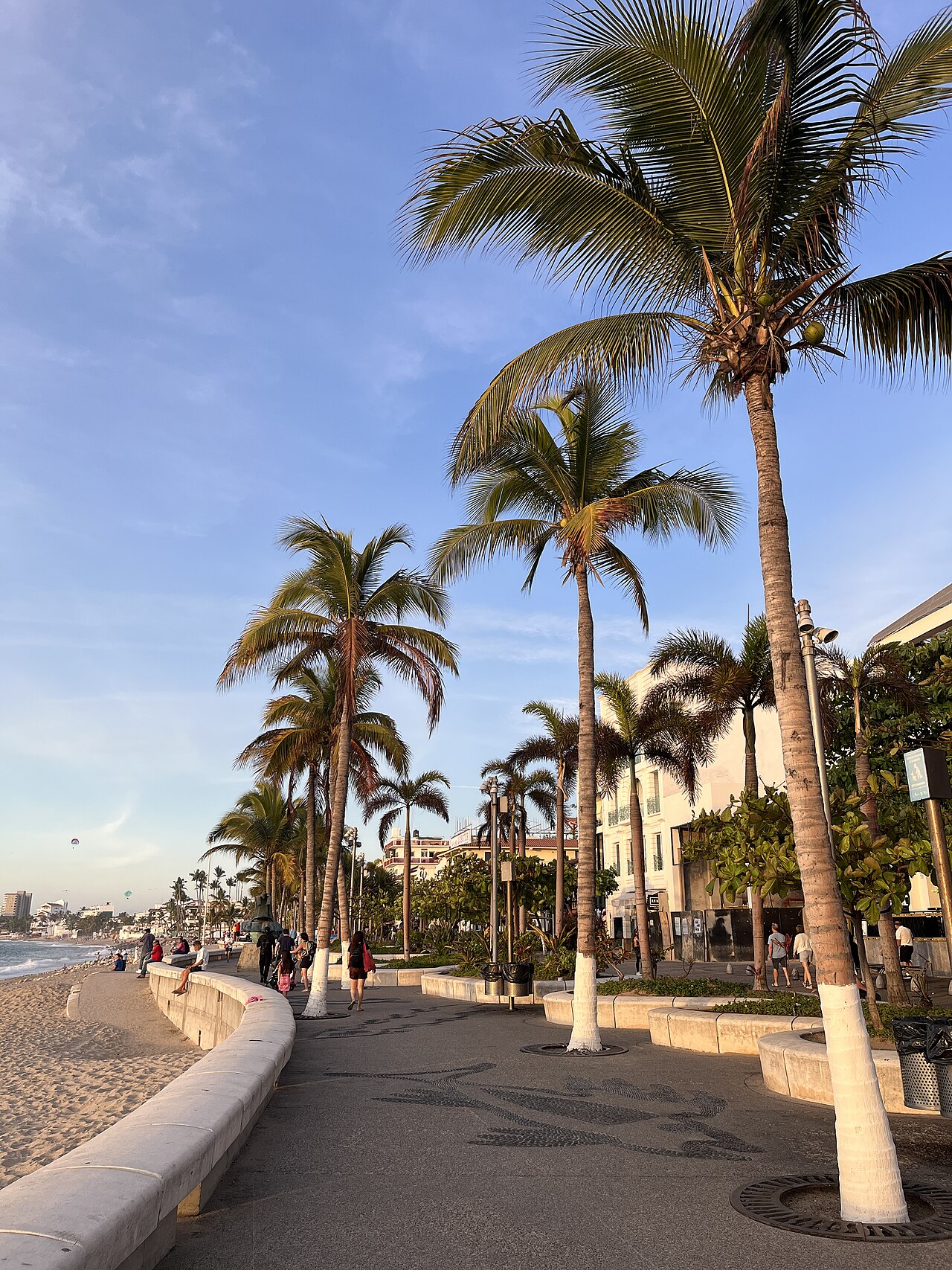
Beyond the Yucatán, we fell for the inland regions and the Pacific coast too. Buzzing Mexico City, colourful Guanajuato, mountainous Chiapas with San Cristóbal, surfy Puerto Vallarta and Sayulita, and for road-trip lovers, Baja California with its whales.
When to visit Mexico
The best time to visit Mexico is the dry season, from November to April. It’s sunny, less humid, and the Caribbean sea is perfect for swimming and snorkelling. This is also peak tourist season, though, so expect higher prices and busy resorts, especially around Christmas, New Year and Easter.
If you want to save money and don’t mind the odd downpour, go for the shoulder seasons: May and November. The rain usually rolls in for an hour or two in the afternoon, and the rest of the day is glorious. On the other hand, September and October are the wettest months and fall in the heart of the Caribbean hurricane season, so we wouldn’t recommend the coast then.
Thanks to their altitude, inland spots like Mexico City and Chiapas enjoy more pleasant temperatures all year round — even in winter it’s around 20 °C during the day, with cooler evenings, so pack a hoodie.
If you only have room for a handful of experiences you can’t miss in Mexico, here’s our personal pick:
- Swimming in cenotes – underground cave pools with turquoise water all over the Yucatán, most of all around Valladolid.
- Sunrise at Chichén Itzá – one of the seven wonders of the world, crowd-free; we explain how in our Chichén Itzá guide.
- Glowing plankton on Holbox – a magical evening swim when the water lights up; more in our article on Holbox.
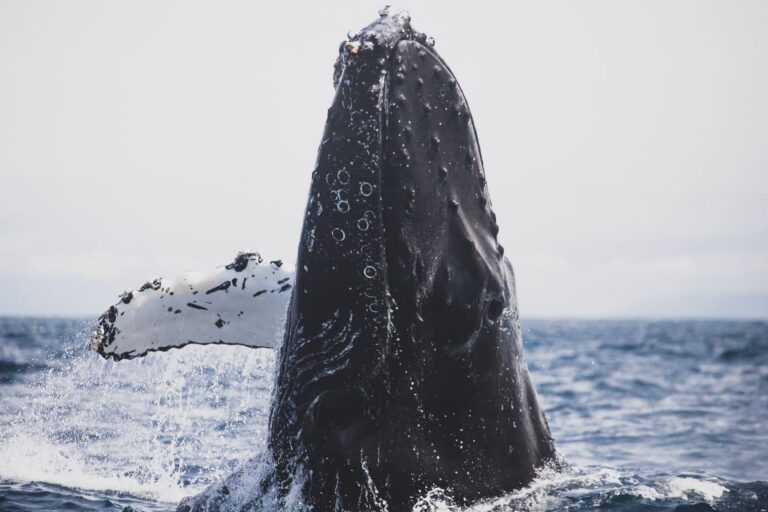
- A boat trip among the whales in Baja California – a seasonal experience on the Pacific coast, with details in our Baja California road trip.
- Snorkelling and island bliss on Isla Mujeres – just a hop from Cancún, paradise on Isla Mujeres.
- A boat ride through the Sumidero Canyon in Chiapas – sheer walls, crocodiles and waterfalls; tips in our article on Chiapas.






How to get to Mexico
There’s no direct flight from Europe, so you’ll reach Mexico with one stopover — most often via major European hubs like Frankfurt, Paris, Amsterdam, Madrid or London. The total journey usually takes 14–18 hours including the connection.
The main gateways are the airports in Cancún (Caribbean and Yucatán) and Mexico City (inland and other regions). Once you’re there, getting around is easy with low-cost domestic flights, ADO long-distance buses or a rental car. You’ll always find the latest flight prices fresh in the section below.
Renting a car
A car pays off in Mexico mainly where you want to be independent. Typically on a Yucatán road trip (cenotes, smaller ruins and towns off the bus routes) or in Baja California, where you can barely manage without one. For a pure beach holiday in Cancún, though, you won’t need one — ADO buses, local shared vans (colectivos) and organised tours will do the trick.
- Book ahead through a comparison site — on the spot it’s usually pricier and the choice is smaller.
- Watch the insurance: Mexican rental companies lure you in with a low base price, but the compulsory local liability cover (seguro) bumps it up. Pay for full coverage so you don’t get a nasty surprise at the desk.
- Expect a refundable deposit blocked on your card and paid tolls (cuotas) on the motorways. Keep small change in pesos handy.
- On the Yucatán, watch out for speed bumps (topes) and checkpoints; drive mainly in daylight.
Where to stay in Mexico
Where you stay depends a lot on your travel style. On the Caribbean coast, all-inclusive resorts rule the roost (especially in Cancún and along the Riviera Maya). They’re comfy if you mainly want to relax by the sea (we cover how to pick the right one in our article on all-inclusive in Mexico). If you’d rather explore, smaller hotels and apartments in town centres tend to pay off more.
- Backpackers and solo travellers: hostels and guesthouses in Playa del Carmen, Tulum, Mérida or Valladolid — cheap and full of fellow travellers.
- Couples and families: boutique hotels and apartments in colonial towns, or smaller eco-hotels by the lagoons (Bacalar, Holbox).
- Peace and comfort: all-inclusive resorts on the Riviera Maya or in Cancún, ideal for a first visit with no planning needed.
You’ll find our specific accommodation tips for each destination in the articles on those places and in the our accommodation tips section below. Book well ahead, especially in high season — great value-for-location options vanish fast.
Package tour or independent travel?
This question shapes the whole character of your trip. Here’s our take.
A package is worth it when…
- you mainly want to relax by the sea and forget about logistics,
- it’s your first trip and you’d rather not arrange flights, transfers and accommodation separately,
- you’re travelling with kids and will appreciate the comfort of an all-inclusive resort,
- you’re short on time and want the reassurance that everything just works.
Go it alone when…
- you want to see more places — ruins, cenotes and colonial towns,
- you don’t mind planning and you love the flexibility,
- you want to spend less and eat where the locals do,
- you’re tempted by road trips across the Yucatán or Baja California.
The two of us are independent travellers at heart — and Mexico is ideal for it thanks to cheap transport and safe tourist regions. But if you simply want to switch off for a week by the Caribbean sea, an all-inclusive package on the Riviera Maya makes total sense and saves you a heap of hassle. You can easily combine the two: a few days at a resort, then a week on the road.
Budget: daily costs in Mexico
| Level | Accommodation | Food | Transport & activities | Total/day |
|---|---|---|---|---|
| Backpacker | 320 MXN$–560 MXN$ (hostel, dorm) | 200 MXN$–320 MXN$ (street food, set menus) | 240 MXN$–400 MXN$ (buses, cheap entries) | approx. 800 MXN$–1 280 MXN$ |
| Standard | 800 MXN$–1 600 MXN$ (hotel, apartment) | 400 MXN$–720 MXN$ (restaurants) | 560 MXN$–1 200 MXN$ (tours, rental car) | approx. 1 760 MXN$–3 500 MXN$ |
| Comfort | 2 400 MXN$–4 800 MXN$+ (resort, boutique) | 800 MXN$–1 440 MXN$ | 1 200 MXN$–2 400 MXN$ (private tours) | approx. 4 400 MXN$–8 000 MXN$+ |
Prices are a rough guide per person per day, excluding flights. Mexico can be surprisingly cheap if you eat where the locals do, and pricey the moment you step into the tourist bubble of Cancún or Tulum, where costs creep up to European levels.
How to save when planning
Mexico can be done on a reasonable budget if you book at the right time and steer clear of a few classic traps.
- Buy flights 3–6 months ahead, ideally outside Christmas and Easter. Keep an eye on prices and pounce as soon as they drop below the usual level. Search for flights in our finder.
- Book high-season accommodation (December–March) well in advance — the best options go first. Out of season, try last-minute searches instead. Our accommodation tips.
- An all-inclusive resort package is usually cheapest booked early-bird, or last-minute if you’re flexible. We refresh the current package deals every morning.
- Book popular activities (cenotes, Chichén Itzá trips, whale-watching tours) online in advance — on the spot you’ll often overpay through middlemen. What to book early.
- Get around the Yucatán by ADO bus or rental car, not private hotel transfers. You can save half the cost.
Practical information
- Language: Spanish. You’ll get by in English in tourist areas, but a few basic phrases (gracias, cuánto cuesta) open doors — and earn you smiles.
- Payments: cards work at hotels and bigger restaurants, but always carry cash in pesos for markets, street stalls and ruin entrance fees. Withdraw from ATMs without conversion (decline DCC).
- Connectivity: the easiest option is an eSIM. Set it up at home and you’ll have data the moment you land. Accommodation usually has Wi-Fi, but it’s not always reliable.
- Safety: the tourist areas of the Yucatán and Baja California are calm. Use common sense — don’t flash valuables, and for night-time journeys take the bus, not hitchhiking.
- Drinking: don’t drink tap water; buy bottled or refill from filtered water dispensers at your accommodation.


