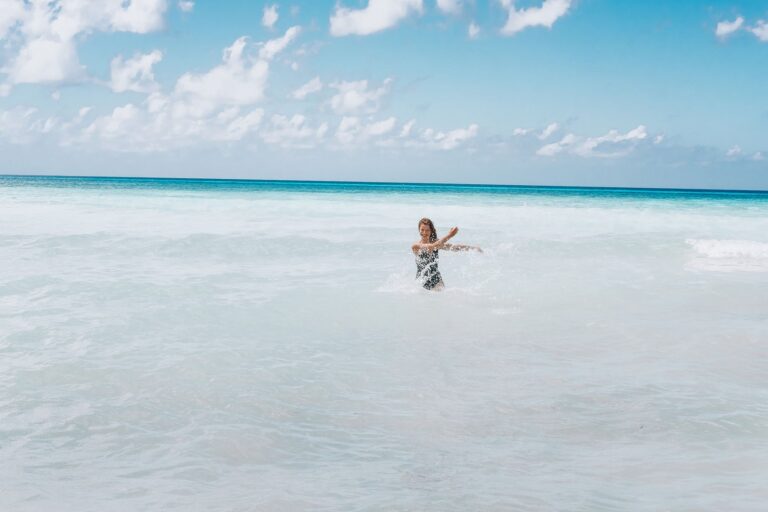
Picture the perfect moment. You’re sitting on powdery white sand, an ice-cold margarita in hand, the turquoise sea whispering in front of you and a plate of fresh tacos with beans and a generous scoop of guacamole waiting beside you. For so many of us, Mexico is the ultimate travel dream. But then you start planning and run straight into the reality of tropical destinations. You discover there’s such a thing as hurricane season, that beaches sometimes get buried under stinking seaweed, and that nights in the highlands can be properly cold.
Picking the right dates is absolutely crucial for a successful trip. Mexico is a huge country, so while the Caribbean coast swelters in unbearable humidity and heat, people high up in the mountains are pulling on winter jackets. Working out the best time to visit Mexico really comes down to one thing: what exactly you want to experience. Are you longing to swim in seaweed-free waters, do you want to snorkel alongside an enormous whale shark, or are you more drawn to exploring Maya ruins without the crowds?
In this guide you’ll find a detailed breakdown of what Mexico’s weather is like month by month. Together we’ll look at when and where hurricanes are a risk, how to dodge the dreaded sargassum, and when the very best time is for spotting wildlife. I’ll help you figure out which dates are ideal for your budget — and which ones you’d do well to avoid completely.
TL;DR
- Best time to visit: From mid-November to April Mexico enjoys its dry season (high season). The weather is at its most reliable, but prices are at their highest.
- The sweet spot: February and November. November sees the rains end while prices are still low, and February has minimal sargassum plus the clearest water in the cenotes.
- Sargassum in the Caribbean: Peaks roughly from April to August. If you want guaranteed clean beaches, book Isla Mujeres, Cozumel (the west side) or the Bacalar lagoon.
- Hurricane season: Officially runs from June to November, with August, September and October being the riskiest months. This is also when hotel prices drop by up to 60%.
- Wildlife watching: Head to Baja California for grey whales from January to March. Whale sharks appear in the Caribbean from mid-May to mid-September.
- When to avoid: March (American Spring Break) and the Easter period (Semana Santa), when prices skyrocket and the crowds are everywhere.
The full destination guide: Mexico — guide and what to see
When Is the Best Time to Visit Mexico
If you’re after the shortest, simplest answer, the best time to visit Mexico is from December to April. This is when the country enjoys its classic dry season. That means cloudless skies, minimal rainfall and very pleasant temperatures hovering around 28°C on the coast. This is exactly the time you want to escape the European winter and warm up in the tropics.
There is, of course, one big catch. Everyone knows about the perfect weather, so brace yourself for what’s known as high season. Accommodation and flight prices shoot up, and the most famous sites — like the legendary Chichén Itzá pyramid — are bursting at the seams. The rainy season from May to October, on the other hand, brings higher humidity, afternoon showers and the risk of tropical storms, but prices can easily fall by half. That’s why seasoned travellers often opt for the so-called shoulder months.
💡 Tip: If you’re looking for the perfect compromise between price, sunshine and crowds, the travel site Going.com recommends November as the single best month. The risk of rain drops sharply, temperatures are absolutely ideal, and on top of that you pay off-season prices.
Mexico Weather Month by Month
Mexico really doesn’t do its weather by halves, and every month offers a completely different experience. To make things easier, I’ve put together a handy table to help you work out exactly what to expect from each month. The temperature figures refer to the popular coast — in the mountains the situation is different.
| Month | Average daytime temperatures | Rainfall | What’s happening and what to watch out for |
|---|---|---|---|
| January | 27°C | Minimal | High season. Great for whales and monarch butterflies. |
| February | 28°C | Minimal | The driest month on the Yucatán. Minimal sargassum, great visibility. |
| March | 29°C | Low | The big heat kicks in (often feels like over 35°C). Spring Break. |
| April | 31°C | Low | Easter (Semana Santa) means packed beaches. Sargassum begins. |
| May | 32°C | Moderate | Extreme humidity. Rainy season begins. Whale sharks arrive. |
| June | 32°C | High | Official start of hurricane season. Sargassum build-up peaks. |
| July | 32°C | High | Summer holidays. Lots of rain, but mostly afternoon downpours. |
| August | 33°C | Very high | High hurricane risk and huge amounts of seaweed. |
| September | 32°C | Highest | Peak hurricane season. The cheapest month of the year. |
| October | 31°C | Moderate | Hurricanes are still a risk. Late October gears up for Día de Muertos. |
| November | 29°C | Low | A great compromise. Low prices, lovely weather, end of hurricanes. |
| December | 28°C | Minimal | High season begins. Christmas is expensive and full of tourists. |
Even though the table shows high rainfall from May to October, it doesn’t mean it rains non-stop for days on end in Mexico. Usually it’s gorgeously sunny all morning, then the sky clouds over in the afternoon, an hour of intense downpour rolls through, and then it clears up again.
Caribbean vs. Pacific vs. the Highlands
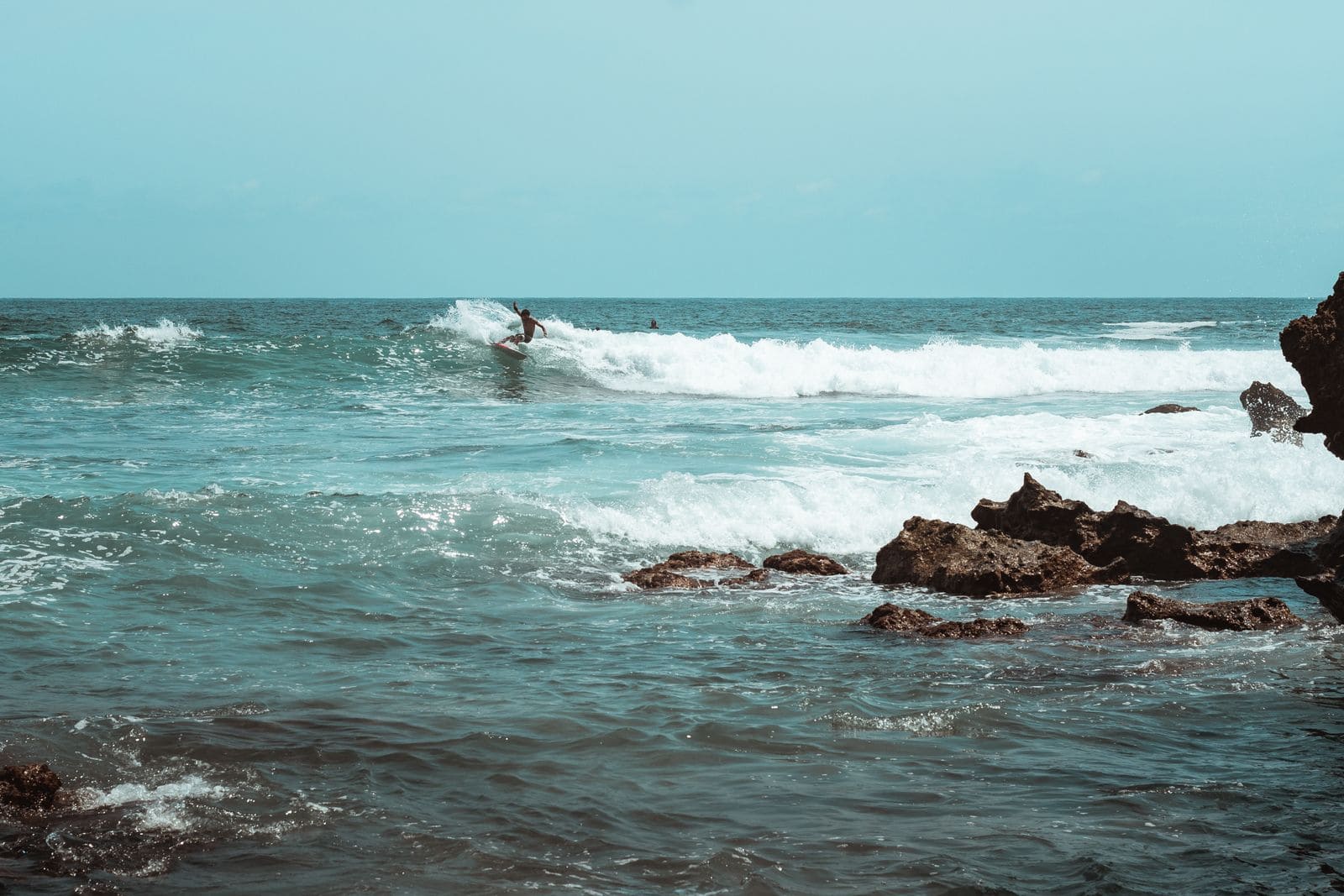
We sometimes have a tendency to think of Mexico as just Cancún and its surroundings, but this country is gigantic. It has several different climate zones, and the fact that it’s warm somewhere doesn’t mean you won’t be shivering a few hundred kilometres away.
Caribbean coast (Yucatán, Cancún, Tulum): This is the tropical postcard. The water temperature here practically never drops below 26°C. But bear in mind that the weather in Cancún and the surrounding area is extremely humid for most of the year. When it’s thirty degrees outside, the 100% humidity makes it feel more like forty. This is also where the biggest mounds of sargassum wash up from spring to autumn.
Pacific coast (Baja California, Oaxaca, Puerto Escondido): The Pacific is far wilder, drier and the water here is noticeably cooler. In the popular resort of Los Cabos, for example, the ocean sits at around 21 to 23 degrees in winter, which isn’t exactly ideal for long soaks. On the upside, there’s no sargassum here and the humidity is far more bearable.
Highlands and mountains (Mexico City, San Cristóbal de las Casas): This is where people get caught out most often. The capital, Mexico City, sits at an altitude of over 2,240 metres. While daytime temperatures are a pleasant 22 to 26 degrees, in December and January morning temperatures can easily drop to around five degrees. And since Mexican houses have no heating and the windows don’t seal well, a pair of cosy socks and a warm jumper will come in genuinely handy. The little town of San Cristóbal de las Casas in the state of Chiapas is even known as one of the coldest places in the country.
Hurricane and Tropical Storm Season
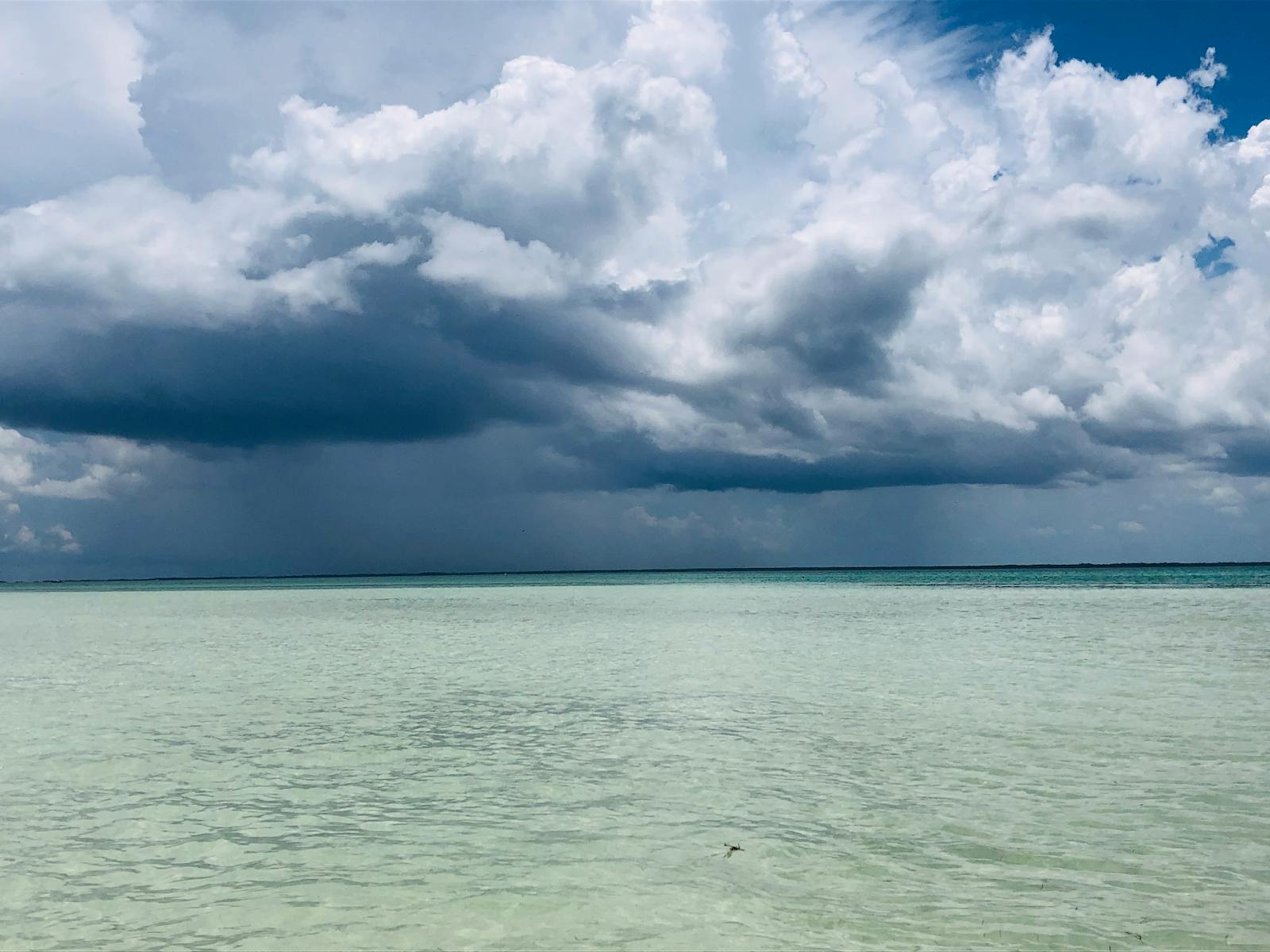
The mention of Mexico and hurricanes makes a lot of people instantly cancel their entire autumn holiday. The official hurricane season runs from 1 June to 30 November, with August, September and October being the most critical period. It sounds terrifying, but the reality tends to be a little milder.
Statistically speaking, the chance of a direct hit from a devastating hurricane isn’t huge. Cancún, for example, has experienced fewer than twelve major direct hits in the past 40-plus years. Far more often you’ll encounter so-called tropical depressions, which bring a few days of strong wind and persistent rain. September in particular is known for its extreme humidity and heat.
Experienced travellers who head to Mexico in September for the lowest prices of the year advise on Tripadvisor forums not to cancel the trip. They usually recommend getting good travel insurance and carefully checking the cancellation terms on your hotel and flights. If no storm comes, you’ll enjoy half-empty beaches and enormous discounts. Other travellers share their September experiences, where it was indeed incredibly muggy, but the rain mostly came at night or as a very brief afternoon downpour, after which the sun came back out.
💡 Tip: If you’re nervous and want a better chance of sunshine while still looking for cheaper dates, aim your trip for the second half of October or the start of November.
Sargassum: The Dark Side of the Caribbean Beaches
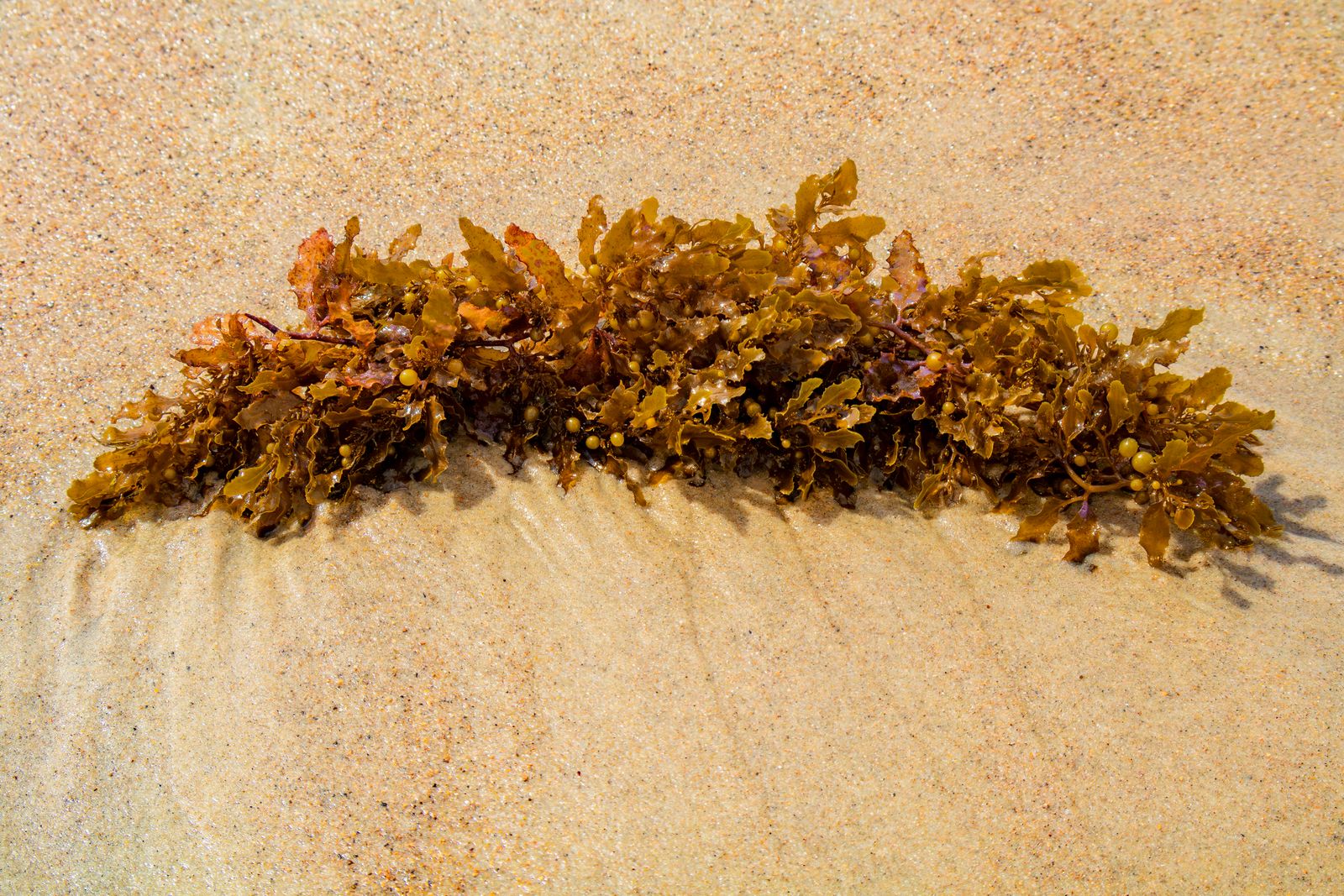
Sargassum has been plaguing Cancún and the entire Riviera Maya for several years now, and it’s no exaggeration to say it’s the worst thing that can happen to you on a beach. It’s a brown seaweed that the waves wash up onto the shore. When it starts to rot in the sun, it stinks like rotten eggs and turns the water an ugly brown colour.
The sargassum season along the coast of Quintana Roo state usually begins in April and peaks between June and August. Unfortunately, forecasts from US universities (USF) for 2026 are predicting possibly record amounts of seaweed, with the first deposits appearing as early as January.
Regular visitors to Mexico describe the seasonal seaweed pattern like this: from November to February the beach tends to be clean, in spring it starts getting worse, and summer is critical. In August 2025, for instance, tourists were shocked by the enormous floating islands of seaweed, although even then there were bright exceptions, when ocean currents in Playa del Carmen cleared the beach completely for a few days. It’s important to know that the situation changes literally from one day to the next depending on which way the wind blows.
So where can you hide from the seaweed if you travel during the summer months? You’ve got several reliable options:
- Isla Mujeres: This island lies close to Cancún, and its famous Playa Norte beach is, thanks to its orientation, protected from sargassum essentially year-round. (Read more about things to do on Isla Mujeres.)
- Cozumel (west coast): The east side of the island catches all the seaweed, but the west coast with its hotels and beach clubs stays beautifully clean.
- Isla Holbox: Usually clear of sargassum, although occasionally a different type of sea grass drifts in. (Check out our tips for Holbox island.)
- Bacalar Lagoon: A huge freshwater lake full of incredible colours that isn’t connected to the sea, so seaweed physically can’t appear here. (More in our guide to Bacalar.)
💡 Tip: If you’re going to the Yucatán in summer, always check the current state of the beaches. A great resource is the official website and map at How is the Sargassum, where people upload real photos of the coast every day.
When to Go Whale Watching and Spot Wildlife
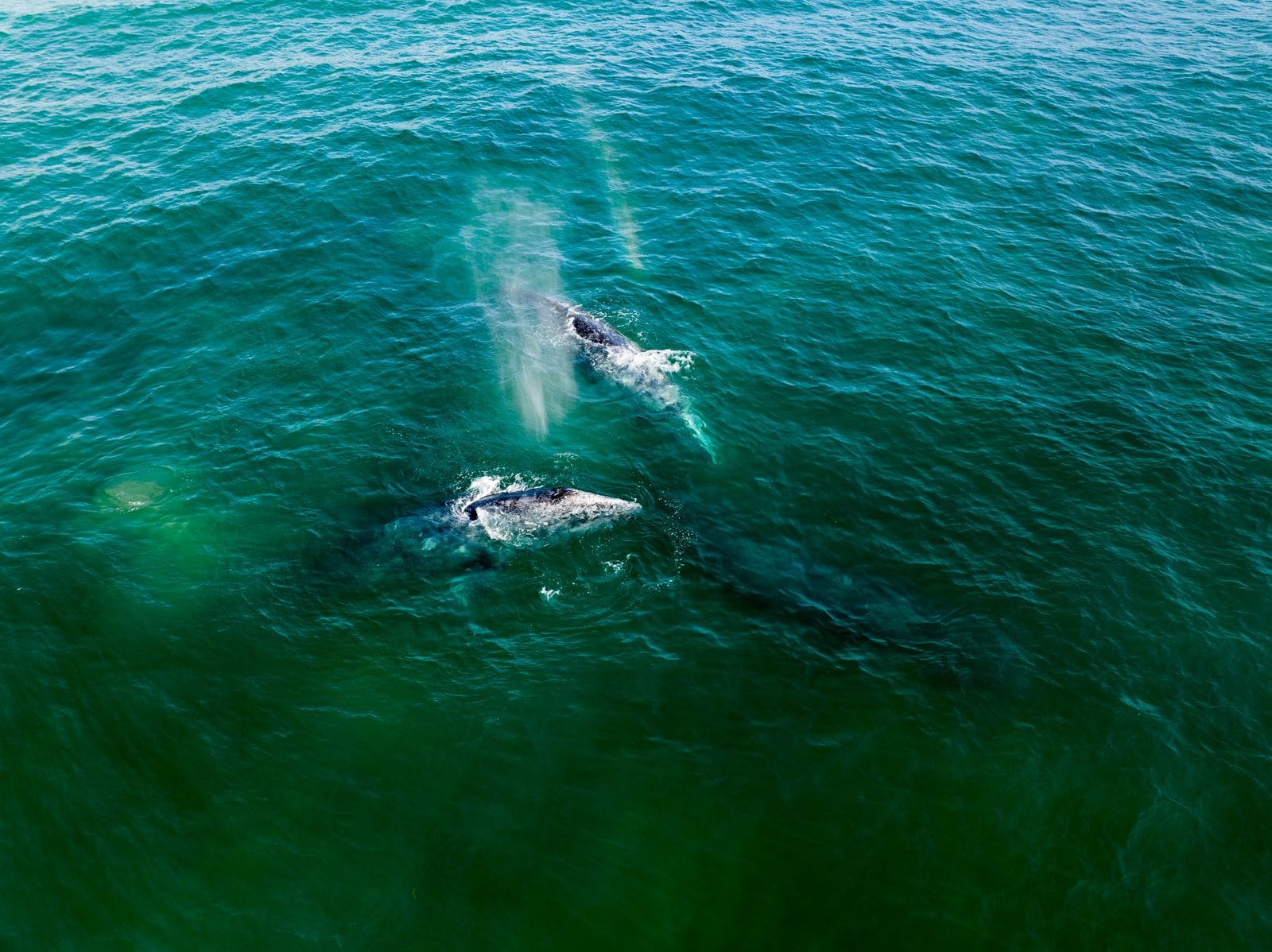
For animal lovers, Mexico is an absolute paradise. If you’re into wildlife, you’ll need to pick your dates with real precision — animals don’t wait around for tourist brochures. The biggest jackpot for nature watchers is January, when several incredible phenomena come together at once.
Whale shark (Caribbean and Pacific)
Imagine swimming next to a twelve-metre spotted giant. On the Caribbean coast (around the islands of Holbox and Isla Mujeres) the official season runs from 15 May to 17 September, with your best chances in July and August.
Whale sharks are strictly protected. The rules for 2025 and 2026 state that a maximum of 10 people can be on a boat, only two people at a time may enter the water with a guide, and snorkelling only is allowed. Sunscreen is strictly banned. Tour prices are around 190 USD (roughly 165 EUR), with the government setting a minimum price of 125 USD to prevent overcrowding. If you’re heading to the Pacific side (La Paz), the sharks linger there from November to March.
Grey whales in Baja California
This is a once-in-a-lifetime experience. From December to April (peaking in February and March), enormous grey whales arrive in the Ojo de Liebre and Magdalena Bay lagoons to raise their young. They’re incredibly friendly.
Visitors in reviews from Magdalena Bay enthusiastically describe having incredible luck in February. The mother whales reportedly nudge their calves towards the little boats themselves, so tourists can see them up close and even pet the animals.
Monarch butterflies and flamingos
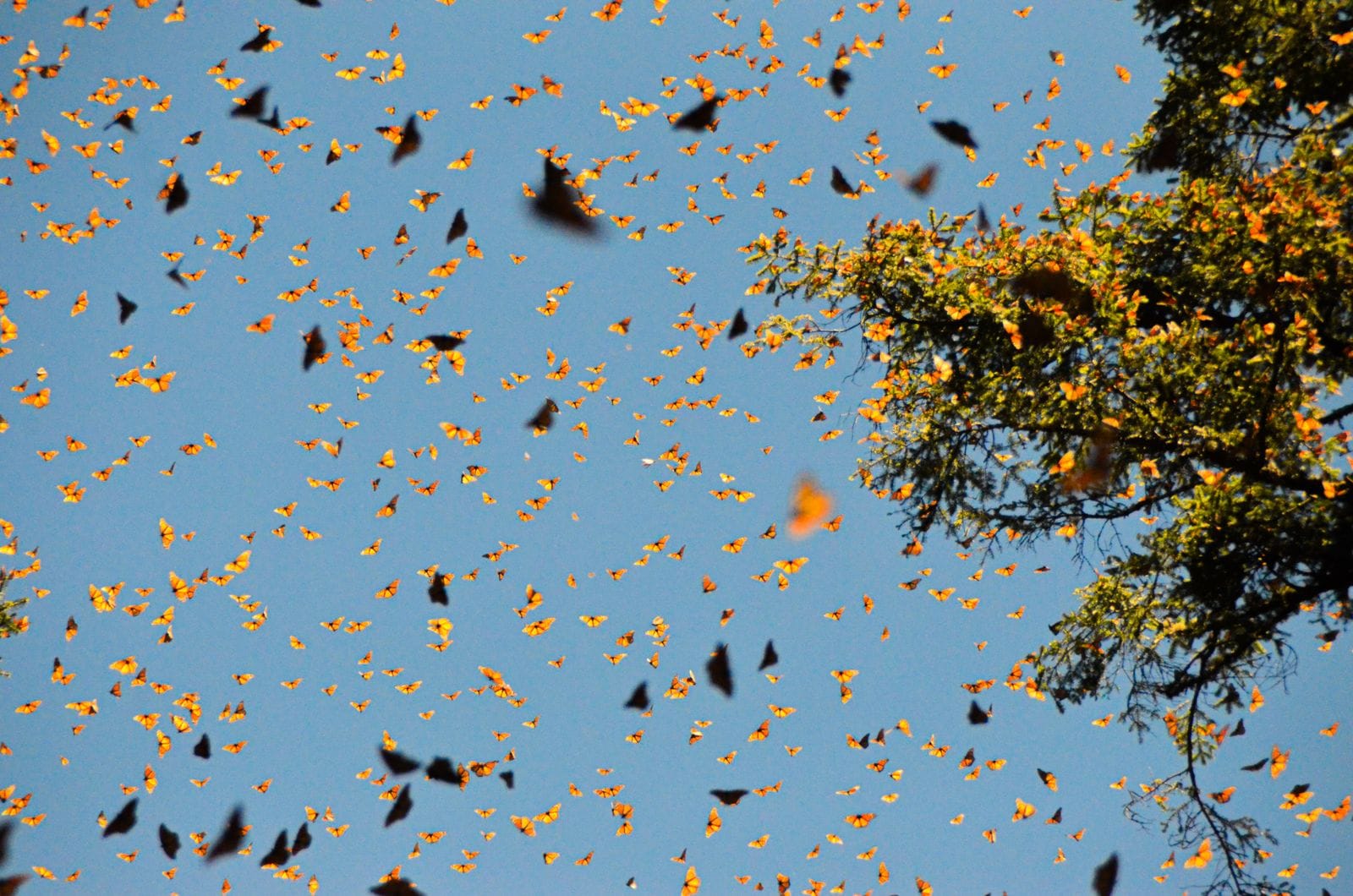
Another unique spectacle is the millions of orange monarch butterflies that travel 3,000 miles from Canada to overwinter in the forests of Michoacán state (peaking in January). If you love birds, go in search of flamingos. Up to 40,000 of them nest in the Río Lagartos reserve from March to June, while in the Celestún area you’ll spot them best from November to March.
When to Go Based on the Type of Holiday
Everyone expects something different from Mexico. To make sure you’re not disappointed, match your dates to what you enjoy most. Here’s the breakdown by activity.
Beaches and swimming (seaweed-free)
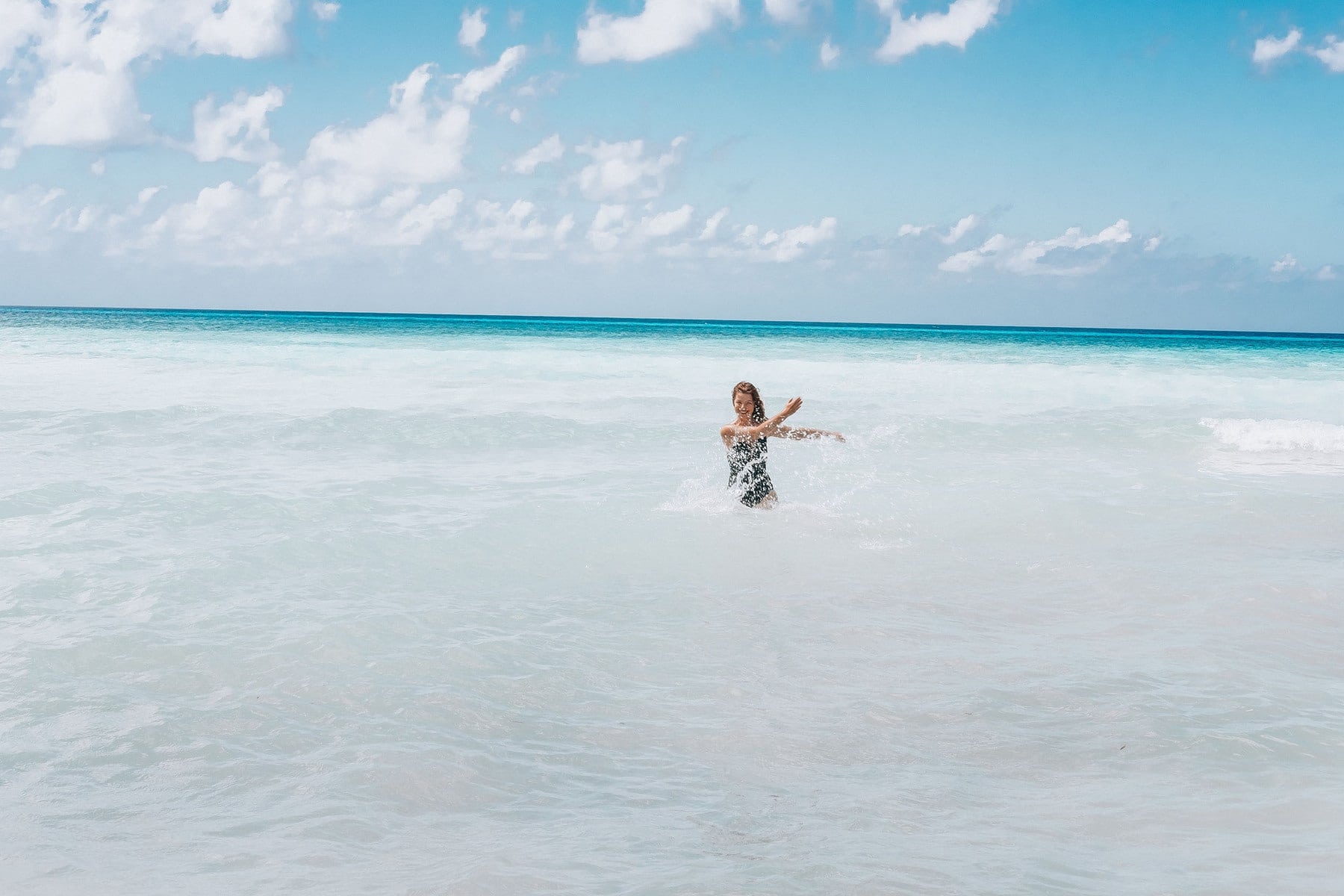
If your goal is simply to lie on the beach and splash around in the sea, aim for February or March. The weather is stable, the ocean is lovely, and the risk of sargassum on the Yucatán is still low at that point. Read also whether Mexico is safe, so you can relax with a completely clear head.
Sights and cenotes
Planning to explore ancient Maya cities like Palenque or swim in the famous limestone caves known as cenotes? Then the winter period is ideal for you, ideally January and February. The heat isn’t quite so punishing, so you can handle full-day trips around the pyramids. February is also considered the month with the clearest water in the cenotes, so visibility below the surface is absolutely breathtaking. But budget for the entrance fees, which are rising — the well-known Gran Cenote bans all sunscreens, the Suytún cenote costs around 250 pesos (about 13 EUR) and the famous Dos Ojos comes in at 350 pesos.
For culture and festivals (Día de Muertos)
If you want to experience the authentic atmosphere, you’ll need to be in Mexico at the turn of October and November, when the famous Día de Muertos (Day of the Dead) takes place. The streets are full of altars, marigolds and people with painted faces. But this is such a huge event that the best places, like the city of Oaxaca, have their hotels sold out by May! If you’re considering it, book your accommodation at least six months in advance.
If you’re watching your budget
Want to save money? The cheapest period is September and October. Flights go for next to nothing and hotels offer ridiculous discounts, easily 40 to 60%. You’ll have to put up with the occasional downpour and high humidity, but if you like peace and quiet and don’t need flawless weather, it’s an ideal choice.
The Worst and Best Dates: When to Stay Home?
To sum it all up, there are certain dates when it really pays to avoid Mexico. The absolute worst period for a peaceful holiday is March and the start of April. That’s because the US has its Spring Break, and hundreds of thousands of American students looking to party hard descend on Cancún. Then comes Semana Santa (Holy Week), when the whole of Mexico is off work, so domestic tourists completely fill every beach, hotel and restaurant. Prices during this period hit their absolute annual peak.
I’d also avoid the height of summer (July, August) if you’re heading to the Caribbean coast. The combination of unbearable humidity, mosquitoes and piles of sargassum can ruin anyone’s mood.
On the other hand, the best months are November and February. In November prices aren’t yet crazy, nature is beautifully green after the rains, and the weather has calmed down. February, meanwhile, is that dreamy midwinter sweet spot — it’s not as packed as Christmas, and nature serves up whales, butterflies and a gorgeously clear Caribbean Sea.
Where to Next
If you’re interested in specific places and want to plan your itinerary, we’ve written more detailed guides for you on the blog:
- Cancún guide: What to see and do in the heart of the Yucatán
- Isla Mujeres: Island paradise just off the mainland
- Holbox: Sandy streets and total chill
- Bacalar Lagoon: The Mexican Maldives without sargassum
- Is Mexico safe? What to watch out for
What to see in Mexico: the complete guide
Frequently Asked Questions
When is it hottest in Mexico?
The hottest weather occurs from March to May, just before the rainy season begins. Temperatures regularly rise to 36 °C and due to high humidity on the coast, the perceived temperature is often over 40 °C.
How much does it rain during the rainy season?
The rainy season lasts from May to October. This doesn’t mean it rains for days on end; typically, mornings are clear and in the afternoon an intense, roughly hour-long downpour arrives, after which the air clears up a bit.
Which months are at risk for hurricanes?
The official hurricane season runs from the beginning of June to the end of November. However, the greatest risk of severe storms and hurricanes occurs from August to October, with September being statistically the riskiest month.
When and where is sargassum seaweed most prevalent?
Sargassum affects the Caribbean coast (Cancún, Tulum, Playa del Carmen) the most from April to August. If you want to avoid it in summer, head to Isla Mujeres, the western coast of Cozumel, or Lake Bacalar.
When can I see whales in Mexico?
For gray whales, head to the Baja California peninsula from December to April, ideally in February and March. You’ll encounter whale sharks on the Caribbean coast around Holbox roughly from mid-May to mid-September.
Is it better to pay in pesos or dollars?
It’s always better to pay in Mexican pesos (MXN). Although dollars are gladly accepted at tourist spots, the exchange rate that vendors offer you tends to be very unfavorable for tourists.
When are accommodation prices lowest in Mexico?
You’ll find the cheapest accommodation in Mexico in September and October, when hurricane season peaks and hotels broadly reduce prices, often by 40 to 60%. The second favorable period is May and June, just before summer begins.
Tips and Tricks for Your Vacation
Don’t Overpay for Flights
Search for flights on Kayak. It’s our favorite search engine because it scans the websites of all airlines and always finds the cheapest connection.
Book Your Accommodation Smartly
The best experiences we’ve had when looking for accommodation (from Alaska to Morocco) are with Booking.com, where hotels, apartments, and entire houses are usually the cheapest and most widely available.
 🚗 Car rental on the roadVerified rental cars in Mexico
Search with the DiscoverCars comparison engine — it compares prices from dozens of local and international rental companies, and most bookings come with free cancellation.
Compare car prices in Mexico →Don’t Forget Travel Insurance
Good travel insurance will protect you against illness, accidents, theft, or flight cancellations. We’ve had a few hospital visits abroad, so we know how important it is to have proper insurance arranged.
Where we insure ourselves: SafetyWing (simple monthly subscription) and TrueTraveller (for extra-long trips).
Find the Best Experiences
Get Your Guide is a huge online marketplace where you can book guided walks, trips, skip-the-line tickets, tours, and much more. We always find some extra fun there!