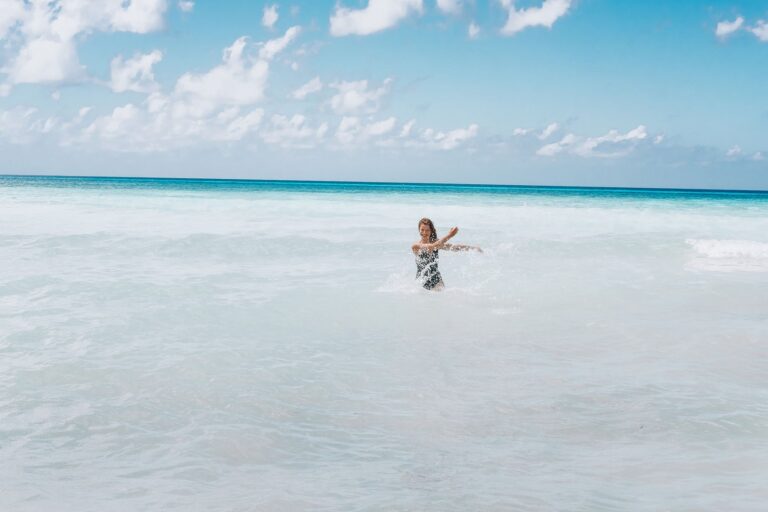
You know that feeling when you’re hunting for a destination that has a bit of everything, but you can’t face elbowing through crowds of tourists in polished resorts? That’s exactly what Chiapas, Mexico is all about. This wild southern state feels like a scene straight out of an adventure film. You’ll find deep rainforests echoing with the roar of monkeys, Maya pyramids swallowed by jungle, turquoise waterfalls, and high-altitude colonial towns where the scent of freshly roasted coffee mingles with smoke from sacred copal.
Chiapas is a completely different Mexico from the one you know from Cancún postcards. It’s a place that forces you to slow down, soak up the atmosphere, and maybe even rethink the way you see the world. Whether you’re dreaming of cruising the enormous Sumidero Canyon or losing yourself in the colourful lanes of the magical town of San Cristóbal de las Casas, this corner of the world will completely sweep you off your feet.
In this guide you’ll find 12 tips on what to see and do in Chiapas, from the famous Maya city of Palenque to mystical Indigenous villages. I’ll also tell you where to base yourself strategically, how to avoid the treacherous mountain roads, and what to taste to experience the real local vibe.
TL;DR
- Best base: San Cristóbal de las Casas is the ideal jumping-off point for most trips, but expect chilly mornings.
- Top nature: Don’t miss the boat trip through Sumidero Canyon and the turquoise cascades of the Agua Azul waterfalls.
- History and mysticism: The Maya ruins of Palenque will transport you back in time, while the village of San Juan Chamula shows you the fascinating and slightly dark rituals of today’s Indigenous people.
- Transport and safety: For longer journeys (to Palenque, for example) use the reliable ADO buses, which travel along safer routes, and avoid driving a rental car after dark.
- Prices: Chiapas is one of the cheapest states in Mexico — you can grab excellent street food for around 4 €.
The full destination guide: Mexico — guide and what to see
When to Visit Chiapas
If you want to see the waterfalls in their full turquoise glory and avoid the relentless jungle downpours, plan your trip for the dry season, which runs roughly from November to April. During these months the weather is most stable and the roads are easy to travel. January and February in particular are fantastic months when the skies are clear and the humidity in the lowlands is still fairly bearable.
But bear in mind that Chiapas has extreme differences in altitude. While you’ll be bathing in your own sweat at 30 °C by the ruins of Palenque even in January, things are completely different high up in the mountains. Travellers describe San Cristóbal de las Casas as a calm, bohemian colonial town at over 2,200 metres, where the air is fresh and cool and nights in the dry winter season drop to 6 or 7 °C. After the muggy lowland heat, this altitude is a welcome relief, but definitely pack a warm jumper and a light jacket.
💡 Tip: If you’re interested in a more detailed weather breakdown for the whole country and want to know when to avoid the hurricanes on the coast, check out our detailed article on when to go to Mexico.
Where to Stay and How Much It Costs
Chiapas is very kind to a traveller’s wallet. Accommodation here is noticeably cheaper than in the Yucatán or Oaxaca. Most people choose San Cristóbal de las Casas as their main base for day trips, then spend a few days right in the jungle near Palenque.
Prices for a lovely room in a colonial house with an inner courtyard hover around 800 to 1,500 MXN (roughly 40 to 75 €) per night for two. If you’re after something truly luxurious, you’ll pay around 2,500 to 4,000 MXN (125 to 200 €).
Where to stay in San Cristóbal de las Casas:
- Budget option: Hostal Puerta Vieja is a legendary spot for backpackers, with a great location, breakfast included and a free evening drink — ideal for meeting fellow travellers.
- Happy medium: Hotel Rincón del Arco offers absolutely charming traditional rooms with wooden beams and a gorgeous inner patio full of flowers.
- Boutique luxury: Hotel Bo is an architectural gem that blends modern design with local Maya touches, and the breakfasts are said to be phenomenal.
Where to stay in Palenque:
- Right in the jungle: Boutique Hotel Quinta Chanabnal looks like something out of a fairy tale — the grounds resemble an ancient Maya city, and the waterfall pools will cool you off after a sweltering day at the ruins.
In cooler, mountainous San Cristóbal de las Casas you’ll want to stay in the historic centre, so you’re just a few steps from a café in the evening and from wrapping up in a blanket by the fireplace. Colonial houses with patios here are surprisingly affordable.
💑 For couples: Guayaba Inn Boutique Hotel is a calm oasis with a tropical garden and orchid patio just minutes from the pedestrian lanes — travellers describe it as utterly romantic (from ~120 € per night).
👨👩👧 For families: Hotel Casa Mexicana is a colonial house near the Santo Domingo church, with rooms opening onto gardens and a top location rating (from ~75 € per night).
💰 Best value for money: Hotel Diego de Mazariegos offers two courtyards and a rooftop terrace in an 18th-century house right by the cathedral, at a great price (from ~75 € per night).
✨ For the experience: Hotel Bo is the town’s design flagship and one of the most beautiful hotels in Mexico, with the renowned Lum restaurant (from ~175 € per night).
Booking tip: for all of these hotels, choose a rate with free cancellation — plans change and you don’t want to pay for somewhere you never end up reaching. And don’t leave it to the last minute: the best-rated addresses sell out months in advance in high season, and prices then jump by tens of percent.
💡 Tip: Booking.com is perfectly reliable in Mexico, but in smaller villages you’ll occasionally come across accommodation that only takes cash. Always check the booking conditions to see whether the hotel accepts cards.
What to See and Do: 12 Tips You Can’t Miss
Let’s look at the main reasons you’re actually heading to Chiapas. This region offers an incredible mix of culture and nature, so ideally set aside at least 7 to 10 days so you don’t have to rush around with your tongue hanging out.
1. Lose Yourself in the Lanes of San Cristóbal de las Casas
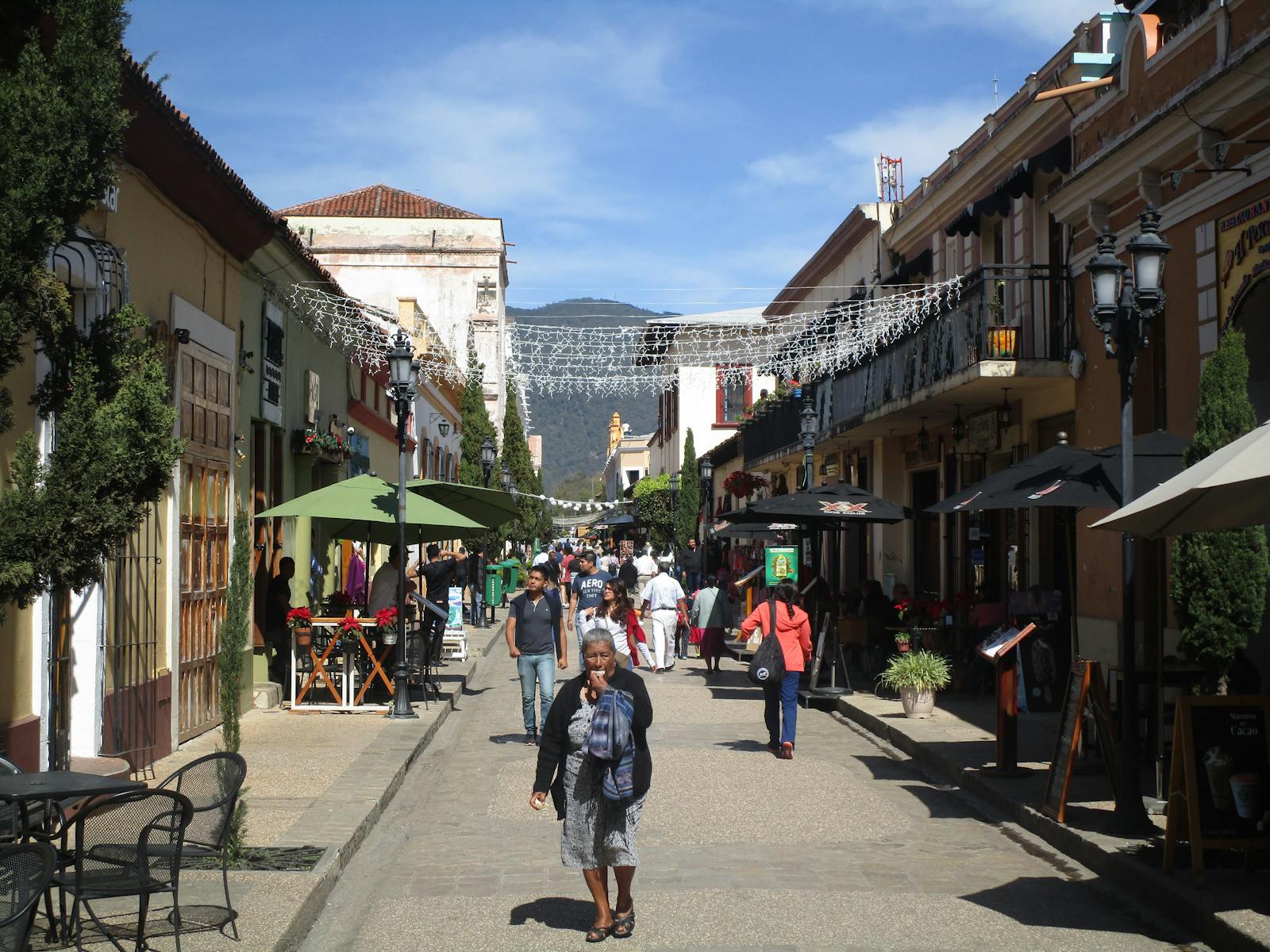
This town is simply love at first sight. Locals call it “San Cris” for short, and the moment you stroll down the Real de Guadalupe pedestrian street, you’ll understand why so many foreigners planned to stay a week and ended up living here for years. The low houses come in every pastel shade, the balconies overflow with flowering bougainvillea, and on every corner you’ll stumble across a little café serving specialty local coffee.
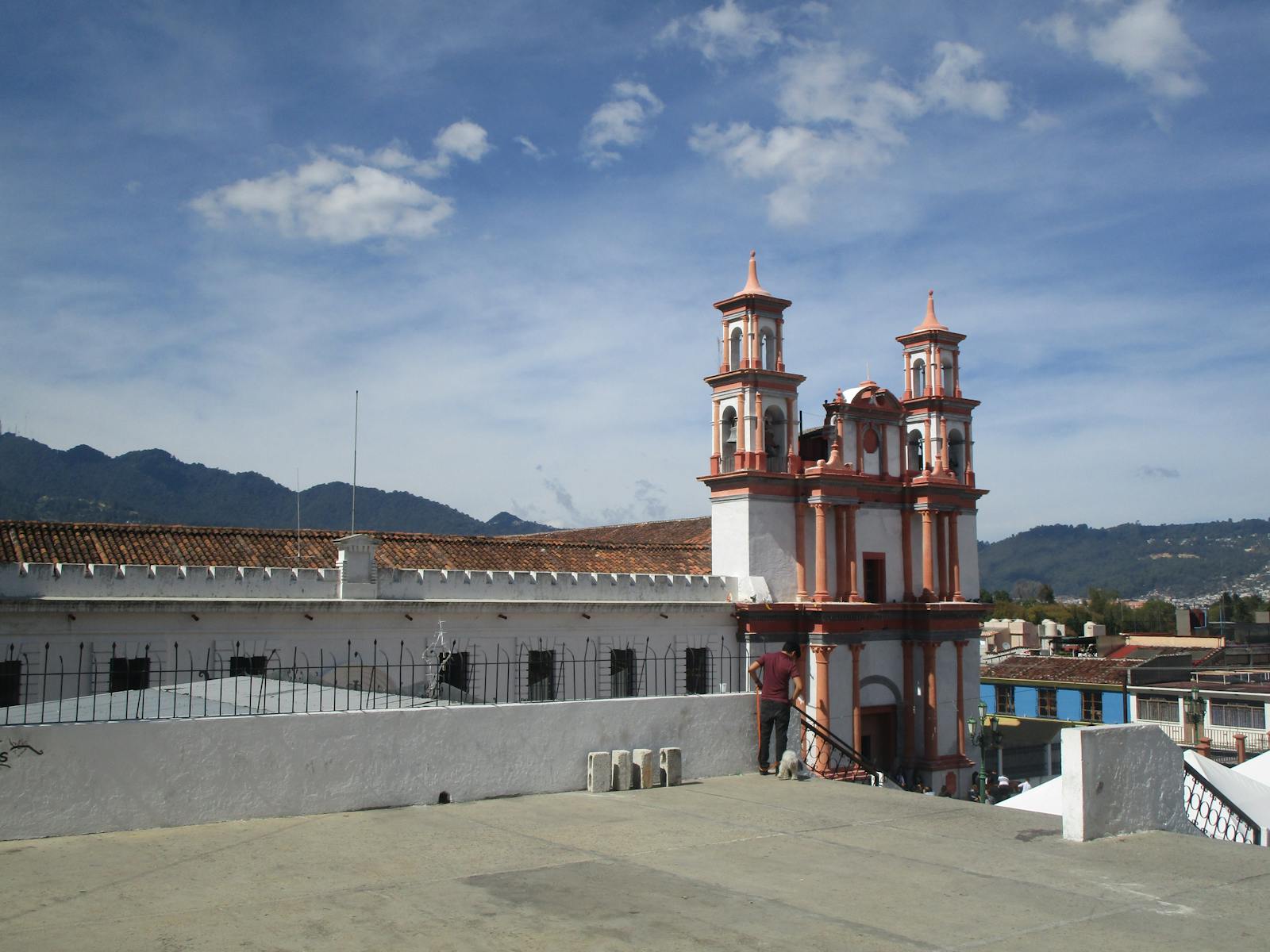
Definitely climb the steps to the Iglesia de Guadalupe, where there’s a gorgeous view over the whole town nestled in the valley, especially at sunset. In the evening the town comes alive — street musicians play on the main square, the Zócalo, and Indigenous people in traditional dress mingle with digital nomads.
2. Experience the Mysticism of San Juan Chamula
This is an experience that might just give you goosebumps. Just outside San Cristóbal lies the village of San Juan Chamula, home to the Indigenous Tzotzil people. The main draw is the local church of San Juan Bautista, which looks completely ordinary from the outside but is a different universe within. There are no pews, the floor is strewn with pine needles, thousands of thin candles light the space, and the air is heavy with copal smoke.
Locals here practise a fascinating syncretic religion that blends Catholicism with ancient Maya rituals. You’ll commonly see families sitting on the floor reciting prayers in the local language, sipping Coca-Cola to belch out evil spirits, and not infrequently sacrificing live chickens. According to guides, taking photos inside the church is strictly forbidden. The local Tzotzil believe a photograph steals the soul, and you risk a hefty fine and having your phone confiscated. Respect this and bury your camera deep in your bag. Entry to the church costs a symbolic 30 MXN (about 1.50 €).
3. Buy Local Textiles in Zinacantán
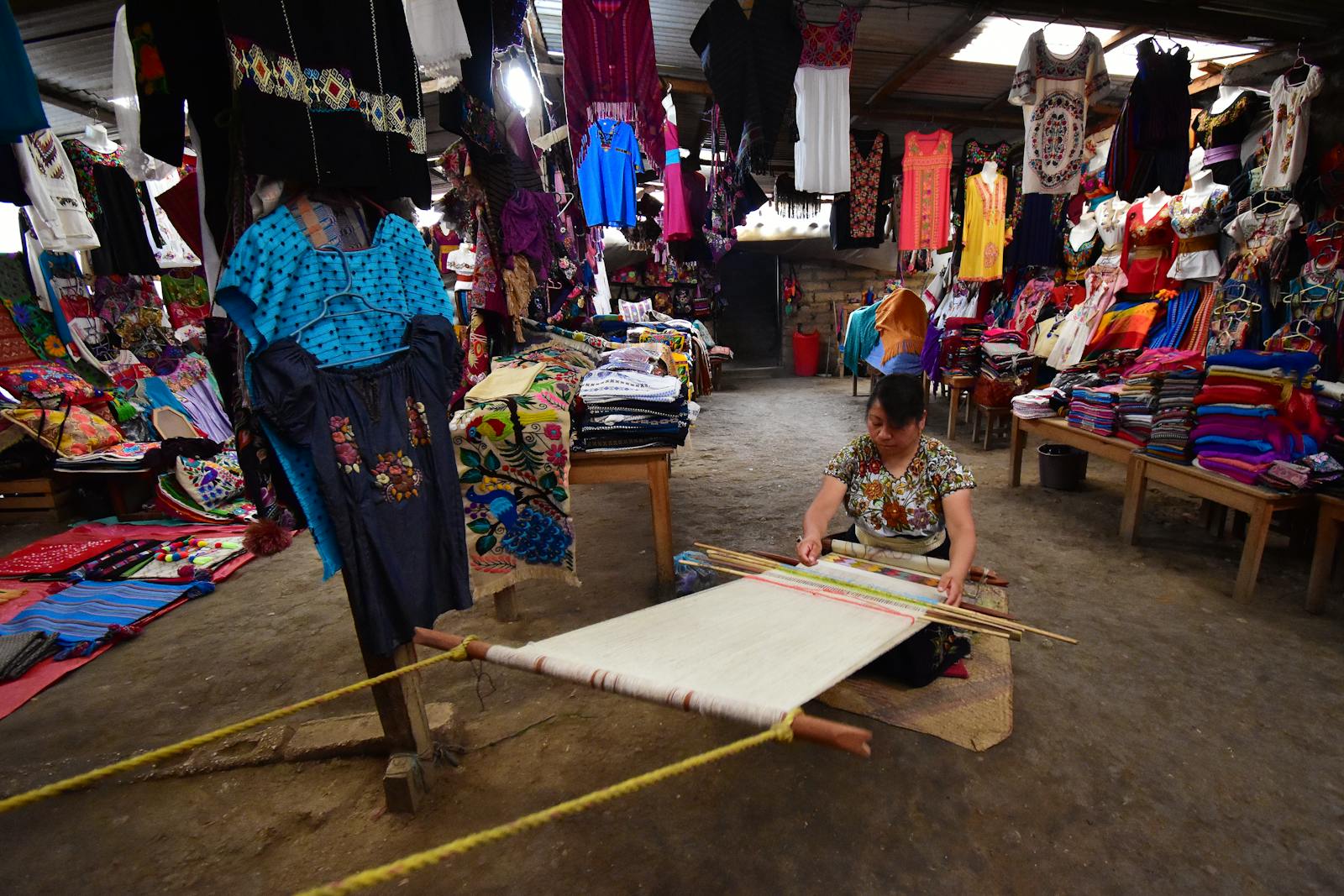
The neighbouring village of Zinacantán makes an ideal half-day trip combined with San Juan Chamula. The people of Zinacantán are famous for their incredible textile artistry. While in Chamula people tend to wear black and white sheepskin, here purple, pink and a flood of floral embroidery take centre stage.
You can visit family workshops where the women will happily show you weaving on a traditional backstrap loom. They’ll usually treat you to a fresh tortilla and offer you a shot of the local spirit pox (pronounced “posh”). It’s the perfect place to buy authentic, handmade souvenirs straight from the makers, rather than cheap imports.
4. Peer Into the Depths of Sumidero Canyon From the Viewpoints
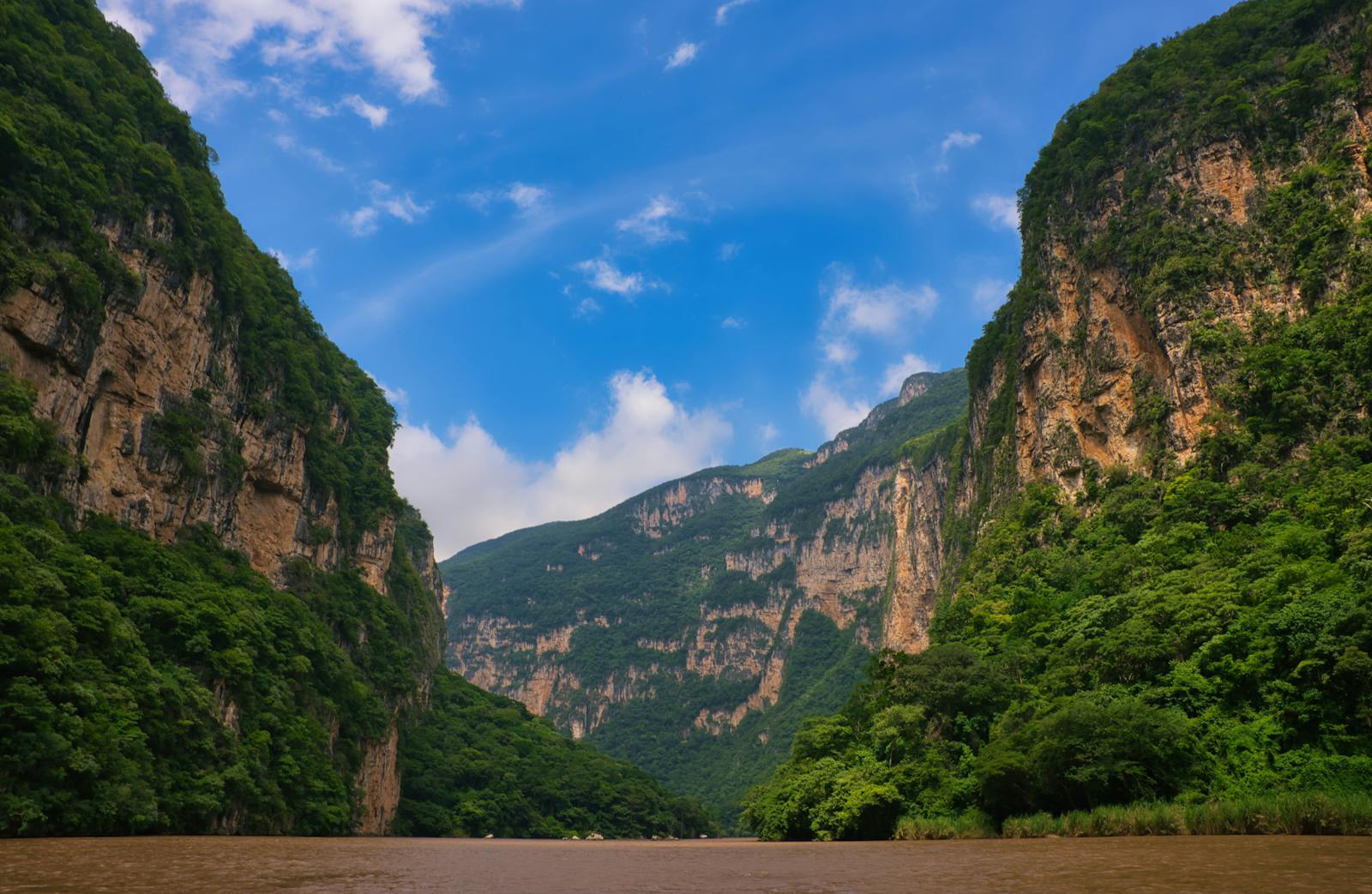
Sumidero Canyon is an enormous gash in the earth carved out by the Grijalva River. Its limestone walls plunge straight down, reaching heights of up to 1,000 metres. It’s such a staggering sight that even people who suffer from vertigo can’t tear themselves away from the edge.
Entry to the national park costs around 60 MXN (about 3 €), and a road runs along the top rim of the canyon, with five main viewpoints (miradores). The best plan is to hire a taxi from San Cristóbal or Tuxtla, or join an organised tour. The view from Los Chiapa or La Coyota will absolutely knock you sideways.
💡 Tip: If you want to be sure of the current national park entry fees, check the official site of Mexico’s protected areas, CONANP.
5. Cruise Through Sumidero Canyon by Boat
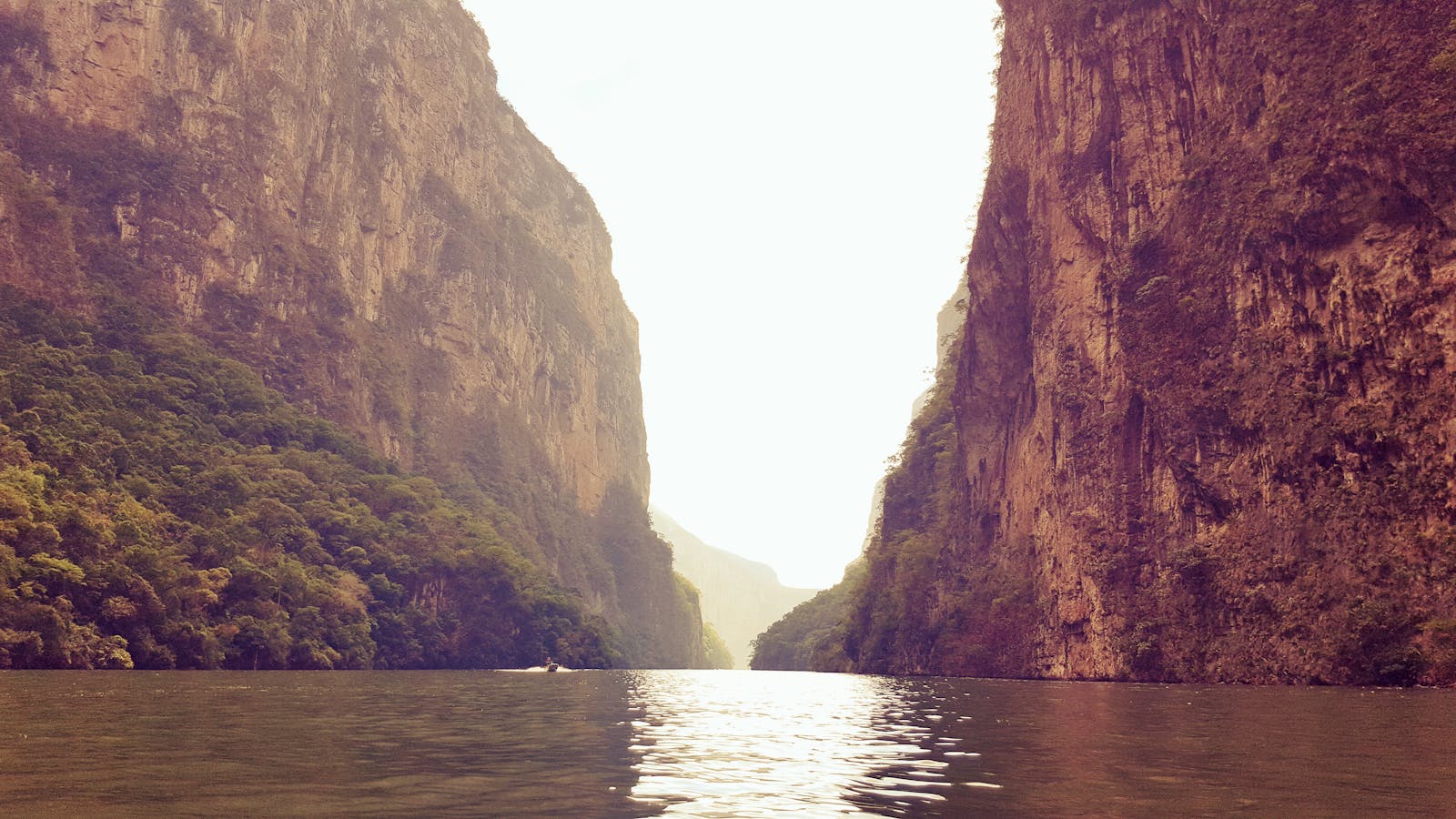
The view from above is gorgeous, but only from the bottom of the canyon will you grasp its true scale. Motorboats set off from the little town of Chiapa de Corzo, taking you on a roughly two-hour cruise right between the vertical walls. The price for a boat trip runs around 300 to 400 MXN (15 to 20 €).
Traveller reviews from 2025 confirm that the cruise is one of the highlights of Chiapas. Along the way you’ll spot crocodiles lazily basking on the banks, flocks of herons, and spider monkeys high in the branches. One thing comes up again and again, though: sadness at the amount of plastic waste washed into the river by the surrounding tributaries after rain — so be prepared for this less romantic side of reality too.
6. Discover the Lost Maya City of Palenque
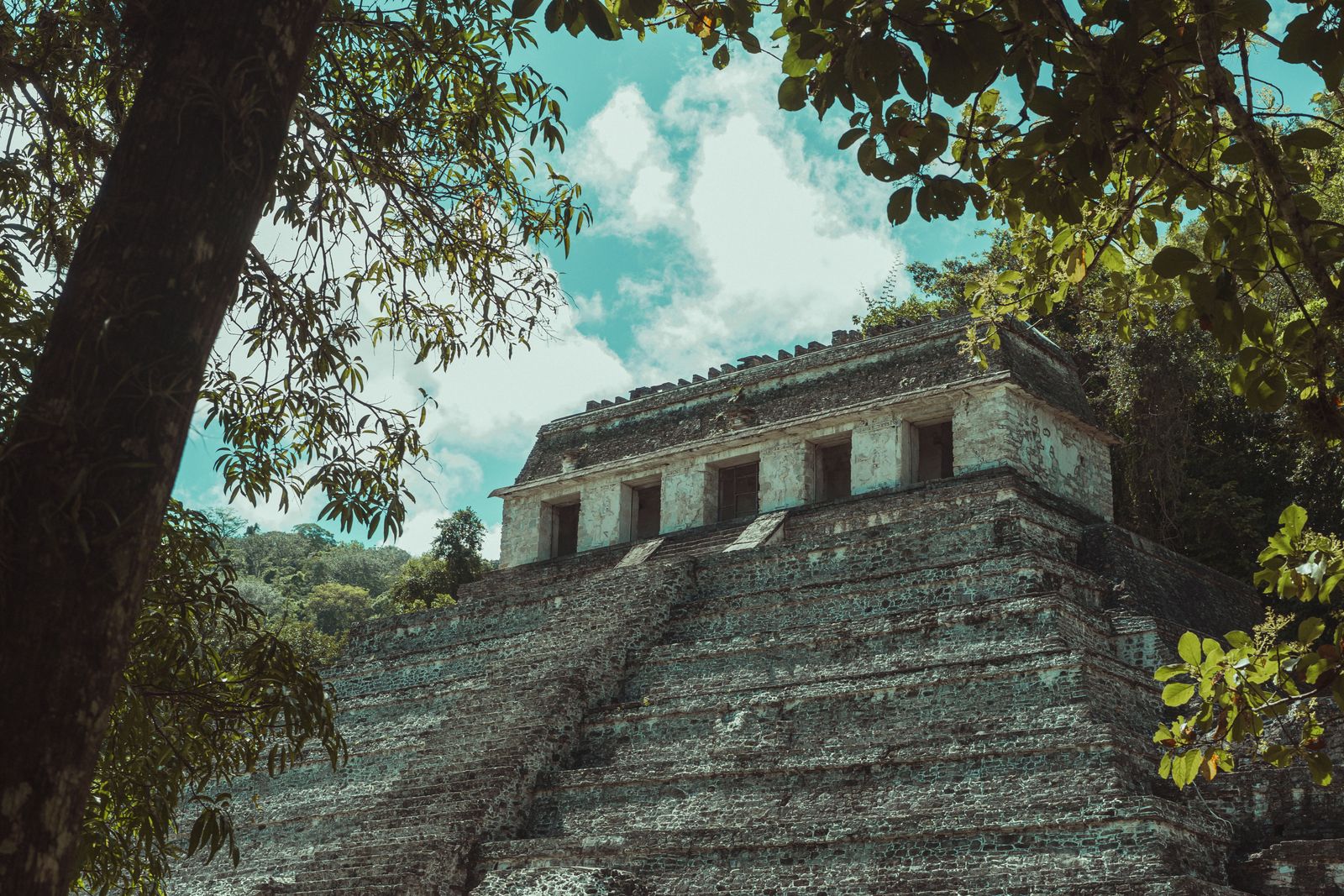
Palenque isn’t one of the largest Maya sites, but it’s by far the most magical. While Chichén Itzá stands on a flat, sun-baked plain, Palenque is literally engulfed by dense, impenetrable jungle. The famous king Pakal ruled here, and the temple architecture with its delicate stucco reliefs is simply breathtaking.
Visitors rave above all about that genuine jungle atmosphere. As you walk you’ll hear the eerie roar of howler monkeys, and you might glimpse toucans in the treetops. Definitely head out first thing at opening time, before the crowds arrive and before the humid heat becomes unbearable. Entry is split into a national park fee (around 105 MXN / 5 €) and entry to the ruins themselves (roughly 95 MXN / 4.50 €). You can verify the details on the official website of the INAH institute.

7. Swim in the Turquoise Agua Azul Waterfalls
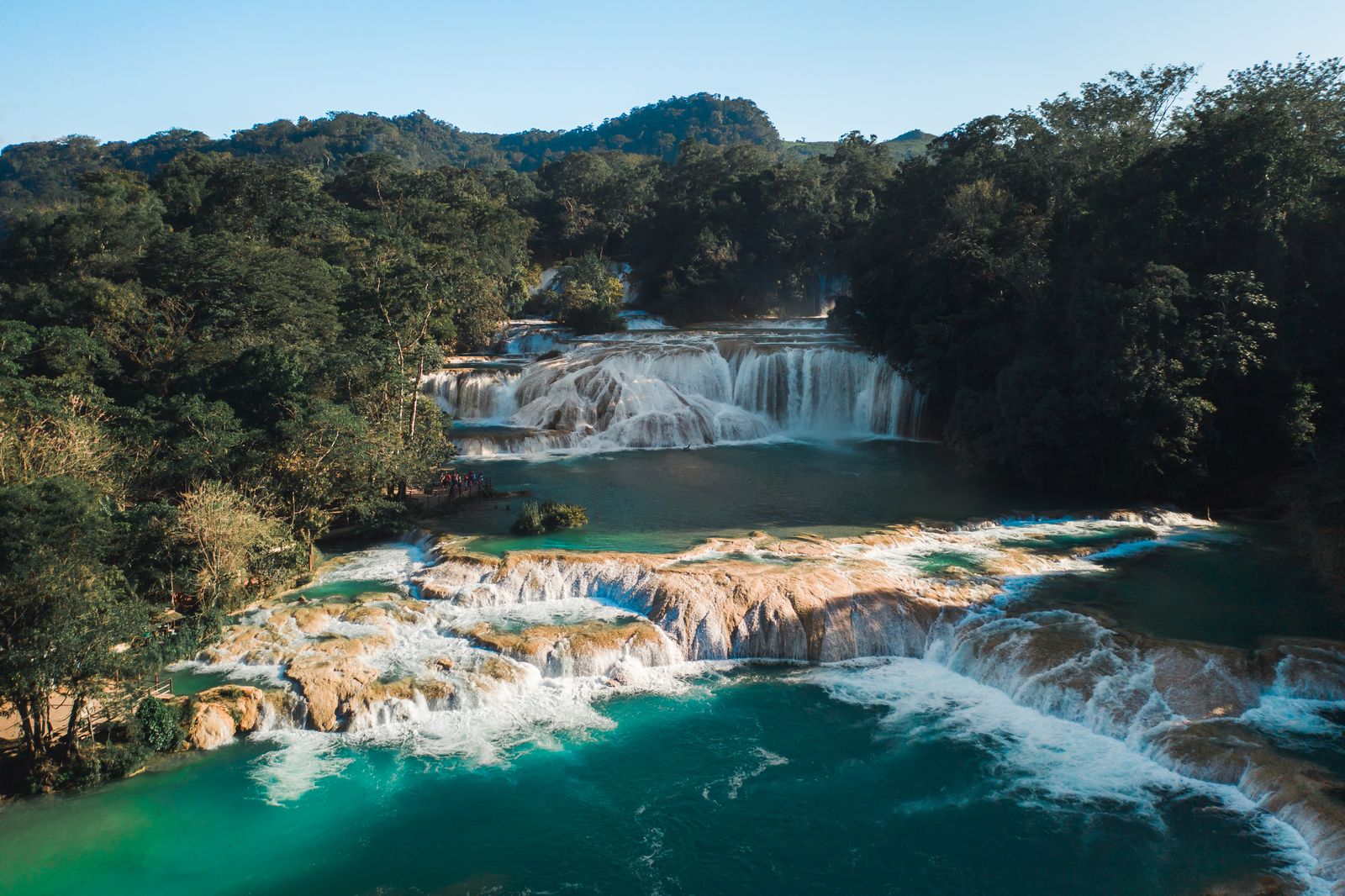
The Agua Azul cascades (which translates as “Blue Water”) are exactly what their name promises. The river flows over limestone bedrock and tumbles across dozens of natural terraces, creating pools of the most dazzling turquoise water you can imagine. Entry costs around 100 MXN (5 €) in total, since you pay a state fee plus a fee to the local community.
Travellers warn, however, that swimming here can be treacherous. There are calm, safe spots set aside for swimming, but also risky stretches with strong currents. What’s more, the turquoise colour is most intense in the dry season (November to April), whereas after heavy rains the water turns murky brown and the magic fades a little.
8. Walk Behind the Curtain of the Misol-Ha Waterfall
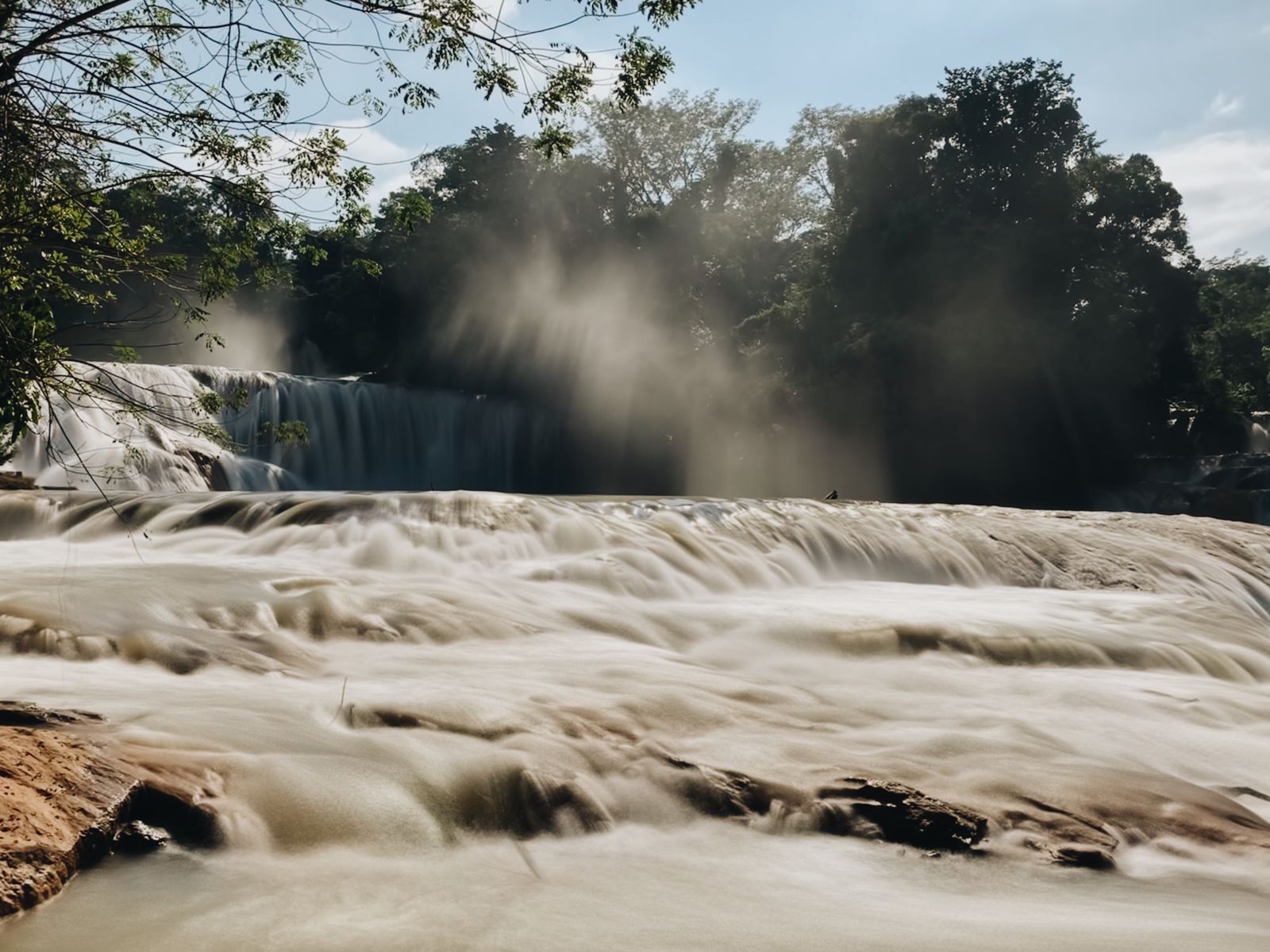
Most trips pair Agua Azul with the nearby Misol-Ha waterfall. It isn’t a series of cascades but a single mighty 30-metre column of water plunging into a circular pool amid lush vegetation. The place has an incredible tropical atmosphere — the old Predator film with Arnold Schwarzenegger was even shot here.
The best thing about Misol-Ha is that a narrow, slippery path leads you right behind the falling sheet of water, where there’s a small cave. The roar of the thundering water is deafening, and you definitely won’t stay dry, so a raincoat or a change of clothes comes in handy. Entry is a wallet-friendly 30 MXN or so (about 1.50 €).
9. Explore the Lagunas de Montebello Near the Guatemalan Border
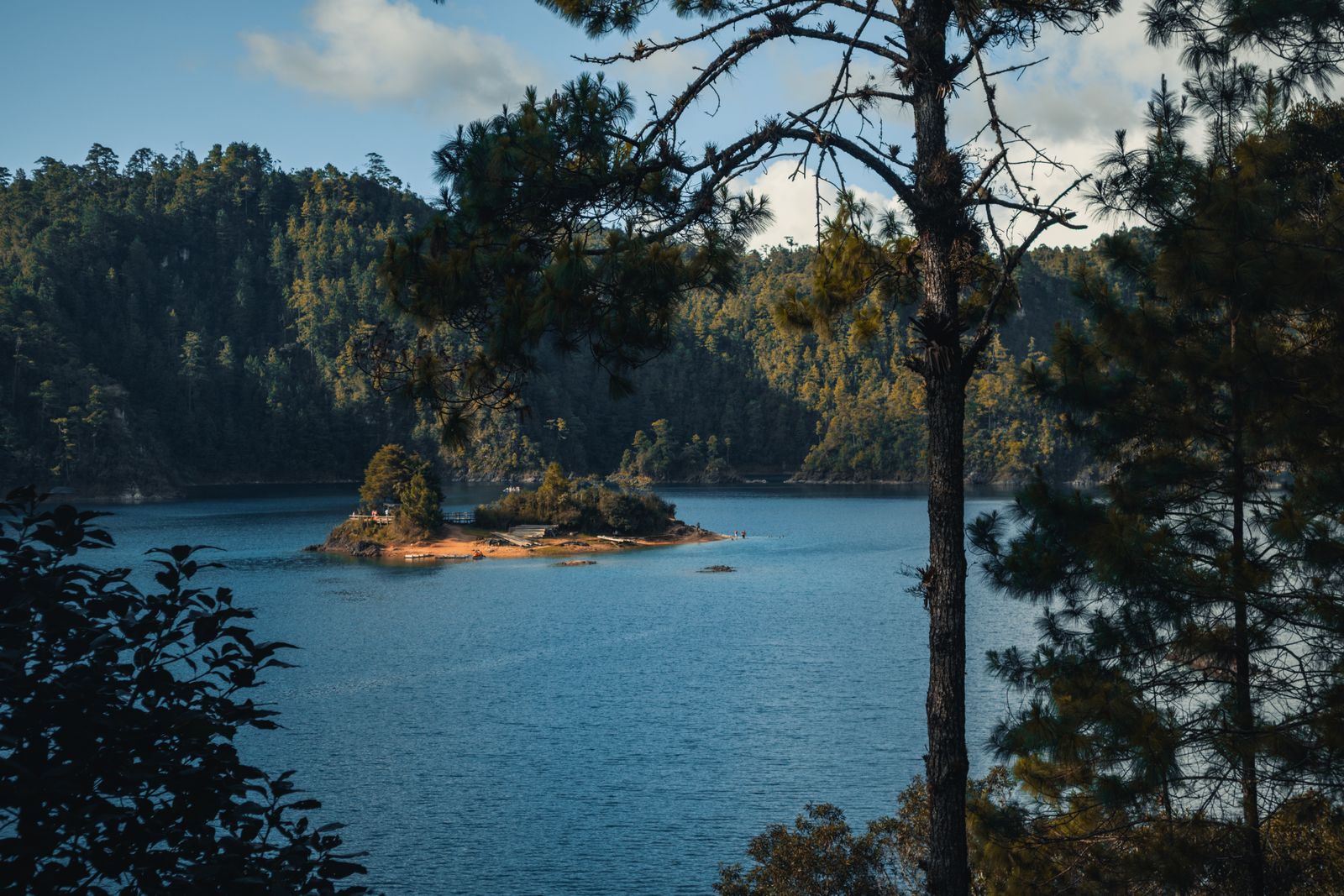
If you have a car or a bit more time, head south to the border with Guatemala. Lagunas de Montebello National Park is made up of over 50 lakes, each with a different colour thanks to varying mineral content — from emerald green through deep blue to greenish grey.
Pine forests scent the air around the lakes, and you can rent a rustic wooden raft (balsa) lashed together from tree trunks, on which locals will float you across the surface. It’s a huge contrast to the sweltering lowlands — there’s absolute calm here, and you’re more likely to run into local tourists than crowds of backpackers.
10. Be Amazed by the El Chiflón Waterfalls
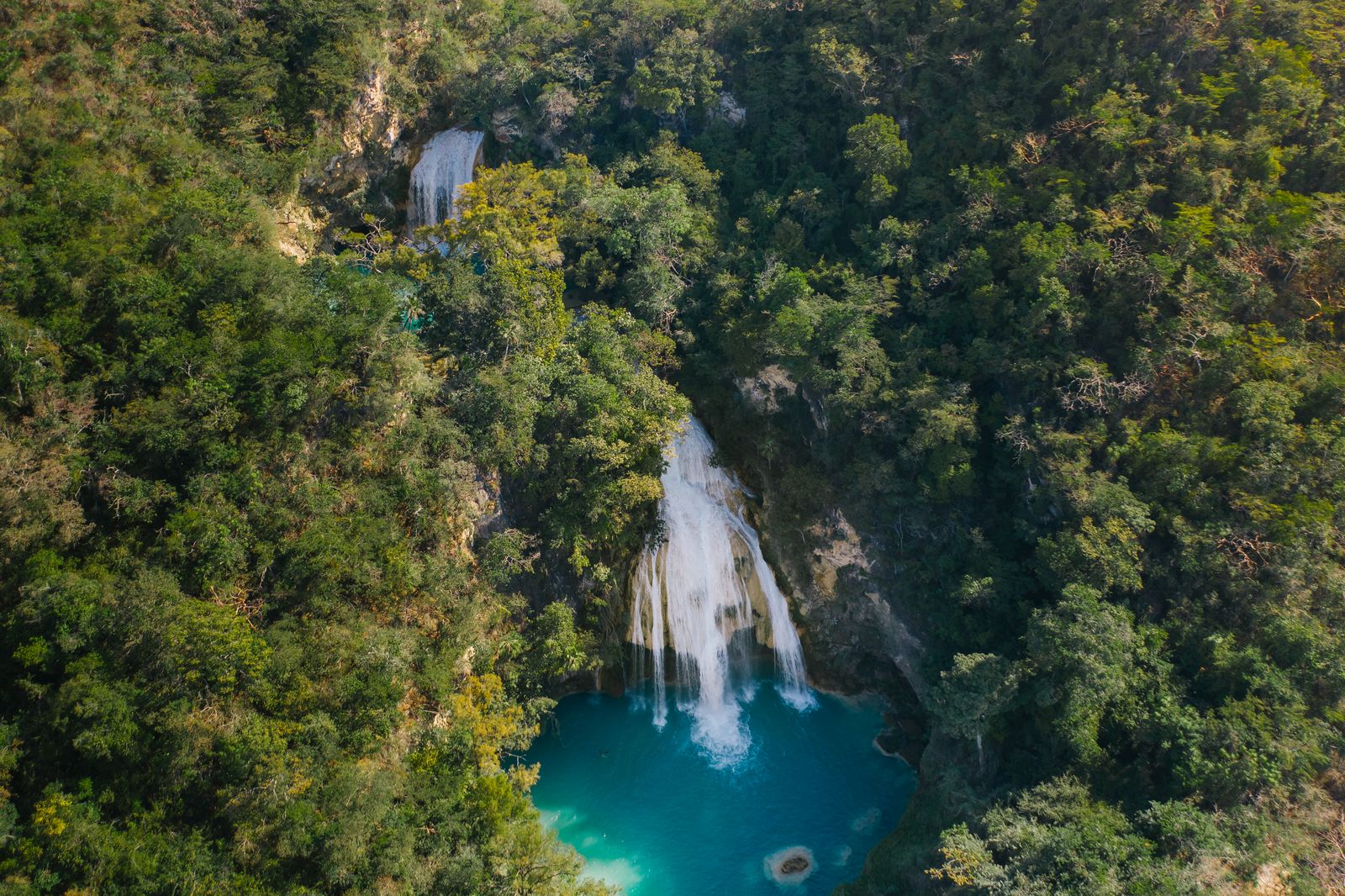
On the way to or from Montebello, stop at the El Chiflón waterfalls. Here the gorgeous, intensely turquoise San Vicente River forms a whole series of cascades, with a well-maintained trail leading uphill alongside them. Most people come for the main waterfall, Velo de Novia (Bridal Veil), which plunges from an imposing height of 120 metres.
The closer you get, the stronger the spray, so expect a proper soaking. The daring can pay for a zipline ride that runs right over the river — an absolutely fantastic adrenaline rush. Entry to the site costs around 80 MXN (about 4 €).
11. Have an Ice Cream in Chiapa de Corzo
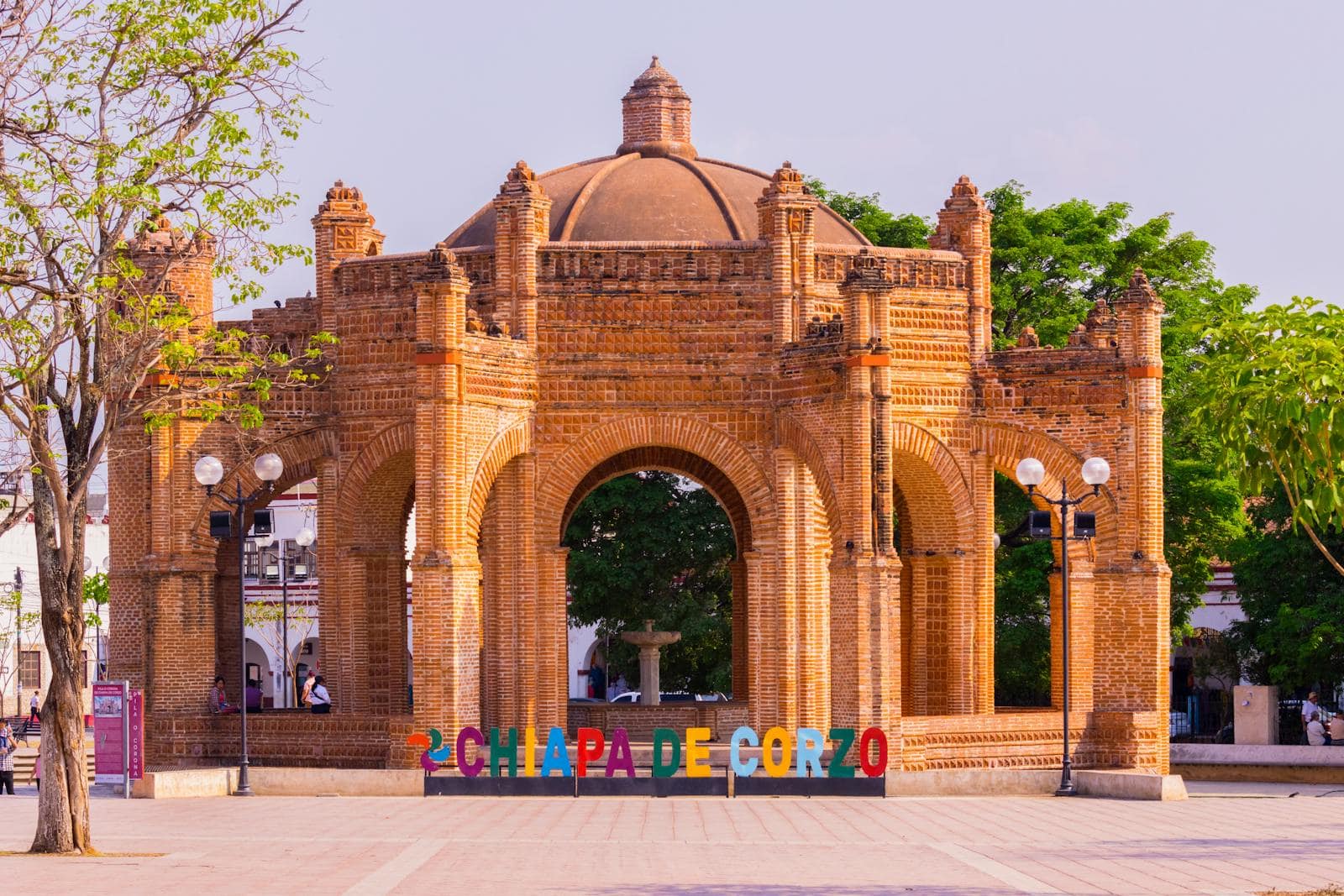
The little town of Chiapa de Corzo mostly serves as a boarding point for the boats into Sumidero Canyon, but it would be a shame to leave straight away. It’s one of the so-called Pueblos Mágicos (Magic Towns) and has an incredibly relaxed, sleepy atmosphere.
The square is dominated by an unusual brick fountain, La Pila, built in the Moorish style, which looks like an enormous crown. Shelter from the midday heat under the arcades and buy a traditional ice cream from the street vendors, or a refreshing pozol — a drink made from corn dough and cacao.
12. Climb the Tallest Pyramid at the Toniná Ruins
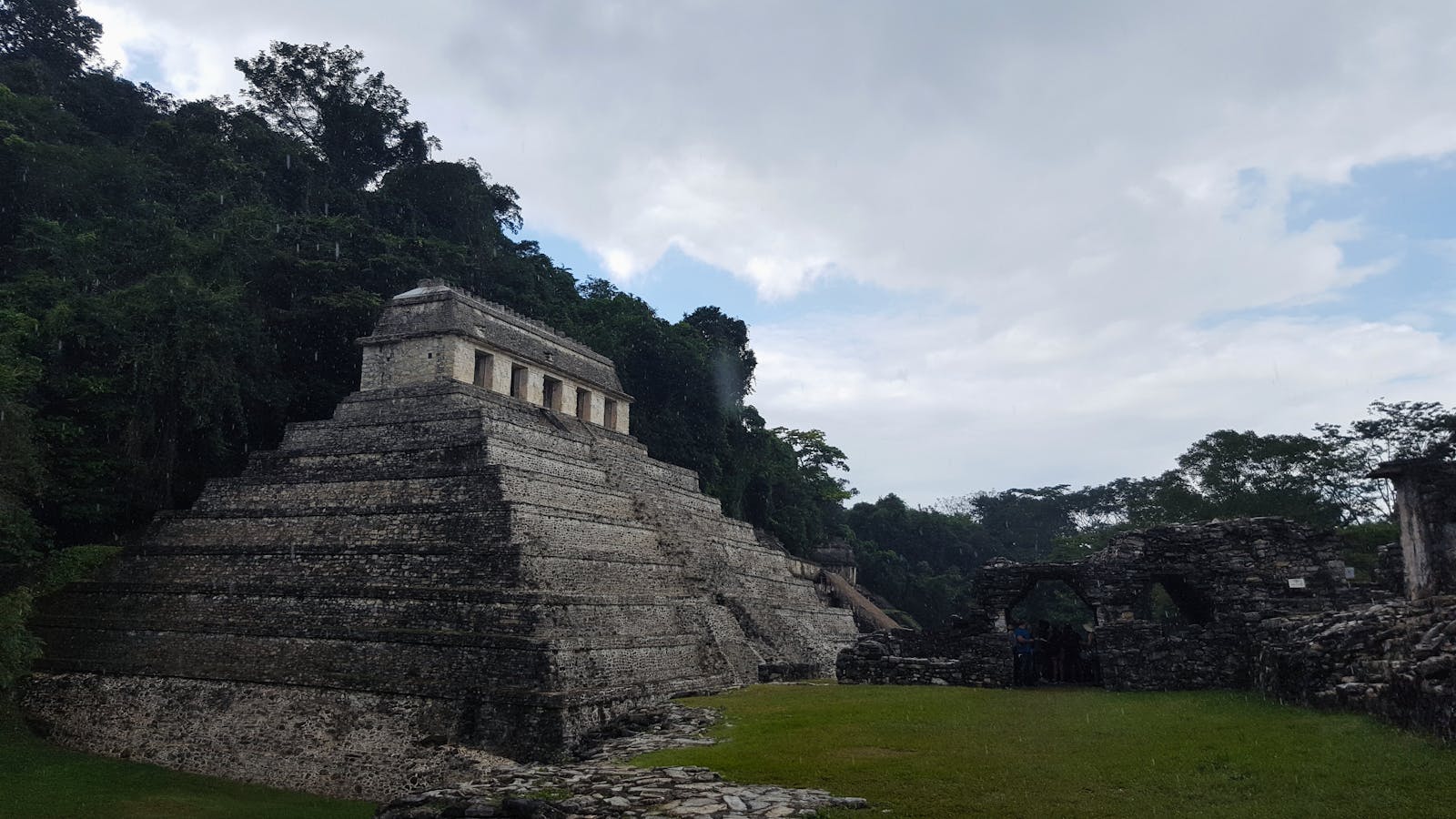
If you love history but can’t stand wading through crowds of people with selfie sticks, take a trip to the Toniná ruins near the town of Ocosingo. While Palenque is bursting at the seams, at Toniná you’ll often have the enormous stone structures almost to yourself.
The biggest highlight? There’s a vast acropolis built into a hillside which, at over 70 metres tall, is higher than the famous Pyramid of the Sun in Teotihuacán. And unlike many other Maya monuments in Mexico, you’re still allowed to climb this pyramid in many places and enjoy the view over the surrounding valley.
Map of points of interest for your phone
What to Eat in Chiapas (A Guide for Vegetarians)
Mexican cuisine may be full of meat, but thanks to a strong farming tradition and corn cultivation, Chiapas is very vegetarian-friendly. At every market you’ll find fresh fruit, fragrant herbs and mountains of cheese. Locals lovingly prepare traditional meat dishes like cochinita pibil or stewed pork ribs, but if you don’t eat meat, you won’t miss out on a thing.
Definitely try tamales chiapanecos. These corn parcels steamed in banana leaves (unlike the northern kind, cooked in corn husks) are absolutely perfect. They’re often filled with black beans (frijoles), local cheese or the chipilín herb, which has a distinctive, slightly earthy flavour.
For dinner in chilly San Cristóbal, sopa de pan (bread soup) will warm you up perfectly. It’s a rich broth with chunks of toasted bread, slices of plátano macho, a hard-boiled egg and spices. Just check beforehand in the restaurant that the broth is vegetable-based and not chicken (caldo de pollo).
And to drink? Chiapas produces some of the best coffee in the world, so lounging in cafés is essentially a cultural duty here. Also try hot chocolate made with water (often spiced with chilli or cinnamon), and in the evening have a shot of pox — a local spirit made from corn, wheat and sugarcane that will definitely get you back on your feet.
Practical Travel Tips: Transport and Safety
Chiapas is gorgeous, but the logistics here take a bit more planning than a trip to a resort on the Riviera Maya. The main challenges are the mountainous roads, the long distances and the occasional social unrest. Many travellers ask whether Chiapas, Mexico is safe — the short answer is that with a bit of common sense it absolutely is, but it pays to know a few things in advance.
How to get around: The most reliable and comfortable way to travel is by the huge long-distance ADO buses. They have air conditioning (often cranked up to freezing, so bring a jumper), a toilet and run on time. Tickets cost roughly 25 to 40 USD (around 23 to 37 €), and you’ll find the timetables on the official ADO website. For shorter distances to the surrounding villages, the so-called “colectivos” (shared vans) work brilliantly — they set off once they’re full.
Road safety and blockades: This is something to watch out for. Local protests are common in Chiapas, and villagers sometimes block the roads (known as bloqueos), stringing a rope across and collecting an unofficial “toll” of a few dozen pesos. It isn’t dangerous — you just need to pay and drive on. Experienced travellers therefore advise taking the ADO buses on the San Cristóbal to Palenque route. For safety reasons, the buses prefer the longer nine-to-ten-hour detour via the city of Villahermosa rather than risking the shorter but problematic Highway 199 through the mountains.
💡 Tip: If you rent a car, one absolute and unbreakable rule applies in Chiapas: never drive after dark. The roads aren’t lit, animals wander across them, potholes go unmarked, and the risk of being robbed rises at night. Always plan your journeys in daylight. For current safety information, you can check the official tourism website for the state of Chiapas.
Money and ATMs: In big towns and hotels you can pay by card without a problem, but at markets, waterfalls and in more remote villages cash is an absolute must. Withdraw Mexican pesos (MXN) from ATMs belonging to reputable banks (such as Santander, BBVA or Citibanamex), which you’ll find on the squares and inside branches — safer than street ATMs.
Where Next: Discover More Corners of Mexico With Us
If you have more time for Mexico and Chiapas is just one of your stops, definitely take a look at our other guides. From San Cristóbal it’s an easy hop to the neighbouring state, which is an absolute culinary paradise.
- We’ve put together an extensive guide on what to see in Mexico, with a roundup of the most beautiful spots from the Caribbean to the Pacific.
- If you want to experience the best food and traditions and taste real mezcal, don’t miss our article Oaxaca, Mexico: What to See and Do.
- And if your mouth is already watering, get in the mood with our big overview of Mexican cuisine.
You can book trips to Sumidero Canyon, Palenque and the waterfalls on GetYourGuide.
Frequently Asked Questions
Is traveling around Chiapas safe for tourists?
Yes, Chiapas is safe for regular tourists as long as you follow basic rules. Don’t walk around in the dark through deserted streets, avoid night bus rides on secondary roads, and respect local traditions. Tourists aren’t targets for potential cartel conflicts or local protests.
Do I need malaria medication for Chiapas?
Although Palenque and the jungle lie in the tropical zone, malaria isn’t a common problem here and antimalarials aren’t generally recommended because they have strong side effects. A quality repellent containing DEET, long sleeves for the evening, and a mosquito net if you’re sleeping in cheaper huts are more than sufficient.
How much does a boat trip to Sumidero Canyon cost?
The boat ride itself costs roughly 300 to 400 MXN (€15 to €20) per person. If you’re buying an organized tour from San Cristóbal that includes transport by van and a stop at viewpoints, expect to pay around 600 to 800 MXN (€30 to €40).
Can you pay with US dollars in Chiapas?
In some hotels and more expensive agencies they’ll accept dollars, but the exchange rate will be very unfavorable. It’s always better to have enough Mexican pesos in cash on you, especially for paying park entrance fees, at street stalls, and in villages like Chamula.
How long does the journey from San Cristóbal to Palenque take?
If you’re taking the safe route with ADO buses via Villahermosa, the journey takes roughly 9 to 10 hours. The shorter route through the mountains (highway 199) takes around 5 hours, but there are often delays due to blockades and it’s not recommended for evening travel.
Can I take photos of local people in the villages?
Never take photos of people without their explicit permission, especially when it comes to indigenous inhabitants and children. In the village of San Juan Chamula, photography inside the church is absolutely taboo, and outside always ask first – they often expect a small tip of 10 to 20 pesos (around €0.50-€1) for a photo.
What clothing to pack for a trip to Chiapas?
The key is layering. For the Mayan ruins in Palenque, you’ll need the lightest shorts and t-shirt, because it’s incredibly hot and humid there. On the other hand, in the mountains in San Cristóbal, you’ll appreciate a warm sweater, long pants, and a light windbreaker in the evening and early morning.
Tips and Tricks for Your Vacation
Don’t Overpay for Flights
Search for flights on Kayak. It’s our favorite search engine because it scans the websites of all airlines and always finds the cheapest connection.
Book Your Accommodation Smartly
The best experiences we’ve had when looking for accommodation (from Alaska to Morocco) are with Booking.com, where hotels, apartments, and entire houses are usually the cheapest and most widely available.
 🚗 Car rental on the roadVerified rental cars in Mexico
Search with the DiscoverCars comparison engine — it compares prices from dozens of local and international rental companies, and most bookings come with free cancellation.
Compare car prices in Mexico →Don’t Forget Travel Insurance
Good travel insurance will protect you against illness, accidents, theft, or flight cancellations. We’ve had a few hospital visits abroad, so we know how important it is to have proper insurance arranged.
Where we insure ourselves: SafetyWing (simple monthly subscription) and TrueTraveller (for extra-long trips).
Find the Best Experiences
Get Your Guide is a huge online marketplace where you can book guided walks, trips, skip-the-line tickets, tours, and much more. We always find some extra fun there!