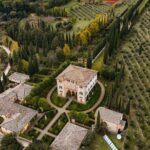
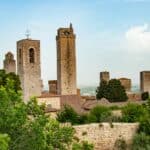
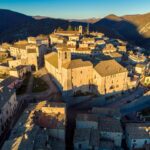
Lucca is the largest town in Tuscany, yet most tourists on their way to the Leaning Tower in Pisa just breeze straight through without even stopping. And trust me, they are making a huge mistake. While neighbouring Pisa is often just a quick stop for one iconic photo, Lucca in Italy is a town where life is wonderful, and it breathes an amazing calm without the endless crowds of camera-wielding visitors.
When Lukáš and I were cycling through Tuscany in August 2018 as part of our electric-bike trip around Europe, Lucca won us over the moment we arrived. Its huge advantage is a completely preserved Renaissance ring of walls, which you can ride around on a bike beneath the crowns of towering plane trees. And when you already have your bikes with you, it is simply an ideal town for a stop.
So what awaits you in Lucca? I’ll tell you where to buy tickets, how to avoid the queues for the towers, and I’ll throw in a few food tips that are not worth skipping.
TL;DR
- Cycling the walls: Lucca has a 4.2 km preserved ring of walls that you ride around by bike. Renting one costs around €11 and it’s the best activity in town.
- Towers with trees and legends: Don’t miss Torre Guinigi with its seven oaks on the roof, or the taller Torre delle Ore, where there are far fewer tourists.
- A combined ticket saves money: For the San Martino cathedral (home to the famous tomb of Ilaria del Carretto), buy the €10 ticket, which also covers the bell tower and the museum.
- Piazza dell’Anfiteatro: A unique oval square built on the foundations of a Roman amphitheatre, ideal for an afternoon coffee.
- Watch out for the festivals: At the end of October the giant Lucca Comics & Games festival takes place, when the town bursts at the seams. In summer 2026, on the other hand, you can head to the lake for the Puccini Festival.
- Foodie tips: Try the sweet buccellato bread with anise and raisins, or the vegan chickpea flatbread cecina, sold here as street food.
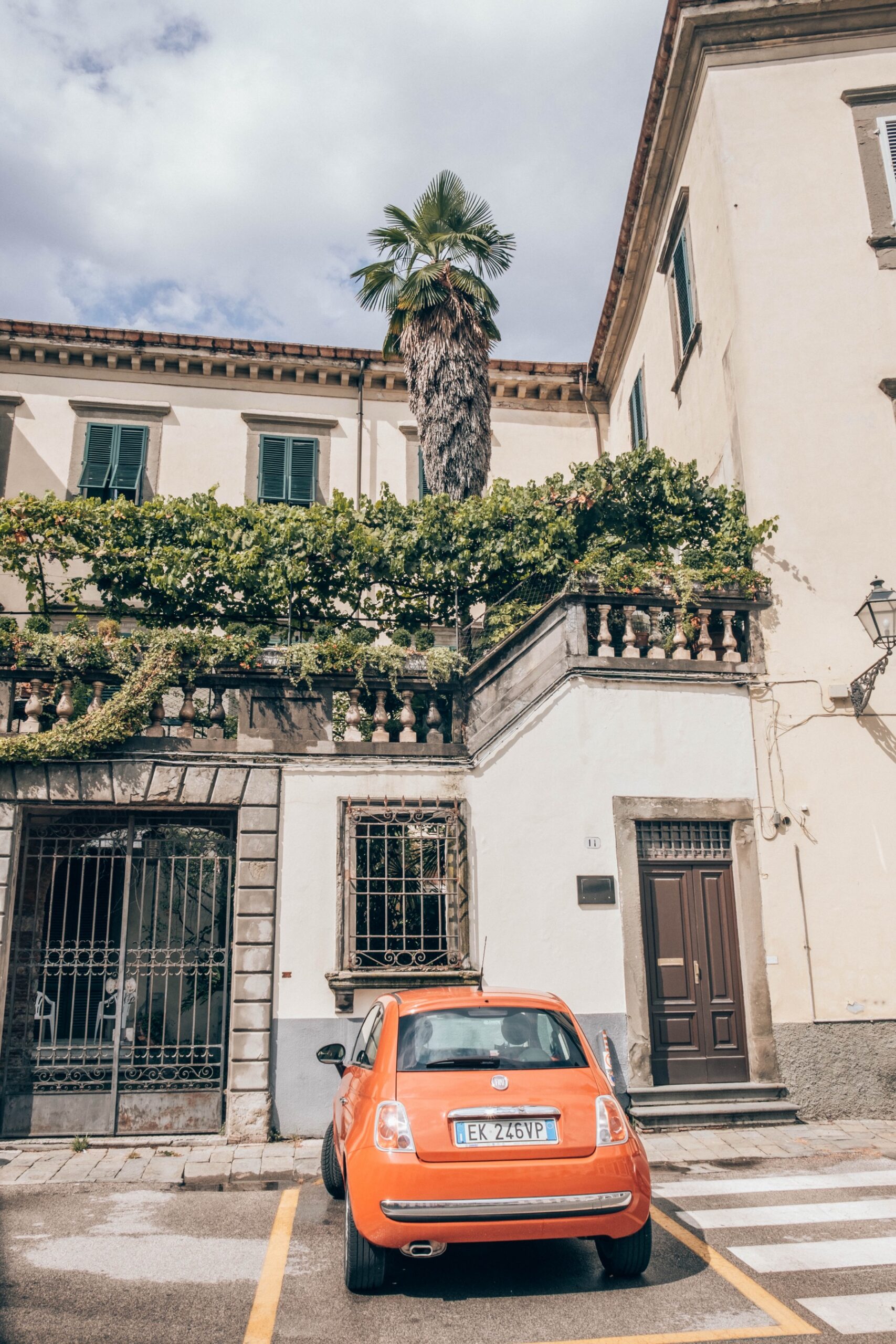
The full destination guide: Tuscany — guide and what to see
When to visit Lucca — the weather in Lucca, Italy
The very best time to visit is the spring months from April to June, and then September and October in autumn. Temperatures during this period sit at a very pleasant 20 to 25 degrees, so wandering around the town is a joy. The main advantage is that the crowds are just right — you won’t be squeezed into narrow alleys or have to wait in long queues outside the sights. On top of that, the Tuscan countryside is beautifully fresh and green in spring.
If you can only travel during the summer holidays in July and August, be aware that Tuscany can get seriously hot. Lucca’s advantage, though, is that huge trees grow on the walls and provide plenty of merciful shade. Thanks to them, it’s far more bearable here than on the endless sun-baked squares of Florence. In summer the famous Puccini Festival also takes place by a nearby lake, which is a huge draw for lovers of classical music and well worth a little sweat.
A very particular time is the end of October, when the giant Lucca Comics & Games festival takes place. If you’re coming to town for history and romantic calm, give this date a very wide berth. During these days the centre is absolutely packed to bursting and accommodation prices soar to astronomical heights. In winter, by contrast, there’s a wonderful calm here and magical morning mists. For a winter visit you just need to check the opening hours in advance, because some private palaces and gardens tend to be closed off-season.
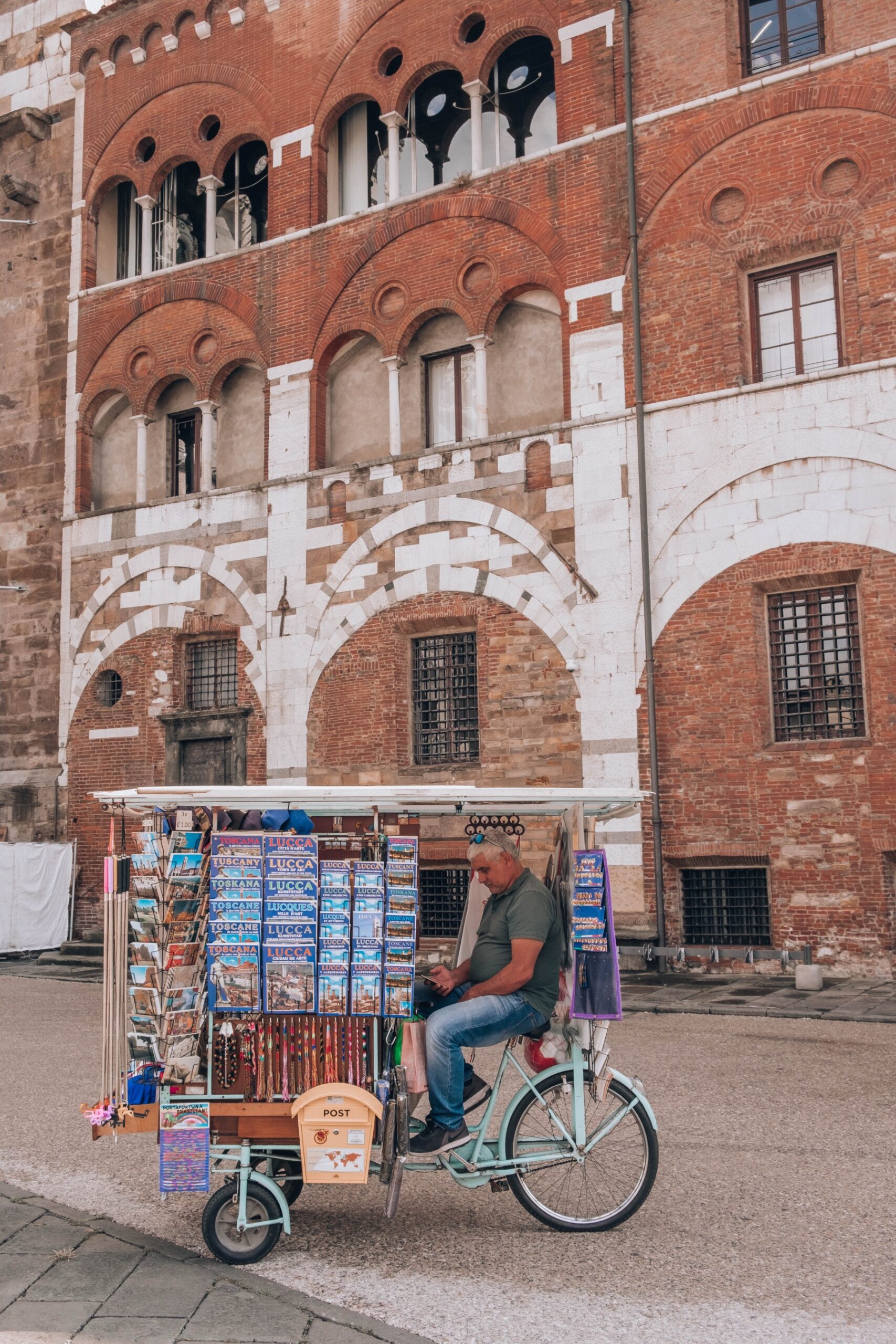
Where to stay in Lucca
💡 Tip for accommodation and experiences: We prefer to look for accommodation on Booking.com, which tends to have the best cancellation terms. Tickets, tours and activities are then worth comparing and buying through GetYourGuide.
The historic centre is carefully protected by the walls, and there’s a so-called ZTL (limited traffic zone), which you’re not allowed to drive into by car without a special permit. So if you’re travelling by car, it’s absolutely crucial to choose a hotel with its own parking, or to stay just outside the walls and walk into the centre. Fines from the camera system unerringly find their way to your home address abroad. We always use Booking to search for accommodation, where you can easily filter hotels with their own car park.
For lovers of luxury and beautiful design, I can recommend Albergo alla Corte degli Angeli, a gorgeous boutique hotel right in the heart of town. The rooms are beautifully decorated, some even with their own hot tub, and best of all they offer guests parking. Another great choice inside the walls is Hotel Palazzo Alexander, housed in a carefully restored historic building from the 12th century. Guests often rate it in reviews as absolutely the most luxurious accommodation for the price. You could also try the popular Hotel Ilaria, where after a full day of walking you’ll be delighted by the lovely terrace with a hot tub and the incredibly welcoming staff.
If you’re after something highly practical because you’re arriving by your own car and mostly want peace and quiet, take a look at Hotel San Marco. It sits just a short distance outside the walls, has its own pool for a summer refresh and hassle-free parking. Thanks to that, you’ll completely avoid the stress of driving into the narrow alleys of the old town. For families or travellers with a larger vehicle, the spacious Best Western Grand Hotel Guinigi is also a great fit, where even really big cars can park without any problem.
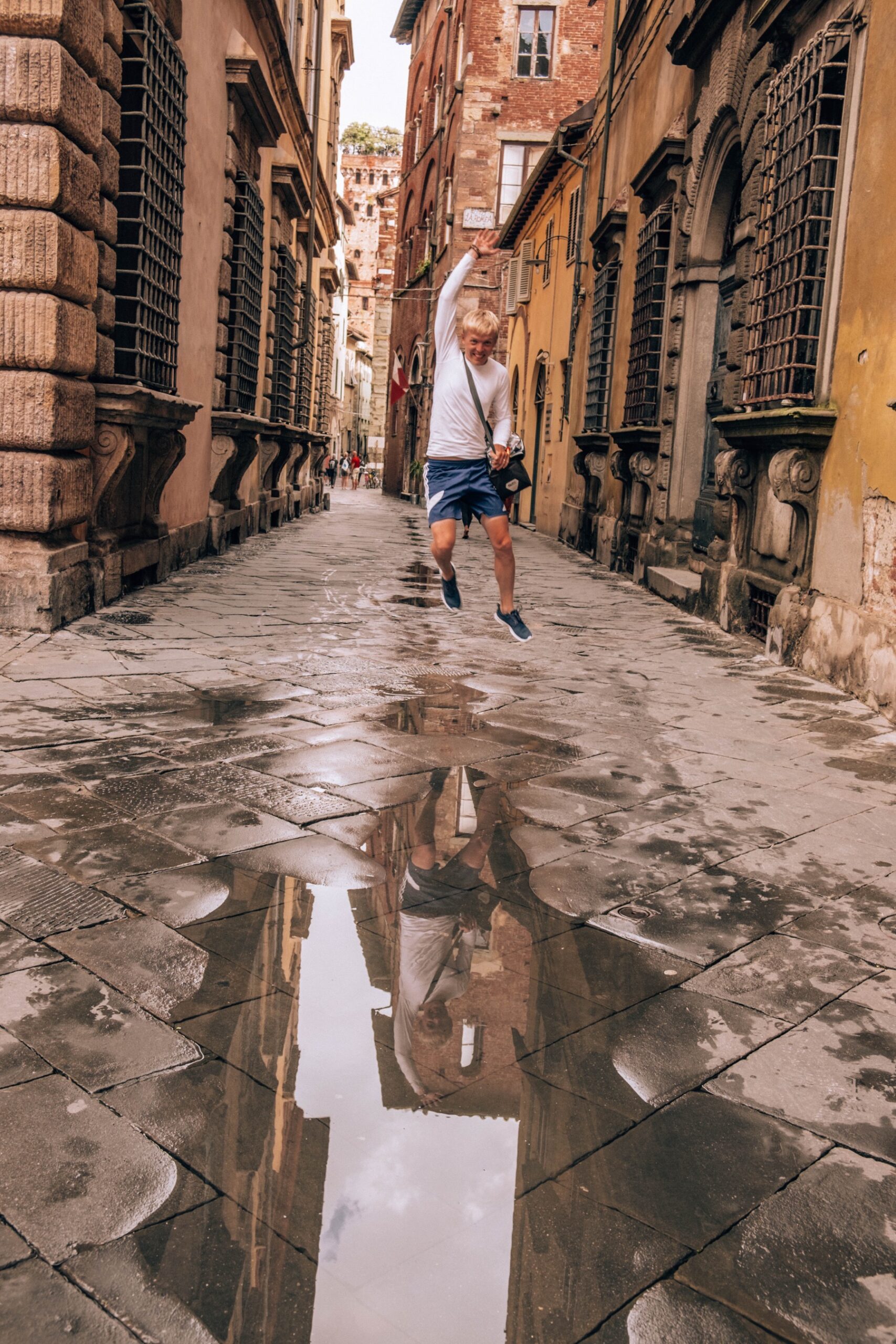
22 things to see and do in Lucca
And now for the best part. This Tuscan gem hides more than you’d expect, so I’ve picked out tips ranging from the very best-known spots to corners most tourists miss. I’ll also throw in practical advice on how to save on entrance fees or where to hide from the biggest crowds.
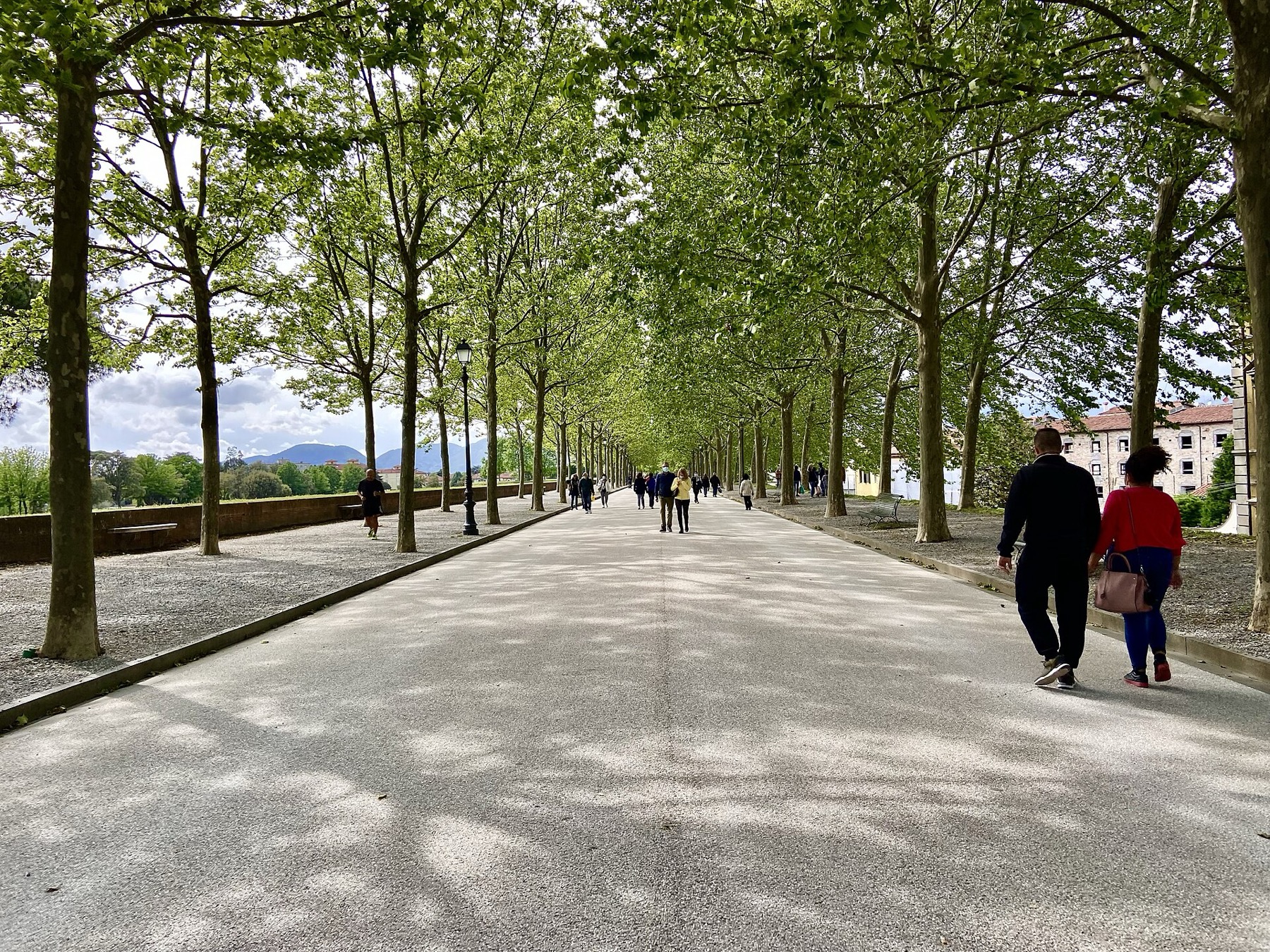
1. The walls of Lucca (Mura di Lucca)
This is an absolute one-off that makes the town what it is. The Renaissance fortifications were built between 1504 and 1648, and it’s incredible that they’ve survived in perfectly intact condition around their entire perimeter, exactly 4.22 kilometres long. The walls were never taken militarily, and the only attack they had to repel was, paradoxically, a huge flood of the River Serchio in 1812. Locals hastily sealed them off and successfully saved the town from the rising water.
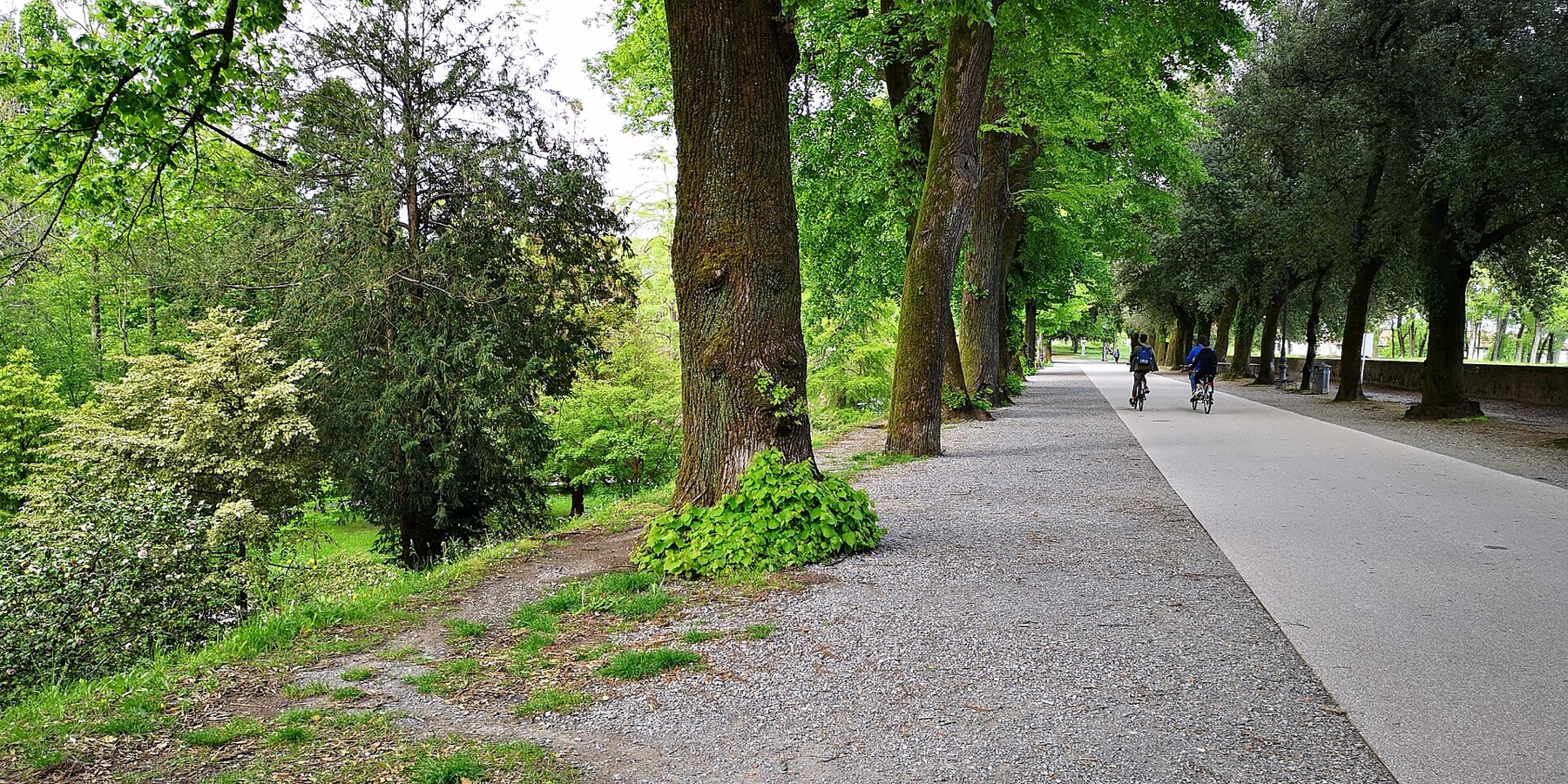
Today this massive space with eleven bastions serves as an enormous park lined with plane trees, oaks and chestnuts. A huge advantage is that the whole area is accessible 24 hours a day and completely free. When we were riding here on our electric bikes, we were fascinated by how wide the top of the walls is. In places it reaches up to thirty metres across, so pedestrians, dog walkers and cyclists can all pass one another in complete peace.
If you want to take away the best photos, I recommend coming here early in the morning. The eastern and northern sections of the walls have the loveliest light in the morning sun, and they open up gorgeous views towards the silhouette of the Apuan Alps. By the afternoon it tends to get quite busy, because half the local residents come here to exercise after work.
2. Rent a bike and circle the town
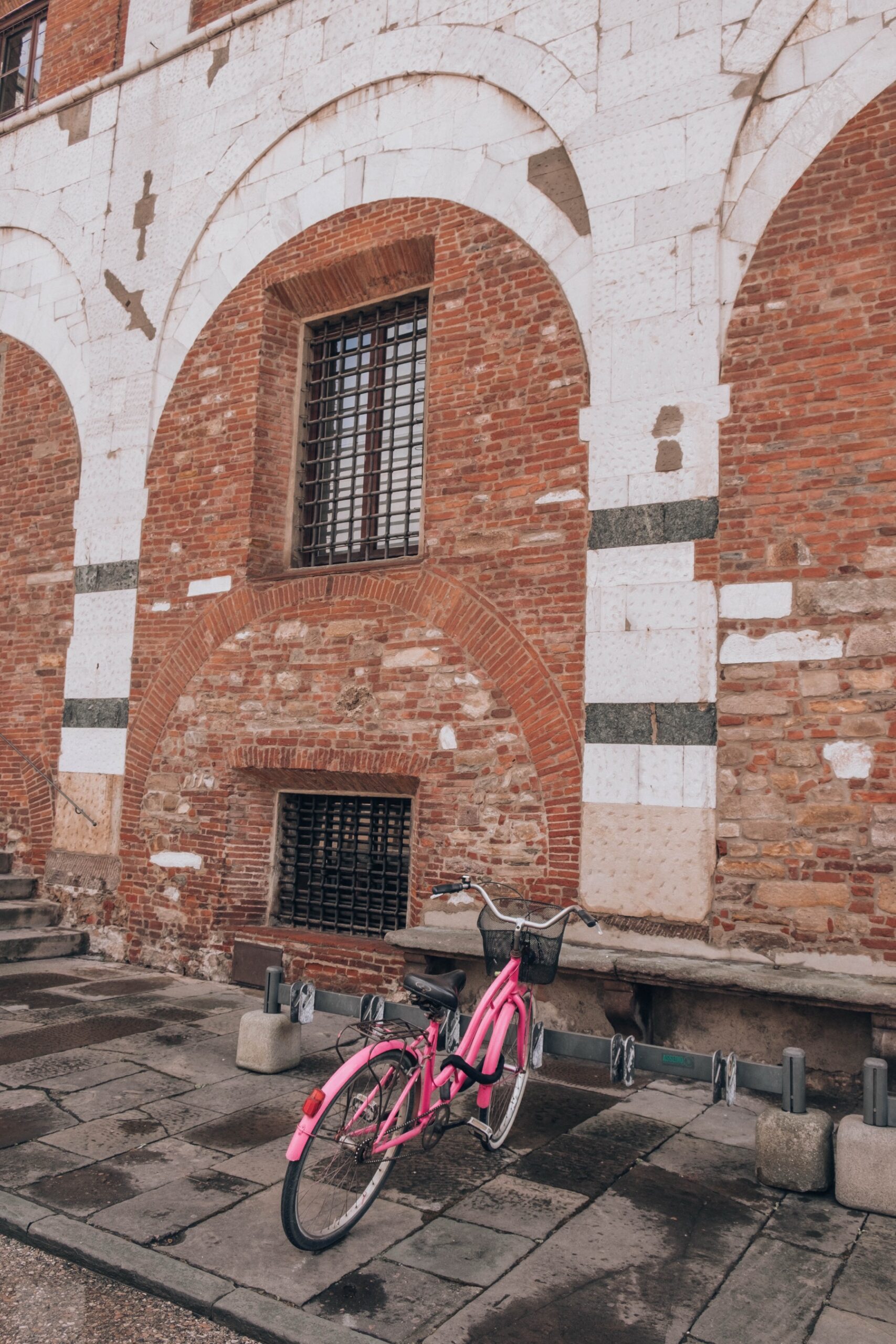
If you come to Lucca, renting a bike is simply an absolute must, even if you only spend half a day here. The whole loop is exactly 4.2 kilometres, and at a leisurely pace you’ll ride around it in roughly thirty to forty-five minutes. With photos, coffee stops and soaking up the views, though, set aside a good couple of hours. It’s a wonderful way to relax, and thanks to the dense tree canopies you can ride even in the summer heat, because you’re constantly in the shade.
You’ll find rental shops around town very easily, and the best-known ones are right by the Porta San Donato and Porta Santa Maria gates. You can rely on established outfits such as Cicli Bizzarri or Poli Antonio Biciclette. Prices start at a friendly €11 (around 275 CZK) for a full day’s rental of a classic city bike.
Through platforms like GetYourGuide you can also book shorter one- or three-hour options if you happen to be in a hurry. Most rental shops offer a huge range of equipment, so it’s no problem to get a modern e-bike or a sturdy trekking bike either. That’ll come in handy especially if you’re planning to ride out beyond the gates towards the historic villas in the countryside.
3. The ideal family activity with kids
You often ask me for tips on travelling with small children, and Lucca is an absolutely brilliant destination in this respect. Riding along the wide walls is completely flat, there are no cars whatsoever, and the path is nice and open. So you don’t have to worry about your little ones running under the wheels of passing scooters, which is a common source of stress in other Italian towns.
The local rental shops routinely have safe child seats, small bike trailers and children’s bikes of every imaginable size available. It’s probably the best family activity in all of Tuscany, because the kids get to burn off energy in the fresh air while you calmly take in the historic sights from a bird’s-eye view.
Around the walls you’ll also find plenty of grassy areas where you can have an improvised picnic or let the kids run free for a while. Now and then you’ll come across small playgrounds tucked away in the shade of the trees. And if you promise the little ones a big scoop of proper Italian gelato on the nearby main street as a reward, they’ll ride the whole loop around town with you without a single complaint.
4. Torre Guinigi with oaks on the roof
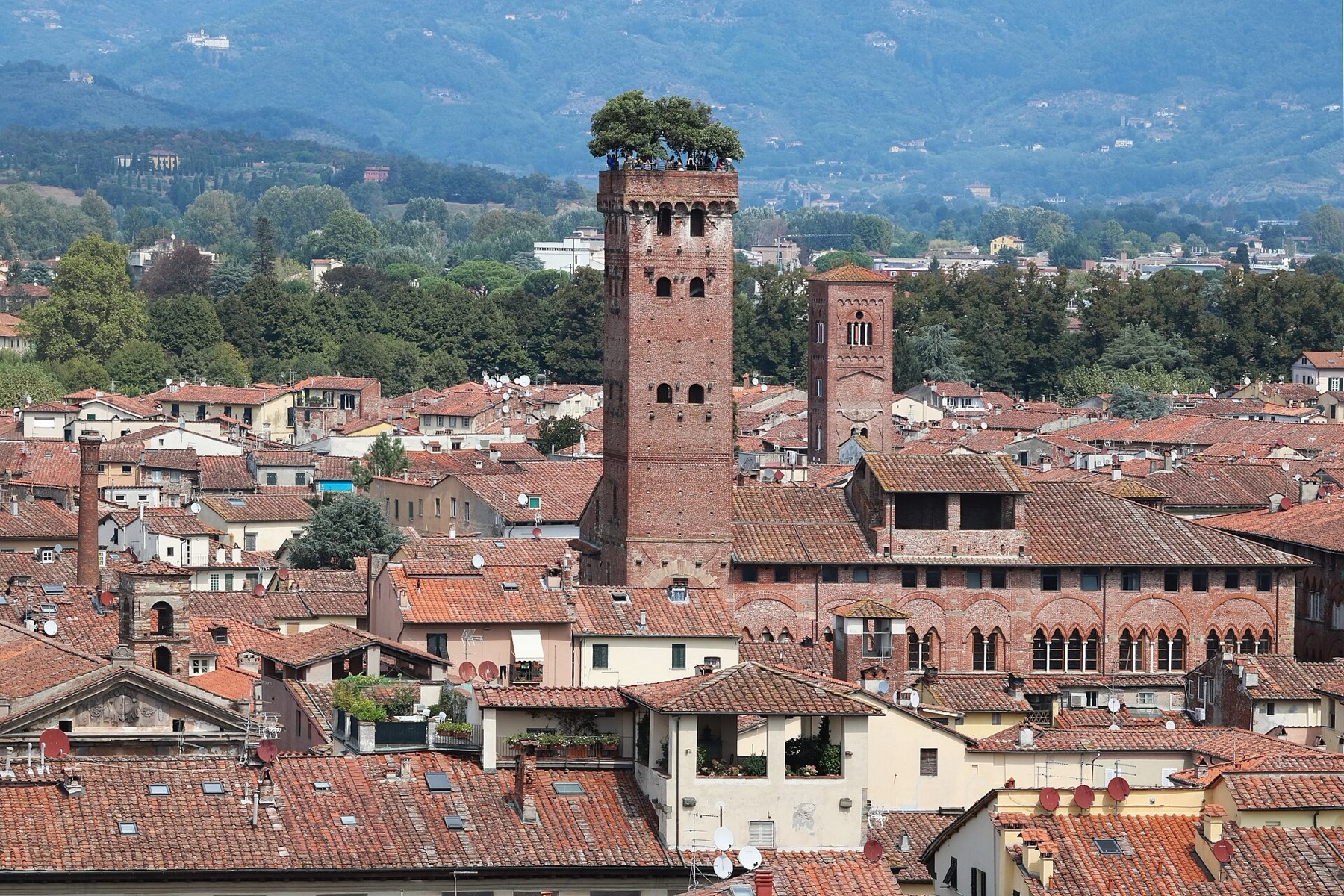
This forty-five-metre brick tower is an absolutely unmistakable symbol of the town, because seven mighty holm oaks grow right at its very top. This unique hanging garden dates all the way back to the fourteenth century, and you probably won’t see anything like it anywhere else in the world. The trees, planted in deep troughs of soil, have bravely withstood wind and summer heat for hundreds of years.
Be prepared, though, that there’s no lift to the top and you’ll have to climb 233 wooden steps on your own two feet. But the view over the town’s red roofs through the green crowns of the oaks is absolutely worth the effort. Entrance in 2026 is €8 (approx. 200 CZK) for adults and €4 for children under fourteen.
This tower is by far the most-visited attraction in Lucca, so in high season expect queues — it’s best to arrive right at opening time in the morning or wait until late afternoon. Online ticket sales do exist, but travellers complain a lot about the website, so brace yourself and count on buying your ticket on the spot.
5. Torre delle Ore and the legend of Lucida
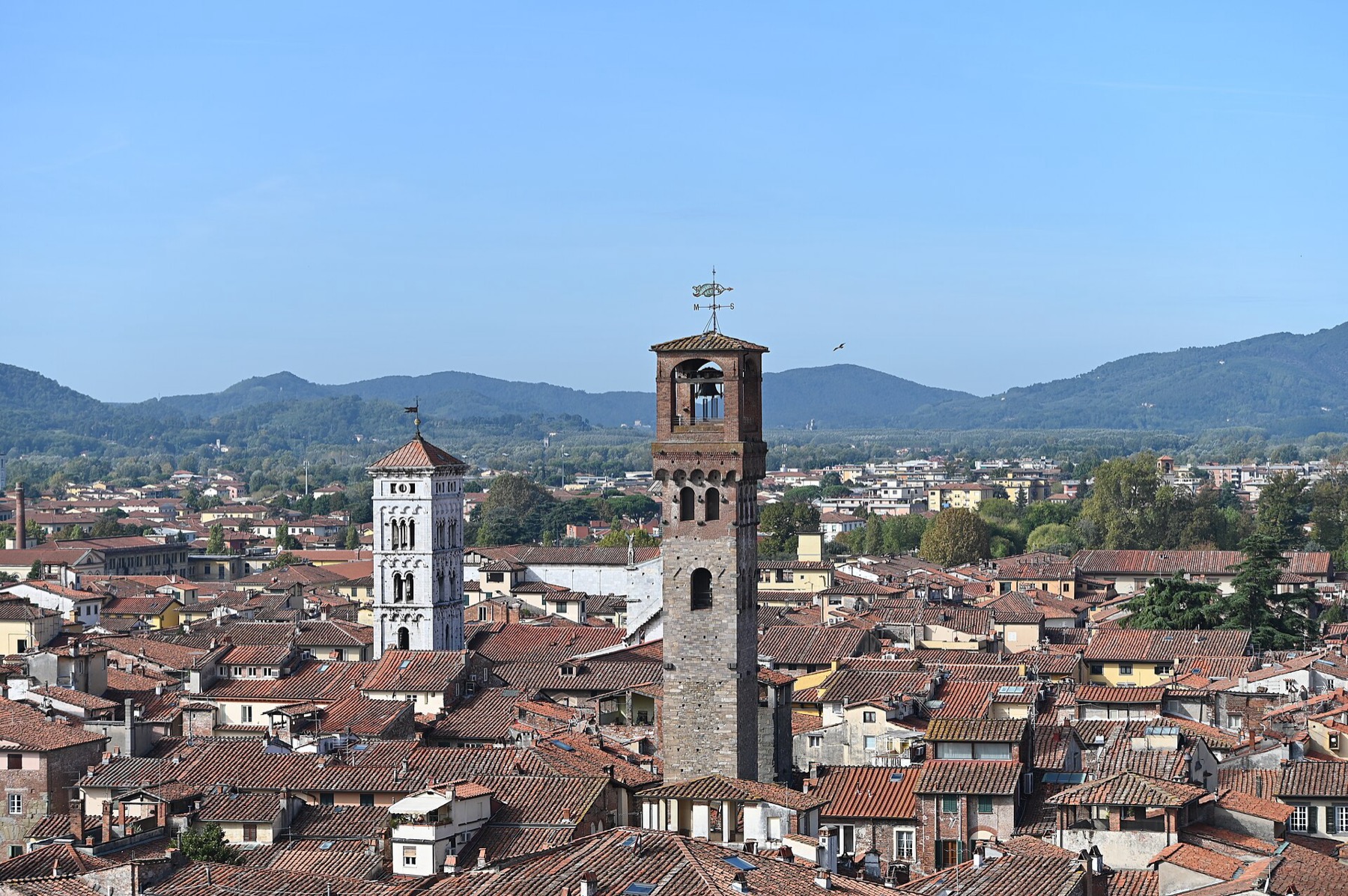
If you don’t like being squeezed into crowds, or simply want to save precious time, the Clock Tower from 1390 is often a much better choice than the more famous Guinigi. Few people know that it’s actually the tallest tower in the whole town. About two hundred steps await you at the top, and there tend to be far fewer tourists here than at the tower with the trees, something many travellers gratefully highlight in their reviews.
This place is also linked to a chilling local legend about the beautiful noblewoman Lucida Mansi. She is said to have sold her soul to the devil himself in exchange for thirty years of perfect youth and beauty. As her time drew near and the deadline was about to expire, she ran in a panic up the tower to stop the hands of the clock. Sadly she didn’t make it in time, and according to the legend the devil carried her off with him to hell.
If you want to see both historic towers and compare the views, be sure to buy the good-value combined ticket for €9 (225 CZK) right at the box office. It’s definitely worth it, because the difference compared with a single tower is just one euro. You can then invest the money you save with a clear conscience in an excellent Italian espresso on one of the nearby little squares.
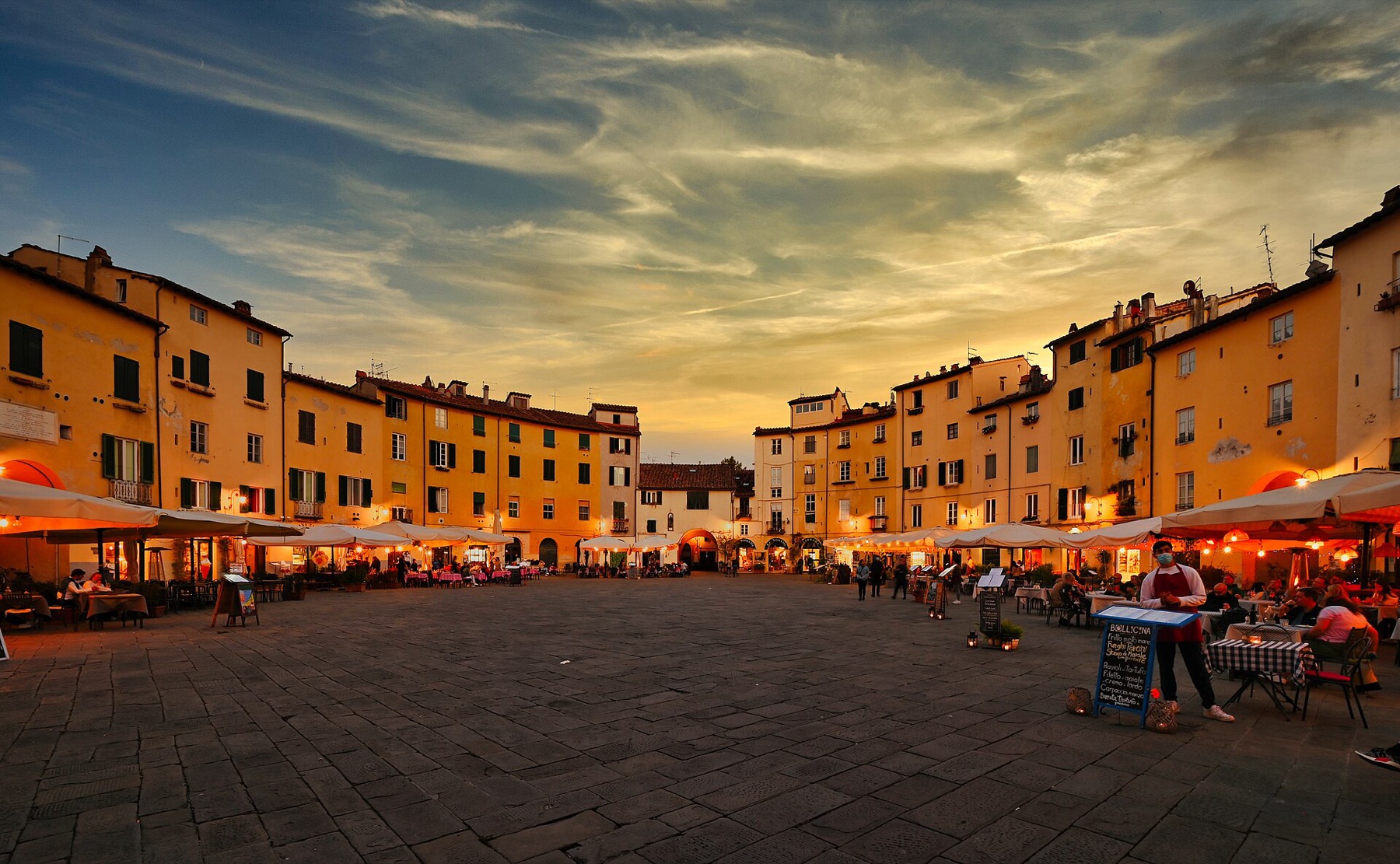
6. The oval Piazza dell’Anfiteatro
This iconic square will surprise you at first glance with its perfect oval shape, which precisely traces the outline of a Roman amphitheatre from the second century. During the dark Middle Ages, local residents began building their houses directly into its mighty stone arches. So from the original gladiatorial arena, all that remains to this day is this stunning and unusually shaped open space.
Today the square is enclosed on all sides by tall, colourful houses with green shutters, and you can only get inside through four fairly narrow passageways. With more than thirty-three thousand reviews on Google, it’s easily the most-visited and most-photographed spot in all of Lucca. You’ll find dozens of small tables under parasols here, practically inviting you to sit down.
Given the enormous popularity of the spot, though, expect the restaurants right on the square to have somewhat inflated tourist prices. That’s why I’d advise you to just enjoy an afternoon coffee or a refreshing Aperol Spritz here in peace and soak up the unique atmosphere. For a big lunch or a romantic dinner, it’s worth heading a few streets further away, where you’ll get incomparably better and more authentic Italian quality for your money.
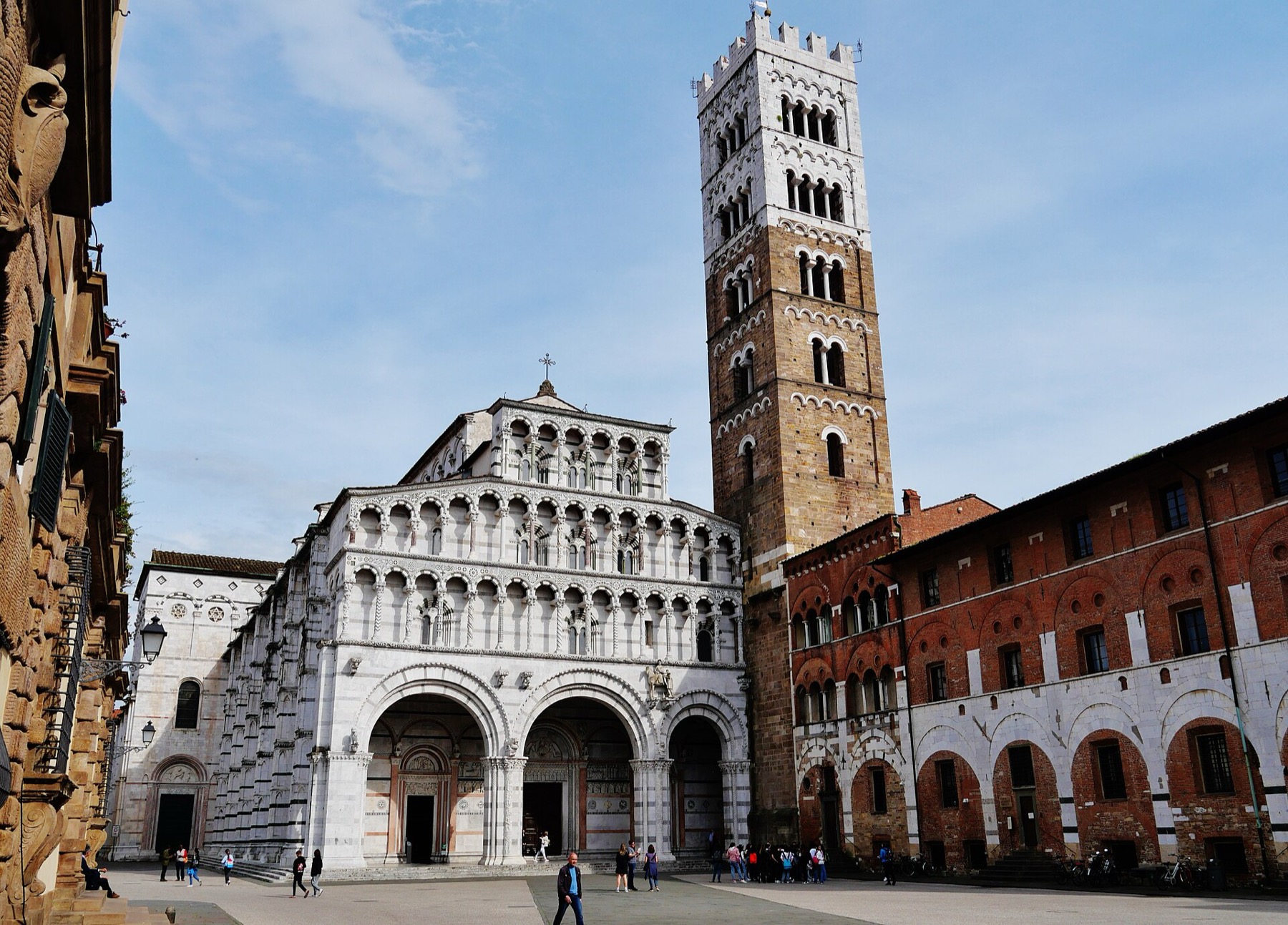
7. Duomo di San Martino and the famous crucifix
The town’s stunning cathedral will grab your attention at first sight with its asymmetrical Romanesque facade. It consists of three tiers of richly decorated arcades, where every single column is completely different. You might notice that its right side is oddly narrower, because the builders simply had to give way to the already-standing mighty bell tower. Inside you’ll find an absolute treasure in the form of an ancient wooden crucifix named the Volto Santo.
According to old church tradition, the face of Christ on this cross was carved by Nicodemus himself, and historians consider it one of the oldest surviving crucifixes in the whole of the West. In the Middle Ages it was such an important relic that crowds of pilgrims flocked to it, and even English kings came to swear solemn oaths on its name. The cathedral itself is open Monday to Saturday from 9:30 a.m. to 6:00 p.m. and on Sundays from noon.
Entry to the cathedral and the tomb alone costs €5 (125 CZK), but I warmly recommend buying the big combined ticket right away. It works out at €10 (250 CZK) and gets you not only into the cathedral but also up the adjacent viewing bell tower, into an interesting museum, and into the neighbouring church of San Giovanni with its archaeological zone. Children and students under 25 pay a reduced €8.
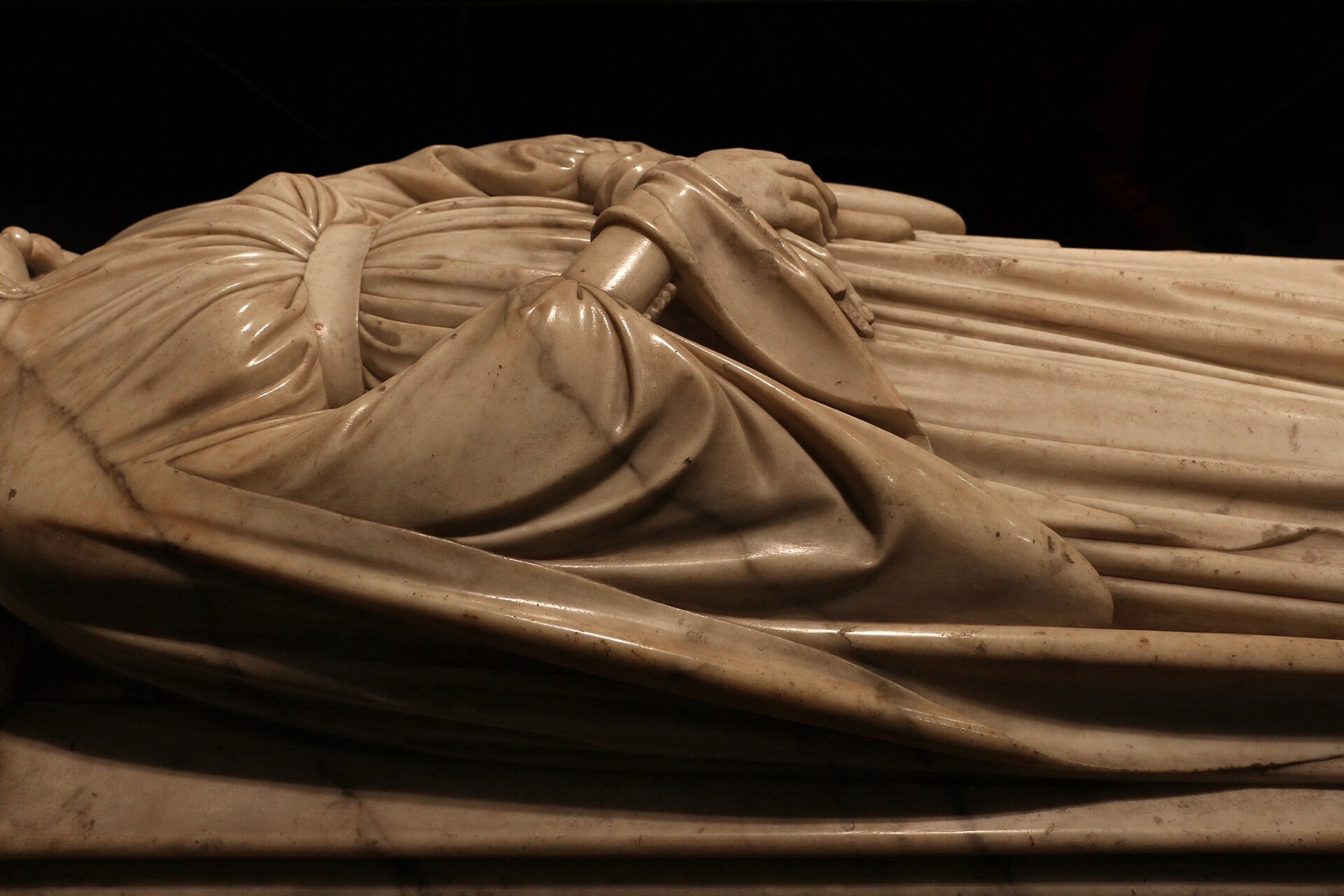
8. The beautiful tomb of Ilaria del Carretto
This is exactly the kind of thing people from all over the world regularly travel to Lucca for, if they love history and art. For Lukáš and me, who are fond of Renaissance sculpture, this was something we simply didn’t want to miss. This stunning tomb of a young noblewoman was created between 1406 and 1408 by the famous master Jacopo della Quercia, and it’s one of the most beautiful works of the entire Italian Renaissance.
The young woman lies here carved from marble with such delicacy that it looks as though she’s simply sleeping peacefully, and at her feet rests a little dog as a deeply touching symbol of marital fidelity. The details of her dress and the pillow beneath her head are worked to absolute perfection. You’ll find the piece in the cathedral’s sacristy, and access to it is already included in that basic five-euro ticket to the church.
Ideally, though, come here right at opening time in the morning. At that hour you’ll avoid the organised groups with guides, and inside you’ll find beautiful silence and complete calm to study the details. Reviewers on Google often mention that the morning light falling through the sacristy windows lends the white marble an almost magical, warm glow.
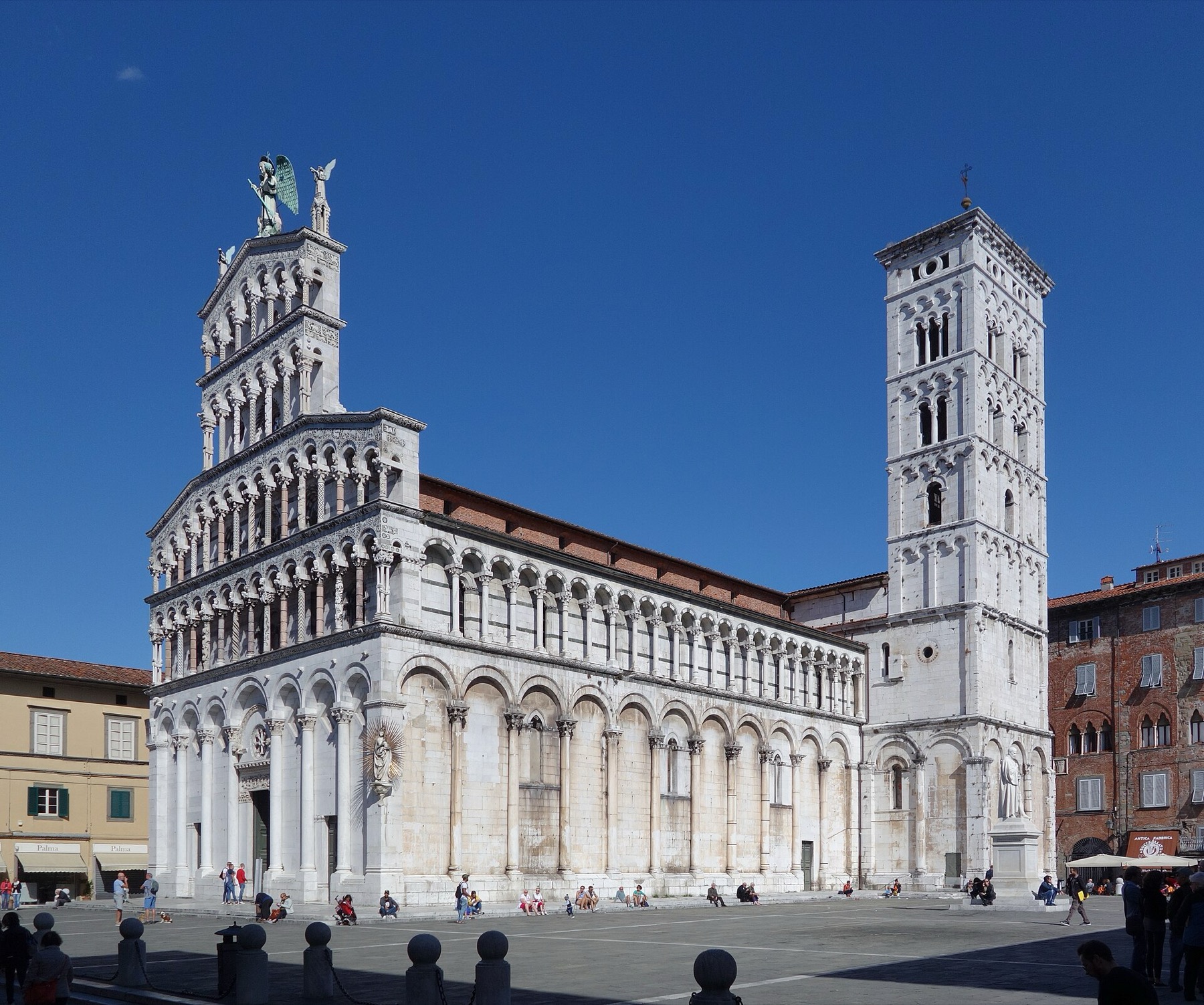
9. San Michele in Foro and the angel on the roof
This gorgeous, photogenic church stands right on a large square that in ancient times used to be a busy Roman forum. Its white marble facade is absolutely stunning, with four tiers of richly decorated arcades, and right at the top reigns a huge statue of the Archangel Michael with majestic metal wings that are said to move slightly in the wind.
A great curiosity is that if you stand a little to the side and look at it in profile, you’ll discover that the front facade is actually much taller than the body of the church behind it. The original plans envisaged the whole church being significantly rebuilt and raised over time to match its grand frontage. Unfortunately the town ran out of money during construction, so all that remained of the grandiose project is this dazzling but partly false “backdrop”.
Despite that, it’s one of the most-photographed places in all of Lucca. Inside the church itself the atmosphere is rather austere, but you’ll find a rare painting by Filippino Lippi and a stunning majolica relief by the famous Andrea della Robbia. Around the church there are also plenty of benches where you can rest and endlessly examine the details of the columns, no two of which are quite the same.
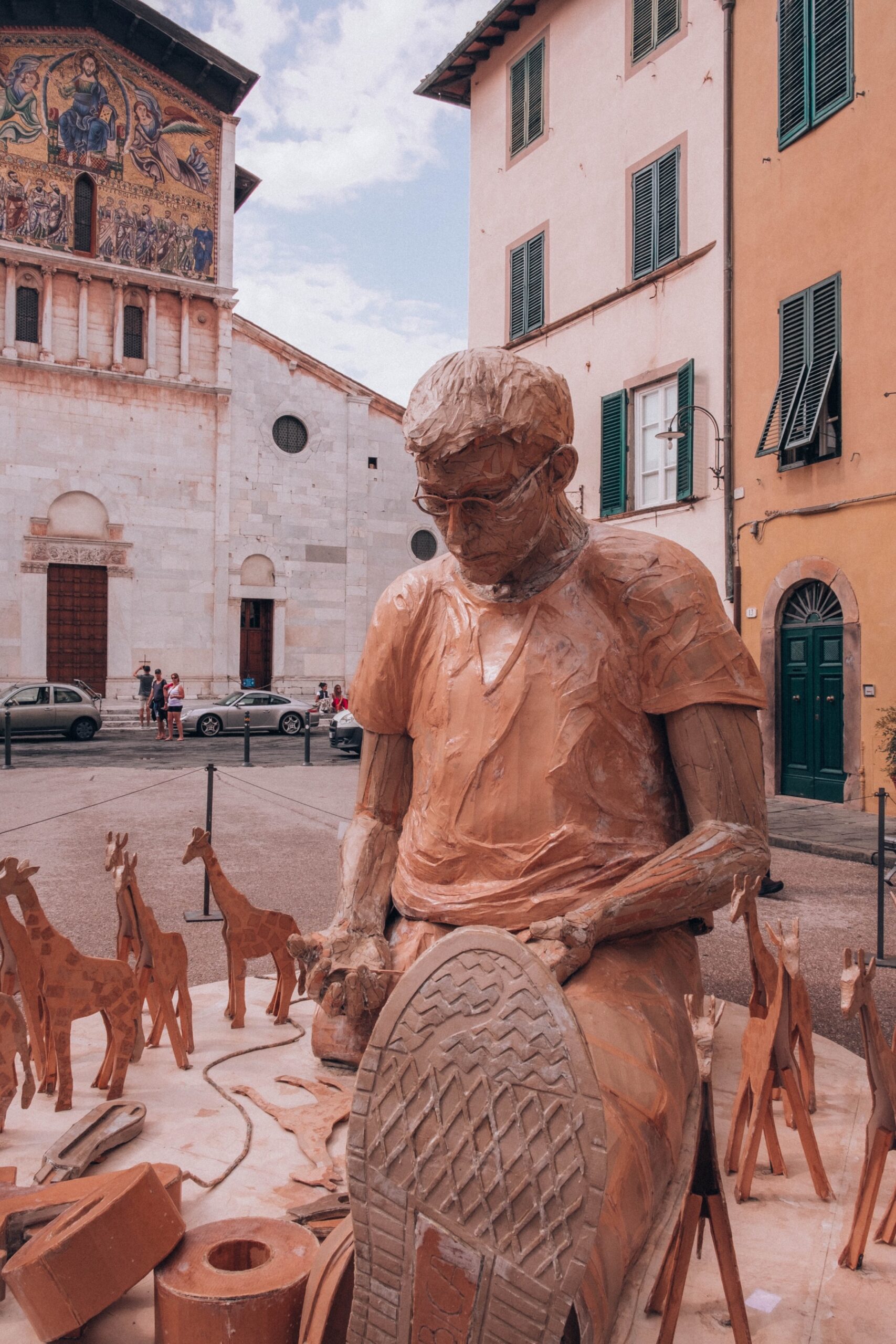
10. Basilica di San Frediano and the golden mosaic
Just a short walk from the northern section of the walls you’ll find another hugely important basilica, which differs from all the others in town by one very striking feature. It’s the only one in all of Lucca that has, on its facade, an enormous golden mosaic depicting the Ascension of Christ, dating from the thirteenth century. When the setting sun hits it, the whole facade blazes beautifully with colour.
Inside, right by the entrance, a massive and richly decorated Romanesque baptismal font from the 12th century awaits you. But far more attention is drawn to the glass casket in which lies the naturally mummified body of Saint Zita, the beloved patron saint of all servants. She died in the 13th century, and her intact remains still fascinate the faithful and ordinary tourists alike to this day.
Overall it’s a very impressive and surprisingly quiet place with an amazing atmosphere. Unlike the central cathedrals, not as many organised tours come here, so you can rest pleasantly in the cool dimness. And entry is free, which in Italy these days is certainly not a given 😊
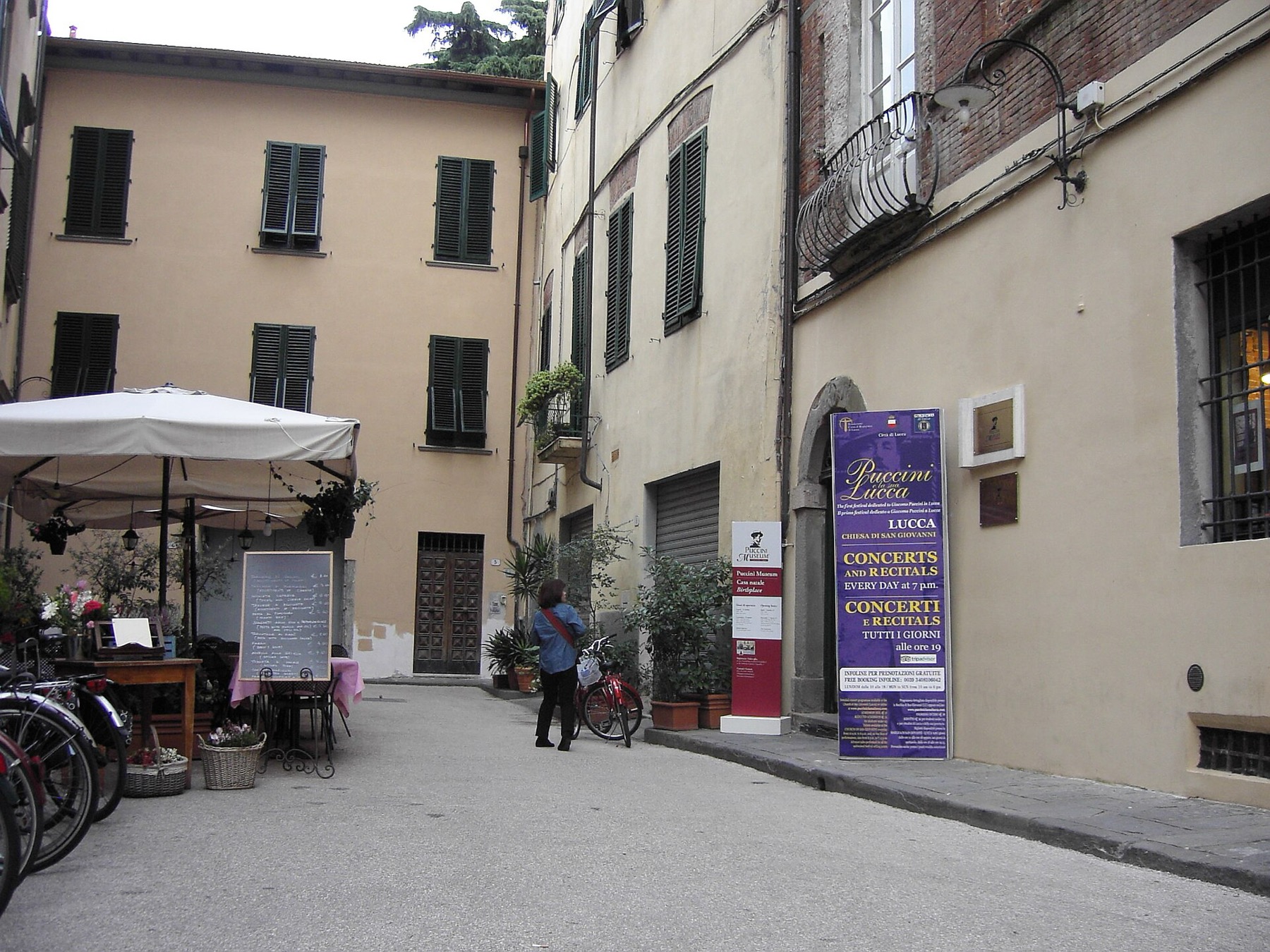
11. The birthplace of Giacomo Puccini
Lucca is world-famous as a city of music, and above all thanks to one single person. It was here, on 22 December 1858, that one of the most famous and best-loved opera composers of all time, Giacomo Puccini, was born. His birthplace apartment on the second floor of an unassuming historic building right in the centre of town today serves as a beautifully restored museum (Casa Natale).
Inside you’ll see plenty of authentic family photographs, handwritten letters and rare autographs of his early compositions. But the greatest jewel of the tour is the original Steinway & Sons piano, on which Puccini provably composed his famous opera Turandot. For fans of classical music, this place has an almost sacred atmosphere.
Entry to the museum currently costs €7 (approx. 175 CZK), with students or seniors over 65 paying just €5 and children under six going in completely free. If you love his arias, I recommend keeping an eye on the programme of the local churches, especially San Giovanni. For practically the whole year, evening chamber concerts of Puccini’s most famous melodies take place there, and they’re absolutely breathtaking.
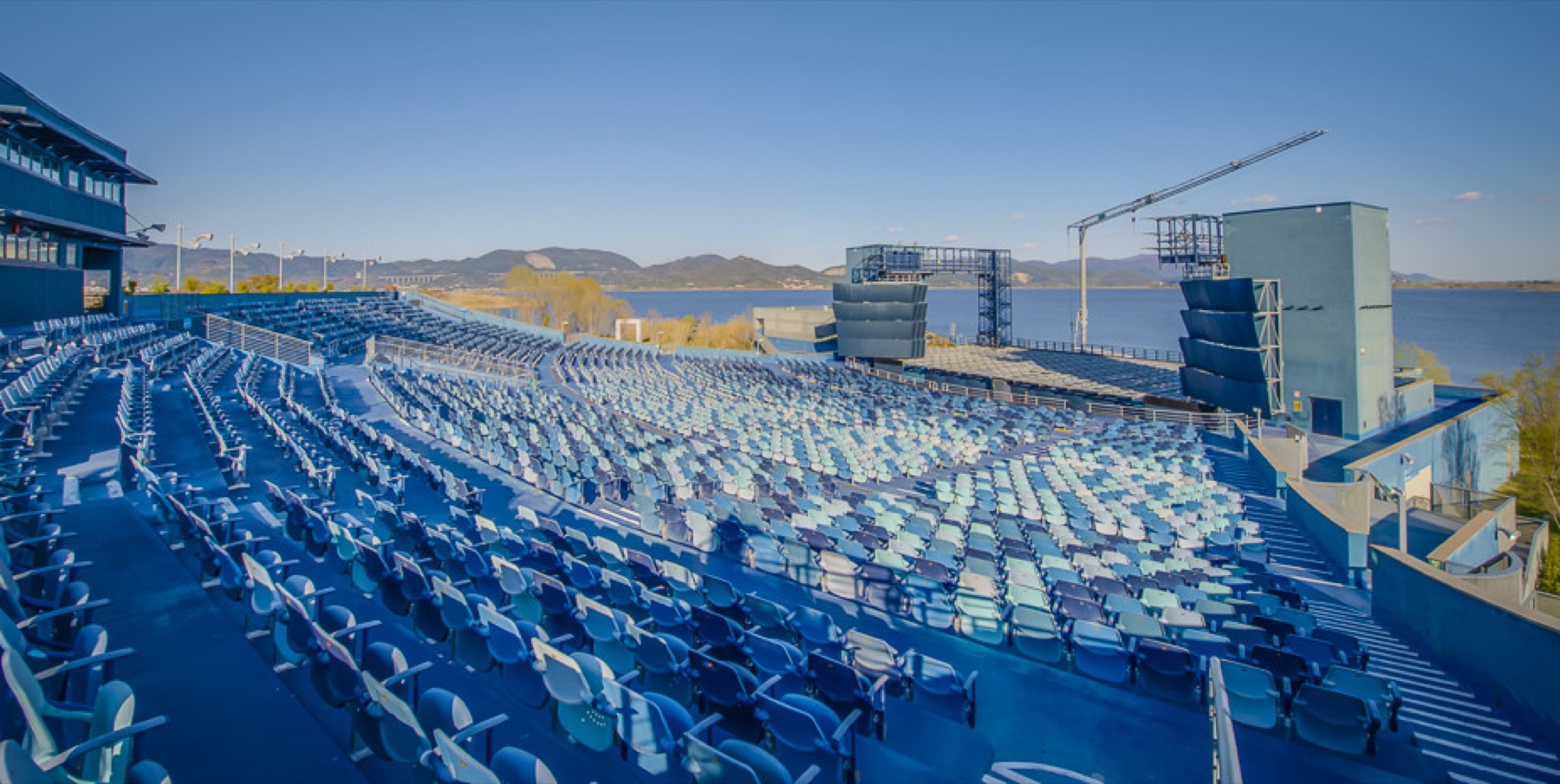

12. The Puccini Festival in Torre del Lago (2026)
If you’re heading to sun-drenched Tuscany in the middle of summer, it would be a huge shame to miss the musical event of the year. About 25 kilometres from Lucca lies the picturesque Lake Massaciuccoli, where Puccini spent a large part of his life and where he’s also buried. And it’s right there, in the huge open-air Gran Teatro all’Aperto under the open sky, that a world-famous opera festival takes place.
In 2026 it’s the 72nd edition, running on set dates from 11 July to 5 September. Imagine sitting by the calm surface of the water, breathing the balmy summer air, with the most beautiful Italian arias sung by top performers ringing out around you. Travellers describe it as an experience you’ll never forget for the rest of your life, even if you’re not a die-hard opera fanatic.
Tickets can be bought online through the official website puccinifestival.it or through the TicketOne network. Prices range roughly from a reasonable €19.50 for standing to a luxurious €195 for the best VIP seats near the stage. Tickets vanish fairly quickly, so if you want a specific performance like Madame Butterfly or Tosca, secure them at least a few months in advance.
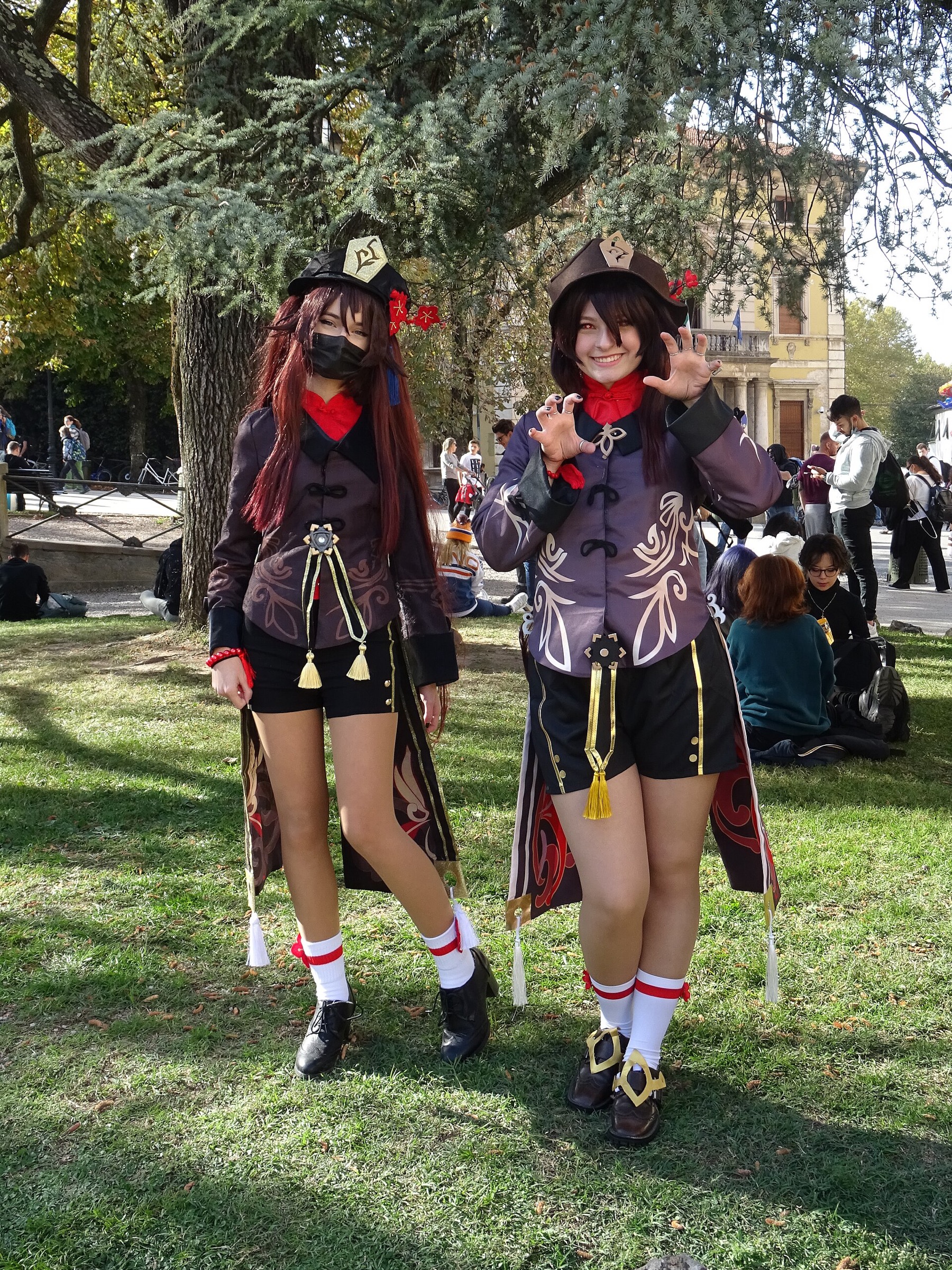
13. Warning: Lucca Comics & Games 2026
This is an absolutely essential practical piece of information that can either make your dream come true or, on the contrary, completely ruin a romantic holiday. Every year Lucca hosts one of the biggest festivals of comics, games and pop culture in all of Europe, which in 2026 falls on the dates from Wednesday 28 October to Sunday 1 November. On top of that, the event takes place right in the streets of the historic centre.
Perhaps hundreds of thousands of people descend on the town, over 700 exhibitors set up shop, and the streets are full of enthusiasts in elaborate cosplay costumes from morning till night. If you’re coming to Lucca for calm sightseeing and romance, definitely don’t come during this period. The town is practically impassable, accommodation costs multiples of the usual prices, and the cafés are bursting at the seams.
If, on the other hand, you love the festival and want to experience the incredible atmosphere, you’ll need to secure your accommodation and tickets (which cost around €20 to €22) as much as three quarters of a year in advance. Good-value early bird ticket sales usually take place in summer. Many visitors then opt for a compromise and prefer to sleep in nearby Pisa or Viareggio, commuting to the festival on packed trains.
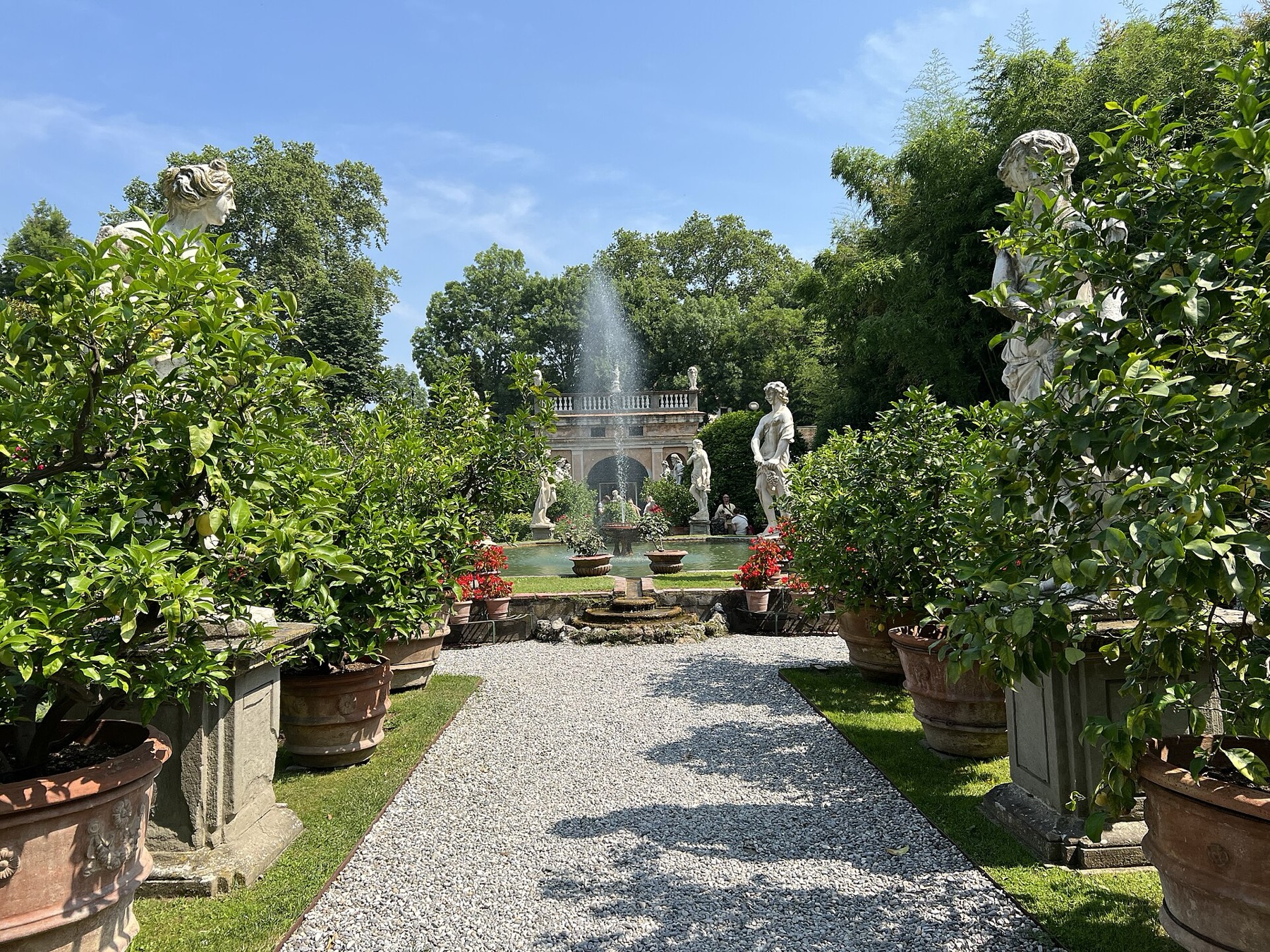
14. The Baroque Palazzo Pfanner
As you stroll along the northern part of the walls, you’ll surely be captivated by the stunning view down into a beautiful, symmetrical garden. It belongs to the grand Baroque Palazzo Pfanner and is full of ornate stone statues, carefully trimmed shrubs, fragrant citrus trees in terracotta pots and little pools with fountains. It works as a perfect oasis of quiet in the middle of town.
The garden and the adjacent palace rooms are open seasonally, usually from 15 March to 31 December, from 10:00 a.m. to 6:00 p.m. The rough entrance fee ranges between €8 and €10 (approx. 200 to 250 CZK). It’s a popular spot for weddings and fashion shoots, because the combination of greenery and Baroque architecture is simply irresistible to photograph.
The opening hours often change slightly over the course of the year, though, and occasionally the area is closed precisely because of private events. That’s why I strongly recommend checking the current status on their official website before you set off to the gate, so you’re not disappointed by closed doors. You’ll see a large part of it from the walls, but strolling right among the fountains is a better experience after all.
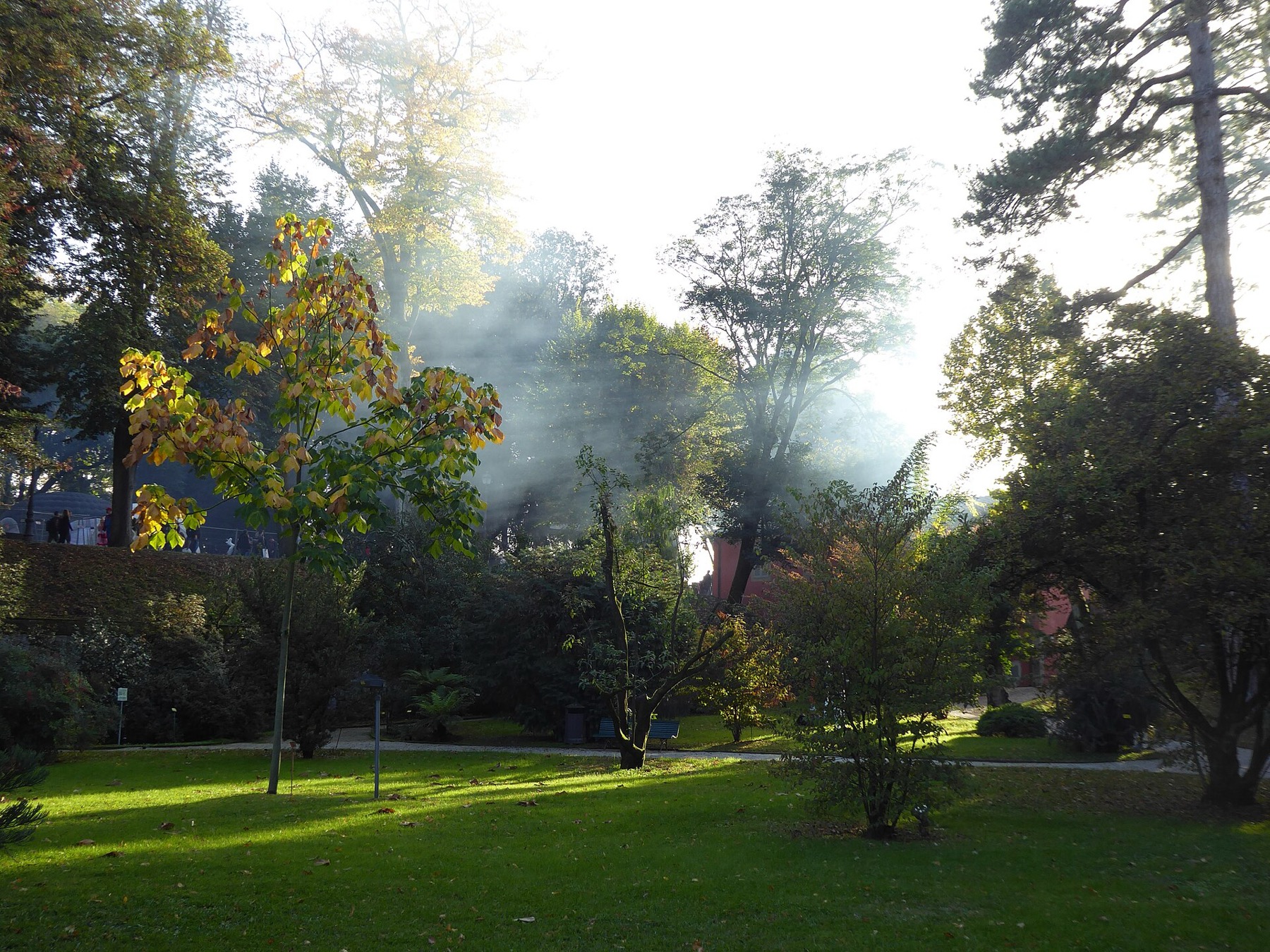
15. Orto Botanico by the walls
Another gorgeous green oasis, this time tucked away in the south-eastern corner of town right by the walls, is the municipal botanical garden founded at the start of the 19th century. It’s a perfect place for a moment of absolute calm and shade, if you’ve simply had enough of the sun-baked cobbled streets and the constant weaving between other tourists in the centre.
For a symbolic entrance fee (roughly €4 to €6), inside you’ll find a carefully tended collection of rare plants, a small pond full of water lilies and historic greenhouses that are worth seeing.
With children you can sit for a while on a bench, look at the interesting labels and just soak up the peaceful atmosphere of a sleepy Italian afternoon. It’s not a huge area to fill half a day, but as an hour-long break before another round of sightseeing, or before an evening visit to a restaurant, this garden works absolutely fantastically.
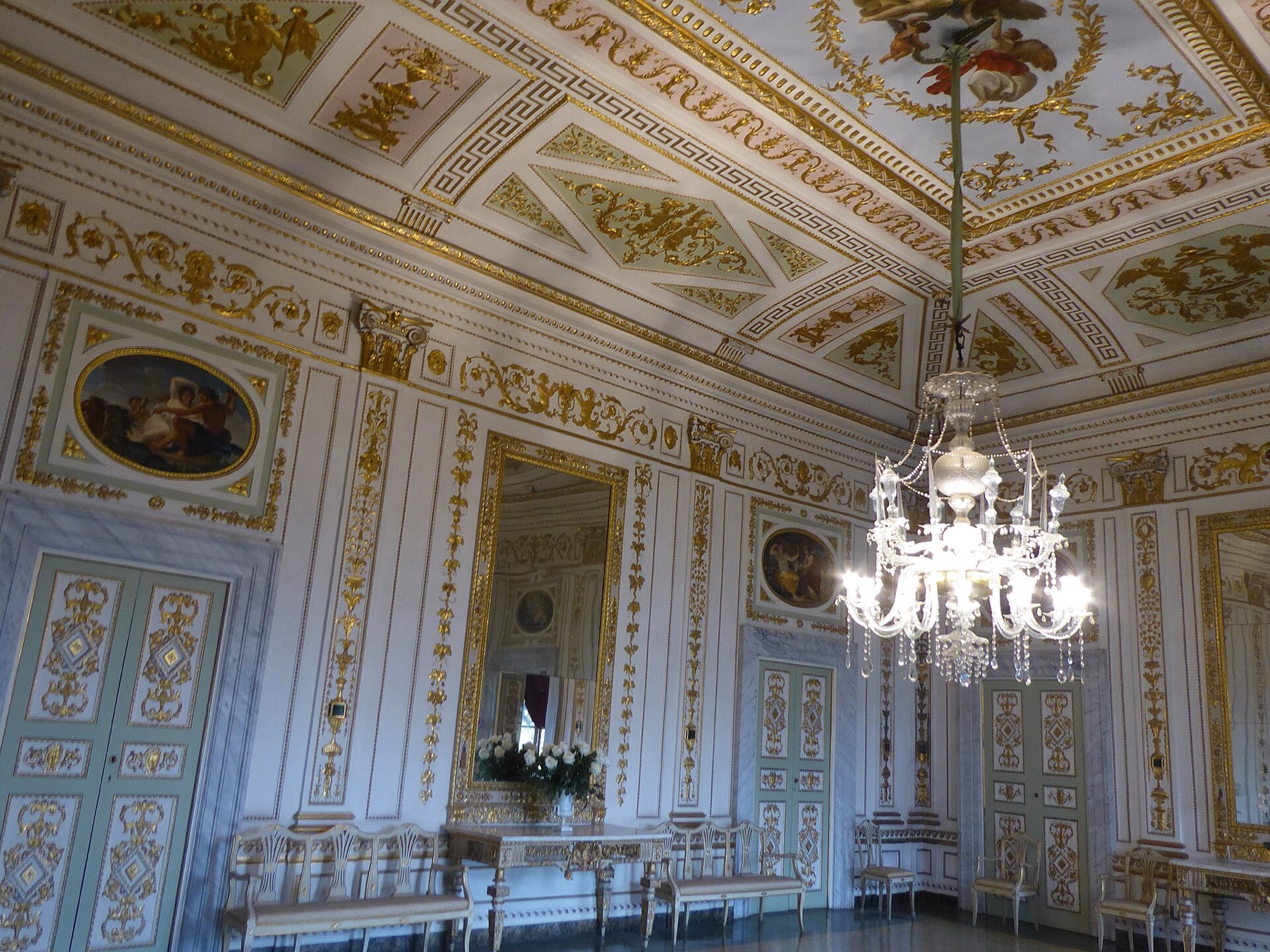
16. Museo Nazionale di Palazzo Mansi
If you want to see with your own eyes how the very highest aristocracy lived in Lucca, definitely head to this Baroque palace. From the outside it may not look particularly striking and you could easily walk past it in the alley, but inside fantastically preserved original frescoes, period furniture and enormous Flemish tapestries await you, dazzling to the eye.
What travellers in Google reviews single out most of all is the incredibly opulent newlyweds’ bedroom with its carved alcove. It’s so richly decorated with gold and precious fabrics that it looks as though the lord and lady left only yesterday morning. Despite its museum function, the palace has retained the atmosphere of a real residence.
The tour isn’t extremely long, and there also tend not to be many visitors here. That makes it a great choice for a rainy morning or, conversely, for escaping the worst of the midday sun, when you can cool off nicely in the palace’s chilly halls. The entrance fee is very reasonable and, honestly, this is something you needn’t feel at all bad about paying for.
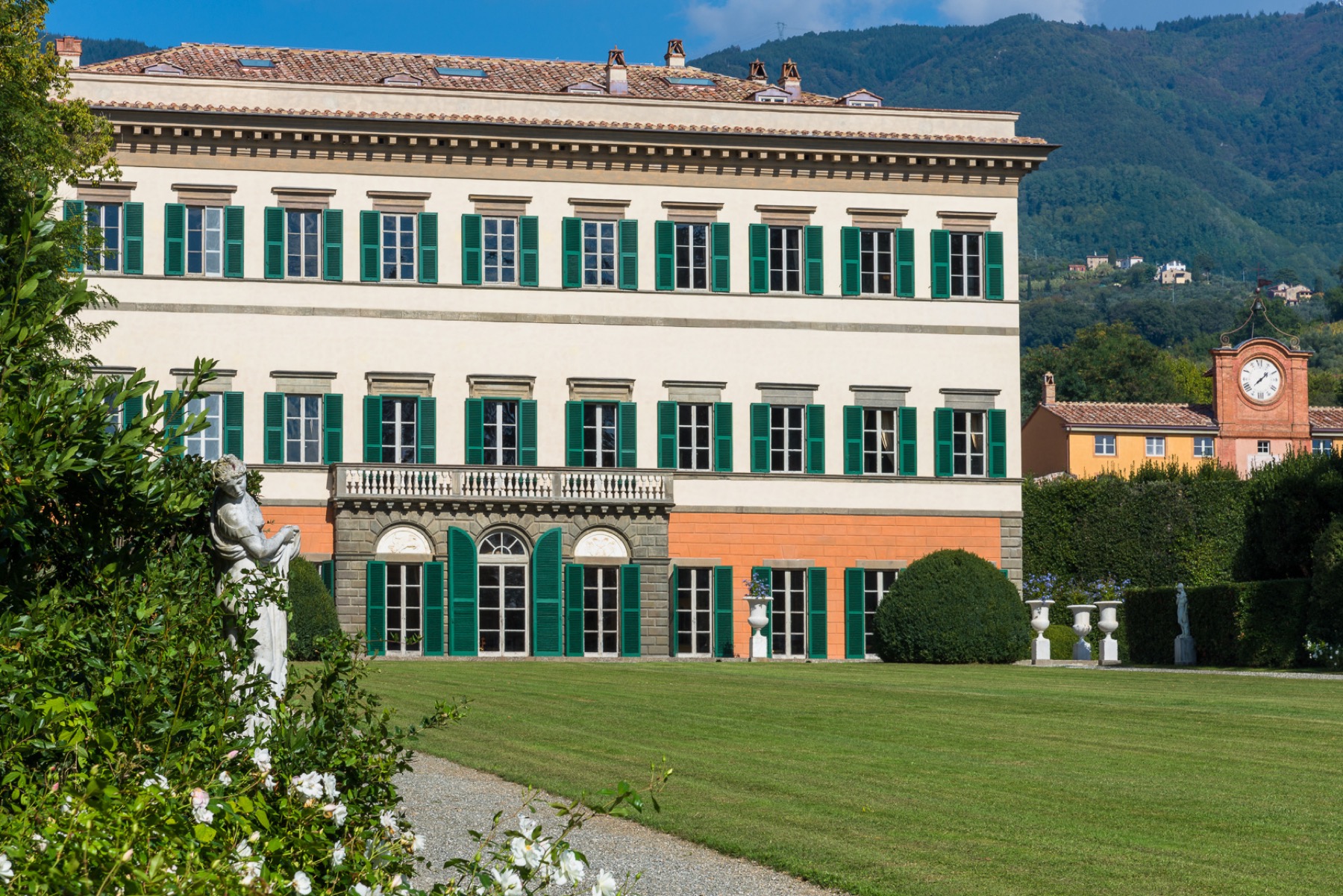
17. Villa Reale di Marlia and the green theatre
This place has a slightly dark history, with Elisa Bonaparte Baciocchi behind it — Napoleon’s sister, who for a time ruled Lucca fairly uncompromisingly. This huge and beautiful complex doesn’t lie right in town, but about 8 kilometres to the north. If you have a car, though, or rent a sturdy trekking bike for the day, definitely head here.
Around the grand villa stretches a fantastic English park covering a barely believable 16 hectares. The area recently underwent a major and costly restoration, so after a long time it’s finally showing itself in full glory with ponds, waterfalls and flower beds. You can conveniently buy tickets online through sellers such as Musement.
The most interesting and unique thing in the whole sprawling garden is the oldest green theatre in Europe. Its auditorium, wings and even the stage itself are artfully clipped and shaped directly from huge bushes and hedges. Standing in the middle of this natural amphitheatre, where nobility once entertained themselves, is a truly unusual feeling.
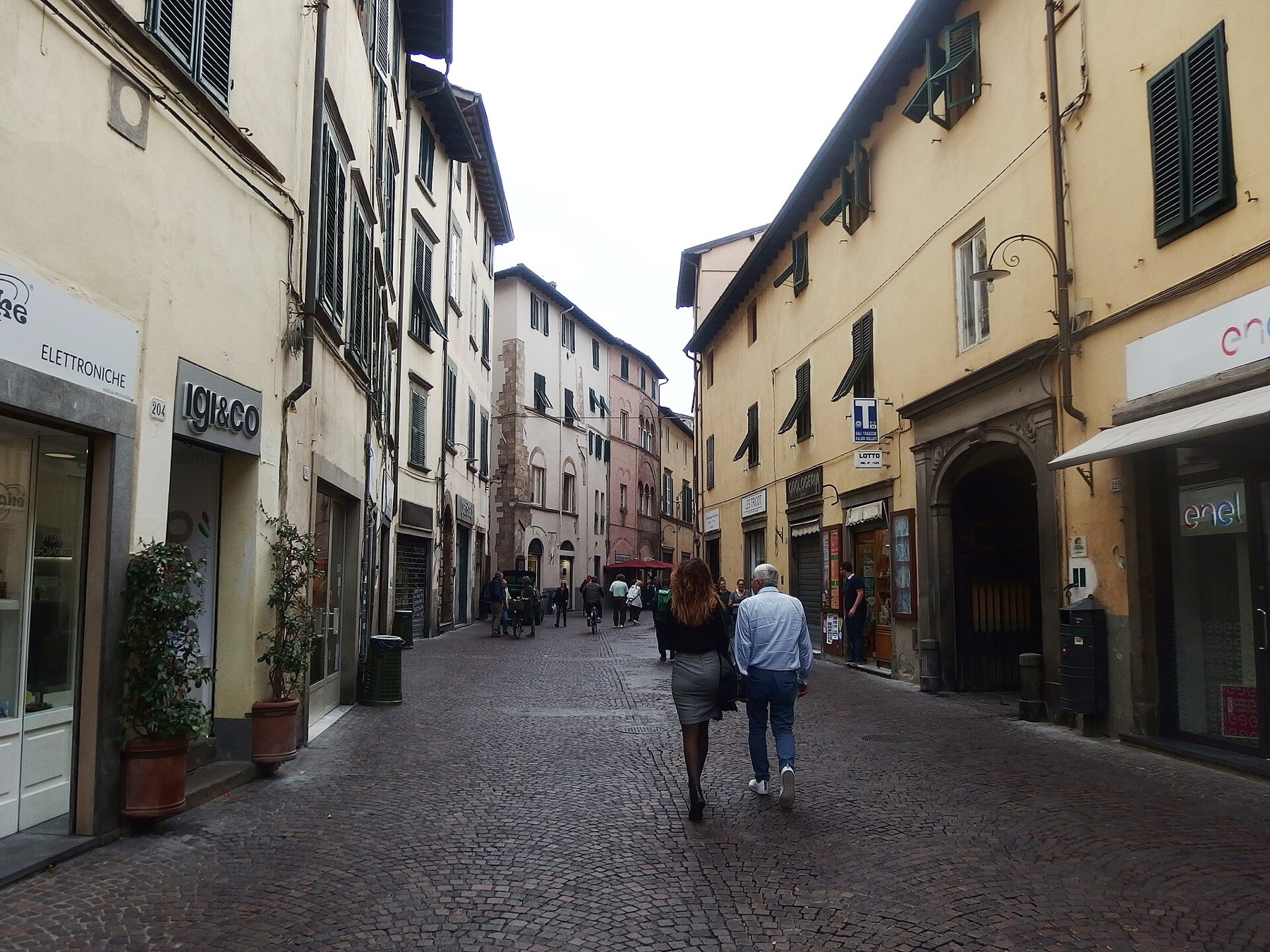
18. Shopping on Via Fillungo
Via Fillungo is the main and liveliest artery of the whole historic centre, winding elegantly from north to south. You won’t find any impersonal, ugly shopping centres here, but plenty of beautiful local boutiques, family-run leather-goods shops and luxury jewellers set into the ground floors of medieval houses.
The wonderful thing about it is that, out of respect for tradition, the shops often keep their original wooden or brass signboards and shop windows from the early twentieth century. And that’s true even when they sell modern designer clothing or cosmetics inside. It gives the street incredible flair and elegance, the kind that perhaps only Italians know how to create.
It’s the ideal street for a slow evening stroll, when the sun is setting and the town starts waking up to its evening life. Grab a scoop of proper artisan gelato, stop by the windows of old antiquarian bookshops and just watch the elegantly dressed local residents greeting their neighbours.
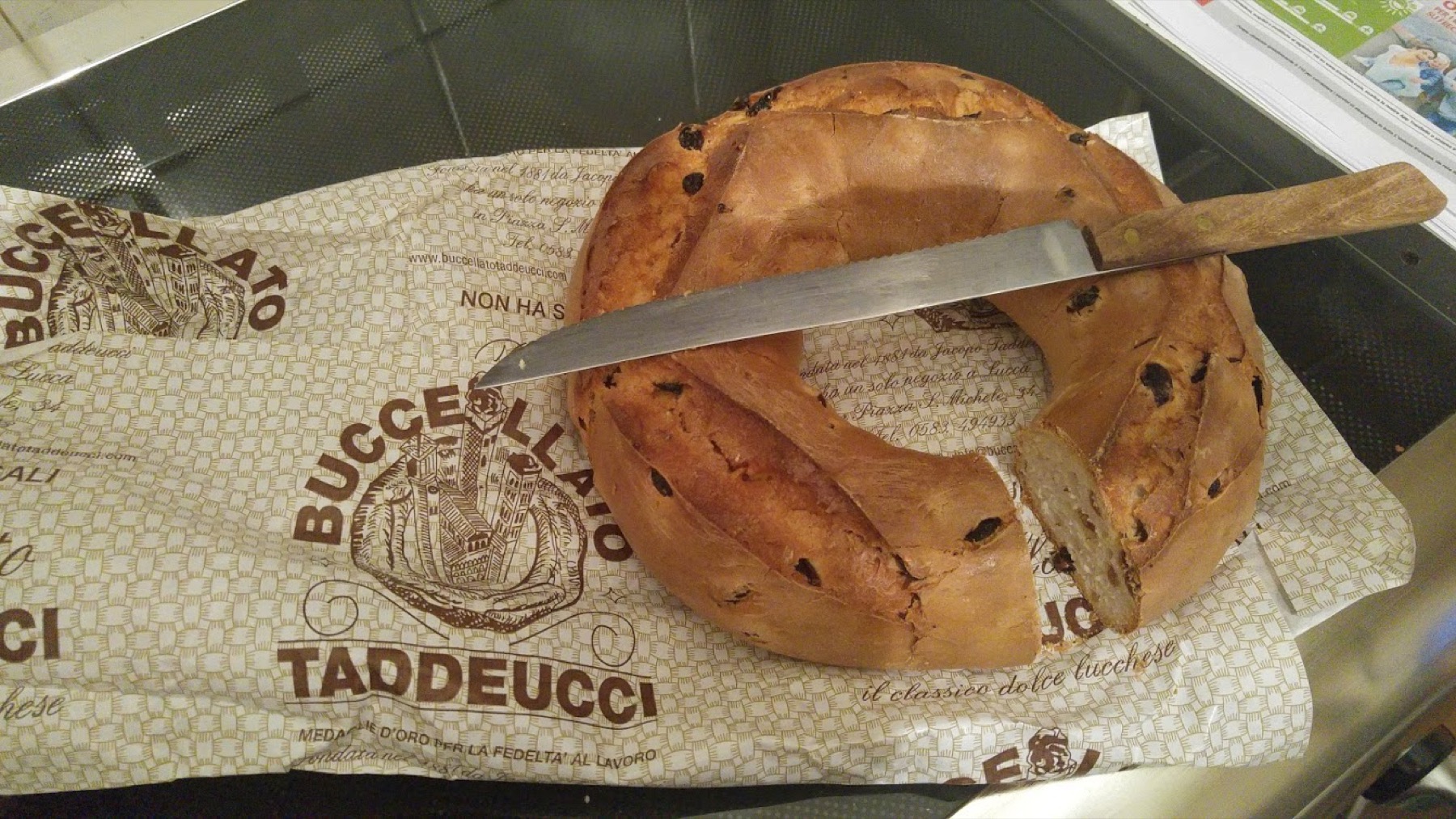
19. What to taste from Lucca’s cuisine
The local Tuscan gastronomy is fantastic and has a surprising number of wonderful vegetarian gems that you’ll fall in love with. We swear by cecina, a wafer-thin flatbread — slightly crisp at the edges and soft inside — made from chickpea flour, olive oil and water. It’s baked in a hot oven and works as the perfect vegan street food, straight into your hand as you walk around town.
For breakfast, be sure to try buccellato, the absolutely iconic traditional sweet bread with anise and lots of raisins. It’s sold in every bakery, and it tastes best when, like the locals, you dip it straight into a hot morning cappuccino.
For lunch I warmly recommend zuppa di farro (a thick, hearty spelt soup with beans), just always ask the staff to be safe whether they cooked it without bits of pancetta. Garmugia is also excellent — a light spring vegetable soup full of fresh artichokes, peas and asparagus. For a sweet finish, try necci, thin flatbreads made from chestnut flour and traditionally filled with soft fresh ricotta.
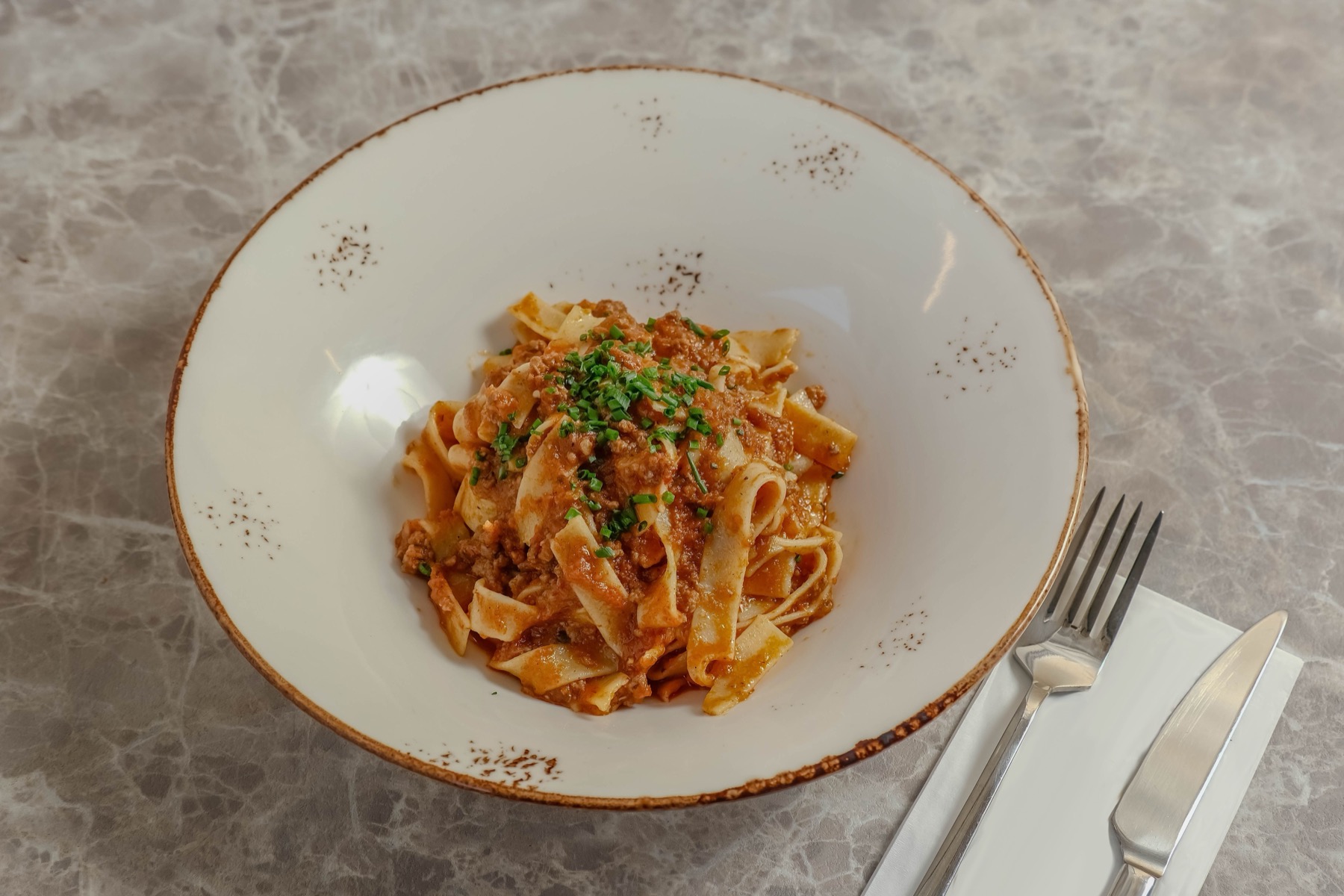
20. Traditional meaty tordelli lucchesi
If you eat meat yourself, then you should know that the best-known local speciality for all “carnivores” is the celebrated tordelli lucchesi. These are fairly large, semicircular filled pasta parcels that vaguely resemble classic ravioli, but they have a completely distinctive composition and flavour that local cooks are very proud of.
Into the rich meat filling (usually a mix of beef and pork), according to old secret recipes, a pinch of cinnamon and freshly grated nutmeg is added. This spicing gives the whole dish a very unusual, slightly sweet and interesting flavour profile.
The generously filled pasta is then served on a deep plate, doused in a proper, slow-cooked meat ragù and sprinkled with parmesan. Be prepared that it’s a fairly heavy and very filling dish, so afterwards you’ll probably cancel your afternoon climb up the tower and go and sit in the shade in the park instead.
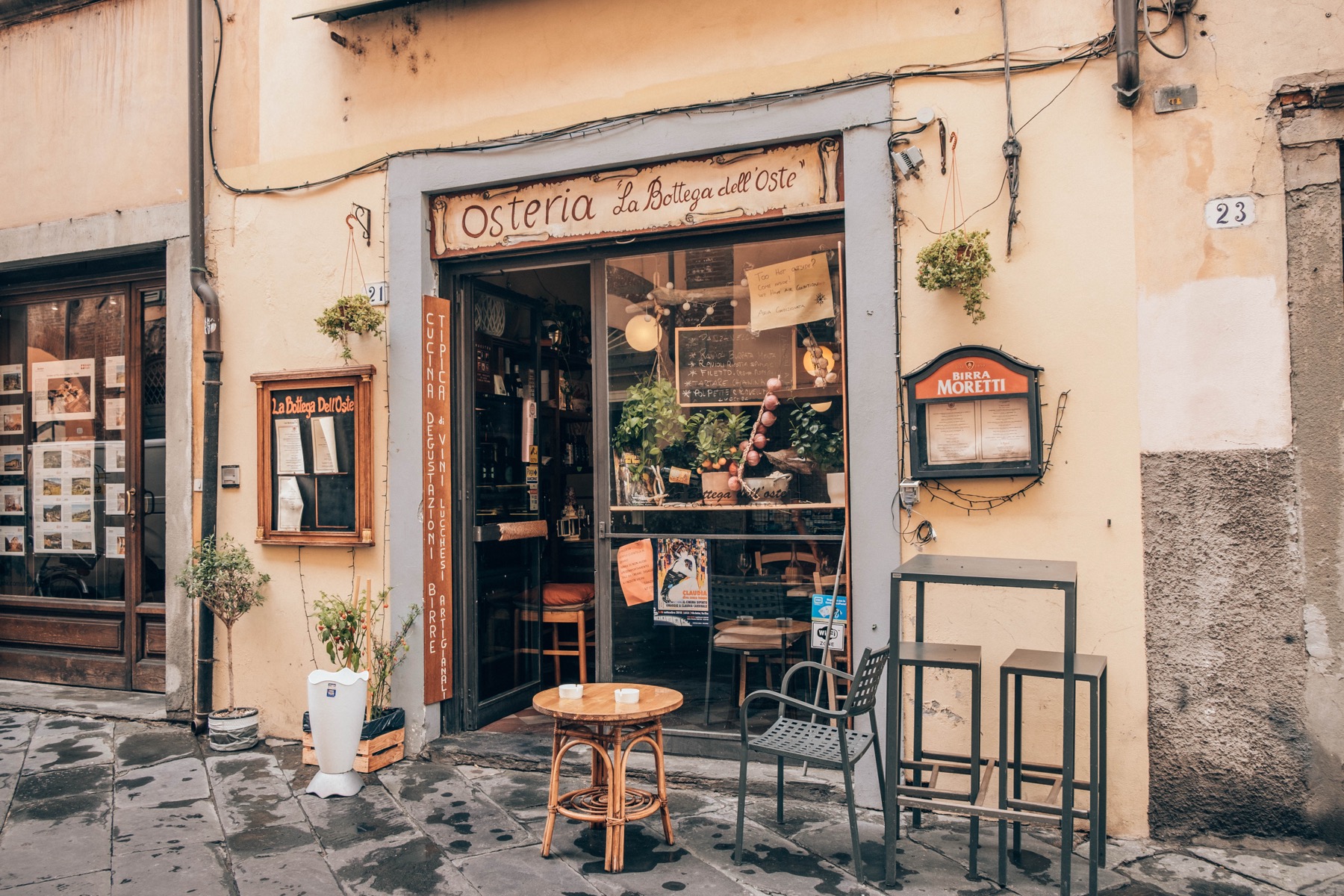
21. Where to eat well in Lucca
Finding a good restaurant here is honestly a pleasure, because the quality of the ingredients and the cooking is generally very high and there are very few outright tourist traps. Sottosotto, which sits right at the entrance to the oval Anfiteatro square, has an absolutely excellent rating. Despite its premium, touristy location it keeps reasonable mid-range prices, friendly service and excellent food quality.
For meat-free dining I wholeheartedly recommend the restaurant In Pasta, Cibo e Convivio on Corso Garibaldi. It’s fully vegetarian, they make absolutely phenomenal fresh pasta, and guests praise their very friendly prices highly in reviews.
Another of my favourite tips for a quick and light lunch is the vegan spot Soup in Town on the San Giusto square. Stop by after touring the churches — they make fantastic colourful Buddha bowls and hearty legume soups that get you back on your feet in a flash. If you’re after something more authentic, try the old-fashioned Trattoria da Giulio near Porta San Donato, where they still have white tablecloths and low prices.
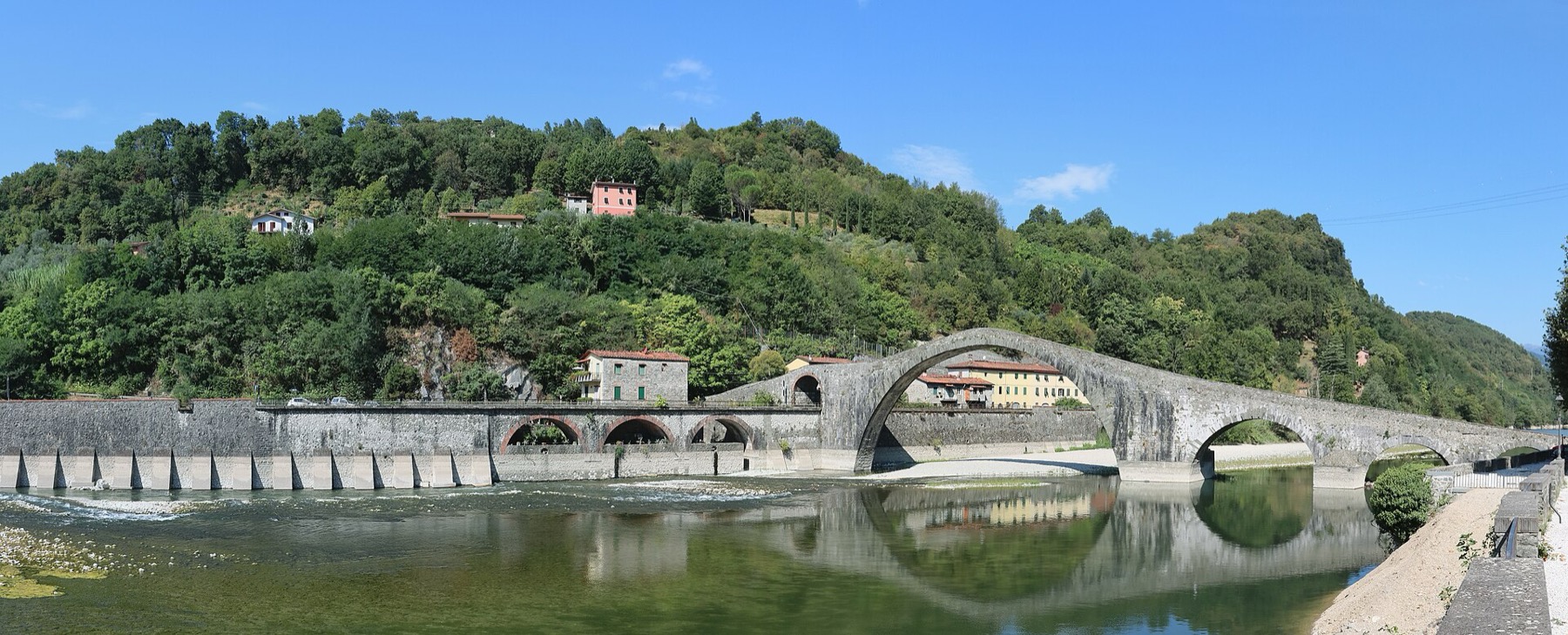
22. Day trips from Lucca: the Devil’s Bridge and Garfagnana
Lucca is a downright brilliant base for exploring the beautiful, if slightly overlooked, mountain valley of Garfagnana lying to the north. Just about 20 kilometres from town stands Ponte della Maddalena, far better known by its frightening name, the Devil’s Bridge. It’s a medieval stone structure over the wild River Serchio, with such an unnaturally high and thin main arch that it looks as though it defies gravity.
It was an important crossing on the famous pilgrim route Via Francigena, and according to local legend it had to be built by the devil himself. In exchange he demanded the soul of the first to cross it, but the clever locals outwitted him back then by sending an ordinary dog across the finished bridge.
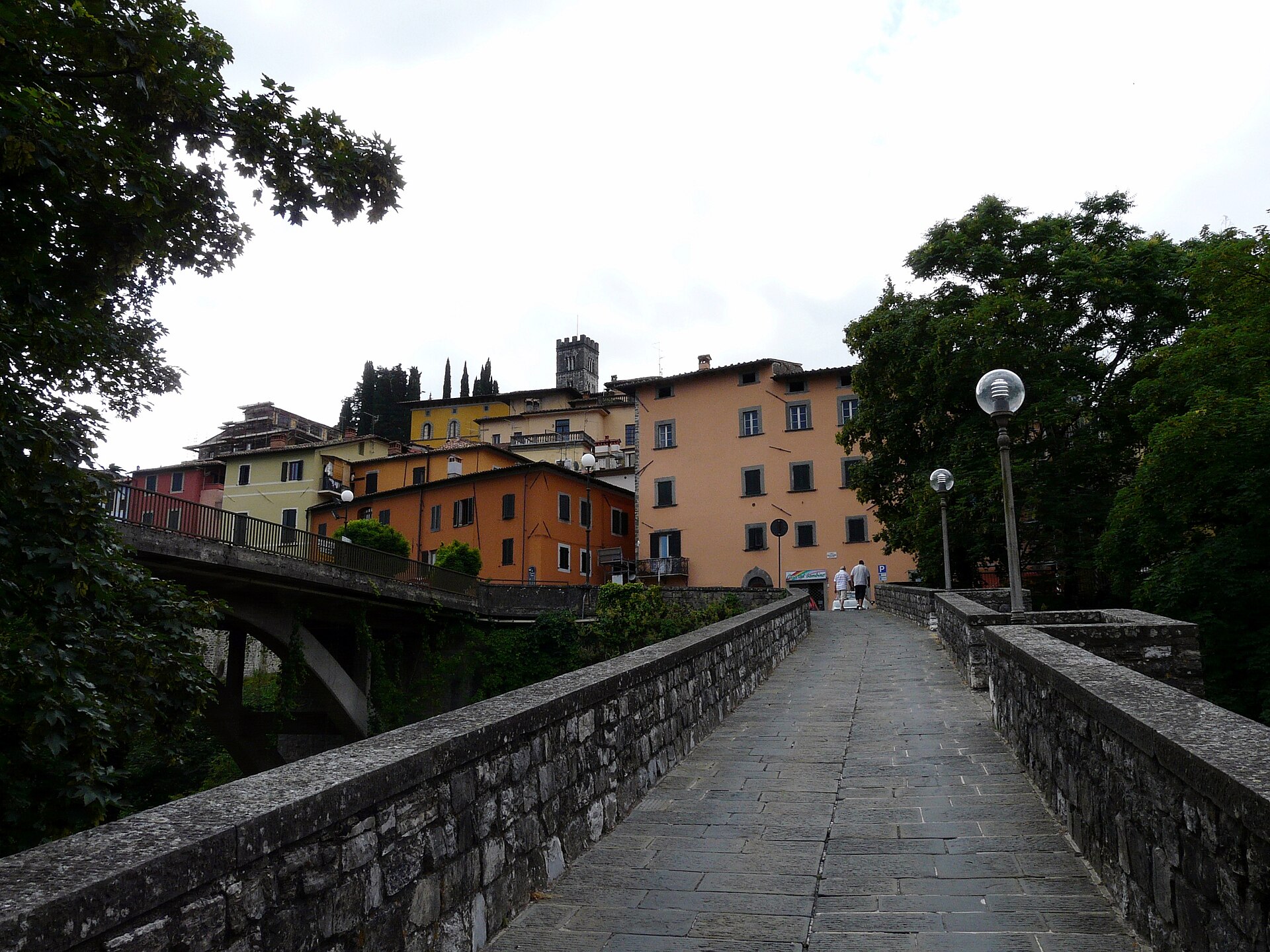
By the regular VaiBus bus you can also easily get from Lucca to the charming Renaissance town of Barga, a journey that takes a little over an hour. You’ll walk through Barga in half an hour, but its remote atmosphere and views into the valley will make you want to stay the whole afternoon. You can also stop in Bagni di Lucca, fifty minutes away, which in the 19th century was a famous, glittering thermal spa and the summer residence of the Napoleonic court. Today it feels beautifully sleepy and a little forgotten.
Where to go next from Lucca and how to get around
Getting here is incredibly easy and quick. If you fly into Pisa airport with a low-cost carrier such as Ryanair or easyJet, just hop on the automatic PisaMover shuttle to the main Pisa Centrale station. From there, direct regional trains run to Lucca, covering the whole journey in 22 to 27 minutes, with a ticket costing only around €4 (100 CZK). It’s by far the cheapest and fastest way to travel. From Florence you’ll get here by train in roughly an hour and a half. A big advantage is that Lucca’s station lies right next to the walls, so you’re in the historic centre on foot within a few minutes.
If you’re planning to explore Italy more widely at your own pace, Lucca combines beautifully with other places. You’ll find inspiration for putting together a varied route in our 7-day Tuscany itinerary. For history and art you can head to the famous Florence or to medieval pearls such as Siena and San Gimignano.
If your feet are aching after all that walking around town, take a look at our tips for superb wellness hotels in Tuscany. And of course you mustn’t miss the nearby iconic Pisa — for practical advice, check out our guide on how to buy tickets for the Leaning Tower. And if you’re still unsure where exactly to head with the family, have a read of our article on where to go on holiday in Italy or our extensive guide to Italian cuisine.
Frequently asked questions
Still hesitating, or is some little detail bugging you? I’ve put together answers to the very most common questions you send me about Lucca, so you can enjoy your Italian trip without a single hitch. 😉
Is Lucca worth a full day, or is a short stop enough?
Definitely set aside at least a full day, and if you can, stay for at least one night. The charm of this town truly reveals itself in the evening, when the day-trippers leave and the alleyways pleasantly empty out. You can then enjoy a romantic dinner in total peace without waiting for a table and strolls along the illuminated, quiet walls.
Should I go up Torre Guinigi or Torre delle Ore?
If you only have time and energy for one of them, buy the €9 combined ticket and go up the taller Torre delle Ore. It has a mysterious legend attached to it about Lucida, and most importantly, you’ll completely avoid the biggest tourist crowds, who all automatically head to the more famous Guinigi just for a photo of the trees on the roof.
Can you cycle around the walls with small children?
Yes, absolutely no problem. In fact, it’s one of the best, safest, and most fun family activities in all of Tuscany. The top of the walls is completely flat, wide, with absolutely no cars, and the local rental shops commonly have child seats and small trailers available.
Where should I park my car?
Definitely park exclusively outside the walls, for example at the large Parcheggio Carducci or Parcheggio Palatucci car parks. The entire historic centre inside the walls is a ZTL zone (limited traffic zone), and if you drive in without special permission, a hefty fine from the camera system will inevitably reach you back home.
How many days should I set aside for Lucca and the surrounding area?
For the historic town itself and a bike ride, one full day will be more than enough. However, if you’d like to take trips into the mountains in the Garfagnana area, visit the Devil’s Bridge, Villa Marlia, or the old thermal baths, I recommend spending a relaxed two to three days here.
Is Lucca nicer and better to visit than Pisa?
They’re completely different cities. Pisa is great for a quick “photo stop” at the famous tower, but the rest of the city isn’t all that impressive and lacks intimacy. Lucca, on the other hand, is much more pleasant for a longer stay, has a calmer vibe, amazing non-touristy restaurants, and overall a nicer, more local atmosphere for living.
Do I need to buy tickets to monuments well in advance?
For the local cathedral and the viewpoint towers, in most cases it’s not necessary—tickets can be bought on-site at the ticket office. However, it’s absolutely critical to buy tickets months in advance if you’re heading to the autumn Lucca Comics & Games festival or the summer Puccini Festival by the lake, as those are hopelessly sold out.
What’s the fastest way to get from Pisa airport to Lucca?
It’s very easy and cheap. From the airport terminal, take the automated PisaMover train, which takes you to Pisa Centrale main station in five minutes. There you transfer directly to a regional train, which gets you to Lucca in just under half an hour, and the ticket costs around €4.
Tips and Tricks for Your Vacation
Don’t Overpay for Flights
Search for flights on Kayak. It’s our favorite search engine because it scans the websites of all airlines and always finds the cheapest connection.
Book Your Accommodation Smartly
The best experiences we’ve had when looking for accommodation (from Alaska to Morocco) are with Booking.com, where hotels, apartments, and entire houses are usually the cheapest and most widely available.
 🚗 Car rental on the roadVerified car rentals in Tuscany
Search with the DiscoverCars comparison engine — it compares prices from dozens of local and international rental companies, and most bookings come with free cancellation.
Compare car prices in Tuscany →Don’t Forget Travel Insurance
Good travel insurance will protect you against illness, accidents, theft, or flight cancellations. We’ve had a few hospital visits abroad, so we know how important it is to have proper insurance arranged.
Where we insure ourselves: SafetyWing (simple monthly subscription) and TrueTraveller (for extra-long trips).
Find the Best Experiences
Get Your Guide is a huge online marketplace where you can book guided walks, trips, skip-the-line tickets, tours, and much more. We always find some extra fun there!