

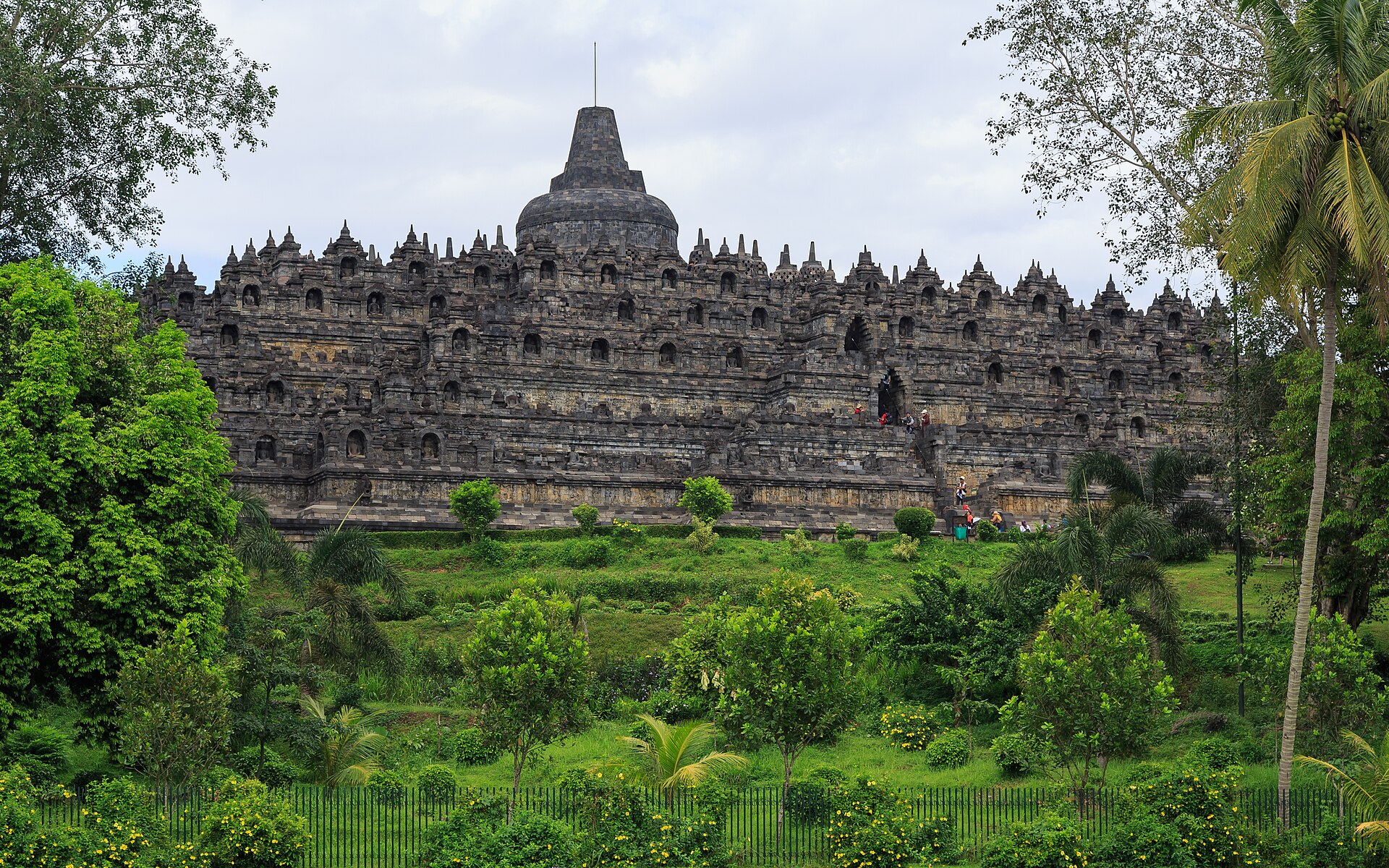
Borobudur, Indonesia, is one of those places that’s worth getting up before dawn for: a stone temple rising out of the lush Javanese greenery, with hundreds of Buddha statues sitting in its stupas and niches. But there are a few traps around tickets that guidebooks described differently for a long time, so it pays to have everything sorted before you book your flights.
According to Guinness World Records, Borobudur is the largest Buddhist temple in the world. That’s why climbing the temple comes with strict rules. Foreigners can’t buy a cheaper ticket just for the temple grounds, even though you’ll still read that in plenty of older articles. Instead, they’re sold a ticket that goes straight up onto the temple itself (the so-called structure).
Tickets are bought online and come with a time slot. If you just turn up, there may be no free slot left. And if you want to watch the sunrise right on the temple, you’ll need a separate ticket, because the regular climb starts later than the sun comes up.
Since July 2025, you can visit Borobudur every day, Mondays included, so feel free to ignore older guides that mention it being closed on Mondays ☺️. It can occasionally close for maintenance. In this article you’ll find out which ticket to buy and where, how to get to Borobudur from Yogyakarta, what awaits you on the temple and how to make the sunrise happen.
Summary
- Ticket: The climb costs around IDR 455,000 (Indonesian rupiah, roughly €20), including a guide and upanat (sandals that protect the stone from wear).
- Opening hours: The temple is open for climbing daily from 8:30 am to 5:00 pm, Mondays included, and you should arrive 30 to 45 minutes early.
- Where to buy: Buy your tickets online at ticket.injourneydestination.id. I recommend booking the morning and last slots of the day 7 to 10 days in advance, because they sell out.
- Sunrise: You need a separate ticket for IDR 1,000,000 (roughly €50), and there are only 100 places a day.
- Getting there: It’s 41 km from Yogyakarta. According to reports, the DAMRI minibus costs roughly IDR 20,000 (about €1), cash only.
- When to go: June to September is best, and go in the morning, when it rains far less than in the afternoon. That said, nobody can guarantee you a clear sunrise.
- Vesak: This Buddhist holiday falls on 20 May 2027. Expect crowds and possible closures. The date of the lantern festival hasn’t been announced yet.
The full destination guide: Indonesia — guide and what to see
Borobudur Temple Indonesia Tickets in 2026
The biggest trap is right there with the tickets: the cheaper ticket for the grounds only is for domestic tourists, and foreigners can’t get it. Foreign visitors buy the structure ticket, meaning the climb onto the temple itself, and the price includes a guide, a wristband and upanat sandals. Upanat are sandals you receive at the entrance and wear on the temple instead of your own shoes. They protect the stone steps and terraces from wear, and you get to keep them as a souvenir.
Ticket options
| Ticket | Who it’s for | Price | What’s included and when |
|---|---|---|---|
| Temple climb | foreign adult | around IDR 455,000 (roughly €20) | guide, wristband, upanat sandals; daily 8:30 am to 5:00 pm, Mondays included since July 2025 |
| Temple climb | foreign child (age limit for the child rate depends on the seller) | around IDR 305,000 (roughly €15) | same as for adults, daily 8:30 am to 5:00 pm |
| Borobudur Sunrise | foreigners, max. 100 people a day | IDR 1,000,000 (roughly €50) | meeting point at 4:00 am at the Borobudur Cultural Center, torch, upanat sandals, guide and breakfast at the Manohara restaurant |
| Borobudur Sunset | foreigners | IDR 1,000,000 (roughly €50) | starts from 4:00 pm, dinner included |
| Grounds only (Temple Ground) | domestic tourists only | not available to foreigners | walk around the grounds 6:30 am to 4:30 pm, no temple climb |
| Borobudur + Prambanan combo | domestic visitors only | not sold to foreigners | joint ticket for both temples, so far only for domestic visitors |
Treat all the prices in the table as approximate. They’re based on reports from late 2025 and from 2026. I wasn’t able to verify the official price list directly, so check the price on the official sales site before you pay. The conversion uses a rate of roughly IDR 1,000 = €0.05, with IDR being the abbreviation for the Indonesian rupiah, the currency you pay in on Java. For the side spots described below (Punthuk Setumbu hill and the Mendut and Pawon temples), I don’t give a price, as I couldn’t find reliable figures.
Where to buy tickets (Borobudur Temple official website)
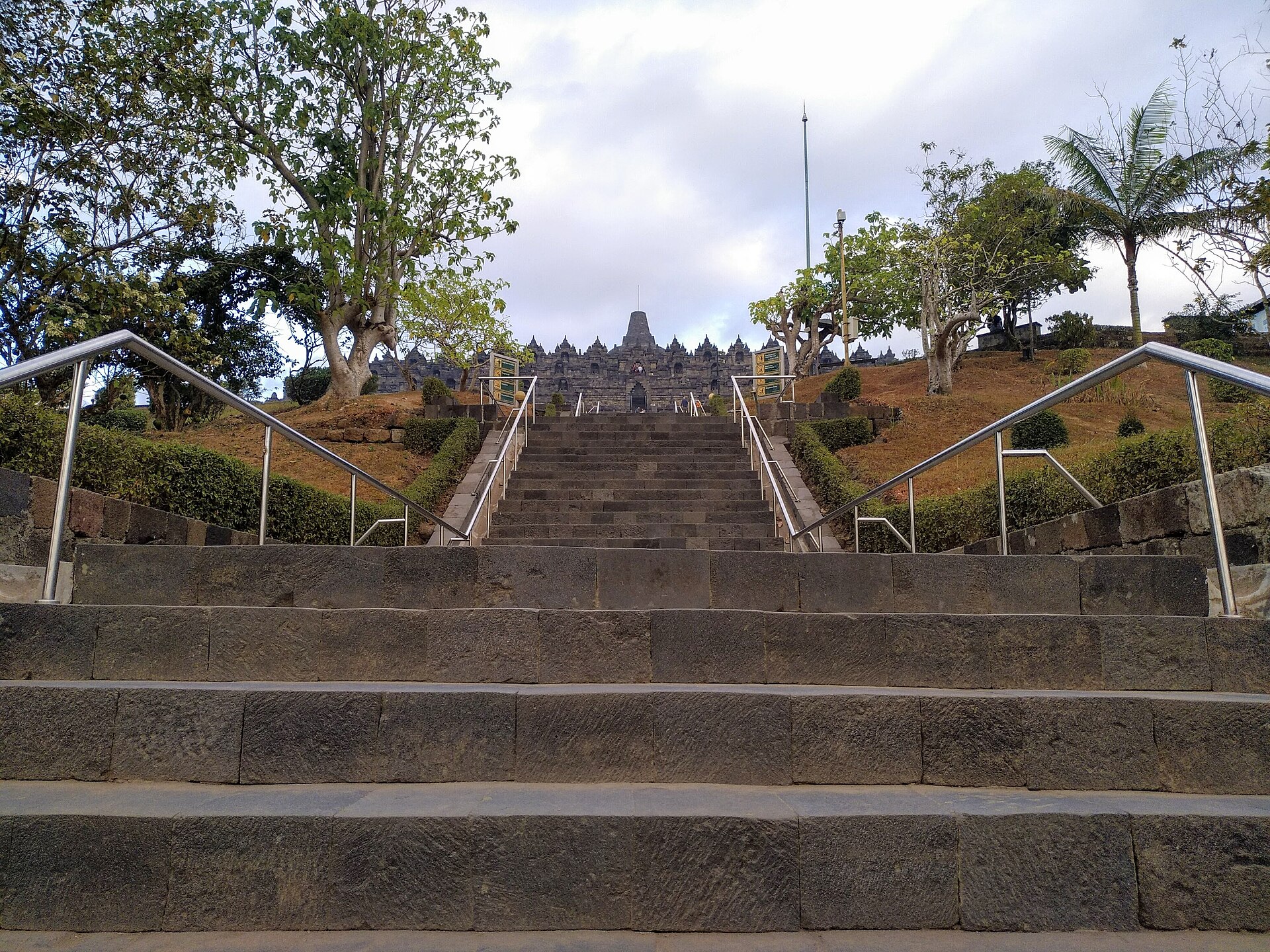
Buy your tickets online only, ideally through the official InJourney sales site, or alternatively via Traveloka or tiket.com. Watch out for websites that look official but only resell tickets – a textbook example is the domain borobudur-official.pages.dev 😅 A nice logo and the word “official” in the address are no guarantee you’re buying from the official seller.
Every ticket has its own time slot, a fixed hour when you’re allowed onto the temple. The number of people on the temple is limited, and according to reports, popular times sell out well in advance. So book the morning and last slots of the day 7 to 10 days ahead – they’re the first ones to disappear from the schedule.
💡 Tip: Save your confirmation to your phone right after paying, ideally offline too. Then you just show it at the entrance without digging through your emails or hunting for a signal.
How the Climb Up Borobudur Temple Works
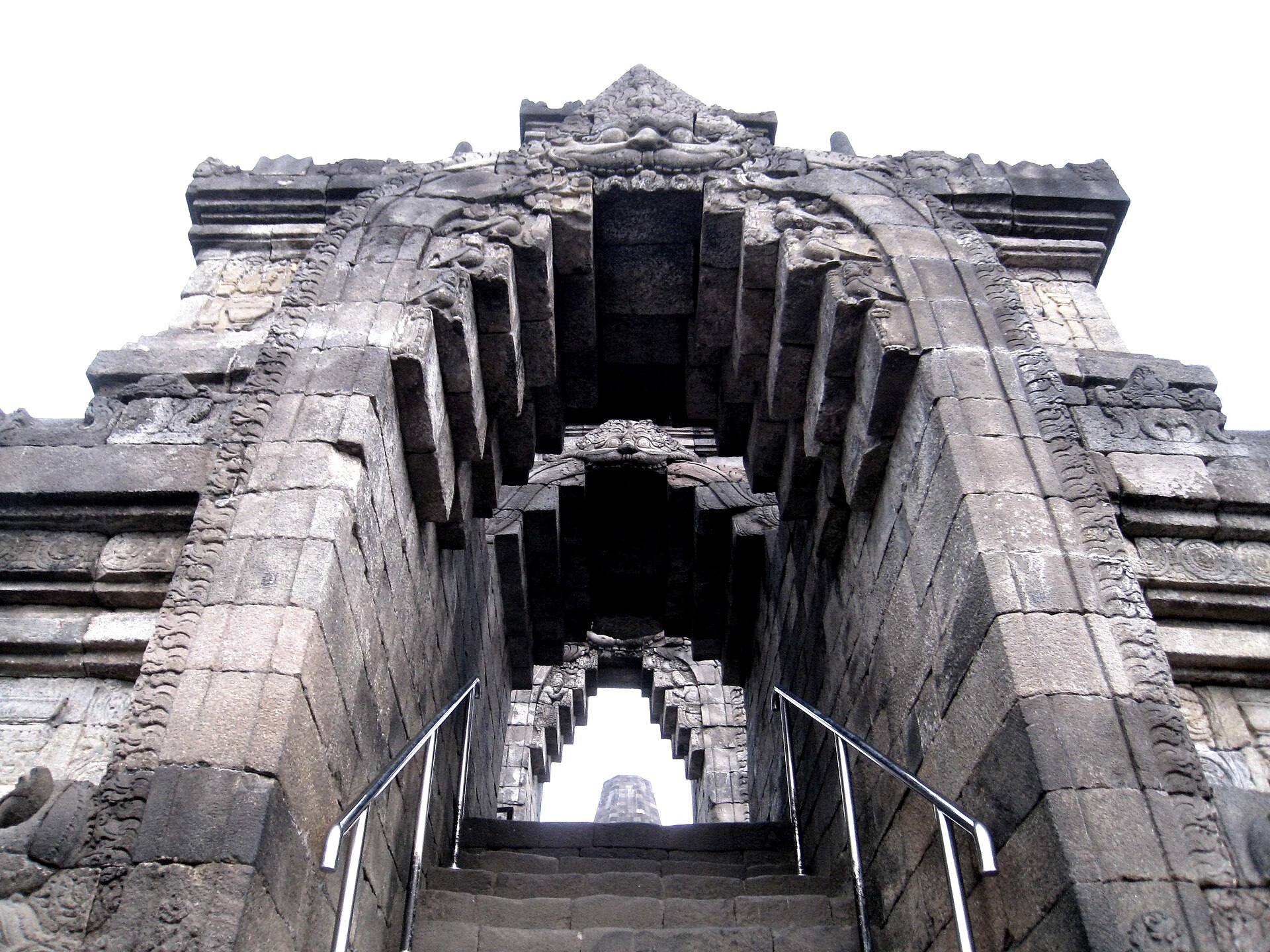
The romantic idea of simply turning up at the gate and wandering alone among the stupas for hours runs straight into a strictly organised reality here. There’s no room for improvisation when climbing Borobudur, because the whole system, including the guide and the cap on visitor numbers, is designed to protect the stone from wear. Since July 2025, the structure has been open daily from 8:30 am to 5:00 pm, Mondays included, though it can occasionally close for maintenance.
Between 6:30 and 8:30 am, only domestic tourists are allowed into the grounds, so as a foreigner you head straight for your chosen time slot on the temple itself. Make sure you arrive 30 to 45 minutes early, because if you’re late, the staff may not let you up at all. After that whole journey, that would really sting.
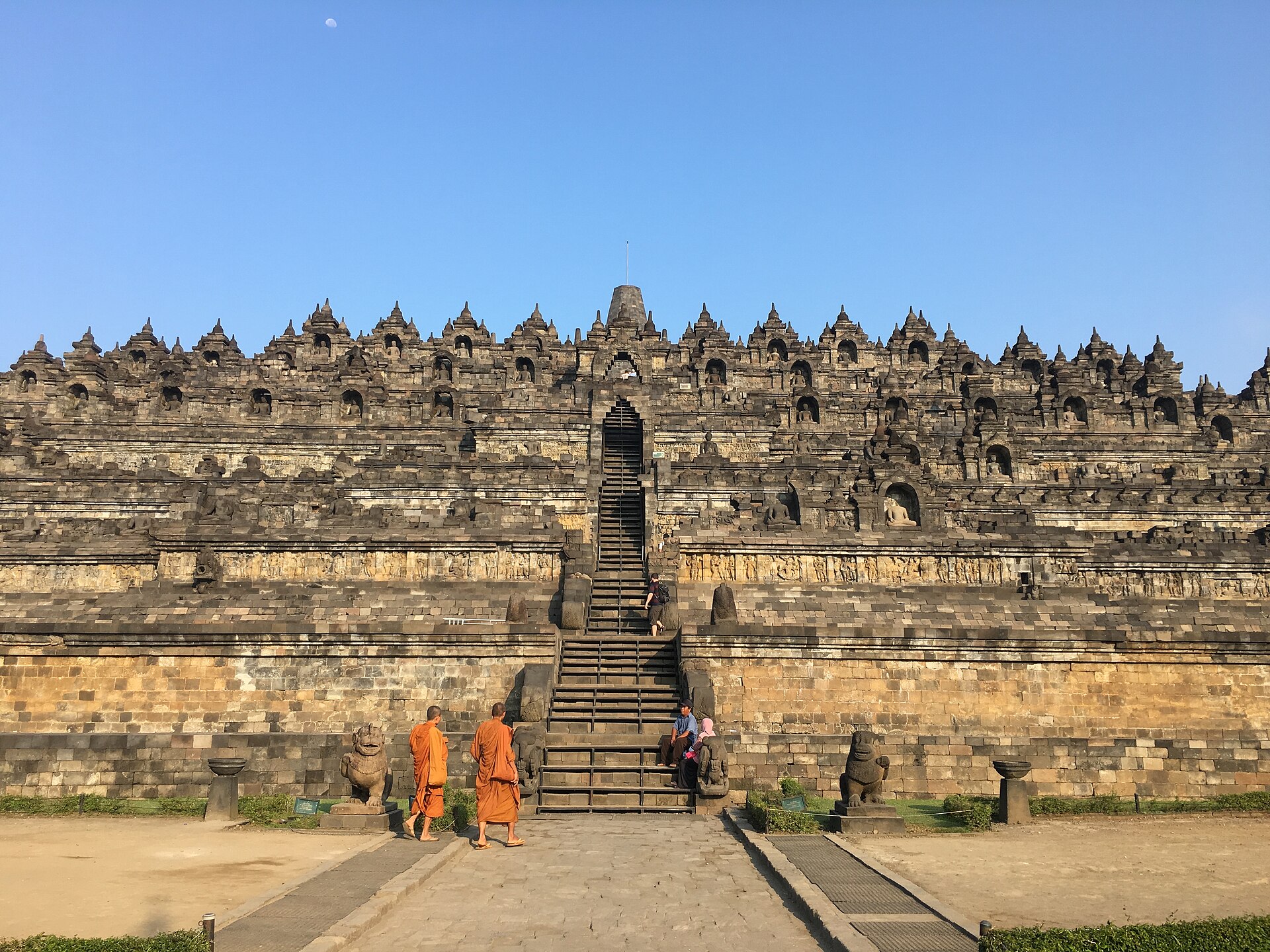
Based on visitors’ experiences, you first go to the reception desk, where you get an entry wristband, free water, a card with your guide’s number and upanat sandals. You get to keep those as a rather sweet souvenir. You have to change into these sandals before the climb so that the soles of regular shoes don’t wear down the historic steps and terraces.
You put your own shoes in the bag you’re given and carry them with you the whole time, because the exit from the structure is on the opposite side from the entrance. Then you join your little group and set off on a tour of roughly 90 minutes. During it, your guide leads you across nine terraces with thousands of stone reliefs (pictures carved into the stone).
💡 Tip: Give yourself plenty of time so you’re not rushed at reception and can calmly swap your shoes for the upanat sandals.
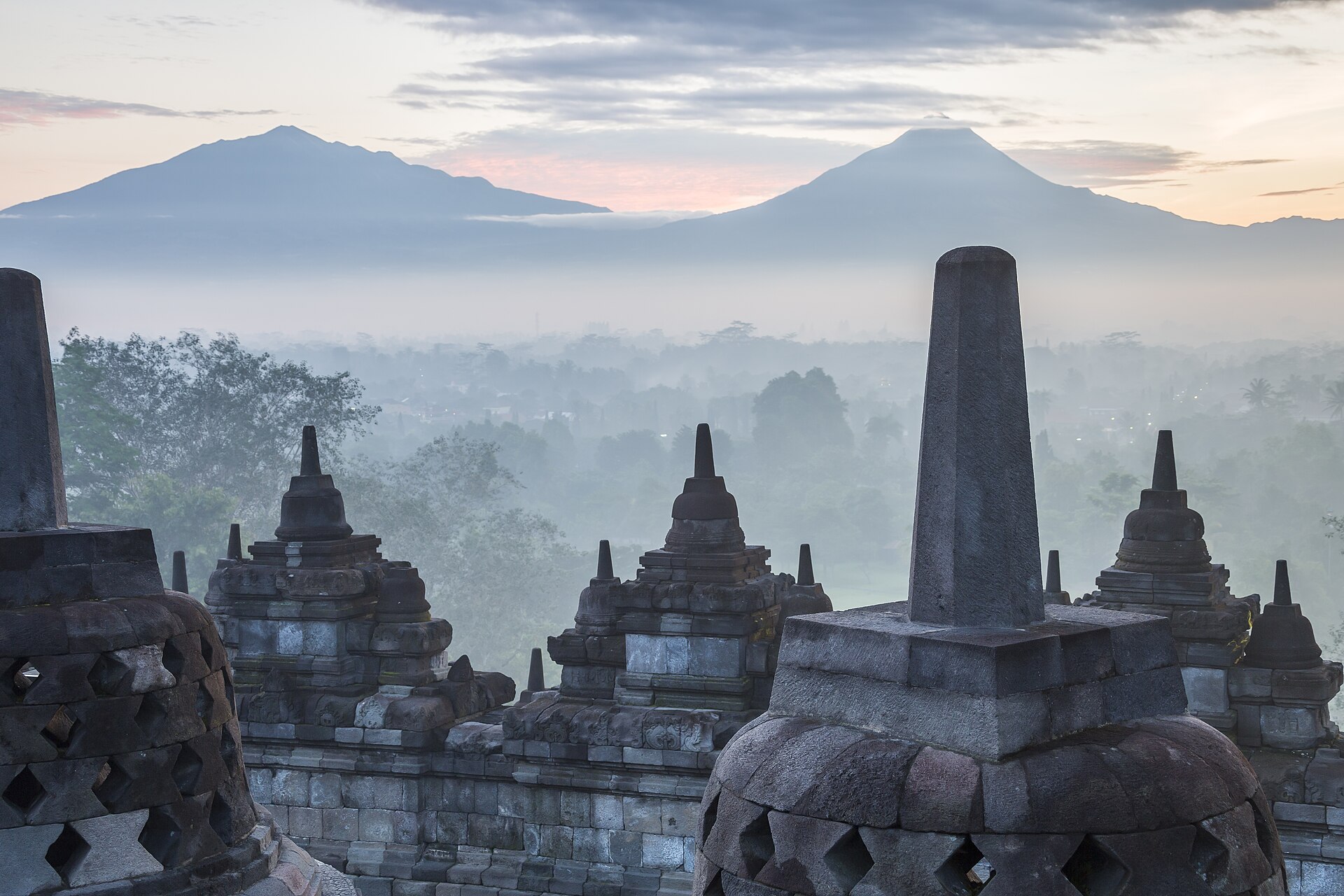
Sunrise and Sunset at Borobudur, Indonesia
Getting up in the middle of the night on holiday sounds like sheer madness 😅, yet sunrise at Borobudur is one of the most popular experiences on all of Java. Before you eagerly pull out your credit card, though, be very careful: the magic word “sunrise” means two different things depending on who’s selling it. The sun rises roughly between 5:10 and 5:55 am depending on the season – earliest in November, latest in July.
Timeline: sunrise vs. a regular visit
| Step | Borobudur Sunrise | Regular visit |
|---|---|---|
| Leaving Yogyakarta | in the middle of the night, with time to spare before the 4:00 am meeting; the journey takes 75 to 115 minutes | so that you’re there 30 to 45 minutes before your slot; the journey takes 75 to 115 minutes |
| Meeting point | 4:00 am at the Borobudur Cultural Center | 30 to 45 minutes before the time on your ticket |
| On the temple | sunrise roughly 5:10 to 5:55 am, then breakfast at the Manohara restaurant | climb between 8:30 am and 5:00 pm, tour about 90 minutes |
| Included | torch, upanat, guide, breakfast | guide, wristband, upanat |
| Capacity | 100 people a day | limited number of people |
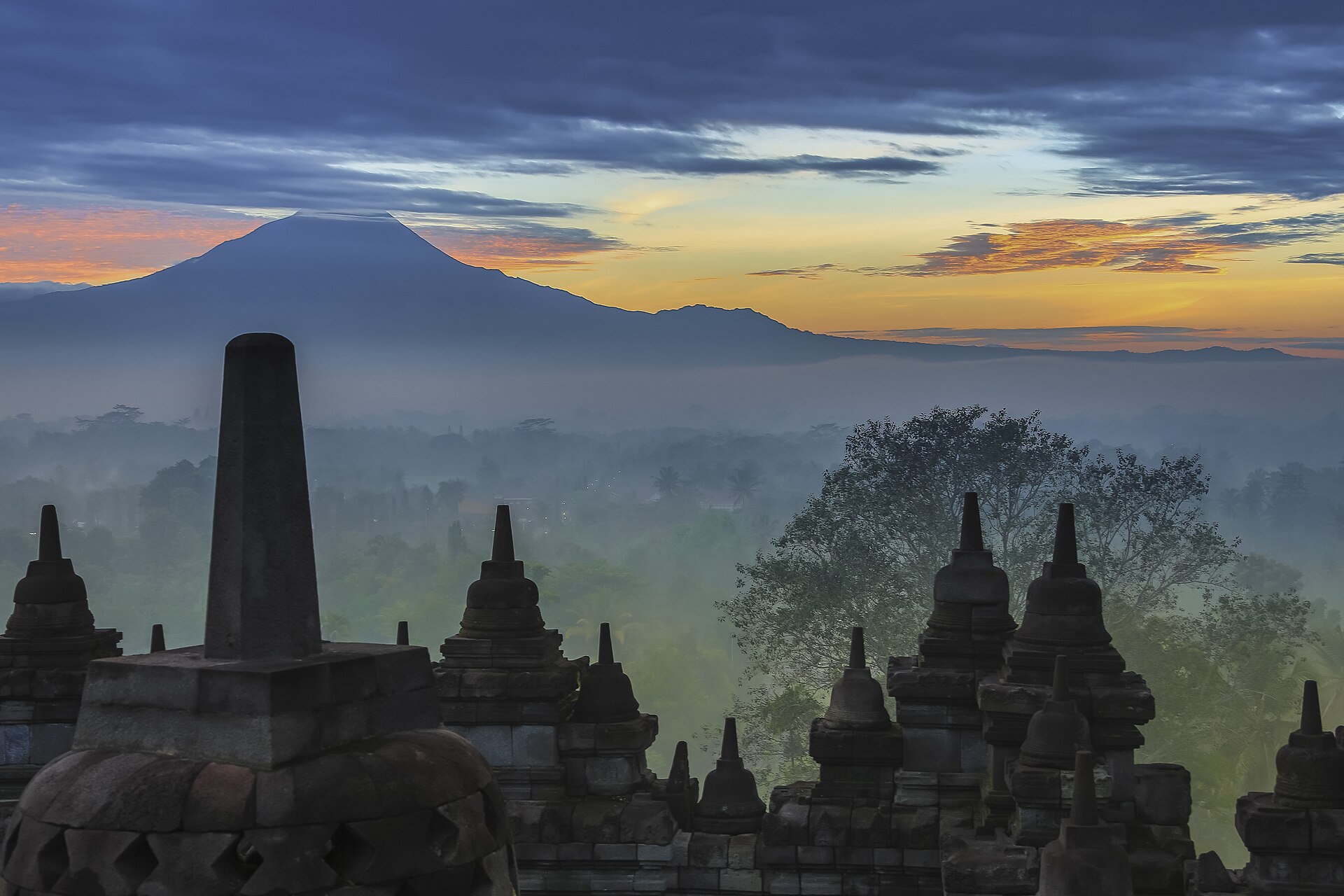
Borobudur Sunrise right on the temple
If you’re dreaming of standing among the stone stupas at daybreak, you need a special ticket from the official website. The seller withdrew this ticket for a while and has been offering it again since October 2025, reportedly on a trial basis. It costs IDR 1,000,000 (roughly €50) for foreigners, and a regular structure ticket won’t get you in for dawn, because standard climbs don’t start until 8:30 am. The morning limit is 100 people a day, so it doesn’t pay to hesitate here.
You meet as early as 4:00 am at the Borobudur Cultural Center, where you’re handed a torch and special upanat sandals before heading off into the dark with your guide. According to reports, you watch the sunrise from the ninth and highest terrace, and afterwards there’s breakfast at the Manohara restaurant. On older blogs you might come across a cheaper “Manohara Sunrise” programme, but that’s been cancelled and no longer exists, so don’t let it confuse you.
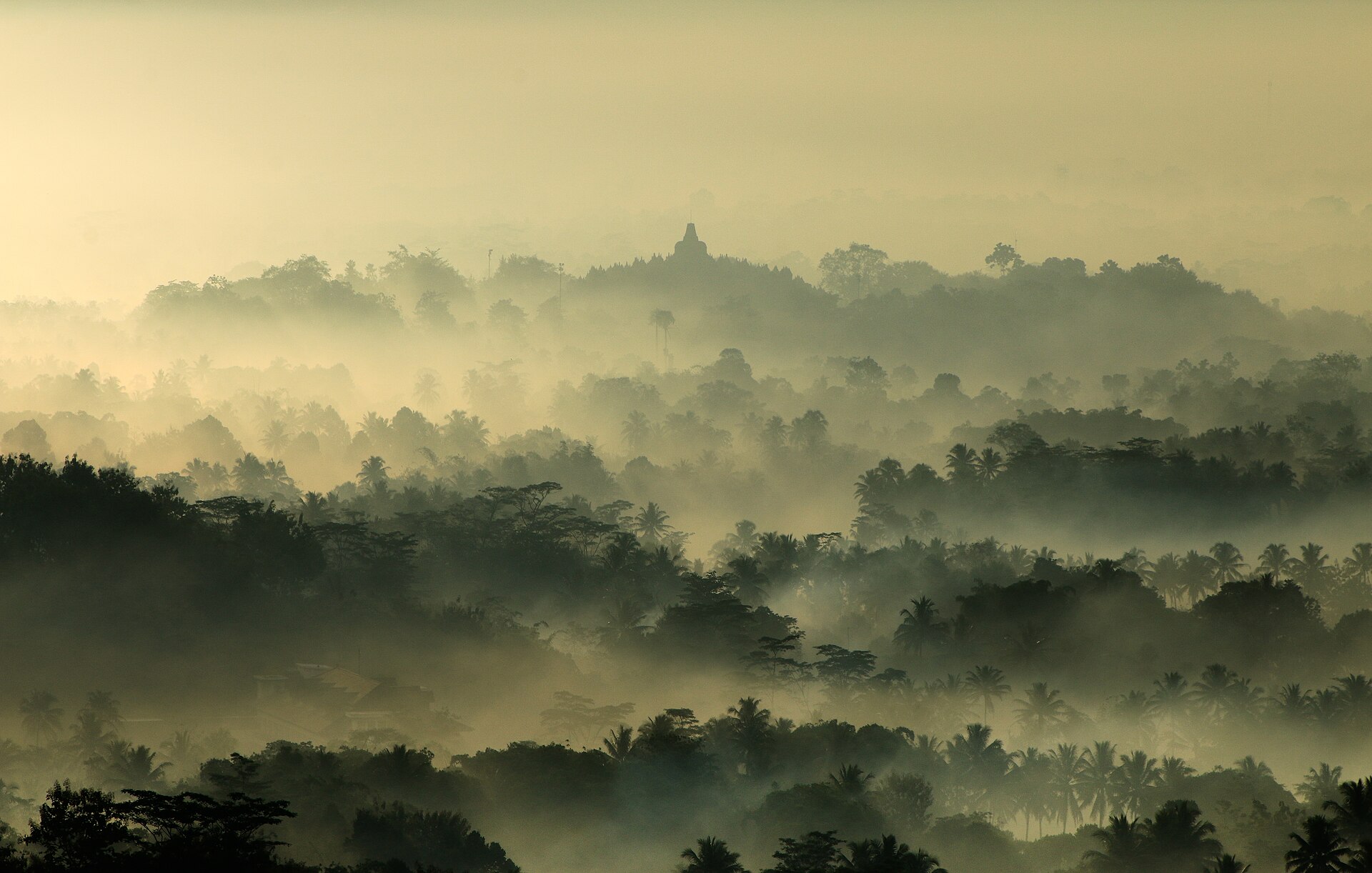
Punthuk Setumbu and Gereja Ayam: sunrise from a hill
When agencies in Yogyakarta offer you a cheap “Borobudur sunrise” trip, in practice they usually take you to Punthuk Setumbu hill, not to the temple itself at all. This hilltop sits at an altitude of about 400 metres and is 3.3 kilometres from the monument, and you need to get there before 5:00 am. So before you pay, always ask explicitly what exactly you’re buying.
That means you’ll only see the temple from a distance, not up close. Bukit Dagi, once a popular viewpoint, has reportedly been closed to regular visitors since 2022 and is only used for private events. Another well-known spot nearby is Gereja Ayam (Bukit Rhema), nicknamed the “Chicken Church”, with entry from roughly IDR 30,000 (about €1.50, 2026).
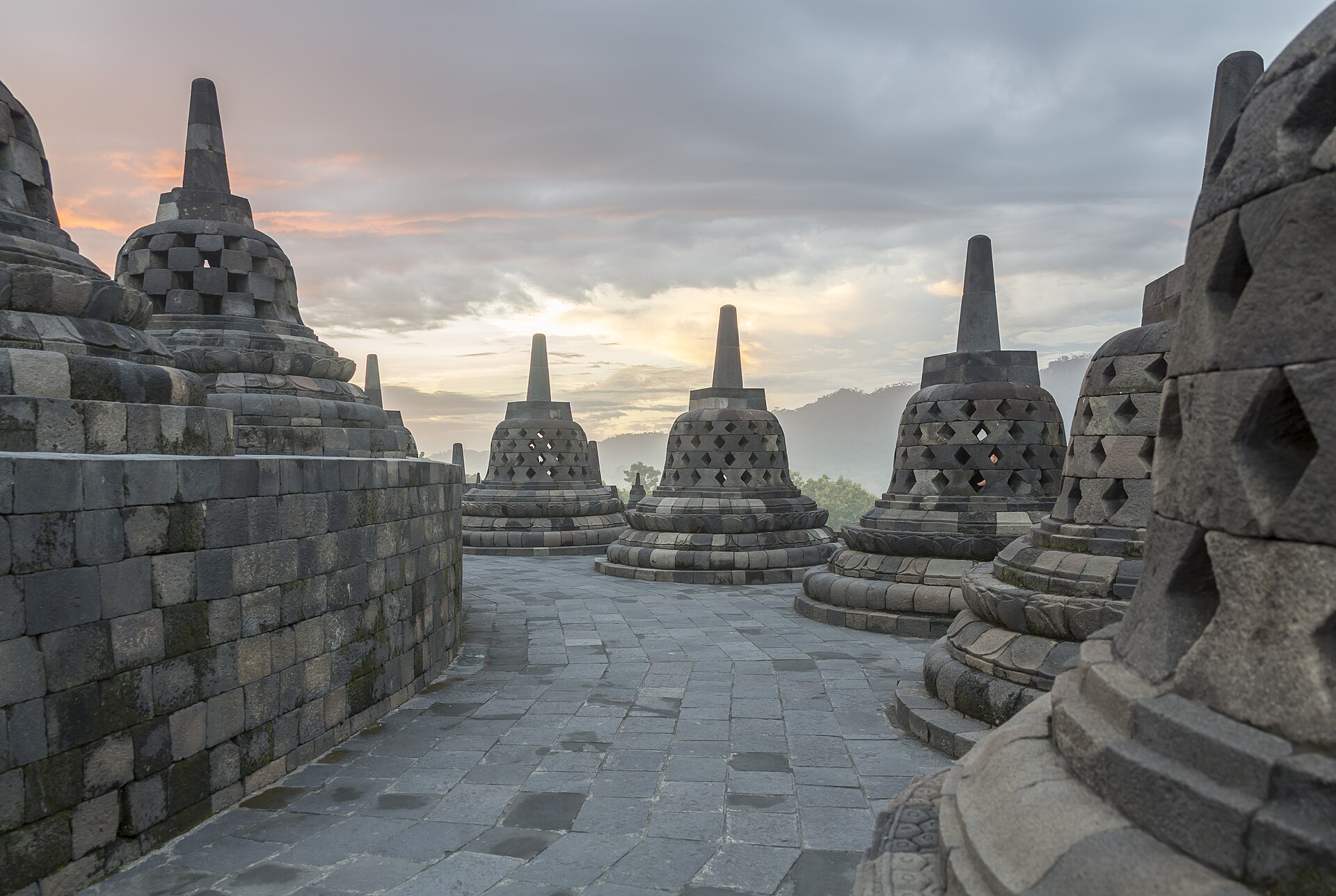
Borobudur Sunset
Maybe you’re not an early bird and getting up in the dark feels more like a punishment. For the same price of IDR 1,000,000 (roughly €50), the official seller also offers a late-afternoon programme on its official page. It starts from 4:00 pm, the sunset itself happens roughly between 5:30 and 6:00 pm, and instead of breakfast, your ticket includes dinner.
💡 Tip: Sunrise costs the same as sunset and is one of the most expensive options. It only makes sense if seeing the sunrise right on the temple really matters to you. It rains far less in the morning than in the afternoon (see the section When to go to Borobudur), but the data doesn’t capture mist and cloud cover, so nobody can guarantee a clear sunrise.
What You’ll See at Borobudur Temple, Indonesia
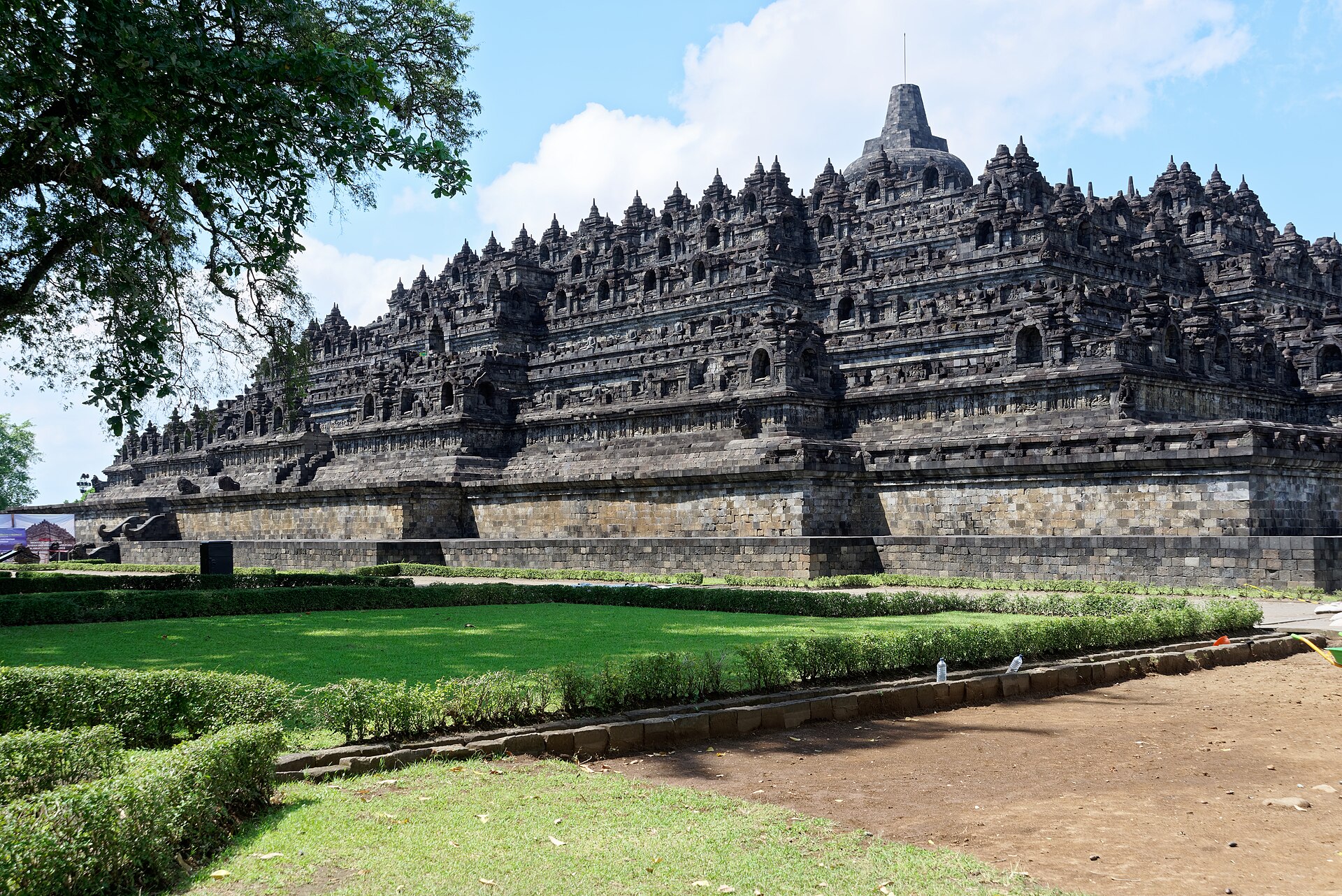
This stone giant was most likely built between 780 and 840 under the Sailendra dynasty, and it is still the largest Buddhist temple in the world. UNESCO’s campaign to save the temple ran from 1973 to 1983 (the main work took place between 1975 and 1982), and the temple has been on the UNESCO list since 1991. When Mount Merapi erupted in 2010, the monument was buried in ash (up to 2.5 centimetres deep), so it stayed closed from 5 to 9 November.
The whole structure of Borobudur rises through nine terraces: the lower six are square and the upper three are circular. According to the traditional interpretation, Kamadhatu (the world of desires) is represented by the covered base of the temple, which visitors don’t actually walk through, the square terraces stand for Rupadhatu (the world of forms) and the circular platforms for Arupadhatu (the formless world).
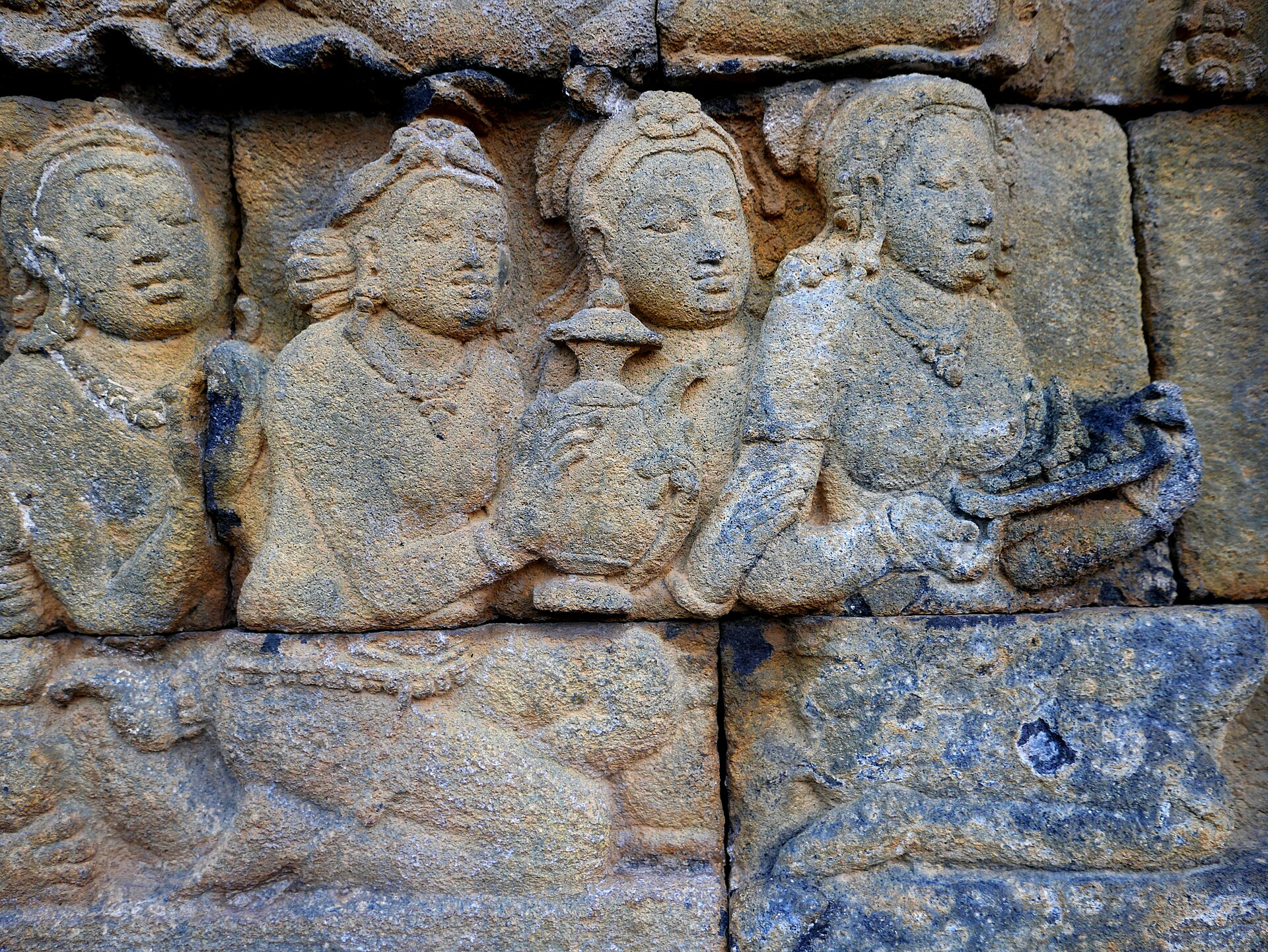
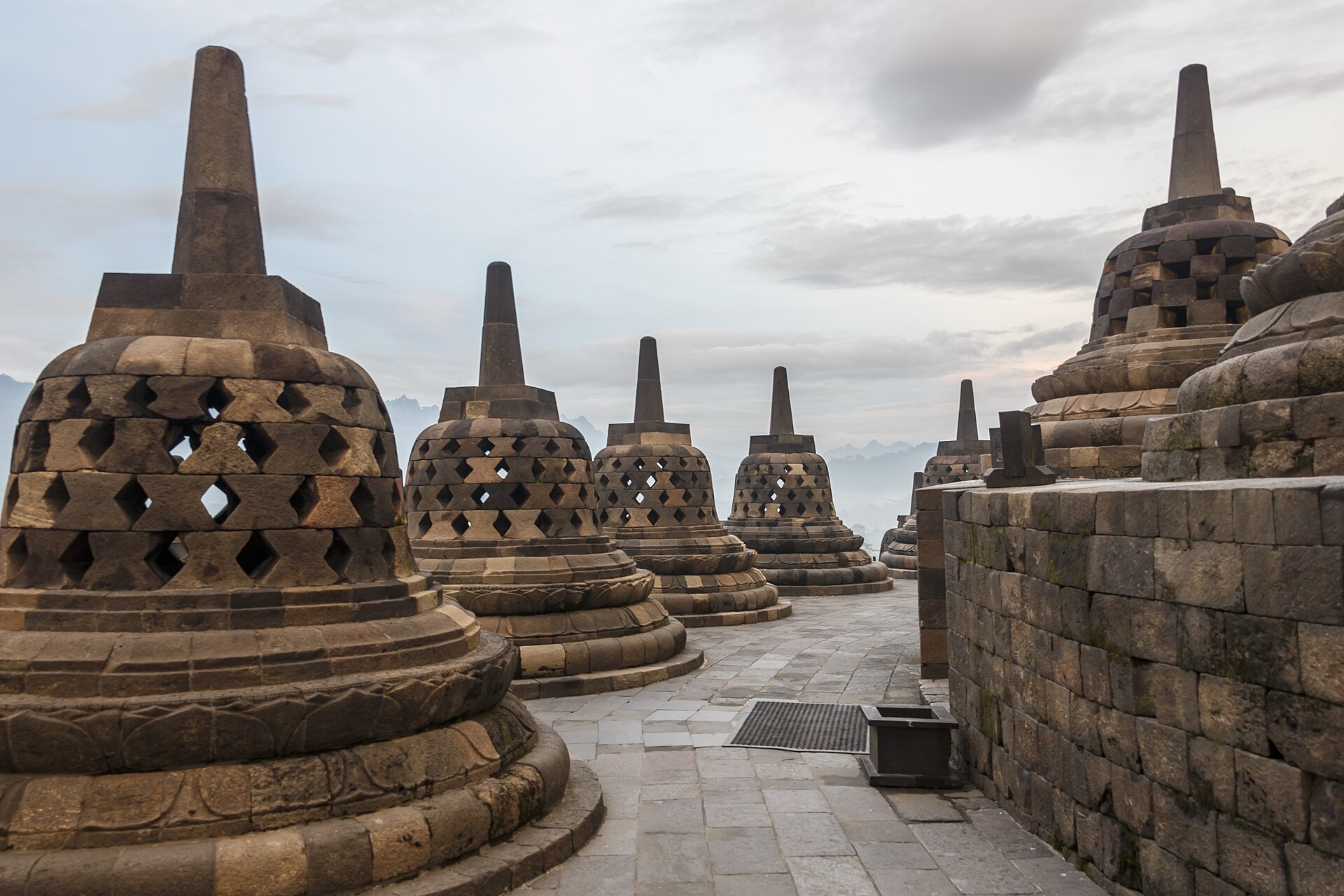
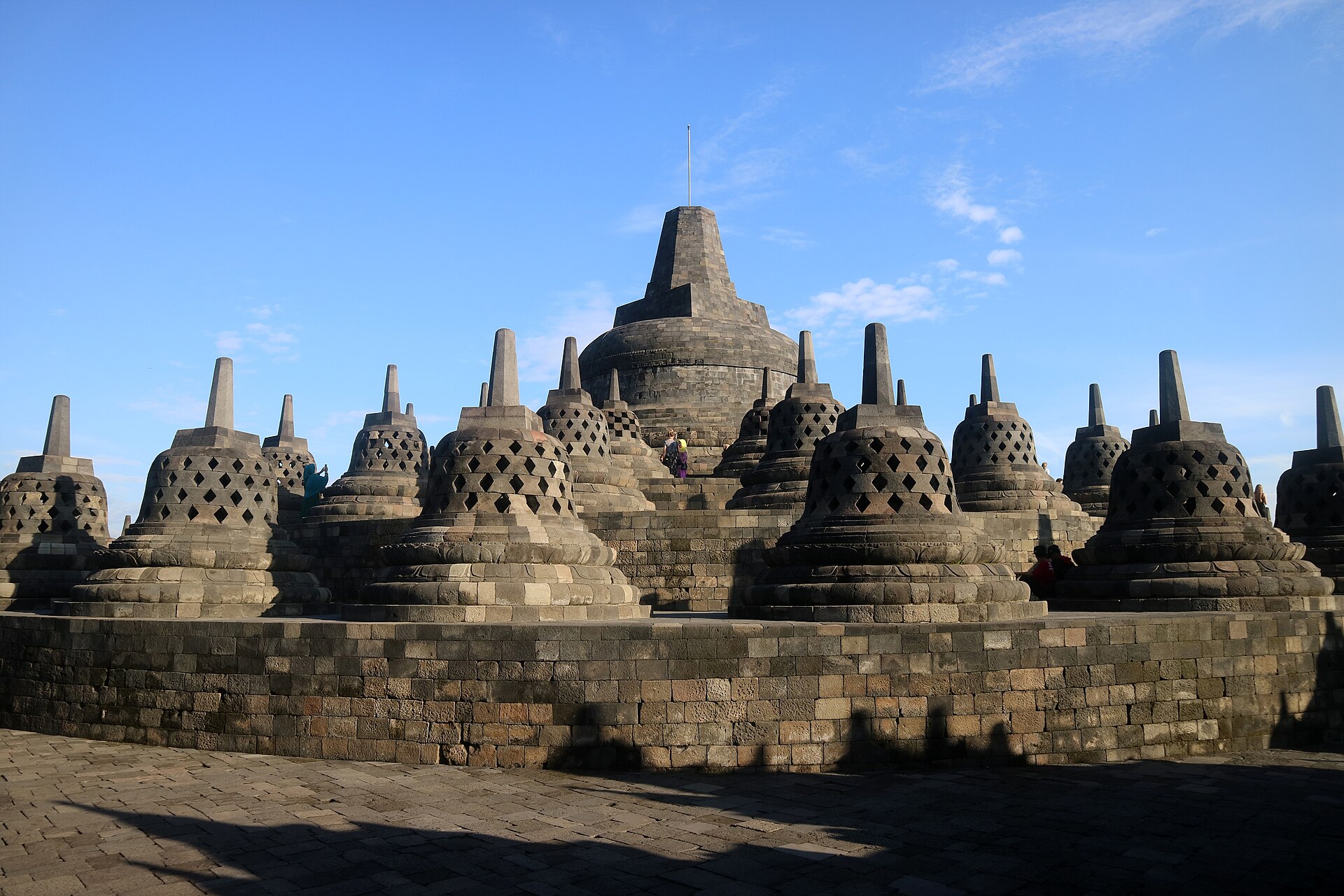
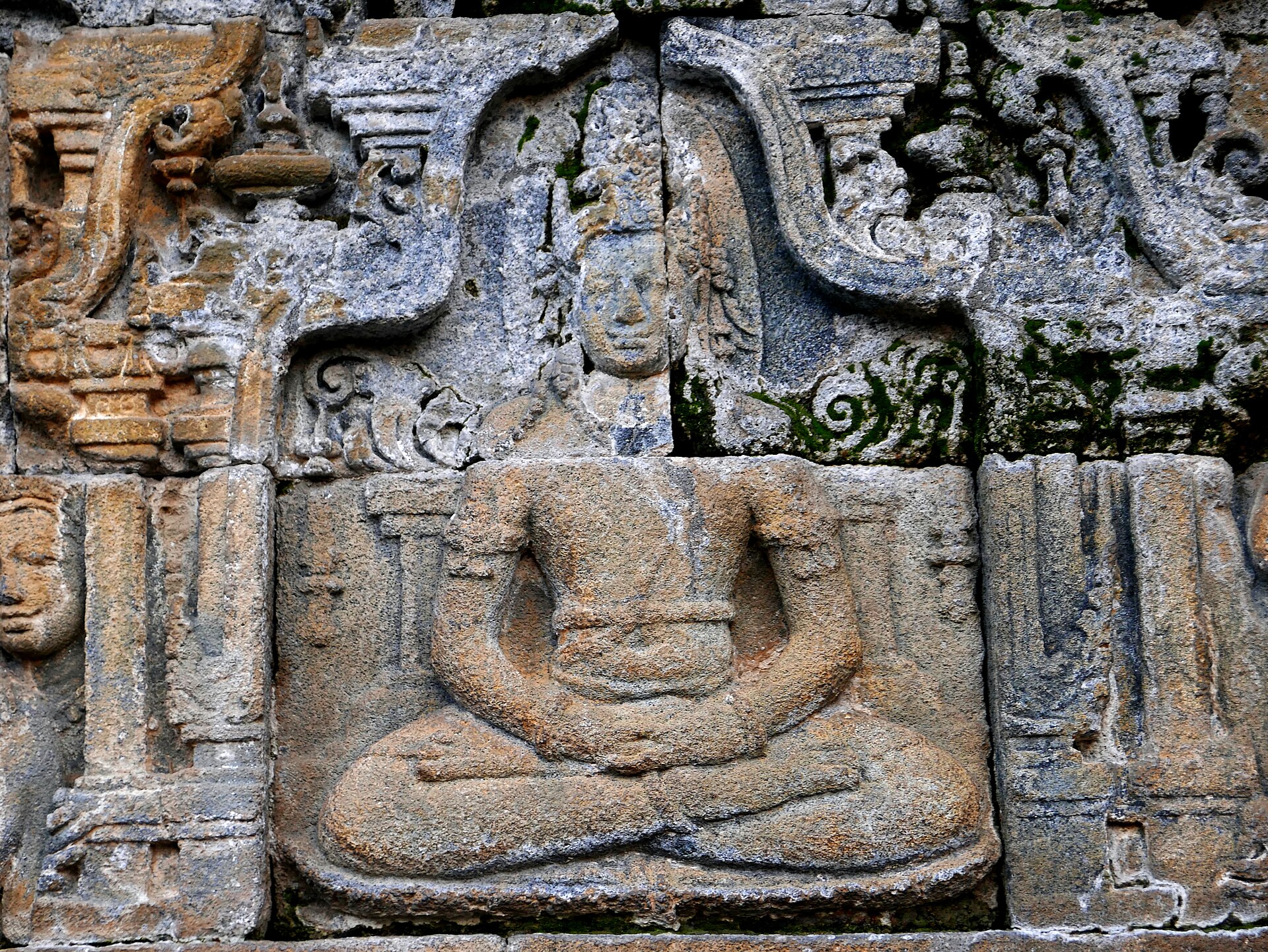
On your way up, you’ll be surrounded by 2,672 relief panels, split into 1,460 narrative and 1,212 decorative pieces, plus 504 Buddha statues sitting inside stupas and in niches. Near the top stand 72 perforated stupas (a stupa is a sacred Buddhist structure – here it’s bell-shaped and latticed like a stone cage). Peek through the gaps in the stone and you’ll spot a Buddha statue inside.
You can see photos of the covered reliefs on the so-called hidden foot of the temple in the Karmawibhangga museum. A small section of these reliefs is exposed at the southeast corner of the temple. Another museum, Samudra Raksa, displays a replica of the ship depicted on the stone reliefs.
Mendut and Pawon Temples
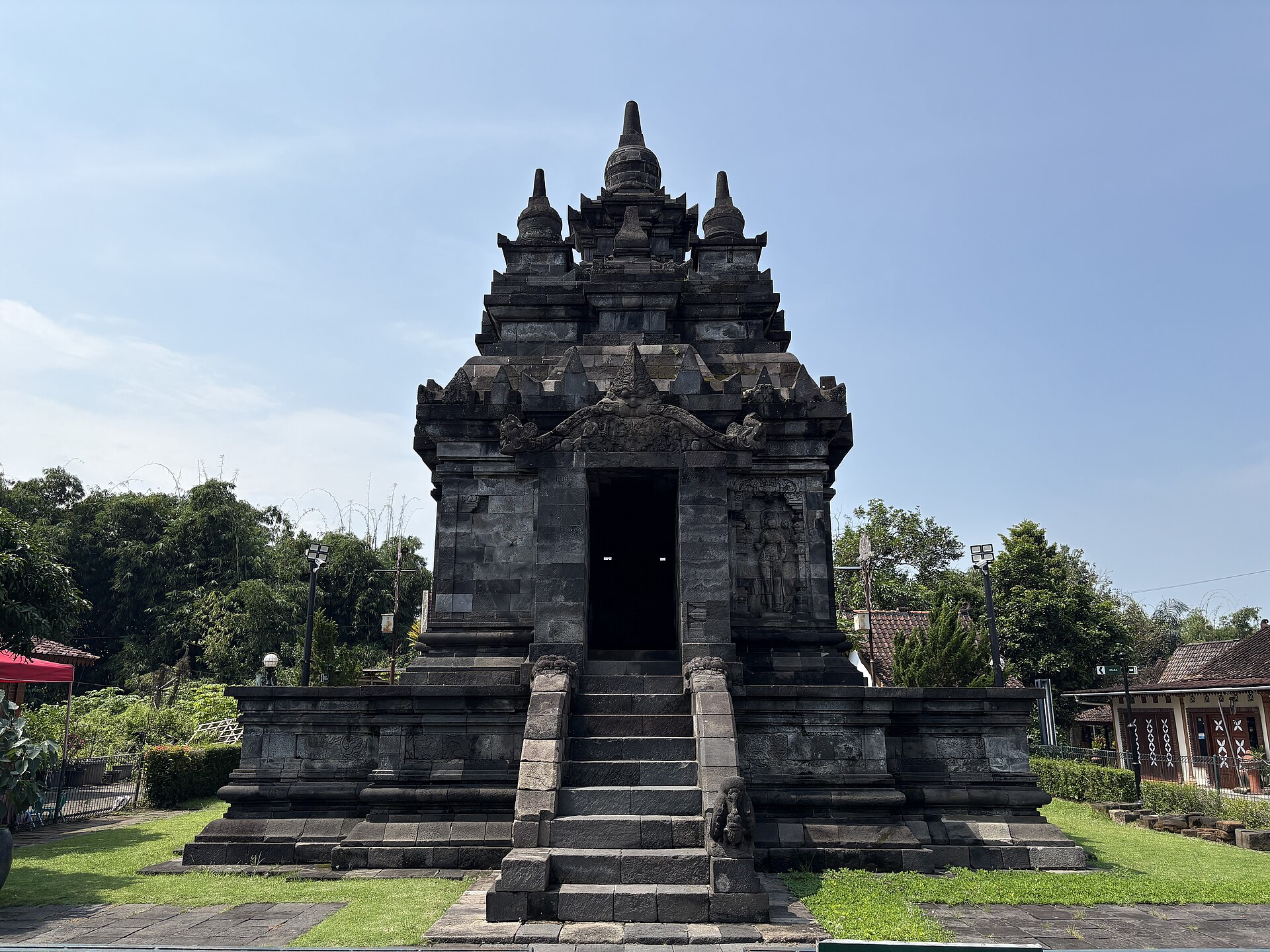
When Borobudur was added to the UNESCO list in 1991, it didn’t go alone – the smaller Mendut and Pawon temples also belong under the Borobudur Temple Compounds listing. These two monuments sit in one straight line with Borobudur, and the route runs from Mendut temple via Pawon temple all the way to Borobudur.
You can easily combine Mendut and Pawon with your visit to Borobudur in a single trip.
Waisak at Borobudur
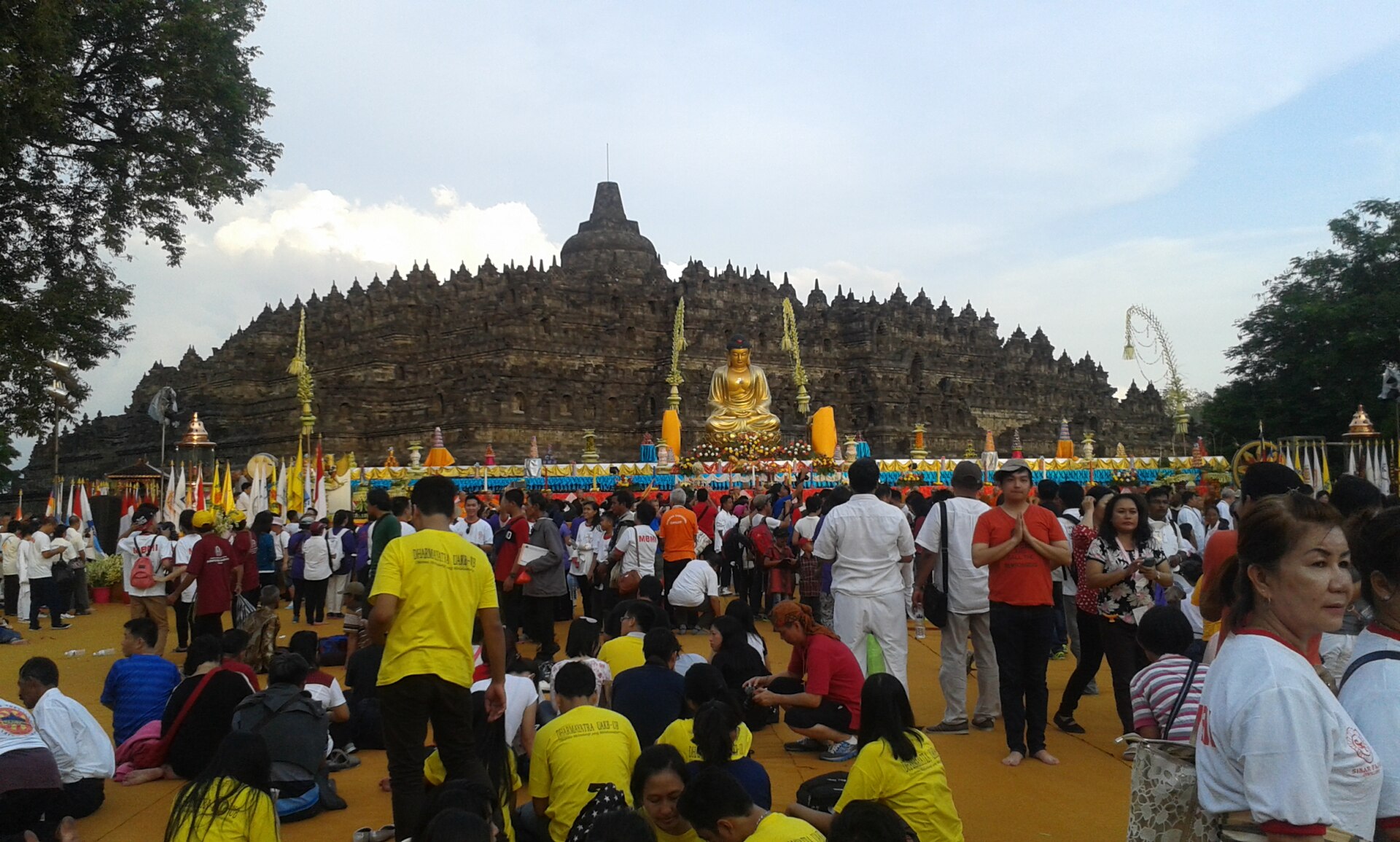
In 2026, 2,570 lanterns floated up above the temple, and for a moment the night sky looked as if a second starry sky had lit up. That’s reportedly what the highlight of Waisak looked like – the Buddhist festival during which lanterns were released into the sky at Borobudur. The peak of the celebrations fell on 31 May, so if you want to be there next time, you’d better start planning now ☺️.
Part of the Waisak celebrations is the lantern festival organised by the MBMI association, with tickets sold at mbmi.or.id. The Reguler option cost 550,000 IDR (roughly €25), while a VIP ticket was 2,000,000 IDR (roughly €100). Four people shared one lantern, so it paid to go with a group, and children had to be at least 7 years old. All of these details are from 2026.
Waisak 2027 falls on Thursday, 20 May 2027. Neither the prices nor the exact date of the lantern evening for 2027 have been announced yet. So keep an eye on mbmi.or.id, and as soon as the date and prices go live, don’t put off buying your tickets.
During Waisak week, book your accommodation and transport well in advance, as big crowds and possible road closures are expected.
How to Get from Yogyakarta to Borobudur
From central Yogyakarta, or more precisely from Tugu station, Borobudur is 41 kilometres away – on the map, that looks like the distance of one good cup of coffee. But Javanese traffic has its own opinion on distances, so allow 75 to 115 minutes, depending on how many scooters and vans end up in your way that day. Luckily, there are several ways to get there, and each one suits a slightly different budget and level of patience.
| Option | Time | Approximate price | Note |
|---|---|---|---|
| DAMRI minibus (scheduled minibus departing from Bank Indonesia near Malioboro Street, Yogyakarta’s main avenue) | about 90 minutes | reportedly around 20,000 IDR (roughly €1) | cash only, 9 departures a day |
| Grab or Gojek (ride-hailing apps) | 75 to 115 minutes | around 260,000 IDR (roughly €13) | price for the whole car, one way |
| Organised tour from Yogyakarta | depends on traffic | depends on the agency | for “sunrise” tours, check they’re not just taking you to Punthuk Setumbu hill |
The direct bus from Jombor bus terminal in Yogyakarta no longer runs – you now have to change in the town of Muntilan.
The temple is 60 kilometres from YIA (Yogyakarta International Airport), and the drive takes at least an hour. Since 17 September 2026, the Commuter Line Bandara YIA train will take you to Yogyakarta, and from there you continue as described above. It runs 50 times a day; a regular service costs about 20,000 IDR (roughly €1) and takes around 40 minutes, while the express starts at 50,000 IDR (roughly €2.50). Yogyakarta’s old Adisutjipto airport has only handled turboprop flights since 2020, so make sure you fly into YIA.
From Jakarta, take the Taksaka train from Gambir station. The journey to Yogyakarta takes about six hours, and tickets go on sale 45 days in advance. The Whoosh high-speed train doesn’t go to Yogyakarta, so don’t factor it into this plan. And since you’ll probably spend a few days in Jakarta, you might find our guide on what to see in Jakarta handy, along with tips on where to stay in Jakarta.
💡 Tip: With DAMRI, leave yourself some buffer time and check the current timetable before you set off.
When to Visit Borobudur Temple in Central Java
June to September is usually the best time to visit, with July and August being the driest months. That’s when you have the best chance of exploring the temple without an afternoon downpour – although the weather sometimes writes its own script.
| Period | Share of afternoon hours (1 pm to 7 pm) with rain | Share of early morning hours (3 am to 6 am) with rain |
|---|---|---|
| — | —: | —: |
| July and August | 15% | 1 to 2% |
| June and September | 27% | 2 to 3% |
| May and October | 30 to 38% | 4 to 8% |
| November to April | 48 to 59% | 7 to 17% |
The table is based on averaged ERA5 meteorological data (a European weather database) for the years 2016 to 2025.
Even in the rainy season, it rains much less in the morning than in the afternoon, but the data doesn’t capture fog or cloud cover, so nobody can guarantee you a sunrise. Temperatures are similar all year round, around 20 to 22 °C at 5 am. The rainy season arrives in November or December and peaks in February.
Lebaran (the Indonesian holiday marking the end of the fasting month) falls on 10–11 March 2027, with the public holiday period running from 9 to 15 March. Trains and hotels tend to sell out that week, so book well ahead.
💡 Tip: Go for a morning slot – in the rainy season, mornings are much drier than afternoons, and you’ll get round the temple before the worst of the heat.
Where to Stay Near Borobudur
Nobody enjoys getting up in the middle of the night just to deal with transport, so if you’re heading there for sunrise, staying near Borobudur will spare you a night-time drive from Yogyakarta. For a regular daytime visit, though, Yogyakarta makes a much more practical base for trips around the area.
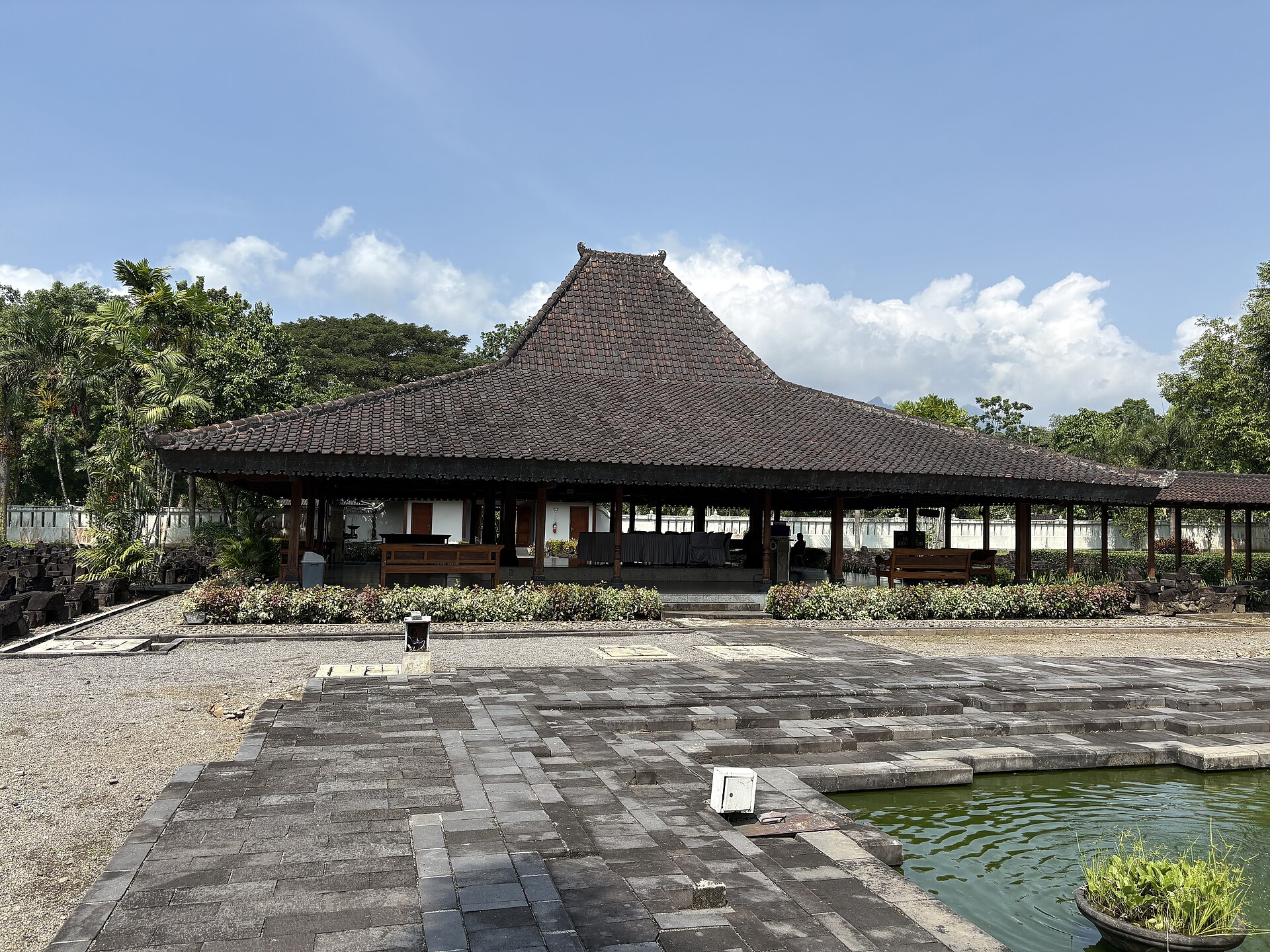
Heads up: Hotel Borobudur is in Jakarta and has nothing to do with the monument. Manohara is listed on the official InJourney website as a restaurant within the temple grounds, not as a hotel. Below, I’ve got two tips for places to stay near the temple and four more right in Yogyakarta.
Amanjiwo
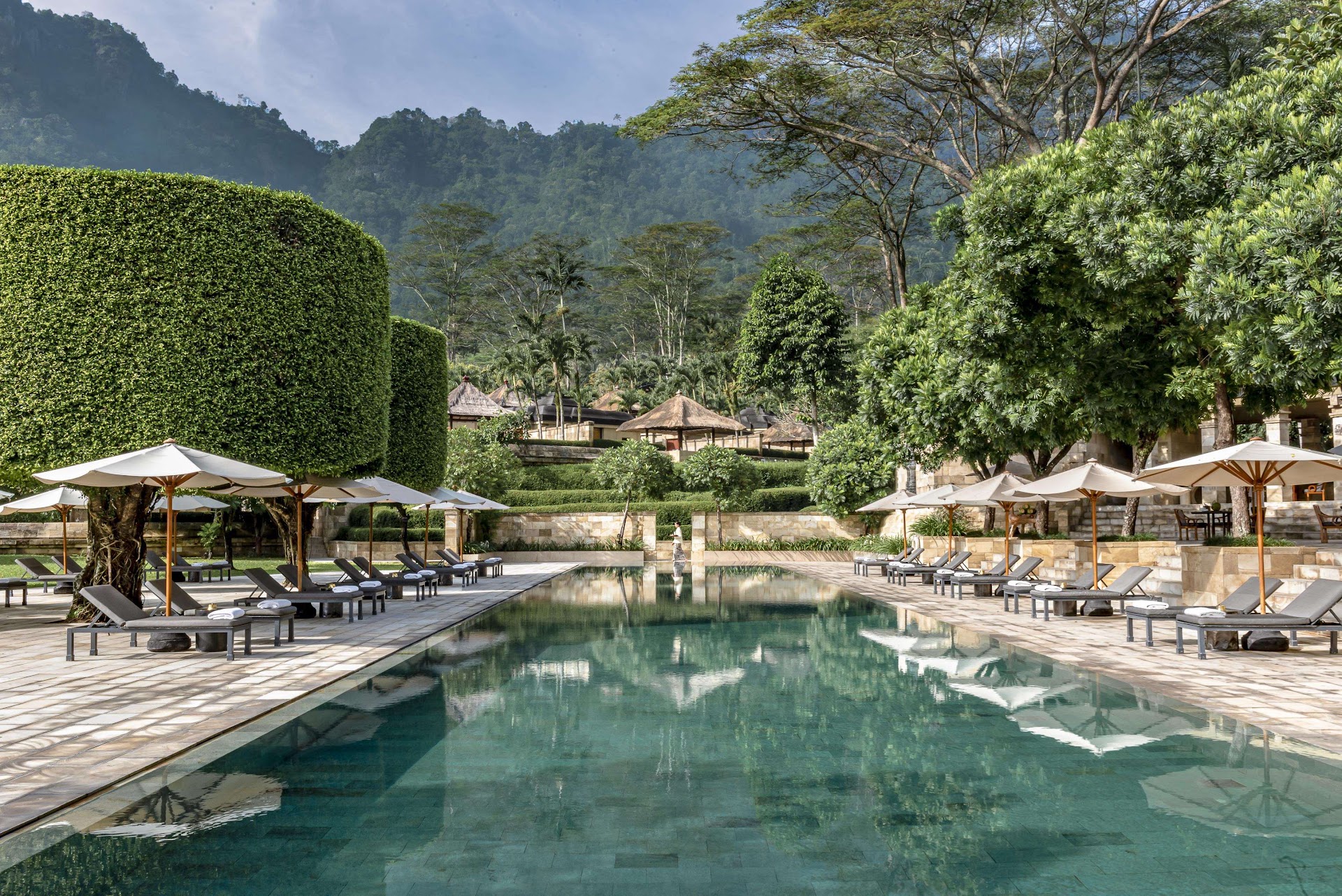
Close to the temple you’ll find Amanjiwo, a resort with views of Borobudur in the village of Majaksingi (Magelang Regency). It’s a great pick especially if you want the temple itself in sight for your entire stay.
Villa Borobudur Resort
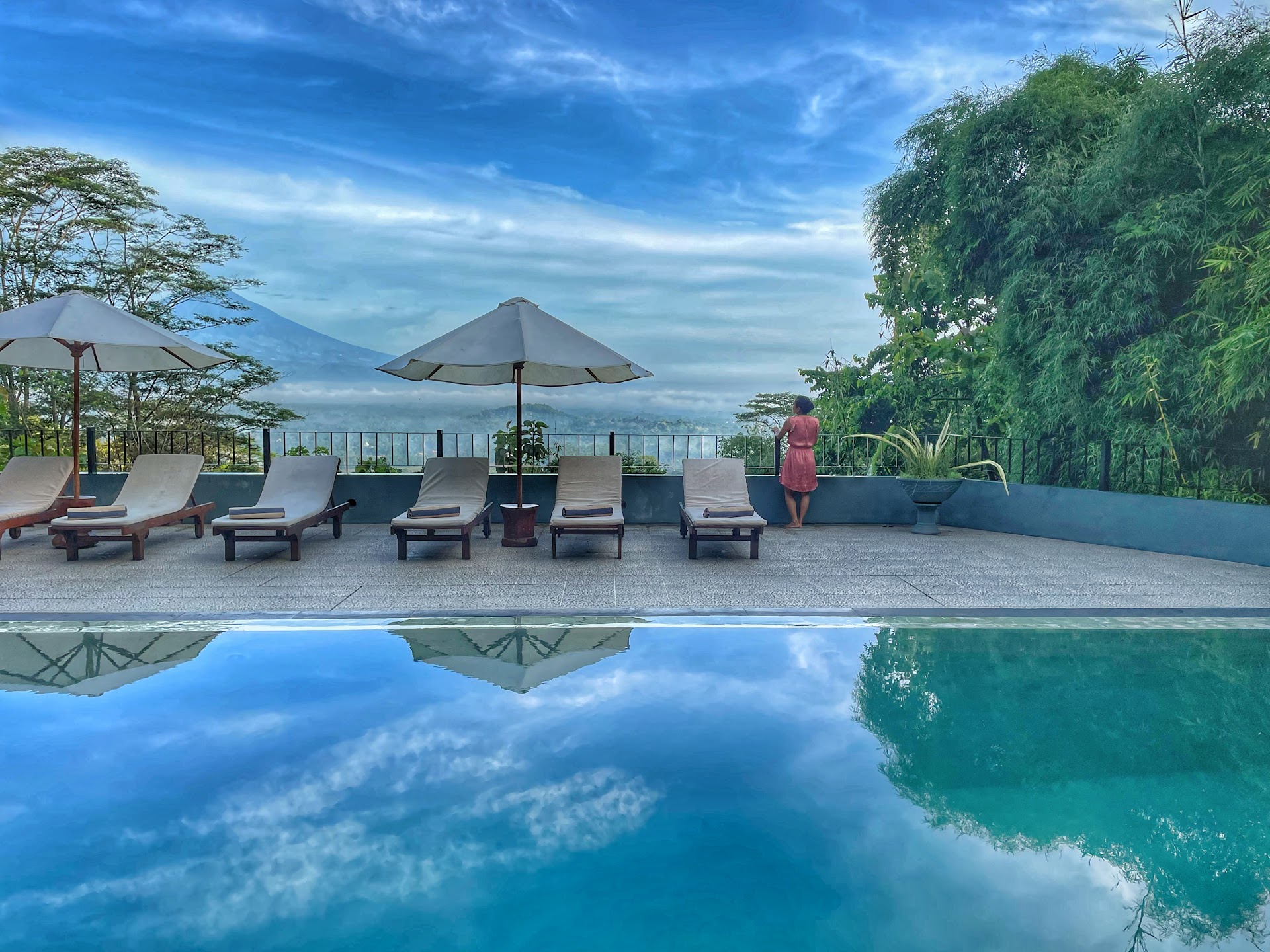
In the Dusun Pete part of Majaksingi village lies Villa Borobudur Resort, a smaller hilltop resort offering Javanese suites and villas with private pools. The whole property opens up lovely views over the surrounding countryside.
The Phoenix Hotel Yogyakarta
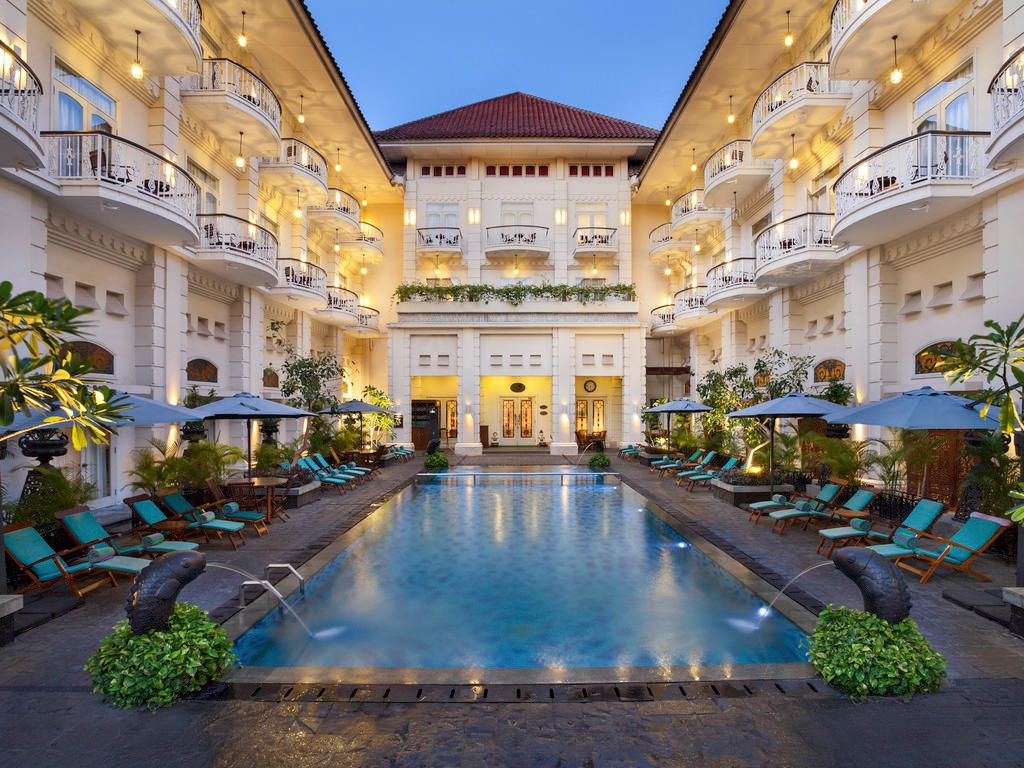
Right in the centre of Yogyakarta you’ll find The Phoenix Hotel Yogyakarta, a heritage hotel. It’s only about a ten-minute walk from the famous Malioboro Street, so the city centre is nicely within reach.
Hotel Tentrem Yogyakarta
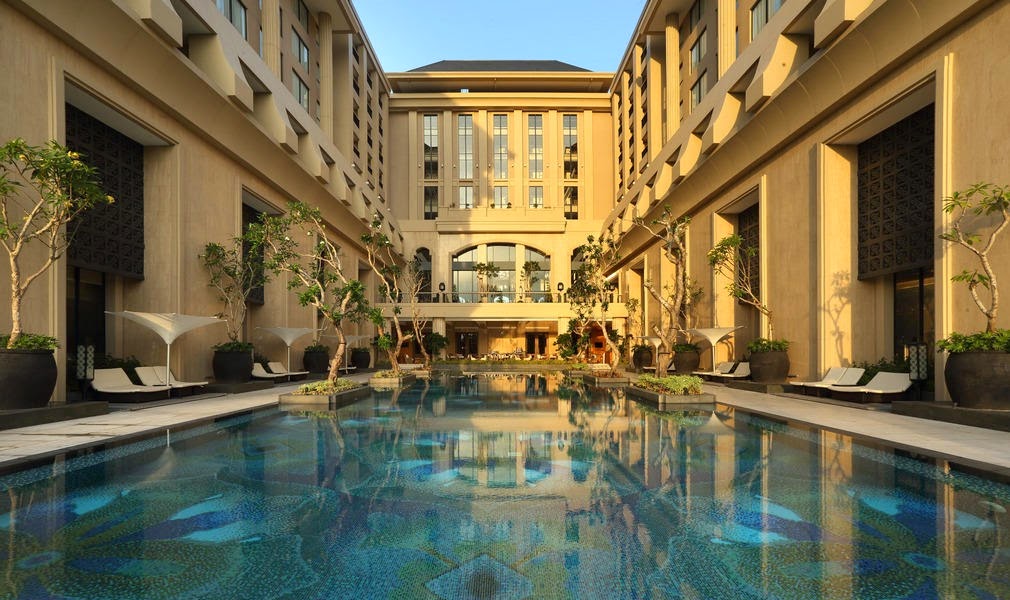
At the northern end of the axis linking Malioboro Street with the city’s Tugu monument stands Hotel Tentrem Yogyakarta, a luxury hotel in Yogyakarta. The word tentrem means peace and harmony in Javanese, which sounds more than tempting after a day spent exploring monuments.
Novotel Suites Yogyakarta Malioboro
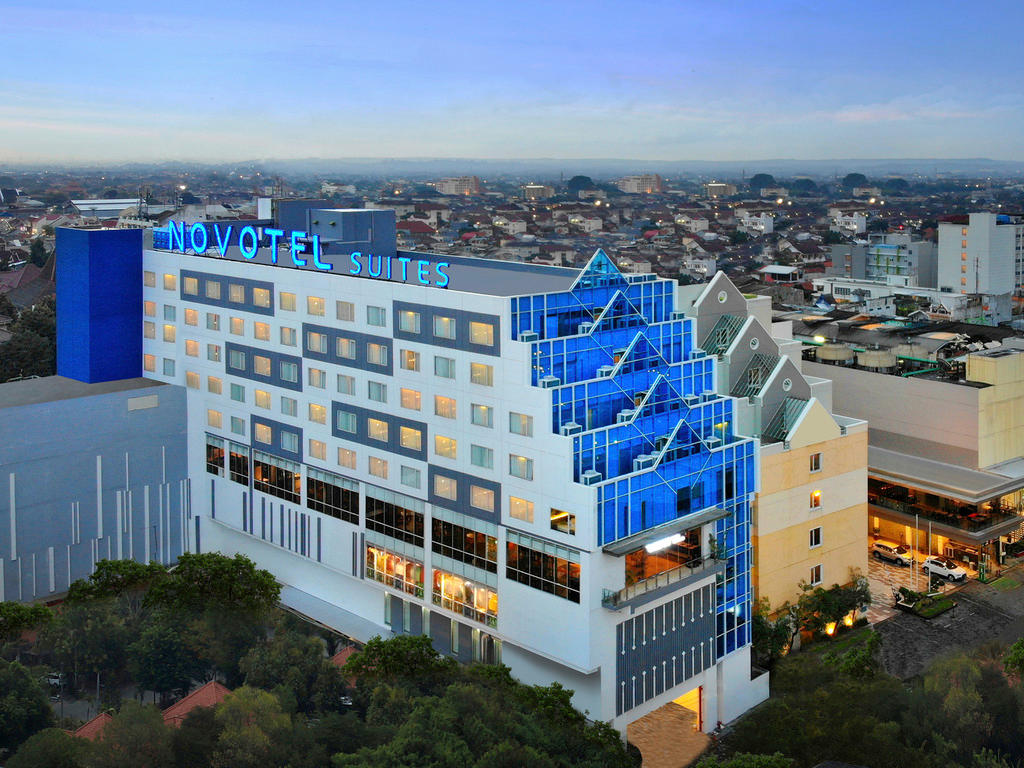
For a practical location in the city centre, there’s Novotel Suites Yogyakarta Malioboro, which sits right on Malioboro Street.
Adhisthana Hotel
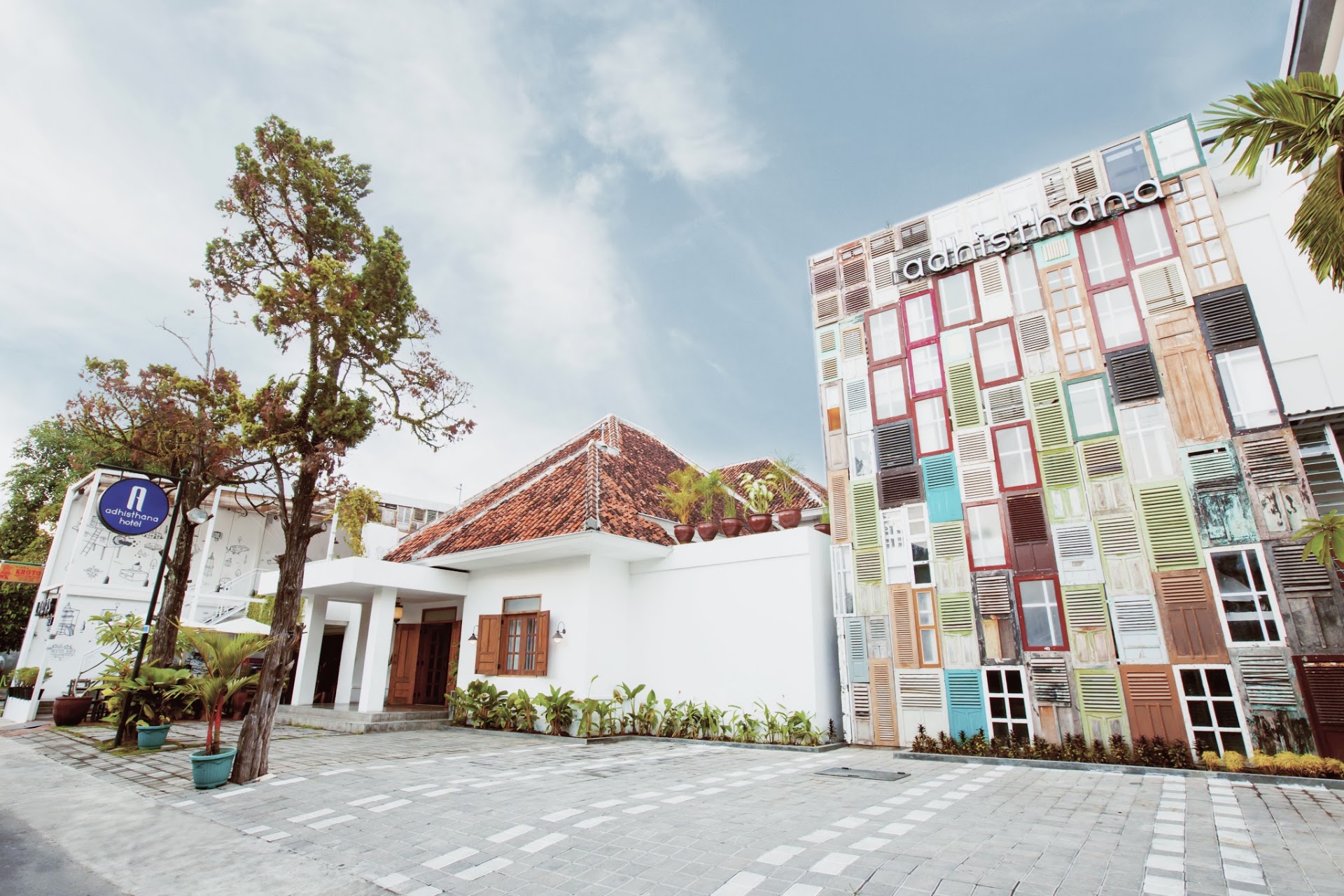
In Yogyakarta’s café-filled Prawirotaman district you’ll find Adhisthana Hotel, a pleasant boutique hotel with a focus on local materials and an eco-friendly approach. Its Javanese interior blends Chinese and European influences in an interesting way.
Borobudur and Prambanan: Why Not on the Same Day
On the map they look close, but Borobudur and Prambanan, the Hindu temple complex near Yogyakarta, lie 55 km apart on opposite sides of the city. The only way to fit both temples into one day is by car with a driver. It’s not worth it, though – you’d mostly spend the trip sitting in a car for hours. It’s much more comfortable to split the visit over two days, say two mornings, and explore each temple at a relaxed pace with a guide, who at Borobudur is included in the ticket price.
Watch out for older articles mentioning a combined ticket for both temples. It’s no longer sold to foreigners and is now only available to domestic visitors. So you’ll buy your tickets separately – and for Borobudur, do it in advance, because the popular time slots sell out.
Java pairs nicely with Bali, so while you’re planning, take a look at our articles on Bali and Ubud, or go straight to our Bali road trip. For where to stay on Bali, check out the best hotels and resorts in Bali. Before you set off for Java and Bali, don’t forget your travel insurance. You’ll find more trips around the country in our Indonesia category.
Frequently Asked Questions
How much does admission to Borobudur cost?
A ticket to climb the temple costs around 455,000 IDR (roughly €28) for an adult and 305,000 IDR (roughly €19) for a child. The price includes a guide and upanat sandals, which you get to keep as a souvenir after your visit.
Can I just visit the grounds without climbing the temple?
No, foreign visitors can’t buy a ticket just for the grounds — that option is reserved for domestic tourists. Visitors from abroad are sold the “structure” ticket, which includes climbing the temple, so don’t plan on a standalone visit to the grounds without the climb.
Where can I buy tickets?
Buy your tickets online at ticket.injourneydestination.id, or alternatively through Traveloka or tiket.com. Popular time slots sell out, so book the early morning and last slots of the day 7 to 10 days in advance, and watch out for sites that look official but are just reselling tickets.
Is Borobudur open on Mondays?
Yes, since July 2025 the structure has been open every day from 8:30 am to 5:00 pm, including Mondays; on rare occasions it may be closed for maintenance.
Can you watch the sunrise from Borobudur?
Yes, but you need a special Borobudur Sunrise ticket costing 1,000,000 IDR (roughly €62), meeting time is 4:00 am, and only 100 spots are available per day. An alternative is Punthuk Setumbu hill, where you watch the sunrise over Borobudur rather than from the temple itself.
How do you get from Yogyakarta to Borobudur?
From Yogyakarta you can take the DAMRI minibus, book a car through Grab or Gojek, or choose an organized tour. The drive by car takes anywhere from 75 to 115 minutes depending on traffic, while DAMRI reportedly takes around 90 minutes and costs about 20,000 IDR (roughly €1.20).
Why do you wear upanat sandals?
The upanat sandals protect the stone steps and terraces from wear, which is why you’re given a pair when entering the structure. You get to keep them as a souvenir after your visit.
When is the next Waisak at Borobudur?
Waisak falls on Thursday, May 20 in 2027. The 2026 lantern festival offered Reguler tickets for 550,000 IDR (roughly €34). The date and lantern ticket prices for 2027 aren’t known yet, so keep an eye on mbmi.or.id.
Can I fit both Borobudur and Prambanan into one day?
Yes, but doing both in one day only really works with a car and driver, since Borobudur and Prambanan are 55 kilometers apart. It’s more comfortable to split the visit across two days.
Is it worth staying near Borobudur?
Yes, staying near Borobudur makes sense if you want to catch the Borobudur Sunrise and don’t want to set off in the middle of the night. From Yogyakarta you’d have to leave well before the 4:00 am meeting time, still in the dead of night, so staying close to the temple can save you both the early wake-up and the long journey.
Tips and Tricks for Your Vacation
Don’t Overpay for Flights
Search for flights on Kayak. It’s our favorite search engine because it scans the websites of all airlines and always finds the cheapest connection.
Book Your Accommodation Smartly
The best experiences we’ve had when looking for accommodation (from Alaska to Morocco) are with Booking.com, where hotels, apartments, and entire houses are usually the cheapest and most widely available.
 🚗 Car rental on the roadVerified rental cars in Indonesia
Search with the DiscoverCars comparison engine — it compares prices from dozens of local and international rental companies, and most bookings come with free cancellation.
Compare car prices in Indonesia →Don’t Forget Travel Insurance
Good travel insurance will protect you against illness, accidents, theft, or flight cancellations. We’ve had a few hospital visits abroad, so we know how important it is to have proper insurance arranged.
Where we insure ourselves: SafetyWing (simple monthly subscription) and TrueTraveller (for extra-long trips).
Find the Best Experiences
Get Your Guide is a huge online marketplace where you can book guided walks, trips, skip-the-line tickets, tours, and much more. We always find some extra fun there!


