

Greece has probably been on your dream list for ages – whitewashed houses above a turquoise sea, dinners by the harbour, the smell of grilled cheese, and water so clear you can see straight to the bottom. But between the dream and actually setting off there’s always a stretch of practical uncertainty: when exactly to go so it’s not blisteringly hot but the beaches aren’t deserted either, how much the whole thing will cost, and above all – should you book a package or put it together yourself? These are the very questions we asked ourselves before we started working our way around Greece island by island. ☺️
This page is our hub, where you’ll find three things: current tour and flight prices, which we refresh every morning so you see real figures and not stale deals; our tips from our own trips and articles – where to go, what to skip, and where not to get ripped off; and a plan for when and what to book, so you don’t overpay for either flights or accommodation.

What to see and do in Greece
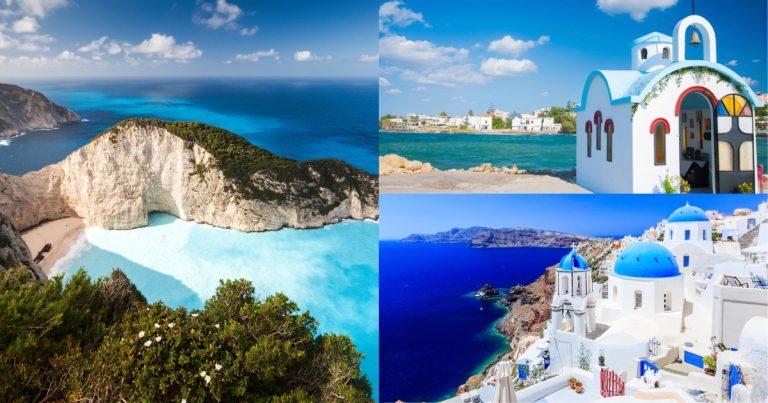
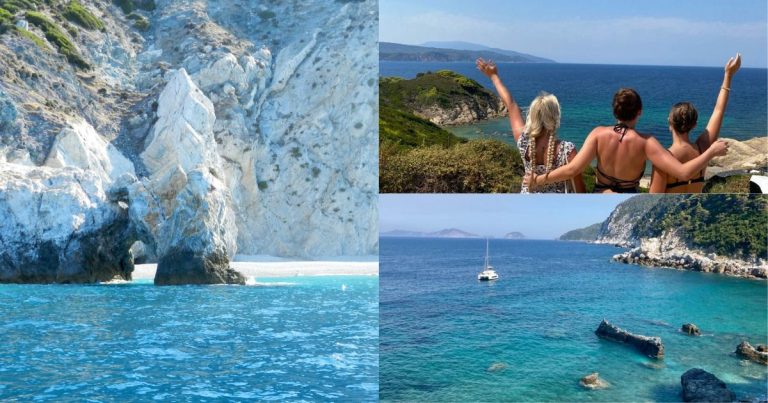
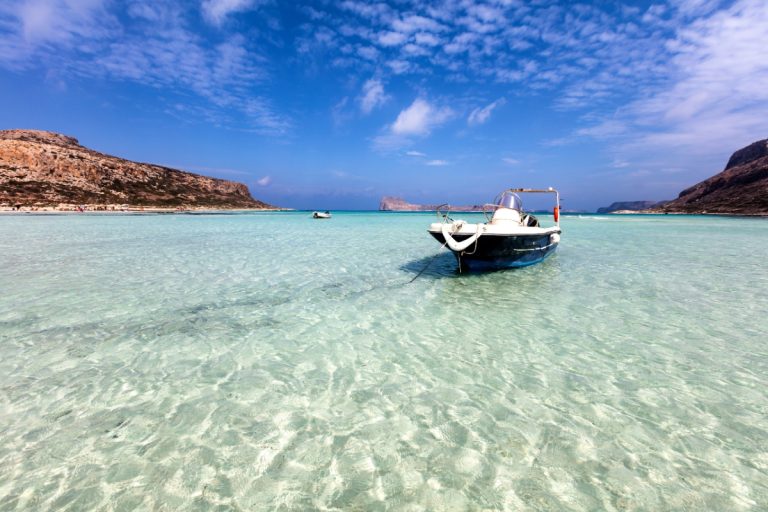
Greece isn’t just one holiday – it’s dozens of completely different worlds. Start with the classics: Santorini with its iconic sunsets and Mykonos for those who want buzz and nightlife. If you’re after a big island where you could happily spend three weeks, it’s unquestionably Crete – mountains, gorges and endless beaches.
- Corfu and Zakynthos in the Ionian Sea – green, with lagoons and the famous Navagio beach.
- Rhodes, Kos and other islands near Turkey – sun, history and a long season.
- The Cyclades for island hopping: Paros, Naxos and photogenic Milos with its Sarakiniko beach.
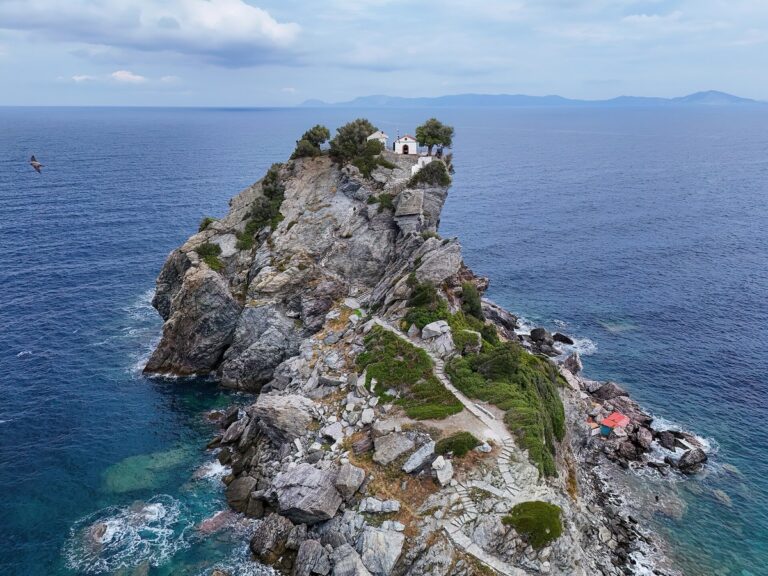
- The Sporades, straight out of Mamma Mia: Skopelos and Skiathos.
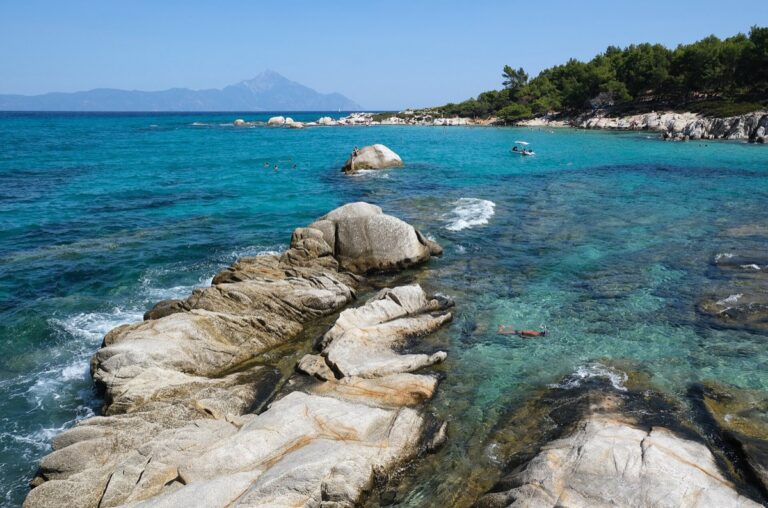
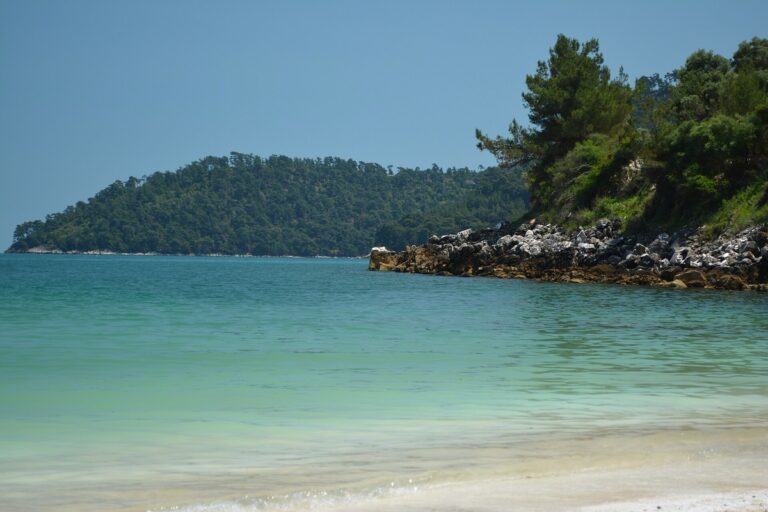
- The northern Aegean and pure calm: emerald Thassos and the Halkidiki peninsula.
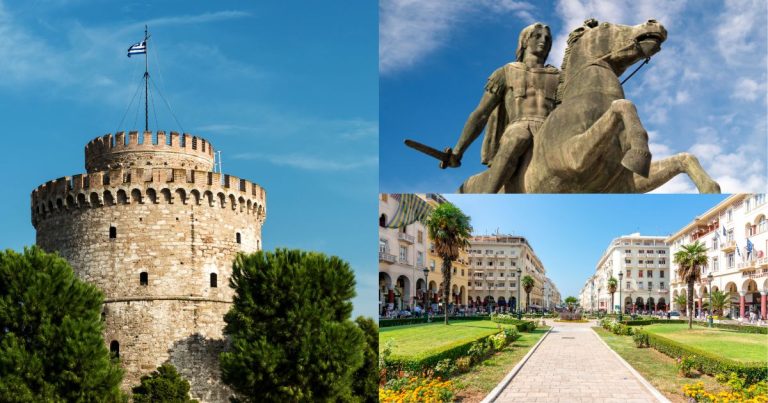
And don’t forget the mainland – it’s often underrated. The clifftop monasteries of Meteora are one of the most powerful experiences in the whole country, the historic Peloponnese offers antiquity without the crowds, and cosmopolitan Thessaloniki is a great gateway to northern Greece. If you’re still deciding, have a look through our overview of where to holiday in Greece.
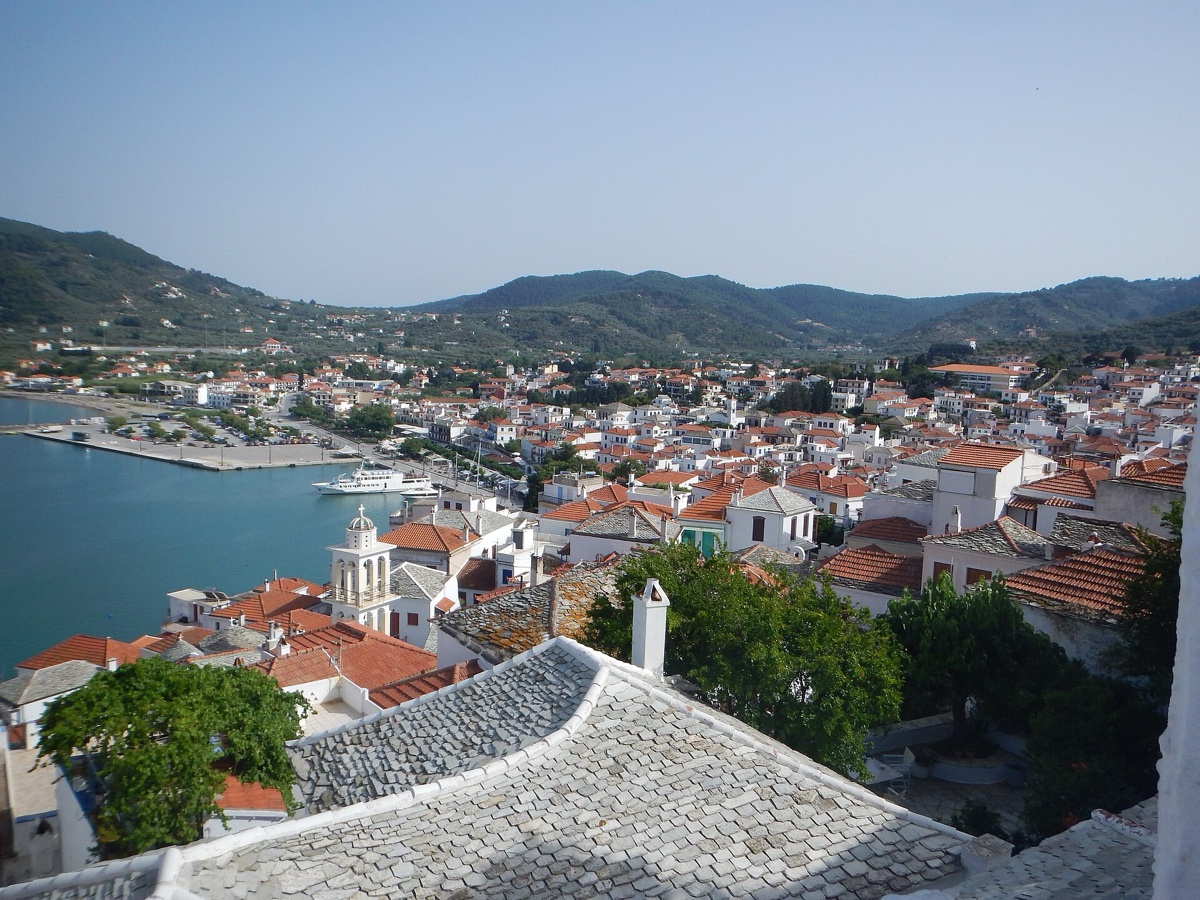
When to visit Greece
The main season in Greece runs from June to September, when it’s warm, the water’s lovely and everything’s open. The hottest and priciest months are July and August – temperatures in the south top 35 °C and the islands are packed. If you can handle the heat and want guaranteed swimming, it’s the classic choice; but we ourselves love the shoulder season best.
For us the sweet spot is May, June and September – the sea is already (or still) warm, there are fewer people and the prices are friendlier. October is excellent for exploring the mainland, the cities and Meteora, once the punishing heat has eased. For a purely beach holiday, though, late October can be borderline on some islands.
You’ll find a detailed month-by-month weather breakdown in our article on when to go to Greece – it’ll help you nail the right dates depending on whether you’re going for swimming, sights or hiking.
These are the experiences we remember most fondly from Greece – we’ve picked them from our own trips, so we know they’re worth both the time and the money:
- Sunset on Santorini from Oia – a cliché, but one that really does deliver. Arrive early to get a spot.
- The climb to the Meteora monasteries – clifftop monasteries perched on rock, among the most powerful experiences in the country.
- Island hopping in the Cyclades by ferry between Paros, Naxos and Milos – more on this in our island-hopping guide.
- The Navagio lagoon beach on Zakynthos and looking out for sea turtles.
- The gorges and mountains of Crete – such as the famous Samaria for hiking lovers.
- Foodie wanderings around Thessaloniki and tasting Greek specialities, which we cover in our article on Greek food.

How to get to Greece
The fastest way to reach Greece is by air – in season there are plenty of direct flights from Prague to Athens, Crete, Rhodes, Corfu, Kos, Zakynthos and Thessaloniki, with a flight time of around 2.5–3 hours. Athens acts as the main gateway with connecting domestic flights and ferries to the islands, while the regional airports drop you right by the sea. Out of season you’ll often have a layover (in Vienna or Athens, say, or via the big European hubs).
By car you’ll reach Greece through Austria, Hungary and the Balkans – reckon on roughly 1,600–2,000 km and two days on the road, so it really only pays off for a longer stay on the mainland or the nearby islands (Thassos, Halkidiki). The islands are linked by ferries, which we cover in detail in our guide to island hopping in Greece.
Renting a car
A car pays off in Greece on the big islands and the mainland – Crete, Rhodes, the Peloponnese and Naxos are so large that without a car you’ll only see a fraction of them. On small islands, on the other hand, where you can walk or scoot everywhere, and anywhere you’re just lounging on a single beach, you usually don’t need one and you’ll save on parking and petrol.
- Book ahead through comparison sites – in season cars are often sold out and pricier on the spot.
- Check the insurance and deposit – the basic policy often has a high excess, so add-on cover (with zero excess) is worth it.
- Factor in motorway tolls on the mainland, and the fees if you want to take the car between islands by ferry.
- Photograph the condition of the car when you pick it up, to record any scratches – it’ll save you arguments at drop-off.
Where to stay in Greece
Accommodation in Greece suits every budget. The cheapest are family-run studios and apartments (often with a kitchenette), which are ideal for the islands and longer stays. All-inclusive hotels and resorts will appeal to families and anyone who wants everything under one roof – you’ll find them mainly on the big islands like Crete, Rhodes and Kos.
- Apartments and studios – the best value for money, perfect for independent trips and longer stays.
- Hotels and resorts – comfort and all-inclusive, great for families with children on the big islands.
- Boutique guesthouses in the Cyclades – on Santorini or Milos you pay for the view, so book early.
- Town vs. beach – staying right by the most famous beaches tends to cost more; a few minutes’ walk saves you quite a bit.
You’ll always find our specific tips on areas and places to stay with each individual island – and the latest offers in the our accommodation tips section on this page.
Package tour or independent travel?
A package tour pays off when:
- you want flight, transfer and hotel all in one and don’t want to deal with logistics;
- you’re travelling with children or going all-inclusive and value comfort and certainty;
- you want a single island and calm by the sea without moving around.
Go independent when:
- you want to hop between several islands (island hopping) or combine in the mainland;
- you’re travelling outside the high season, when putting it together yourself is often cheaper;
- you enjoy choosing your own tavernas, beaches and pace.
The two of us travel independently most of the time, because we love the freedom and the discovery. But honestly – for a first Greek holiday with kids, or when you just want to switch off by the sea, a good-quality package is often both cheaper and more comfortable. Compare the two: we refresh the current flight and tour prices on this page every morning.
Budget: daily costs in Greece
| Level | Accommodation | Food | Transport & activities | Total/day |
|---|---|---|---|---|
| Backpacker | 25 €–35 € | 16 €–25 € | 8 €–16 € | approx. 45 €–75 € |
| Standard | 45 €–80 € | 30 €–40 € | 20 €–35 € | approx. 95 €–155 € |
| Comfort | 120 €+ | 45 €+ | 40 €+ | approx. 210 €+ |
Prices are a rough guide per person per day and don’t include travel from the Czech Republic. In high season (July–August) and on pricey islands like Santorini and Mykonos, expect to be nearer the upper end. We’ve got detailed budgets in our practical guide to Greece.
How to save when planning
- Buy flights 2–4 months ahead for the high season – last-minute bookings in July and August are the most expensive. Search for flights in our search tool.
- Tackle package tours in two windows: first-minute in spring for the best choice of dates, or last-minute just before departure if you’re flexible. We’ve got the latest offers in the current tours section on this page.
- Book accommodation on the popular islands (Santorini, Mykonos) well in advance – at the end of the season, by contrast, prices drop. Our accommodation tips will give you some inspiration.
- Activities and trips with limited capacity (boat trips, popular tours) are worth securing in advance – you’ll find what to book early here.
- Where you overpay: restaurants right by the main attractions and harbours, taxis without a meter, and airport exchange offices. Move a few metres away and you’ll save a fair bit.
Practical information
- Language and communication: the official language is Greek, but in tourist areas you’ll get by in English no problem.
- Payments: the currency is the euro and you can pay by card in most places, but on smaller islands, in tavernas and at markets it helps to carry cash.
- Connectivity: Greece is in the EU, so your Czech data plan works on roaming; for a longer stay or sharing, though, an eSIM with local data pays off.
- Safety: Greece is one of the safer destinations – just keep an eye on valuables on the beach and in crowds. On the roads, watch out for scooters and narrow mountain lanes.
- Water: tap water is usually fine on the mainland, but on some islands people drink bottled – follow your host’s advice.
We’ve gathered more detail on transport, money and safety in our practical guide to Greece.


