

The Ionian Islands are the kind of dream you replay in your head sometime in February, stuck at your computer – turquoise water, cypress trees, a taverna overlooking a bay. But then come the practical questions: how much is this all going to cost, when is it worth flying, and should you book a package or go it alone? These are exactly the uncertainties we’ll try to untangle for you here.
You’ll find three things here: up-to-date package and flight prices that we refresh every morning; our own tips from trips and articles about Corfu, Zakynthos, Kefalonia and Lefkada; and a simple plan for when and what to book so you don’t overpay for nothing.

What to see and do in Ionian Islands
The Ionian Islands aren’t just one place – they’re a group of islands, each with its own character. We’ve travelled the main ones, and here’s an honest rundown of where to go for what:
- Corfu – the greenest island, with a Venetian old town, winding lanes and beaches ranging from busy to hidden. A good choice for a first visit when you want a mix of sights, beaches and buzz.
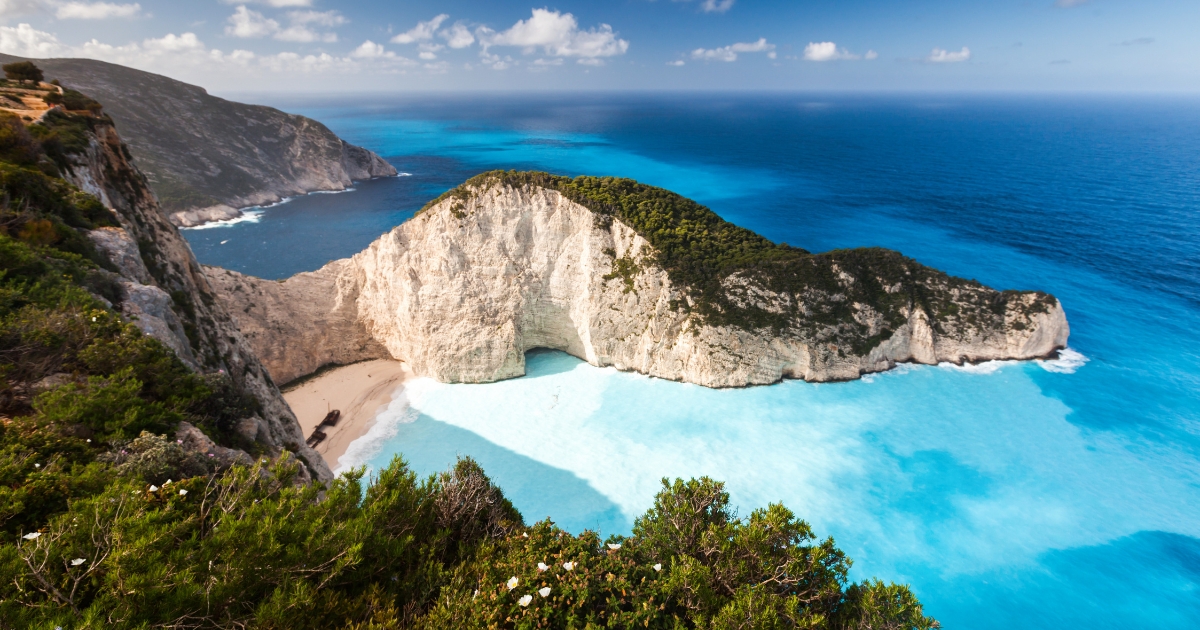
- Zakynthos is home to perhaps Greece’s most photographed bay – Navagio with its shipwreck – plus sea caves and loggerhead turtles. A lot of postcard-perfect spots packed into a small area.
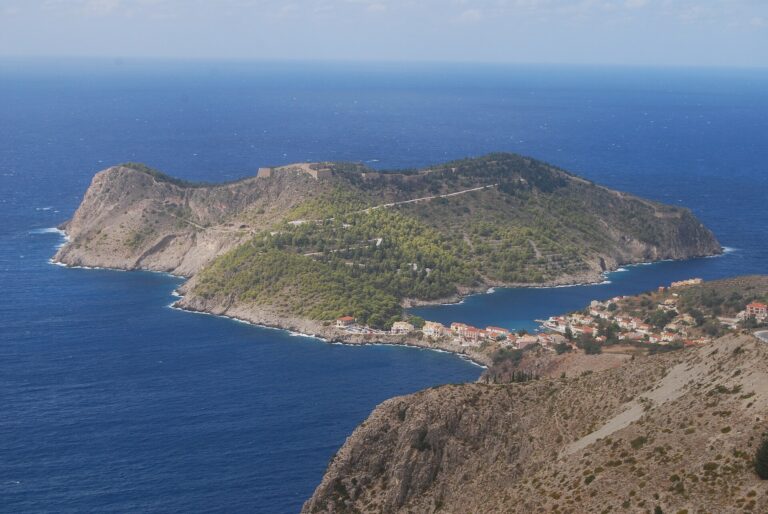
- Kefalonia is the largest of the islands, quieter and wilder – Myrtos beach, the Melissani cave, mountains and sleepy villages. There’s no rushing here.
- Lefkada is connected to the mainland by a bridge, so you can drive right up to it. It has dazzlingly white beaches along the west coast and is a paradise for windsurfing and kitesurfing.
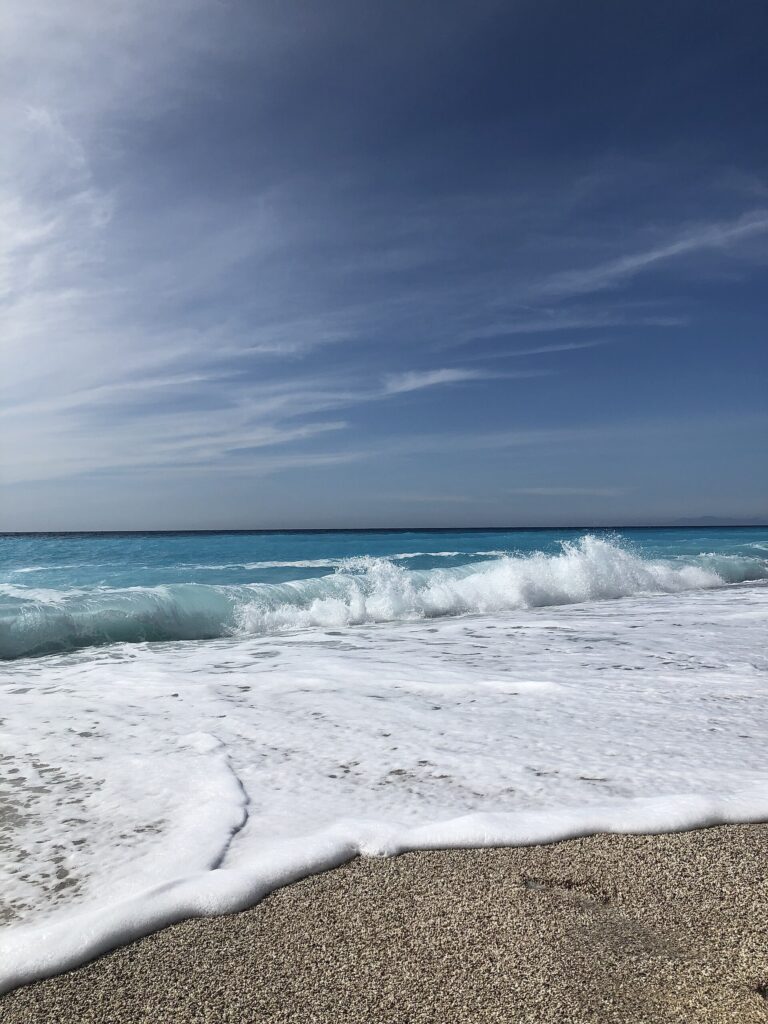
The common thread is the incredible colour of the sea and a more relaxed pace than the islands of the Aegean. If you’re torn between islands, take a look at our individual guides above – each one has specific tips on beaches, day trips and tavernas.
When to visit Ionian Islands
The season on the Ionian Islands runs roughly from May to October. For us, the absolute sweet spots are June and September – the sea is already (or still) warm, sunshine is a sure thing, but without the worst of the heat and crowds. We’ve put together a detailed month-by-month temperature breakdown in our article Corfu Weather, which works as a rough guide for the neighbouring islands too.
The peak season is July and August – the most heat, the most people and the highest prices. If you’re not tied to school holidays, we’d recommend avoiding it. On the other hand, May and early October are lovely for sightseeing, hiking and a quieter holiday – just bear in mind the sea is still fresh for swimming in May.
Out of season (November–April) it’s calm, green and cheap, but plenty of resorts, tavernas and seasonal ferry lines are closed. So for a purely beach holiday, we wouldn’t recommend the off-season.

How to get to Ionian Islands
The easiest way is to fly. In peak season there are both charter and low-cost flights from Prague directly to Corfu, Zakynthos and Kefalonia, with a flight time of roughly 2.5–3 hours. Out of season or from smaller airports, expect a connection (typically via Athens or another European hub).
Driving really only makes sense for Lefkada, which is connected to the mainland by a bridge – even so, it’s a long haul from the Czech Republic across the Balkans, over 1,500 km. To reach the other islands by car you’ll need to combine the drive to Greece with a ferry, which makes more sense for a longer road trip than a week’s holiday. Ferries run between the islands and to the mainland, so you can island-hop too.
Renting a car
We’d recommend a car on the Ionian Islands almost every time, if you want to see more than just your beach. The islands are rugged, and the prettiest bays, viewpoints and villages are best discovered by car. You can manage without one if you stay in a single beach resort and just want to relax – then an occasional bus or boat trip will do the job.
- Book ahead through a comparison site – in season, cars run out and prices on the spot tend to be higher.
- Check the insurance and deposit – basic cover often comes with a high excess; additional cover is worth it.
- Take it easy on mountain roads and switchbacks, and bear in mind parking at the top spots can be a problem in summer – it’s best to arrive early.
- Between islands, expect ferries; not every rental company allows you to take the car across, so check beforehand.
Where to stay in Ionian Islands
You’ll find accommodation here in every price bracket – from apartments and rooms in family-run guesthouses through classic hotels to villas with a pool. Our advice: pick one base and take day trips from there – the islands aren’t so big that you need to keep moving on.
- Families and quiet: smaller resorts and apartments with a kitchenette – you’ll save on food and have a more relaxed routine.
- Couples and sightseeing: accommodation near the main/old town (great on Corfu), close to the action and the buses.
- Without a car: choose a resort with a beach within walking distance and some shops, so you’re not dependent on transport.
- Surfers and active travellers: western Lefkada or spots near the windy bays.
In July and August, book well ahead – the best value-for-location spots are the first to go. Outside the peak you can often find something even at the last minute.
Package tour or independent travel?
This question will shape your whole holiday, so let’s take an honest look at both sides:
A package is worth it when…
- you want your flight, transfer and hotel sorted in one bundle and hassle-free;
- you’re flying with kids and you’ll appreciate a rep and peace of mind;
- you’re going in peak season, when a package can paradoxically be cheaper than putting it together separately;
- you don’t want to deal with transport once you’re there.
Go it alone when…
- you want to combine several islands or follow your own route;
- you prefer an apartment, cooking and a free-and-easy schedule;
- you’re flexible on dates and good at keeping an eye on flight prices;
- you want to explore more and lie by the pool less.
The two of us love independent travel with a rental car – it gives us the freedom to drive from bay to bay on a whim. But if you want to switch off for a week and not think about a thing, a package to a single island is an absolutely fine choice. By all means compare the two options on price before you decide.
Budget: daily costs in Ionian Islands
| Level | Accommodation | Food | Transport & activities | Total/day |
|---|---|---|---|---|
| Backpacker | 30 €–45 € | 16 €–25 € | 8 €–16 € | 50 €–85 € |
| Standard | 45 €–85 € | 30 €–40 € | 20 €–35 € | 95 €–160 € |
| Comfort | 100 €–180 € | 45 €–70 € | 40 €–80 € | 185 €–330 € |
Prices are approximate, per person per day and assume two people sharing accommodation. Greece is pleasantly affordable compared with northern Europe — the biggest difference comes down to whether you eat in tavernas or cook in your apartment, and whether you’ve rented a car.
How to save when planning
On the Ionian Islands, you tend to overpay on two things most: flights booked at the last minute in summer, and accommodation booked late. Here’s how to do it smartly:
- Book flights 2–4 months ahead, ideally avoiding weekend departure days. At the last minute in peak season, prices usually climb. Search for flights in our search tool.
- Sort out accommodation in July and August well in advance – the best value-for-location spots disappear first. Outside the peak it’s worth waiting. Our accommodation tips.
- Packages: booking early (winter/spring) gives you the best choice of dates and hotels, while last minute means a lower price if you’re flexible. You’ll find current deals in the packages section.
- Popular trips and boat tours (Navagio, the caves) are best booked in advance – on the spot they tend to be pricier and sold out. What to book early.
- Eat where the locals eat and make use of an apartment with a kitchenette – over a week it can save you thousands of crowns.
Practical information
- Language and currency: Greek, but you’ll get by in English in tourist areas. The currency is the euro.
- Payments: you can pay by card in most hotels, restaurants and shops, but always keep some cash for markets, small tavernas and ferries.
- Connectivity: as part of the EU, roaming works with no surcharge. If your plan has a small data allowance, an eSIM is worth it – you can set it up in a few minutes before you even leave home.
- Safety: the Ionian Islands are among the calmest and safest destinations – mainly keep an eye on your valuables at the beach and take care on the mountain switchbacks.
- Documents: an ID card is enough for travel within the EU, but make sure it’s valid and undamaged.
One small thing that helps a lot: if you’re renting a car or scooter, have your driving licence and a card for the deposit ready, and fill up in good time during the season – petrol stations can be few and far between on the smaller islands.


