

Spain lives somewhere in almost everyone’s imagination – the beaches of the Costas, tapas at a packed bar, Gaudí’s curves, the siesta and dinner at midnight. But between the daydream and the departure stand the same questions we wrestle with every time too: how much will the whole thing cost, when is the best time to go, and can we manage on our own or should we book a package?
This page is our jumping-off point for all things Spanish. You’ll find three things here: current package and flight prices that we refresh every morning; our tips from our own trips and articles, places we’ve genuinely been; and a plan for when and what to book so you don’t overpay needlessly.

What to see and do in Spain
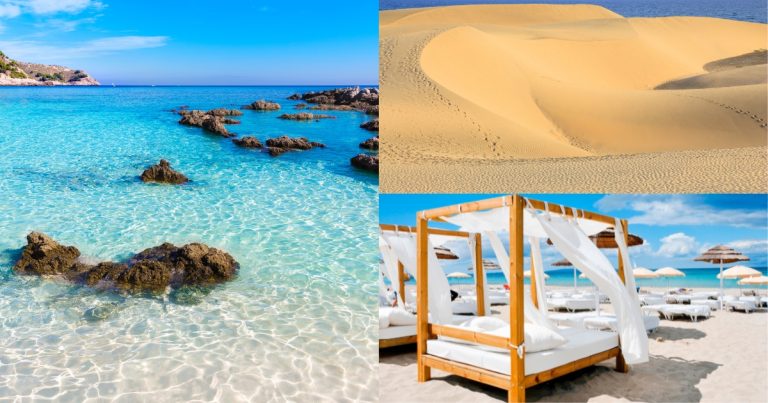
Spain isn’t one country – it’s easily four holidays in one. The south serves up sun and sea: Nerja with its Balcony of Europe, elegant Marbella or windswept Tarifa, mainland Europe’s southernmost point, where you can kitesurf and head out to watch whales. If you’re wondering about the weather, take a look at our month-by-month temperatures in Málaga.
Catalonia is a chapter all of its own: Sagrada Família in Barcelona, the wild coves of the Costa Brava, the surreal Dalí Museum in Figueres, Roman Tarragona and laid-back Sitges just a short hop from Barcelona.
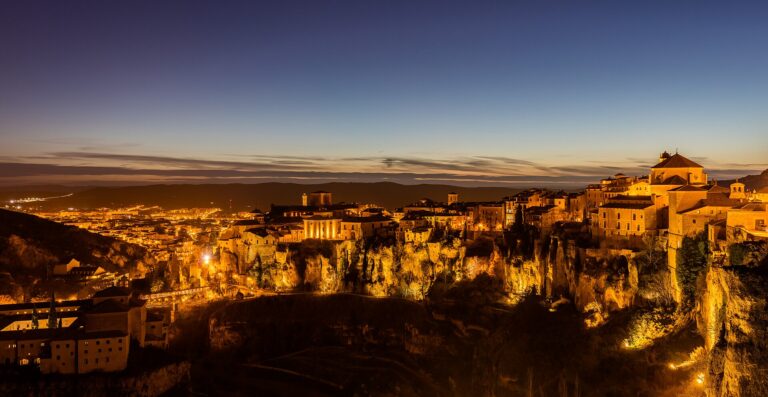
Then there’s the interior and the north, which tourists often skip – and that’s a shame. The hanging houses of Cuenca, golden Salamanca, the cathedral in León, Zaragoza and green Asturias with its ocean, Santander and Galician Vigo, gateway to the Cíes Islands. And then the big experiences: the Camino de Santiago, the fiery Las Fallas in Valencia, La Tomatina and the running of the bulls during San Fermín in Pamplona. If you want guaranteed sunshine and easy relaxation, reach for Benidorm or the Canary Islands. And on top of it all, of course, tapas – another reason we keep coming back. You’ll find more inspiration in our roundup of 17 ideas for where to holiday in Spain.
When to visit Spain
For most of Spain the most pleasant months are May, June, September and early October – warm enough for the sea and the cities, but without peak crowds and without the summer inferno. July and August are the hottest and priciest; inland (Madrid, Seville, Cuenca) temperatures can easily top 40 °C and sightseeing at midday turns into a slog.
The south and the Canaries work outside summer too – on the Costa del Sol you can still swim comfortably in October, and the Canaries are warm all year round, which makes them an obvious choice for a winter escape. We break down the temperatures month by month in our article on the weather in Málaga, which is a good guide for the whole southern coast.
If you’re going for a specific experience, follow the calendar: Las Fallas takes place in March, San Fermín in July and La Tomatina on the last Wednesday of August. For these dates, expect pricier accommodation that sells out earlier.
These are the experiences that keep drawing us back to Spain – chosen from places we’ve been to ourselves:
- Entry to the Sagrada Família in Barcelona – book your ticket ahead, as the on-site queues are long and it’s often sold out.
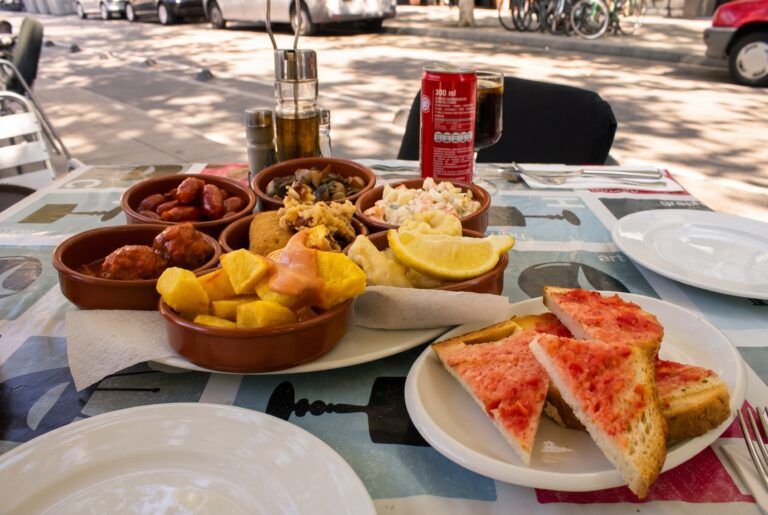
- A tapas crawl – hopping between several bars, having a single bite and a glass at each; how to do it and what to order is in our article on Spanish tapas.
- The beaches and coves of the Costa Brava – the paths between the cliffs above turquoise water are among the loveliest walks in the country.
- A stage of the Camino de Santiago – even a few days on foot gives you a feeling you’ll never get from a coach.
- Whale watching from Tarifa – setting sail into the Strait of Gibraltar, where with a bit of luck orcas appear.
- A surreal day in Figueres – the Dalí Museum is an outing you won’t forget.






How to get to Spain
The fastest way to reach Spain is by air – from Prague there are direct flights to Barcelona, Madrid, Málaga, Alicante (the gateway to Benidorm) and the Canary Islands, plus seasonal services to Valencia or Bilbao. The flight takes roughly 2.5–4 hours depending on your destination; for the Canaries reckon on a longer trip of around 5 hours. When a direct flight doesn’t work out, you can fly with a connection (typically via Madrid, Frankfurt, Vienna or Munich).
Driving only makes sense in special cases – Catalonia is around 1,800 km from Czechia and two days on the road through France with toll motorways. It pays off mainly on a longer road trip or when you want to take in southern France along the way. You can reach the islands from the mainland by ferry (for example from Barcelona to the Balearics), while the Canaries are practically always reached by air.
Renting a car
A car pays off in Spain for sightseeing loops and the countryside – Andalusia, the interior (Cuenca), the green north (Asturias, Galicia) or a road trip along the Costa Brava. For a stay in Barcelona or Madrid, on the other hand, a car is more of a burden: parking is expensive, public transport and trains are excellent, and you can’t drive into the centres anyway.
- Book in advance through a rental comparison site – on the spot in season it tends to be pricier and sold out.
- Insurance: keep an eye on the excess; a top-up policy bringing the excess to zero is often cheaper from an independent provider than at the counter.
- Deposit: they block it on a credit card – be ready for that and make sure you have enough available limit.
- Toll motorways (autopistas) and ferries to the islands should be added to your budget; you can avoid some routes via free roads, but it slows you down.
Where to stay in Spain
Choose your type of accommodation in Spain to match your travel style. For city-hopping, apartments and guesthouses in the historic centre are great – you save on transport and everything is within walking distance. On the coast, on the other hand, beachside resorts and hotels work well, especially if you’re travelling with kids and want a pool and all-inclusive (typically the Costa del Sol, Costa Blanca and Canaries).
- Cities (Barcelona, Madrid, Seville): an apartment or hotel in the centre – you’ll pay a bit more, but save time and the hassle of getting around.
- Coast and families: hotel resorts with a pool, often better value as part of a package than on your own.
- Camino and countryside: albergues, hostels and small guesthouses – cheap and part of the experience.
- Canaries: apartments for a longer stay work out better value over a week than a hotel.
Package tour or independent travel?
A package pays off when:
- you mainly want sea, a pool and relaxation all in one place (Costa del Sol, Costa Blanca, Canaries);
- you’re travelling with kids and will appreciate the transfer and all-inclusive without the fuss;
- you don’t want to sort prices separately – flight, hotel and transfer come in one bundle, often cheaper too.
Go independent when:
- you want to explore several cities or drive around a region (Andalusia, the north, the interior);
- you’re flexible on dates and want to put together your own itinerary;
- you’re heading for a specific experience or festival and want your own pace.
The two of us love a combination best: a package for the beach and switching off, but for exploring Spain on our own terms we hop in a car or a train. If you’re hesitant the first time, start with a coastal package and tackle your own loop next time.
Budget: daily costs in Spain
| Level | Accommodation | Food | Transport & activities | Total/day |
|---|---|---|---|---|
| Backpacker | 16 €–25 € (hostel, shared room) | 12 €–18 € (menu del día, supermarket) | 6 €–12 € (public transport, cheap entry fees) | approx. 35 €–55 € |
| Standard | 40 €–70 € (guesthouse, apartment) | 20 €–30 € (tapas, restaurants) | 12 €–25 € (entry fees, half-day trip) | approx. 70 €–125 € |
| Comfort | 100 €+ (4* hotel, good location) | 35 €–60 € (quality restaurants) | 30 €+ (taxis, guided tours) | approx. 165 €+ |
Prices are a rough guide per person per day, excluding flights, and reflect typical Spanish price levels — compared with northern Europe, Spain is still pleasantly affordable, mainly thanks to the menu del día and decent public transport in the cities. The biggest costs are Barcelona and the tourist coast in summer.
How to save when planning
- Buy flights ideally 2–4 months ahead for summer and around festivals; for northern Europe and the Canaries in winter, good prices often appear even earlier. The most expensive option is last minute in high season. Search for flights in our finder.
- Packages work at both ends: first minute (in autumn/winter for the coming summer) locks in the price and the best hotels, while last minute snags discounts of up to −33% if you’re flexible. Compare both in our current packages.
- Booking accommodation yourself: reserve early for the cities (Barcelona and festival dates fill up months ahead), while on the coast it can sometimes be cheaper to wait. You’ll find our picks in the our accommodation tips section.
- Timed-entry activities and tickets (Sagrada Família, guided tours) are best booked in advance – on the spot there are queues and higher prices, so check out what to book early.
Where people overpay most often: on food along the main tourist drags (just walk two streets further) and on airport transfers and taxis in places where excellent, cheap public transport or trains do the job.
Practical information
- Language: Spanish; in tourist areas and hotels you’ll get by in English, and in Catalonia you’ll also come across Catalan. A few phrases in Spanish always go down well, though.
- Payments: you can pay by card almost everywhere, with cash handy only for small bars, markets and entry fees at smaller spots.
- Connectivity: Spain is in the EU, so roaming works just like at home. For a longer stay, or as a backup, an eSIM with a data package is worth it – no hunting for a kiosk and a SIM card at the airport.
- Safety: the country is safe overall; the main risk is pickpockets in Barcelona and tourist hubs – wear your backpack on your front and keep your documents in the hotel safe.
- Daily rhythm: lunch is around 2 pm, dinner happily after 9 pm, and at midday smaller shops often close for the siesta. Plan accordingly.


