When people hear Marbella, most immediately picture luxury yachts, flashy sports cars, and champagne-soaked parties. But I have to admit, when Lukáš and I explored the Andalusian coast of Marbella Spain along the Costa del Sol, this glamorous resort town genuinely surprised us with its quieter, far more authentic side. Behind the designer boutiques hides one of the most beautiful old towns in all of Andalusia, where you can spend hours wandering narrow, flower-filled lanes. In this article, you’ll find exactly 18 things to see and do in Marbella and its surroundings. I’ll share where to stay strategically, how to dodge the biggest crowds, and when’s the best time to visit so you don’t melt in the summer heat.
TL;DR
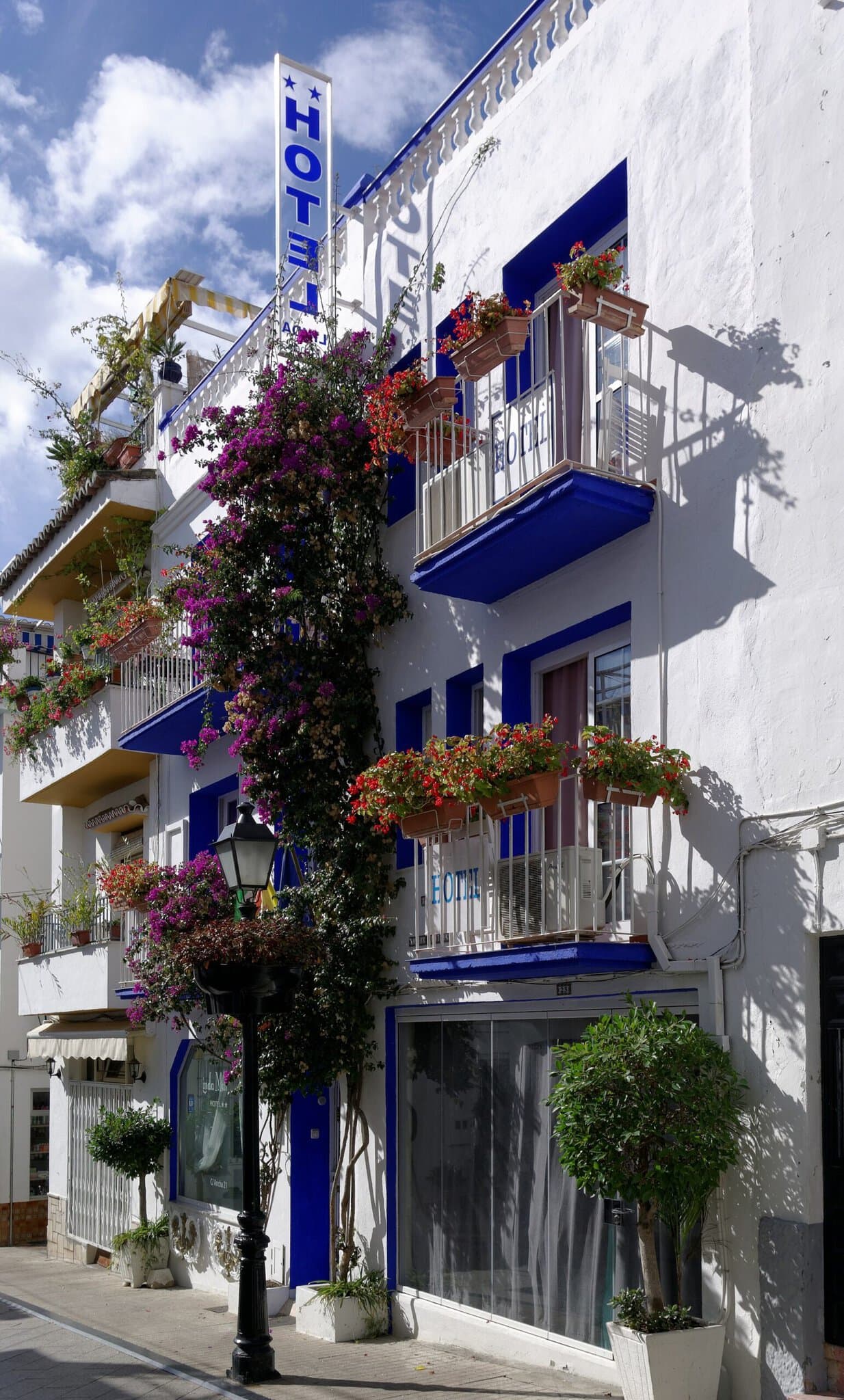
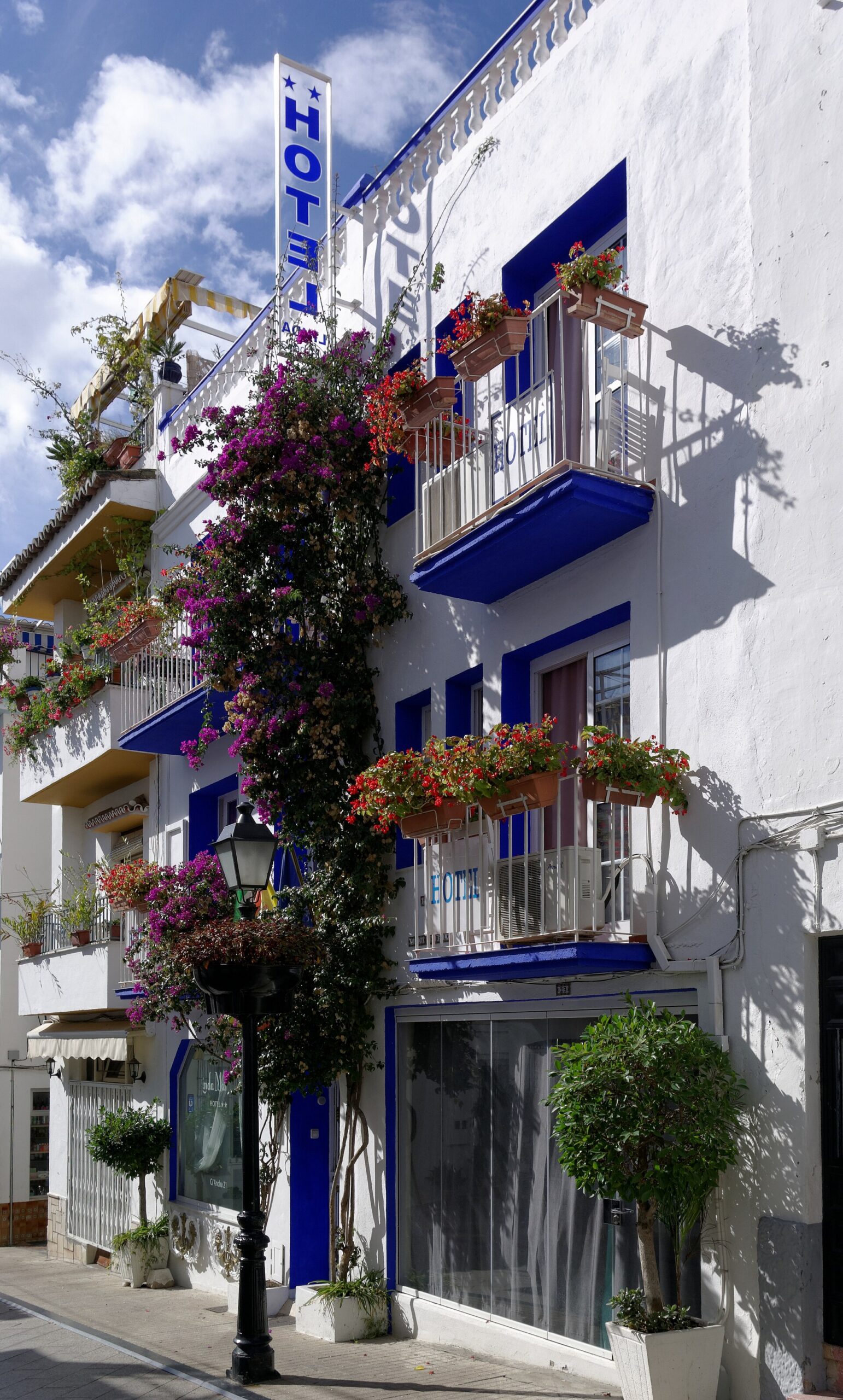
- Historic heart: The Old Town (Casco Antiguo) is the polar opposite of the modern glamour, offering a traditional Andalusian atmosphere with whitewashed houses and blue flower pots.
- Billionaires’ marina: Puerto Banús is the epicentre of luxury — come to admire the world’s most expensive yachts and browse prestigious designer boutiques.
- When to go: Avoid the summer months due to extreme temperatures. May, June, September, and October are ideal.
- Getting there: The best option is to fly into Málaga and continue by car or commuter train. A rental car is especially handy for day trips around the region.
- Perfect base: Marbella is an ideal jumping-off point for day trips to Ronda, Gibraltar, or Málaga.
- Who it’s for: Beach lovers, families with children, keen golfers, and history buffs will all find something to love here.
The full destination guide: Andalusia — guide and what to see
Best Time to Visit Marbella
Choosing the right time to visit southern Andalusia is absolutely crucial — don’t underestimate it. If you’re not a fan of extreme heat, give August a wide berth, as summer temperatures inland regularly soar past 40 °C. The coast is slightly cooler thanks to the sea breeze, but humidity is punishingly high and the resorts are bursting at the seams with tourists from across Europe. Recent extreme heatwaves have shown just how relentless the Andalusian summer sun can be.
The sweet spot for a visit is late spring — May and June — or early autumn in September and October, when you can enjoy the city fully without drenching your shirt in sweat. During these months, the sea is warm enough for swimming, daytime temperatures hover around a perfect 25–28 °C, and you’ll avoid the worst crowds on the promenades and in restaurants. For us, spring in Andalusia is truly magical — everything is in bloom and the landscape hasn’t yet been scorched by the summer sun.
Winter — January and February — is hugely popular in Marbella among retirees and digital nomads from northern Europe. They flock here for the mild climate with temperatures around 15–18 °C, which is too chilly for swimming (unless you’re particularly hardy), but absolutely perfect for strolling through towns and hiking in the mountains. If you’re looking to escape the British winter, Marbella will welcome you with sunshine — it enjoys an incredible 300 sunny days a year.
Where to Stay in Marbella
💡 Tip for accommodation and experiences: We love searching for hotels on Booking.com, which usually has the best cancellation policies. For tickets, tours, and activities, it’s worth comparing and booking through GetYourGuide.
Marbella is fairly spread out, and the best area for you largely depends on what kind of holiday you’re after. For romantics and history lovers, I’d recommend staying near the Casco Antiguo, where the best tapas bars and charming little squares are literally steps from your door. Prices here are often friendlier than right on the beach, and the atmosphere of the old town at night is simply priceless.
If, on the other hand, you’re craving the buzz of the beach and don’t mind paying extra for it, look for accommodation along the promenade or in the luxurious Golden Mile area. Here you’ll find the best resorts, like the popular Amàre Beach Hotel Marbella, which is adults-only and offers fantastic sea views. For families with children, the quieter eastern part of town is a great choice, where the beaches are a bit shallower and safer for little swimmers.
The epicentre of nightlife and luxury is Puerto Banús marina, roughly seven kilometres from Marbella’s centre. Accommodation in this area is hands-down the most expensive, but if you want to be at the heart of the action with views of moored superyachts, it’s the place to be. Whichever neighbourhood you choose, we’d recommend booking well in advance through Booking, as the best hotels sell out incredibly fast during peak season.
18 Best Things to See and Do in Marbella Spain
Let’s dive into the very best that this Andalusian gem and its wider surroundings have to offer, so you can squeeze every last drop of magic from your holiday.
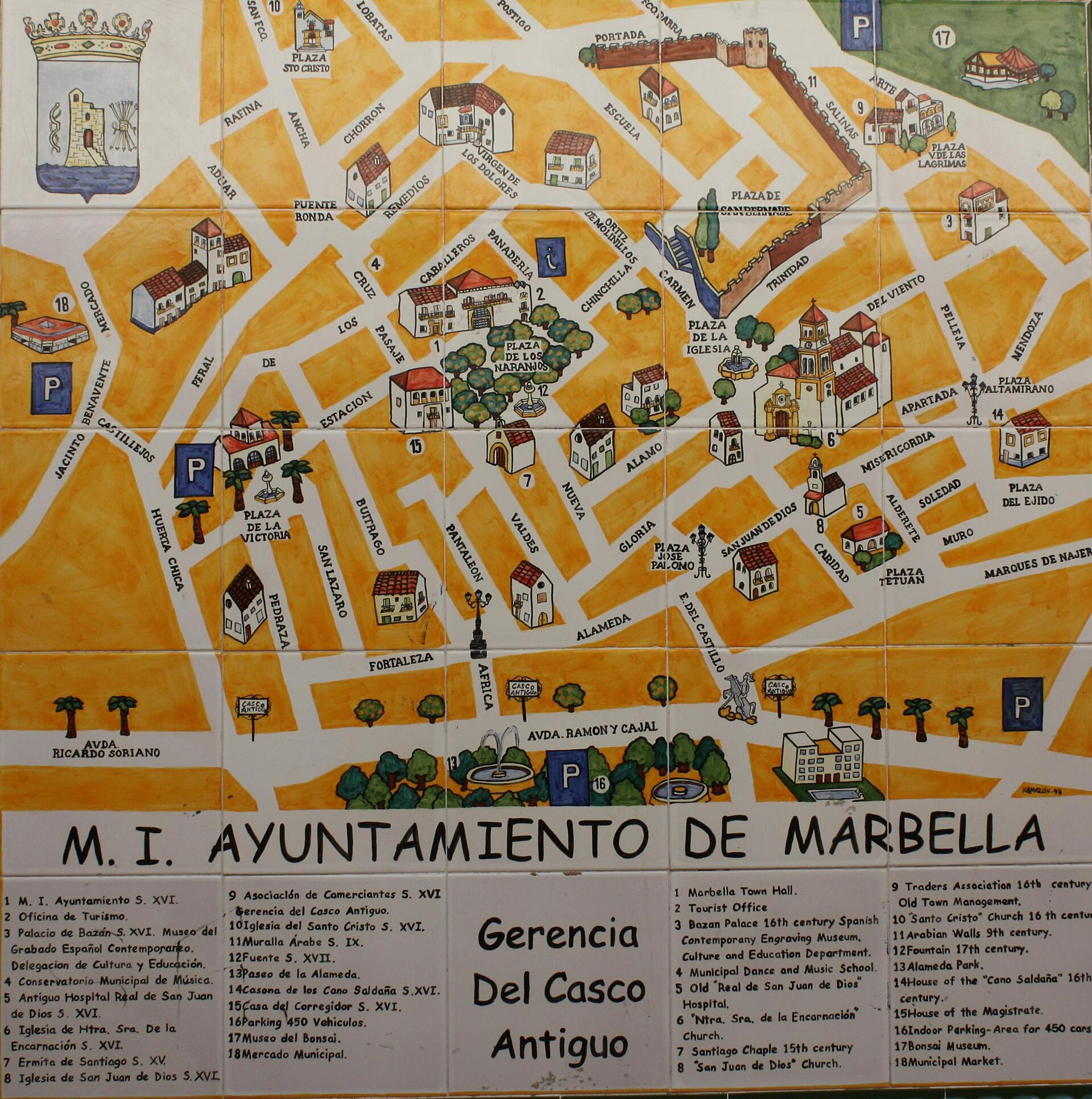
1. Get Lost in the Lanes of Casco Antiguo
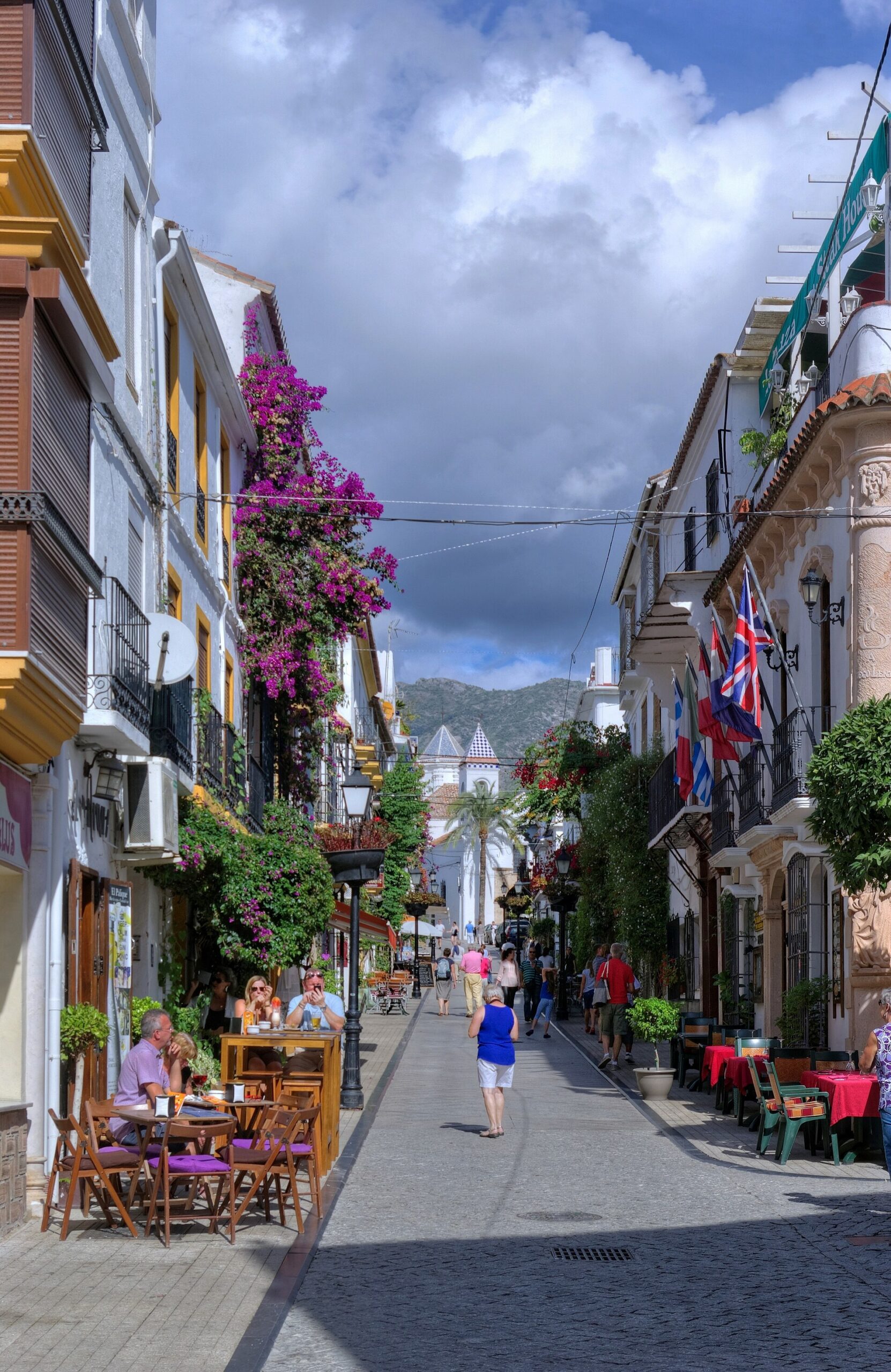
The old town is, for me personally, the single most beautiful spot in all of Marbella — an absolute balm for the soul. It’s a compact labyrinth of narrow, marble-paved lanes lined with dazzling white houses and colourful shutters. Everywhere you look, the walls are adorned with the iconic blue flower pots bursting with geraniums, giving the whole place an incredibly romantic feel.
The best thing you can do here is simply ditch the map and wander aimlessly. Around every corner you’ll stumble upon a tiny café, a tucked-away boutique selling local fashion, or a picturesque courtyard you won’t find in any guidebook. Lukáš and I spent an entire afternoon here and couldn’t get enough of the tranquil Andalusian atmosphere, which stands in stark contrast to the bustling seafront.

2. Soak Up the Atmosphere at Plaza de los Naranjos
The beating heart of the historic centre is the Orange Square — and it truly lives up to its name. The entire plaza is planted with mature orange trees that fill the air with a heavenly scent in spring and provide much-needed shade in summer. Surrounding the square are historic buildings, including the 16th-century town hall, a reminder of the city’s rich past.
In the evening, the square transforms into one buzzing, pulsating hub as restaurant terraces fill to the brim with locals and visitors alike. 💡 Insider tip: Skip the restaurants right on the square — they’re often overpriced — and duck into one of the side streets instead, where you’ll find far more authentic tapas bars. We discovered a little place here that did brilliant patatas bravas and a vegetarian paella, which we washed down with ice-cold local beer.
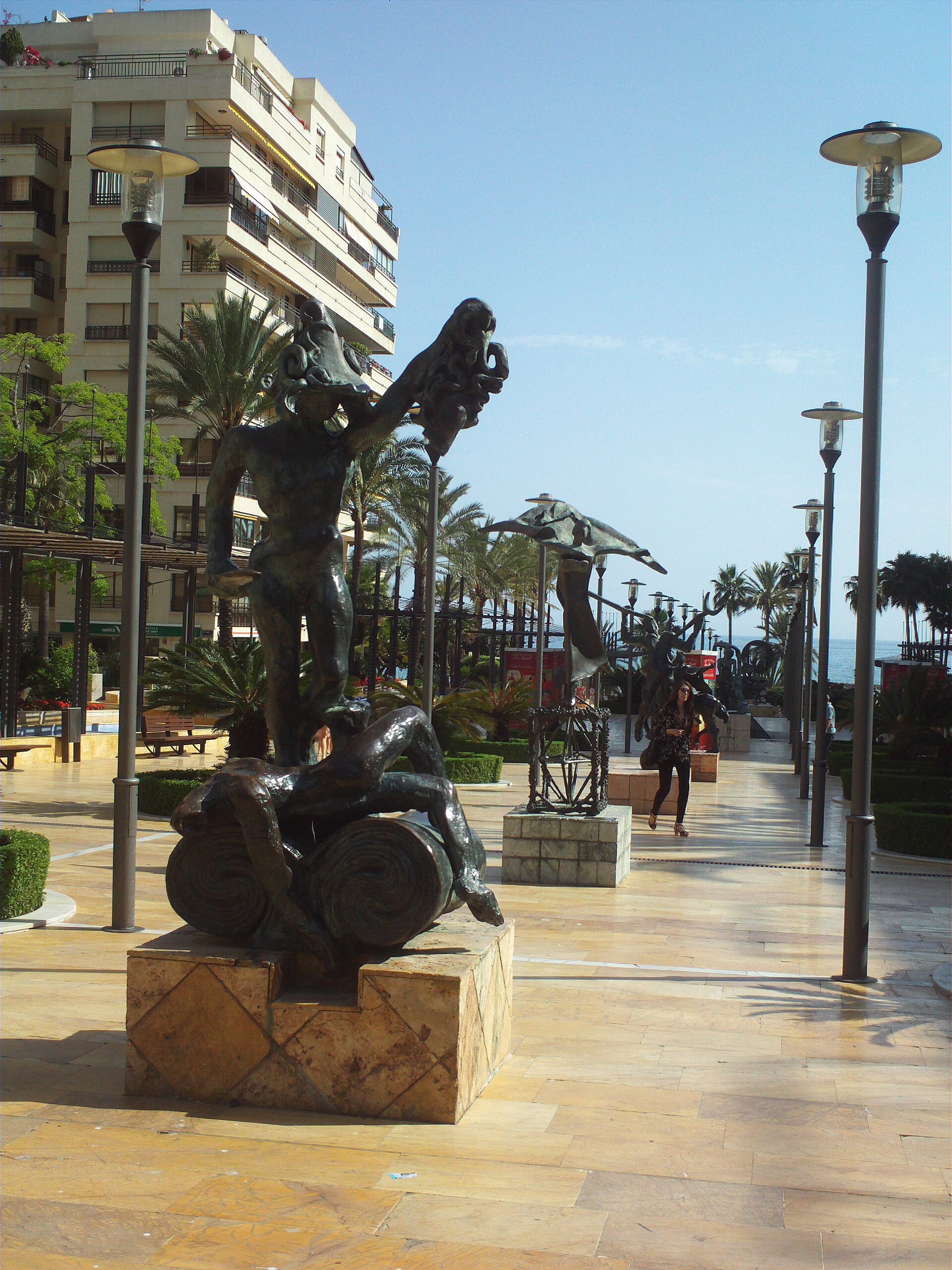
3. Stroll Along the Promenade and Avenida del Mar
The link between the old town and the seafront promenade is the broad Avenida del Mar boulevard — essentially an open-air art gallery. Here you’ll find an impressive collection of ten bronze sculptures by the legendary Salvador Dalí, which you can admire up close completely free of charge. It’s a fantastic spot for a photo with the sea as your backdrop.
The seafront promenade itself (Paseo Marítimo) stretches for several kilometres and is lined with palms, restaurants, and bars. It’s the perfect spot for a morning jog or an evening stroll as the setting sun paints the sky in breathtaking colours. The promenade is beautifully maintained, spotlessly clean, and constantly buzzing with smiling people soaking up the holiday vibes.

4. Admire the Luxury of Puerto Banús
Whatever your feelings about over-the-top opulence, a visit to Puerto Banús marina is an absolute must — if only for the jaw-dropping contrast. This harbour is a genuine playground for the world’s billionaires, where yachts the size of apartment blocks sit moored in the marina. The latest Ferraris, Lamborghinis, and Rolls-Royces cruise the streets at a leisurely pace while their owners dine in eye-wateringly expensive restaurants.
The promenade is flanked by boutiques from the most prestigious brands — Dior, Gucci, Louis Vuitton, you name it. This is a place to see and be seen, and even if you don’t buy a thing, people-watching in this extraordinary microcosm is an experience in itself. We grabbed a scoop of gelato, parked ourselves on a bench, and simply watched the spectacular circus unfold around us with a grin.

5. Cruise Along the Golden Mile
The Golden Mile is a roughly five-kilometre stretch connecting central Marbella with Puerto Banús. It’s the most exclusive address on the entire Costa del Sol, home to ultra-luxury villas, palatial estates, and five-star resorts hidden behind high walls and lush vegetation. Celebrities and members of royal families from around the globe have their summer residences here.
The best way to explore this area is to walk or cycle along the coastal promenade that runs the length of the entire Golden Mile. Along the way you’ll pass iconic hotels like the Marbella Club or Puente Romano, which stood at the very start of the region’s tourist boom. The beaches here are beautifully maintained and home to the most elegant beach clubs.
6. Unwind on Marbella’s Beaches
Marbella boasts more than twenty kilometres of beaches, so there truly is something for everyone. Right in the town centre, you’ll find the popular Playa de la Fontanilla, which has fine sand, a gentle slope into the sea, and every amenity imaginable — from showers to pedalo hire. It’s brilliant for families with children, but expect it to be packed to the gills during peak season.
If you’re after something more peaceful, head a bit further east to Cabopino beach. This stretch is surrounded by picturesque sand dunes and pine groves, giving it a much wilder, more natural character. The water is crystal clear, and you’ll find several lovely wooden boardwalks winding through the protected natural area — perfect for a leisurely stroll.
7. Try the Traditional Chiringuitos
No visit to coastal Andalusia is complete without experiencing chiringuitos — the quintessential beach bars and restaurants, often built right on the sand. These are wonderfully laid-back spots where you can sit in your swimwear, listen to the waves, and tuck into local cuisine. The iconic dish to look out for on the beaches of Málaga province is the famous espeto.
It’s a local speciality where fresh sardines are skewered on a cane stick and grilled right on the beach over hot coals, often in old fishing boats filled with sand. For the locals, it’s the ultimate delicacy and a much-loved tradition. As vegetarians, Lukáš and I skipped the fish, but the chiringuitos also serve excellent veggie tapas and sangría that’s absolutely heavenly on a scorching day.
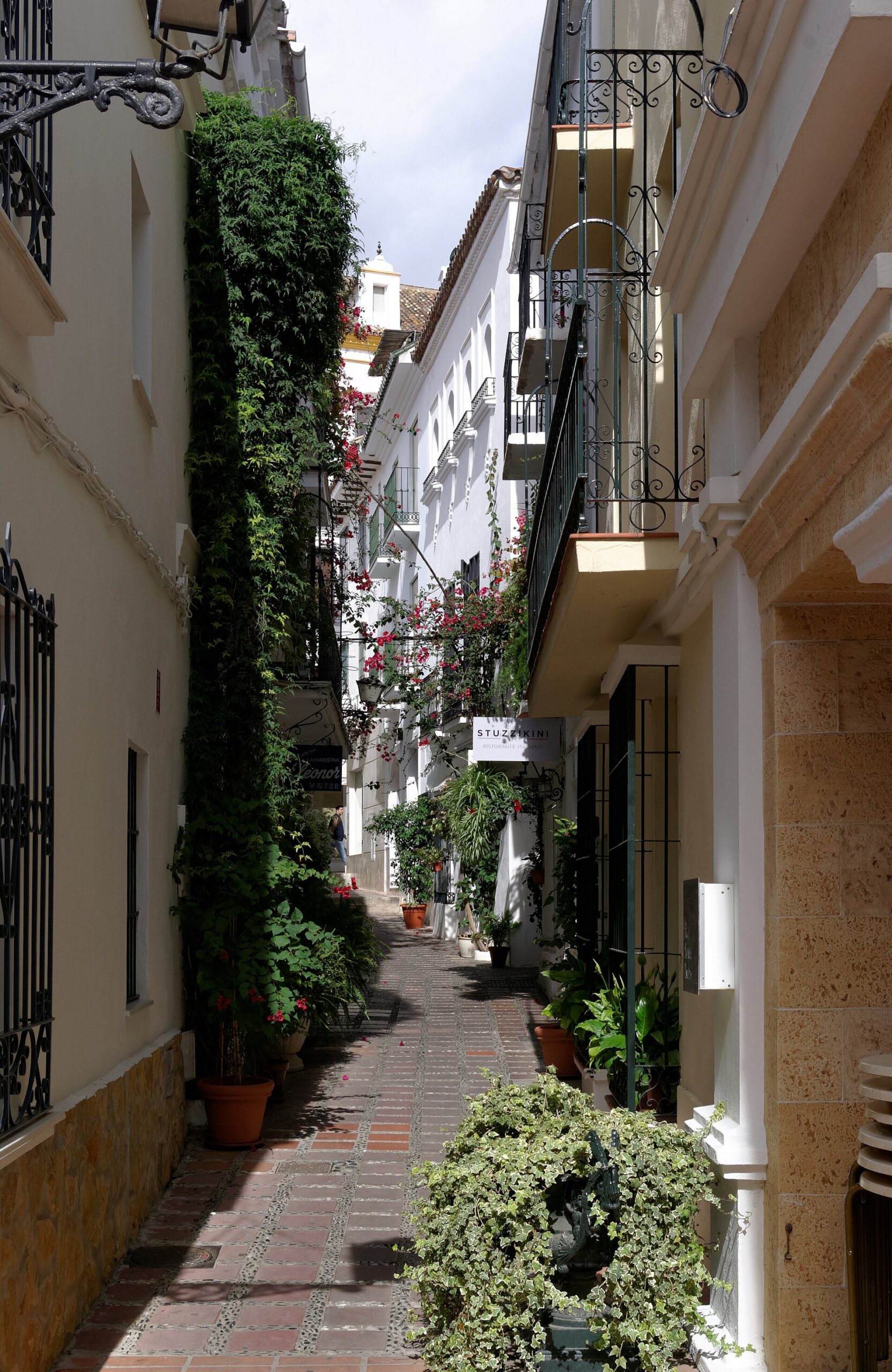
8. Conquer the Majestic La Concha Mountain
Gaze inland from Marbella and your eye will be immediately drawn to the majestic La Concha mountain, which forms a stunning natural backdrop to the town. Its ridge resembles the shape of a seashell (which is what its name means) and shields the town from cold northern winds, creating Marbella’s famous microclimate. The hike to its summit at over 1,200 metres above sea level is a fantastic experience for active travellers.
Fair warning, though: this is no walk in the park. The round trip takes roughly six to eight hours and is genuinely dangerous in summer due to the extreme heat, so only attempt the trek in spring or autumn and bring plenty of water. Your reward for the effort? Breathtaking panoramic views across the entire coastline — and on a clear day, you can see all the way to the shores of Africa.
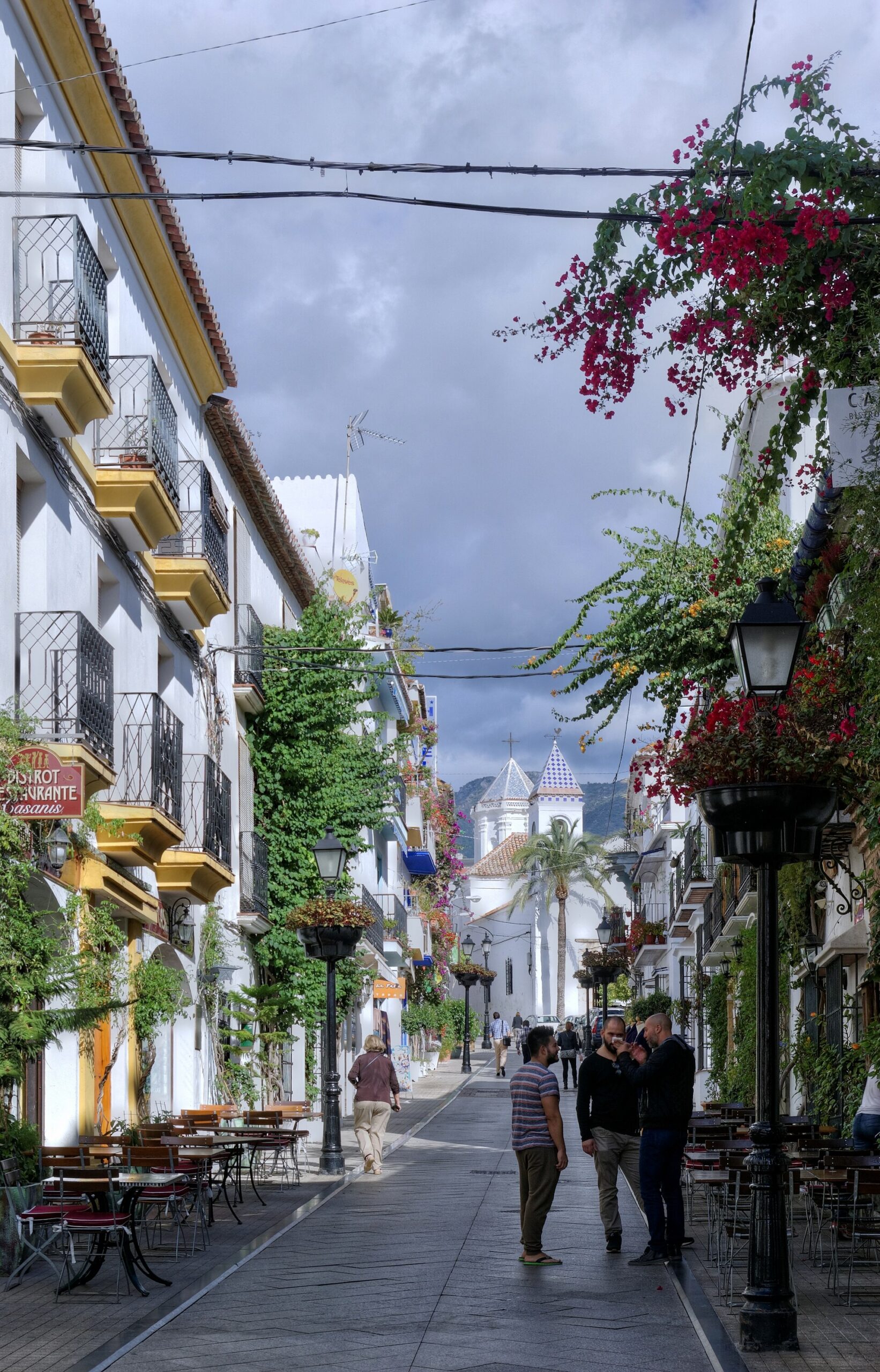
9. Tee Off on the Costa del Golf
For the legions of golfers out there, this region isn’t known as the Costa del Sol at all — it’s the Costa del Golf. With over seventy top-class courses, it has the highest concentration of golf infrastructure in all of mainland Europe, and Marbella sits right at its heart. These aren’t just ordinary greens — they’re meticulously designed landscaping gems.
Whether you’re a beginner or a seasoned pro, you’ll be spoilt for choice. The most renowned courses, such as Valderrama and Finca Cortesín, offer world-class luxury, impeccable service, and Mediterranean Sea views, but be prepared for green fees to match. The golf season here naturally peaks in spring and autumn, when temperatures are most bearable for a day on the course.
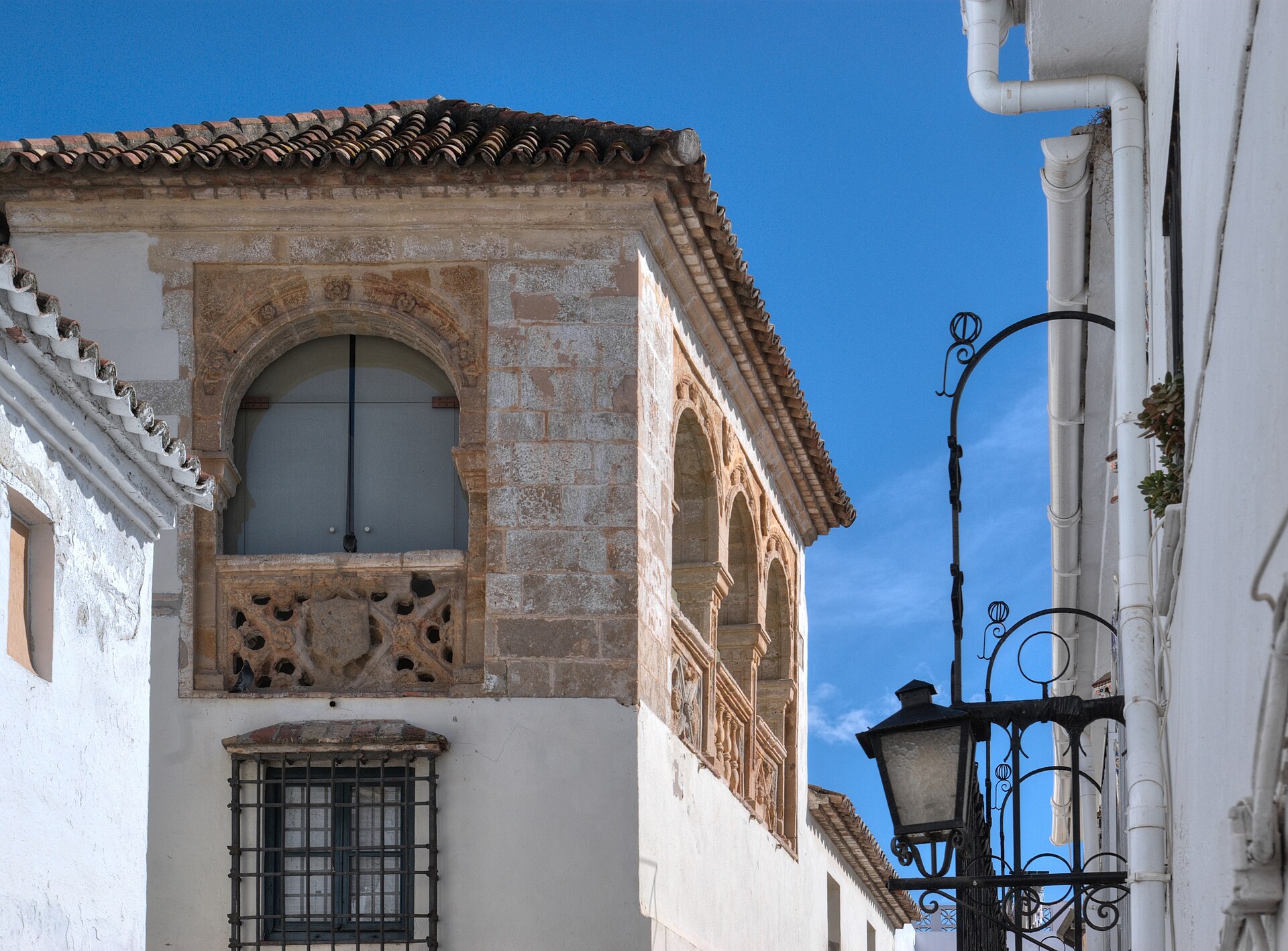

10. Cool Down in Parque de la Alameda
Right next to the historic centre lies Parque de la Alameda — a small but utterly charming park that serves as the green lungs of the city. It’s packed with exotic plants, towering ficus trees, and palms that provide glorious shade even on the hottest summer days. For locals, it’s a favourite spot for catching up with friends over a coffee.
What makes this park truly special, though, are its benches. They’re decorated with gorgeous hand-painted ceramic tiles (azulejos) depicting various scenes from Andalusian history and culture. A beautiful fountain gurgles in the centre, adding to the peaceful ambiance — the perfect spot for a breather before you continue exploring the city.
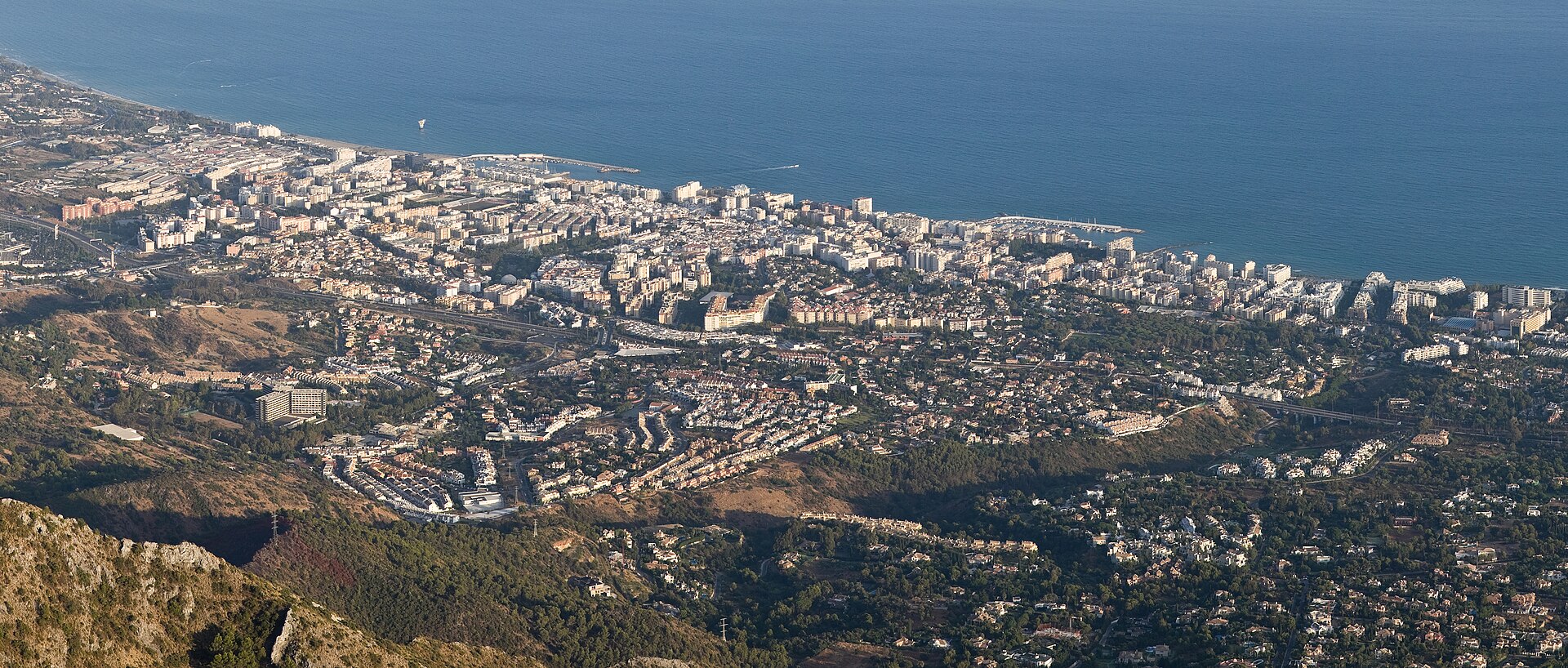
11. Peek Inside Iglesia de la Encarnación
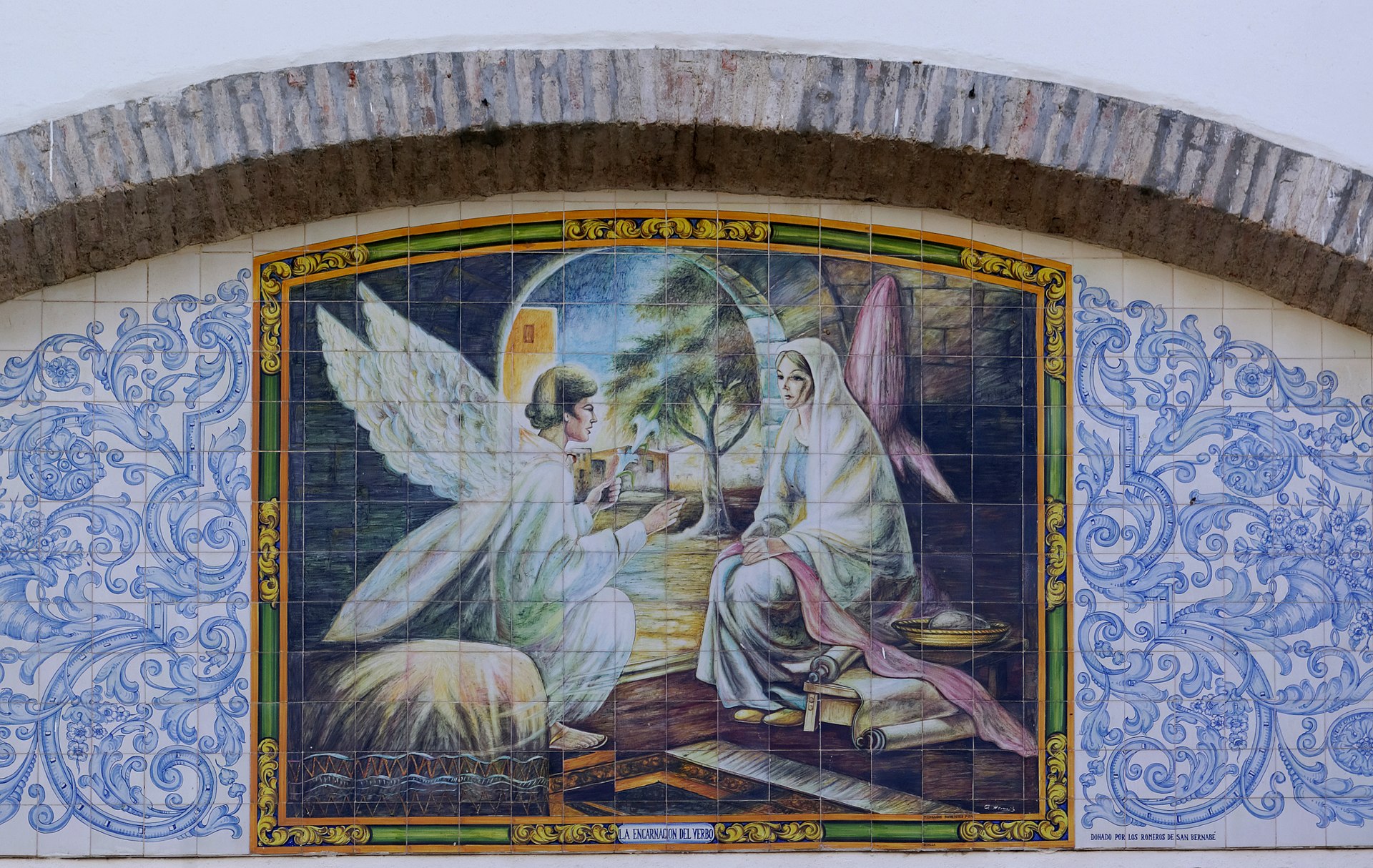
While wandering the old town, you simply can’t miss the main parish church — Iglesia de Santa María de la Encarnación. This imposing 16th-century building stands on the square of the same name, and its tall clock tower serves as a handy landmark if you happen to lose your bearings in the narrow lanes. The church boasts a lovely Renaissance portal and a surprisingly ornate interior.
Entry is free, so definitely pop in for a look. The highlights inside are the stunning baroque altarpiece and, above all, the remarkable organ, considered one of the most significant in all of Spain. It’s blissfully cool and quiet inside — a welcome reprieve after the lively streets that’s guaranteed to soothe your senses.

12. Explore the Old City Walls (Murallas del Castillo)
Marbella has a far deeper history than the modern resorts might suggest. The remnants of the old town walls and a 10th-century Moorish castle on the edge of the historic centre stand as proof. These walls once encircled the entire Muslim medina, protecting its inhabitants from raids.
Although only a few walls and defensive towers survive to this day, they still breathe with history. The best views of the walls are from Calle Portada and the surrounding lanes, where the remains are often woven organically into the modern fabric of the town. It’s fascinating to see how contemporary buildings blend seamlessly with a thousand years of history.
13. Take a Day Trip to Málaga
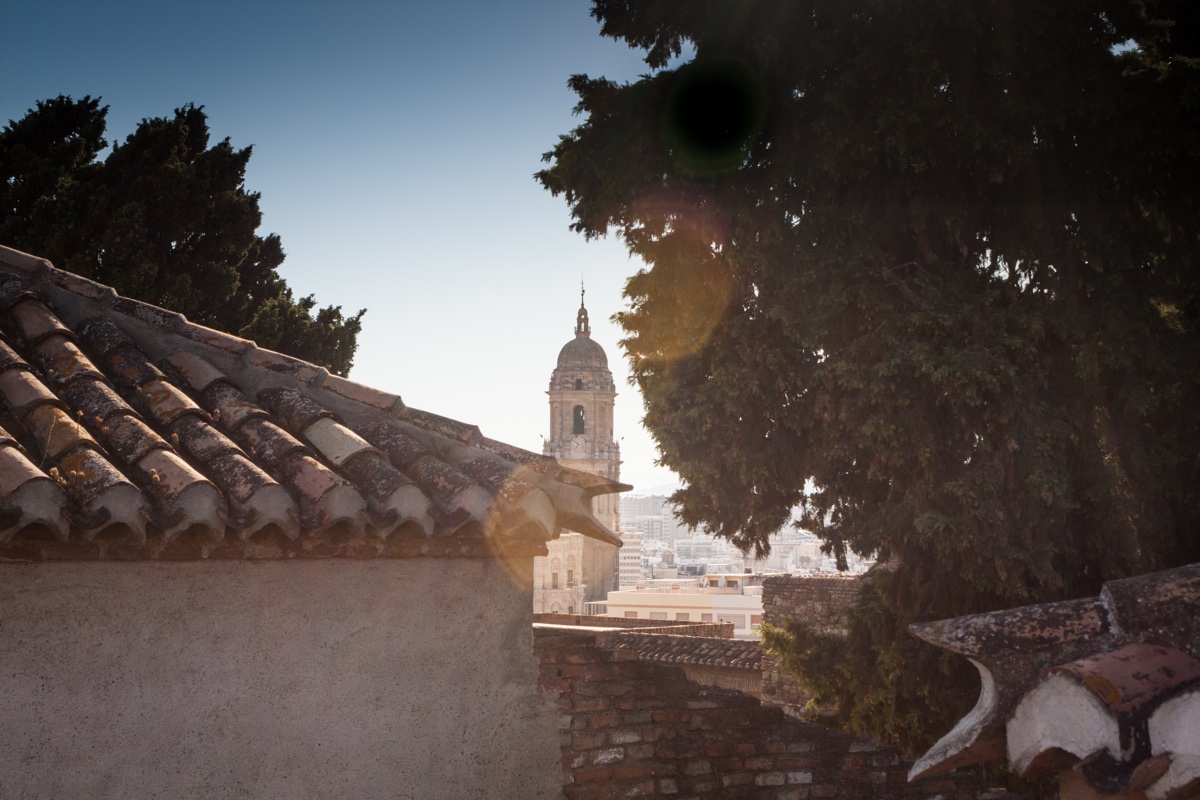
Málaga has long outgrown its reputation as a mere transit hub where tourists collect their suitcases and drive on. The city has undergone a massive transformation over the past decade and has emerged as a confident cultural metropolis, reachable from Marbella in under an hour by car. Towering over the city is the magnificent 11th-century Moorish fortress of Alcazaba, which offers fantastic harbour views and, unlike Granada’s Alhambra, feels far more intimate.
Modern Málaga’s biggest draw, however, remains its most famous son — Pablo Picasso. The Museo Picasso, housed in the beautifully restored Palacio de Buenavista, displays over two hundred works spanning the artist’s entire career. While strolling through the centre, don’t miss the cathedral, affectionately nicknamed “La Manquita” (The One-Armed Lady) by locals, because its second tower was never completed due to a lack of funds.
14. Experience a Slice of Britain in Gibraltar
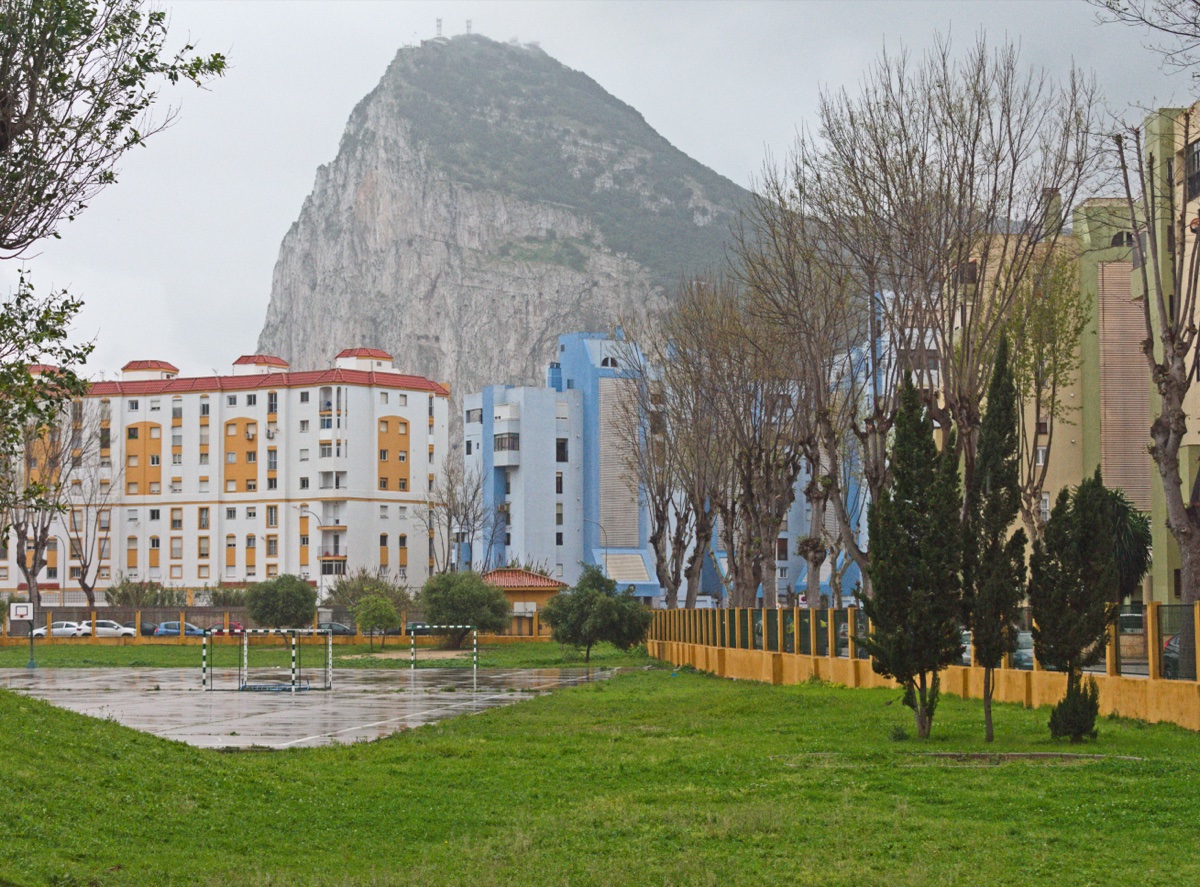
Looking out from the western coast, you can’t miss the massive limestone rock dominating the horizon. Gibraltar is a British Overseas Territory covering a mere seven square kilometres, reachable from Marbella by car in about 55 minutes. The moment you cross the border, you’re met with the surreal experience of a main road crossing the airport runway — when a plane takes off, traffic simply stops.
⚠️ Important note: Gibraltar is NOT part of the Schengen Area, and you’ll need a valid passport to cross the border — queues of cars can take hours in summer. Savvy travellers park in the Spanish border town of La Línea and walk across on foot. The main draw is taking the cable car up to the Upper Rock for spectacular views and an encounter with Europe’s only wild monkeys — the cheeky Barbary macaques will nick your food right out of your hand in the blink of an eye. As a British visitor, you’ll feel right at home with red post boxes, fish and chips, and prices in pounds!
15. Have Your Breath Taken Away in Ronda
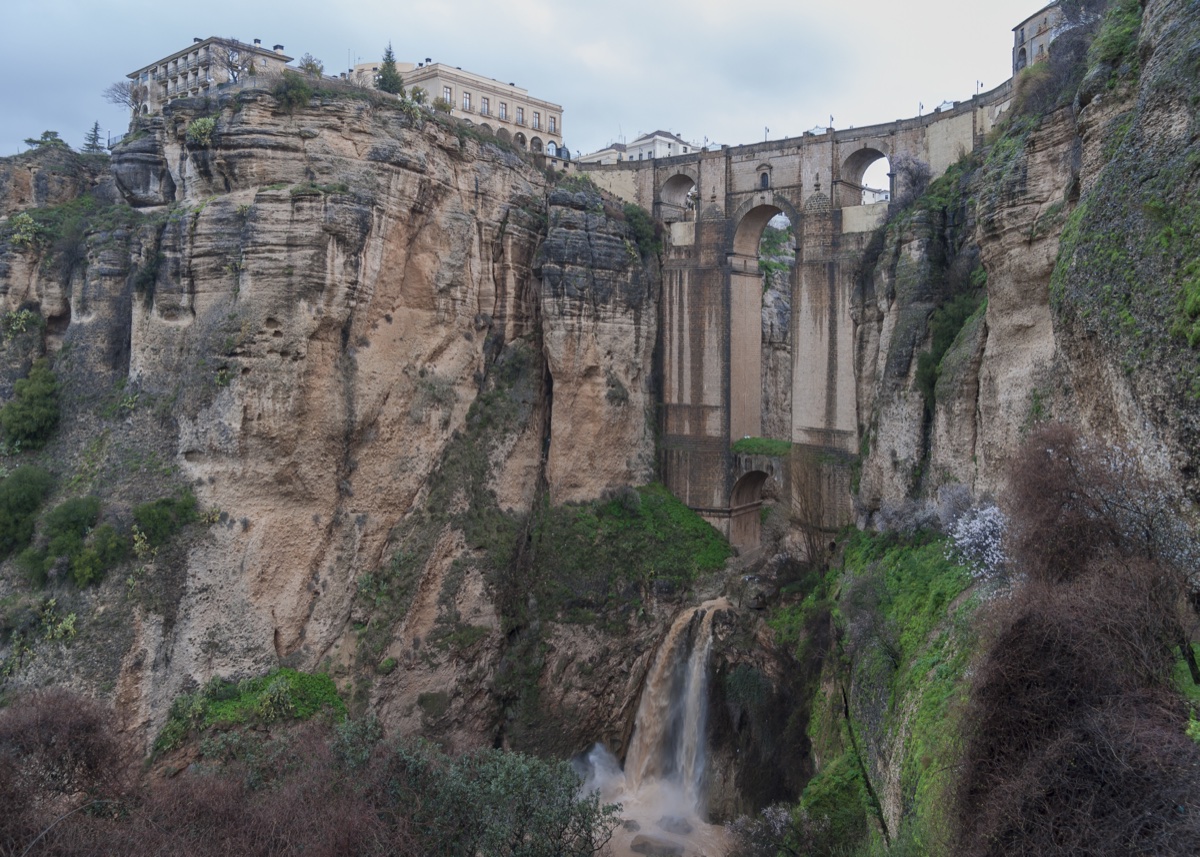
If there’s one day trip from Marbella you absolutely must not skip, it’s Ronda. This historic town perches high in the mountains and is literally cleaved in two by the deep El Tajo gorge, spanned by the iconic Puente Nuevo bridge. The drive from the coast up into the mountains — all hairpin bends and sweeping vistas — takes just over an hour and is an experience in its own right.
Ronda itself is steeped in history — you’ll find one of the oldest bullrings in Spain and stunning viewpoints over the surrounding mountains. We’d recommend walking down a short way below the bridge into the valley, where you’ll get the most jaw-dropping photos. The atmosphere in Ronda is far more traditional and unhurried than on the busy coast, and it’s well worth sitting down for a coffee and breathing in the crisp mountain air.
16. Discover the Atlantic Gem of Cádiz
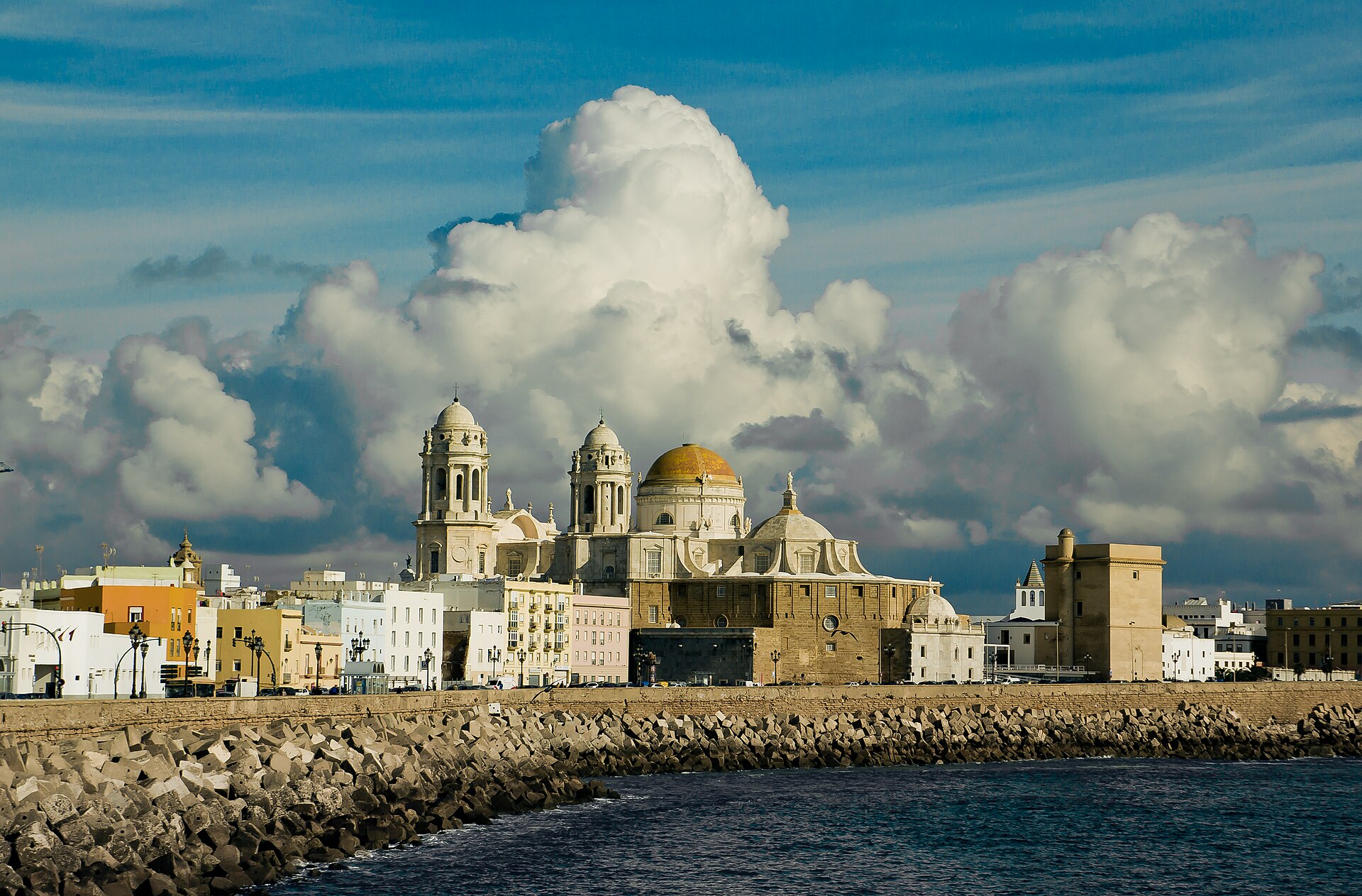
Head further west from Marbella, past the surfers’ paradise of Tarifa, and you’ll reach the Costa de la Luz, where the Mediterranean gives way to the wild Atlantic. Here lies Cádiz, founded by the Phoenicians around 1100 BC, making it the oldest continuously inhabited city in Europe. It has a completely different vibe to the Costa del Sol resorts — a city of faded charm, narrow lanes, and a magnificent cathedral topped with a golden dome.
Cádiz truly comes alive in February, when one of Spain’s biggest and most riotous carnivals takes over the streets, brimming with humour and satire. The local Atlantic beaches rank among the finest urban beaches in the country — wide, with soft sand, and unlike the eastern coast, blessed with a refreshing ocean breeze even in the heat of August. The drive from Marbella takes roughly two hours, but it’s worth every minute behind the wheel.
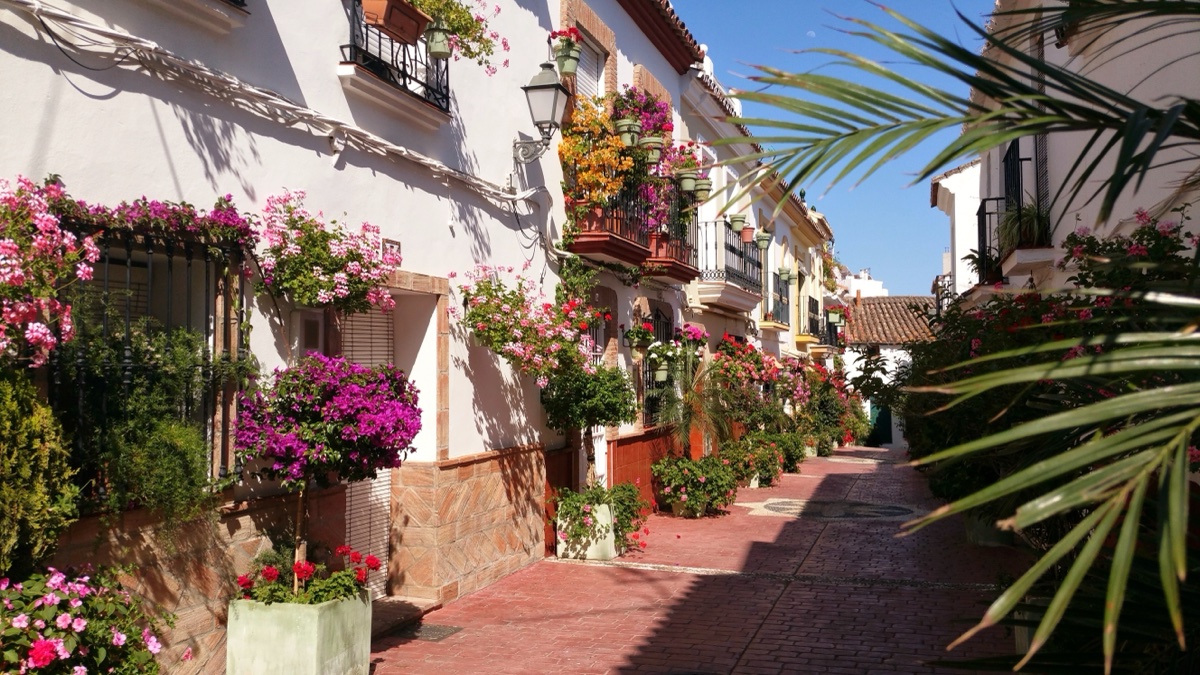
17. Pop Over to Flower-Filled Estepona
If you love Marbella’s old town but fancy somewhere even more peaceful, head west to the neighbouring town of Estepona. The town has experienced a remarkable renaissance in recent years, with the local council betting big on the image of “the garden of the Costa del Sol” — and it shows at every turn. The historic centre is positively dripping with colourful flowers cascading from seemingly every balcony and wall.
Estepona retains a very authentic Andalusian character and you won’t encounter nearly as many tourists as in Marbella. Wander the labyrinth of whitewashed lanes, visit the local orchidarium housing thousands of plant species, or take a stroll along the beautifully maintained seafront promenade. We stopped for lunch on the charming little Plaza de las Flores and it turned out to be one of the loveliest days of our entire road trip.
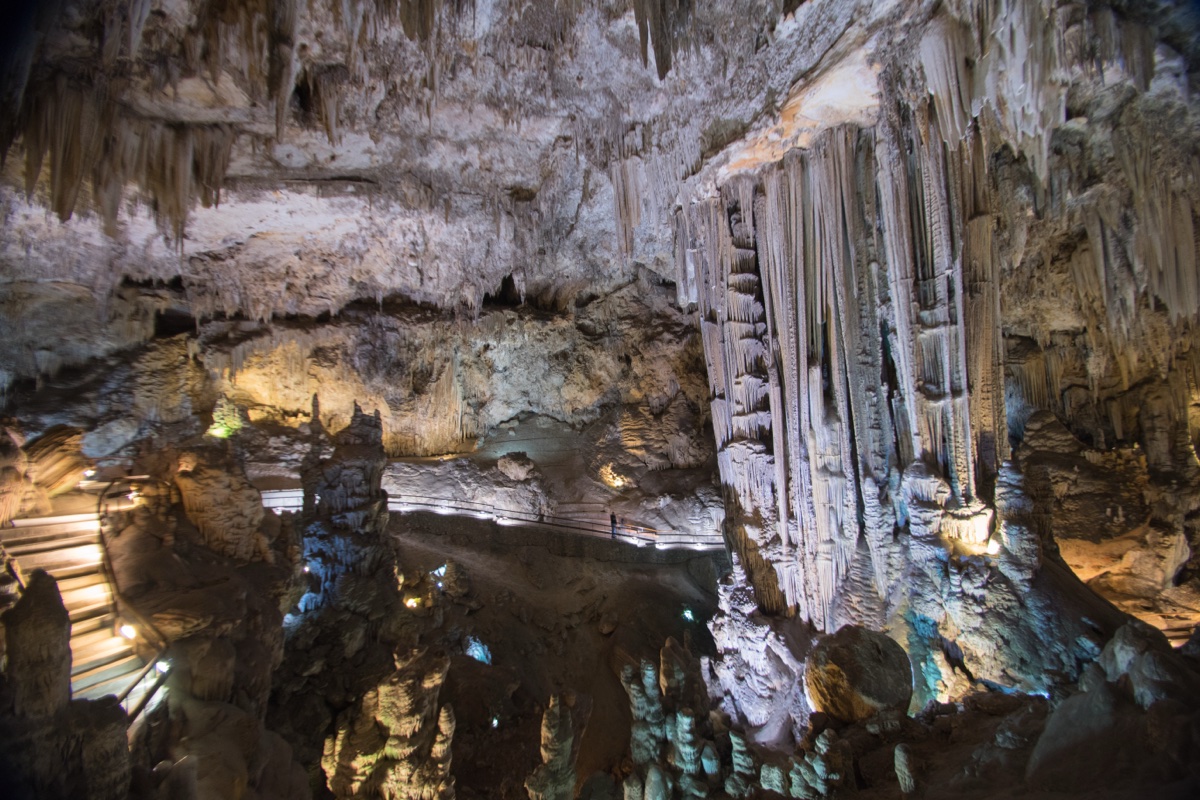
18. Escape the Heat in Cueva de Nerja
Our final tip takes us east of Málaga to the charming little town of Nerja, which harbours a true natural wonder. Five kilometres from the centre lies the vast Cueva de Nerja cave system, accidentally discovered by a group of boys in 1959. Inside, you’ll find some of the largest stalactites in the world, and the caverns are so enormous that they even host summer concerts.
During the Andalusian summer, the caves — with a constant temperature of around 19 °C — offer the most perfect refuge from the blistering sun you could wish for. ⚠️ In peak season, it’s absolutely essential to book tickets online several days in advance, otherwise you’ll find completely sold-out time slots and simply won’t get in. After your cave visit, don’t forget to check out Nerja’s famous Balcón de Europa viewpoint, which offers gorgeous views over jagged cliffs and the sea.
Map of points of interest for your phone
Where to Go Next from Marbella
Marbella sits in a wonderfully strategic location, and we often use it as a springboard for further adventures around Spain. If you’re drawn to more history-laden cities, be sure to read our detailed Granada guide — the Alhambra palace is an absolute must. A brilliant complement to any Andalusian adventure is also our Seville guide to Andalusia, where you’ll find the best tapas and authentic flamenco.
If you’re planning to hire a car and want an epic road trip, I’ve put together a comprehensive 20 most beautiful places in Andalusia itinerary and map with a detailed route hitting all the region’s highlights. You absolutely have to stop at the famous gorge walkway — I’ve written all about it in our Caminito del Rey article. And if you’re wondering what to order at restaurants, check out our guide to typical Spanish food.
Frequently Asked Questions
Is Marbella only for the wealthy?
Definitely not, even though it has that reputation. While the Puerto Banús area and the Golden Mile are indeed expensive and luxurious, Marbella’s historic center and regular beaches offer completely standard Spanish prices. You can find affordable accommodation and cheap tapas bars here where you can eat for just a few euros.
How long does it take to get from Málaga airport?
If you rent a car, the journey on the toll motorway AP-7 takes about 40 minutes and is very comfortable. You can also use the direct bus connection from the airport to Marbella center, which takes around 45 minutes and is quite cheap. By train, you can only get from the airport to Fuengirola, from where you’d need to change to a bus.
How many days do I need to visit Marbella?
If you just want to see the historic center, stroll along the promenade, and check out the marina, one to two days is enough. However, most people come here for a week or two-week holiday, because Marbella’s location makes it a perfect base for trips around all of Andalusia while also offering great beaches.
Do I need a rental car in Marbella?
You don’t need a car right in Marbella itself – the town is very walkable and you can use local buses, plus parking in the center often costs a fortune. However, if you want to explore the surrounding area, head up into the mountains, visit Ronda, Gibraltar, or more remote beaches, renting a car is absolutely essential, as public transport between smaller towns doesn’t work ideally.
Is Marbella suitable for families with children?
Yes, the region is perfectly set up for families with kids. Marbella’s beaches, especially the eastern ones, have very gentle and safe entry into the sea. You’ll find plenty of well-equipped playgrounds, water parks in the area, and the local all-inclusive hotels run like well-oiled machines that take care of all your comfort needs.
What good options are there for vegetarians?
Spanish cuisine is heavily focused on meat and seafood, but as a vegetarian in Andalusia you definitely won’t go hungry. Great choices include traditional cold soups like gazpacho or salmorejo, classic patatas bravas (fried potatoes with spicy sauce), tortilla de patatas (potato omelet), and of course various types of grilled vegetables or vegetarian paella, which they’ll happily prepare for you on request.
Can I go to Gibraltar with just an ID card?
⚠️ From 2026 onwards, strict rules apply and you can no longer rely on just an ID card to enter Gibraltar, as it’s not part of the Schengen area. To cross the British border you must have a valid passport with you, otherwise customs officials will turn you back to Spain without mercy.
When is the best time for playing golf?
The Costa del Golf comes alive mainly in the spring and autumn months (March to May and September to November), when the grass is beautifully green and daytime temperatures hover at pleasant levels around 20 to 25 degrees Celsius. During the summer months, it’s really unbearably hot in the sun on open courses and the game loses its charm.
Tips and Tricks for Your Vacation
Don’t Overpay for Flights
Search for flights on Kayak. It’s our favorite search engine because it scans the websites of all airlines and always finds the cheapest connection.
Book Your Accommodation Smartly
The best experiences we’ve had when looking for accommodation (from Alaska to Morocco) are with Booking.com, where hotels, apartments, and entire houses are usually the cheapest and most widely available.
 🚗 Car rental on the roadVerified rental cars in Andalusia
Search with the DiscoverCars comparison engine — it compares prices from dozens of local and international rental companies, and most bookings come with free cancellation.
Compare car prices in Andalusia →Don’t Forget Travel Insurance
Good travel insurance will protect you against illness, accidents, theft, or flight cancellations. We’ve had a few hospital visits abroad, so we know how important it is to have proper insurance arranged.
Where we insure ourselves: SafetyWing (simple monthly subscription) and TrueTraveller (for extra-long trips).
Find the Best Experiences
Get Your Guide is a huge online marketplace where you can book guided walks, trips, skip-the-line tickets, tours, and much more. We always find some extra fun there!