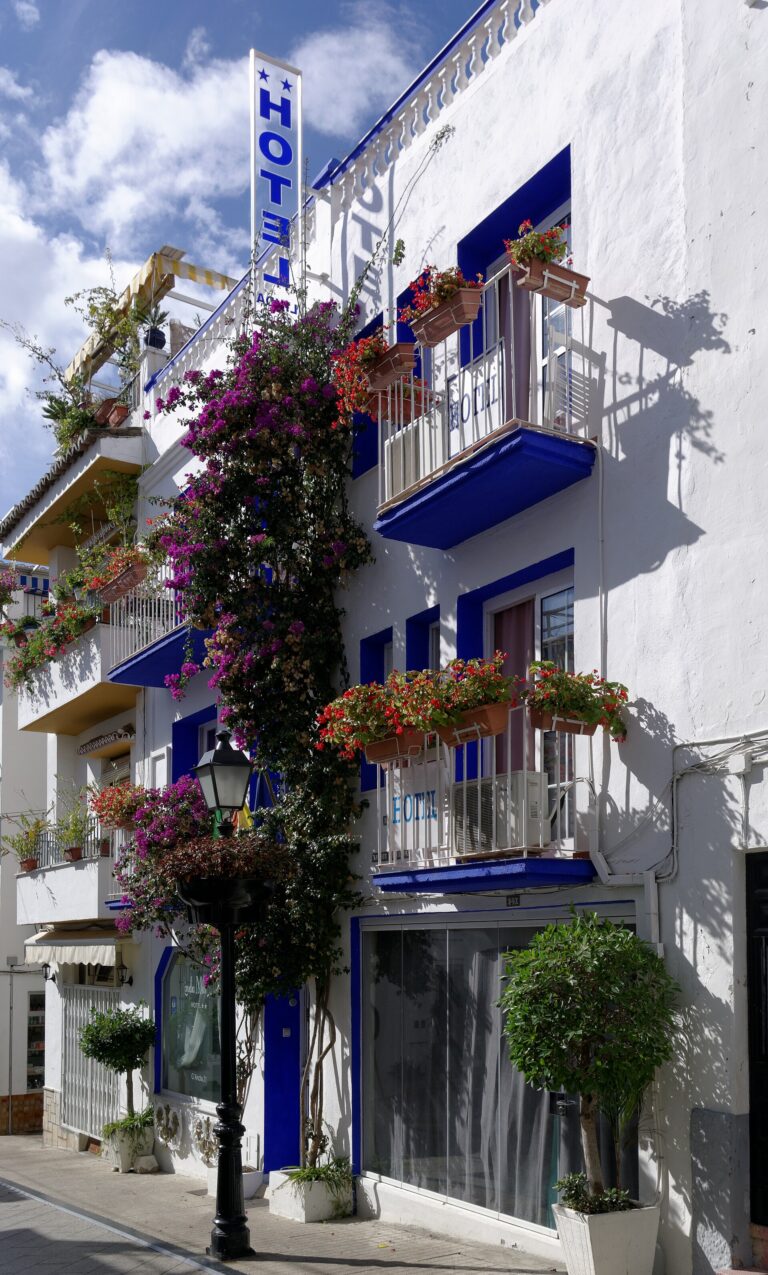

Andalusia is one of the most popular destinations for both sightseeing tours and seaside relaxation. The Costa del Sol, located near Malaga, is a beautiful coastline full of beaches in Spain, and Granada, Seville, and Cordoba are historical and architectural gems of Europe.
Let’s look at when to go to southern Spain – to Andalusia, what to see, and where to stay.
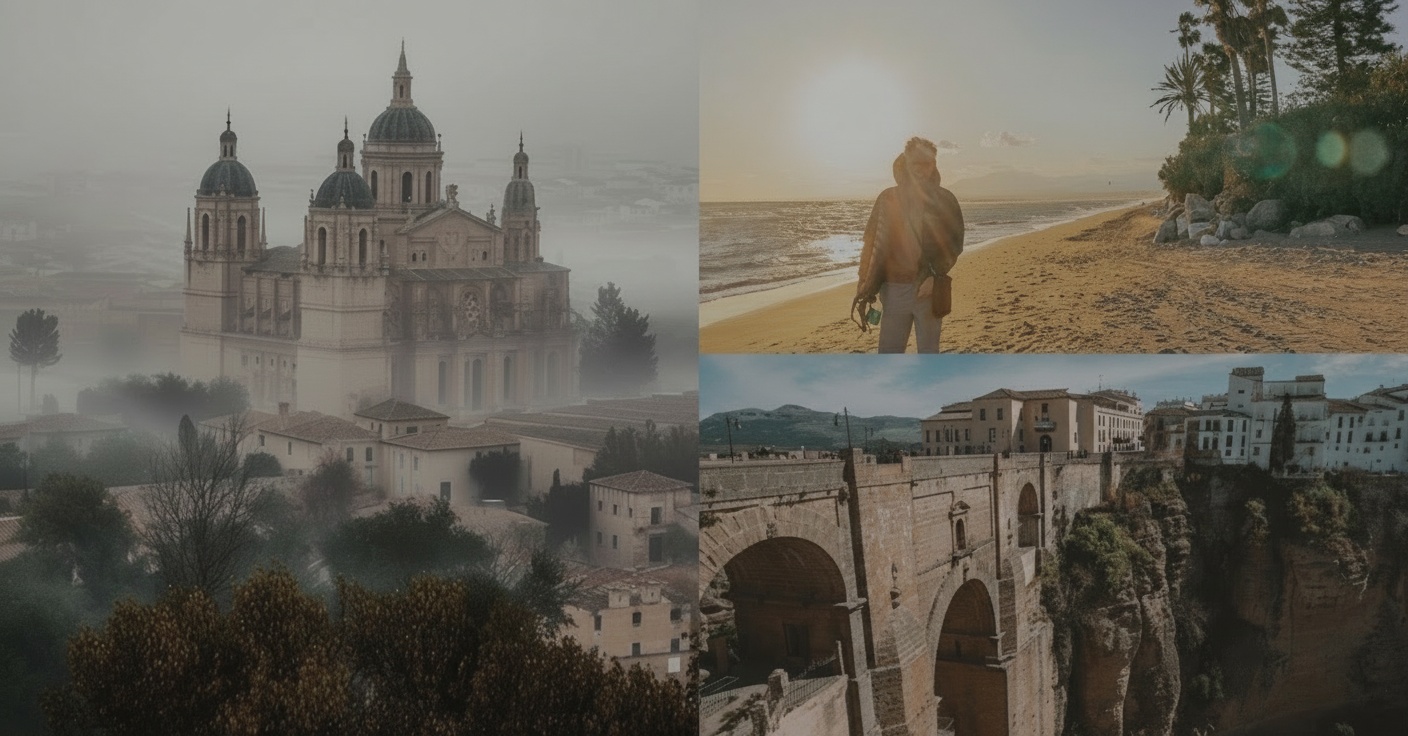
The full destination guide: Andalusia — guide and what to see
When to Go to Andalusia: Weather in Southern Spain
If you’re going for a summer vacation and want to swim, it’s ideal to plan your vacation between May and September. On the other hand, those of you who prefer a sightseeing vacation should completely avoid the summer months.
Cordoba is one of the hottest cities in Europe, and during the summer months, exploring Andalusian cities can be more of a punishment than a reward. 😁 So when should you go? We had beautiful weather even at the end of January, but the best time for pleasant weather is March-May or October-November.
Andalusia: weather and sea temperature by month
🌡️ Warmest: August (daytime 32 °C) · 🌊 Warmest sea: August (26 °C) · ☔ Least rainfall: July
| Month | Day | Night | Sea | Rainy days |
|---|---|---|---|---|
| January | 17 °C | 9 °C | 15 °C | 5 |
| February | 18 °C | 11 °C | 15 °C | 4 |
| March | 20 °C | 12 °C | 15 °C | 10 |
| April | 21 °C | 13 °C | 17 °C | 8 |
| May | 25 °C | 17 °C | 19 °C | 4 |
| June | 28 °C | 20 °C | 21 °C | 3 |
| July | 31 °C | 23 °C | 25 °C | 0 |
| August | 32 °C | 24 °C | 26 °C | 1 |
| September | 28 °C | 20 °C | 25 °C | 4 |
| October | 25 °C | 17 °C | 20 °C | 5 |
| November | 21 °C | 13 °C | 18 °C | 4 |
| December | 18 °C | 11 °C | 17 °C | 6 |
Source: climate normal 2019–2024 (Open-Meteo, measured data)
Malaga Weather – when to Go for a Swim
Although I mentioned that Cordoba can be unbearably hot in summer, it’s not the case on the coast in Malaga. Thanks to its location, Malaga and its surroundings are pleasant even during the summer months. And it is therefore ideal for a seaside holiday. Average summer temperatures hover around 32 °C, while in the coldest winter months, they rarely drop below 17 °C.
Malaga: Car Rental
In Malaga, you can easily rent a car at the airport; we usually find most cars through DiscoverCars. The same international chains are available in Malaga as elsewhere in Europe (Hertz, Europcar, and Avis). In addition, local companies such as malagacar.com are also available.

Andalusia Vacation – with a Travel Agency or Independently?
I’ve tried both, and everything has its pros and cons. If you simply don’t want to worry about anything, it’s easier to go with a travel agency (you can find interesting tours on the Invia portal). Those of you who want freedom should rather buy plane tickets, rent a car through DiscoverCars, and go. It will take some time and planning, or you can get inspired by our itinerary and have a worry-free trip.
Usually, it’s cheaper to go independently, but that’s not always the rule. Travel agencies get better prices on accommodation and flights, and if their tours aren’t fully booked, they can offer interesting discounts. So, if price is your main concern, try calculating both options.
 🚗 Car rental on the roadVerified rental cars in Andalusia
Search with the DiscoverCars comparison engine — it compares prices from dozens of local and international rental companies, and most bookings come with free cancellation.
Compare car prices in Andalusia →Don’t Forget Insurance – SafetyWing Travel Insurance
Many unpleasant surprises can occur while traveling, so never forget travel insurance. For us, a great option is long-term insurance from SafetyWing, which offers travel and health insurance for frequent travelers and digital nomads worldwide.
SafetyWing offers insurance in two different plans (Essential and Complete), paid monthly, so if you’re not traveling, it can be easily paused. It can be easily arranged online, even if you’re already abroad, and you don’t have to return to the Czech Republic after a certain period.
The basic plan for individuals aged 10-39 (Essential) starts from $56.28 for 28 days (extended coverage for the USA or hazardous sports can be added), and coverage includes medical treatment, hospitalization, hospital transfer, lost luggage, trip interruption, and flight delays. The total coverage is limited to $250,000 per incident.
The Complete option provides more comprehensive coverage. The main advantage of this plan is a high overall coverage limit of $1,500,000. It covers not only unexpected medical issues but also ongoing medical care and preventive doctor’s check-ups. Other included services are:
- Transfer to a better-equipped hospital.
- Lost luggage coverage.
- Psychological assistance.
- Theft insurance.
- Reimbursement of costs for travel delays or interruptions due to family reasons.
- Coverage of transfer or funeral costs in case of death.
The price for individuals aged 18–39 starts at $150.50 for 28 days, with the option to add extended coverage for the USA or hazardous sports.
20 Tips: What to See in Andalusia
Now let’s look at the 20 most beautiful places to visit in Andalusia.
What to See in Granada: Alhambra
The Alhambra is the most visited tourist attraction in Andalusia and one of the most significant historical monuments in Spain. This impressive fortress and palace complex was built in the 14th century by Moorish rulers and offers visitors stunning views of the city of Granada and the surrounding mountains.
The interior of the palaces is adorned with magnificent mosaics and decorative elements that reflect Mediterranean, Islamic, and Christian cultural influences.
What to See in Cordoba: Mezquita
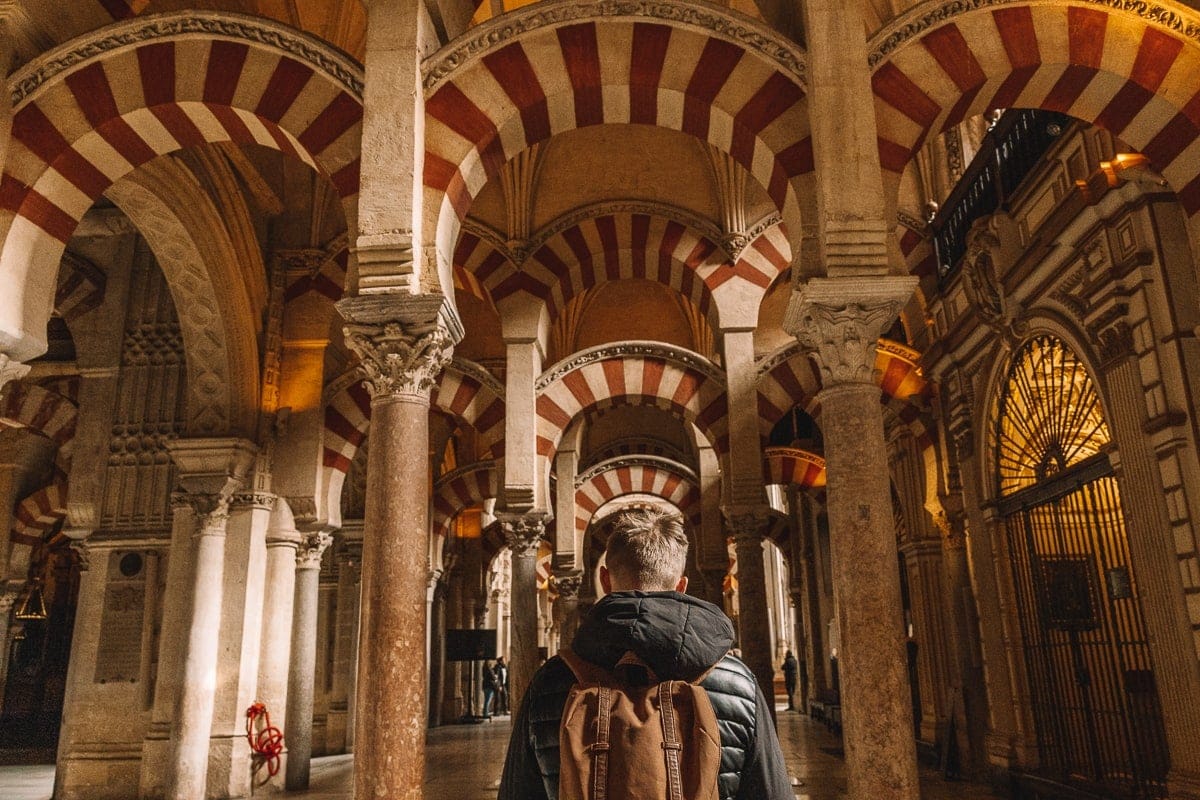
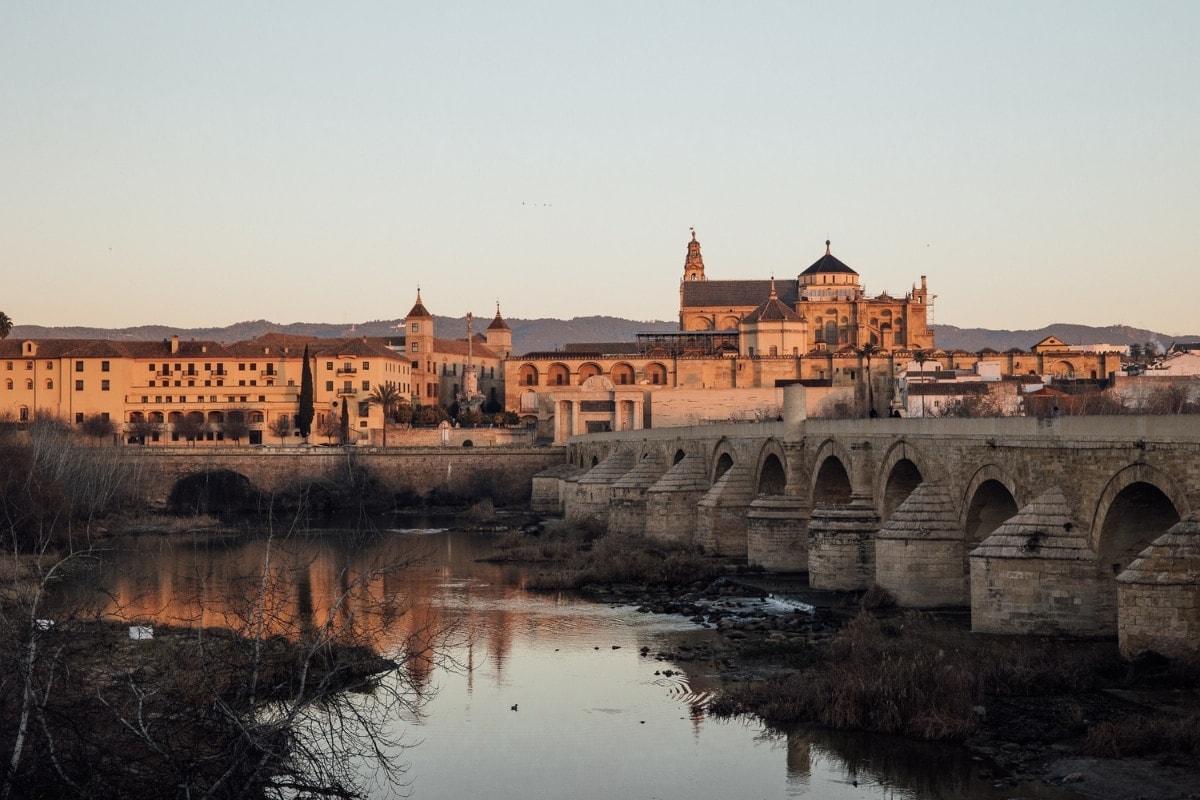
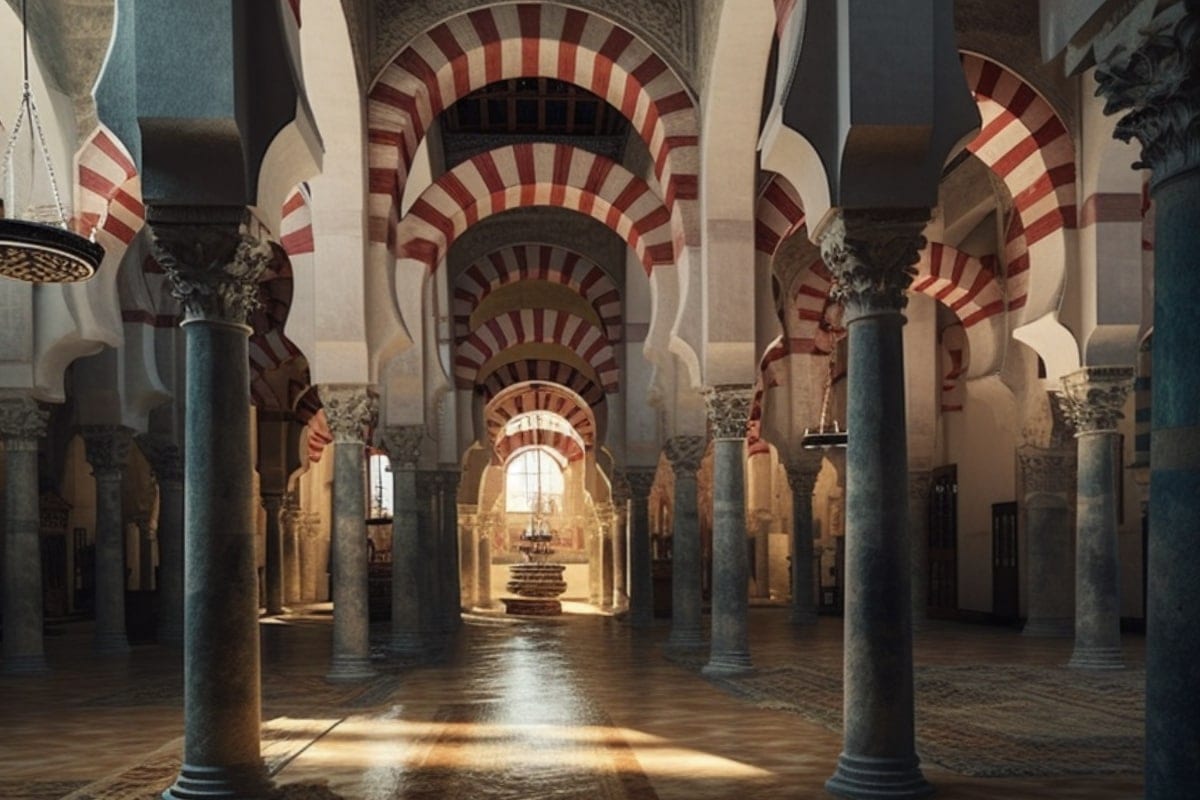
The Mezquita, or Mosque, in Cordoba is a unique monument that reflects the city’s rich history. Originally built as a mosque, it was later converted into a cathedral after the city was conquered by Christian forces. For this reason, the Mezquita is an incredible combination of Islamic and Christian architecture.
What to See in Seville: Real Alcázar
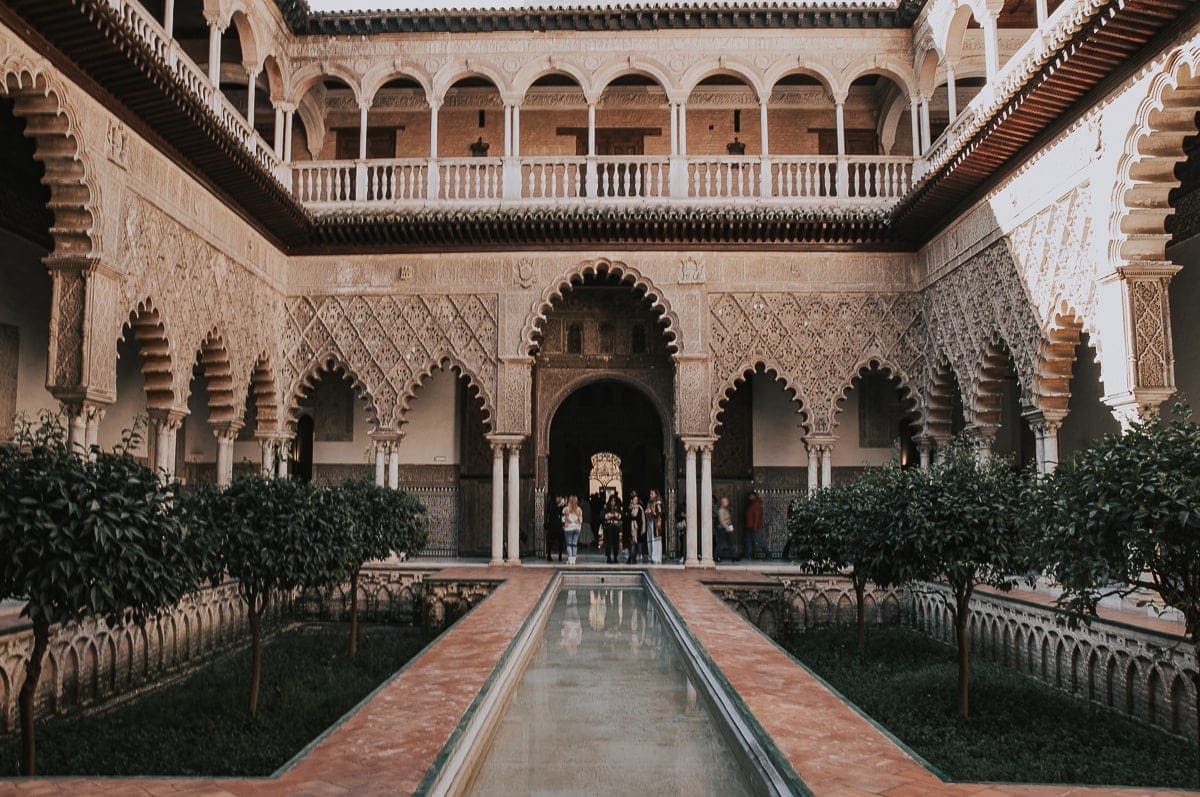
The Real Alcázar is the oldest royal palace in Europe, still used by the Spanish royal family as an official residence. The palace is a magnificent example of Mudéjar architecture, and its extensive gardens are beautiful and full of greenery and flowers.
Plaza De España in Seville
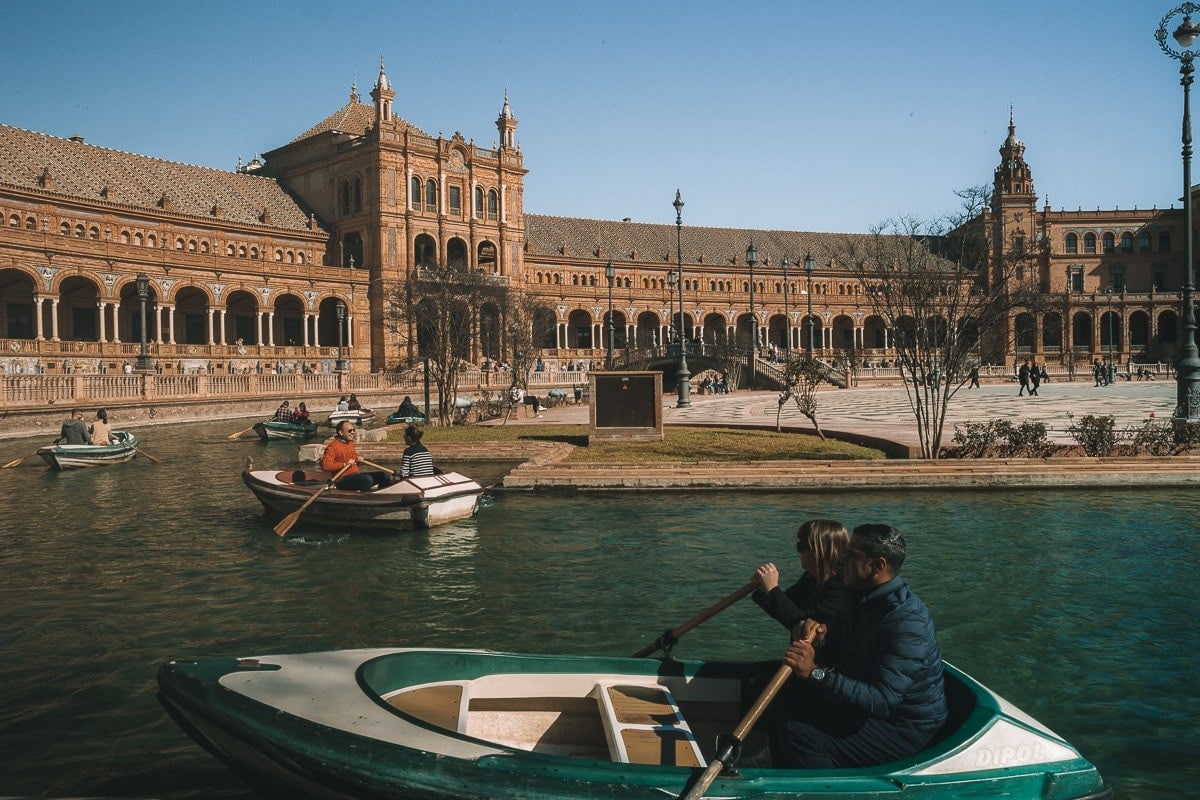
Plaza de España is the largest square in Seville, symbolically commemorating Spanish culture and history. You’ll be most captivated by the enormous colonnade, the fountain in the middle, and the canals where you can rent a boat.
Giralda in Seville
The Giralda is an iconic tower in Seville that once served as a minaret of a mosque. The tower was later converted into the bell tower of Seville Cathedral but still retains much of its original design and architecture. Be sure to visit it; it’s a place with panoramic views of the city and the surrounding landscape.
What to See in Ronda: Ronda and its El Tajo Canyon
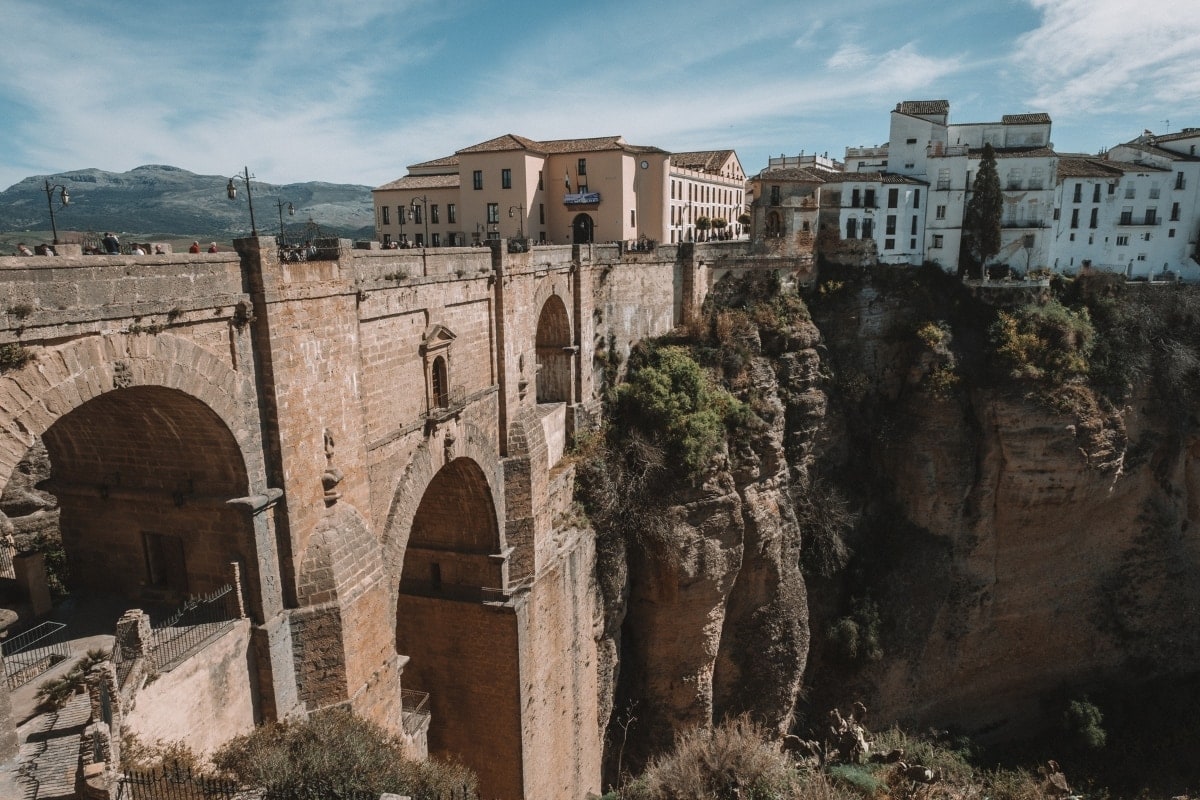
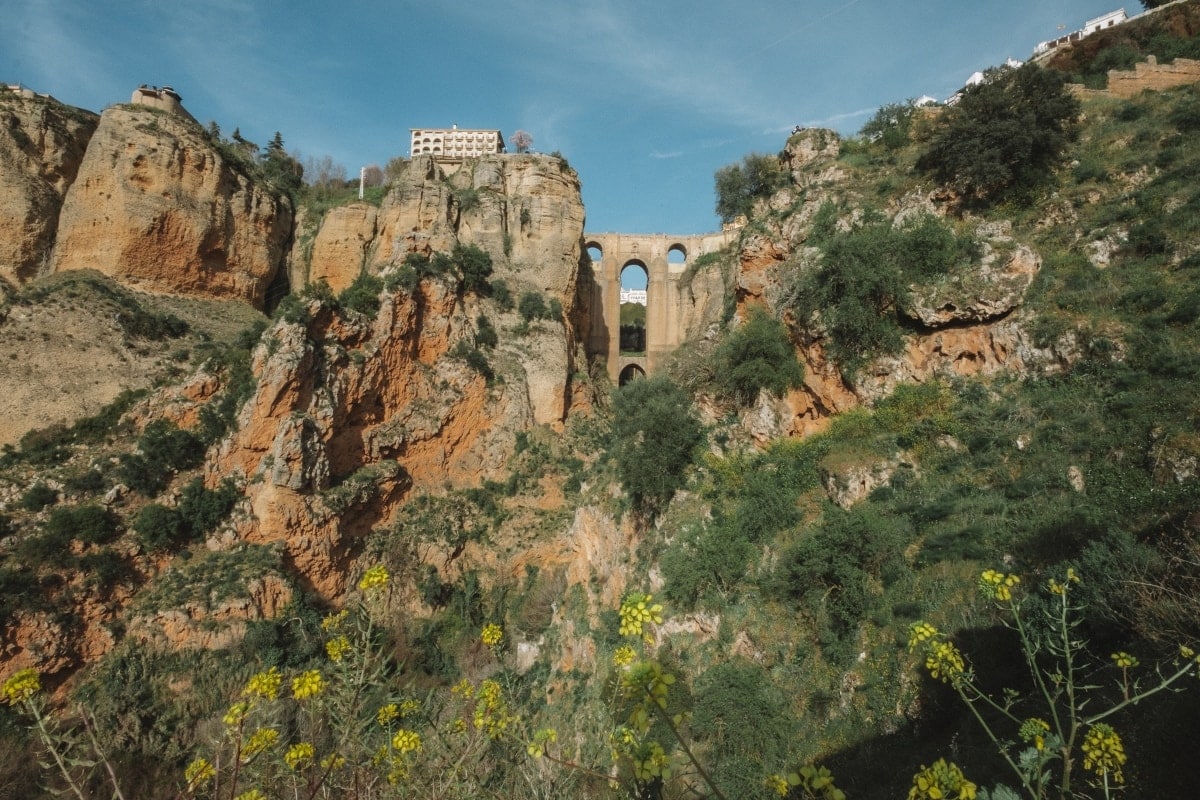
Ronda is a historic town in Andalusia, situated atop a cliff above the deep El Tajo canyon. The town offers magnificent views of the surrounding landscape and is full of historical monuments, such as the Puente Nuevo bridge—a bridge that connects the two parts of the town. It is a popular spot among tourists, especially due to its historical and cultural significance.
What to See in Malaga: Caminito Del Rey
Caminito del Rey is an amazing tourist attraction located in the El Chorro mountains in Malaga. This rocky pass was once a dangerous place, but now it serves as one of the most visited tourist attractions in Andalusia. The Caminito del Rey path offers spectacular views of the surrounding landscape and is popular among tourists seeking an adrenaline rush. You can find more information in our article.
Costa Del Sol
The Costa del Sol is a popular tourist destination in Andalusia, offering beautiful beaches and sunny weather for most of the year. The Costa del Sol region stretches along the Mediterranean coast and is full of attractions for tourists, including restaurants, bars, and shops.
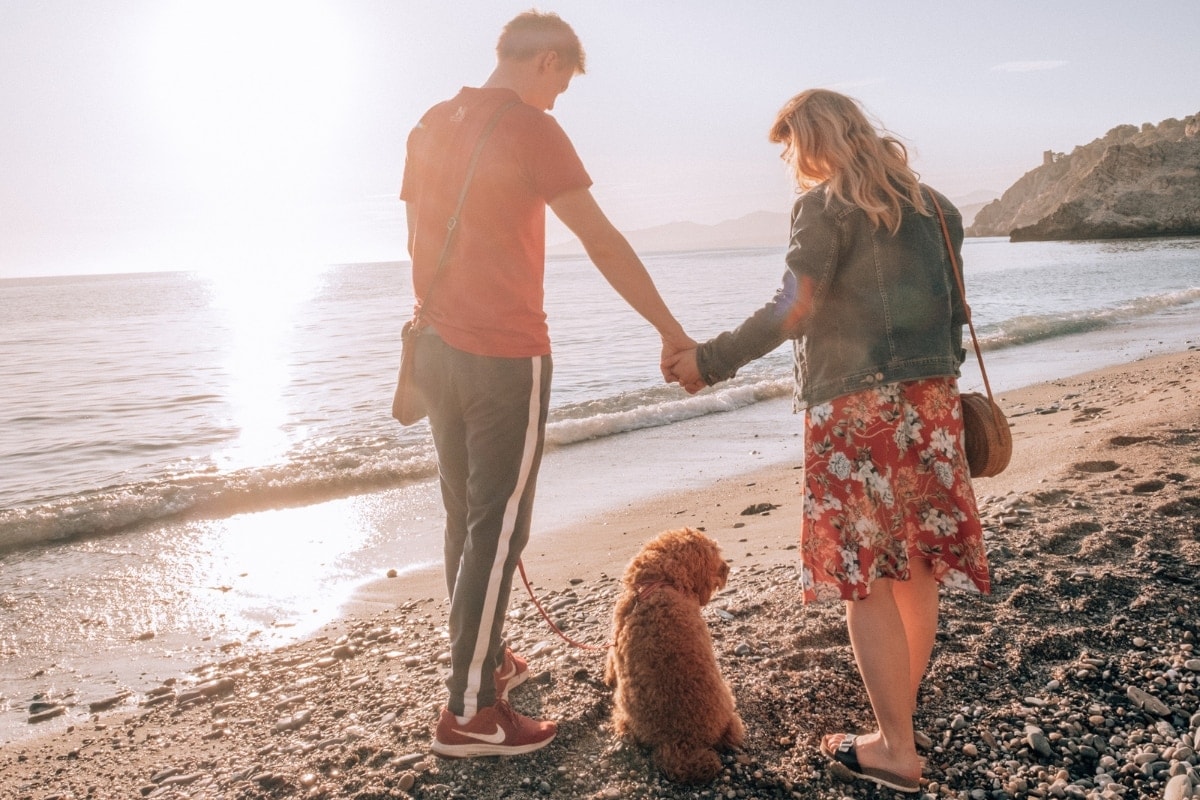
Cabo De Gata in Almeria
Cabo de Gata is a national park in Almeria, known for its breathtaking beaches and untouched nature. The park offers many tourist activities, such as hiking, diving, and bird watching. Cabo de Gata is an ideal place for those seeking a peaceful vacation in nature.
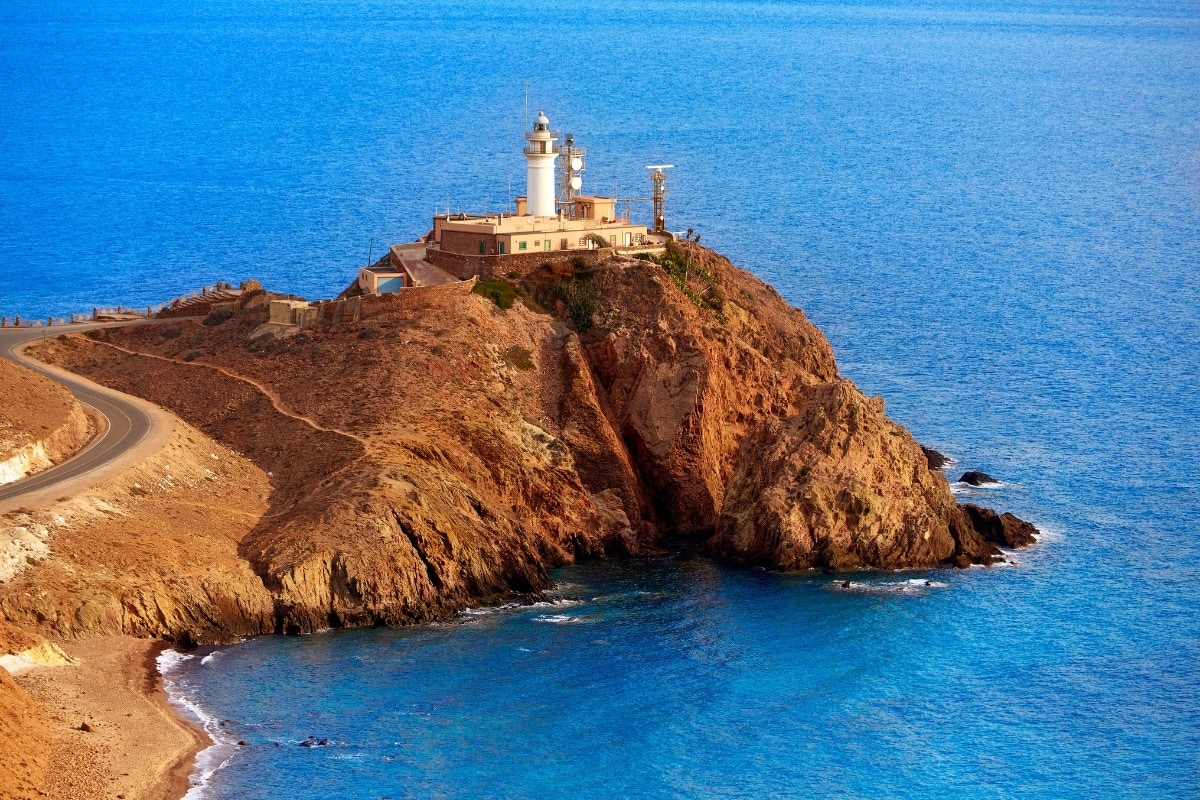
Frigiliana
A picturesque white village with narrow streets lined with flowers, offering breathtaking views of the surrounding landscape and the sea.
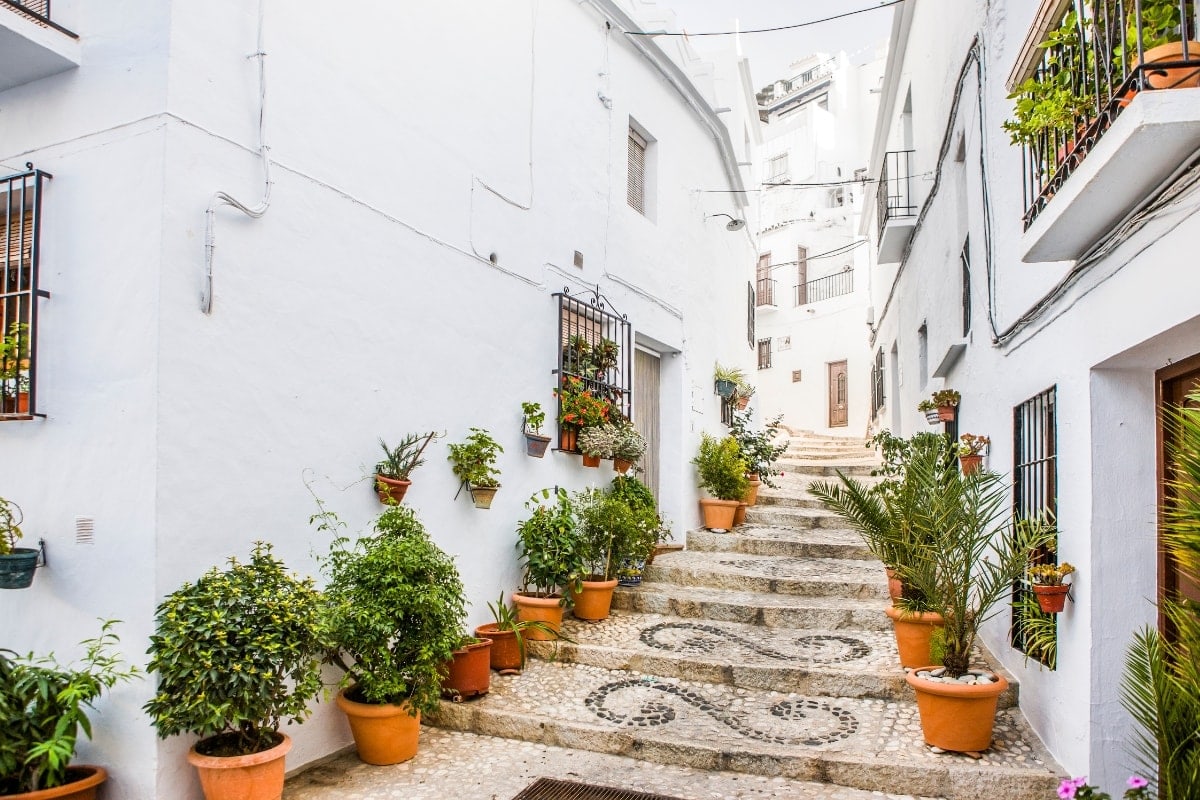
Cueva De Nerja
An impressive cave with many stalactite and stalagmite formations and one of the largest cave chambers in the world.
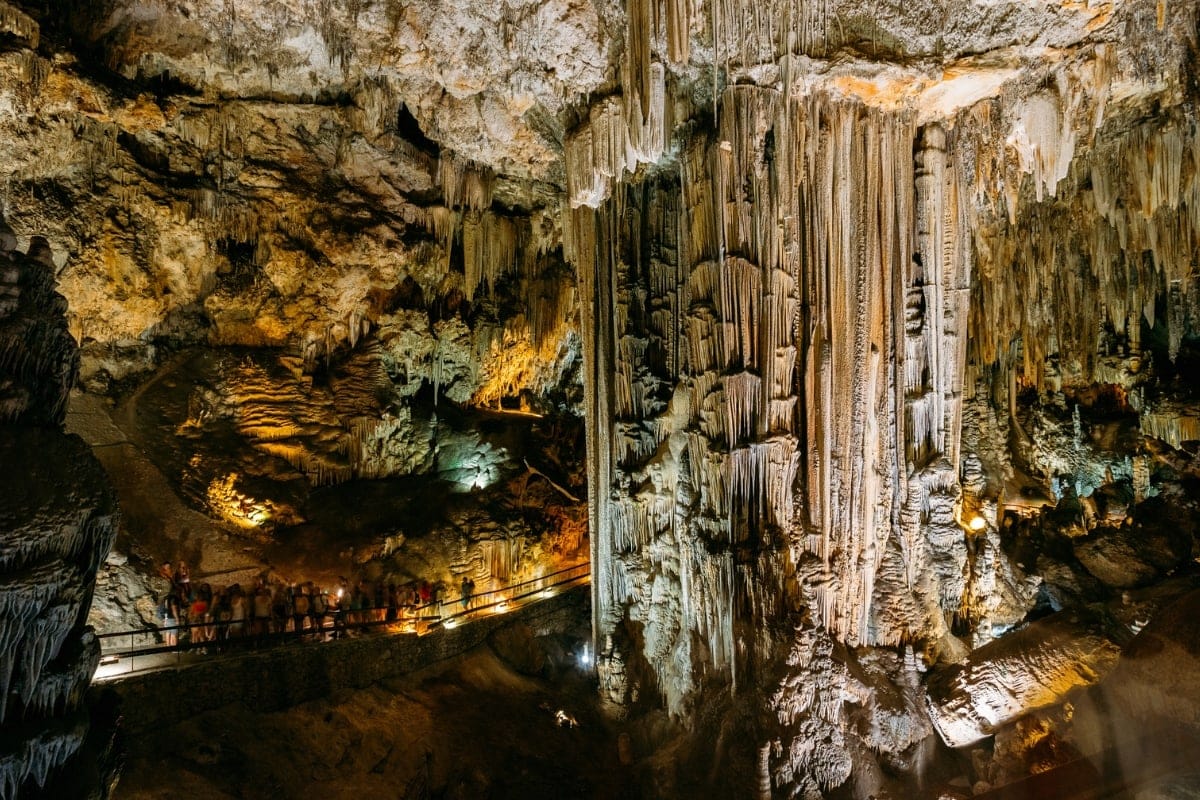
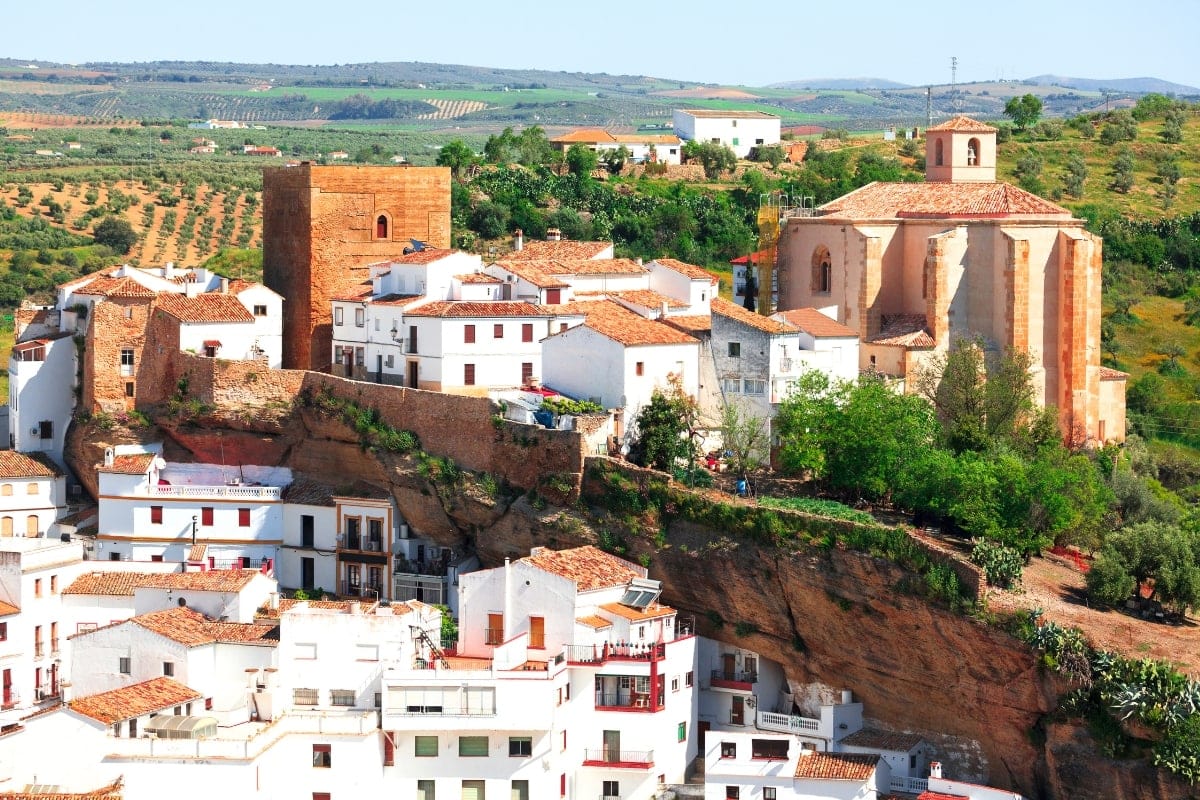
Setenil De Las Bodegas
A unique town built into the rock, which forms the roofs of its houses and streets.
Parque Nacional De Doñana
An extensive national park with rich flora and fauna, including rare bird species and Iberian lynx.
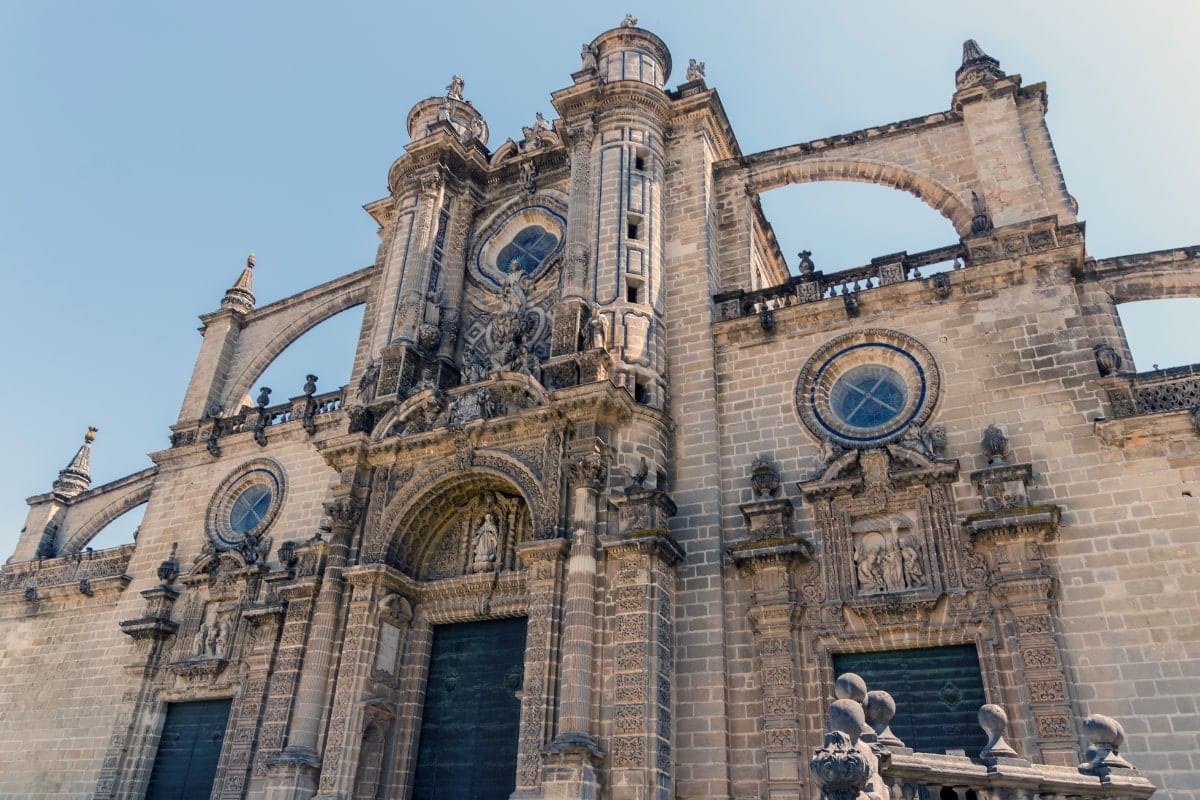
Jerez De La Frontera
A city famous for its wine and sherry. Visit the bodegas, the beautiful Alcázar, and experience Flamenco.
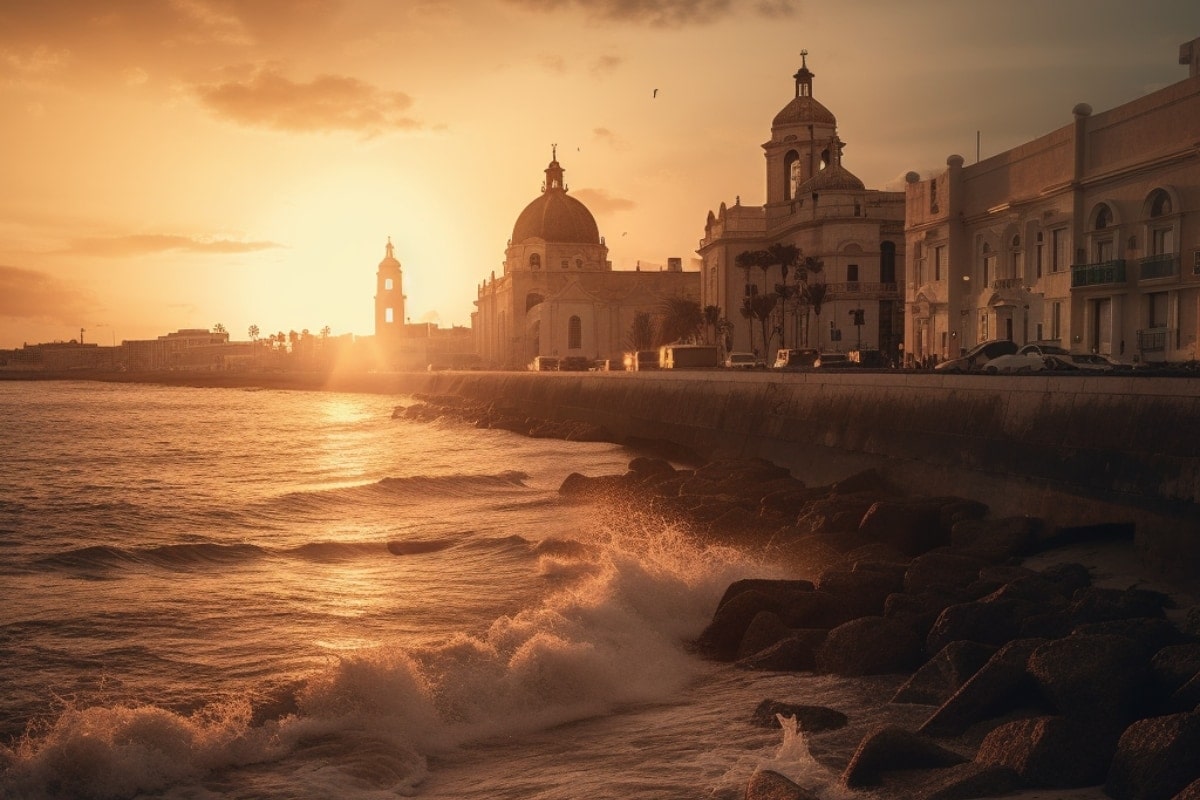
Cadiz
An ancient port city with a rich history, a cathedral, and beautiful beaches. Famous for its carnival and seafood.
Ubeda and Baeza
Two neighboring cities that are UNESCO World Heritage sites thanks to their Renaissance monuments. A stroll through the streets of both cities is like a journey back in time.
Sierra Nevada
A majestic mountain range offering skiing in winter and hiking or cycling in summer. Its highest peak is Mulhacén, the highest point in mainland Spain.
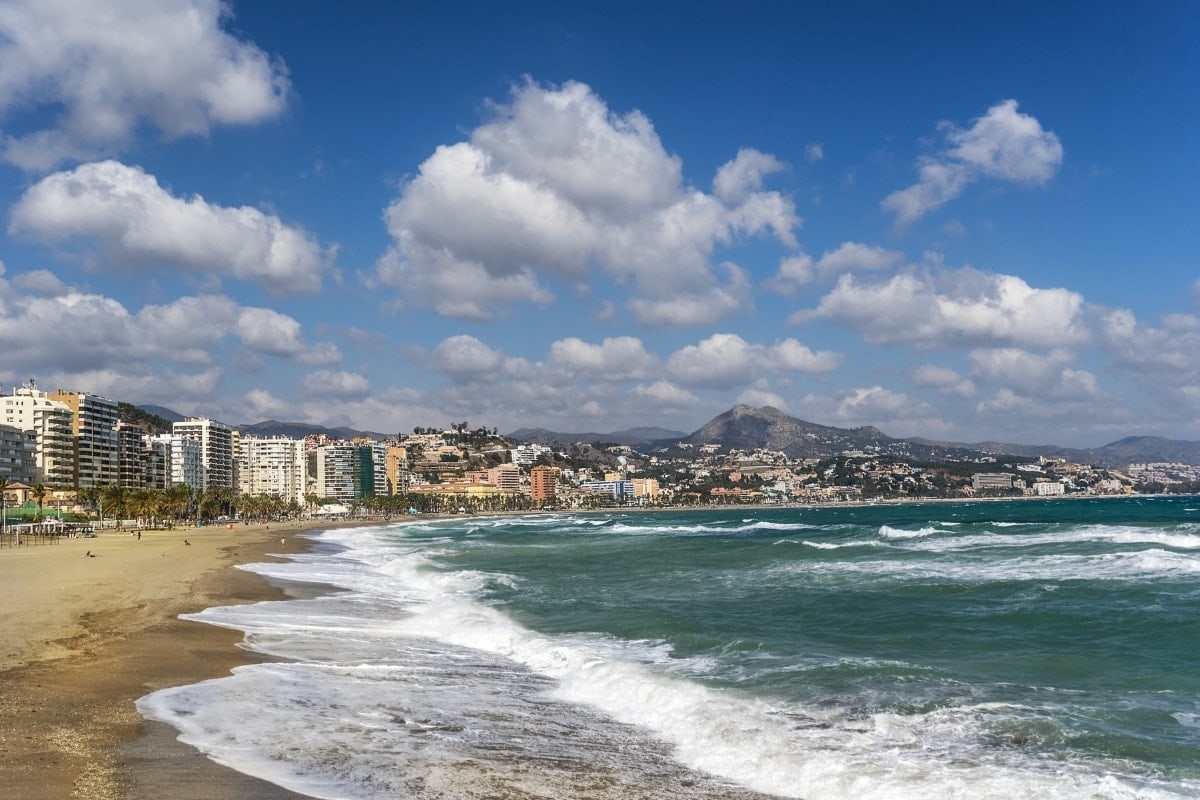
Marbella
A luxurious resort on the Costa del Sol, famous for its beaches, golf courses, and Puerto Banús marina, where yachts are moored.
Antequera
A city with a wealth of historical monuments, such as the Alcazaba fortress, the Dolmen de Menga, and El Torcal, a natural park with fascinating limestone rock formations.
What is Flamenco?
Flamenco is a live performance that showcases the traditional Andalusian dance and music genre called flamenco. Flamenco originated in Spain, particularly in the Andalusia region, and is characterized by emotional singing, energetic dancing, guitar music, and rhythmic clapping.

Flamenco typically involves dancers (bailaores and bailaoras), singers (cantaores), and guitarists (guitarristas) who collectively perform various forms and styles of flamenco. The performance is dramatic and passionate, emphasizing emotional expression and improvisation.
Flamenco shows are often seen in traditional Andalusian cities such as Seville, Granada, or Córdoba, and can be part of the cultural program in restaurants, theaters, or special flamenco clubs called “tablaos.”
Typical Food in Andalusia – What to Taste on your Spanish Vacation
Spanish cuisine is very meat-based, so we must admit we don’t seek it out much, but we do enjoy the wide selection of Indian restaurants. Traditional dishes in Andalusia include:
- Gazpacho, a cold soup made from tomatoes, cucumbers, peppers, onions, and olive oil.
- Salmorejo, another cold soup similar to gazpacho, often served with a piece of ham or an egg.
- Pescaíto frito, fried fish pieces served as tapas.
- Jamón ibérico, exquisite ham from Iberian pigs, fed high-quality diets and roaming freely in nature.
- Tortilla española, Spanish potato omelet, often served as tapas.
- Flamenquín, fried meat rolls filled with ham and cheese.
- Rabo de toro, stewed oxtail, often served with rice or potatoes.
- Porra antequerana, another cold soup, similar to gazpacho and salmorejo, but with more bread and garlic.
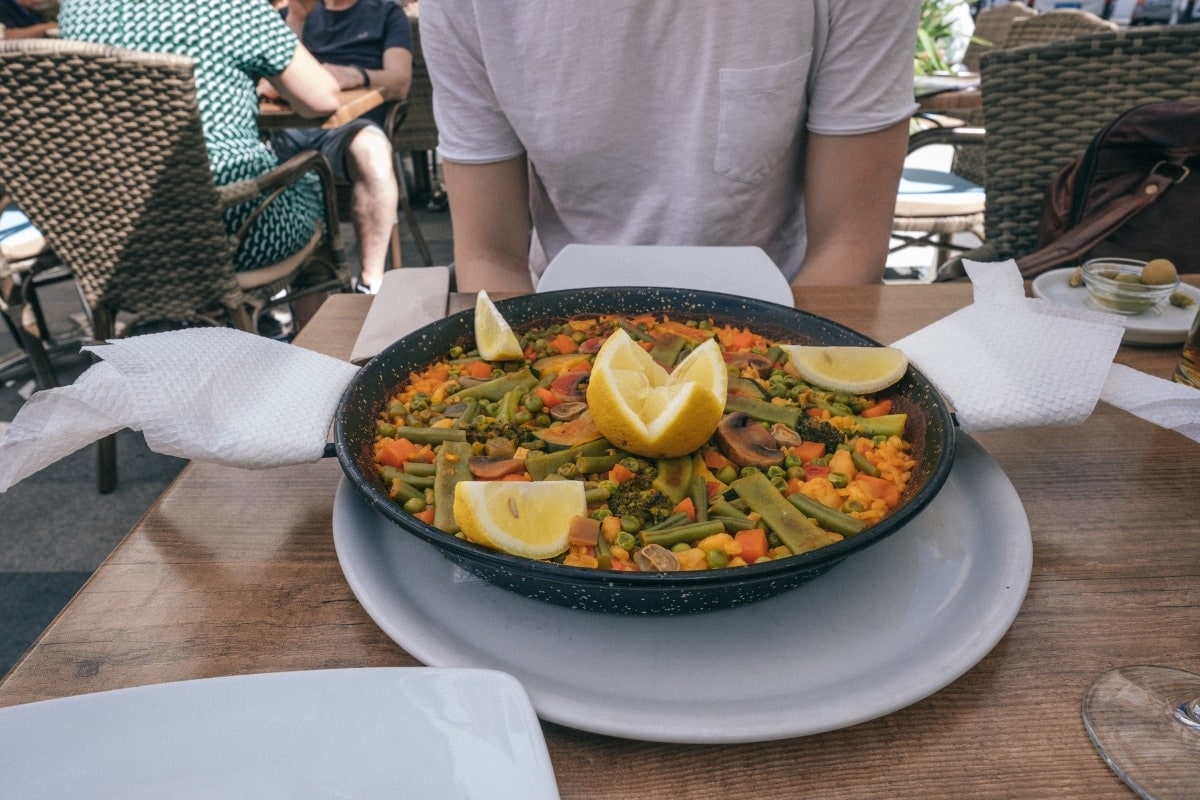
Map of points of interest for your phone
Andalusia Road Trip: 7-Day Itinerary
Andalusia is certainly one of the most visited regions in Spain. It’s no wonder; you’ll find beaches, beautiful cities, and nature to explore here. If you’re planning a trip to Andalusia, we’ve prepared a 7-day itinerary with the best places to visit.
Day 1: Malaga
Where to stay: Highly rated are ESTUDIO EN TORREMOLINOS CENTRO and B&B Casa Rubí.
Flights from the Czech Republic most often go to Malaga, so it will likely be your starting point.
Upon arrival in Malaga, check in and head to the Alcazaba, an impressive fortress that towers over the city and offers magnificent views of the surrounding landscape.
You can also visit the Picasso Museum to learn about the work of this famous painter and his influence on the art scene. Malaga is an ideal starting point for Caminito del Rey, but you need to book it well in advance.
In the evening, book a Flamenco dance performance.
Where to stay in Malaga: If you’re looking for something more luxurious, check out H10 Croma Málaga; a more affordable hotel in the center of Malaga is Carlos V Malaga.
Day 2: Malaga – Ronda (1 Hour 45 Minutes)
Leave early to avoid the crowds of tourists. On the way, you can stop in the town of Setenil de las Bodegas. Upon arrival in Ronda, head straight to Puente Nuevo, this impressive bridge spans a deep valley that divides the city into two parts.
Puente Nuevo is the most visited place in Ronda. You can also visit Plaza de Toros, one of the oldest bullfighting arenas in Spain, or Baños Árabes, Palacio de Mondragón, or Alameda del Tajo. You can find more tips in our article about Ronda.
Don’t forget to visit Mirador de Aldehuela, from where you have a panoramic view of the surrounding landscape. Then, stay overnight in Ronda or head to Seville. We recommend the latter, as it will allow you to get ahead of the tourist crowds in the morning.
Where to stay in Ronda: If you do decide to stay in Ronda, one of the best-rated accommodations is La Escondida Ronda, B&B.
Day 3: Ronda – Seville (2 Hours)
In Seville, first head to Santa Maria de la Sede, the largest Gothic cathedral in the world and the third largest cathedral overall. Don’t forget to visit the Giralda, a former minaret that was converted into a bell tower, from where you have a breathtaking view of the entire city.
Then head to the Royal Alcázar Palace. This magnificent palace has been rebuilt and expanded several times and is one of the best examples of Mudéjar art in Spain.
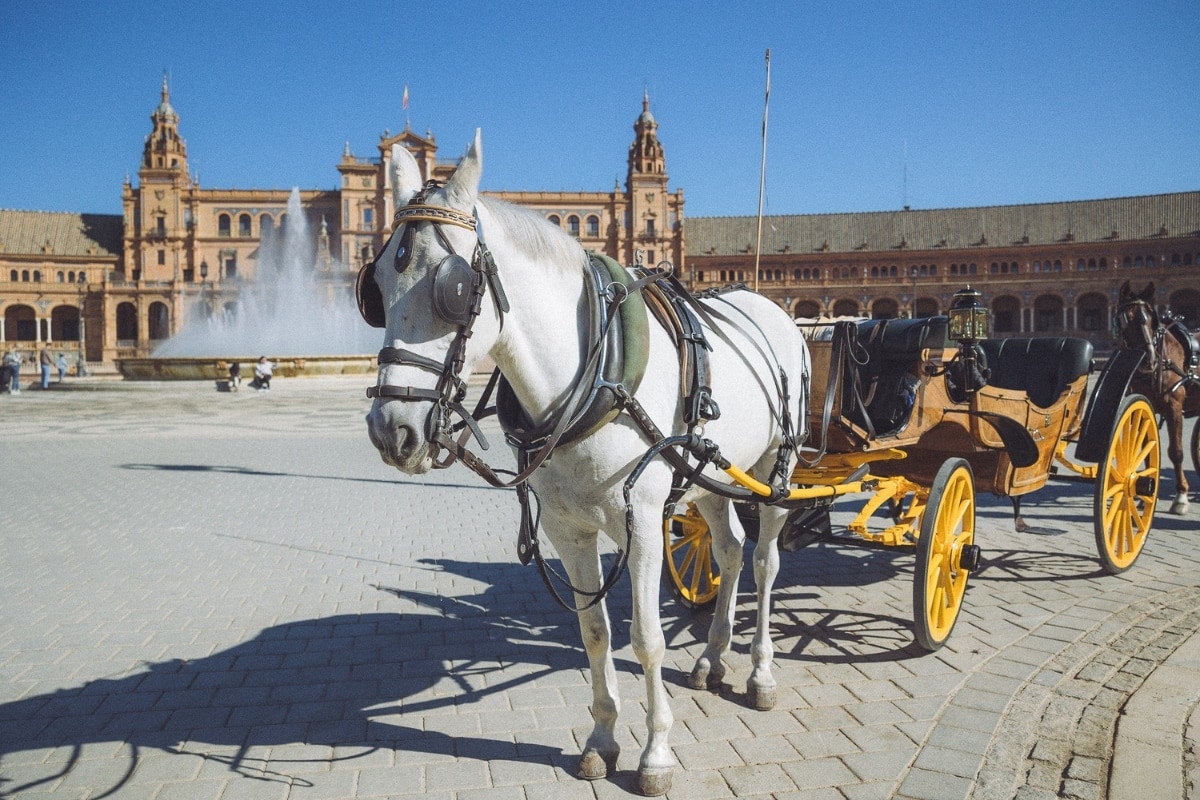
After lunch, head to Plaza de España, a monumental square built for the Ibero-American Exposition in 1929. Opposite Plaza de España is a huge park where you can cool off and relax.
Finally, today, visit Barrio Santa Cruz, the former Jewish quarter, which is now a picturesque neighborhood with narrow streets, white houses, and squares. You can find more information in our article 32 tips on what to see in Seville.
Where to stay:
- Budget option: Santacruz Hostal Plaza
- Mid-range option: Apartamentos Reyes Catolicos
- Luxury option: Hotel Colón Gran Meliá – The Leading Hotels of the WorldOpens
Day 4. Seville – Cordoba (45 Minutes)
Head to Cordoba early; honestly, I would recommend heading to Cordoba the evening before and staying there. First, visit the Mezquita, which is a symbol of Cordoba’s Moorish heritage.
In Cordoba, be sure to visit the Jewish Quarter, Alcázar de los Reyes Cristianos, the royal palace with beautiful gardens and views of the Guadalquivir River, and the Roman Bridge and surrounding parks and gardens, such as Jardines de la Victoria and Jardines Juan Carlos I.
Enjoy dinner at one of the traditional Andalusian restaurants, where you can taste local specialties, such as salmorejo, flamenquín, or rabo de toro.
Find more tips in our article about Cordoba.
Where to stay:
We recommend accommodation right in the center at Hotel Hesperia Cordoba, where you can bring your dog and easily park your car at the hotel. The hotel has a rooftop bar in summer and offers a magnificent view of the city.
Day 5: Cordoba – Granada (2 Hours 7 Minutes)
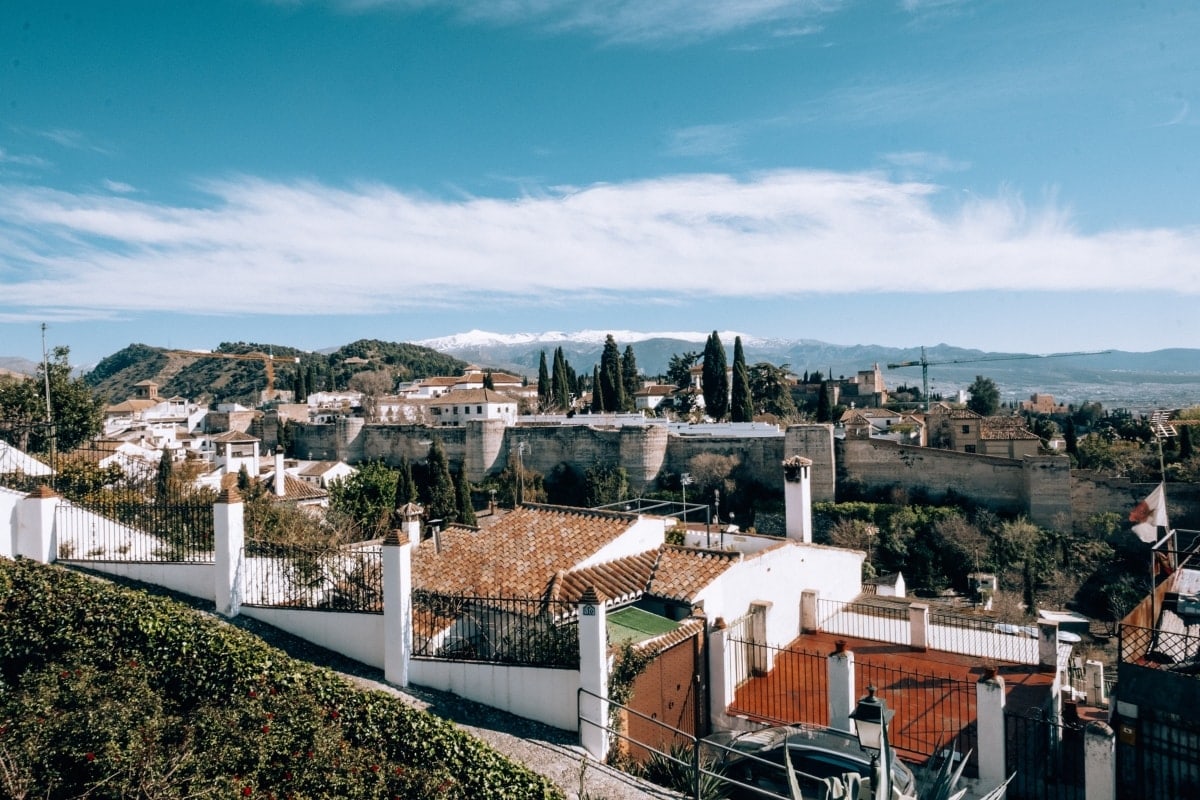
Granada is once again one of Spain’s most visited places, so be prepared for a relatively large number of tourists (even in the off-season). The most popular is the Alhambra, where you should go right at opening time. Furthermore, you shouldn’t miss the Generalife, the summer palace of the Nasrid rulers with gardens and fountains, and definitely take a walk through the historic Albayzín quarter at the end of your visit, with its narrow streets, white houses, and magnificent views of the Alhambra.
Read our article on what to see in Granada.
Where to stay:
- Budget accommodation: Hotel Macià Real De La Alhambra
- Luxury accommodation: Boutique Hotel Luna Granada Centro
Dinner at a local restaurant
Day 6: Granada – Jaén (1 Hour 15 Minutes)
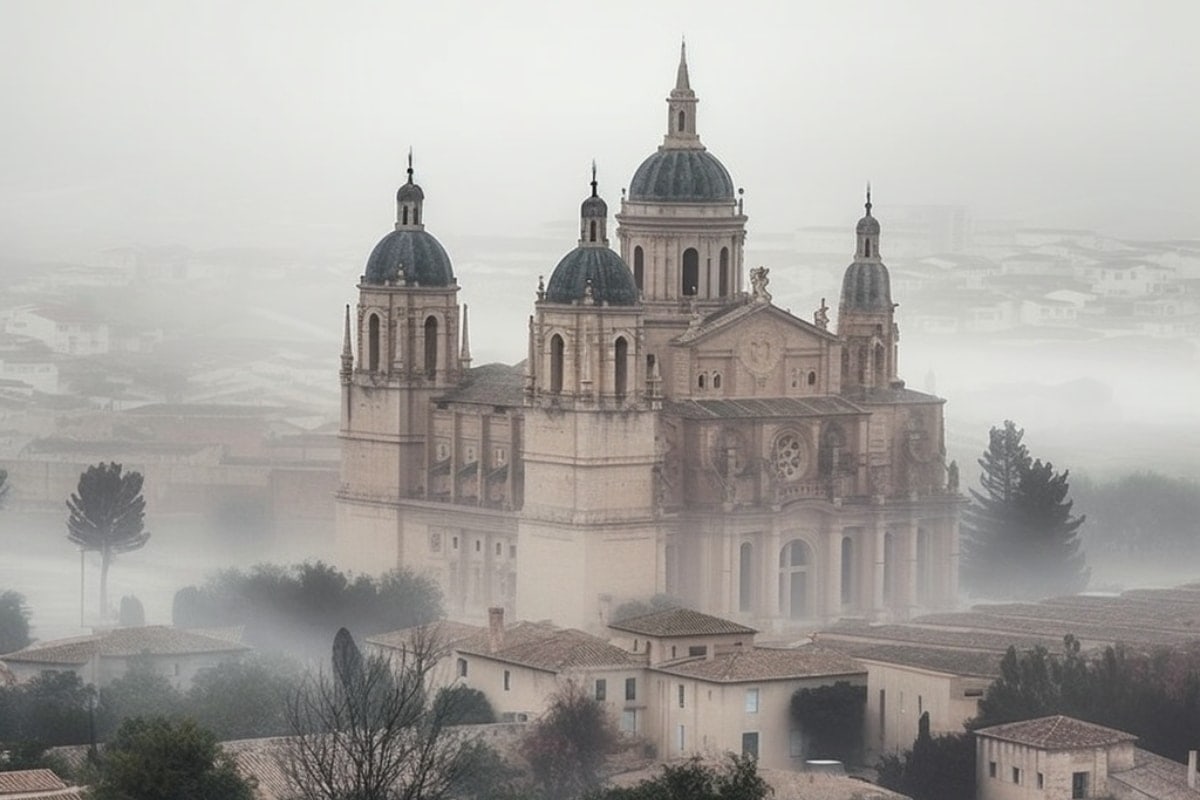
Jaen is not that big, and a visit won’t take more than 3-4 hours, so I recommend dedicating the morning to Granada. After lunch, head to Jaén, where there’s a magnificent cathedral in the center, one of the most significant examples of Spanish Renaissance architecture.
Explore Castillo de Santa Catalina, a fortress with magnificent views of the city and surrounding landscape. You can also visit Baños Árabes, well-preserved Arab baths located in Palacio de Villardompardo.
Enjoy dinner at one of the local restaurants, where you can taste traditional dishes from Jaén and its surroundings, such as pipirrana, ajo blanco, or taste the local olive oil, which the locals are very proud of.
Where to stay:
- Budget option: Hotel Europa
- Luxury option: Parador de Jaén
Day 7: Jaén – Malaga (2 hours 30 minutes)
Depart from Jaén towards Malaga; the journey takes about 2 hours and 30 minutes. If you’re not flying out yet and plan to relax on the Costa del Sol, check out our tips, what to do in Malaga.
South of Spain: Andalusia Road Trip for 10-14 Days
Day 1: Arrival in Malaga
What to do in Malaga can be read briefly above in the 7-day itinerary or in our article about Malaga.
Where to stay: Highly rated are ESTUDIO EN TORREMOLINOS CENTRO and B&B Casa Rubí.
Day 2: Malaga – Ronda (1 Hour 45 Minutes)
After breakfast, depart from Malaga towards Ronda; the journey takes about 1 hour and 45 minutes. Visit Puente Nuevo, an impressive bridge connecting two parts of the city, Plaza de Toros, a historic bullring, and Mirador de Aldehuela, a viewpoint with magnificent views of the surrounding landscape.
Read what to do in Ronda in our article.
Where to stay in Ronda: If you do decide to stay in Ronda, one of the best-rated accommodations is La Escondida Ronda, B&B.
Day 3: Ronda – Seville (2 Hours)
What to do in Seville can be read above in the 7-day itinerary or directly in our article 32 tips on what to see in Seville.
Where to stay:
- Budget option: Santacruz Hostal Plaza
- Mid-range option: Apartamentos Reyes Catolicos
- Luxury option: Hotel Colón Gran Meliá – The Leading Hotels of the WorldOpens

Day 4: Day Trip from Seville to Cordoba
Cordoba is only 45 minutes away from Seville, so stay in Seville and use the local train or bus for a day trip to Cordoba. Read what to do there in our article.
In the evening, return to Seville, from where you will continue to Cadiz the next day.
Day 5: Seville – Cadiz (1 Hour 30 Minutes)
After breakfast, head to the ancient port city of Cadiz. Visit the cathedral, which is a mix of Baroque and Neo-Gothic styles, Torre Tavira, a watchtower with a camera obscura, and Playa de la Caleta, a picturesque beach between two fortresses.
Where to stay in Cadiz: For example, stay at Hotel Pinomar.
Day 6: Cadiz – Tarifa – Gibraltar (2 Hours with a Stop in Tarifa)
Head to Gibraltar, which belongs to Britain (so don’t forget your documents), but is an ideal place for a trip. On the way, stop in Tarifa, a picturesque town on the southernmost tip of Spain, where the Mediterranean Sea meets the Atlantic Ocean. This unique location makes Tarifa a popular destination for water sports enthusiasts, especially kitesurfing and windsurfing.
Gibraltar is a British Overseas Territory located on the southern tip of the Iberian Peninsula. Its dominant feature is the Rock of Gibraltar, an impressive limestone formation that offers magnificent views of the Strait of Gibraltar and the African coast.

When visiting Gibraltar, you can visit St. Michael’s Cave, which is located inside the Rock and served as a military shelter in the past. Here you can also encounter the famous Gibraltar monkeys, which are the only wild primates in Europe. Watch out for your snacks.
End the day in Estepona or in Marbella.
Where to stay: Enjoy your stay at the luxury resort Amàre Beach Hotel Marbella – Adults Only or at the more affordable B&B Boutique Tribeca.
Day 7: (Optional) Marbella
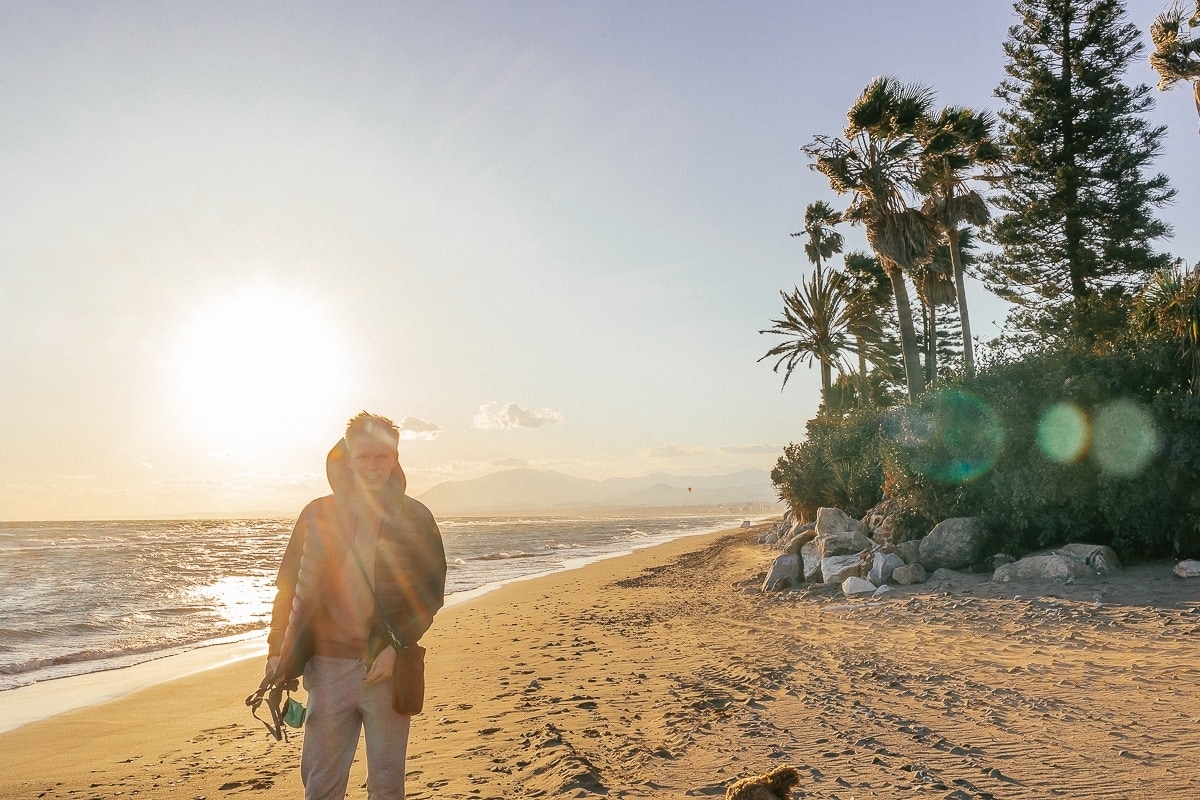
Enjoy the sun and sea on one of Marbella’s beautiful beaches, such as Playa de la Fontanilla or Playa de Puerto Banús. Recharge for further travels. If you’re not the type to lounge by the sea, book a trip to Caminito del Rey.
Day 8: (Optional) Exploring the Surroundings of Marbella
Marbella is an excellent starting point for exploring nearby towns. For example, you can head to Estepona and walk around the picturesque harbor and visit the traditional fish market there.
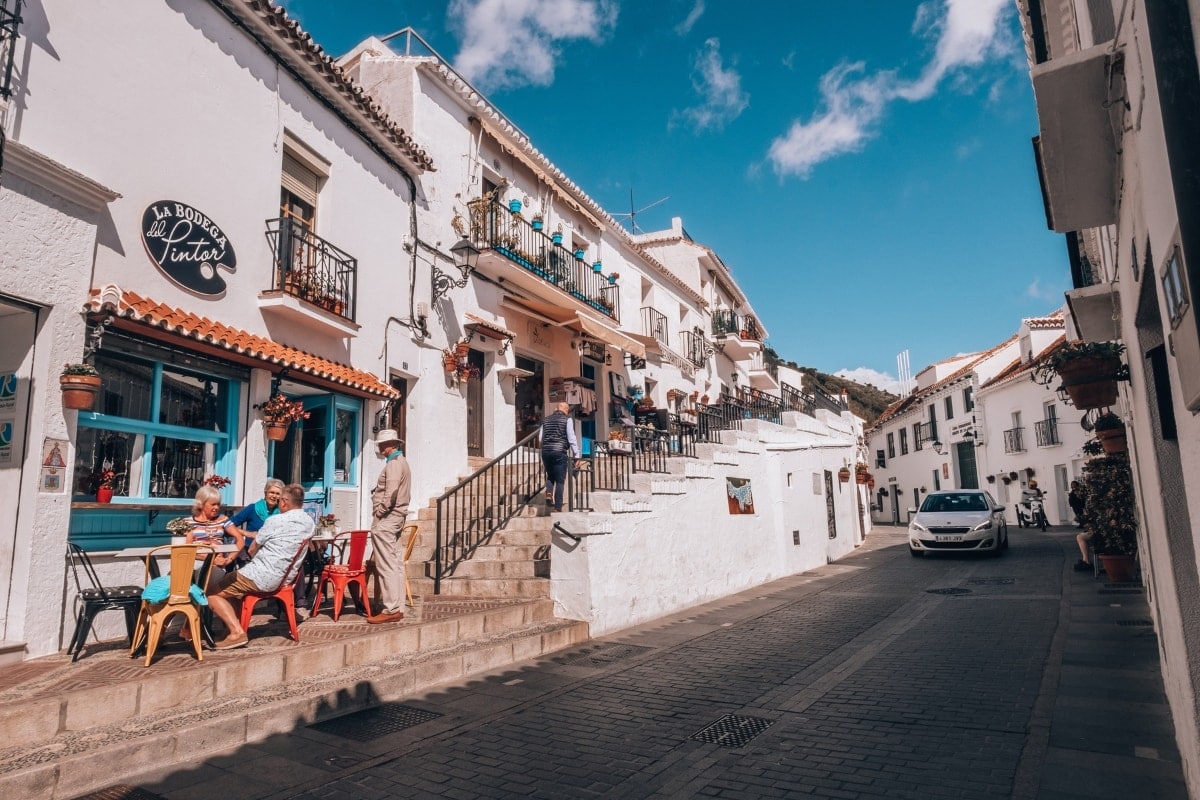
If you go further south, you can visit Casares, one of the most beautiful “pueblos blancos” (white villages) in Andalusia. Stroll through the narrow, steep streets and visit the castle and the Church of Nuestra Señora de la Encarnación, and enjoy panoramic views of the surrounding landscape.
On the way back to the coast, you can stop in Manilva and taste traditional Andalusian dishes, such as tapas or paella, at one of the local restaurants. And then you can continue further east to Ojén; this charming mountain town is known for its traditional white houses, wine museum, and Cueva de las Columnas cave.
Mijas, nestled on the mountainside, is also a very popular white village to visit. Visit the Church of Nuestra Señora de los Remedios here and enjoy magnificent views of the Mediterranean Sea.
To conclude the day, you can stop in Fuengirola, a port city with long beaches and vibrant nightlife.
Day 9: Marbella – Sierra Nevada – Granada (2.5 Hours + 1.5 Hours)
Explore Sierra Nevada, a majestic mountain range where you can ski in winter and go cycling or hiking in summer. Its highest peak is Mulhacén, the highest point in mainland Spain. What to see in Sierra Nevada, Spain
- Alpujarras Mountains: Visit the picturesque mountain villages in the Alpujarras Mountains, such as Pampaneira, Bubión, and Capileira.
- Trevenque Peak: Go on a hike to the summit of Trevenque, which offers magnificent views of the surrounding landscape and mountain ranges.
- Mulhacén: You can head to the highest mountain in mainland Spain, Mulhacén.
- Mountain Biking: Sierra Nevada is a paradise for mountain biking enthusiasts.
- La Calahorra: Visit the historic La Calahorra Castle, located in the village of the same name. The castle stands on a hill and offers magnificent views of the Sierra Nevada.
In the evening, travel to Granada and check in. This way, you’ll be able to set out early in the morning for the sights, which are extremely popular with tourists.
Where to stay: Stay in Granada.
- Budget accommodation: Hotel Macià Real De La Alhambra
- Luxury accommodation: Boutique Hotel Luna Granada Centro
Day 10: Granada
What to do in Granada can be found briefly above or in our article. Stay in Granada or move to Malaga. It depends on whether you prefer to spend more time on sightseeing or an extra day by the sea.
Day 11: Granada – Malaga (1 Hour 30 Minutes)
Head back to Malaga and explore the local beaches, or if beaches don’t appeal to you at all, you can explore the surrounding towns you missed during your stay in Marbella. What to do in Malaga can be read in our article.
Where to stay in Malaga: If you’re looking for something more luxurious, check out H10 Croma Málaga; a more affordable hotel in the center of Malaga is Carlos V Malaga.
Day 12-14: Malaga
Enjoy a seaside vacation on the most popular Costa del Sol.
The most Beautiful Beaches of Andalusia
We have selected for you the most beautiful beaches in Andalusia, that you definitely shouldn’t miss.
1. Playa De Bolonia (Cadiz)
This beach is one of the most beautiful and authentic in Andalusia. Located near the town of Tarifa, it is known for its extensive dunes, crystal-clear waters, and the remains of the ancient Roman city of Baelo Claudia.
2. Playa De Los Muertos (Almeria)
This beach is located in the Cabo de Gata Natural Park and is renowned for its wild charm. Its fine pebble surface, turquoise water, and steep rock walls make it one of the most photogenic beaches in the area. Access is more challenging, but it’s worth it!
3. Playa De Mónsul (Almeria)
Another treasure of Cabo de Gata, which appeared in the film Indiana Jones and the Last Crusade.
4. Playa De La Victoria (Cadiz)
One of the best urban beaches in Andalusia, located in Cadiz itself. Its long promenade, fine sand, and excellent facilities make it a great choice for families and active leisure enthusiasts.
5. Playa De La Herradura (Granada)
A hidden gem on the Costa Tropical. Popular among divers and water sports enthusiasts, thanks to its calm waters and rich underwater life.
6. Playa De Zahara De Los Atunes (Cadiz)
This expansive beach is located near the picturesque fishing village of Zahara de los Atunes. It offers a long, tranquil coastline with fine sand and incredible sunsets.
What to Do in Andalusia with Kids?
In Andalusia, there are several water parks that offer fun for the whole family, such as Aquatropic in Almuñécar or Mijas Water Park on the Costa del Sol.
Frequently Asked Questions
When is the best time to visit Andalusia?
The best time to visit is spring (April – June) and autumn (September – November), when temperatures are more pleasant than in the hot summer.
How to get to Andalusia?
The most common way to get to Andalusia is by flying to airports in Malaga, Seville, or Granada. You can also travel by train, bus, or car.
Are the beaches in Andalusia suitable for families with children?
Yes, many beaches in Andalusia offer gradual entry into the sea and good facilities for families with children, for example, Playa de la Victoria or Playa de la Herradura.
What are the best activities besides swimming?
You can go diving, surfing, hiking in natural parks, or explore historical monuments.
Tips and Tricks for Your Vacation
Don’t Overpay for Flights
Search for flights on Kayak. It’s our favorite search engine because it scans the websites of all airlines and always finds the cheapest connection.
Book Your Accommodation Smartly
The best experiences we’ve had when looking for accommodation (from Alaska to Morocco) are with Booking.com, where hotels, apartments, and entire houses are usually the cheapest and most widely available.
Don’t Forget Travel Insurance
Good travel insurance will protect you against illness, accidents, theft, or flight cancellations. We’ve had a few hospital visits abroad, so we know how important it is to have proper insurance arranged.
Where we insure ourselves: SafetyWing (simple monthly subscription) and TrueTraveller (for extra-long trips).
Find the Best Experiences
Get Your Guide is a huge online marketplace where you can book guided walks, trips, skip-the-line tickets, tours, and much more. We always find some extra fun there!