

Austria is so close that you can pop over even for a long weekend – and yet we always end up wrestling with the same questions: how much will it all cost, when’s the best time to go, and should we book a package tour or plan everything ourselves. You dream of strolling beside a turquoise lake, of a Viennese coffee house or of Christmas markets scented with mulled wine, but those practical doubts hold you back. That’s exactly what we want to clear up here.
You’ll find three things here: up-to-date tour and flight prices that we refresh every morning; our own tips from the road and from our articles that are genuinely worth it; and a simple plan of when and what to book so you don’t overpay.

What to see and do in Austria
Austria is a small country with enormous variety – in just a few hours you go from big-city elegance to alpine peaks and turquoise lakes. Here are the places we love coming back to ourselves:
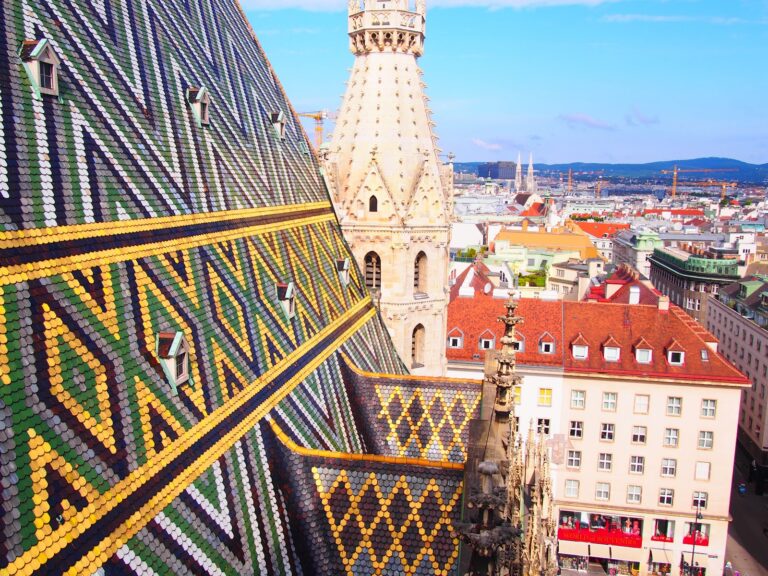
- Vienna – coffee houses, Schönbrunn, the Hofburg and galleries. Set aside two or three days for the city; there’s more than enough to fill them.
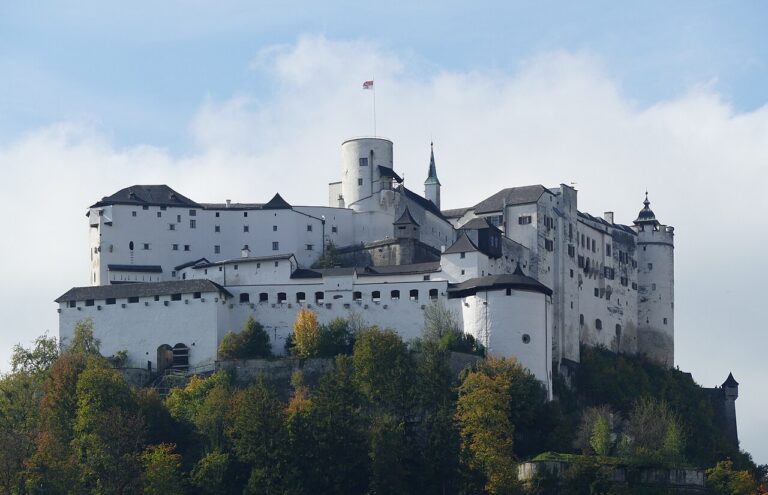
- Salzburg – Mozart’s birthplace, the fortress above town and the gateway to the Salzkammergut lake district.
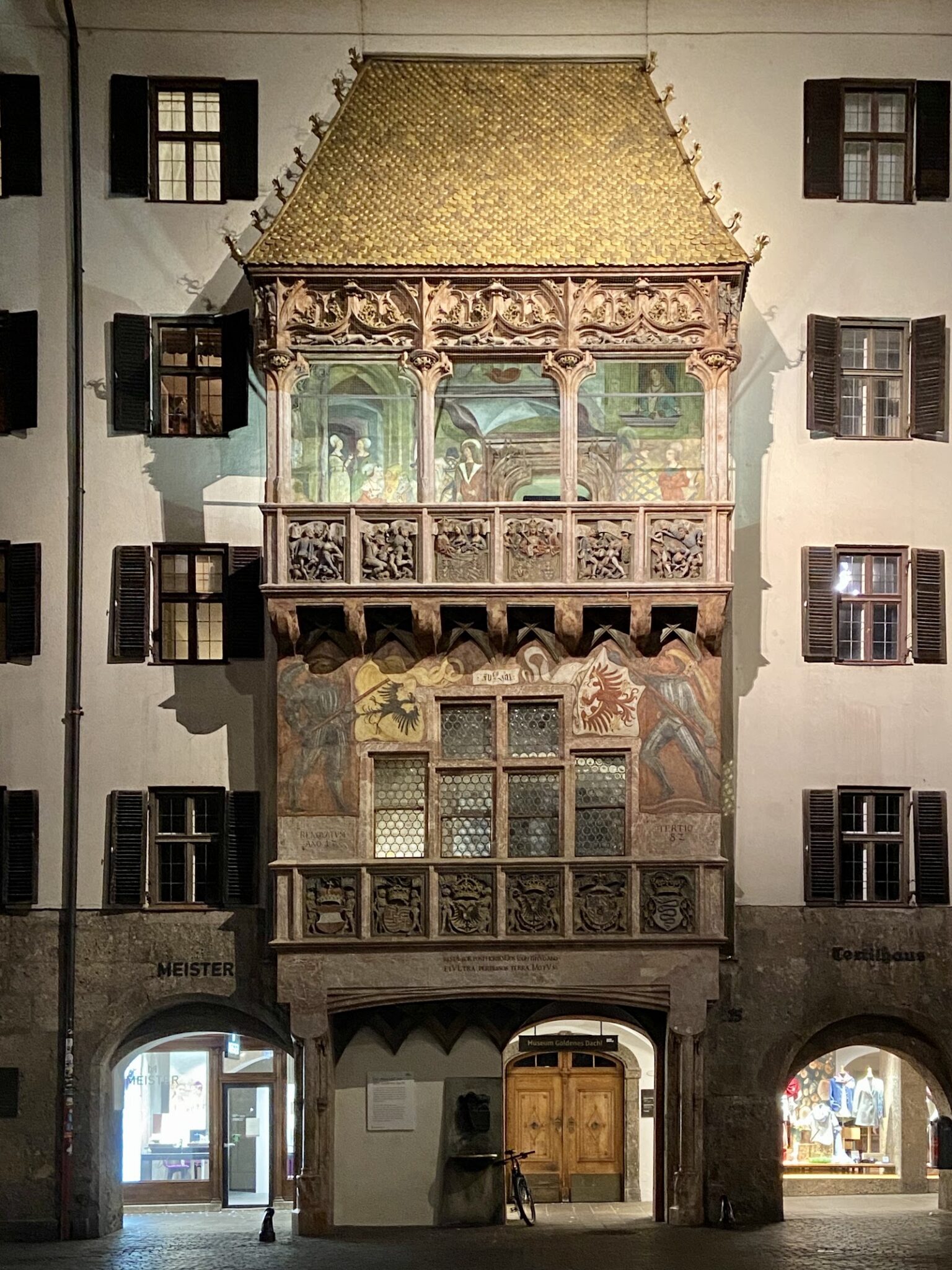
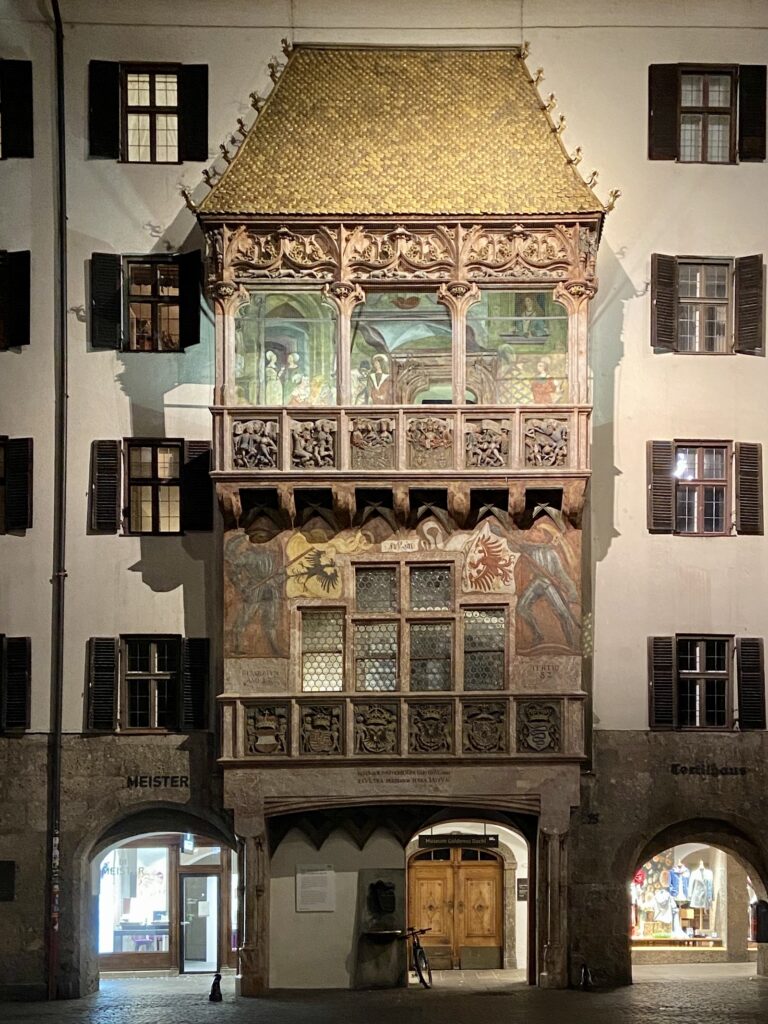
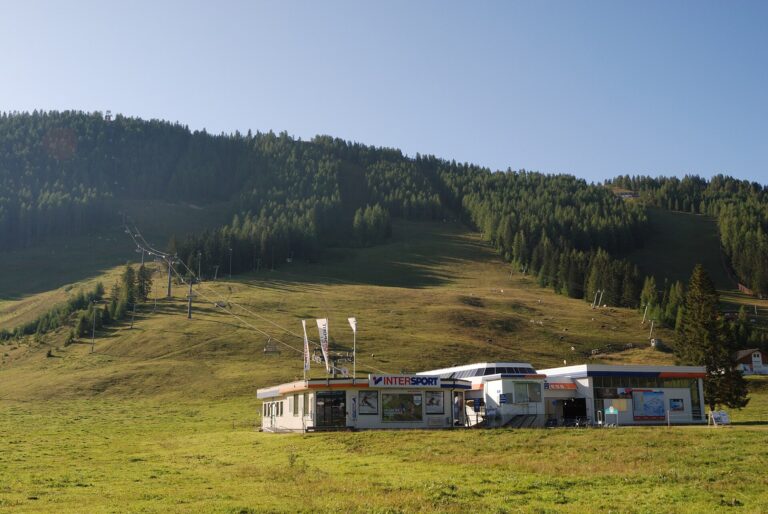
- Innsbruck and Tyrol – an alpine hub with a cable car running straight from the city up into the mountains.
- Hallstatt – Austria’s most photographed village beside its lake; beautiful, but try to go outside peak times.
- Austria’s lakes – Wolfgangsee, Hallstättersee and more; perfect for summer swimming and laid-back day trips.
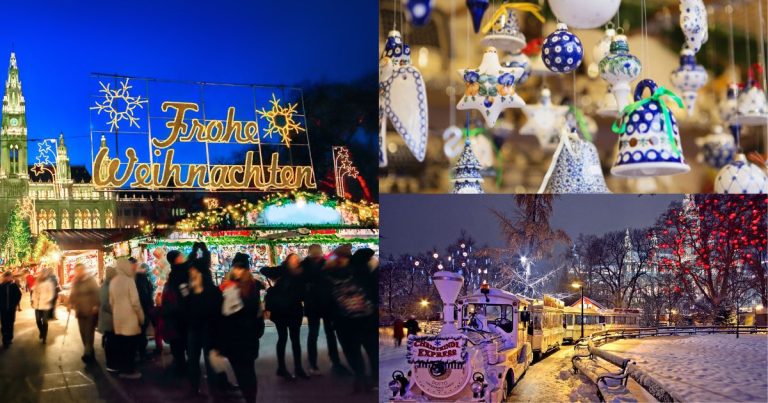
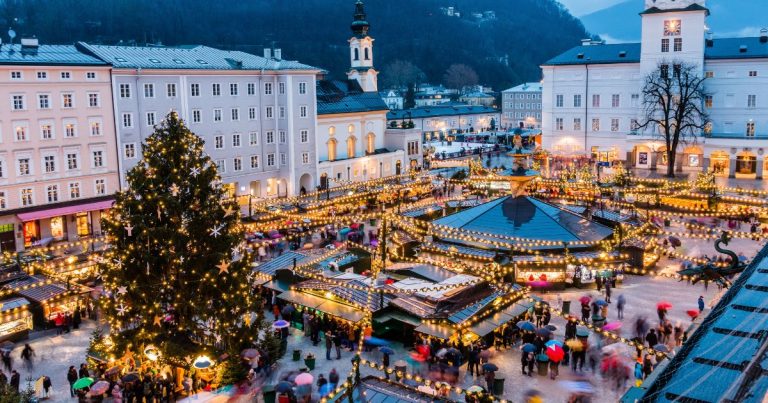
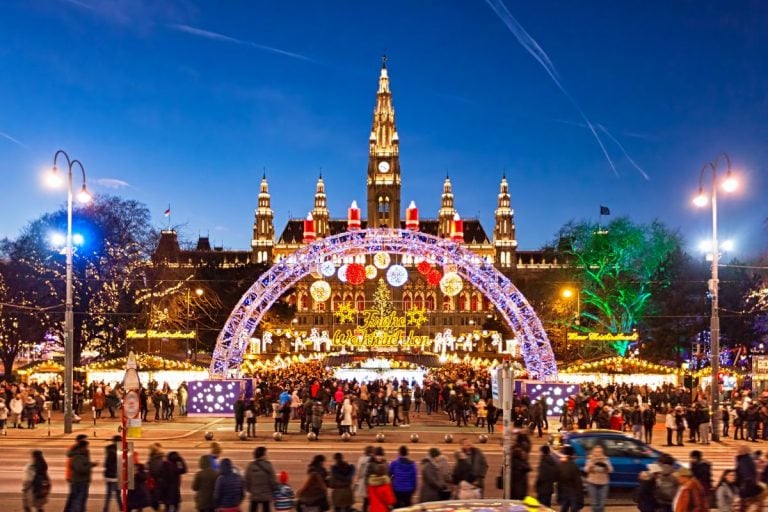
- Christmas markets – in winter they’re among the loveliest things Austria has to offer, whether in Vienna or Salzburg.
If you want to combine several spots, a car works best – we’ve mapped out itineraries for 7 days and for 14 days. And if it’s relaxation you’re really after, take a look at our tips on wellness hotels.
When to visit Austria
Austria is worth visiting year-round – each season just suits something different. Summer (June to August) is ideal for the lakes, hiking and road trips: the lake water tends to be pleasantly warm and the mountains are fully accessible. Just expect higher accommodation prices and bigger crowds in Hallstatt and Salzburg.
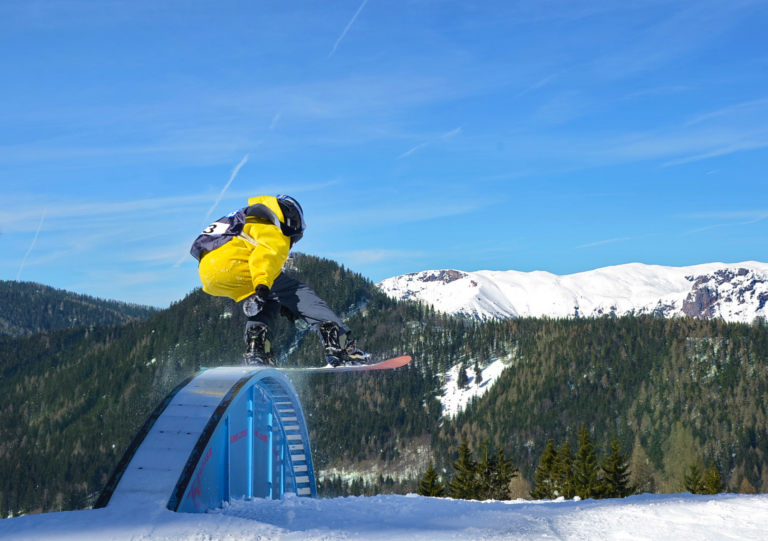
Winter (December to March) belongs to skiing in the Alps and, in Advent, to the Christmas markets – the atmosphere in Vienna and Salzburg is well worth it. It pays to check the actual temperatures in advance; for Hallstatt we’ve put together a month-by-month weather guide so you know what you’re in for.
The best balance of peace and price comes in spring and autumn (May, September) – the cities are pleasantly quiet, nature is gorgeous and accommodation is cheaper than in high season. Our tour offers most often feature departures in February, June, July, August and December, so you can pick based on what you want from your trip.
When you ask us what you absolutely shouldn’t miss in Austria, we draw on our own travels. Here are a few experiences that are worth it:
- Ride the cable car straight from the centre of Innsbruck up above the city – within minutes you’re among the alpine peaks.
- Take a dip in one of Austria’s lakes – the turquoise water with mountains as a backdrop is unforgettable.
- Enjoy a Viennese coffee and a slice of Sachertorte in a traditional café, then explore Vienna’s sights at a leisurely pace.
- Climb up to the fortress above Salzburg and soak up the view over the whole city and the surrounding mountains.
- Seek out the best viewpoint over Hallstatt – in the morning, before the crowds arrive, it’s a completely different experience.
- During Advent, head to the Christmas markets scented with mulled wine and gingerbread – the atmosphere is among the loveliest in Austria.
How to get to Austria
From the Czech Republic, Austria is wonderfully easy to reach by car – you can drive from Brno to Vienna in under 2 hours, to Salzburg in roughly 4–5 hours and to Innsbruck via Germany in 6–7 hours. A car is the most practical choice for most trips around Austria, especially if you want to combine lakes, mountains and smaller towns. Don’t forget the Austrian motorway vignette, and in Tyrol budget for paid tunnels too.
By air, the most common route from Prague is to Vienna, the country’s main gateway with direct flights; for Salzburg or Innsbruck you’ll usually fly with a connection. For short trips to Vienna, though, the train or bus often wins – they tend to be cheaper and drop you right in the centre. Train and bus services from Prague and Brno run several times a day.
Renting a car
A car is worth it in Austria when you want to link up several places – say on a road trip through the lakes and mountains, where public transport runs less often. For a stay just in Vienna or Salzburg, though, a car is more of a burden: parking is pricey and you can manage the centres on foot or by public transport. And if you’re driving to Austria in your own car, you don’t need to think about rentals at all.
- Book ahead through a rental comparison site – in season it’s pricier on the spot and the choice is smaller.
- Watch the insurance and deposit – basic cover often isn’t enough, and excess top-up insurance saves you the stress.
- Factor in tolls – the motorway vignette is mandatory and alpine mountain tunnels are charged separately.
Where to stay in Austria
Where to rest your head depends mostly on the kind of holiday you’re after. In the cities it pays to stay near the centre, so you save on transport and can spend your evenings on foot. By the lakes and in the mountains, we’d recommend guesthouses and apartments with their own kitchenette – you’ll save on food, which is fairly pricey in Austria.
- Vienna and the big cities – hotels and apartments in the centre or near the metro; book early, as prices climb.
- Lake regions (Salzkammergut) – guesthouses and apartments by the water, ideal for a week-long stay.
- Tyrol and the mountains – mountain hotels and chalets, often with a ski pass included in winter.
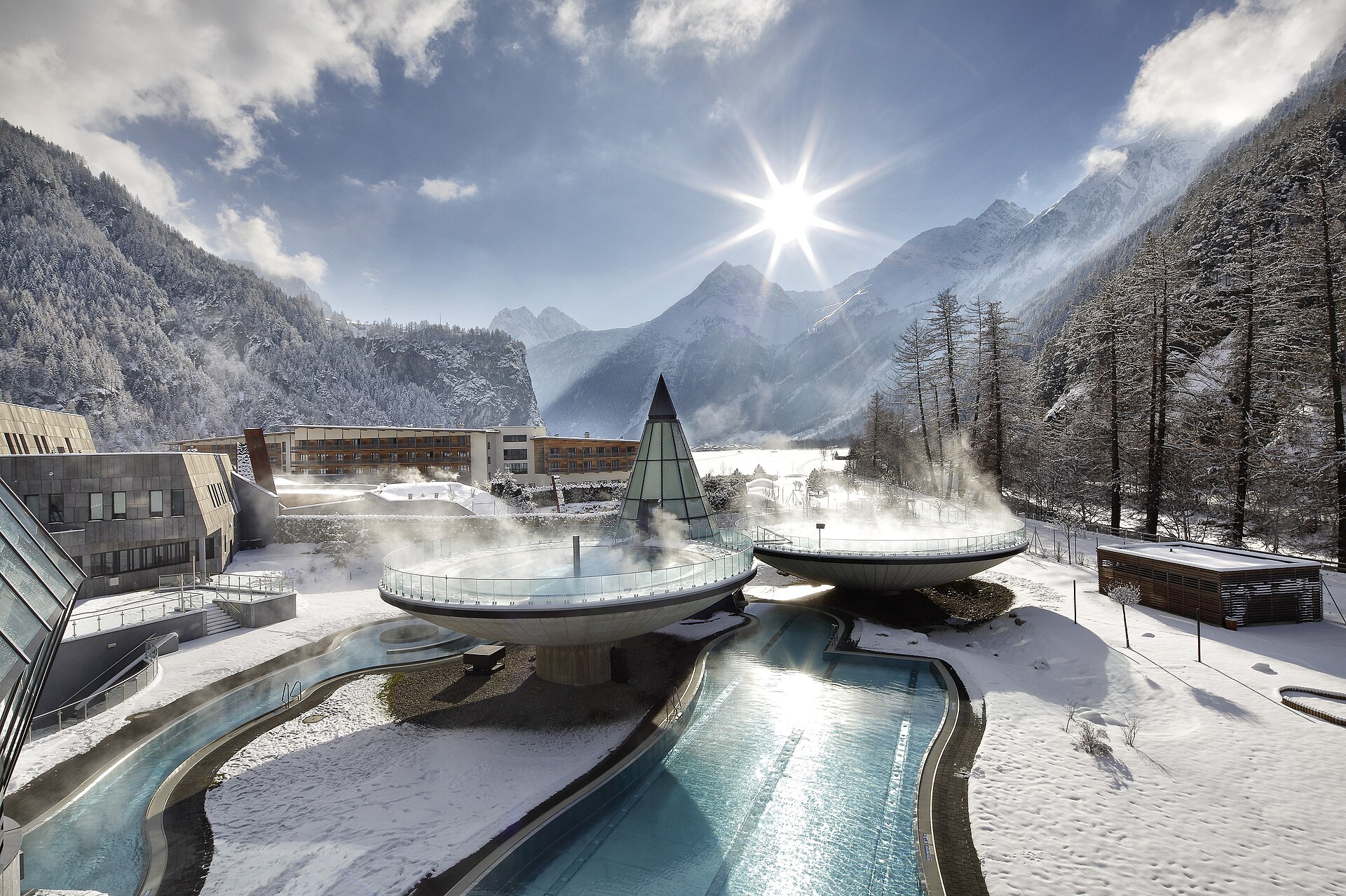
- Wellness – if you mainly want a restful break, take a look at our tips on wellness hotels.
Package tour or independent travel?
Austria can be done comfortably either way – it comes down to what you want from the trip. Here’s our honest comparison:
A package tour is worth it when…
- you want transport and accommodation sorted so you can just hop on board;
- you’re going skiing or to the Christmas markets and appreciate having a set programme;
- you’re after a good price – tours start from 45 € and discounts reach up to 17%;
- you’d rather not deal with logistics and just relax.
Go it alone when…
- you want your own pace and the freedom to stop wherever you fancy;
- you’re planning a road trip between the lakes and mountains – see our itineraries for 7 and 14 days;
- you’re travelling with kids or have specific accommodation needs;
- you want to combine several places in one trip.
The two of us love Austria best on our own – it’s close, an easy drive, and the freedom to stop at every lake is hard to beat. But for skiing and Advent we’ll happily reach for a package tour; it saves both hassle and money. ☺️
Budget: daily costs in Austria
Austria is one of Europe’s pricier destinations — reckon on roughly a third more than in the Czech Republic. The daily budgets per person below are rough guides and assume a couple sharing accommodation and transport.
| Level | Accommodation | Food | Transport & activities | Total/day |
|---|---|---|---|---|
| Backpacker | 30 € | 16 € | 12 € | approx. 55 € |
| Standard | 60 € | 30 € | 25 € | approx. 115 € |
| Comfort | 120 € | 60 € | 45 € | approx. 230 € |
How to save when planning
- Buy flights 2–3 months ahead, and even earlier for high-season dates. Flying midweek tends to be cheaper than at the weekend. Search for flights in our search tool.
- Book in-season accommodation well in advance – by the lakes and in Hallstatt rooms fill up fast and the last ones left are eye-wateringly expensive. Our accommodation tips.
- For summer and Advent departures, book early-bird; outside peak times it’s better to wait for a last-minute deal. Discounts in our offers reach up to 17%. Current tours.
- Don’t overpay on food – an apartment with a kitchenette and a supermarket shop can easily save you hundreds of korunas a day compared to restaurants.
- Book popular activities and cable cars online in advance to save time and skip the queue. What to book early.
Practical information
- Language and currency: the language is German and the currency is the euro. You’ll have no trouble getting by in English in the cities.
- Card payments: they work pretty much everywhere, but smaller guesthouses, mountain huts and markets tend to prefer cash – a few euros on hand comes in handy.
- Internet and data: as an EU member state, Austria has standard roaming coverage, but to be safe and for cheaper data we’d recommend an eSIM that you activate before you travel.
- Safety: Austria is one of the safest countries in Europe; ordinary caution in tourist hotspots is all you need.
- Driving: don’t forget the motorway vignette, and in the Alps expect paid tunnels and mountain roads.


