Austria is a country where your jaw drops every twenty minutes of driving. You’re cruising along the motorway, glance to the right — and out of nowhere there’s a snow-capped Alpine peak, an emerald lake below it, and some old chap calmly fishing for trout on the shore. And you think: “How on earth have I not come here sooner?” 😅
Lukáš and I have driven through Austria several times — long weekends in Salzburg, a few days near the Tyrolean mountains, and a romantic getaway to the Austrian lakes. But it wasn’t until we did a proper two-week Austria road trip that we truly understood just how incredibly diverse this small country is. In 14 days, you’ll sip coffee in Viennese cafés, cruise along the Danube by boat, gaze at Hallstatt from a viewpoint, cross the Grossglockner, swim in Alpine lakes, and finish it all off with Styrian wine in the south.
In this article, you’ll find a complete 14-day Austria road trip itinerary — day by day, with specific places, restaurants, accommodation tips, and a budget breakdown. Whether you’re planning a summer holiday with your partner, a family trip, or a solo adventure, this guide will save you hours of planning. Promise. ☺️
TL;DR
- Ideal road trip length: 14 days is the perfect pace — you’ll cover Vienna, the Alps, and the south without spending all your time in the car.
- Best time to go: June and September — lovely weather, mountain roads open, fewer tourists than in peak summer.
- Budget: Expect roughly €2,400–€4,000 for two people over 14 days (excluding flights), depending on accommodation style.
- A car is essential — trains work fine for Vienna and Salzburg, but you can’t reach the lakes, Grossglockner, or the smaller villages without one.
- Motorway vignette costs €11.50 for 10 days — without one, you risk a fine of up to €240.
- Top 3 experiences: Grossglockner Hochalpenstrasse (Europe’s most beautiful mountain road), Hallstatt from the Skywalk viewpoint, swimming in Wörthersee.
- Watch out for: Toll charges on mountain passes (separate from the vignette), parking in central Vienna is a nightmare, Hallstatt gets mobbed — go early morning.
- Book accommodation at least 2 months ahead, especially for Hallstatt and Salzkammergut in summer.
The full destination guide: Austria — guide and what to see
When to go and how to prepare for an Austria road trip
Austria is gorgeous in every season, but for a road trip there’s a clear winner: June and September. In June, it’s warm enough for lake swimming (Alpine lakes reach a pleasant 20–24 °C), mountain roads are open (Grossglockner usually opens in May), and the tourist crowds haven’t yet reached full force. September is stunning thanks to an Indian summer, fewer visitors, and lower accommodation prices.
July and August are lovely too, of course, but expect Hallstatt to be overflowing with tourists, accommodation prices to skyrocket, and lakeside spots to be packed. If you’re travelling in peak season, book your stays as early as possible.
Spring (April–May) is great for cities, but mountain passes may still be closed and the lakes will be too cold for swimming.
How to get to Austria and transport
Flying from the UK is the most practical option — Vienna has direct flights from London (with British Airways, easyJet, Wizz Air and others), as well as from Manchester and Edinburgh. Flight time is around 2.5 hours. From Vienna airport, you can pick up your hire car and hit the road. Salzburg and Innsbruck also have airports with some direct UK connections, but Vienna gives you the best starting point for this itinerary.
Car hire: Lukáš and I have had consistently good experiences with DiscoverCars, which we use all over the world. It compares prices from all rental companies and lays out the insurance options clearly. For Austria, I’d recommend:
- A car with decent power — you’ll be driving uphill a lot, and nobody enjoys a wheezy engine on the Grossglockner.
- Automatic transmission — in the mountains, a manual will leave you sweating (literally and mentally 😅).
- Full insurance cover — mountain roads can throw up loose stones, and you don’t want to be dealing with an excess claim.
What to watch out for when driving in Austria
- Motorway vignette: Mandatory on motorways and expressways. A digital 10-day vignette costs €11.50, a 2-month one €28.90. Buy it online at asfinag.at — it’s valid immediately. Without one, you face a fine of up to €240!
- Mountain pass tolls: Grossglockner Hochalpenstrasse costs €41.50 per car (2025), Gerlos Alpenstrasse €13.50. These are on TOP of the vignette.
- Speed limits: Motorway 130 km/h (80 mph), outside built-up areas 100 km/h (62 mph), in towns 50 km/h (31 mph) — sometimes 30 km/h (19 mph). Fines are considerably steeper than in the UK — €150 for exceeding the limit by 30 km/h in a town is standard.
- Winter equipment: If you’re going in spring or autumn, keep snow chains in the car — they’re required on some mountain roads even outside winter.
- Parking in Vienna: The entire inner city is a paid parking zone. Stay in a hotel with parking or leave the car at a park-and-ride and use public transport.
How much does a 14-day Austria road trip cost + where to stay
Austria isn’t a cheap country, but it’s not Switzerland either. With sensible planning, you can manage a road trip on a reasonable budget. Here’s a rough cost overview for two people over 14 days:
| Item | Budget (for two) |
| Accommodation (13 nights) | €1,000–€1,800 |
| Car hire (14 days) | €320–€600 |
| Petrol | €160–€240 |
| Vignette + tolls | €100–€140 |
| Food and drink | €600–€880 |
| Tickets and activities | €200–€320 |
| Total | approx. €2,400–€4,000 |
Money-saving tip: Accommodation is the biggest expense. Alternate between hotels and apartments (in an apartment you can make your own breakfast and save €15–20 a day). In Alpine areas, look for Gasthäuser and guesthouses — they’re cheaper than hotels and often serve amazing breakfasts with local produce.
Where to stay — general tips
Accommodation in Austria has a distinctive quality — even the smallest guesthouses are spotlessly clean, cosy, and have that special Alpine atmosphere with wooden furniture and mountain views. Price-wise, expect roughly:
- Vienna: €70–130/night for a double room in the centre
- Salzburg: €80–140/night (pricier in the centre)
- Hallstatt and Salzkammergut: €90–160/night (prices soar in season)
- Innsbruck and Tyrol: €70–120/night
- Smaller towns (Graz, Wachau, Semmering): €60–100/night
I include specific accommodation tips for each day below.

Day by day: 14-day Austria road trip itinerary
Now let’s get to the main event — the complete route, day by day. The itinerary is designed to give you a mix of big cities, mountain scenery, lakes, and cultural experiences. Most drives are under 2 hours, so you won’t spend half your holiday behind the wheel. ☺️
Here’s an overview of the entire route — where you’ll be driving and where you’ll sleep each night. If you have less time, check out our 7-day version of the road trip.
| Day | Route and transfer | Where to sleep |
|---|---|---|
| 1–2 | Vienna — Schönbrunn, Belvedere, and the city centre | Vienna |
| 3 | Vienna → Wachau Valley (~1.5 h) | Wachau |
| 4–5 | Wachau → Salzburg (~2.5 h), Berchtesgaden and Königssee | Salzburg |
| 6 | Salzburg → Hallstatt (~1.5 h) | Hallstatt |
| 7 | Hallstatt → Salzkammergut — Alpine lakes | Salzkammergut |
| 8 | Salzkammergut → Innsbruck via Kitzbühel (~2.5 h) | Innsbruck |
| 9 | Innsbruck → Stubai Valley | Stubaital |
| 10–11 | Stubaital → Grossglockner Hochalpenstrasse → Zell am See, Krimml Waterfalls | Zell am See |
| 12 | Zell am See → Graz (~3 h) | Graz |
| 13 | Graz → Wörthersee (~1.5 h) | Wörthersee |
| 14 | Wörthersee → Semmering → departure | — |
Day 1. Vienna — arrival and first taste

Day one is all about arriving, so don’t plan anything too ambitious. Get to Vienna, check in, and head out for an explore. If you arrive in the morning, you’ll have time for quite a bit — if it’s the afternoon, a stroll through the centre to soak up the atmosphere will do nicely.
What to fit in: Walk from Stephansdom (St. Stephen’s Cathedral — free entry, tower for €6) through Graben and Kohlmarkt to Hofburg Palace. This loop takes about an hour on foot and takes you through the most beautiful parts of the city centre.
For coffee, head to Café Central (Herrengasse 14) — yes, it’s touristy, but the atmosphere under those soaring vaulted ceilings is worth it. A Wiener Melange (similar to a cappuccino) costs around €7. If you’d prefer something more authentic and crowd-free, try Café Sperl (Gumpendorfer Str. 11) — it’s our favourite Viennese coffee house. Old-school waiters, newspapers on wooden holders, Apfelstrudel just like grandma used to make.
For dinner, head to Figlmüller for their famous Wiener Schnitzel — it’s enormous, hangs over the edge of the plate, and costs around €17–19. Book ahead, the queues are mad. An alternative is Plachutta for Tafelspitz (boiled beef) — pricier, but a proper gastronomic experience.
Where to stay in Vienna
In Vienna, I’d recommend staying around Mariahilfer Strasse (6th or 7th district) — it’s close to the centre, surrounded by restaurants, and public transport is right on your doorstep. Motel One Wien-Staatsoper offers great value, or try the boutique Hotel Motto in the 5th district.
If you’re driving, pick a hotel with parking — street parking in Vienna is a nightmare and costs €2.40/hour (max. 2 hours).
Day 2. Vienna — Schönbrunn, Belvedere, and wine
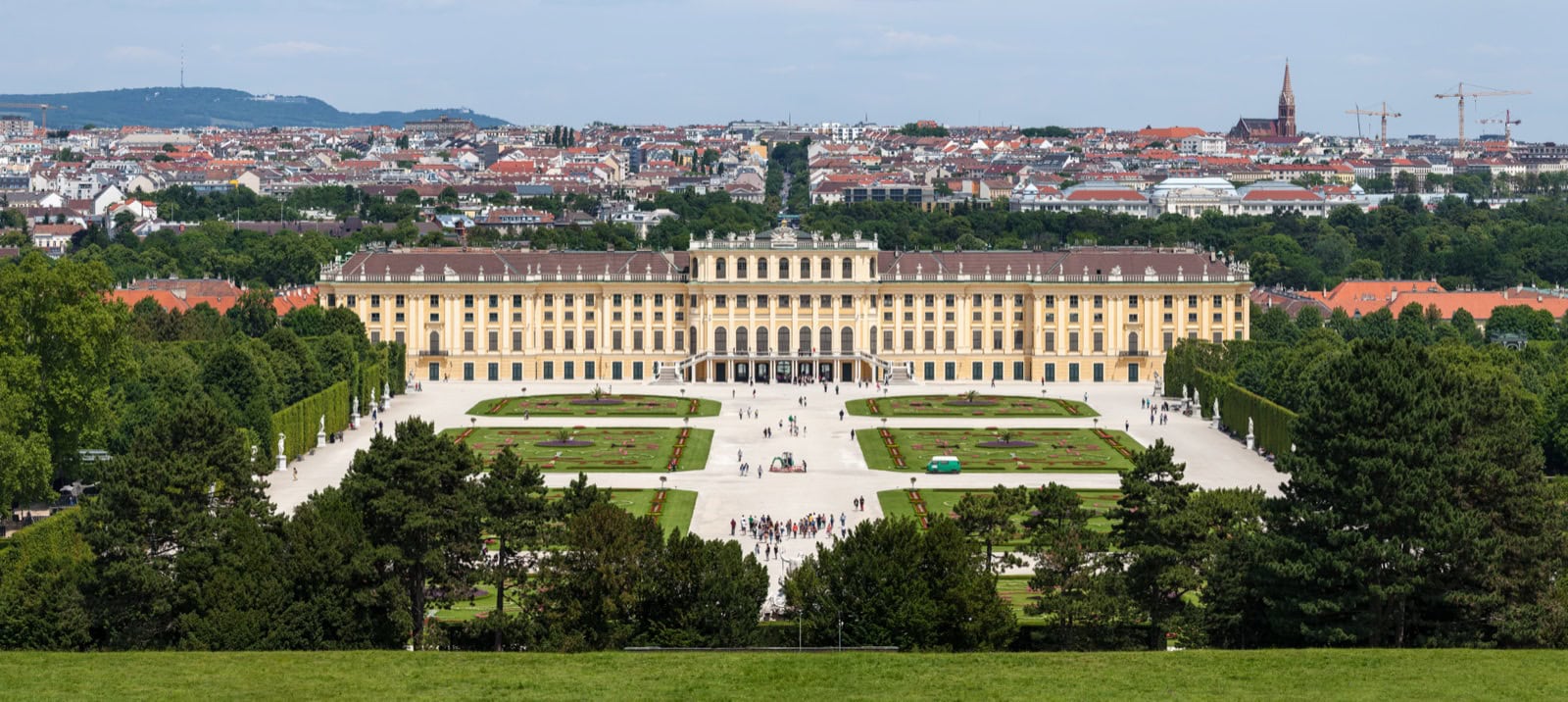
Today you’ve got a full day in Vienna, so make the most of it. Start the morning at Schönbrunn — the palace opens at 8:30 and it’s still peaceful early on (by around 10, the tourist coaches start rolling in). Tickets cost €22–29 depending on the tour. The gardens are free and gorgeous — walk all the way up to the Gloriette on the hill for a fantastic view over Vienna.
In the afternoon, head to the Belvedere — the Upper Palace houses one of Europe’s finest art collections, including Klimt’s The Kiss. Admission €16.50. The gardens are once again free and lovely for a wander.
If you still have time (and energy), pop over to the Naschmarkt — Vienna’s market paradise packed with food from around the world. You can grab a reasonably priced lunch here — try Neni am Naschmarkt for Middle Eastern cuisine.
In the evening, do something most tourists skip: head out for wine in Grinzing or Nussdorf on the outskirts of Vienna. Heurigers (wine taverns) are a quintessentially Viennese tradition — you sit in a garden under the vines, drink young wine, and eat a cold platter of local cheeses and cured meats. The atmosphere is unforgettable. Try Heuriger Mayer am Pfarrplatz — Beethoven supposedly drank wine here (well, maybe not this exact vintage 😅).
Day 3. Wachau — the Danube, apricots, and vineyards
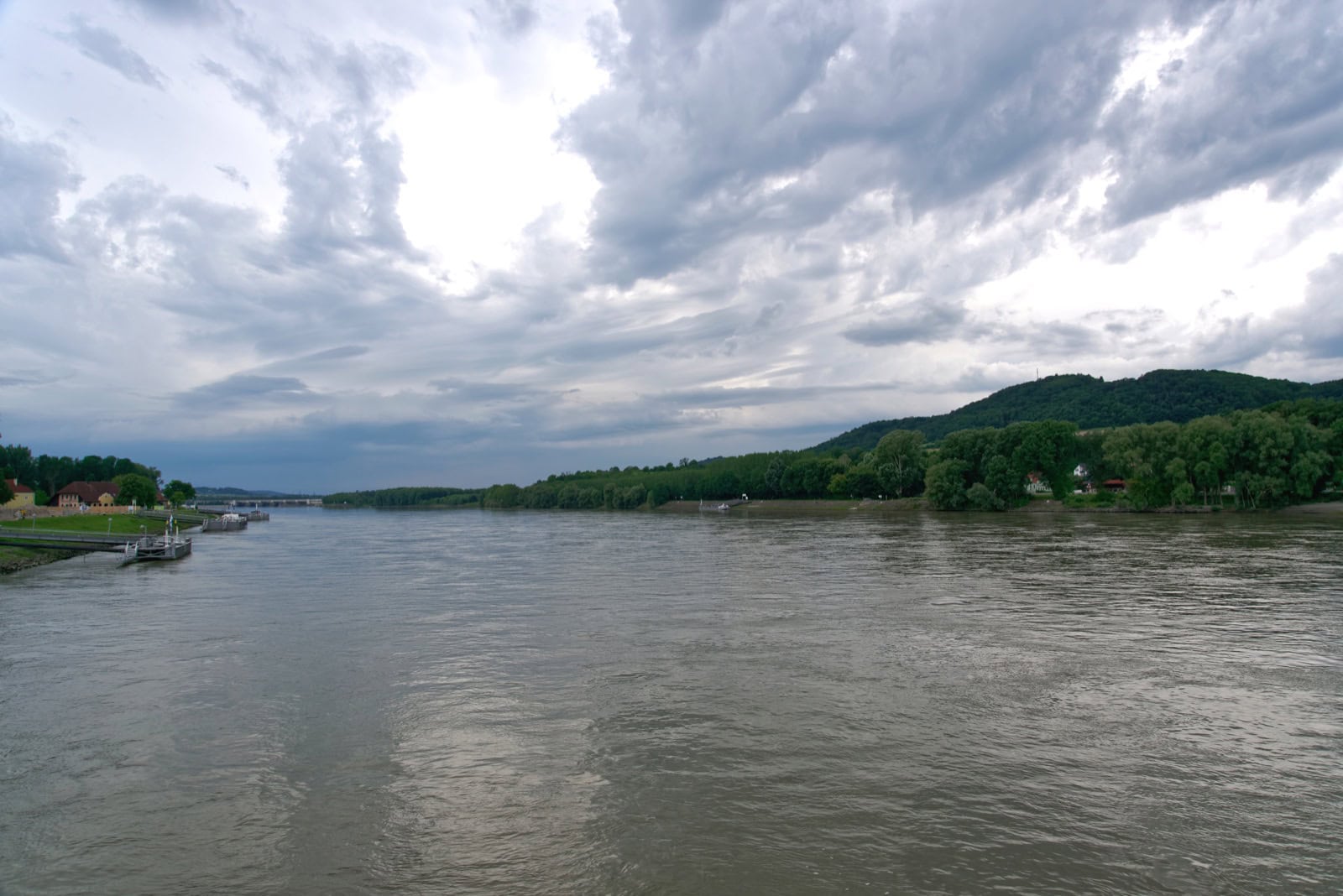
Pack the car in the morning and head west — your destination is the Wachau Valley, one of the most beautiful river valleys in Europe (UNESCO World Heritage). It’s about an hour and a quarter from Vienna.
Stop in Melk — the Benedictine Stift Melk (Melk Abbey) perches on a cliff above the Danube and is an absolutely stunning building. Admission €14.50, and the tour takes about 1.5 hours. The Baroque library and marble hall will take your breath away.
From Melk, drive along the Danube through the picturesque villages of Spitz an der Donau and Weissenkirchen to Dürnstein — that’s the blue-and-white little town with a castle where Richard the Lionheart was supposedly held prisoner. Stroll through the lanes, sample apricot products (apricot liqueur, apricot dumplings, apricot jam — basically apricots everywhere 😁), and stop in at one of the wine cellars for a glass of Grüner Veltliner — it’s Austria’s signature white wine, and here in the Wachau it’s at its finest.
For lunch, I recommend Loibnerhof in Unterloiben — excellent regional cuisine with vineyard views. Or Landhaus Bacher in Mautern if you fancy fine dining.
If you’re keen, take a Danube river cruise from Melk to Krems (or vice versa) — it takes about 1.5 hours and passes through the most scenic stretch of the valley. DDSG Blue Danube runs regular services, around €29 one way.
Where to stay in Wachau
Spend the night right in the valley — the Gartenhotel & Weingut Pfeffel in Dürnstein has gorgeous Danube views and its own winery. Or try Hotel Richard Löwenherz — a romantic hotel right beneath the castle.
Day 4. Salzburg — Mozart’s city
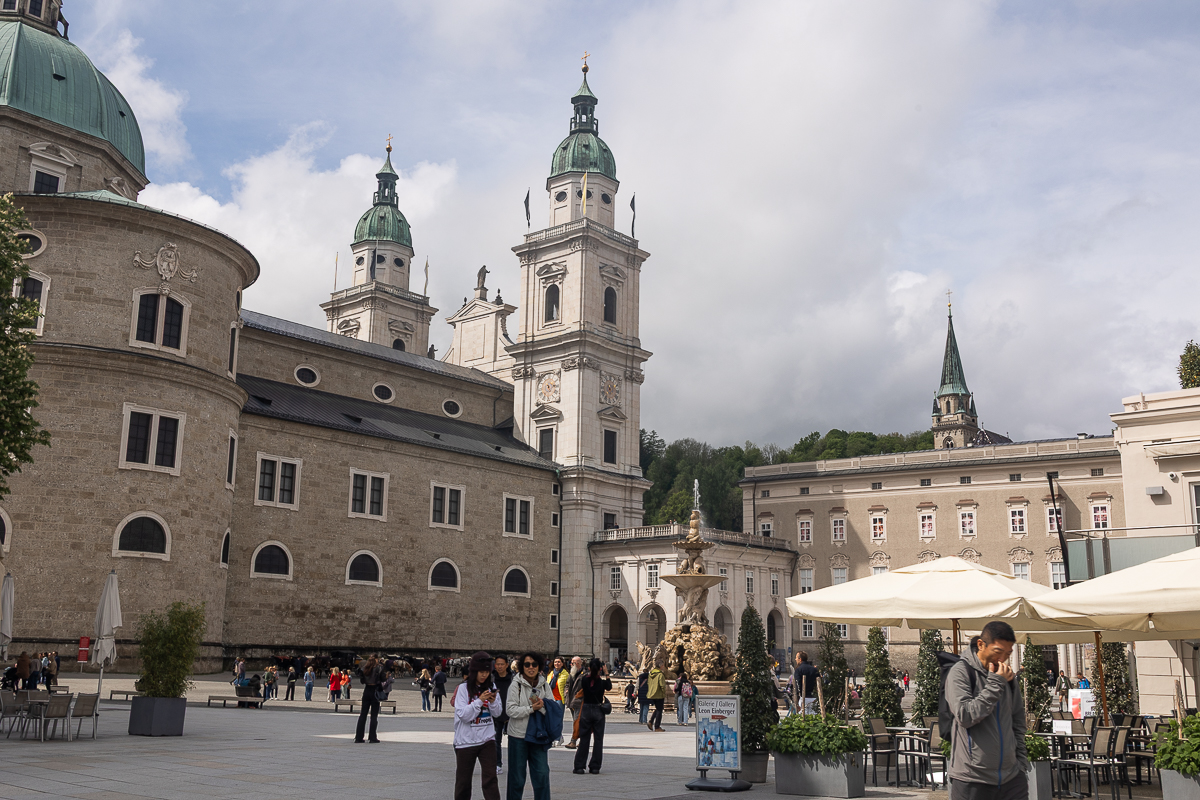
From Wachau, continue west to Salzburg — the drive takes about 2.5 hours on the motorway. Spend the afternoon exploring the old town.
Salzburg is compact and brilliant for walking. Start on Getreidegasse — the famous shopping lane with wrought-iron guild signs, which is also home to Mozart’s Birthplace (admission €12). Wander through to Residenzplatz and Domplatz, where you can grab a coffee with a view of the fountain.
If you’ve got the energy, take the funicular up to Hohensalzburg Fortress (admission incl. funicular €16.30) — it’s one of the largest medieval fortresses in Europe, and the views over the city and surrounding mountains are absolutely breathtaking. We spent almost two hours up there and had no desire to come down.
For dinner, head to Stiftskeller St. Peter — reputedly the oldest restaurant in Europe (operating continuously since 803!). The food is excellent, with main courses around €18–28. Or try Triangel on Wiener-Philharmoniker-Gasse — smaller, cheaper, more local.
If you’d like more tips on Salzburg, I’ve got an entire dedicated article with a detailed guide.
Where to stay in Salzburg
Stay in the centre or on the right bank of the Salzach — Hotel am Dom is right in the heart of the old town, IMLAUER HOTEL PITTER offers great value just a short walk from the main station. For a budget option, try MEININGER Hotel Salzburg City Center.
Day 5. Salzburg area — Berchtesgaden and Königssee
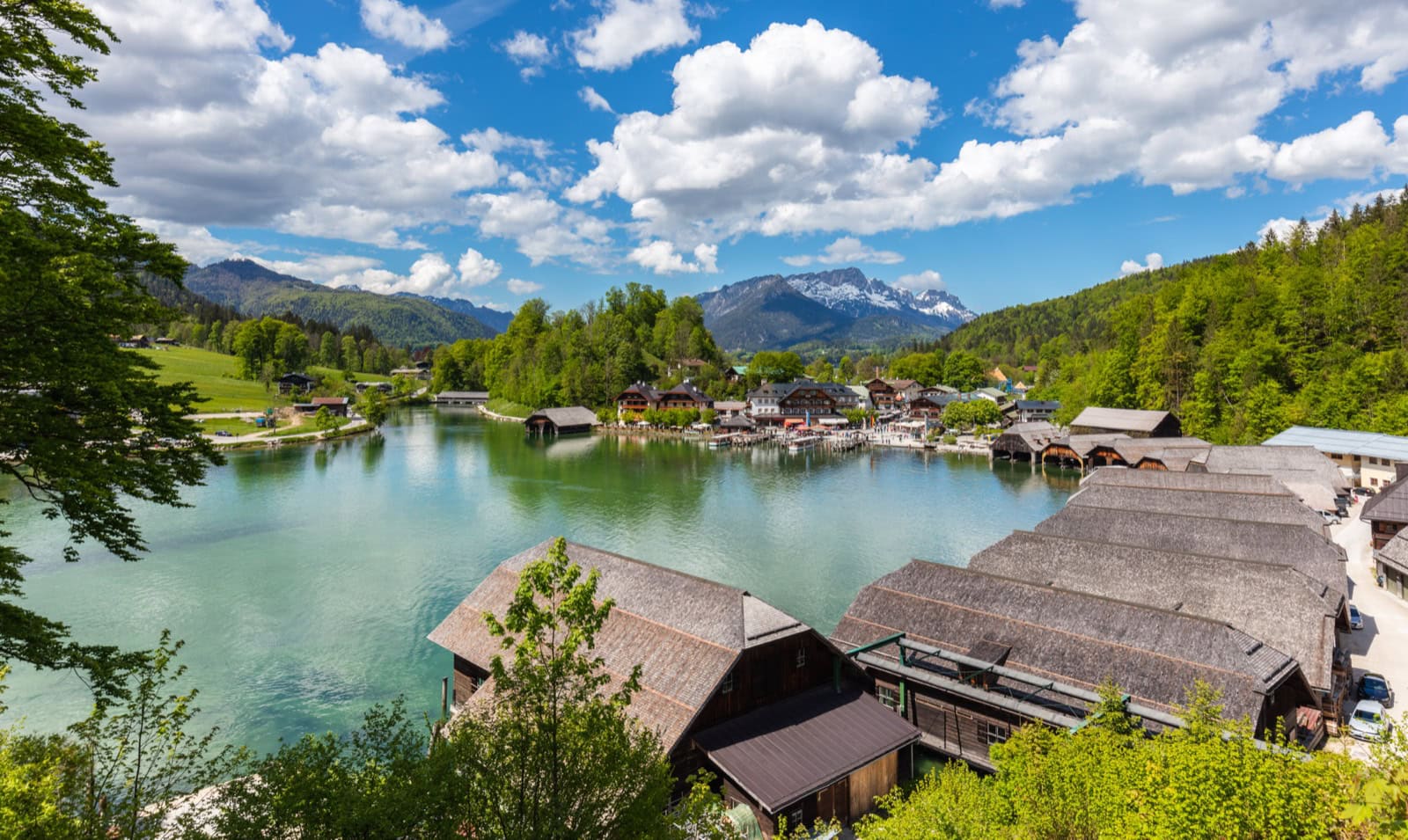
Use your second day in the Salzburg area for a trip across the border — German Berchtesgaden is just 30 minutes from Salzburg and well worth the detour.
Königssee is one of the cleanest lakes in Europe — the water is so crystal-clear you can see the bottom even several metres down. Take the electric boat to the little chapel of St. Bartholomä (return trip €19.50, takes about 1.5 hours including a stop). The red-and-white church against the backdrop of sheer cliffs looks like something out of a fairy tale.
If you fancy a hike, continue by boat to the end of the lake at Salet and walk to Obersee (about 15 minutes on foot) — a smaller lake in a wilder setting, perfect for a picnic.
Lunch by the lake — the food stand at St. Bartholomä sells excellent smoked trout (Räucherfisch). Or stop in Berchtesgaden on the way back at Bräustübl for hearty Bavarian fare.
In the afternoon, you could visit the Kehlsteinhaus (Eagle’s Nest) — Hitler’s mountaintop tea house. It’s interesting more for the history than the architecture, but the views are phenomenal. Note — you get there by a special bus (around €22 including bus), as you can’t drive up.
Don’t forget your hiking boots — you’ll need them practically every day of this road trip.
Where to stay
Stay another night in Salzburg (same accommodation as Day 4).
Day 6. Hallstatt — Austria’s most photographed spot
It’s about an hour and a half from Salzburg to Hallstatt. Set off as early as you can — that’s the key piece of advice. Hallstatt is beautiful, but in season thousands of tourists pour through daily and from 10 am onwards it’s absolutely heaving. At 8 in the morning, you’ll practically have the village to yourself.
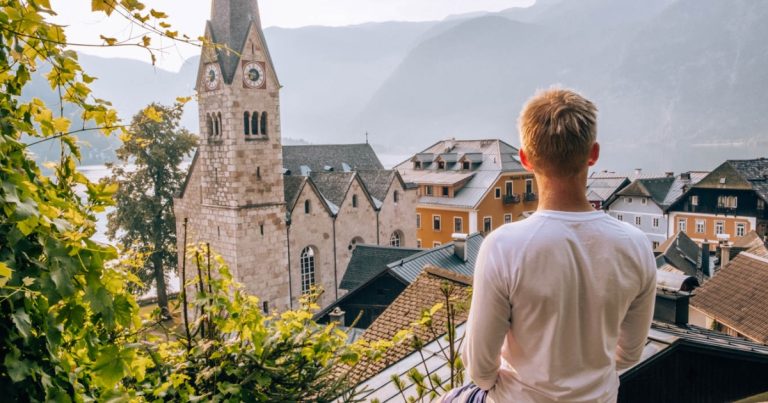
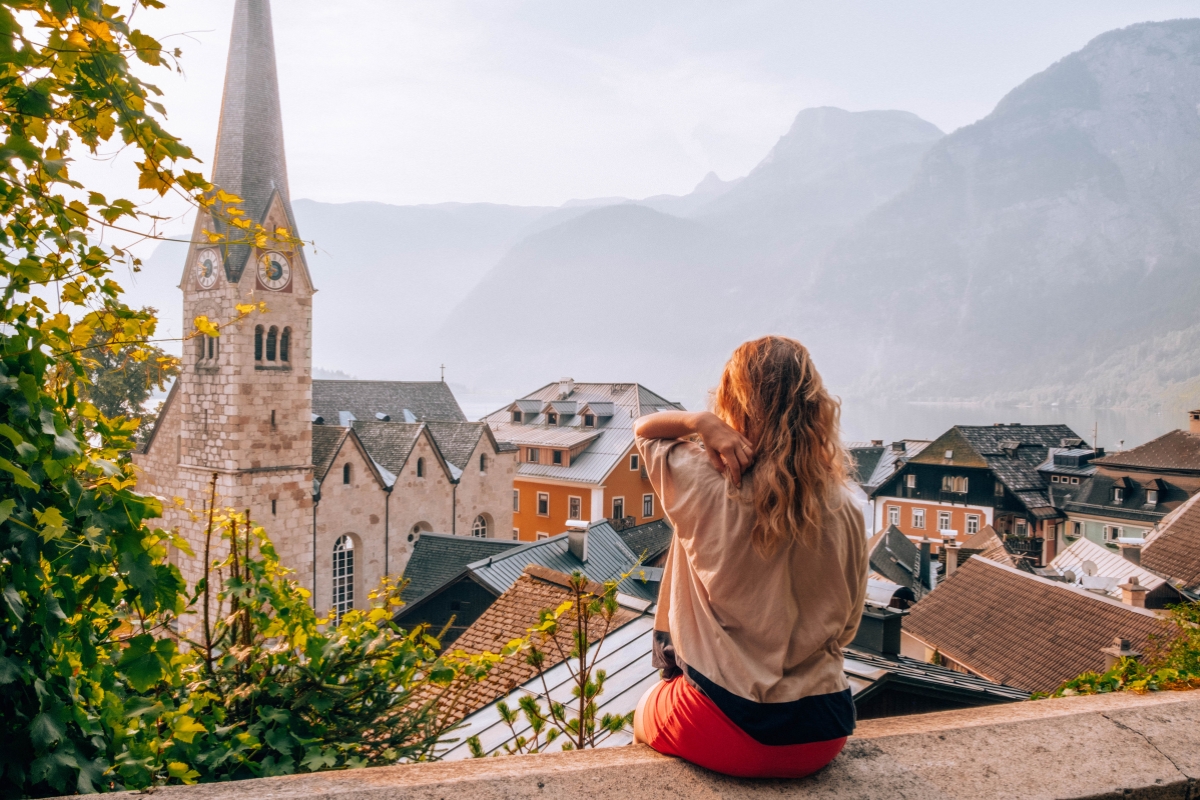
Hallstatt really is as photogenic as it looks on Instagram — tiny colourful houses squeezed between a lake and a sheer rockface. Walk along the main lane, stop at the viewpoint by the Evangelical church (that’s THE iconic shot), and if you’re feeling brave, visit the Beinhaus (charnel house) in St. Michael’s Chapel — skulls painted with flowers and names of the deceased are both fascinating and a touch eerie.
The Skywalk viewpoint at the salt mine is fantastic — take the funicular up (admission incl. salt mine €40, just funicular and Skywalk €22) and from the platform suspended over the abyss you’ll see Hallstatt, the lake, and the entire valley. Worth every penny.
Lunch: The restaurants in Hallstatt itself are overpriced and mediocre — a classic tourist trap. You’re better off eating in Obertraun or on the way to Gosau. If you do insist on eating in Hallstatt, Gasthof Zauner is probably the most reliable bet.
Important practical info: Parking in Hallstatt is a pain. Car park P1 by the tunnel costs €12/day (2025) and in season it’s often full by 9 am. Alternatively, park in Obertraun or by the funicular and take the boat or walk to Hallstatt.
Where to stay near Hallstatt
I wouldn’t recommend staying in Hallstatt itself — it’s pricey and there’s nothing to do in the evening anyway. Better options are Obertraun (10 min by car) or Bad Goisern (15 min). Heritage Hotel Hallstatt is gorgeous if you want a splurge. For a reasonable budget, try Gasthof Pension Hirlatz in Hallstatt or Haus Salzkammergut in Obertraun.
Day 7. Salzkammergut — fairytale lakes
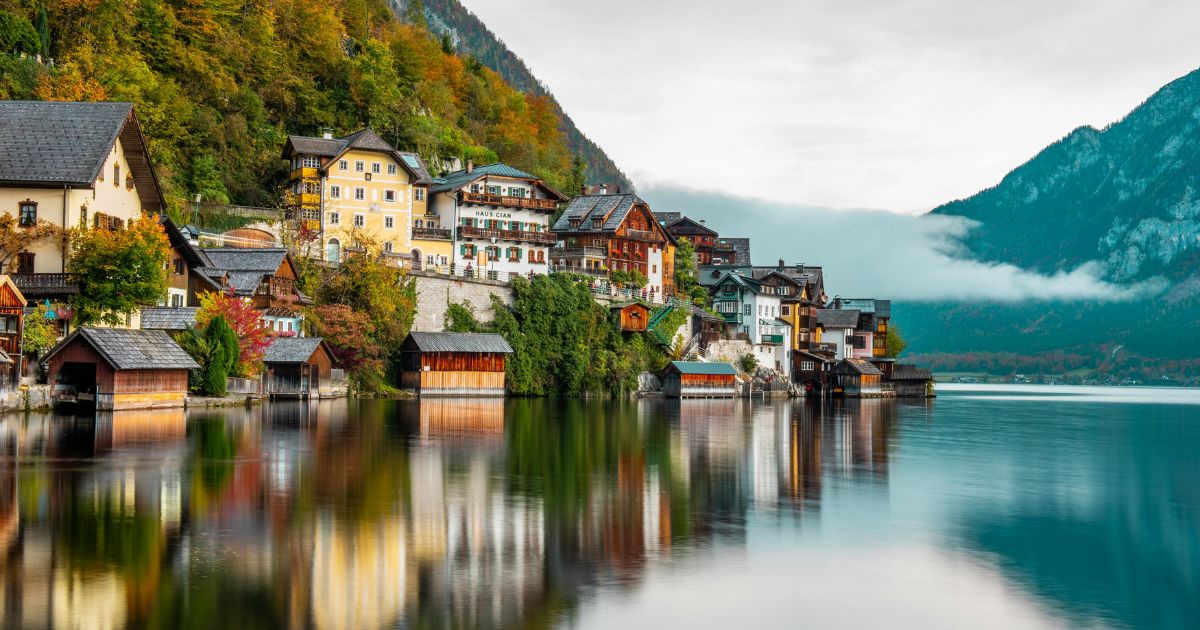
Today you’re in for the most beautiful part of Austria — the Salzkammergut region with dozens of lakes, each one lovelier than the last. If you haven’t read my article about Austrian lakes, now’s the perfect time.
Start at Wolfgangsee — stop in the town of St. Wolfgang, stroll along the waterfront, and if you fancy a retro experience, ride the historic steam railway Schafbergbahn to the summit of Mount Schafberg (around €47 return). The view of seven lakes from the top is probably the best panoramic vista I’ve experienced anywhere in Austria.
Continue to Mondsee — the lake famous from The Sound of Music (the wedding scene was filmed in the basilica in the town of Mondsee). The water here is warmer than in the other lakes, making it lovely for a swim in summer.
Traunsee is the largest and deepest lake in the region — the town of Gmunden on its shore is charming, with the Eagle Castle on a little island. Have lunch here at Seerestaurant am Traunsee right by the water.
In the afternoon, you could stop at Attersee — the largest lake in Salzkammergut and a popular swimming spot in summer. Gustav Klimt painted here, and there’s a themed trail named after him.
Where to stay in Salzkammergut
I’d recommend staying near St. Wolfgang or Mondsee — both are lovely overnight spots and you’re close to all the lakes. Im Weissen Rössl in St. Wolfgang is a legendary lakeside hotel (but pricier). Seehotel Lackner in Mondsee offers lake-view rooms at reasonable prices.
Day 8. Transfer to Innsbruck via Kitzbühel
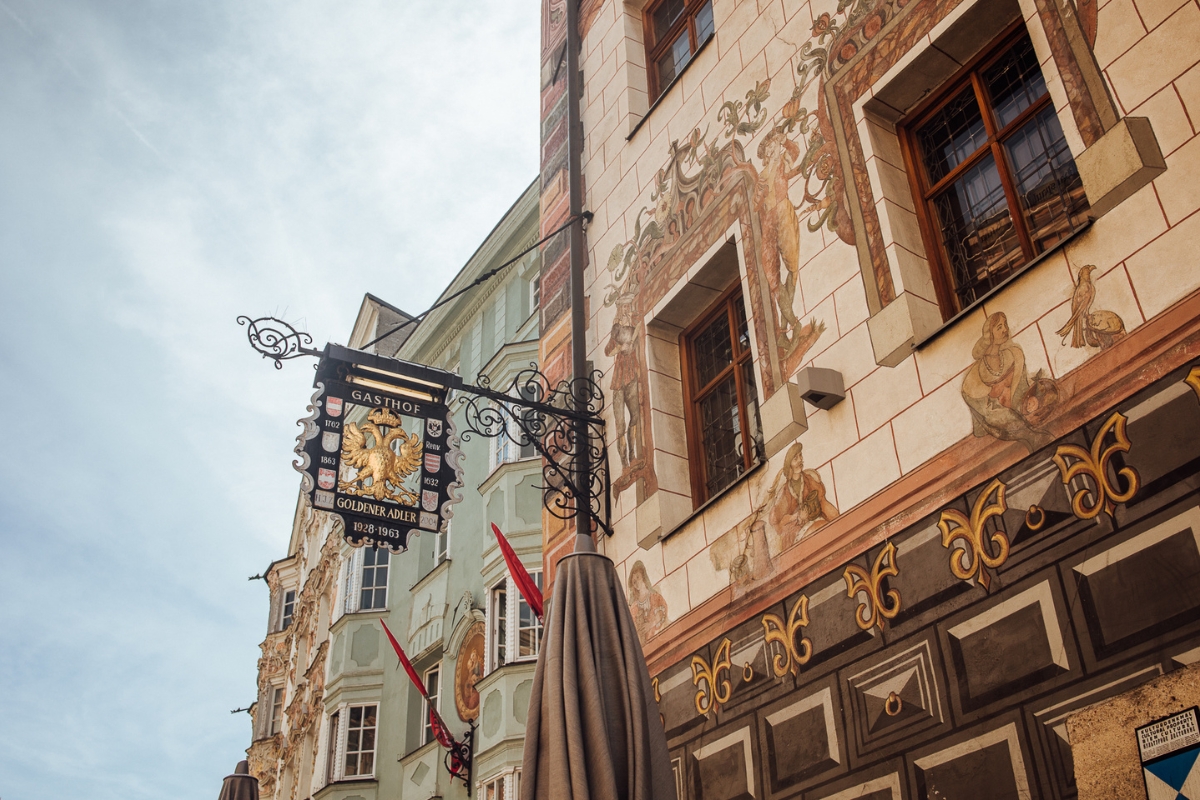
Today involves a longer transfer west into Tyrol — about 2.5–3 hours, but with some brilliant stops along the way.
Kitzbühel is a glamorous ski town that’s equally gorgeous in summer. The medieval centre with its colourful houses looks like something from a chocolate box. Wander along the main street, stop for coffee at one of the square’s cafés, and if you have time, ride the cable car up to Hahnenkamm (€10 return) — home of the legendary downhill race in winter and beautiful hiking trails in summer.
You’ll arrive in Innsbruck in the afternoon. If you haven’t been before, Innsbruck will surprise you with its compact beauty. Explore the old town — Maria-Theresien-Strasse with its view of snow-capped peaks is iconic, the Golden Roof (Goldenes Dachl) is smaller than you’d expect (but still lovely), and the colourful houses along the River Inn are photogenic from every angle.
For dinner, I recommend Stiftskeller Innsbruck for traditional Tyrolean cuisine (Tiroler Gröstl — a pan of potatoes and meat, around €16) or Die Wilderin for modern Alpine gastronomy.
Where to stay in Innsbruck
Nala Individuell Hotel — a brilliant boutique hotel in the centre with modern design. Hotel Weisses Kreuz — a historic hotel right on the old town square where Mozart reportedly once slept. For something more affordable, Stage 12 is just a short walk from the centre.
Day 9. Stubai Valley — an Alpine valley straight from a calendar
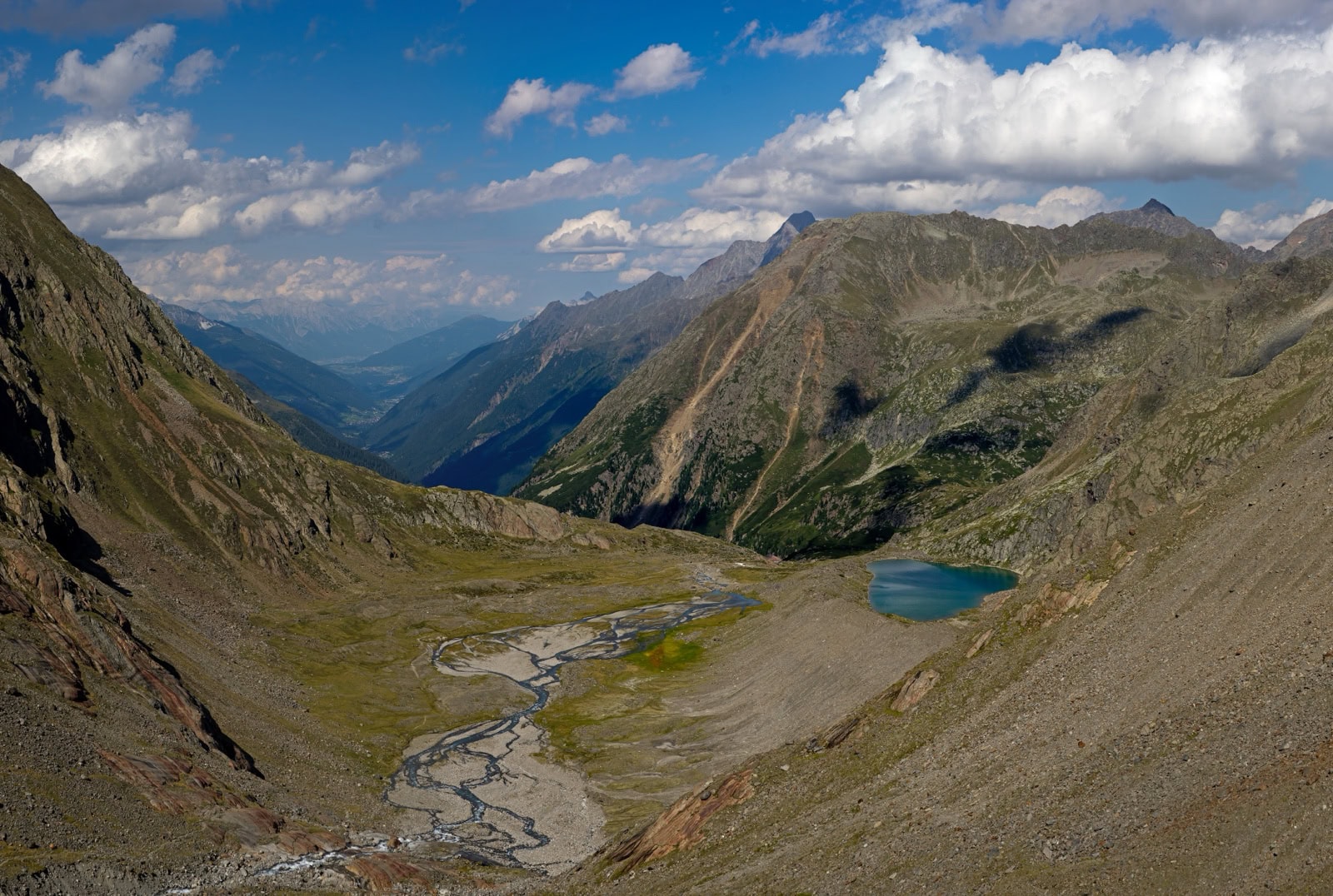
Today, take a day trip to the Stubai Valley — it’s just 20 minutes’ drive from Innsbruck and you’ll feel like you’ve been transported to another world. Steep green slopes, waterfalls, mountain huts, and air so clean it makes your head spin.
The main attraction is the Stubaier Gletscher (Stubai Glacier) — the cable car takes you up to 3,210 m and at the top you’ll find the Top of Tyrol viewing platform, offering a 360° panorama of dozens of Alpine peaks. The cable car costs around €52 return (2025). Even in summer there’s snow up here and temperatures hover around 0–5 °C, so bring a warm jacket!
On the way back, stop at the Grawa Waterfall (Grawa Wasserfall) — it’s the largest waterfall in Tyrol and freely accessible from the car park (5-minute walk). You stand so close that the spray refreshes you like a natural mist shower.
Lunch at a mountain hut — Dresdner Hütte near the glacier or Gasthof Grawa down by the waterfall. The Tyrolean bacon dumplings (Speckknödel) here are fantastic.
In the afternoon, you could walk one of the many signposted trails through the valley or simply sit on a terrace with a beer and stare at the mountains. Sometimes that’s the best plan of all. ☺️
Where to stay
Stay another night in Innsbruck (same accommodation as Day 8) or move into the Stubai Valley — Hotel Stubaierhof in Schönberg is a lovely family-run hotel.
Day 10. Grossglockner Hochalpenstrasse — Europe’s most beautiful road
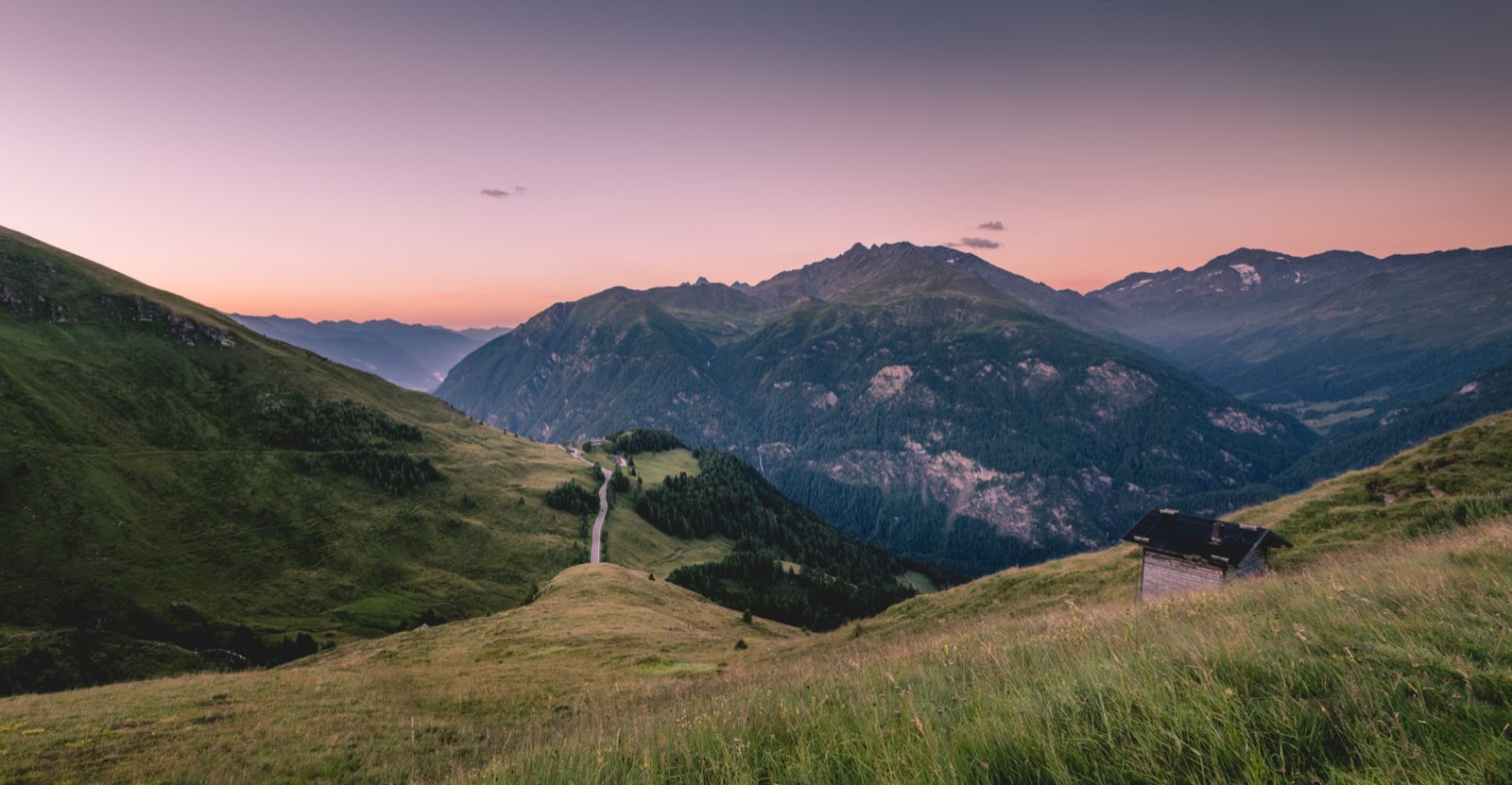
This is the day you’ll remember for years to come. The Grossglockner Hochalpenstrasse is a 48 km mountain road that takes you up to 2,504 m and delivers views that literally leave you breathless. And I mean literally — Lukáš was driving while I alternated between gripping the seat and snapping photos like a woman possessed. 😅
Toll: €41.50 per car (2025). You pay at the road entrance. The road is open roughly from May to October (depending on snow conditions — check grossglockner.at).
The route: The most scenic approach is from the north, starting at Bruck an der Grossglocknerstrasse and heading south. Stop at the viewpoints — there are dozens and each offers a different perspective. Don’t miss:
- Edelweißspitze (2,571 m) — the highest point accessible by car, with a 360° panorama
- Kaiser-Franz-Josefs-Höhe — a viewpoint overlooking the Pasterze, Austria’s largest glacier, and the Grossglockner itself (3,798 m). There’s an information centre and restaurant here too.
- Fuscher Törl — a saddle point with a memorial and gorgeous valley views
The entire drive takes 2–4 hours depending on how often you stop (and you will stop a lot, trust me). Allow at least an hour at Kaiser-Franz-Josefs-Höhe.
For lunch, eat at the restaurant at Kaiser-Franz-Josefs-Höhe or bring a picnic — the viewpoints have benches with vistas that valley restaurants can only dream of.
Where to stay — Zell am See
After descending from the Grossglockner, continue to Zell am See (about 30 min) — a gorgeous lakeside town where you can properly unwind after a thrilling day on the Alpine road.
Hotel Mavida Wellnesshotel & Spa has a pool and spa — exactly what you need after a day on the Grossglockner. Boutique Hotel steinerwirt1493 is right in central Zell am See with Alpine charm.
Day 11. Zell am See and Krimml Waterfalls
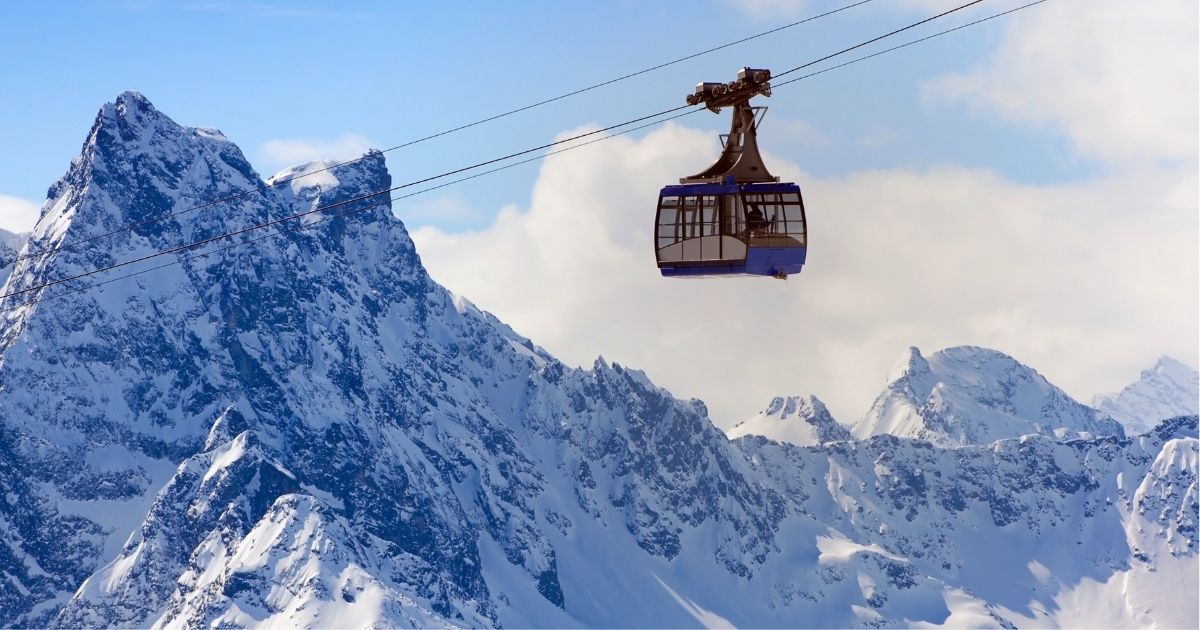
Spend the morning enjoying Zell am See — stroll along the lakeside promenade, take the cable car up to Schmittenhöhe (€37 return) for 360° views of the lake and surrounding 3,000-metre peaks, or simply swim in the lake (in summer the water reaches a pleasant 20–23 °C).
In the afternoon, head to the Krimml Waterfalls — Austria’s highest waterfalls (and among the highest in Europe) with a total drop of 380 metres across three tiers. Admission €6 (2025), it’s a 10-minute walk from the car park to the lower tier, and the path to the top takes about an hour — fairly steep but beautifully signposted.
Is it worth it? Absolutely. That moment when you’re standing at the middle tier and an enormous mass of water comes thundering down just metres away is indescribable. Bring a raincoat or at least a hood — the spray will soak you to the skin.
On the way back, stop in the town of Mittersill for dinner — Gasthof Bräurup has excellent food and local beer.
Where to stay
Stay a second night in Zell am See (same accommodation as Day 10).
Day 12. Heading south — Graz and Styrian vineyards
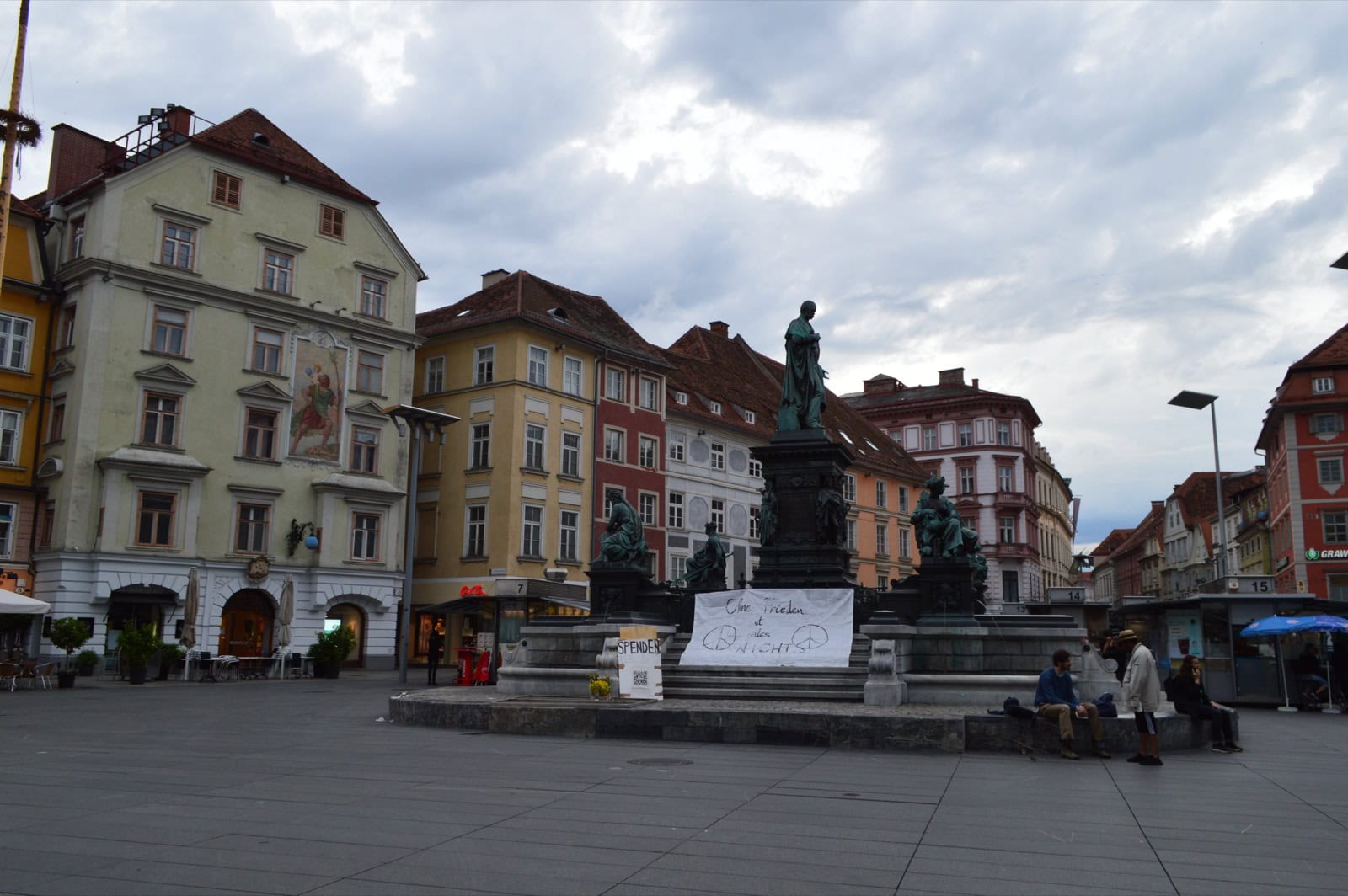
Today involves a longer drive southeast to Graz — about 3 hours. But don’t worry, Graz is well worth it. It’s Austria’s second-largest city, yet compared to Vienna and Salzburg it’s completely overlooked by tourists — which is a shame, because it’s beautiful, has fantastic food, and a completely different vibe.
Graz has a UNESCO-listed centre with Renaissance and Baroque buildings, a thriving contemporary art scene, and arguably the best culinary tradition in Austria. Walk across Hauptplatz, climb up Schlossberg (the hill in the middle of the city with the Uhrturm clock tower — Graz’s iconic symbol, free to visit), and stroll along the River Mur past the futuristic Kunsthaus Graz (it looks like an alien blob, but somehow it works 😁).
For food, Graz is absolutely outstanding. Head to Kaiser-Josef-Platz Markt (farmers’ market, mornings) for local cheeses, cured meats, and Styrian pumpkin specialities. For dinner, I recommend Der Steirer — authentic Styrian cuisine with an emphasis on local produce. Their Backhendl (fried chicken) is legendary, around €16.
Styrian pumpkin seed oil — you simply MUST try this. Dark green, nutty, completely different from olive oil. Buy a bottle to take home (you’ll find it at the market or in delicatessens across the city).
Where to stay in Graz
Hotel Daniel Graz — modern, design-led, right by the main station. Hotel Wiesler — a boutique hotel on the banks of the Mur with lovely views. For a lower budget, A&O Hostel Graz or Meininger Hotel Graz.
Day 13. Wörthersee — the Alpine Riviera
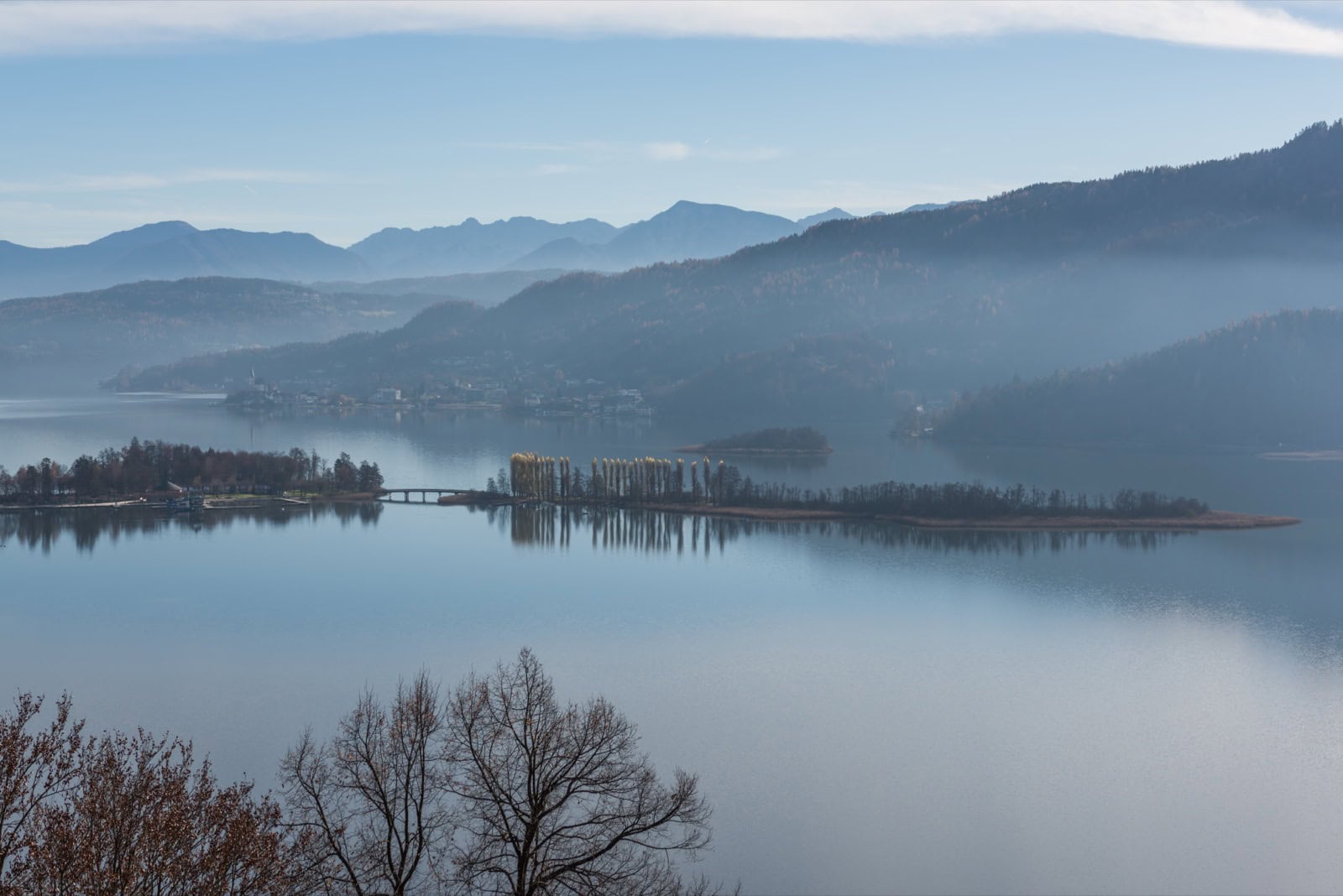
From Graz, continue southwest to Wörthersee — Austria’s most famous and warmest lake (about 2 hours’ drive). In summer, the water reaches up to 27 °C, meaning you can genuinely swim here rather than just dip a toe in and run.
The main hub on the lake is Velden am Wörthersee — an elegant resort town where Porsches line up next to Porsches in summer and the atmosphere feels more like the Italian Riviera than Austria. Stroll along the promenade, have lunch at one of the lakeside restaurants, and spend the afternoon swimming.
If you want peace and quiet, head to the south shore — the beaches are less crowded. A lovely swimming spot is Strandbad Maiernigg (entrance around €7).
Klagenfurt (capital of Carinthia, 20 min from Wörthersee) is worth a quick stop — the old town is pleasant for a walk, the Lindwurm (dragon) on the main square is the city’s symbol, and in summer the place buzzes with life.
For dinner: Landhaus Bacher (yes, the same name as in Wachau, but a different restaurant 😅) in Velden, or Restaurant Maria Loretto in Klagenfurt — a terrace right over the lake, a romantic dinner watching the sunset.
Where to stay at Wörthersee
Falkensteiner Schlosshotel Velden is a luxury choice right in central Velden. Seepark Hotel has its own beach on the lake. For a reasonable budget, try Hotel Barry Memle Lakeside Resort or apartments on the south shore.
Day 14. Semmering and departure — one last Alpine experience
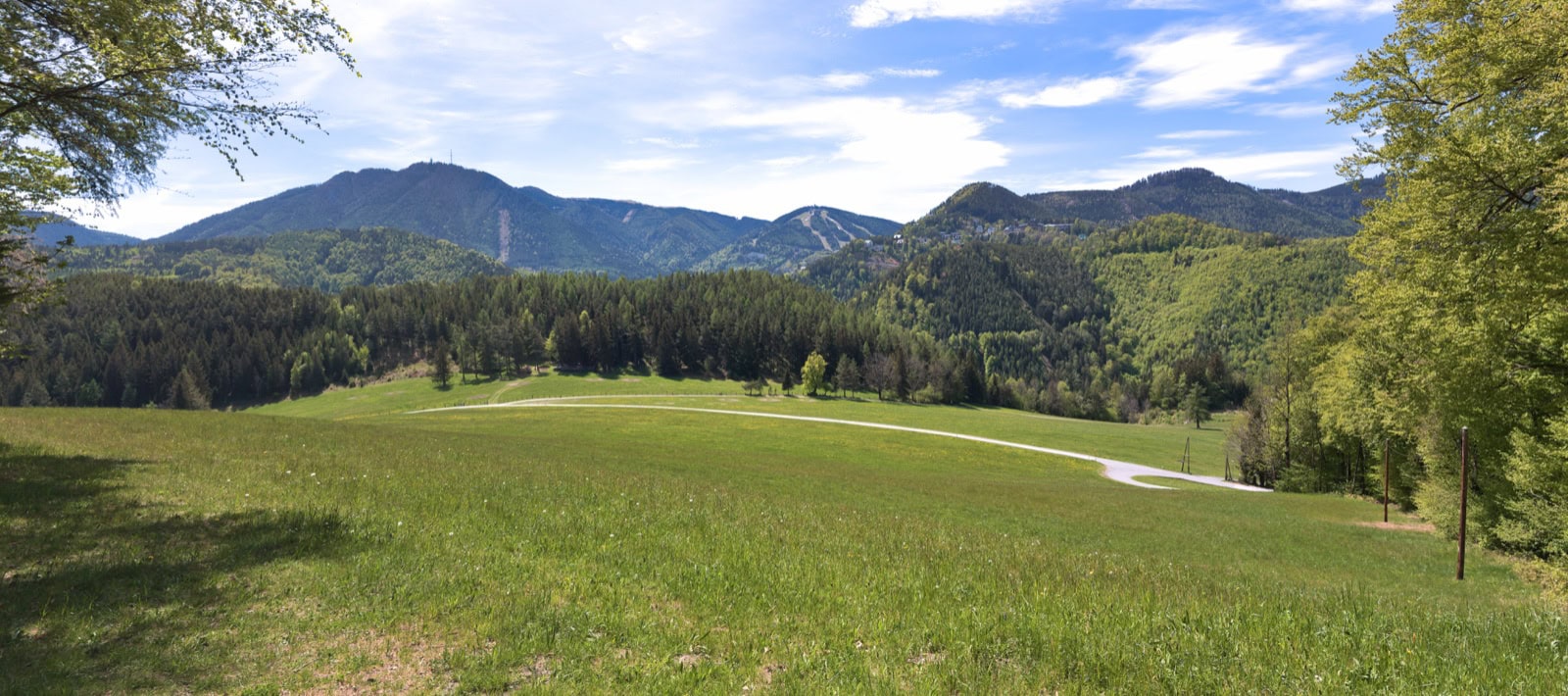
The last day of your road trip — from Wörthersee you’ll head back northeast. The drive to Vienna airport takes about 3.5 hours, but make a stop at Semmering along the way.
Semmering is a historic mountain resort that was a favourite escape for Viennese high society at the turn of the 19th and 20th centuries. The Semmering Railway (UNESCO World Heritage) is the world’s first mountain railway — even if you don’t ride it, drive through the area and admire the viaducts and tunnels nestled among the green hills.
Stop at the Semmering Pass — there are a few hotels, cafés, and beautiful views in both directions. Hotel Panhans is a grand belle époque hotel where you can treat yourself to a stylish coffee and cake on the terrace (the Apfelstrudel here is excellent).
If you have time for a short hike (1–2 hours), head up Sonnwendstein (1,523 m) — it’s about an hour’s walk from the car park at the pass, and the view over the Alps and the Vienna Basin is the perfect full stop to your road trip.
In the afternoon, continue to Vienna airport (1 hour) for your flight home, or if you’re driving back to the UK via the Channel, head north towards Germany.
Where to stay
If you fancy one more night in Austria, Grand Hotel Panhans at Semmering is an experience in itself — a historic hotel with enormous rooms and a wonderfully nostalgic atmosphere. Otherwise, continue to the airport or spend a final night in Vienna.
Map of points of interest for your phone
Practical tips to finish
A few things I’ve learned from personal experience that’ll save you some hassle:
- Download offline maps — mobile signal often drops out in the mountains. Google Maps and Maps.me both support offline navigation.
- Dress in layers — 25 °C in the valley in the morning, 0 °C on the glacier. A decent windbreaker and fleece are useful even in summer.
- Tap water in Austria is excellent — no need to buy bottled.
- Supermarkets: Hofer (Austria’s Aldi) and Lidl are the cheapest for groceries. Spar and Billa are pricier but stock better local products.
- German is spoken everywhere, but English is no problem in tourist areas.
What to pack
I’ve written a detailed guide on packing into carry-on luggage — yes, even for a 14-day trip. The essentials for Austria: comfortable hiking boots, a waterproof jacket, swimwear (lakes!), and a light fleece or jumper for mountain evenings.
Travel insurance and eSIM
For travelling around Europe, I recommend getting travel insurance — although you have your GHIC card (or EHIC), it won’t cover everything (a helicopter rescue from a mountain could cost you thousands of euros). Have a look at my SafetyWing review.
If you want mobile data without worrying about roaming limits, check out my Holafly eSIM review.
Frequently asked questions about an Austria road trip
Before you set off, here are the answers to the questions we get asked most often by readers about a 14-day Austria road trip.
Tips and Tricks for Your Vacation
Don’t Overpay for Flights
Search for flights on Kayak. It’s our favorite search engine because it scans the websites of all airlines and always finds the cheapest connection.
Book Your Accommodation Smartly
The best experiences we’ve had when looking for accommodation (from Alaska to Morocco) are with Booking.com, where hotels, apartments, and entire houses are usually the cheapest and most widely available.
 🚗 Car rental on the roadVerified rental cars in Austria
Search with the DiscoverCars comparison engine — it compares prices from dozens of local and international rental companies, and most bookings come with free cancellation.
Compare car prices in Austria →Don’t Forget Travel Insurance
Good travel insurance will protect you against illness, accidents, theft, or flight cancellations. We’ve had a few hospital visits abroad, so we know how important it is to have proper insurance arranged.
Where we insure ourselves: SafetyWing (simple monthly subscription) and TrueTraveller (for extra-long trips).
Find the Best Experiences
Get Your Guide is a huge online marketplace where you can book guided walks, trips, skip-the-line tickets, tours, and much more. We always find some extra fun there!