Normandy, France will grab you from the very first breath — and you’ll quickly realise this is no ordinary holiday destination. Forget lazy afternoons under a parasol like you’d have on the Riviera. This is a place you come to for raw, elemental beauty and history that literally changed the map of the world. Think jagged chalk cliffs, endless wind-swept beaches, and medieval alleyways where the past feels close enough to touch.
The air smells of salt, seaweed and fermenting apple juice drifting from orchards across the countryside. You’ll wake to seagulls and fall asleep feeling like you’ve experienced something genuinely unforgettable. Whether you’re standing open-mouthed beneath the granite walls of an abbey rising from the tidal flats, or quietly moved by the lily pond that inspired Claude Monet himself, this region has a way of getting completely under your skin.
In this guide you’ll find 15 things to see and do in Normandy to help you plan the perfect trip. I’ll tell you where to base yourself, how to get around the coast, and what to watch out for in 2026 — a year packed with major anniversaries and changes across the whole of northern France.
TL;DR
- Mont-Saint-Michel and extreme tides: The famous abbey will experience exceptionally powerful spring tides in March and September 2026. Book tickets online and arrive before 10am.
- D-Day anniversary crowds in 2026: Around 6 June, expect huge crowds for the 82nd anniversary of D-Day. If you’re not specifically there for the commemorations, avoid those dates.
- Bayeux Tapestry is leaving Normandy: The famous embroidery will be on loan in London from autumn 2026 until summer 2027 while the museum undergoes renovation — you won’t see it in Normandy during that time.
- Monet centenary: 2026 marks 100 years since Claude Monet’s death. Expect enormous demand for tickets to the gardens at Giverny.
- You really need a car: Public transport along the coast is very limited. A hire car is essentially essential for comfortably exploring the beaches and countryside.
- A cheese-lover’s paradise: Local food revolves around butter, cream and four iconic protected cheeses — vegetarians will be very well looked after here.
The full destination guide: Normandy — guide and what to see
When to Visit Normandy
Weather in northern France is famously unpredictable — you need to be ready for blazing sunshine, strong wind and heavy rain all within the same hour. Late spring and summer are the best times to visit, with temperatures settling around a pleasant 20–25°C. Even in July and August, pack a decent waterproof jacket and sturdy footwear — the Atlantic wind on the cliffs can be bitterly cold, and this is definitely not a destination you’ll cover entirely in sandals.
2026 is a particularly significant year that demands careful advance planning. Early June marks the 82nd anniversary of the D-Day landings, which means the entire Calvados coast will be extraordinarily busy between 5 and 7 June. Accommodation disappears up to a year ahead, and you can expect major road closures, tight security and the presence of international dignitaries. The D-Day Festival itself runs from 30 May to 14 June 2026, so memorial events will be everywhere. If you want to explore the history without the crowds and traffic queues, come in May or wait for a quieter September instead.
The other huge draw of 2026 is the centenary of Impressionist painter Claude Monet’s death. As part of the major Normandie Impressionniste festival, over a hundred special exhibitions and cultural events are planned right across the region. Places like Giverny, Rouen and the cliffs at Étretat will see unprecedented numbers of art lovers from around the world. Book all museum and garden tickets online well before you travel, keep a close eye on opening times at the Monet gardens, and brace yourself for queues at the big-name sights. The silver lining? Turn down a country lane and you’ll have the hedgerow-lined bocage almost entirely to yourself.
Where to Stay in Normandy
💡 Accommodation tip: We always search for places to stay on Booking.com for the best cancellation policies. For tours, activities and attraction tickets, it’s worth comparing options on GetYourGuide.
Choosing the right base is absolutely crucial in a region this large — driving from one end to the other eats up hours you’d rather spend sightseeing. The smartest strategy is to split your stay into two separate bases, one for the D-Day beaches in the west and one for the Impressionist towns and chalk cliffs in the east. Book well in advance through Booking.com, especially if you’re travelling in summer — and particularly in the event-heavy year of 2026.
For the western half and the D-Day beaches, the historic town of Bayeux is an almost perfect base. It miraculously escaped wartime bombing, has a beautiful medieval centre full of excellent restaurants, and every major landing beach is within a 30-minute drive. Comfortable central options include the popular Hotel Churchill right in the heart of town, or the rather more luxurious Villa Lara if you fancy a real treat with stunning views of the cathedral. The added bonus of staying in Bayeux is that you don’t need to travel far for excellent Norman food after a full day out on the coast.
For the eastern part of the region and the famous chalk cliffs, the picturesque harbour of Honfleur or the larger historic city of Rouen both work brilliantly. Honfleur is deeply romantic — evening strolls around the old harbour basin are simply lovely — and the Hotel Le Dauphin is a reliable choice there. Rouen, meanwhile, offers the buzz of a proper city and easy train connections to Giverny. A superb option here is the stylish Hotel de Bourgtheroulde, housed in a historic building right in the heart of the city near the spot where Joan of Arc was burned at the stake. Whatever you choose, remember that public transport between smaller villages is very limited — a hire car will give you the freedom to beat the crowds with early morning starts.
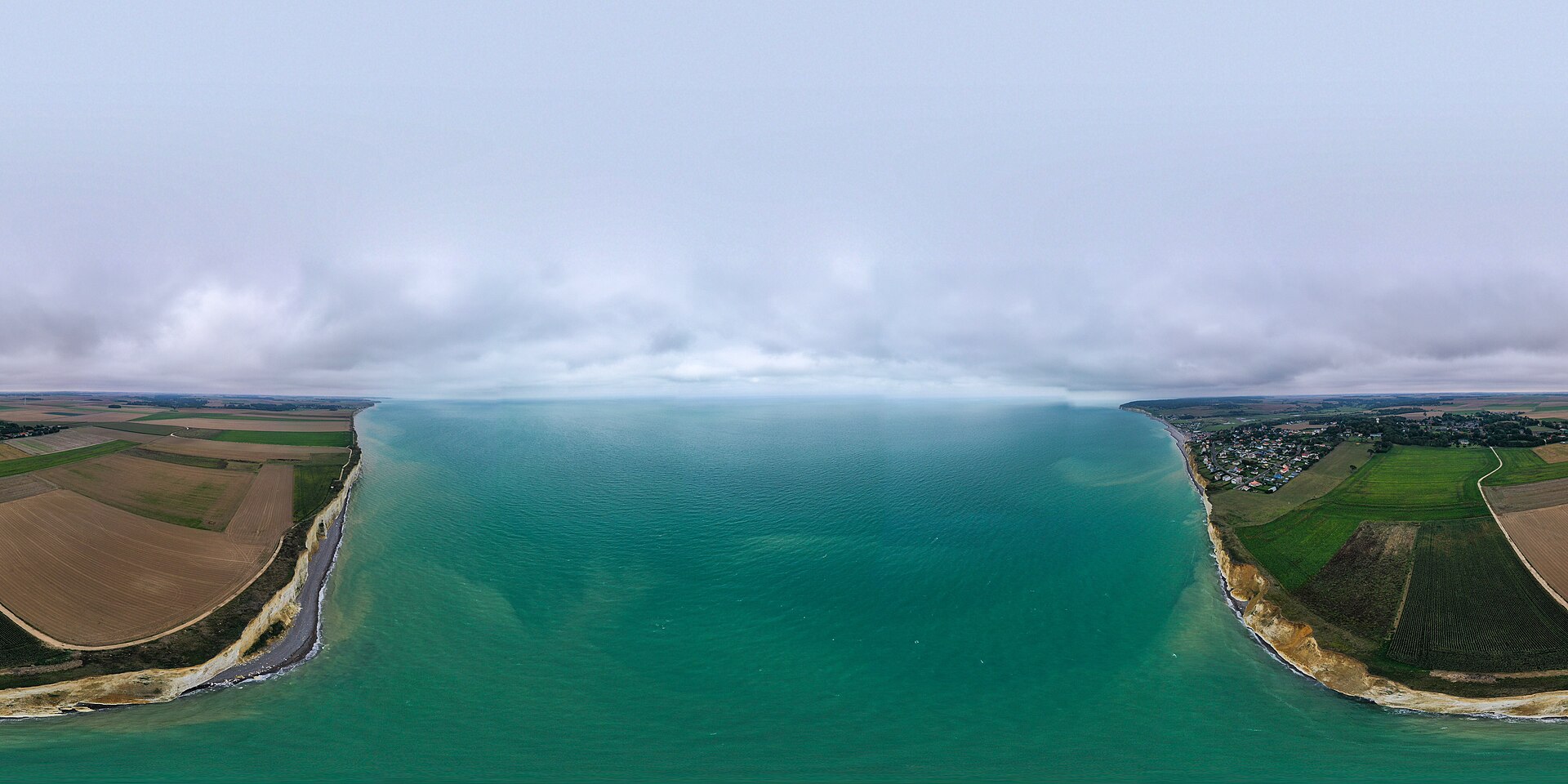
15 Best Things to See and Do in Normandy, France
Let’s get into the best this northern French region has to offer. You’ll find a brilliant mix of jaw-dropping scenery, deep history and outstanding food — there’s genuinely something here for every kind of traveller.
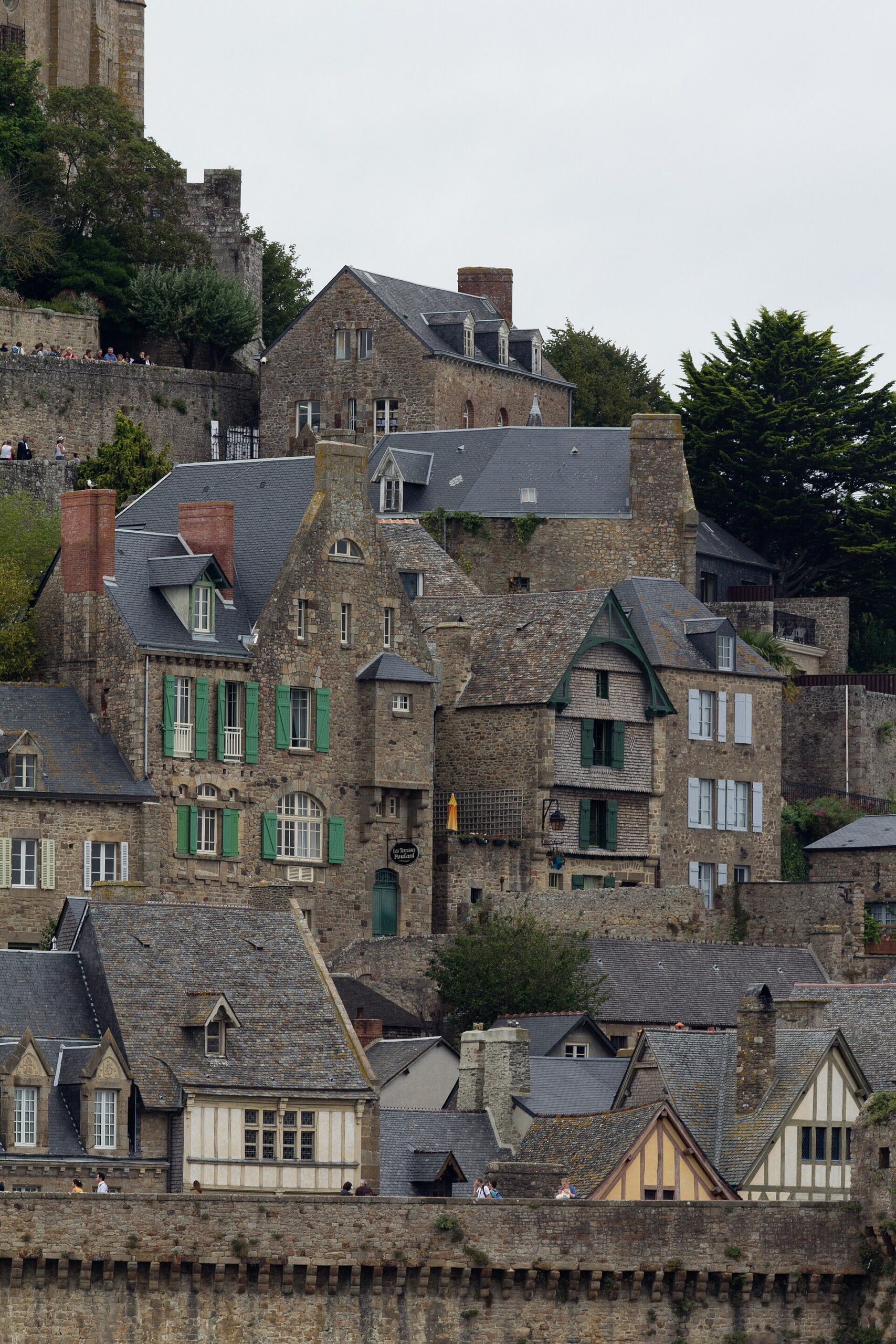
1. Mont-Saint-Michel and Its Treacherous Tides
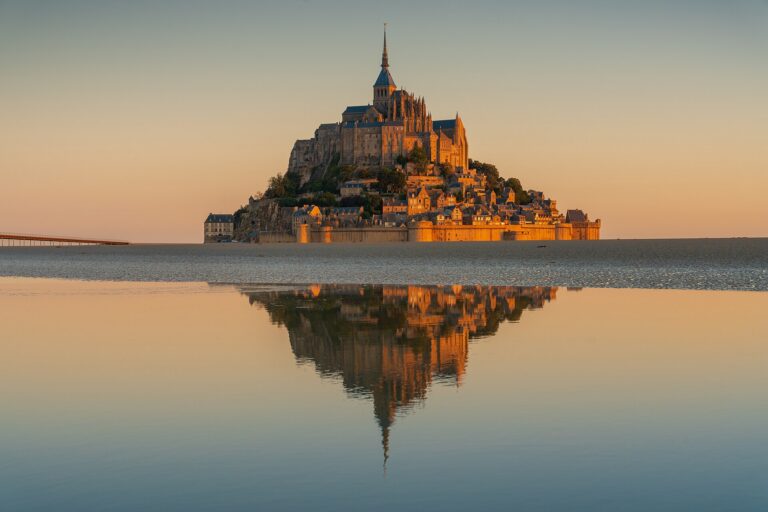
You’ve seen it in a thousand photographs and documentaries, yet when you finally stand in front of it, your jaw still drops. The granite island crowned by its imposing Gothic abbey rises from the flat, deceptively dangerous bay like something from a dream — and the French aren’t wrong to call it the eighth wonder of the world. To reach the monastery at the very top, you pass through the narrow Grande Rue lined with old stone houses and then climb around 350 steep steps. Don’t expect a lift — it’s a proper workout, but the panoramic views from the top make every step worthwhile.
Abbey admission in 2026 is €16 in the main summer season and €13 in winter months, with free entry for EU citizens under 25. Arrival logistics are strictly managed — you cannot drive to the island itself. Cars must be left in the large central car park on the mainland about 2.5 km away, which costs around €14.20 for 24 hours. A free shuttle bus then whisks you across the new bridge to the island in about twelve minutes. If you’re planning a visit in early summer, be aware that the abbey is expected to close temporarily from 1 June 2026 for technical reasons — check the official website to confirm before you go.
💡 Tip: The bay is famous for having the highest tidal range in Europe, and March and September 2026 will see exceptionally powerful spring tides. Never venture out into the bay around the island without a certified local guide — the quicksand and rapidly rising water have claimed lives. As for food on the mount itself, the legendary La Mère Poulard restaurant and its famous omelettes are atmospheric but wildly overpriced; eat at leisure on the mainland instead. For more practical tips, see our dedicated guide to Mont-Saint-Michel.
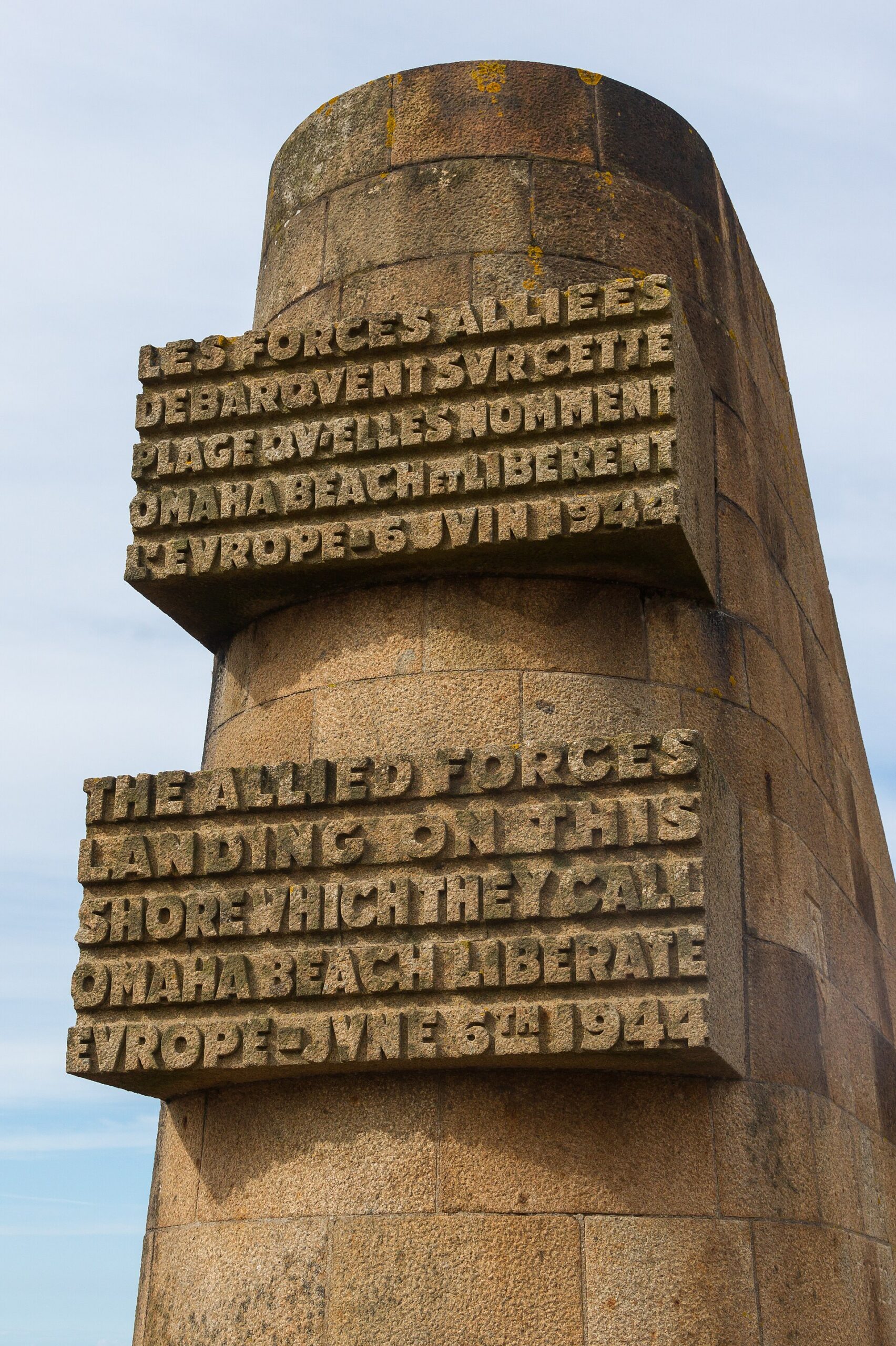
2. Omaha Beach and the American Cemetery
For most visitors, Omaha Beach is the single most powerful place on the entire Normandy coast — a name synonymous with the bloodiest fighting of the Second World War. Today it looks like a wide, peaceful stretch of sand, but one glance at the steep bluffs looming above it and you instantly understand the deadly trap that faced the American soldiers who landed here in June 1944. The atmosphere is extraordinarily quiet and dignified, and very few people manage to leave without being moved.
Directly above the beach at Colleville-sur-Mer lies the Normandy American Cemetery, which is free to visit year-round. On its immaculately kept emerald lawn stand exactly 9,387 gleaming white marble crosses and Stars of David, every one of them facing west — symbolically towards home. Walking slowly among those graves with the sound of the sea below is an experience that stays with you long after you’ve left, and gives the whole history a profound emotional weight.
If you’re visiting in 2026, mark 6 June in your diary. The main commemoration ceremony takes place at 11:00 to mark the 82nd anniversary of the landings, with notable guests expected. If you want to explore the British and Canadian sectors too, set aside a minimum of two full days for this area. Check our detailed guide to the D-Day Beaches for maps and museum recommendations.
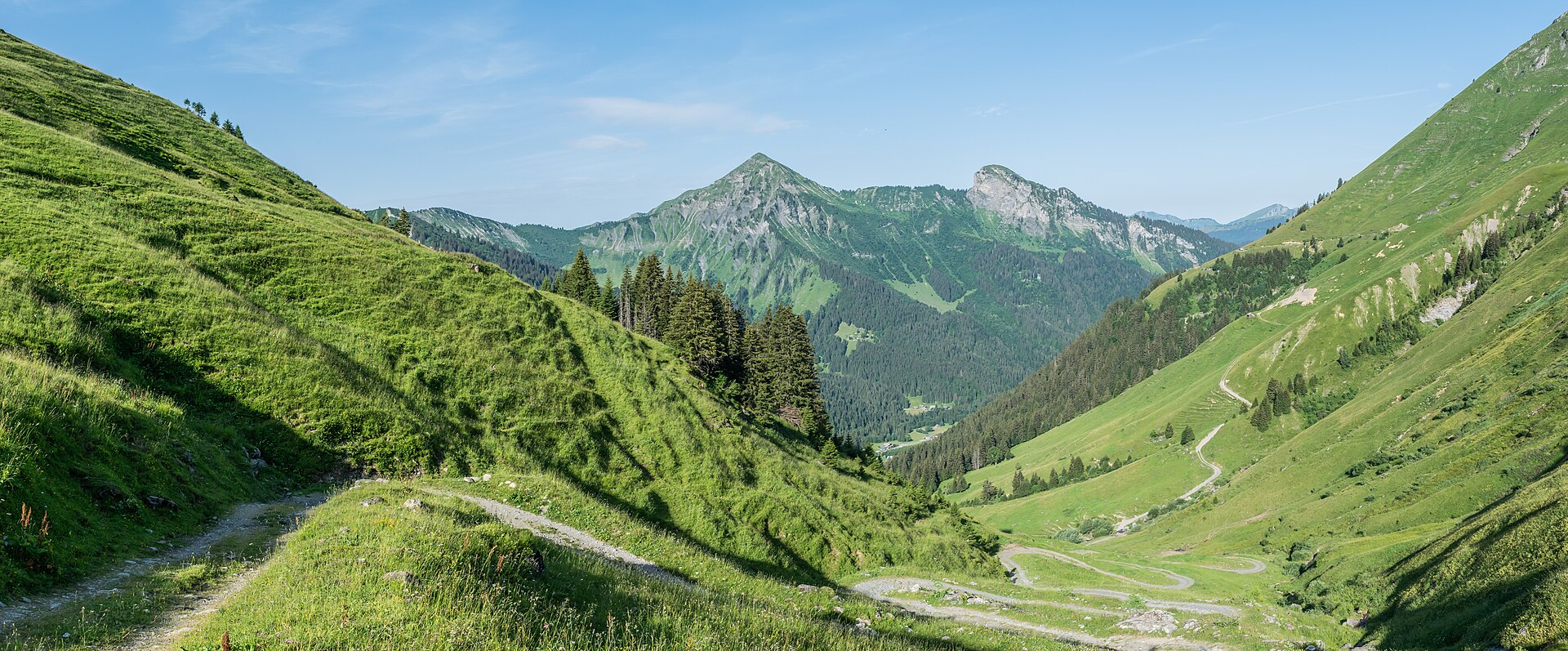
3. Pointe du Hoc and Its Shattered Cliffs
A short drive west of Omaha, you’ll find a place that looks brutally, almost shockingly raw — as if the war ended only yesterday. Pointe du Hoc is a headland literally torn apart by massive naval bombardment, and it’s arguably the most viscerally affecting battlefield you can visit on the entire Norman coast. The concrete bunkers still lie cracked and broken exactly where the battle left them, and the sheer scale of the craters is genuinely haunting.
It was these sheer, thirty-metre chalk cliffs that American Rangers had to scale under heavy enemy fire to knock out the German guns threatening the landing beaches. You can walk freely among the craters and peer into the ruined bunkers, which gives you a vivid sense of just how extraordinary and costly the whole operation was. A special commemorative event is planned here on 5 June 2026 at 14:00. Do dress very warmly — this exposed headland is battered by fierce, icy wind at virtually any time of year.
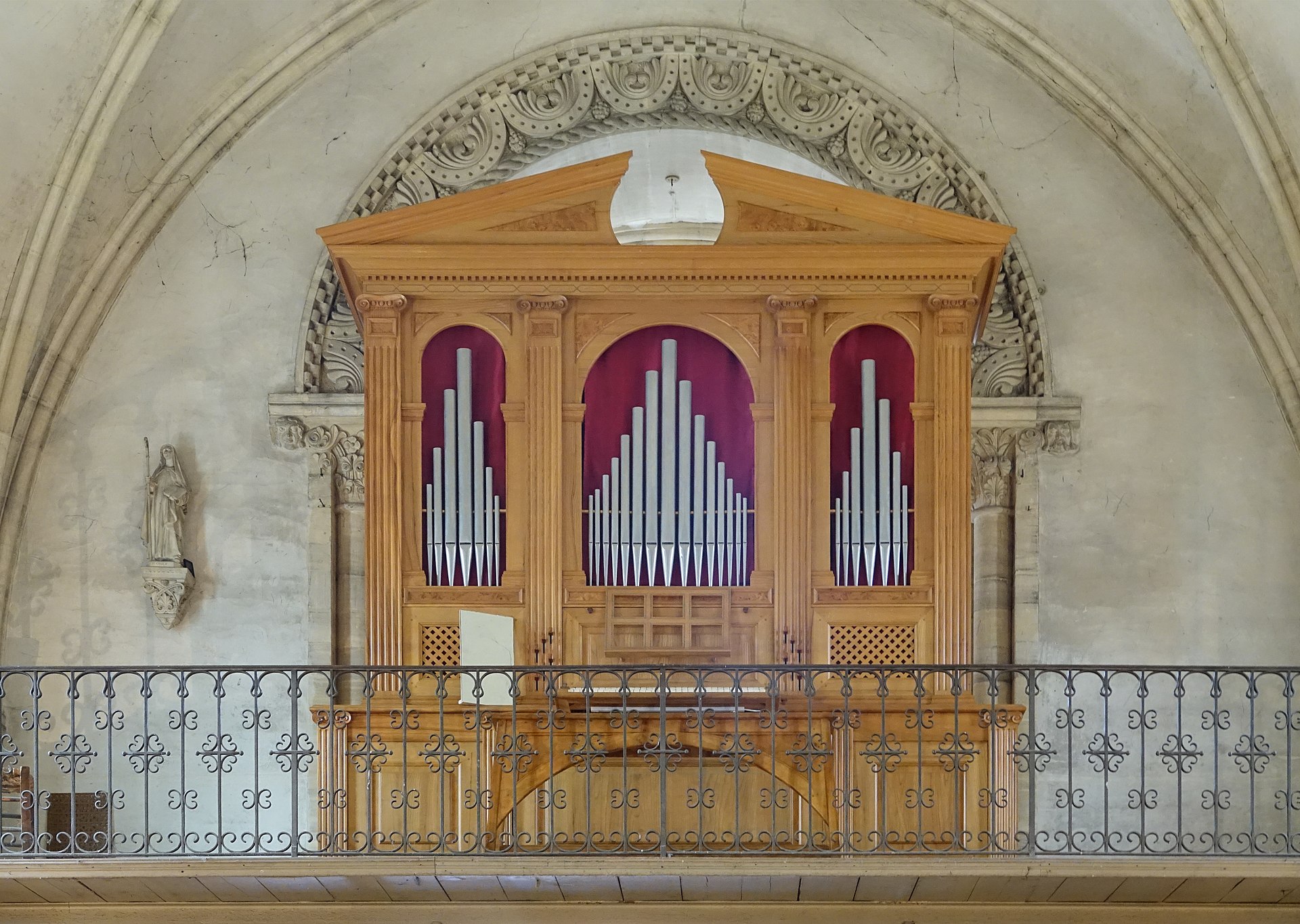
4. Arromanches and the Remains of the Mulberry Harbour
In the British Gold Beach sector, don’t miss the seaside town of Arromanches-les-Bains, whose waves conceal one of the most remarkable feats of wartime engineering. Enormous concrete caissons still jut from the sea, looking from a distance like strange forgotten sculptures. These are the preserved remains of the Mulberry harbour — an artificial port that the Allies assembled in just a matter of days after the landings to keep their forces supplied.
This prefabricated harbour was absolutely vital to the Allied advance, since all the major French ports were heavily defended and mined by the enemy. On the beach you’ll find the excellent Musée du Débarquement, which uses superb scale models to explain how these giant concrete structures were towed across the Channel and how the whole remarkable system worked in practice. For anyone interested in engineering, logistics or military history beyond just the fighting, this is unmissable — and a great complement to the more battle-focused museums nearby.

5. Bayeux — Without the Famous Tapestry
Bayeux is a wonderfully pretty town with a genuine medieval atmosphere, cobbled streets and a magnificent Gothic cathedral well worth lingering over. It was the first major town liberated by the Allies in 1944, and it miraculously escaped the devastating bombing that flattened much of the surrounding area — meaning its half-timbered buildings survived largely intact. The evenings here are lively and the local bistros serve outstanding regional cooking, so it’s a great spot to wind down after a day on the coast.
💡 Tip: The town is world-famous for its extraordinary 70-metre-long 11th-century tapestry depicting the story of William the Conqueror. In 2026, however, the Bayeux Tapestry won’t actually be in Bayeux — and for British visitors, that’s actually rather exciting news. The museum closed in September 2025 for an extensive two-year renovation, and the precious embroidery is heading to London: it will be on display at the British Museum from 10 September 2026 to 11 July 2027 before returning to Normandy in autumn 2027. Even without the tapestry, Bayeux remains the best and most practical base for exploring the D-Day coast.
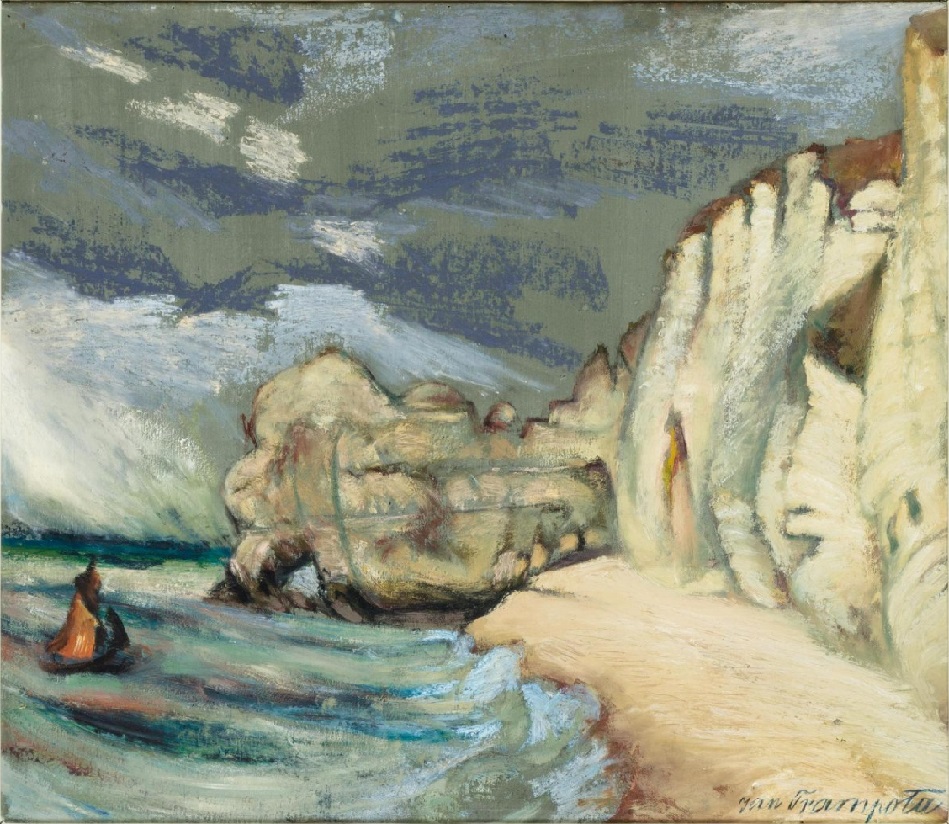
6. The Chalk Cliffs at Étretat
If you want the most spectacular natural scenery on the entire coast, a day trip to Étretat is non-negotiable. Here the sea and wind have sculpted the chalk into dramatic arches and needles that genuinely take your breath away. The white rock against the deep green water is extraordinary, and Claude Monet was so captivated by this place that he painted its cliffs around fifty times, in every weather and every light.
Steep but well-maintained paths climb from both ends of the main shingle beach up to the cliff tops. The views from up there are absolutely stunning — but please be careful near the edges. There are no safety railings, and the chalk can crumble underfoot without warning. The village itself is charming, but parking in summer is a complete nightmare. Either arrive very early in the morning or leave the car at one of the overflow car parks on the edge of town and walk in. If this photogenic spot is on your list, have a read of our dedicated guide to Étretat.
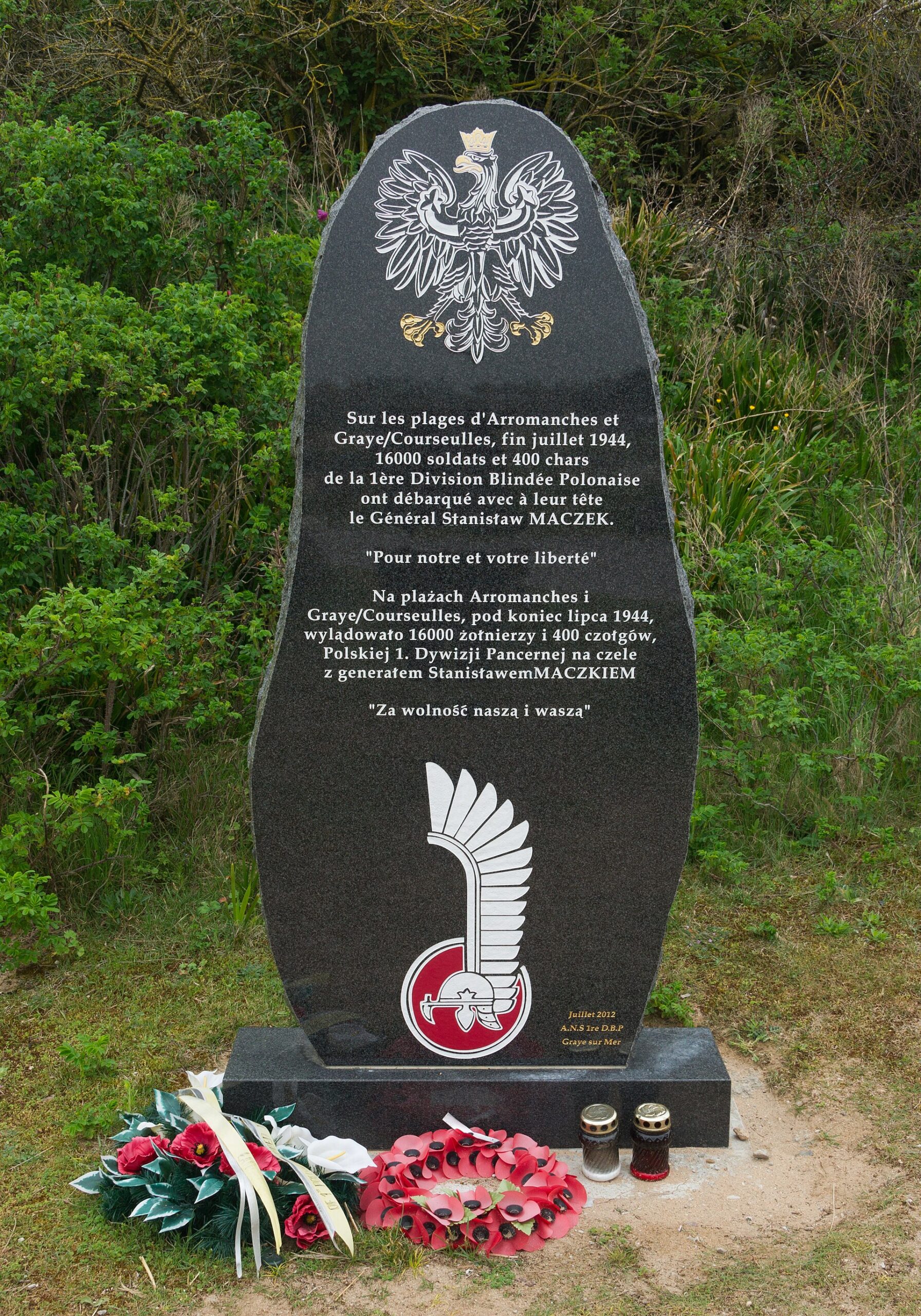

7. The Painters’ Harbour of Honfleur
Honfleur is quite possibly the most photogenic and romantic harbour town in all of France, and its streets have a way of making you fall in love instantly. At its heart is the Vieux Bassin — a perfectly rectangular old harbour basin enclosed by tall, slate-fronted houses that reflect perfectly in the still water among luxury yachts and traditional wooden sailing boats.
It was here, at the nearby Auberge Saint-Siméon, that great painters including Eugène Boudin, Gustave Courbet and Johan Barthold Jongkind used to gather — making it effectively the birthplace of the first Impressionist school of plein-air painting, drawn by the town’s extraordinary, constantly shifting light. Beyond the harbour, don’t miss the remarkable timber church of Sainte-Catherine, built by skilled ship’s carpenters after the Hundred Years’ War, with a unique ceiling that looks exactly like two upturned boat hulls. Honfleur has a gently melancholy charm that gets under your skin almost immediately.
8. Historic Rouen and Joan of Arc
Rouen is Normandy’s proud historic capital, and a city with an extraordinarily rich — and at times brutal — past that you feel at every turn. Walk through the old centre’s wonderfully crooked half-timbered streets and you’ll soon arrive at the wide Place du Vieux-Marché. This is where Joan of Arc was burned at the stake in 1431, and today it’s marked by a striking modern church whose asymmetrical roof is designed to evoke leaping flames.
The city’s undisputed showpiece, though, is the breathtaking Notre-Dame Cathedral — a masterpiece of Flamboyant Gothic architecture of extraordinary intricacy. In the late 19th century, Monet rented a modest room directly opposite the cathedral and produced his celebrated series of 31 paintings of its façade at different times of day, from early morning mist to blazing midday sun. If you want to see a superb collection of Impressionist paintings in person, the Musée des Beaux-Arts here is one of the finest outside Paris.
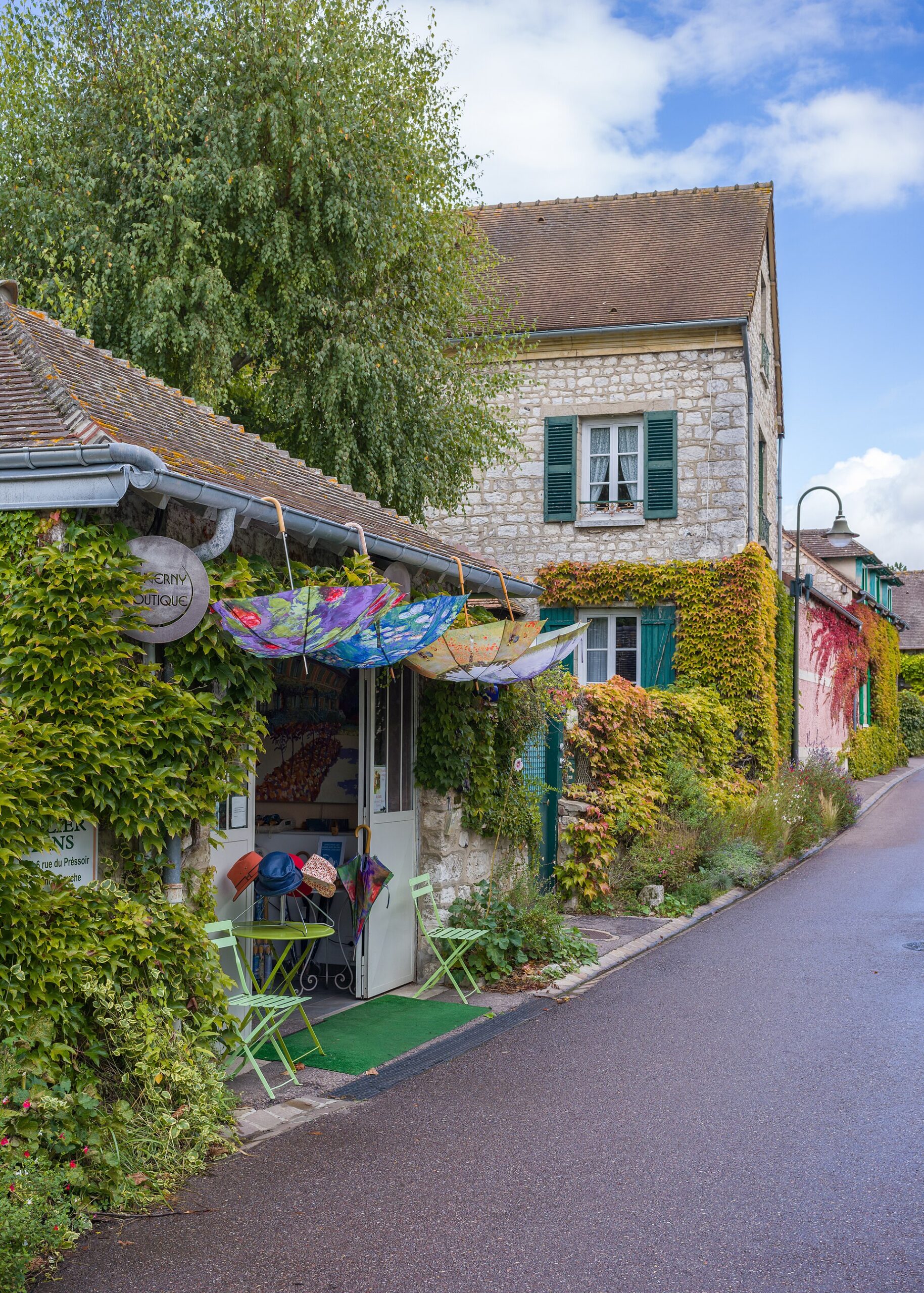
9. Monet’s Garden at Giverny and the Centenary
Although little Giverny sits right on the edge of the region, it belongs culturally and emotionally to Normandy — and you absolutely cannot skip it. This is where Claude Monet spent the second half of his life and created his greatest masterpiece: a living, ever-changing garden. The estate is split between the formal flower beds of the Clos Normand and the famous Water Garden, where you’ll find the wisteria-draped Japanese bridge and the tranquil lily pond that inspired those enormous, iconic canvases.
💡 Tip: 2026 marks exactly 100 years since Monet’s death, and visitor numbers are expected to be enormous. The gardens are open daily from 10:00 to 18:00 between 1 April and 1 November. The golden rule is: book your ticket online in advance and be at the gate at 10am sharp — or arrive very late in the afternoon. Either way, you’ll dodge the coach-loads from Paris that clog the narrow paths around the pond around midday. For more tips, see our guide to Giverny.
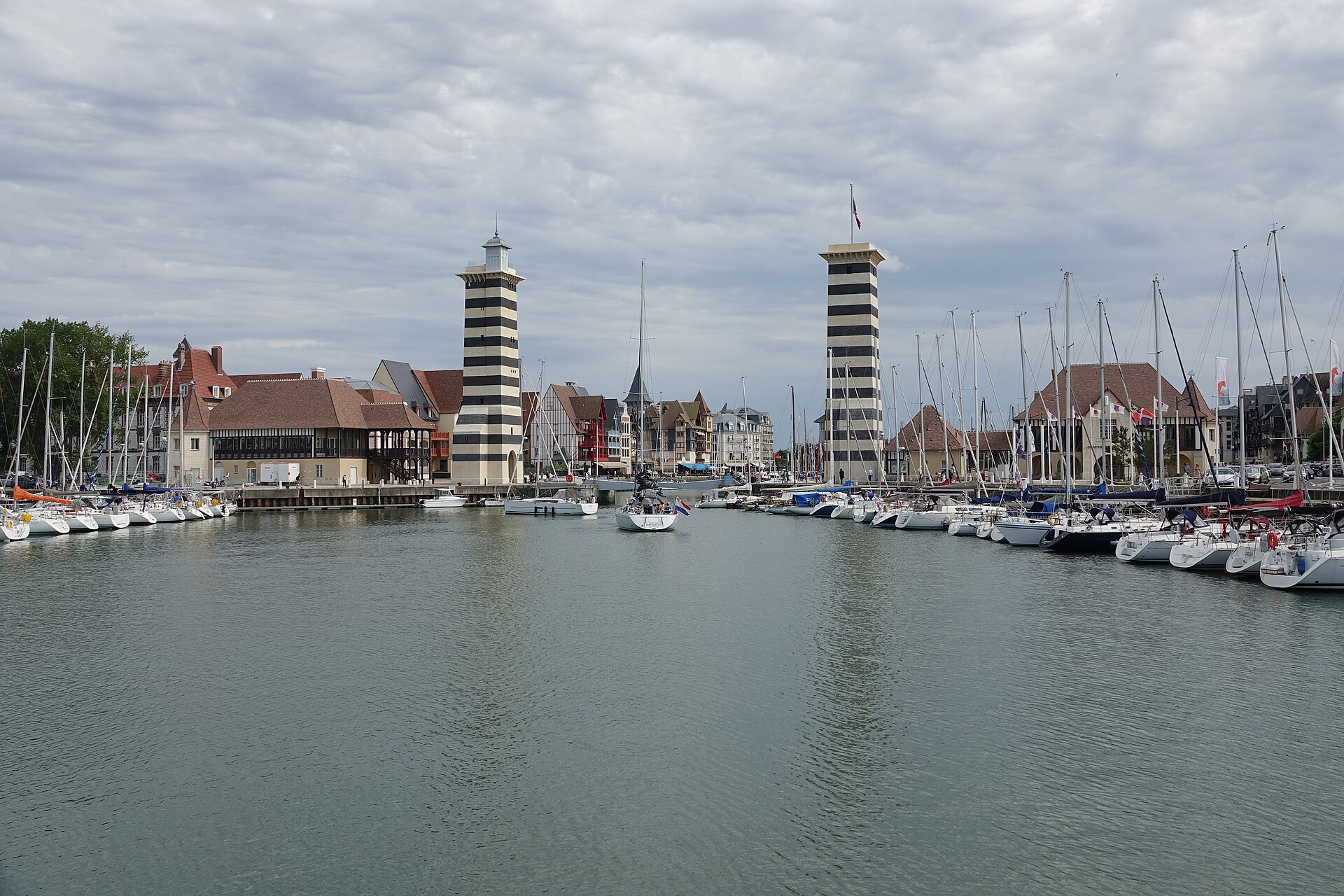
10. Belle Époque Glamour in Deauville and Trouville
When you need a break from heavy wartime history and medieval monuments, head to the twin resort towns of Deauville and Trouville to recharge. Deauville is the ultimate symbol of French chic — home to the famous Les Planches boardwalk with its film-star nameplates, colourful beach cabins lined up on perfectly clean sand, and a grand historic casino. It’s a wonderful place to people-watch, admire the elegant architecture and soak up an atmosphere of very polished luxury.
Just across the river, neighbouring Trouville is a world apart — far more relaxed and still carrying the character of a traditional fishing village. Head to the covered fish market, which is a listed historic monument in its own right, and take in the extraordinary sight of the stalls piled high with fresh oysters and seafood, shucked right in front of you. These two towns make a perfect and entertaining contrast, and visiting both in a single easy afternoon is absolutely doable.
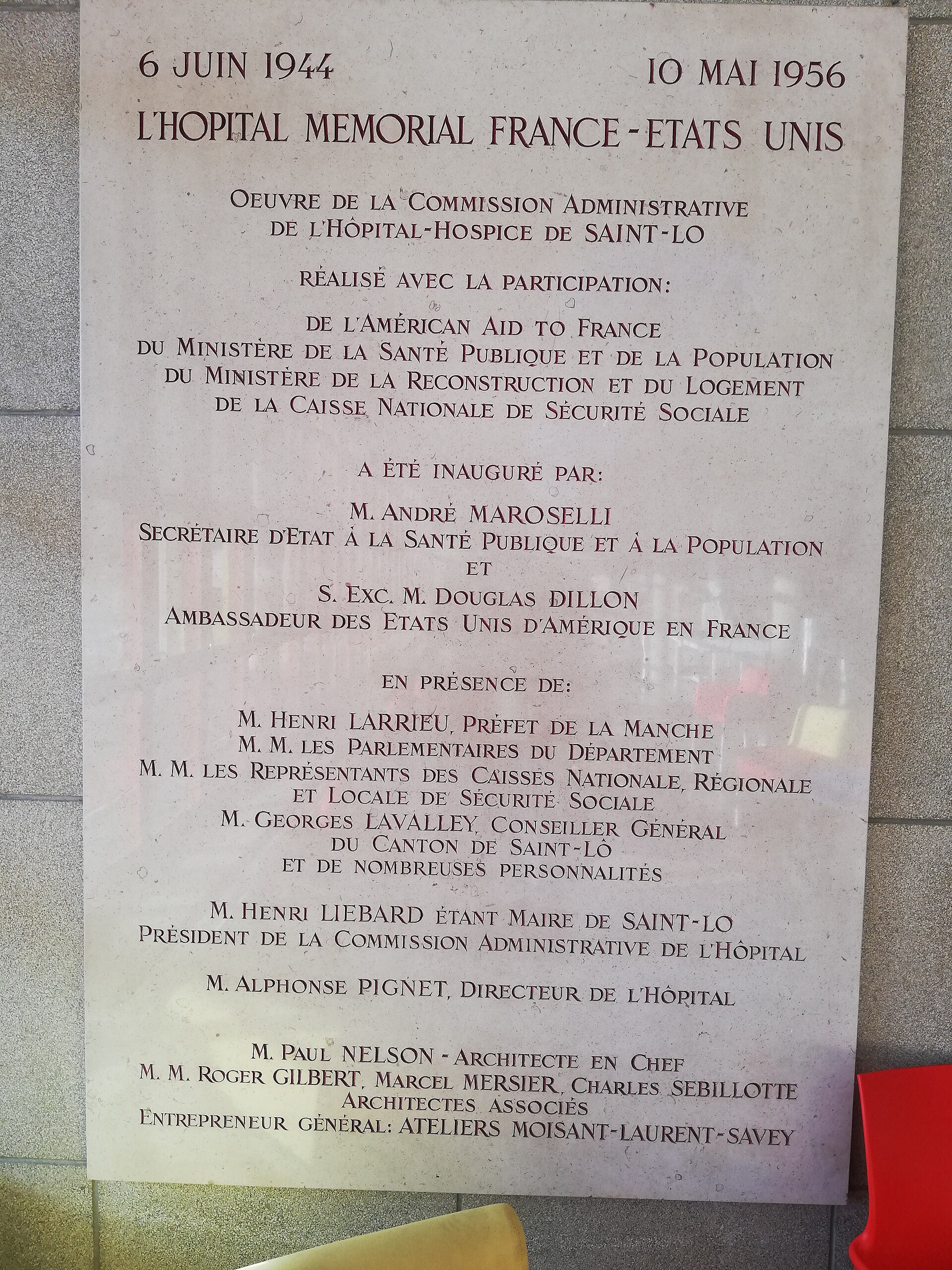
11. Mémorial de Caen for the Full Picture
If you want to truly understand the full context of the Second World War — from its origins through to the tense Cold War that followed — make the trip to the city of Caen. The Mémorial de Caen is the largest WWII museum in France, and its carefully curated exhibitions are genuinely gripping. The building is enormous, highly interactive and emotionally quite demanding, so be prepared for a powerful experience.
The whole striking modern building stands symbolically on the site of the former underground command bunker of German General Wilhelm Richter. Allow at least half a day for a thorough visit — there is an enormous amount here, including authentic wartime footage of the landings and a deeply moving section dedicated to the thousands of Norman civilians who lost their lives during the long months of liberation.
12. Apple Orchards and the Route du Cidre
Forget the wine and the vineyards — in this lush, green region, apples rule supreme. Normandy’s orchards produce what is genuinely some of the finest cider in the world: not the overly sweet fizzy stuff from a supermarket shelf, but a properly crafted, lightly sparkling and subtly alcoholic drink with real depth of flavour. You can choose between the sweeter doux style or the drier brut, which pairs beautifully with food.
If you want to go deeper into the local apple culture, drive the scenic Route du Cidre through the Pays d’Auge, east of Caen. This well-signposted route winds through peaceful countryside past gorgeous half-timbered farms where you can taste not just cider but also Calvados — the region’s celebrated apple brandy — straight from friendly local producers. A beloved local tradition is le trou normand: a small shot of Calvados served mid-meal to “make room” for the next course. Another excellent option is Pommeau, a delicious sweeter blend of fresh apple juice and aged Calvados, best served chilled as an aperitif.

13. Tasting the Four Iconic Cheeses
For vegetarians, Normandy is a genuine gastronomic paradise — the local cuisine isn’t just built around seafood, but above all around rich salted butter and some of the finest cheeses on earth. The cows here graze on grass seasoned by salt-laden sea breezes, which gives the local milk a completely unique and unmistakable character. Order a cheese board in any restaurant and work your way through all four local treasures, each with protected designation of origin status.
The undisputed king is Camembert de Normandie made from raw milk — creamy, complex and utterly unlike the supermarket version. Alongside it, try the square and pungently aromatic Pont-l’Évêque, the round Livarot bound with its distinctive reed strips, and the heart-shaped Neufchâtel, which has been made this way for centuries. One important note: lunch in French bistros is served strictly between midday and 2pm. Arrive after that and your salvation will be a fresh baguette from the local bakery, ideally filled with — you guessed it — more cheese, or a buckwheat galette generously stuffed with it.

14. The Alabaster Coast Away from the Crowds
While famous Étretat heaves with visitors in summer, the rest of the so-called Côte d’Albâtre offers equally spectacular scenery with a fraction of the crowds. This magnificent strip of white chalk cliffs stretches for an impressive 130 kilometres and provides fantastic walking along the cliff tops, with the roaring ocean and swooping gulls laid out below you.
Stop off in the understated town of Fécamp, home to the extraordinary Palais Bénédictine — an ornate, almost fantastical building where the famous herbal liqueur has been produced for centuries according to a secret monastic recipe. Another excellent stop is the harbour town of Dieppe, France’s oldest seaside resort, with a grand château perched on the clifftop above the town and a lovely broad shingle beach perfect for a breezy stroll and a bit of fossil hunting.
15. Cycling the Vélomaritime
If you want to explore the coast actively — and avoid the constant headache of finding somewhere to park — hire a bike. The local NOMAD bus network runs very infrequently and connections between villages rarely join up, so you can’t rely on it. Running along the entire coast, however, is the excellent and very safe Vélomaritime cycle route, which links the major historic sites through largely flat countryside, cleverly avoiding the main roads.
The route is well signposted and can easily be broken into comfortable day stages. Cycling between the American and British D-Day beaches, for instance, is an ideal way to absorb the atmosphere of the landscape at a human pace. In larger towns like Bayeux and Caen you can also hire modern e-bikes, which are a real help when the headwind rolling in off the sea — and it does roll in, reliably and forcefully — starts to take the fun out of pedalling.
Map of points of interest for your phone
Where to Go Next from Normandy
If you have more time to spend in France, this region is a brilliant springboard for further adventures. Head south into neighbouring Brittany for an even wilder coastline and the remarkable Pink Granite Coast. Or if art is calling, jump on a train in Rouen and within less than two hours you can be exploring the galleries of Paris.
Make sure you check out our other detailed guides to help you plan specific days. Read everything about tides and logistics in our Mont-Saint-Michel guide, plan your wartime history with the D-Day Beaches article, get inspired by the cliffs in our Étretat guide, and prepare for the crowds with our tips for Giverny.
Frequently Asked Questions
How can I get to Normandy and get around without a car?
Unfortunately, traveling without a car here is very difficult. While you can easily reach cities like Rouen, Caen, or Bayeux by train from Paris, the NOMAD public transport system between smaller villages and beaches is extremely infrequent and unreliable. To explore the countryside and D-Day landing beaches, renting a car is essential, or you could use the Vélomaritime cycling route. The only alternative for non-drivers is organized minibus tours, which you can easily book through platforms like GetYourGuide.
When is the best time to watch the tides at Mont-Saint-Michel?
The largest spring tides occur a few days after the full moon or new moon. In 2026, exceptionally strong tides are expected during March and September. The exact times change daily, so it’s absolutely essential to check the official tide tables on the local tourist office website beforehand to avoid missing the perfect moment or getting cut off.
Will I be able to see the famous Bayeux Tapestry in 2026?
Unfortunately not. The museum in Bayeux closed in September 2025 for an extensive two-year renovation. The precious tapestry itself will be on historic loan and displayed at the British Museum in London from September 10, 2026 to July 11, 2027. The modernized museum in Bayeux won’t reopen until fall 2027.
What should I try in Normandy if I don’t eat meat?
This region is absolutely wonderful for vegetarians and full of flavors. The foundation is excellent local cheeses made from unpasteurized milk like Camembert, Pont-l’Évêque, Livarot, or Neufchâtel. You’ll definitely fall in love with fresh baguettes and savory buckwheat pancakes called galettes, which you can have filled with delicious cheese, egg, and vegetables. Don’t forget to wash it all down with local apple cider.
How much does parking cost at Mont-Saint-Michel?
You can’t drive right up to the island itself—you’ll need to leave your car at the huge central parking lot on the mainland, which is about 2.5 kilometers from the abbey. All-day parking for 24 hours costs around €14.20. From the parking lot, free shuttle buses run regularly and will get you directly to the mount in just twelve minutes.
Is it safe to walk on the cliffs in Étretat?
Walking along the top of the cliffs is safe as long as you strictly stick to the marked paths and use common sense. There are no safety railings, and the edges of the chalk cliffs can unexpectedly crumble, so never go right to the edge for a photo and be extremely careful in strong winds.
When are the main D-Day commemorations in 2026?
The main memorial events for the 82nd anniversary will take place on June 5th and 6th, 2026 at the American Cemetery in Colleville-sur-Mer and on Sword Beach. The major D-Day Festival itself runs from May 30th to June 14th. During this period, expect extreme crowds along the entire coast, traffic jams, security measures, and completely sold-out accommodation for miles around.
Tips and Tricks for Your Vacation
Don’t Overpay for Flights
Search for flights on Kayak. It’s our favorite search engine because it scans the websites of all airlines and always finds the cheapest connection.
Book Your Accommodation Smartly
The best experiences we’ve had when looking for accommodation (from Alaska to Morocco) are with Booking.com, where hotels, apartments, and entire houses are usually the cheapest and most widely available.
 🚗 Car rental on the roadVerified car rentals in Normandy
Search with the DiscoverCars comparison engine — it compares prices from dozens of local and international rental companies, and most bookings come with free cancellation.
Compare car prices in Normandy →Don’t Forget Travel Insurance
Good travel insurance will protect you against illness, accidents, theft, or flight cancellations. We’ve had a few hospital visits abroad, so we know how important it is to have proper insurance arranged.
Where we insure ourselves: SafetyWing (simple monthly subscription) and TrueTraveller (for extra-long trips).
Find the Best Experiences
Get Your Guide is a huge online marketplace where you can book guided walks, trips, skip-the-line tickets, tours, and much more. We always find some extra fun there!