Öland, Sweden is an island of incredible contrasts, stretching 137 kilometres in length but only a few kilometres wide in places. Together with nearby Gotland, it racks up the highest number of sunny hours in all of Sweden — on an island that certainly isn’t shy about its good weather. While most of Europe associates Sweden with deep forests and lakes, here a completely different world awaits ☺️.
Right in the middle of the island lies a vast limestone steppe where almost no trees grow, more reminiscent of an African savannah than traditional Scandinavia. Öland is a Swedish summer classic that the rest of Europe still shamefully overlooks, even though German camper-van travellers have been coming here for years. A huge advantage is that you can reach it comfortably by car across a bridge, so you don’t have to deal with any expensive ferries from the mainland.
You might be wondering what the actual difference is between Öland and neighbouring Gotland. While Gotland lures visitors mainly with the medieval Hanseatic town of Visby and dramatic limestone sea stacks called raukar, Öland is the island of endless beaches, hundreds of old windmills and a completely flat landscape. In short, it’s an ideal destination for families with kids, keen cyclists and anyone who wants to experience a proper Nordic summer without mosquitoes.
TL;DR
If you’re in a hurry and just need the key points for quick planning, I’ve put together a short overview of the essentials. Here’s the island of Öland in a nutshell:
- Free access: You reach the island from the mainland town of Kalmar via the six-kilometre Ölandsbron bridge, and there’s no toll whatsoever.
- The Swedish savannah: The southern half of the island is covered by the Stora Alvaret limestone steppe, a UNESCO World Heritage Site where rare orchids bloom in spring.
- A royal summer: On the west coast you’ll find the majestic ruins of Borgholm Castle and, right next door, Solliden, the summer residence of the Swedish royal family.
- A cyclist’s paradise: Öland is completely flat and criss-crossed by a network of safe cycle paths, so you’ll fall in love with the island even if you don’t usually ride much.
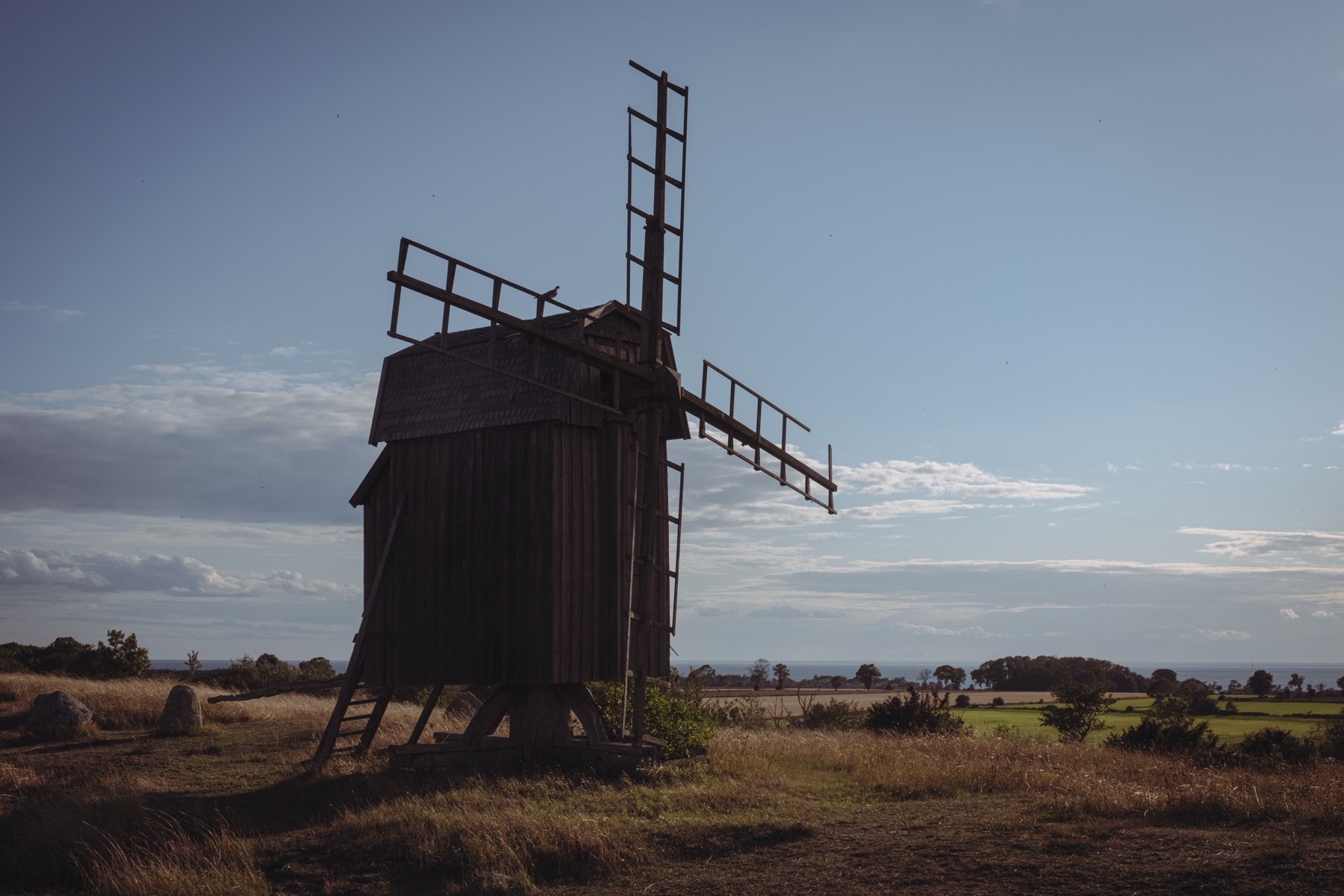
- The island of windmills: More than two thousand once clattered away here; today just over four hundred dot the landscape and make the most iconic photo spots in the whole region.
- A camping powerhouse: In the north lies the huge Böda Sand resort with kilometres of white sandy beaches that look more Caribbean than Baltic.
- Local cuisine: Be sure to try the local asparagus, sweet Öland strawberries and enjoy the traditional coffee break called fika in one of the many charming cafés.
The full destination guide: Sweden — guide and what to see
When to Visit Öland
Timing your trip is absolutely crucial for a visit to Öland, because the island dramatically changes its face throughout the year. If you’re mainly interested in the unique nature and want to see the blooming Stora Alvaret limestone steppe, I recommend heading out in May or the first half of June. During this period dozens of species of wild orchids bloom and the island is only just waking up into the main tourist season, so you’ll find heavenly peace and quiet. The spring months are also ideal for birdwatchers, who gather at the southern lighthouse. It can get seriously windy on the coast, though, so don’t forget to pack a few extra warm layers.
The main summer season kicks off at the end of June after the traditional midsummer festival and lasts roughly until mid-August. In July most Swedes take their so-called industrisemester, a nationwide collective holiday. During this time Öland pulses and buzzes with life, all the summer cafés are running at full speed and the beaches are full of families with children. Unlike northern Sweden, you also don’t have to worry about swarms of aggressive mosquitoes and midges here. Just bear in mind that accommodation prices soar during this period and popular campsites are hopelessly booked out well in advance.
September offers an absolutely magical atmosphere, when the crowds vanish but the Baltic Sea is still quite warm after summer. The highlight of autumn is the famous Skördefest, or harvest festival, which always takes place at the end of September (in 2026 it falls on the last weekend of the month). The whole island lights up with thousands of carved pumpkins, farmers open their yards and you can taste local delicacies everywhere, from jams to cheeses.
The winter months, on the other hand, I wouldn’t really recommend for a first visit. Lots of castles, museums and renowned bakeries switch to shortened opening hours in autumn or simply close altogether with a sign saying the owners have gone on holiday. You’ll still have the beautiful, rugged Nordic nature, but you’ll miss out on much of the typical summer flavour that makes the Swedish riviera so special. Set aside at least three or four days for the island, or a whole week for a relaxed family holiday.
Where to Stay on Öland
💡 Tip for accommodation and experiences: We prefer to look for accommodation on Booking.com, which usually has the best cancellation terms. It’s then worth comparing and booking tickets, tours and activities through GetYourGuide.
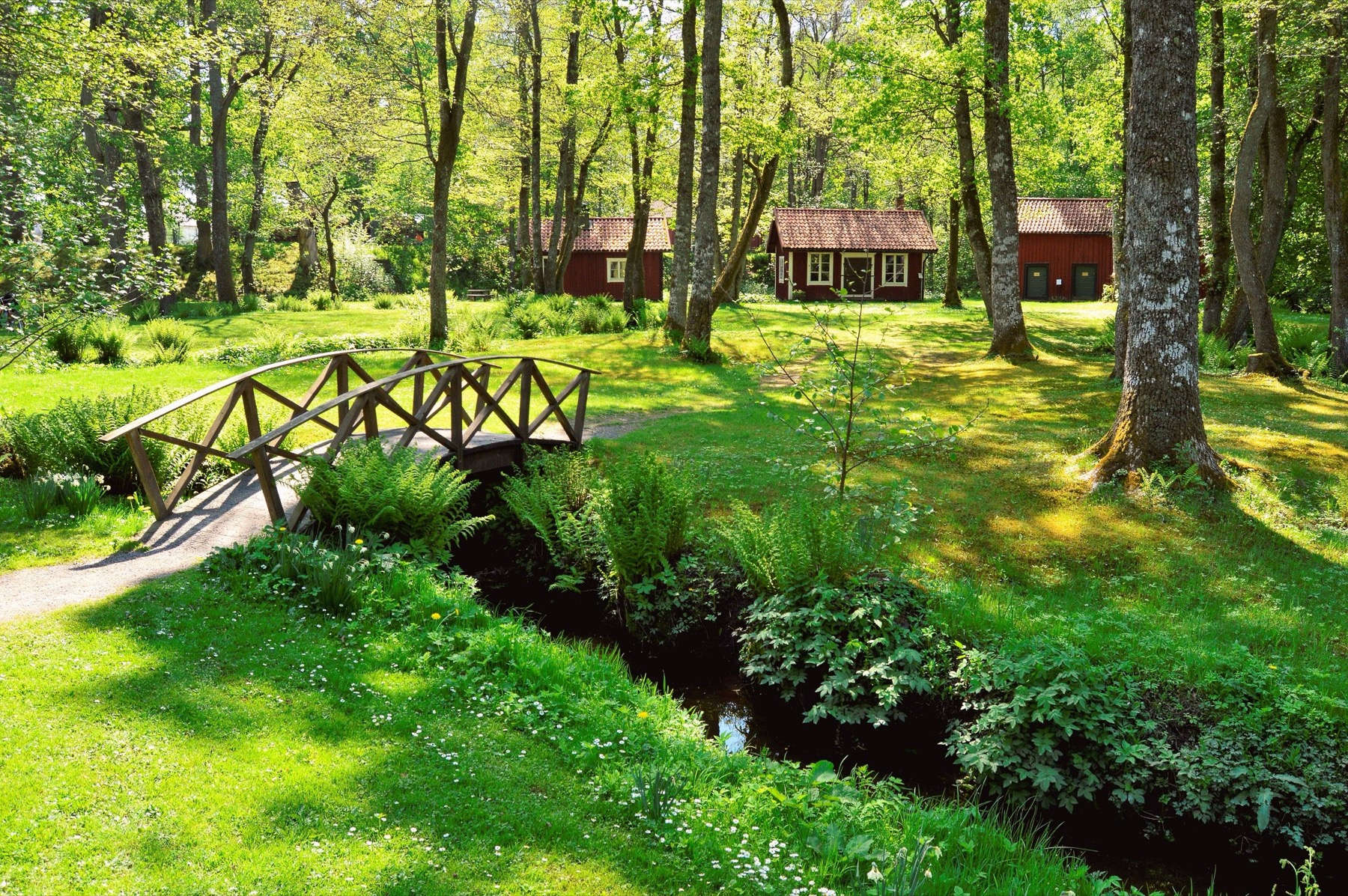
Southern Sweden is a promised land for camping and for renting the typical red wooden cabins known here as stuga. Even though Sweden has the famous right of public access, allemansrätten, remember that you’re not allowed to wild-camp with a car or camper van in meadows or by the beaches. This law applies exclusively to hikers with their own tent. With a vehicle you always have to use official campsites or the designated camper stops called ställplats, of which there are luckily plenty and they’re brilliantly equipped.
If you prefer a solid roof over your head, the best strategic base is the little town of Borgholm on the west coast or the smaller Färjestaden right by the bridge. You’ll find plenty of shops and restaurants, and in the evening it comes pleasantly to life. Prices for a double room in high season range roughly from 1,200 to 2,500 SEK (about €110 to €225), so it’s definitely worth booking your accommodation well in advance 😉.
Here are a few concrete tips on where to lay your head and enjoy some Nordic bliss:
- Villa Sol: A cosy guesthouse in the centre of Borgholm with a lovely garden and breakfasts so good you’ll regret ever having to get up. In season you’ll pay around 1,200 SEK (about €110) a night and get a perfect base for exploring the central and northern parts of the island.
- Drottning Victorias Vilohem: A more upscale boutique hotel just outside Borgholm that once served as a retreat for Queen Victoria herself. The atmosphere feels more like an English country house than a hotel. Expect high ceilings, historic furniture and a peaceful garden where you’ll just want to sit with a book. A night costs roughly 1,800 SEK (about €165).
- Böda Sand: The ultimate choice for families with kids in the north of the island. It’s the largest campsite in Sweden, with its own bakery, pools and a white beach. A classic wooden cabin (stuga) here costs roughly 1,000 to 1,500 SEK (€90 to €135) a night depending on size and facilities.
- Haga Park Camping & Stugor: A great and more affordable option on the southern half of the island, loved especially by windsurfers and families looking for peace. You can grab a cabin here from 800 SEK (about €75) and the pebble beach is just a few steps from your bed.
- Ekerum Resort Öland: If you want maximum comfort with a sea view and access to a top-class golf course, this resort near Borgholm is a safe bet. Prices start at around 1,500 SEK (about €135) for a spacious room with a fabulous breakfast full of local produce.
16 Things to See and Do on Öland, Sweden
The island may be narrow, but it offers an incredible amount to experience, from historic ruins and nature reserves to picturesque little villages. Here are 16 places you definitely shouldn’t miss on your trip.
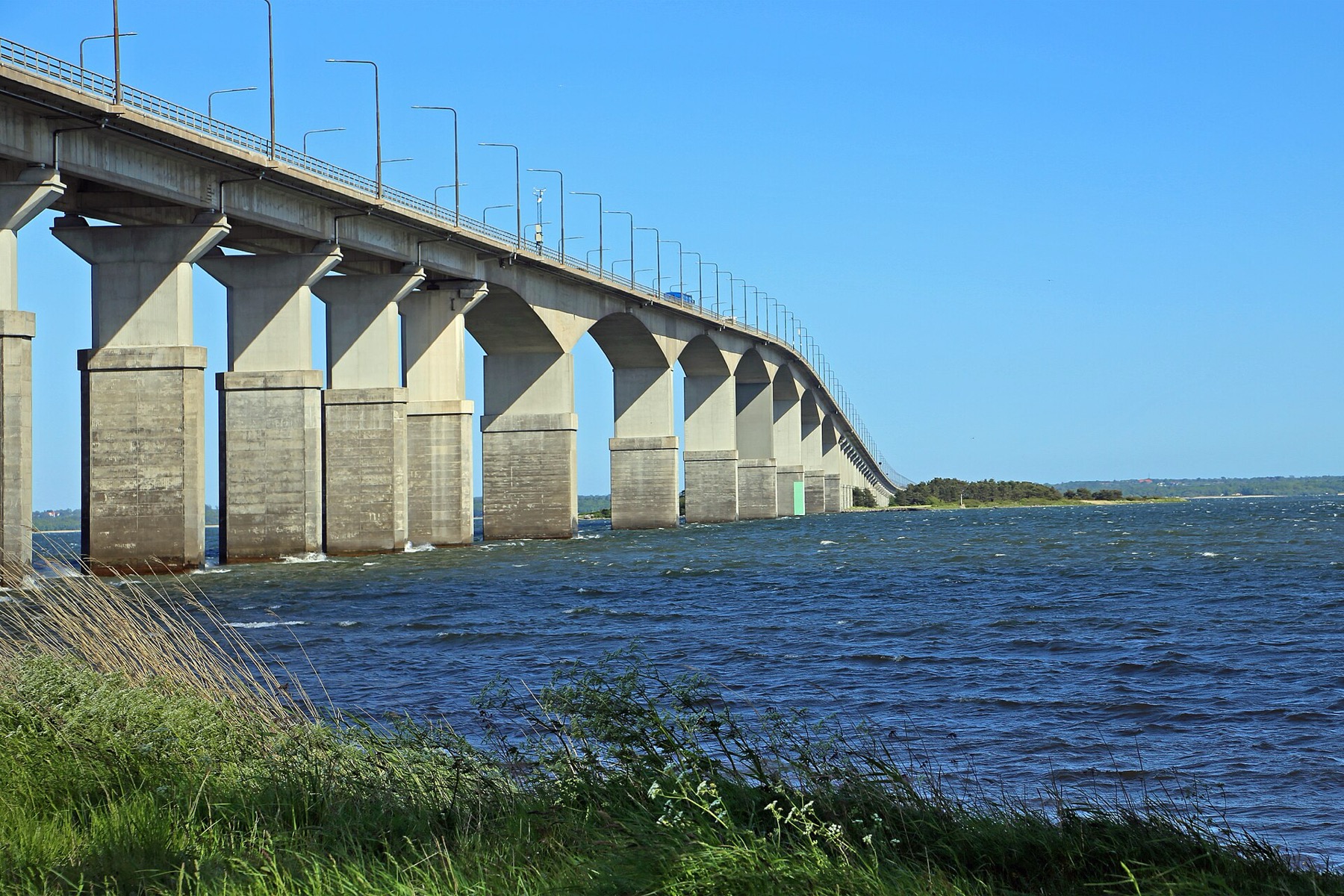
1. The Öland Bridge and a Majestic Arrival on the Island
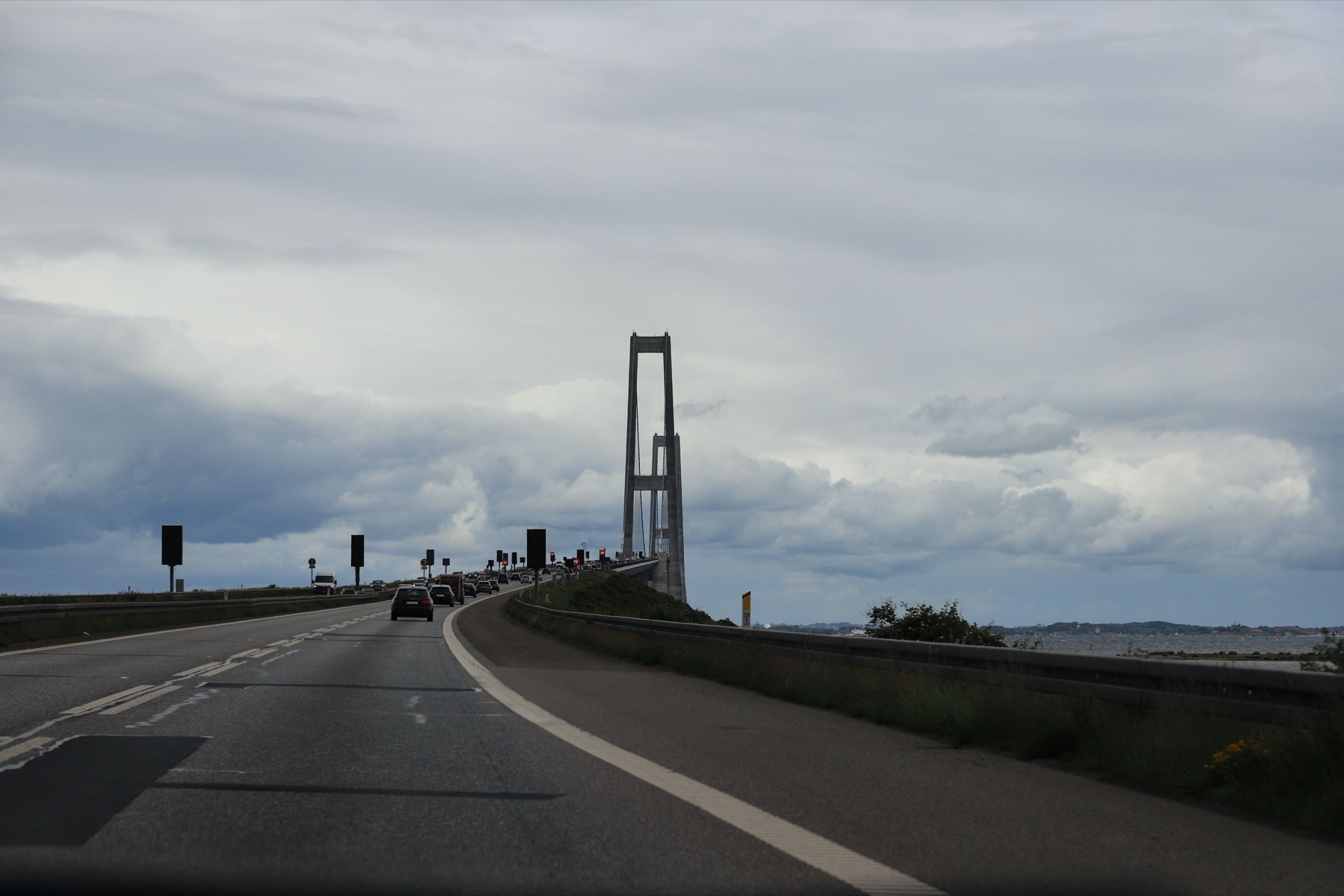
Your adventure begins before you even set foot on the island. From the mainland town of Kalmar, the Öland Bridge arches more than six kilometres across the sea strait. When it was ceremonially opened in September 1972, it held the title of the longest bridge in all of Europe, and to this day it’s an utterly fascinating feat of engineering that forever changed the lives of the islanders. Until then, they had to rely solely on slow and often overcrowded ferries.
The highest point of the bridge rises 36 metres above sea level, so as you drive across you’ll enjoy an absolutely breathtaking view over the Kalmar Strait and the approaching island. The crossing takes about ten minutes and the concrete road gently undulates along the bridge, creating a lovely visual effect. The bridge connects the mainland with the island town of Färjestaden, which serves as the main welcome point full of shops and cafés.
💡 Tip: Crossing the bridge is completely free with no toll, which is a huge advantage compared with the expensive bridges in Denmark. Just remember that stopping on the bridge is strictly forbidden. If you want to photograph this concrete landmark at your leisure, you’ll have to do it from the mainland in Kalmar, or from the car park and rest area right after the bridge on the Öland side. It tends to be very windy here, so be careful when opening your car doors.
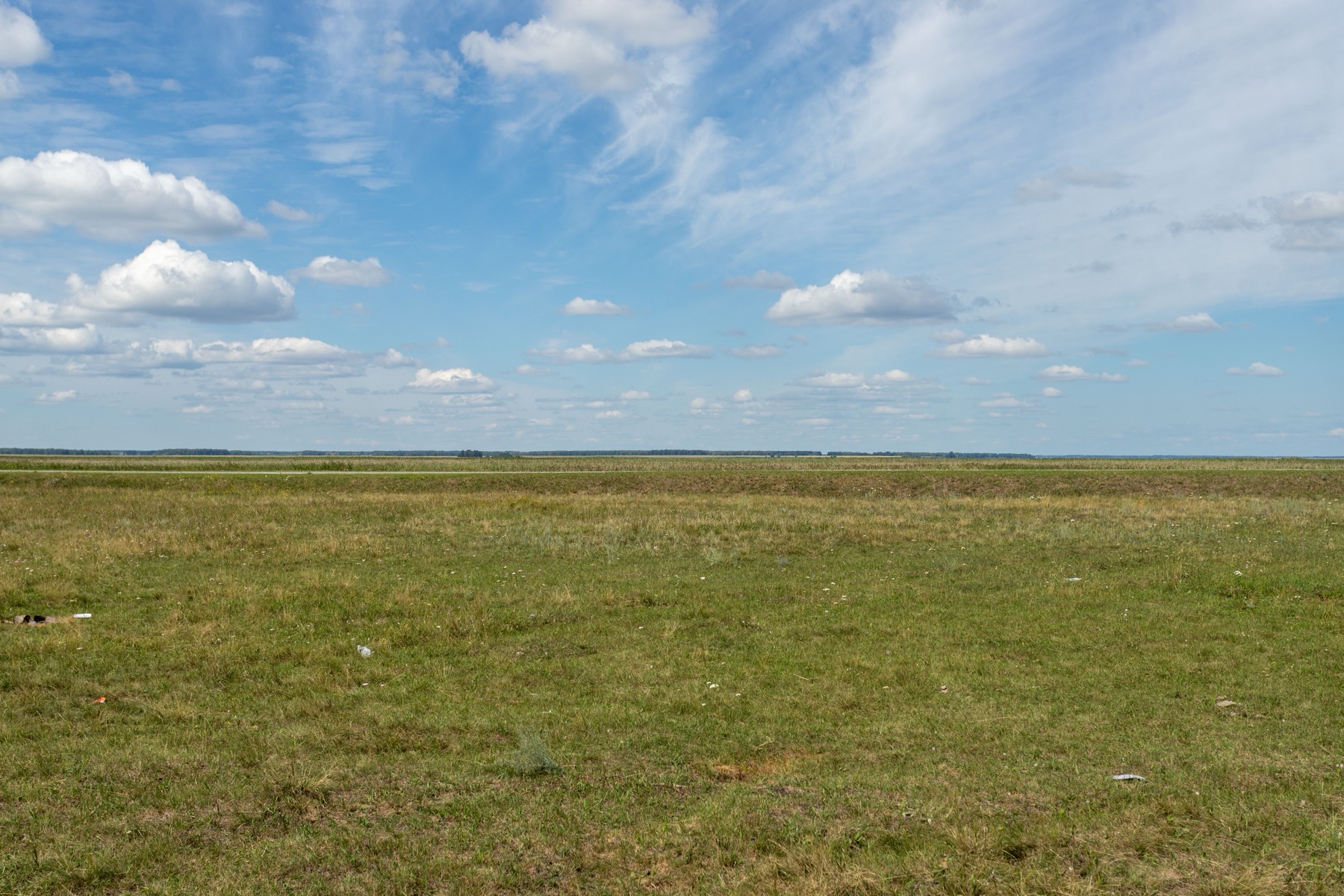
2. Stora Alvaret: The Limestone Steppe and the Swedish Savannah
This is probably the greatest natural wonder you’ll find on the island. The southern half of Öland is covered by the vast Stora Alvaret limestone steppe, which earned a spot on the UNESCO World Heritage list thanks to its uniqueness. The layer of soil on the limestone slab here is so incredibly thin that no trees can survive and plants fight for every centimetre of space.
As you walk through this landscape, you’ll feel as if you’ve accidentally teleported somewhere into the African savannah. The land is flat, stony, dotted with junipers and constantly whipped by the wind off the sea. Yet it’s precisely these harsh conditions that created a perfect ecosystem for rare species of flora. During the spring months, especially in May and June, dozens of species of wild orchids sprout from the cracks in the stones. It’s a visual spectacle you mustn’t miss and one that draws botanists from all over Europe.
💡 Tip: Plenty of water and sunscreen are simply compulsory here. Don’t go looking for shade — the steppe just doesn’t have any for you. The best starting points for hikes are around the picturesque villages of Resmo or Vickleby, where there are small car parks with information boards. Remember that the steppe is protected, so wild camping, lighting fires and picking any plants is strictly forbidden.
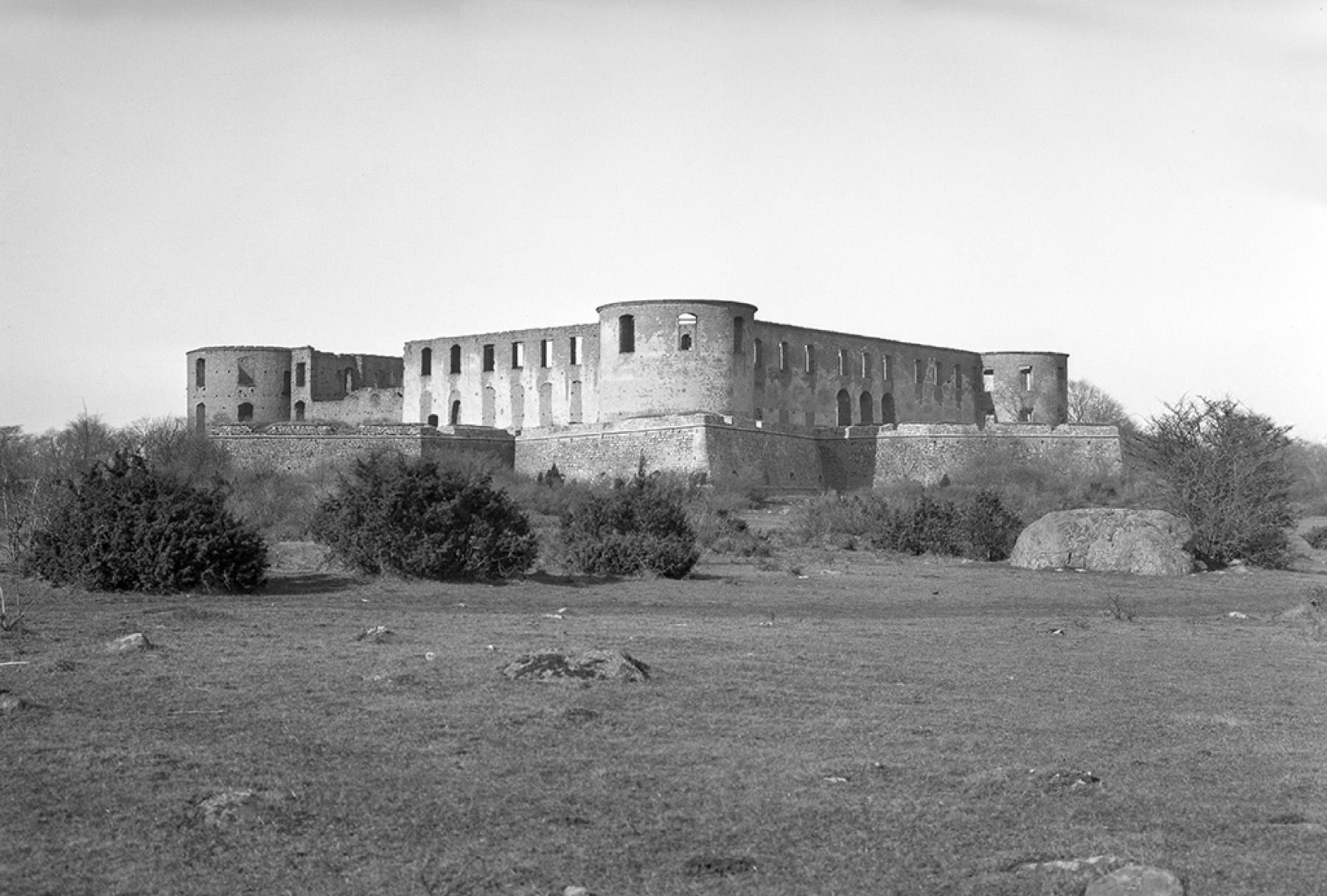
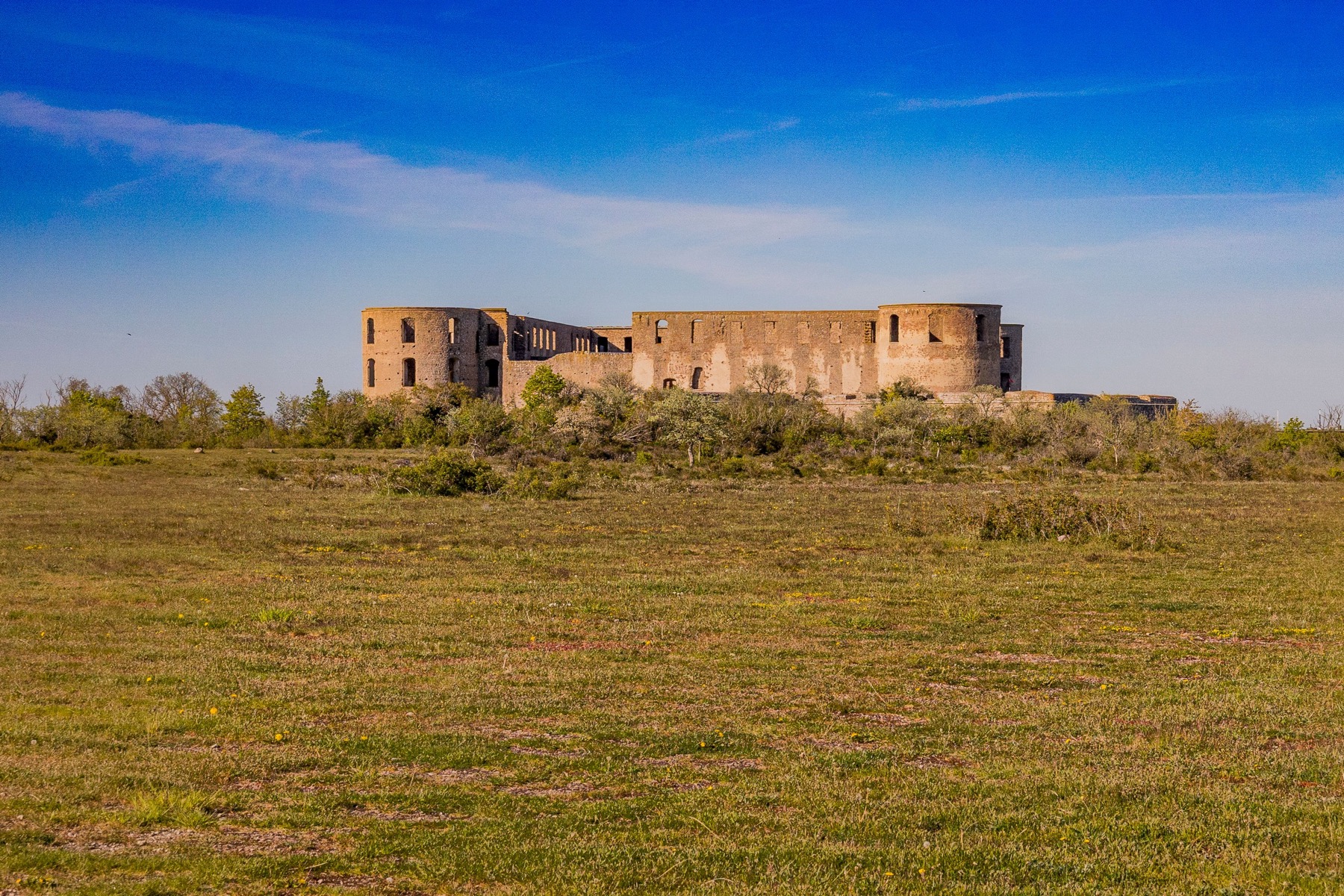
3. Borgholm Castle Ruins: The Largest in Northern Europe
On the island’s west coast rise the mighty ruins of Borgholm Castle, which act as the main historical magnet of the whole of Öland. The original 12th-century fortress stood here as a defence against Danish raids; later King John III turned it into a magnificent Renaissance palace full of luxury. Sadly, in 1806 the castle burned to the ground — according to legend due to carelessness while making gunpowder — leaving only its enormous limestone walls.
Today you can wander freely through the huge empty halls, peek into former chambers and imagine what it looked like in its heyday, when royal banquets were held here. There’s also a fantastic view of the sea and the surrounding oak forests from the ramparts. Admission for an adult costs about 130 SEK (around €12), and there are plenty of interactive games, knightly tasks and shield-painting ready for kids.
💡 Tip: Try to plan your visit to the castle for late afternoon or early evening. The walls of Borgholm take on a gorgeous golden hue at sunset and the atmosphere is both incredibly dramatic and romantic. In the summer months, large open-air concerts by famous Swedish bands are also very often held here, so it’s worth checking the cultural programme in advance to be aware of any restrictions on opening hours.
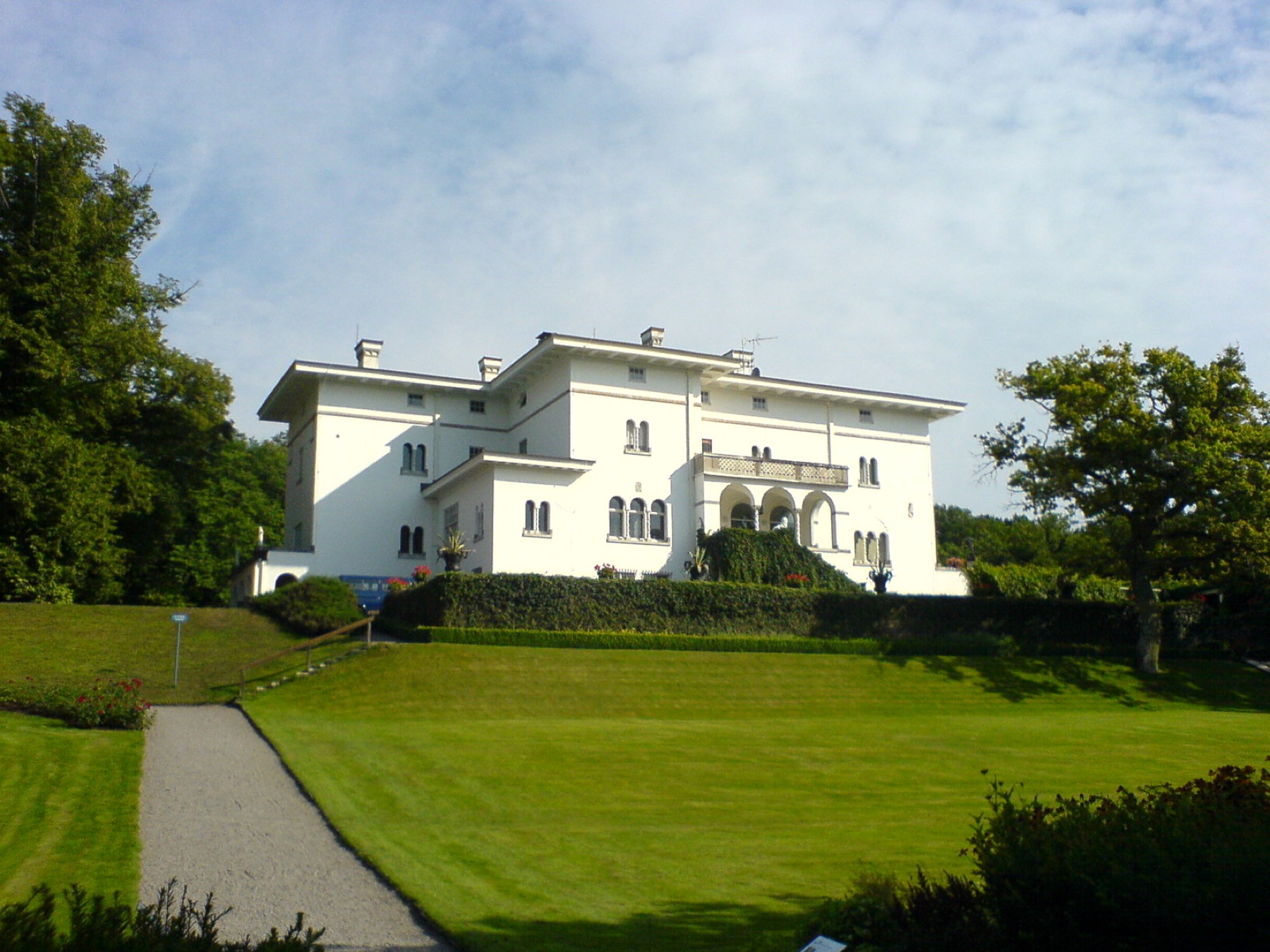
4. The Royal Summer Residence of Solliden
Right next to the Borgholm ruins you’ll stumble upon a completely different world full of greenery and perfect order. This is Solliden, the official summer residence of the Swedish royal family. This snow-white palace was commissioned in the early 20th century by Queen Victoria. She was a woman of fragile health who loved sunny Italy, so she drew inspiration from Italian architecture and had absolutely stunning parks laid out around the residence.
Although you can’t go inside the palace — the royals guard their privacy fiercely — the sprawling royal gardens are open to the public from May to September. On a stroll you’ll discover perfectly manicured Italian parterres, soothing waterfalls, lush rose gardens and shady leafy groves that offer shelter from the summer sun. Admission to the gardens costs around 140 SEK (about €13) and it’s absolutely worth it for the beauty and peace.
💡 Tip: If you visit Öland on exactly 14 July, you can experience a huge celebration full of music and flowers. On this day Crown Princess Victoria of Sweden celebrates her birthday, and the royal family usually comes out in front of the palace to greet the crowds of enthusiastic well-wishers. It’s a huge event that Swedes absolutely love, but expect enormous crowds and parking problems all around Borgholm that day.
5. The Windmills of Lerkaka and Störlinge
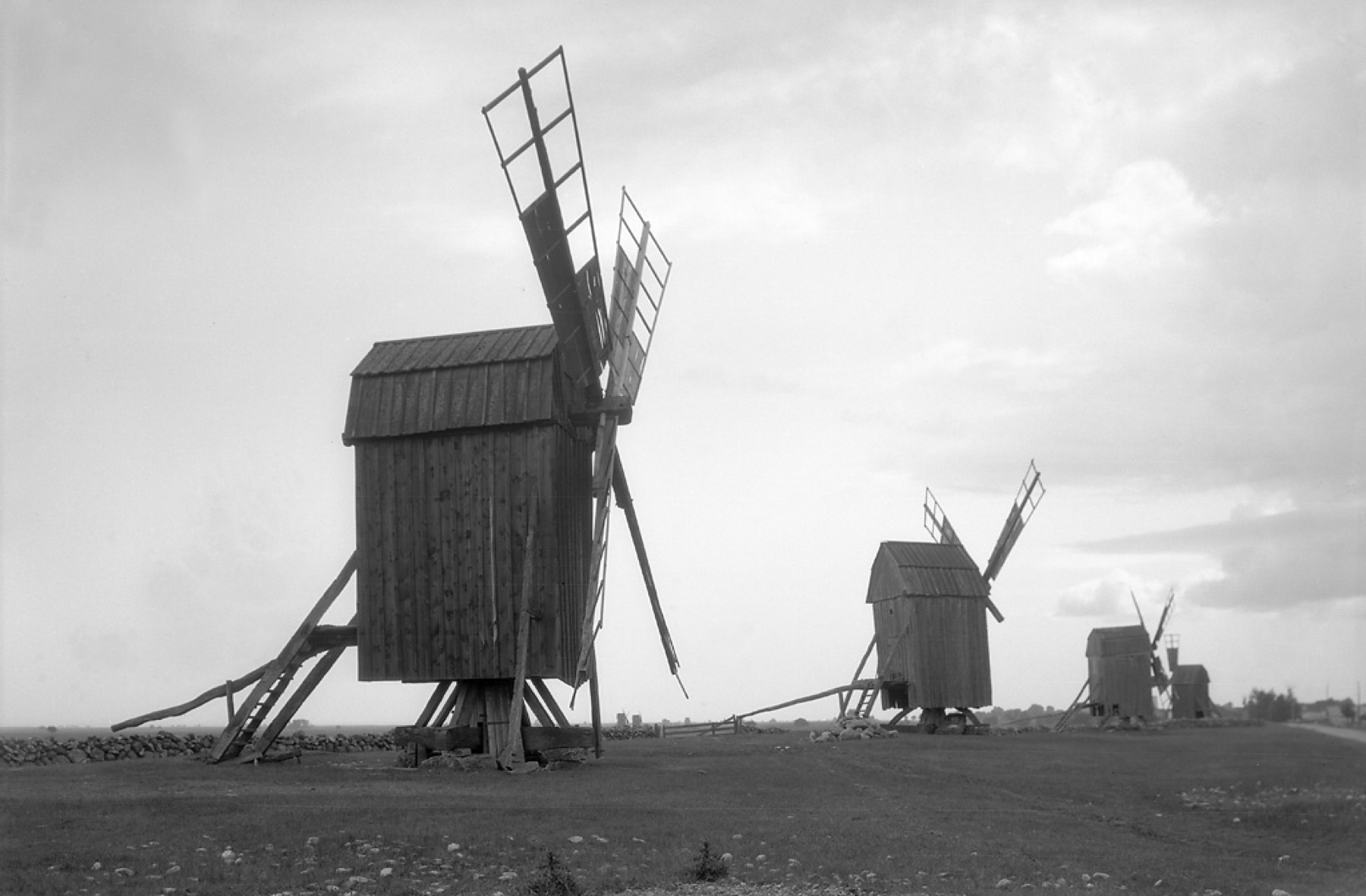
When you say Öland, most Swedes immediately picture the characteristic silhouette of an old windmill. The island was once the granary of the region and more than two thousand mills clattered away here, used by farmers to grind their harvest. With the arrival of the industrial revolution they lost their purpose, but today just over four hundred still adorn the landscape. These typical wooden structures are strictly protected as a cultural heritage and are an inseparable part of the local character.
Most of them are wooden and stand on a so-called post, which allowed the whole building to be turned into the wind. The most beautiful sight is where several of them stand lined up in a long row along the road — the most famous photo spot being the carefully maintained line in the village of Lerkaka, or the five gorgeous mills near Störlinge.
💡 Tip: Stop by them early in the morning or in the early evening, when the sunlight is softest and the shadows stretch long across the grass. Most mills on the island are freely accessible from the outside all year round. Some restored ones, cared for by local communities, can even be viewed inside in summer, letting you get a close-up look at the old, massive milling mechanisms and huge wooden cogwheels.
6. Böda Sand: The Largest Campsite in Sweden
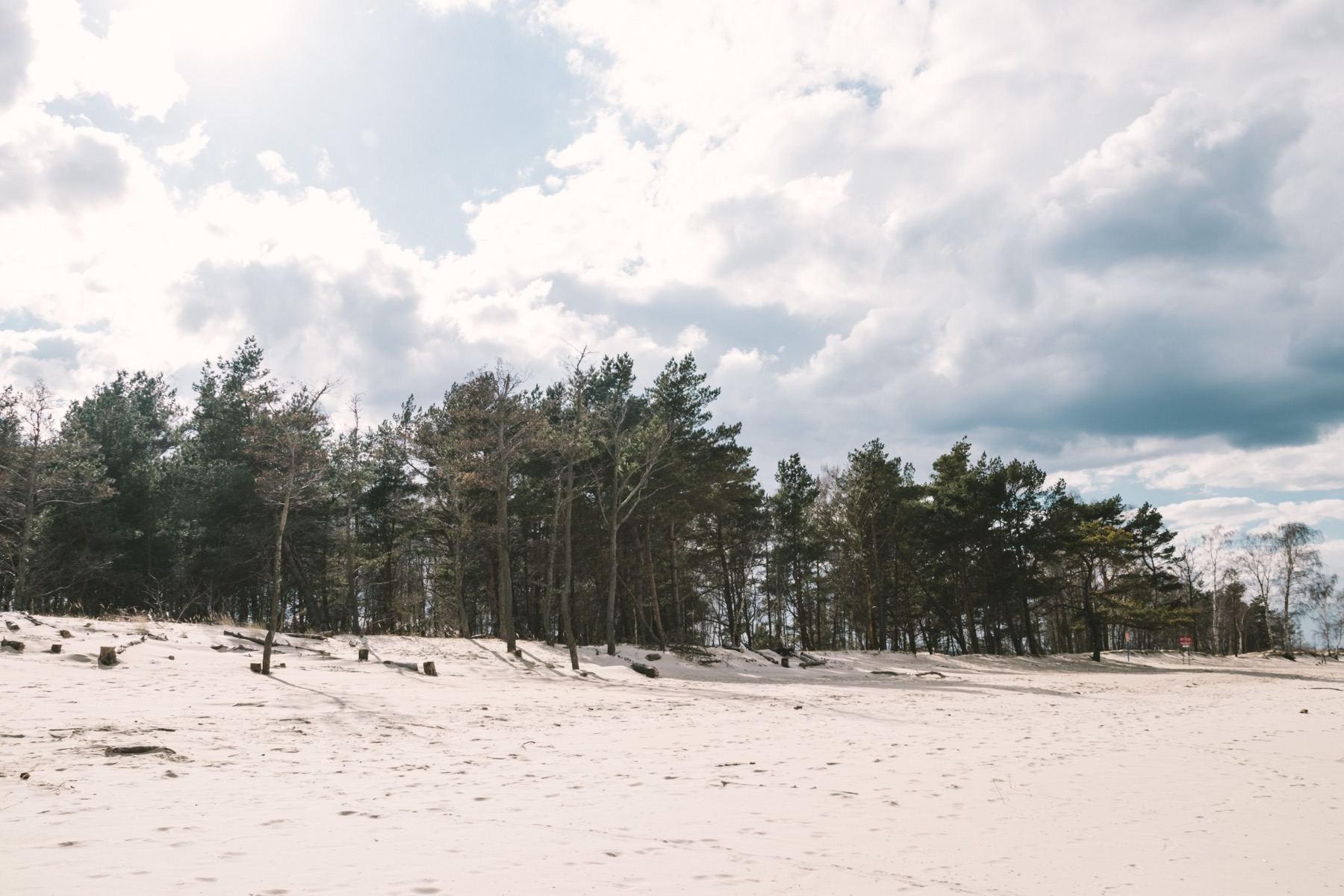
In the north of the island lies a phenomenon that even has its own very popular reality show on Swedish state television. Böda Sand is a huge camping resort with 1,350 pitches and 125 cabins, which in the summer months functions as a completely self-contained little town. You’ll find its own artisan bakery, huge supermarkets, a hairdresser, pools with water slides, outdoor gyms and, above all, stunning kilometres of incredible beaches.
The sand here is so unbelievably fine and white that you’ll feel more like you’re somewhere in the Caribbean than on the cool shores of the Baltic Sea. Even if you’re not staying in the campsite itself, you can come here for a day trip. Just park in the designated areas nearby, walk through a pine grove and enjoy a perfect beach day with the whole family, because access to the beach is free.
💡 Tip: During July, throughout the Swedish industrial holidays, Böda Sand is hopelessly packed with camper vans and buzzes with very lively social life from morning till night. If you’re looking for peace and half-empty beaches instead, head here at the end of August or the beginning of September. The water in the shallow bay is surprisingly warm after a long summer and you’ll have the most beautiful stretches of coast almost to yourself.
7. The Beaches of Byxelkrok, Grönhögen and Swimming in the Baltic
Swimming in Sweden might not sound like the best idea for a summer holiday, but the island of Öland will quickly set you straight. Thanks to shallow sandy bays and an exceptionally high number of sunny days, the water here regularly warms up to 20–22 °C in summer. The entire coast is lined with countless picturesque coves that are absolutely ideal and safe even for families with smaller children, because the sea here tends to be calm.
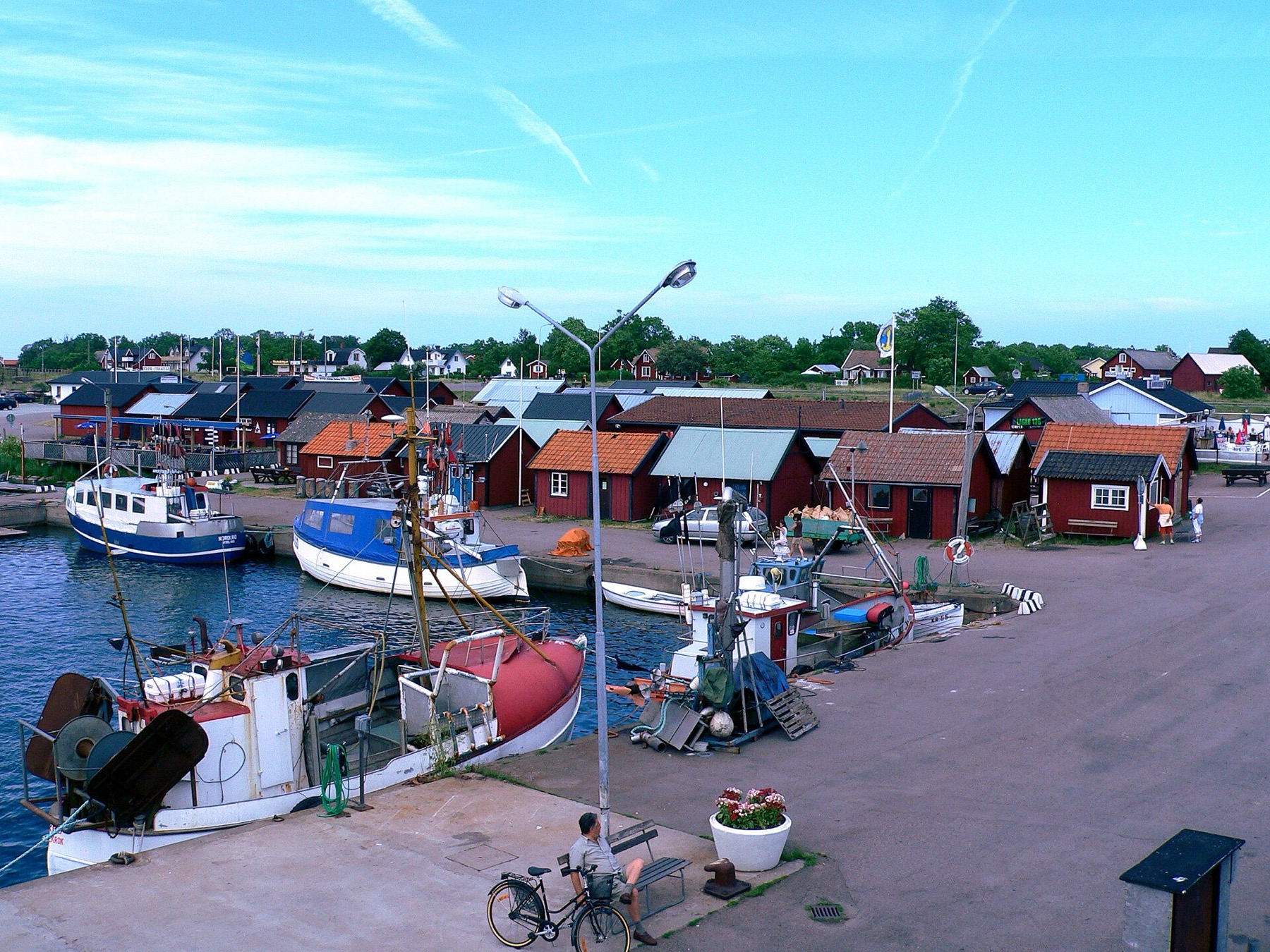
In the north of the island I definitely recommend visiting the beaches around the old fishing village of Byxelkrok. You’ll find great facilities with toilets, changing rooms and plenty of stalls with excellent soft-serve ice cream. In the south, quieter pebble and sandy beaches near Grönhögen beckon, where the atmosphere is far more laid-back, you won’t run into the crowds you find in the busy north, and the water tends to be beautifully clear.
💡 Tip: Swedes absolutely love a morning swim combined with a hearty picnic on the beach. Do exactly what they do: buy fresh bread from the local shop, brew some coffee into a thermos and head to the water right after waking up, before the sun starts to blaze. It’s the very best way to soak up the relaxed island atmosphere and start your day full of energy.
8. Neptuni Åkrar: Stone Fields and Blue Flowers
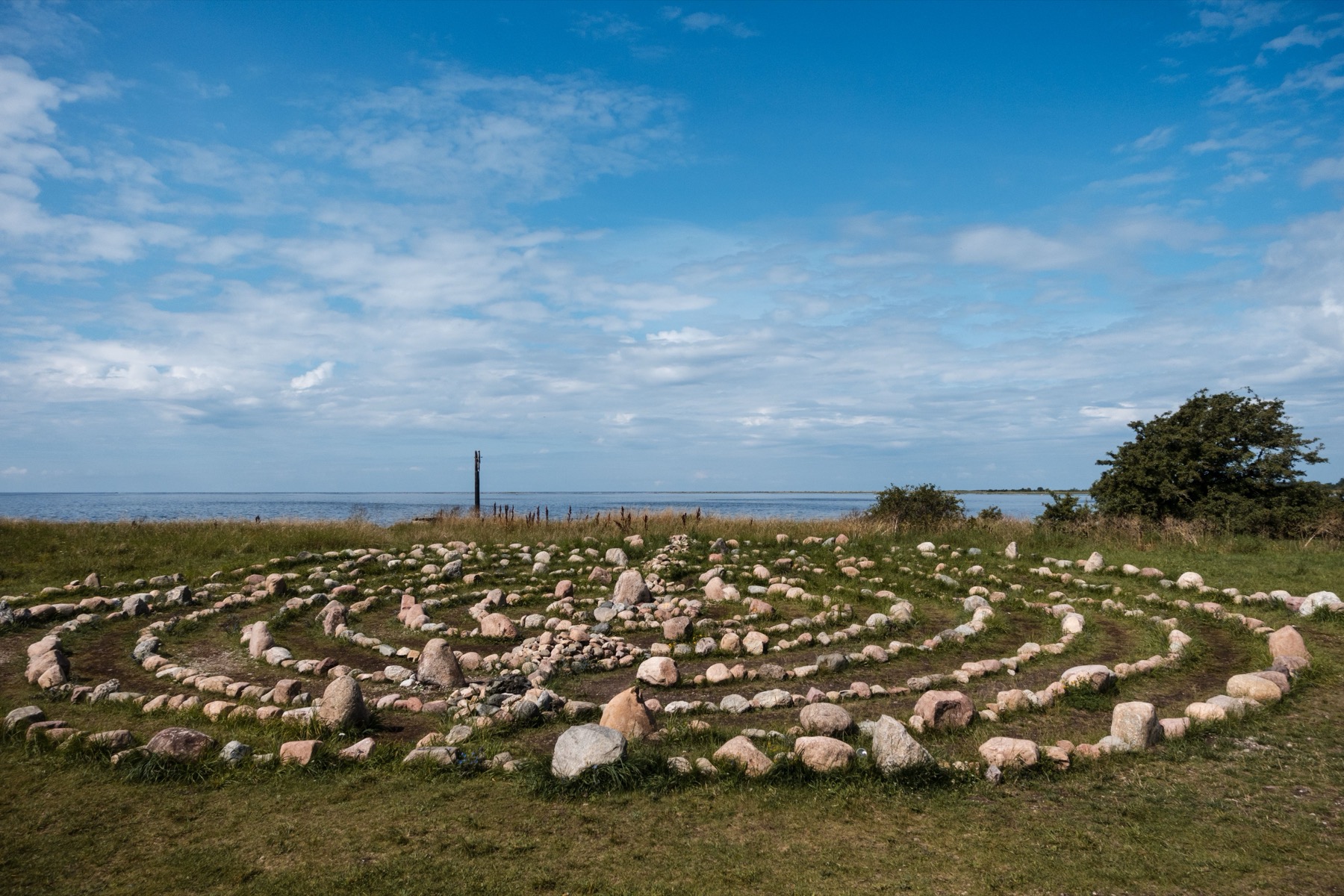
On the island’s north-west coast you’ll discover a magical place with the very poetic name Neptuni Åkrar, which loosely translates as Neptune’s Fields. The name was given to it by none other than the famous Swedish naturalist Carl Linnaeus back in the 18th century, during his travels around the island. It’s a vast, terraced expanse made of limestone stones and smooth pebbles, shaped over millennia by pounding sea waves and the retreat of the ice age.
The greatest magic of the place comes in June and July, when the seemingly barren stone field bursts into bloom with thousands of vivid blue viper’s-bugloss flowers, which Swedes fondly call blåeld (blue fire). The contrast between the blue flowers, the grey bleached stones and the deep blue sea in the background is absolutely mesmerising and guarantees fantastic photos for the family album.
💡 Tip: The place is freely accessible year-round and several pleasant walking trails run through it right along the water. The terrain here is quite uneven and slippery, though, due to the deposits of rounded and sharp stones, so be sure to wear sturdier trainers. Definitely don’t just keep your beach flip-flops on — you could easily twist an ankle in them.
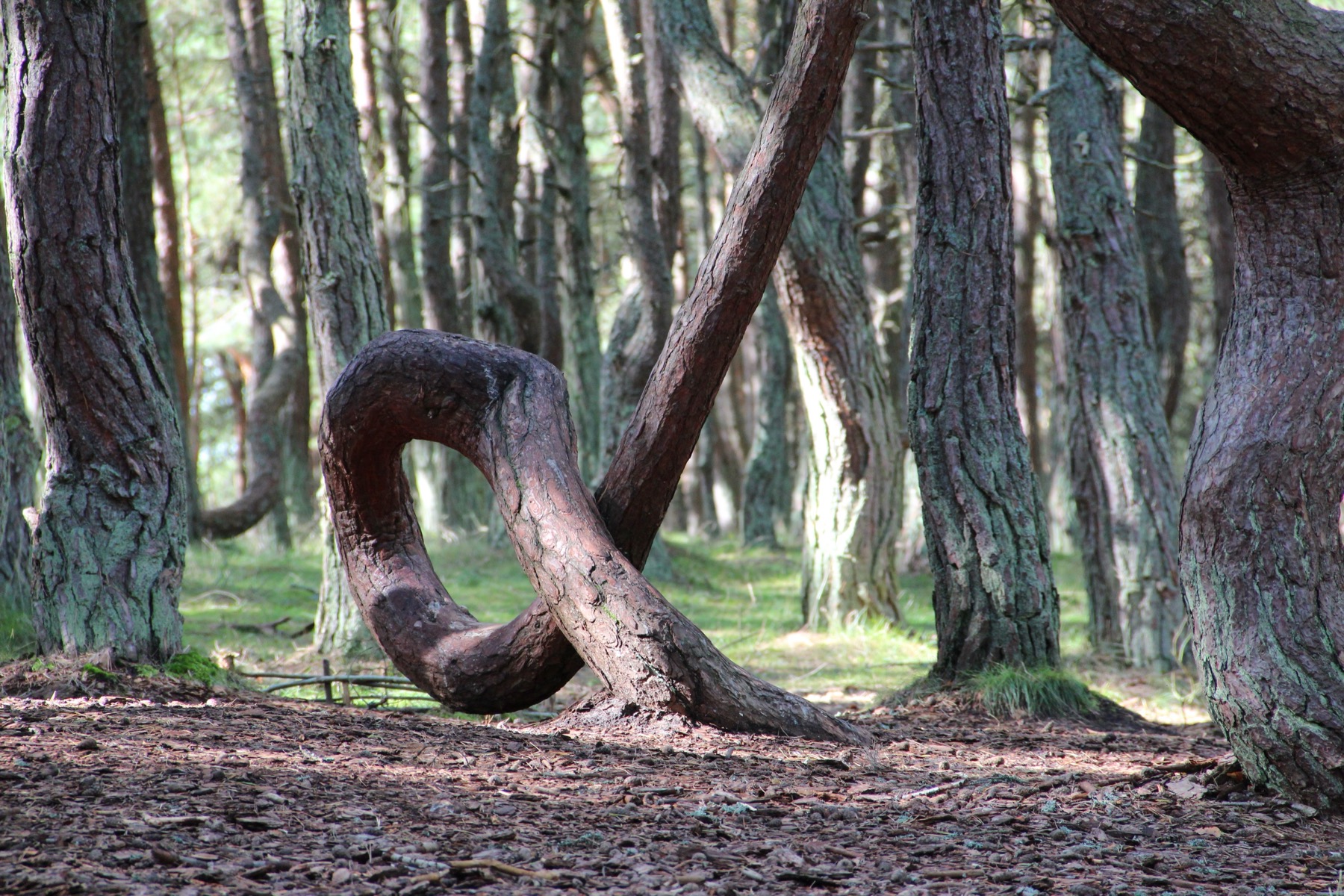

9. Trollskogen: The Twisted Forest in the North
If you’re travelling around Sweden with kids, this place is an absolute must and they’ll love it. Trollskogen, or the Troll Forest, lies at the very northernmost tip of the island and is a strictly protected nature reserve. Thanks to centuries of relentless strong winds from the Baltic Sea, the trees here are bizarrely twisted, bent towards the ground and covered in thick ivy, so the whole forest looks like the set of some spooky fairy tale.
Besides the twisted pines, you’ll also find ancient, moss-covered oaks, the oldest of which — the so-called Trolleken — is estimated to be more than nine hundred years old. Several well-marked circular trails of varying length run through the whole reserve, easily manageable even for smaller children. Along the coastal path you’ll also come across the dramatic remains of old wooden shipwrecks, once cast ashore here by autumn storms.
💡 Tip: Entry to the reserve and the car park is completely free. Right at the entrance there’s an excellent, architecturally interesting information centre called Naturum, where you’ll learn plenty of fun facts about the local fauna and flora in a playful way. Be sure to pick up the free trail map there before your walk, so you don’t miss the most interesting spots and the oldest trees in the forest.
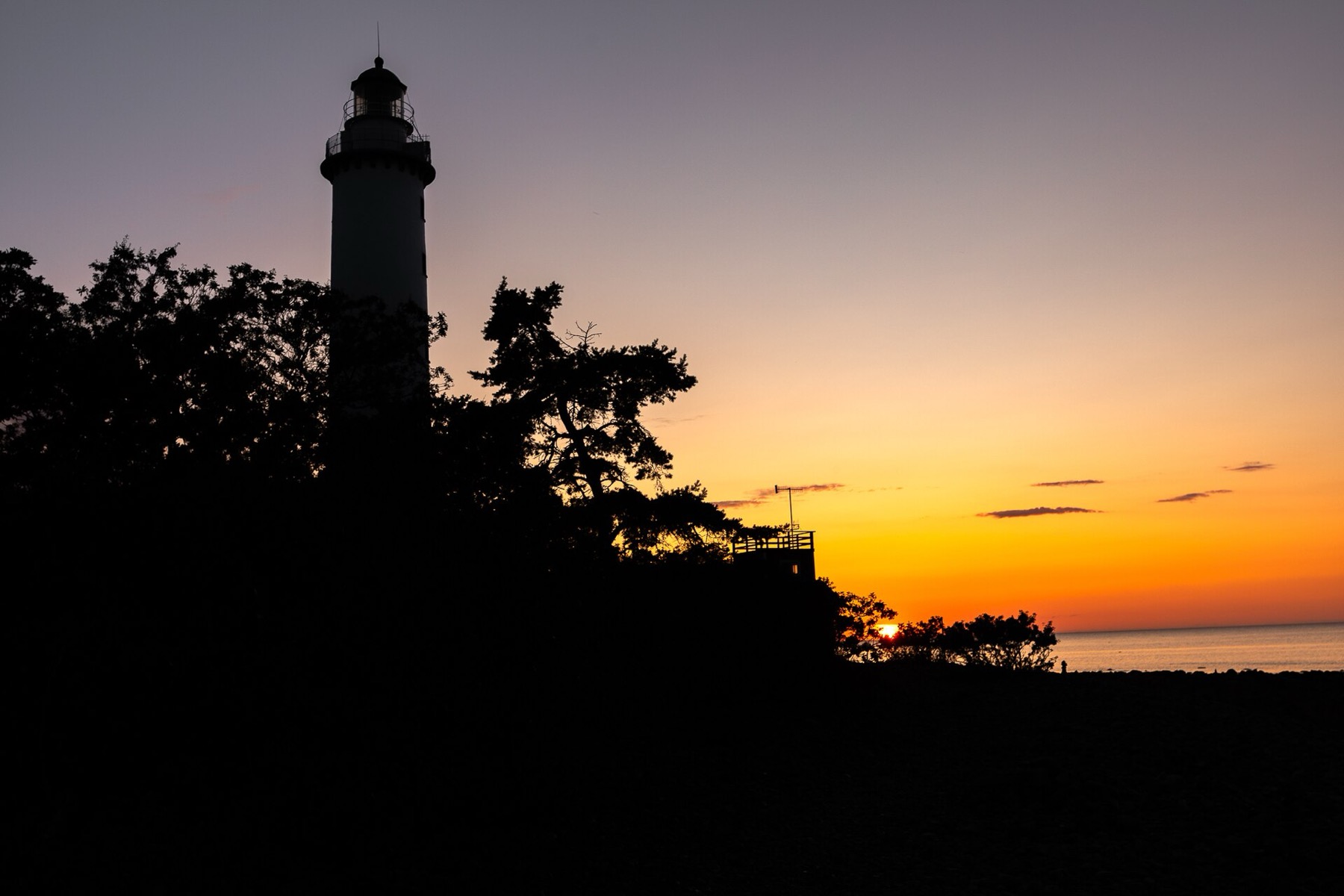
10. The Långe Erik Lighthouse on the Northern Cape
Öland is famous as the island of two iconic lighthouses that stand guard like faithful sentinels over its opposite ends. On the small rocky islet of Stora Grundet, right by Öland’s northern tip, stands Långe Erik (Tall Erik). This gorgeous 32-metre-high limestone lighthouse was built in the mid-19th century to protect ships from the treacherous reefs, and to this day it serves as an immensely important landmark for sailors in the Kalmar Strait.
In the summer season the lighthouse tower is open to the public and you can climb all 138 narrow spiral steps right up to the gallery. Your reward for a bit of physical effort will be an absolutely fantastic view of the choppy Baltic Sea, the forested Troll Forest and the calm Grankullaviken bay in the distance. Admission to the viewpoint costs around 60 SEK (about €5.50) and I definitely recommend not skipping it, because the view is unforgettable.
💡 Tip: The islet where Erik lighthouse stands is connected to the mainland by a small, narrow footbridge. The Baltic Sea shows its power here, and if a really strong wind is blowing, access to the lighthouse’s outdoor gallery may be suddenly closed for safety reasons. So it’s better to check the current weather forecast before setting off to the very north of the island.
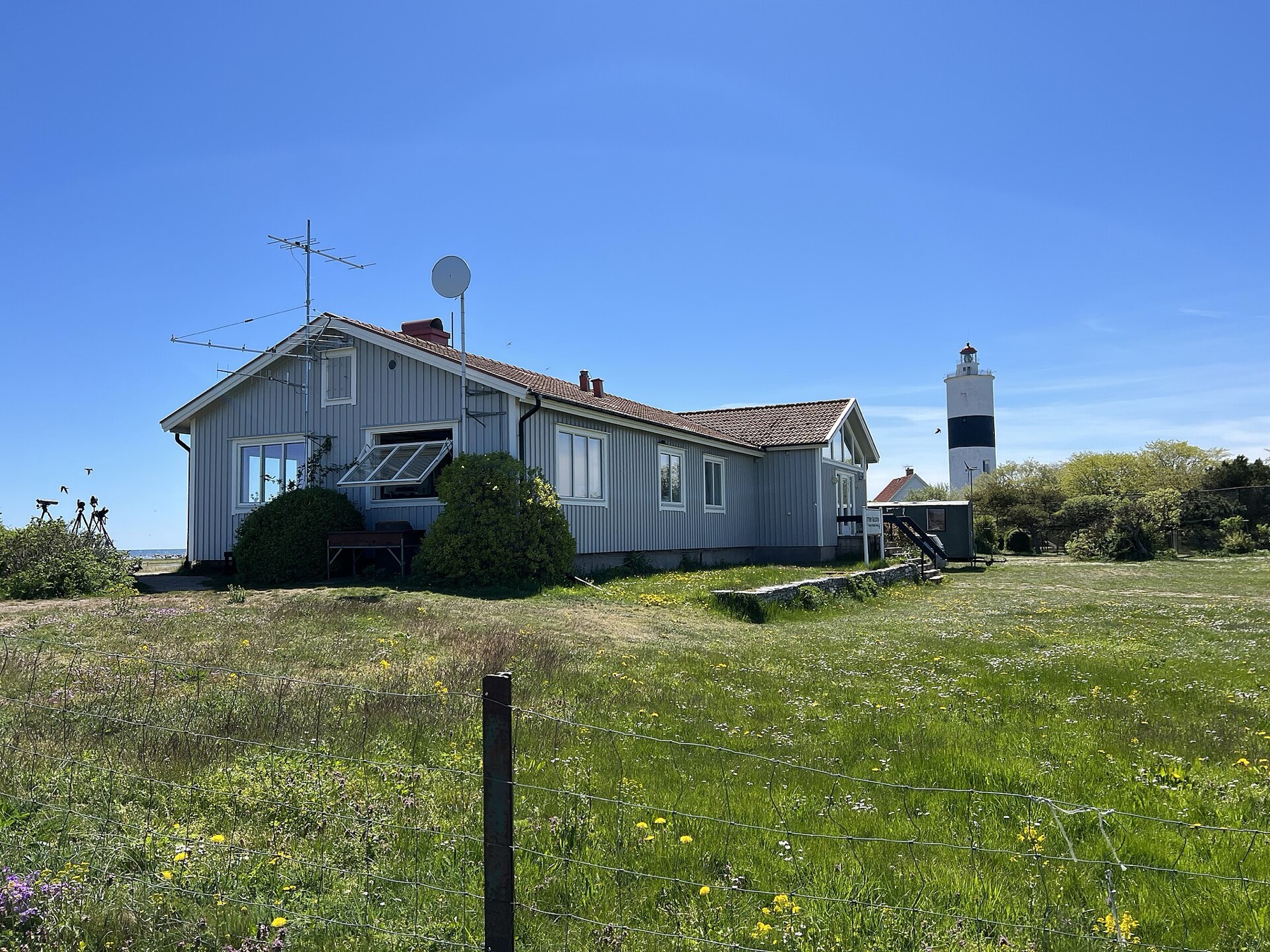
11. The Långe Jan Lighthouse and the Ottenby Bird Station
While the north of the island is guarded by Erik, at the very southern tip of Öland the famous Långe Jan (Tall Jan) has kept watch for centuries. At a respectable height of nearly 42 metres, it’s the tallest lighthouse in all of Sweden and one of the tallest in Scandinavia. It was built back in 1785, and stones from an old ruined Christian chapel were practically used in its construction. The view from its top over the endless limestone steppe and the sea is breathtaking, but be prepared for a demanding climb of 197 steps.
The area around the lighthouse forms the Ottenby nature reserve, which is world-famous as a renowned ornithological station. During the spring and autumn migrations, enormous flocks of birds rest here as they head south from the frozen north, or the other way around. You’ll find crowds of enthusiastic photographers in waterproof jackets with giant telephoto lenses, as well as an excellent modern visitor centre where you can browse the exhibition or borrow professional binoculars.
💡 Tip: At the foot of the lighthouse there’s a great café and restaurant, Fågel Blå, where after conquering all those steps you can relax with an excellent hot coffee and a traditional cake. The lighthouse itself is open to visitors from spring to autumn and admission is roughly 60 SEK (about €5.50). It tends to be noticeably colder in the south of the island and the wind really cuts through you here, so a windbreaker is an absolute must.
12. Eketorp Ringfort: A Living Iron Age Museum
If you want to experience real history first-hand and you’re tired of just reading information boards, head to the southern part of the limestone steppe to the Eketorp ringfort. It’s a fully reconstructed circular stone fort whose original foundations reach deep into the Iron Age. A team of archaeologists spent long years on painstaking excavations here and then rebuilt the entire massive fortress exactly as it looked fifteen hundred years ago.
Inside the mighty stone walls, a living museum operates from spring to autumn, where pigs, sheep and hens roam freely. Guides dressed in perfect period costumes bake flatbreads over an open fire, forge iron and demonstrate the daily routine of the ancient inhabitants. Kids can try their hand at archery, minting coins, or see how people slept in the old huts.
💡 Tip: Admission to Eketorp in the main summer season costs roughly 130 SEK (about €12) for an adult. Set aside at least two to three hours for your visit, because the demonstrations of historic crafts and the chats with enthusiastic guides are incredibly captivating and draw both adults and the youngest visitors into the action.
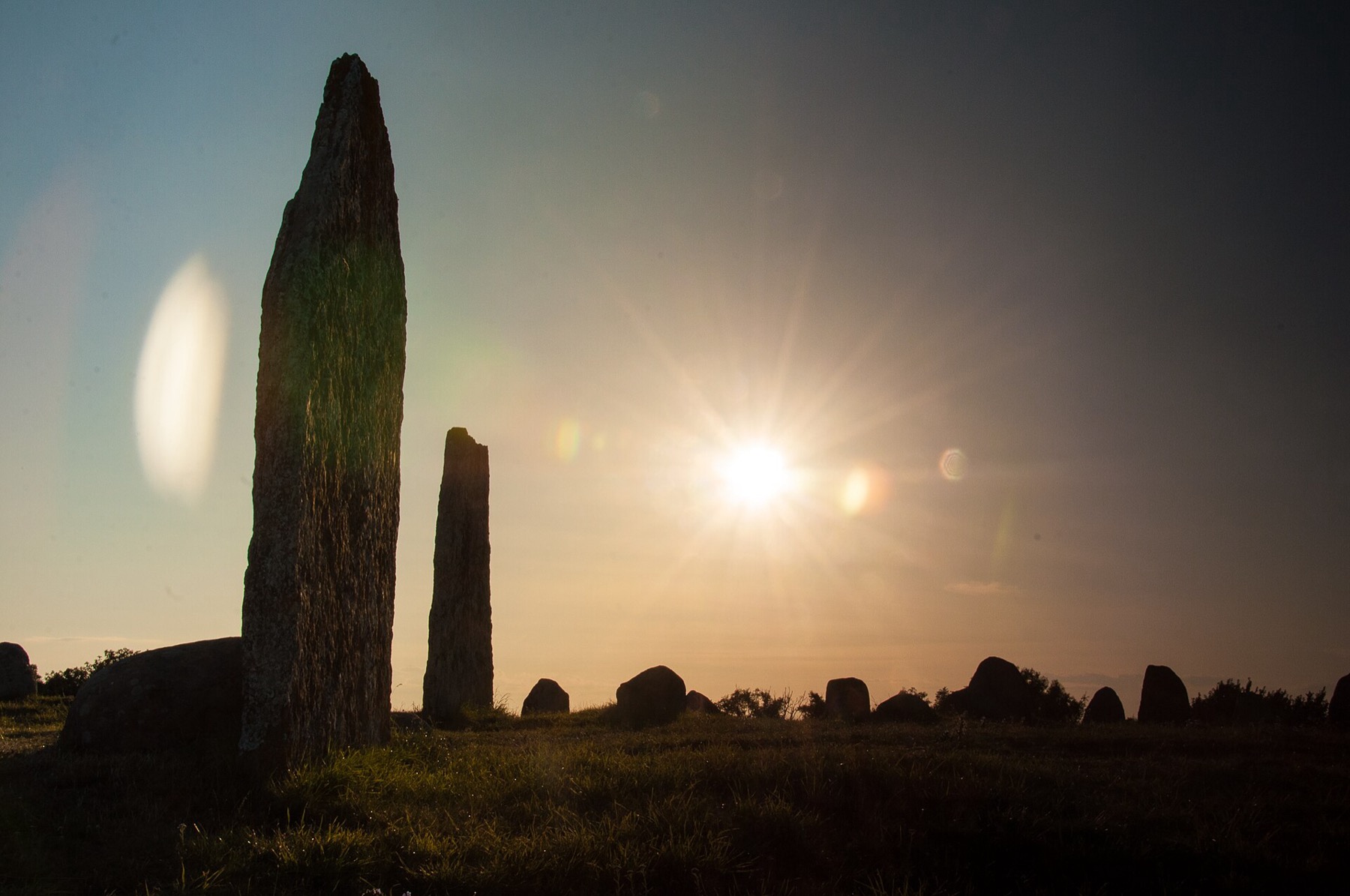
13. The Gettlinge Burial Ground and the Mysinge Stone Ships
Öland’s rich history literally rises from the stony ground with every step you take. Along the main western road in the south of the island lie several absolutely fascinating archaeological sites from the Bronze and Iron Ages, which have remained untouched for millennia. The most impressive is undoubtedly the Gettlinge burial ground, which stretches almost two kilometres along the edge of the limestone steppe and contains hundreds of graves.
The greatest attention here is drawn to an enormous thirty-metre-long stone ship, precisely assembled from upright granite boulders. These symbolic monuments were built by the ancient Norsemen for their dead chieftains and warriors, to ease their journey into the afterlife. To this day they radiate a strongly mystical atmosphere. A little further north you’ll find the very similar, sprawling Mysinge burial ground, which also offers a beautiful panoramic view over the surrounding flat landscape.
💡 Tip: Entry to both these historic burial grounds is completely free, and they lie right by the main road, so it’s enough to stop for twenty minutes on your way to the southern Långe Jan lighthouse. Especially in the morning mist or at sunset, the giant standing stones surrounded by grazing sheep look incredibly mysterious and photogenic.
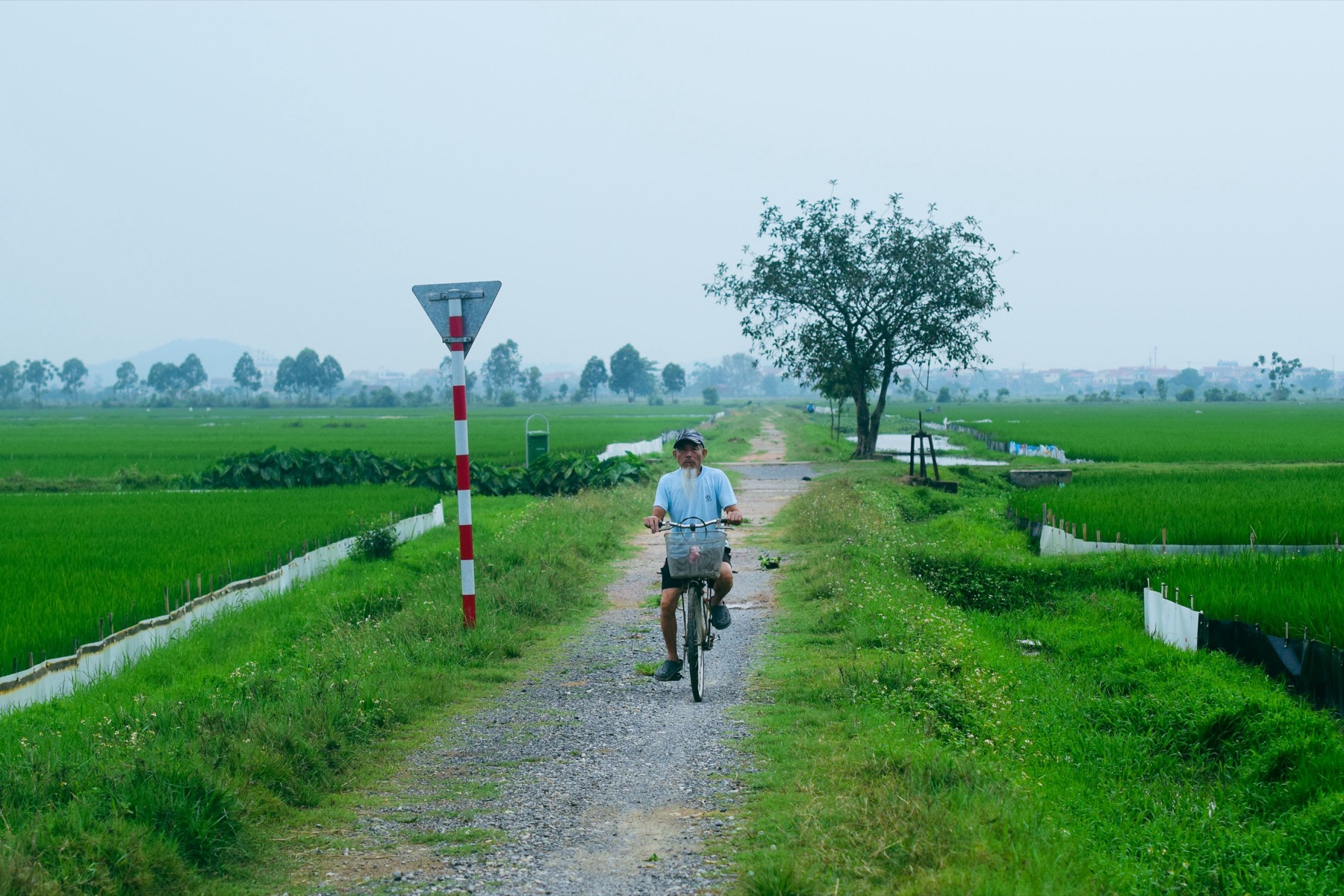
14. Cycling Around Öland: A Paradise for Cyclists
Forget about the car for a while and get to know the island at a slow pace from the saddle of a bike. Öland is made for cycling, because it’s incredibly flat and the highest point of the whole island lies just a few dozen metres above sea level. You’ll find a dense network of perfectly marked and safe cycle paths that lead you along the coast, across the blooming limestone steppes and through old fishing villages.
The best-known long-distance route for real enthusiasts is the Ölandsleden, which measures a respectable 400 kilometres and takes you through every corner of the island. You don’t have to lug your own bike along from home, though. In Borgholm, in Färjestaden or near the big campsites there are loads of well-equipped rental shops that will lend you a great bicycle, including a helmet and a map, for roughly 150 to 200 SEK (about €14–18) a day.
💡 Tip: Your only enemy on this completely flat island will be the wind, which blows in from the open sea practically non-stop. So when planning a day’s cycling trip, always check the forecast and try to cleverly plan your route so that you have a strong tailwind at least for the harder ride back to your accommodation.
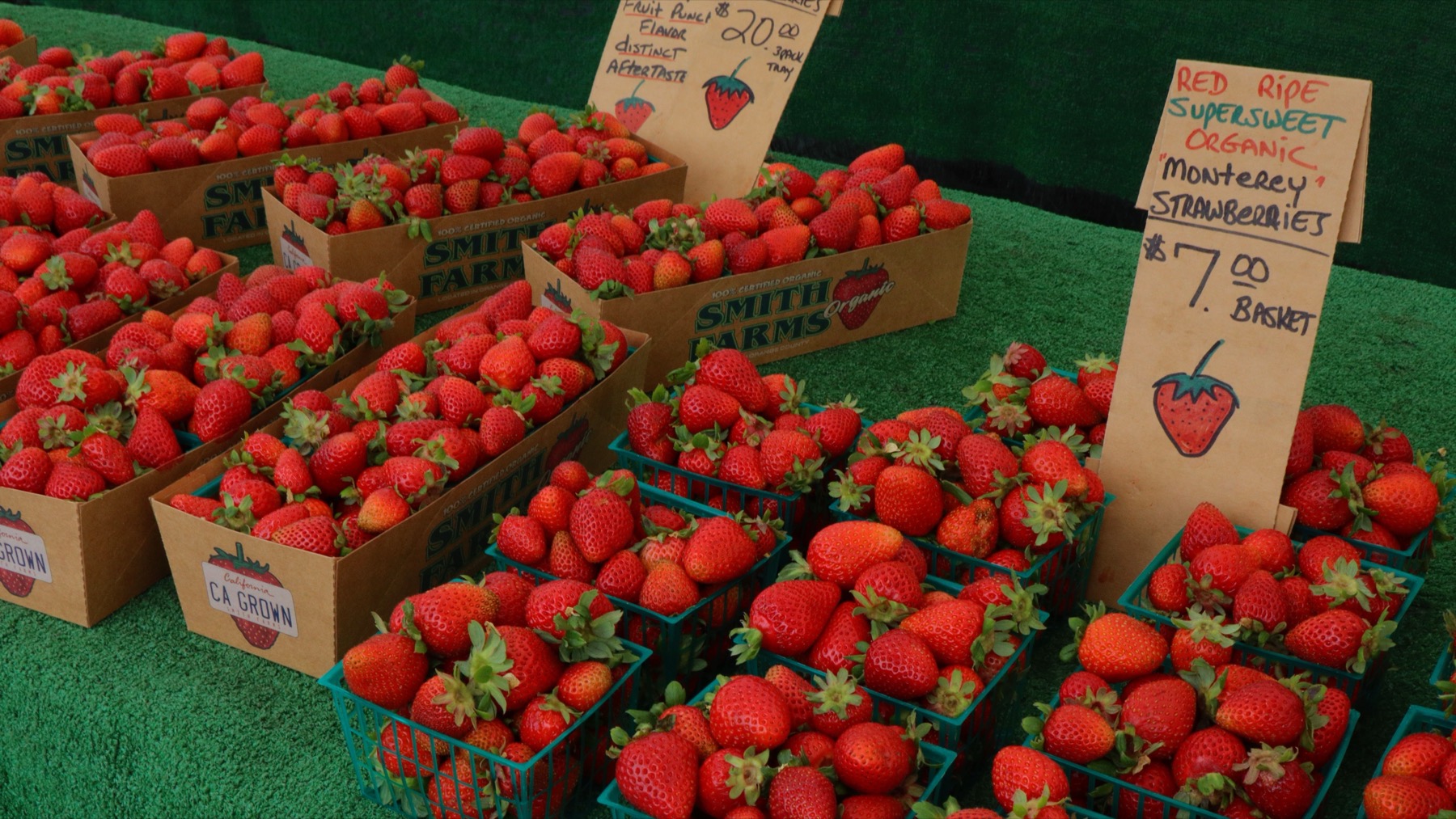
15. Where to Eat: Farm Shops, Kroppkakor and Fika
Öland is rightly renowned as the agricultural gem of Sweden and the local produce here is absolutely first-class. In summer you’ll come across small farm stalls on every corner, where you can buy incredibly sweet Öland strawberries, fresh cheeses or excellent green asparagus. I warmly recommend stopping by them — the flavour grown under the Nordic sun simply can’t be compared with anything from the supermarket.
When it comes to lunch on Öland, locals will immediately recommend kroppkakor. These are large potato dumplings filled with pork and bacon, generously drizzled with melted butter. It’s proper rustic classic fare that may look quite plain, but it’s exactly the kind of dish you won’t be able to tear yourself away from. Be sure to go for the excellent vegetarian version filled with mushrooms or a delicious vegetable mix, which is usually served with the typical lingonberries. If you’re looking for specific places to eat well, stop by the restaurant Kaffestugan i Böda, where they make a fantastic local menu and homemade pastries. In the south, don’t miss the legendary café and bakery Gårdby Kafé & Lanthandel, which will win you over not only with its cakes but also with its charming retro interior.
💡 Tip: Be sure not to miss the Swedish national sport called fika, an absolutely sacred afternoon coffee break. Stop by one of the dozens of cosy local bakeries, order a strong filter coffee and, with it, a freshly baked cinnamon bun (kanelbulle) or a traditional fluffy cardamom knot.
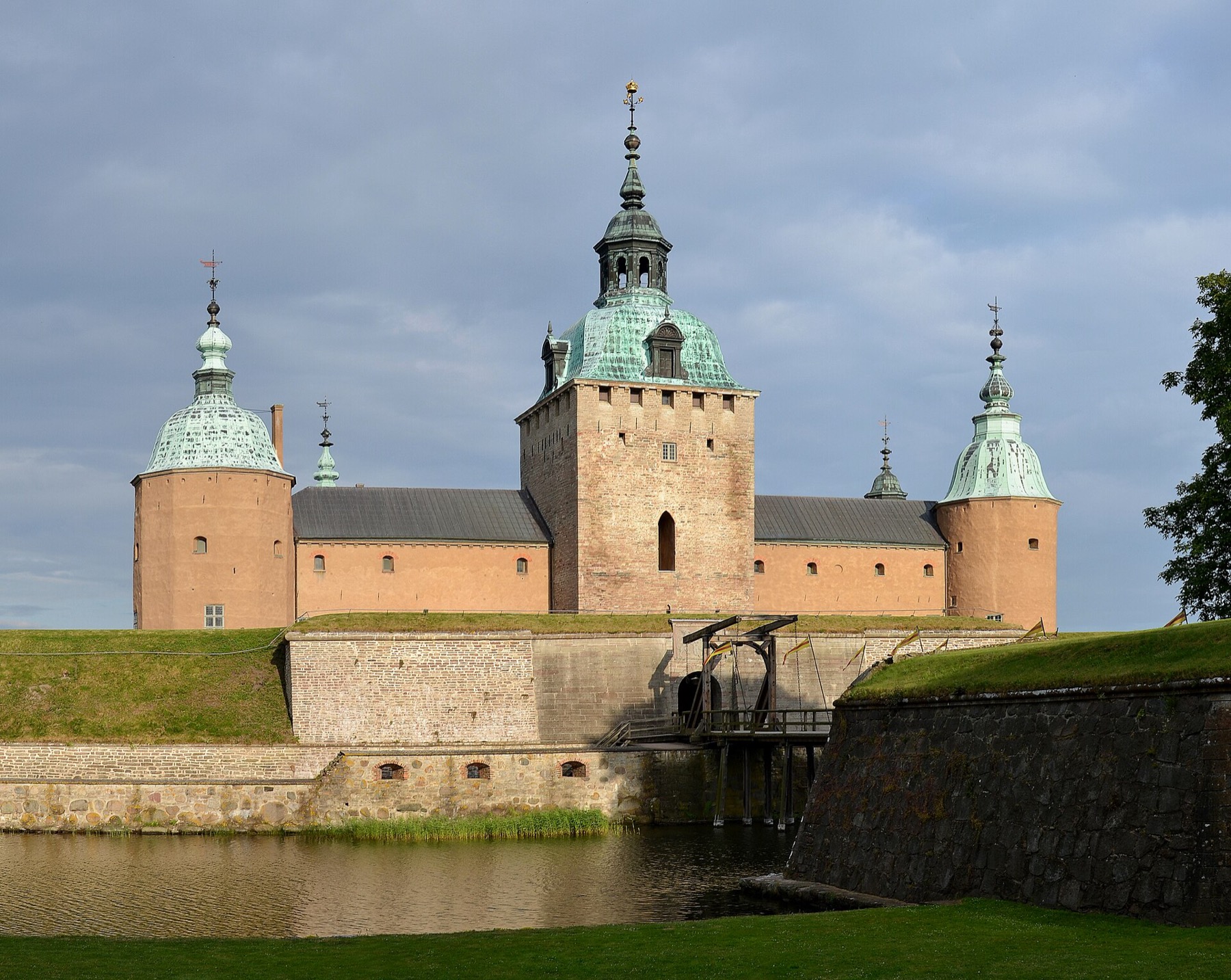
16. Kalmar: The Renaissance Gateway to the Island
Even though the town of Kalmar isn’t on the island itself, it serves as the main access point and definitely deserves at least a half-day stop before you cross the big bridge to Öland. This beautiful historic town was once the most important Swedish fortress on the old border with Denmark, and its old cobbled streets have a wonderful and very peaceful atmosphere.
The main draw for visitors is of course Kalmar slott, by far the best-preserved Renaissance castle in all of Scandinavia. It was here in 1397 that the famous Kalmar Union was signed, which under Queen Margaret I united the entire Nordic territory. The castle offers gorgeous, rich interiors, dark secret passageways and excellent tours, for which you’ll pay roughly 160 SEK (about €15).
💡 Tip: Also walk through the picturesque old town (Gamla stan) near the castle and pop down to the local marina, where the yachts are moored. It’s a great spot for lunch, with several excellent restaurants (try the popular café Kullzénska Caféet for an authentic coffee fika in a historic house, or the restaurant Postgatan for a great Nordic lunch) offering a discounted set daily menu called dagens rätt. For around 120 to 150 SEK (€11–14) you get a main course, a salad buffet, water and coffee, which is the best way to eat well and cheaply in Sweden.
How to Get to Öland and Get Around
Getting to Öland is fairly straightforward and, unlike the journey to neighbouring Gotland, it doesn’t require complicated ferry bookings to the island itself. If you’re driving from abroad, the best option is to take the ferry from Rostock in Germany or Świnoujście in Poland, which drops you off in the south of Sweden in the towns of Trelleborg or Ystad. From there you have a roughly three-hour, very comfortable drive along Sweden’s motorways (which are free) and roads across the picturesque Småland region to the port town of Kalmar. Speed limits are strictly enforced in Sweden, so it really pays to stick to them — fines can make a holiday quite a bit more expensive.
From Kalmar you reach the island via the already-mentioned six-kilometre Ölandsbron bridge. The crossing takes no more than ten minutes, is completely toll-free and operates 24 hours a day, so you’re not tied to any timetables. If you’re travelling without a car, you can reach Kalmar by train from Stockholm or Copenhagen, or use the local Kalmar Öland Airport, which is served by domestic flights. From Kalmar, yellow local buses (Kalmar Länstrafik) run regularly across the bridge and take you to the main hubs such as Färjestaden and Borgholm.
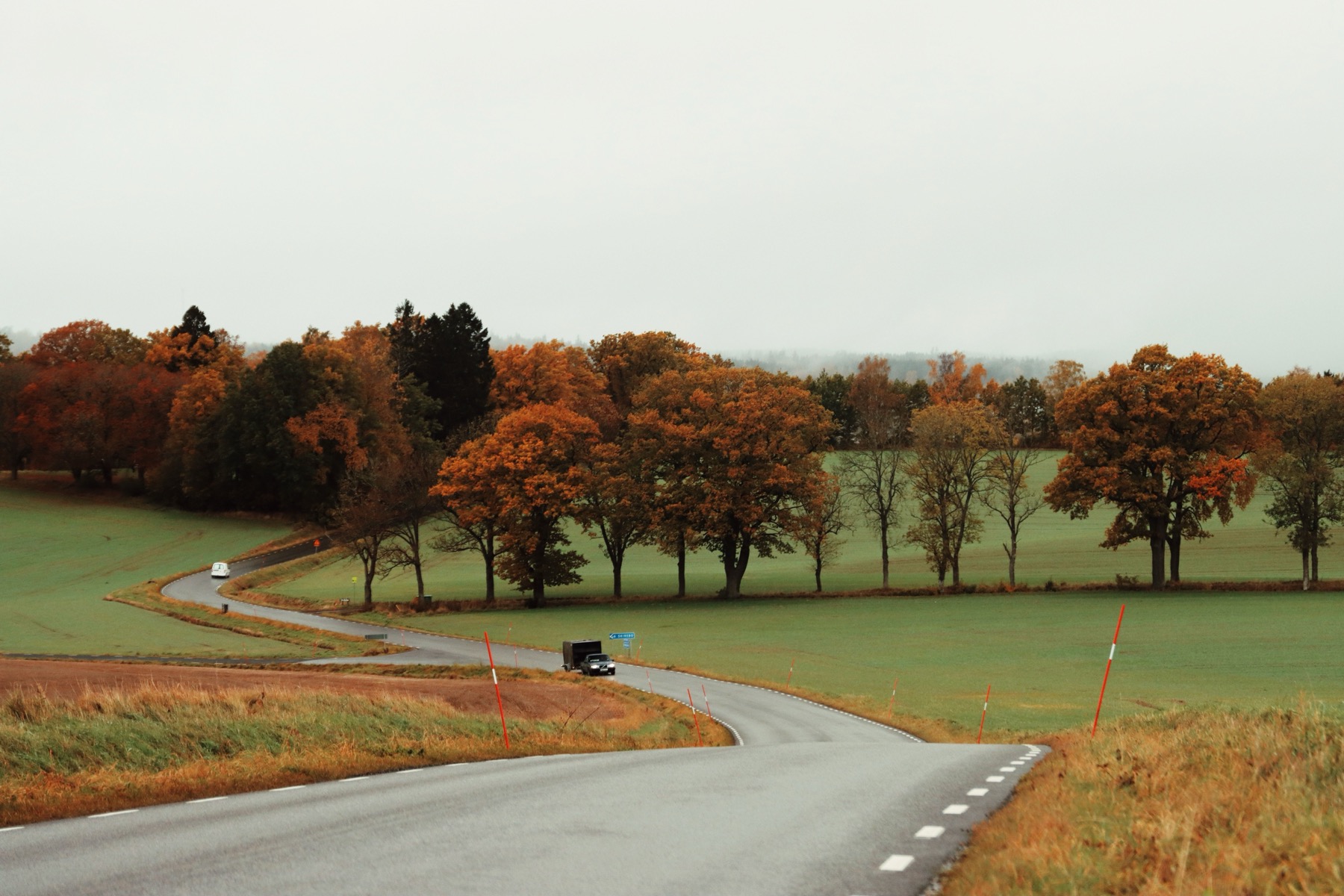
Öland itself is an elongated island measuring 137 kilometres in length. It definitely can’t be walked on foot, so if you want to explore both its northern and southern tip, your own car or camper van will give you the freedom you need. Traffic on the island is very quiet, only in July can the main road number 136 occasionally get clogged up. As I mentioned, an absolutely phenomenal option is to explore Öland from the saddle of a bike. Thanks to the total flatness and the dense network of safe paths separated from cars, a bike serves as a fully-fledged means of transport even for hopping between beaches and campsites.
A 3-Day Öland Itinerary
The island may look narrow on the map, but because of its length you can spend hours in the car here. If you have about three days for your visit, it’s ideal to divide Öland into geographical thirds and dedicate each day to one area. That way you’ll avoid unnecessary driving up and down. As a strategic base for accommodation for all three nights, choose the middle of the island, ideally around Borgholm or Färjestaden.
Day 1: The mystical south and the limestone steppes On the very first day, head to the far south. The drive from Borgholm to the southern tip is roughly 80 kilometres. Stop at the ancient Gettlinge burial ground with its stone ship and take a short walk across the huge Stora Alvaret limestone steppe, where orchids bloom in spring. Devote the afternoon to visiting the reconstructed Iron Age Eketorp ringfort. End the day by climbing Sweden’s tallest lighthouse, Långe Jan, in the Ottenby reserve, and doing some birdwatching.
Day 2: The royal centre and the windmills Keep the second day for the shorter drives in the middle of the island. In the morning, head out to explore the majestic ruins of Borgholm Castle and the neighbouring royal summer residence of Solliden with its perfect gardens. For lunch, pop into the town of Borgholm itself, and in the afternoon set off for the east coast. That’s where you’ll find the most beautiful rows of old windmills, for example in Lerkaka or Störlinge, which create perfect romance in the setting sun.
Day 3: The rugged north and Caribbean beaches Dedicate the last day to the northern part, which is about 60 kilometres from Borgholm. Head to the magical Troll Forest (Trollskogen) and let yourself be enchanted by the wind-twisted pines and shipwrecks. On the way back, stop at the Neptuni Åkrar limestone terraces full of blue flowers. Devote the afternoon to pure relaxation and drive to the huge Böda Sand resort, where you can spend the rest of the day on the fine white sand and take a swim in the calm bay.
Where to Go Next from Öland
If you have more time to explore the north, your trip definitely doesn’t have to end on this sunny island. The southern part of the country hides countless other treasures, and we’ve put together detailed guides for you.
- Want to get an idea of what else the whole country has to offer? Read our article Sweden: 30 Things to See and Do, where you’ll find inspiration for an unforgettable road trip.
- Tempted by another Baltic island with a completely different atmosphere and a medieval town? Take a look at Gotland and Visby: 20 Things to See on the Hanseatic Island.
- If you’re heading back south to the ferries, be sure to stop in the picturesque Skåne region. You’ll find more in the article Ystad and Skåne: 18 Things to See in Southern Sweden.
- Wondering how to time your trip right and avoid the mosquitoes? Study the guide When to Visit Sweden: Weather Month by Month.
- And if you want to work out an exact budget and find out how to save, check out Prices in Sweden: How Much a Holiday Costs.
Frequently Asked Questions
Here are answers to the most common questions to help you plan your trip to this sunny Swedish island. If you’re heading to Öland for the first time, these practical tips will definitely save you plenty of time and hassle.
What’s the best way to get to Öland?
The easiest and cheapest route is by car from the mainland city of Kalmar across the six-kilometer Öland Bridge (Ölandsbron). The crossing is completely free with no tolls. You can drive to Kalmar in your own car after disembarking from a ferry in southern Sweden, or fly on domestic connections from Stockholm, or take direct buses and trains.
How many days should I plan for Öland?
To make sure your visit isn’t just a quick drive-through, I recommend spending at least three to four days here. The island is 137 kilometers long and it takes a while to drive from north to south. If you want to include swimming on white beaches, cycling, and relaxing at a campsite, a week-long stay will be absolutely ideal and rejuvenating.
Do I need a car to explore the island?
A car or campervan will give you enormous freedom, because many of the monuments, windmills, and secluded beaches lie beyond the reach of the main bus routes. If you arrive without a car, the best alternative is to rent a bike in Färjestaden or Borgholm. The island is completely flat and the network of cycling paths is absolutely top-notch and safe.
What’s the main difference between Öland and Gotland?
Gotland is known primarily for the medieval town of Visby and dramatic limestone rock formations (raukar). Plus, you can only get there by a fairly expensive ferry. Öland, on the other hand, is even flatter, full of old windmills, campsites, Caribbean-white beaches, limestone steppes, and is easily and freely accessible by car across the bridge.
Where can I find the best beaches for swimming?
For the most beautiful sandy beaches, head to the very north of the island to the Böda Sand resort, which offers incredibly fine white sand and shallow water entry. Excellent and somewhat quieter swimming can also be found in the bays around the village of Byxelkrok, or alternatively the pebble beaches in the south near the fishing village of Grönhögen.
Can you actually swim in the Baltic Sea?
Yes, and you’ll be very pleasantly surprised. Öland has shallow coastlines and plenty of sunny days, so the water temperature in the shallow bays commonly climbs to 20–22 °C in July and August. The water isn’t as warm as somewhere in the Mediterranean, but it’s absolutely ideal for a refreshing summer swim.
Is Öland a good destination for families with children?
Öland is an absolute paradise for kids. You’ll find giant, well-equipped campsites with pools, safe cycling paths with no elevation changes, the living museum Eketorp where animals roam and old crafts are demonstrated, and plenty of mysterious ruins to explore. Plus, thanks to the milder island climate and wind, you don’t have to worry about swarms of mosquitoes like in northern Sweden.
When is the best time to visit?
If you want to see the blooming steppes and rare orchids on Alvaret, go in May or the first half of June. For swimming and summer vibes, July and August are best, but expect the island to be full of Swedish caravanners. September offers a beautiful compromise, when the crowds thin out and the famous Skördefest takes place at the end of the month.
Tips and Tricks for Your Vacation
Don’t Overpay for Flights
Search for flights on Kayak. It’s our favorite search engine because it scans the websites of all airlines and always finds the cheapest connection.
Book Your Accommodation Smartly
The best experiences we’ve had when looking for accommodation (from Alaska to Morocco) are with Booking.com, where hotels, apartments, and entire houses are usually the cheapest and most widely available.
Don’t Forget Travel Insurance
Good travel insurance will protect you against illness, accidents, theft, or flight cancellations. We’ve had a few hospital visits abroad, so we know how important it is to have proper insurance arranged.
Where we insure ourselves: SafetyWing (simple monthly subscription) and TrueTraveller (for extra-long trips).
Find the Best Experiences
Get Your Guide is a huge online marketplace where you can book guided walks, trips, skip-the-line tickets, tours, and much more. We always find some extra fun there!