If you are wondering when to visit Sweden, remember that January temperatures can differ by as much as twenty degrees between southern Malmö and northern Kiruna. While it may be raining in the south, the north is wrapped in the darkness of the polar night. There is no single, simple answer to when exactly you should head north, because everything depends on which half of the country you choose for your trip. From a traveller’s perspective, Sweden is effectively divided into two completely different destinations that are difficult to combine in a single itinerary.
If you are looking for laid-back summer days by the lakes, design-led cities and red cottages, head to the southern and central regions. For an Arctic adventure with a dog sled, however, you will need to travel another thousand kilometres north. I have put together a complete month-by-month guide to the weather and seasons so you know exactly when to book your flights—and which periods to avoid at all costs.
TL;DR
- Two very different seasons: The south and the cities primarily attract visitors in summer, while northern Lapland experiences its biggest boom in the depths of winter.
- Cheapest months: If you want to save significantly on accommodation and flights, visit the cities in May or October, when it is low season.
- Summer standstill: In July, the country experiences what is known as Industrisemester, when most locals take a month-long holiday and the cities empty out.
- Mosquito invasion: From mid-June to mid-August, be prepared for huge numbers of mosquitoes and midges in the north and inland areas. You will need a strong local insect repellent.
- Northern Lights: Your best statistical chances of seeing this celestial spectacle are in February, March and, surprisingly, September, when temperatures are also much more pleasant.
- Rough exchange rate: In 2026, one Swedish krona (SEK) is worth roughly €0.09, so for a quick conversion you can simply divide prices by eleven.
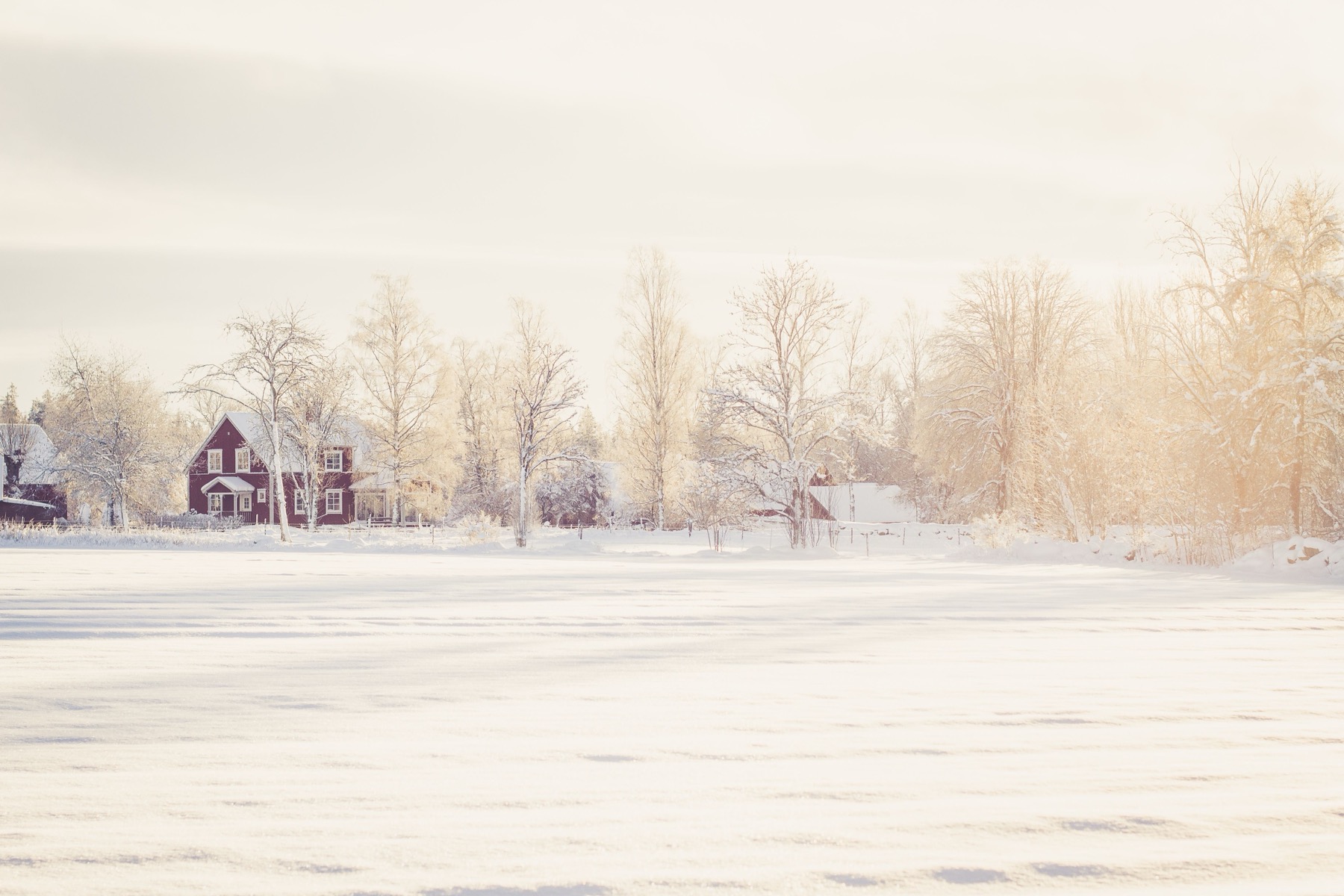
The full destination guide: Sweden — guide and what to see
12 Months of Sweden Weather You Need to Know
The whole year, month by month—because Sweden is so vast and changeable that one general recommendation simply is not enough. Every month plays a different game, so read carefully and choose the one that suits you.
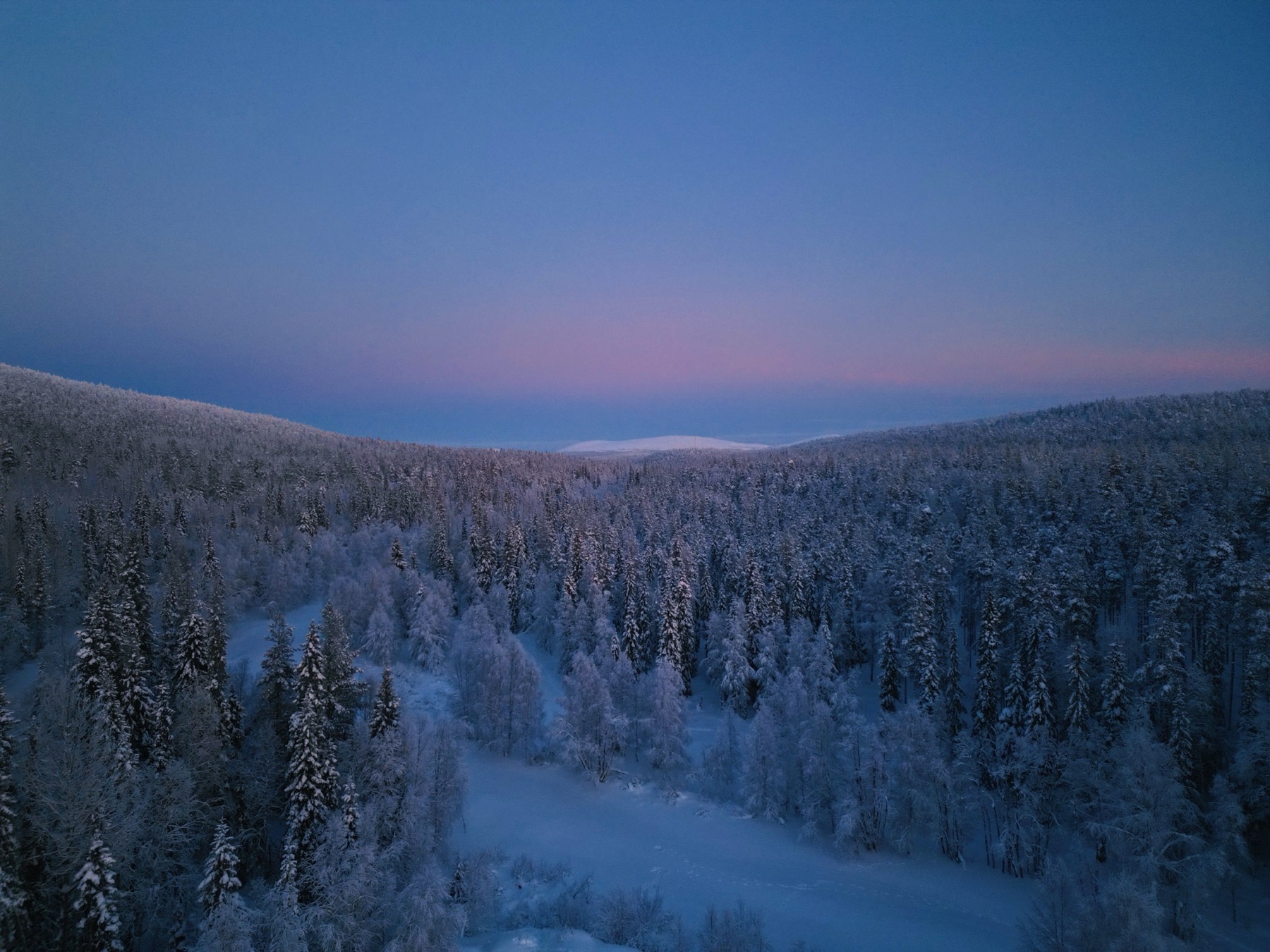
1. January: Polar Night and Freezing-Point Exoticism
January is a month of extreme contrasts. In Stockholm, daytime temperatures hover just around freezing and it often rains or snows wetly, while the north is in the grip of a true Arctic winter. In Kiruna and Abisko National Park, temperatures commonly drop to between minus twenty and minus thirty degrees, so proper layered clothing is essential. Forget cotton and jeans: the key to staying comfortable is quality merino wool, a warm fleece, a thick down jacket and a windproof outer layer. In the far north, the polar night also lasts until mid-January, with the sun never rising above the horizon. Do not expect pitch-black darkness, though. Around midday, the so-called blue hour arrives, bathing the entire snowy landscape in magical, soft blue light that is a photographer’s dream.
In the south of the country, you get roughly six hours of daylight, with the sun rising before nine in the morning and setting at around three in the afternoon. This is also when the season at the legendary Icehotel in Jukkasjärvi is in full swing, drawing travellers from around the world for a unique night in the ice. If you do not want to pay around 6,000 SEK (over €540) for a single night in a sleeping bag at minus five degrees, you can pay just 325 SEK (around €30) for a day visit, take your time exploring all the ice sculptures and return to a heated guesthouse in the evening. Arctic activities such as snowmobile rides operate at full capacity, although they require considerable physical endurance. In the southern cities, meanwhile, most seasonal museums and campsites remain firmly closed.
When it comes to your budget, January offers two completely different price levels. Flight and hotel prices in the cities fall sharply after the Christmas holidays, so you can enjoy a long weekend in Stockholm for a fraction of summer prices. In the north, on the other hand, it is high season and Arctic experiences stubbornly retain their premium price tags. January is therefore probably the best month for seekers of freezing exoticism who have breakfast in a sleeping bag at minus twenty 😅—or, conversely, for anyone looking for affordable city sightseeing.
💡 Tip: If you are planning a dog-sledding trip, which normally costs around €90–€140, it is better to book a date towards the end of the month. When temperatures fall below minus twenty degrees, operators often cancel rides for the safety of the animals.
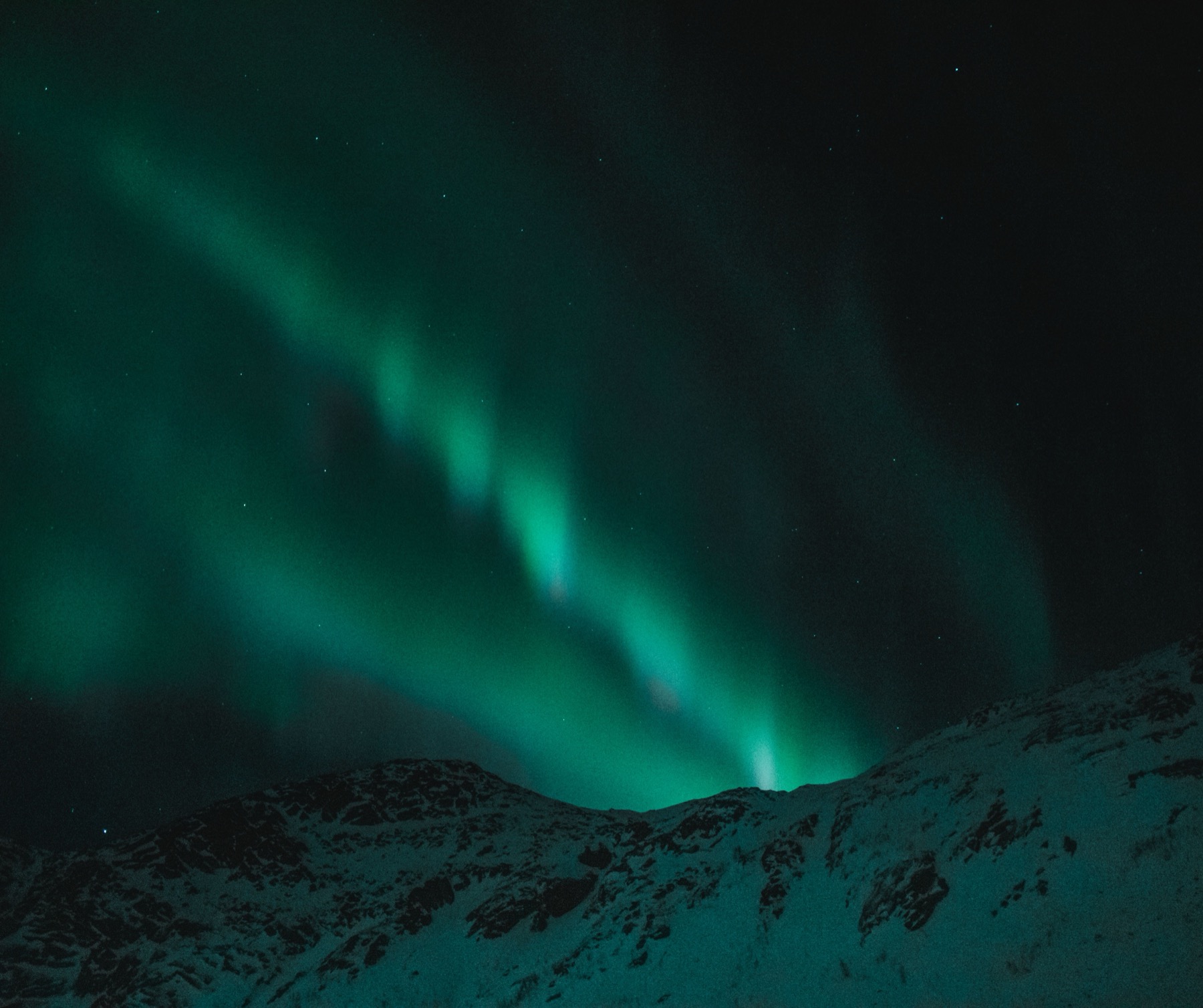
2. February: Returning Light and Peak Winter Season
The second month of the year is excellent for a proper winter holiday, as the days begin to lengthen noticeably and the sun finally shines across the snowy plains. In Kiruna, you can enjoy a pleasant seven to nine hours of daylight, with sunrise around eight and sunset after four in the afternoon. Northern frosts are no longer quite so harsh, remaining steadily around minus ten to minus fifteen degrees, while temperatures in Stockholm hover just below freezing. Winter is finally loosening its extreme grip, making time outdoors much more bearable.
This period is made for chasing the Northern Lights, snowmobiling and cross-country skiing through untouched nature. In February, Sweden has what is known as sportlov, the school winter holidays when entire families head to the mountain resorts. The best-known is Åre, the largest ski resort in Scandinavia, offering reliable natural snow and beautiful views of the frozen lakes in the valley. This means ski resorts are packed, restaurants are busy and accommodation in the mountains and lift passes reach their annual peak prices.
During the first week of February, the famous Jokkmokk Winter Market (Jokkmokks marknad) also takes place, boasting a tradition of more than four hundred years. It is a captivating showcase of traditional crafts known as duodji and the culture of the Indigenous Sámi people, bringing around thirty thousand visitors to a small town of five thousand residents. February is the perfect month for winter-sports fans and lovers of Arctic activities, although you will pay extra during high season and are more likely to find the peace of the remote wilderness away from the major centres.
💡 Tip: Accommodation for the famous winter market in Jokkmokk often sells out a year in advance. If you want to experience authentic Sámi culture and watch reindeer races with your own eyes, you need to plan your trip very far ahead.
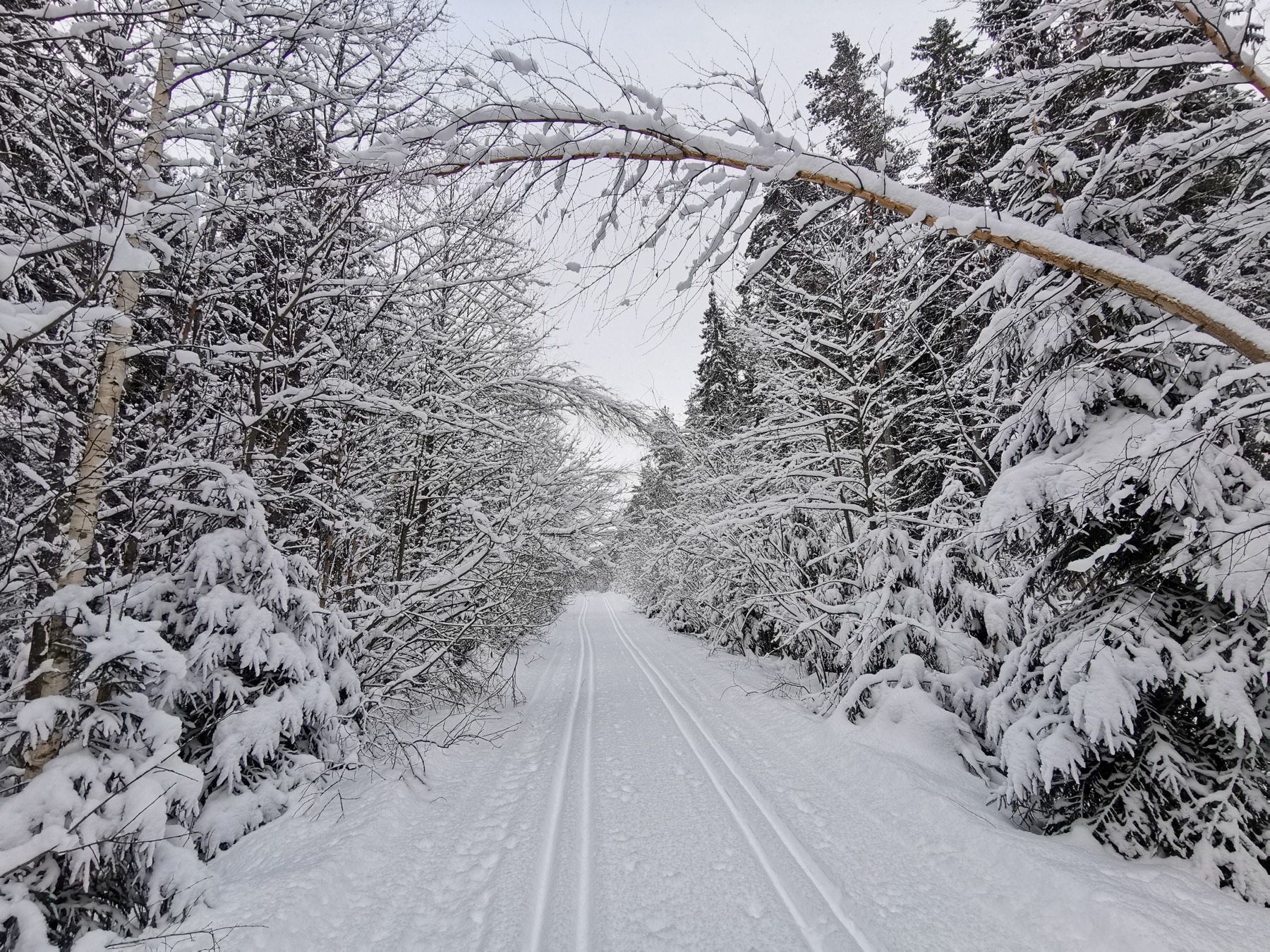
3. March: Spring Equinox and Cross-Country Skiing
March is a hidden gem for winter-sports enthusiasts, combining plenty of snow with long, sunny days. Around the spring equinox, day and night balance out at twelve hours across the country, and the sun’s rays finally begin to have real strength. Hard, packed snow creates excellent conditions for cross-country skiing, which is practically a national religion in Sweden, and you will find locals of every generation out on the trails. In the north, daytime temperatures often climb slightly above freezing, making time outdoors incomparably more pleasant than in the depths of winter and allowing you to spend an entire day on a snowmobile without frostbite.
Around the spring equinox, historically there is also very strong geomagnetic activity, making March one of the very best months for watching the Northern Lights. Given the current solar cycle, your chances of an epic display in Abisko National Park are excellent. Crystal-clear skies and more comfortable evening temperatures mean you do not have to wait for the green glow in bitter cold, and you can take photos without special heated gloves.
In the south, in regions such as Skåne and around Gothenburg, tentative spring is already beginning and daytime highs climb to around five degrees. The first cafés start putting tables out on the pavements, although sitting outside for a traditional fika still requires a warm blanket and hot coffee. Flight prices to the major cities remain very reasonable, while mountain resorts are still relatively expensive because the winter season is far from over. March is an ideal choice for anyone who wants a true northern winter but is put off by the prospect of thirty-degree frosts and endless darkness.
💡 Tip: March is the last reliably good month for visiting the famous Icehotel in Jukkasjärvi. As the sun grows stronger and temperatures rise, the ice structure slowly begins to soften, lose its sharp details and prepare for the spring thaw.
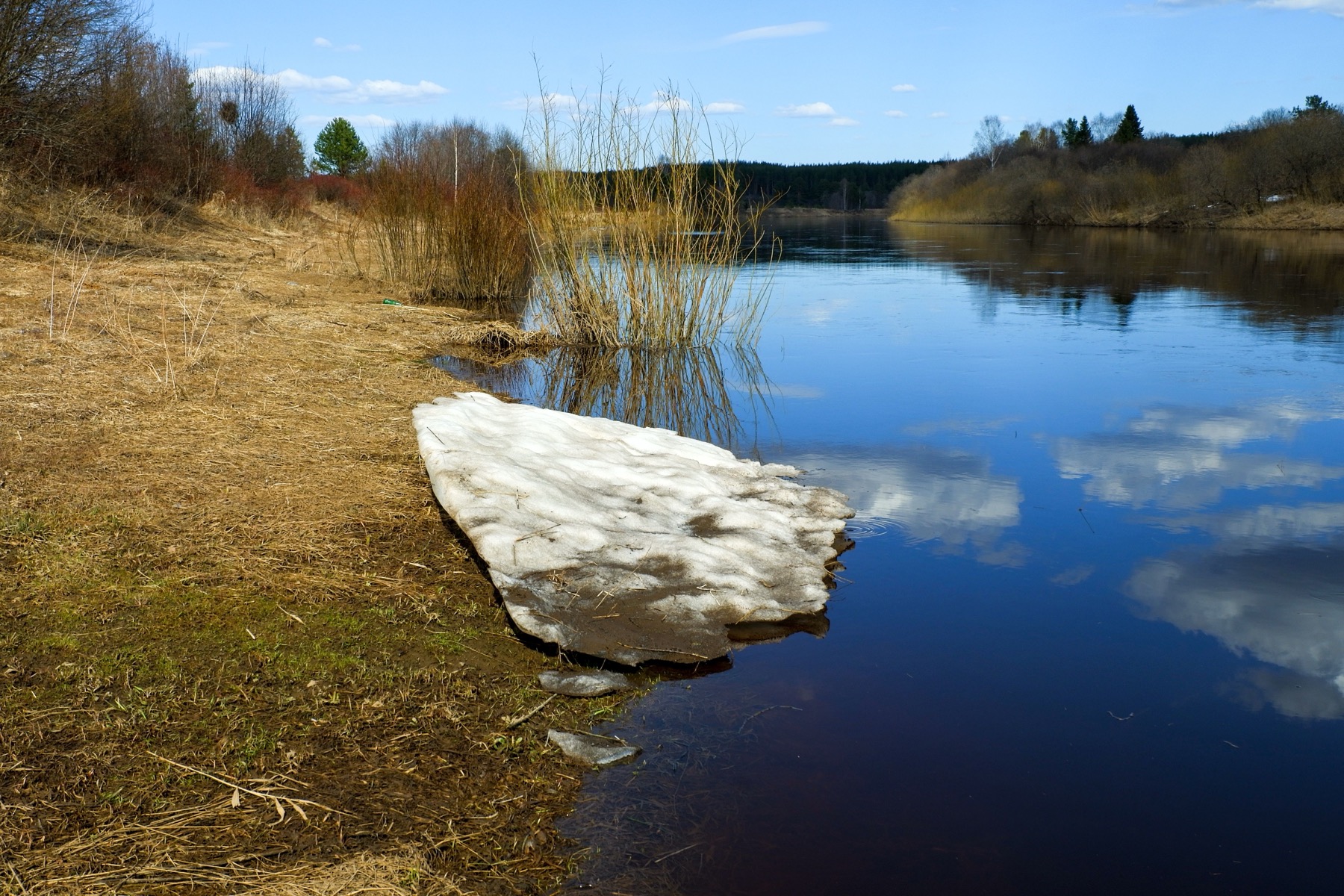
4. April: Unpredictable Spring and the End of the Ice Dream
April is a classic transitional month. It can delight you with the first warm rays of sunshine, but it can just as easily surprise you with an unexpected snowstorm. Nature slowly awakens in the south, Easter is celebrated and the cities begin to fill up, but the weather is extremely changeable, windy and often shifts from one hour to the next. In Stockholm, daytime highs range from around eight to ten degrees, so do not put away your warm jacket and hat just yet, and pack a reliable umbrella too. If you travel over Easter, you will find special spring treats in the shops and traditional decorations with colourful feathers in the windows of homes.
In the far north, April marks the definitive end of the main Arctic season. Snow melts quickly under the spring sun, the ice on the huge lakes begins to thin dangerously and the famous Icehotel in Jukkasjärvi closes for good in the middle of the month so it can melt back into the Torne River. The days lengthen at an astonishing rate, with the sun in Kiruna setting only after eight in the evening and daylight clearly winning over darkness. Your chances of seeing the Northern Lights therefore fall practically to zero, as the sky is simply no longer dark enough, even in the middle of the night. Arctic-activity operators cancel large numbers of dog-sled rides and gradually put the snowmobiles away for their summer rest, because the slushy terrain is no longer safe for excursions.
April is absolutely unsuitable for Lapland, but the south will reward you. Most castles and museum attractions are switching to longer summer opening hours, so you can happily spend an entire afternoon in the half-empty Vasa Museum without being jostled by Australian tourists, and walk through the lanes of Gamla Stan almost by yourself. Hotels in the major cities are quiet and offer fantastic low-season discounts, which is especially appealing to couples looking for a peaceful city weekend filled with excellent speciality coffee and Scandinavian design.
💡 Tip: April is a brilliant time for city sightseeing if you do not mind the occasional rain and wind, because flights to Stockholm are often at rock-bottom prices before the summer season, and you can enjoy the best cardamom buns in quiet cafés without waiting endlessly in line.
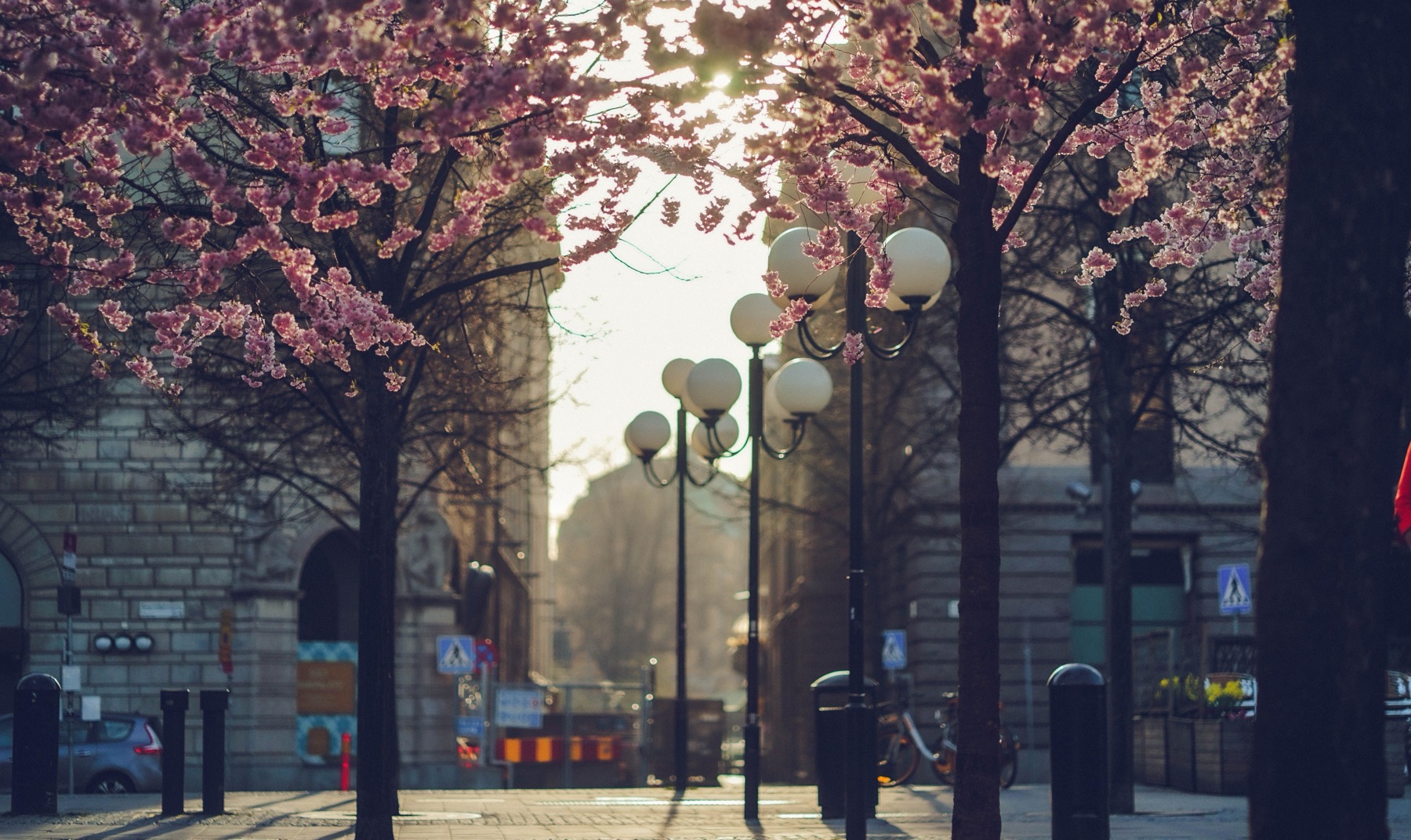
5. May: Blooming South and the Lowest Prices
If you are heading to southern or central Sweden and want to avoid huge crowds and unnecessarily high prices, May is the best choice. Parks are in full bloom, the days are incredibly long and city temperatures often climb to a very pleasant fifteen degrees, creating a beautiful backdrop for exploring sights on foot all day. Most attractions have already switched to their full summer schedule, and the sun in Stockholm does not set until just before ten in the evening. The true summer crowds will not arrive for several weeks, so you can enjoy beautiful places such as Gothenburg’s picturesque Haga district in complete peace. Restaurant staff will have much more time for you, and booking a table in advance is usually unnecessary.
Northern Lapland, however, turns into one enormous, almost impassable quagmire in May. Melting snow and swollen lakes make most nature trails impossible to walk, and this month is genuinely unsuitable for keen hikers, as the famous Kungsleden long-distance trail and wild Sarek National Park remain beneath a layer of wet snow. The mountain huts run by the Swedish Tourist Association STF still have their shutters firmly closed and are only slowly preparing for the summer season. Winter Arctic activities have of course stopped altogether, while mosquito hell has not yet begun, so the northern wilderness is simply sleeping quietly.
This month therefore belongs unequivocally to the major cities and the southern coast. Car-hire and accommodation prices remain remarkably low, which is perfect for the first spring road trips through the picturesque Skåne region or along the stunning west coast of Bohuslän. May is particularly appealing to lovers of coffee, clean design and relaxed walks.
💡 Tip: Make the most of the popular long weekends in May to visit Gothenburg or Stockholm, because you can book fantastic luxury accommodation right in the centre for prices that would barely cover an ordinary campsite on the outskirts in July.
6. June: Midsommar and the Midnight Sun
June is by far the most important month of the year for locals, as everything revolves around the spectacular Midsommar celebrations marking the summer solstice. This magical holiday always falls on the Friday between 19 and 25 June, and the entire country practically comes to a standstill as people head to their favourite summer cottages. Local tradition calls for making a wreath from meadow flowers, dancing like frogs around a decorated maypole and feasting. Pickled herring, new potatoes and huge amounts of dill are essential at the table, washed down with ice-cold aquavit and beer. It is a deeply family-oriented celebration, best experienced as a tourist at an open-air museum or in the traditional Dalarna region around Lake Siljan, where public festivities attract thousands of people in picturesque folk costumes.
North of the Arctic Circle, especially around the mining town of Kiruna and Abisko National Park, the spectacular season of the midnight sun begins. Daylight remains in the sky for a full twenty-four hours and temperatures in the south consistently exceed a beautiful eighteen to twenty degrees, while in the north the thermometer generally shows a pleasant ten to fifteen degrees. The mountain hiking season, however, does not open until the very end of June. Only then do the high-altitude lakes finally thaw and the STF tourist association opens its mountain huts for the first eager trekkers heading into the wilderness.
As true summer approaches, accommodation prices naturally begin to rise steeply and the first popular campsites are already reporting full capacity. June is ideal for travellers who want to experience endless sunny days and Scandinavian culture in full swing. If you are travelling by motorhome, you can still find excellent wild-camping spots right by the water without having to compete for them.
💡 Tip: If you are a tourist without an invitation from a local family, be very careful about the Friday of Midsommar, because the cities empty completely and most restaurants, supermarkets and shops remain uncompromisingly closed for the entire weekend.
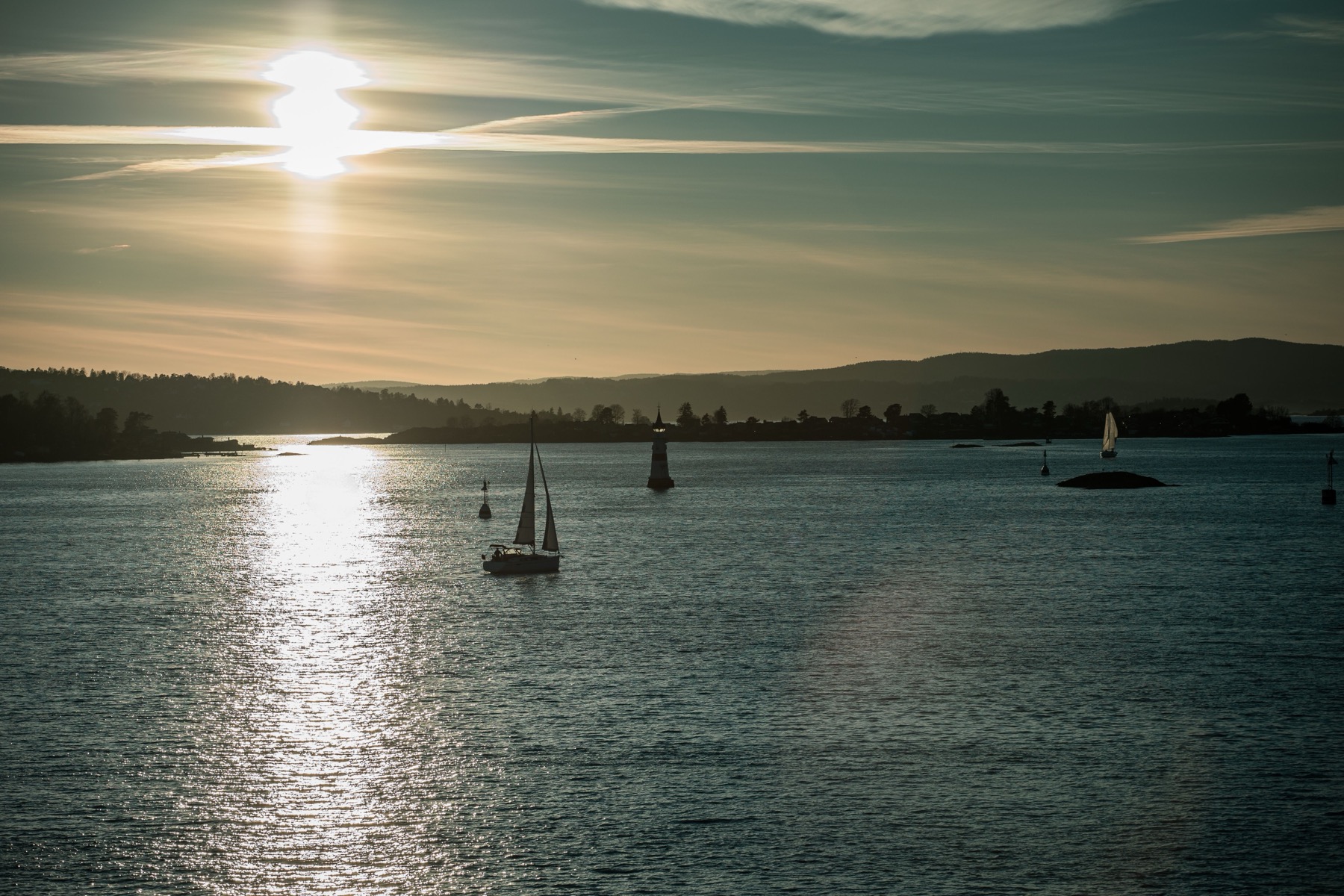
7. July: Industrisemester and Mosquito Hell
Most international visitors naturally head to Sweden in July, but this is the month that requires the most careful planning of all. The country experiences what is known as Industrisemester, when a large part of the nation takes three to four weeks of holiday in one go. In practice, this means that many family-run cafés, small shops and local businesses in the cities are often closed for the entire month. Swedes move en masse into motorhomes, campsites and the sunny coast of Bohuslän. Beaches and holiday areas are therefore packed and require firm reservations for cottages or caravan pitches, sometimes as much as six months in advance.
Nature is in full bloom and Stockholm itself has average highs of around twenty-one to twenty-five degrees, while northern areas are cooler, generally reaching thirteen to eighteen degrees. Anyone heading to lakes in the north or deeper inland must be prepared for brutal attacks by mosquitoes and tiny biting midges known as knott, which can turn romantic camping beside a reflective lake into a genuine test of your nerves. The sun shines for an incredibly long time, setting as late as eleven at night in the south, leaving you plenty of time for long evening walks and barbecues.
Prices for typical red cottages (stugor) and campsite pitches reach their annual peak in July. On the other hand, you may be pleasantly surprised that large hotel chains paradoxically offer interesting discounts in the cities, because business travellers are away and conference halls stand empty. July is therefore the best choice for classic family road trips by the water—provided you have reserved absolutely everything carefully in advance.
💡 Tip: Do not buy expensive insect repellent before leaving home, as it often does not work at all against the local aggressive insects. Instead, buy reliable Swedish Mygga repellent and a quality head net as soon as you arrive at your first supermarket.
8. August: Warm Water and Crayfish Feasts
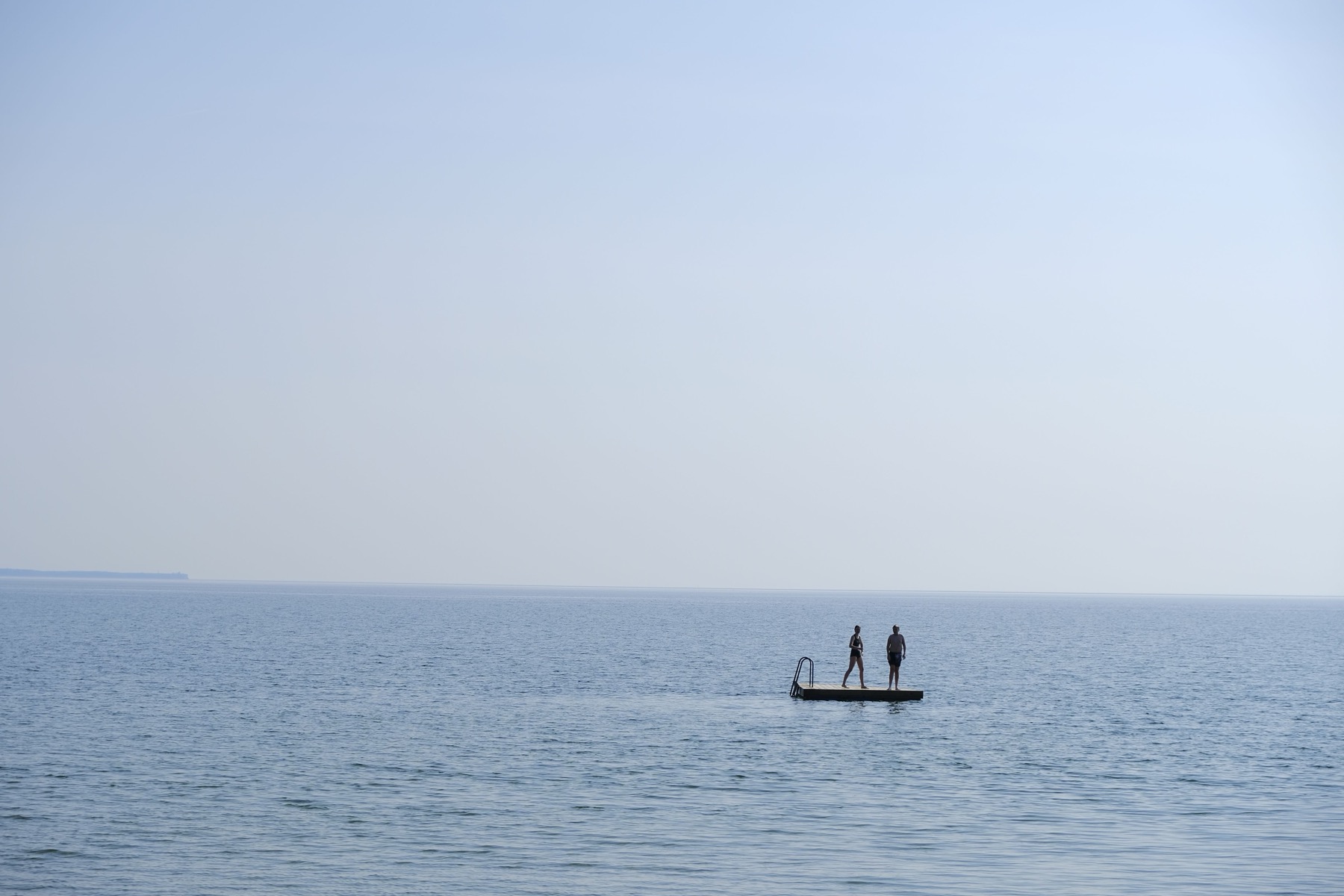
August is one of the most popular summer months for savvy travellers, as the water in Sweden’s thousands of lakes and in the Baltic Sea has warmed up sufficiently over the summer and offers the best possible swimming conditions. Cities and roads begin to return to normal life in the middle of the month, because Swedish children finish their summer holidays and return to school. For you, that automatically means emptier campsites, more affordable accommodation and much quieter roads for your dream road trip. A morning swim in a silent lake without crowds of shouting children will wake you up perfectly for the day ahead.
Temperatures in the south remain a steady, pleasant twenty degrees, while in the far north it is already slowly getting colder, with daytime readings closer to fifteen degrees. In August, cultural life is dominated by the tradition known as Kräftskiva. Shop windows fill with paper moon lanterns and locals gather for outdoor feasts featuring boiled crayfish, huge amounts of dill and ice-cold aquavit. On the island of Gotland, the legendary Medieval Week also takes place during this period, transforming the historic city of Visby into one enormous period festival with knightly tournaments and markets.
The days begin to shorten noticeably, but this brings one major advantage for nature enthusiasts. The end of August brings darker nights in the north and with them the first real chances of capturing the magical Northern Lights, while outdoor temperatures still do not require heavy winter gear. From the middle of the month, accommodation prices in rural areas also fall pleasingly, saving you a considerable amount of money.
💡 Tip: The end of August is an ideal travel compromise, because it still offers very pleasant summer temperatures for camping, the irritating mosquitoes reliably disappear and the roads are noticeably emptier once local families have gone home.
9. September: A Hidden Gem and Autumn Ruska
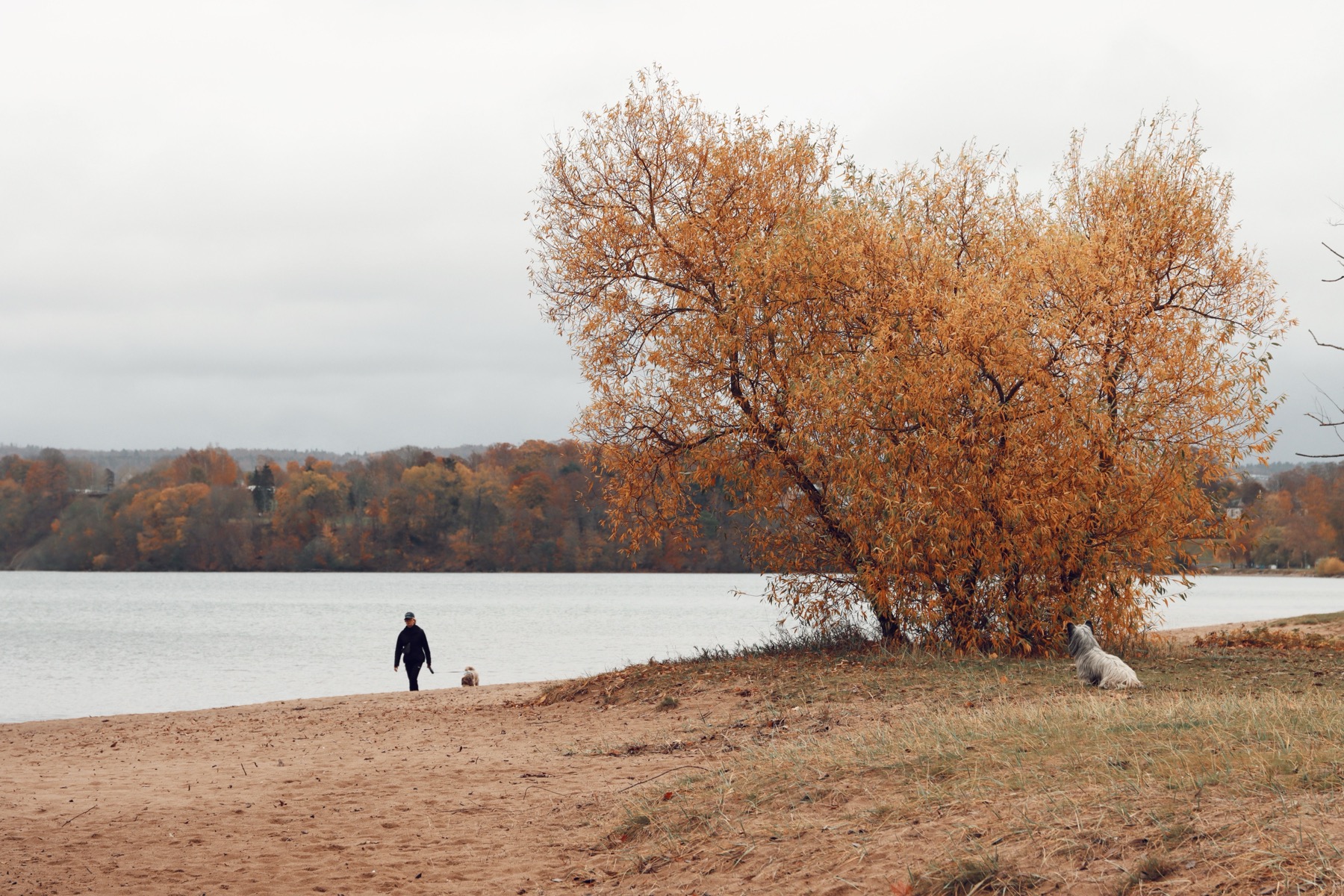
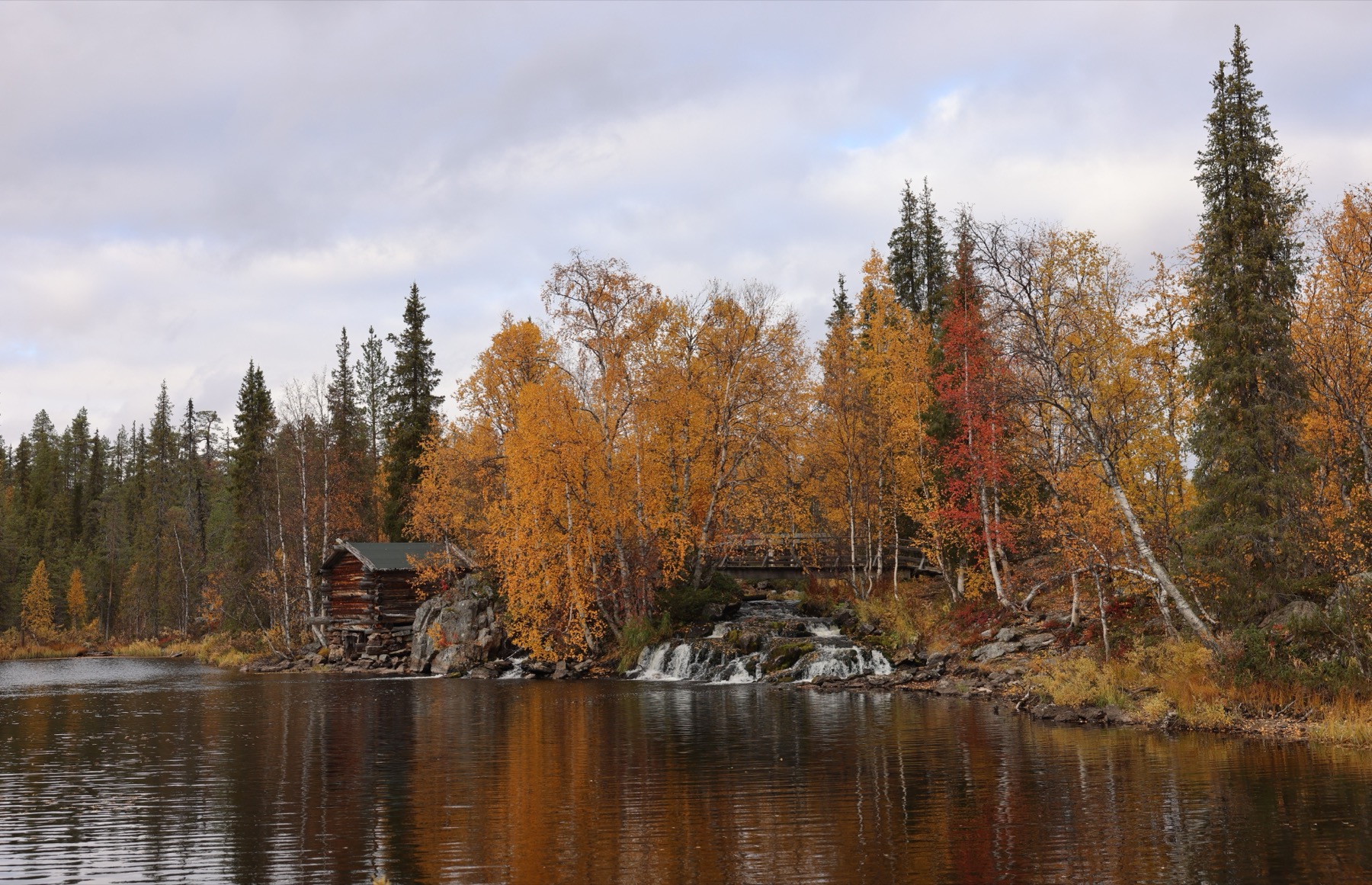
If you are planning a trek through the northern wilderness or a serious photography expedition, mark September in bold on your calendar as a top choice. Nature in the north undergoes a spectacular phenomenon known as ruska, when the entire landscape turns incredible shades of gold, orange and brilliant red. Combined with crystal-clear autumn air, it creates breathtaking scenery. Daytime temperatures in the north range from five to ten degrees, so you will not overheat on a demanding ascent, while in the south you can still enjoy beautiful sunny days of around fifteen degrees. At this time of year, the forests are also full of mushrooms and sweet lingonberries that you can freely pick.
Thanks to the first night frosts, the ubiquitous mosquitoes and tiny midges finally disappear, allowing you to enjoy wilderness camping in blissful peace without constantly swatting at the air. In autumn, the Northern Lights are beautifully reflected in lakes that have not yet frozen, creating a unique visual spectacle you simply cannot see in the depths of winter, when everything is covered by a thick layer of white snow. Day length across the country is around an ideal twelve to thirteen hours, so you still have enough natural light for long hikes through nature and safe returns to camp.
Prices for typical wooden cabins and hotel rooms fall to very pleasant low-season levels, finally giving your budget a chance to breathe. September is ideal for couples without children, dedicated outdoor enthusiasts and anyone looking for peace away from the crowds. Autumn in Sweden has an unmistakable, slightly melancholic atmosphere that, by all accounts, no one forgets.
💡 Tip: September is absolutely the ideal time to complete the famous Kungsleden long-distance trail, but be sure to check the opening hours of the STF mountain huts carefully in advance, as they usually close as early as the third week of September.
10. October: The Dead Season and Falling Leaves
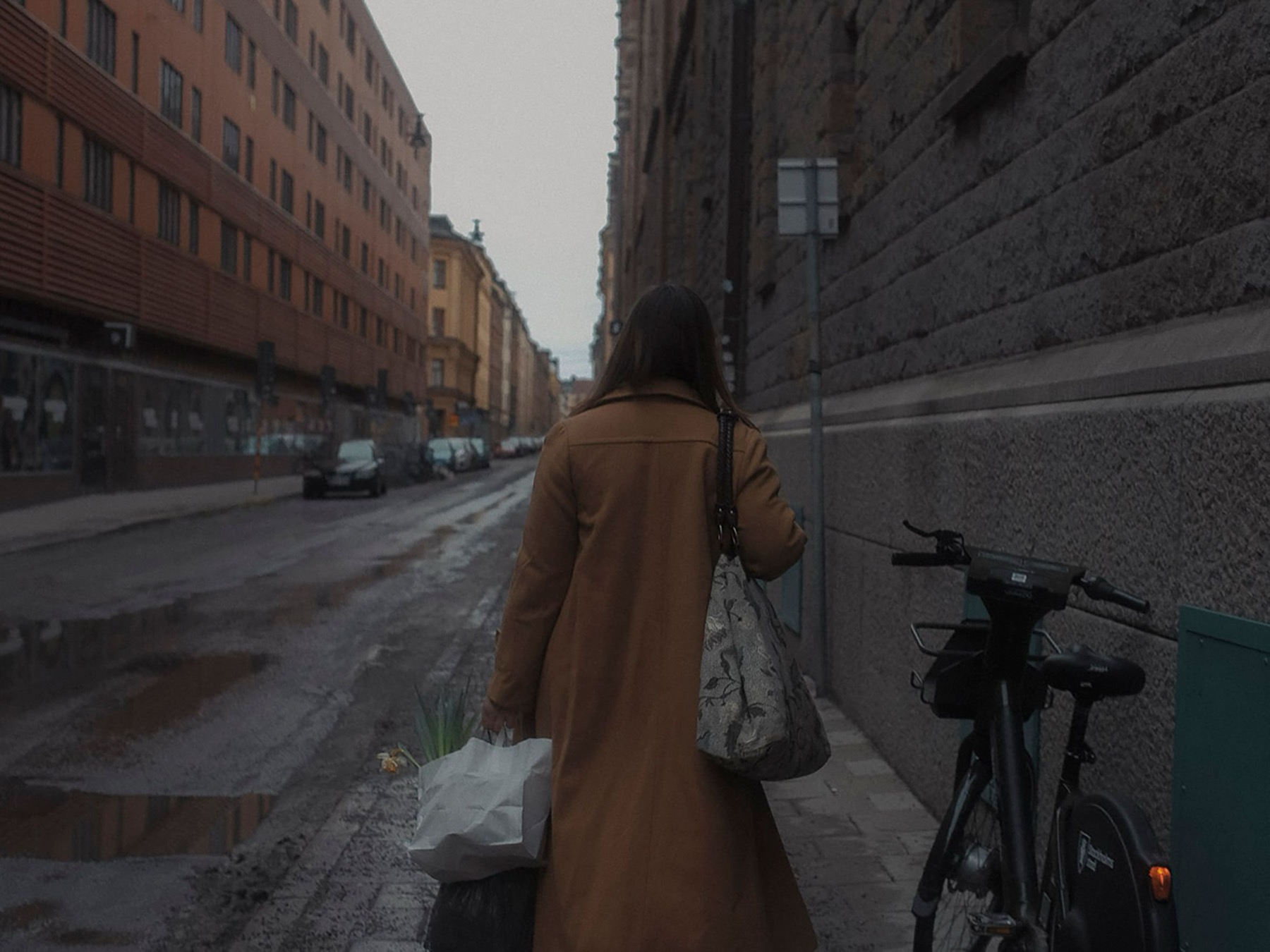
With the arrival of October, the entire country slowly but surely becomes wrapped in damp autumn weather and tourism falls to its annual low. The days noticeably shorten, the sun sets in Stockholm at around five in the afternoon, and it often rains and strong, cold winds blow, making time in nature feel more like a fight for survival than a pleasant, relaxing holiday. Temperatures in the south quickly fall to around eight degrees, while the first all-day frosts commonly appear in the north and the thermometer hovers uncomfortably close to freezing. The golden leaves begin to turn brown and quickly fall from the trees.
Many seasonal sights, romantic summer cafés and ferries to smaller islands in the archipelagos stop operating until spring. For lovers of culture, Scandinavian design and food, however, October offers excellent conditions for exploring the major cities under cover. Stockholm and Gothenburg invite you to enjoy cosy fika breaks in warm cafés, excellent museums where you will not be squeezed into queues, and outstanding local cuisine. The first snow usually arrives in the north, but there is nowhere near enough for snowmobile or cross-country-skiing activities, and the lakes are not safely frozen yet.
October is a month for true bargain-flight hunters and very budget-conscious travellers. Accommodation prices are at rock bottom, allowing you to book more luxurious design hotels with wonderful breakfasts for a reasonable price—places that would cost a fortune in summer. October is better suited to weekend breaks focused on urban culture than to trips into unpredictable nature.
💡 Tip: Sweden celebrates Cinnamon Bun Day (Kanelbullens dag) nationwide on 4 October, so do not miss the chance to try this fresh, fragrant treat at one of the local traditional bakeries, where huge queues of locals form on the day.

11. November: Darkness and Waiting for Snow
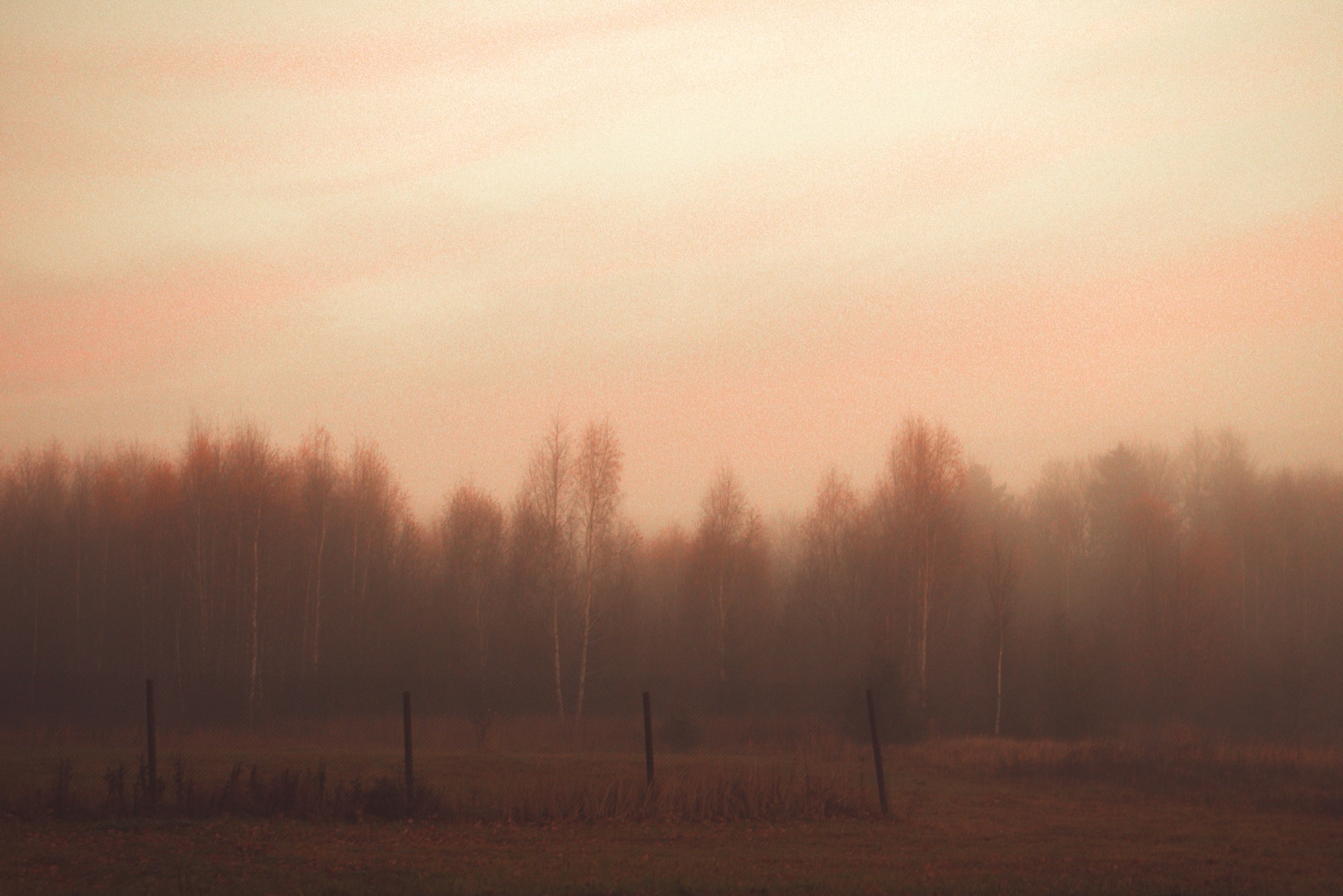
November? No. Really, no. It is by far the darkest, dampest and most depressing period of the entire year, and I honestly advise against travelling during this month without hesitation. The sun is up for only a few hours a day, while the sky is constantly covered by a heavy, opaque blanket of leaden clouds. In Stockholm, you will get barely seven hours of gloomy twilight, while in northern Kiruna the day shrinks to just three or four hours of very weak light, which can be seriously hard on your mental health. If you are already there, only frequent visits to hot saunas will save you.
The snow that would at least brighten the Scandinavian landscape visually usually has not arrived in the south, and temperatures hover around an unpleasant three to five degrees. Everything is covered only in grey, treacherous mud and persistent damp. In the north, locals wait impatiently for the lakes to freeze safely and for enough snow to arrive for winter sports. Most winter Arctic activities, including snowmobile and dog-sled tours, are not operating yet, because the terrain is simply unsafe, so apart from waiting for darkness there is essentially nothing to do here.
Flights and hotels are extremely cheap and can be found for next to nothing, but any time spent outdoors is thoroughly unpleasant and will soon send you back to bed with hot tea. November is simply a long, sad wait for the real Scandinavian winter, when summer pleasures are long over and winter ones have not yet begun. It is therefore best to think twice before travelling during this month.
💡 Tip: If you genuinely have to travel to Sweden for work in November, pack a heroic supply of vitamin D and high-quality waterproof gear, because the omnipresent Scandinavian darkness can seriously affect the mood of an unprepared traveller.
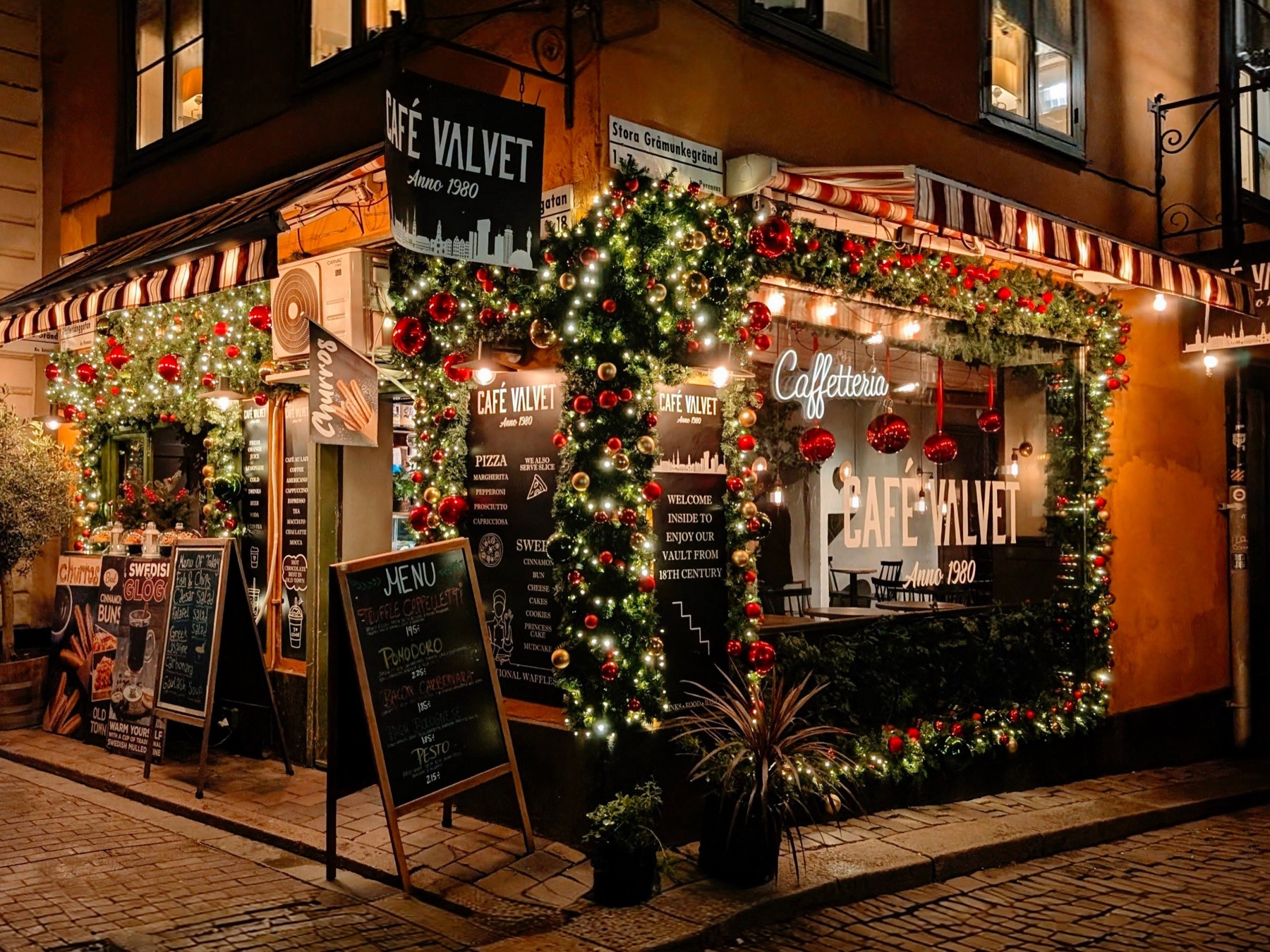
12. December: Christmas Markets and Blue Twilight
With the arrival of December and the popular Advent season, Swedish cities light up with thousands of tiny lights that successfully battle the omnipresent darkness, while the streets fill with the wonderful aroma of hot spiced wine known as glögg. The famous Christmas markets in Stockholm’s historic Gamla Stan and at the huge Liseberg amusement park in Gothenburg are among the most beautiful in Europe. They offer an incredibly magical festive atmosphere, albeit one that is rather expensive by our standards. Temperatures in the south remain around freezing, while the north is already reporting a hard minus fifteen degrees and proper snowdrifts.
In the far north, the dark polar night officially begins this month, but despite the complete absence of direct sunlight, the region comes fully alive with Arctic tourism. For the upcoming 2026 season, the new Icehotel in Jukkasjärvi is currently scheduled to open on 11 December, immediately attracting crowds of experience-seeking travellers willing to pay astronomical sums for a night there. Most local companies offering dog-sled rides, snowmobile trips and evening Northern Lights hunts open fully for the season, as the vast lakes have finally frozen safely enough to support even heavy machines.
Christmas and New Year stays in the north reliably rank among the most expensive of the entire year, so be prepared for your bank account to take a serious hit. December is made for enthusiastic seekers of Christmas romance and Arctic exoticism who are deliberately looking for an unforgettable, once-in-a-lifetime experience and are not counting every penny. If you are looking for an affordable holiday, it is better to stay home.
💡 Tip: Christmas and New Year dates in the north are among the most expensive of the entire year. If you want to save hundreds of euros on exactly the same Arctic experience and Northern Lights, move your dream trip a few weeks later, to the second half of January.
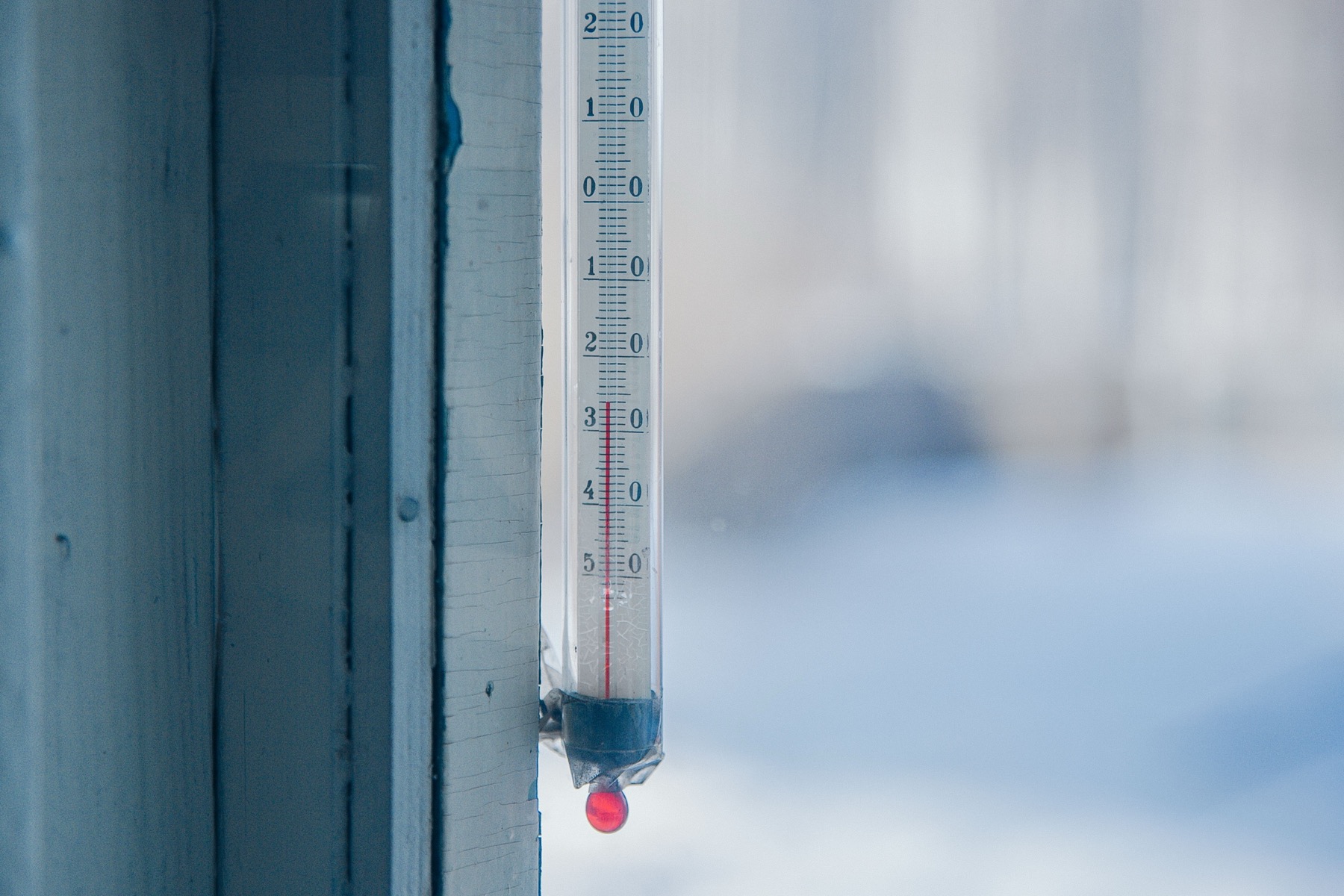
Temperatures and daylight at a glance
To make planning your trip as easy as possible, I’ve put together a clear overview of what you can realistically expect from the weather. Sweden is a vast country, and the differences between the south and north can easily catch you out, so it’s not worth packing your suitcase based on just one number in the forecast.
While a T-shirt and shorts may be enough in Stockholm during summer, you’ll definitely need a warm sweatshirt and a windproof jacket in Kiruna, even on a July evening. Take a look at these average figures to get a rough idea of what to expect during the most important months of the year.
- January: In Stockholm, expect daytime highs of around 0 °C and roughly 6 hours of daylight. In northern Kiruna, prepare for a harsh -15 to -25 °C and polar night, when the sun doesn’t rise above the horizon at all and only a blue twilight prevails.
- April: The south awakens to temperatures of around 8 to 10 °C and a pleasant 14 hours of daylight. In the north, the mercury hovers around freezing, the snow begins to soften and the sun shines for more than 15 hours a day.
- July: Stockholm offers a lovely 21 to 25 °C and a full 18 hours of daylight. The water in the lakes and the Baltic Sea warms to a pleasant 18 to 20 °C. In the north, temperatures are more likely to reach 13 to 18 °C, but you’ll get to experience the midnight sun, when it stays light for a full 24 hours.
- October: Autumnal Stockholm cools down to 8 to 10 °C, and the days shrink to 10 hours of daylight. Kiruna is already dropping to freezing or slightly below, the first snow appears and daylight disappears at an astonishing speed.
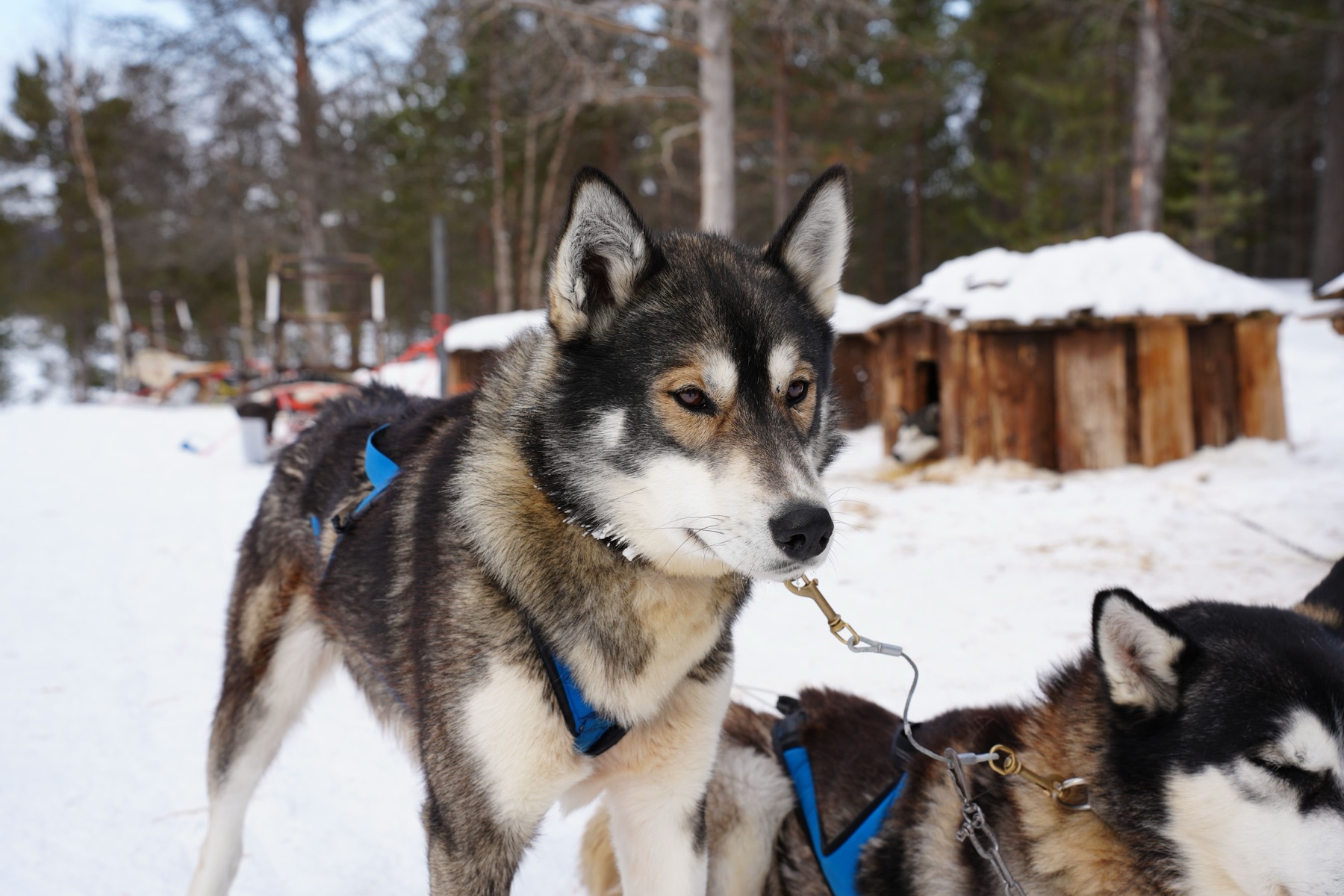
When to go for a specific activity
Every traveller has their own dream experience, and getting the timing right is absolutely crucial. There’s nothing worse than arriving to see the northern lights and discovering that the sun doesn’t set at night, or heading out on a mountain trek when the trails are buried under a metre of wet snow.
If your main goal is to see the northern lights, head north in February or March, when the weather is more stable and there are fewer clouds. September and October are also excellent, cheaper alternatives, and you’ll avoid the extreme Arctic cold. The midnight sun, on the other hand, can only be experienced from the end of May to the middle of July, and exclusively north of the Arctic Circle around Kiruna or Abisko National Park. Fans of mountain trekking should set aside a window from mid-July to mid-September, with September being the absolute best thanks to the autumn colours and the absence of aggressive mosquitoes.
For summer swimming in the lakes, August is without a doubt the best month, as the water has had enough time to warm up. If you’re drawn to winter sports and dog sledding, you’ll find ideal conditions from the end of January to March, when the dangerously cold -30-degree temperatures are no longer a threat. City sightseeing and cafés are best enjoyed in May and September, when flights are at their cheapest and you can avoid the summer influx of families with children.
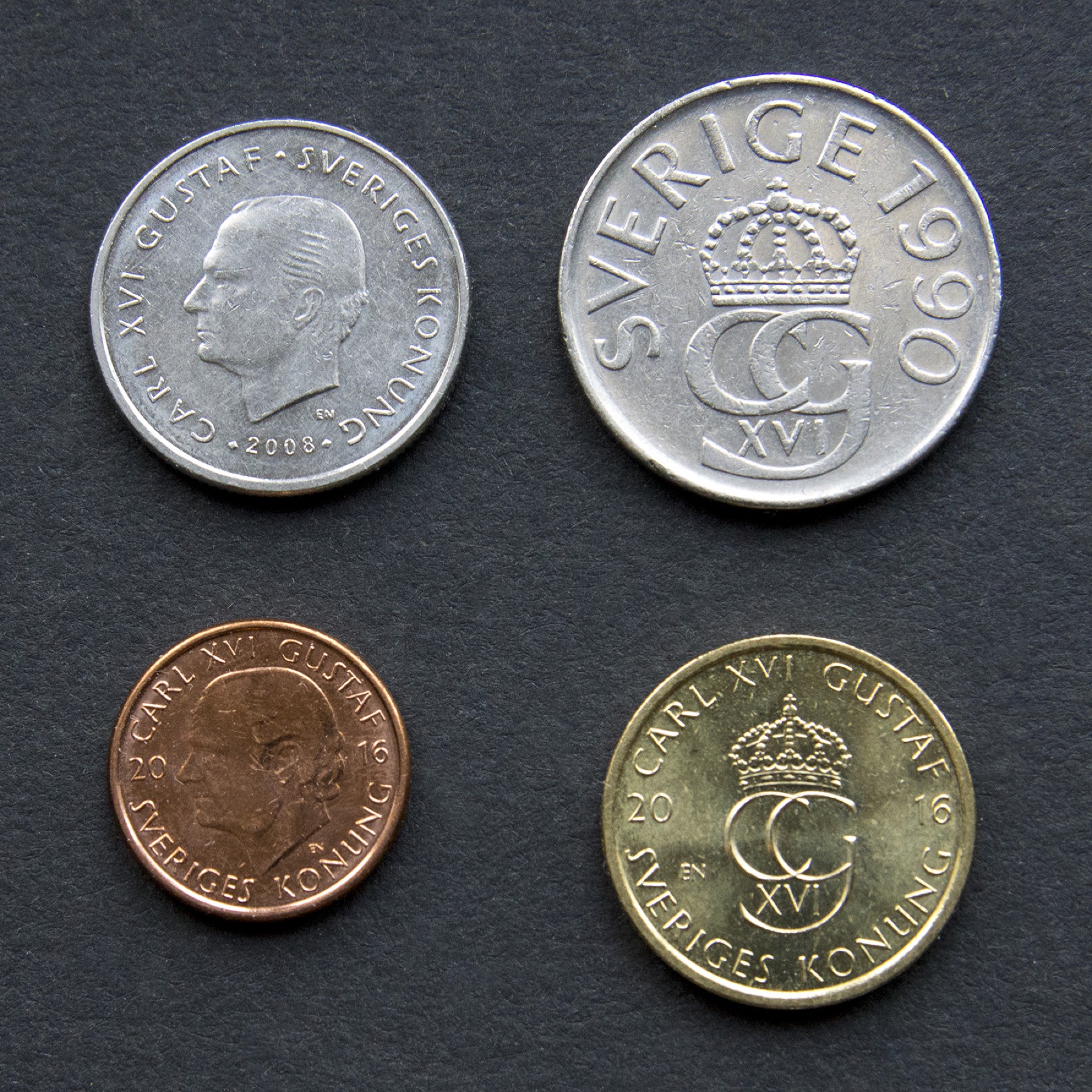
Practical summary and typical prices
Sweden may have a reputation for being an expensive destination, but thanks to the weaker krona in recent years, it’s certainly no longer a nightmare for your wallet. In 2026, the exchange rate is roughly €0.09 for 1 SEK, making the country much more affordable than neighbouring Norway. Be prepared for the fact that cash is practically nonexistent here, and you’ll use a payment card even at a farmers’ market or in a public toilet.
Dinner in a restaurant can easily cost you more than €20, but if you take advantage of the popular lunch special known as dagens rätt, you’ll get a filling main course, an unlimited salad buffet and coffee for around 120 to 150 SEK, saving a considerable amount of money. You can only buy alcohol over 3.5% from the state-run Systembolaget shops, which close without mercy at 3 p.m. on Saturdays and don’t open at all on Sundays. A recent development is the so-called Gårdsförsäljning: since summer 2025, you can finally buy local beer or wine directly from small producers when you stop by for a tasting or tour.
For the second half of 2026, the government has heavily subsidised public transport, so 30-day public transport passes across the country cost exactly half their original price. In Stockholm, the SL network’s monthly pass therefore costs an incredible 530 SEK (around €50), making it well worth buying even if you spend just five active days in the city. You can travel unlimited times by metro, tram and ferry for a fantastic price. If you’re travelling by car, you’ll be pleased to know that Swedish motorways are completely free; you only pay charges for major bridges or entering the centres of the largest cities.
💡 Tip: Winter activities such as dog sledding, snowmobile tours and northern-lights excursions often sell out weeks in advance during high season. You can compare and book them ahead of time through GetYourGuide, although smaller local farms and guides will often offer the same programme more cheaply if you contact them directly.

Where to eat and taste Sweden
Swedish cuisine has long been about much more than meatballs, although locals certainly know how to make them better than anyone. From cosy cafés serving traditional fika to excellent restaurants focused on local Arctic ingredients, food here is an experience in its own right. Just be prepared for eating out to take a fairly large bite out of your budget.
If you want to save money, visit restaurants at lunchtime for dagens rätt, or the daily special. For a fixed price, you get a main course, salad buffet, bread with butter and coffee. It’s a popular way to sample local specialities without breaking the bank.
Tips for specific places to eat
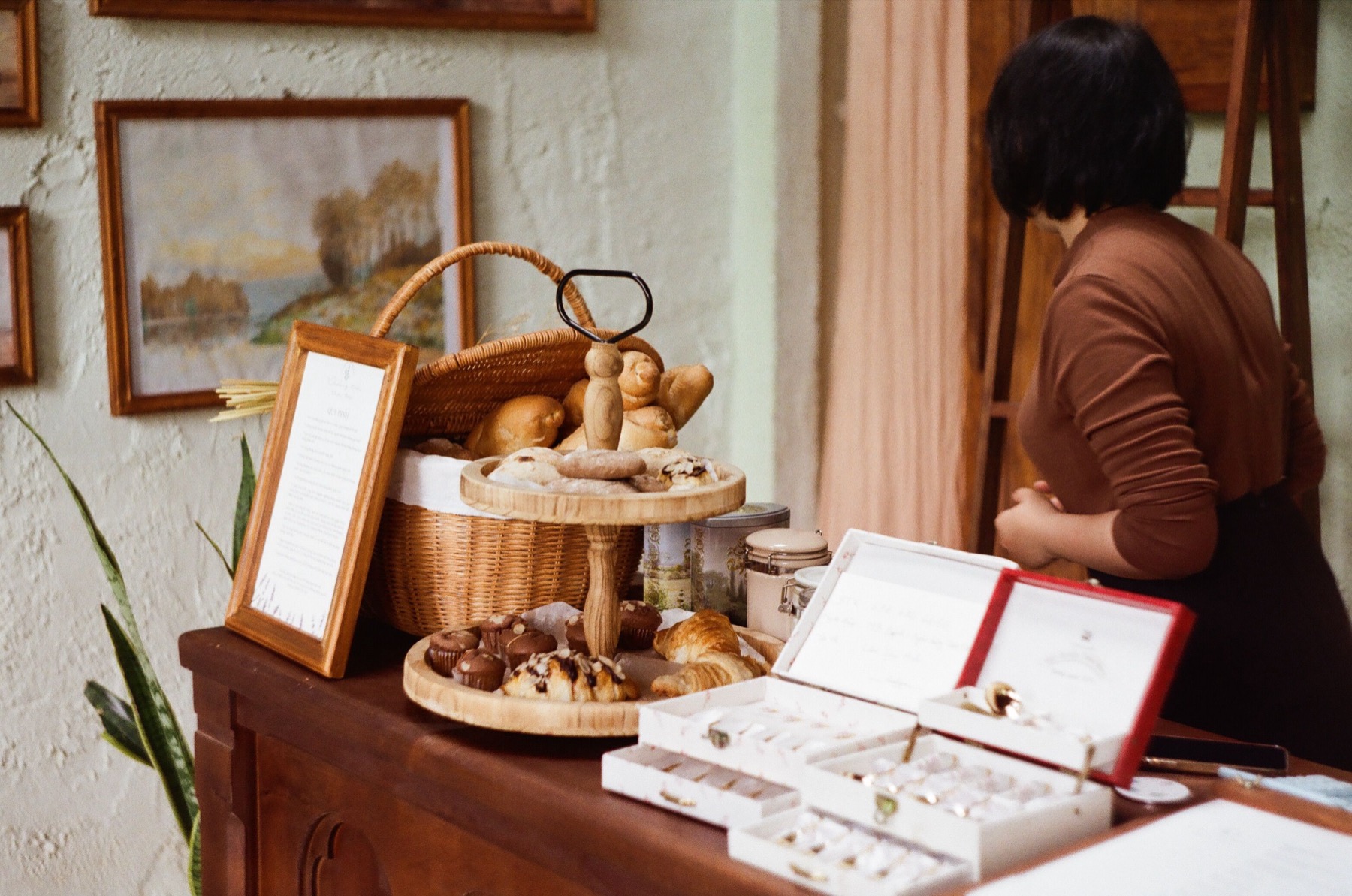
In Gothenburg, don’t miss Kafé Husaren in the picturesque Haga district. This is where they bake the largest cinnamon buns in the country, known as hagabullen. They’re the size of a plate, so two people can easily share one. It’s the perfect stop for an afternoon fika after a long walk around the city.
In Stockholm, head to Vete-Katten on Kungsgatan for a classic fika. This café dates back to 1928, and coffee with a kanelbulle costs around 90 SEK (about €20). For a hearty lunch, try the plant-based buffet at Hermans on Södermalm, where around 280 SEK gets you unlimited servings and a view across the entire Old Town.
A traditional Swedish classic, eaten mainly by locals, is meatballs—köttbullar—with lingonberries and mashed potatoes. You can try them at the legendary Pelikan beer hall on Södermalm, where the early-20th-century wood panelling is part of the experience. In the north, you’ll commonly come across reindeer meat in winter, while August brings crayfish parties known as kräftskiva.
Where to stay and how prices change
💡 Accommodation and activities tip: We prefer to look for accommodation on Booking.com, where you’ll often find the best cancellation policies. It’s also worth comparing and booking tickets, trips and activities through GetYourGuide.
Accommodation varies dramatically depending on the season and which part of the country you visit. Sweden is fantastic in this respect: the right of allemansrätten allows you to camp in nature practically anywhere for free. But if you want a bed and breakfast, the options range from simple hostels and cosy lakeside cottages to design hotels where coffee is brought to you before you’ve even opened your eyes. The price differences between high and low season can save you thousands, but they can also give you quite a shock. Stockholm has an interesting paradox: in July, luxury business hotels often offer huge discounts because their corporate clientele leave for the holidays. Campsites and summer cottages, on the other hand, reach their highest prices in August. Winter in Swedish Lapland is a chapter of its own; around Christmas and New Year, you can easily pay a 100% premium compared with the quieter month of March.
- Stockholm and city breaks: If you visit in spring or autumn, you can find a double room in a reputable chain for around €90 to €145 per night. Clarion Hotel Stockholm offers a fantastic price-to-quality ratio, and travellers are very complimentary about its great location in the trendy Södermalm district and its excellent, generous breakfasts. Another highly reliable option right in the centre is the elegant Scandic Continental, which has a lovely rooftop bar with city views and beds you definitely won’t want to get out of.
- Gothenburg and the west coast: In Gothenburg, it’s worth staying close to the historic centre so that all the cafés are within easy reach. The boutique Hotel Flora offers a wonderful atmosphere, winning guests over with its original, playful design and incredibly friendly staff.
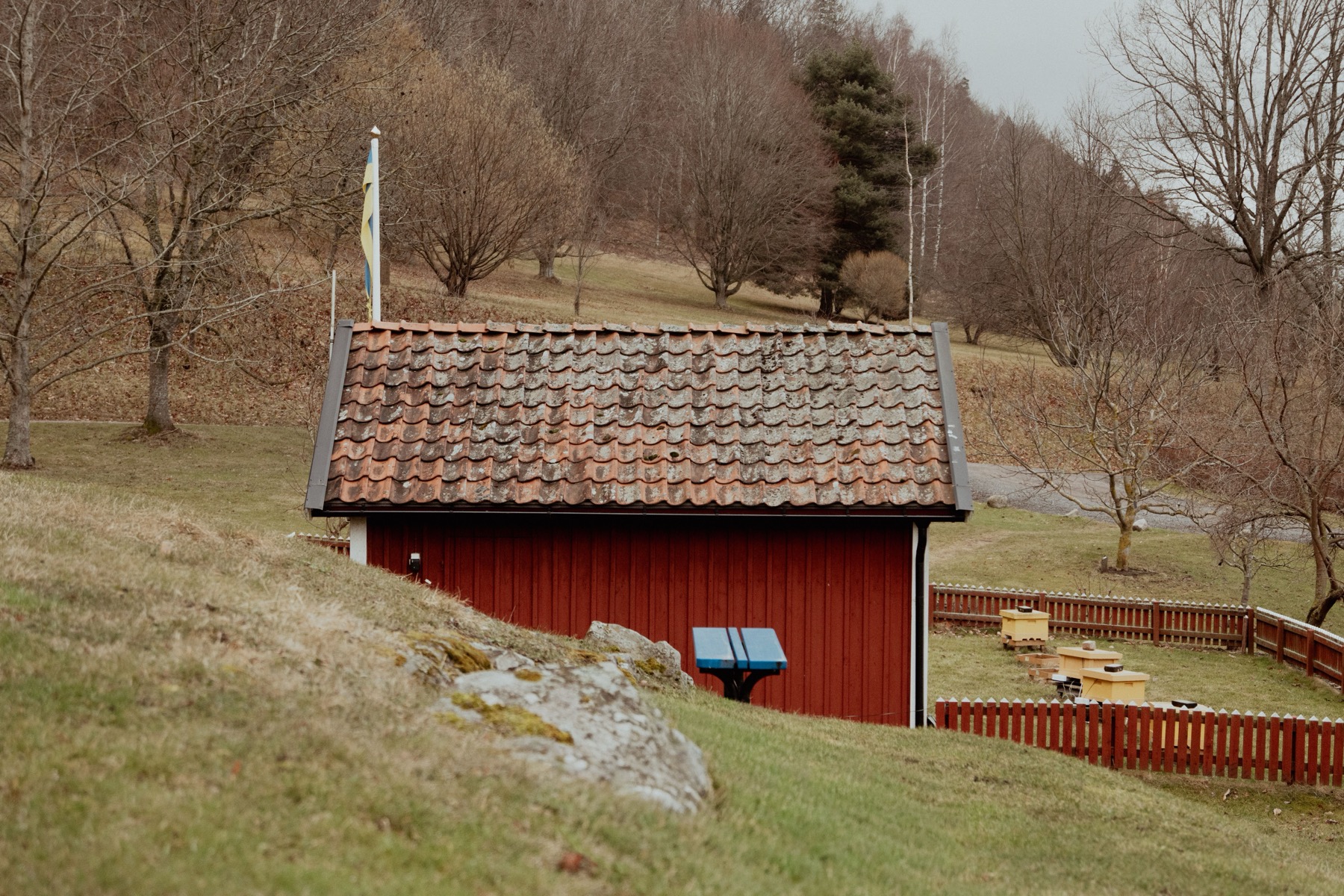
- Summer road trips and campsites: In July and August, the typical red wooden cottages, or stugor, set in well-equipped campsites beside lakes are hugely popular. The nationwide First Camp chain, with locations throughout the country, is a great and reliable choice. A small cottage costs around €40 to €80 per night, but during the main summer holiday season you’ll need to book well in advance.
- Winter Lapland and the northern lights: This is where your budget will feel the biggest hit. As the ultimate base for aurora hunting, I recommend the popular STF Abisko Turiststation. Statistics give you the very best chance of clear skies here, and guests love the cosy sauna after a freezing day. If you want to try spending a night in a real freezer, the famous ICEHOTEL Jukkasjärvi costs at least €530 for a single night on ice. For a standard and considerably cheaper night in Kiruna, the well-known Camp Ripan is an excellent choice, with superb heated outdoor pools as an added bonus.
Where to go next
- Sweden: 30 tips for things to see and do
- Stockholm: 25 tips for things to see and do
- Kiruna: 18 tips for things to see and do
- Prices in Sweden: how much does a holiday cost?
- Northern lights: where and when to see them
Frequently asked questions
Planning a trip north can raise plenty of questions. That’s why I’ve put together answers to the most common questions I receive about Swedish weather and the seasons.
When is the best time to visit Sweden?
For exploring beautiful cities and enjoying nature without aggressive insects, the best months are May and September, when you’ll reliably avoid the main crowds and find cheaper flights. If you’re dreaming of true summer swimming in lakes, head out in August, when the water is warmest. For hunting the magical northern lights, February and March are statistically the most successful months.
When is Sweden cheapest?
You’ll reliably find the lowest prices for accommodation and flights during the so-called dead off-season, meaning October, November, and from mid-January to April (except for expensive February school holidays in ski resorts). In May, you can also score fantastically cheap flights to major cities just before the summer madness kicks off, which is perfect for weekend getaways.
When will I see the northern lights?
Northern lights season runs from September to early April. Your best chances for success are in February and March, when the weather is more stable, days are longer, and there are fewer clouds. Autumn in September and October is also an excellent choice, when the landscape isn’t yet wrapped in extreme Arctic frosts and the green aurora beautifully reflects on the still-unfrozen lakes.
When and where can I experience the midnight sun?
You can experience the midnight sun only north of the Arctic Circle, for example in the mining town of Kiruna or in the stunning Abisko National Park. Here, the sun doesn’t set below the horizon at all from late May to mid-July, which offers an incredible dose of energy but requires quality sleep masks—otherwise you simply won’t get any sleep.
How cold does it get in Sweden in winter?
In the south and in Stockholm itself, winter temperatures often hover just around freezing and it’s more common to get rain than snow. But in northern Lapland, harsh Arctic conditions prevail, where the thermometer consistently stays between minus fifteen and minus thirty degrees from December to February, which simply requires special layered clothing made from merino wool.
Can you swim in the Baltic Sea and lakes?
Yes, in July and especially in August, the lakes and the Baltic Sea in the south of the country warm up to very pleasant temperatures, often exceeding twenty degrees. Locals also love year-round swimming in nature closely connected with the hot wooden sauna, so jumping into icy water in the middle of December is nothing unusual for anyone here.
When is the best time to head to Sweden with kids?
The best choice for a classic family summer road trip is August. The water in shallow lakes is warm enough, and mid-month is when Swedish children’s summer holidays end. Popular campsites and amusement parks noticeably empty out, plus you won’t be bothered by the clouds of aggressive mosquitoes that tirelessly terrorize the entire forested interior in July.
Which month is worst for travel?
Definitely November. Days are extremely short, the sky is regularly covered with heavy and impenetrable clouds, it often rains and only grey slush falls. The stable snow cover that would at least brighten up the landscape a bit is still missing in the south. For any longer time spent outdoors, it’s a downright unpleasant period.
Tips and Tricks for Your Vacation
Don’t Overpay for Flights
Search for flights on Kayak. It’s our favorite search engine because it scans the websites of all airlines and always finds the cheapest connection.
Book Your Accommodation Smartly
The best experiences we’ve had when looking for accommodation (from Alaska to Morocco) are with Booking.com, where hotels, apartments, and entire houses are usually the cheapest and most widely available.
Don’t Forget Travel Insurance
Good travel insurance will protect you against illness, accidents, theft, or flight cancellations. We’ve had a few hospital visits abroad, so we know how important it is to have proper insurance arranged.
Where we insure ourselves: SafetyWing (simple monthly subscription) and TrueTraveller (for extra-long trips).
Find the Best Experiences
Get Your Guide is a huge online marketplace where you can book guided walks, trips, skip-the-line tickets, tours, and much more. We always find some extra fun there!