Sweden has a reputation as an expensive Nordic beauty, but if you set off on a Sweden road trip in your own car, the total cost might pleasantly surprise you. While in most of Europe you pay a small fortune for motorway vignettes, Swedish motorways are completely free. Petrol here costs almost the same as at home, so driving turns out to be a surprisingly cheap and wonderfully free way to explore this enormous country. In fact, you only pay to enter the two biggest cities, to cross the large border bridges, and occasionally for underestimating just how vast the distances are.
Behind the wheel up north, you’ll come across a few things you won’t meet anywhere else in Europe. I’ve put together a complete manual for you, from barrier-free automatic tolls all the way to what to do when a moose runs into your path. You’ll find out why it’s smart to have a parking app downloaded, how self-service pumps in the middle of the forest work, and why you can’t buy wine for an evening barbecue on a Sunday afternoon.
TL;DR
- Motorways are free: There are no motorway vignettes; you only pay to enter Stockholm and Gothenburg and to cross the large border bridges.
- Register with Epass24: Toll gantries have no barriers, cameras automatically read your plate and the invoice arrives by post, so I strongly recommend registering in advance.
- Uncompromising speed cameras: Speeding fines start at 1,500 SEK and, thanks to international agreements, will reliably reach you back home.
- Winter tyres: From 1 December to 31 March, tyres bearing the 3PMSF symbol are mandatory in winter conditions, even for foreign tourists.
- Drink driving: Sweden tolerates no alcohol; the limit is set at 0.2 per mille, which in practice means an absolute zero.
- Hitting a moose: If an animal runs into your path, the rule is clear: brake hard in a straight line and never swerve.
- Camping with a motorhome: The famous right of public access doesn’t apply to motor vehicles; with a camper you may only sleep at designated spots and campsites.
- Fuel and charging prices: A litre of petrol will cost you roughly 17 to 20 SEK, and you pay cashless right at the self-service pump.
The full destination guide: Sweden — guide and what to see
14 Things You Need to Know
Heading north by car means there are a few quirks you won’t be entirely used to. From ever-present speed cameras and uncompromising limits to unexpected encounters with wildlife and an automated tolling system that takes care of itself.
I’ve put together a clear list of the fourteen most important points for you. Once you’ve gone through them, nothing on Swedish roads will catch you off guard, and you can focus on the best part: the beautiful Nordic scenery and the endless feeling of freedom behind the wheel.
1. Motorways Are Free, but Watch Out for Epass24
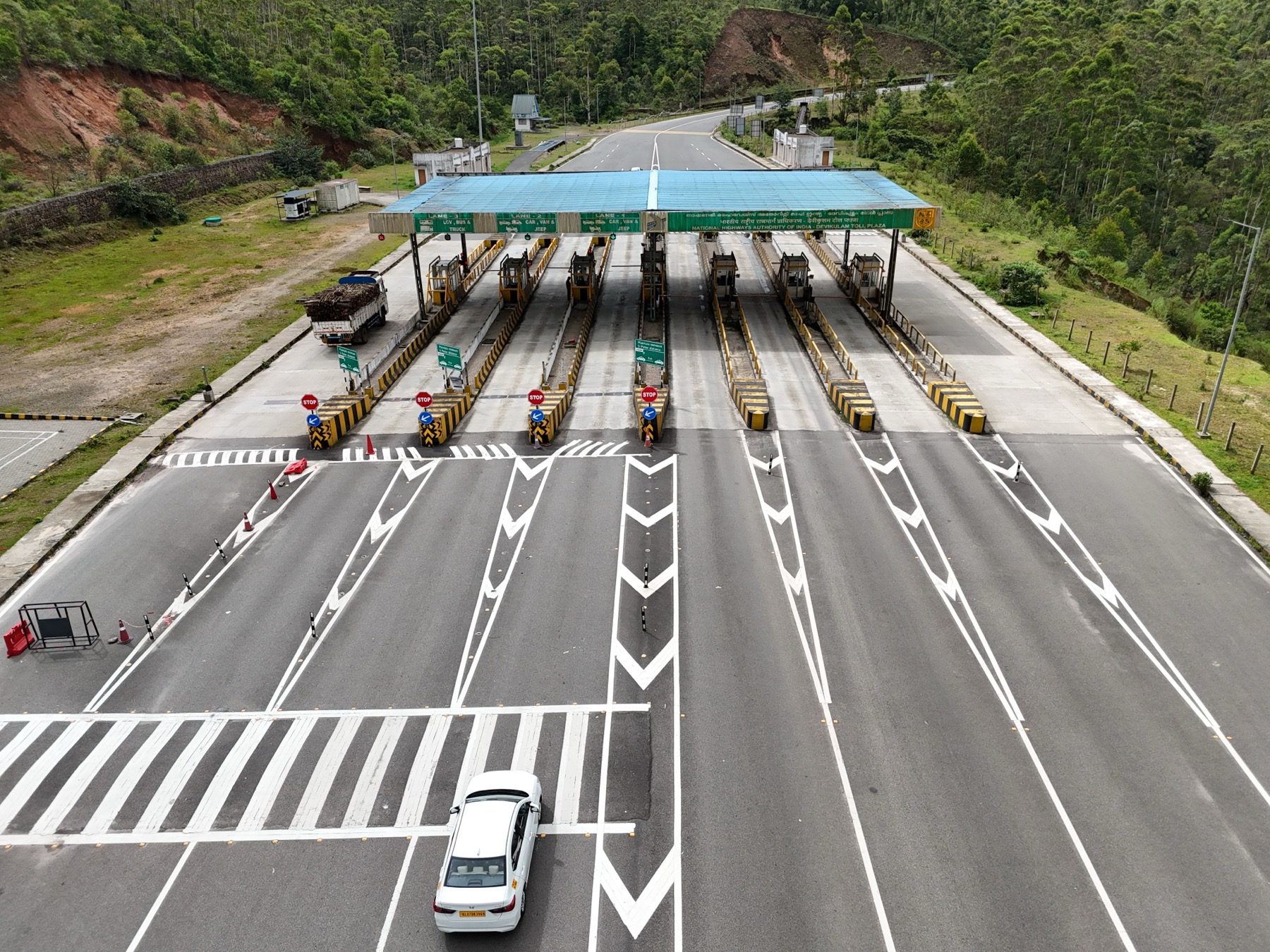
Drivers used to buying motorway vignettes keep looking for where and how you pay to use Swedish express roads. The answer will definitely please you, because Swedish motorways are completely free for passenger cars. You can crisscross the country from south to north without sticking anything on your windscreen or buying electronic vignettes. The money you save can go straight into better dinners or ferry tickets.
Even so, you’ll pull out your wallet now and then, because some specific stretches and city zones are tolled. Don’t look for classic toll booths with barriers, though, as the system runs fully automatically. Cameras mounted above the road photograph your number plate and the system unfailingly logs you into its database. Aside from the city toll, you’ll only pay to cross two local inland bridges (Motala and Sundsvall), where the charges are utterly negligible, around €1.
The bill for these crossings then arrives by post to your home address with a slight delay. A far more elegant and secure solution, however, is registering on the official Epass24 portal. There you simply enter your plate before the trip and link it to a payment card. That way you avoid any trouble with lost letters, needless late fees and worries about whether the invoice went astray in the post.
💡 Tip: Sort out your Epass24 registration from the comfort of home at least a week before departure, so you don’t forget in the rush of packing. It takes barely five minutes and saves you plenty of nerves once you’re back from holiday.
2. City Tolls in Stockholm and Gothenburg
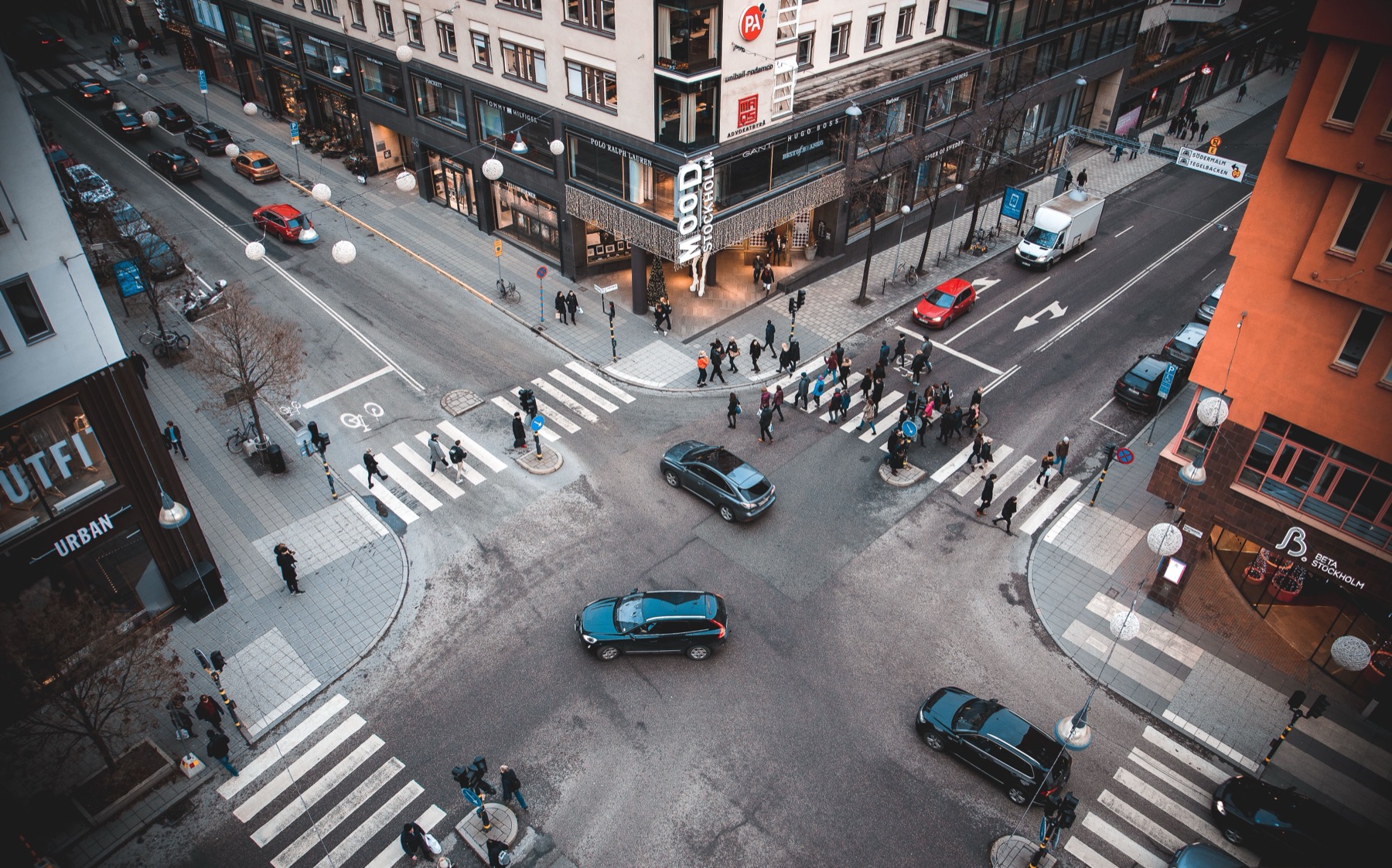
The most common charge you’ll meet on your road trip is the so-called congestion tax. This fee is collected when you enter the wider centres of Stockholm and Gothenburg. The aim is to reduce the number of cars on the streets, cut emissions and encourage use of the excellent local public transport, which works superbly in both cities.
It’s charged only on weekdays, roughly from six in the morning to half past six in the evening. The price per crossing changes dynamically according to the time of day and the traffic peak. Morning and afternoon are the most expensive (around 30 to 45 SEK), while the rate drops around midday. The maximum daily cap per car is firmly set at around 135 SEK per day (roughly €12), so you needn’t fear astronomical amounts if you drive through the centre repeatedly.
If you’re heading to Sweden for the summer holidays, I have great news. Throughout the whole of July, Stockholm’s toll is waived entirely because of the mass holiday season. In Gothenburg this holiday exemption applies too, so in summer you’ll drive through both cities completely worry-free. If you’re travelling in other months, though, consider parking on the edge of the city and using the subsidised, discounted public transport ticket.
💡 Tip: From July to the end of 2026, the Swedish government is subsidising public transport across the board. A 30-day Stockholm public transport (SL) ticket therefore costs just 530 SEK (about €47). If you plan to spend more than three days in the city, it pays to leave the car at a park-and-ride and get around with this discounted ticket.
3. The Øresund Bridge and Ferry Crossings
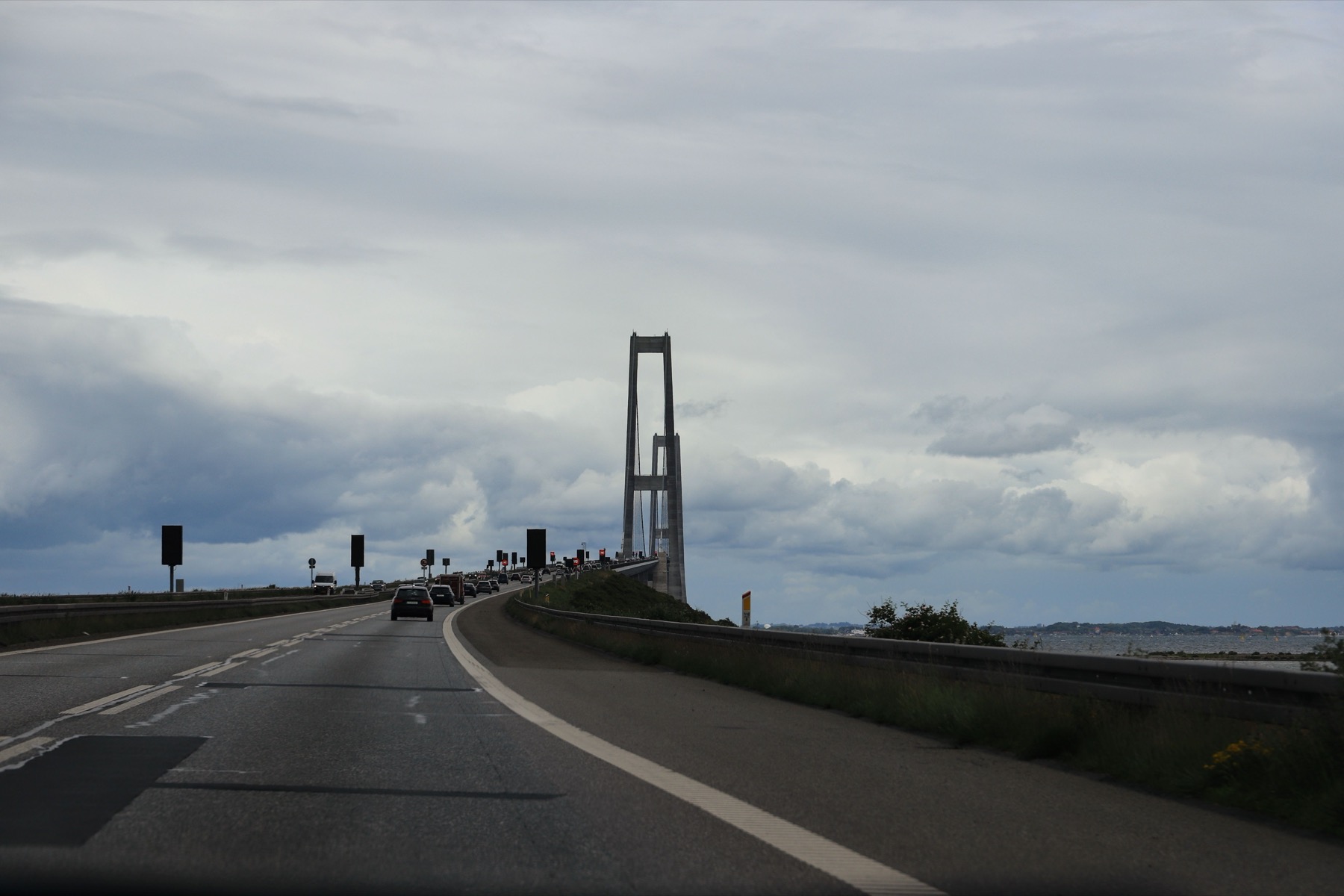
If you decide to skip the ferries from Poland or Germany and take the land route through Denmark, you can’t miss the famous Øresund Bridge. Four kilometres above the sea, an undersea tunnel beneath it and views to both horizons — the crossing over Øresund will stay with you for a long time. A one-way crossing for a standard passenger car costs roughly 470 to 510 Danish kroner, about €63 to €68 depending on the season.
For travellers planning to drive across the bridge both there and back, it’s clearly worth considering the annual ØresundGO subscription. With this programme the price per crossing drops sharply to around 178 Danish kroner (about €24). The annual maintenance fee thus pays for itself on your very first return trip, and on top of that you’ll pass through the toll gantries without delay in the express lane. An alternative is the short twenty-minute ferry between Helsingør in Denmark and Helsingborg in Sweden, which saves you the Copenhagen traffic.
Most drivers, though, prefer ferries that significantly cut the time spent behind the wheel. The line from Świnoujście in Poland to Ystad is very popular, as is the one from Rostock in Germany to Trelleborg. For the summer season, I recommend buying tickets several months ahead, because prices work much like airfares. Just before departure, the overnight crossings with cabins tend to be hopelessly sold out and the prices of what remains soar.
💡 Tip: Even when travelling within the Schengen area, don’t forget to bring a valid ID card or passport for everyone in the car. The Swedish government has extended random border checks until at least November 2026, so officers can easily stop you as you come off the bridge or ferry.
4. Speed Limits and Uncompromising Cameras
Driving in Sweden is incredibly calm, traffic flows smoothly and local drivers are as considerate as they come. But the moment you press the accelerator a little, you’ll discover that Swedes take speed limits absolutely seriously. On motorways you’ll typically drive 110 or 120 kilometres per hour, on ordinary roads 70 to 90, and in built-up areas a strict fifty applies, sometimes even just thirty.
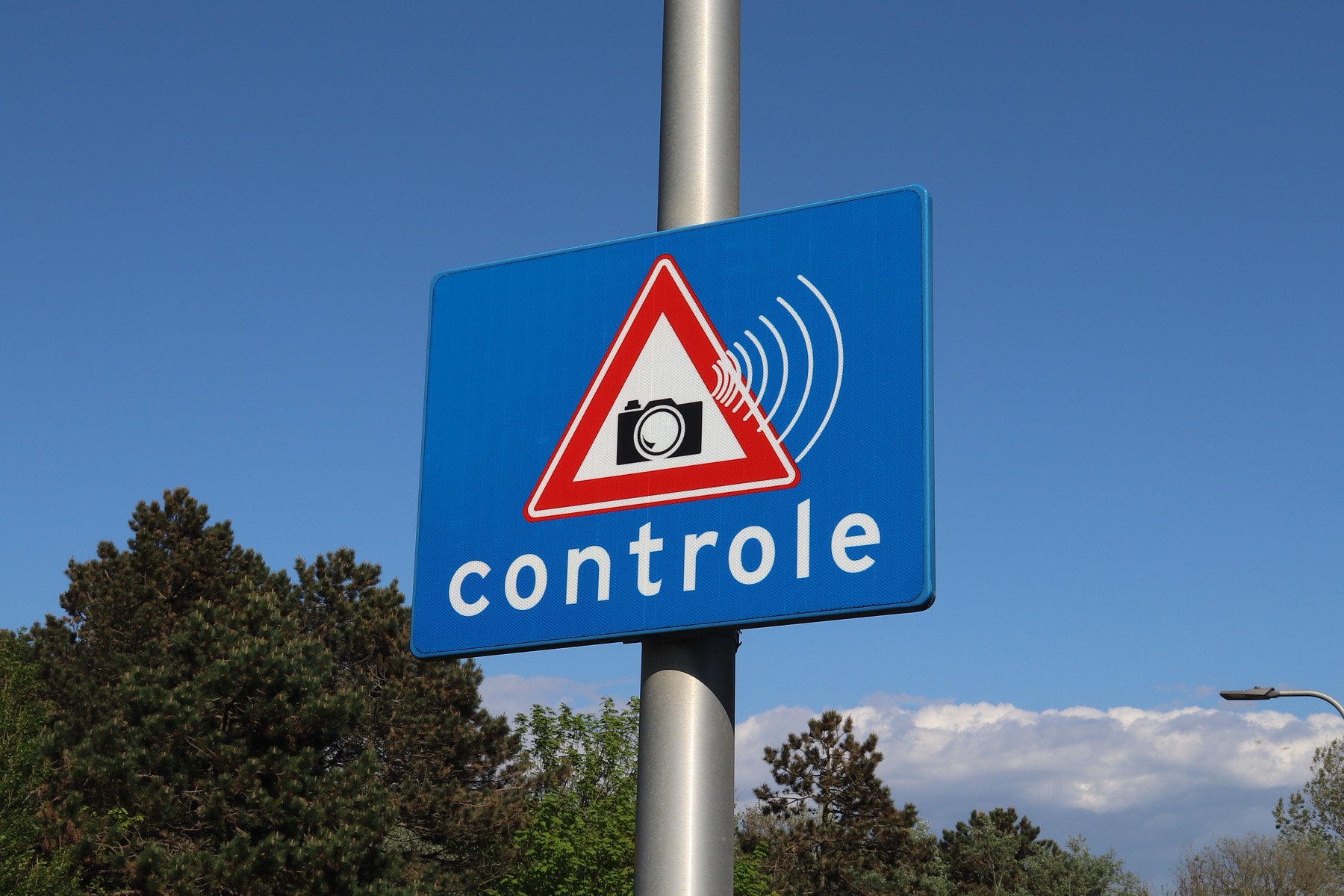
You need to watch the speedometer like a hawk, because one automatic camera after another lurks along the roads. These inconspicuous grey posts by the roadside (ATK for short) won’t blind you with a flash, but they’ll record you utterly reliably. They’re often placed before junctions, schools or dangerous forest stretches. Local drivers always obediently slow down for them, and if someone is tailgating you, don’t let yourself be provoked into driving faster.
If you do speed, don’t expect any leniency from the authorities. Fines start at 1,500 Swedish kroner (roughly €130) for a minor offence and climb steeply into astronomical heights as your speed increases. Thanks to cross-border enforcement within the European Union, the letter with a hefty invoice will reach your mailbox with absolute certainty, so it doesn’t pay to assume you’re invisible abroad.
💡 Tip: Many modern cars have adaptive cruise control with traffic-sign recognition. In Sweden, make the most of this feature — it saves you a lot of stress from constantly checking your speed on long, monotonous stretches.
5. Hitting a Moose Isn’t Just Local Folklore
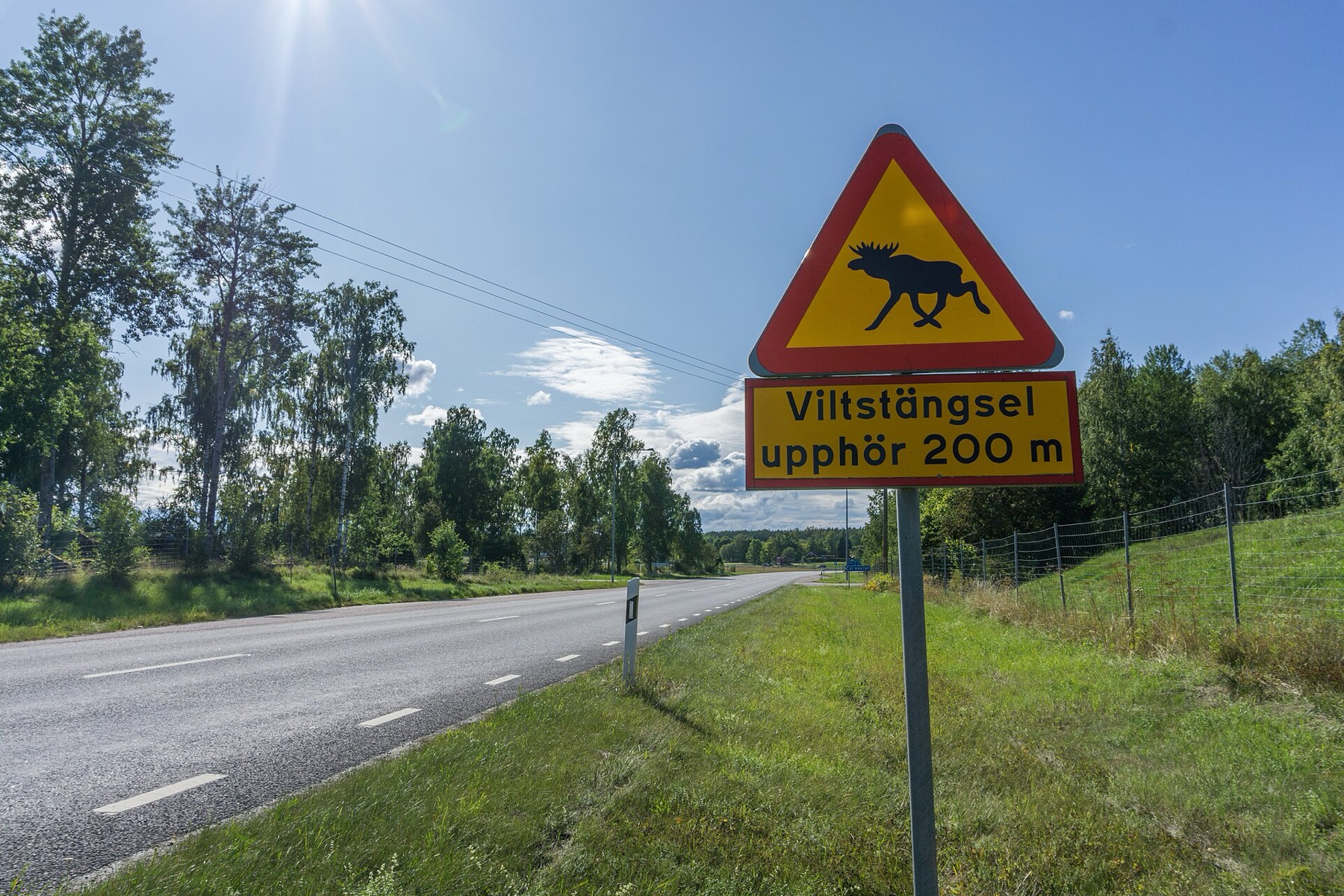
That sign with a moose on it really isn’t just a cute tourist attraction for selling souvenirs, but a genuine warning of enormous danger. Sweden’s moose population sits at around three hundred thousand, and these animals behave utterly unpredictably. The greatest risk of a collision traditionally comes at dusk and dawn, when the animals migrate for food across roads lined with deep forest.
An adult moose has a huge, heavy body set on very long legs, which is an absolutely fatal combination for low passenger cars. On impact you cut the animal’s legs from under it, and its weight (easily half a tonne) lands straight on your windscreen. This is why Swedes call the moose stretches the ‘death zone’. That’s why local drivers automatically slow to eighty in high-risk areas and constantly scan the edge of the forest with their eyes. The moment you see a car stopped by the road with hazards flashing, brake immediately — someone is probably watching a herd crossing.
If a moose unexpectedly runs into your path, the golden Swedish rule is absolutely clear and uncompromising. You must brake hard in a straight line and under no circumstances swerve to the side. An evasive manoeuvre means you’ll hit the animal side-on, or end up in a deep ditch among the trees, which tends to have far worse consequences than a direct impact within your braking distance.
💡 Tip: In the event of any collision with larger wildlife (moose, reindeer, deer, wild boar), you’re legally obliged to mark the accident site with special tape and immediately call the police on 112. You must do this even if the animal runs off wounded deep into the forest after impact.
6. Lights On 24/7 and Tricky Winter Tyres
Swedish traffic rules require you to keep your dipped headlights on 24 hours a day, all year round. It doesn’t matter whether it’s a bright summer day in the south of the country or the midnight sun up north — the lights simply have to be on at all times. Most modern cars handle this with automatic daytime running lights, but with older vehicles you need to watch out the moment you turn the key in the ignition.
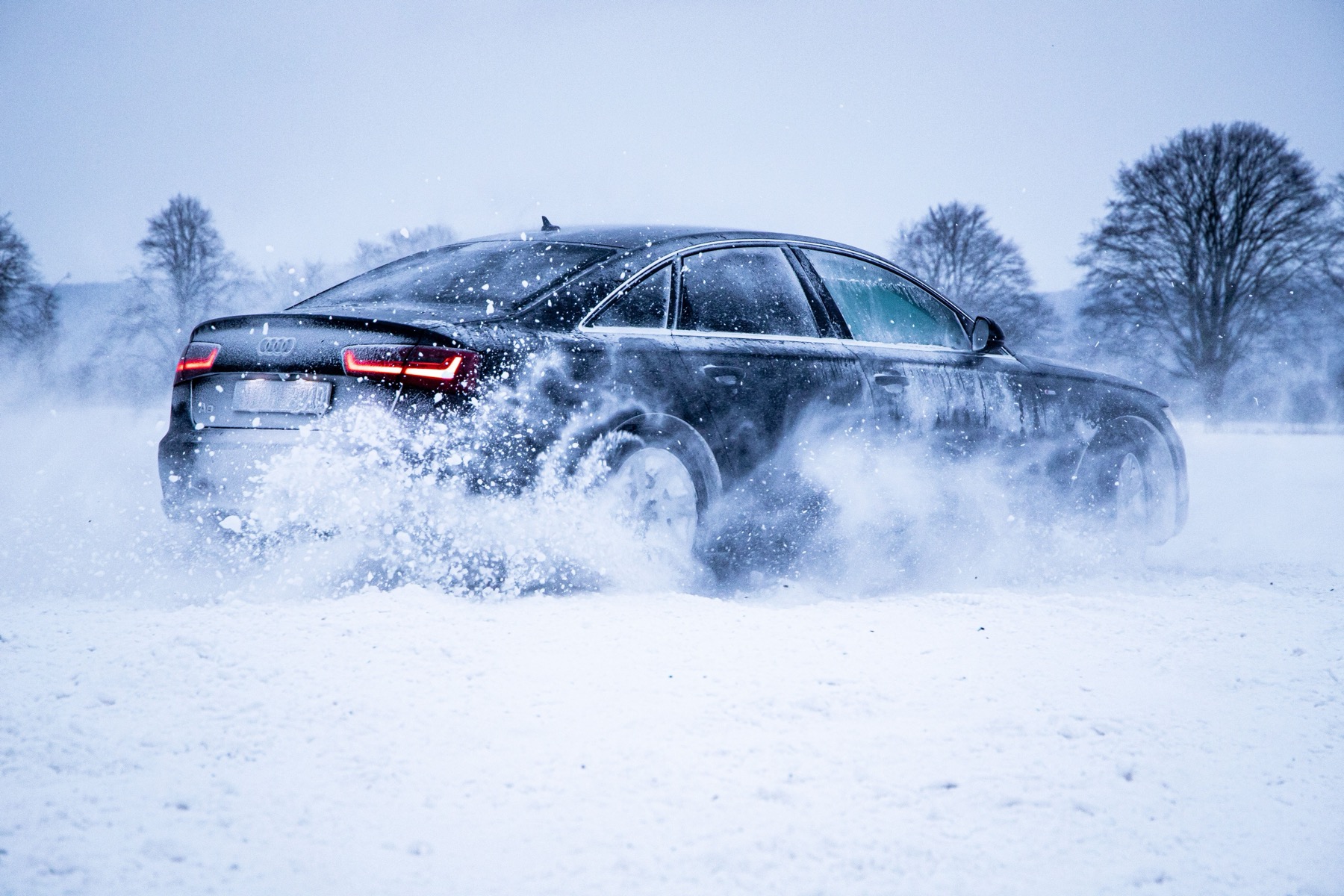
Winter gear is a chapter of its own, and one that trips up plenty of tourists heading north for the northern lights. From 1 December to 31 March, winter tyres are mandatory for all foreign cars too, whenever winter conditions prevail on the road. The wording of the law may seem flexible, but in practice it means any snow, ice, churned-up slush or even ordinary morning frost on bridges.
A key change in recent years is the significantly stricter requirement on the quality of the tyres themselves. Tyres must now bear the alpine snowflake-in-a-mountain symbol (3PMSF); the mere M+S marking is no longer enough for the police during a roadside check. Whether winter conditions prevail is always decided by the officer on the spot. Blaming your home-country habits definitely won’t save you from a hefty fine.
💡 Tip: If you’re renting a car directly at a Swedish airport in the winter months, always make sure it’s fitted with studded tyres (dubbade däck). On icy Nordic roads, studded tyres give you an incredible sense of security that you’ll never get with ordinary winter tyres.
7. Drink Driving Is Never Forgiven
While some southern European countries turn a blind eye to a glass of wine with lunch, Sweden takes the exact opposite approach to safety. The legal blood alcohol limit is a mere 0.2 per mille. In practice this means zero tolerance, because even one weak beer can reliably push you over this critical line and ruin your entire holiday.
The police carry out random breath tests very often, especially near large ports, at the exits from morning ferries and on main routes on summer weekends. Having a beer with lunch and getting straight behind the wheel is the quickest route into serious trouble. Fines are genuinely astronomical, and at higher readings you risk immediate confiscation of your driving licence, seizure of the vehicle or even prison.
Watch out too for the residual alcohol still in your system the morning after a boisterous summer evening. It’s easy to forget after evening barbecues at the campsite, when beer flows freely. If you’re not 100% sure you’re completely sober, better leave the car keys on the table and set off on a morning walk into the forest or down to a nearby lake.
💡 Tip: In an ordinary Swedish supermarket you can only buy alcohol up to 3.5% (so-called folköl). Anything stronger is sold exclusively in the state-run Systembolaget shops. These have fairly strict opening hours and are closed entirely on Sundays and public holidays, so factor that into your evening plans.
8. Fuelling, Charging and the Cashless Trap
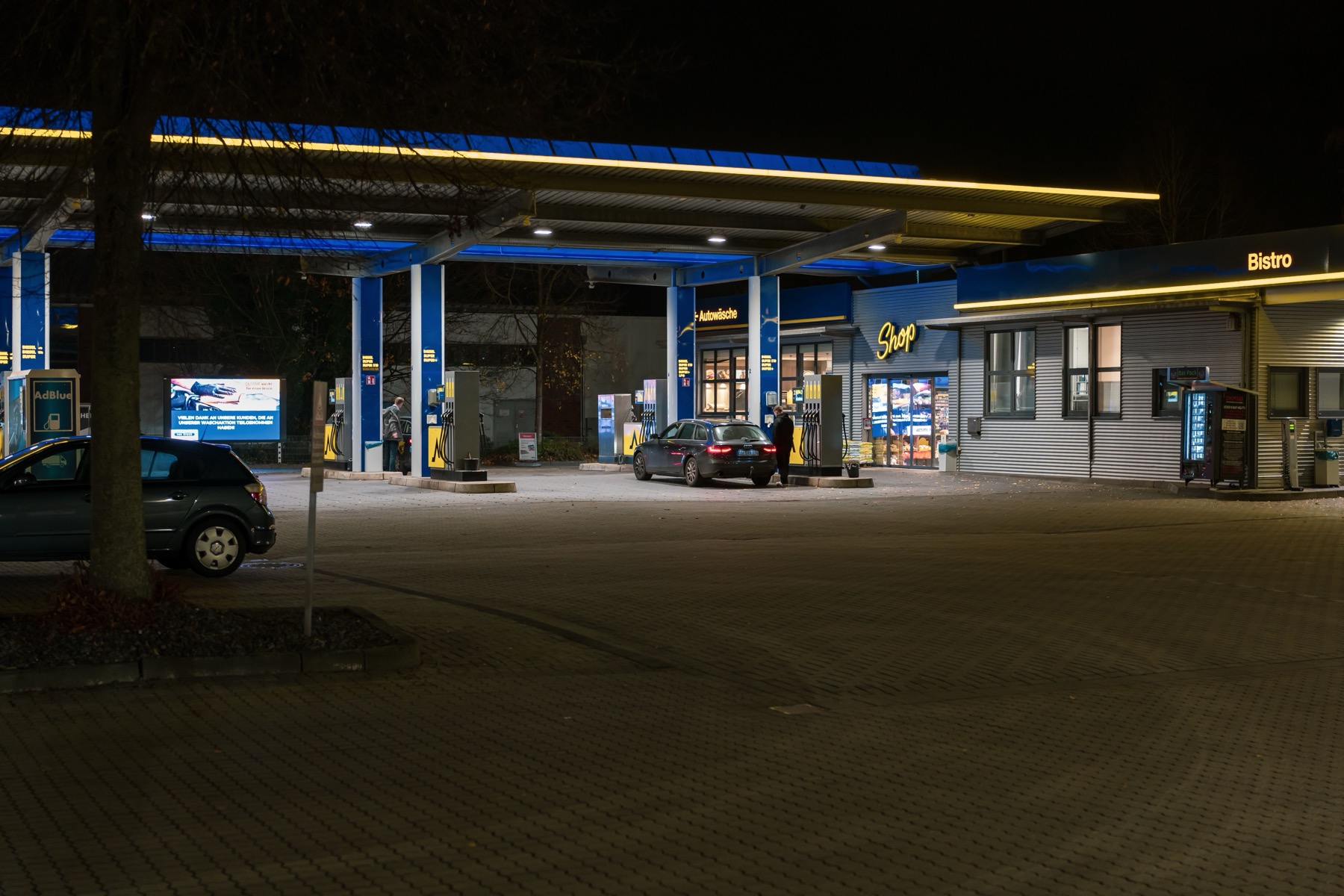
Refuelling at Swedish petrol stations is, in the overwhelming majority of cases, fully self-service — the staff inside the shop won’t help you with the fuel. You pull up to the pump, insert your payment card, enter your PIN, select the pump number and only then start fuelling. The price of fuel currently sits between 17 and 20 Swedish kroner per litre (about €1.50–€1.80), which is quite comfortably in line with prices elsewhere.
Sweden is probably the most cashless country in the whole world, so you’ll rarely use cash at the pump. When paying by card, though, be extremely careful about so-called DCC conversion. The terminal will very often offer to bill you directly in your home currency, which you should always firmly decline. Choose to pay in local Swedish kroner (SEK), otherwise you’ll pay a hidden surcharge for an extremely unfavourable exchange rate.
For EV owners, this Nordic country is a promised land with an exceptionally dense network of fast chargers. Before the trip it pays to download the apps of the main operators such as Recharge, Ionity or InCharge, because charging stations are reliably found even in smaller towns in the north and no dramatic logistical planning awaits you. You’ll find charging stations reliably even in small towns far to the north, so a smooth electric road trip across the country requires no extreme logistical planning.
💡 Tip: Locals pay for everything using the Swish mobile app, which handles instant money transfers. As a tourist, though, you can’t set it up without a Swedish personal number (personnummer) and a local bank account. At farmers’ markets, you’ll therefore be reliant solely on a classic payment card.
9. The Enormous Distances You’ll Reliably Underestimate
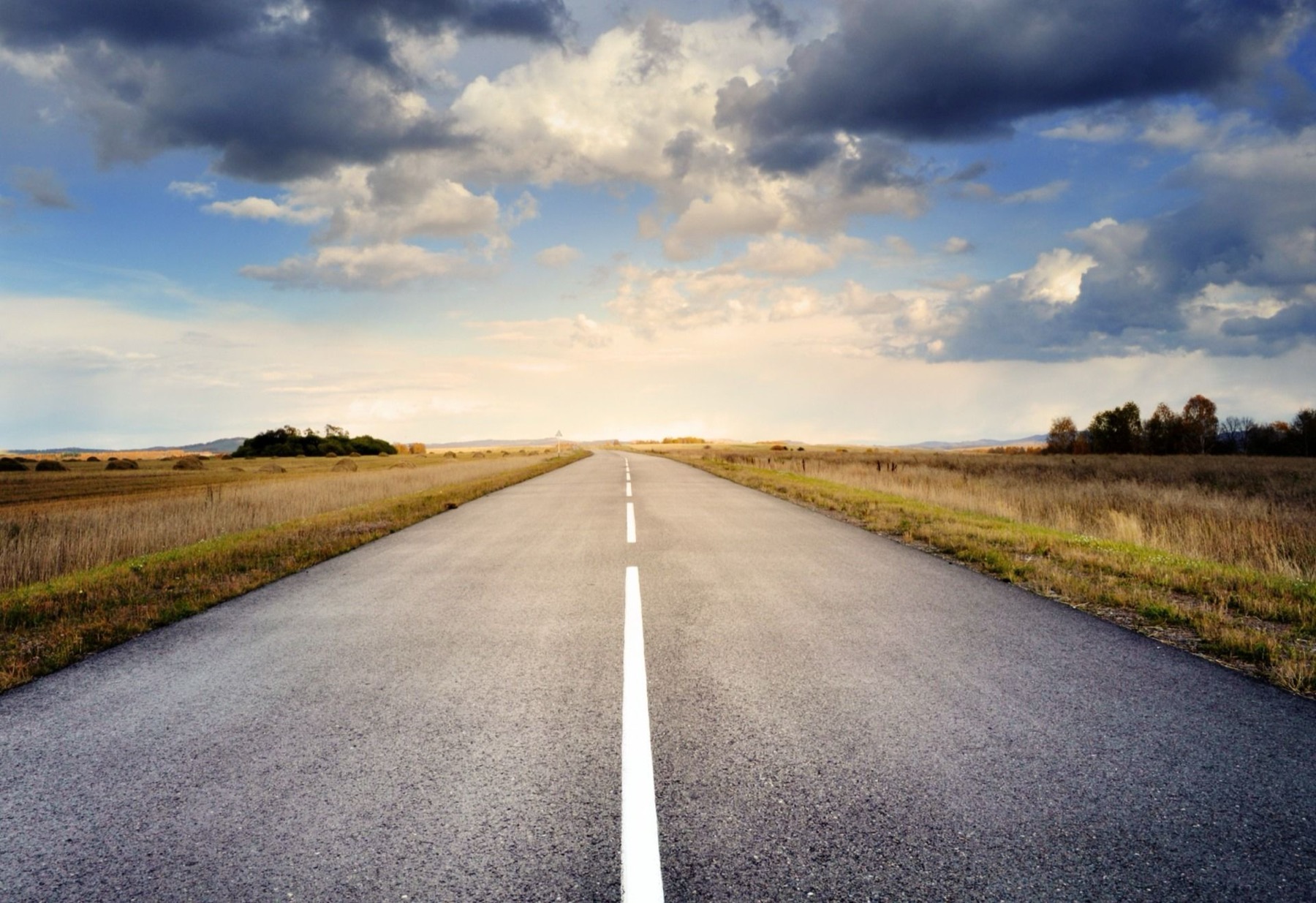
Looking at a map of Europe, plenty of people tend to view Sweden through central-European scale and plan their drives accordingly. The reality, though, is that the route from Malmö in the south to Kiruna in the north measures over 1,800 kilometres. That’s exactly the same distance as driving from central Europe all the way across France to Madrid in Spain.
Almost every traveller underestimates this tricky geographical trap on their first road trip. Planning daily hops of around five hundred kilometres means you’ll spend your whole dream holiday just staring at the asphalt. Speed limits are strict, off the motorway you’ll do eighty at most, and your average speed will be far lower than you’re used to at home because of villages and junctions.
The ideal daily portion for a relaxed family road trip is around two to three hundred kilometres. That gives you enough time for spontaneous stops at crystal-clear lakes, short afternoon hikes in national parks and calm evening cooking at the campsite. Remember that up north the road often winds around endless stretches of water, and there’s simply no way to shortcut across the mountains.
💡 Tip: If you long to see the Arctic Circle but don’t have three weeks to spend driving, consider taking the car train. Swedish railways SJ let you load your car in Gothenburg or Stockholm and comfortably transfer overnight to Luleå or Kiruna, saving you an enormous chunk of kilometres.
10. Quirks of the North: Gravel, Reindeer and Mosquitoes
If you head inland or up to the wild far north of Lapland, the character of driving changes radically. The main routes, like the famous inland road Inlandsvägen, are asphalt, but many turn-offs to national parks turn into long gravel tracks. On these gravel stretches you have to slow down considerably to protect your undercarriage from flying stones and avoid skidding on an unexpected bend.
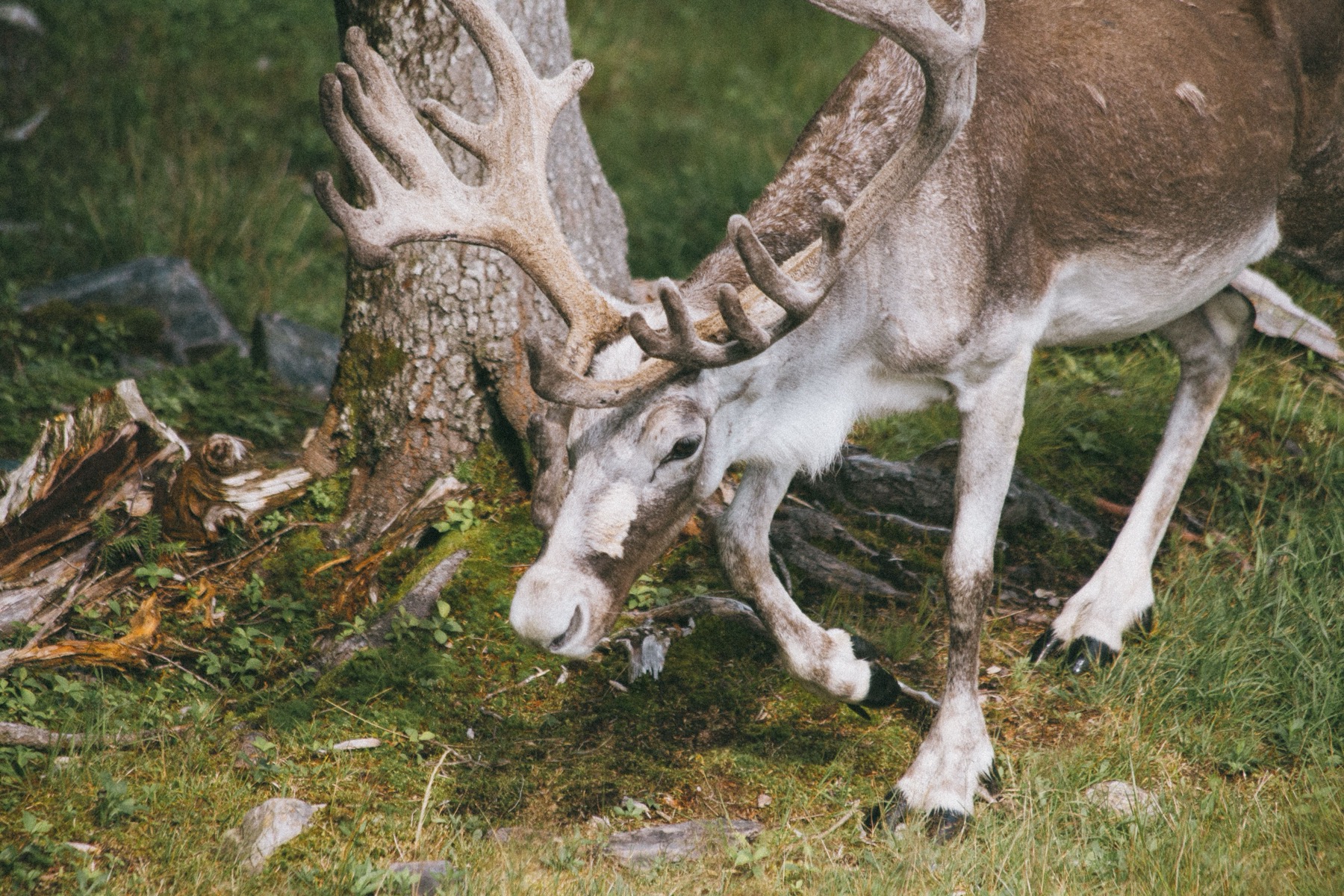
Instead of the usual moose, up here you’ll far more often meet semi-wild herds of reindeer belonging to the local Sámi people. Reindeer are absolutely used to passing cars, aren’t afraid of them at all, and with icy calm will stroll right in front of your bonnet. Sometimes you simply have to stop, switch off the engine and calmly wait for the animals to graciously decide to leave the road. Honking at them usually doesn’t work at all and only stresses them needlessly.
Another quirk of the Nordic summer is pesky insects, specifically aggressive mosquitoes and tiny flies called knott. While in the south of Sweden the situation is completely fine, in the north near the marshes the insects can drive you out of the car the moment you open the door. Repellents from home don’t work well here, so pop into the first supermarket and grab the Swedish brand Mygga with a high DEET content — that’s the one that actually works.
💡 Tip: Mobile signal in Sweden is generally excellent, and you’ll catch it even on a deserted island. In the deep mountains and remote valleys of the north, though, you’ll occasionally hit absolute dead zones. To be safe, always download offline maps to your phone.
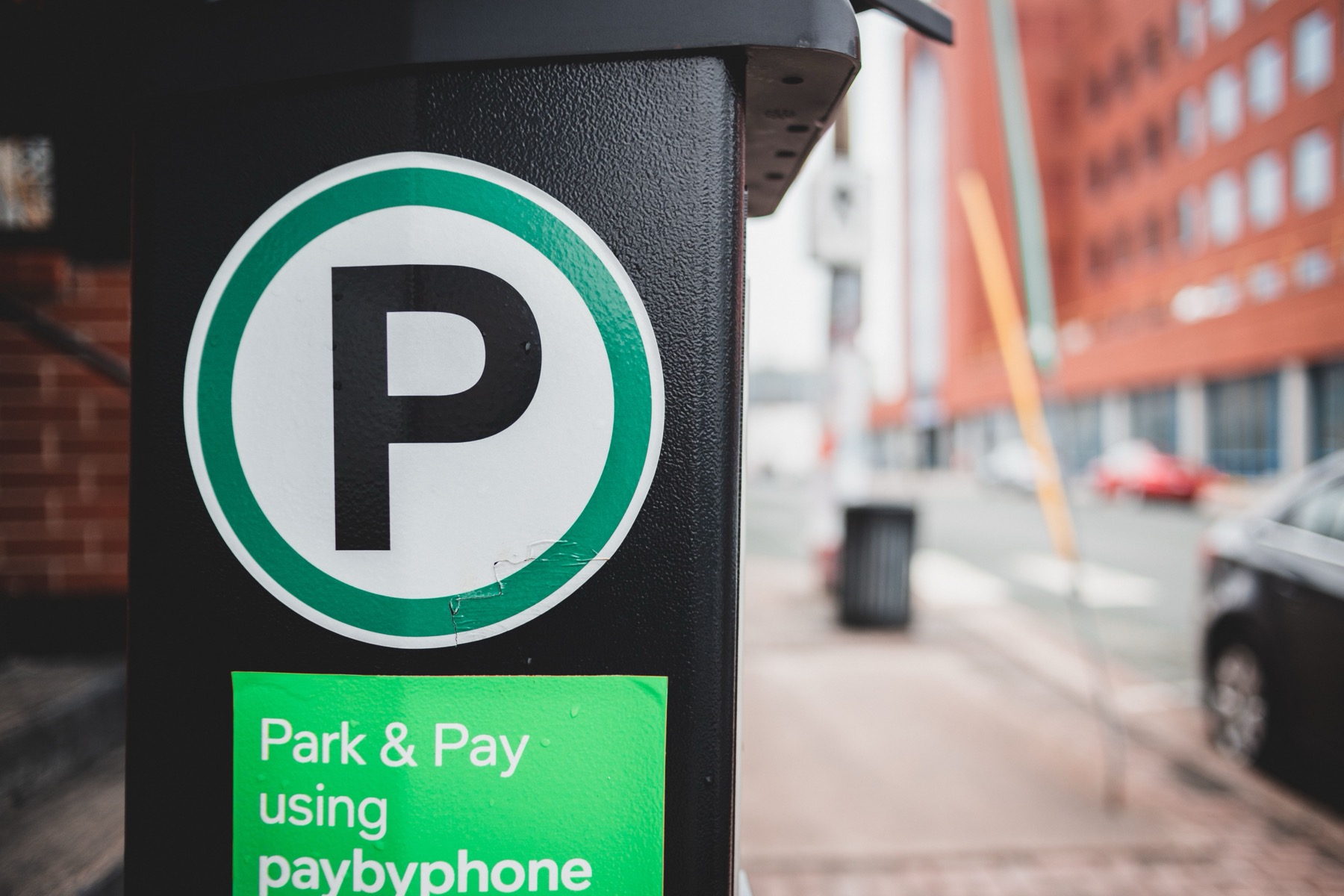

11. Parking in Cities and the Magical P-skiva
Parking in the centres of big Swedish cities like Stockholm or Gothenburg takes a little patience and quite a lot of money. On the streets you’ll usually find classic parking meters, but far more convenient are the Parkster or EasyPark apps — you enter the zone, start parking with one tap and end it only when you return, so you pay for exactly the time you actually spent.
In smaller towns, at large supermarkets or at more remote tourist attractions, you’ll very often come across free parking that is, however, strictly time-limited. You’ll recognise it by the blue sign with a P and a parking-clock symbol accompanied by a time limit, for example 2 tim (two hours). For this you’ll definitely need a plastic or paper parking clock, which in Swedish is called a P-skiva.
You simply set this parking clock to the exact time of your arrival and leave it visibly on the dashboard behind the windscreen. If your rental car happens not to have one, you can buy it for a few kronor at any petrol station, newsagent or local information centre. Checks at shop car parks tend to be very quick, and a missing P-skiva means a completely needless fine of a few hundred Swedish kronor that you could otherwise have spent on coffee.
💡 Tip: If you arrive at a time-limited car park at, say, 14:15, Swedish rules let you set the clock to the nearest following half-hour, i.e. 14:30. That legally gives you a few extra minutes.
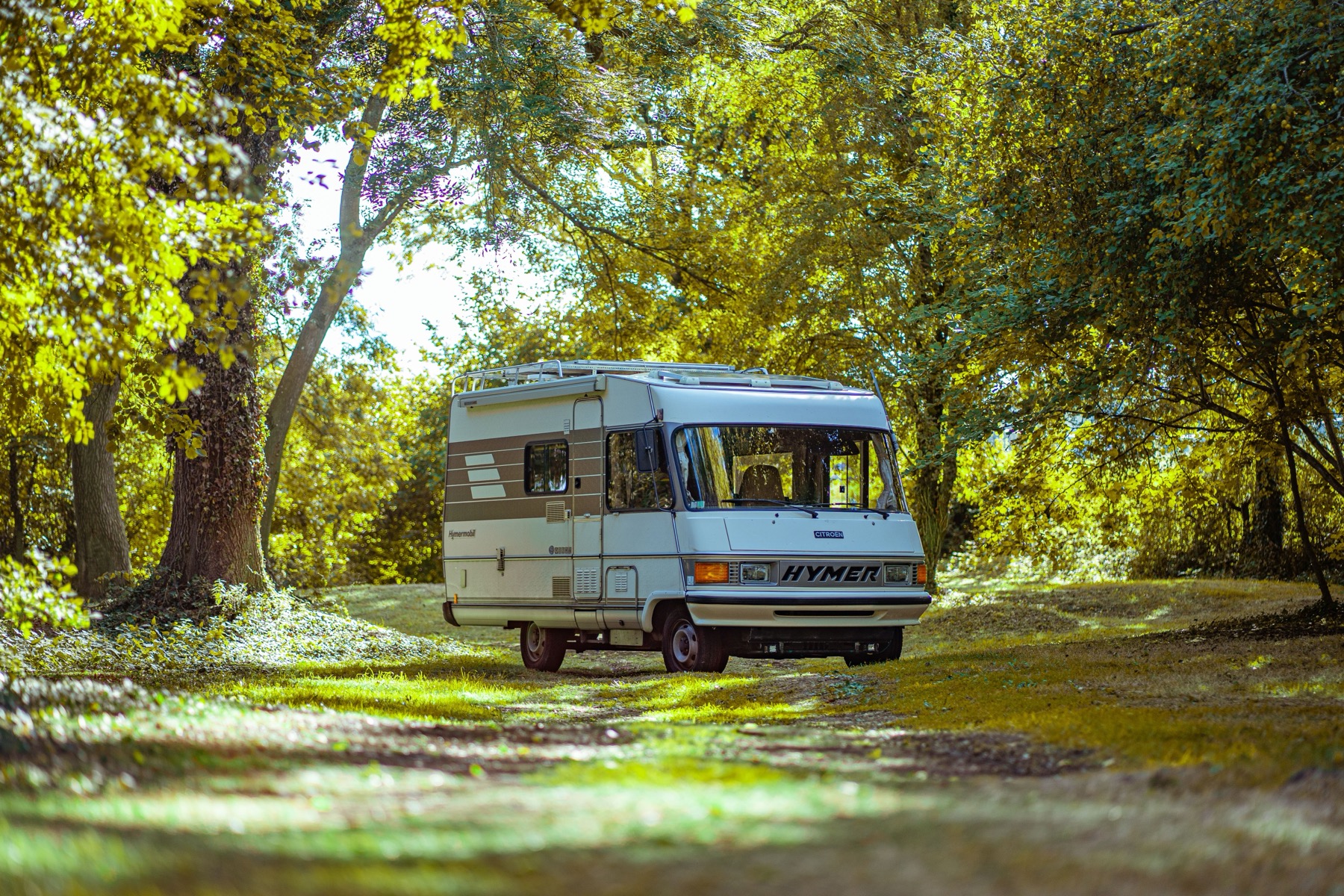
12. Myths About Camping with a Motorhome
Sweden’s famous right of public access to nature, allemansrätten, is probably the most misunderstood term on the entire internet. Discussions endlessly repeat the popular myth that with a motorhome or camper van you can pull over and sleep anywhere in the forest at random. This is, both legally and factually, an absolute misconception, and one that has recently led to needless conflicts with locals and to more and more prohibition signs.
The right of public access is historically meant solely for hikers with a backpack or cyclists, allowing them to pitch a tent for one night practically anywhere out of sight of houses. The off-road driving law, however, strictly prohibits driving any motor vehicle off the marked, surfaced roads. You may not park a camper on a flowering meadow, you may not drive it onto a sandy beach, and you may not set it up in the middle of a deep forest among the trees.
So where can you safely and legally sleep with a big vehicle? You’ll park safely and legally only in public roadside car parks, at official rest areas, or best of all at designated camper spots called ställplats. You’ll find these spots all along the way, and they often offer the chance to top up fresh water and empty your waste tank. Overnight you’ll have absolute peace, security and the certainty that no angry landowner will come knocking in the morning.
💡 Tip: Even when camping with a tent legally under the allemansrätten rules, always respect the privacy zone called hemfridszon. The unwritten rule says you should be at least 150 metres from the nearest house, and ideally positioned so you can’t be seen from the windows at all.

13. Food on the Road: Dagens Rätt and Fika
Travelling around Sweden definitely doesn’t have to mean eating dry bread rolls and instant soup for a month. Restaurants can certainly give your budget a good airing, but you just need to know the magic phrase dagens rätt. It’s the traditional lunchtime daily menu that most bistros and even roadside restaurants (like the popular Swedish chain Rasta) offer from roughly eleven to two in the afternoon at a very reasonable price of around 120 to 150 Swedish kroner (€11–€13).
At this price you get not only the main course itself, but also a huge bonus you won’t easily find elsewhere in Europe. Included is free access to the salad buffet, fresh bread with butter, free water and very often coffee to finish. For that price it’s honestly a little unreal. You’ll load up a bowl of fresh vegetables, enjoy a creamy mushroom soup, vegetarian meatballs or a juicy halloumi burger, and leave completely full for a price that’s not far off restaurants back home.
Instead of pricey afternoon cafés, try the Swedish national sport called fika, which I recommend to absolutely everyone. Stop at a local bakery, at cafés of the popular Espresso House chain, or even at a better-equipped petrol station and have a freshly filtered coffee with a fragrant cinnamon bun (kanelbulle). This ritual will cost you around 70 to 100 kronor (€6–€9), amply replaces an afternoon snack, and lets you soak up that genuinely laid-back Nordic atmosphere.
💡 Tip: If you’re planning an evening around the cabin, remember that you can only buy wine at the state-run Systembolaget shops. What’s more, they’re strictly closed on Saturday afternoons and all day Sunday, so you need to sort your weekend supplies by Friday.
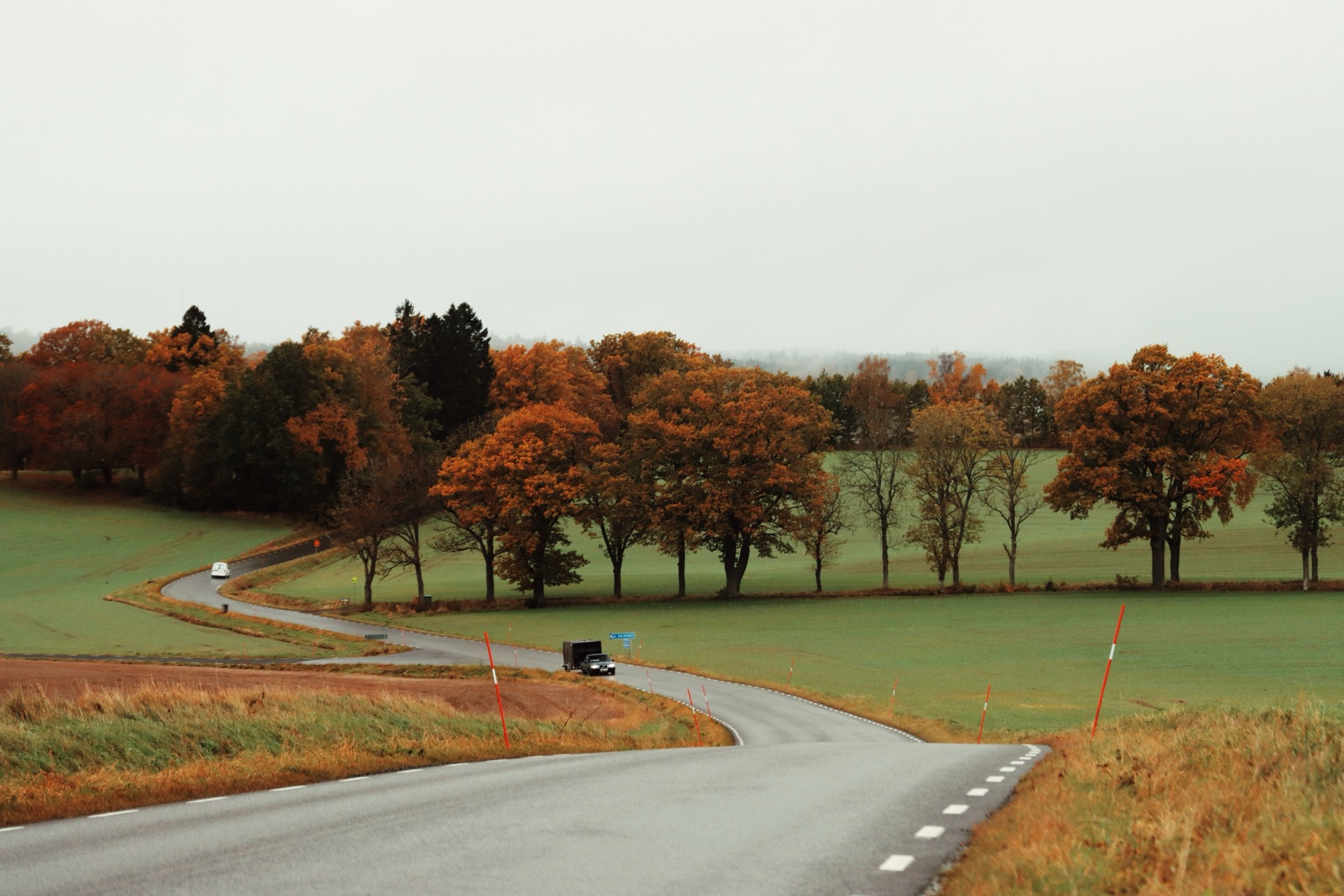
14. The Three Best Routes for Your Road Trip
Don’t want to plan a route entirely from scratch and spend ages poring over maps? If you think it’s enough just to arrive and spontaneously head ‘somewhere north’, Sweden will quickly bring you back down to earth. From a road-trip perspective, the country can be divided into three main clusters according to how much time you have and which landscape appeals to you most. Each area offers a completely different experience, from sun-drenched beaches in the south to rugged tundra in the far north.
The southern part of the country (the Skåne and Småland regions) is absolutely ideal for families with children and travellers heading to Scandinavia for the very first time. You’ll find a dense network of superbly equipped campsites, shorter distances between towns and plenty of attractions linked to the stories of Astrid Lindgren. The west coast around Gothenburg (Bohuslän), on the other hand, draws lovers of the ocean, granite cliffs and charming red fishing villages, where life revolves around boats and the sea breeze.
If you have three weeks and the soul of a true adventurer, you can set off on the great epic journey north. This option takes you along the rugged east coast all the way beyond the Arctic Circle, where in summer the sun never sets. The return then usually runs through the rough interior along the legendary Inlandsvägen road, where you’ll pass endless forests, hundreds of deserted lakes and probably meet more reindeer than oncoming cars.
💡 Tip: Whichever route you choose, always leave at least one free day as a buffer in case of bad weather or unexpected delays on the long drives. Below we’ll look at the specific breakdown of each itinerary.
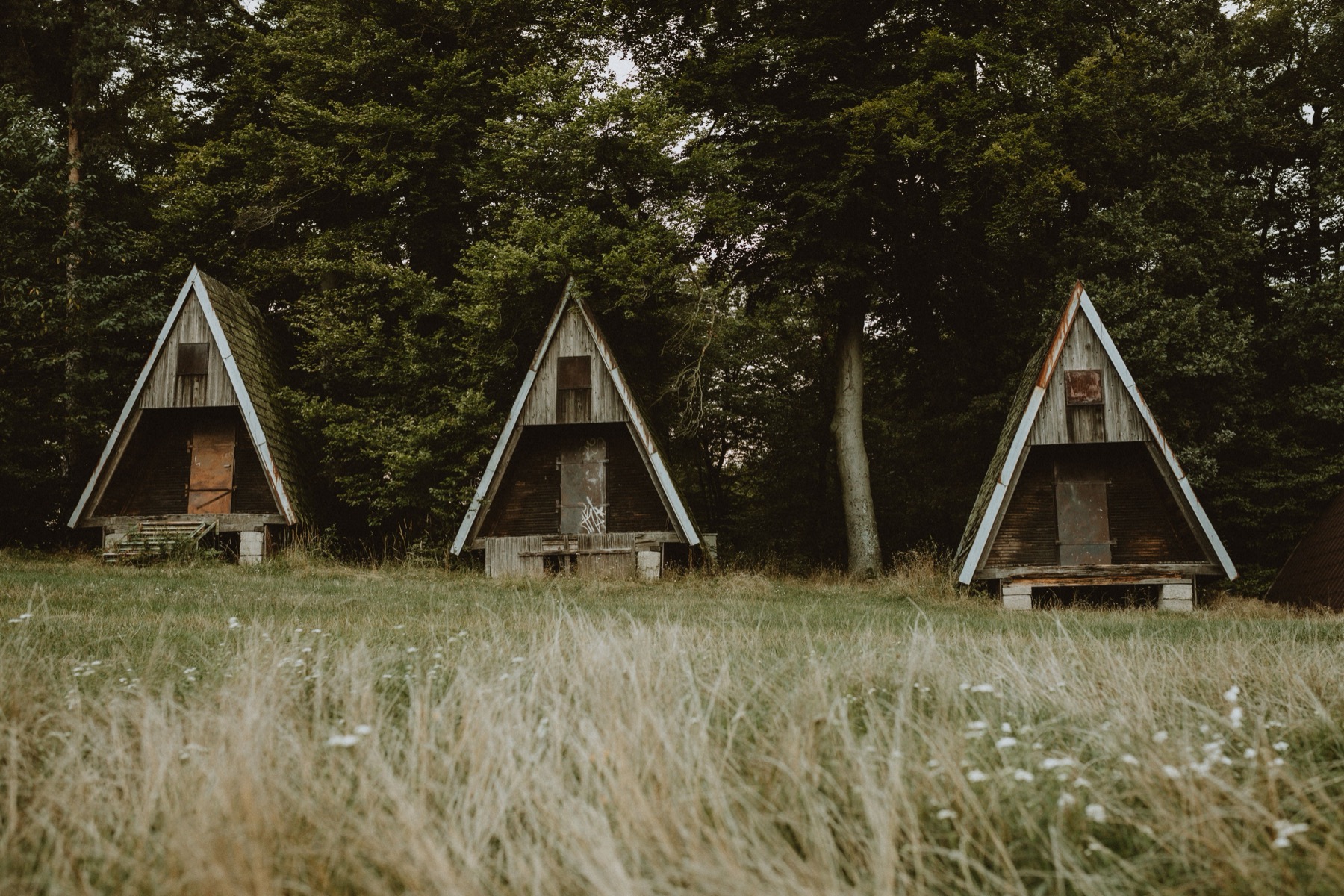
Where to Stay
💡 Tip for accommodation and experiences: We prefer to look for accommodation on Booking.com, which usually has the best cancellation terms. For tickets, tours and activities, it’s worth comparing and booking through GetYourGuide.
Setting aside sleeping in a tent for a moment, Sweden offers a fantastic network of accommodation made precisely for people on the road. The most popular option are so-called stugor, the classic red wooden cabins scattered across campsites throughout the country. They tend to be perfectly clean, fitted with a small kitchenette and fridge, and if you bring your own sleeping bag or bedding, you’ll save a decent amount on the final cleaning fee.
Prices for these cabins in 2026 range roughly from 600 to 1,200 Swedish kroner (about €53 to €105) per night depending on the size and appeal of the specific location, which is an absolutely ideal choice for a family.
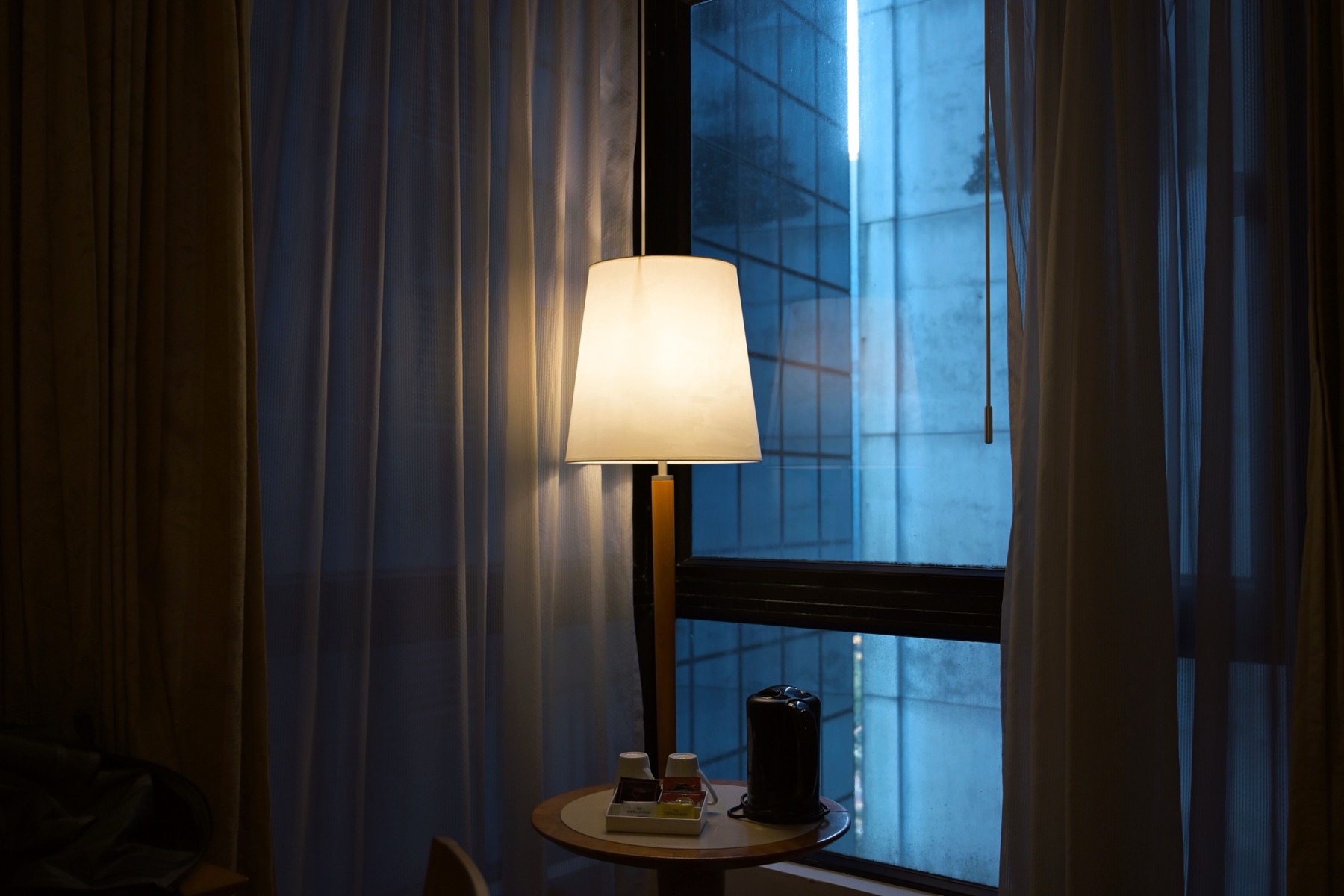
4 Popular Places to Rest Your Head
I’ve picked out a few specific, highly rated places that travellers on the route use very often and gladly:
- First Camp Råå Vallar (Helsingborg): If you arrive in Sweden by ferry and need to spend the night right after landing in the south, this huge modern campsite right by the sea is an absolute safe bet. It offers beautifully maintained cabins and perfect facilities for your first Nordic night.
- Kosta Lodge (Småland): An ideal stop when following in the footsteps of the famous crystal makers in forested Småland. You’ll find very stylish, spacious cabins set in a quiet pine forest, with outdoor pools and hot tubs to enjoy.
- Lisebergsbyn (Gothenburg): If you’re planning to explore the west coast or take the family to the amusement park, this sprawling site on the edge of the city offers great accommodation in nature with an excellent tram connection straight into the centre.
- Abisko Guesthouse (Lapland): An excellent base for trips to the rugged far north near the Arctic Circle. Simple but incredibly warm accommodation in the heart of the national park with a perfect view of the majestic mountains.
💡 Tip: Most Swedish campsites use the European registration system. If you sort out a digital Camping Key Europe card in advance, you’ll get small discounts at plenty of places and check-in at reception will go much faster.
The Three Best Road Trips Through Sweden
Let’s take a look at specific itineraries that cover the very best this enormous Nordic country has to offer. I’ve chosen three tried-and-tested routes, so there’s something for absolutely everyone, whether you’re going for a long week or a big summer expedition.
Southern loop: castles, glass and windmills (10 to 14 days) This is the absolute classic for a first visit, ideal for families with children. The route measures roughly 1,200 kilometres. You arrive on the morning ferry to Ystad, explore the gorgeous southern beaches of the Skåne region and the mysterious megaliths of Ales stenar. Then you cross the long bridge to the flat island of Öland, dotted with old windmills and castle ruins. From there you turn into the deep forests of Småland, visit the glassworks and the town of Vimmerby, where the tales of Pippi Longstocking come alive. You head back to the ferries via picturesque Gothenburg and along the rugged west coast.
The Bohuslän west coast (7 to 10 days) This route is an absolute paradise for lovers of the ocean, granite rocks and a slow pace of life. The loop measures about 600 kilometres, so you’ll spend far less time behind the wheel. The route starts in Gothenburg and stretches north along the incredibly rugged coastline all the way to the Norwegian border. Along the way you’ll find iconic wooden villages like Smögen or Fjällbacka, dozens of islets reachable only by small local ferries and the breathtaking marine national park Kosterhavet. In the evenings you’ll take walks over the smooth rocks with a view of the endless horizon.
The great journey north (3 weeks) A route for true adventurers, clocking up over 3,500 kilometres. From the southern ports you set off on the fast E4 motorway along the east coast, with a stop at the stunning High Coast (Höga Kusten), where you can do a fantastic trek through Skuleskogen National Park. You’ll drive far beyond the Arctic Circle to the mining town of Kiruna and mountainous Abisko, where you’ll enjoy the unforgettable midnight sun and rugged tundra. You return south through the deserted interior along the legendary Inlandsvägen road. You’ll drive through endless deep forests and the bear territory of the Dalarna region, home to the traditional red wooden horses.
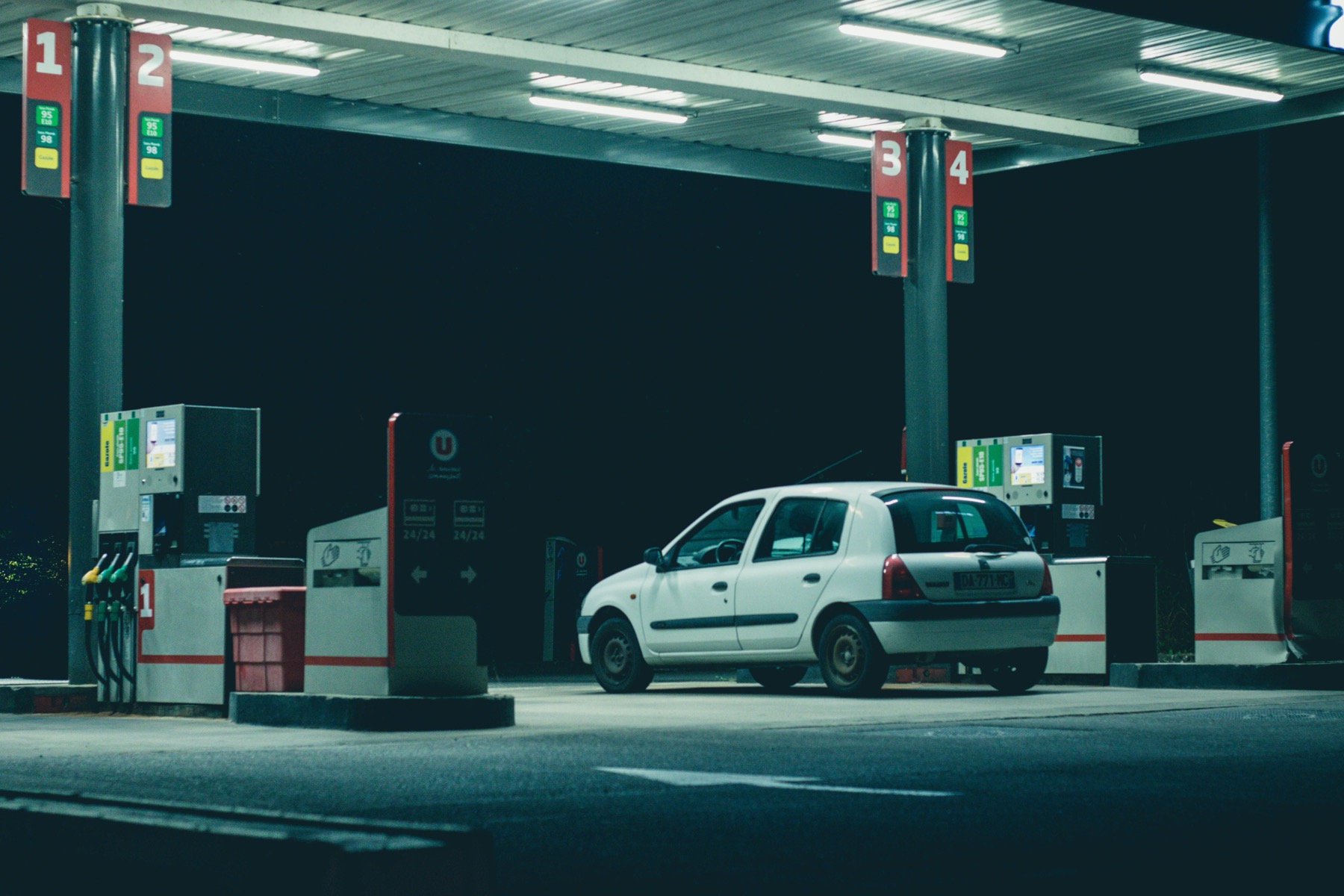
How Much a Road Trip Through Sweden Costs
The budget for a Swedish road trip can vary widely depending on your travel style, but overall Sweden in 2026 is comparable in price to the rest of Western Europe. To give you a concrete idea, I’ve put together a model budget for two adults on a ten-day trip by car.
Let’s assume you set off in your own car from abroad, cross by ferry from Germany, drive roughly 2,000 kilometres around Sweden, sleep in well-equipped campsites in traditional cabins (stugor), and eat a mix of home-cooked supplies and the occasional lunch menu (dagens rätt). We calculate at roughly €0.09 per Swedish krona (SEK).
Transport and fees: A return ferry from Rostock in Germany to Trelleborg will cost you around €200 (if you book well in advance). For petrol over 2,000 kilometres around Sweden, at an average consumption of seven litres and a price of €1.60 per litre, you’ll pay approximately €250. You don’t worry about tolls, motorways are free, and you won’t be driving into the big city centres, so on-the-ground transport comes to around €450 in total.
Accommodation and food: Renting an equipped wooden cabin at a campsite costs an average of 800 SEK (about €70) per night for two people. Over nine nights you’ll spend roughly €630. As for food, if you cook most of the time from ingredients bought at local supermarkets (Willys or Lidl) and treat yourself to a warm lunch menu at a bistro every other day, count on spending around €55 a day for both, which works out to €530 for the whole stay.
Adding a few small admissions to museums or national parks (about €90), a comfortable ten-day Swedish road trip for two people will cost you roughly €1,780. If you were to sleep exclusively in your own tent and cook only on a gas stove, you’d easily get down to a figure close to €1,100, which makes Sweden a genuinely affordable and attractive summer destination.
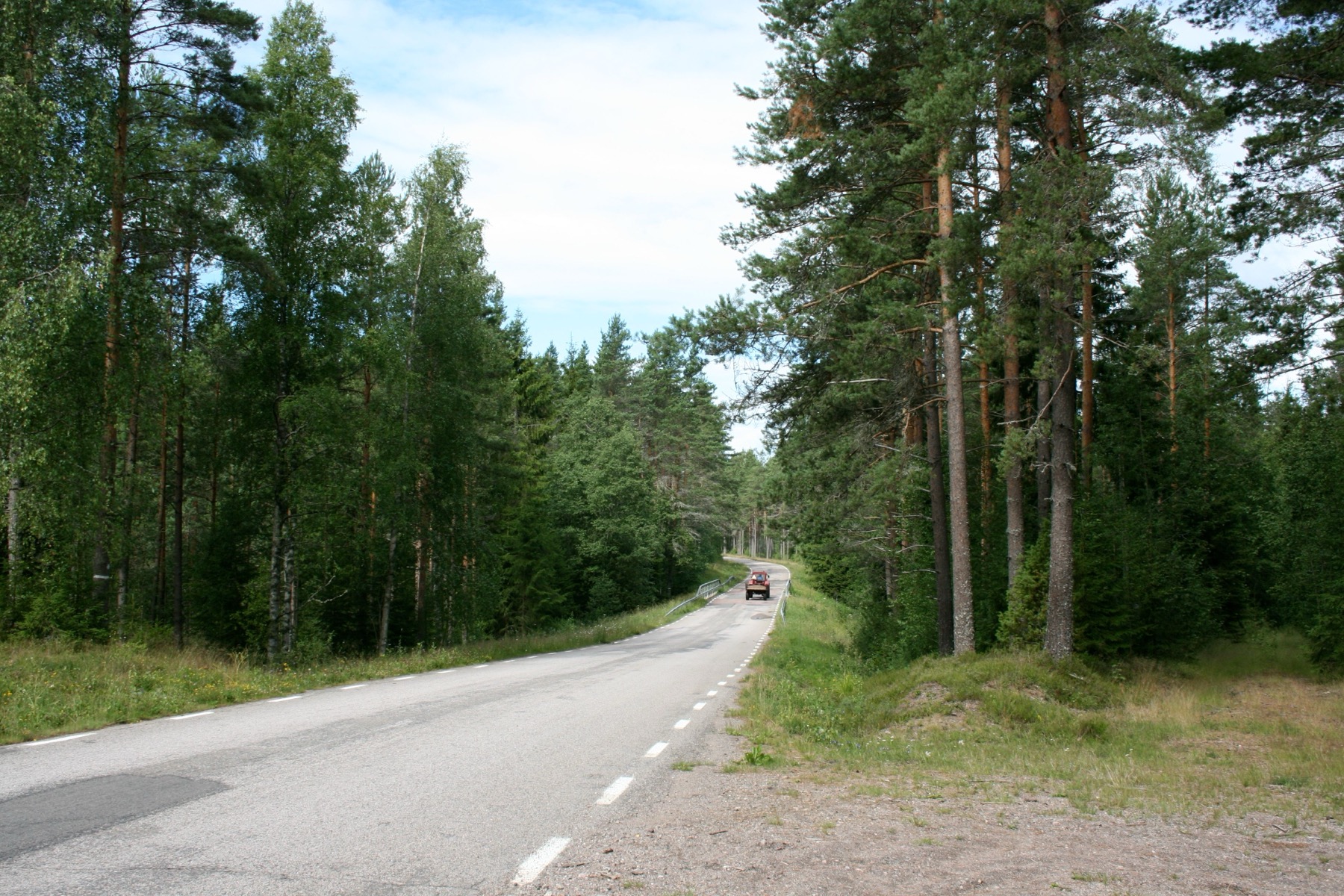
Practical Summary and Rough Prices
The budget for a Swedish road trip depends heavily on whether you sleep in cabins or hotels and how often you eat out. Here are some concrete numbers so you can build a more accurate picture. These are the average rough prices you can prepare for (1 SEK is roughly €0.09):
- Litre of petrol: 17–20 SEK (about €1.50–€1.80)
- Øresund Bridge (one way): 470–510 DKK (about €63–€68)
- Night at a campsite (tent/car): 250–350 SEK (about €22–€31)
- Cabin (stuga) rental for two: 600–1,200 SEK (about €53–€105)
- Lunch menu (dagens rätt): 120–150 SEK (about €11–€13)
- Fika (coffee + cinnamon bun): 70–100 SEK (about €6–€9)
- Can of beer at Systembolaget: 18–35 SEK (about €1.60–€3)
- Fine for slight speeding: from 1,500 SEK (about €130)
Where to Next
- Sweden: 30 Tips on What to See and Do
- Ferry to Sweden: Routes, Prices and How to Choose the Right One
- The Øresund Bridge: Toll, Train and How to Cross It
- Prices in Sweden: How Much a Holiday Costs
- Allemansrätten and Camping in Sweden: Rules and Tips
Frequently Asked Questions
Are there tolls on motorways in Sweden?
No, Swedish motorways are completely free for cars and you don’t need any electronic or physical motorway vignette. Tolls are only charged for entering the city centres of Stockholm and Gothenburg and for crossing the major border bridges (the Öresund Bridge and the Svinesund Bridge).
How does the Stockholm congestion charge work?
When entering the wider city centre you’ll drive under toll gantries with cameras that automatically read your number plate, so you don’t stop anywhere. The bill will then be sent by post to your home address abroad, but a much simpler and safer option is to register your vehicle in advance with the Epass24 system, which deducts the charges automatically.
Do I need winter tyres in summer and winter?
From 1 December to 31 March, winter tyres (marked with the Alpine 3PMSF symbol) are mandatory for all vehicles including foreign tourists, if winter conditions such as snow, ice or morning frost are present on the road. In the summer months you can of course drive on summer tyres without any problem.
How much does petrol cost and how do you pay?
Fuel prices currently range between 17 and 20 Swedish kronor per litre. Refuelling is almost exclusively fully self-service directly at the pump, where you insert your payment card, enter your PIN and only then start refuelling. Cash is usually not accepted at the pump at all.
What are the speed limits on the roads?
On motorways the limit is 110 or 120 km/h, on regular roads 70 to 90 km/h and in built-up areas 30 to 50 km/h. Do keep a careful eye on the limits, because Swedish roads are full of inconspicuous grey speed cameras. Fines start at 1,500 SEK and thanks to European agreements they will reliably reach you at home abroad.
What should I do if I hit a moose?
If a moose or other large animal runs into your path, you must brake at full force in a straight line and must not swerve the steering wheel to the side. This way you’ll avoid a much worse collision with trees. Even if the animal runs deep into the forest after the collision, you have a legal obligation to mark the spot with special tape and immediately call the police on 112.
Can I sleep anywhere in the forest with a campervan?
No, this is a very common misconception among international travellers. The famous right of public access does not apply to any motorised vehicles. With a campervan or motorhome you may only stay overnight at designated parking areas (ställplats), at paved official rest stops along roads or at regular campsites.
Can you do a road trip through Sweden in an electric car?
Yes, and surprisingly easily. There are so many charging stations in Sweden that even in the north beyond the Arctic Circle you rarely have to worry about range. Just download the Recharge or Ionity apps in advance and plan your route with ease.
Tips and Tricks for Your Vacation
Don’t Overpay for Flights
Search for flights on Kayak. It’s our favorite search engine because it scans the websites of all airlines and always finds the cheapest connection.
Book Your Accommodation Smartly
The best experiences we’ve had when looking for accommodation (from Alaska to Morocco) are with Booking.com, where hotels, apartments, and entire houses are usually the cheapest and most widely available.
Don’t Forget Travel Insurance
Good travel insurance will protect you against illness, accidents, theft, or flight cancellations. We’ve had a few hospital visits abroad, so we know how important it is to have proper insurance arranged.
Where we insure ourselves: SafetyWing (simple monthly subscription) and TrueTraveller (for extra-long trips).
Find the Best Experiences
Get Your Guide is a huge online marketplace where you can book guided walks, trips, skip-the-line tickets, tours, and much more. We always find some extra fun there!