

Slovenia is one of those destinations you’ve been dreaming about for ages – the turquoise Lake Bled with its tiny island, the emerald Soča River, the Julian Alps, and the sea within easy reach. But then come the practical questions: how much will it all cost, when’s the best time to go, and is it better to book a package tour or set off on your own by car? The two of us have crisscrossed Slovenia from end to end, and we know that exactly this kind of uncertainty can put the brakes on even the best-laid plans.
That’s why we put together this hub. You’ll find three things here: current flight and package-tour prices, which we refresh every morning so they’re spot on; our tried-and-tested tips from our own trips and articles; and a concrete plan for when and what to book so you don’t end up overpaying.

What to see and do in Slovenia
Slovenia is small but packed with experiences – so much so that you can cram mountains, lakes, caves and the sea into a single seven-day loop. Here’s what we reckon you simply can’t miss:
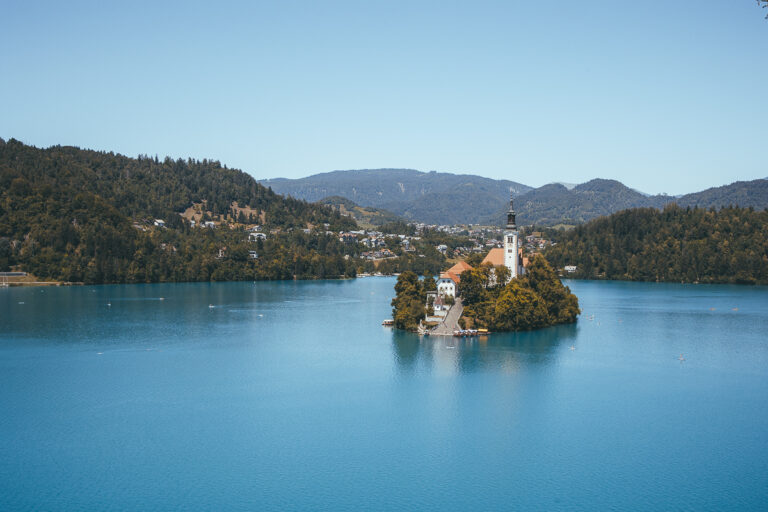
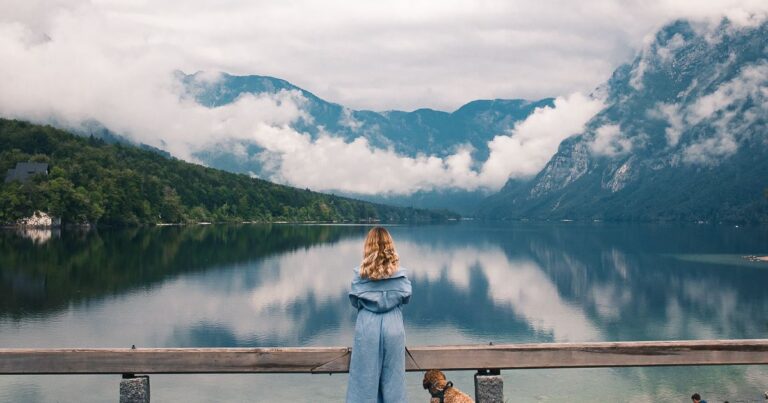
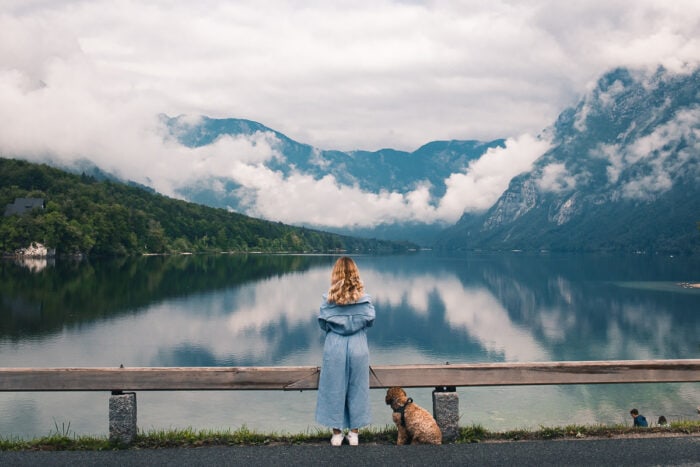
- Bled and Lake Bohinj – the iconic little island with its church, the view from the castle above the lake, and a little further on the wilder, calmer Bohinj. You’ll find all our specific tips in our article on what to do in Bled.
- The Julian Alps and Triglav National Park – the Vršič Pass, the Soča River valley and the hairpin bends that make you want to get behind the wheel. We linked them up with Croatia on our route over the Julian Alps to Zadar.
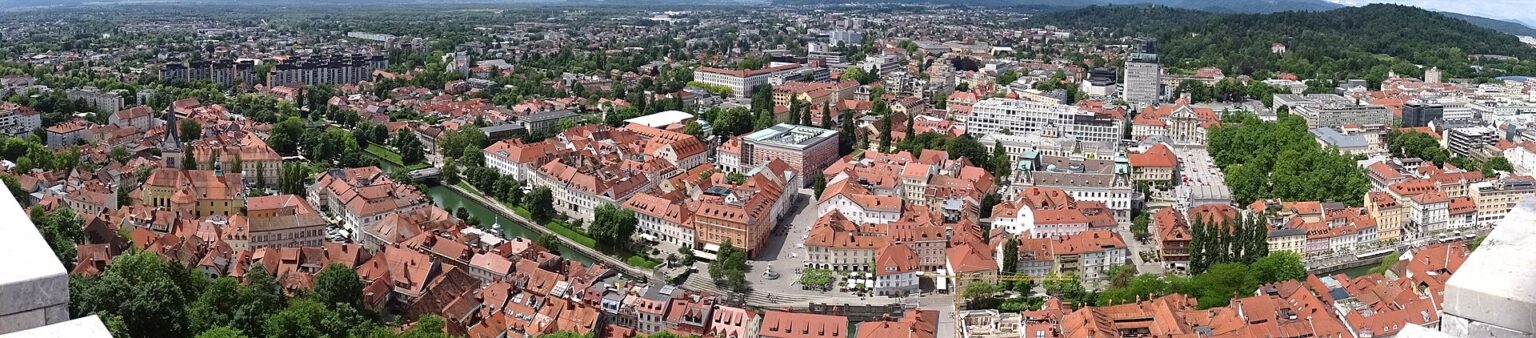
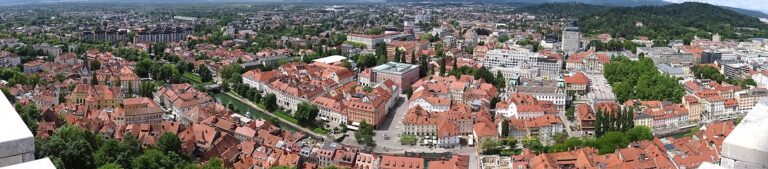
- Ljubljana – a cosy, pedestrian-friendly centre with a river, bridges and cafés; the perfect stop for a day or two.
- The Postojna and Škocjan Caves plus Predjama Castle set into the cliff face – a chapter all of their own.
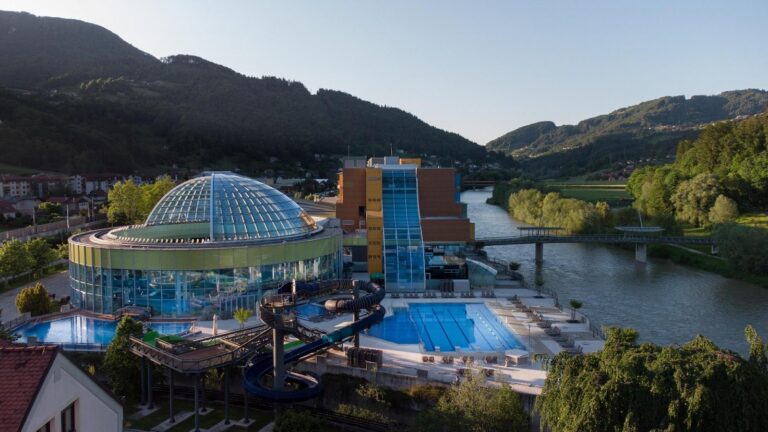
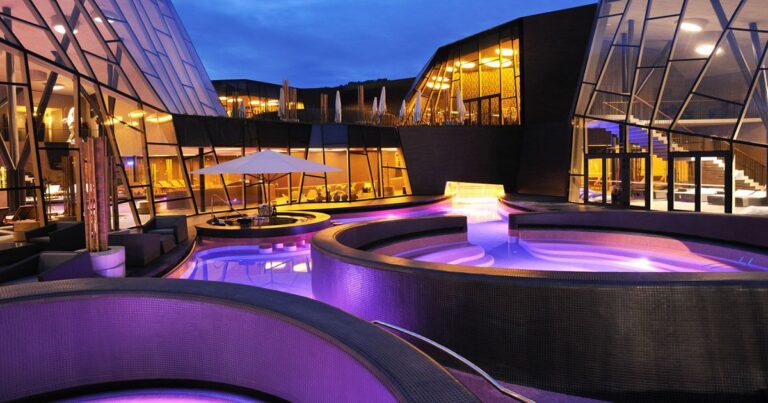
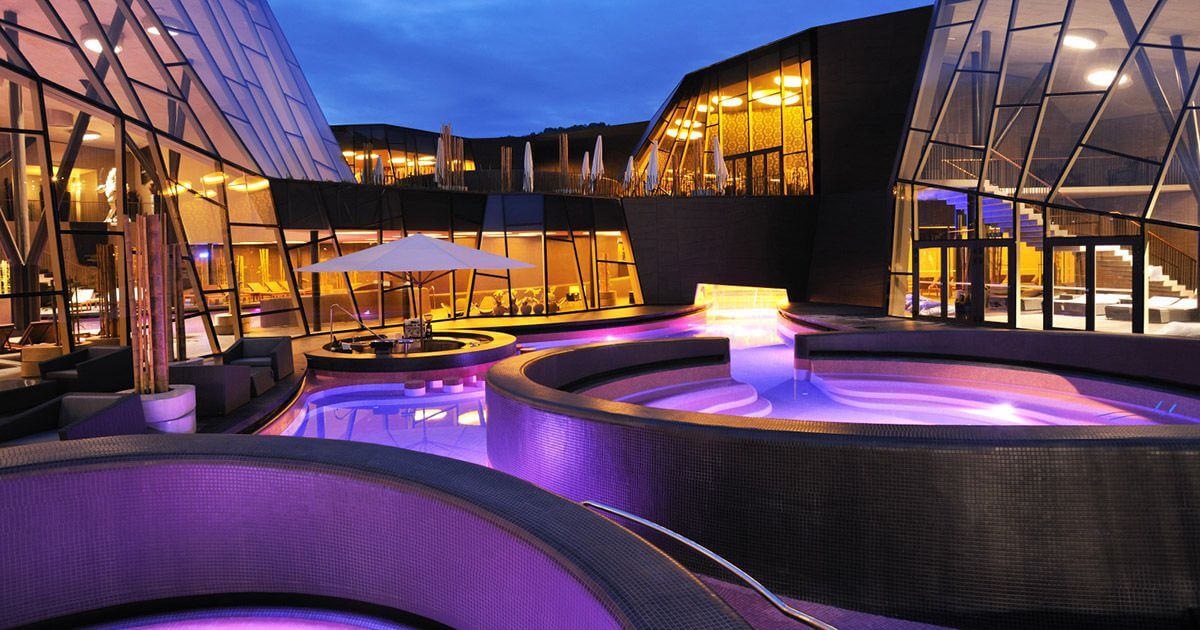
- Thermal spas and wellness – Slovenia is exceptionally strong on these, and you’ll find our hand-picked gems in our article on wellness in Slovenia and Croatia.
If you’d rather have the route planned out for you, we’ve got ready-made itineraries for 7 days as well as a more detailed 14-day road trip – just grab one and go.
When to visit Slovenia
Slovenia is at its most pleasant from May to September. Summer (July–August) is the warmest, and you can swim both in the lakes and along the coast, but it’s also peak season – around Bled and in the caves expect crowds and higher accommodation prices.
Our tip is the shoulder months of May, June and September: nature is either fresh and green or already turning golden with autumn, it’s warmer than the rest of the year, and there are noticeably fewer tourists. For high-mountain hikes in the Julian Alps, July and August are ideal, when the passes are sure to be snow-free.
Winter belongs to skiing in the Alps and the thermal spas – a wellness break in the steam while it’s freezing outside is exactly the ticket. Just bear in mind that some mountain roads (for example the Vršič Pass) are usually closed in winter.
These are the experiences we remember most fondly from Slovenia – and the ones we’d recommend working into any plan:
- A ride on a pletna boat to the island on Lake Bled and the climb up the 99 steps to the church – a classic that never gets old (more in our Bled tips).
- Driving over the Vršič Pass with its fifty hairpin bends and a stop by the emerald Soča River – our favourite stretch of the road trip.
- Rafting or kayaking on the Soča near Bovec – adrenaline on one of the cleanest rivers in Europe.
- A day at the thermal spas – a total reset, whether it’s summer or winter (we’ve picked out our wellness gems).
- A tour of the Postojna Cave by train and a visit to Predjama Castle in the cliff.
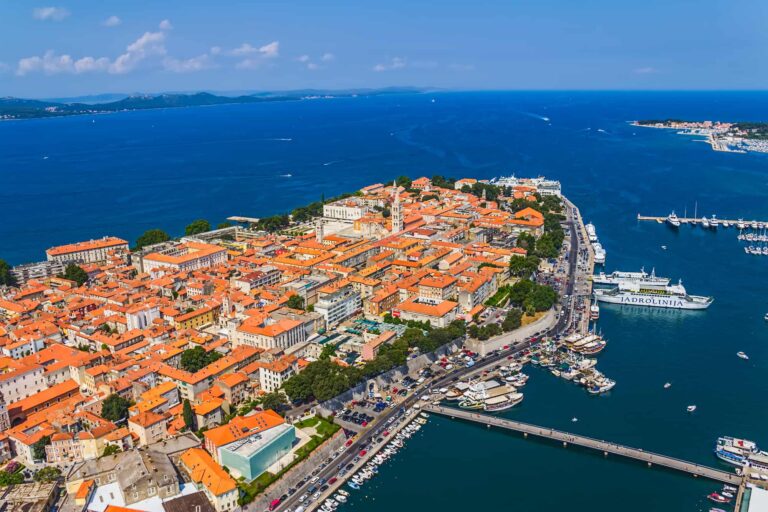
- Linking the Alps and the sea all the way to Croatia – our favourite crossing over the Julian Alps to Zadar.
How to get to Slovenia
The most comfortable way to reach Slovenia is by car – from Prague it’s roughly 7–8 hours to Ljubljana via Austria. A car also makes sense because Slovenia’s prettiest corners (the Soča, Vršič, Bohinj) are best reached on your own four wheels. Don’t forget both the Austrian and the Slovenian motorway vignette.
By air, most flights go to the main airport in Ljubljana (LJU), often with a connection. A handy alternative is to fly into Venice or Trieste and drive the rest of the way – from the Italian border it’s just a short hop to the Slovenian Alps. Once there, the easiest way to sort out flights and accommodation is with a rental car.
Renting a car
In our view, a car is the best way to get around Slovenia – without one, reaching the Soča, Vršič or the more remote lakes is tricky. That said, if you’re only planning Ljubljana plus Bled for a few days, you can manage by train and bus, and a car would just sit costing you parking fees. It really pays off for longer loops and road trips.
- Where to book: through rental comparison sites and always online in advance – it tends to be pricier on the spot and may be sold out in season.
- Insurance: watch out for full coverage (zero-excess CDW), otherwise a little scratch could cost you dearly.
- Deposit: the rental company blocks a deposit on your card – make sure you have a sufficient limit.
- Tolls and borders: don’t forget the vignette; if you’re heading into Croatia or Italy, check your rental terms allow it.
Where to stay in Slovenia
Where to rest your head depends mostly on what you want to see. For a classic loop, it pays to combine a few bases so you’re not constantly driving back and forth.
- Bled and Bohinj – guesthouses and apartments by the lake, an ideal launch pad for the Alps. In high season, book well in advance.
- Ljubljana – hotels and hostels in the centre for the city part of your trip; a good base for day trips to the caves.
- The Soča valley (Bovec, Kobarid) – campsites, glamping and apartments for an active holiday (rafting, hiking).
- Thermal spas (e.g. around Maribor and Ptuj) – wellness resorts with half board, great in winter too.
We like to combine an apartment with a kitchenette (it saves on food) for a few nights by the lake, then one wellness hotel as a reward. You’ll find our specific accommodation tips in our accommodation section below.
Package tour or independent travel?
You can tackle Slovenia either way – it depends on what you want from your trip. Here’s our honest comparison:
A package tour is worth it when…
- you don’t want to deal with transport, accommodation or the route and want everything sorted for you;
- you’re going for a wellness/spa break, where everything is in one place;
- you don’t have a car or any desire to drive mountains and hairpins;
- you want a guide who’ll narrate the sights for you on the spot.
Go independently when…
- you want your own pace and to stop wherever you fancy;
- you have a car and love a road trip over the Julian Alps;
- you want to save money and cook in your apartment;
- you’re coming from Czechia, where it’s just 7–8 hours by car.
The two of us most enjoy travelling Slovenia independently by car – it’s close, small, and every valley is different. But if you want pure relaxation at the spa or you’re not keen on driving in the mountains, a package tour will save you the hassle. For inspiration, we recommend our 7-day itinerary.
Budget: daily costs in Slovenia
| Level | Accommodation | Food | Transport & activities | Total/day |
|---|---|---|---|---|
| Backpacker | 20 €–30 € (hostel, campsite) | 12 €–18 € (self-catering, cooking) | 12 €–20 € (public transport, entry fees) | approx. 45 €–65 € |
| Standard | 45 €–70 € (apartment, guesthouse) | 25 €–35 € (lunch out, dinner) | 25 €–40 € (car, entry fees) | approx. 95 €–145 € |
| Comfort | 100 €–160 € (hotel, wellness) | 45 €–70 € (restaurants) | 45 €–80 € (car, hikes, spa) | approx. 200 €–310 € |
Prices are approximate, per person and per day, and assume a couple sharing accommodation and a car. Price-wise, Slovenia is roughly on a par with Austria — pricier than Croatia, but cheaper than Switzerland. You’ll save the most by cooking in your apartment and travelling outside peak season.
How to save when planning
Slovenia can be done on a budget if you keep an eye on booking windows and don’t get caught out by peak season:
- Flights are best bought 2–4 months ahead; even earlier for summer. Last-minute flights to Ljubljana tend to be expensive, and you’ll often find better prices via Venice. Search for flights in our flight finder.
- Accommodation around Bled and Bohinj sells out and shoots up in price in July and August – book 3–6 months ahead and you’ll avoid overpaying. We’ve got plenty of inspiration in our accommodation tips.
- Off-peak dates (May, June, September) can save you a third on accommodation with equally lovely weather.
- A package tour is worth booking first-minute (for winter spas and summer); last-minute deals to Slovenia only crop up now and then. Check out the current package tours on this page.
- Tickets and activities (the Postojna Cave, rafting on the Soča) should be booked online in advance – you’ll skip the queues and the higher on-site prices. We sum up what’s worth sorting ahead of time in the section on what to book early.
Practical information
- Language and currency: the language is Slovenian (and surprisingly, Czech and Slovak speakers get by well), and the currency is the euro.
- Payments: cards are accepted almost everywhere, but keep a few euros in cash for smaller bistros and lakeside car parks.
- Connectivity: Slovenia is in the EU, so your home mobile plan works here on the same terms (roaming). If you’re crossing into Croatia or Italy and want guaranteed data, an eSIM is worth it – you can set one up in a minute.
- Safety: Slovenia is one of the safest countries in Europe; the bigger risk is the mountain conditions – keep an eye on the weather in the Alps.
- Tip: you need an electronic vignette (motorway pass) for the motorways – buy it online or at a petrol station just over the border.


