Slovenia is a country that will bring you to your knees — literally, because after all those hikes to turquoise lakes and waterfalls, your legs will ache so much you’ll barely drag yourself to a plate of štruklji come evening. 😅
When we first visited Slovenia, we expected beautiful nature and good food. We got both, but what completely caught us off guard was just how incredibly diverse this tiny country is. In the morning you’re standing beneath Alpine peaks, by afternoon you’re swimming in the emerald Soča River, and by evening you’re sipping wine on the Adriatic coast. All of this in a country smaller than Yorkshire.
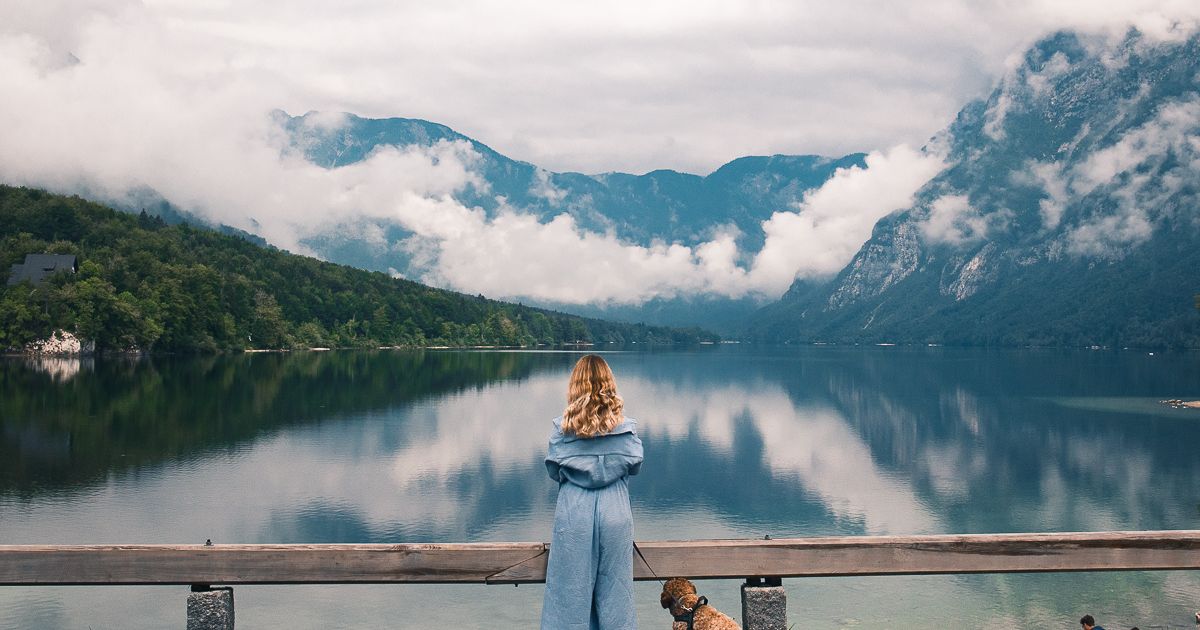
We put this Slovenia road trip itinerary together so you can see the very best the country has to offer — from Instagram-famous Lake Bled to the wild Soča Valley, the underground world of Škocjan Caves, and the rolling wine hills in the east. It’s a road trip you can do at a relaxed pace without unnecessary stress. Every day comes with specific tips on places, restaurants, and accommodation, so all you need to do is hop in the car and go.
In this article you’ll find a complete 14-day Slovenia road trip itinerary — day by day with specific places, prices, restaurants, and tips on where to stay. I’ll tell you when the best time to visit is, how much the whole thing costs, and what to watch out for.
TL;DR
- The best time for a Slovenia road trip is May–June or September. July and August are busy, but swimming in the Soča and along the coast makes up for it.
- For 14 days, budget around €700–€1,400 per person (excluding flights), depending on your accommodation style.
- A car is absolutely essential. Slovenia is small, but many of the most beautiful spots lie off the main routes. Car hire starts from 25–40 €/day.
- The route goes: Ljubljana → Bled → Bohinj → Kranjska Gora → Vršič → Soča → Škocjan → Piran → Postojna → Ptuj → Maribor → Logar Valley.
- Don’t forget your motorway vignette (e-vignette) — a weekly one costs 15 €, monthly 30 €. You buy it online.
- Book accommodation in advance, especially Bled, Bohinj, and Piran, which fill up fast in season.
- The food is surprisingly good and affordable — expect a mix of Alpine, Mediterranean, and Balkan cuisine. A main course in a restaurant costs 10–18 €.
- Slovenia is a safe country, practically free of tourist scams. The only things to watch out for are parking fines in towns and speed cameras.
The full destination guide: Slovenia — guide and what to see
When to visit Slovenia and how to get there
Slovenia is a destination you can visit from spring through to autumn, but each season has its own character. Let’s look at the best time to go, how to get there, and what you need to know about getting around.
When is the best time to visit Slovenia?
May and June are probably our favourite months. Nature is gloriously green, temperatures hover around 20–25 °C, there are far fewer tourists than in summer, and everything is already open. The only downside — the Soča might still be too cold for swimming (but who’s afraid of a little chill, right? 😅).
July and August are peak season. Temperatures around 28–33 °C, crowds everywhere, but also the best conditions for swimming in the Soča, Lake Bohinj, and along the coast. Bled will be packed — just be prepared for that.
September is our second favourite — temperatures are still pleasant (20–25 °C), tourists thin out, the colours start to turn gorgeous, and the wine regions in the east are in full harvest mode.
I’d avoid: October in the mountains (the weather is unpredictable and some mountain roads close) and winter, unless you’re planning to ski.
How to get to Slovenia
By air: Direct flights from London to Ljubljana are available with easyJet and Wizz Air, with a flight time of around 2 hours 15 minutes. Prices start from about £30–50 one way if you book in advance. For the best deals, we like searching on Kiwi.
By car: If you’re driving from the UK, it’s roughly a 12–13 hour drive via the Channel Tunnel/ferry and through France, Germany, and Austria. It’s a long haul, so you might want to break the journey with an overnight stop. Don’t forget you’ll need an Austrian motorway vignette (10-day one costs 11.50 €) and a Slovenian e-vignette.
Car hire and getting around Slovenia
A car is absolutely essential for this road trip. Public transport in Slovenia works, but many of the most beautiful spots (Vršič Pass, Logar Valley, smaller waterfalls) are simply unreachable without your own wheels.
We’ve had consistently good experiences with DiscoverCars, which we use all over the world. Car hire prices in Slovenia run around 25–40 €/day for a smaller car, which is more than enough for two people.
A few driving tips:
- E-vignette (motorway toll sticker) is purchased online at evinjeta.dars.si. A weekly one costs 15 €, monthly 30 €.
- The roads are in excellent condition, even the mountain ones. Driving over the Vršič Pass (50 hairpin bends!) is an experience in itself.
- Parking in towns can be tricky — in Ljubljana, Piran, and Bled, I’d recommend using park-and-ride facilities and walking or taking a bus.
- Speeding fines in Slovenia are pretty steep (from 50 €), so watch out for speed cameras.
Where to stay and how much a Slovenia road trip costs
Slovenia isn’t as expensive as you might expect — it’s noticeably cheaper than neighbouring Austria or Italy, but a touch pricier than Croatia. Accommodation ranges widely from campsites and apartments to boutique hotels.
How much to budget for 14 days
Approximate budget per person (excluding flights/fuel from the UK):
- Accommodation: 20–60 €/night for a room for two (i.e. 10–30 €/person/night) → for 13 nights roughly 130–390 €/person
- Food: 16–28 €/person/day (a mix of restaurants and self-catering) → 224–392 €/person
- Fuel: total mileage around 1,200–1,500 km, so roughly 100–140 € for petrol (split between two = 50–70 €/person)
- Entry fees and activities: around 120–240 €/person (caves, rafting, cable cars, museums)
- Car hire: 25–40 €/day × 14 days = 350–560 €, so 175–280 €/person (split between two)
Total: roughly €700–€1,400 per person for 14 days (depending on whether you camp or stay in hotels and how often you eat out).
On top of that, add flights (from around £30–50 one way) or fuel from the UK, plus Channel crossing costs.
Restaurant prices: a main course 10–18 €, a beer 3–4 €, a cappuccino 2–3 €. Compared to Austria, for example, it’s noticeably cheaper.
Here’s an overview of the whole route — where to drive and where to sleep each night. If you have less time for Slovenia, check out our 7-day road trip version.
| Day | Route and transfer | Where to sleep |
|---|---|---|
| 1. | Arrival, explore Ljubljana on foot, cable car to the castle | Ljubljana |
| 2. | Ljubljana → Bled (~50 min) | Bled |
| 3. | Bled → Bohinj (~30 min) | Bohinj |
| 4. | Bohinj → Kranjska Gora → Vršič Pass → Bovec (~2.5 h) | Bovec |
| 5.–6. | Soča Valley — Bovec, Kobarid, Tolmin | Bovec |
| 7. | Soča Valley → Škocjan Caves → Piran (~2.5 h) | Piran |
| 8. | Piran and the Slovenian coast | Piran |
| 9. | Piran → Lipica → Štanjel → Postojna (~1.5 h) | Postojna |
| 10. | Postojna Cave and Predjama Castle | Postojna |
| 11. | Postojna → Ptuj (~2.5 h) | Ptuj |
| 12. | Ptuj → Maribor → Logar Valley (~2 h) | near Logar Valley |
| 13. | Logar Valley — Rinka Waterfall, panoramic trail | near Logar Valley |
| 14. | Logar Valley → Kamnik → Ljubljana / home | — |
Day 1. Ljubljana — the charm of a small capital
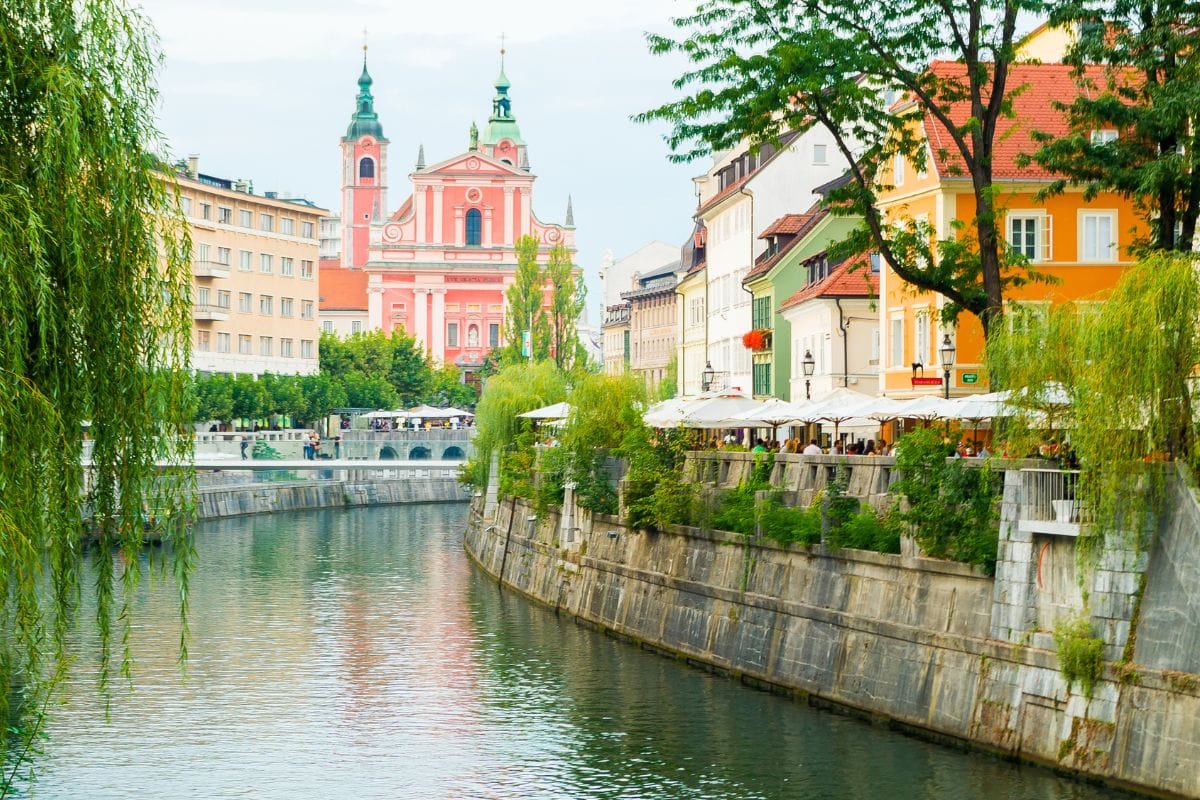
We kick off the road trip in Ljubljana, and rightly so. The Slovenian capital is so charming you’ll want to wrap it up and take it home. It’s small, laid-back, full of cafés and alleyways where you’ll get wonderfully lost.
Start with a stroll through the old town — cross the iconic Dragon Bridge (Zmajski most), guarded by four green dragons, the city’s unofficial mascots. From there, walk along the Ljubljanica River, where both banks are lined with cafés and restaurants with terraces right over the water.
Head up to Ljubljana Castle (Ljubljanski grad) — either on foot via the steep path (15 minutes) or by funicular (4 € return). The views from the castle over the entire city with the Alps in the background are stunning. There’s a museum inside, but honestly — the view from outside is enough.
For lunch, check out the Open Kitchen (Odprta kuhna), a street food festival held every Friday from March to October right on the riverbank. The food is fantastic — from Slovenian burgers and Asian noodles to local cheeses. If it’s not a Friday, head to Gostilna na Gradu right at the castle (traditional Slovenian cuisine, main course around 14–18 €) or Valvas in the centre.
In the afternoon, take a walk through Tivoli Park — a huge urban park right in the centre where locals go jogging, walk their dogs, and relax. It’s the perfect spot to unwind after your flight or drive.
For dinner, we recommend Gostilna Dela — modern Slovenian cuisine in a beautiful setting, book ahead. Or Sarajevo ’84 for excellent Bosnian food (ćevapi for about 8 € — nothing fancy, but delicious).
Where to stay in Ljubljana
Ljubljana is compact, so stay as close to the centre as possible. We recommend the area around Metelkova (an alternative quarter with galleries and bars) or right in the old town. Parking in the centre is tricky, but most hotels offer a parking space or can direct you to a park-and-ride.
Our accommodation picks: City Hotel Ljubljana (modern hotel steps from Prešeren Square) or Center Ljubljana (apartments in a historic building right in the centre).
Day 2. Bled — yes, it really is that beautiful
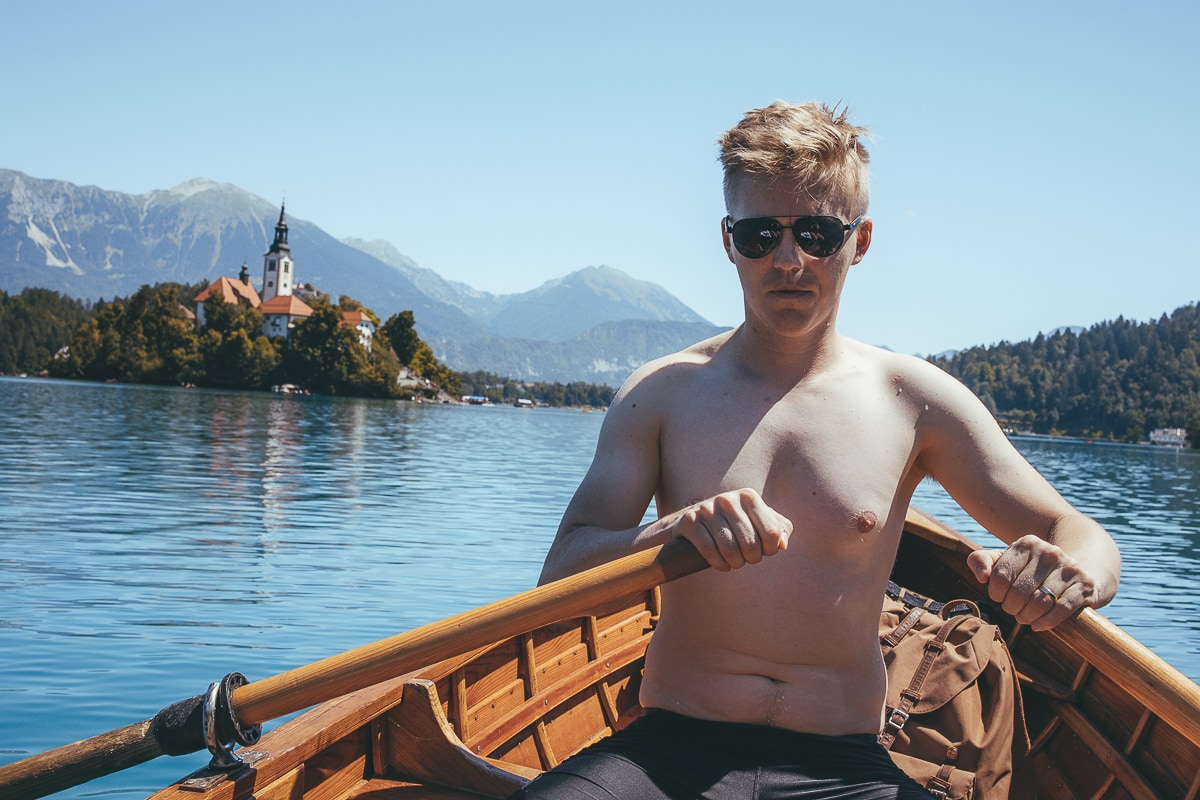
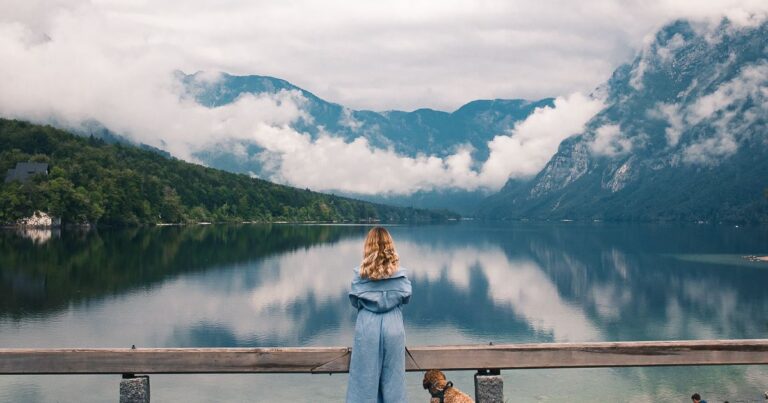
From Ljubljana to Bled, it’s just under an hour by car — you’ll be there before you’ve finished your takeaway coffee. Bled is probably the most photogenic spot in Slovenia — and also the most visited, so brace yourself.
Set off early in the morning (ideally around 7:30–8:00), before the tourist coaches arrive. Walk around the lake on the circular path (about 6 km, flat terrain, an hour and a half at a relaxed pace). Along the way you’ll get gorgeous views of the island with its church in the middle of the lake and the castle perched on the cliff above.
To reach the island, take a traditional wooden pletna boat — the ride costs 18 €/person return and the boatman will wait while you explore. On the island, you can ring the wishing bell in the church — legend has it your wish will come true. We rang it, so we’re still waiting. 😁
After lunch (or instead of it), treat yourself to the famous Bled cream cake (kremna rezina) at the Park café right by the lake. It costs around 5 € and is probably the best cream cake you’ll ever eat.
In the afternoon, hike up to Bled Castle (Blejski grad) — entry is 15 €, but the view down onto the lake is absolutely spectacular. The castle itself is medieval, with a small museum and wine cellar inside.
If you’ve still got energy, drive to the Vintgar Gorge (Blejski vintgar) — it’s 4 km from Bled, a short walk along wooden walkways above a turquoise river. Entry is 10 €. Warning: it gets extremely busy in season, so go either early morning or late afternoon.
Where to stay in Bled
Bled is pricey — it’s Slovenia’s number one tourist destination. If you want to save, stay a little way from the lake in surrounding villages (Zasip, Ribno). If you want luxury with a lake view, expect prices from 150 €/night.
Our accommodation picks: Penzion Berc (family-run guesthouse a few minutes from the lake) or Vila Prešeren (boutique guesthouse right on the lakeshore).
Day 3. Bohinj — Bled’s wilder, quieter neighbour
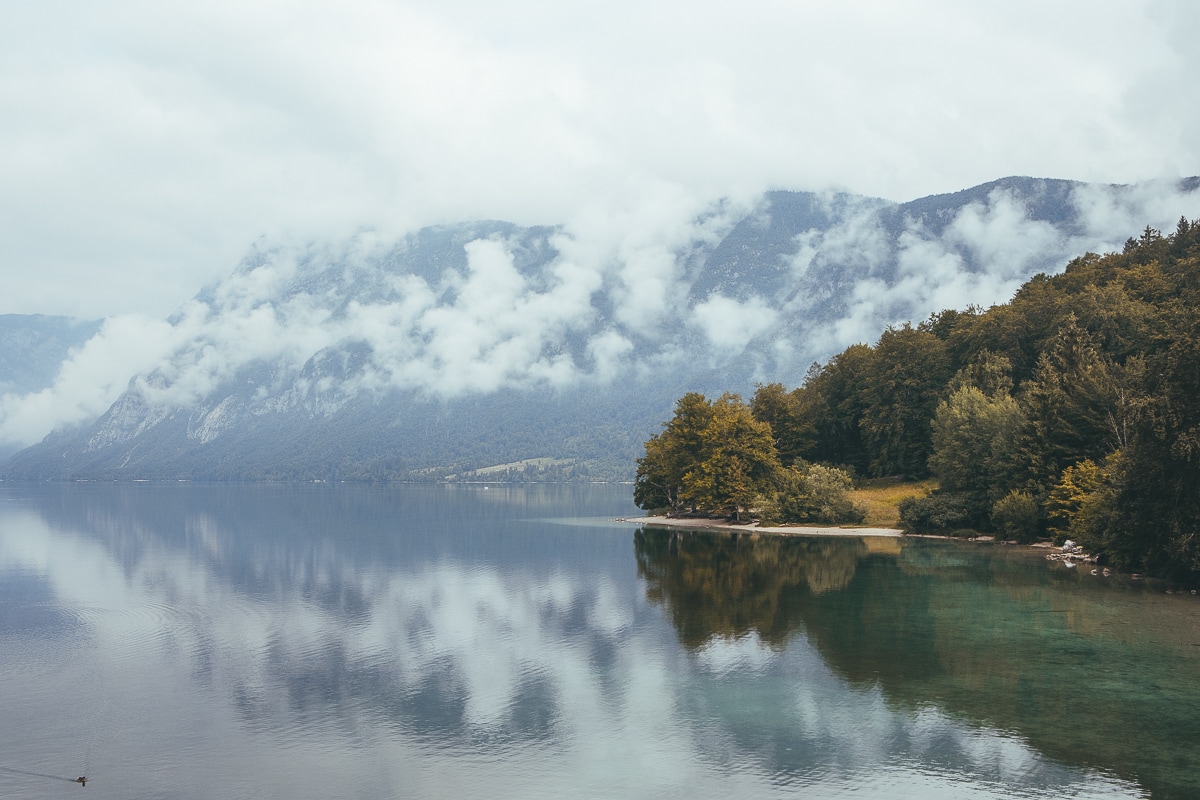
Bohinj is essentially Bled for people who don’t like crowds. Lake Bohinj is bigger, wilder, and significantly less touristy — and in our opinion, it’s more beautiful. The water is crystal clear and in summer you can swim here (although it’s quite cold, around 22 °C in August).
In the morning, head to Savica Waterfall (Slap Savica) — access costs 5 € for parking plus 5 € entry, then you climb steps for about 20 minutes. The waterfall drops from a height of 78 metres and is gorgeous, especially in spring when there’s plenty of water.
After the waterfall, return to the lake and take the cable car up to Vogel (23 € return). From the top station, there’s a breathtaking panoramic view of Lake Bohinj, Triglav (Slovenia’s highest peak at 2,864 m), and the entire Julian Alps. There are also hiking trails if you want to carry on.
For lunch, we recommend Gostilna Rupa in the village of Srednja vas — traditional Slovenian cuisine, štruklji (rolled dumplings with cottage cheese), beef goulash, hearty portions at reasonable prices (main course 10–14 €). Or Gostilna Danica right by the lake in Ribčev Laz.
In the afternoon, enjoy swimming in the lake or hire a kayak/paddleboard. Rental shops are right by the lake, prices around 15 €/hour.
Where to stay in Bohinj
Stay right by the lake in Ribčev Laz or Stara Fužina. The selection is smaller than in Bled, but prices are friendlier. Campsites around the lake are also an excellent choice — Camp Zlatorog is right on the water.
Our accommodation picks: Hotel Jezero (hotel right by the lake in Ribčev Laz) or Hotel Bohinj (design hotel in the centre of Ribčev Laz).
Day 4. Kranjska Gora and the Vršič Pass
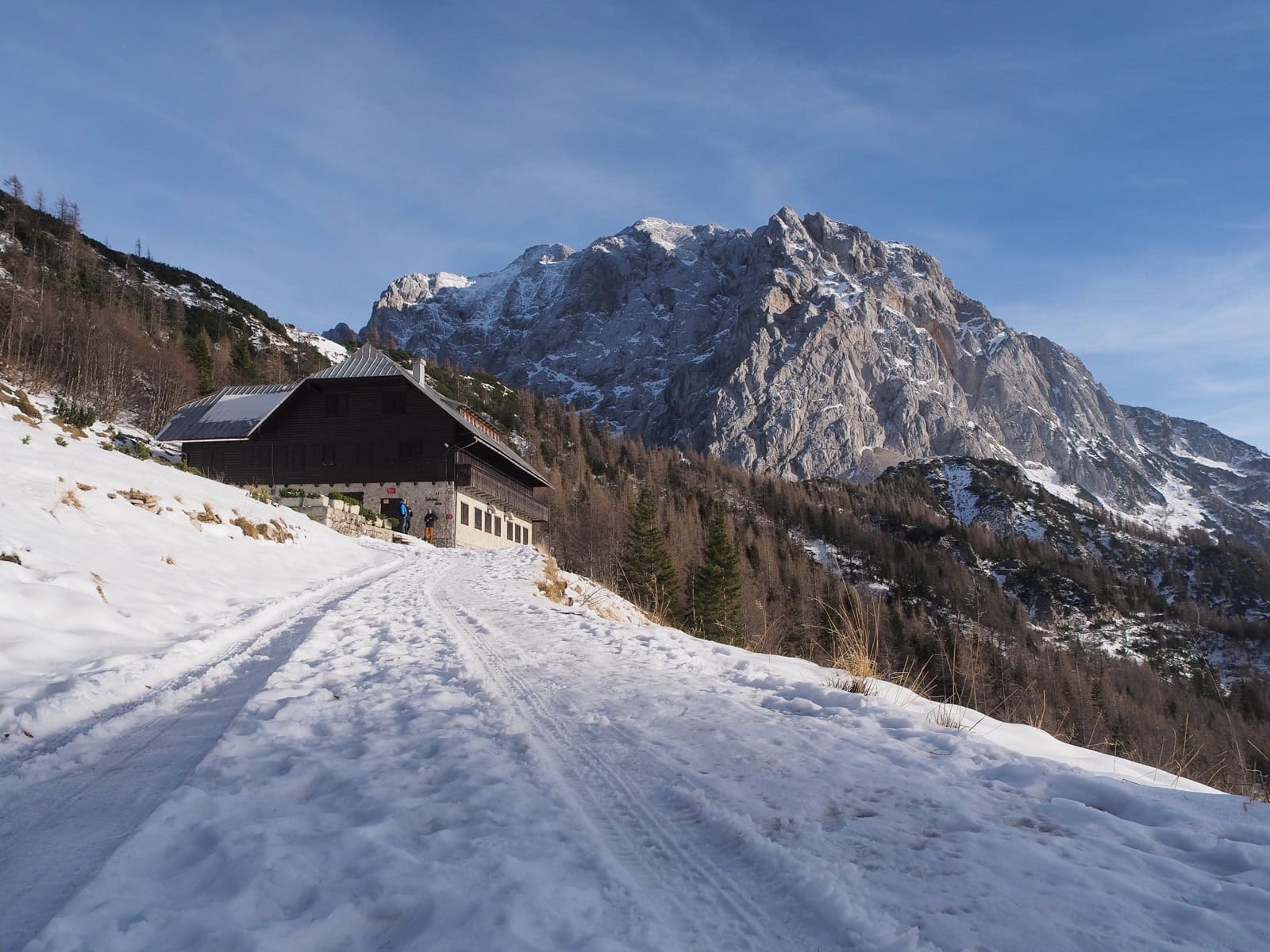
Today is all about mountains and one of the most beautiful mountain roads in Europe. From Bohinj, you’ll head to Kranjska Gora — a small mountain town that buzzes with skiing in winter and hiking in summer.
In the morning, stop at Lake Zelenci (Naravni rezervat Zelenci) — a small emerald-green pool fed by springs, perfect for a quick stop and photos. It’s right by the road with free parking.
From Kranjska Gora, tackle the drive over the Vršič Pass (1,611 m) — the road has 50 hairpin bends (24 on one side, 26 on the other), each numbered and named. The drive is an experience in itself, but if winding roads make you queasy, you might want to sit in the passenger seat. 😅
Along the way over Vršič, stop at:
- The Russian Chapel (Ruska kapelica) — a memorial to Russian prisoners of war from WWI who built the road. A moving place with a powerful atmosphere.
- Lake Jasna — two artificial pools just below Kranjska Gora with turquoise water and mountain views. Ideal for a picnic.
For lunch in Kranjska Gora, we recommend Gostilna Pri Martinu — traditional Slovenian cuisine with excellent žlikrofi (Slovenian ravioli stuffed with potato) for about 10 €.
In the afternoon, continue over Vršič down into the Soča Valley. The descent is just as beautiful as the climb, only from the other side.
Where to stay
Either stay in Kranjska Gora (if you fancy a morning hike) or push on to Bovec in the Soča Valley. We’d recommend heading straight to Bovec — you’ll have the Soča right on your doorstep in the morning.
Our accommodation picks: Hotel Soča (hotel with wellness in the centre of Bovec) or Hotel Sanje ob Soči (stylish design hotel by the river).
Days 5–6. Soča Valley — an emerald paradise
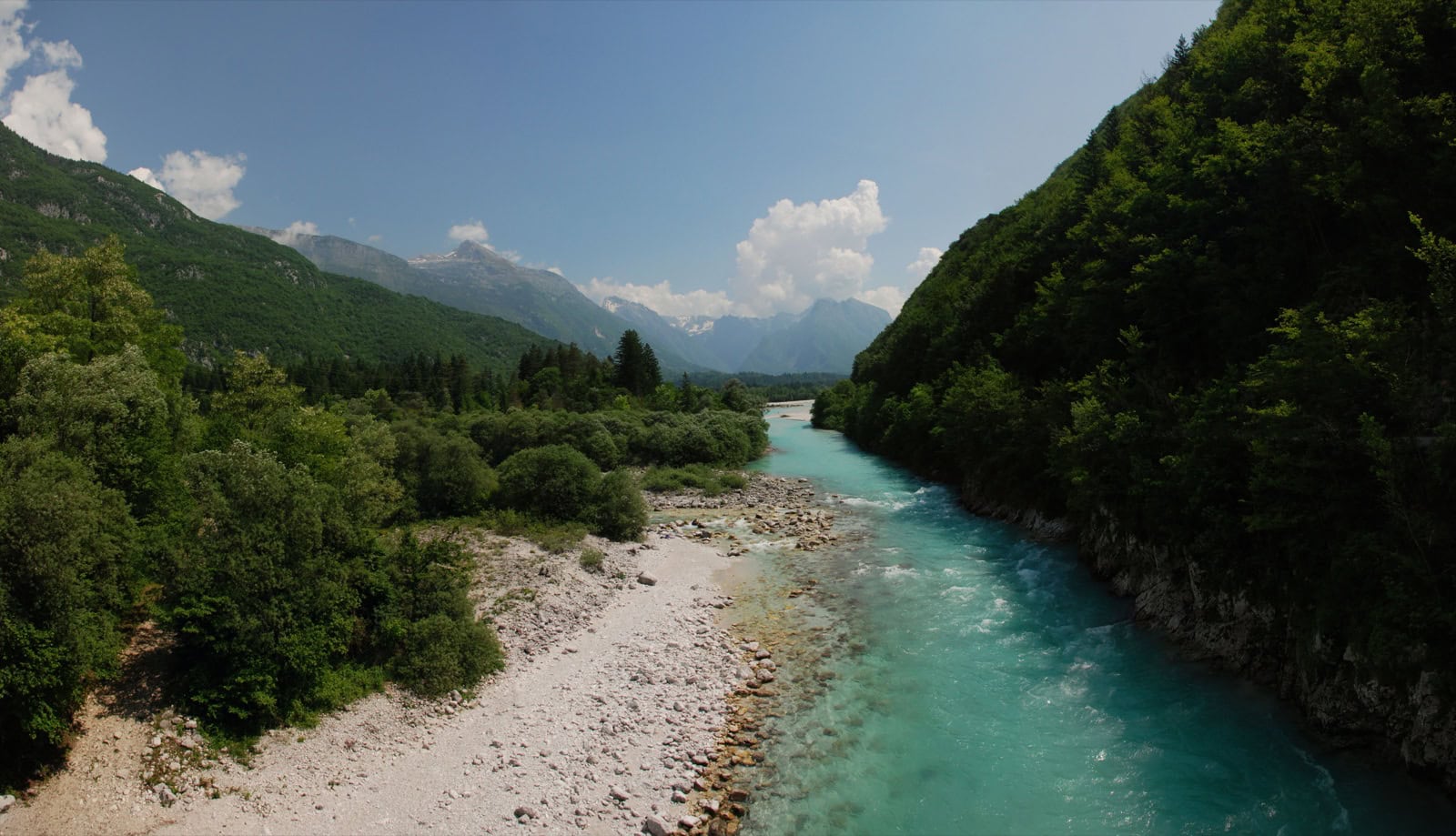
Two days in the Soča River valley. Why two? Because one simply isn’t enough. The Soča is probably the most beautiful river we’ve ever seen — the colour of the water is so intensely turquoise it looks like Photoshop. But it’s not.
Day 5: Bovec and adrenaline
Bovec is Slovenia’s adrenaline capital. If you love outdoor activities, you’re spoilt for choice:
- Rafting on the Soča — an absolute must-do. Prices are around 40–55 €/person, lasting 2–3 hours. The water is cold (around 8–12 °C), but you get a wetsuit. A once-in-a-lifetime experience.
- Zip-line over the Učja Valley — one of the longest in Europe (around 60 €/person).
- Canyoning — abseiling down waterfalls, jumping into pools. For the more adventurous (50–70 €).
If adrenaline isn’t your cup of tea, head to Boka Waterfall (Slap Boka) — the tallest waterfall in Slovenia (106 m). You can see it from the road, but for a better view you can hike up higher (about 30 minutes).
For lunch in Bovec, we recommend Gostilna Sovdat (home cooking, excellent veal) or Thomy Cottage for great pizza.

Day 6: Tolmin and surroundings
From Bovec, continue downstream along the Soča towards Kobarid and Tolmin.
In Kobarid, stop at the Napoleon Bridge and walk the Kobarid Historical Trail — an educational path about the Battle of Caporetto from WWI (2–3 hours, moderate difficulty). If history interests you, pop into the Kobarid Museum as well — surprisingly good and deeply moving (entry 8 €).
Continue to the Tolmin Gorges (Tolminska korita) — less well-known than Vintgar but equally beautiful and with far fewer people. Entry is 5 €, the walk takes about 1 hour. You’ll see the spot where two rivers — the Tolminka and Zadlašica — meet in an incredibly narrow gorge.
For dinner, head to Hiša Franko in Kobarid — one of the best restaurants in Slovenia (Michelin-starred!), but you’ll need to book weeks in advance and prices start at 150 €/person for a tasting menu. If Hiša Franko isn’t on the cards, a superb alternative is Topli Val in Tolmin — excellent local cuisine at normal prices (12–16 € for a main).
Where to stay in the Soča Valley
Bovec is the most practical base. Accommodation here is cheaper than in Bled, with plenty of family-run guesthouses and apartments. If you fancy camping, Camp Polovnik is excellent.
Our accommodation picks: Hotel Soča (hotel with wellness in the centre of Bovec) or Hotel Sanje ob Soči (stylish design hotel by the river).
Day 7. Transfer to the coast — Škocjan Caves
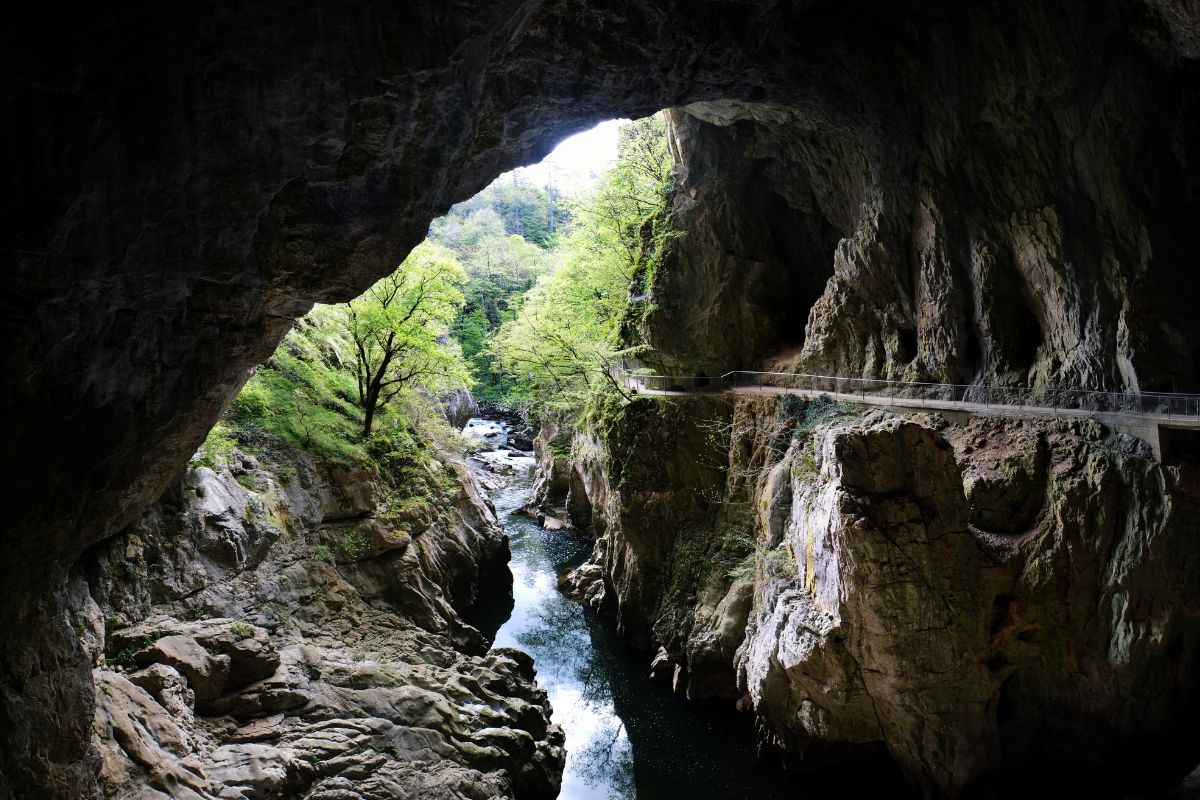
Day seven is a transfer day, but it’s far from boring. From the Soča Valley you drive southwest towards the coast, stopping en route at one of the most awe-inspiring natural wonders in Europe.
Škocjan Caves (Škocjanske jame) are a UNESCO World Heritage Site and — honestly — they’re far more impressive than the more famous Postojna. Why? Because inside, the Reka River flows through a colossal underground canyon so vast you could fit a cathedral inside it. It’s genuinely jaw-dropping.
Entry is 20 €/person, the tour lasts about 1.5 hours and it’s all on foot (no train like in Postojna). Important: it’s around 12 °C inside, so bring a jumper even if it’s 30 degrees outside.
Tours run at set times, every hour in season. I’d recommend arriving by 10:00 to catch the morning tour and then continue to the coast.
From the caves, it’s just under an hour’s drive to Piran.
For lunch along the way, stop in the village of Štanjel — a beautiful medieval stone village perched on a hilltop where time stands still. Gostilna Jama near the caves is a solid choice for a quick lunch.
Where to stay
Continue to Piran — book your accommodation there for two nights. You’ll spend this evening with a stroll through this gorgeous little coastal town.
Day 8. Piran — a slice of Italy in Slovenia
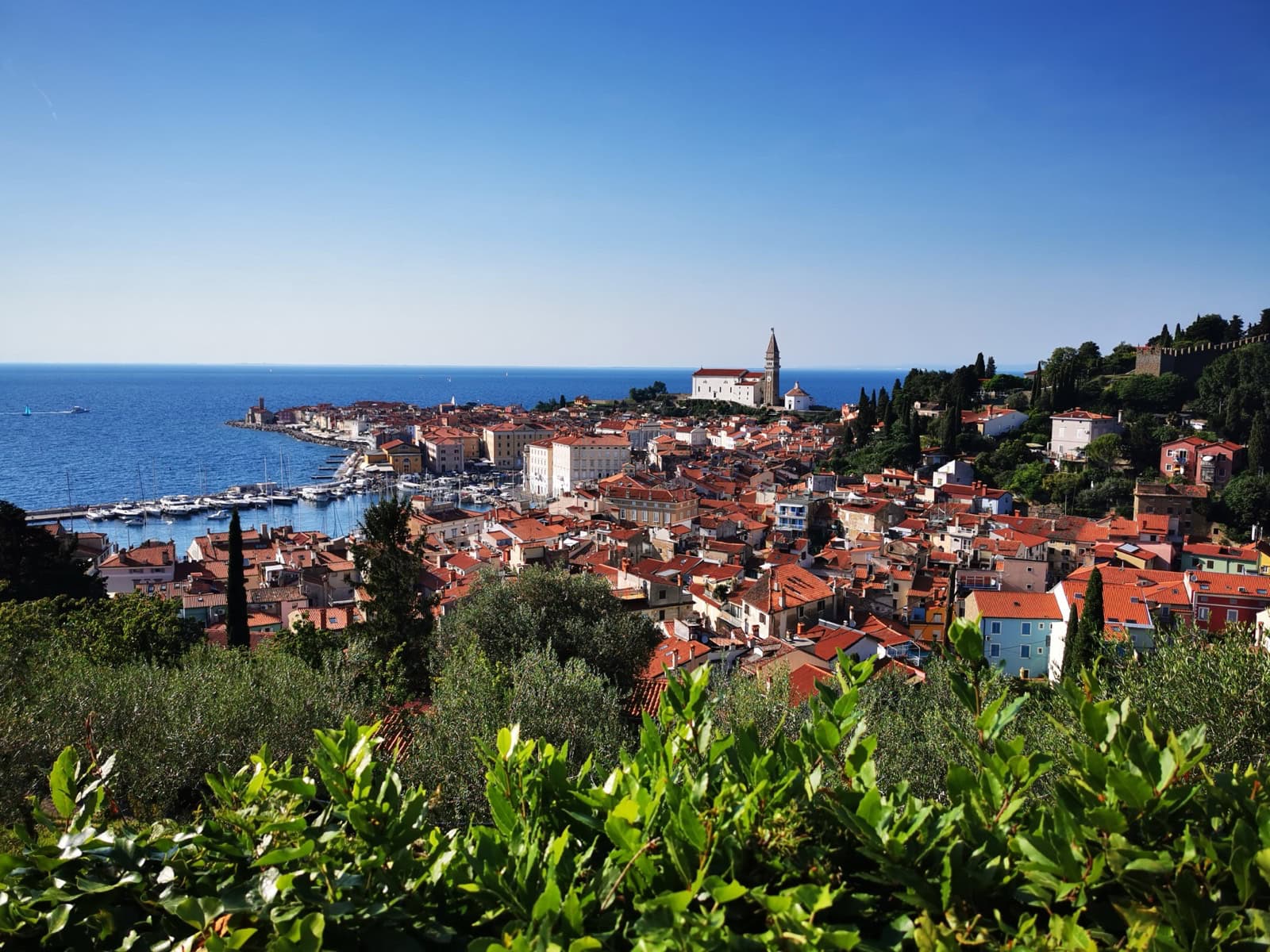
Piran is probably our favourite town on the Slovenian coast. It looks like a little piece of Italy — Venetian architecture, narrow alleyways, pastel façades, and Tartini Square where you sit with a coffee watching the sea.
In the morning, climb up to the town walls — entry is free and the view over the town, harbour, and Adriatic is stunning. Then wander the lanes of the old town, peek inside the Cathedral of St George, and stroll along the waterfront promenade.
Where’s the best sea in Slovenia? Honestly — the Slovenian coastline is just 46 km long, so don’t expect sandy beaches. Most “beaches” are concrete platforms or pebbles. The best swimming spots are:
- Fiesa — a small bay with a pebble beach just outside Piran (15 minutes on foot). The water here is beautifully clear.
- Strunjan — a nature reserve with the only sandy beach (well, more gravelly sand) on the Slovenian coast.
- Mesečev zaliv (Moon Bay) near Strunjan — a romantic cove beneath cliffs.
For lunch, head to Fritolin pri Cantini — a small fish restaurant right in the centre of Piran. Fresh fish and seafood at reasonable prices (main course 12–20 €). Or Restaurant Pavel for excellent Mediterranean cuisine.
In the afternoon, take a trip to Portorož (10 minutes by bus or 30 minutes on foot along the coast) — it’s a spa town with a bigger beach and promenade. It’s nothing spectacular, but it’s pleasant enough for an afternoon swim and stroll.
For dinner, treat yourself to Restoran Delfin right by the sea in Piran — a romantic sunset with a plate of grilled fish. Prices are higher (20–30 € for a main), but the atmosphere makes up for it.
Where to stay in Piran
Piran is small, so anywhere in the centre puts you within easy reach of everything. Parking, however, is a problem — leave your car at the Fornače car park below the town (about 10 €/day) and walk to the centre (10 minutes) or take the shuttle bus. You can’t park in the centre itself.
Our accommodation picks: Hotel Piran (4* hotel by the sea near Tartini Square) or Old Town Rooms Piran (rooms in the heart of the old town).
Map of points of interest for your phone
Day 9. Lipica and Štanjel — horses, wine, and stone villages
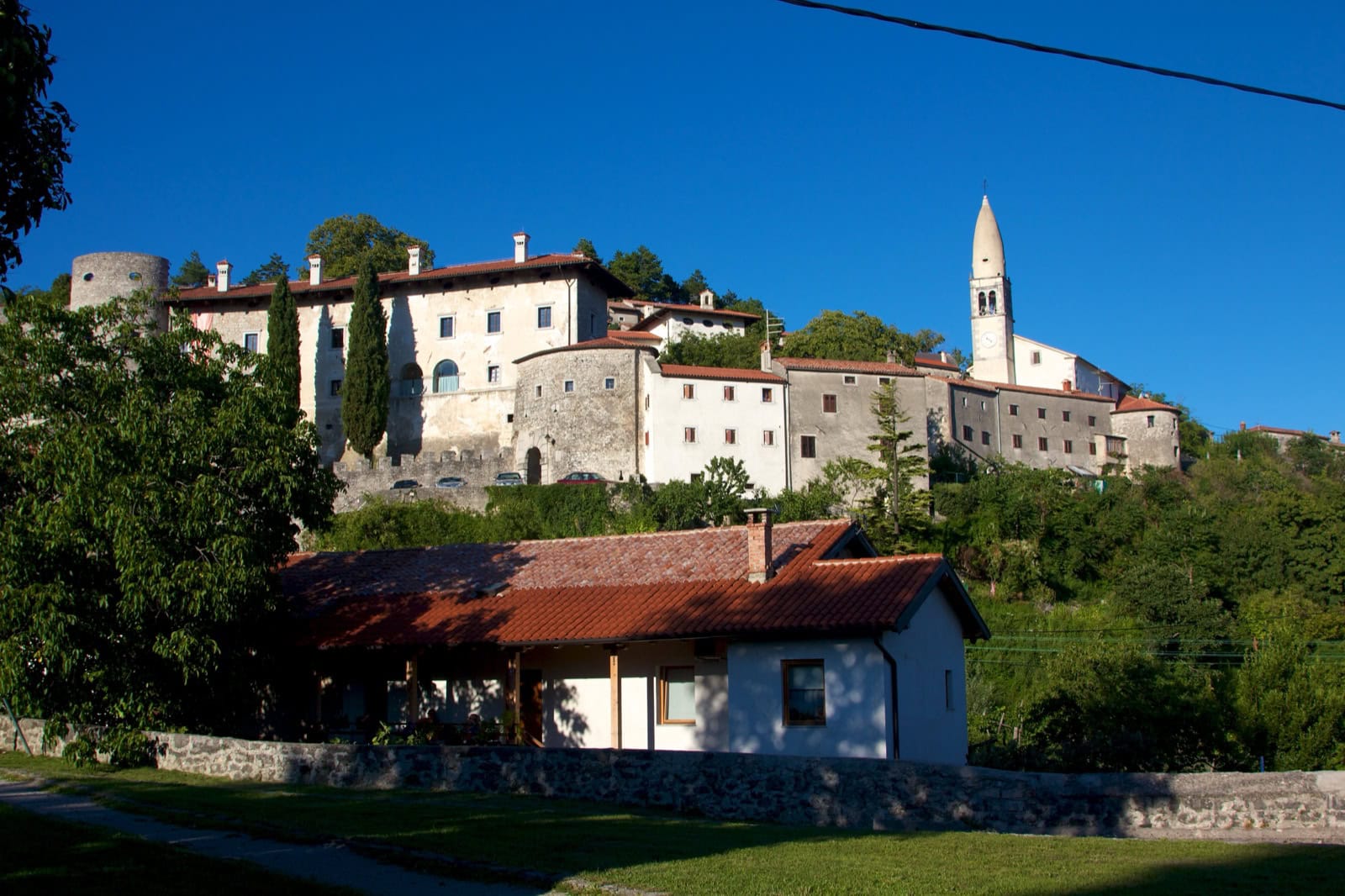
Today is a relaxed day on the road from the coast towards Postojna. The Slovenian Karst region is an area most tourists skip — and that’s a shame, because it’s absolutely enchanting.
In the morning, head to Lipica — the stud farm where the famous Lipizzaner horses have been bred for centuries. A tour costs 18 €/person and you’ll see beautiful white horses, historic stables, and possibly even a training session. Even if you’re not into horses, it’s a lovely experience.
Continue to Štanjel (if you didn’t manage it on day 7) — a medieval hilltop village with stone architecture and the garden of architect Maks Fabiani. It’s one of those places where time has stood still and you’ll bump into three other tourists at most.
For lunch, try one of the local osmice — these are Slovenian farmhouse “pop-up” restaurants where winemakers open their cellars twice a year and serve homemade wine, ham, cheese, and olive oil. You can find a list at osmice.com. If none happen to be open, drive to Gostilna Štokelj in Tomaj — excellent regional cuisine paired with Teran wine.
Speaking of wine — Teran is the local red wine from the Karst region and an absolute must-try. It’s bold, more acidic, and mineral. Pair it with pršut (dry-cured ham) from the Karst — it’s different from Italian prosciutto, drier and more intense in flavour.
In the afternoon, drive to Postojna and check in for two nights.
Where to stay
Postojna itself isn’t the most exciting town, but it’s a practical base for the caves and surroundings. Accommodation is cheaper here than on the coast.
Our accommodation picks: Hotel Jama (hotel right at the entrance to Postojna Cave) or ECO Hotel Center Postojna (renovated hotel near the cave).
Day 10. Postojna Cave and Predjama Castle
Today belongs to two iconic attractions that are close together and can comfortably be done in a single day.
Postojna Cave (Postojnska jama) is the most visited cave in Europe — and deservedly so. It’s enormous, packed with stalactites and stalagmites, and part of the tour is by underground train, which is an experience in itself (and also the reason it’s pricier than Škocjan). Entry is 29.90 €/person, a combo ticket with Predjama Castle is 41.90 € — and it’s well worth it.
The tour lasts 1.5 hours, with temperatures around 10 °C inside again. You’ll also see the olm (Proteus anguinus) — a blind, white amphibian that lives only in the underground waters of the Dinaric Karst. It looks a bit like a tiny dragon.
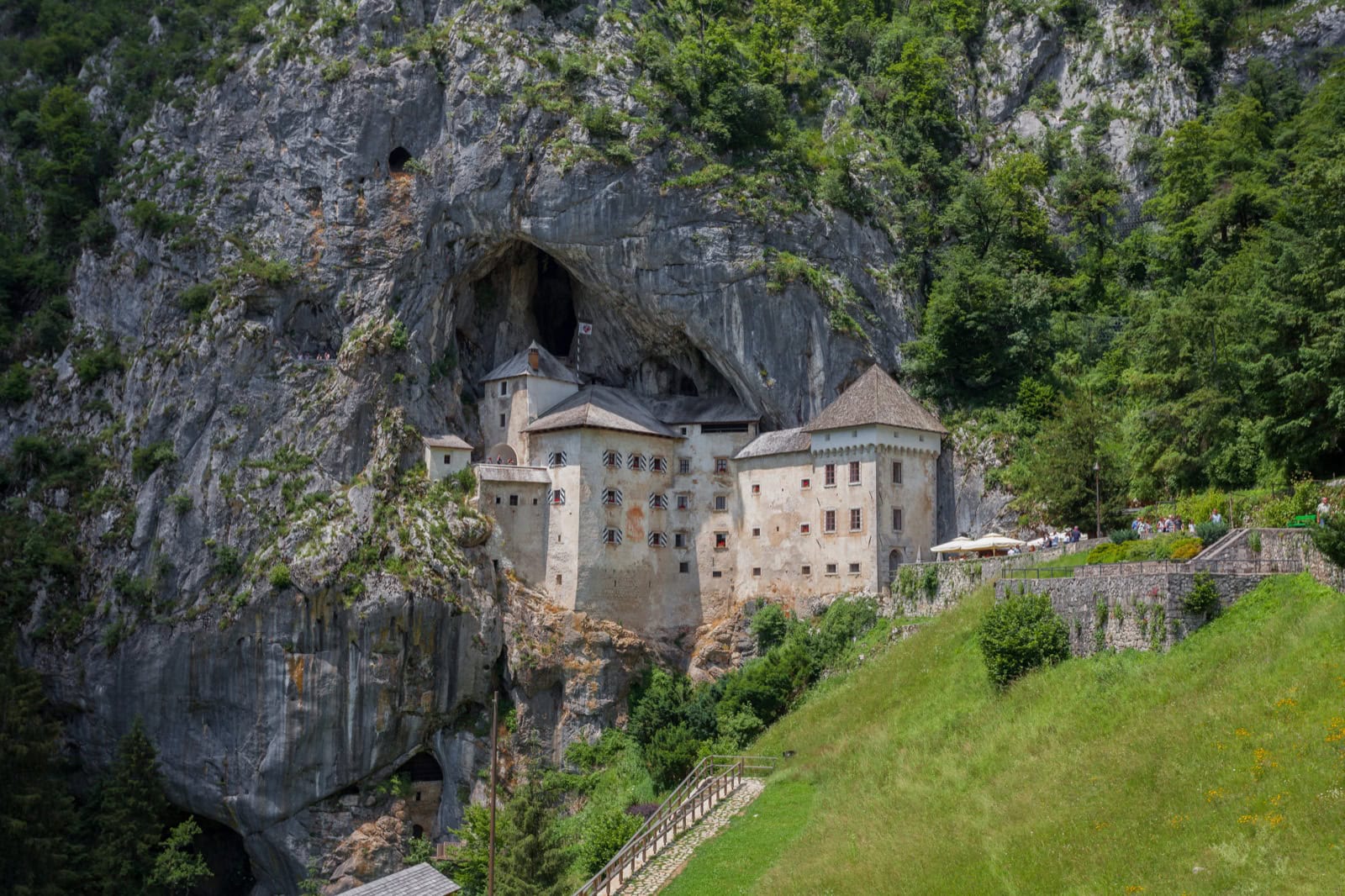
After the cave, head to Predjama Castle (Predjamski grad) — 10 minutes by car. It’s a castle built into a 123-metre-high cliff face and looks like something out of a fairy tale. Or a film — it was even used as a filming location. Entry is included in the combo ticket (see above) or 18.90 € on its own.
For lunch, we recommend Gostilna Požar in Postojna — home cooking, generous portions, reasonable prices. Or Restavracija Proteus right by the cave (touristy, but decent).
The afternoon is free — rest up, wander around Postojna, or drive to Lake Cerknica (Cerkniško jezero) — a unique intermittent lake that partially dries up in summer and turns into a meadow. A natural curiosity well worth seeing.
Where to stay
Stay in Postojna for a second night — you’ll head east in the morning.
Day 11. Heading east — Ptuj, Slovenia’s oldest town
Today is a transfer day from the southwest to eastern Slovenia. The drive from Postojna to Ptuj takes about 2.5 hours via Ljubljana (on the motorway).
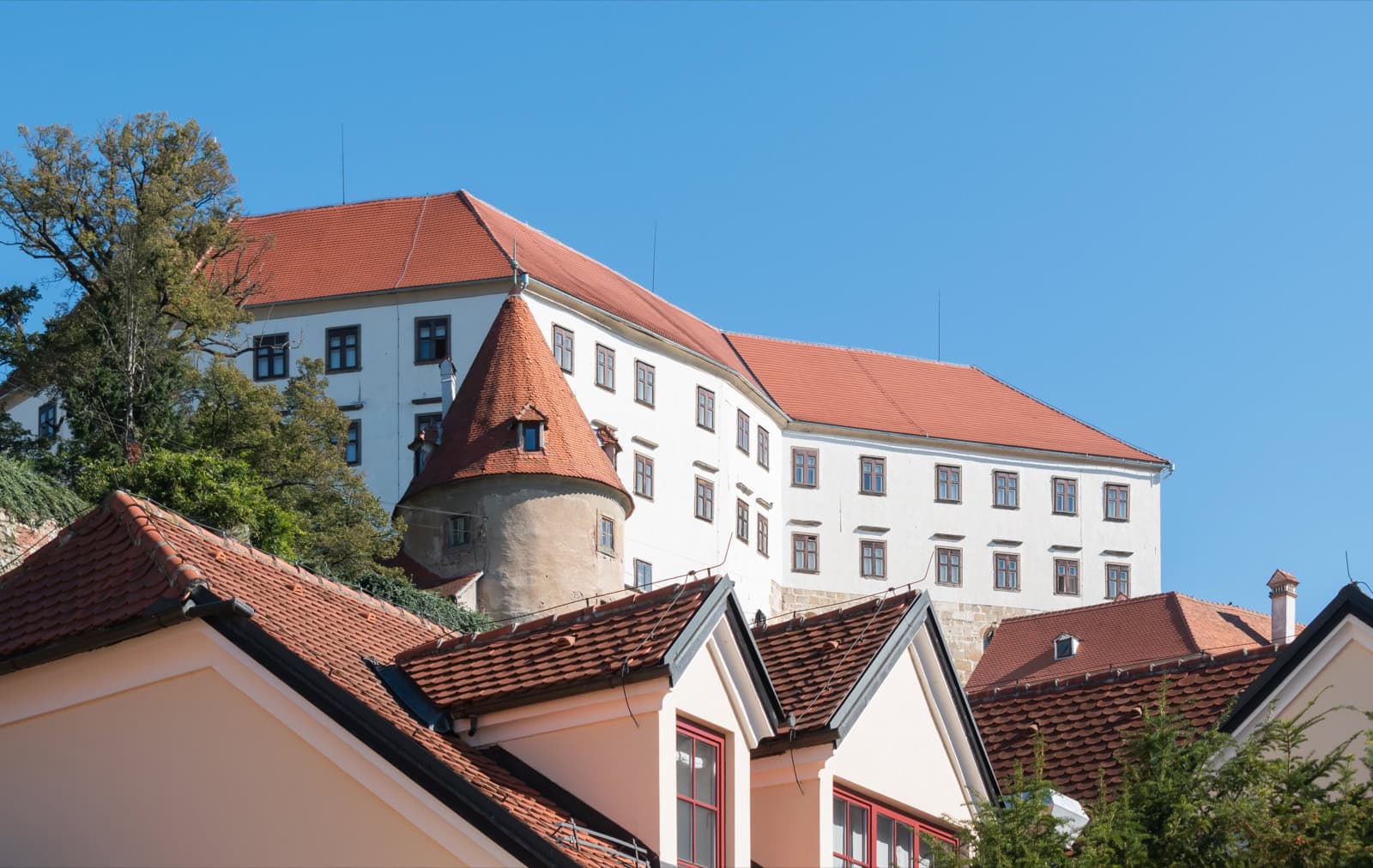
Ptuj is the oldest town in Slovenia and one of the oldest in Central Europe — first mentioned in Roman times. It’s a small, quiet place with a gorgeous castle on a hilltop, thermal spas nearby, and a strong winemaking tradition.
In the afternoon, explore Ptuj Castle (Ptujski grad) — the town’s crowning landmark with a museum and beautiful views over the town and the Drava River. Entry is 7 €. Inside you’ll find a collection of carnival masks — Ptuj is famous for its traditional Kurentovanje, a Shrovetide festival featuring fearsome masks made from sheepskin.
Take a walk through the old town — it’s compact and you can see it in an hour. Stop by the Minorite Monastery and the main square.
For dinner, head to Gostilna Ribič — a restaurant right on the bank of the Drava with excellent fish dishes (main course 12–16 €). Or PP Gostilna Amadeus for traditional Slovenian cuisine.
If you love wine, Ptuj is surrounded by vineyards — spend the evening at a tasting in one of the local wine bars. Pulchra vina in the town centre has an excellent selection.
Where to stay in Ptuj
Ptuj is affordable — accommodation here is significantly cheaper than in Bled or Piran. We recommend staying right in the centre.
Our accommodation picks: Hotel Mitra (historic hotel in the old town below the castle) or Grand Hotel Primus (spa hotel with thermal pools).
Day 12. Maribor and the wine road
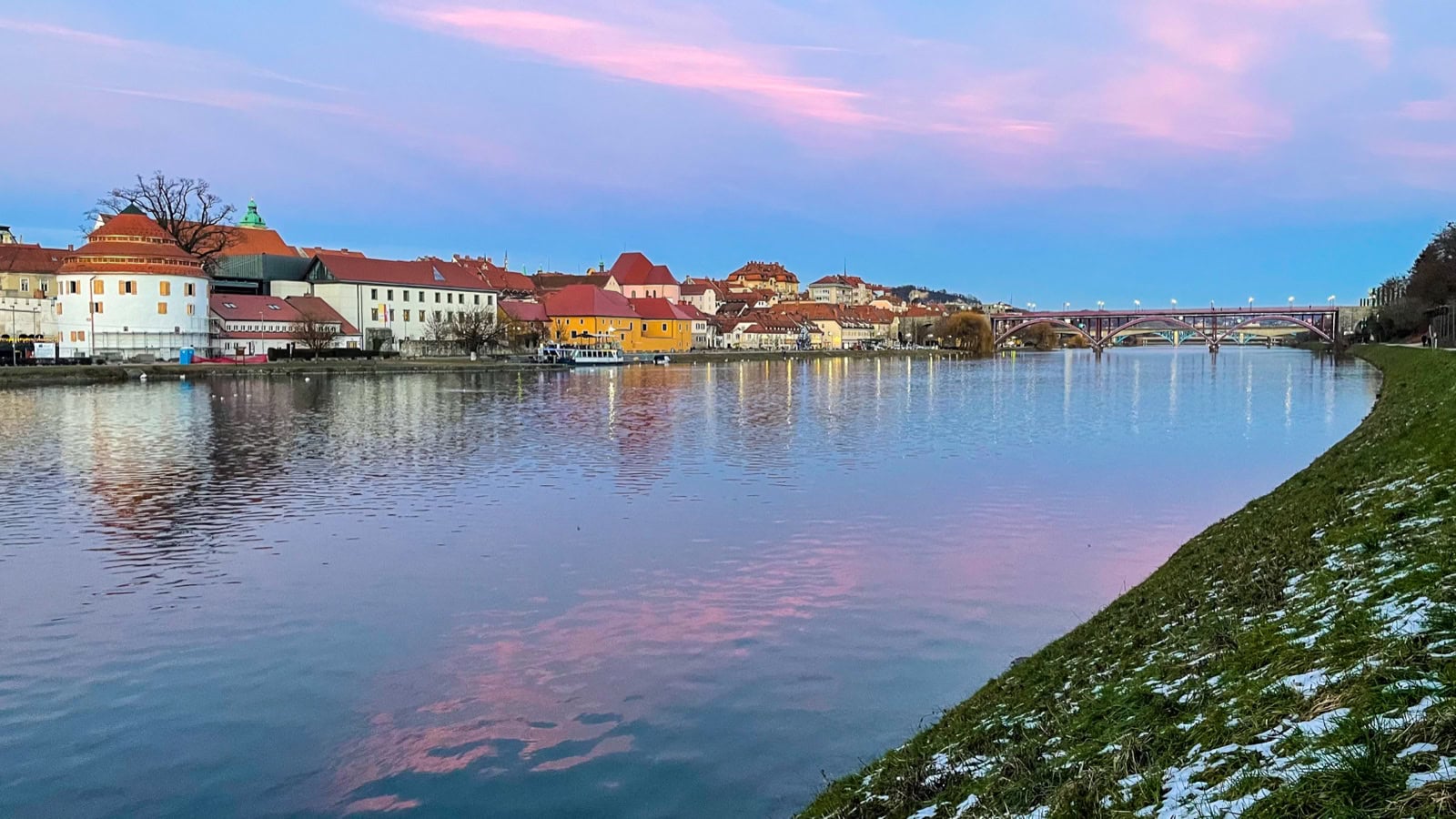
From Ptuj to Maribor it’s just 30 minutes by car. Maribor is Slovenia’s second-largest city and it’s nothing like Ljubljana — grittier, more industrial, but also more authentic and less touristy.
In the morning, walk around the old town — the Main Square (Glavni trg), the plague column, the cathedral. Stop at the Old Vine (Stara trta) — it grows right on the façade of a house by the Drava River and is over 400 years old. Yes, it still bears grapes. Next door there’s a small museum (free entry) and a wine shop where you can taste wine made from this vine (around 15–25 € for a tasting).
If you have time, take the cable car up to Pohorje — a mountain ridge right above Maribor. In winter it’s a ski resort; in summer it’s ideal for walks and views. The cable car costs 13 € return.
For lunch, we recommend Mak Maribor — modern Slovenian cuisine with a great tasting menu (from 35 €). For something cheaper, try Restavracija Ancora — Italian-Slovenian cuisine, main course 10–14 €.
In the afternoon, head out on the wine road south of Maribor — the Štajerska (Styria) region is Slovenia’s most renowned wine-producing area. Drive to the village of Šmarje pri Jelšah or the vineyards around Jeruzalem (yes, that really is its name 😁) — rolling hills covered in vines, panoramic views in every direction, and tastings at family-run wineries. We recommend Hlebec or Puklavec Family Wines.
Where to stay
In the evening, drive towards Logar Valley — the journey takes about 1.5 hours. Stay somewhere near Logar Valley so you have a fresh start in the morning.
Day 13. Logar Valley — an Alpine gem to finish
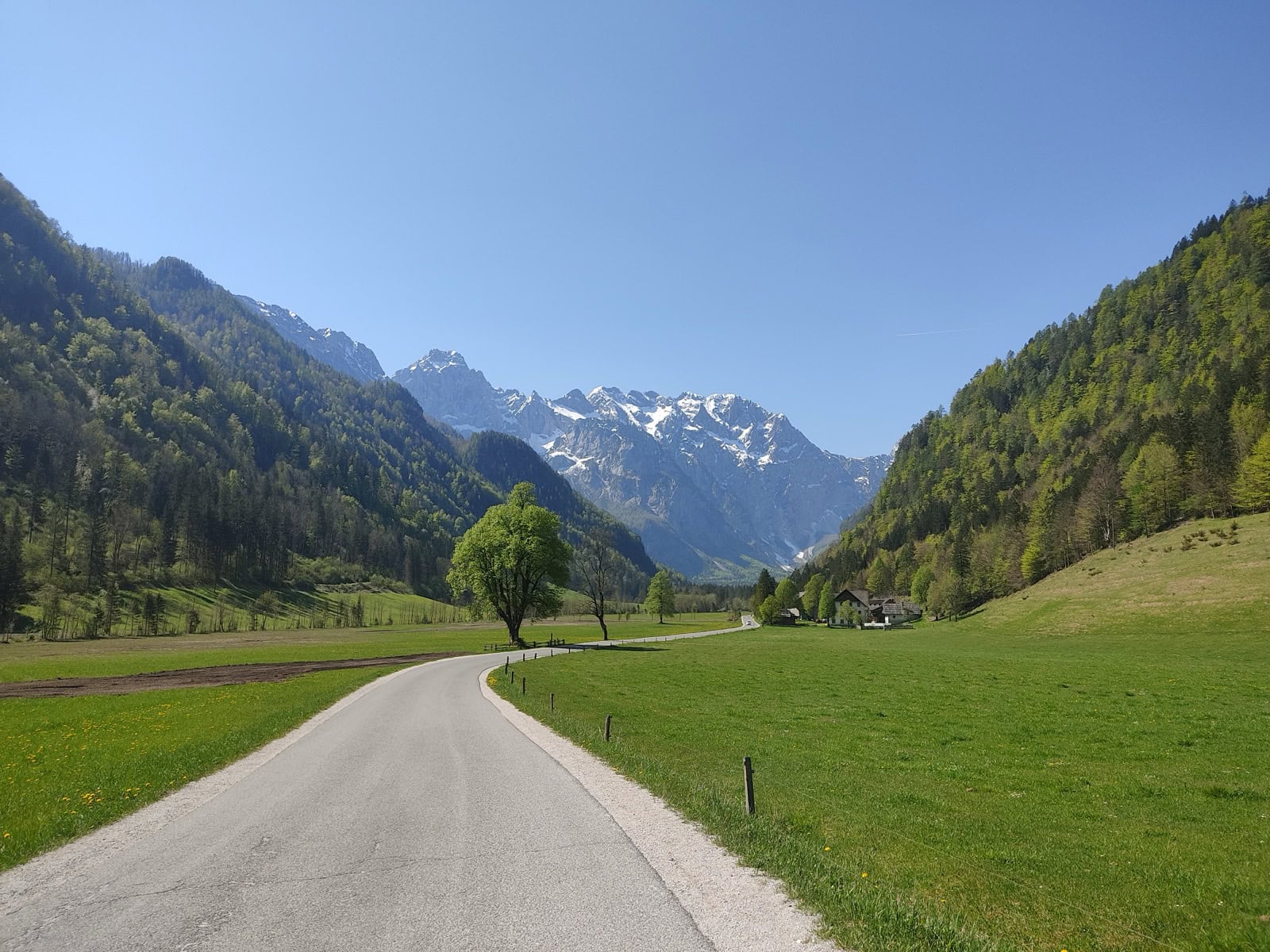
Logar Valley (Logarska dolina) is, in our opinion, the most beautiful place in Slovenia that most tourists never visit. It’s a glacial valley surrounded by towering Alpine peaks, green meadows, flocks of sheep, and a waterfall at the end. It looks like Switzerland, but without the Swiss prices and without the crowds.
Driving into the valley costs 10 € in season. Drive all the way to the end to reach Rinka Waterfall (Slap Rinka) — a 90-metre-high waterfall that’s a 20-minute walk from the car park. At the top by the waterfall there’s a small mountain hut where you can grab a coffee with a view.
In the morning, set off on the Panoramic Trail (Panoramska pot) — a circular route around the valley that takes about 3–4 hours and offers absolutely breathtaking views of the entire valley from above. The difficulty is moderate — no technical sections, but there’s a fair bit of uphill.
If you prefer a shorter walk, stroll along the valley floor — a flat path, ideal even with children, past streams and meadows. The atmosphere is pure magic, especially in the morning when mist drifts over the fields.
For lunch, head to Gostišče Žolnir right in the valley — home cooking, štruklji, beef goulash, everything from local ingredients. Portions are huge and prices are down-to-earth (8–14 € for a main).
In the afternoon, drive to the neighbouring Matkov kot valley — even wilder and less visited. The road is narrow and winds through forest, with a beautiful waterfall at the end. Perfect for a relaxing stroll.
If you enjoy proper hikes and the right boots for them, Logar Valley is the ideal place to put them to the test.
Where to stay in Logar Valley
There are a handful of family-run guesthouses and farms in the valley — we recommend Penzion Juvanija or Hotel Plesnik (the more luxurious option with wellness). There isn’t much accommodation here, so book well in advance!
Day 14. Return — via the Kamnik-Savinja Alps
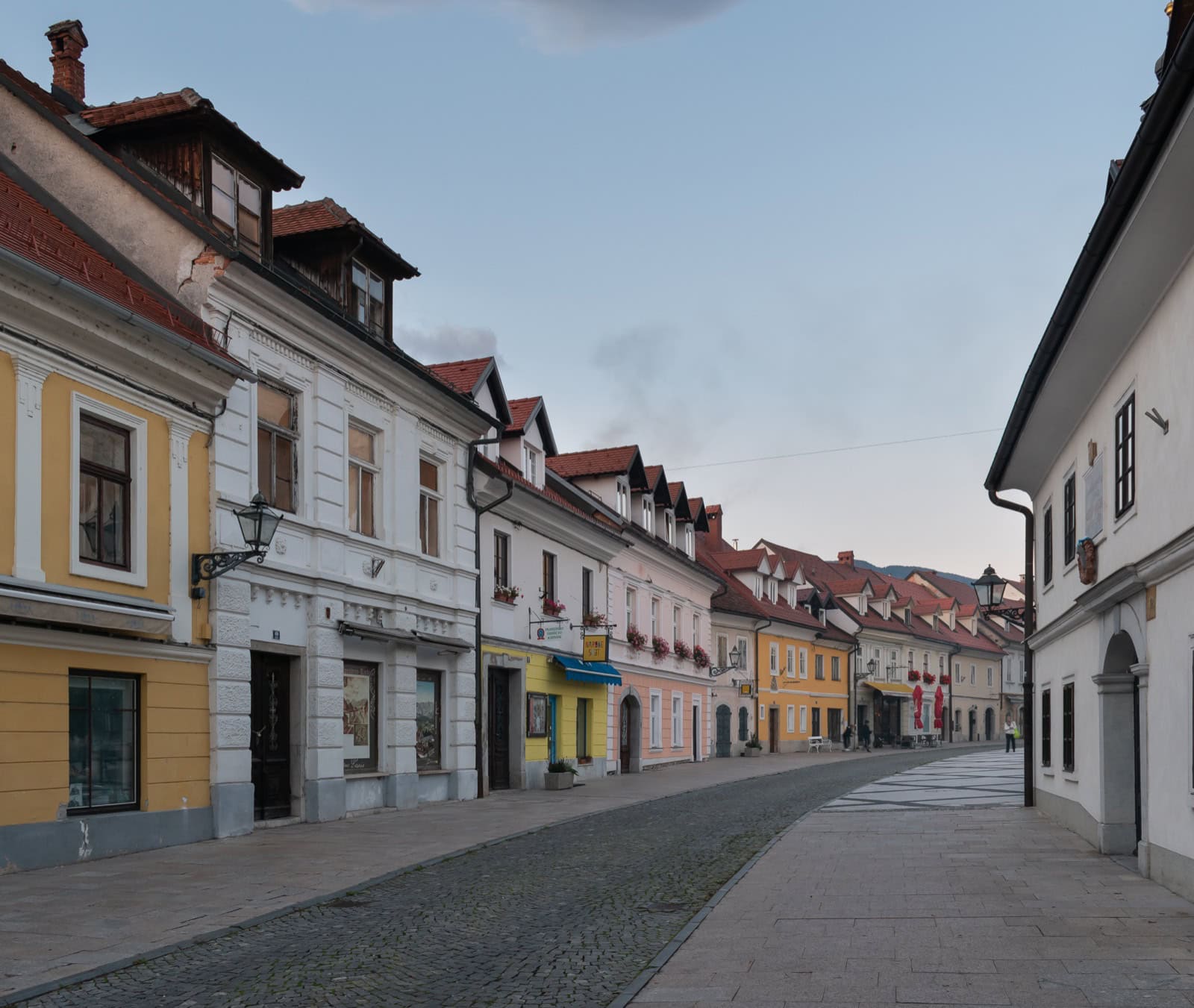
The last day of the road trip. From Logar Valley, you head back either to Ljubljana (for the airport, about 1.5 hours) or begin the long drive home to the UK.
On the way back, stop in Kamnik — a small town with a beautiful medieval centre, a castle, and Alpine views. An hour’s stop for a coffee and a wander is all you need.
If you’re flying from Ljubljana and have time to spare, you could also pop into the Arboretum Volčji Potok (15 minutes from the airport) — a lovely botanical park, ideal for a farewell stroll.
Practical tips to finish
What to pack
Slovenia is diverse — you’ll need hiking gear for the mountains as well as swimwear for the coast. Our guide on how to pack into carry-on luggage will come in handy if you’re flying with a budget airline.
eSIM and internet
Slovenia is in the EU, so if you have a UK mobile plan that includes EU roaming, you may be covered — but do check with your provider as post-Brexit rules vary. For a hassle-free option, or if you’re staying longer, check out our review of Holafly eSIM for unlimited data across Europe.
Insurance
Since Brexit, your UK Global Health Insurance Card (GHIC) still gives you access to state-provided healthcare in EU countries, but it doesn’t cover everything. We strongly recommend taking out proper travel insurance, especially if you’re planning adrenaline activities on the Soča. Have a look at our SafetyWing review.
What to watch out for in Slovenia
- Parking fines are steep — always check where you can park and pay the meter.
- E-vignette is mandatory on motorways. Without one, you risk a fine of 300–800 €.
- Bears — yes, Slovenia has a population of brown bears. You could encounter one in the mountains, but it’s rare. Make noise on the trails and you’ll be fine.
- Tap water in Slovenia is excellent — drink it straight from the tap everywhere.
- Tipping isn’t compulsory, but it’s customary to round up or leave 5–10%.
Further reading: more articles about Slovenia
Want to explore some of these stops in more detail or extend the road trip? Here’s some more inspiration:
- Slovenia road trip in 7 days — a shorter itinerary if you only have a week
- Things to do in Bled and at Lake Bohinj — 15 tips for Slovenia’s two most beautiful lakes
- Through the Julian Alps to Zadar — a route through Slovenia and Croatia to the sea
- The most beautiful Austrian lakes — a tip for extending your road trip on the way home
Frequently asked questions about a Slovenia road trip
Before you set off, here are answers to the questions we get most often from readers about a 14-day Slovenia road trip.
How much does a 14-day Slovenia road trip cost?
Budget around €700–€1,400 per person excluding flights, depending on your accommodation and dining style. If you camp and self-cater, you can do it for less. If you prefer hotels and restaurants, the budget will be higher. On top of that, add flights (from around £30–50 one way from London) and car hire (350–560 € for 14 days).
When is the best time to visit Slovenia?
The best months are May–June and September. In summer (July–August) it’s warm and great for swimming, but popular spots like Bled get very crowded. Spring offers lush green landscapes and fewer tourists, while autumn brings stunning colours and the grape harvest. Avoid winter for a road trip — some mountain roads (including the Vršič Pass) are closed.
How expensive is Slovenia?
Slovenia is cheaper than Austria or Italy but pricier than Croatia. A main course in a restaurant costs 10–18 €, a beer 3–4 €, a cappuccino 2–3 €. Accommodation ranges from around 50 €/night for an apartment to 150+ € for a hotel. Entry fees for major attractions are 10–30 €.
What should you watch out for in Slovenia?
Mainly parking and speeding fines — they’re noticeably higher than what you might be used to. Don’t forget the motorway e-vignette (15 €/week). Otherwise, Slovenia is a very safe country with virtually no tourist scams. In the mountains, wear proper footwear and be aware the weather can change quickly. And yes, there are bears in the forests — they’re shy, but they exist.
Where is the best sea in Slovenia?
The Slovenian coastline is short (46 km) and you won’t find sandy beaches here. The best swimming is at Fiesa bay near Piran (a small pebbly beach with crystal-clear water), the Strunjan nature reserve (the only sandy-ish beach), and Mesečev zaliv (Moon Bay). If beaches are your main priority, consider combining Slovenia with Croatia’s Istria, which is just next door.
Do I need a car in Slovenia?
For this itinerary, absolutely yes. Public transport runs between larger towns (Ljubljana–Bled, Ljubljana–Piran), but many of the most beautiful spots (the Vršič Pass, Logar Valley, smaller waterfalls, wine regions) are unreachable without a car. Hire costs 25–40 €/day.
Is Slovenia suitable for families with children?
Absolutely. Slovenia is safe, distances are short (nothing takes more than 2.5 hours by car), and kids love the caves, cable cars, lake swimming, and the underground train in Postojna. For families, I’d shorten the itinerary to 10 days and skip the adrenaline activities on the Soča (or swap them for a gentler kayaking session on Lake Bohinj).
Tips and Tricks for Your Vacation
Don’t Overpay for Flights
Search for flights on Kayak. It’s our favorite search engine because it scans the websites of all airlines and always finds the cheapest connection.
Book Your Accommodation Smartly
The best experiences we’ve had when looking for accommodation (from Alaska to Morocco) are with Booking.com, where hotels, apartments, and entire houses are usually the cheapest and most widely available.
 🚗 Car rental on the roadVerified rental cars in Slovenia
Search with the DiscoverCars comparison engine — it compares prices from dozens of local and international rental companies, and most bookings come with free cancellation.
Compare car prices in Slovenia →Don’t Forget Travel Insurance
Good travel insurance will protect you against illness, accidents, theft, or flight cancellations. We’ve had a few hospital visits abroad, so we know how important it is to have proper insurance arranged.
Where we insure ourselves: SafetyWing (simple monthly subscription) and TrueTraveller (for extra-long trips).
Find the Best Experiences
Get Your Guide is a huge online marketplace where you can book guided walks, trips, skip-the-line tickets, tours, and much more. We always find some extra fun there!