When people think of the south of France, they usually picture overcrowded Riviera beaches, lavender fields in Provence, and endless queues of tourists fighting over every scrap of shade. But today I want to take you somewhere completely different — rawer, more authentic, and in my opinion far more interesting. Imagine a landscape where wild Atlantic waves meet the majestic peaks of the Pyrenees, where the finest cheeses share a table with bold, full-bodied red wines. This southwest France road trip covers a vast, proud region that will swallow you whole with its unique atmosphere.
This region isn’t about rushing through a checklist of sights — it’s about slowly discovering tucked-away villages and breathtaking natural wonders. I’ve put together a detailed 10-day road trip itinerary that takes you from elegant Bordeaux through the prehistoric caves of the Dordogne valley, on to the surf beaches of the Basque Country and high into the mountains. I’ve deliberately cut out any pointless cross-country drives, so you won’t spend your holiday staring through a dusty windscreen. Instead, I’ll show you where to linger over a morning coffee and where to head for the most spectacular views — without stress or rushing.
TL;DR
- Total driving distance: Around 750 kilometres of actual driving through three completely different regions.
- Ideal trip length: Exactly 10 days, giving you enough time at each key destination without feeling rushed.
- Best time to go: May, June and September offer the best conditions — avoiding extreme summer heat and brutal traffic jams.
- Main vibe: A striking contrast between elegant wine country, clifftop medieval castles, surf culture and rugged mountain scenery.
- Highlights to look forward to: Climbing Europe’s largest sand dune, sailing an underground river by boat, and stargazing high in the Pyrenees.
- Top tip: Book accommodation and entry tickets to the main attractions (especially the caves) several months in advance for 2026 — capacity is strictly limited.
The full destination guide: Nouvelle-Aquitaine — guide and what to see
When to Go
Timing really does matter here, because southwest France can be merciless in summer, with temperatures regularly hitting 38–40 °C. If you travel in July or August, be prepared for the whole country being on holiday — coastal areas get absolutely packed. The first weekend of August, known in France as chassé-croisé, sees motorways grind to one enormous, frustrating car park as the summer holiday changeover happens all at once. On top of that, accommodation prices soar and getting a restaurant table without a reservation becomes almost impossible.
A much smarter choice is spring or early autumn, when you’ll find settled weather and a far more relaxed atmosphere. May and June bring long, light-filled days, very pleasant temperatures for sightseeing, and nature in full bloom. Just bear in mind that if you head up to the higher Pyrenean trails to see the Gavarnie waterfall in May, you may still encounter snow on the paths. For ocean lovers, early September is wonderful — the water is still warm from summer, but the Arcachon Bay has shed its biggest holiday crowds.
If you love wine, September and October are simply phenomenal. This is when the traditional harvest season takes place and the entire Dordogne valley turns to gorgeous shades of gold and deep purple. October temperatures are perfect for strolling through vineyards and tasting in ancient cellars. Autumn also marks the start of the main surf season in the Basque Country, when the Atlantic sends in its cleanest, most powerful swells. In short, avoid the peak summer rush and your trip will be noticeably cheaper, more authentic and — above all — wonderfully stress-free.
Practical Info: Car Hire, Getting Around & Budget
This itinerary is designed as a road trip, because without your own car you simply can’t reach the more remote valleys and mountain waterfalls. You can easily hire a car on arrival at Bordeaux Airport — I’d recommend using a reliable comparison site to find the best deal with comprehensive insurance included. French motorways are in excellent condition, but be prepared for the toll system (péages), which works out at roughly €9.50 per 100 km. You can pay at every toll booth by contactless card, so no need to carry piles of change.
Pay close attention to low-emission zones (ZFE), which now apply in most larger French cities and were tightened further for 2026. Even in a modern hire car, you’ll need the special Crit’Air eco-sticker, which you can order online for around €5. Drive into a ZFE without one and you risk an entirely avoidable €68 fine that the rental company will simply deduct from your deposit. Parking in cities like Biarritz or Sarlat can be a nightmare in season, so always try to book accommodation that includes a dedicated parking space.
As for a rough budget for 2026, France is definitely not a cheap destination, but with a little planning it’s very manageable. A typical weekday lunch menu (menu du jour) at a small bistro will set you back €15–25, while a three-course dinner at a decent restaurant runs around €35–50 per person. A classic espresso at the bar costs about €2, and a 15% service charge is already included in your bill by law (service compris) — leaving an extra euro or two for exceptional service is entirely at your discretion.
Day-by-Day Itinerary
Let’s dive into the detailed plan for the trip, which takes you through the very best that southwest France has to offer. The route is designed so that every day gives you time to soak up the local atmosphere, rather than just racing on to the next stop.
Day 1: Arrival in Bordeaux & the Modern Waterfront
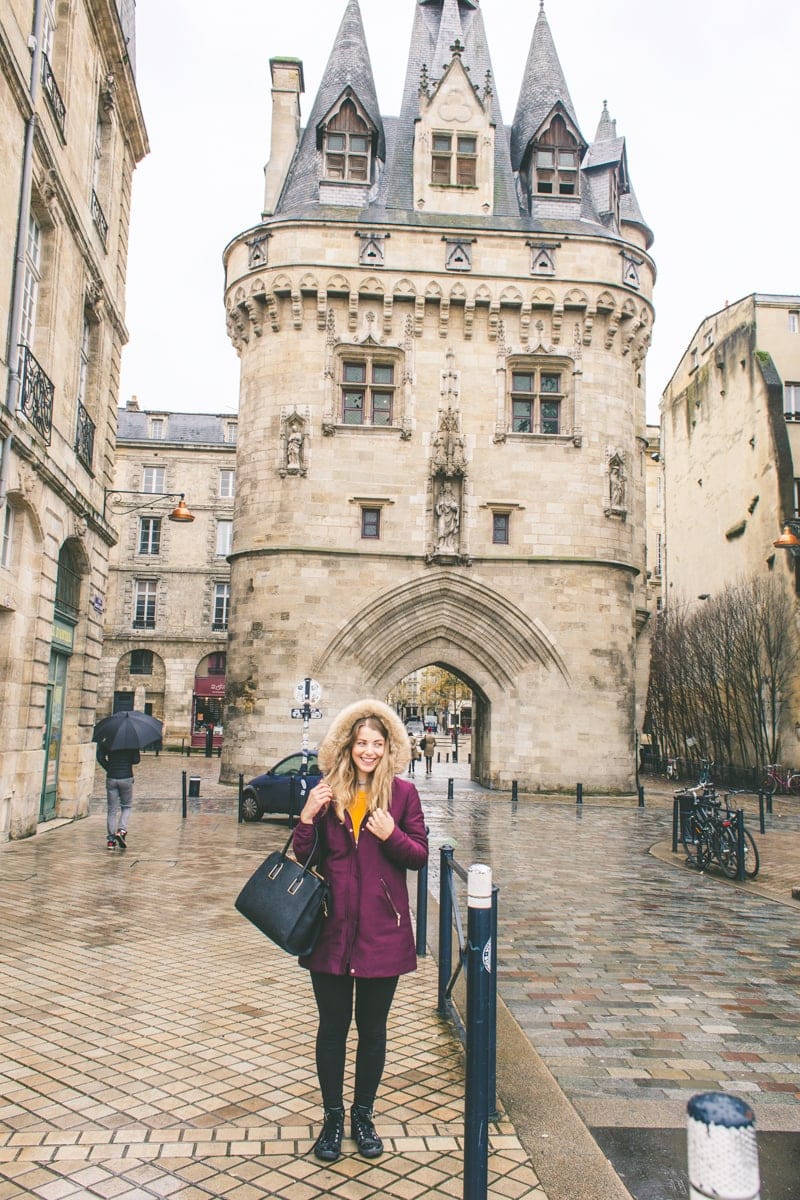
Your journey begins in Bordeaux, easily reached from the UK with direct flights from London Gatwick, London Stansted and Bristol operated by easyJet, Ryanair and Jet2. This dynamic city on the banks of the Garonne has undergone one of Europe’s most celebrated urban transformations, with its old docks now buzzing with culture and creativity. Once you’ve picked up your hire car and checked in, head straight out for a long stroll along the waterfront. The undisputed centrepiece is the stunning Miroir d’eau — a vast water mirror covering 3,450 square metres, where a thin sheet of water reflects the monumental façade of the Place de la Bourse in extraordinary fashion.
In the afternoon, make your way to the northern Bacalan district, where the extraordinary La Cité du Vin building rises up, its organic shape echoing wine swirling in a glass. In 2026 this hypermodern wine museum celebrates its tenth anniversary — entry costs around €22. Inside you’ll find a wonderfully immersive journey through the world’s wine cultures, crowned by a visit to the glazed belvedere on the eighth floor with sweeping panoramic views over the city. If you’re drawn to darker industrial spaces, the nearby Bassins des Lumières — a former submarine base transformed into a vast digital art centre — is well worth a look.
Bordeaux is wonderfully generous when it comes to food, with a huge range of excellent bistros and cafés and a pleasingly relaxed atmosphere. I’d suggest settling in for a hearty vegetable ratatouille or a generous cheese board with fresh baguette. Meat lovers tend to seek out the city’s famous duck confit, which is an utterly classic dish in this region and turns up on virtually every menu.
💡 Tip: Stay right in the heart of Bordeaux’s historic centre, in a neighbourhood like Chartrons, so you can wander out into the evening on foot. A great option is booking a room at the charming Casa Blanca B&B through Booking.com.
Day 2: A Day Trip to the Wine Town of Saint-Émilion
On the second morning, I’d recommend leaving the car safely parked in Bordeaux and hopping on a comfortable regional TER train out to the famous wine village of Saint-Émilion. The journey from Saint-Jean station takes just 33–40 minutes and saves you all the stress of hunting for parking in its narrow medieval streets. This gorgeous golden-limestone village is surrounded by a sea of vineyards that became the world’s very first wine-producing landscape to earn UNESCO World Heritage status.
Once you step off the little train, you can walk straight out between the vine rows and visit some of the celebrated châteaux. Do book your tastings well in advance online though — the best cellars simply won’t let you in without a reservation. In the village centre itself, don’t miss the extraordinary monolithic church carved directly into the underground rock, and a wander through the steep cobbled lanes the locals call tertres. The bell tower rising above the main square rewards even the most reluctant stair-climber with a magnificent view.
For lunch, duck into one of the smaller, less touristy restaurants and order a fluffy herb omelette or a plate of local sheep’s cheese with walnuts and grapes. The food in Saint-Émilion is honest and rustic — it will keep you going comfortably for the rest of the afternoon. Bear in mind that local restaurants strictly observe lunch hours between noon and 2 pm, so plan your gastronomic experience to fit neatly within that window.
💡 Tip: Explore the village in the early afternoon and head back to Bordeaux for the night. You can easily book an English-language wine tasting tour through GetYourGuide, which often includes guided visits to the best estates.
Day 3: To the Ocean via Arcachon Bay & Dune du Pilat
Today it’s time to get behind the wheel and head west towards the untamed Atlantic coast, which smells of pine trees and salt wind. Arcachon Bay forms a remarkable microworld all of its own, and the centrepiece of today is the awe-inspiring Dune du Pilat. Standing 110 metres high, it’s the largest sand dune in the whole of Europe — a living, shifting organism that is slowly but relentlessly swallowing the dense pine forest at its feet. In summer more than 10,000 visitors arrive every single day, so timing your visit is absolutely critical.
Don’t attempt the climb at midday, when the sand is scorching hot and the shadeless ascent becomes genuine physical suffering. Far better to arrive before 11am or wait until after 7pm. The sand cools pleasantly, the crowds thin out, and you’re rewarded with a phenomenal sunset. The view — boundless blue ocean on one side and a dark green carpet of the Landes forest stretching to the horizon on the other — is genuinely breathtaking. If you want to avoid paying for the main car park, try the free spaces near Plage de Petit Nice and walk up to the dune from there.
After the climb, swing by the town of Gujan-Mestras, the heart of the local oyster culture, with seven small harbours and dozens of brightly painted wooden huts (cabanes) crammed right at the water’s edge. While the seafood fans around you are gleefully slurping freshly harvested oysters, you can settle into one of the waterfront cafés for a wonderful savoury buckwheat galette filled with grilled vegetables and cheese. It’s a wonderfully unhurried sort of place — people sit on rough wooden benches and nobody is in any rush at all.
💡 Tip: Spend tonight in the Arcachon Bay area, ideally in the town of Arcachon itself. The well-reviewed Hôtel Le B d’Arcachon is a great pick, bookable through Booking.com and just a short walk from the beach.
Day 4: Into the Dordogne & Prehistoric Lascaux
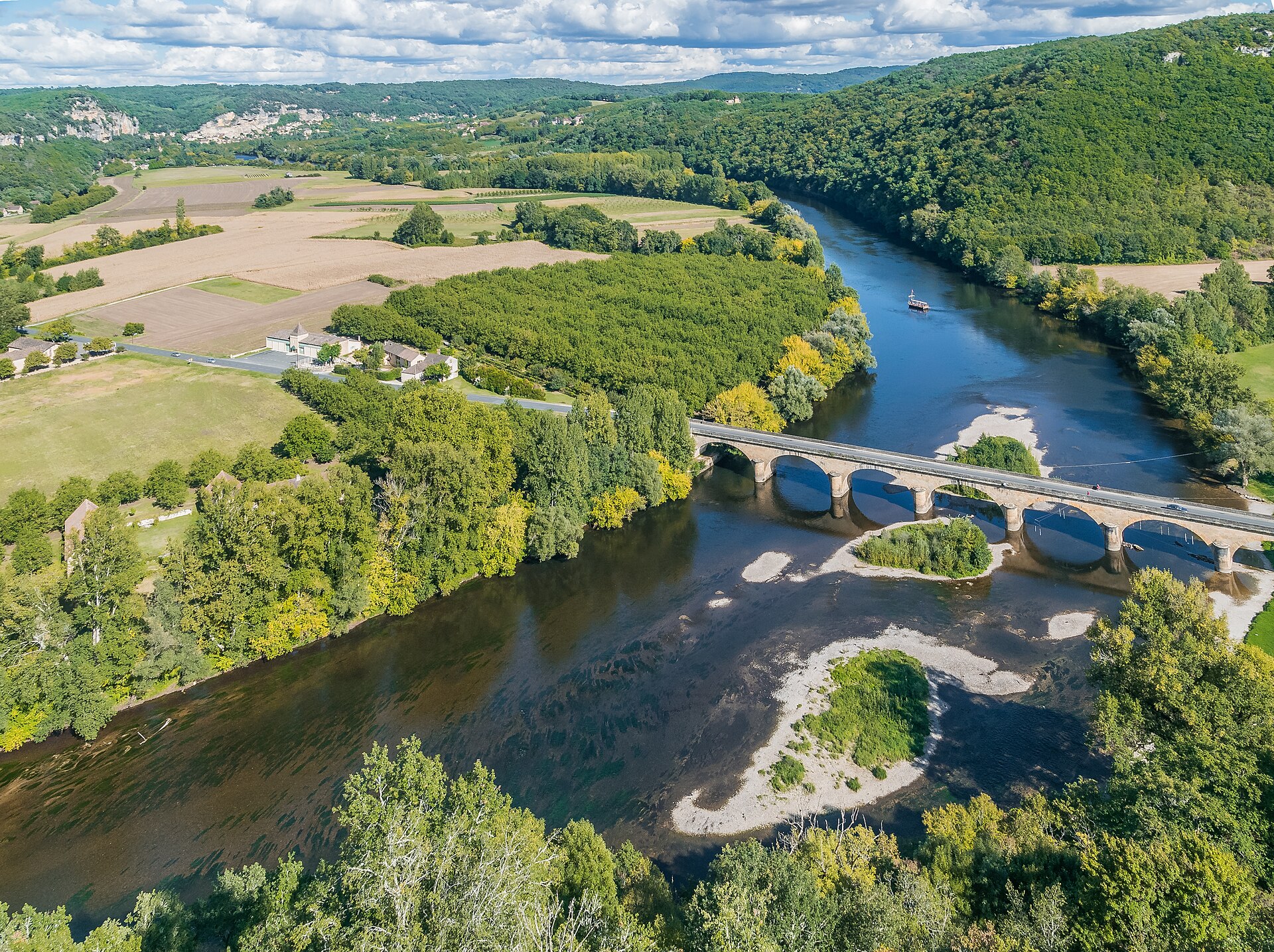
Today’s drive takes you from the coast deep into the interior, into the magical Dordogne region — all oak forests, limestone cliffs and lazily winding rivers. The journey from Arcachon takes about two and a half hours, so set off early to give yourself plenty of time to explore the Vézère valley. This is where some of the earliest evidence of human creativity was found — cave systems sheltering paintings tens of thousands of years old that continue to astonish researchers from around the world.
Your main destination is the legendary Lascaux cave, often called the Sistine Chapel of Prehistory. The original cave is strictly closed to protect the paintings, but you can visit the superb, state-of-the-art replica known as Lascaux IV, which opened in 2016. Inside, a constant temperature of 13 °C is maintained and every centimetre of the cave has been recreated using 3D scanning technology. For 2026, the rules are strict and timed-entry tickets must be booked weeks in advance through the official website lascaux.fr — simply turning up won’t get you in. One bonus of Lascaux IV is that English-language guided tours are available regularly.
After the fascinating underground tour, I’d suggest stopping for lunch in one of the smaller villages and ordering a classic local salad with fresh walnuts and warm goat’s cheese. Walnuts (noix) are quintessentially Dordogne and the local walnut oil adds extraordinary depth to any dish. The region’s famous foie gras is the other great culinary pillar here, though it will obviously appeal more to travellers who enjoy rich, traditional meat-based cuisine.
💡 Tip: Head to Sarlat by early evening — it’ll be your base for the next couple of days. Look for accommodation within walking distance of the centre, such as the charming Plaza Madeleine hotel on Booking.com, so you can enjoy the atmospheric evening streets at leisure.
Day 5: Dordogne Valley Castles & Sarlat
Sarlat-la-Canéda is the stone heart of this whole region, boasting the highest density of listed historic buildings per square metre anywhere in Europe. If you’re there on a Wednesday or Saturday morning, you’ll be treated to a huge, gloriously chaotic market that takes over the entire old town. The honey-coloured limestone houses and rooftops covered in heavy stone tiles look as though time froze here several centuries ago — it’s a perfect setting for morning coffee and picking up local cheeses.
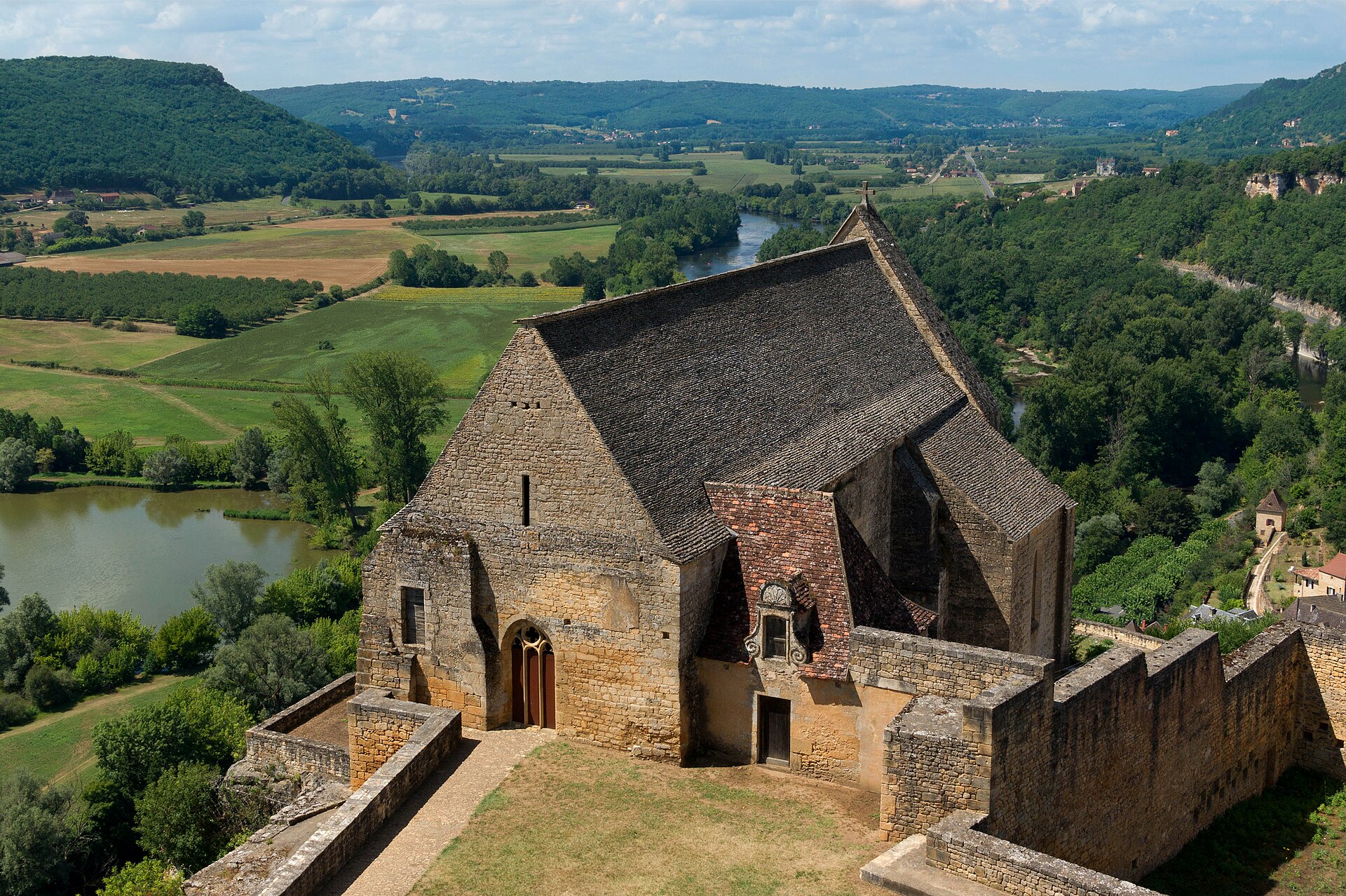
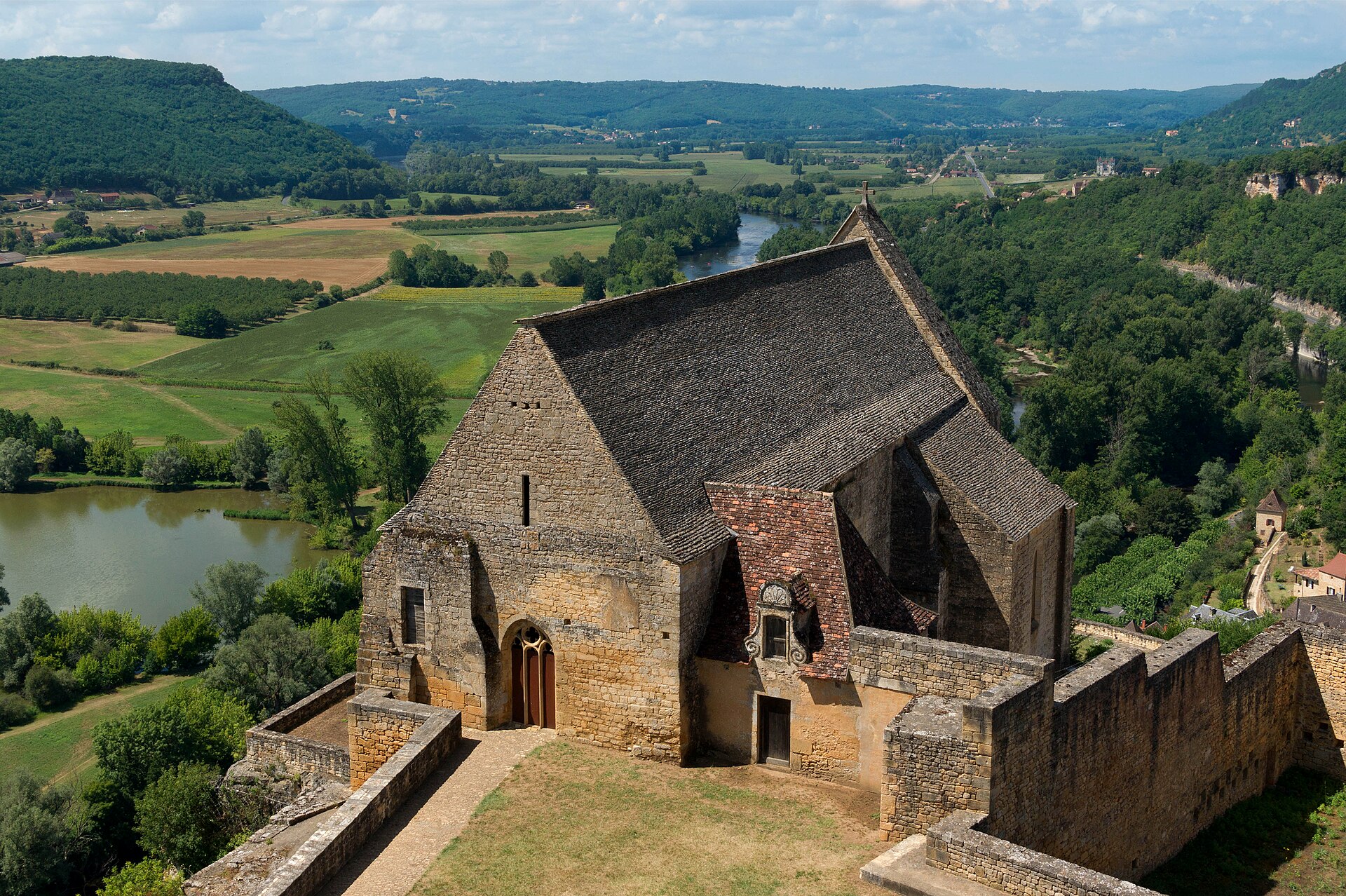
Around midday, head down to the river Dordogne, where two ancient rivals from the Hundred Years’ War glower at each other across the valley — the castles of Beynac and Castelnaud. Beynac, which once defended the French side of the conflict, requires a steep climb up cobbled lanes to reach the fortress, but the view over the river and cornfields below is absolutely worth it. On the opposite hillside stands the English-held Castelnaud, now home to a superb museum of medieval warfare with full-size replica siege engines. Afterwards, hire a kayak and drift the 16 kilometres from Vitrac to Beynac — a relaxed three-to-four-hour paddle directly beneath those towering limestone cliffs.
In the evening, return to Sarlat and tuck into the classic local dish of pommes sarladaises — potatoes slowly roasted with garlic and a generous handful of parsley until they develop a perfect golden crust. While they’re traditionally served alongside duck, paired with a fresh green salad they make a wonderfully satisfying vegetarian dinner. After dark, the whole town is beautifully lit by old gas lamps, creating an utterly romantic atmosphere that feels completely timeless.
💡 Tip: Keep the same accommodation as the night before in Sarlat — no need to pack and move. You’ll appreciate the relaxed morning in this architectural gem without the faff of changing hotels.

Day 6: Rocamadour & the Underground River of Padirac
Today we venture a little beyond the Dordogne and drive roughly an hour southeast into the neighbouring Lot department, which hides two absolute showstoppers. The first is Rocamadour — a vertically stacked village that defies gravity, plastered directly onto a sheer cliff face above a deep gorge. Since the twelfth century it has been one of the most important Christian pilgrimage sites in the world, drawing thousands of faithful who climb 216 steep stone steps to venerate the statue of the Black Madonna. To beat the worst of the crowds, try to arrive by 9am.
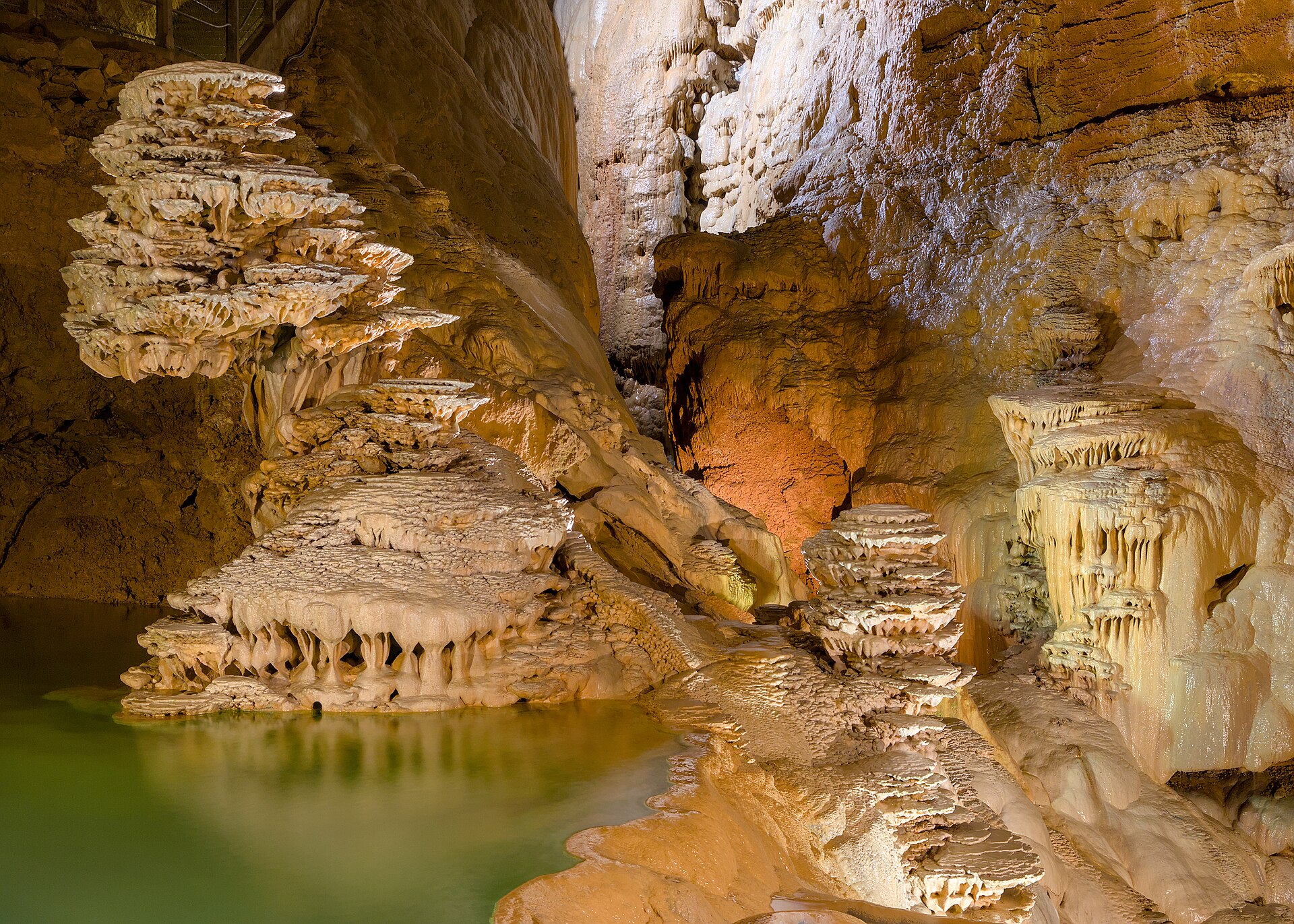
After exploring the sanctuaries, drive a short distance to the extraordinary natural phenomenon known as Gouffre de Padirac. Picture a huge chasm 33 metres across, which you descend 75 metres underground into a constant temperature of 13 °C. At the bottom, you board a small flat-bottomed boat and glide along a crystal-clear underground river through vast illuminated chambers hung with stalactites. This staggering cave system opens for 2026 on 28 March; tickets cost €22.50 and online booking for a specific time slot is absolutely essential.
Back on the surface, you’ll have worked up an appetite, so make sure to try a wonderful warm Rocamadour goat’s cheese salad — the cheese melts on the tongue beautifully. This delicate cheese carries its own AOP designation and, paired with honey and walnuts, it’s a genuine flavour sensation. Heartier eaters will find excellent country-style pâtés here, but the fresh vegetables and local cheeses will fuel you far more comfortably before an afternoon on the road.
💡 Tip: Move south towards the Basque Country this evening to shorten tomorrow’s drive. A great choice is staying near Pau — look for the elegant Villa Navarre hotel on Booking.com.
Day 7: Into the Basque Country via Bayonne
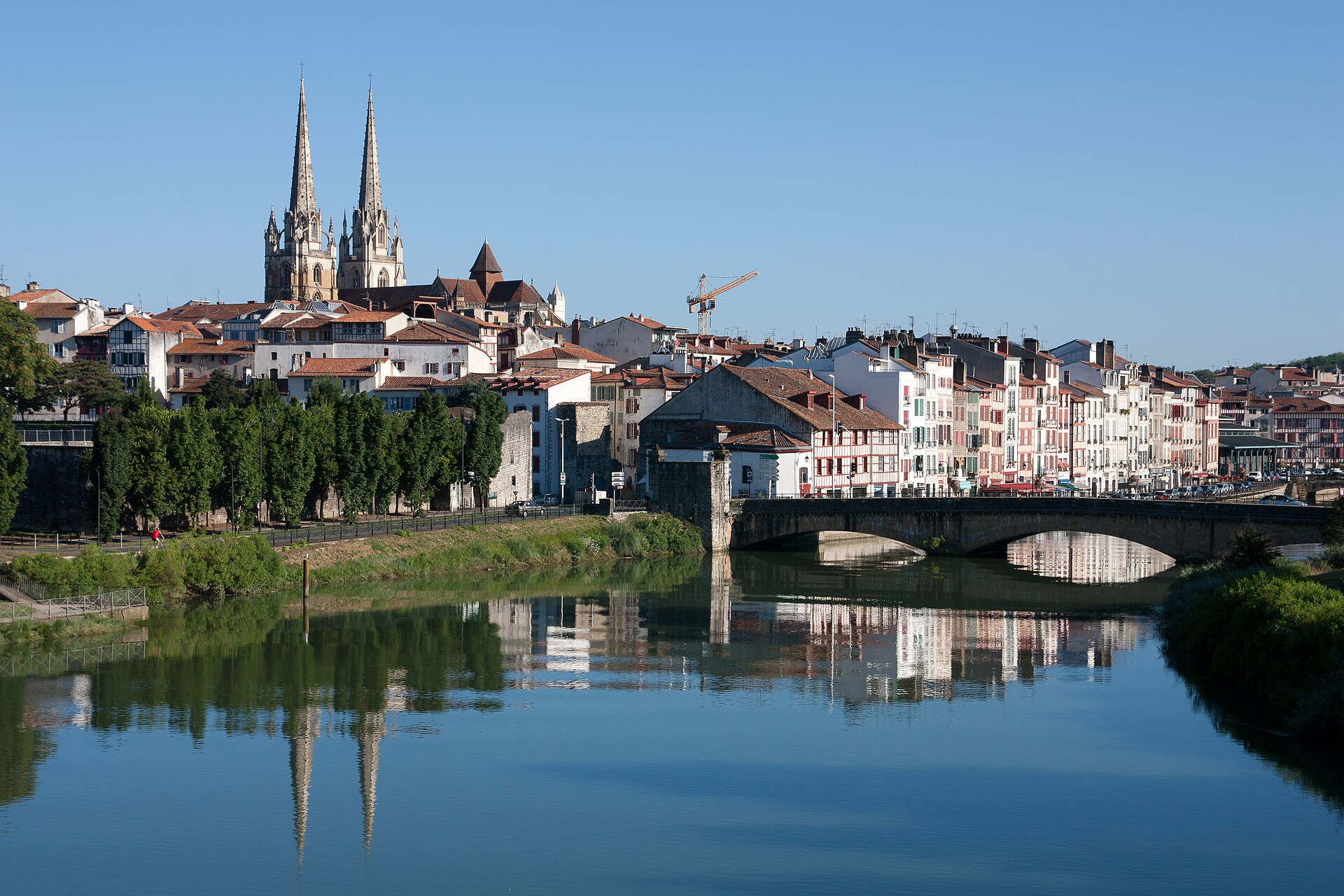
This morning brings a longer drive southwest, where the character of the landscape and the architecture begins to shift dramatically as you enter proud Basque territory. Your first stop is Bayonne, a city at the confluence of the Nive and Adour rivers, which serves as the cultural capital of French Basque Country. You’ll wander through narrow streets lined with tall townhouses painted in their signature shades of red and green — giving the city an unmistakable, slightly rugged personality.
Bayonne is virtually synonymous with exceptional chocolate, a craft brought here by Jewish refugees from Spain in the 17th century — you simply must order a thick, bitter hot chocolate in one of the traditional arcaded shops. While the crowds busily buy slabs of the famous slow-cured Jambon de Bayonne, treat yourself to a bowl of piperade for lunch — the traditional Basque slow-cooked dish of tomatoes, onions and peppers, often topped with a fried egg. It’s wonderfully fragrant and deeply satisfying.
In the afternoon, make a half-hour detour inland to the village of Espelette, which gave its name to one of France’s most famous ingredients — the Piment d’Espelette chilli pepper. By late summer the façades of its traditional white houses are draped in thousands of strings of drying red peppers, creating a truly spectacular sight. The whole village is perfumed with warm spice and has a wonderfully easy-going rural atmosphere — and in October it all culminates in a lively pepper festival.
💡 Tip: Spend the night in the nearby harbour town of Saint-Jean-de-Luz — it’s far more tranquil than busy Biarritz. The Grand Hôtel Thalasso & Spa promises a wonderful stay and is easy to book via Booking.com.
Day 8: Surf & Grandeur in Biarritz
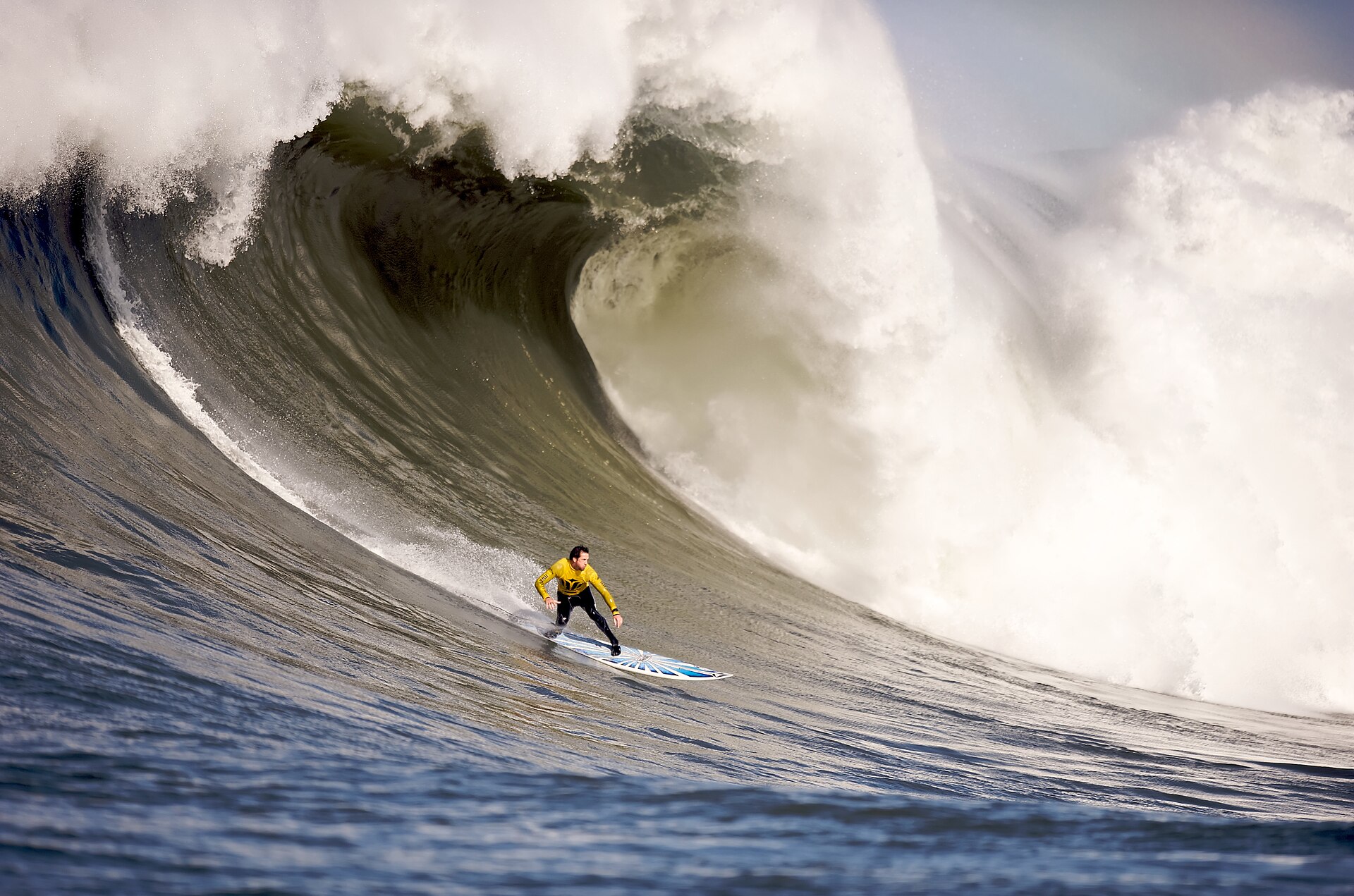
Today is all about waves, ocean air and effortless elegance, as we visit Biarritz — the undisputed surf capital of Europe. This former sleepy fishing village was put firmly on the map by European aristocracy in the nineteenth century, and to this day it carries a fascinating mix of faded imperial glamour and laid-back beach culture. Around the grand Belle Époque hotels and the famous casino, people in wetsuits carrying boards under their arms and sand between their toes stroll about completely naturally.
The busy Grande Plage with its iconic striped beach tents is the main showpiece, but if you prefer a calmer setting, head to the Côte des Basques beach, hemmed in by dramatic cliffs and offering a perfect view of the Villa Belza. This is where European surfing history was written in the 1950s, and the waves here are far more forgiving for beginners. Do be warned, however, that finding a parking spot in Biarritz in summer is a genuine nightmare, and traffic wardens here are completely ruthless.
After walking the coastline and watching the surfers, I’d strongly suggest ducking into a pintxos bar and trying some vegetarian bites — small skewered snacks that are a Basque obsession. You’ll find roasted peppers, olives, local cheeses and a perfect potato tortilla, all best washed down with a glass of crisp white wine. Meat dishes and seafood are everywhere, of course, but the meat-free spread in the Basque Country is surprisingly varied and genuinely delicious.
💡 Tip: Stay in Saint-Jean-de-Luz and make Biarritz a day trip. You’ll save money on overpriced parking and enjoy a much more relaxed evening stroll along the harbour.
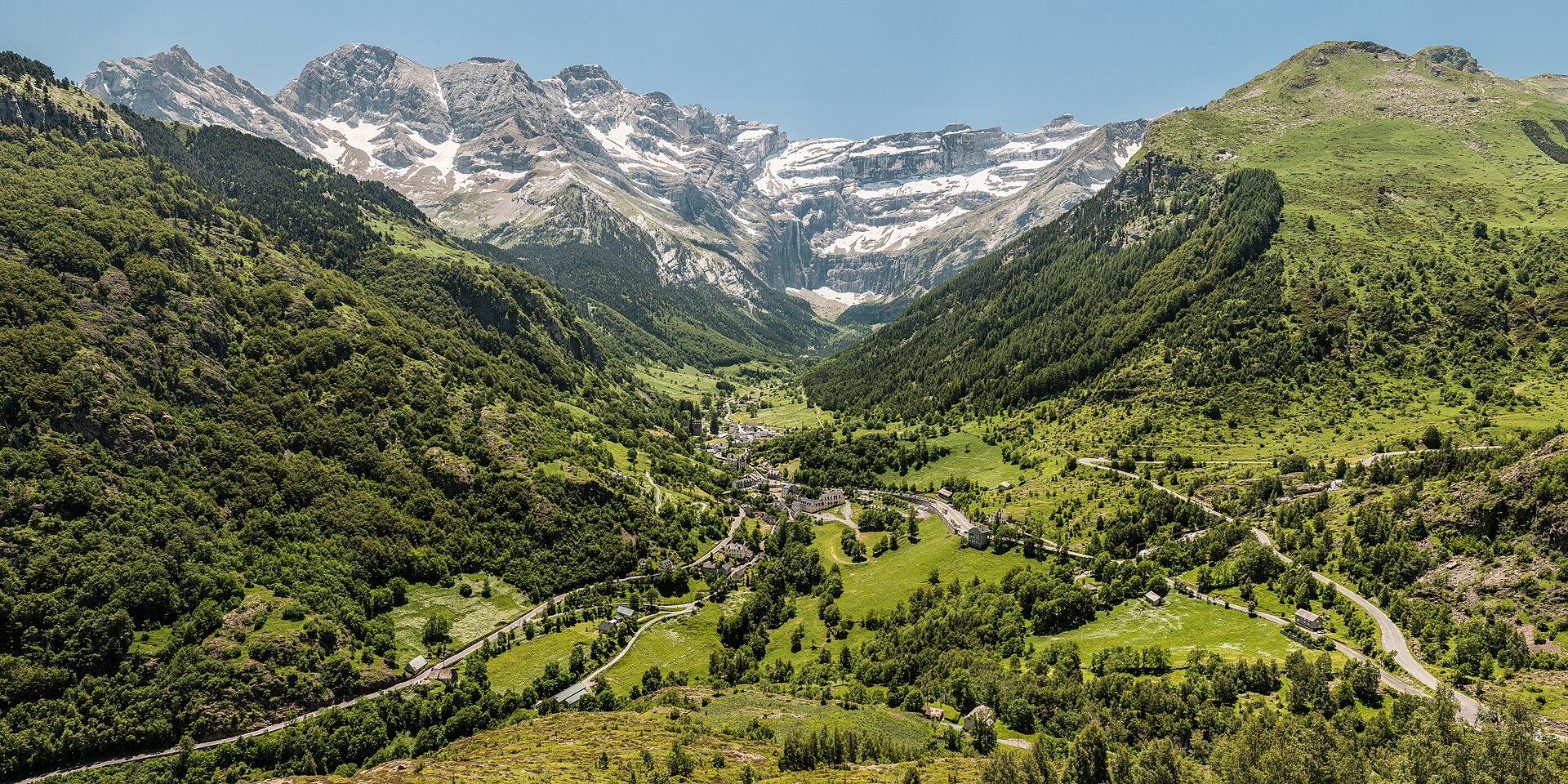
Day 9: Into the Pyrenees — Gavarnie Waterfall & Stargazing
Today we leave the coast behind and strike out for the rugged, majestic peaks of the Pyrenees — the natural wall dividing France from Spain. The mountain roads are wonderfully dramatic but rarely allow you above 50 km/h, though the views more than make up for any lost time. Your centrepiece for the day is the Cirque de Gavarnie, a vast glacial amphitheatre inscribed on the UNESCO World Heritage list, which Victor Hugo once described as a natural colosseum.
From the village of Gavarnie, an hour-and-a-half to two-hour hike leads you directly to the floor of the cirque, where the Grande Cascade de Gavarnie thunders down from above. At an astonishing 422 metres, this is one of the highest waterfalls in the whole of Europe, and the icy spray drifts through the air for dozens of metres in every direction. Standing beneath that enormous wall of limestone and granite, with the roar of the water filling your ears, is an experience that no amount of money can truly prepare you for — and it’s perfectly manageable for any reasonably fit walker.
When you’re back and hungry, warm up in a mountain refuge with a bowl of hearty garbure soup — packed with beans, cabbage and root vegetables. It’s traditionally made with meat, but good restaurants here are very happy to prepare a purely vegetarian version that is equally filling and deeply comforting. In the afternoon, if you have the energy, take the cable car from La Mongie up to Pic du Midi at 2,877 metres, home to a unique astronomical observatory with astonishing views across the entire mountain range.
💡 Tip: Stay overnight in the classic Pyrenean spa town of Cauterets, known for its historic thermal springs. The Hôtel Lion d’Or, bookable via Booking.com, is a lovely place to rest your legs after a full day’s hiking.
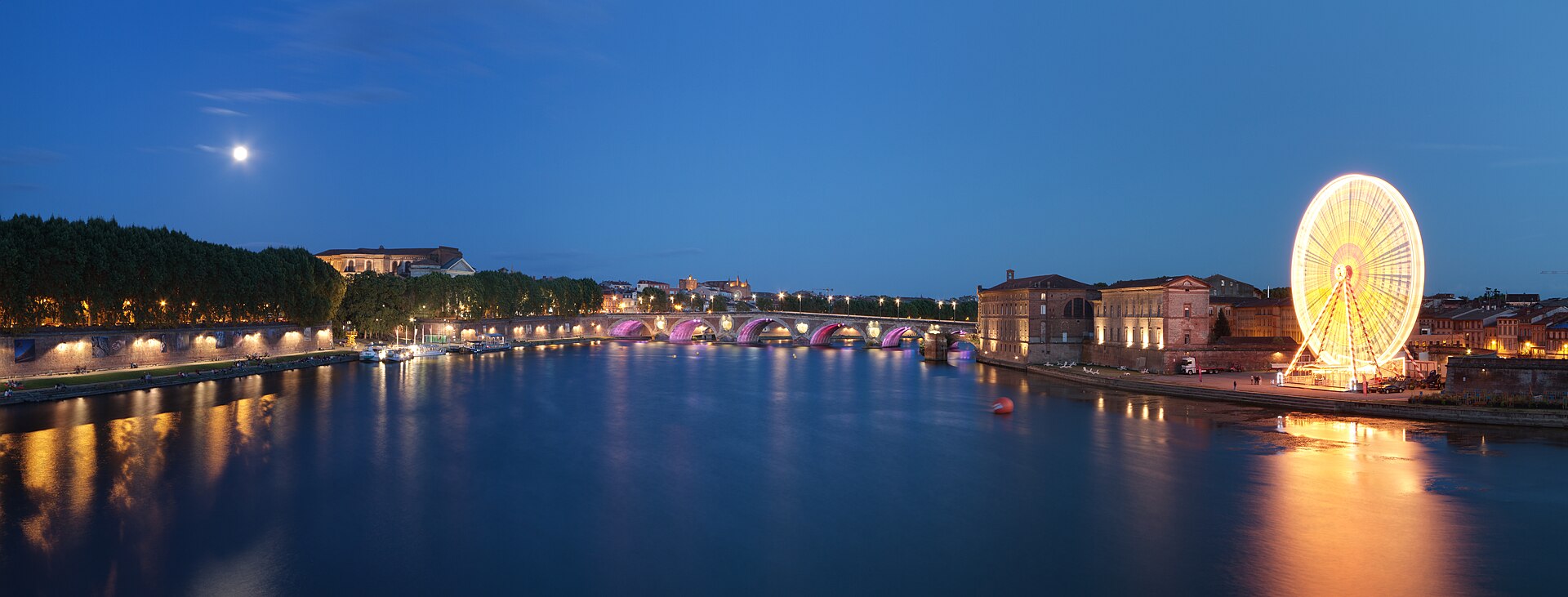
Day 10: Lourdes & The Journey Home via Toulouse
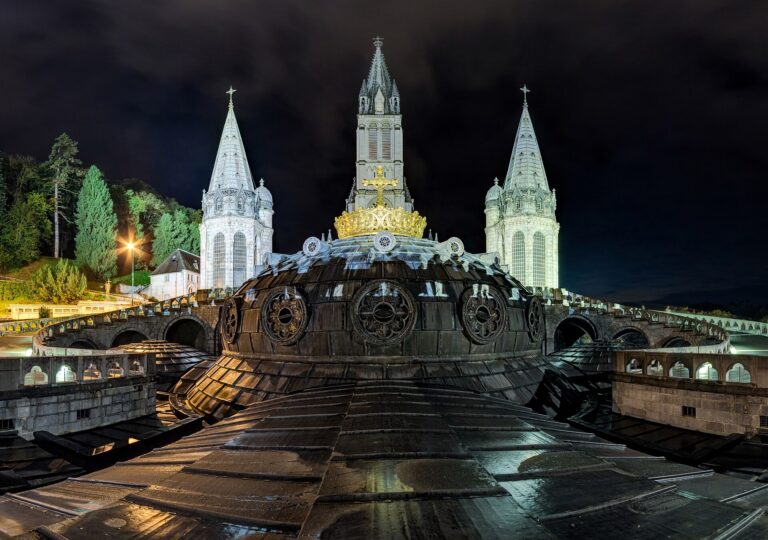
The final day of our itinerary takes us somewhere that defies any ordinary tourist description — a place that draws an extraordinary 4 to 6 million visitors every year. Lourdes sits at the foot of the mountains and, ever since 1858 when the Virgin Mary is said to have appeared to a young girl at the Massabielle grotto, it has functioned as one of the most significant Christian pilgrimage sites on earth. The atmosphere in town is intensely polarising — streets packed with commercial stalls selling glowing rosaries stand in sharp contrast to the quiet hope of the sick gathered at the actual site of the apparition.
When planning your 2026 visit, bear in mind that a major British pilgrimage takes place here from around 21–28 August, so the town will be packed to the rafters during that period. Whether you’re a believer or not, I’d encourage you to take in the atmosphere of the evening Marian procession at 9 pm, when thousands of people process through the candlelit grounds in near silence, broken only by the soft murmur of prayers. After that, it’s roughly a two-hour motorway drive to Toulouse, where your journey home begins.
Before your flight from the Pink City — as Toulouse is fondly nicknamed for its rose-brick buildings — grab a proper lunch at one of the city’s many forward-thinking restaurants. Toulouse is a young, vibrant university city with an enormous variety of international cuisine. If you have a few hours to spare before your flight, the Airbus factory tour is genuinely fascinating — just remember that bookings need to be made up to three weeks in advance.
💡 Tip: If you have an early flight, stay as close to Toulouse Airport as possible to avoid getting caught in morning traffic. The tried-and-trusted Radisson Blu Hotel Toulouse Airport is a reliable choice, easily found on Booking.com.
Map of points of interest for your phone
Where to Stay Along the Route
💡 Accommodation & activities tip: We always search for accommodation on Booking.com, which offers the best cancellation policies. For tickets, tours and activities, it’s worth comparing and booking through GetYourGuide.
On a ten-day road trip, it makes absolutely no sense to change hotels every single night — you’d spend most of your holiday packing and unpacking. A much better approach is to choose a handful of strategic bases and do day trips out from each one. It saves money, cuts out unnecessary stress and gives you the satisfying feeling of actually living in a region rather than just passing through.
- Bordeaux area (Days 1–2): Stay right in the heart of Bordeaux’s historic centre — you can jump on a regional train to Saint-Émilion and completely sidestep the parking nightmare at the vineyards. Look for accommodation in the stylish Chartrons neighbourhood, full of great cafés. The cosy Casa Blanca B&B is a wonderful choice.
- The coast and bay (Day 3): Choose accommodation in Arcachon town, which has great infrastructure, or nearby Gujan-Mestras if you want to be closer to the rustic oyster farms. Either way you’ll have easy access to the Dune du Pilat and to the boats crossing to Cap Ferret peninsula.
- Dordogne and Périgord (Days 4–6): The medieval town of Sarlat-la-Canéda is the perfect launchpad for exploring the whole valley. Its markets are phenomenal, and it sits just a short drive from the main riverside castles and the Lascaux caves. Go for a hotel within walking distance of the centre — the Plaza Madeleine is a great option.
- Basque Country (Days 7–8): To escape Biarritz’s sky-high summer prices and parking chaos, base yourself in the far more charming harbour town of Saint-Jean-de-Luz. You’ll be moments from the ocean and the main surf spots, but your evenings will be blissfully peaceful over a plate of pintxos.
- The Pyrenees (Days 9–10): Classic mountain towns like Cauterets, famous for its thermal baths, or Luz-Saint-Sauveur are ideal gateways to the national park and the spectacular Gavarnie waterfall.
Where to Go Next
If this itinerary has whetted your appetite and you’d like to explore specific corners of southwest France in greater depth, check out my other detailed guides to this beautiful region.
- Want to dig deeper into the wine scene and architecture? Read all about what Bordeaux has to offer.
- Fancy spending more time among castles and prehistoric caves? Check out the dedicated guide to Dordogne and Périgord.
- Drawn to wild Atlantic swells and surf culture? Browse the in-depth guide to Biarritz.
- Looking for the perfect seaside escape? Find out what else is hiding around Arcachon.
Frequently Asked Questions
How much are the motorway tolls in France?
There’s no single motorway vignette in France. You pay through a system of toll gates (péages), where the average price works out at roughly 9.50 euros for every 100 kilometres driven. You can pay in cash or with an ordinary payment card.
Is it necessary to book attractions in advance in summer?
Yes, absolutely essential. In particular, entry to the Lascaux caves and the Gouffre de Padirac chasm tends to sell out several weeks ahead in season. Without an online reservation for a specific time slot, you won’t get inside at all.
Do the locals speak English?
In tourist centres such as Bordeaux or Biarritz, you’ll manage in English fairly easily. However, in the more out-of-the-way villages in the Dordogne or the Pyrenees, they’ll appreciate it if you try at least basic French phrases, such as good day (bonjour) or thank you (merci).
Do I need an environmental sticker for French cities?
Yes, plenty of larger cities have introduced so-called low-emission zones (ZFE). You have to buy a Crit’Air sticker online in advance, which costs just over 5 euros, otherwise you risk a fairly high fine.
Is it safe to drink tap water in France?
Yes, tap water in France is perfectly safe and drinkable. In restaurants you can ask for a carafe of water free of charge without any hesitation; just say “une carafe d’eau, s’il vous plaît”.
When is the worst time to travel on French roads?
The biggest traffic gridlocks happen during the summer holidays, especially at the turn of July and August during the so-called chassé-croisé. On this weekend, holiday rotations overlap and the roads near the coast grind to a halt.
Do you tip in France?
Under French law, a 15% service charge is always included in the final price on the bill (service compris). If you were really happy with the service, it’s common practice to leave an extra 1 to 2 euros in coins on the table.
Tips and Tricks for Your Vacation
Don’t Overpay for Flights
Search for flights on Kayak. It’s our favorite search engine because it scans the websites of all airlines and always finds the cheapest connection.
Book Your Accommodation Smartly
The best experiences we’ve had when looking for accommodation (from Alaska to Morocco) are with Booking.com, where hotels, apartments, and entire houses are usually the cheapest and most widely available.
 🚗 Car rental on the roadVerified rental cars in New Aquitaine
Search with the DiscoverCars comparison engine — it compares prices from dozens of local and international rental companies, and most bookings come with free cancellation.
Compare car prices in New Aquitaine →Don’t Forget Travel Insurance
Good travel insurance will protect you against illness, accidents, theft, or flight cancellations. We’ve had a few hospital visits abroad, so we know how important it is to have proper insurance arranged.
Where we insure ourselves: SafetyWing (simple monthly subscription) and TrueTraveller (for extra-long trips).
Find the Best Experiences
Get Your Guide is a huge online marketplace where you can book guided walks, trips, skip-the-line tickets, tours, and much more. We always find some extra fun there!