

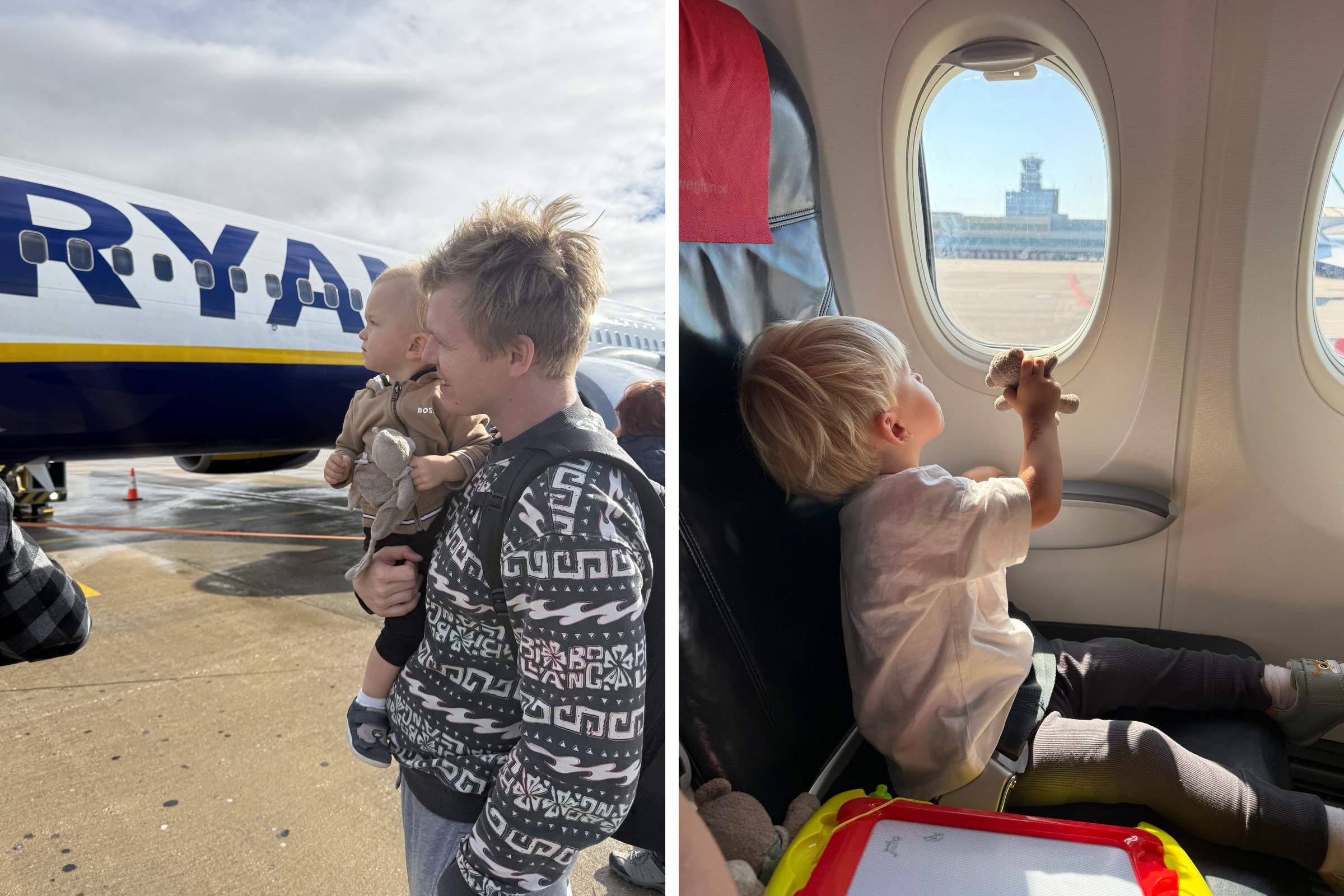
Most airlines allow you to travel with a newborn from seven to fourteen days of age, although some require a doctor’s certificate. I waited until Jonáš was almost two for his first flight, but you certainly do not need to wait that long. These tips for air travel with infant will help you plan your baby’s first journey.
Before flying so soon after birth, it is a good idea to discuss the trip with your paediatrician, who can assess your baby’s health. Do not forget the paperwork either: even a one-week-old newborn needs their own passport for international travel. Without one, check-in staff are unlikely to let you board.
Below, I have put together the detailed age rules of selected airlines along with doctors’ recommendations. You will also find advice on preparing for long flights with a very young baby and what not to forget when planning your trip.
TL;DR
- Minimum age by airline: Most airlines let you board with a baby older than 14 days; Ryanair accepts babies from 8 days, while KLM has no minimum age.
- Paediatricians’ advice: Doctors recommend waiting until a baby is 2 to 3 months old, mainly because of their immature immune system and germs at airports.
- Infant fees: Children under 2 fly on an adult’s lap for a fixed fee, which in 2026 is €25 with Ryanair and about €27 with Wizz Air.
- Difficulty by age: Babies usually sleep through a flight, while toddlers between one and two are often the most challenging because they do not want to sit still.
- Health risks: Flying with blocked sinuses and a heavy cold is not recommended because descending can cause severe ear pain.
- European legislation in 2026: New rules require airlines to seat children under 14 next to their accompanying adult free of charge.
- Liquids at Prague Airport: Since October 2025, Terminal 2 has had more flexible liquid rules, while Terminal 1 still applies the strict 100 ml limit.
10 Tips for Air Travel with Infant
1. Minimum flying age by airline
💡 Tip: Before you even start choosing particular flights, always check the age limits on the selected airline’s official website. The rules vary dramatically between carriers and are determined entirely by each airline’s business and safety policies.
Traditional full-service airlines tend to be quite accommodating towards very young travellers. For example, KLM has no minimum age, so a newborn can theoretically fly with them almost immediately after birth. Airlines such as British Airways and United Airlines, on the other hand, only allow babies older than seven days on board.
Low-cost airlines are considerably stricter because they aim to minimise any risks on board. Popular Ryanair carries babies older than eight days, while Wizz Air and easyJet set their strict limit at 14 days after birth. If you try to board with a younger baby, staff will simply refuse to let you on the plane.
Czech airline Smartwings, which flies to many holiday destinations, has particularly specific rules. It does not carry babies within 48 hours of birth, and babies aged 48 hours to seven days require a special completed form confirmed by a doctor. Here is a clear overview of the most common carriers for 2026.
| Airline | Minimum age for carriage | Specific conditions |
|---|---|---|
| :— | :— | :— |
| KLM | No minimum | A newborn can fly practically from birth without restrictions. |
| Smartwings | From 48 hours | Up to 7 days old, only with a completed medical form. |
| British Airways | From 7 days | No other special conditions for newborns. |
| United Airlines | From 7 days | No other special conditions or certificate required. |
| Ryanair | From 8 days | Babies younger than 8 days are not carried. |
| Wizz Air | From 14 days | Very strict limit with no exceptions. |
| easyJet | From 14 days | Very strict limit applying to all flights. |
2. What paediatricians say about a baby’s first flight
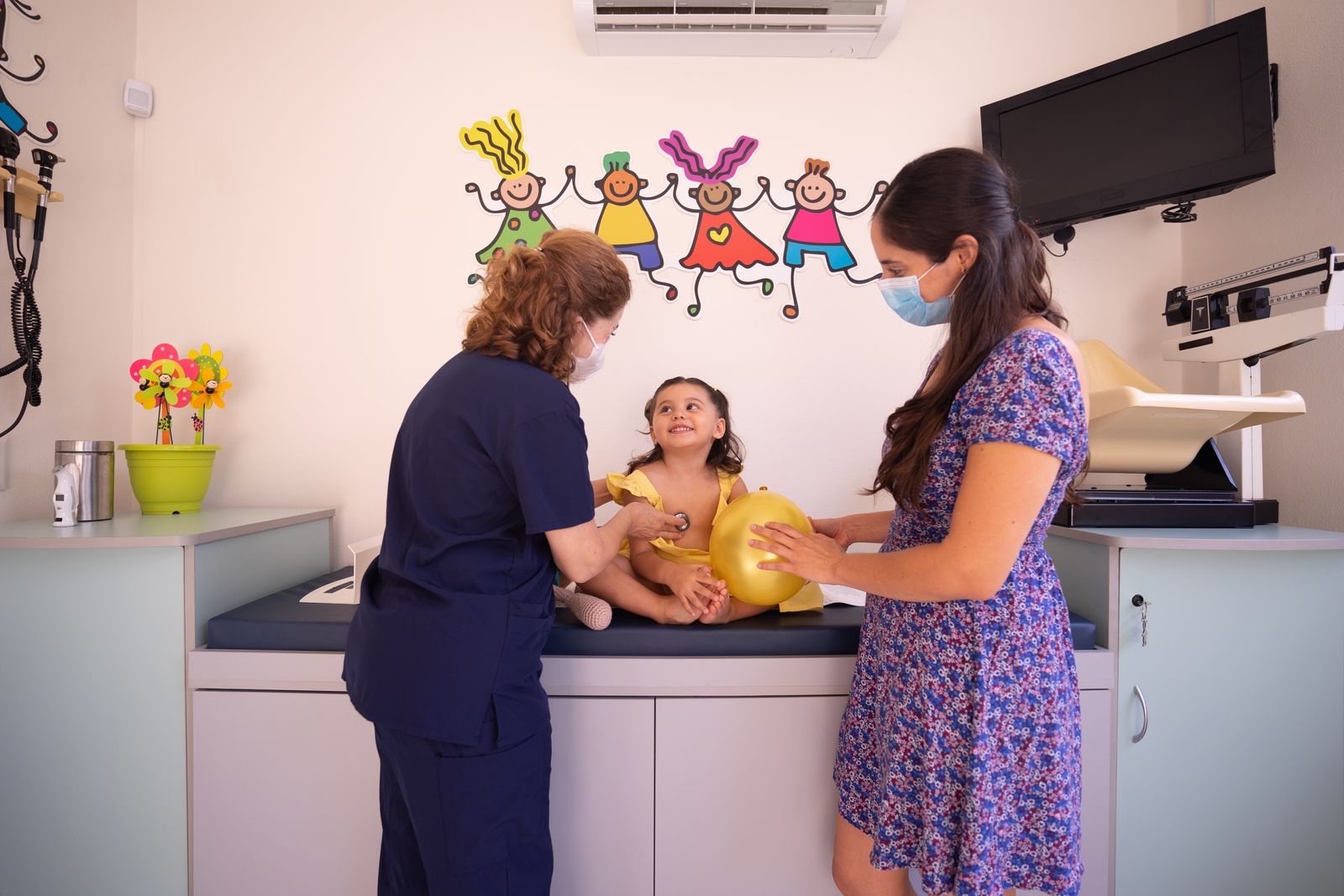
💡 Tip: Although airlines may let you fly just a few days after giving birth, paediatricians take a different view and recommend waiting until the baby is two to three months old. This cautious advice is based purely on health and prevention.
The main problem is not the time in the air or the slightly lower pressure inside the aircraft. The greatest risk is a newborn’s immature immune system and the unsuitable environment of huge airport terminals. Imagine the mix of viruses and bacteria circulating through air-conditioned spaces where tens of thousands of people from around the world pass every day.
Another important factor is allowing time for possible congenital conditions to be detected. During the first weeks of life, a baby may develop hidden heart or lung problems that lower cabin pressure could dangerously aggravate. Doctors therefore prefer the child to have had at least their first thorough check-ups.
If family circumstances mean you really have to fly earlier, plan the trip as carefully as possible. Try to minimise the time spent in crowded transit areas and pay extra attention to hand hygiene. A baby in a carrier facing its parent is also better protected from coughing fellow passengers than a baby in an open pram.
3. Flying with a newborn versus a toddler
💡 Tip: Forget the idea that travelling with a tiny baby wrapped in a blanket is the hardest option. Experienced mothers on discussion forums agree almost unanimously that they would choose flying with a baby over flying with a toddler any time.
A baby up to around six months old is in the golden age for travelling. They cannot crawl or run away yet, and they sleep through most of the flight to the soothing white noise of the engines. Breastfeeding or bottle-feeding also easily solves both ear pressure and boredom during the flight.
The turning point comes between six and twelve months, when a child starts crawling and wants to explore the world. At this age, you cannot keep them still for long, and motion sickness often starts to become an issue. Parents therefore often consider an ergonomic carrier a lifesaver: you can walk up and down the aisle and reliably settle your child to sleep in it.
The most demanding stage is between the first and second birthdays. A toddler can walk and has an enormous need for movement, but you still cannot reason with them about sitting down and keeping their seat belt fastened. At this age, the child still flies on your lap, which means that a 13-kilogram toddler having a tantrum gets very heavy during a three-hour flight.
| Age group | What to realistically expect | Best strategy for parents |
|---|---|---|
| :— | :— | :— |
| 0 to 6 months | The baby sleeps a lot, cannot run away and is easily soothed by feeding. | Reserve a bassinet for long-haul flights. |
| 6 to 12 months | Starts exploring the world; early motion sickness may occur. | Pack a carrier for aisle walks and a change of clothes. |
| 1 to 2 years | Needs movement, cannot sit still and cannot be reasoned with. | Prepare a huge supply of varied toys and snacks. |
| 2 to 4 years | Has their own seat and can be negotiated with and given explanations. | Offer activities gradually and save the tablet as a last resort. |
| 5 years and up | Can carry a small backpack and understand airport procedures. | Keep them busy with films, a favourite game and their own comfortable pillow. |
4. Where to go first and how long the flight should be

💡 Tip: If you are flying with your child for the first time, forget heroics and romantic dreams of wild adventures on the other side of the world. Treat the first flight as a trial run during which you can see how your child reacts to the airport, noise and changes in pressure.
An ideal first destination should meet several important criteria for your peace of mind. Choose somewhere you can reach on the shortest possible flight, ideally two to three hours. From major European hubs, this gives you easy access to Italy, the Spanish coast, the Balearic Islands, Greece and popular Bulgaria.
On such a short journey, it is easier to keep your child relatively calm, feed them and perhaps get them to sleep for a while. Avoid destinations with a major time difference too, because a child’s circadian rhythm is extremely delicate. An adult can usually cope with jet lag, but disrupted body clocks in a small child can ruin your entire first week of holiday.
Also think about access to good-quality healthcare at your destination. Europe is excellent in this respect and provides a great deal of reassurance. If you plan to hire a car, make sure you research local child-seat laws in advance. In Italy, for example, a car seat is mandatory for children under 150 centimetres tall, while in Spain children under 135 centimetres must sit in the back and fines of around €300 may apply.
5. Direct flight or connection with a small child?
💡 Tip: There is one unwritten golden rule when choosing flights for your first trip with a small child. Always pay extra for a direct flight and avoid connections whenever possible. A connection immediately doubles the logistical challenge of the journey.
Every connection means two take-offs and two landings, which puts twice the strain on sensitive children’s ears and doubles the risk of pain. Instead of settling your child in a hotel after the first flight, you have to wake them, take them off the plane and cross a stressful, enormous terminal to reach the next flight.
Then there is the constant risk of delays. If the first flight is even slightly late, you may simply miss the connecting flight with a crying child in your arms. You could then spend long hours or even the entire night on terminal benches, which is every parent’s nightmare.
You also have to keep manoeuvring the pram and hand luggage through security checks. If you have a choice, it is better to drive two hours longer to a more distant airport with a direct flight than to take two connecting flights.
6. Colds, ear infections and when to postpone a flight
💡 Tip: Ear pain is probably the biggest fear of every parent who flies. It occurs when cabin pressure changes quickly and cannot equalise fast enough through the Eustachian tube.
It is important to know that descent is much worse and more painful for the ears than take-off. The best way to prevent blocked ears and pain is ordinary swallowing. With babies, breastfeeding, a bottle of milk or a dummy can do the trick; with toddlers and older children, drinking through a straw or sucking a sweet works well.
If your child has a heavy cold and blocked nose, however, things become much more difficult. The Eustachian tube does not work properly and there is no way for the pressure to equalise naturally, causing severe pain. Experienced parents therefore recommend using a good nasal spray before take-off and again before descent begins; with very young children, take a nasal aspirator on board as well.
You should always discuss whether to fly with a sick child with your paediatrician before departure. In particular, doctors generally prohibit flying in cases of acute middle-ear infection, fever or shortly after any ear surgery because there is a real risk of a ruptured eardrum.
7. Planning a flight around your child’s sleep
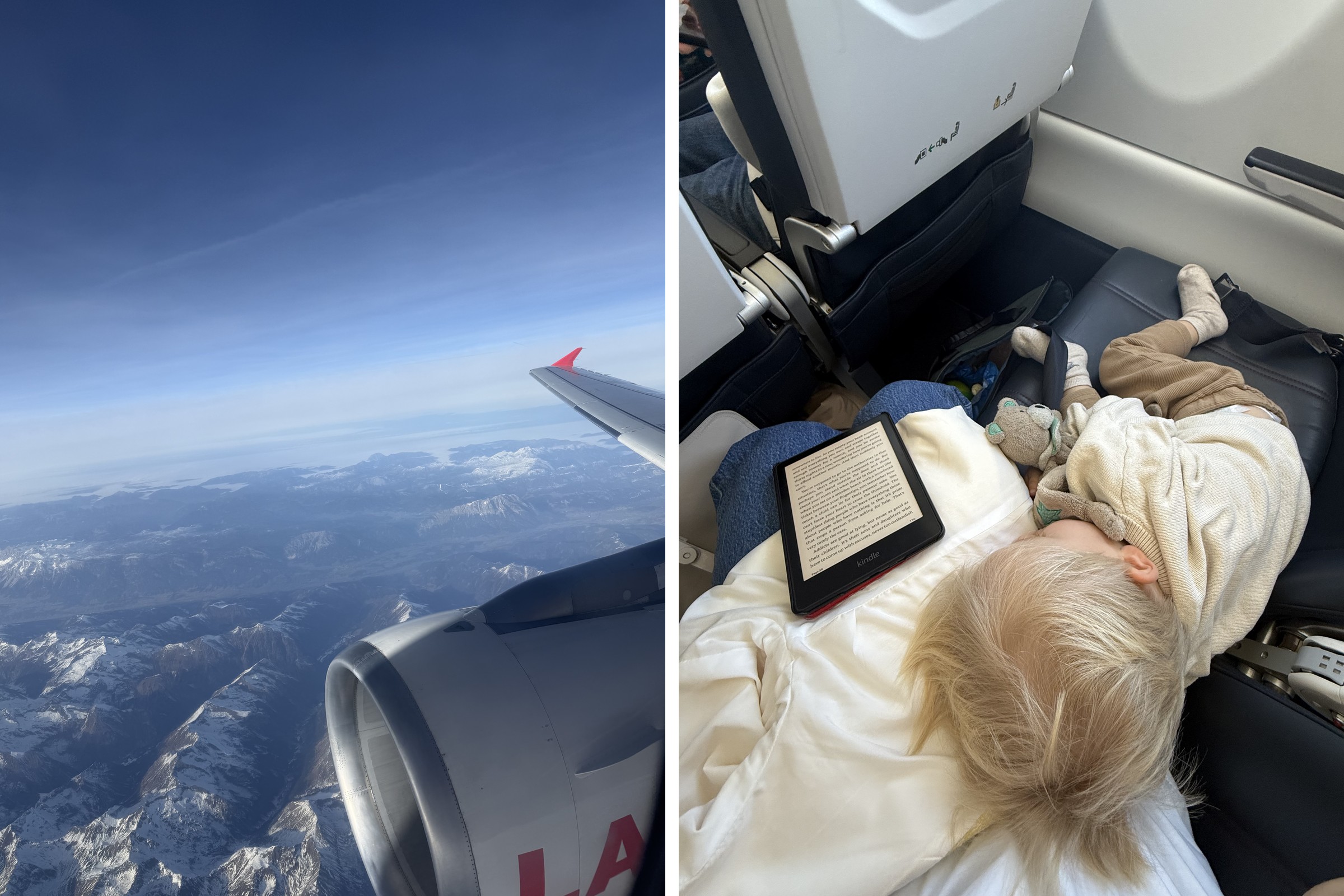
💡 Tip: Choosing the right time can turn a stressful experience into a fairly comfortable journey. Many parents try to book flights so that the time in the air overlaps with their child’s usual nap.
Lukáš and I deliberately chose our first flight with Jonáš for his afternoon nap. It worked brilliantly on the way there, and he slept happily for much of the journey. On the way back, however, our flight was badly delayed and the carefully planned sleep schedule fell apart, but Jonáš still handled it beautifully and kept smiling. It just confirms that children are often far more adaptable than our carefully made plans.
Sleep on long-haul flights is a major topic on online forums. You will often come across advice to give children melatonin, but be extremely cautious. Experts strongly warn against giving melatonin to children under two because there is no reliable scientific evidence for doing so.
For older children, sleep medication should be discussed exclusively with a paediatrician, and ideally tested at home first. Some children have a paradoxical reaction to these products and become hyperactive rather than calm. Discovering that at 10 kilometres above the ocean is definitely not an experience you want.
8. Vaccinations and exotic destinations with children
💡 Tip: Travelling to a distant exotic destination with a very young child carries specific risks you may not face in Europe. Tropical diseases and different hygiene standards require extra preparation and careful vaccination planning.
Doctors generally recommend waiting with trips to Asia or Africa until a child has received at least their basic routine vaccinations. Many popular exotic destinations also require special travel vaccines that cannot be given to very young babies. Always book an appointment at a travel-medicine clinic well in advance.
Another strong reason to postpone exotic travel with a baby is the standard of local healthcare. While you can find excellent paediatric care throughout Spain or Italy, access to a doctor on remote islands in Thailand can be a major problem. In small children, a condition can deteriorate within just a few hours.
If you do decide to travel far away, never economise on good insurance. Arrange comprehensive travel insurance for your child from birth and consider cancellation insurance too. Children have an incredible talent for developing a high fever precisely on the night before an early flight to your dream holiday.
9. The trap of a child’s second birthday during a trip
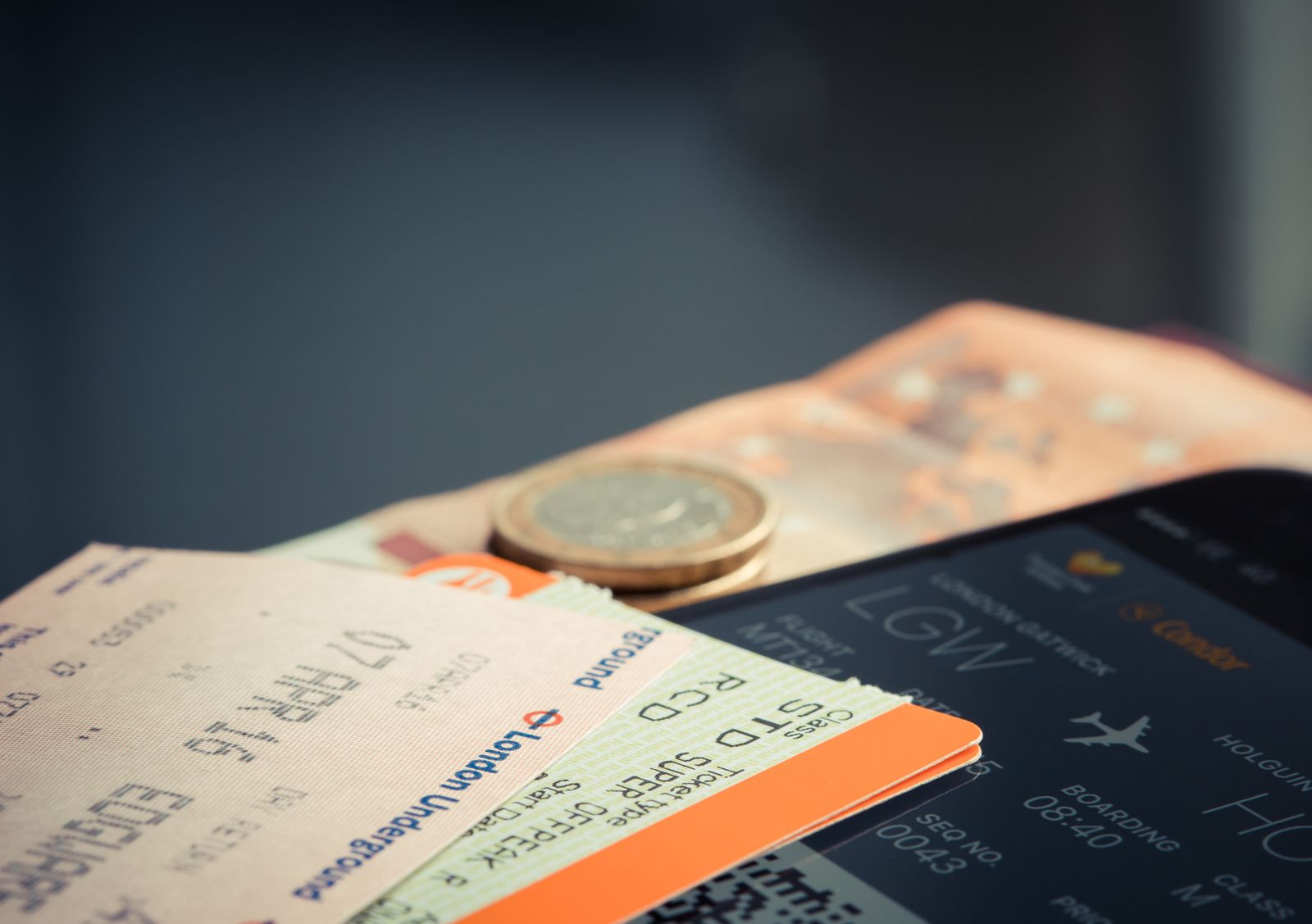
💡 Tip: The moment a child turns two, the fun of cheap flights ends and the financial and bureaucratic reality begins. From an airline’s perspective, a two-year-old needs their own seat and pays the full adult fare, or only a slightly reduced version of it.
The biggest trap comes when a child celebrates their second birthday during the holiday. On the outbound journey, they fly as an infant on your lap for a fixed fee, but on the day of the return flight they are already two and need a full ticket of their own. Many booking systems do not handle this correctly, so carefully check how the airline deals with it to avoid paying a huge amount for an emergency seat purchase at the airport.
Although children under two can fly on an adult’s lap, FAA safety experts do not actually recommend this. The safest place for a child on an aircraft is an approved restraint system, not an adult’s lap. An adult cannot physically hold on to a child during strong, unexpected turbulence.
If you want your under-two to have their own seat for safety reasons, you must buy a full adult ticket and bring a certified car seat on board; it must be placed in a window seat. There is also the certified CARES harness system, which some airlines accept for children from one year old, but always check with the specific carrier beforehand.
10. Adjusting your expectations as your child grows
💡 Tip: When flying with children, your expectations and strategies must constantly evolve. What worked six months ago will very likely be a complete disaster today. The key is not to cling stubbornly to your rules from home and to be able to improvise.
Our own experience confirms this. On a flight to Paris, our little one refused to be buckled up for take-off and landing, which meant enormous stress and tears. On our most recent flight, it was no problem at all, and he fastened his belt calmly. By the way, Lukáš and I absolutely love our Joolz Aer travel stroller, which we mainly use when flying from major European airports and Faro, most often with Ryanair.
With toddlers and preschoolers, the tablet era fully arrives on board. Even the strict American Academy of Pediatrics accepts that using screens to entertain a child on a long journey is perfectly fine. Flight attendants’ golden rule is clear, though: do not bring out all your trump cards as soon as you board. Rotate activities every 20 minutes—start with books, then bring out new toys they have not seen before, and save the tablet as the ultimate weapon for the worst crisis before landing.
Changes in 2025 and 2026 have also introduced new airport procedures. If you fly from Prague Airport’s Terminal 2, for flights within the Schengen Area, you will benefit from the new CT scanners. You can take liquids over 100 ml, up to a total of two litres, and you do not need to remove them from your backpack. Be very careful if you fly from Terminal 1, for destinations outside Schengen: the old strict rule requiring a transparent bag and containers of up to 100 millilitres still applies.
Practical summary and indicative costs
To give you a better idea of the financial side of flying with very young children, I have prepared an overview of current fees and services for 2026. Amounts may vary slightly depending on the exchange rate and specific route, but you can use these figures as a safe guide.
- Infant fee (Ryanair): €25 per child under 2, one way.
- Infant fee (Wizz Air): approximately €27 one way; this varies dynamically.
- Infant fee (full-service airlines): usually 10% of the adult fare.
- Bassinet: the bassinet itself is usually free, but you often have to pay a high fee for a preferred bulkhead seat.
- Unaccompanied-minor service (Smartwings): from €85 one way for children aged 6 to 11.
- Family seating under the new EU regulation: seating a child under 14 next to their accompanying adult must be completely free of charge for the family.
Where to go next
If you are interested in more practical details and specific procedures for travelling with small children, do not miss these in-depth guides:
- Flying with children: the complete guide
- Strollers on planes
- Car seats on planes
- Travel first-aid kit: what to pack
- Croatia with children
Frequently asked questions
When can a baby fly for the first time?
It depends on the airline’s rules. While KLM has no minimum age and Ryanair requires 8 days, Wizz Air and easyJet will let you board with a child older than 14 days. However, pediatricians generally recommend waiting until the baby is 2 or 3 months old due to their immature immune system.
Do children’s ears hurt on planes?
Yes, pressure changes can cause pain, especially during descent before landing. The best prevention is swallowing, so it’s recommended to give small children milk from a bottle, breastfeed them, or offer a pacifier exactly when the plane begins to descend.
Can a child with a cold fly?
A bad cold and blocked sinuses are a huge problem on a plane because they prevent natural pressure equalization, leading to sharp ear pain. Before the flight, it’s recommended to use nasal spray and a nasal aspirator, but with acute infections you should always consult your pediatrician about the trip.
What if my child turns 2 during the holiday?
This is a logistical trap. On the outbound journey, the child still flies as an infant on your lap, but on the day of the return flight they’re already two years old, so by law they need their own full seat and their own ticket. Always verify this detail with the airline before buying tickets.
Can I give my child sleeping medication on a plane?
Child sleep experts strongly warn against giving melatonin and sleeping medication to children under two years old. For older children, such an approach must be consulted with a doctor in advance, because in some children these medications can have a paradoxical effect and actually make the child very hyperactive.
Do you pay full price for a child on a plane?
Children under 2 flying on your lap pay a fixed fee (around €25 to €27 with budget airlines) or approximately 10% of the fare price with network carriers. Once a child turns two, they require their own seat and you pay full or only slightly reduced adult ticket price for them.
Will we sit together on the plane?
New European rules approved in 2026 require airlines to seat children under 14 next to their accompanying person free of charge. So you no longer have to worry that the airline’s algorithm will separate you from your small child just because you didn’t pay for seat reservations.
Tips and Tricks for Your Vacation
Don’t Overpay for Flights
Search for flights on Kayak. It’s our favorite search engine because it scans the websites of all airlines and always finds the cheapest connection.
Book Your Accommodation Smartly
The best experiences we’ve had when looking for accommodation (from Alaska to Morocco) are with Booking.com, where hotels, apartments, and entire houses are usually the cheapest and most widely available.
Don’t Forget Travel Insurance
Good travel insurance will protect you against illness, accidents, theft, or flight cancellations. We’ve had a few hospital visits abroad, so we know how important it is to have proper insurance arranged.
Where we insure ourselves: SafetyWing (simple monthly subscription) and TrueTraveller (for extra-long trips).
Find the Best Experiences
Get Your Guide is a huge online marketplace where you can book guided walks, trips, skip-the-line tickets, tours, and much more. We always find some extra fun there!


