

Croatia feels almost like a second seaside home to us – crystal-clear water, islands you could happily spend a whole life on, and dinners of grilled fish to the sound of crickets. But then comes the practical part: when exactly should you go to dodge the crowds and the punishing heat? How much will the whole thing cost? And above all: a package tour, or going it alone by car? These are precisely the questions we asked ourselves before we criss-crossed Croatia from top to bottom.
On this page we’ve pulled together the three things you really need when planning: up-to-date tour and flight prices, which we refresh every morning so you see real offers, not last year’s promises; our own tips from the road and our articles, where we also tell you what isn’t worth it; and a plan for when and what to book so you don’t overpay for nothing.

What to see and do in Croatia
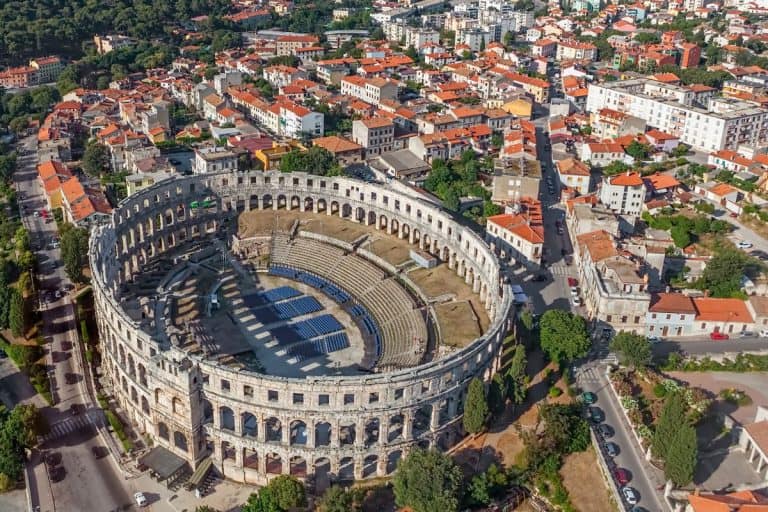
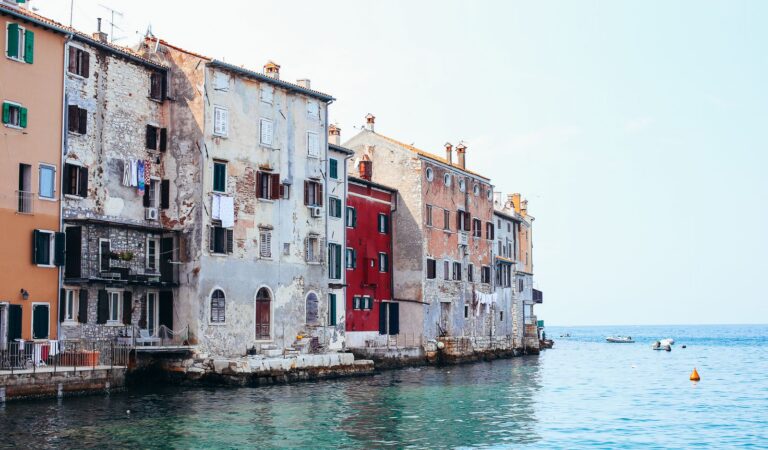
Croatia isn’t just one sea – it’s a mosaic of regions, each with its own flavour. Up north you’re welcomed by Istria with its olive groves, truffles and Italian touch; at its heart sit the picturesque Rovinj and ancient Pula with its remarkably preserved Roman amphitheatre. A little to the south lies the wild Kamenjak National Park with the loveliest rocky coves.
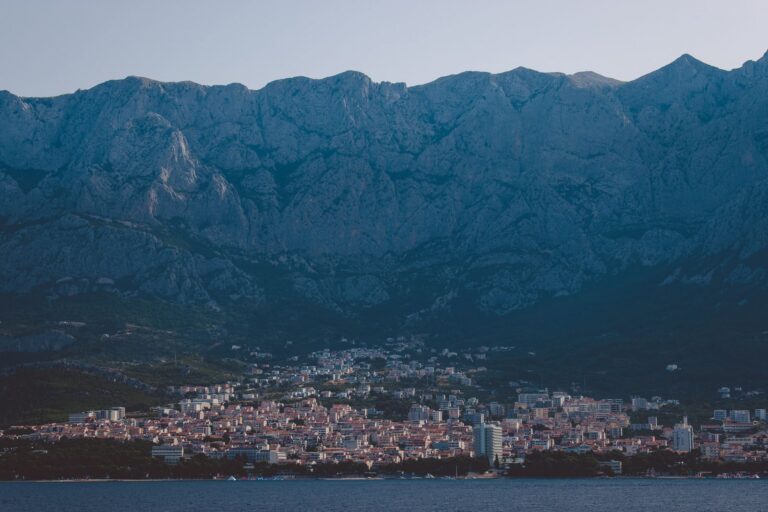
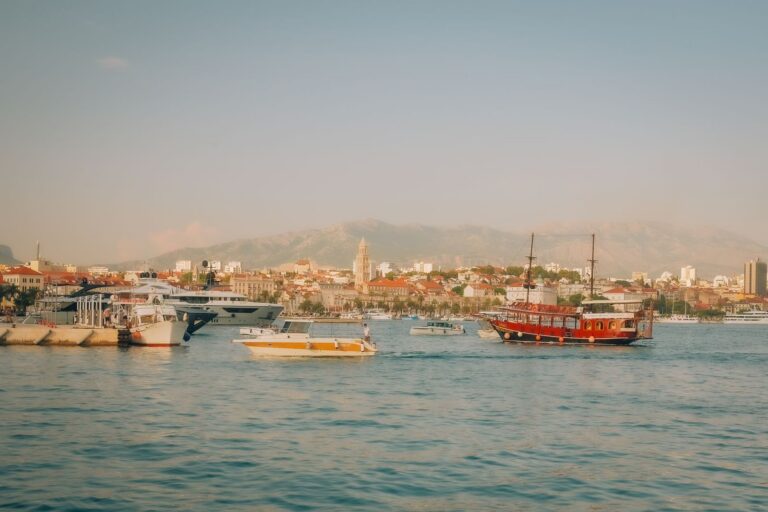
Central Dalmatia is the classic we love: lively Split with Diocletian’s Palace, the stone-built Trogir, the cathedral in Šibenik and, just around the corner, two natural gems – the waterfalls of Krka National Park and the famous Plitvice Lakes. This is the best base for setting off to the islands.
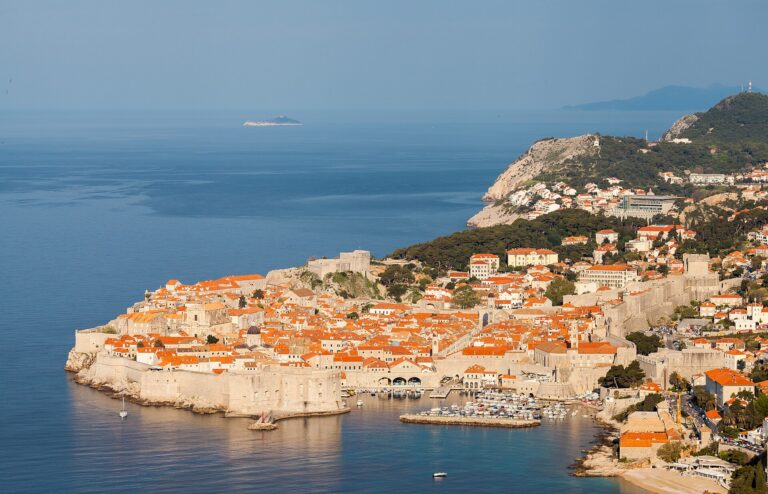
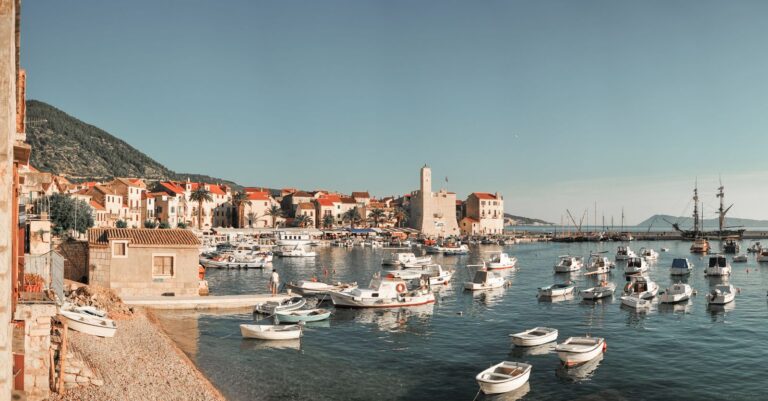
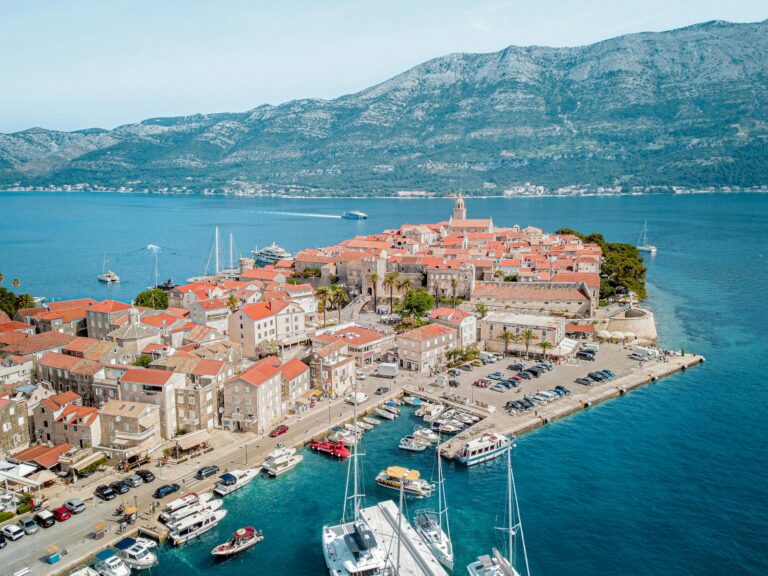
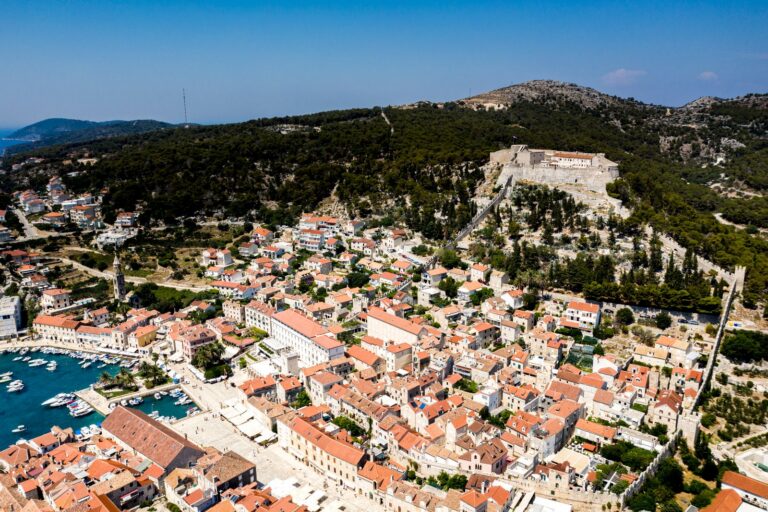
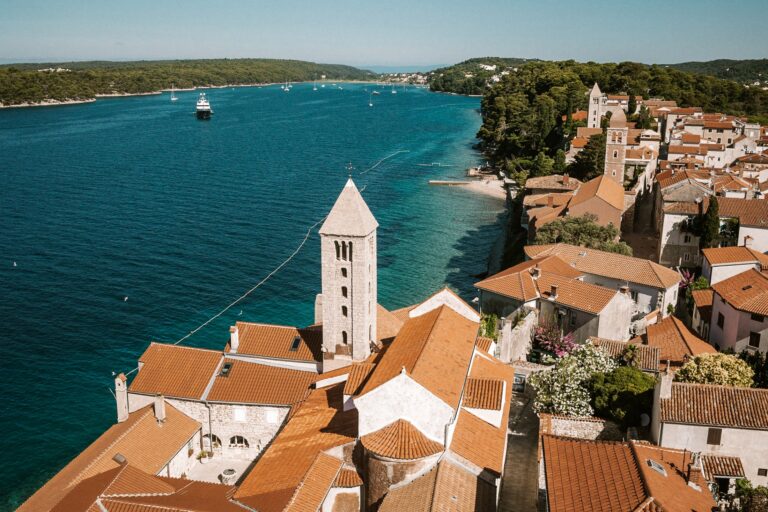
And then the islands – our true love. Hvar for lavender and nightlife, Brač with the postcard-perfect Zlatni Rat beach, foodie Korčula, remote Vis with its Blue Cave, plus the northern trio of Krk, Rab and moon-like Pag. Down south, walled Dubrovnik crowns it all, while Zadar offers its sea organ and the most beautiful sunsets. And if you’re a beach collector, take a look at our pick of Croatia’s most beautiful beaches.
When to visit Croatia
The main season in Croatia runs from June to September, and each month has its own mood. July and August mean guaranteed warm sea (around 25–26 °C) and the full programme, but also the biggest crowds and the highest prices. In August, Dalmatia can easily top 33 °C. If you cope well with heat and you’re travelling with kids who need that holiday certainty, this is your ideal time.
Our own favourite months are June and September. The sea is already (or still) pleasantly warm, the sun doesn’t scorch quite so brutally, the towns aren’t packed and accommodation prices drop noticeably. September is also brilliant for sightseeing trips around towns and national parks – Plitvice and Krka are no relaxing stroll in peak season, but in September you can breathe more easily.
Think of the off-season (May and autumn) more for sightseeing, day trips and wellness than for swimming. Many island resorts “go to sleep” out of season – some restaurants and ferry connections run on a reduced schedule. On the upside, you’ll have the sights almost to yourself.
Croatia is best experienced both on the water and on land. Here are a few experiences we recommend ourselves and that are worth planning ahead (and booking, for the popular ones):
- A boat trip to the Blue Cave from the island of Vis – glowing blue water you’ll never forget.
- A walk among the waterfalls of Krka National Park and a loop around the Plitvice Lakes – the country’s two most beautiful parks.
- Sunset by the sea organ in Zadar – music played by the sea itself.
- A walk along the walls of Dubrovnik – best early in the morning, before the cruise-ship crowds arrive.
- Swimming at Zlatni Rat beach on the island of Brač – a pebble spit that shifts shape with the wind.
- Foodie wanderings through Istria in search of truffles, olive oil and wine.
How to get to Croatia
The most comfortable option is to go by car – from Prague to Istria via Austria and Slovenia you’re there in roughly 9–10 hours; for central Dalmatia (Split, Šibenik) reckon on about 11–12 hours via the Hungarian motorway. A car also gives you the freedom to hop between coves and switch spots, which for us is the biggest plus. Have some change ready for tolls and the motorway vignettes for Austria and Slovenia.
If you’d rather not get behind the wheel, you can fly. By air, the most common destinations are Split, Zadar, Pula or Dubrovnik – either on seasonal direct routes or with a connection. From there you reach the islands by ferry or catamaran from ports such as Split or Zadar. You’ll find current connections and prices in our flights section below; we refresh them every morning.
Renting a car
A car pays off in Croatia if you want to switch spots and hop between coves – say around Istria or Dalmatia, or when you’re combining the mainland with the national parks. On the other hand, if you pick one island or one resort and mostly plan to laze by the sea, a car is more of a burden (pricey parking, extra ferry costs). And if you arrive in your own car from home, you don’t need to worry about hire at all.
- Book in advance through a comparison site – it’s usually pricier at the airport, and cars can sell out in season.
- Watch the insurance and deposit – the basic excess can be high; extra cover is worth it.
- Car ferries to the islands are best booked ahead in season, and factor them into your budget.
- Parking in city centres (Split, Dubrovnik, Rovinj) is expensive and limited – a place with parking is a real advantage.
Where to stay in Croatia
In Croatia the clear winner is private accommodation – apartments and rooms (“sobe”) that offer great value for money and often come with their own little kitchen, so you save on breakfasts and dinners too. How to pick a good apartment without a travel agency and not put a foot wrong is something we break down in our article on accommodation in Croatia. For families with kids, smaller family-run guesthouses and campsites right by the sea are great.
- Istria (Rovinj, Pula) – for couples, foodies and shorter drives; close to home.
- Central Dalmatia (Split, Trogir, Šibenik) – the ideal base for trips to the islands and the national parks.
- The islands (Hvar, Brač, Korčula, Krk) – for peace, swimming and romance; factor in a ferry.
- The south (Dubrovnik) – history and atmosphere, but the highest prices; look for a place a little away from the walls.
- Wellness – thermal hotels in Slovenia and Croatia for an off-season break.
Package tour or independent travel?
Croatia is one of the few destinations where both approaches make sense – it comes down to how much you enjoy planning and how much you want to sort out on the spot.
A package tour pays off when:
- you want everything sorted in a single payment – transport, accommodation and transfers;
- you’re travelling with small children and value the certainty and support of a rep;
- you don’t want to spend hours hunting for an apartment and comparing flights;
- you catch an early-bird or last-minute deal that works out cheaper than putting the holiday together yourself.
Go it alone when:
- you want to switch between islands and regions and change the plan as you go;
- you’re driving from home and want maximum freedom;
- you prefer private accommodation and cooking in the apartment;
- you enjoy discovering coves and places off the main routes.
The two of us most love going independently by car – for the freedom to change spots and uncover hidden coves. But for families with small children, or anyone who wants peace of mind and zero hassle, we honestly recommend a package tour with a good discount. Feel free to browse the current offers below and weigh them against your own budget.
Budget: daily costs in Croatia
A rough daily budget per person (excluding travel from home). Croatia these days is more of a mid-priced destination – prices climb in peak season and on the islands, while off-season you save significantly.
| Level | Accommodation | Food | Transport & activities | Total/day |
|---|---|---|---|---|
| Backpacker | 20 €–30 € (campsite, shared room) | 12 €–16 € (self-catering, bakery) | 8 €–12 € (public transport, beach) | approx. 40 €–60 € |
| Standard | 35 €–60 € (private apartment) | 20 €–30 € (set-menu lunch, dinner at a konoba) | 16 €–25 € (ferry, entry fees) | approx. 70 €–110 € |
| Comfort | 100 €+ (hotel, seaside villa) | 40 €+ (restaurants, fish) | 30 €+ (boat trips, car hire) | approx. 170 €+ |
These prices are approximate, and in Dubrovnik or on Hvar expect a surcharge. You’ll save the most with your own kitchen and shopping at the supermarket rather than by the beach.
How to save when planning
- Book flights 2–4 months ahead for the main season; seasonal direct routes to Split and Zadar sell out first around the school holidays. Search for flights in our finder.
- Book private accommodation by spring – the best apartments for July/August disappear as early as February and March. Off-season, on the other hand, you can haggle. Take a look at our accommodation tips.
- Tours: book early for summer, last-minute off-peak. For the main dates, an early-bird discount pays off; a few weeks before departure, clearance deals sometimes pop up. Keep an eye on the current tours section.
- Book boat trips and park entries in advance in season, otherwise you’ll queue or miss out on a spot. Here’s what to book early.
- What you needlessly overpay for: food and drinks right on the beach and by the main sights, parking in the centre of Dubrovnik and Split, and last-minute ferries. Shop at the supermarket, park a little further out and sort ferries ahead of time.
Practical information
- Currency and payments: Croatia uses the euro, and you can pay by card almost everywhere, but cash comes in handy at markets, smaller konobas and for ferries.
- Language: you’ll get by in English, and German in tourist areas; a few words of Croatian (hvala, dobar dan) always go down well.
- Connectivity: Croatia is in the EU, so roaming works just like at home. If you’re on an unfavourable tariff or travelling on a non-European SIM, an eSIM sorts it out – no need to track down a physical card.
- Safety: Croatia is a very safe country; just keep the usual eye on your valuables on beaches and in crowds.
- What to pack: above all water shoes – most beaches are pebbly or rocky. Here’s our complete packing list so you don’t forget a thing.


