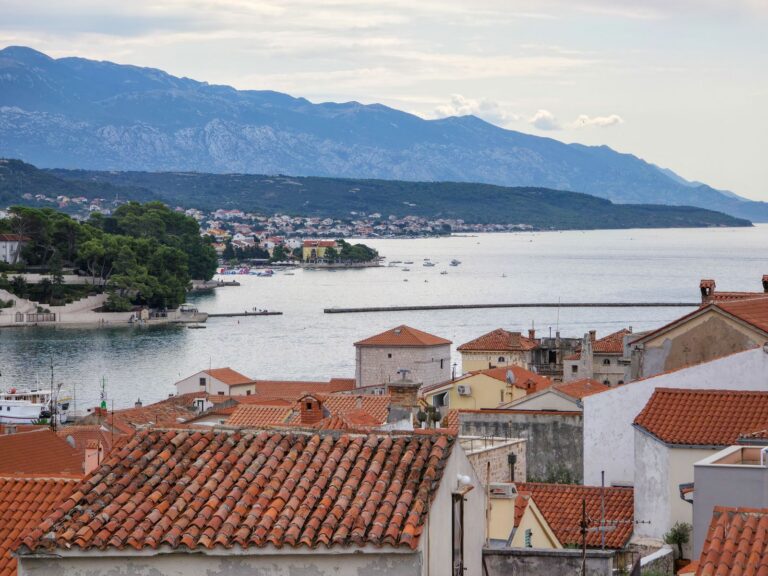
Picture an island that was completely off-limits to foreign tourists for decades, which is exactly why it has kept its incredibly authentic and laid-back atmosphere to this day. That’s Vis island in Croatia in a nutshell — the most remote permanently inhabited island in central Dalmatia, and one that will charm you the moment you arrive. It’s no wonder filmmakers chose its romantic lanes and coves as the main backdrop for the popular musical Mamma Mia! Here We Go Again.
Unlike its busier neighbouring islands, you won’t find any giant hotel complexes here — instead there are hidden coves with crystal-clear water and sleepy stone-built towns. You can only reach the island by ferry or catamaran from Split, which naturally filters out the summer crowds and guarantees a far more relaxed holiday. On top of that, the island hides a fascinating military history at its heart, which you can explore on adventurous excursions.
In this detailed guide you’ll find exactly 11 tips for interesting places you definitely shouldn’t miss when visiting Vis. We’ll look at the practical details of visiting the famous Blue Cave in 2026, I’ll help you pick a strategic base for your stay, and recommend the most beautiful beaches. Get ready — the magic of this island is simply impossible to resist.
TL;DR
- The most remote paradise: Vis lies roughly 45 kilometres from the mainland and you reach it by ferry from Split in just under two and a half hours.
- Military past: The island served as a naval base and was closed to foreigners until 1989, which protected it from mass tourism.
- Film location: The second Mamma Mia film was shot in Komiža and Vis town, with the island standing in for the fictional Greek Kalokairi.
- Blue Cave: Located on the neighbouring islet of Biševo, it’s the biggest tourist draw — there’s an entrance fee and swimming inside isn’t allowed.
- The most beautiful beach: Stiniva cove, with its narrow gap between the cliffs, was named Europe’s most beautiful beach in 2016.
- UNESCO Geopark: Since 2019 the whole archipelago has held the prestigious UNESCO Global Geopark status thanks to its unique volcanic rocks.
The full destination guide: Dalmatia — guide and what to see
When to visit Vis island
The best time to visit the island is from late May to late September, when you can enjoy pleasant temperatures and swimming in beautifully clear water. If you want to avoid the biggest summer crowds and extreme heat, I’d recommend going in June or the first half of September. In these shoulder months the sea is already warm enough for comfortable swimming, but the famous beaches feel much more private and accommodation prices tend to be noticeably friendlier.
The main summer season traditionally falls in July and August, when the island comes fully to life and absolutely every service, restaurant and beach bar runs without restrictions. You’ll have to bear in mind, though, that temperatures often climb well above thirty degrees and long queues of cars form for the ferries. During this busy period the state company Jadrolinija runs ferries and catamarans up to four times a day, while out of season the link to the mainland drops to around three crossings a day.
From October to April the island largely settles into a deep winter sleep and many businesses shut their doors completely until spring. If you want to visit out of season, expect very limited services and unpredictable weather that can unexpectedly disrupt the boat services. The famous sea caves, including the Blue Cave, are strictly open to visitors only from April to early November.
You can only travel to the island from mainland Split, as there’s no direct scheduled connection with neighbouring islands such as Hvar or Brač. You can choose either the classic large ferry on route 602 for cars and foot passengers, which takes around 140 minutes, or the faster catamaran on route 9602 for foot passengers only. This catamaran covers the route in an hour and twenty minutes to two hours, and a one-way ticket in 2026 costs roughly €8.23. Coming from the UK, the easiest way is to fly into Split — British Airways, easyJet and Jet2 all run direct flights from London and several regional airports during the season — then transfer to the ferry port right in the city.
Where to stay on Vis island
💡 Tip for accommodation and experiences: We like to look for places to stay on Booking.com, which usually has the best cancellation policies. For tickets, tours and activities, it pays to compare and book through GetYourGuide.
Surprisingly, you’ll find very few large accommodation options on the island — the direct legacy of long years of military isolation that lasted until 1989. Most visitors therefore naturally opt for private family apartments, romantic stone villas or a handful of smaller boutique hotels. Strategically, it makes sense to base yourself either in the main port town of Vis or in the slightly smaller fishing town of Komiža on the west coast.
Vis town is the ideal choice for anyone who wants all the conveniences within easy reach, since this is exactly where all the ferries from Split arrive. You’ll find the greatest concentration of excellent restaurants, car and scooter rentals, and a lovely long seafront promenade lined with palm trees. If you’re after a really stylish base, take a look at the Boutique Hotel San Giorgio, which offers gorgeous design rooms and a much-loved restaurant tucked away in the historic lanes just steps from the harbour.
Komiža, by contrast, offers a much more rustic and tranquil atmosphere of a typical Dalmatian fishing village, full of narrow passageways and colourful windows. The drive from the main harbour takes around twenty-five minutes, but you’ll be rewarded with picturesque corners and the absolute best starting point for boat trips to the Blue Cave. A really pleasant place to stay here is Pomalo Inn, a smaller modern guesthouse with an incredibly friendly family feel and a beautifully clean design.
Given the island’s very limited capacity, I strongly recommend booking your accommodation well in advance, ideally as early as the start of spring. You’ll always find some available apartments on the usual booking portals, but the very best ones with a sea view disappear at lightning speed. For apartments in the town centres, always carefully check whether they offer a dedicated parking space, because parking in the narrow one-way streets is often very tricky and frustrating.
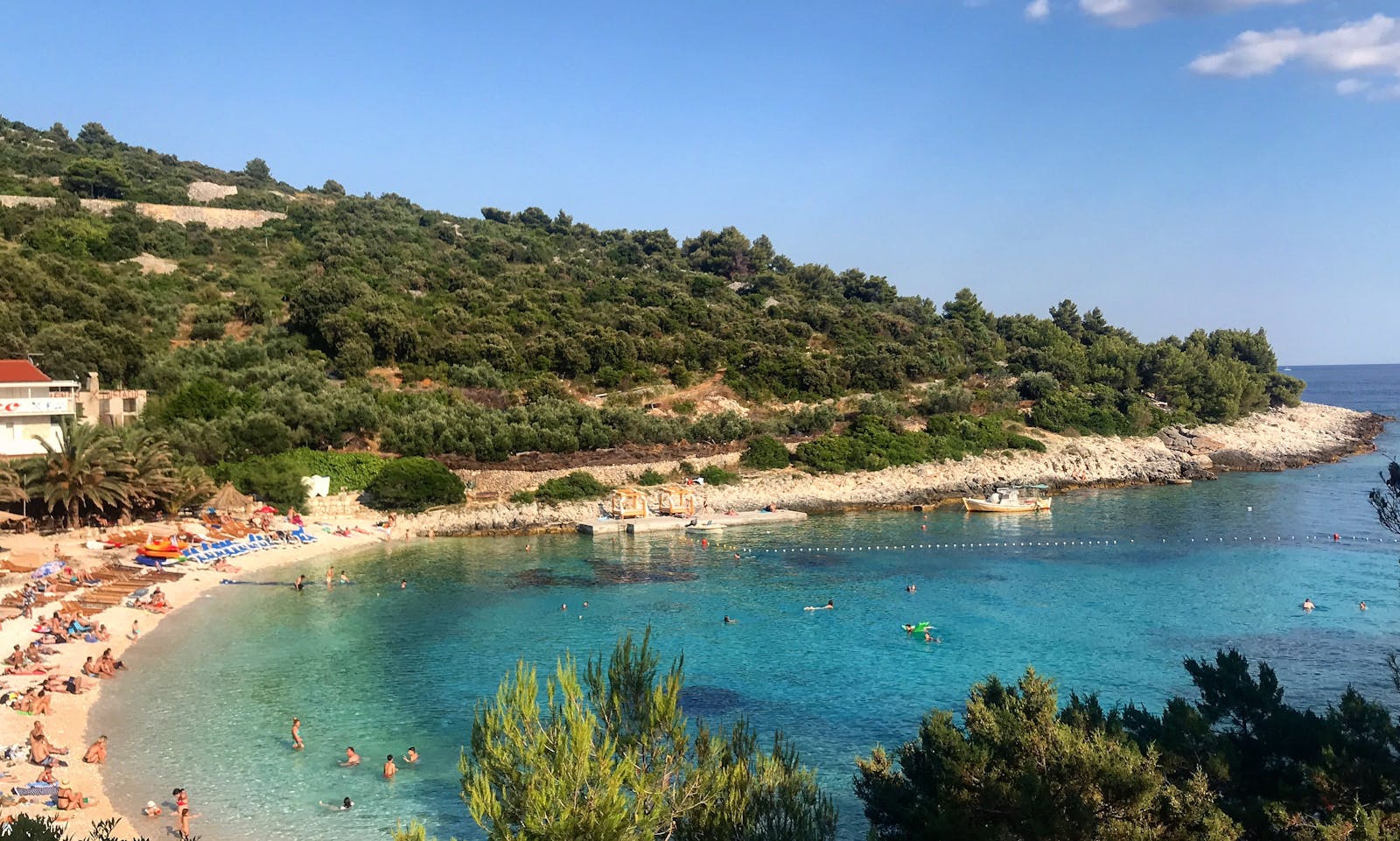
11 things to see and do on Vis island
Let’s take a closer look at the 11 most interesting places and activities you definitely shouldn’t miss on the island. Ancient classical monuments, secret pebble beaches, breathtaking natural phenomena and local island cuisine you’re bound to fall in love with are all waiting for you.
1. The Blue Cave on Biševo islet
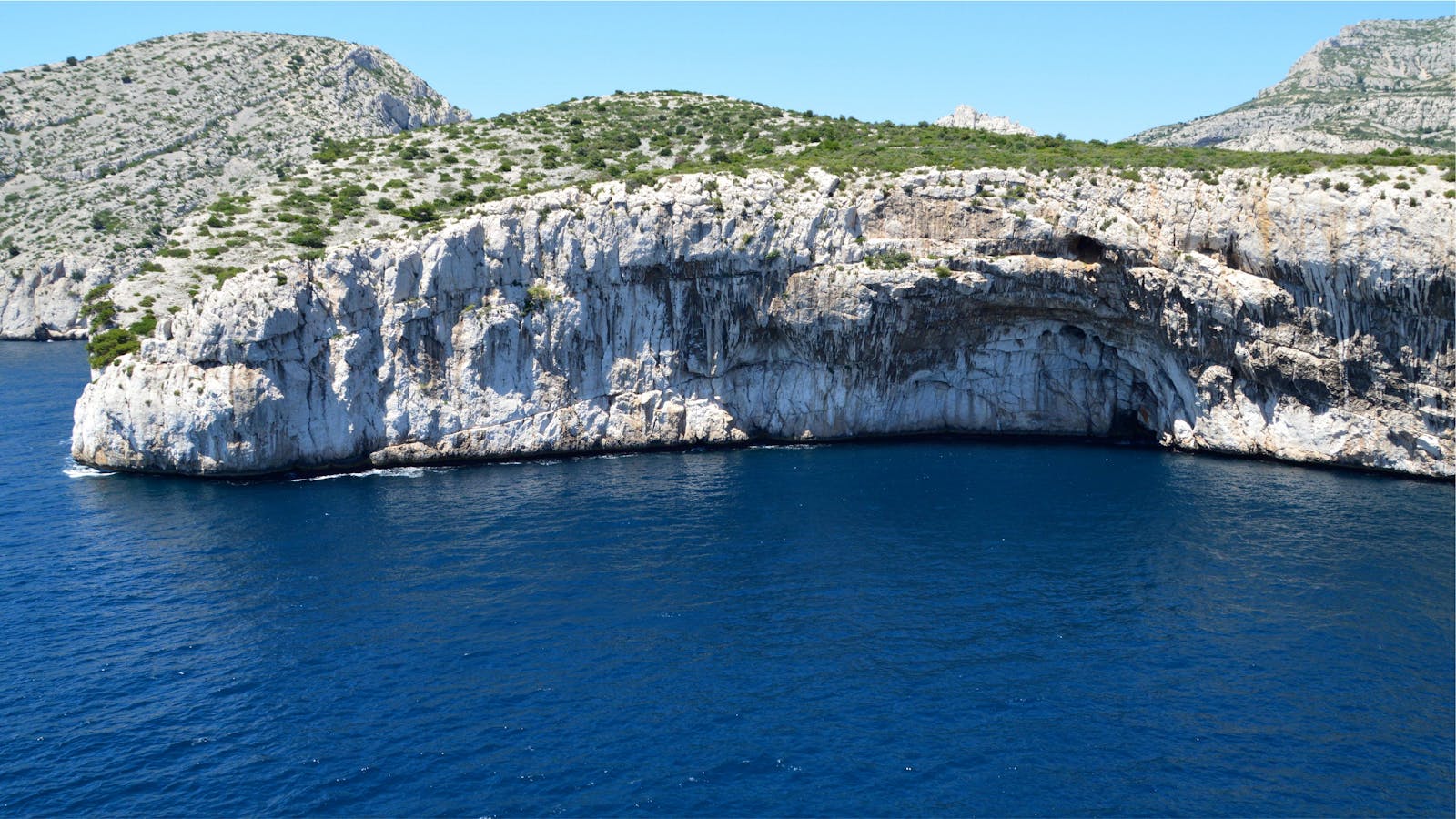
The Blue Cave, known to locals as Modra špilja, is without doubt the biggest tourist magnet in the whole of southern Dalmatia. It sits on the small neighbouring islet of Biševo, and its incredible magic comes from the sun’s rays passing through an underwater opening in the rock, turning the entire interior of the cave a vivid neon blue. This rare natural phenomenon draws hundreds of thousands of visitors from around the world every year.
Trips into the cave run only from early April to early November, with the entrance fee changing depending on the season. In the high season of 2026, which runs from 20 June to 10 September, adults pay €24 for entry, while outside this peak the price drops to €18. The best light conditions inside occur between 9 am and 1 pm, so I’d recommend setting off early in the morning to avoid the wait, which in summer can stretch from ten minutes to two hours.
Remember that swimming is strictly forbidden inside the Blue Cave, both to protect the fragile environment and because of the heavy traffic of tour boats. The visit works like this: just outside the cave you transfer into a small wooden boat, you have to duck your head as you pass through the very low entrance, and you spend around five to ten minutes inside the cave itself. Because of strong southerly winds or a high tide, the cave can sometimes be closed to the public quite unexpectedly.
💡 Tip: You can very easily arrange tickets and complete tours with the many local agencies right on the waterfront in Komiža, or browse them at your leisure on portals like GetYourGuide.
2. Vis town and the remains of ancient Issa
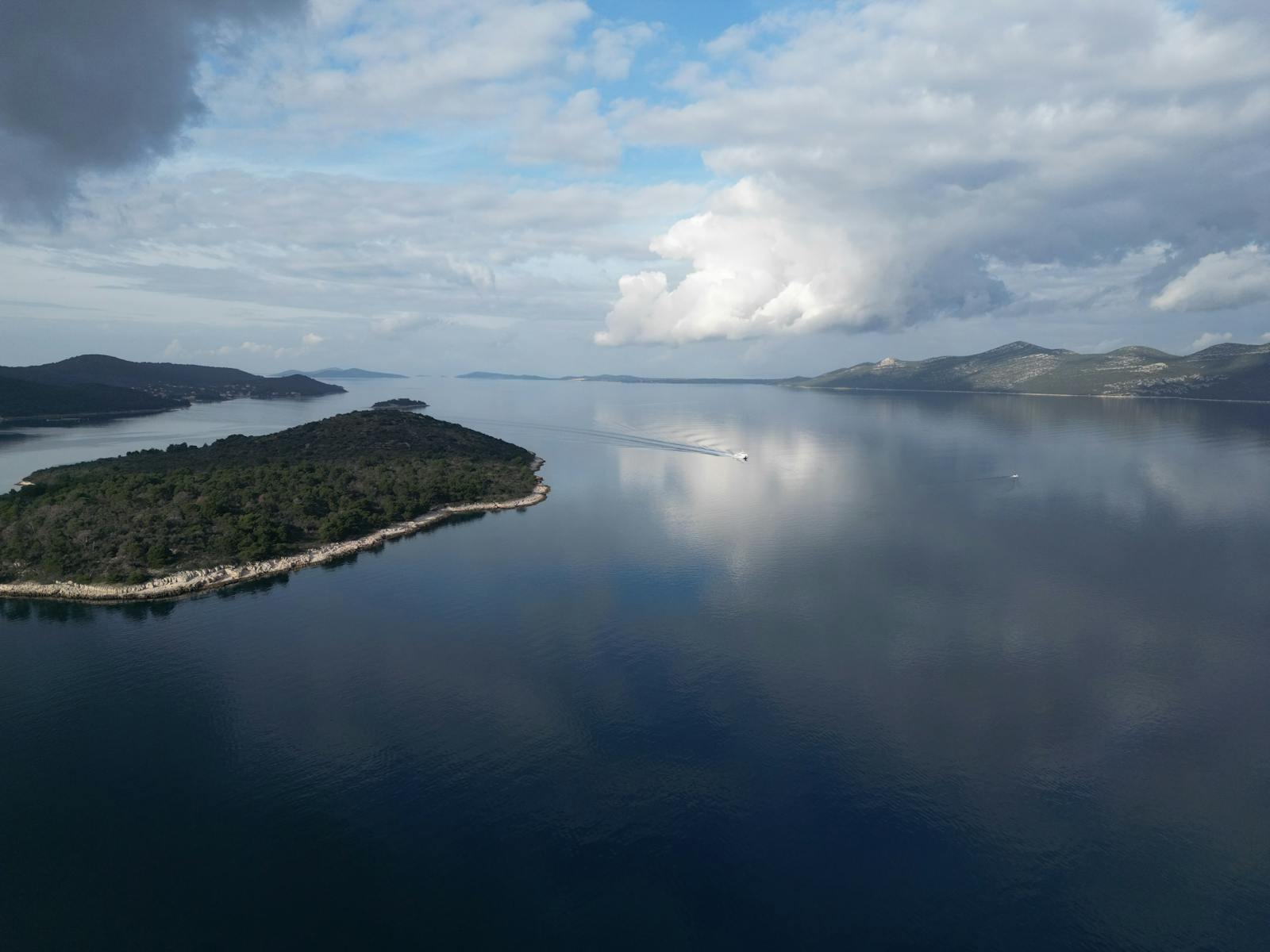
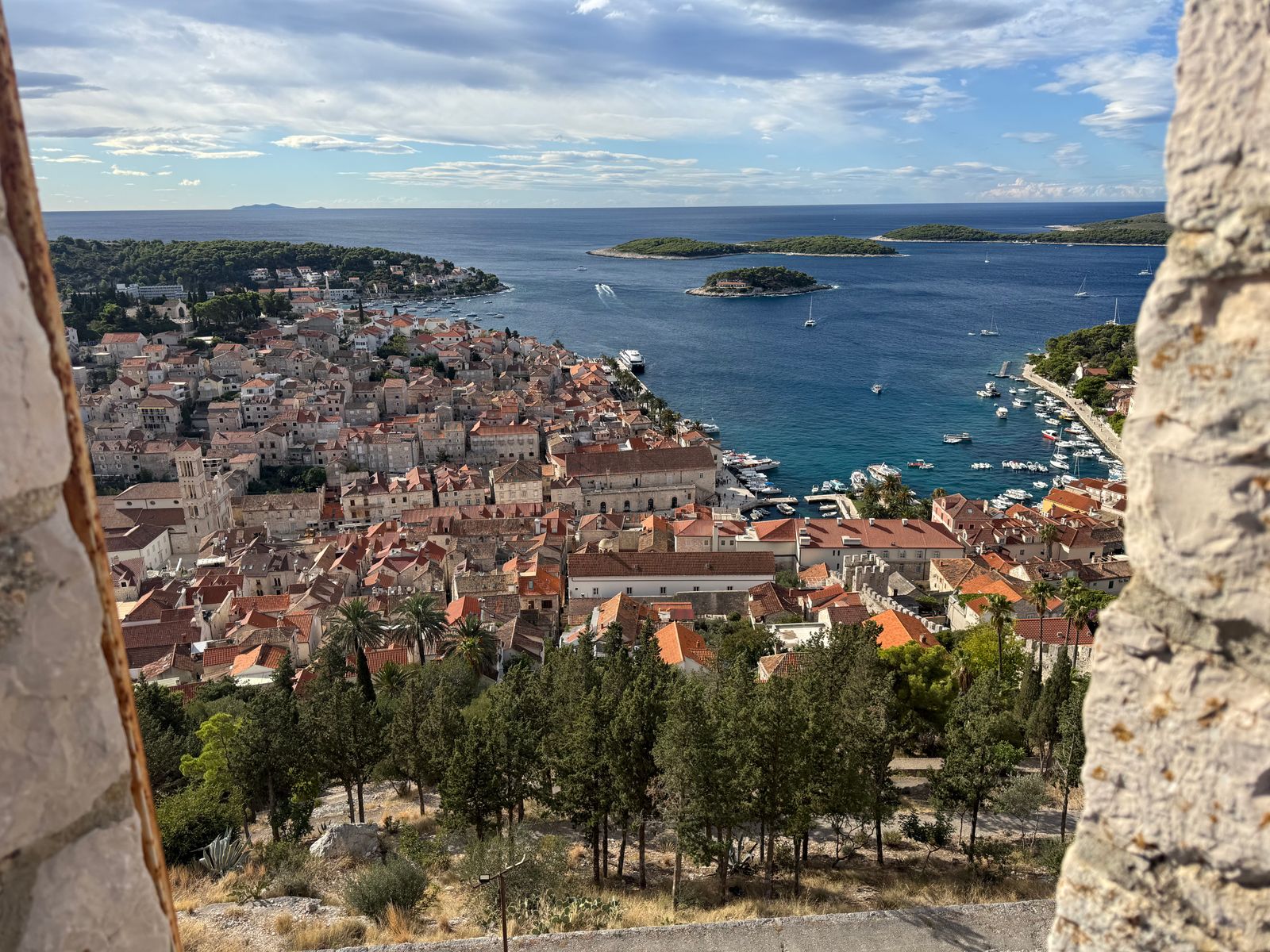
The main town of Vis, where all the large ferries from the mainland arrive, is a fascinating blend of old Venetian architecture and deep ancient history. The town spreads picturesquely around a deep natural bay, and its long seafront promenade is lined with tall palm trees, cafés and luxurious moored yachts. On a quiet stroll through the narrow cobbled lanes you’ll come across old stone houses that have witnessed centuries of turbulent island history.
Few ordinary visitors realise that Vis is one of the very oldest permanently inhabited towns in all of Croatia. Its tangled roots reach back to the turn of the fourth century BC, when the famous Greek ruler Dionysius the Elder of Syracuse founded a powerful colony called Issa here, which long served as a hugely important trading hub for the entire Adriatic. Just a short way from today’s main harbour you can still calmly admire the massive remains of the original Greek walls.
If you’re interested in ancient history, be sure to take a closer look at the extensive remains of the Roman baths, located right next to the busy waterfront. On site you’ll see very well-preserved building floor plans, and occasionally you can even make out small fragments of the original colourful mosaics and ancient clay amphorae. The local archaeological museum, housed in the majestic Austrian fortress of Batarija, holds an enormous collection of fascinating finds from this famous era.
💡 Tip: The town has its best and most romantic atmosphere at dusk, when the setting sun turns the historic Venetian façades golden and locals slowly start to gather in the restaurants along the harbour.
3. The iconic Stiniva beach in its narrow cove
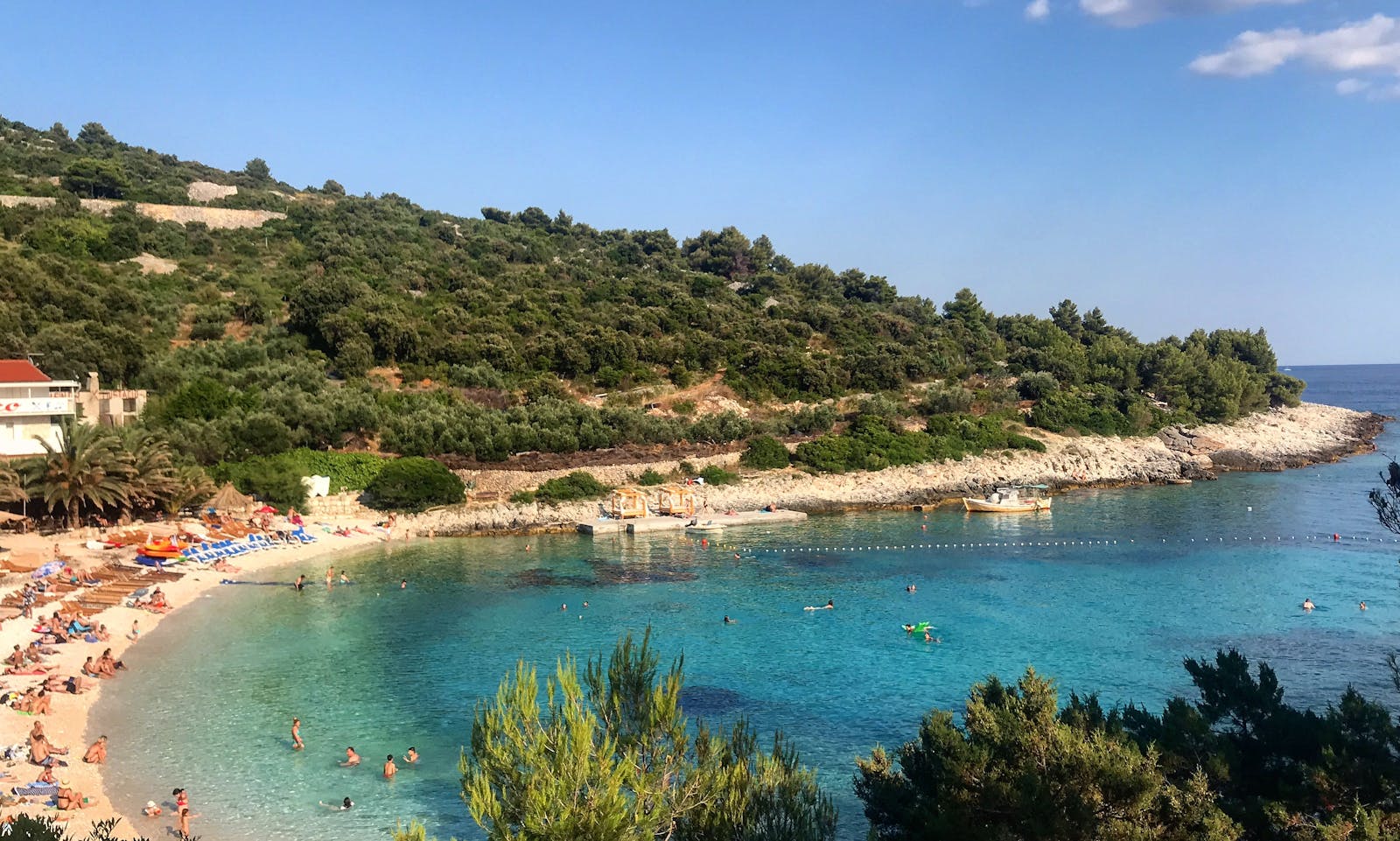
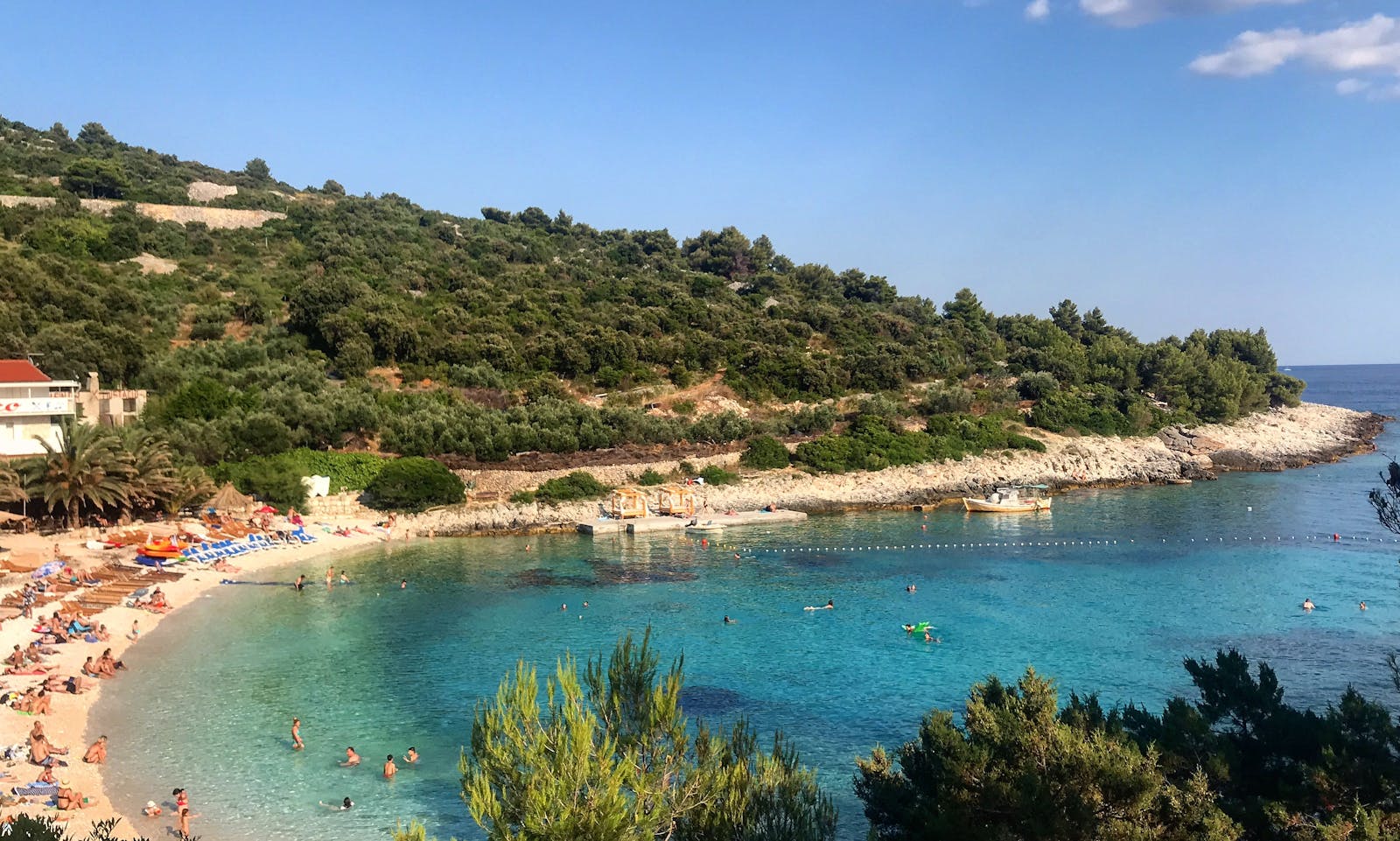
Stiniva cove, on the rugged southern coast of the island, is a visually stunning spot that from above looks like a giant natural rock amphitheatre. The entrance to the cove from the open sea is just five metres wide, and beyond it hides a beautiful little beach of very fine white pebbles, around forty metres long. It was precisely this utterly unique topography that earned Stiniva the prestigious award for Europe’s most beautiful beach in a 2016 Brussels poll.
Reaching this hidden beach by land, however, requires a decent level of fitness and sturdy footwear. If you decide to walk, a very steep and at times dangerous trail leads down from the small hamlet of Žužec, and it takes around twenty minutes to tackle. This route is definitely not suitable for small children or anyone with limited mobility, and don’t even try it in ordinary flip-flops — you risk a nasty twisted ankle.
A more comfortable alternative is to arrive at Stiniva by boat on one of the many organised trips. Larger tour boats naturally can’t pass through the narrow rocky gap for safety reasons, so they drop you off just outside it on the open sea, and you have to swim the rest of the way to the beach itself. Because the cove is so tightly enclosed by high cliffs, direct sunlight only reaches it for part of the day.
💡 Tip: If you want to enjoy breathtaking Stiniva in relative peace, get there very early in the morning, before the first noisy tour boats arrive from the neighbouring island of Hvar and the beach fills up completely.
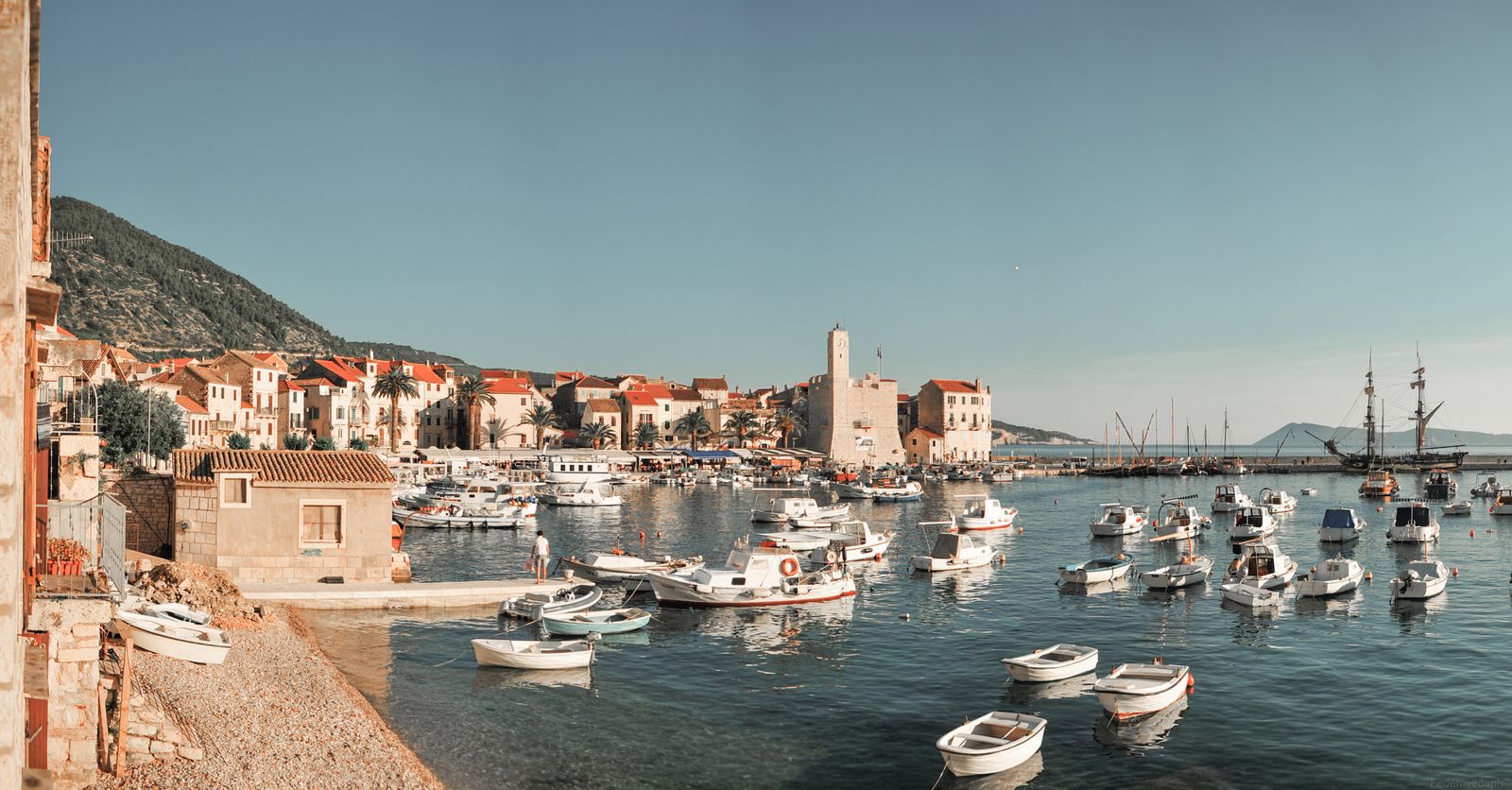
4. The fishing town of Komiža
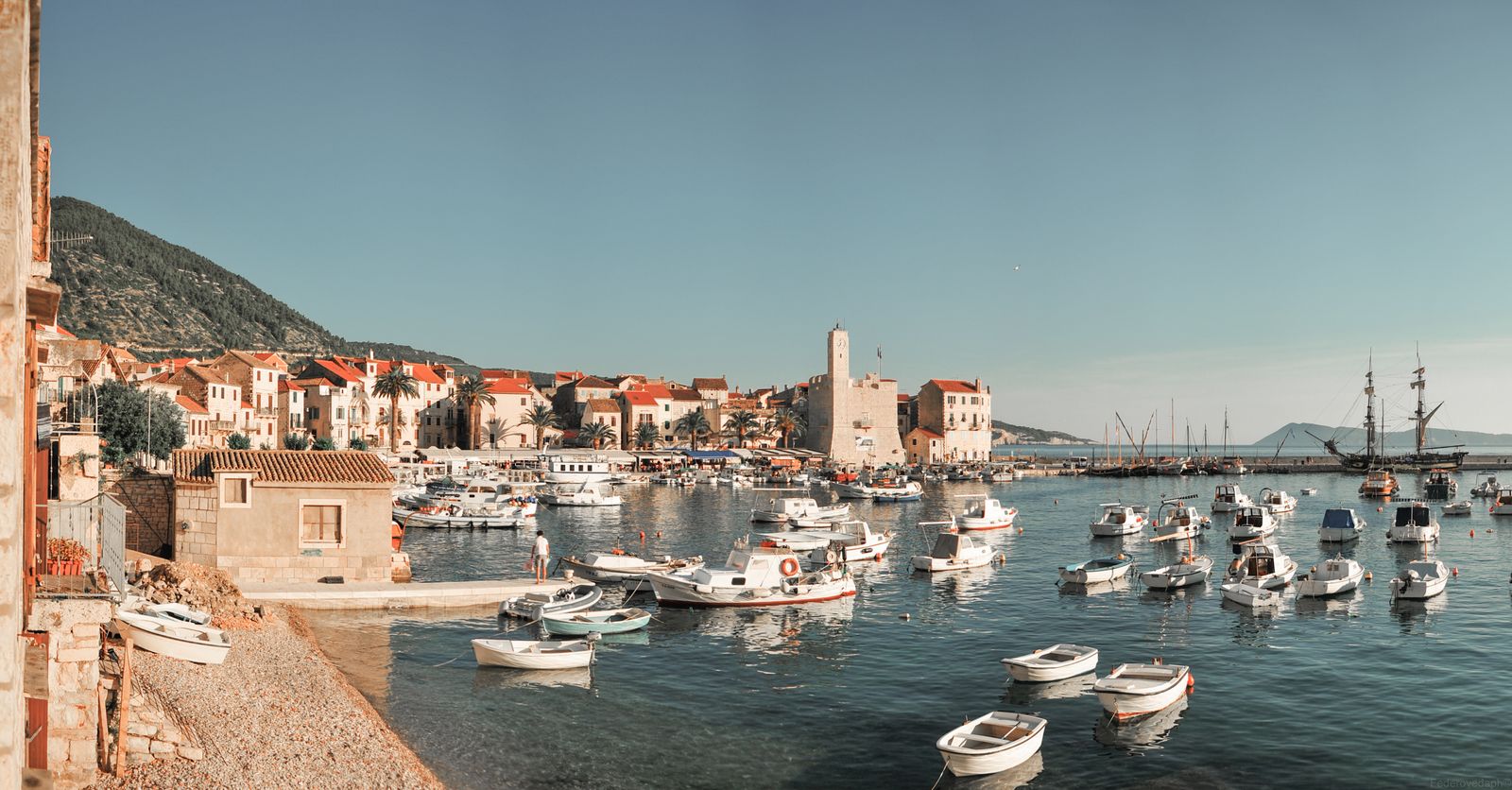
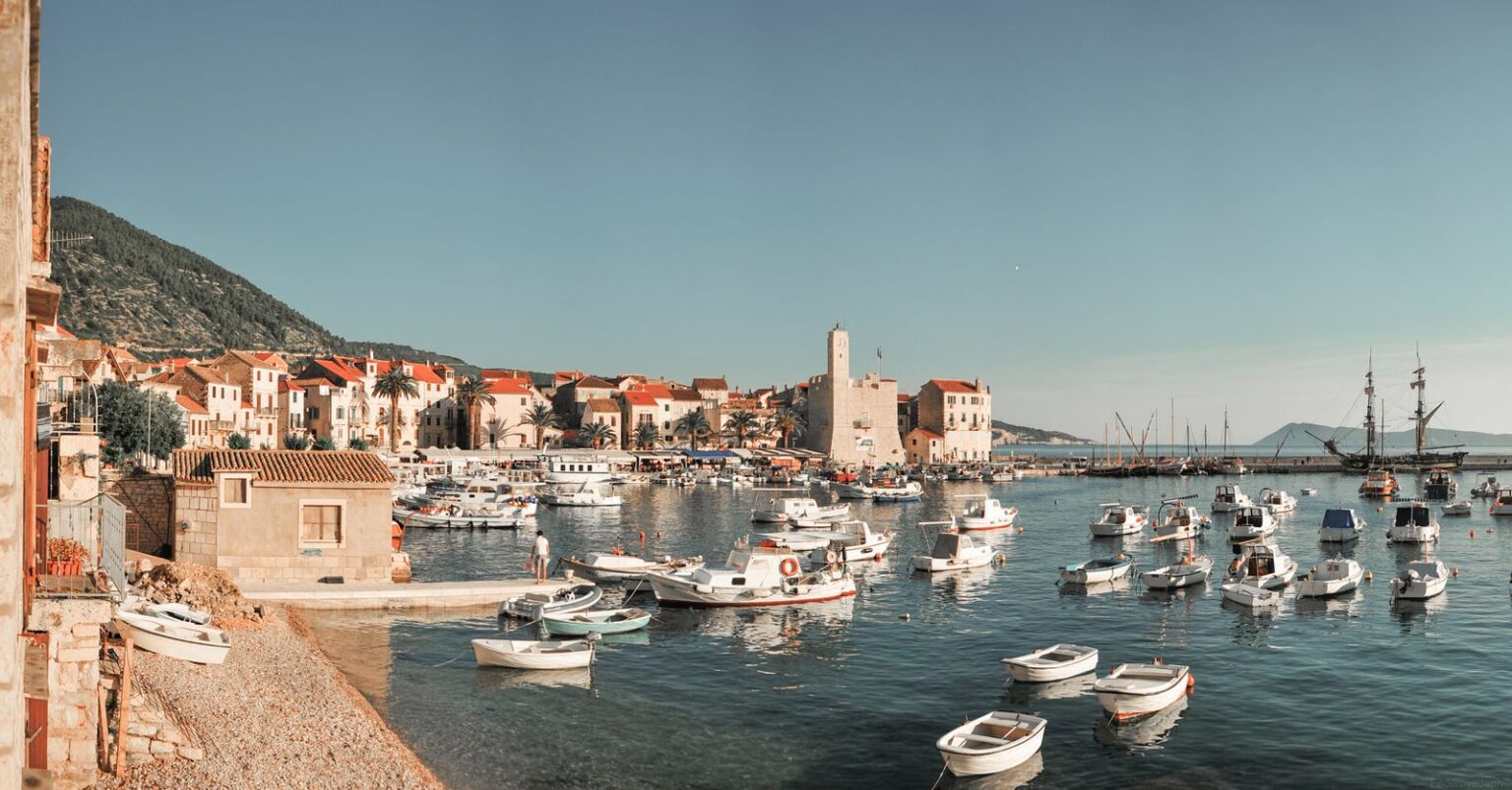
Komiža is, without any exaggeration, one of the most picturesque fishing towns in all of Croatia today. It sits on the sunny west coast of the island, around twenty-five minutes’ calm drive from the main town of Vis across very hilly interior. Its overall atmosphere is much wilder and more traditional — the cobbled lanes are noticeably narrower, and the weathered façades of the tall stone houses glow in every colour under the sharp Dalmatian sun.
This town has a deeply rooted and very proud fishing tradition, which the locals lovingly keep alive to this day. The main landmark of the whole harbour is the old, mighty sixteenth-century Venetian tower known as Kaštel, which today houses a very interesting interactive Fishing Museum. Inside, for an entrance fee of around three euros, you can admire an exact wooden replica of the traditional fishing boat called a falkuša, with the whole visit taking under a pleasant hour.
As you stroll along the waterfront, you’re certain to be reminded of the cheerful scenes from the much-loved film Mamma Mia 2, which were shot right here in the winding local lanes and on the surrounding beaches. The famous wooden restaurant Jastožera, built on stilts directly above the sea, served the filmmakers as a perfect backdrop for the film’s Greek taverna. A local island speciality you’ll be offered everywhere is the traditional strong rakija flavoured with carob.
💡 Tip: Komiža faces straight west, which naturally makes it the absolute best spot on the whole island for watching long, romantic sunsets with a glass in hand.
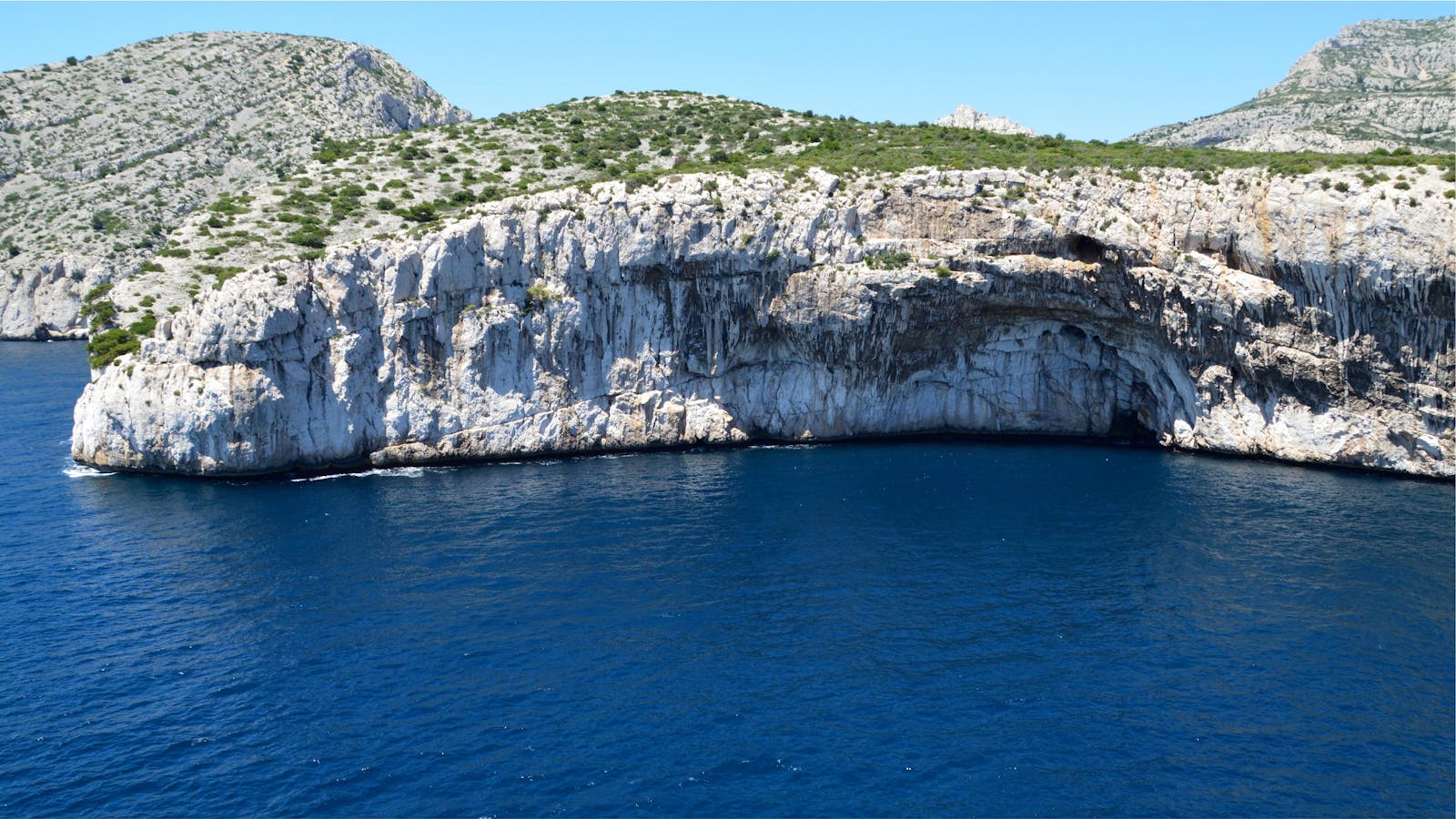
5. The Green Cave on Ravnik islet
While the famous Blue Cave grabs most of the tourist glory each year, the Green Cave, or locally Zelena špilja, offers a very interesting and considerably less crowded natural alternative. You’ll find it on the small uninhabited islet of Ravnik, just off the south-eastern coast of Vis. Its apt name comes from the magically emerald-green glow created by direct sunlight streaming through a large circular opening in the limestone ceiling of the cave.
A huge practical advantage of the Green Cave is that its main entrance from the sea is very spacious, so even larger tour boats can sail in easily and safely. The single biggest and most important difference compared to the Blue Cave, though, is that swimming and snorkelling are officially and entirely legally permitted inside the Green Cave. The experience of swimming freely in the glowing green water beneath the mighty rock vault is simply unforgettable.
This beautiful cave has been a strictly protected natural monument since 1967 and today forms a very important part of the local geopark. You’ll naturally experience the strongest and most beautiful green-light effect around midday on hot summer days, when the sun is at its highest. Most local boat companies from Komiža or Vis offer combined full-day trips that conveniently take in both the Blue and Green Caves in a single day at sea.
💡 Tip: Don’t forget to bring a good snorkelling mask onto the boat, because the marine life right around the cave is unexpectedly rich and beautifully colourful.
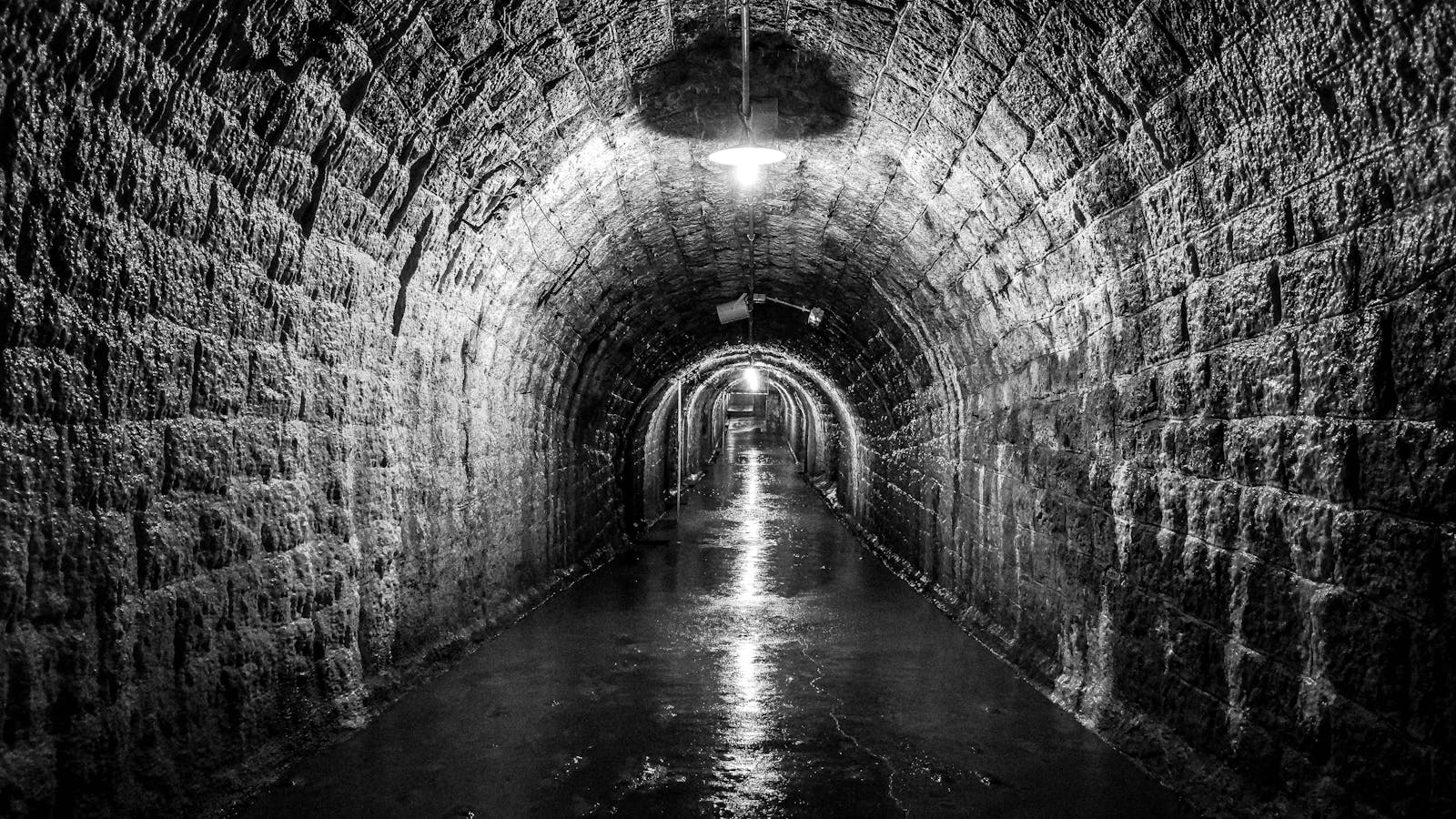
6. The military tunnels and Tito’s Cave
Vis island has an incredibly turbulent military history that was long kept secret from tourists, and which largely shaped its unspoilt appearance today. After the Second World War, the island became the main strategic naval base of the then Yugoslav People’s Army, and was completely closed to all foreign civilians until 1989 for strict security reasons. Thanks to this long isolation, you’ll still find a huge labyrinth of underground passages, abandoned bunkers and artillery shelters in the hills.
During the Second World War, more precisely in the dramatic year of 1944, the partisan leader Josip Broz Tito successfully hid from his enemies on the island. His main command headquarters were based in an inconspicuous cave high in the hills, which today bears the name Tito’s Cave and has become a very popular destination for historical excursions. It was from here that Tito conducted his secret strategic negotiations with the Allied forces and planned further military operations in the region in detail.
One utterly fascinating concrete relic of the Cold War is also the huge underground shelter for military submarines in Parja bay, which is over a hundred and ten metres long, with an entrance leading straight in from the open sea. The best way to safely explore all these scattered military sites is to book a so-called military tour in an open off-road jeep. A private tour of around three to five hours through atomic shelters and old radar stations costs roughly €320 for the whole vehicle.
💡 Tip: It’s best never to venture into the abandoned old military tunnels on your own without an experienced guide — many of the underground passages are completely unlit and there’s a real risk of injury.
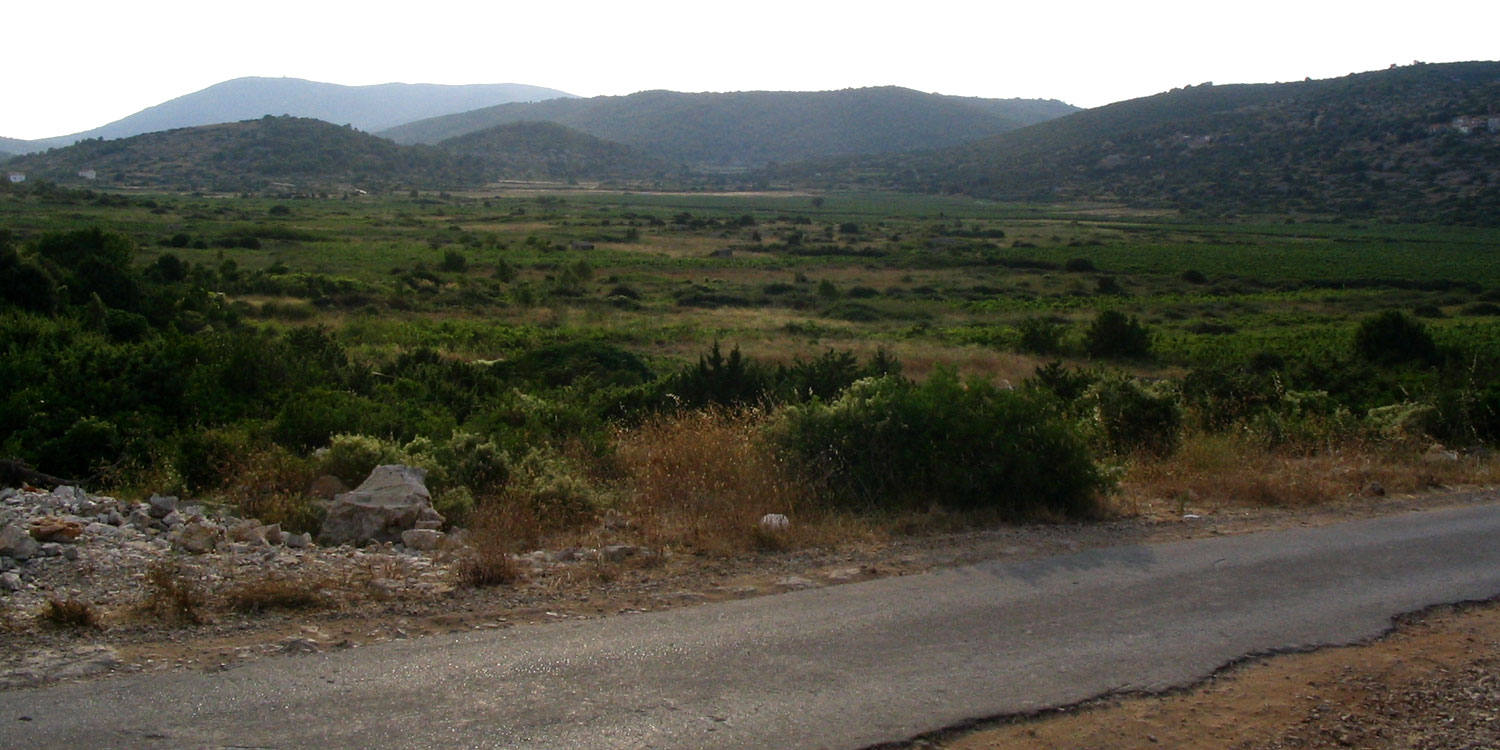

7. Tasting the local Vugava wine
The island’s winemaking tradition is remarkably deep-rooted and demonstrably more than two thousand years old, which naturally makes Vis a paradise for all lovers of good, quality wine. The ancient Greeks already knew very well that the island’s specific microclimate and stony soil offered absolutely ideal conditions for growing vines. The hilly interior of the island is literally dotted with lush green vineyards that picturesquely line the narrow dusty roads between the villages.
The absolute island icon and pride of the local winemakers is the white variety called Vugava, which is proudly said to date back to the days of the ancient Greek settlers. This particular wine has a very distinctive character — it’s pleasantly full-bodied, strongly aromatic, and on the palate you’ll pick up clear notes of sweet honey and wild Mediterranean herbs. If you generally prefer reds, don’t miss the local variety Plavac mali, which is very typical of the whole of southern Dalmatia.
On the island you’ll find several clearly marked wine trails that reliably lead you straight to small family wineries and traditional stone konobas. The hospitable local winemakers will gladly give you a personal tour of their cool cellars and offer you a generous guided tasting, complete with an engaging account of the area’s winemaking history. Buying a few bottles of chilled Vugava straight from the grower is, incidentally, the very best souvenir from your holiday.
💡 Tip: If you don’t have a car or don’t want to drive, you’ll also find plenty of cosy wine bars and tasting rooms right in the historic lanes of Vis town, where you can sit happily over a glass until late into the evening.
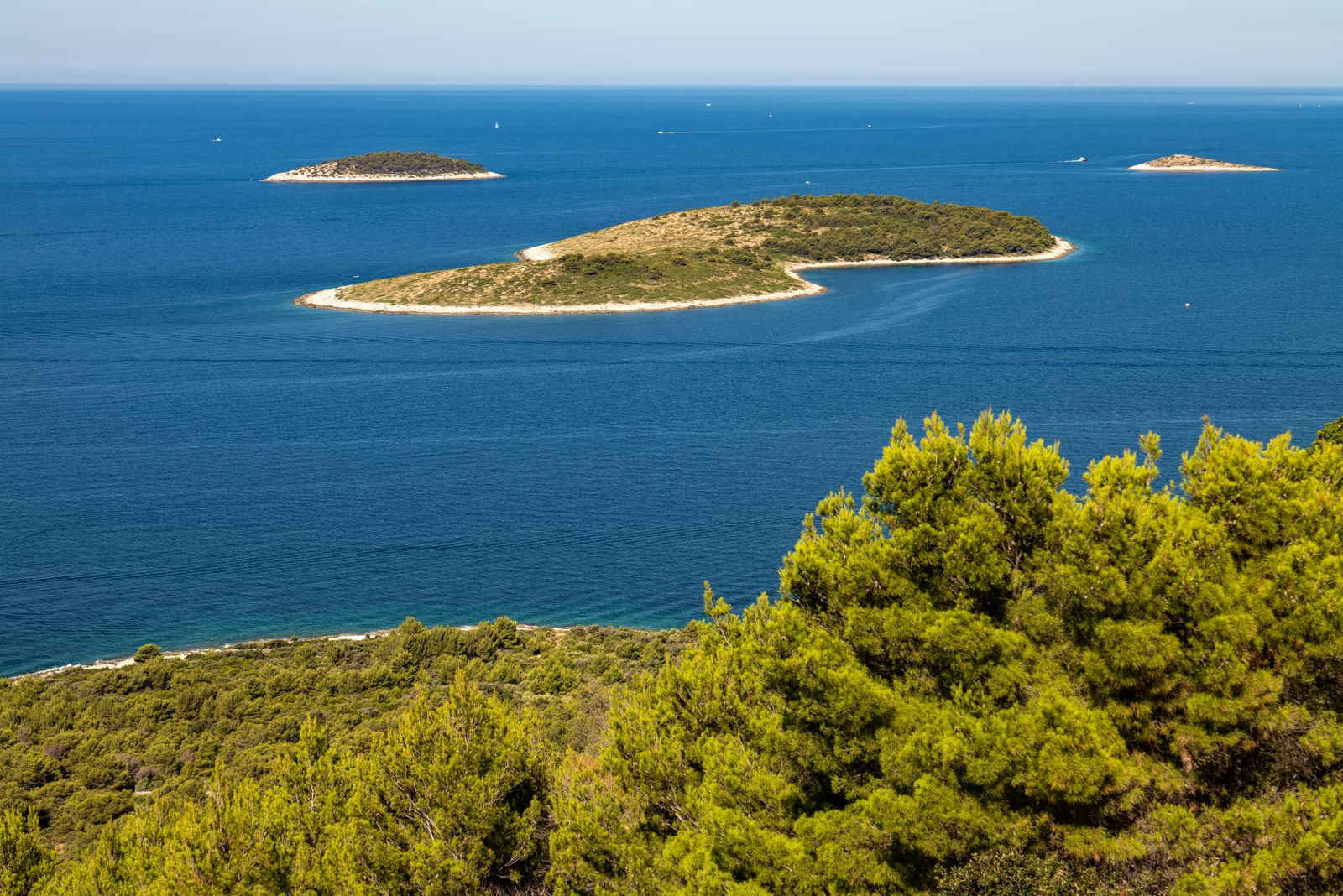
8. The sandy Stončica beach with shallow water
If you’re travelling on a summer holiday with small children, the sheltered Stončica cove will probably be the very best spot on the whole island for you. It sits on the north-eastern coast, and unlike the vast majority of other Croatian beaches it boasts genuinely fine sand both on the shore and across the entire seabed. The water here is incredibly shallow and beautifully warm even tens of metres from the shore, so children can safely play here for hours.
The whole cove is very well sheltered from the open sea and surrounded by a dense green pine forest that provides much-welcome natural shade during the hot afternoon hours. The atmosphere here is always very relaxed and friendly — locals love to play beach volleyball here or the hugely popular traditional Croatian game of picigin, which involves acrobatically batting a small ball around in the shallow water.
Right at the back of the beach there’s a very pleasant beach bar and the renowned family-run Konoba Stončica, where you can grab a quick lunch or a refreshing chilled drink without having to leave the beach for long. You can comfortably reach it by car, with only a very short and physically undemanding walk along a forest path from the car park to the turquoise sea.
💡 Tip: Bear in mind that in peak summer season Stončica is a very popular stop for families and smaller tour boats, so it’s definitely worth arriving in the morning to grab a good spot in the shade.
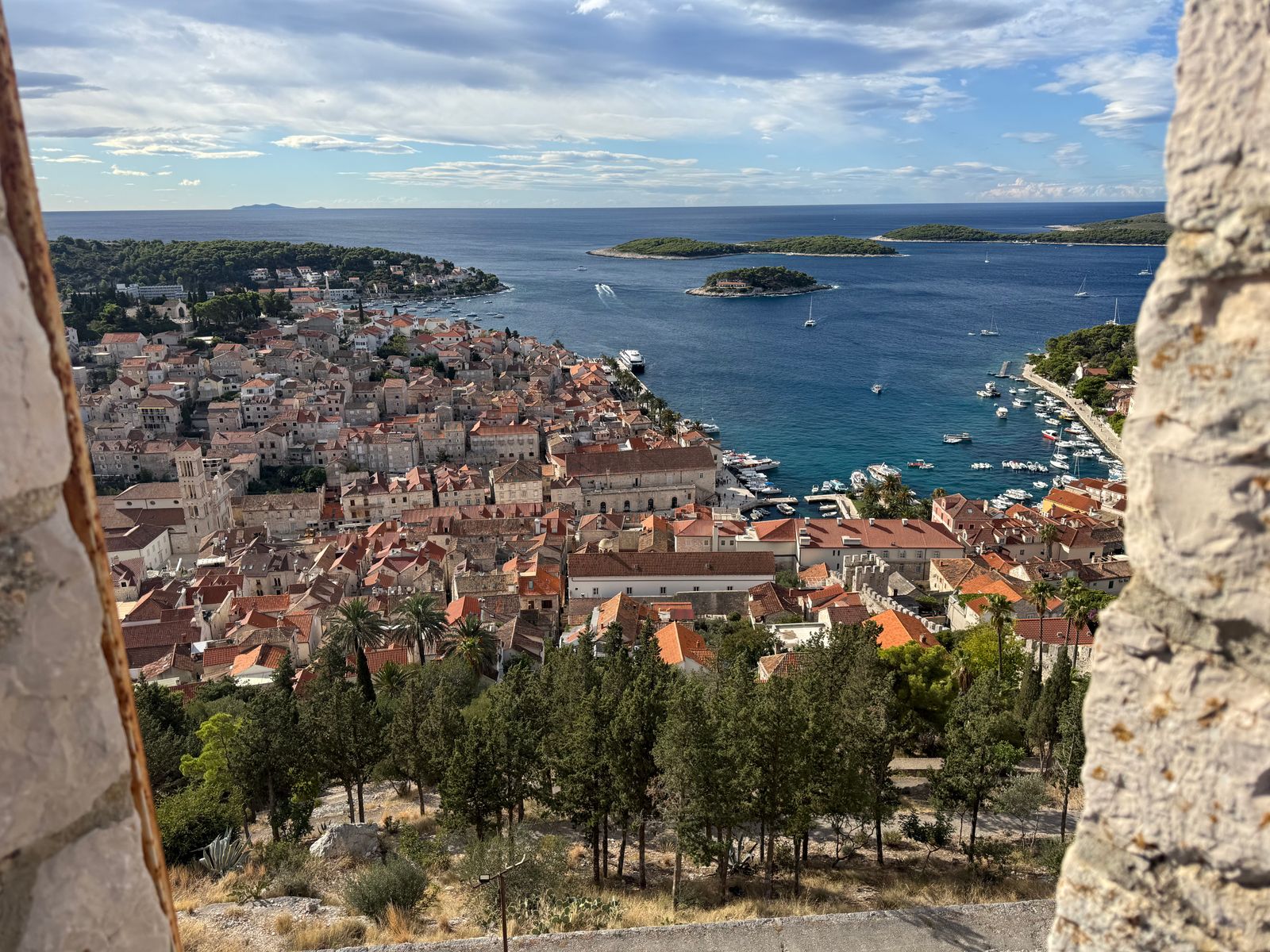
9. The pebble beach of Srebrna beneath the pines
Srebrna beach, which literally translates as Silver Beach, has long been one of the absolute most popular swimming spots on the entire south-eastern coast of the island. It earned its poetic name from the typical large white pebbles and flat stones that shimmer beautifully silver at night under the clear moonlight. The beach itself is naturally split into two distinct parts — one made up of classic round pebbles and the other of huge flat stones that are perfect to lie on.
This picturesque cove is closely surrounded by a dense, mature pine forest that grows almost down to the water’s edge and smells of resin. As a result, even in the very hottest summer heat you can easily find a shady, cool spot to rest, which is especially appreciated by families with children and older travellers who don’t seek out direct sun. The sea here is mostly very calm, incredibly crystal-clear, and the entry into the water is gentle and safe enough.
No surfaced road leads all the way down to the water, so you have to leave your car at the free gravel car park in the nearby hamlet of Rukavac, followed by about a ten-minute, very comfortable walk through the fragrant pine grove. On site you’ll find no noisy beach clubs or annoying loud music, which contributes enormously to the very peaceful and deeply relaxing atmosphere of this magical place.
💡 Tip: In the immediate rocky surroundings of Srebrna beach there are several other very small, hidden rocky coves where, with a bit of luck and effort, you can find complete privacy even in the middle of August.
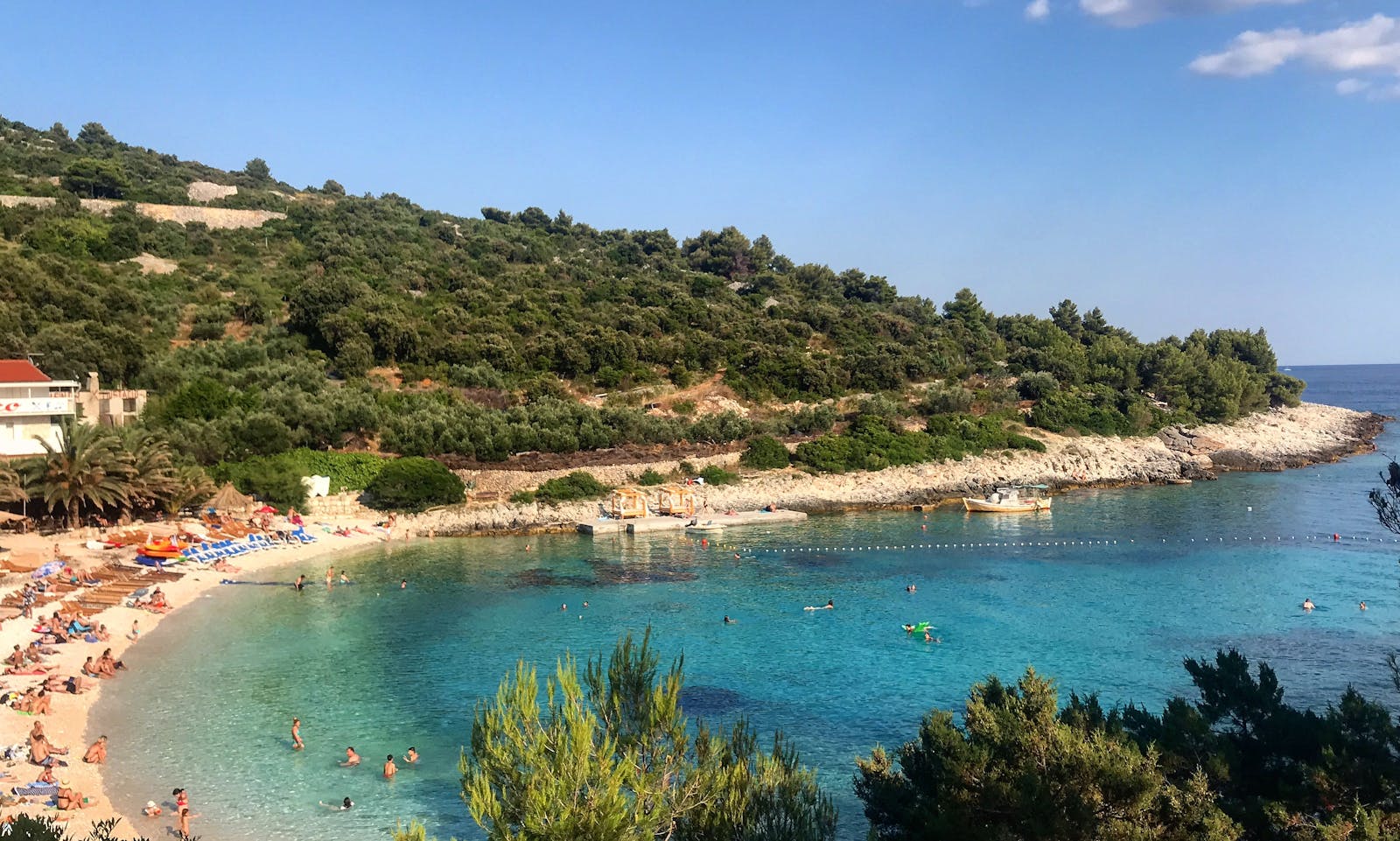
10. The beaches of Milna and Grandovac
Besides the famous and well-visited Stončica, the south-eastern coast also has another very beautiful and quiet sandy beach — the cove of Milna. Like Stončica, Milna is known for its surprisingly fine sand on the seabed and very shallow entry into the water, which makes it an absolutely ideal and safe water playground for the very youngest children who can’t swim yet. A short way from the beach there’s a small, peaceful hamlet where you can rent an apartment with a view straight out to the open sea.
If, on the other hand, you’re staying right in the main port town of Vis and don’t fancy travelling far in the heat, simply head to the eastern edge of the harbour to the lovely Grandovac beach. This clean white-pebble beach, around sixty metres long, sits in a gently indented cove just behind the town. It’s densely lined with mature tamarisks and pines that create a wonderfully pleasant, shady setting for a whole day of lounging with a good book.
Grandovac is very easy and quick to reach on foot from the town centre — just set off at a comfortable pace along the seafront promenade towards the small Prirovo peninsula. Right beside the beach there’s a small wooden beach bar where you can buy ice-cold drinks, coffee and light snacks, so you don’t have to lug heavy cool boxes of food down to the water.
💡 Tip: From the pebbly Grandovac beach you can watch all the giant ferries arriving and departing from Split at a safe distance — a surprisingly soothing and very photogenic summer sight.
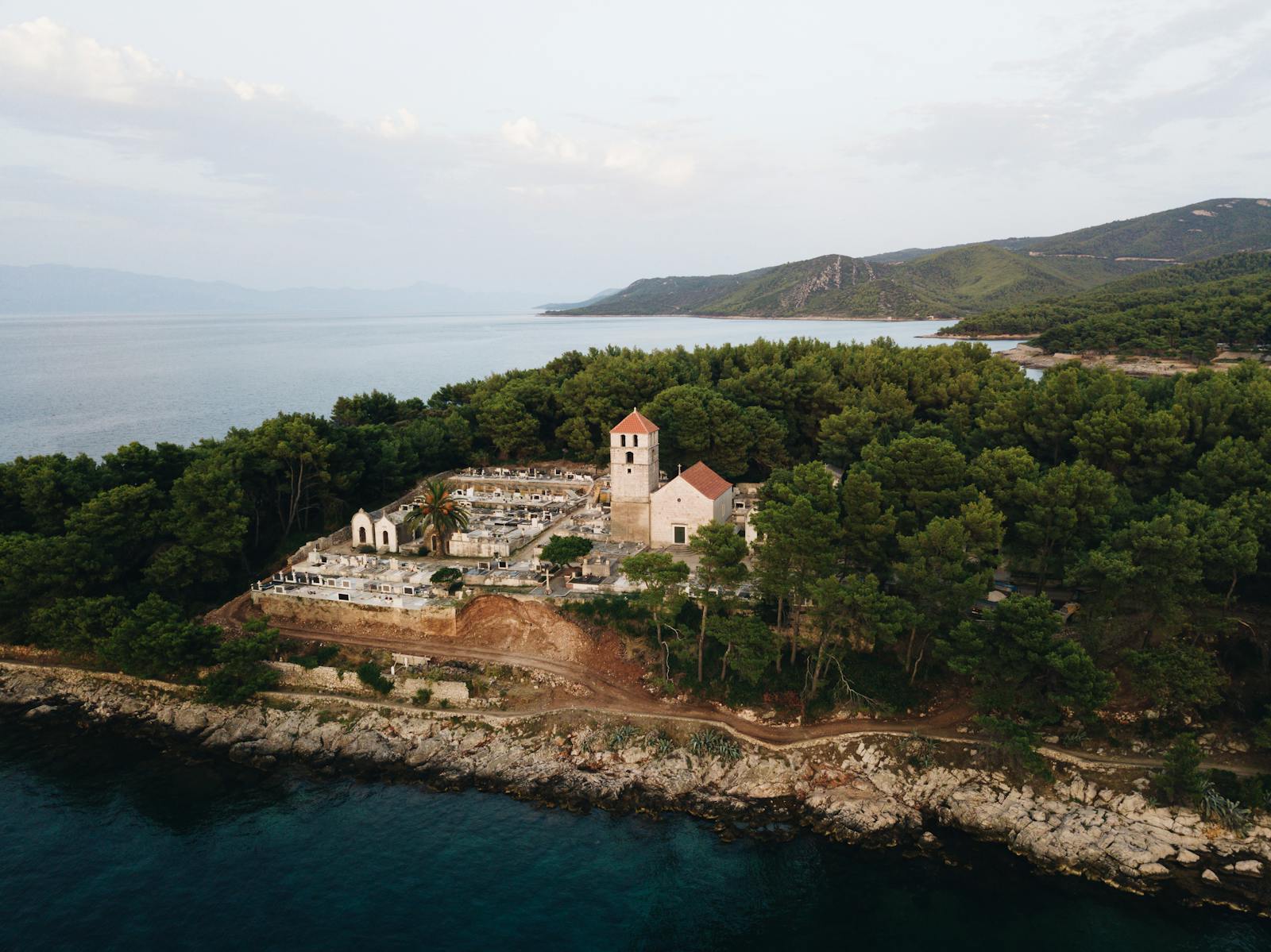
11. The UNESCO Geopark and local cuisine
Vis island is certainly not just about swimming and sunbathing, but also about a truly unique natural geology, thanks to which the whole archipelago gained the very prestigious UNESCO Global Geopark status in April 2019. It’s only the second such recognised geopark in all of Croatia, after the inland Papuk. This protected area boasts rare volcanic rocks over two hundred and twenty million years old, which are demonstrably the oldest in the entire Adriatic Sea.
After all that demanding exploration of geological wonders you’re bound to work up an appetite, so you simply have to get properly acquainted with the typical island cuisine that smells of herbs and olive oil. The most famous local dish is the so-called viška pogača, a golden-baked bread pie traditionally filled with a mix of onion and often anchovies or sardines, while the variant called komiška pogača also includes bold tomatoes.
As a vegetarian you definitely won’t go hungry here, because the local Dalmatian cuisine is absolutely brilliant and inventive when it comes to working with seasonal vegetables. I warmly recommend trying the traditional vegetable peka, a hearty mix of fresh vegetables and potatoes slowly baked under a heavy cast-iron lid covered with hot embers. Simply grilled Mediterranean vegetables drizzled with quality olive oil are also excellent, as is the homemade pasta in small family konobas such as the year-round Pojoda in Vis or Konoba Bako in Komiža.
💡 Tip: If you want to happily order a traditional pogača without fish, always ask explicitly in advance at the local bakery or restaurant whether they have a version filled only with stewed onion and tomatoes.
Map of points of interest for your phone
Where to go next from Vis island
If you’re planning to explore the wider Dalmatian coast, Vis island makes a great starting point for onward travel. Your journey will probably start or end on the mainland, so be sure to read our tips on what to see in the historic city of Split, which serves as the main transfer hub for all the ferries.
Thanks to the good boat connections from the mainland, you can easily combine your trip with a visit to other islands. A very popular choice is the neighbouring island of Hvar, which offers a completely different, much busier and more upmarket atmosphere full of lavender and history. If you’re thinking about a different kind of experience, take a look at our article on what sailing in Croatia is like — it’s one of the most beautiful ways to explore the hidden coves.
Not sure how to plan your whole trip to the Adriatic? Try dipping into our big guide on where to go on holiday in Croatia, where you’ll find a comparison of the different regions. And if you haven’t yet chosen a base for your stay on the mainland or elsewhere, you’ll find practical advice and tips in our article on accommodation in Croatia.
 🚗 Car rental on the road
Verified car rentals in Croatia
🚗 Car rental on the road
Verified car rentals in Croatia
Search with the DiscoverCars comparison engine — it compares prices from dozens of local and international rental companies, and most bookings come with free cancellation.
Compare car prices in Croatia →Mamma Mia! Here We Go Again was filmed on Vis, even though the movie is set in Greece. You’ll find all the locations from both films in the article Where Mamma Mia was filmed.
Frequently asked questions
How long does the ferry ride to Vis take?
The journey by classic large ferry on route 602 of the state company Jadrolinija from Split takes approximately 140 minutes. If you’re traveling without a car and use the fast catamaran on route 9602, the journey is significantly shortened to one hour and twenty minutes to two hours depending on the specific connection.
Can I swim in the Blue Grotto?
No, swimming inside the Blue Cave is strictly forbidden due to nature protection and safety reasons, as there are constantly many tour boats moving around in the narrow enclosed space. If you want to swim freely in a sea cave, it’s better to take a trip to the Green Cave on the nearby islet of Ravnik.
Is the island suitable for families with small children?
Yes, the island is overall very calm and safe without busy nightclubs. There are even several beautiful sandy beaches with very shallow entry into the sea, such as Stončica or Milna, which are absolutely ideal for the youngest children. The only disadvantage for families might be the somewhat longer ferry journey from the mainland.
How to get around the island?
The best choice is undoubtedly your own car or one rented on-site, or alternatively a small scooter, because public bus transport between the towns of Vis and Komiža only runs a few times a day, mostly according to ferry arrivals. You’ll find it very difficult to reach many of the more remote beaches and vineyards without your own means of transport.
How much does a trip to the Blue Grotto cost in 2025?
The official entrance fee to the Blue Cave during the main summer season (from June 20th to September 10th) is 24 euros for adults and 12 euros for children. Outside the main season, the price drops to 18 euros for adults. The ticket price always includes a visit to the local modern visitor center on the island of Biševo.
Can you pay by card everywhere on the island?
In larger supermarkets, better restaurants and hotels in the towns of Vis and Komiža, you can easily pay by card without any problems. However, in small remote konobas, at stalls, at the fruit market or for smaller private boat trips, it’s still completely common to require cash payment (in euros), so always have some on hand.
Where exactly was the musical Mamma Mia 2 filmed?
A popular film was shot at several stunning locations across the island. The main Greek taverna was located at the famous Jastožera restaurant in Komiža, many dance scenes were filmed in the streets of both main towns, and beach scenes were shot, for example, at the hidden picturesque cove of Barjoška.
Are there any sandy beaches on the island?
Yes, although all of Croatia is better known for its pebble beaches, on Vis you’ll surprisingly find beautiful sandy coves. The most famous of all is Stončica beach with very fine sand and shallow warm sea, another great sandy alternative is Milna bay on the southeast of the island.
Tips and Tricks for Your Vacation
Don’t Overpay for Flights
Search for flights on Kayak. It’s our favorite search engine because it scans the websites of all airlines and always finds the cheapest connection.
Book Your Accommodation Smartly
The best experiences we’ve had when looking for accommodation (from Alaska to Morocco) are with Booking.com, where hotels, apartments, and entire houses are usually the cheapest and most widely available.
Don’t Forget Travel Insurance
Good travel insurance will protect you against illness, accidents, theft, or flight cancellations. We’ve had a few hospital visits abroad, so we know how important it is to have proper insurance arranged.
Where we insure ourselves: SafetyWing (simple monthly subscription) and TrueTraveller (for extra-long trips).
Find the Best Experiences
Get Your Guide is a huge online marketplace where you can book guided walks, trips, skip-the-line tickets, tours, and much more. We always find some extra fun there!