

For most of us, the island of Elba in Italy lives in our memory from history class as that little island where Napoleon ended up. In reality, though, it’s a full-blown holiday destination that puts even far more famous resorts to shame — and yet it still feels wonderfully uncrowded and off the mass-tourism radar.
Here you’ll find an incredible combination of Caribbean-clear beaches and tall mountains that rise to over a thousand metres. And the best part is that you can comfortably drive around the whole island in a single day, which makes it an absolutely ideal spot for an active holiday full of discovery.
If you’re looking for a corner of Italy where time seems to stand still yet everything breathes calm, Elba will win you over in no time. I’ve put together a detailed guide so you know exactly how to get here, where to find the prettiest coves and what to watch out for.
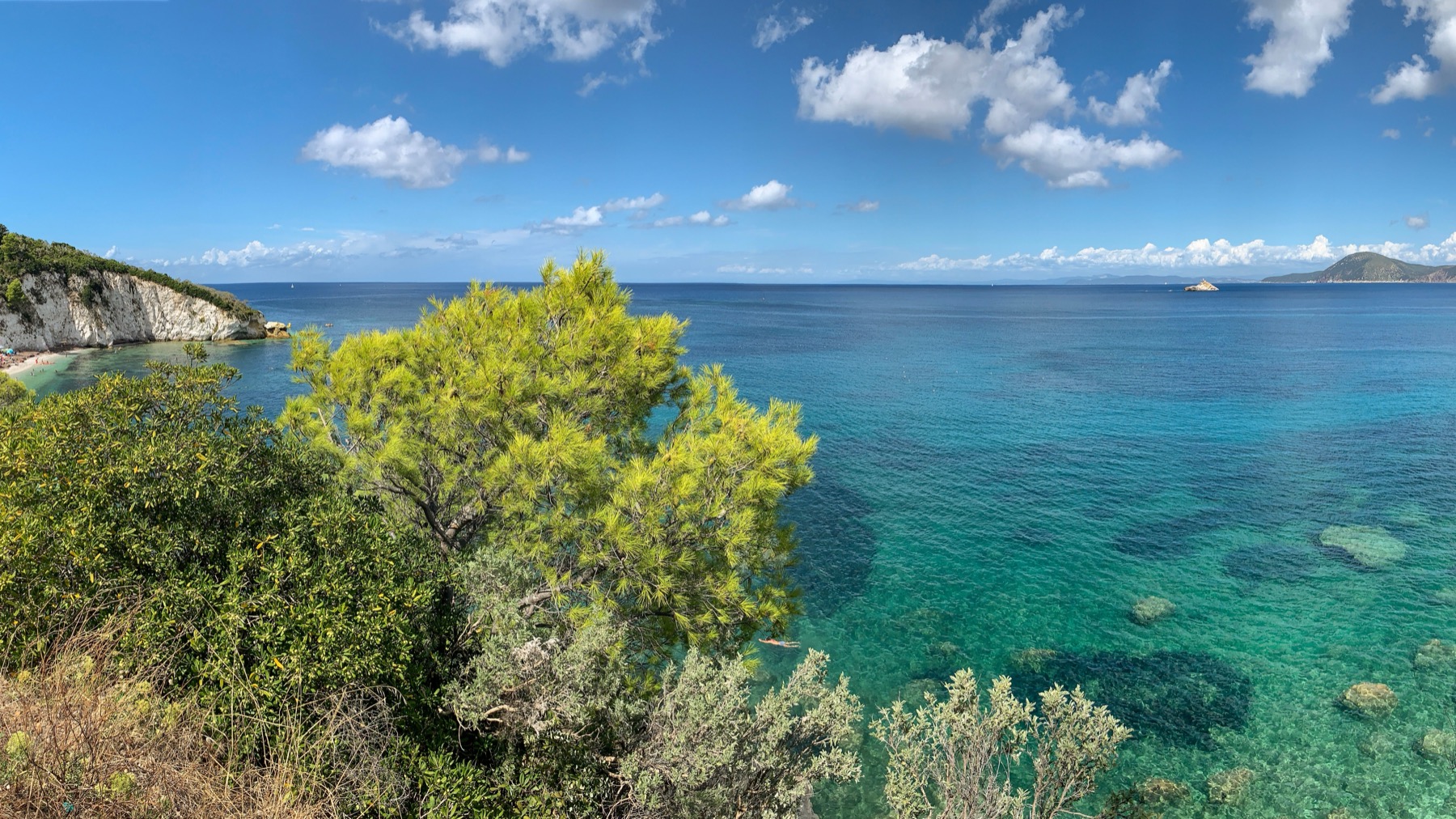
TL;DR
- Getting there by ferry: Ferries run from the port of Piombino to Portoferraio, the crossing takes 40 to 60 minutes and foot-passenger tickets start at around €15.
- The wind rule: On Elba you pick your beach according to which way the wind is blowing (a southerly scirocco means dashing to the northern beaches, and vice versa).
- The Monte Capanne cable car: Open yellow cages for two standing passengers take you up the highest mountain (definitely not for anyone with a fear of heights).
- Napoleon’s residences: A phone reservation at least a day ahead is absolutely essential for both villas, otherwise you almost certainly won’t get in.
- The most beautiful beaches: Sansone and Capo Bianco offer white cliffs and perfect conditions for snorkelling.
- Getting around the island: A car is the best option, but be ready for very narrow, winding little roads and limited parking at the most popular beaches.
The full destination guide: Tuscany — guide and what to see
When to visit Elba
The best time to visit the island is clearly late May, June and the first half of September. In these months the sea is already (or still) beautifully warm for swimming, but the island isn’t bursting at the seams under the onslaught of Italian mainland tourists. A key advantage of this period is that it’s far easier to park at the popular beaches, which saves you a lot of stress and early alarms. Accommodation prices also stay within reason and you can get a table at restaurants without booking days in advance. On top of that, in June and September the ferries run at full capacity and you can choose from roughly 151 crossings a week.
If you head over in August, brace yourself for the absolute peak of the season. For Italians, August is the month of nationwide holidays and Elba is a huge favourite. During this time accommodation prices hit their maximum, there are queues for the ferries and the beaches are truly packed. In August you need to sort out ferry tickets and hotels even six months ahead, otherwise you risk being left with only the most expensive or worst-rated options. The August heat also isn’t exactly ideal for hiking.
Spring and autumn months such as April, May and October are absolutely ideal for hiking, cycling and exploring the sights. The sun warms pleasantly and the cable car to the highest mountain usually runs by then (though with shorter opening hours until five in the afternoon), but the sea is really only for the hardiest swimmers. In winter the island essentially settles into hibernation. Most hotels, restaurants and attractions close and the Monte Capanne cable car doesn’t run because of its regular maintenance. The ferries do operate year-round, but in the winter months they run on a very limited schedule of roughly 38 crossings a week, just to ensure basic supplies for the local residents.
Where to stay on Elba
💡 Tip for accommodation and experiences: We prefer to look for accommodation on Booking.com, which usually has the best cancellation terms. For tickets, tours and activities it’s worth comparing and booking through GetYourGuide.
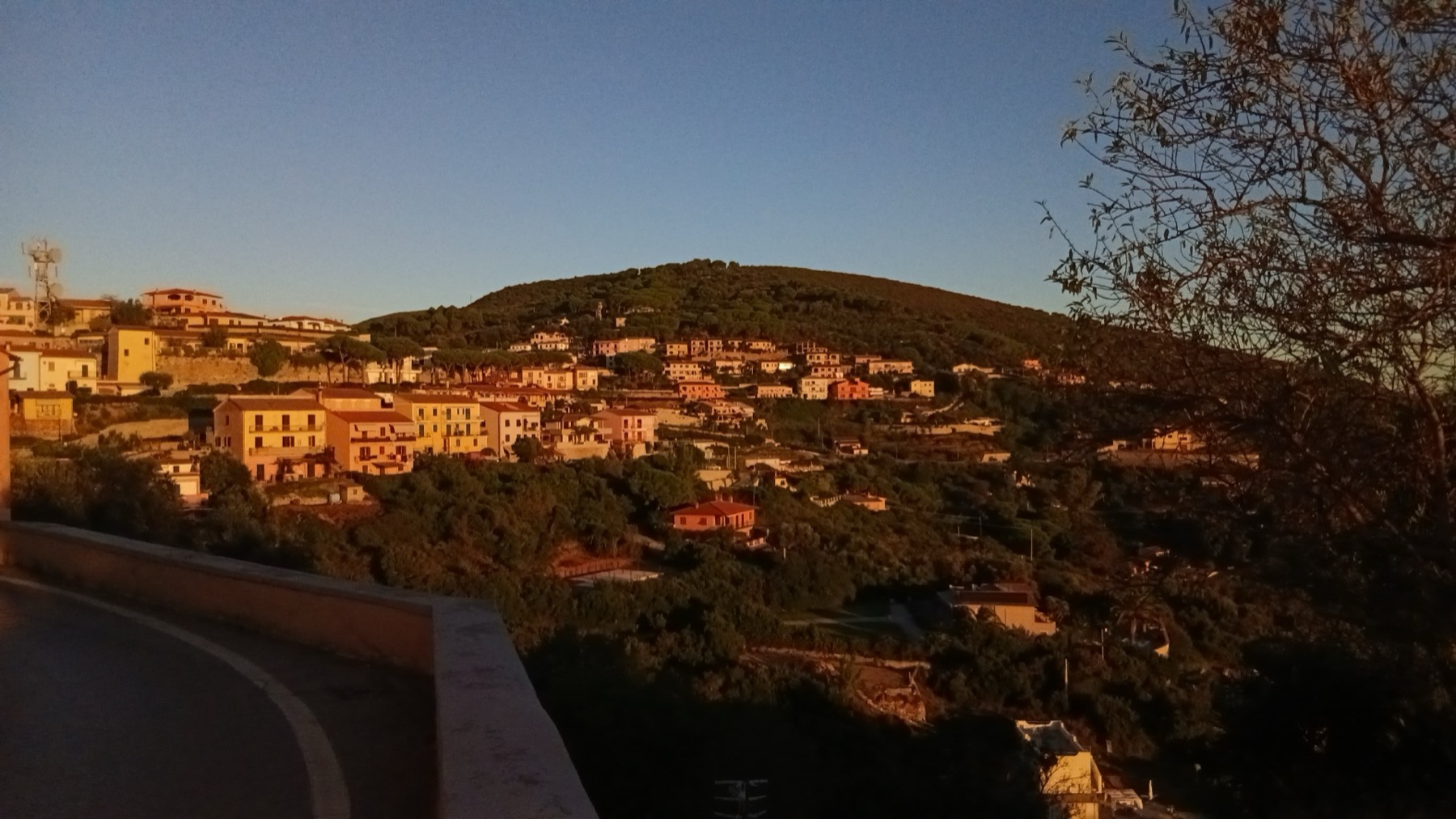
Where you sleep will hugely shape the kind of Elba you experience, and the choice here isn’t at all straightforward. The areas of Biodola and Procchio on the northern coast are known for their more upmarket hotels and gorgeous sandy beaches with a gentle slope into the sea. The area around the capital, Portoferraio, meanwhile, is great as a strategic base for day trips, since most ferries arrive here and you’re just a short walk from the historic sights. Portoferraio is also the easiest starting point for reaching the famous white-pebble beaches.
If you love evening life and romantic strolls through historic lanes, you’ll surely be charmed by Capoliveri or Porto Azzurro in the southeast. Capoliveri sits high on a hill and comes alive after sunset with markets and restaurant terraces. For families with children, Marina di Campo is often recommended thanks to its great facilities, plenty of restaurants and a long sandy beach. I’d recommend you book your accommodation well in advance, because the best places sell out at lightning speed before summer.
- Hotel Hermitage: A five-star gem right on the beach in the Biodola area. Three pools, three bars and four restaurants — and reviewers agree the service here really isn’t just on paper. On top of that, you get gorgeous sea views straight from your room.
- Hotel Montecristo: A very popular hotel in the Campo nell’Elba area with a lovely pool and generous breakfasts included. Travellers particularly praise the exceptionally welcoming staff and the perfect location just a short walk from the beach.
- Hotel del Golfo: A fantastic choice in the Procchio area. The hotel boasts two restaurants, a lovely pool and, above all, its own private beach — a huge advantage in the peak summer season.
- Hotel Villa Ottone: A romantic 19th-century villa in the Ottone locality near Portoferraio. It has its own private beach and a great wellness centre. One reviewer even mentioned getting a 20% discount on ferry tickets by booking directly through the hotel.
- Tenuta delle Ripalte: A gorgeous, sprawling resort near Capoliveri with three restaurants, its own diving centre and a network of private cycling paths. An active holiday with luxury facilities — this combination simply works here.
Island of Elba, Italy: 20 tips on what to see and do
Elba is the third largest Italian island and, honestly, the more we researched it, the more things kept creeping onto our list. Here are the ones you definitely don’t want to skip.
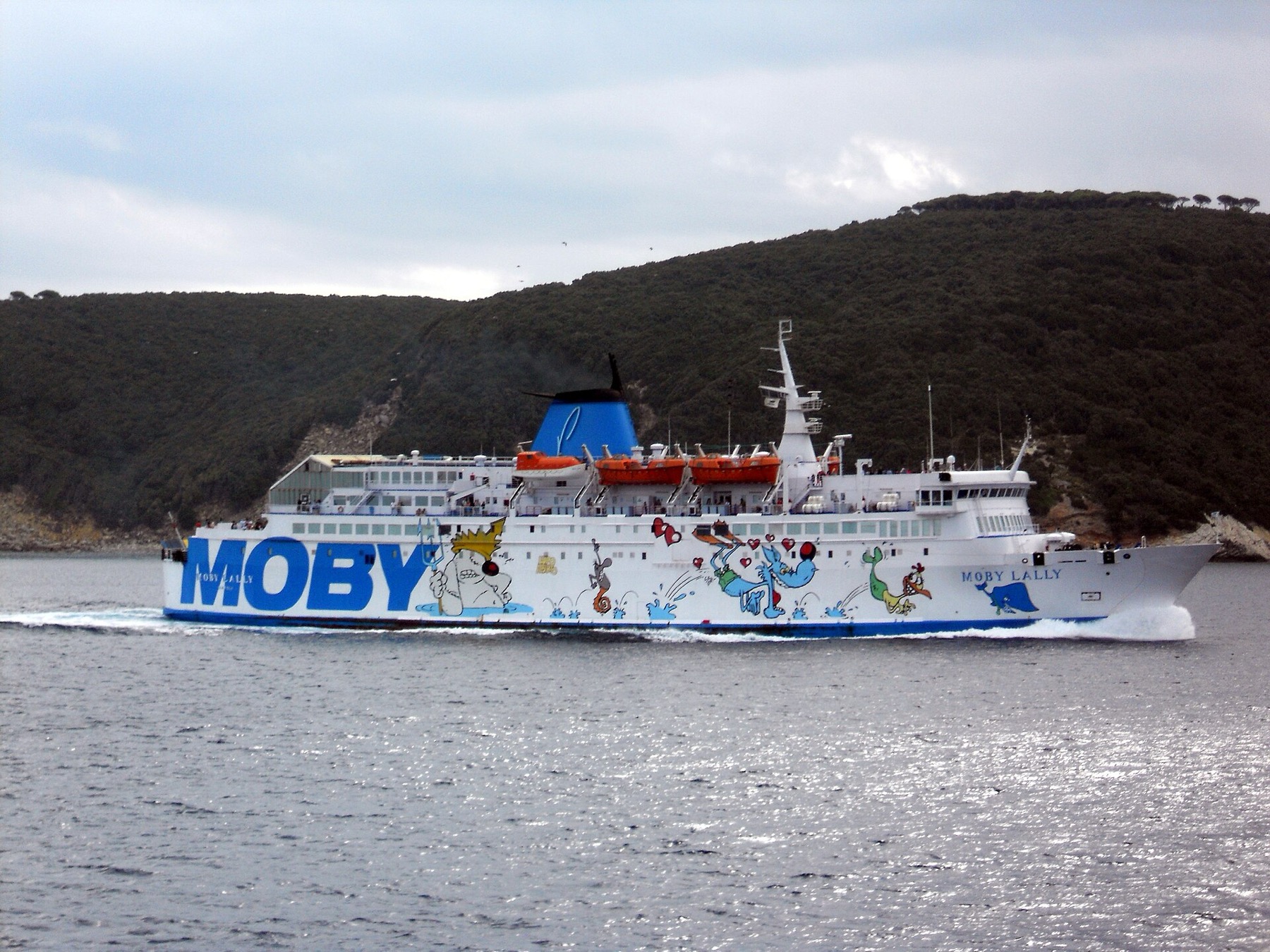
1. The ferry from Piombino to Portoferraio
The easiest and most common route to the island runs via the port of Piombino on the Tuscan coast. Ferries here are run by three big companies: Moby Lines, Toremar and Blu Navy. Most crossings head for the main island port of Portoferraio, but some also go to smaller ports such as Rio Marina or Cavo. In peak summer season there are over 40 crossings a day, which adds up to an incredible 151 sailings a week.
The crossing itself takes only 40 minutes to an hour, so before you’ve even had a chance to settle in on deck and sip your Italian espresso, you’ll already be docking. The fastest crossings are usually with Toremar at around forty minutes. A one-way foot-passenger ticket comes to roughly €19 and, if you’re travelling with a car, expect to pay from around €19 per vehicle plus passenger tickets.
The total price varies a lot depending on the specific season, the sailing time and the chosen operator. Tickets typically range from €15 to €32 per person, so I’d recommend comparing offers in advance. The ferries do run year-round, but in the winter months service is reduced to roughly 38 crossings a week.
💡 Tip: If you’re travelling with your own car in the summer months, definitely book your ferry tickets online in advance. You’ll save yourself long, stressful hours of waiting at the port for the first free spot, which can easily take up to half a day. Some hotels also offer discount codes for the ferry when you book your stay directly.
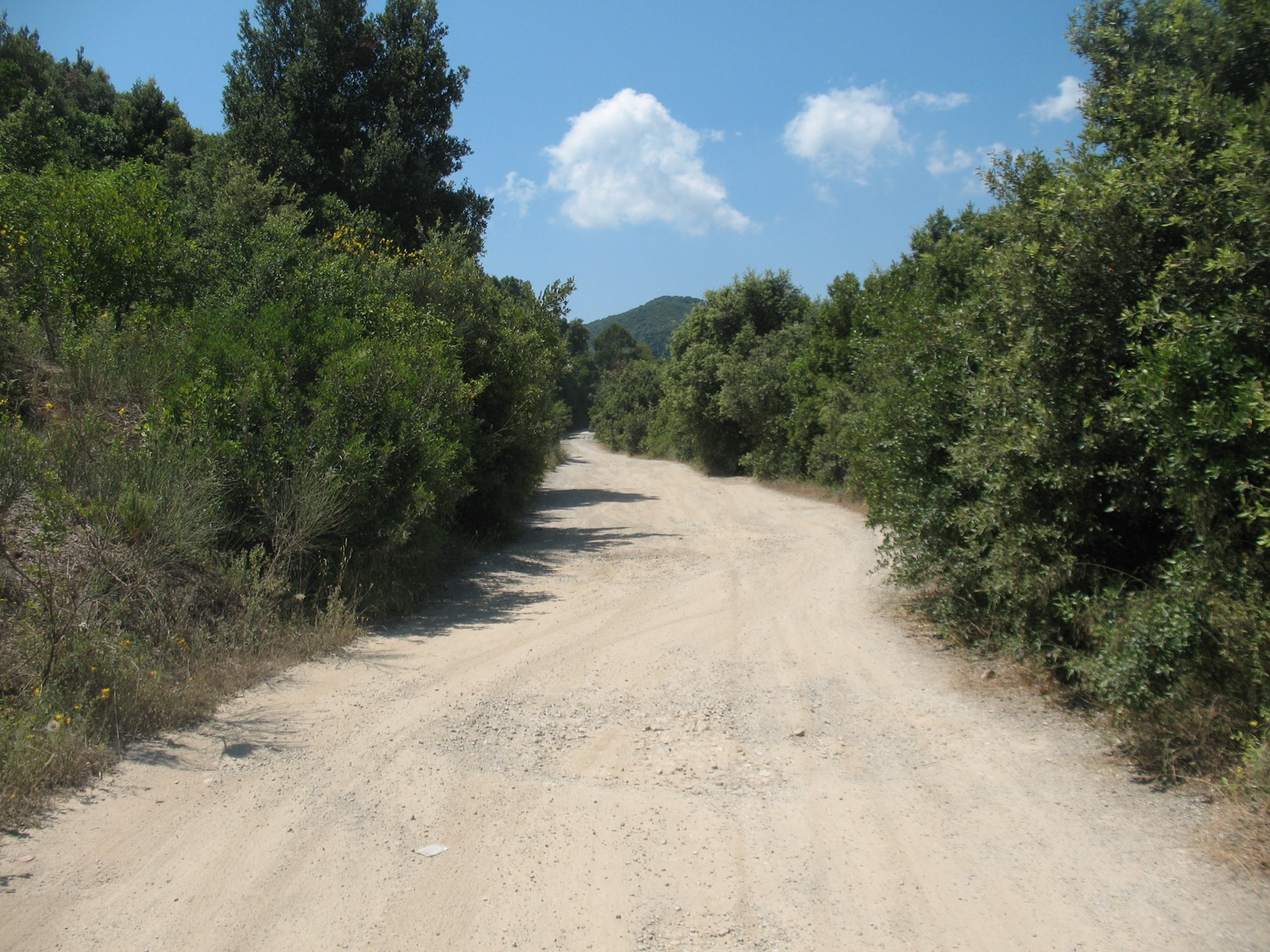
2. A car is a must (and how driving around the island works)
Elba isn’t huge and in theory you can drive around the whole thing in a day, but relying on public transport here isn’t exactly the best idea. A car is clearly the most comfortable option if you want to discover hidden beaches, visit mountain villages and not be tied to timetables. There is a bus network, but in summer it tends to be pretty slow and it simply won’t take you to the most beautiful remote coves.
The island’s roads are very narrow, constantly winding and often lined with steep drops falling straight to the sea. On top of that, local drivers are fairly spirited and don’t hit the brakes too much, so expect your average speed to be very low. If you don’t fancy driving, plenty of travellers opt to rent a scooter, which is a fantastic solution for weaving through traffic. But Elba is very hilly, so rent a scooter with a stronger engine to save yourself the struggle on the climbs.
At the prettiest beaches like Sansone or Capo Bianco there’s usually a huge parking problem in summer. The official car parks are small and fill up fast. It pays to get up early and head to the water really early in the morning, otherwise you’ll circle for hours without luck and end up parking somewhere a kilometre away on the verge.
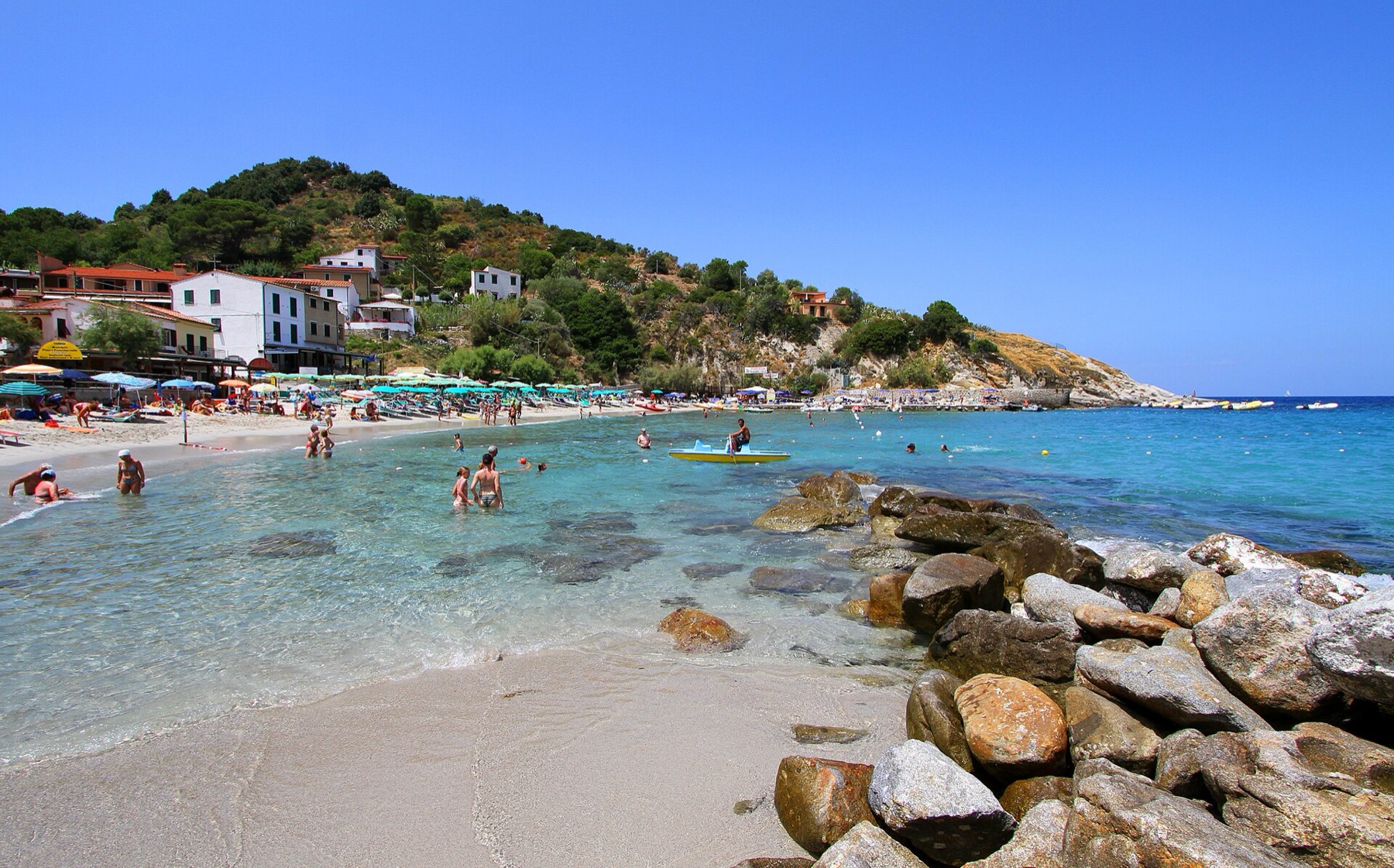
3. How to choose your beach by the wind
This is an absolutely crucial rule that will genuinely save your holiday. Elba is a relatively small island, so you’ll always find a cove with calm water and crystal-clear sea — you just need to know exactly where to go depending on the current wind. This bit of knowledge is what separates the delighted travellers from those complaining about waves and murky water.
When the southerly wind known as the scirocco starts blowing, the sea on the south of the island turns rough and full of waves. That’s the moment to pack up and head for the northern beaches such as Biodola, Sansone, Sant’Andrea or Spartaia. These are beautifully tucked away in the lee, so the water there will be as calm as a mirror and perfectly transparent. It’s during the scirocco that the northern cliffs are at their most photogenic.
Conversely, as soon as the weather turns and a cooler northerly kicks in, drive over to the southern and western coves. Beaches like Fetovaia, Cavoli or Innamorata will be perfectly sheltered by the surrounding hills. Just check a wind-forecast app over breakfast each morning and you’re guaranteed to swim in the best conditions on the whole island.
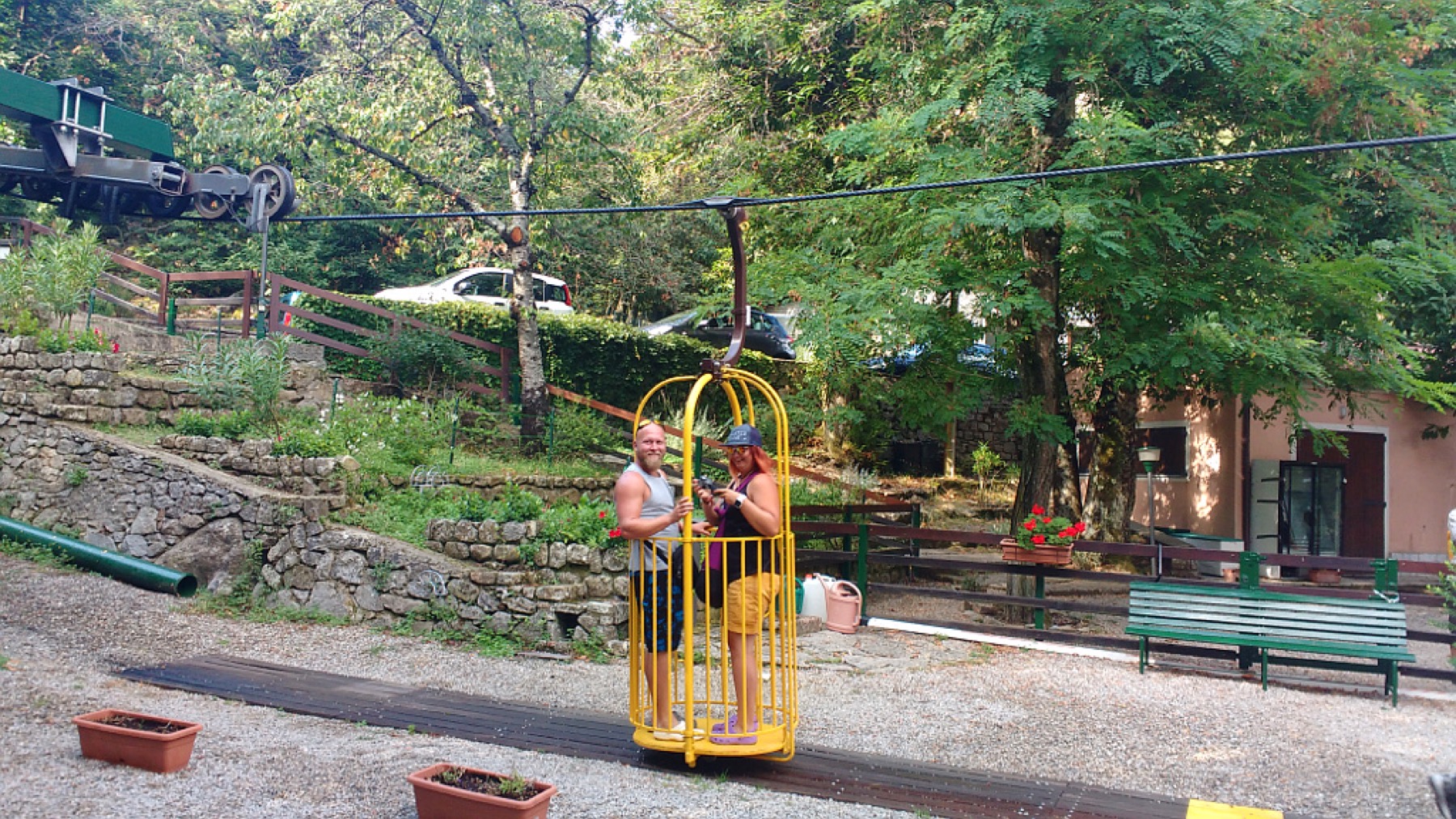
4. Monte Capanne and the cable car in yellow cages
At 1,019 metres above sea level, Monte Capanne is the highest point of Elba and of the entire vast Tuscan Archipelago. You can reach the top on foot along hiking trails, but most visitors choose the iconic cable car (cabinovia), which starts in the mountain town of Marciana at an altitude of about 375 metres. And this is where the main surprise comes in — one that guidebooks often don’t mention.
Don’t expect any comfortable enclosed cabins with seats and glass windows. What takes you up to 950 metres are open yellow metal cages that fit exactly two people standing. There’s no glass and no solid walls, just plain metal bars. The ride takes roughly 15 to 20 minutes and offers an absolutely unreal 360-degree view over the wooded hills and the sea, but it’s definitely not for anyone with a fear of heights.
On a clear day you can see all the way to neighbouring French Corsica from the summit. A return ticket for an adult costs roughly around €20 and a one-way ride comes to about €13 (2025 prices). The cable car usually operates from April to October, closing completely in the winter months for regular maintenance. It’s best to check the exact prices and opening hours before your trip on the official website.
5. Villa dei Mulini and the mandatory reservation
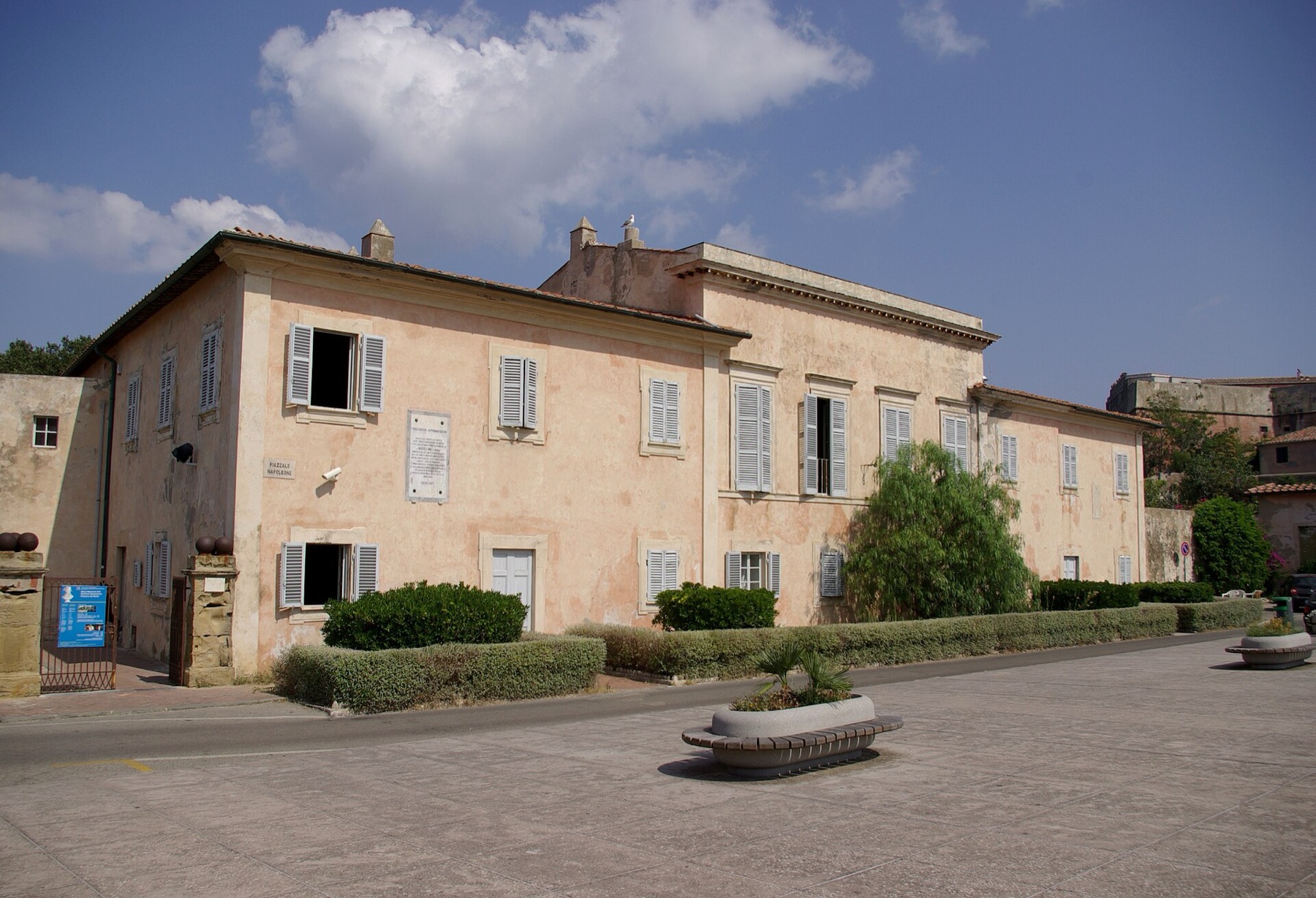
The famous French commander Napoleon Bonaparte spent roughly 300 days in exile on Elba (more precisely from 3 May 1814 to 26 February 1815), and he wasn’t a conventional prisoner here but the island’s formal sovereign. During this relatively short time he managed to set up not one but two lavish residences. His main, urban one was Palazzina dei Mulini, which rises right above the harbour in the capital, Portoferraio. His sister Paolina Borghese even visited him here during his stay.
The villa’s gardens offer a gorgeous view over the open sea, and inside you can admire period furniture, beautiful halls and, above all, Napoleon’s personal library, which he had shipped over. By today’s standards the entrance fee is more than symbolic — adults pay just €3, while children under 18 and seniors over 65 enter the grounds completely free.
⚠️ Careful, this is an extremely important piece of information for your visit: a phone reservation the day before on +39 0565 915846 is absolutely essential — without it you’ll only get in with a lot of luck, and we’re really not exaggerating. The tour itself takes roughly 50 minutes, and opening hours vary depending on the day of the week (on Mondays and Thursdays it’s open only in the afternoon from 2:00 pm, other days in the morning).
6. The summer residence Villa di San Martino
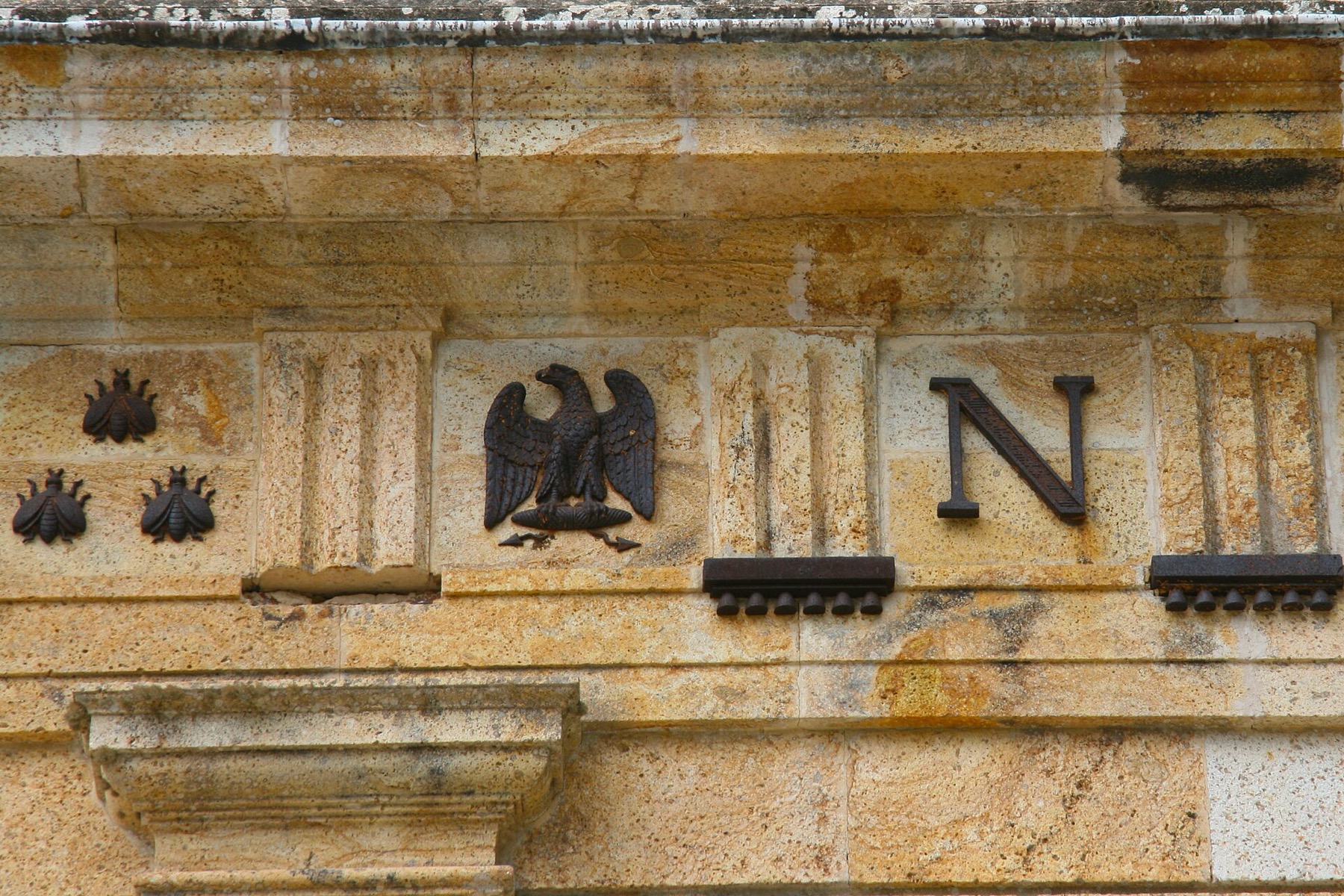
Napoleon’s second refuge on the island was Villa di San Martino, which served as his private summer residence. It lies hidden in the green wooded hills just a few kilometres above bustling Portoferraio, and its calm was meant to remind him of the country life he was used to in France. It was his personal oasis, where he spent the hot summer days far from his city duties.
Part of this gorgeous complex is also the striking Galleria Demidoff, added in the 19th century by the Russian prince Anatoly Demidov, a huge admirer of Napoleon. This majestic building in pure neoclassical style is full of historical artefacts and sculptural works, so it’s definitely worth a detailed look and nicely complements the villa’s more modest original rooms.
The exact same strict rules apply to this summer residence as to the urban villa. The entrance fee is again just €3 and a phone reservation the day before is strictly required, otherwise you risk driving up into the hills completely in vain. Opening hours again vary slightly by day of the week (on Wednesdays and Fridays it’s open in the afternoon from 2:00 pm to 6:30 pm, while on Tuesdays, Thursdays and weekends it operates in the morning until 1:30 pm).
7. The Caribbean-like Fetovaia beach
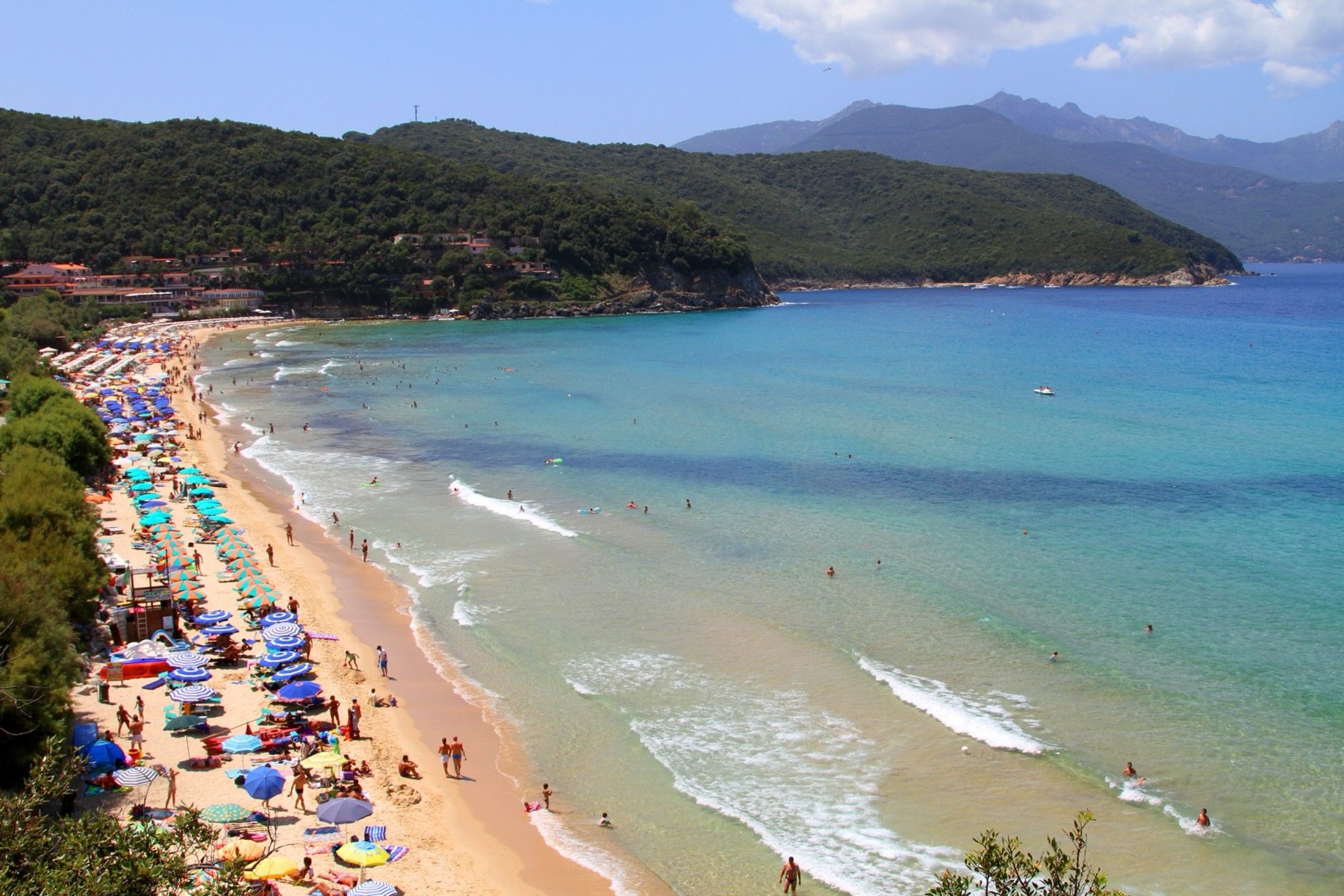
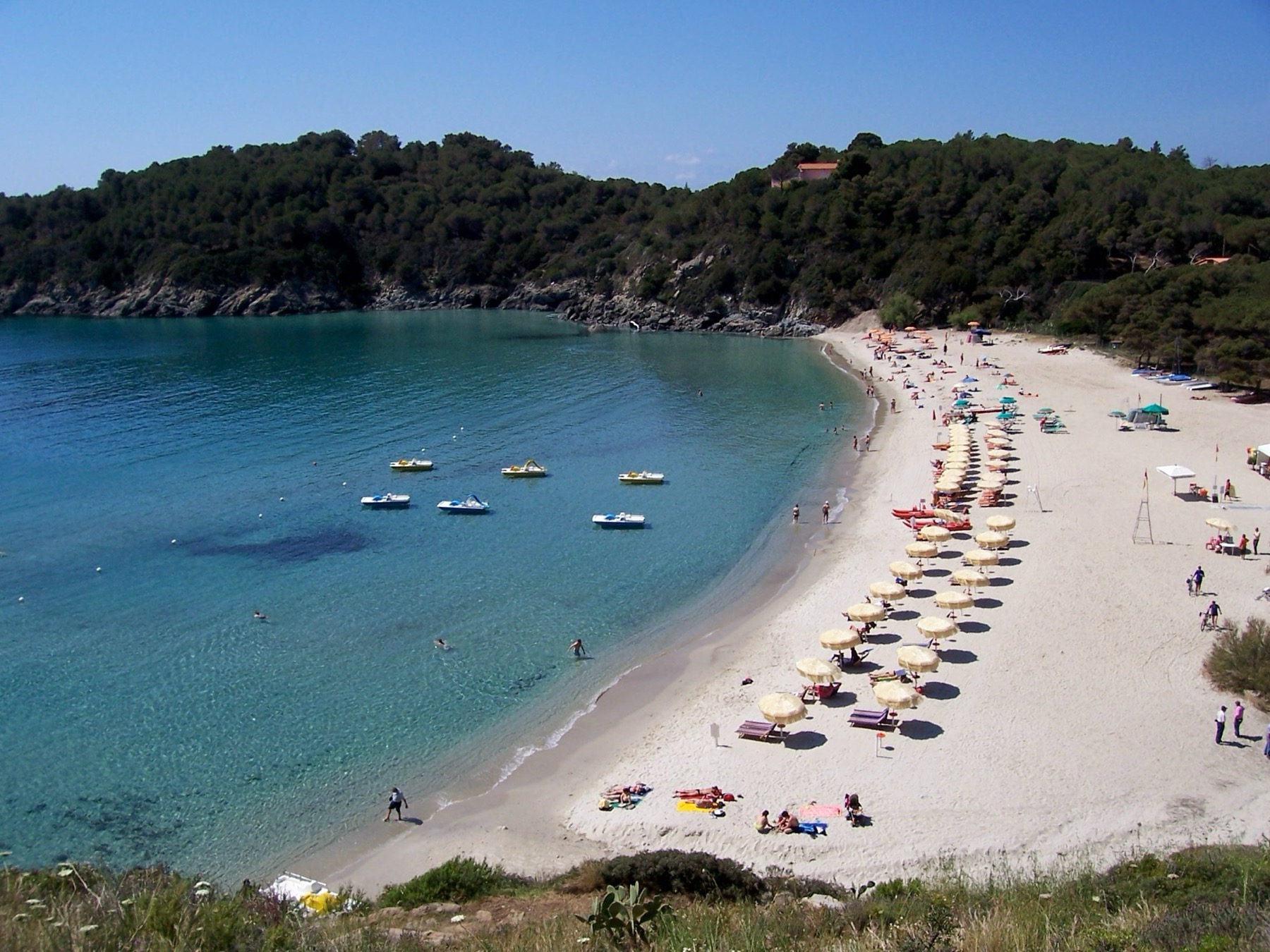
Fetovaia beach regularly tops the rankings as one of the most beautiful coves in all of Italy, and completely deservedly so. You’ll find it on the island’s southwest coast and at first sight it will captivate you with its fine light sand and incredibly turquoise water that deepens only very gradually. The colours of the sea here really recall the Caribbean rather than the classic Mediterranean.
This cove is perfectly sheltered by a long rocky headland densely covered in lush green Mediterranean macchia. Thanks to this natural shield, the sea is completely calm even on days when a stronger wind is blowing on the north of the island. That’s exactly why you should head here whenever your app reports a cool northerly. It’s an absolutely ideal spot for swimmers of all levels, for snorkelling and for families with small children who want to play on the shore.
In peak summer season, though, it gets really tight here, so you’ll have to fight for a spot on the free sand very early in the morning. There is a working sunbed and umbrella rental, and there’s also complete basic infrastructure with toilets, showers and a nice snack bar right by the water.
8. Cavoli beach for fun-lovers
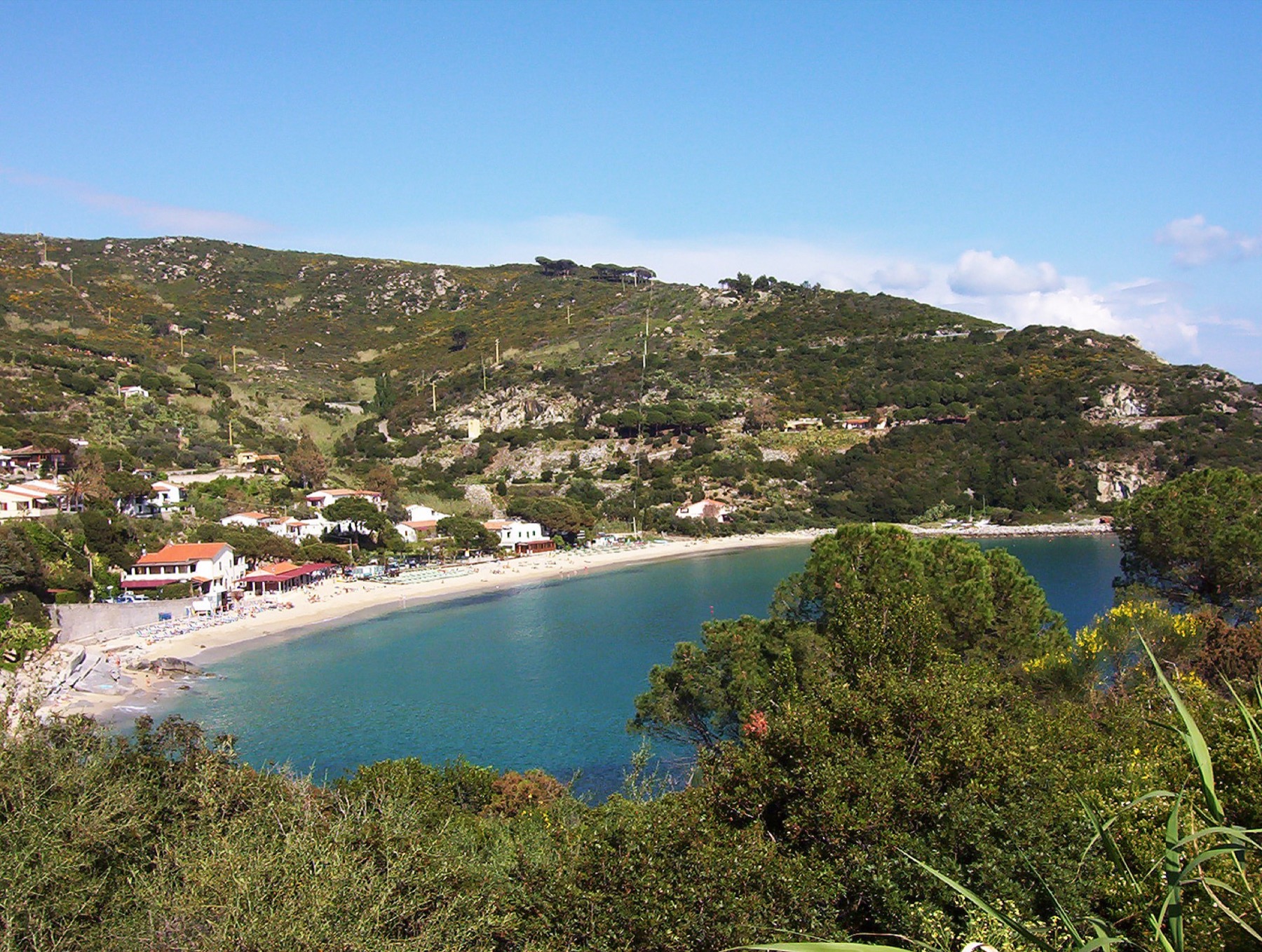
If you’re after a slightly livelier atmosphere on holiday and don’t mind the company of other people, head to Cavoli beach. It sits on the southern coast and, thanks to its strategic location, is well sheltered from the cold northern wind. The water temperature here is said to be exceptionally pleasant from the early spring months right through to late autumn, which makes it a big hit even outside the peak summer season.
This spot on Elba mainly attracts a younger crowd and lovers of beach clubs. You’ll find beautifully fine light sand, bars with a view right by the water and, in the summer months, frequent afternoon beach parties with live music. If you’re looking for total peace with a book in hand, Cavoli probably won’t be your first choice, but for lovers of summer fun it’s a perfect spot.
Although it’s noticeably busier here than in other coves, the sea stays crystal clear and inviting for a swim. On the right side of the cove there’s also the fascinating Grotta Azzurra cave, which you can swim to fairly easily, or rent a pedal boat on the shore and explore it from the deck.
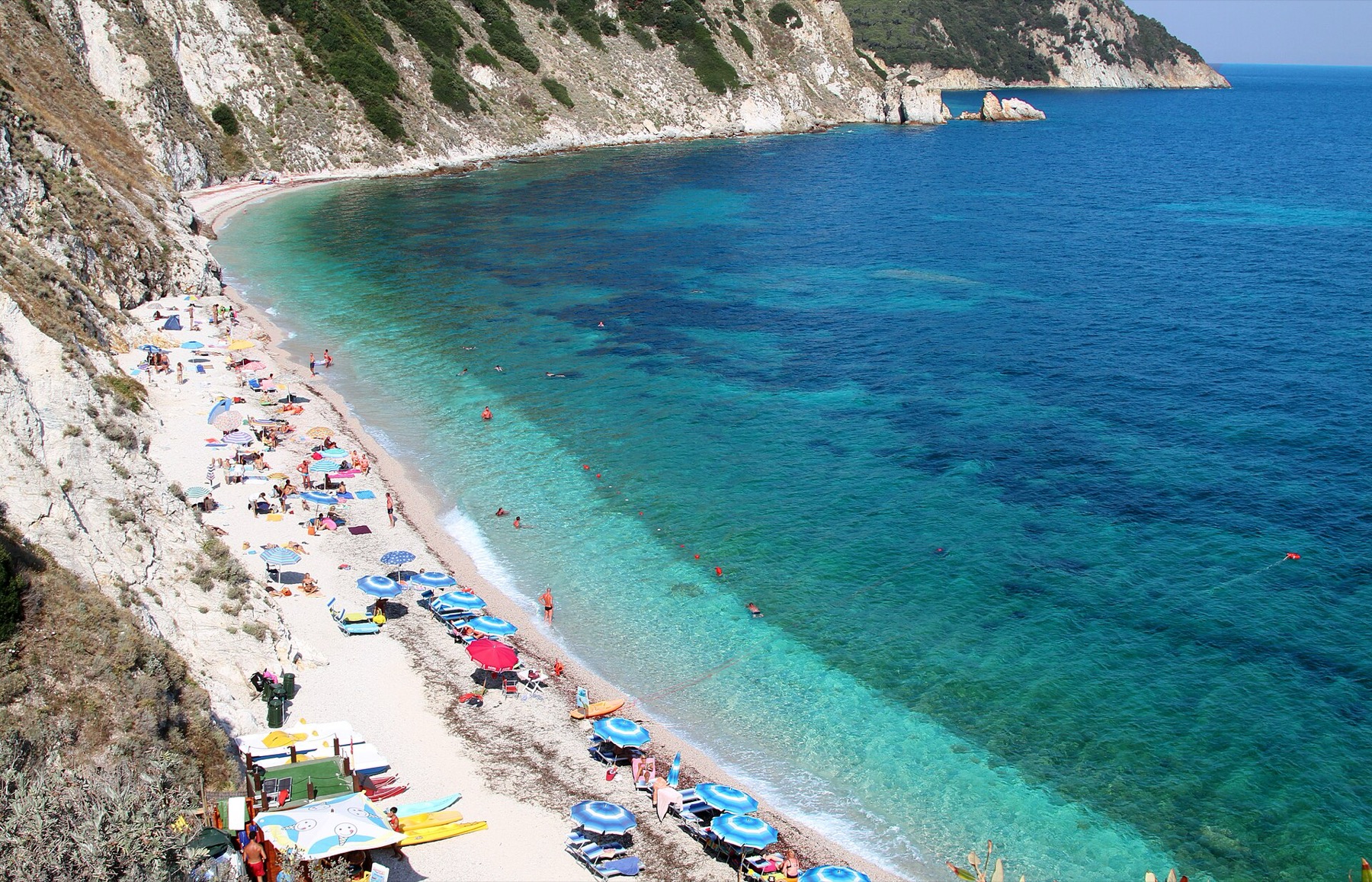
9. Sansone beach and perfect snorkelling
For thousands of enthusiastic travellers (judging by its fantastic 4.7-star rating on Google from over seven thousand reviews), Sansone beach is the absolute jewel of the entire northern coast. It’s a breathtaking cove covered in tiny, brilliant white pebbles that gleam in the sun from afar. You’ll find it a short drive from Portoferraio and it ranks among the island’s most photographed spots.
The beach is strikingly lined on all sides by tall white cliffs that contrast sharply with the deep blue water. It’s precisely thanks to the pebble bottom — with no stirred-up sand — that the sea here is so transparent that you’ll see every pebble even at a depth of several metres. These are absolutely perfect conditions for snorkelling, since whole shoals of colourful fish dart about and the underwater life is very rich.
A photogenic rock rises from the water near the shore, a favourite target for daring jumpers and kayakers. Access to the beach is along a slightly steep, dusty path from the main car park, so definitely bring sturdier shoes — flip-flops aren’t exactly safe here and it gets very slippery. Remember that this beach is the top choice whenever the scirocco is blowing from the south.
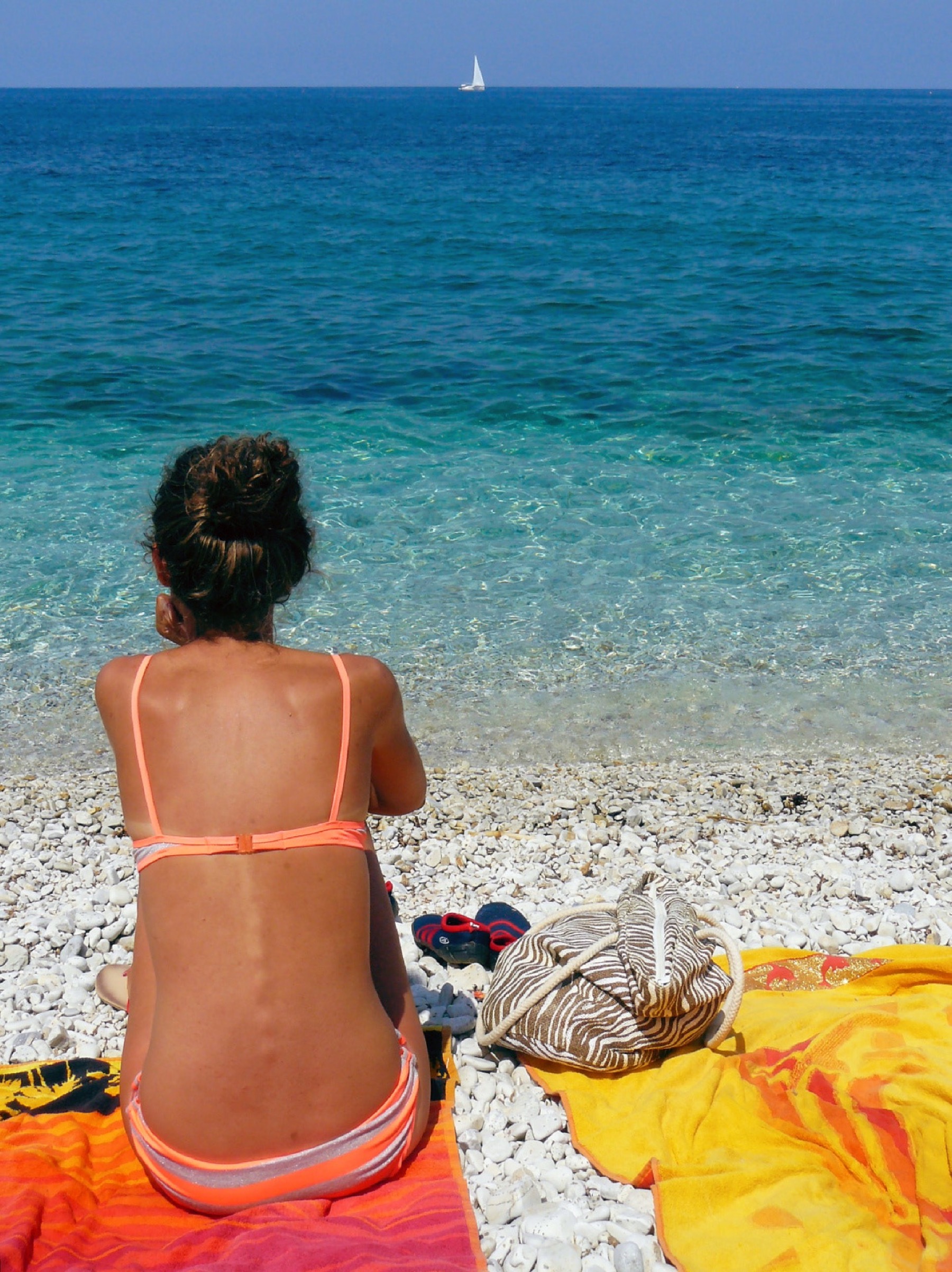

10. Capo Bianco with its white cliffs
Just a short distance from the capital, Portoferraio, you’ll find Capo Bianco beach, which by island standards is an impressive 290 metres long. Its name (which translates as White Cape) describes exactly what awaits you on arrival. The beach is made up of an interesting mix of brilliant white pebbles and light sand that’s lovely to walk on, even barefoot.
Just like at neighbouring Sansone, imposing white rock formations rise here too, plunging straight into the deep blue and turquoise sea. On a sunny day the combination of these colours is so intense that you’ll feel as if you’re on some exotic tropical holiday. Once again it’s a fantastic spot for anyone who loves diving and observing underwater life, because the white seabed reflects the light beautifully.
💡 Tip: Since this beach faces the northern side of the coast, it’s absolutely ideal to come here when the southerly scirocco is blowing. On such a day the sea will be perfectly calm without a single ripple and underwater visibility will be at its maximum. If you arrive early in the morning, you’ll also avoid the afternoon crowds.
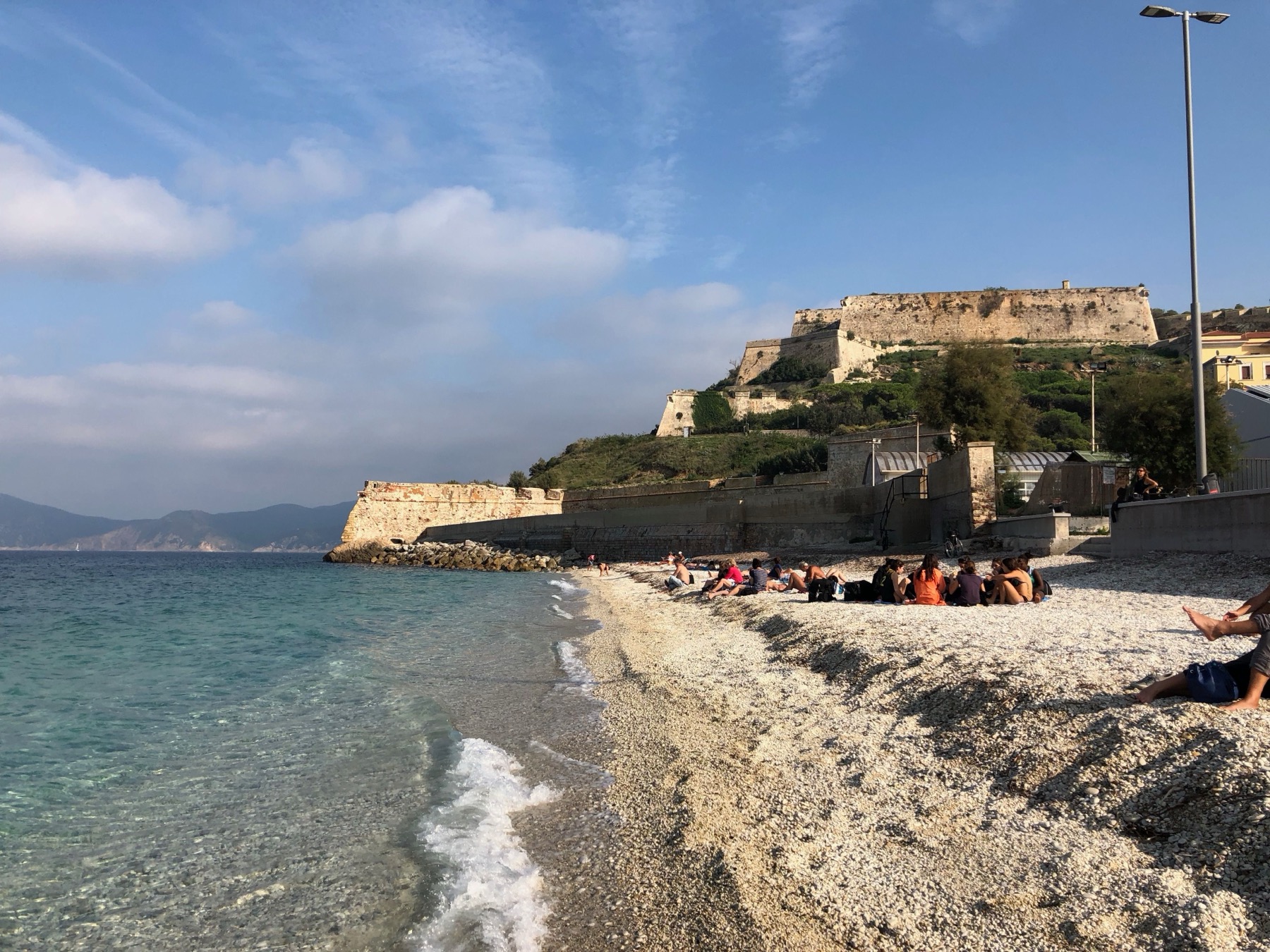
11. The pair of Padulella and Le Ghiaie
The northern coast near Portoferraio hides two more beautiful beaches you shouldn’t miss while exploring the area. Padulella is a smaller pebble beach with perfectly smooth stones, closed in on all sides by tall white rocks. Thanks to them it’s fantastically sheltered from the unpleasant northerly and offers wonderful peace and quiet even on slightly windier days.
Right next to it lies the much larger and better-known Le Ghiaie, a full 400 metres long. It’s a very popular town beach with white pebbles, beside which you’ll find plenty of excellent restaurants, comfortable sunbed rentals and complete tourist facilities. On Google it holds a great 4.5-star rating from almost ten thousand reviews, which speaks to its huge popularity.
Interestingly, the sea in the immediate vicinity of Le Ghiaie beach is a protected biological zone full of fish, so fishing here is strictly forbidden. Locals apparently love telling tourists that the dark spots on the brilliant white pebbles are drops of sweat from the legendary Argonauts, who stopped here with Jason during their long search for the Golden Fleece.
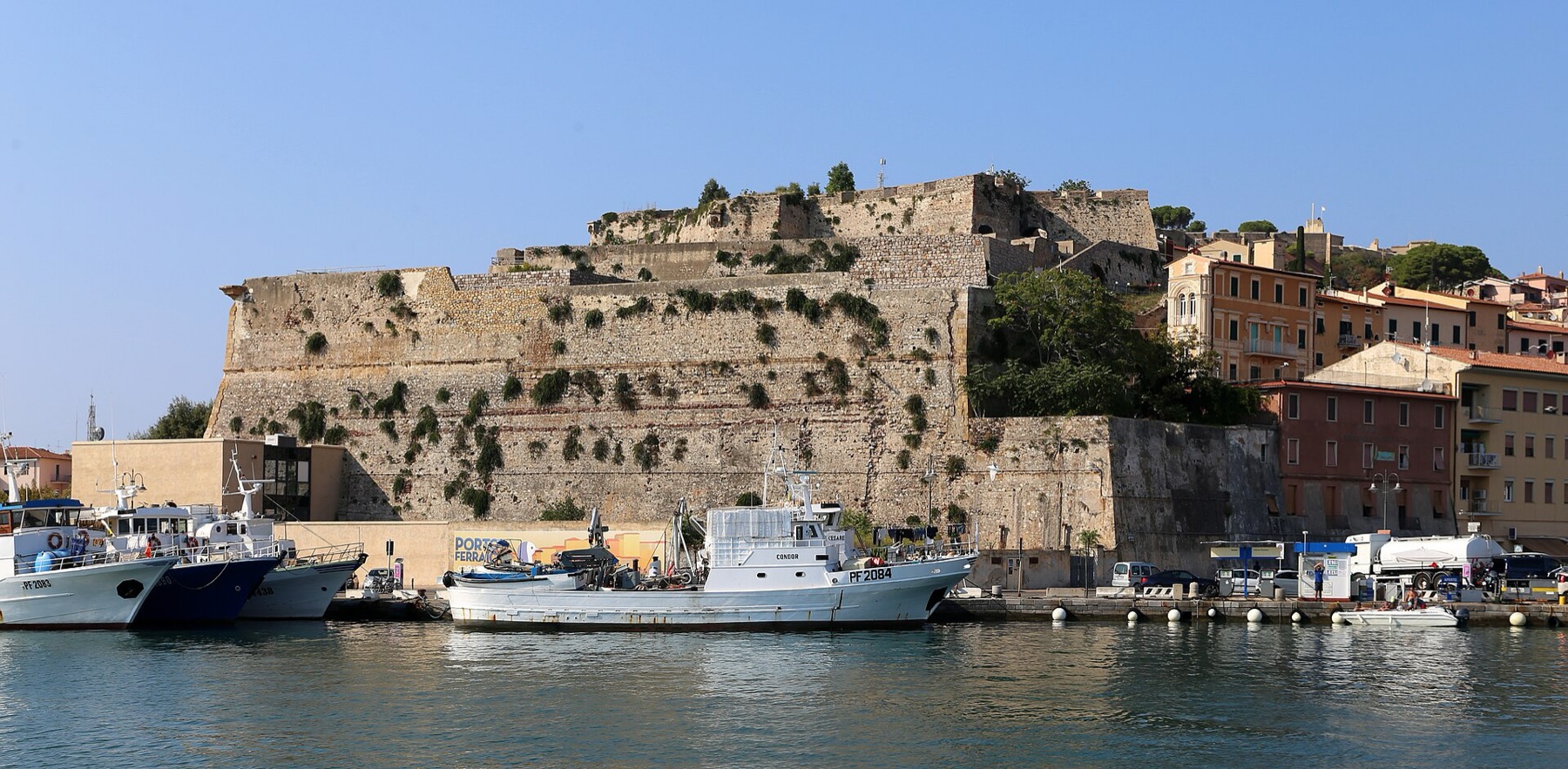
12. Historic Portoferraio and its fortresses
Portoferraio is definitely not just a transit port where you step off the ferry and immediately drive on — it’s also a beautiful historic town with an exceptionally rich past. Its clear landmarks are the huge, mighty fortresses built here in the 16th century by the famous Tuscan Grand Duke Cosimo I de’ Medici to defend against the relentless pirate raids from the sea.
Do make time to explore the well-preserved complexes of Forte Falcone and Forte Stella. From their massive ramparts you get absolutely stunning views over the whole wide bay and the historic centre full of typical colourful houses. Down by the harbour itself you’ll find the iconic octagonal tower Torre della Linguella, which protected the safe entrance to the docks for centuries.
A stroll along the narrow paved lanes from the harbour up towards Napoleon’s villa takes only a moment, but it hits you with that true Italian atmosphere. They’re full of cosy cafés, little souvenir shops and the scent of fresh coffee and fresh pastries. It’s an ideal spot for a relaxed afternoon after a day spent on the beach.
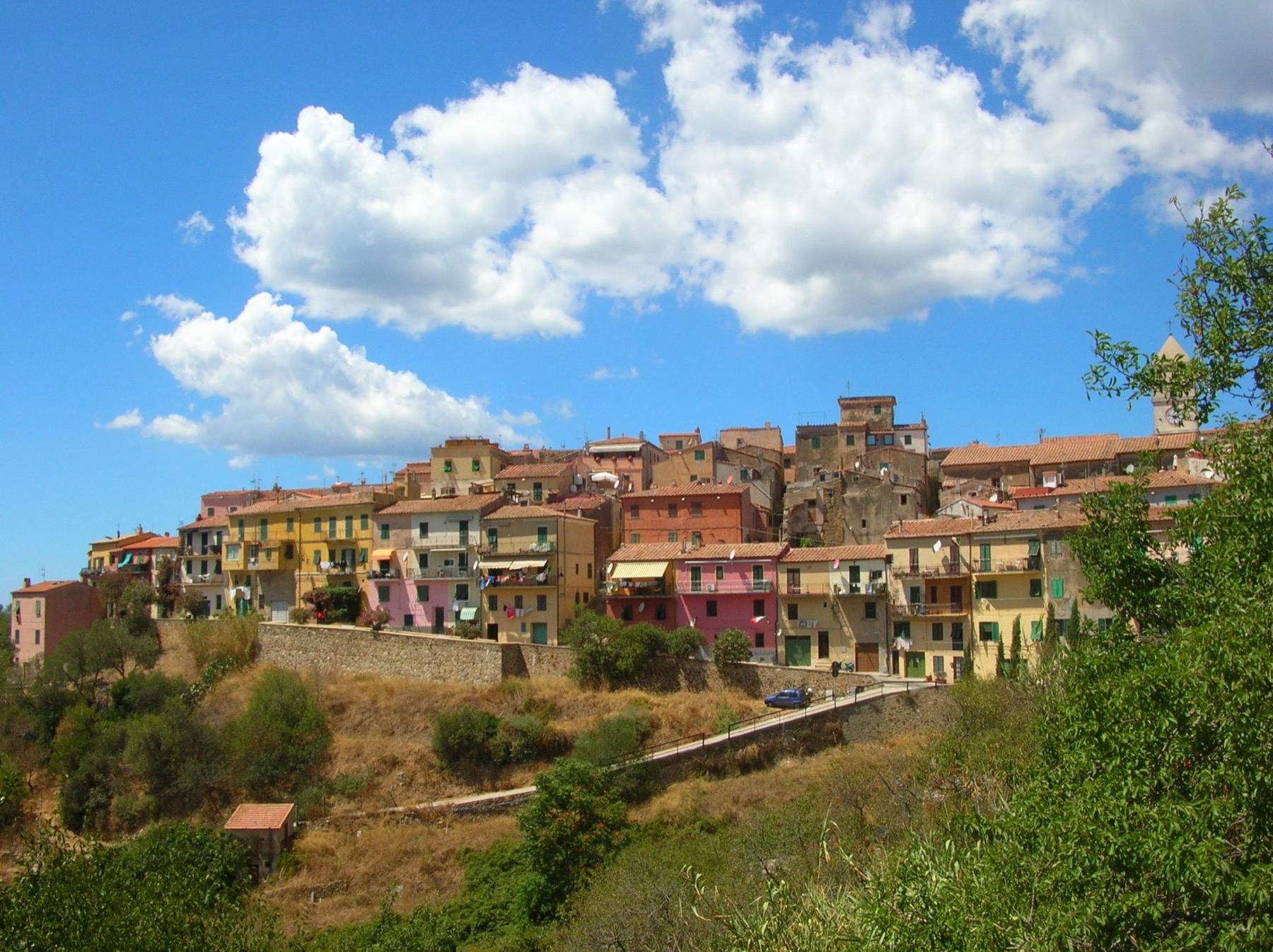
13. Capoliveri and the best views
If you turn into a night owl on holiday and love the buzz of summer evenings, Capoliveri will surely be your favourite stop on all of Elba. This utterly charming little town sits high on a hill in the southeast of the island and reviewers regularly give it the highest ratings (a lovely 4.7 stars) for both atmosphere and service. On top of that, the area around the town is the starting point for mountain-bike trails famous far and wide.
Thanks to its unique elevated position it offers absolutely breathtaking views over the open sea and the surrounding deep coves. During the day you can wander at leisure through narrow stone lanes full of flowers in bloom, sit in cafés and admire the historic architecture. But the real magic? That comes after dark, when Capoliveri transforms into the liveliest place on the whole island. The main square fills with restaurant terraces, little artisan ceramics shops open up and people simply stroll the lanes with a scoop of excellent ice cream in hand, soaking up the warm evenings. Definitely plan at least one dinner trip here.
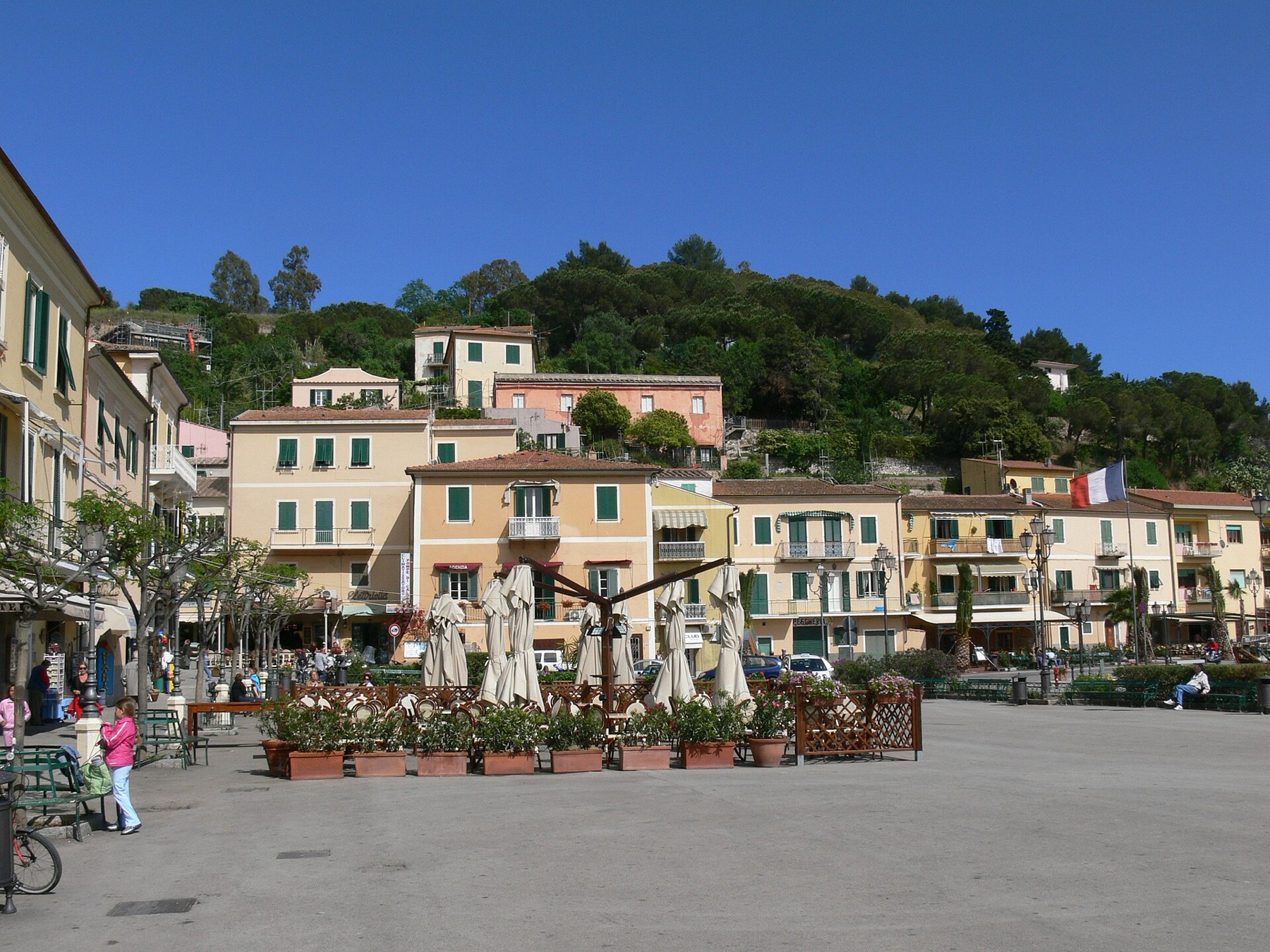
14. The harbour charm of Porto Azzurro
On the island’s eastern coast lies Porto Azzurro, a picturesque harbour town with a gorgeous wide promenade running along the sea. You can happily sit on the benches here for hours, watching the luxury yachts at anchor, listening to the lapping of the waves and drinking in the relaxed holiday atmosphere that radiates from this place in every direction.
High above the town rises the enormous historic fortress Forte San Giacomo, built in the 17th century by the Spanish to protect the bay from the enemy. Today the complex serves as a state prison, so unfortunately you can’t look inside, but even the view of its massive walls from outside perfectly underlines the historic character of the whole town and makes a fantastic backdrop for photos.
In the lanes of Porto Azzurro you’ll find dozens of great spots and restaurants. It’s an ideal place for an early-evening stroll rounded off with a good dinner. If you’re after a tip for a fantastic meat-free meal, I warmly recommend the venue MagnEtico Bistrò, which has an incredible 4.9 rating on Google and focuses on creative vegetarian and vegan cuisine made from local ingredients.
15. Mountain Marciana and seaside Marciana Marina
Right at the foot of the highest mountain, Monte Capanne, lies ancient Marciana, a charming mountain village tucked away in deep chestnut forests. It’s from here that the aforementioned yellow cable car sets off for the summit. There’s a lovely calm here, air noticeably cooler than down by the sea thanks to the altitude, and narrow stone lanes that all but invite aimless wandering. Not far away is the pilgrimage site of the Santuario della Madonna del Monte, where, according to legend, Napoleon himself liked to go and meditate.
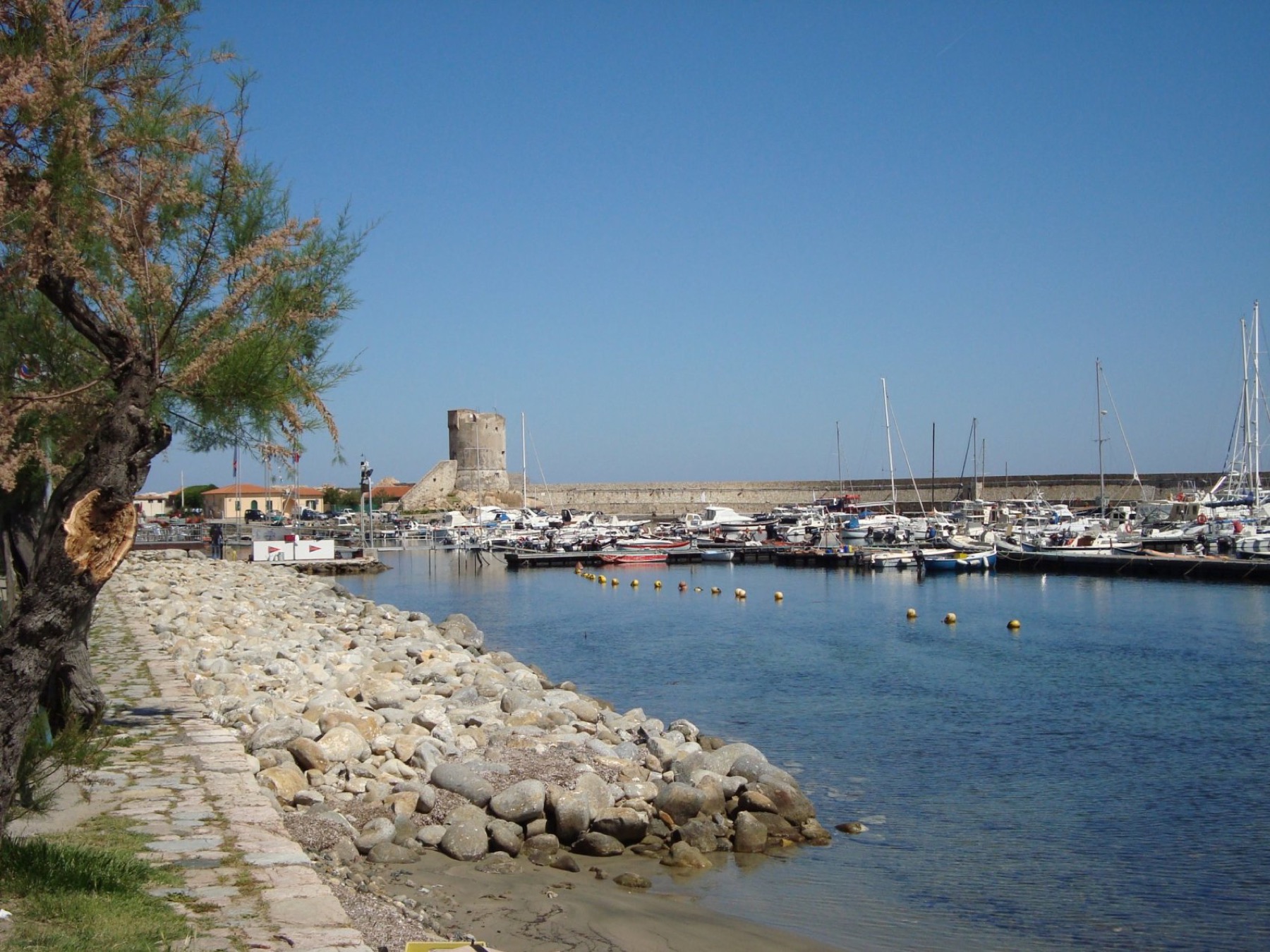
When you head down the winding little road towards the sea, you’ll reach the town of Marciana Marina, which, as a fun fact, is the smallest municipality in all of Tuscany. It’s an enormously cute and very tidy seaside resort with a small harbour full of boats and a coastal promenade.
The town’s historic icon is the Torre Saracena, a massive old defensive tower from the 12th century that once protected the local inhabitants from bloody pirate raids. Today it’s a great, photogenic spot for a romantic sunset photo, when the tower turns warm orange hues.
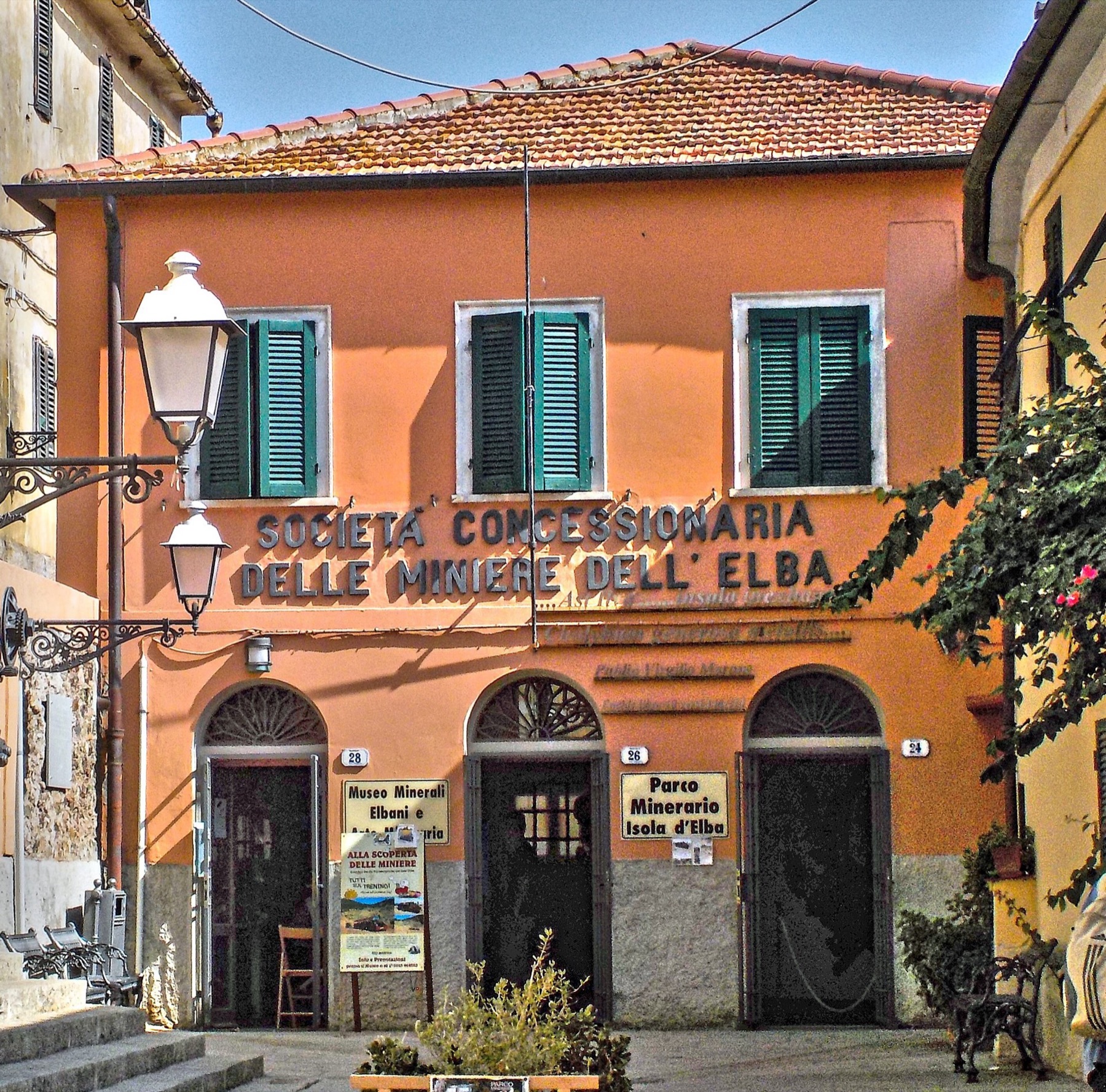
16. The mining park in Rio Marina
The eastern part of Elba has a completely different character, both geologically and visually, from the rest of the green island. Its history is closely tied to the massive mining of iron ore, which took place here continuously all the way back to the days of the ancient Etruscans. It was precisely the huge mineral wealth and iron deposits that made Elba an exceptionally strategic and prosperous point in the whole Mediterranean in the past. Napoleon himself went to inspect these mines just three days after arriving on the island.
In the town of Rio Marina you can today visit the hugely interesting Parco Minerario (mining park), which is a great experience not only for families with children but also for adults who want a break from the beaches. Here you can descend into historic mine tunnels with a guide or take a ride on a scenic mine train through the sprawling open-pit mines full of rusty and ochre colours.
Part of the popular tour is also hunting for your own sparkling mineral samples (mainly pyrite and hematite) using borrowed geological hammers. It’s an absolutely great alternative for days when it’s cloudy, a strong wind is blowing, or you simply don’t feel like spending the whole day lying on the beach.
17. The Tuscan Archipelago National Park
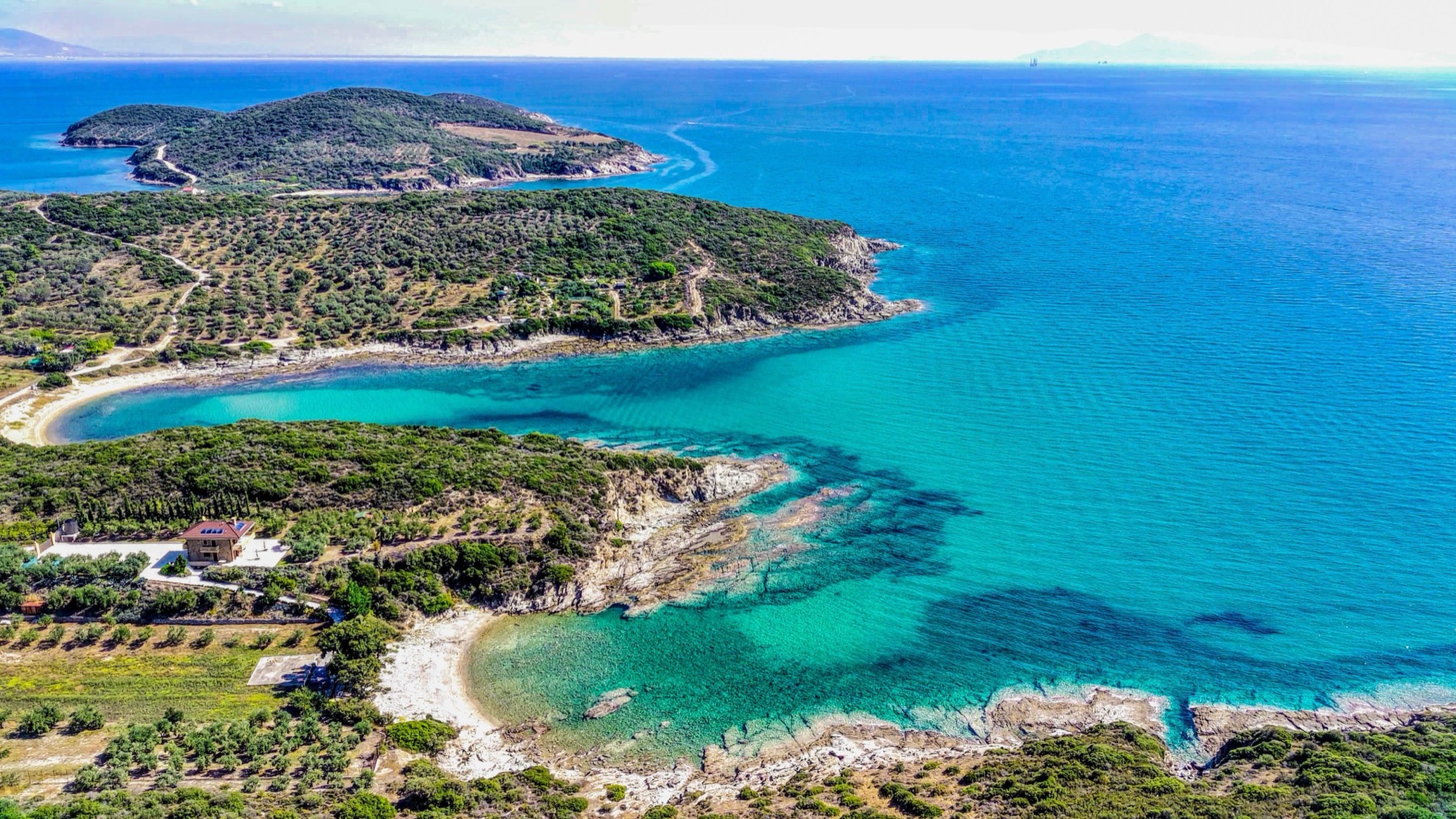
Elba isn’t just a lonely island in the middle of the sea — it forms the very heart of the enormous Tuscan Archipelago National Park. With a total area of over 600 square kilometres, it’s the largest marine park in all of Europe — and this is exactly what explains why the sea around Elba is so incredibly clean.
Besides Elba, this unique park includes six other smaller islands: Capraia, Giglio, Giannutri, Gorgona, Montecristo and Pianosa. Thanks to strict rules, nature here is very carefully protected, which is the main reason the sea around Elba is so incredibly crystal clear and full of fascinating underwater life, untouched by heavy industry.
If you like full-day boat trips, you can set off from Elba’s ports on organised sightseeing cruises to the surrounding islands. The mysterious island of Montecristo, made famous by Alexandre Dumas’ novel, has a strictly limited number of visitors per year, so only the very luckiest few get a permit there, and well in advance at that. The other islands, however, are much easier to reach.
18. Hiking and viewpoints at Capo d’Enfola
Thanks to its very mountainous terrain, Elba is an absolute paradise for anyone who doesn’t like to spend the whole holiday on a hotel sunbed. The island is densely woven with a network of perfectly marked hiking trails that lead you from the sea all the way up to the mountain ridges. As I’ve mentioned, the area around Capoliveri is also famous far and wide for its great MTB trails.
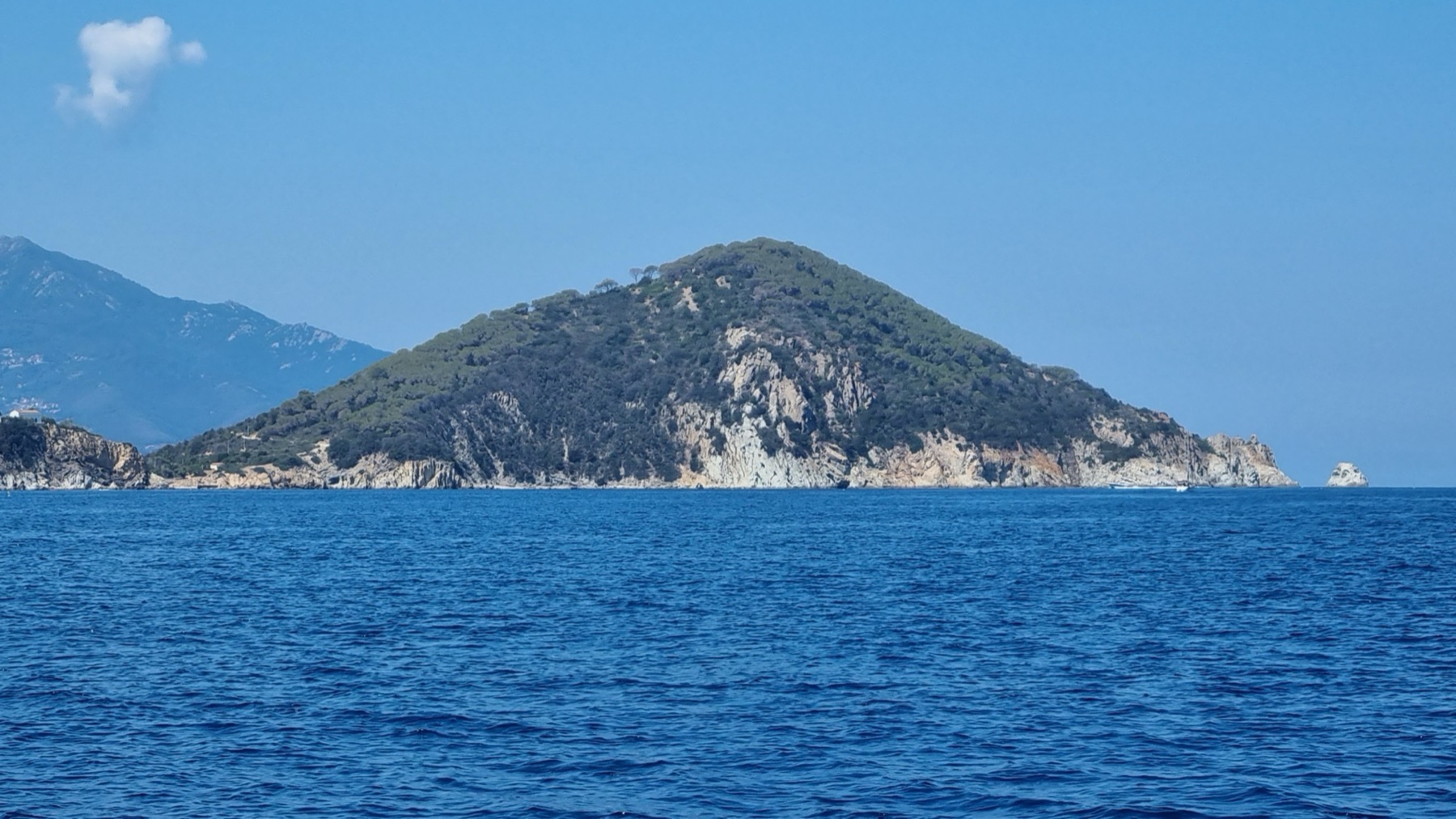
A lovely, easy and extremely photogenic walk can be had on the Capo d’Enfola peninsula near Portoferraio, which has a superb 4.7 rating on Google. The route leads you onto a striking green hill connected to the mainland only by a very narrow sandy isthmus, and along the way you’ll come across lots of beautiful viewpoints.
During this easy-going walk you’ll come across abandoned military bunkers from World War II in the forest and can peek into an old tunnel. Your reward for a bit of sweat will be fantastic panoramic views over the whole northern coast and dramatic cliffs plunging steeply into the blue sea. The trip is doable even for families with children — just don’t forget to bring plenty of water.
19. Snorkelling and diving in the clean sea
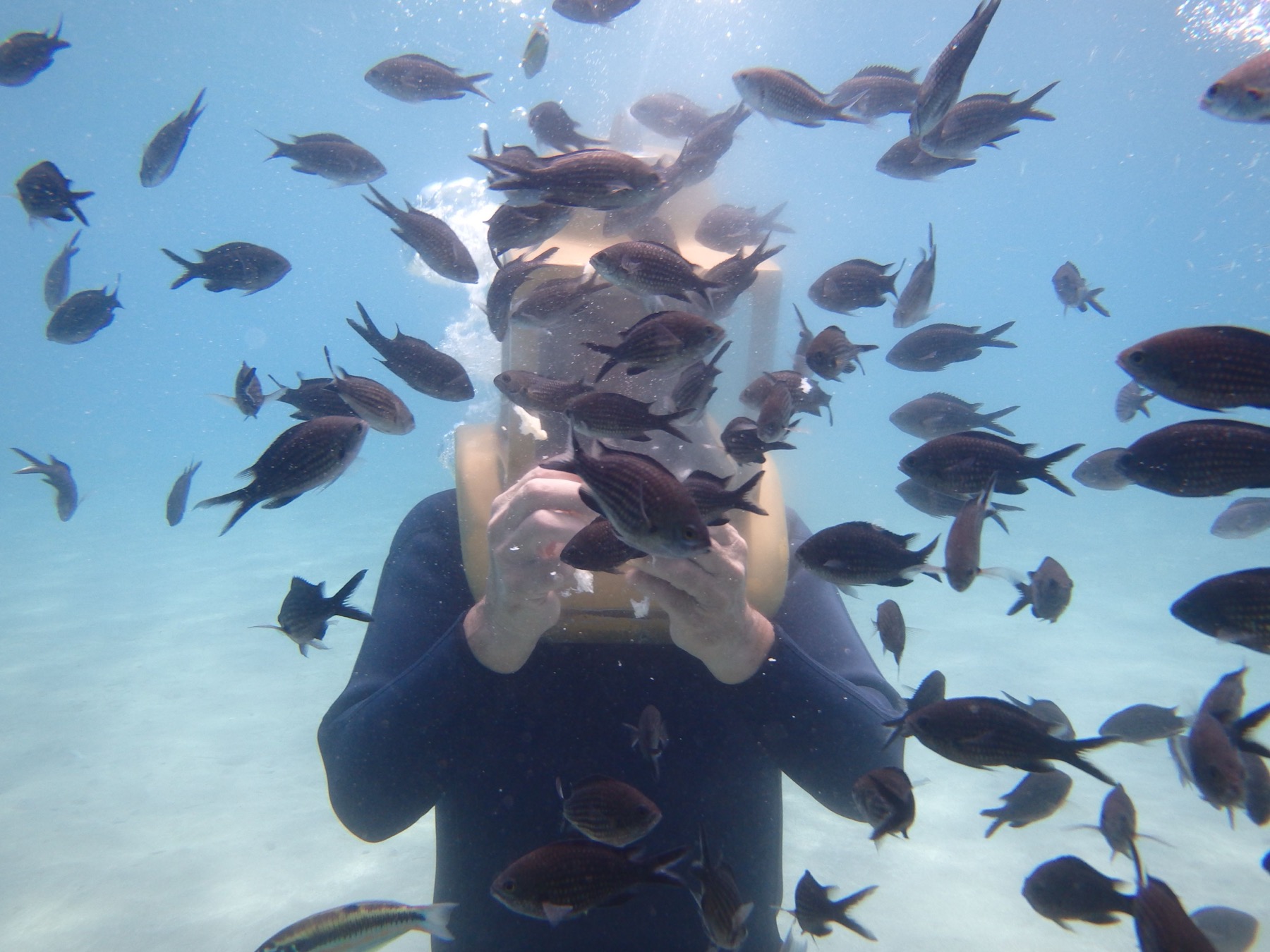
It’s precisely thanks to its strict status as a protected national park that the underwater world in the immediate vicinity of Elba is incredibly well preserved and varied. If you don’t pack your own mask and snorkel, you’ll regret it terribly, because the water here is as clear as a swimming pool in many places and shoals of fish swim right by the shore, often already at knee-depth.
The best conditions for snorkelling are offered above all by the white pebble beaches in the north, especially the popular Sansone, Capo Bianco or the area around the aforementioned Enfola peninsula. Just a short distance from the shore you’ll see tiny colourful fish and interesting rock formations hidden below the surface. Thanks to the light seabed, underwater visibility here is absolutely phenomenal.
For more experienced and certified divers there are several professional diving centres on the island, for example at the Tenuta delle Ripalte resort. Among the most popular spots for deeper dives are steep cliffs full of the famous red corals, and now and then you might even come across small, fascinating underwater wrecks from the past on the seabed.
20. Where to eat (not just for vegetarians)
An island = fish and seafood, which probably surprises no one. Local cuisine has always revolved around the gifts of the sea, but even for those who aren’t too keen on fish, Elba has plenty to offer. Among the famous local specialities are the fish soup cacciucco and the dish stoccafisso alla riese (dried cod done the local way). But if you don’t eat meat and are looking for plant-based food, don’t worry — Elba has some fantastic vegetarian treasures in store for you too, and they’re definitely worth a try.
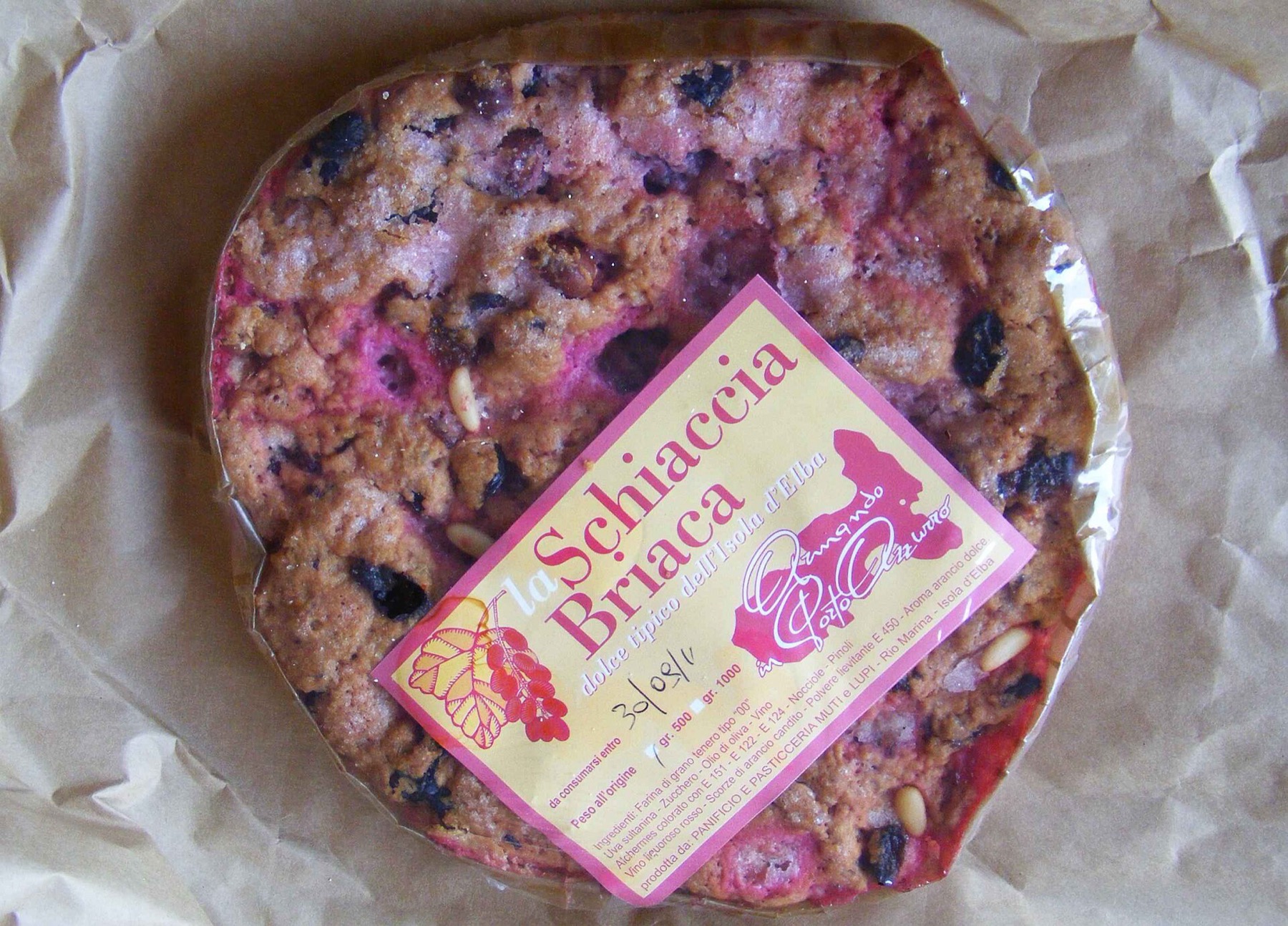
You absolutely must try schiaccia briaca (which translates as “drunken cake”). It’s a wonderful traditional Elban dessert with no eggs or milk, made with walnuts, raisins and pine nuts (and the key ingredient: it’s generously soaked in local red wine). To go with it in the evening on the terrace, have a glass of the dessert wine Aleatico Passito dell’Elba DOCG, the island’s most famous wine made from dried grapes, which Napoleon himself reportedly loved and drank.
Another great island choice is gurguglione, a delicious traditional vegetable stew made from fresh aubergine, peppers, courgettes and onion. For a flawless meat-free meal, definitely head to the already-mentioned MagnEtico Bistrò in Porto Azzurro, or to the lovely Ristoro Rurale Orti di Mare in the Lacona locality, where they make great coffee and ice cream from honest ingredients and have a superb 4.5-star rating on Google.
Where to go next from Elba
If you’re spending a holiday in Italy and have more time, it would be a shame to limit yourself to just one island. The mainland offers countless places you can combine with a visit to Elba.
The ferry will take you back to Piombino, from where the other Italian gems are just a short hop away. Get inspired by our other articles:
- Tuscany: 30 most beautiful places and a 7-day itinerary
- Pisa: 37 tips on what to see and do
- Florence: 30 tips on what to see in the cradle of the Renaissance
- Siena and San Gimignano: 8 tips on what to see
- Wellness hotels in Tuscany: 12 thermal spas
- Where to go on holiday in Italy: 20 best places
- Italian cuisine: what to taste region by region
Frequently asked questions
Here are the answers to the most common practical questions you ask before your trip, so you have everything important in one place without lengthy searching.
How do you get to Elba?
The easiest and most common route is by ferry from the Tuscan port of Piombino. Companies like Moby Lines, Toremar, and Blu Navy operate year-round, the crossing to the main port of Portoferraio takes around 40 to 60 minutes, and tickets for foot passengers start at approximately €15 depending on the season and chosen carrier. In summer there are over 40 connections daily.
Do you need a car on Elba?
Absolutely yes, if you want to explore the island properly. There is a bus service, but in the summer season it tends to be slow and simply won’t get you to the most beautiful secluded bays. A popular and very practical alternative for parking is also a more powerful scooter, which easily weaves through traffic, but keep in mind the hilly terrain.
How many days are enough for Elba?
For an ideal and relaxing holiday, it’s recommended to set aside 4 to 7 days. You could theoretically drive around the island in a single day, but swimming at different beaches, a cable car trip, hiking, and leisurely exploring the evening towns simply demand more time to truly enjoy it.
Which beach on the island is the best?
There isn’t one best beach, the secret lies in choosing according to the wind direction. When the southern scirocco blows, head to the northern beaches (Sansone, Biodola, Capo Bianco). When the northerly wind blows, head south and west (Fetovaia, Cavoli). Thanks to natural shelter, the bay will always be calm, crystal-clear, and without large waves.
Is Elba an expensive destination?
In August it definitely is, because crowds of Italians arrive from the mainland and the prices of accommodation and ferries shoot up steeply. However, if you travel smartly in June or September, prices are much more reasonable, ferries still run very frequently, and the island is overall significantly calmer and more pleasant to explore.
Are Napoleon’s residences worth visiting?
Definitely yes, the entrance fee is only €3, which is a great price for such a huge piece of history. However, you must keep in mind that a visit to both villas (the town residence and the summer villa) must be reserved by phone at least one day in advance, otherwise you most likely won’t get inside at all without prior arrangement.
When should you go so the island isn’t crowded?
The calmest and yet still sunny months with pleasantly warm sea are late May, June, and the first half of September. This way you’ll avoid the August madness, park without problems even at popular beaches, find a spot in restaurants, and prices for services will be overall more friendly.
Is the cable car to Monte Capanne safe?
It’s technically completely safe and regularly maintained (it’s even closed in winter for maintenance), but the open yellow metal cages for two people standing can seem a bit scary. There’s no glass enclosure or high solid railing, so if you suffer from vertigo or a fear of heights, think carefully about the trip up and go on foot instead.
Tips and Tricks for Your Vacation
Don’t Overpay for Flights
Search for flights on Kayak. It’s our favorite search engine because it scans the websites of all airlines and always finds the cheapest connection.
Book Your Accommodation Smartly
The best experiences we’ve had when looking for accommodation (from Alaska to Morocco) are with Booking.com, where hotels, apartments, and entire houses are usually the cheapest and most widely available.
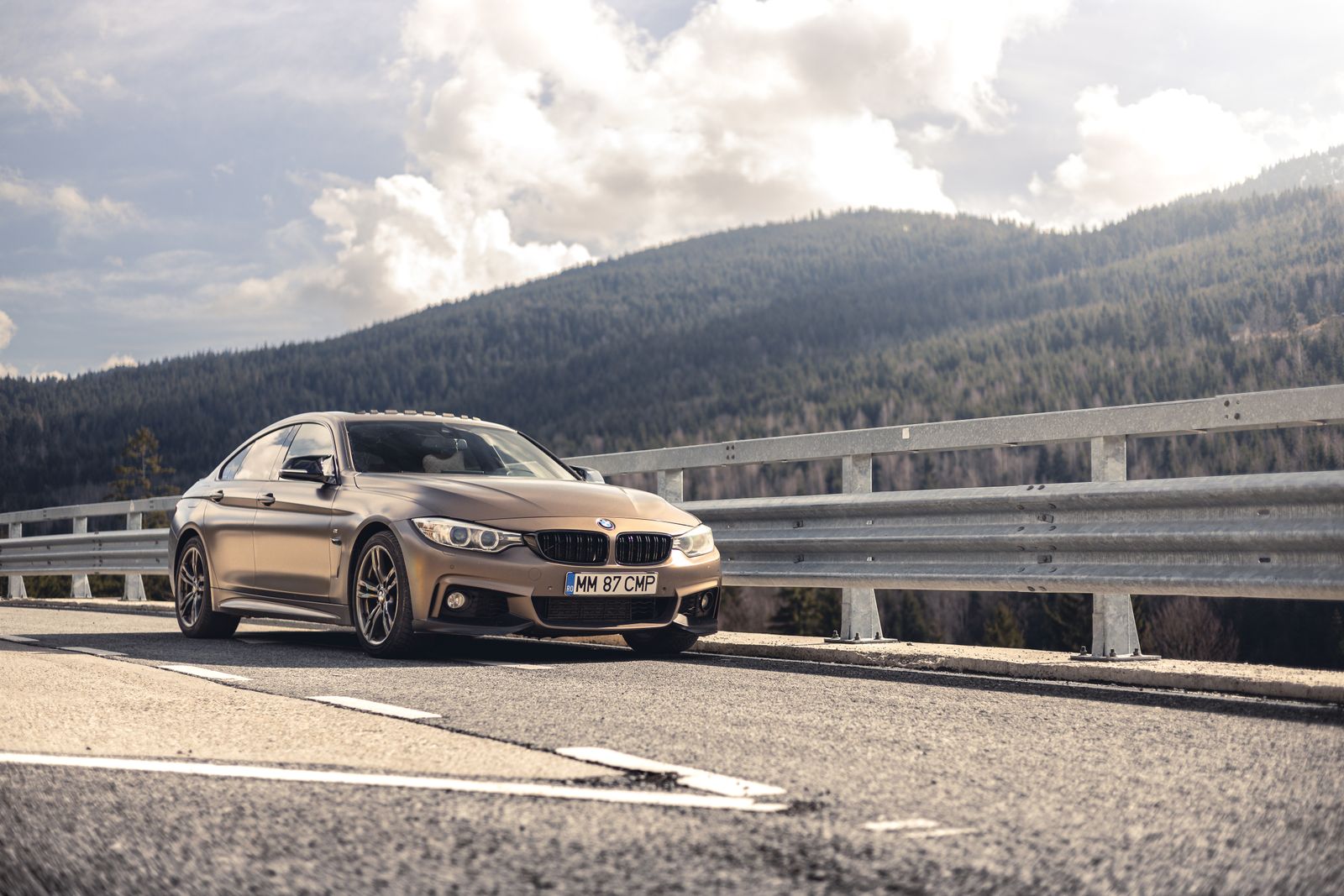 🚗 Car rental on the roadVerified car rentals in Tuscany
Search with the DiscoverCars comparison engine — it compares prices from dozens of local and international rental companies, and most bookings come with free cancellation.
Compare car prices in Tuscany →Don’t Forget Travel Insurance
Good travel insurance will protect you against illness, accidents, theft, or flight cancellations. We’ve had a few hospital visits abroad, so we know how important it is to have proper insurance arranged.
Where we insure ourselves: SafetyWing (simple monthly subscription) and TrueTraveller (for extra-long trips).
Find the Best Experiences
Get Your Guide is a huge online marketplace where you can book guided walks, trips, skip-the-line tickets, tours, and much more. We always find some extra fun there!
More from Tuscany
Full guide →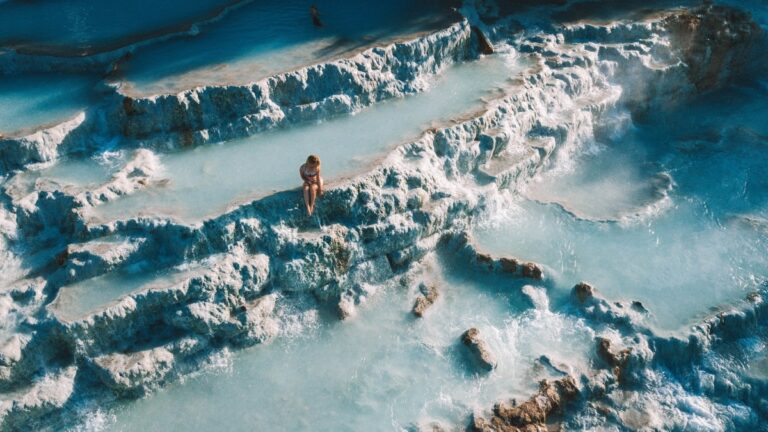 Itinerary · most readTuscany, Italy: 30 Most Beautiful Places, 7-Day Itinerary & Map for 2026
 ItineraryTuscany, Italy by Car in 2026: 7-Day Itinerary and How to Avoid Fines
 What to seePisa, Italy: Facts, Information and Where to Buy Tickets for the Leaning Tower
 BeachesLivorno, Italy 2026: 18 Tips on What to See, Beaches & Street Food
 BeachesBeaches in Tuscany: 20 Most Beautiful Spots and Tips on Which to Choose


