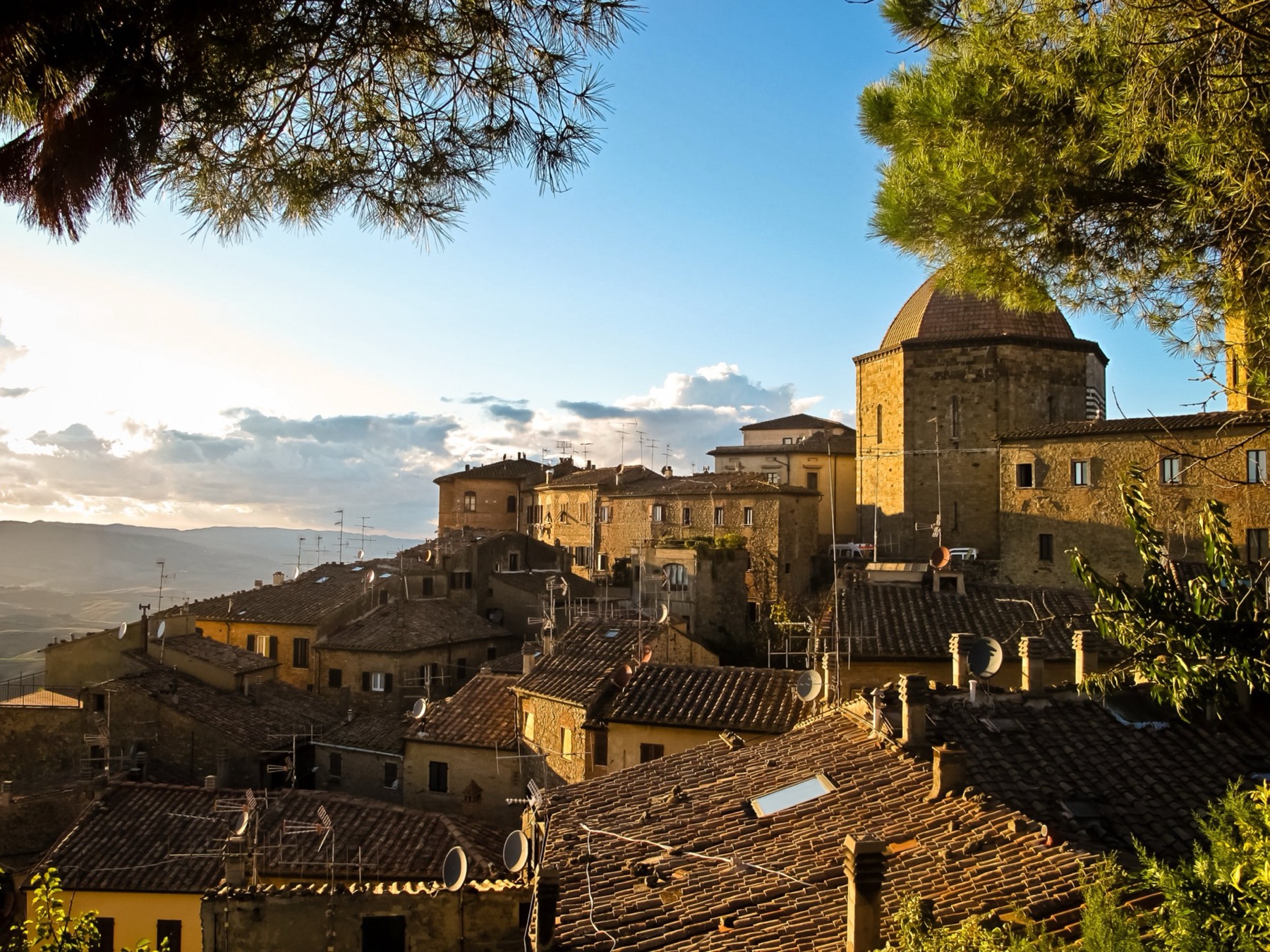
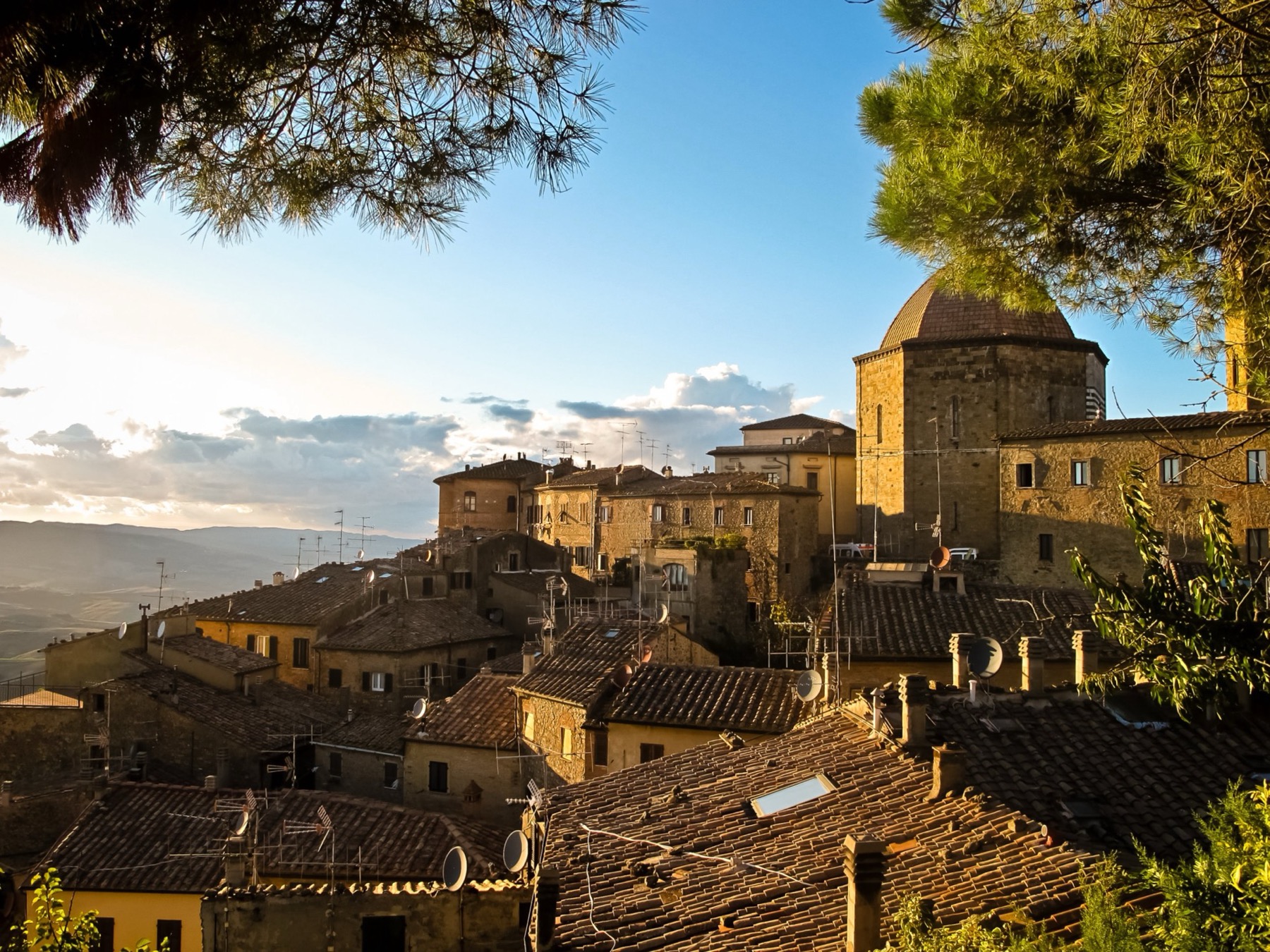
While neighbouring San Gimignano often bursts at the seams under the crush of tourists, Volterra, in Tuscany, Italy, stays wonderfully calm just a few kilometres away. And yet this town perched on a high hill is a good two thousand years older, and it offers an atmosphere you simply won’t find anywhere else in Tuscany.
Let me tell you straight away what’s waiting for you: 18 tips, the combined ticket, parking without a fine, and the whole truth about Twilight. So read on 😉
I’ve also put together a detailed overview of entrance fees, tips on parking outside the ZTL zones, and accommodation recommendations. On top of that, you’ll find out the real story behind the filming of the popular Twilight saga, and I’ll help you work out when it’s worth buying a combined ticket to the sights.
TL;DR
- The greatest gem: The Etruscan gate Porta all’Arco, which local residents heroically saved from destruction by the Nazis in 1944.
- Museums and sights: Don’t miss the Museo Etrusco Guarnacci and the oldest town hall in Tuscany, the Palazzo dei Priori.
- Volterra Card: The combined ticket at €23 pays off as soon as you visit three or more sights.
- Alabaster: The town is famous for hand-carving this stone — visit traditional workshops like Alab’Arte.
- Curiosity: The local Fortezza Medicea still functions as a prison, where inmates themselves occasionally cook and serve.
- Twilight saga: The books are set in Volterra, but the film crew actually shot in nearby Montepulciano.
- Transport and parking: The whole centre is a closed ZTL zone — you have to leave your car at the car parks below the walls.
The full destination guide: Tuscany — guide and what to see
When to visit Volterra
The best time to visit is without a doubt the spring months from April to June and the autumn from September to October. Temperatures hover around twenty degrees, so you won’t melt or freeze — pretty much perfect for wandering the hills. On top of that, you’ll dodge the biggest August crowds and have those stone alleys almost to yourself.
If you’re planning to come in August, expect noticeably higher summer temperatures and, naturally, far more people heading to Tuscany on holiday. The upside of an August trip, though, is that this is when the famous historical festival Volterra AD 1398 takes place, reliably carrying the whole town back several centuries in time. In 2026 this popular festival should be held on Sunday 9 and 16 August, but different sources sometimes disagree, so always check the dates in advance on the town’s official website.
In winter, on the other hand, it’s beautifully peaceful here, the streets are almost empty, and you can easily snag very cheap accommodation even in the best hotels. There’s one fairly major catch you absolutely must factor into your itinerary, though. When it comes to the weather in Volterra, Italy, and the season, note that from 2 November to 8 March all the main museums are strictly closed on Tuesdays, and on the other weekdays they run only on a reduced schedule from ten to four. What’s more, the archaeological park with the Etruscan acropolis and Roman theatre only opens at weekends during this winter period, so you won’t be able to reach these outdoor sights midweek at all.
Where to stay in Volterra
💡 Accommodation and experiences tip: We prefer to look for accommodation on Booking.com, which usually has the best cancellation terms. For tickets, tours and activities, it’s worth comparing and booking through GetYourGuide.
When choosing a hotel in Volterra, Italy, you have to keep one absolutely crucial thing in mind: the strictly monitored ZTL zone (Zona a Traffico Limitato). Tourists aren’t allowed to drive into the historic centre by car at all, and if you break this ban and drive under the cameras, a hefty fine will find you — it’ll be mailed all the way to your home address. That’s why the smartest strategy is to look for hotels just outside the walls, or to pick places that offer their own dedicated parking and automatically report your licence plate to the local police on arrival.
I definitely recommend checking out Hotel Villa Rioddi, a beautifully restored former 15th-century post station with a large pool and a sprawling garden. From here you can walk to the centre in about twenty minutes, or drive to a car park, and travellers rave in reviews about the incredibly peaceful atmosphere. Another great option outside the busy centre is Agrihotel il Palagetto, a typical Tuscan agriturismo with an outdoor pool and breathtaking views over the countryside, which you’ll appreciate most if you’re travelling by car. If you’re after something a bit more spacious just outside town, another very good choice is Hotel Foresteria Volterra, which offers nice rooms with balconies and its own restaurant.
If you want to sleep right in the historic core and sort out parking at one of the public car parks below the walls, a great choice is Albergo Etruria. You’ll find it right on the main shopping street Via Matteotti, and it’ll win you over with a lovely rooftop terrace overlooking the whole town. A beautiful historic atmosphere is also on offer at Hotel La Locanda, which occupies the carefully renovated rooms of a former monastery, has a wonderful quiet courtyard, and serves guests an excellent breakfast. A happy middle ground is Hotel San Lino, right in the centre of town, with a small outdoor pool and secure covered parking for a fee of €15 per day.
For travellers on a smaller budget who mainly want a clean bed and don’t want to spend unnecessarily, a very interesting alternative is Cloister of Monache Hostel. This hostel also fittingly sits in a historic 15th-century monastery, it’s just ten minutes’ walk from the centre, and as a huge bonus it offers guests completely free parking right by the building.
18 things to see and do in Volterra, Italy
Right, now down to business — here are my tips on what you really shouldn’t miss in Volterra.
1. Porta all’Arco and its powerful story
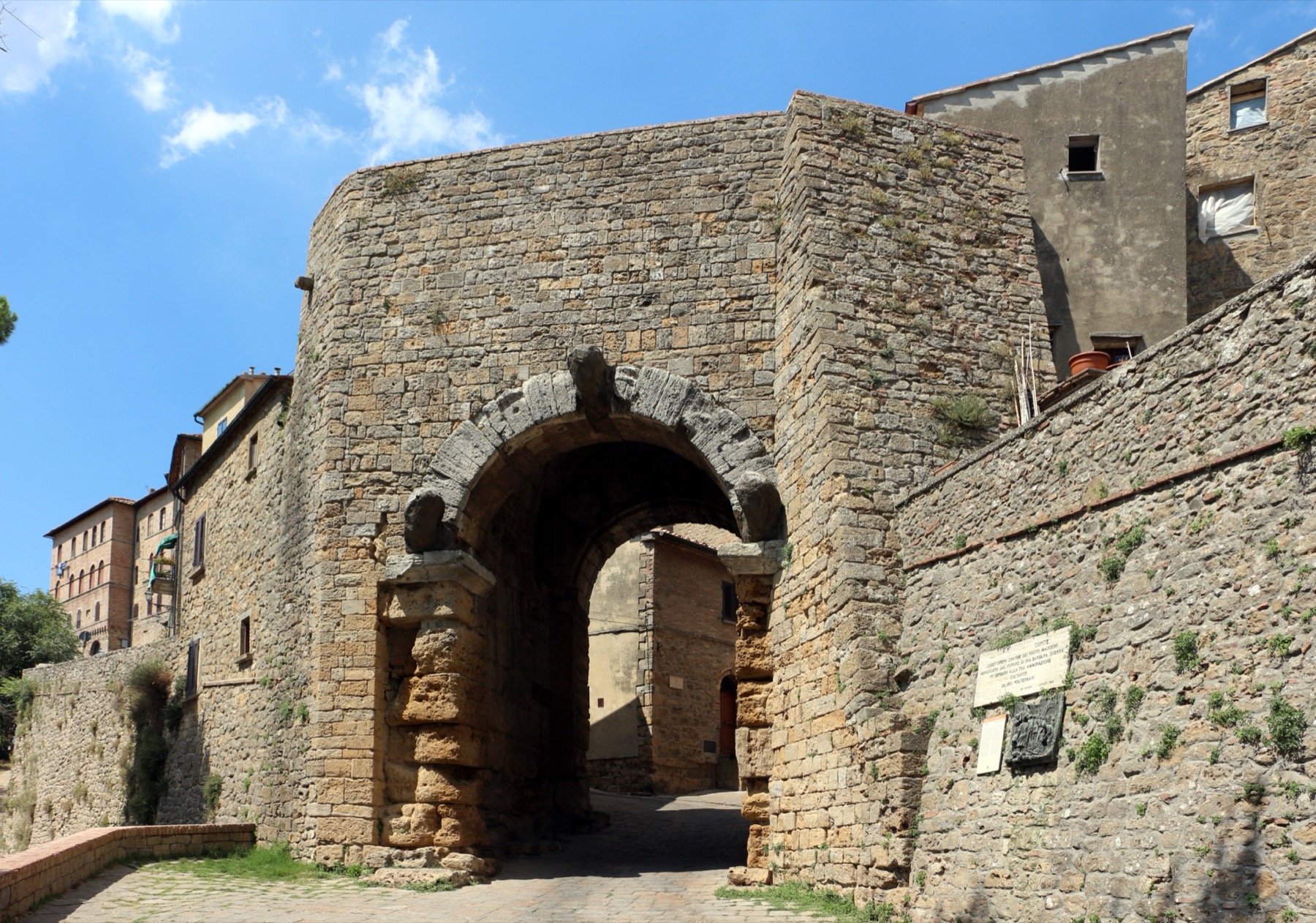
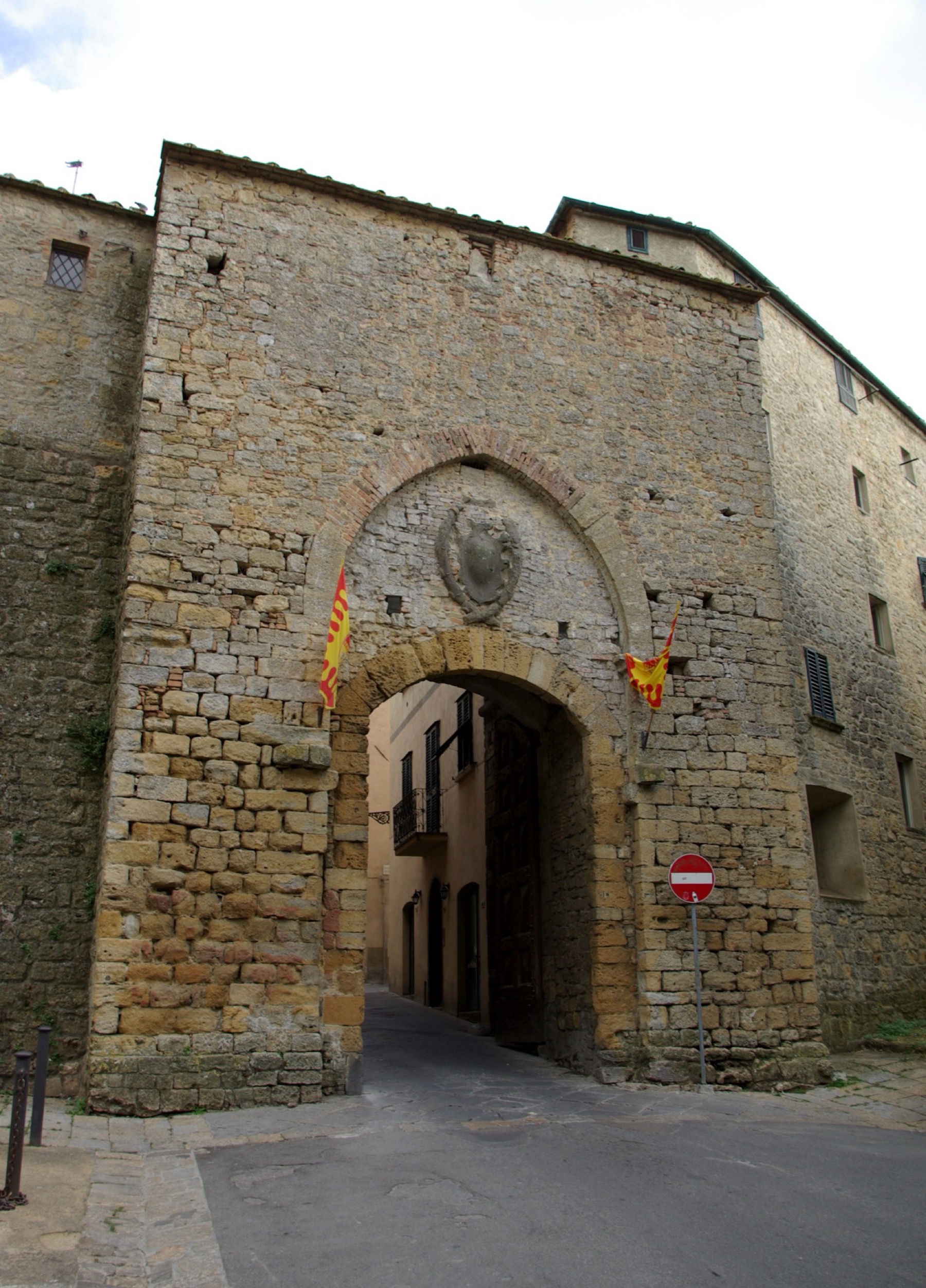
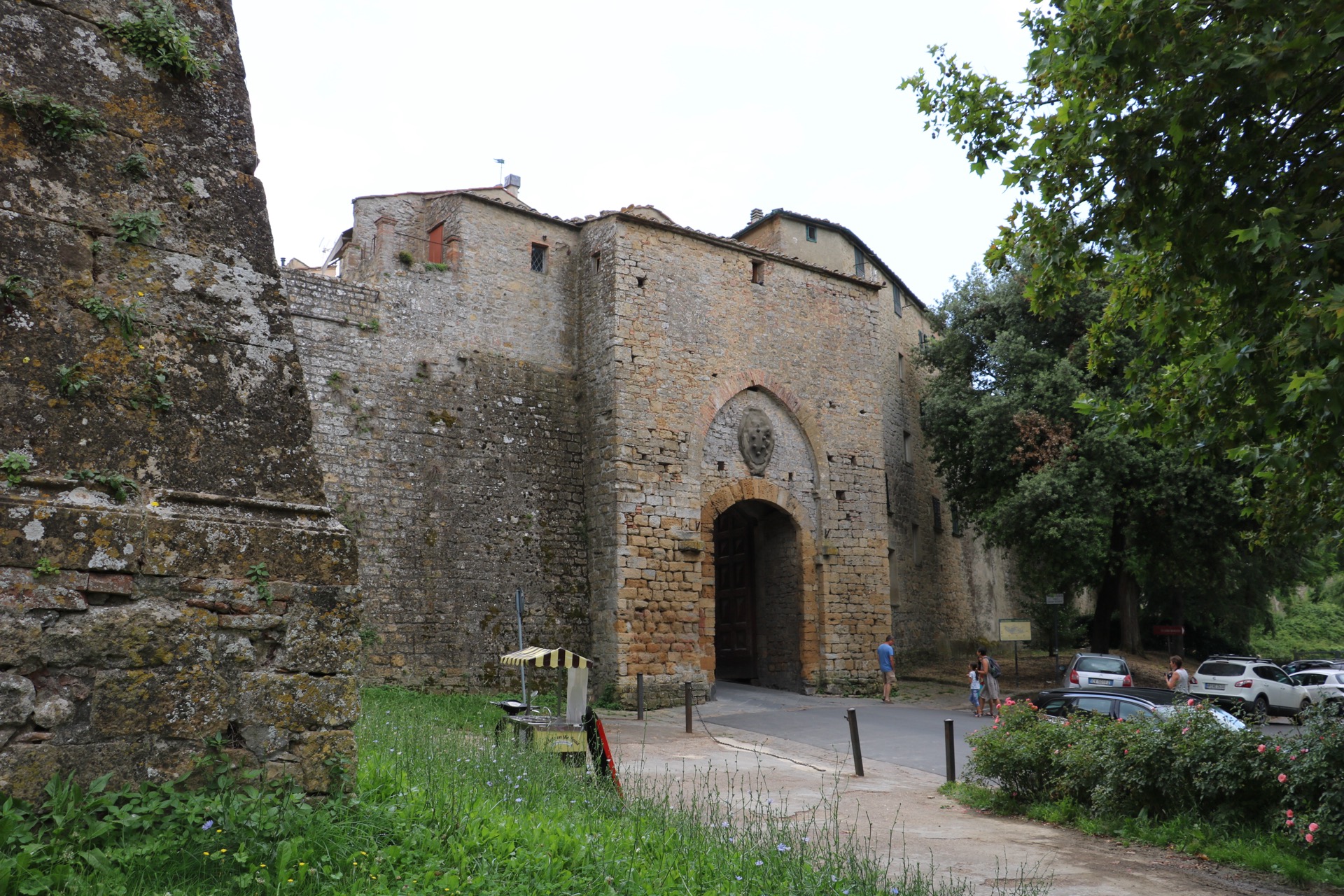
This imposing Etruscan gate dates back to the 4th century BC and is one of the oldest surviving structures of its kind in all of Italy. On its massive stone arch you can spot three heavily weathered heads. They’re so eroded by the passage of time that historians still can’t agree on exactly who they represent, but most likely they’re ancient Etruscan deities meant to protect the entrance to the town of the day.
Above all, though, the gate is tied to an incredibly powerful story from the end of the Second World War that makes it far more than just an old monument. On 30 June 1944, the retreating Nazi troops announced they would completely blow up the gate to block the only access route to the approaching American tanks. But the local residents rebelled and, against the odds, negotiated a seemingly impossible deal with the Germans to save the historic treasure.
In the space of a single day and night, from 30 June to 1 July, men, women and children tore up the stone paving from the surrounding streets with their bare hands and completely walled up the gate from the inside. The demolition was called off, the gate was saved, and after liberation the stones were returned to the road — for which the town received a silver medal of valour from the Italian government. Today the alley Via Porta all’Arco, lined with alabaster workshops, leads to the gate, and you can practically feel that story in the air.
2. Museo Etrusco Guarnacci
This fascinating museum is one of the very oldest public museums in Europe, since the foundations of its incredible historic collection were laid back in the 18th century. If you’re into ancient history, you could easily spend several hours here. You’ll find a truly unique collection of hundreds of intricately carved alabaster funerary urns, which come from the wealthy Etruscan tombs scattered across the wide area around the town.
The greatest gem of the whole collection is undoubtedly Ombra della Sera, or Shadow of the Evening. It’s an elongated, unusually slender bronze statuette of a boy that has become an absolute icon of Etruscan art, drawing visitors from all over the world. It didn’t get its poetic name in antiquity, though — it was coined by the famous Italian poet Gabriele D’Annunzio, after the long shadows cast by human figures at sunset.
The second masterpiece of the exhibition is the famous Urna degli Sposi (Urn of the Spouses). This terracotta urn depicts an old married couple lying side by side on a kind of couch. Their faces are unexpectedly realistic, unembellished — just two proper old people. No idealisation, and that’s exactly why the piece is so touching.
3. Volterra Card vs. individual tickets
Before you set off around the local sights, it’s worth carefully working out in advance which ticket really pays off for you. A single entry to any of the main museums costs €10, with a reduced rate of €8. So if you’re planning to see just one particular place, buy the ticket separately. But as soon as you want to explore more sights, definitely go for the combined card, which will save you a lot of money.
The combined Volterra Card costs €23 for an adult, with a reduced rate of €18 for students under 25 and seniors over 65, and the card is valid for a full 72 hours from first use. It includes entry to seven main sites, among them the Guarnacci Etruscan museum, the Pinacoteca gallery, the alabaster museum, the oldest town hall Palazzo dei Priori, the Etruscan acropolis, the Roman theatre, and the diocesan museum.
Simple maths clearly shows that from three sights onwards the card starts to pay off financially, since you’d already spend €30 on separate tickets. For families with children there’s also a very good-value family option for up to five people, which comes to a friendly €32 and covers entry for everyone in the family.
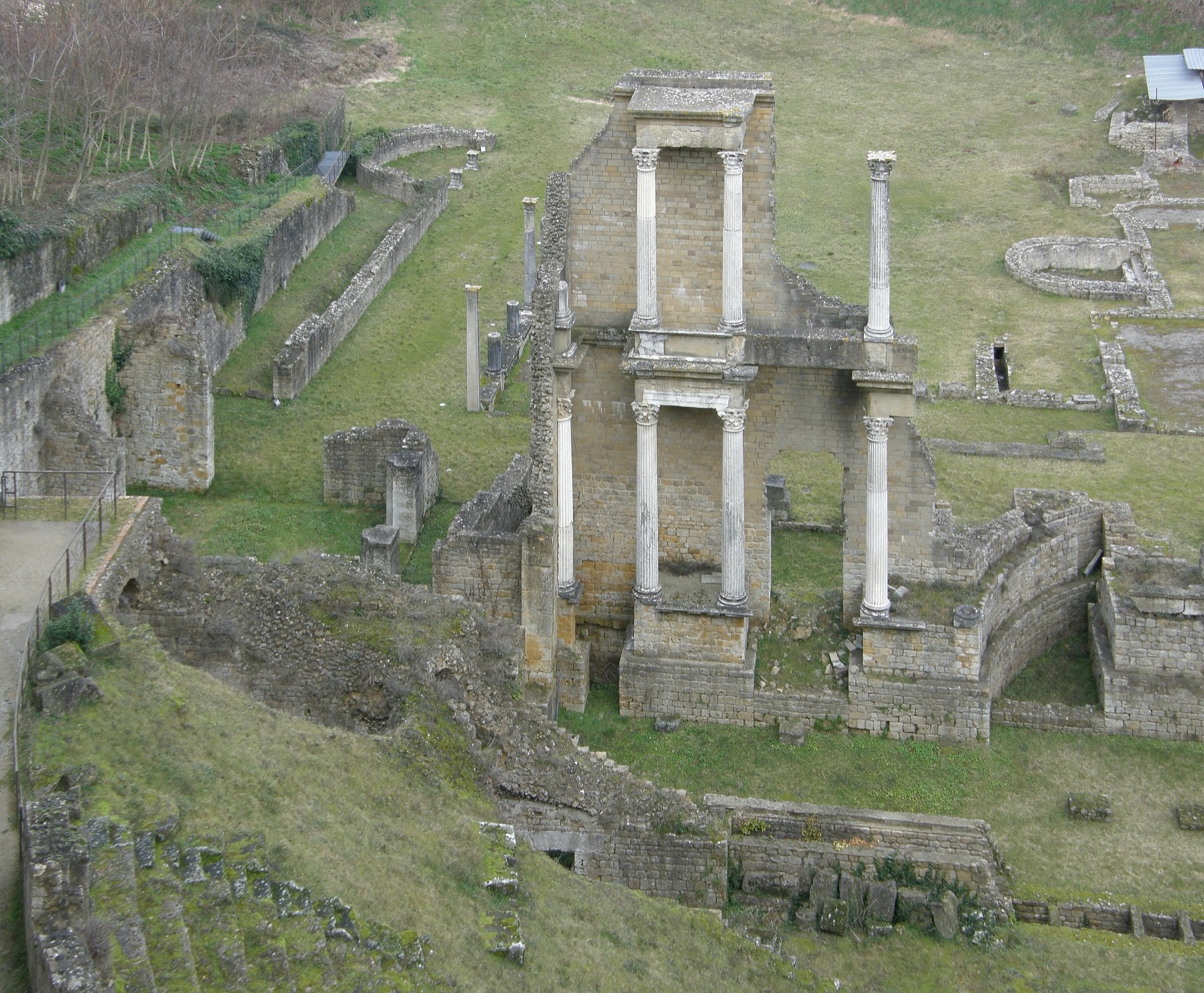
4. Roman theatre (Teatro Romano)
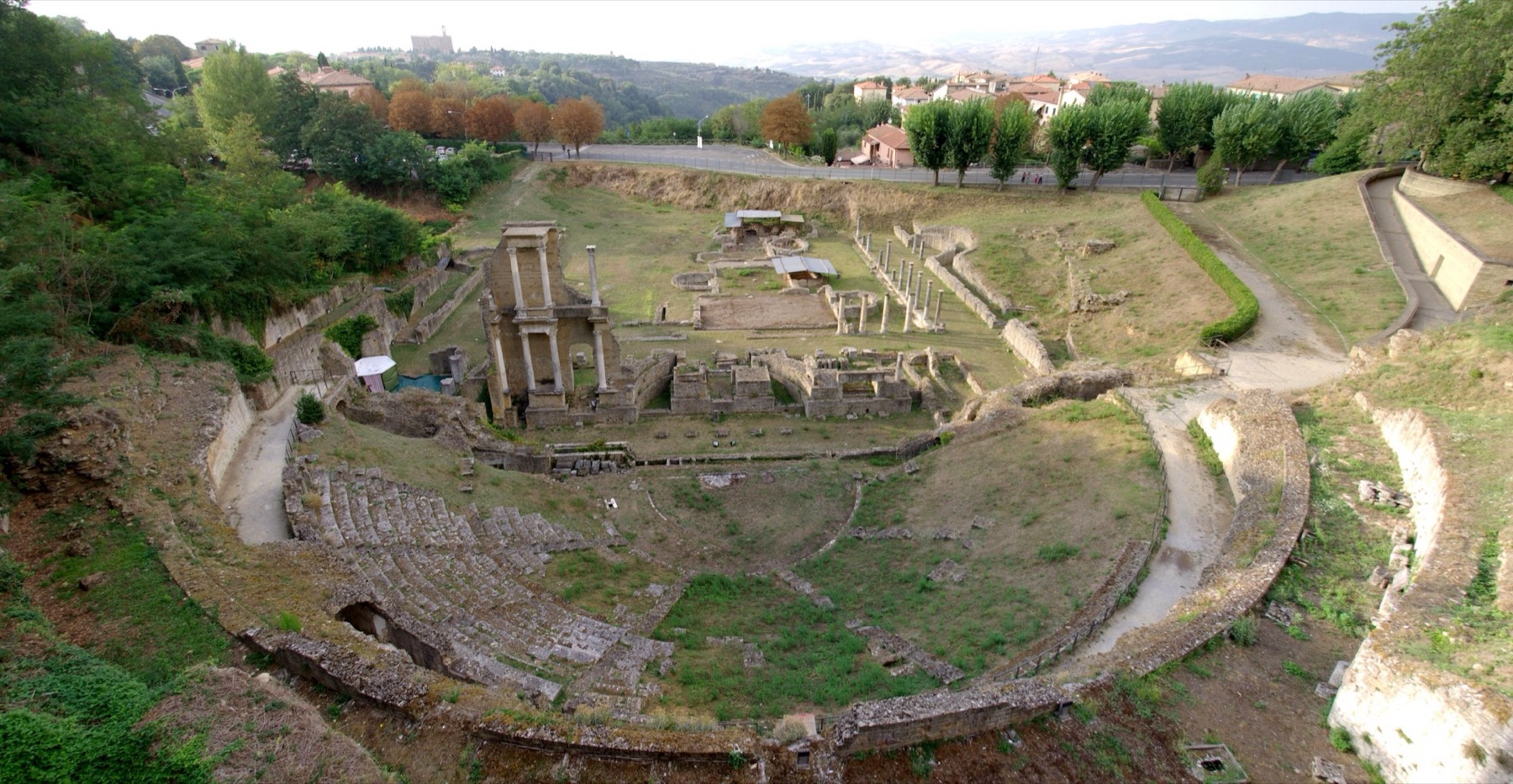
Built in the 1st century BC, the theatre is one of the best-preserved Roman monuments in all of Italy, and the view of it will genuinely amaze you. The remains of the original stage, the huge marble columns, and the semicircular auditorium set into the steep slope below the medieval town look truly majestic and perfectly capture the rich history of the place.
💡 Tip for smart travellers: Plenty of tourists pay the entrance fee or buy the city card just to see the theatre up close from the lower level of the site. But if you want to save both time and money, you’ll get the best view and photos of the whole complex for free from above, on Via Lungo le Mura. This picturesque path runs along the medieval walls right above the theatre and offers the nicest possible angle on the whole structure.
The theatre itself also has a very interesting and slightly unusual modern history. For centuries it was completely buried under a thick layer of soil, and the site even served for many years as an ordinary town rubbish dump. Its excavation only happened in the 1950s, and huge credit for that goes to patients from the local psychiatric hospital, who volunteered to help with the demanding digs under the supervision of doctors.
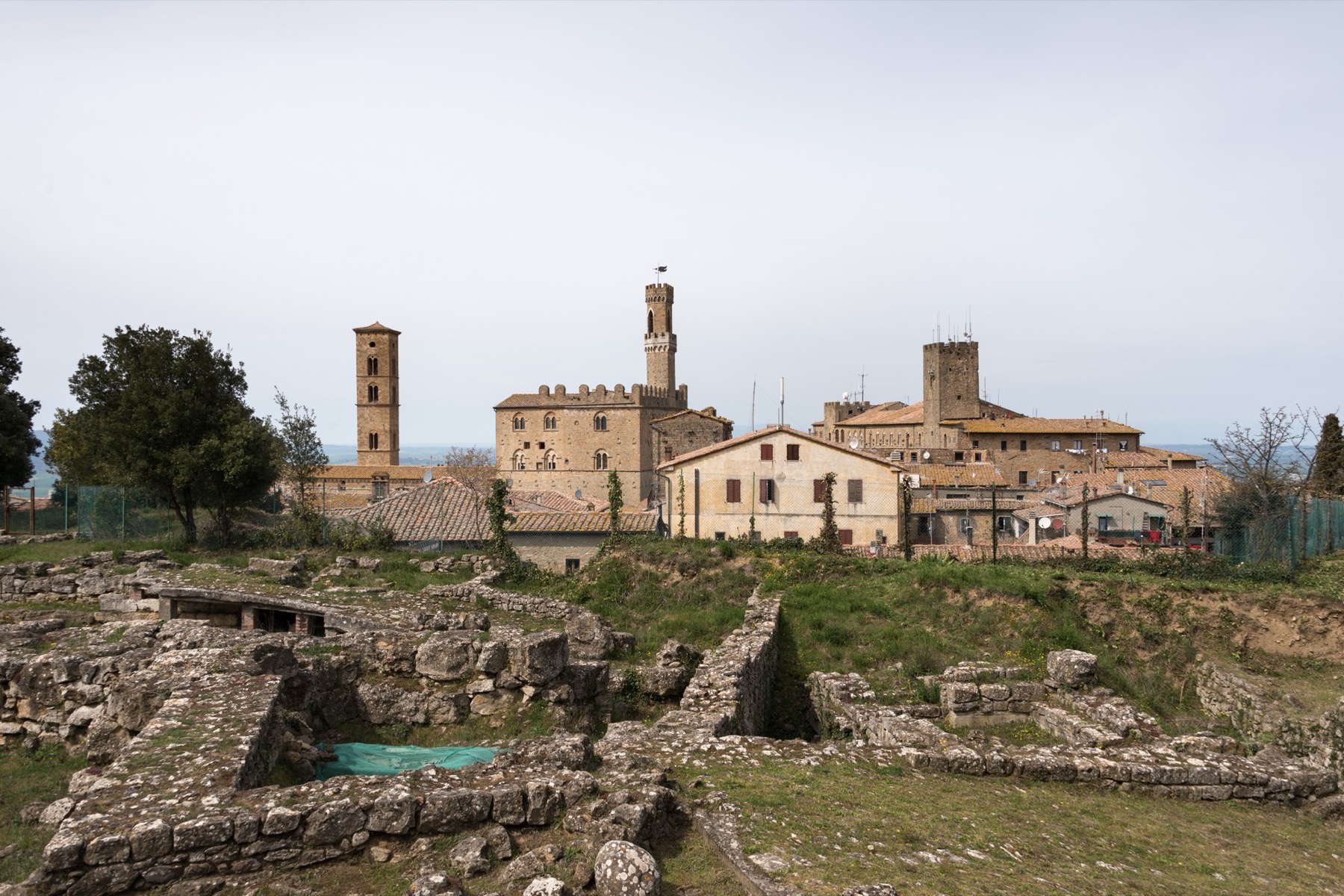
5. Etruscan acropolis (Acropoli Etrusca)
At the very highest point of the hill above the town lies a sprawling archaeological park with the remains of the ancient Etruscan acropolis. As you stroll quietly among the excavations, you’ll come across the ancient foundations of two large temples and a fascinating underground system of deep cisterns, which the locals used to store vital rainwater in times of great drought.
Wandering among the ancient stones set into a shady pine grove offers lovely calm and a very pleasant break from the busier town streets full of tourists. Entry to this large park is fully included in the combined Volterra Card, so if you picked one up at the start of the day, definitely don’t skip this magical site with its beautiful views over the Tuscan surroundings.
If you come here outside the main tourist season, though, watch out for the adjusted opening hours so you’re not disappointed. From 2 November to 8 March the acropolis is open only at weekends between ten and four. Unfortunately, during the winter months the reduced schedule means you can’t get in at all midweek, so plan your daily itinerary accordingly.
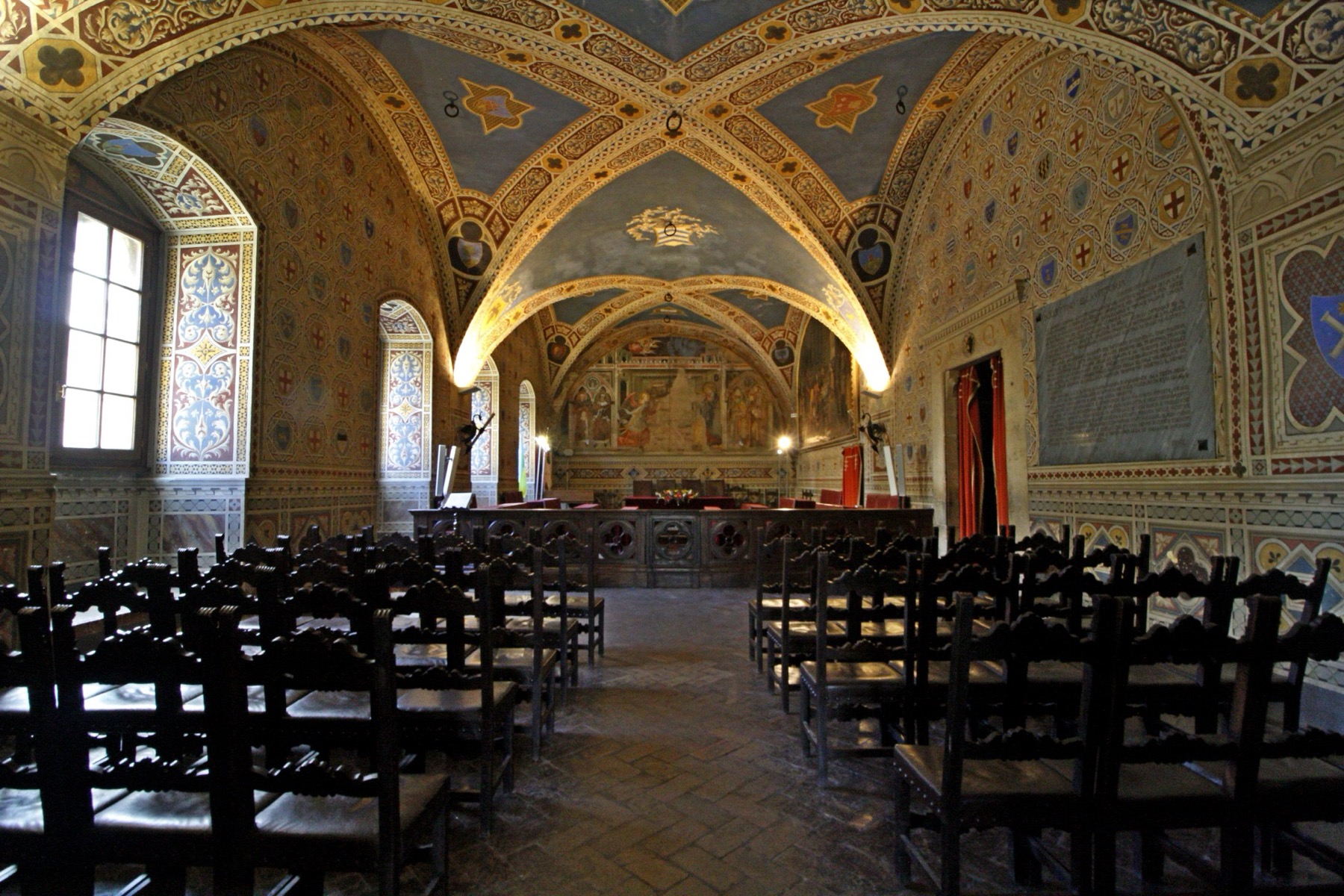
6. Palazzo dei Priori and climbing the tower
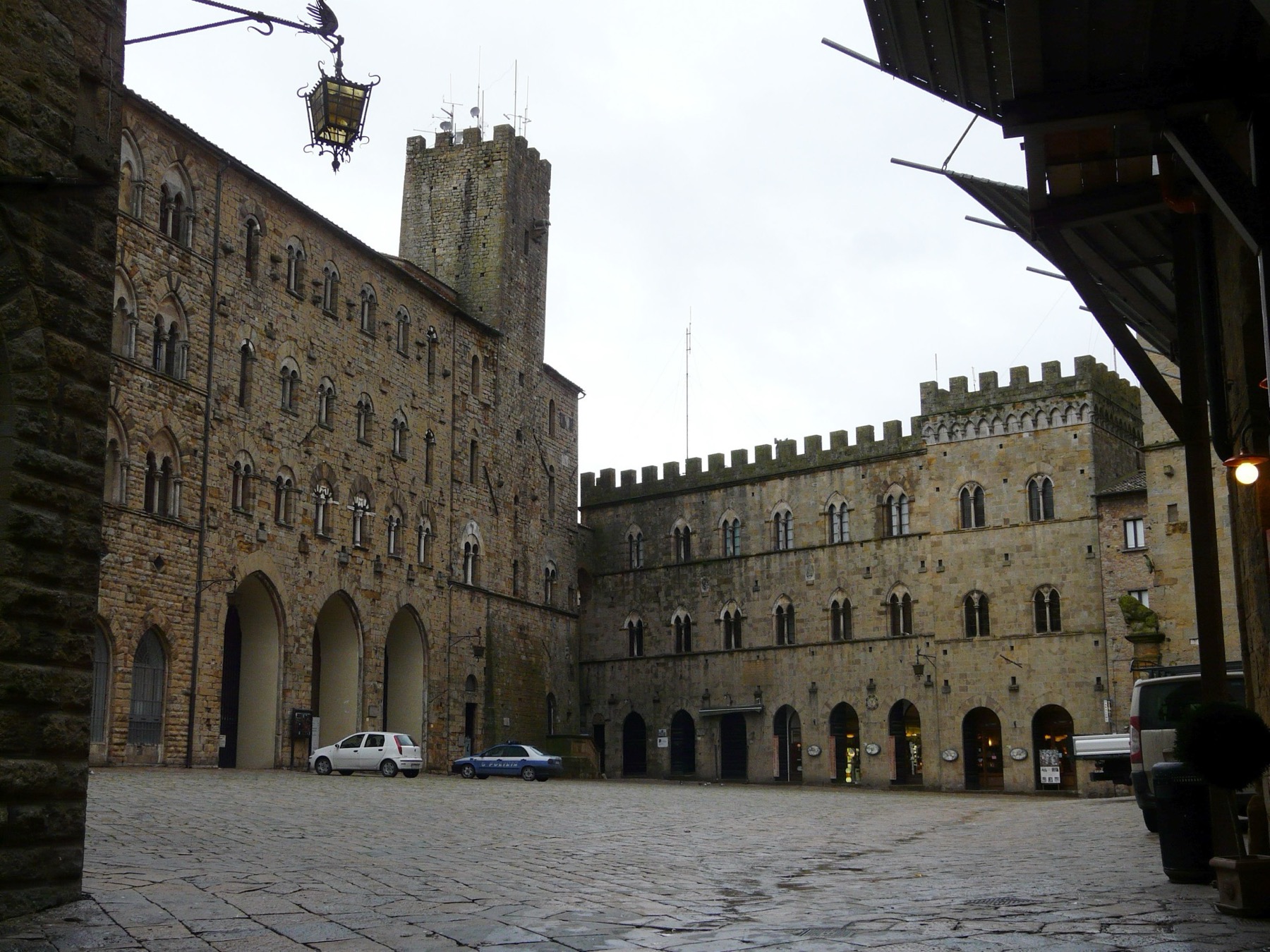
Stand in the very centre of the main square and your eye will immediately be drawn to the mighty town hall building, topped with typical jagged battlements and a tall tower. The Palazzo dei Priori was built between 1208 and 1257 and rightly holds the very prestigious title of the oldest surviving town hall in all of Tuscany.
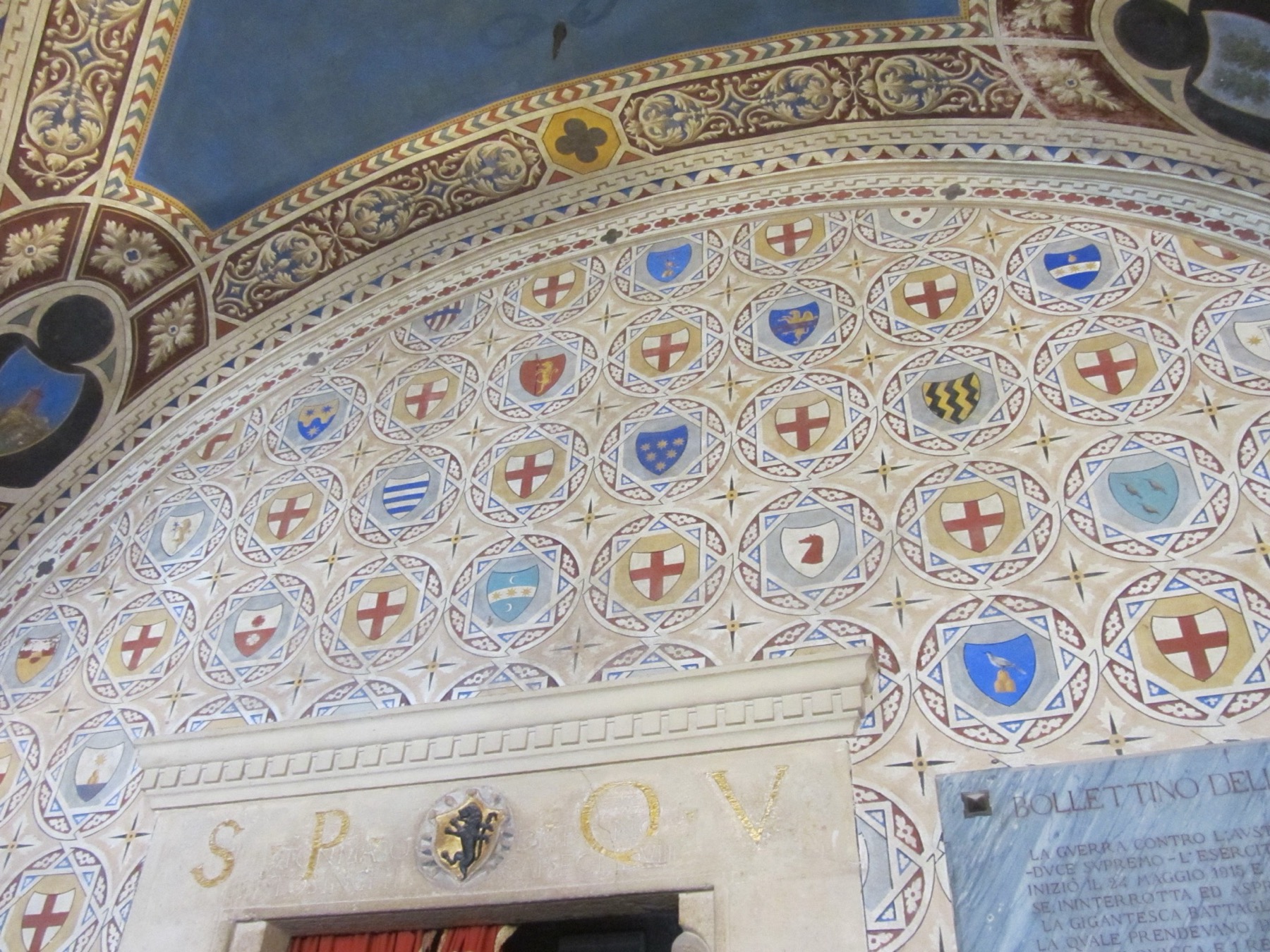
This building is even a few decades older than the far more famous and more visited Palazzo Vecchio in nearby Florence. Few people know that the grand Florentine town hall drew heavily on Volterra’s for architectural inspiration. On the stone façade you can take a close look at the beautiful coats of arms of the Florentine governors, very precisely made from colourful majolica and finely worked stone.
The interior of the historic town hall is normally open to the public, and I definitely recommend climbing the old steps all the way up to the viewing tower. From its narrow gallery you’ll get an absolutely breathtaking panoramic view over the whole town with its tangle of red roofs, the old Etruscan walls, and the endlessly rolling Tuscan countryside in the background.
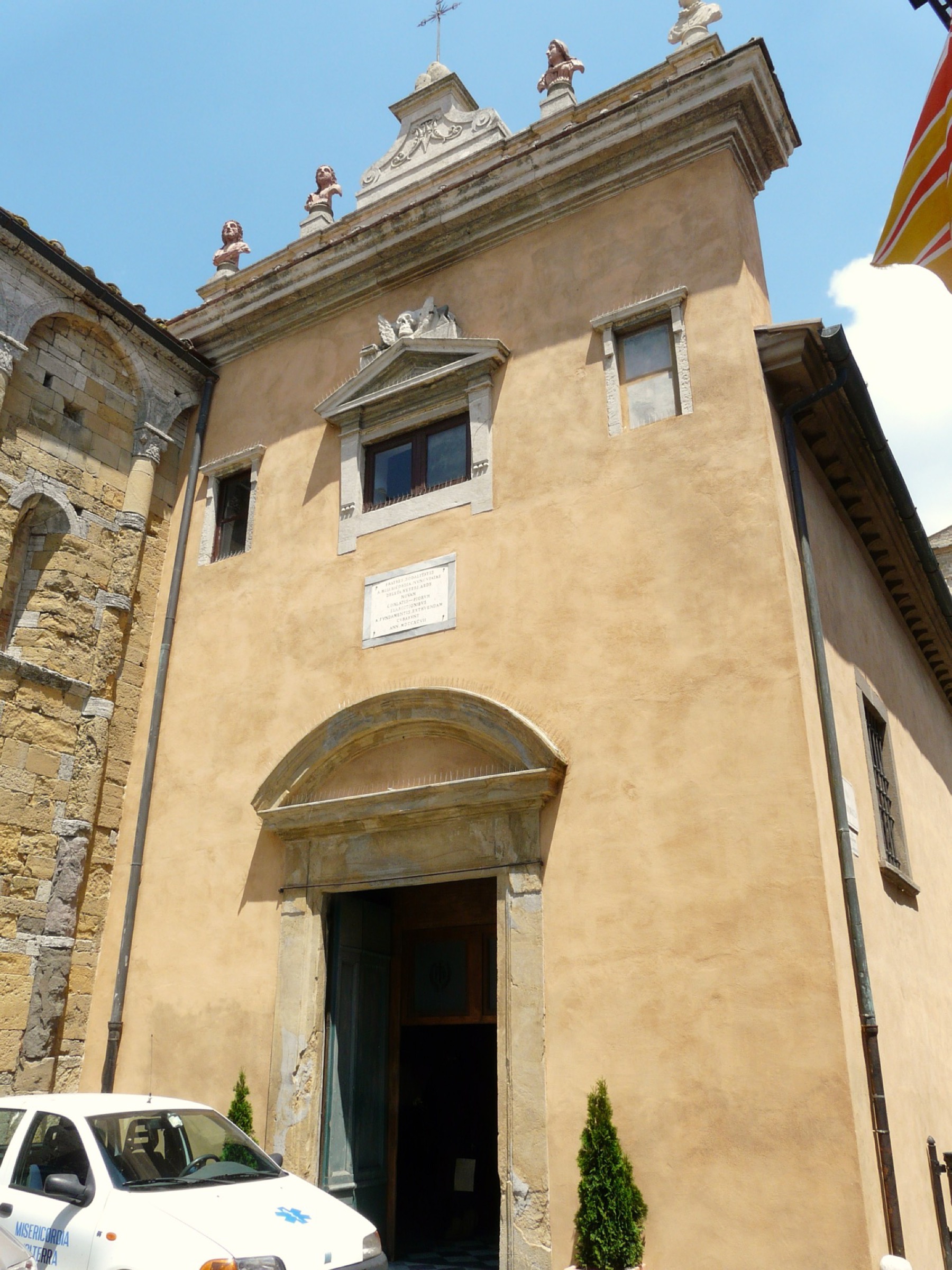
7. Santa Maria Assunta cathedral
The local Duomo, or Cathedral of the Assumption of the Virgin Mary, dates from the 12th century and is sure to grab you straight away with its elegant Romanesque façade decorated with blind arcades. While the church looks fairly plain and understated from the outside, its interior hides several major artistic surprises well worth your attention.
The most striking feature of the whole interior is undoubtedly the gorgeous, richly decorated coffered ceiling that you won’t be able to take your eyes off. During your visit, pay close attention too to the rare polychrome wooden sculpture group of the Deposition, which dates from the 13th century. This work is remarkably well preserved, strikingly colourful, and full of powerful human emotion.
The cathedral underwent a fairly major Renaissance renovation in the 16th century, so today it combines the original medieval architecture with later artistic styles in a very interesting way. Entry to the church itself is usually free, so definitely pop in for a while to soak up the atmosphere. There’s only a small fee for the adjacent diocesan museum, which is also part of the city card.
8. San Giovanni baptistery
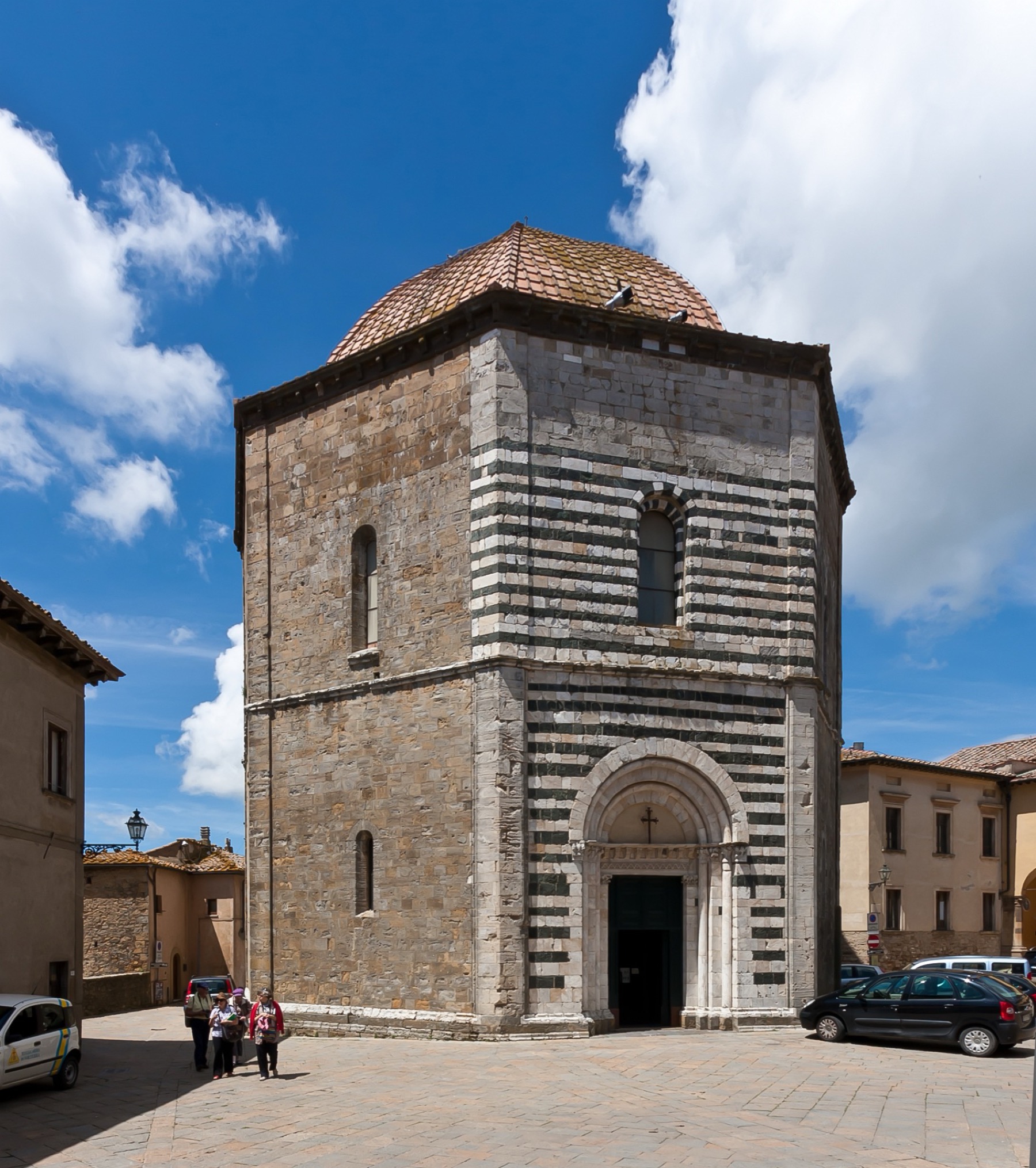
Right across the paved square, opposite the main entrance to the cathedral, stands the imposing octagonal baptistery dating from the 13th century. Its façade is interestingly decorated with alternating stripes of dark green and bright white marble — an utterly typical and very photogenic element of Tuscan Romanesque architecture, which you might recognise from nearby Siena or Florence.
The main draw when viewed from outside is the beautifully crafted marble portal, which elegantly frames the heavy entrance doors. The inside of the baptistery, by contrast, is fairly simple, plain and deliberately unadorned, but at its very centre stands a beautiful, intricately carved font created by the famous Renaissance sculptor Andrea Sansovino.
The baptistery is reached by sun-drenched stone steps, where people like to sit and watch the bustle on Piazza San Giovanni — ideally with an ice cream in hand 😁.

9. Pinacoteca and Rosso Fiorentino
If you love classical fine art, definitely make your way to the town gallery, the Pinacoteca e Museo Civico. This important institution sits in the beautiful historic rooms of the Minucci-Solaini palace, and the good news is that this museum too is fully included in the combined Volterra Card, so you won’t have to pay anything extra at the entrance.
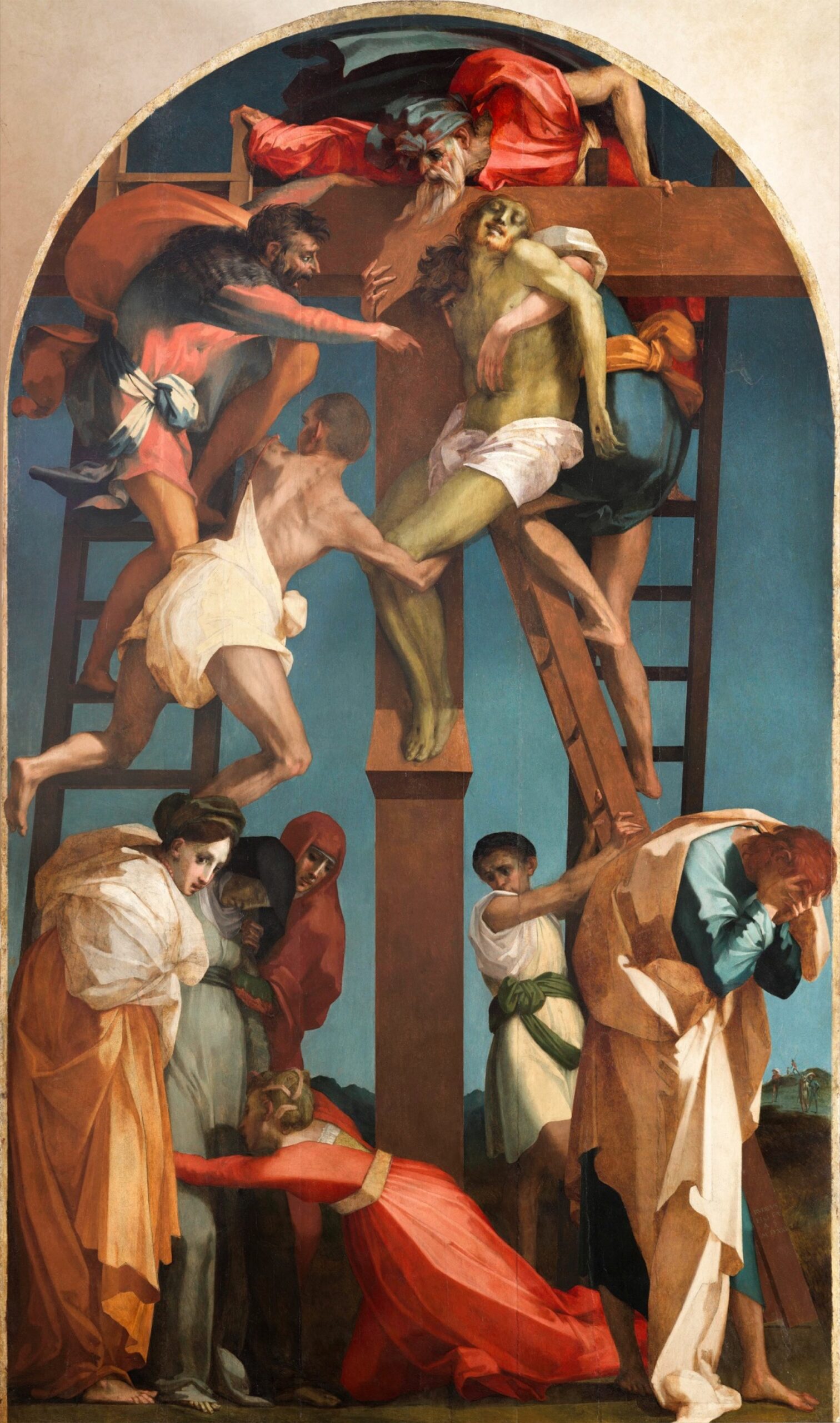
The main reason art lovers travel here with such huge enthusiasm from every corner of the world is the masterpiece Deposition from the Cross (Deposizione dalla Croce) by the renowned painter Rosso Fiorentino, completed in 1521. Art historians unanimously regard this large-scale painting as one of the absolute, unsurpassed peaks of Italian Mannerism.
Honestly, even if you don’t follow fine art much, this painting will get you. The colours are almost aggressive, and the figures look as if they might rise off the canvas at any moment.
10. Alabaster as a living craft
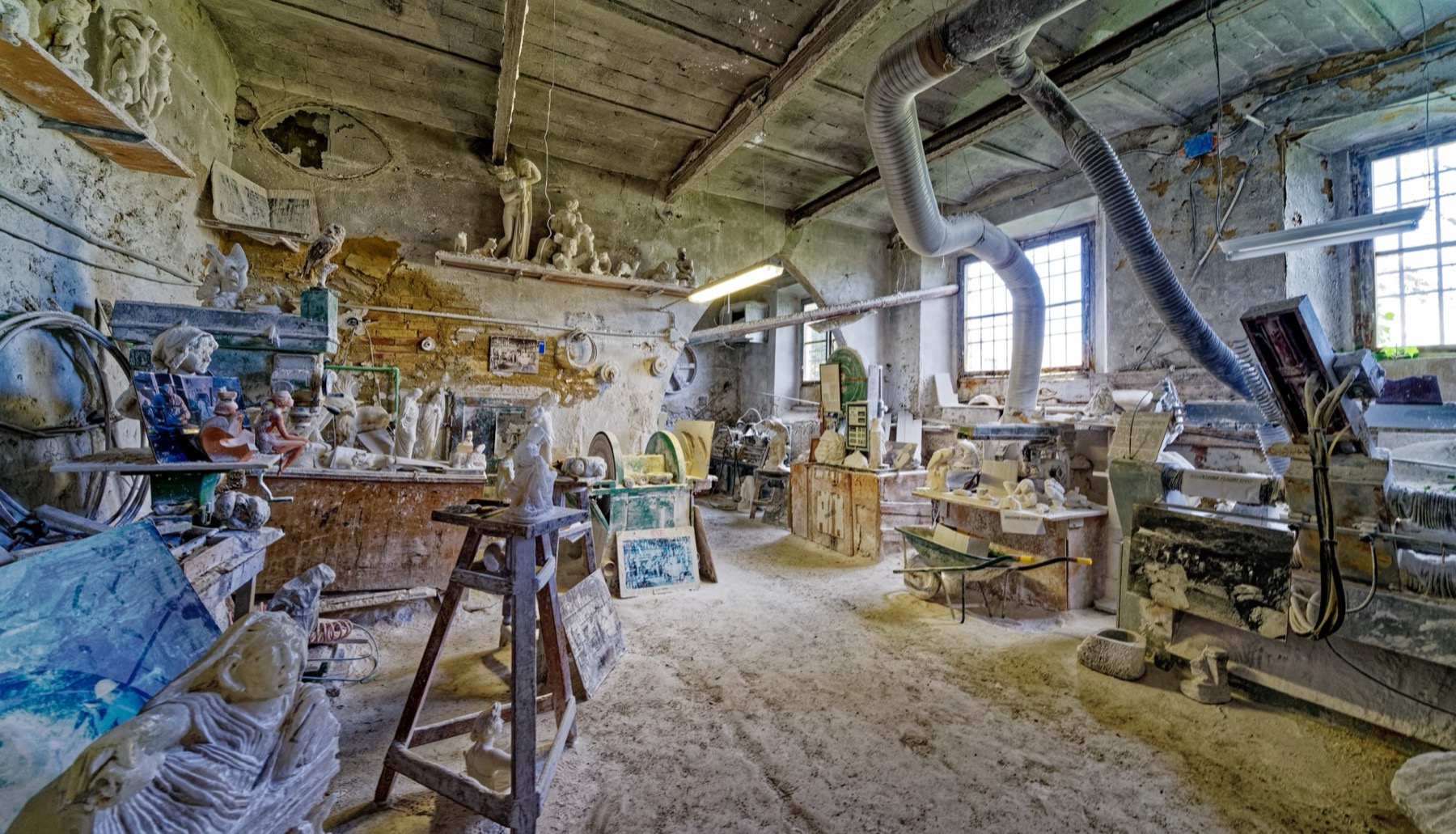
The town has been famous for its exceptionally precise alabaster work since the ancient days of the Etruscans, who masterfully carved their funerary urns from this soft, slightly translucent stone. The stone is still actively mined in the hills immediately around the town, and local craftspeople work it entirely by hand in small, dusty workshops.
I definitely recommend visiting one of the traditional workshops — for example, the popular Alab’Arte right in the historic centre. The craftspeople here work with exactly the same tools and the same plaster models as centuries ago, and you can freely watch them at their painstaking work. Another very well-known workshop is Paolo Sabatini on Via Porta all’Arco, where you’ll find more modern and highly unconventional artistic designs.
⚠️ Be very careful, though, with the ordinary tourist shops on the main shopping street. They very often cheat, selling cheap imported stone from Asia or even artificial plastic imitations. You can always tell genuine Volterra pieces by their accompanying certificate of origin, and ideally you should buy them directly in verified craft workshops.
11. Ecomuseo dell’Alabastro
If the fascinating craft of working this particular stone really caught your interest and you want to learn much more about it, stop by the Alabaster Ecomuseum too. Your entry is cleverly sorted and you won’t have to pay anything extra if you picked up that combined city card at the start of the day.
The museum takes you, in a very engaging and modern way, through the entire long history of this craft, from the days of the ancient Etruscans right up to the present day. You’ll see a range of historic working tools, samples of raw unworked stone from the local quarries, and of course finished masterpieces from various historical eras.
It’s a small, easy-to-navigate museum, so the visit won’t take you more than half an hour, but it wonderfully rounds out the context for what you’ll then see in the living workshops, and you’ll understand just how insanely demanding this work really is.
12. Fortezza Medicea and its curious prison
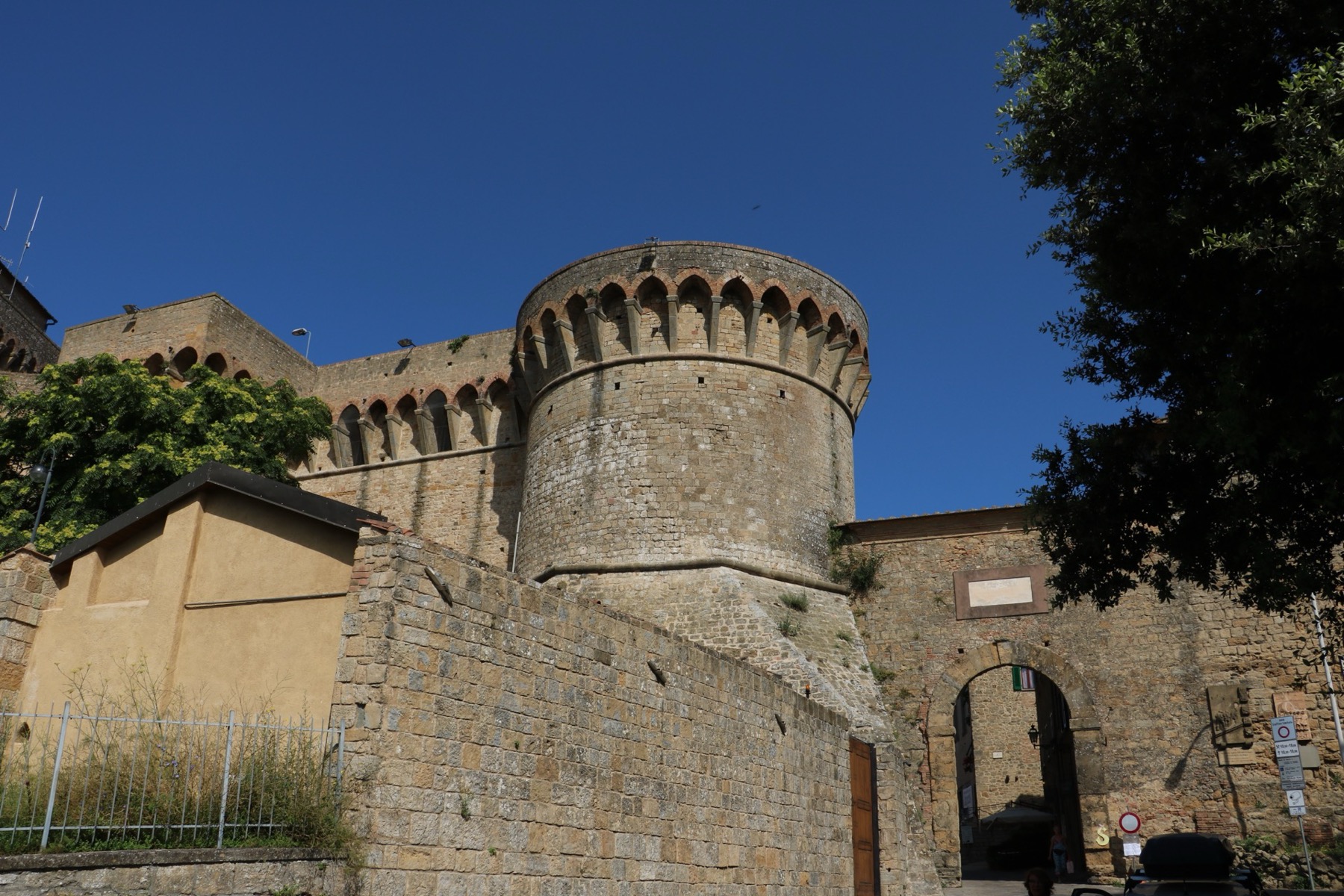
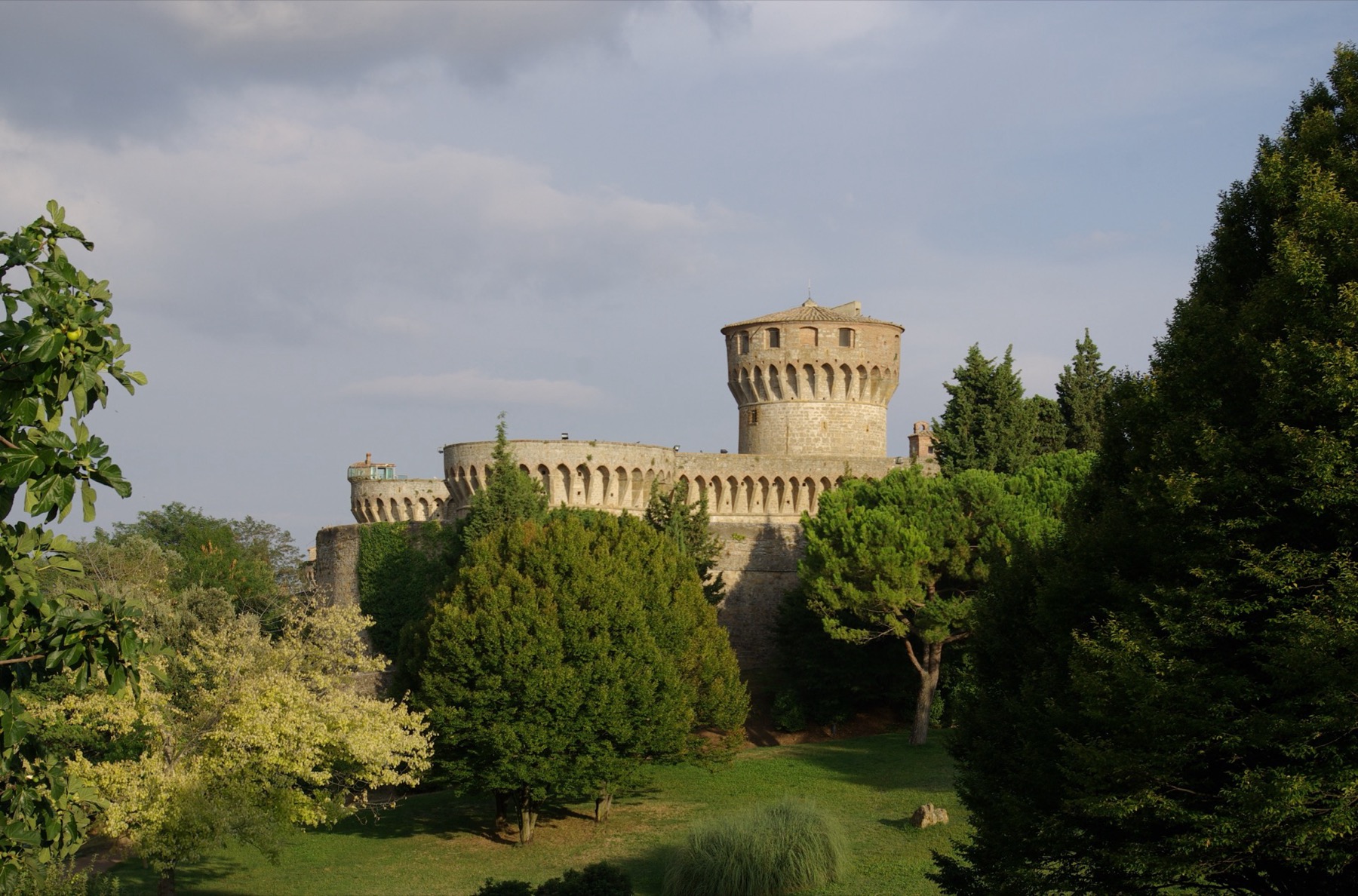
On the highest raised point above the town, the enormous Medici Fortress rises majestically, forming an inseparable part of the town’s skyline from afar and tempting you to visit. There’s one very important catch that a lot of tourists have no idea about on arrival, though: the fortress still fully serves as a medium-security state prison.
Logically, that means you won’t just wander inside the high fortress walls as an ordinary tourist with a camera. The interiors are strictly closed to the public and accessible only on a select few days a year. Even then, on an organised tour you’ll only get into a very small peripheral part of the sprawling prison complex.
Even so, this fortress is tied to one huge curiosity that people talk about a lot. In part of the complex, a special restaurant occasionally operates where the food is cooked and guests served directly by the local inmates as part of their rehabilitation programme. It only runs occasionally, and a reservation involves a police background check, so it’s not exactly something you book in five minutes 😅. Always check the current dates well in advance.
13. Relaxing in Parco di Castello
Right below the high prison walls, off-limits to tourists, lies the beautiful public town park Parco di Castello. If you’re worn out from endlessly walking on the hard stone paving in the centre and need to rest for a while somewhere in the shade, this is the absolute best and most peaceful spot for miles around.
The park is full of old mature trees and wooden benches, and you’ll also find pleasant grassy areas where locals love to have weekend picnics and read books. For families with children there’s also a smaller, well-kept playground where your little ones can safely keep themselves busy while you enjoy some well-earned downtime.
From the edges of this high-set park, lovely distant views open up over the rolling surrounding countryside. What’s more, it’s an absolutely great spot from which you can safely and calmly photograph that mighty Medici Fortress up close from the outside, without disturbing the prison security perimeter in any way. This is also where much of the medieval festivities take place in August.
14. Le Balze and the vanishing abbey
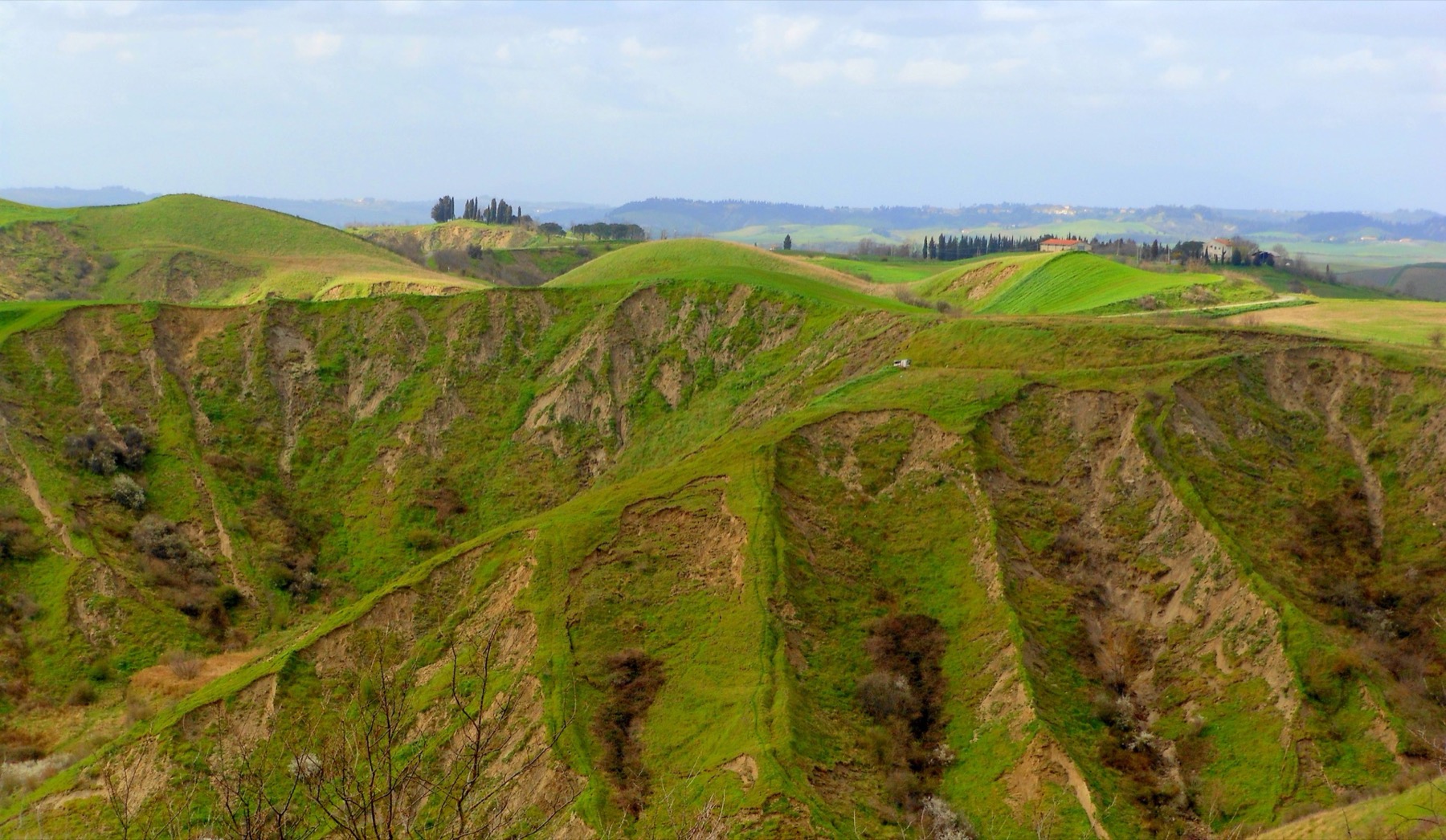
On the north-western edge of town you’ll come across a fascinating, yet slightly eerie, natural phenomenon that shows you the enormous power of nature. Le Balze are very dramatic erosion cliffs that have relentlessly gnawed away for centuries at the plateau on which the town itself has stood for thousands of years, reshaping the whole landscape.
These deep and utterly unstoppable landslides have in the past irretrievably swallowed ancient Etruscan necropolises and several medieval Christian churches. Right on the edge of the sandstone chasm stands the old abandoned Badia Camaldolese abbey. Here time really is running out — the abbey inches closer to the abyss with every season, so if you want to see it, don’t wait for the next travel guide.
You can no longer reach the abbey itself for obvious safety reasons, but the view from a safe distance across the chasm is one of the most powerful experiences in the whole wide area. The most beautiful atmospheric photos are guaranteed at dusk, when the sinking sun turns the bare sandstone cliffs into unreal, deeply saturated shades of orange and red.
15. Volterra and the Twilight saga: what’s the real story?
If you’re an avid fan of Stephenie Meyer’s books, you know very well that this is where the author placed the secret seat of the most powerful vampire clan, the Volturi. To this day, crowds of devoted Twilight fans flock to town, hunting the streets with a map in hand for the film locations from the popular instalment New Moon. This is exactly why Volterra, Italy, is such a magnet for Twilight lovers.
⚠️ Here, though, we have to tell you the truth straight so you’re not disappointed on arrival: the film wasn’t shot in Volterra at all! For the actual filming, the crew ultimately chose the picturesque historic centre of the nearby Tuscan town of Montepulciano, which apparently suited them better logistically.
All those famous film scenes where the heroine desperately runs across a square full of people in red cloaks were actually shot in Montepulciano, by the beautiful San Biagio church and in the local alleys. Volterra still cleverly cashes in on its vampire fame, and you can buy plenty of themed souvenirs here, but you’d simply hunt in vain for the real film sets.
16. The Volterra AD 1398 festival
If you want to experience something truly spectacular and authentic on your travels, plan your trip for hot August. During the huge Volterra AD 1398 festival, the town travels right back in time to the Middle Ages, and the stone streets fill with noble ladies in period dresses, knights in full armour, skilled flag-throwers, crossbowmen, and wandering musicians.
This popular historical festival is always held on two Sundays in August. According to current information, in 2026 it should be Sunday 9 and 16 August, but different sources sometimes disagree on the exact order of the weekends. Sometimes it’s the second and third Sunday, other times the third and fourth, so I highly recommend you verify the exact date in advance on the official website volterratur.it.
The main stage for this magnificent festival is traditionally concentrated in the sprawling Parco di Castello park below the Medici Fortress and on the central town square. The atmosphere here is utterly immersive, you pay at the stalls with specially minted period coins, and you can try old medieval crafts completely first-hand.

17. Where to eat and what to try in Volterra restaurants
Tuscany is simply a carnivore’s paradise, and Volterra is no exception — the menus are dominated mainly by wild boar (cinghiale) and wild hare (lepre), most often as a sauce for homemade pasta. And if you’re not after meat, the local restaurants also offer plenty of excellent meat-free options. Definitely try the thick traditional pappa al pomodoro soup, the refreshing panzanella bread salad, or a hearty vegetable ribollita (just to be safe, ask whether it’s purely vegetable-based). The homemade coarse pici pasta with a rich garlic sauce (aglione) is also excellent, and of course you can’t miss the delicious pecorino cheese or dishes flavoured with rare local truffles.
A great view and excellent food come courtesy of Osteria Fornelli, which has a beautiful terrace. If you’re after something quick and very cheap, head to the little bistro La Sosta del Priore, where you choose your excellent fresh sandwiches straight off a screen before ordering. For classic Tuscan cuisine and an extensive wine list, head to the highly rated La Vecchia Lira or the cosy vaulted Osteria La Pace with its wonderful family atmosphere. Another excellent dinner choice is La Carabaccia with its seasonal menu, or the small restaurant Porgi l’altra Pancia, which is often full, so definitely leave your number and wait a while.
18. A walk along the medieval walls
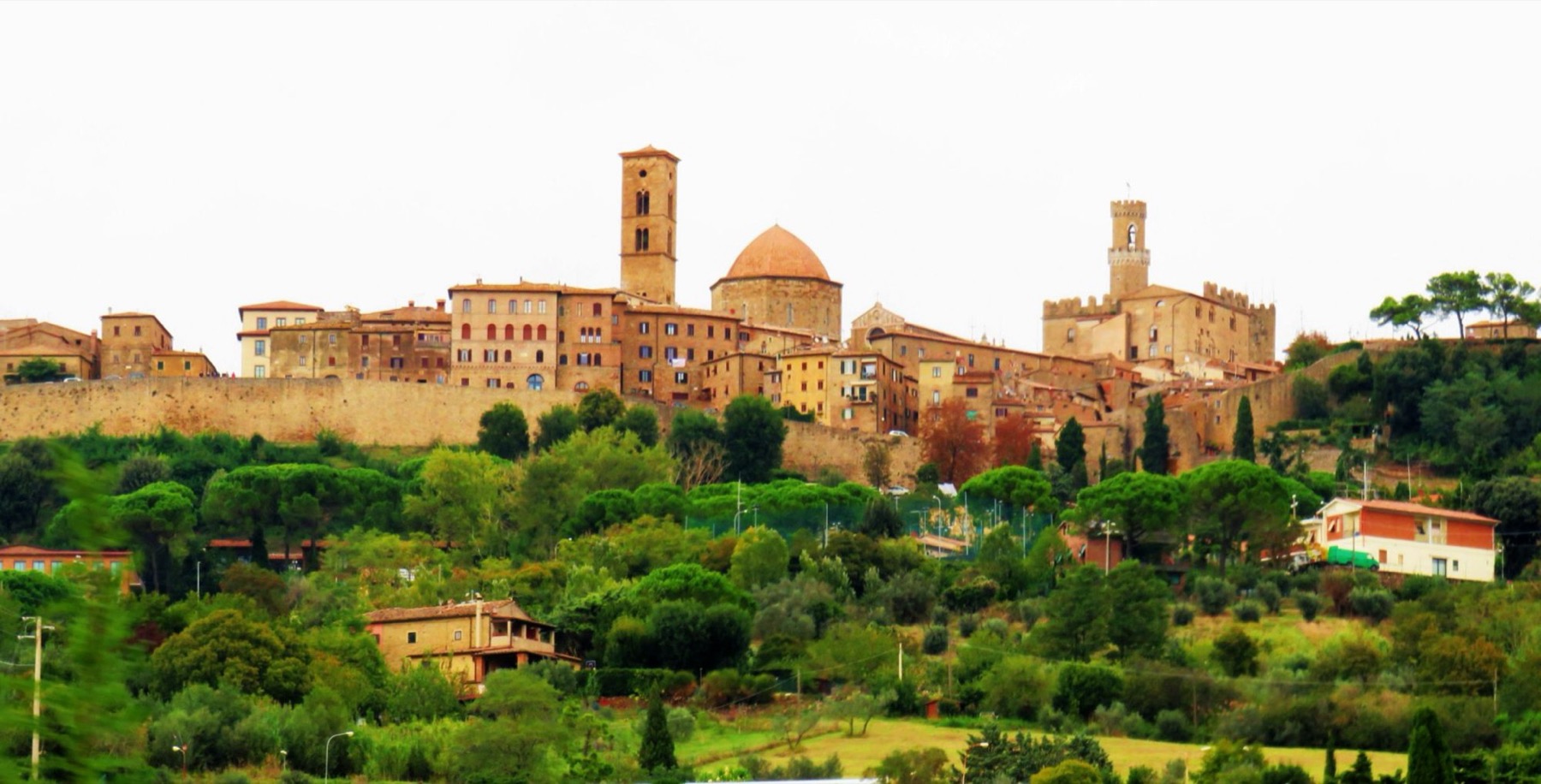
Save the best for the very end of the day, to wind down after a full day of racing around museums and busy streets. The historic centre is firmly enclosed by mighty medieval walls that stretch for a respectable two and a half kilometres, tracing the edge of the steep hill exactly. Incidentally, the original Etruscan walls, which protected a much larger area, measured an incredible seven kilometres.
A slow, relaxing walk along the ring streets beside the walls — for example, along the beautiful tree-lined avenue Viale dei Ponti — will offer you the most quintessential Tuscan scenery you know from calendars and postcards. You’ll see endless rolling hills dotted with lone stone farmhouses, iconic cypress avenues, and old vineyards stretching all the way to the distant horizon.
And it’s right here, with that view into the golden dusk, that you’ll understand why the Tuscan postcard cliché actually isn’t a cliché at all ☺️.
Where to go next from Volterra
If you have a car and want to explore the surroundings, there are plenty of options. Definitely read our big guide Tuscany: 30 Most Beautiful Places and a 7-Day Itinerary, where you’ll find loads of more inspiration for your road trip.
A visit to two neighbouring gems is almost a must. Take a look at our article Siena and San Gimignano: 8 Things to See, because the combination of Volterra and tower-studded San Gimignano can comfortably be done in a single day.
If you need to unwind a little after all that sightseeing, check out our pick of Wellness Hotels in Tuscany: 12 Thermal Spas. And if you’re tempted to discover more Italian regions, find inspiration in our overview Where to Holiday in Italy: 20 Best Places.
Frequently asked questions
Still puzzling over a few unanswered questions? I’ve put together the most important things travellers often ask before a trip to Volterra. Whether it’s about parking, tickets, or how it compares to the surrounding towns, you’ll find quick answers here.
Is Volterra worth visiting if I only have time for San Gimignano?
Absolutely yes. Volterra is much quieter, significantly older and overall feels much more authentic. San Gimignano is incredibly photogenic thanks to its preserved medieval towers, but during peak season it tends to be absolutely packed with people. Ideally, visit both towns in one day—they’re only about 30 kilometres apart.
How much time should I allocate for Volterra?
For a leisurely stroll through the historic centre, coffee and views of the Tuscan countryside, half a day will be more than enough. However, if you plan to use the combined card and visit the Guarnacci Etruscan Museum, the art gallery, the town hall tower and other interesting sights, definitely allocate a full day for the town.
Is the Volterra Card worth buying?
Yes, it’s worth it as soon as you plan to visit at least three paid sites. The card costs €23 for an adult, while individual admission to one museum is €10. Moreover, the card is valid for a full 72 hours from first use and includes seven main attractions, so you don’t need to rush through your sightseeing.
Where can you park in town?
The entire historic centre inside the walls is designated as a strict ZTL zone, where tourists are forbidden to drive. You must leave your car at designated parking areas just below the walls, such as Parcheggio Docciola, Parcheggio Vallebona or Porta Fiorentina, from where escalators will comfortably take you up to the centre.
Was the Twilight film actually shot here?
No, it wasn’t filmed here at all. Although the plot of the book New Moon takes place here as the seat of the powerful Volturi clan, the film crew chose the historic centre of the nearby town of Montepulciano for filming. That’s where the film crews relocated and those famous scenes at the San Biagio church were created.
Can you visit the Medici Prison and its restaurant?
The regular interior spaces of the prison are not actually accessible to tourists. The restaurant staffed by the prisoners themselves only operates very occasionally as part of special scheduled dates and requires complicated reservation well in advance, which is strictly tied to police security clearance of your identity.
Is the alabaster in local shops authentic?
In traditional craft workshops and certified shops yes, there you’ll get one hundred percent quality. In regular souvenir shops on the main shopping street, however, be very careful of cheap imported imitations made of plastic or Asian stone. Genuine Volterra alabaster should always come with a certificate of origin.
How can I get here by public transport without a car?
The journey by bus is possible, but you’ll always need at least one transfer, because there are no direct connections from major tourist cities. From Florence and Siena you have to take a bus to the town of Colle di Val d’Elsa and transfer there. From Pisa, buses run with a transfer in the town of Pontedera.
Tips and Tricks for Your Vacation
Don’t Overpay for Flights
Search for flights on Kayak. It’s our favorite search engine because it scans the websites of all airlines and always finds the cheapest connection.
Book Your Accommodation Smartly
The best experiences we’ve had when looking for accommodation (from Alaska to Morocco) are with Booking.com, where hotels, apartments, and entire houses are usually the cheapest and most widely available.
 🚗 Car rental on the roadVerified car rentals in Tuscany
Search with the DiscoverCars comparison engine — it compares prices from dozens of local and international rental companies, and most bookings come with free cancellation.
Compare car prices in Tuscany →Don’t Forget Travel Insurance
Good travel insurance will protect you against illness, accidents, theft, or flight cancellations. We’ve had a few hospital visits abroad, so we know how important it is to have proper insurance arranged.
Where we insure ourselves: SafetyWing (simple monthly subscription) and TrueTraveller (for extra-long trips).
Find the Best Experiences
Get Your Guide is a huge online marketplace where you can book guided walks, trips, skip-the-line tickets, tours, and much more. We always find some extra fun there!