

Sweden has probably been on your mind for a while now. The Northern Lights dancing over snow-covered Lapland, a wooden stuga by a lake, fishing villages along the west coast, or Stockholm spread across fourteen islands. And then comes the practical uncertainty: when should you actually go, how much will it cost (Sweden isn’t the cheapest), and can you manage it on your own, or is it better to go with a tour operator?
In this hub you’ll find everything in one place. We’ve put together three things for you: up-to-date tour and flight prices, which we refresh every morning, our own hands-on tips from the road, and a plan for when and what to book so you don’t end up overpaying.

What to see and do in Sweden
Sweden is huge, and there are countless ways to take it in. We like to divide it into three worlds: the urban south, the islands, and the wild north. Whatever draws you in, here are the places we swear by.
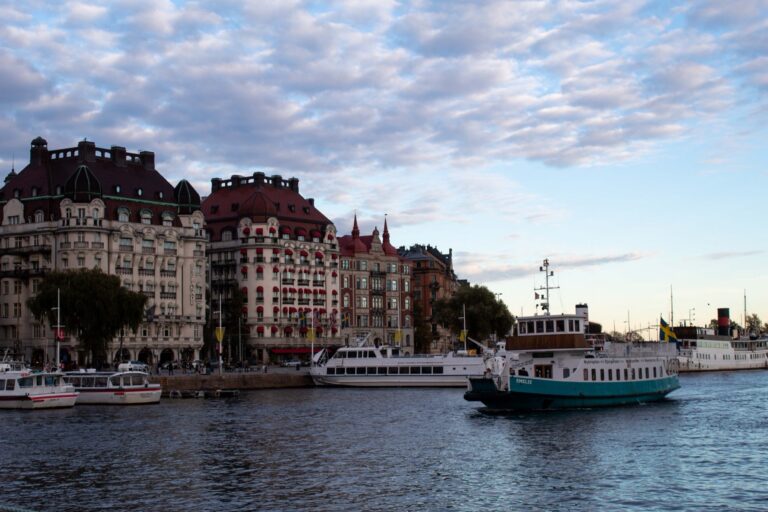
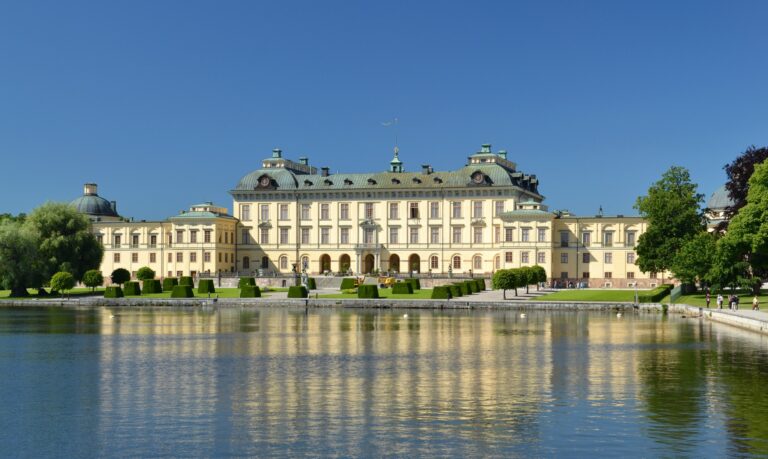
- Stockholm and the island of Djurgården – the heart of the capital, packed with museums, including the famous Vasa Museum with its remarkably preserved 17th-century ship. Also well worth a trip is Drottningholm Palace, Sweden’s answer to Versailles.
- The Stockholm Archipelago – thousands of little islands within easy reach by boat from the centre, perfect for a day trip or an overnight stay.
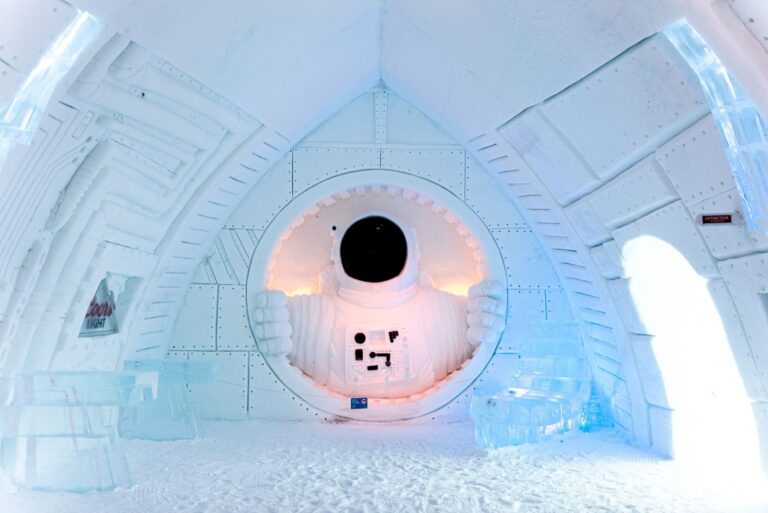
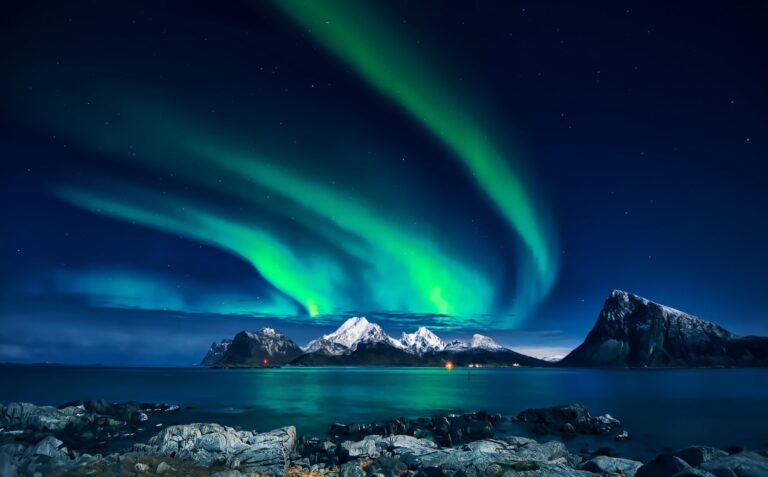
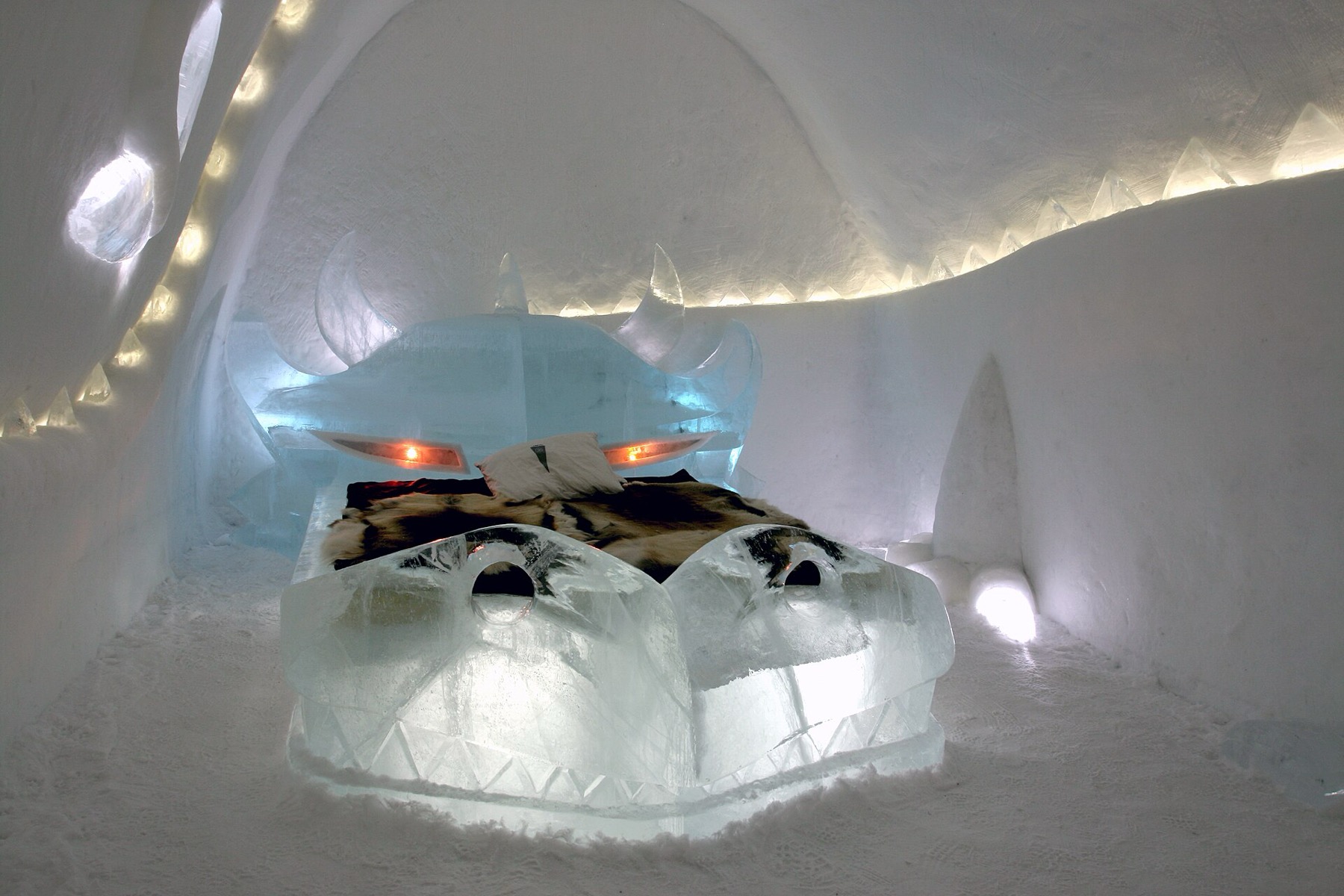
- Swedish Lapland beyond the Arctic Circle – the Northern Lights in winter, the midnight sun in summer, and the legendary Icehotel in Jukkasjärvi.
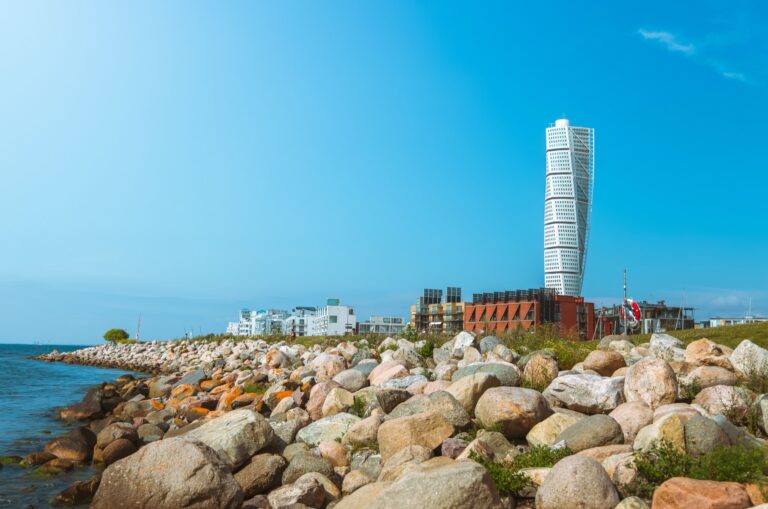
- Gothenburg and Malmö – the second and third largest cities, both a great gateway into Sweden.
- The islands of Gotland with the Hanseatic town of Visby and sunny Öland, known as the Swedish Riviera.
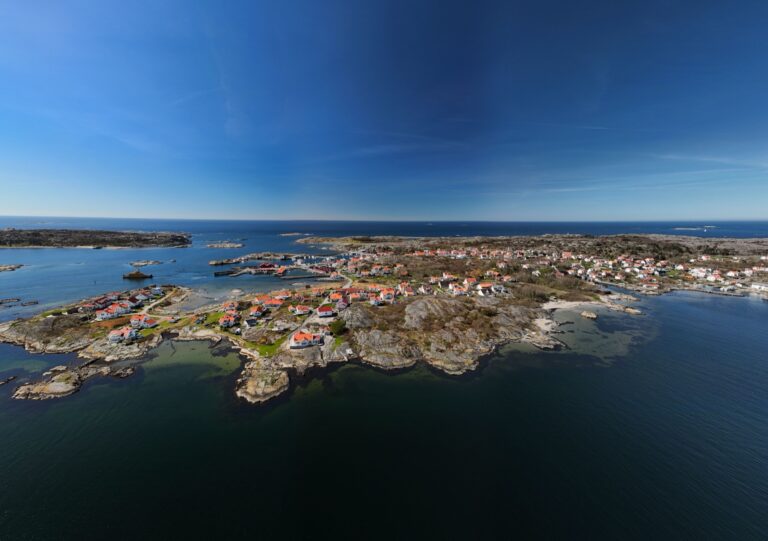
- The west coast of Bohuslän and Fjällbacka with its prawns and granite cliffs, the southern towns of Ystad and Skåne, and Småland with its Kingdom of Crystal.
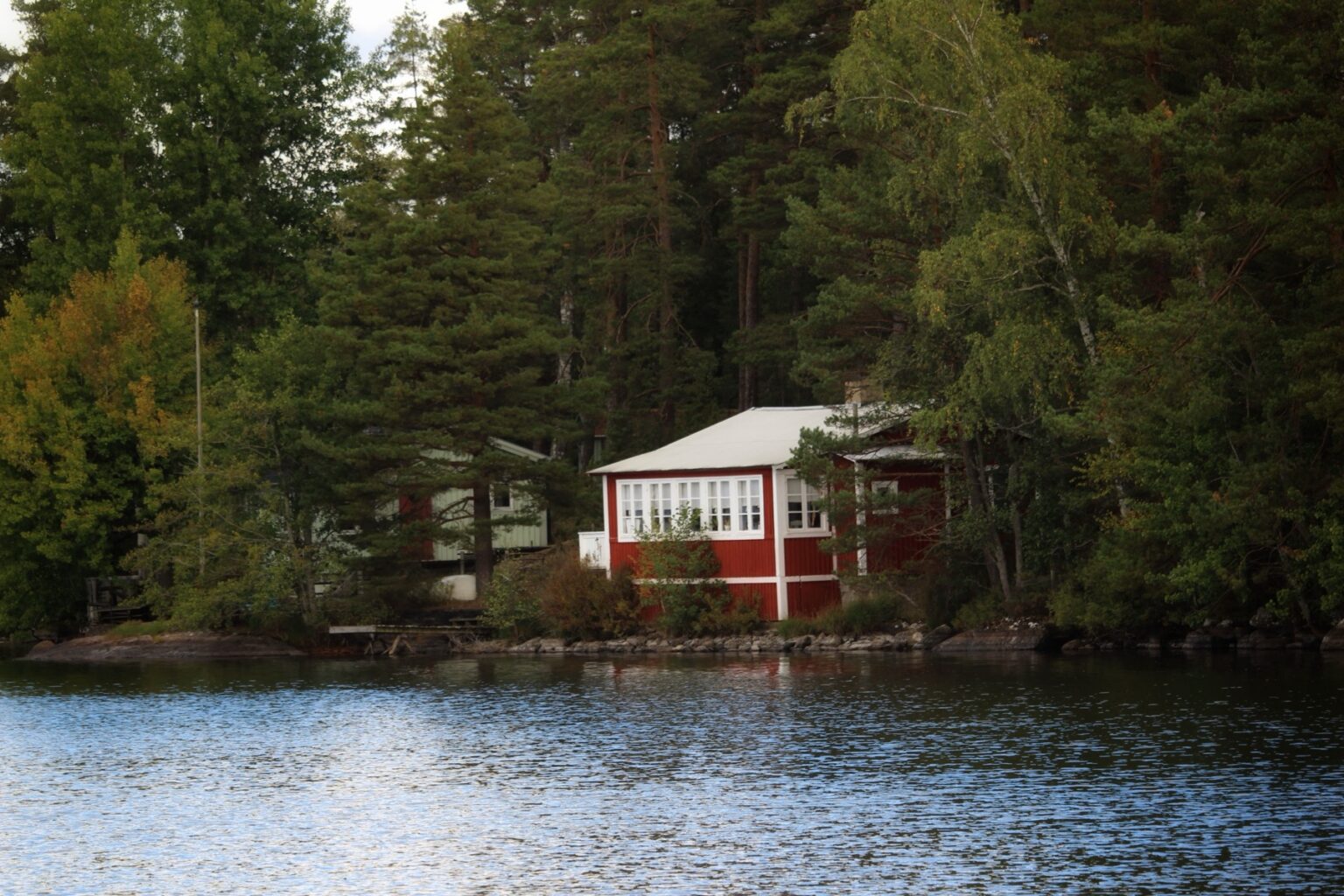
- For nature lovers, the Kungsleden – the King’s Trail and the chance to rent a stuga by a lake.
When to visit Sweden
Sweden is worth visiting all year round – you just need to be clear about what you want from your trip. Summer (June–August) is easily the most pleasant time to travel: long days, the midnight sun in the north, comfortable temperatures of 18–25 °C in the south, and every bit of infrastructure open. It’s also the priciest and busiest season, especially around the Midsommar holiday in the second half of June.
Winter (December–March) belongs to the north: the Northern Lights, snowmobile rides, dog sledding and the Icehotel. In the south, winter tends to be dark and damp. Spring and autumn are the cheaper shoulder seasons – May and September are our favourite months for cities and nature without the crowds.
We’ve put together a detailed breakdown of the weather and what’s worth doing when in our article When to go to Sweden.

How to get to Sweden
From Czechia, most people fly to Sweden – direct and connecting flights from Prague mainly head to Stockholm, and also to Gothenburg and Malmö (which you can reach from mainland Europe by train via Copenhagen too). A direct flight to Stockholm takes around 2 hours; with a connection, plan on half a day.
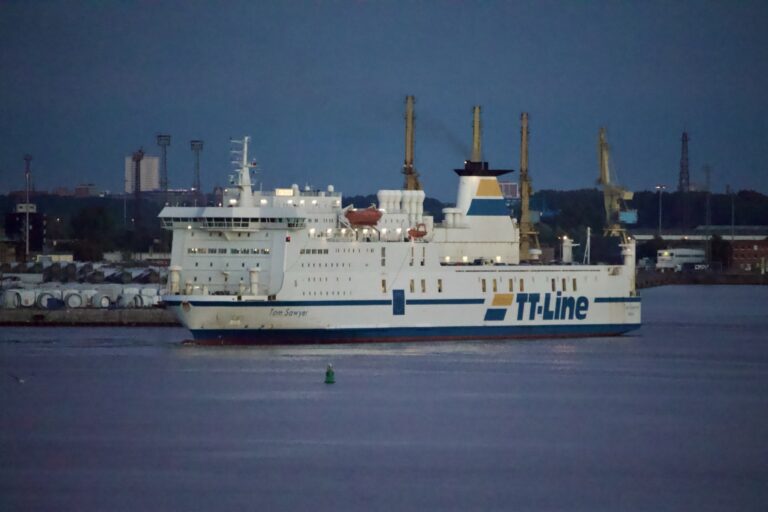
If you want your own car and have the time, you can take a ferry (popular routes run from Germany and Poland) or drive through Denmark and across the Öresund Bridge. Once in Sweden, travelling by train is a real pleasure, including overnight services heading north.
Renting a car
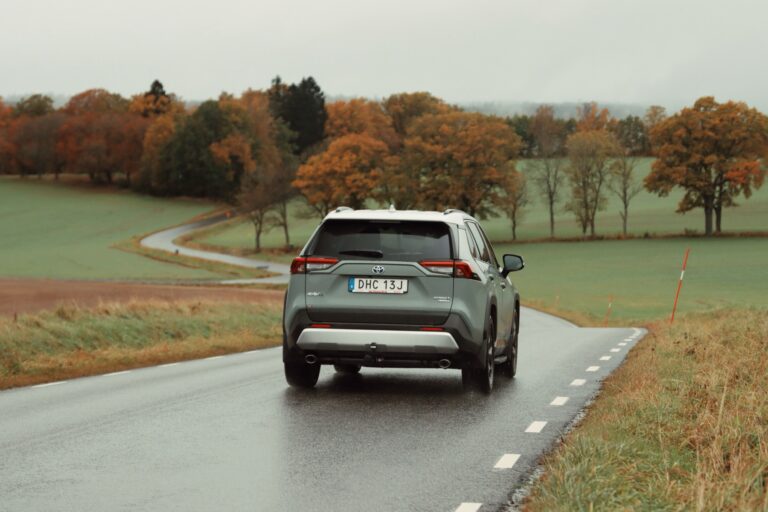
A car makes sense in Sweden if you’re planning a road trip through the countryside, the coast or the north – say across Bohuslän, Småland or beyond the Arctic Circle, where public transport is sparse. In Stockholm, Gothenburg and between the major cities, on the other hand, a car is more of a burden. Parking is expensive and the trains run brilliantly. You’ll find the details on routes and rules in our article Sweden by car.
- Book ahead through rental comparison sites – in season, what’s available on the spot is pricey and limited.
- Keep an eye on the insurance and the deposit amount (the hold on your card can be steep) and consider full cover.
- Factor in congestion charges in Stockholm and Gothenburg, plus fees for bridges and ferries.
Where to stay in Sweden
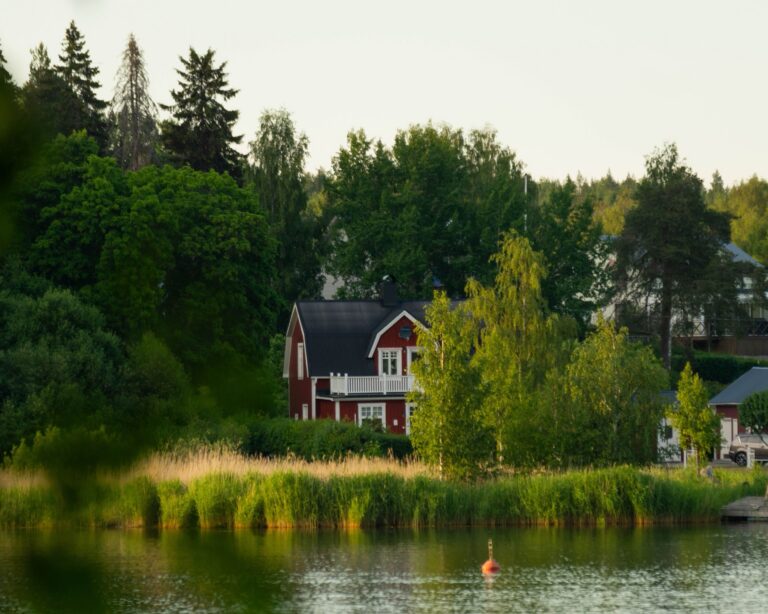
Where to stay depends mostly on the kind of trip you’re taking. In the cities, go for hotels and apartments in the centre or near public transport stops. For Stockholm, we’ve put together an overview of neighbourhoods and hotels by type of trip. Out in the countryside and by the lakes, the most authentic option is renting a stuga – a Swedish cabin.
- Cities – book hotels and apartments well in advance, especially in summer.
- Nature and lakes – cabins, campsites and the chance to wild camp thanks to allemansrätten.
- The north and Lapland – mountain huts along the Kungsleden, wilderness lodges and experiential stays like the Icehotel.
Package tour or independent travel?
A tour is worth it when…
- you want to head to Lapland for the Northern Lights and would rather not deal with the logistics or the weather,
- you’re drawn to an experience-packed itinerary (dog sledding, snowmobiles, the Icehotel) with activities arranged in advance,
- it’s your first time and you want everything from transport to accommodation in one hassle-free package.
Go it alone when…
- you’re planning cities, islands or a road trip – Sweden is safe, English gets you everywhere and the transport works,
- you want flexibility and your own pace (say a lakeside stuga and some camping),
- you’re watching your budget and want to piece the trip together your own way.
The two of us usually travel around Sweden independently – it’s one of the easiest countries in Europe to explore. We’d only consider a tour for winter Lapland, where it saves a lot of headaches with organisation and weather.
Budget: daily costs in Sweden
| Level | Accommodation | Food | Transport & activities | Total/day |
|---|---|---|---|---|
| Backpacker | 320 kr–450 kr (hostel, campsite) | 180 kr–270 kr (self-catering, supermarket) | 135 kr–230 kr | approx. 680 kr–950 kr |
| Standard | 820 kr–1 360 kr (3* hotel, apartment) | 360 kr–550 kr (lunch out, dinner) | 270 kr–550 kr | approx. 1 450 kr–2 500 kr |
| Comfort | 1 820 kr+ (4* hotel, experiential stay) | 680 kr+ (restaurants) | 680 kr+ | approx. 3 200 kr+ |
These prices are a rough guide per person per day and don’t include getting to Sweden. Sweden is one of the pricier destinations, but there’s plenty of room to save — more on that in our article Prices in Sweden.
How to save when planning
- Flights to Sweden are best booked 2–4 months ahead. For summer and the Christmas/winter dates in Lapland, book even earlier. Leave it to the last minute and you’ll usually overpay. Search for flights in our tool.
- Accommodation in the cities and stugas in summer go fast – feel free to book six months in advance, especially around Midsommar. Our accommodation tips.
- Tours heading north for the Northern Lights are worth booking early. Last-minute deals to Sweden are the exception rather than the rule. Check out the current tours.
- Activities and experiences (the Icehotel, dog sledding, guided tours) tend to sell out in peak season – book well ahead. What to book early.
- The biggest overspend is on restaurant meals and alcohol. Cooking your own food and shopping at supermarkets can easily cut that in half – learn more in our article on prices.
Practical information
- Language: Swedish, but you’ll get by in English absolutely everywhere and effortlessly.
- Payments: Sweden is an almost cashless country – you can pay by card everywhere, and you’ll barely need cash at all. The currency is the Swedish krona (SEK).
- Connectivity: coverage is excellent, even in the north. Save with an eSIM that you activate before you fly.
- Safety: Sweden is one of the safest countries out there – just keep an eye on the usual things in tourist hotspots.
- Nature: thanks to allemansrätten you have free access to the countryside, but you’re expected to respect the rules and people’s privacy.


