Sweden is a country that feels as if it were designed by parents themselves. You’ll notice it the moment you arrive: travelling in Sweden with kids is a breeze, with changing tables found even in men’s toilets and anyone pushing a pram riding Stockholm’s public transport completely free. It’s an incredibly relaxed destination where no one in a restaurant will frown at you when a toddler accidentally drops a spoon on the floor.
There’s also a big dose of nostalgia at play, because so many of us grew up on the books of Astrid Lindgren. Taking your own little ones into the world where Pippi Longstocking lifts a horse and Emil of Lönneberga sits in his shed means fulfilling a bit of your own childhood dream, too.
So — where do you start, and how do you keep those famous Nordic prices from draining your wallet before you spot your first moose? Here’s everything you need to know. If you’re wondering whether Scandinavia is right for a family holiday, drop your worries. Sweden is incredibly safe, clean and perfectly organised for travelling with children.
TL;DR
- Fairy-tale Småland: The Astrid Lindgrens Värld park in Vimmerby is an absolute must for families with younger kids.
- Stockholm full of experiences: Djurgården island offers the Story Train at Junibacken, animals at Skansen and the fascinating Vasa shipwreck.
- Amusement parks: Gröna Lund in Stockholm and the huge Liseberg in Gothenburg will keep teenagers and little ones busy all day.
- Free transport: In Stockholm an adult with a pram rides buses free, and kids under 18 don’t pay to enter many state museums.
- A base in nature: The best family accommodation is a traditional red cabin by a lake where you can cook for yourselves.
- Eating out: Look for signs reading “dagens lunch” (daily menu), which gets you a main course plus an endless salad buffet at a reasonable price.
- A cashless society: Leave your cash at home — in Sweden you pay by card absolutely everywhere (including public toilets).
The full destination guide: Sweden — guide and what to see
When to visit Sweden with the family
When to go is a genuinely important question in Sweden, because the timing can turn a whole holiday on its head — or, on the contrary, save it. The best weather awaits you from late June to mid-August, when the days are incredibly long and temperatures often climb to a pleasant 25 °C. The water in shallow bays and lakes also has time to warm up beautifully, so the kids can swim without a care and build sandcastles. If you go around the famous solstice holiday (Midsommar at the end of June), you’ll experience true Nordic magic with dancing around the maypole. Just pack a really reliable insect repellent, because summer mosquitoes can be quite pesky around inland lakes.
At the same time, you need to be ready for a phenomenon called the industrial holiday (industrisemester). During July, the overwhelming majority of Swedes take their collective leave and head off to their summer cottages. That means all the amusement parks, campsites and summer attractions run at full tilt, but they’re also bursting at the seams and accommodation prices hit their annual peak. In smaller inland towns you may instead run into closed cafés with a sign saying the owners have gone on holiday.
If you’re not tied to the school calendar, the ideal compromise is late August. By then Swedish kids are already back at their desks, so the crowds in the amusement parks thin out dramatically and you won’t queue for hours for the rides. The weather is usually still very pleasant, the lakes are warm from the summer, and cabin rental prices slowly start dropping to off-season levels.
The winter months, on the other hand, I’d only recommend for a trip with small children to real adventurers. The days are very short and freezing, which greatly limits your outdoor options. But if you long for snow and the northern lights in Lapland, head north rather in March, when the sun returns above the horizon, the days grow longer and temperatures are a little more bearable for the little ones.
Where to stay in Sweden with kids
💡 Tip for accommodation and experiences: We prefer to look for accommodation on Booking.com, which usually has the best cancellation terms. For tickets, tours and activities, it pays to compare and book through GetYourGuide.
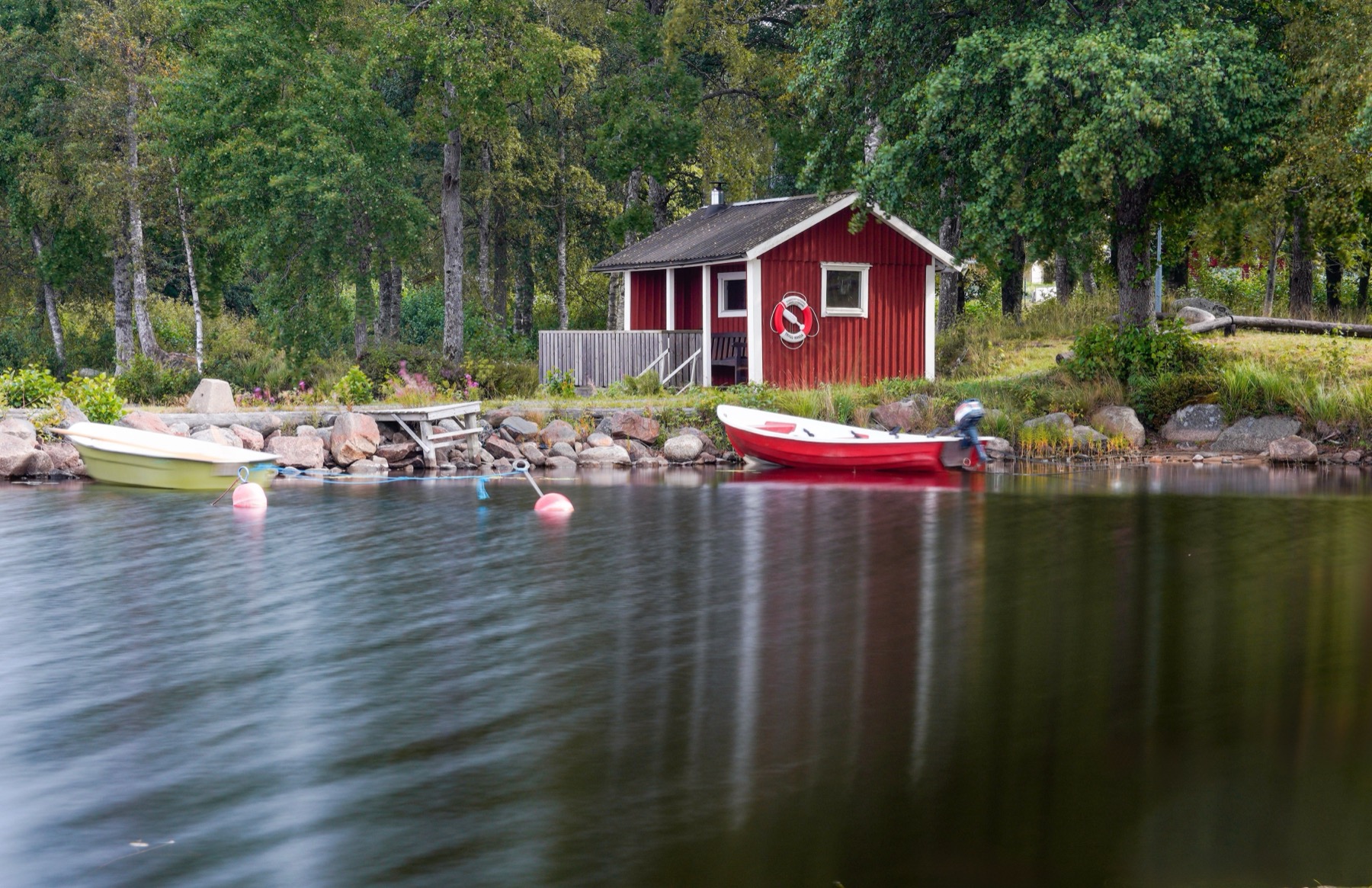
While childless couples often choose hotels in city centres, families in Sweden go for an entirely different style of accommodation. The cornerstone of a family holiday is campsites and cabins, which offer not only huge space for the kids to play outdoors but, above all, their own kitchenette for preparing meals. Cooking from your own supplies is absolutely essential for keeping the family budget in check, because restaurant prices are relentless. Another great and affordable alternative is the STF (Svenska Turistföreningen) hostel network, where for very decent money you’ll get family rooms in gorgeous nature with access to generously equipped shared kitchens.
Swedish campsites (for example from the First Camp network) are among the best equipped in all of Europe. You’ll commonly find huge playgrounds, swimming pools, mini golf and perfectly clean family washrooms. If you’re not travelling in a motorhome, you can rent a typical red wooden cabin called a stuga right at the campsite. Off-season you can get a smaller cabin from as little as 1,000 SEK (about €90) per week, but in summer expect multiples of that amount and book well in advance.
When booking accommodation, watch out for one Swedish quirk. Bed linen and towels are not automatically included in the cabins, since local families bring them from home. If you travel light and don’t want to lug your own bedding, you’ll have to pay extra at reception, which can push the final price up unexpectedly. Likewise, count on either doing a thorough final clean of the cabin yourself, or paying a final cleaning fee.
Here are a few specific tips for great family accommodation across Sweden:
- Böda Sand (Öland): Sweden’s largest campsite offers kilometres of white sandy beaches with an incredibly shallow entry into the sea, so toddlers can play completely safely here. Add a water park, an in-house bakery and dozens of well-equipped cabins: this is a place where parents can truly breathe out.
- Vimmerby Camping (Småland): A strategically perfect spot located just a short drive from the Astrid Lindgren amusement park. The kids will be entertained on the lake with rowing boats, and you’ll appreciate the calm forest atmosphere. A cabin for four costs roughly from 1,200 SEK (€110) per night.
- Kneippbyn Resort (Gotland): If you head to the island of Gotland, this resort is the obvious choice. This is where the original Villa Villekulla from the original filming of the Pippi Longstocking series stands. The complex includes a summer water park and comfortable family apartments.
- Scandic Grand Central (Stockholm): For a city stay I recommend the Scandic hotel chain, famous for its family-friendly approach. Kids under 13 often stay free, they get their own breakfast buffet, and there’s always a play corner in the lobby. A family room comes to roughly 1,800 SEK (€165) per night.
- First Camp Tylösand (Halmstad): A representative of Sweden’s largest camping chain sits right by one of the most beautiful beaches on the west coast. Activity programmes and modern playgrounds will keep the little ones busy for whole days.
16 tips on where to go and what to do in Sweden with kids
Here’s a concrete pick of places and activities that will have your kids taking home more than just a fridge magnet from Sweden. I’ll advise you on how to avoid the biggest crowds and where kids get in completely free, so you can save part of the family budget. Sweden has this wonderful trait: so many great experiences wait freely out in nature, or are heavily subsidised by the state.
1. Astrid Lindgrens Värld in Vimmerby
If you have kids up to about ten, the Småland region will undoubtedly become the main highlight of your itinerary. Right here, in Astrid Lindgren’s home town, lies a huge theatre park spread across 180,000 square metres. Instead of carousels and flashing lights, kids run around in perfect sets and essentially just play all day — and that’s the whole point.
Children can roam freely among perfect miniatures of famous buildings. They climb into Villa Villekulla, explore Katthult, where Emil got up to mischief, or get lost in the dark Matt’s Fort full of robbers. Everything is built so the youngest visitors can touch it and explore every detail. The park draws huge numbers of visitors each year and runs from May to the end of August (and on selected autumn weekends). Parking in front of the grounds is very spacious, but don’t forget to download the EasyPark app used to pay here, so you don’t waste time hunting for machines.
Throughout the day, live open-air theatre performances also take place in various spots. Once the fairy tale ends, the actors jump off the stage and play directly with the kids, so Pippi might tweak your child’s nose and the robbers will teach them their song. Everything is in Swedish, but that doesn’t bother children at all, because they know the stories visually. Admission is dynamic and in the summer season runs into the hundreds of Swedish kronor (around 400 to 500 SEK, i.e. roughly €35 to €45), though kids under two get in completely free.
💡 Tip: One day is nowhere near enough for the whole park, because performances run in different places at the same time and the grounds are huge. Consider buying a two-day ticket, stay at a nearby campsite, and don’t forget to pack the kids plenty of snacks in their backpacks.
2. Junibacken and the Story Train in Stockholm
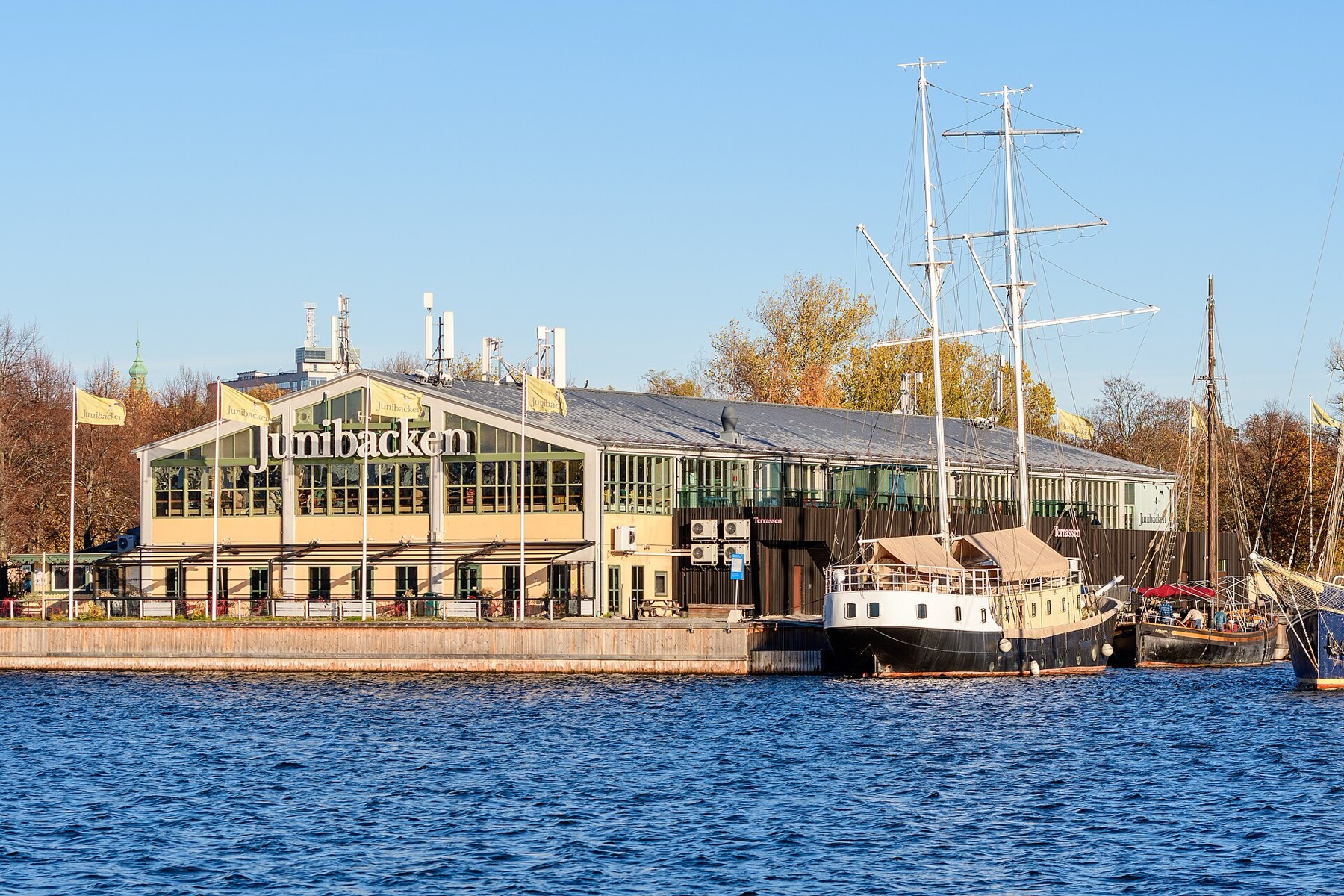
When visiting the capital, you mustn’t skip Djurgården island with the little ones, home to the utterly magical interactive Junibacken museum. It’s an absolute paradise for kids up to about eight, full of climbing frames, books and playful installations celebrating Swedish children’s literature, with a huge focus on Astrid Lindgren’s stories. You can head here without hesitation even when it’s raining outside.
The main draw of the whole museum is the so-called Story Train. You climb into a suspended carriage and glide over beautifully crafted miniatures of the world of Swedish fairy tales. The ride is incredibly immersive and, during the tale of The Brothers Lionheart, perhaps even a little scary, but it leaves a huge impression on children. During the ride you can also listen to the narration in several world languages.
At the end of the train ride you step out right into a giant play area shaped like Villa Villekulla. Here the kids can dress up in costumes, go down slides, lift the wooden horse or play in Pippi Longstocking’s kitchen. The building also includes a great restaurant with huge windows and a view of the Stockholm bay, where you can catch your breath over a coffee while the kids run around. Definitely book tickets online in advance, because in the summer months the museum tends to sell out very quickly. An adult pays around 220 SEK (€20), and kids from two upwards a little less.
💡 Tip: The museum is fairly compact, so a visit takes roughly three hours. It’s an ideal morning programme, after which you can move straight on to the nearby Vasa ship museum or the open-air Skansen.
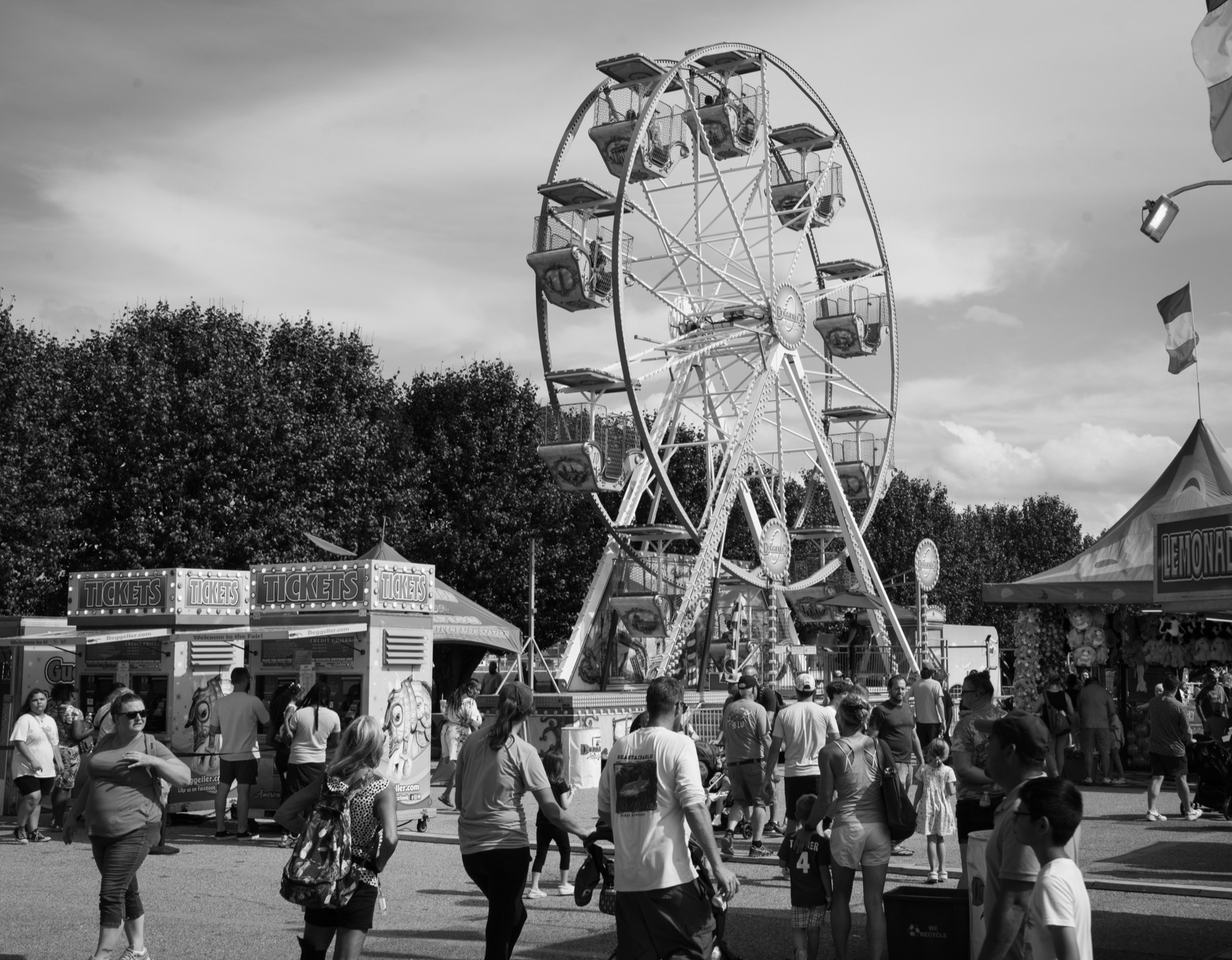
3. Gröna Lund and Liseberg amusement parks
For older kids and teenagers, Sweden offers two top-class amusement parks that, without exaggeration, rank among the best in Europe. Gröna Lund sits right in Stockholm on the seafront, so from the tops of the roller coasters you look straight out over the historic city centre and the glittering water. It’s smaller in size, but the rides are packed one against another, which gives it a unique atmosphere. In 2023 they even opened a brand-new adrenaline ride, Spindeln, for kids from just one metre tall.
The second, even bigger park, Liseberg, is in Gothenburg on the west coast. It’s the largest amusement complex in all of Scandinavia, beautifully set on a hillside. For smaller visitors there’s the fantastic Rabbit Land with gentler rides, while adrenaline lovers head for extreme roller coasters like Valkyria or Helix. What’s more, the huge Oceana water world is planned to open right within the park complex in 2027. If you have a daredevil at home, check the height limits for the rides on the website in advance — the wilder coasters usually start at 110 or 120 centimetres.
Admission to both parks usually consists of a basic entry price plus unlimited-ride packages, which you can get from roughly 365 SEK (about €35). A huge advantage is that kids under 110 centimetres often get free entry to the grounds and free rides on the children’s attractions, which is a big relief for the family purse.
💡 Tip: If you go to Liseberg in high season, definitely download their official app. It lets you reserve a so-called virtual queue for the most popular coasters, so the kids won’t have to stand for an hour in the sun.
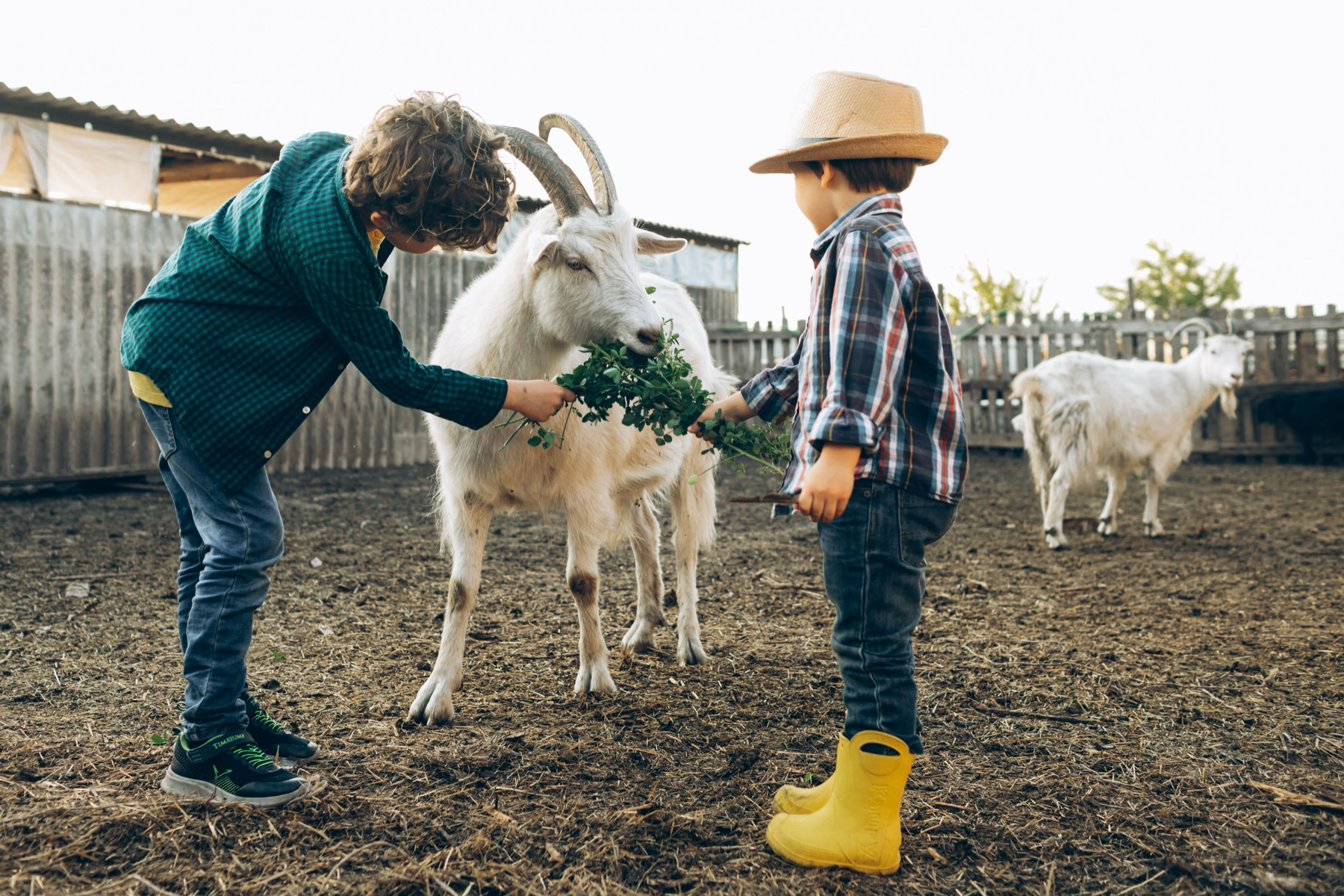
4. Skansen: Animals and history in the open air
Stockholm’s Skansen holds the proud title of the oldest open-air museum in the world, and you can easily spend a whole day here. Since 1891, the Swedes have been bringing historic houses here from all over the country to show how people lived in the north in past centuries. The grounds are laced with wide paths that are great for pushing a pram, and you’ll find plenty of spots for a family picnic.
For families, though, the main draw is the sprawling Nordic zoo that’s an integral part of the park. Here the kids get up close to reindeer, huge moose, brown bears, wolverines and seals, which is a fantastic alternative if you aren’t planning to head all the way to distant Lapland. For the youngest there’s a special section, Lill-Skansen, where they can safely pet domestic animals and get to know Nordic wildlife really up close.
Adults pay for entry depending on the season, from 185 to 305 SEK (€17 to €28), which may seem a lot, but kids from newborn up to 15 get in completely free. Even so, you have to book them a free ticket (a so-called zero ticket) with a barcode in advance via the official website.
💡 Tip: In the historic houses you’ll often find guides in period costumes demonstrating old crafts and baking traditional bread. Stop by them — they tend to be incredibly kind to children and often let them try the work hands-on.
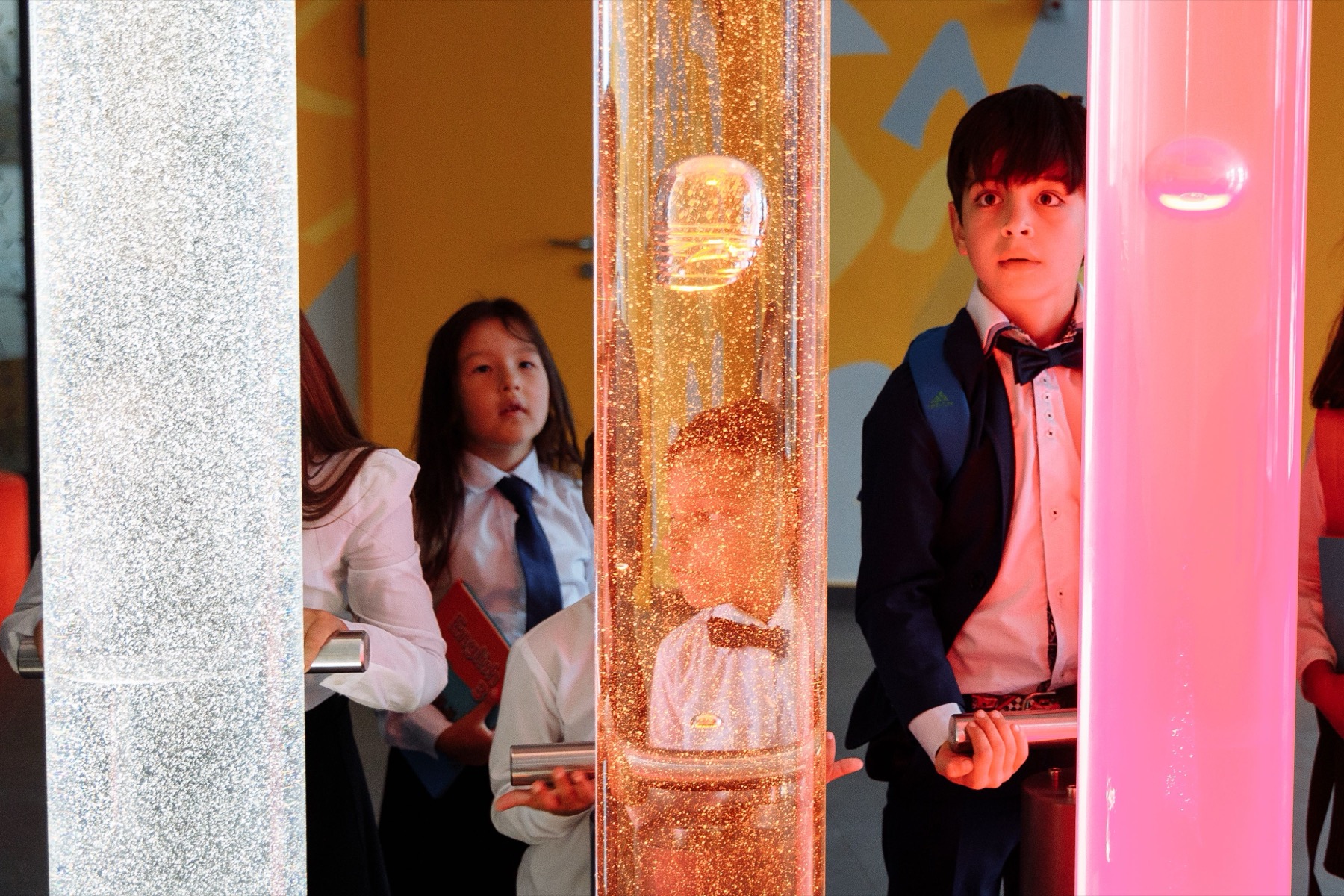
5. Universeum in Gothenburg
When the sky clouds over on the west coast and it starts to rain, Universeum is the very best rescue there is. This huge seven-storey science centre sits right next to the Liseberg amusement park and offers a wonderful mix of learning and fun for all ages, from toddlers to teens.
The biggest experience is the huge indoor rainforest. You walk across suspended rope bridges in incredible humidity and warmth, while brightly coloured birds and exotic butterflies flutter freely around you and small monkeys leap through the branches. It’s a perfect illusion of the tropics hidden in the middle of chilly Scandinavia. Kids can stand there open-mouthed watching the animals for tens of minutes.
On the lower floors, sharks and rays glide above visitors’ heads through a glass tunnel. And if your kids are the curious type, you practically won’t drag them away from the space lab and the floor full of interactive experiments. They’ll build bridges hands-on, program robots or explore how the human body works. Admission is around 295 SEK (€27) for an adult and 245 SEK (€22) for kids from three.
💡 Tip: Head to Universeum right at opening time, before the school groups arrive. Set aside at least four hours to tour all seven floors, because you simply won’t tear the kids away from the interactive experiments.
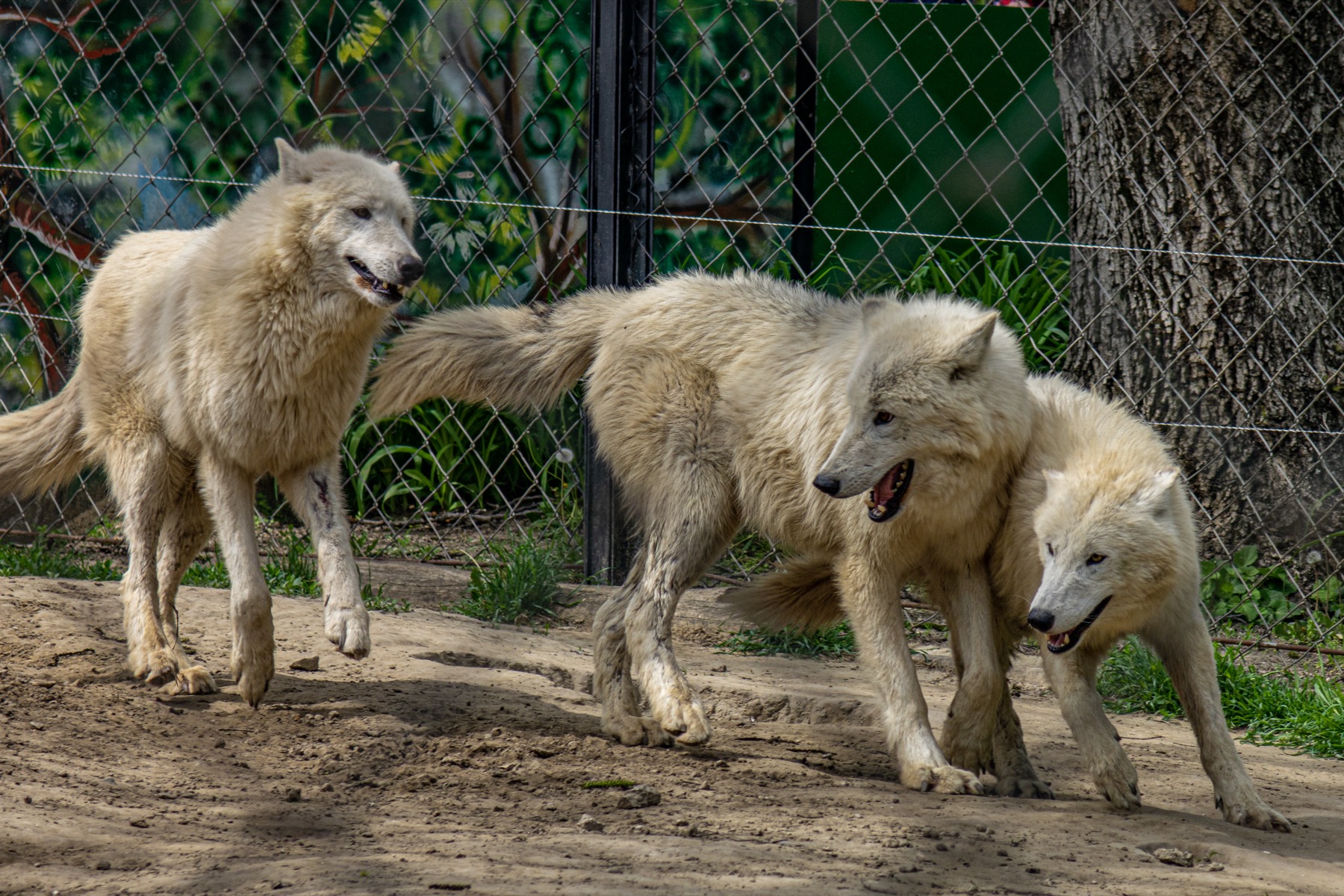
6. Kolmården and Grönklitt: Chasing animals into nature
If you’re driving from the south towards Stockholm, definitely consider a stop at Kolmården, because you don’t drive through this safari by car or bus — you fly over it in a glass cable car. It’s the largest zoo in all of Scandinavia, set in gorgeous forests.
From up high you watch lions, giraffes, ostriches and antelopes moving freely in vast enclosures far below you, completely safely. The huge grounds also include the fairy-tale Bamse zone (dedicated to the famous Swedish comic bear) with fairground rides for the youngest and a magnificent playground. Admission for an adult comes to around €42, and the kids are guaranteed to wear themselves out before the next leg of the drive.
Another great animal stop used to be the Grönklitt park in the Dalarna region, known for its bears and predators. Although the original animal park recently went through changes and the number of animals fell, the whole Orsa Grönklitt area remains a fantastic spot for families looking for gorgeous Nordic nature, perfect cycle paths and deep forests full of blueberries you can pick with the kids without a second thought.
💡 Tip: If you’re heading to Kolmården, take a sturdy pram with bigger wheels. The grounds sprawl across hilly forest terrain, and with small city wheels you’d really struggle moving between the enclosures.
7. The Vasa Museum and its fascinating shipwreck
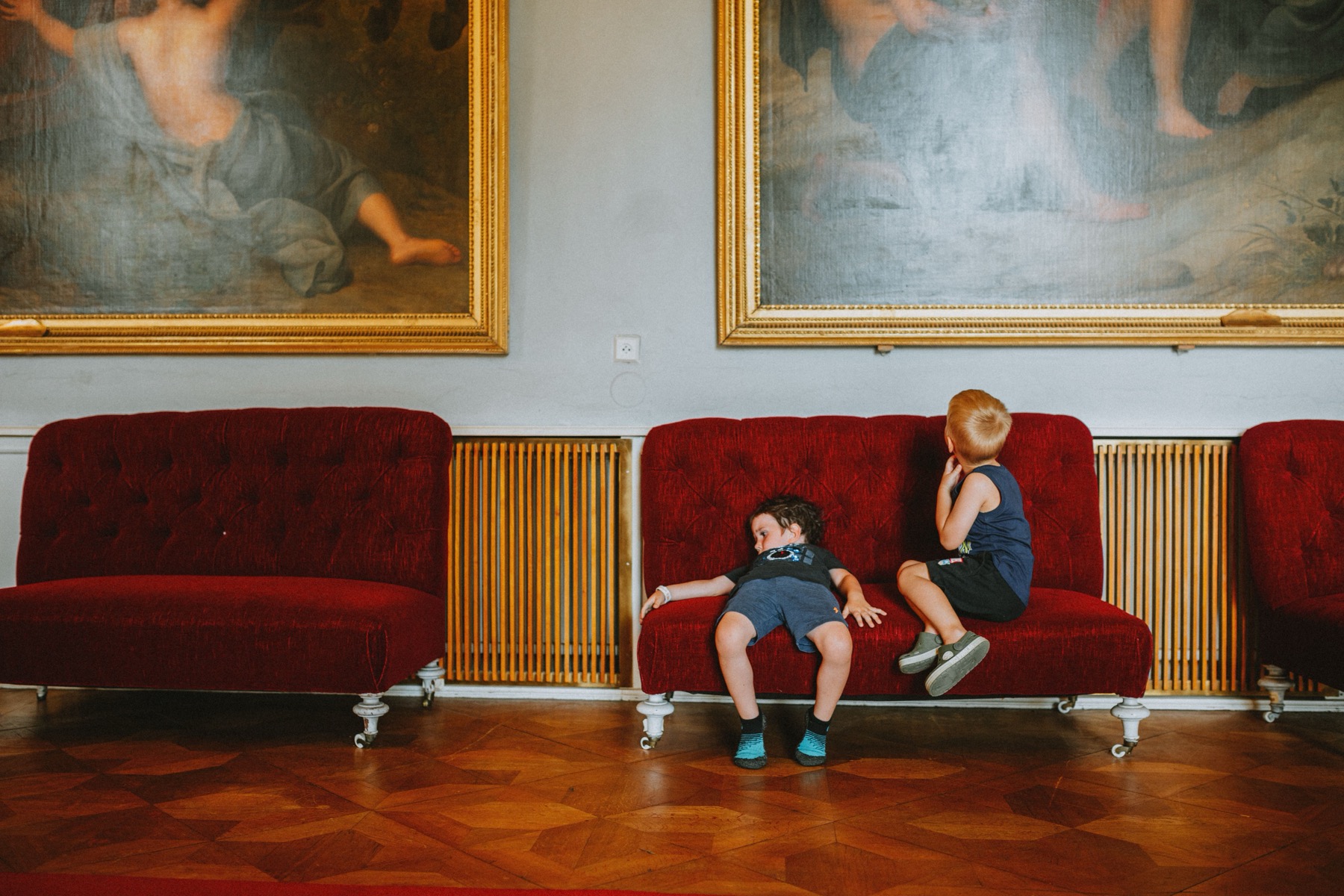
You might think a history museum won’t be the right thing for small kids, but the Vasa ship museum on Djurgården island is a huge exception. Even children who are usually bored stiff by ordinary exhibitions stand open-mouthed the moment they enter the dim hall. Right in front of them towers a huge seventeenth-century warship, preserved in incredible condition.
The ship’s story is fascinating in itself. It was so heavy and poorly designed that it sank on its very first voyage just thirteen hundred metres from Stockholm’s harbour. It then lay in the mud at the bottom of the sea for over three hundred years, until engineers painstakingly raised it back to the surface. Today, with more than a million visitors a year, it’s the most visited museum in Scandinavia.
The tour is nicely adapted for smaller visitors too, who can examine ship models, touch diving bells or watch animated films about its discovery. Once again the big advantage is admission, which is completely free for kids under 18 (adults pay roughly 240 SEK / €22 in the summer season and 195 SEK / €18 in winter).
💡 Tip: The museum is strictly cashless, so don’t bother bringing any notes at all. Head there first thing in the morning at opening time (in summer as early as 8:30), because around eleven the hall fills up and long queues form.
8. Swimming in lakes and city beaches
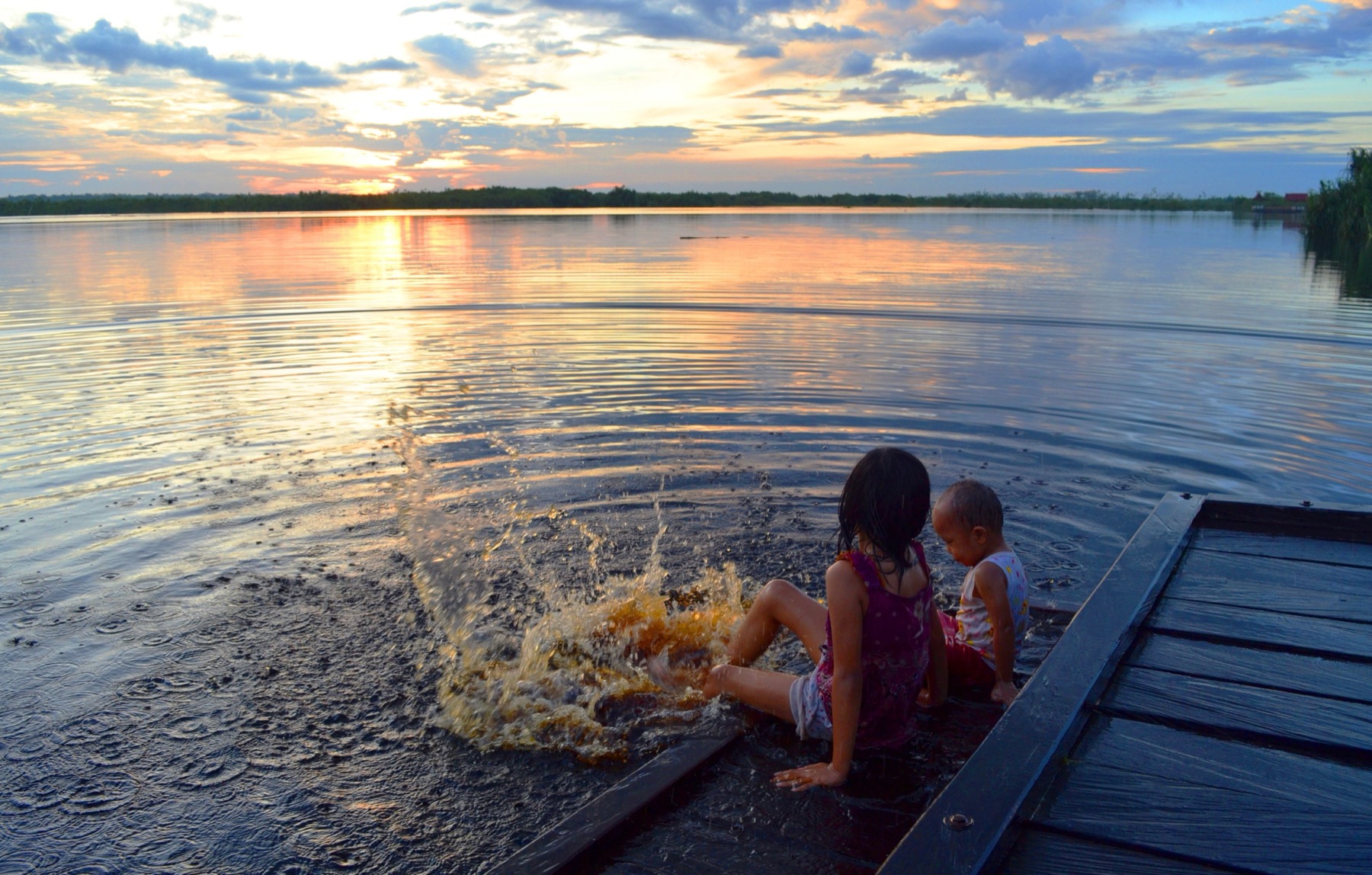
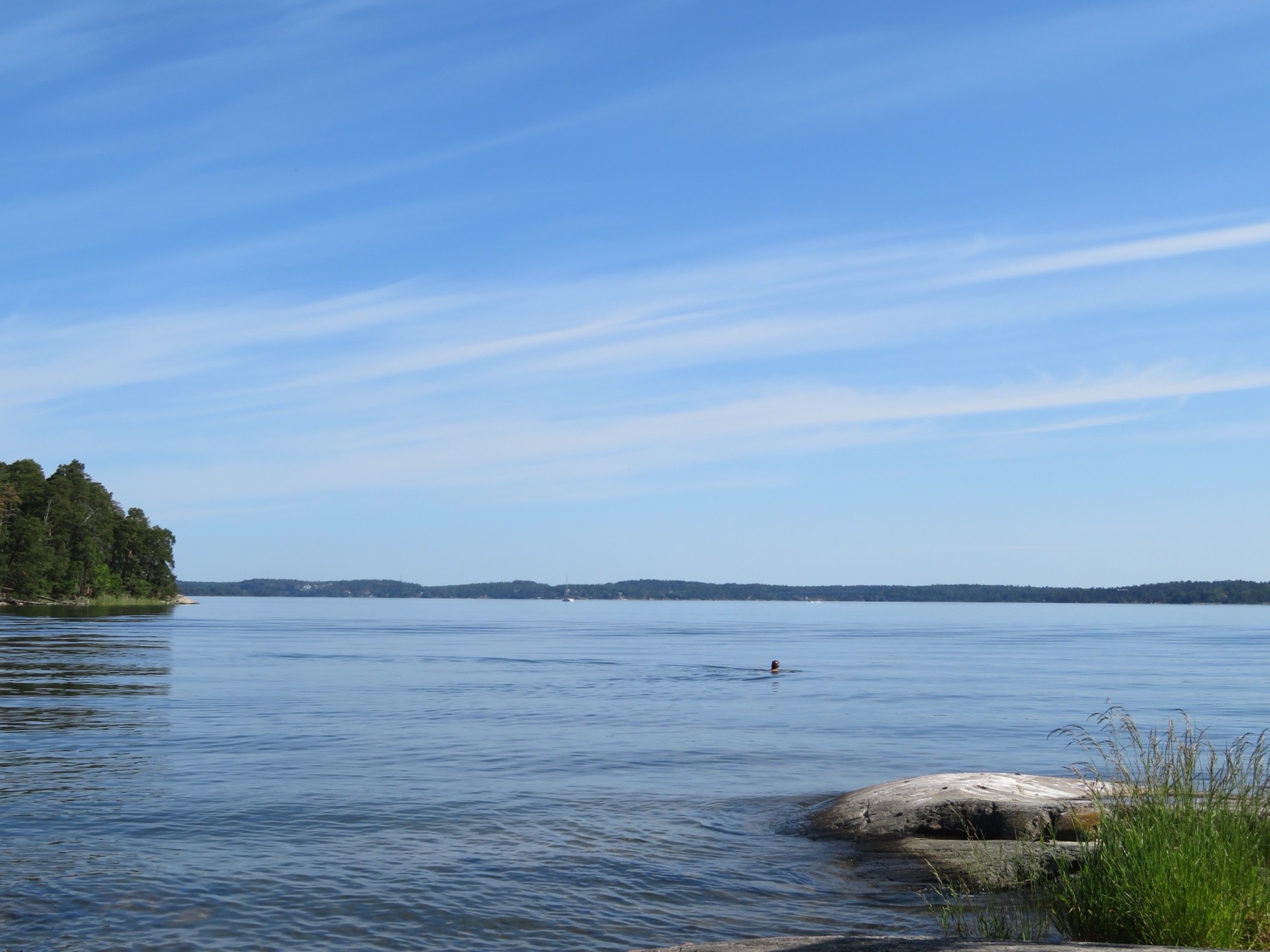
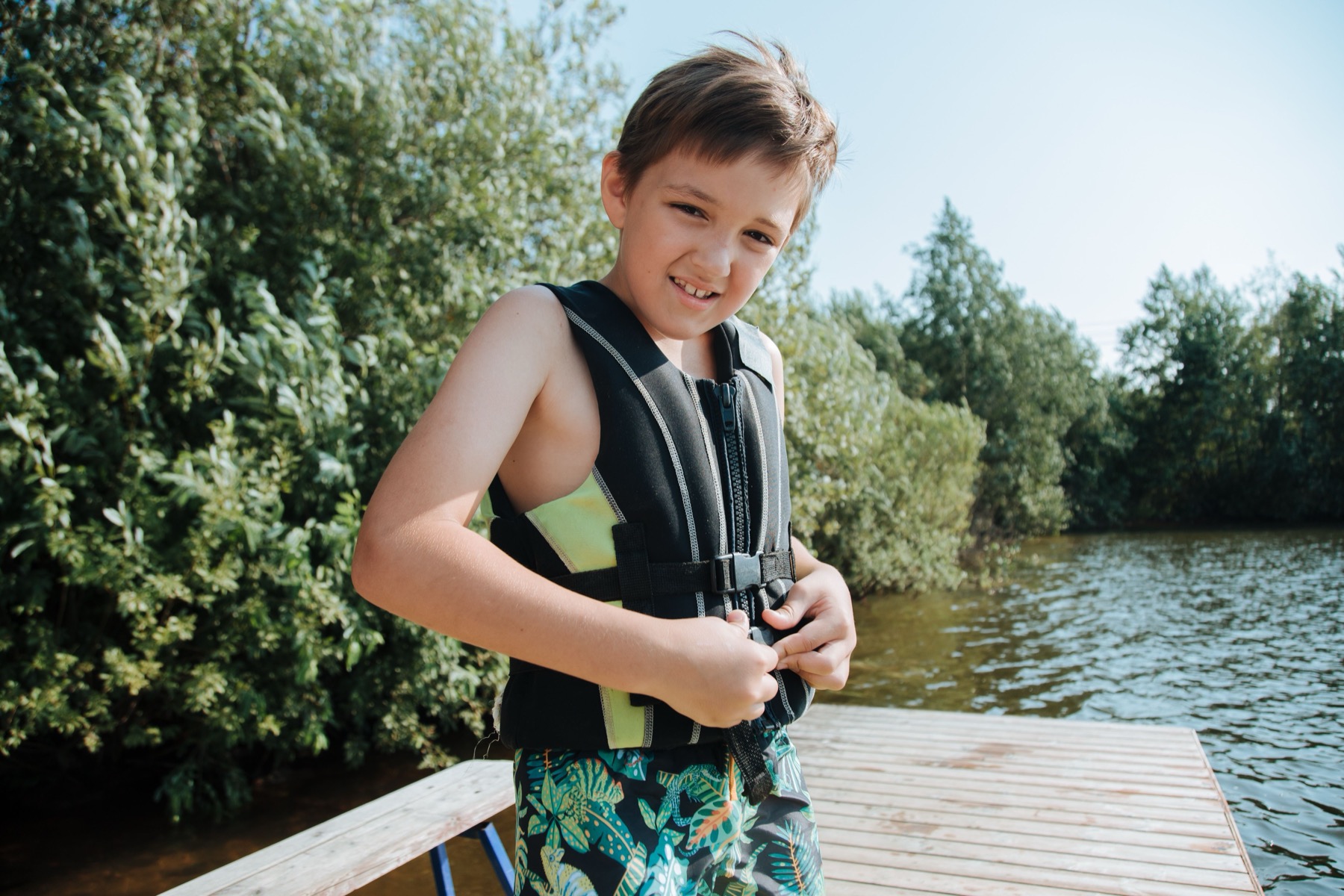
A Swedish summer is simply impossible to imagine without swimming, and kids love water in any weather. Although the Baltic Sea is generally colder and deeper, the water temperature in shallow bays and inland lakes in July and August commonly reaches a pleasant 20 °C. The country is dotted with thousands of lakes, so you’ll find a maintained beach with sand and toilets around practically every bend. It really pays to pack water shoes for the kids, because the bottom of many smaller lakes is made of stones or coarser sand.
For families with smaller children I especially recommend the island of Öland on the south-east coast. The beaches around the huge Böda Sand campsite have an incredibly shallow entry into the sea, so the water is as warm as coffee and toddlers can play completely safely in the white sand tens of metres from the shore.
If you’re more inland, the huge lakes Vättern and Mälaren offer absolutely wonderful swimming with clean fresh water. Even right in the centre of Stockholm you’ll come across maintained city beaches, where, after a demanding day in the museums, you can calmly jump into surprisingly clean water with the kids, cool off and grab a soft-serve ice cream.
💡 Tip: At many Swedish lakes you’ll find public fire pits with wood ready to go. Buy a pack of Swedish sausages (grillkorv) at the supermarket, bring matches, and after your swim have a proper Nordic bonfire with the kids.
9. A lakeside cabin as the ideal base
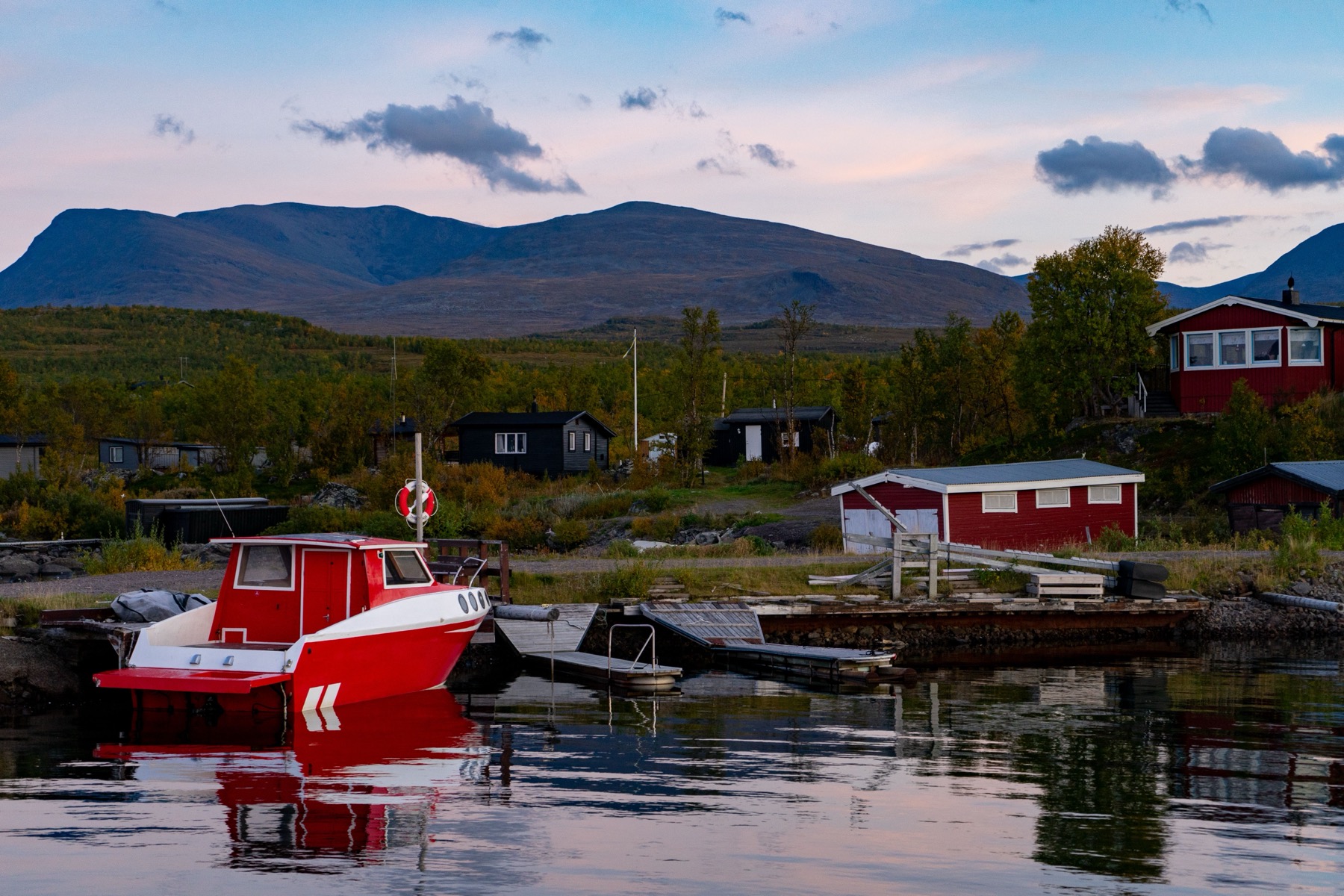
The way Swedes spend the summer revolves around a phenomenon called the stuga. It’s a traditional wooden cabin, usually painted the typical deep-red colour (faluröd), standing somewhere in the forest right by the water. For a family with kids, renting such a cabin is by far the best way to enjoy the country without spending a fortune. Many lakeside cabins even include a small rowing boat in the rental price, so you can head out on the water with the kids anytime.
You get huge space where the kids can run freely on the grass outside and pick blueberries right behind the house (they grow everywhere), while you sip your morning coffee on the terrace. A key plus is the fully equipped kitchenette, which lets you prepare meals from ingredients bought at the supermarket (where prices are roughly double what you’d expect back home) and save hundreds of euros on the terribly expensive restaurants.
When looking for the ideal cabin, focus on regions like Småland or Dalarna, where the selection of cabins is widest. You can use local platforms such as Stugknuten, where you rent cabins directly from Swedish owners. Just watch out for the fact that a washing machine isn’t standard equipment, so pack plenty of children’s clothes.
💡 Tip: Always check in advance whether bedding and towels are included in the rental price. Swedes are used to bringing their own linen to cabins, and if you don’t have it, the owner will charge you a hefty surcharge.

10. Campsites with cabins and what to expect in them
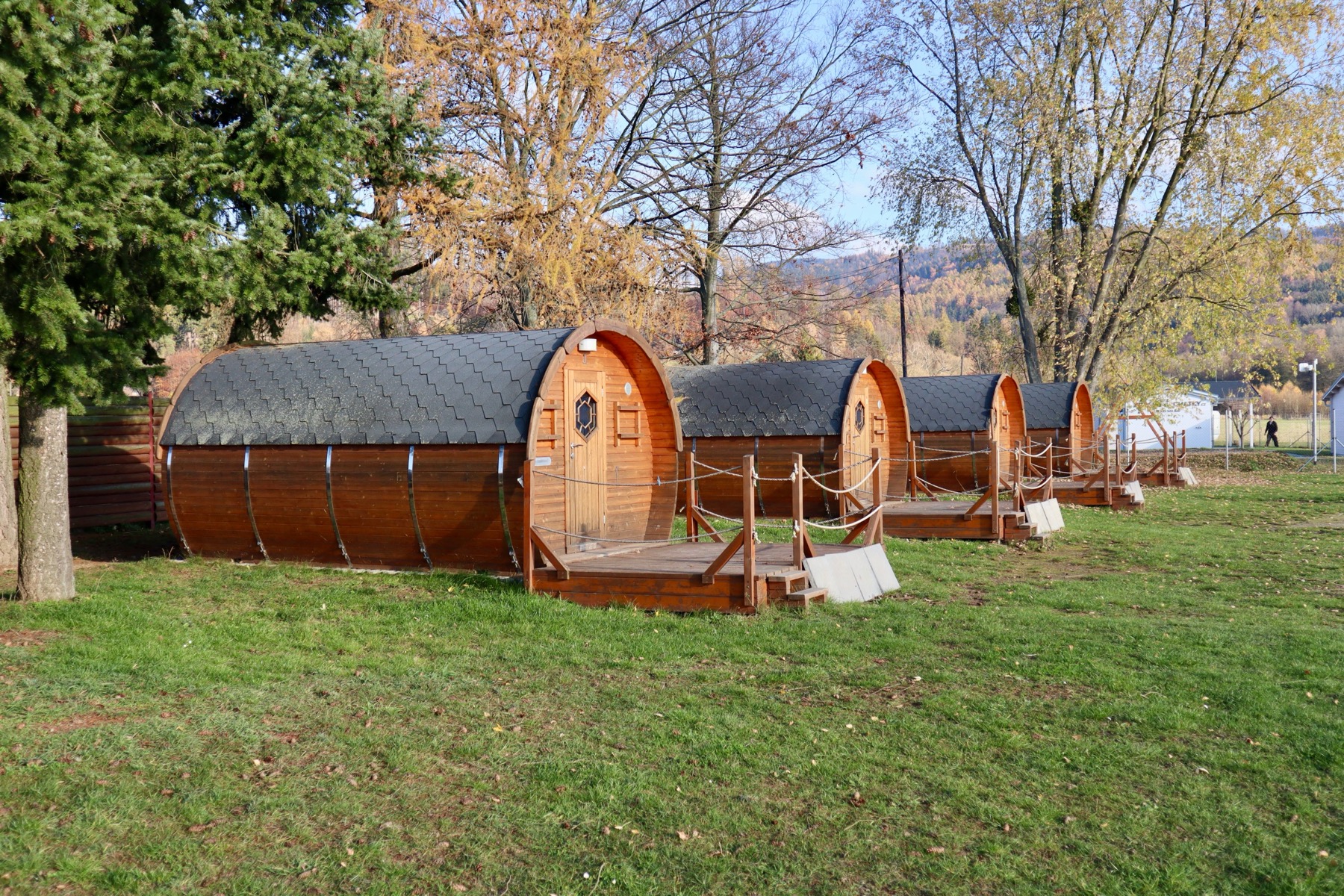
If you don’t want to stay in a cabin completely alone in the forest and prefer company, opt instead for larger holiday resorts and campsites. The best-known network is First Camp, which has modern branches all over Sweden and focuses primarily on families with children. Don’t expect any rough-and-ready wild camping — these grounds are more like perfectly equipped holiday villages, often with their own reception open late into the night and a small shop for emergency supplies.
The usual standard is perfectly maintained, spacious shared kitchens with microwaves, clean family showers with changing tables and huge playgrounds with trampolines. In summer, campsites often run free activity programmes too, where instructors do paper crafts with the kids or play active games, while you can rest for a moment and drink a coffee in the campsite restaurant.
For motorhome travellers there’s one incredibly important rule about camping. The famous right to roam (allemansrätten) does not apply to motor vehicles, so you can’t pull off the road in a motorhome and park in a meadow by the beach. You must always use official motorhome pitches called ställplatser or classic campsites.
💡 Tip: Most large campsites are fully cashless, and to access the shared showers and kitchens you’ll get a key card. Guard it carefully — without it you often can’t even get to the public toilets on the grounds with the kids.
11. Travelling around Sweden by train with kids
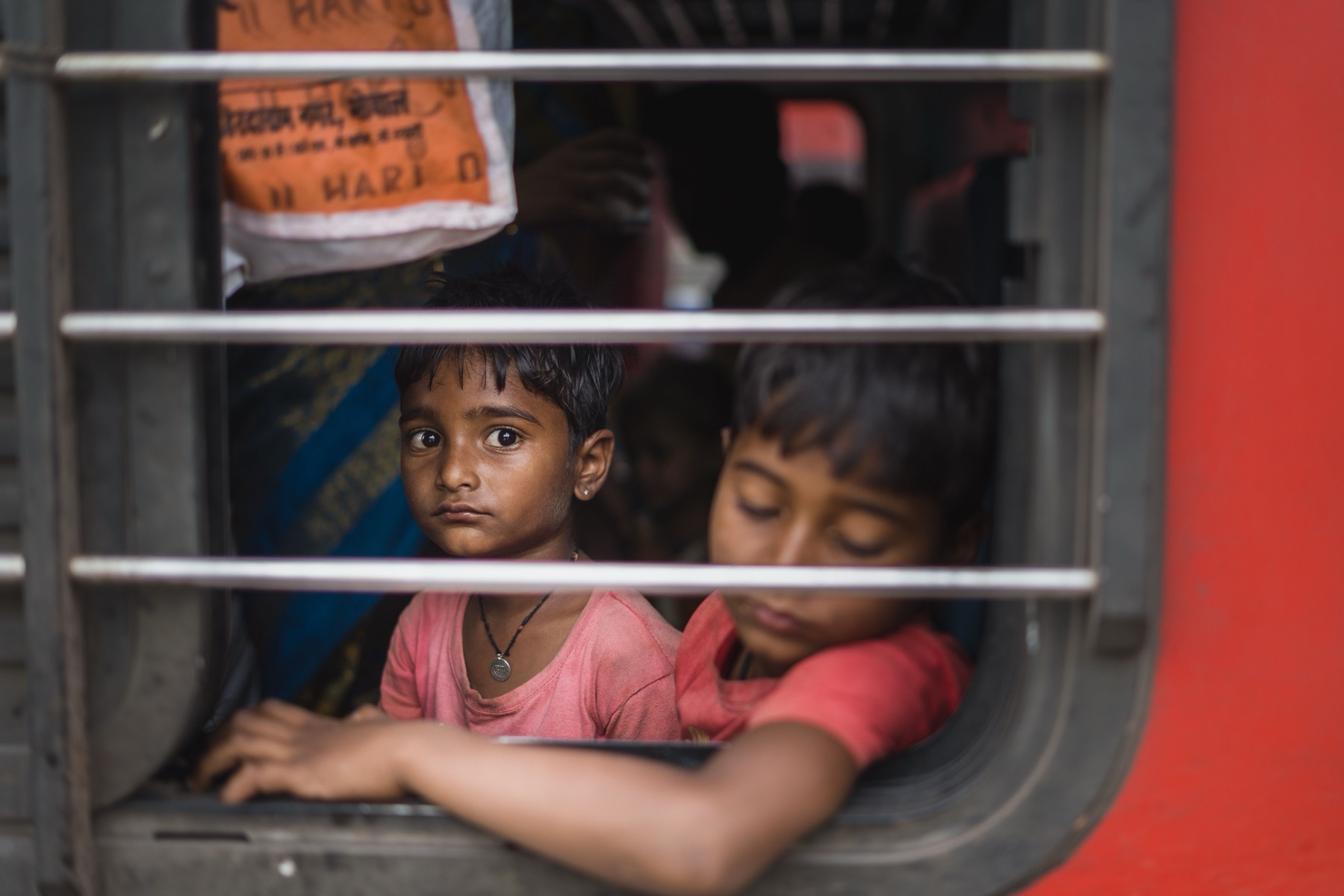
While most families reach the far north in their own car or motorhome, travelling by Swedish trains is an unexpectedly comfortable and fun alternative. On long routes, the state operator SJ often has entire family carriages on its express trains, tailored down to the last detail for travelling with restless passengers. Staff on the platform will usually gladly help you load heavier luggage, too.
In these special carriages you’ll find generous space for safely parking prams (SJ, by the way, requires larger prams to be folded, so the ideal is to travel with a lightweight buggy), spacious changing tables right in the toilets and, above all, little play corners with toys and books where the kids will reliably keep themselves busy during a long journey. What’s more, no one minds if your little one occasionally raises their voice a bit or runs down the aisle, because everyone around is also a parent.
If you’re planning to travel from Stockholm to Gothenburg or Malmö, buy your tickets as far in advance as possible. Dynamic pricing means that booking early saves you huge amounts of money, and on selected routes children travel at a significantly reduced fare, which makes the train a very attractive financial choice.
💡 Tip: You can bring your own food supplies onto the train without any problem. Swedes do it all the time, so buy sandwiches and vegetables at the supermarket and avoid pricey purchases in the dining car.
12. What to do when it rains: Science centres and museums
Swedish weather can be very unpredictable, and even in the middle of July persistent rain can catch you off guard, so it’s essential to have a wet-weather plan up your sleeve. Besides the huge Universeum in Gothenburg already mentioned, Sweden offers plenty of other top-class indoor attractions that will easily keep kids busy for long hours.
In Stockholm, definitely head to the Museum of Technology (Tekniska museet). It’s packed with interactive experiments, giant robots and logic games that visitors can touch and explore themselves. Another absolutely great choice is Tom Tits Experiment in the nearby town of Södertälje, a huge four-storey playground focused on physics, illusions and the laws of nature.
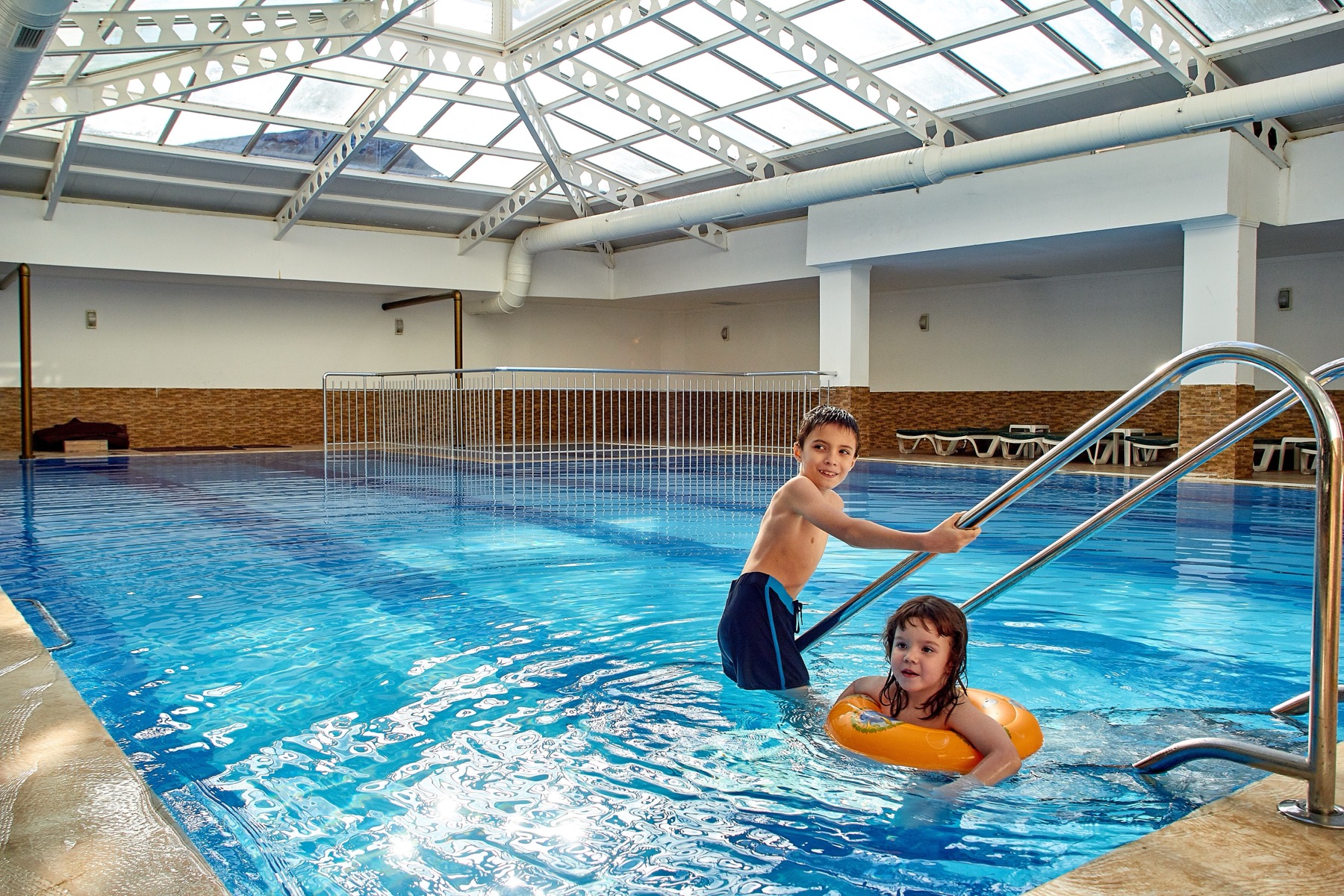
When it’s really damp and cold outside, it also pays to visit the local public pools and water parks you’ll find in every larger Swedish town. They’re always perfectly clean, the water in the children’s paddling pools tends to be pleasantly warm, and a family ticket costs no more than a visit to an ordinary indoor pool back home.
💡 Tip: Many Stockholm museums offer free admission on certain days or in the afternoon hours. Always check the official websites before your visit — you can save quite a bit that way.
13. Lapland with kids: Reindeer and the northern lights
Heading up beyond the Arctic Circle with the family is a big travel dream, but it takes really careful thought and planning. Driving from Stockholm to Lapland takes another two full days behind the wheel, so flying or taking the night sleeper train is a much more sensible and less stressful option for families with smaller children. An excellent strategic base for families is, for example, Abisko National Park, which you can reach comfortably by rail.
If you’re wondering whether it makes sense to take toddlers to Lapland, I’d honestly recommend waiting a few years. The harsh climatic conditions and extreme cold can be too demanding for the youngest children, and they won’t take away anything from expensive experiences like a dog-sled ride anyway. For older kids from six upwards, though, it’s a fantastic adventure of a lifetime.
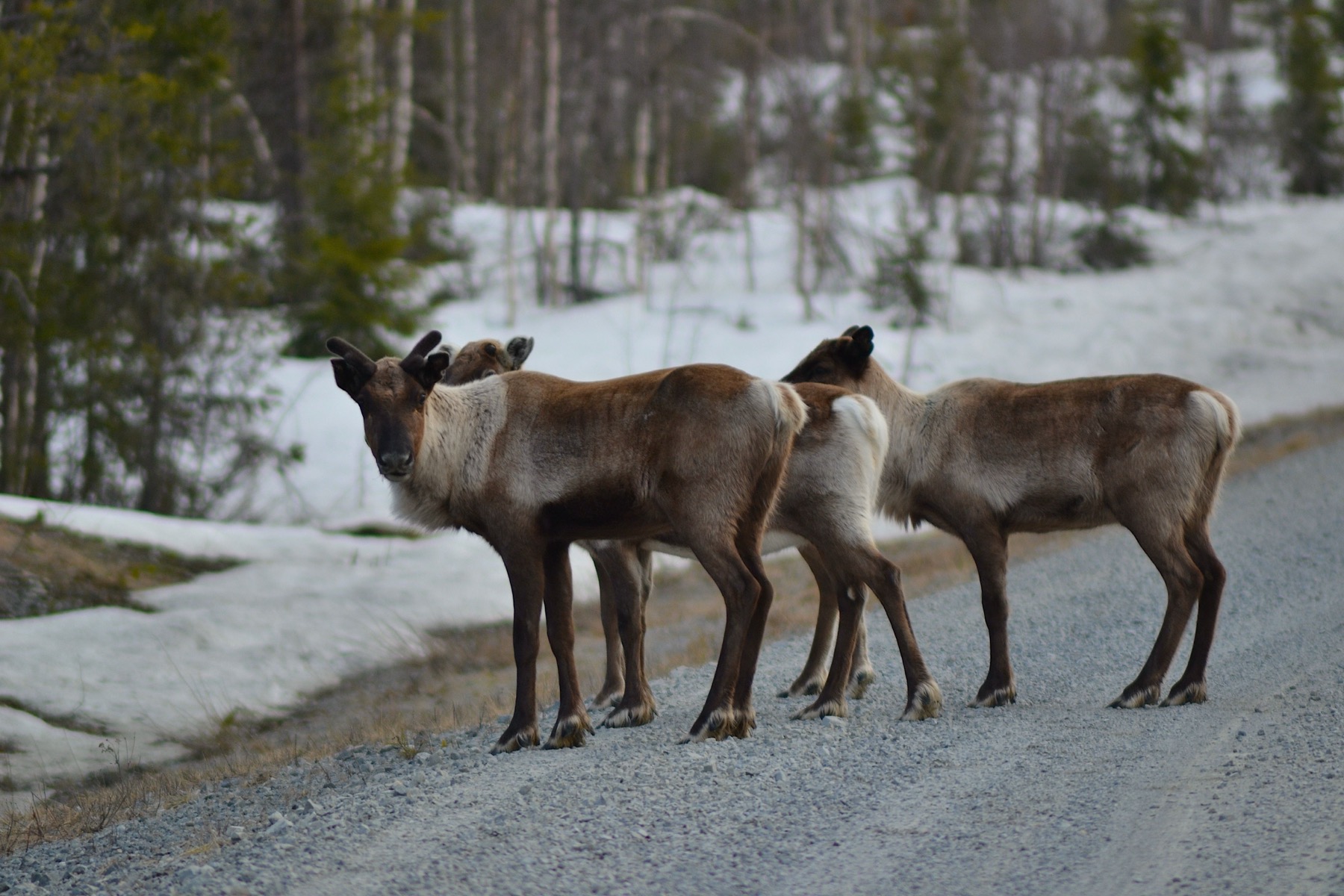
They’ll see free-roaming herds of reindeer, try feeding adorable husky dogs and, with a bit of luck, catch the magical northern lights in a clear night sky. Just don’t forget to kit them out with top-quality merino thermal underwear and good waterproof layers, because the Nordic winter forgives no mistakes in your gear.
💡 Tip: If you head north on the night train, book a whole private sleeping compartment. The kids will sleep like a baby, and in the morning you’ll wake up right in the middle of snowy wilderness.
14. With a pram in Swedish cities
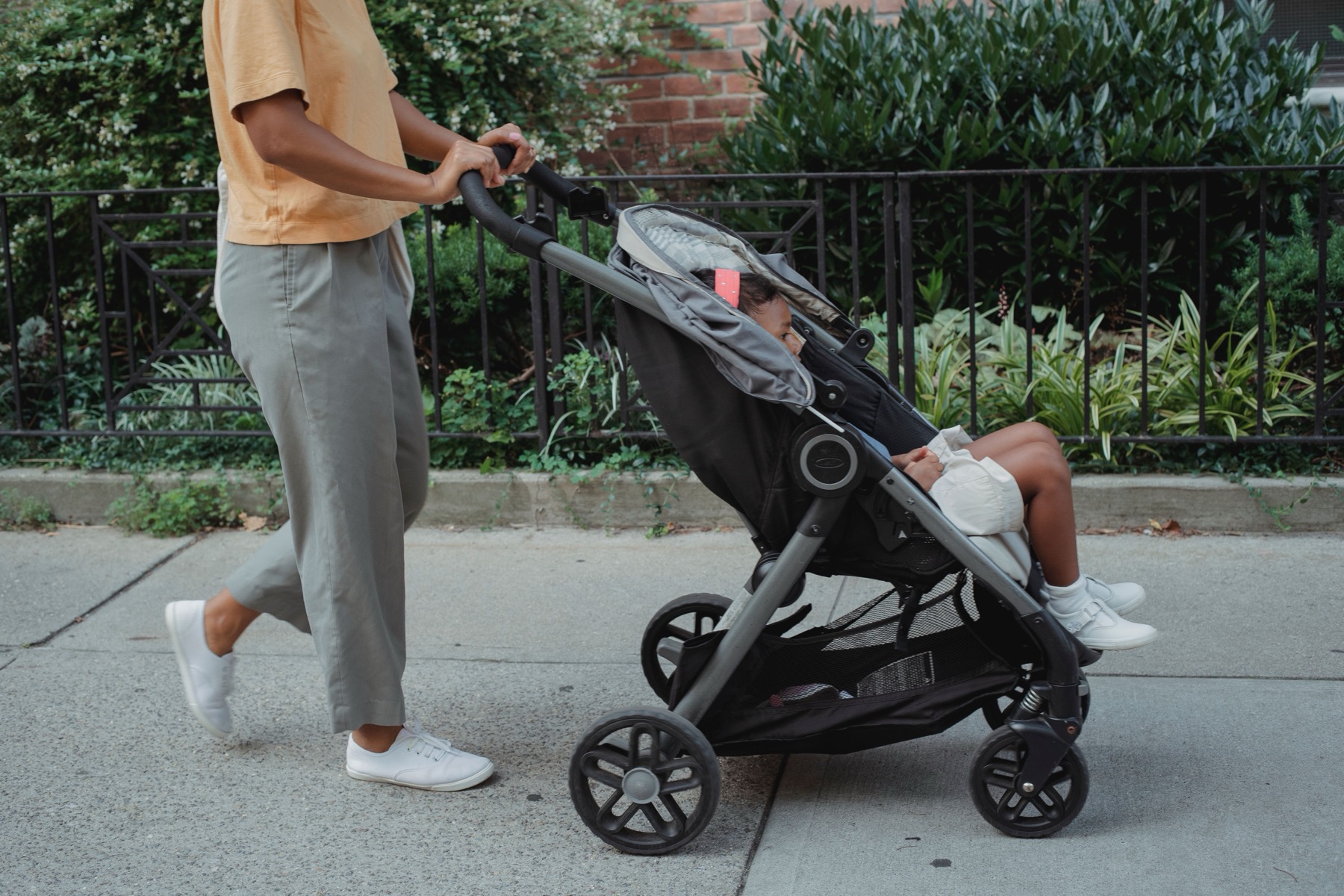
If you’re travelling with a buggy or a full-size pram, you’ll love Swedish cities from the very first minute. Practically all shops, museums and restaurants have step-free entrances, lowered kerbs at crossings are an absolute given, and pavements are wide enough to pass other pedestrians comfortably. On top of that, the Stockholm metro (Tunnelbana) is fitted with huge, reliable lifts, so you don’t have to drag a pram up escalators.
Stockholm’s public transport also has an absolutely genius rule for families with prams. An adult pushing a pram with a child travels on city buses completely free. The reason is purely practical: the driver doesn’t want you leaving the child unattended and going forward to tap your ticket. So you conveniently board through the middle doors right by the designated pram spaces (before boarding, it’s best to always check the current rules of the operator SL).
The only small obstacle can be Stockholm’s historic centre (Gamla Stan). The cobblestones in the narrow lanes are quite rough and riding with smaller wheels is very bumpy here, so if you have the option to take an off-road pram with big air-filled wheels, you’ll appreciate it immensely in Gamla Stan.
💡 Tip: In most Swedish museums and galleries you’re not allowed to take prams directly into the exhibition rooms, for the safety of the exhibits. But they always have safe pram parking in the cloakrooms and will lend you a carrier or buggy for free.
15. Where to eat: From microwaves to the daily menu
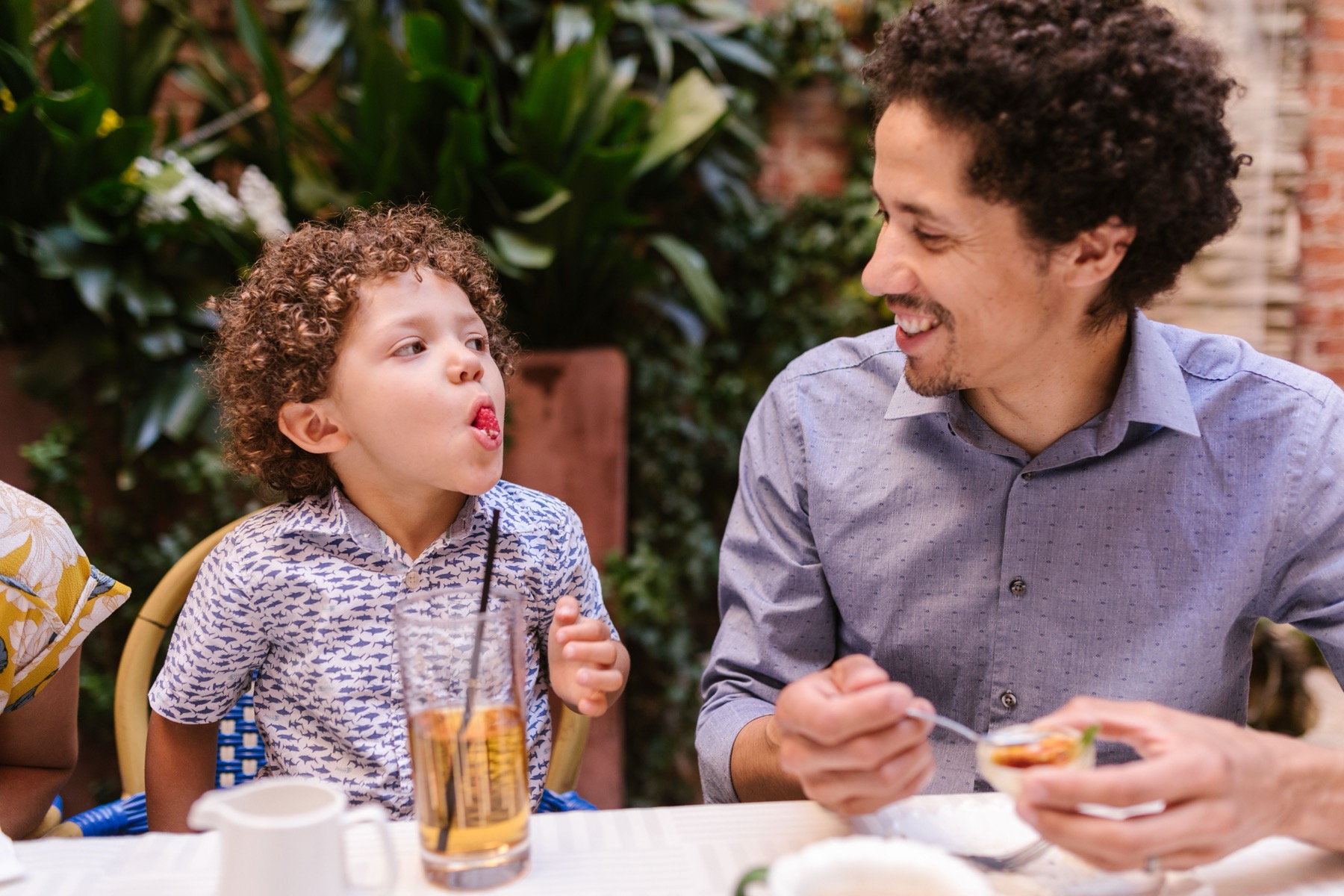
Feeding the little ones on the road can be stressful at times, but Sweden makes it as easy as possible. In almost every café, restaurant and even at larger petrol stations you’ll find a freely accessible microwave, where you can reheat your own brought-along snack, porridge or baby milk without asking and without any awkward feelings.
When you want to head out for lunch at a restaurant, look for signs offering dagens lunch (the daily menu). For roughly 110 to 140 SEK (€10 to €13) you get not only a main course but also unlimited access to a rich salad buffet, bread, water and coffee. For a family it’s by far the cheapest and most practical way to eat out, usually served between eleven and two in the afternoon. If you want a sure thing and are looking for quick, affordable options aimed straight at kids, you can’t go wrong at Max Burgers, a local Swedish take on fast food with far better-quality ingredients, or at IKEA restaurants, where you’ll find the beloved classics at a fraction of the usual prices. Another fun experience is the Pinchos chain, a popular circus-themed tapas bar where you conveniently order your food via an app.
As for kids’ meals, the local speciality is of course meatballs with lingonberries, but you can easily pick from many meat-free options too. Kids will surely appreciate the ubiquitous pancakes (pannkakor), great vegetarian balls with mashed potatoes or fresh pasta, which you’ll find in any decent buffet. In supermarkets (the cheapest are Willys and Lidl), you’ll buy excellent rye bread and cheeses at reasonable prices, and a picnic by the lake is better than any Swedish restaurant anyway. Tap water (kranvatten) is always free here and absolutely excellent, so don’t be shy about asking staff for it directly.
💡 Tip: Tap water (kranvatten) in Sweden is excellent and always free with your meal in restaurants. No one will look down on you if you don’t order an expensive soft drink with lunch and stick with iced water instead.
16. A sample road trip itinerary for 10 to 14 days
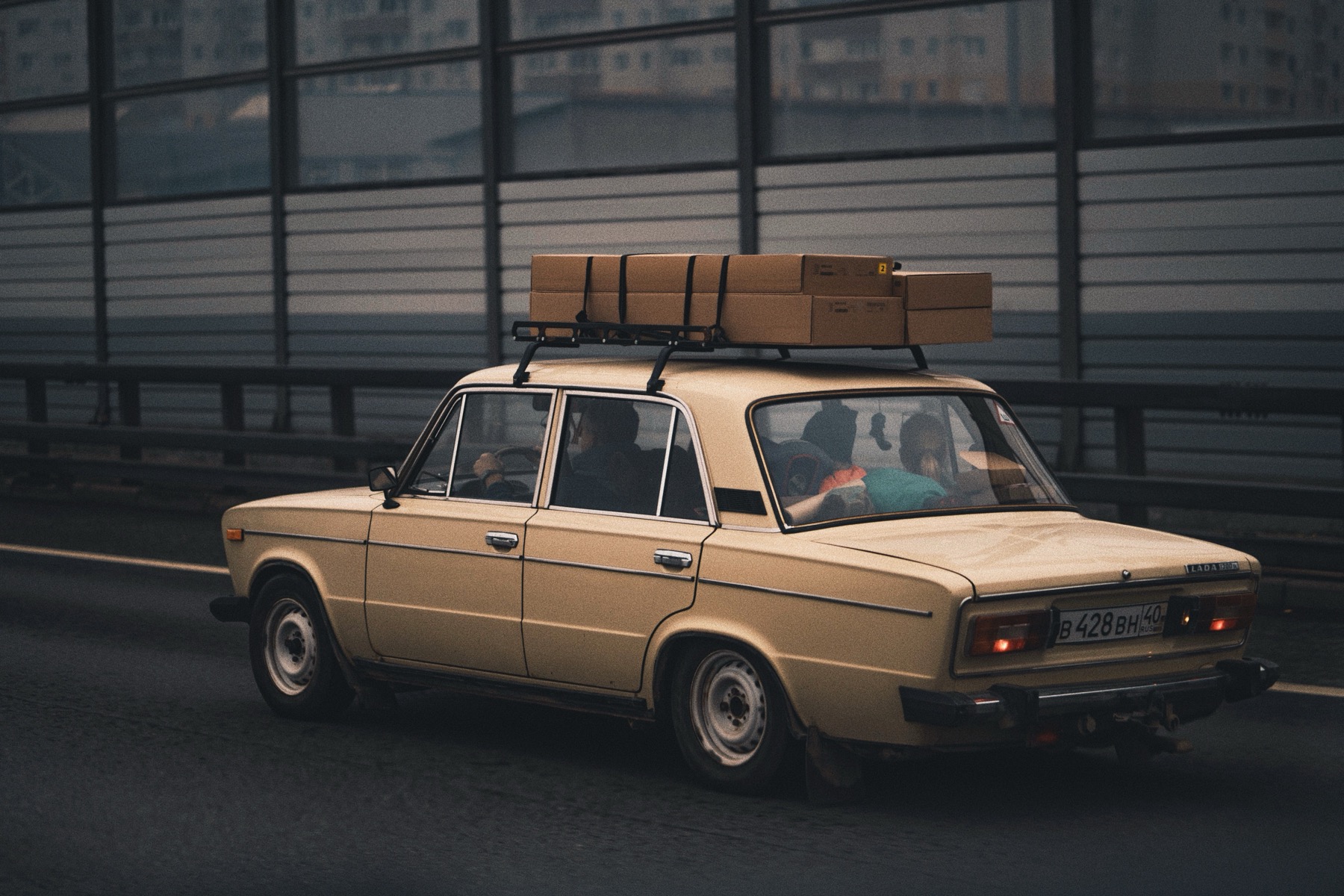
For a family with their own car, it’s best to plan a relaxed loop that alternates cities with nature and minimises long drives so the kids don’t suffer. Spending five hours a day in the car is no fun for children, and Swedish speed limits are quite strict too. This plan covers the most important sights of the south and centre of the country, without you spending whole days cooped up in the back seats.
- Days 1–3: The journey and sunny Öland. After disembarking from the night ferry in Trelleborg, drive along the coast to the island of Öland. Here the kids will be thrilled by hundreds of windmills, the ruins of Borgholm Castle and, above all, the safe, shallow sandy beaches of the Böda Sand campsite, where you’ll rest perfectly after the long trip.
- Days 4–6: Fairy-tale Småland and glassblowers. Move on to Vimmerby. Devote one full day to the Astrid Lindgrens Värld amusement park, and the next day drive over to see the real Katthult or the Smålandet Markaryd moose safari park, where you feed the big animals right from the car window. You can also stop at the Kosta Boda glassworks.
- Days 7–10: Stockholm and Djurgården island. Drive to the capital. Plan in the Vasa ship museum, the Story Train at Junibacken and a tour of the historic centre. Set up your base in a family hotel or a quiet campsite on the edge of the city with good public transport access.
- Days 11–14: Fun in the west and the journey home. On the way back south, stop at the large freshwater lakes (for example Vättern in the town of Gränna, where they make peppermint rock) and continue to Gothenburg. Here the giant Liseberg amusement park and the indoor rainforest at Universeum await you. After that, all that’s left is the drive to the Öresund Bridge or the ferry home.
💡 Tip: If you’re driving your own car from abroad, count on the journey to southern Sweden and back alone (ferries plus fuel) costing a family roughly €750 to €800. Spread these fixed costs across more days to make the trip worthwhile.
Practical things that make parents’ lives easier in Sweden
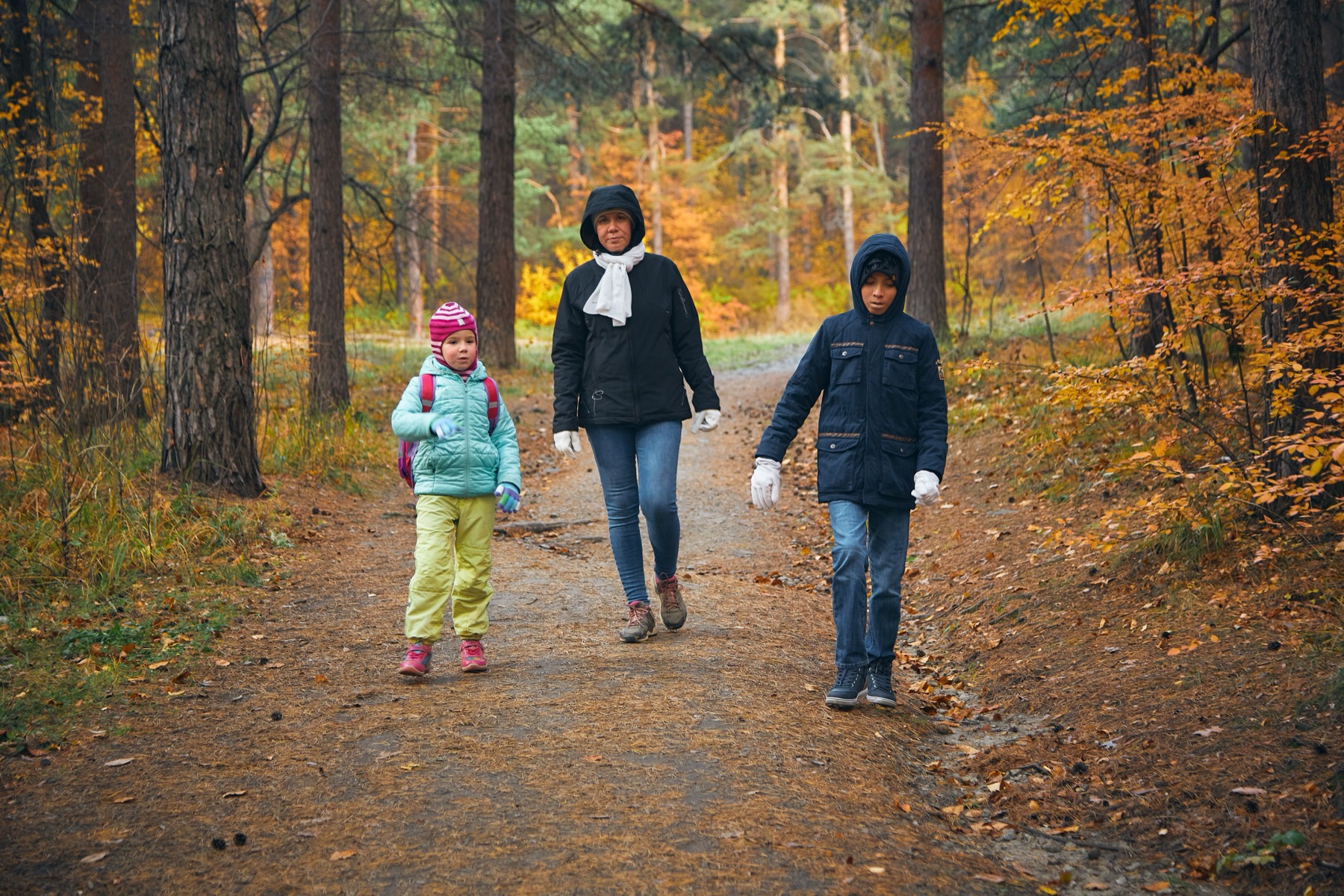
Life in Sweden with kids is incredibly practical, and from day one you’ll notice small details that make everyday life easier. As I already mentioned, Stockholm’s public transport is extremely generous towards prams, but that’s just the tip of the iceberg. You’ll find well-equipped changing tables absolutely everywhere, and what’s typical of local society is that they’re commonly available in men’s toilets too, so dads can fully get involved in the care with no excuses.
If you’re worried about feeding the youngest, in every decent café and ordinary restaurant you’ll find high chairs, special children’s cutlery and wipeable plastic bibs waiting for you. Most places automatically offer children’s portions at half price, or they’ll bring you an empty little plate without asking, so you can share your own meal with your child. Add to that the freely accessible microwaves by the counters, so reheating your own jar of baby food is a matter of seconds.
In terms of safety and health, you’ll be completely at ease. If you’re travelling by car, you’ll find that the Swedish car-seat system is one of the strictest in the world (kids here commonly ride rear-facing until the age of four). Car-rental companies are well prepared for this. Pharmacies (Apotek) are found in every shopping centre and are perfectly stocked with children’s medicine, so even if you forget the painkillers at home, you can easily buy them.
You only need to brace yourself for one major shock, and that’s the cashless society. Leave your cash at home, because in Sweden you simply won’t get rid of it. You’ll pay by card for absolutely everything, from ice cream at a stall to entry to public toilets. The only snag is the local app Swish, which as a tourist without a Swedish account you can’t get, and occasionally you’ll come across a farmer’s stall that takes only Swish.
Finally, one practical piece of advice for parents who like a glass of wine on the cabin terrace once the kids are asleep. Alcohol above 3.5% is sold exclusively in the state-run Systembolaget shops. But they have very strict opening hours: on Saturday they close as early as 15:00 and on Sunday they’re completely closed. If you don’t buy wine on Friday, you’ll be drinking weak beer from the supermarket all weekend.
A 10-day family itinerary from a single base
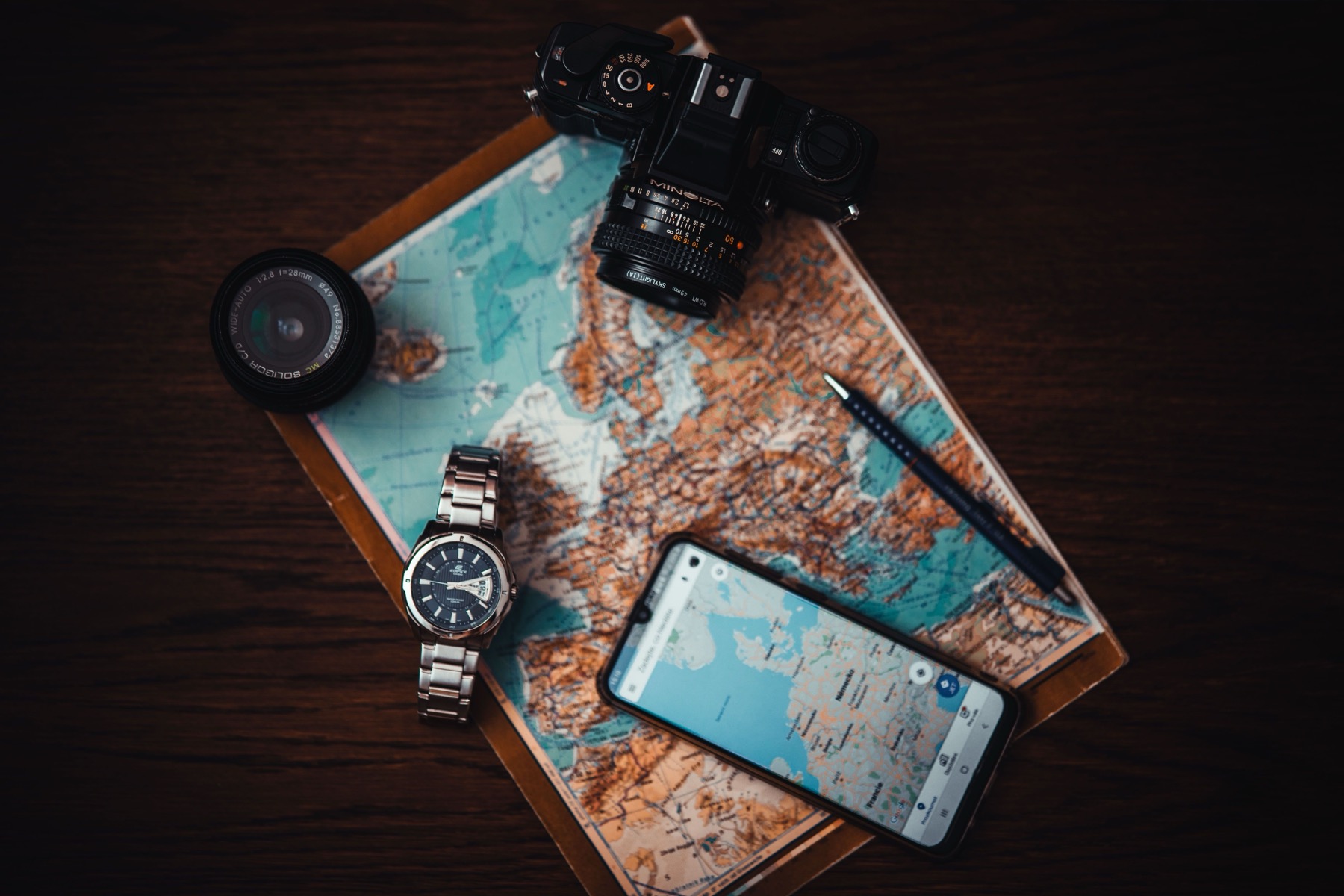
If you don’t want to pack the kids up every two days and constantly move by car from place to place, the ideal option is to rent one strategic base for a week or ten days. This stationary itinerary assumes renting a typical Swedish cabin (stuga) in the Småland region or by the big lakes, from which you’ll take day trips around the area.
Småland is absolutely perfect for this style of holiday, because within a one-hour drive it offers everything a family needs for Nordic happiness.
- Days 1–2: Arrival and settling in. You arrive at your rented cabin by the lake. Devote the first days to acclimatising. Do a big shop at the local supermarket (Willys or Lidl), unpack, explore the surrounding forests, find the nearest beach for swimming, and in the evening grill some sausages over the fire.
- Days 3–4: A trip to Astrid and Emil. Head off on a day trip to Vimmerby. On the first day discover the Astrid Lindgrens Värld amusement park, where the kids play in Katthult and Villa Villekulla. On the second day visit the nearby real-life village of Gibberyd, where the Emil series was filmed, and have a coffee at the café by Astrid Lindgren’s childhood home.
- Day 5: A rest day in the forest. Stay around the cabin. Rent a boat on the lake, take the kids blueberry picking (they grow everywhere) or go for a swim. In the evening cook pasta for dinner and relax.
- Day 6: Safari and the Kingdom of Crystal. Take a trip to see the animals. Drive to a moose park (for example Smålandet Markaryd), where you feed the huge moose right from the car. In the afternoon move on to the nearby Glasriket (Kingdom of Crystal), where the kids can watch master glassblowers at work in the glassworks.
- Days 7–8: Kalmar Castle and Öland. Head to the coast. In the morning explore the Renaissance castle in Kalmar with its secret passages, and in the afternoon drive across the long bridge to the island of Öland. Here you can swim on the white beaches and see the windmills.
- Days 9–10: Packing and the journey home. Devote the last days to cleaning the cabin, breathing in the Nordic air and a slow journey towards the ferry, with a possible stop for a Swedish fika (coffee with a cinnamon bun) somewhere along the way.
Budget-wise, this option is far friendlier than constant moving around. A family of four can expect a trip like this to cost roughly €1,450 to €2,050. The ferry and fuel swallow around €750, a decent cabin rental for a week runs from €410 to €615, and the rest goes on food shopping at supermarkets and park admissions. By skipping expensive restaurants and hotels you’ll easily save hundreds of euros (and the kids really don’t mind).
Where to go next from Sweden
If you have more time or want to combine your Swedish adventure with other Nordic experiences, there are plenty of options. Thanks to the Öresund Bridge you can easily and quickly reach Danish Copenhagen, which offers the famous Tivoli amusement park and the amazing Den Blå Planet aquarium.
Have a read of our other detailed guides too, which will help you plan the next steps of your Scandinavian journey:
- Sweden: 30 tips on what to see and do
- Småland and the Kingdom of Crystal: 16 tips on what to see
- Stuga: how to rent a Swedish lakeside cabin
- Gothenburg: 20 tips on what to see in Sweden’s second city
- Djurgården: 15 tips on what to see on the museum island
Frequently asked questions
Before their first trip north, plenty of questions tend to run through parents’ minds. Here are answers to the most common queries about travelling to Sweden with the family, which will make planning your whole trip easier.
Is Sweden suitable for a holiday with small children?
Absolutely, Sweden is one of the most baby-friendly countries in the world. You’ll find excellently equipped changing tables everywhere (commonly even in men’s restrooms), pavements are perfectly adapted for strollers, and cafés have freely accessible microwaves for instant heating of baby food.
How much does a family holiday in Sweden cost?
If you travel by car and stay in cabins where you cook your own meals, costs can be significantly reduced. A family of four will spend around €1,400 to €2,000 for two weeks (including travel, ferry, fuel, campsite rental, and supermarket shopping), depending on the number of paid attractions.
When is the best time to go to Sweden with children?
The best period is from late June to mid-August, when it’s warmest and the lakes are warm enough for swimming. A great tip is late August, when Swedish children are back at school, so major attractions aren’t as crowded, but the weather is still very pleasant for outdoor activities.
Can you take a toddler to Lapland?
For toddlers and very young children, I don’t really recommend winter Lapland, because extreme cold and demanding transfers can be exhausting. The ideal age for visiting reindeer and dog sledding is around six years old, when children will fully experience and enjoy the adventure.
How does public transport in Stockholm work with a stroller?
Public transport is incredibly accommodating and practical. An adult companion pushing a stroller with a child travels completely free on city buses. You board safely through the middle doors, so you don’t have to leave your child when validating your ticket with the driver at the front.
What to do in Sweden when it rains?
The country is wonderfully prepared for bad weather and offers plenty of indoor fun. Head to giant interactive museums, such as the rainforest at Universeum in Gothenburg, the Technology Museum in Stockholm, or the amazing Tom Tits Experiment, where children can have fun all day under one roof.
Can you swim with children in Sweden?
Yes, Swedish summer is full of water fun and swimming is an essential part of it. Shallow lakes and bays (for example beaches on the island of Öland) warm up quickly in summer and water temperatures commonly reach twenty degrees, which is perfectly sufficient for children’s enjoyment.
Where do children get free entry?
Sweden is very financially generous to families and helps the budget. Children under 18 don’t pay admission to many state institutions including the famous Vasa Museum, and the youngest visitors often have free entry to zoos as well, such as Stockholm’s Skansen (where entry for children under 15 is free with online reservation).
Tips and Tricks for Your Vacation
Don’t Overpay for Flights
Search for flights on Kayak. It’s our favorite search engine because it scans the websites of all airlines and always finds the cheapest connection.
Book Your Accommodation Smartly
The best experiences we’ve had when looking for accommodation (from Alaska to Morocco) are with Booking.com, where hotels, apartments, and entire houses are usually the cheapest and most widely available.
Don’t Forget Travel Insurance
Good travel insurance will protect you against illness, accidents, theft, or flight cancellations. We’ve had a few hospital visits abroad, so we know how important it is to have proper insurance arranged.
Where we insure ourselves: SafetyWing (simple monthly subscription) and TrueTraveller (for extra-long trips).
Find the Best Experiences
Get Your Guide is a huge online marketplace where you can book guided walks, trips, skip-the-line tickets, tours, and much more. We always find some extra fun there!