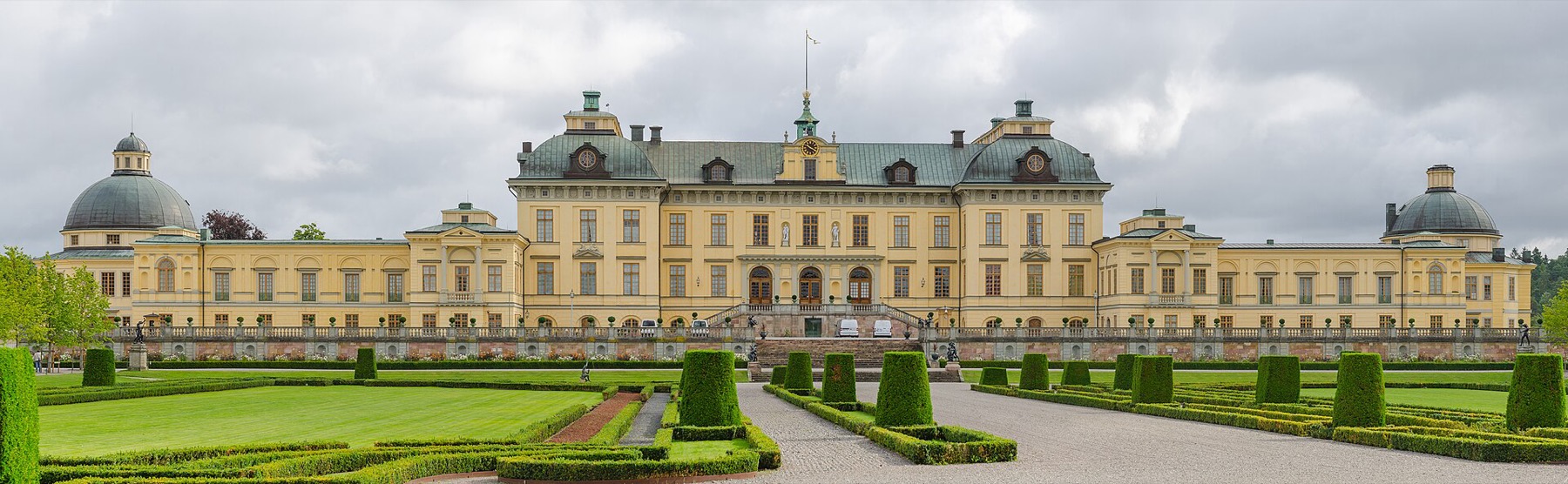
Drottningholm Palace in Sweden isn’t just a huge Baroque colossus — it’s the place where the Swedish king and queen actually live. And yet they let you wander through most of their state halls and palace gardens. It’s a fascinating showcase of Nordic elegance that easily rivals the French Versailles, while keeping that typically Swedish sense of ease and approachability. People often say it’s the single best half-day trip you can plan from Stockholm. On top of that, you’ll find a genuine world-class rarity here in the shape of an 18th-century palace theatre that still uses its original wooden stage machinery — the kind you won’t see working anywhere else in Europe.
If you’re looking for the perfect escape from the busy city centre, this place is guaranteed to enchant you. The palace complex, which has rightfully held a spot on the UNESCO World Heritage List since 1991, sits on the picturesque island of Lovön surrounded by the calm waters of Lake Mälaren. Here you’ll find everything you need to know — from transport and tickets to tips on when to arrive so you don’t end up with half of Stockholm in your photos.
TL;DR
- The prettiest route goes by water: In season, historic steamboats sail here from central Stockholm (from the City Hall), the journey itself takes just under an hour, and it’s an incredible experience.
- Royal residence: Drottningholm has served as the permanent home of the Swedish royal family since 1981, with the king and queen occupying the private south wing.
- Combined ticket: Prices vary by season, so it usually pays to check the current price list on the official site kungligaslotten.se and buy your tickets online.
- The palace park is free: You can visit the gorgeous Baroque gardens and the sprawling English park year-round without paying a cent, which makes it a great destination even for budget travellers.
- Card payment only: Like almost all of Sweden, the Drottningholm grounds are strictly cashless in 2026 — you won’t be able to use physical banknotes here at all.
- Ideal time budget: Set aside at least 3 to 4 hours of pure time for the palace, theatre, Chinese Pavilion and gardens — with transport it’s a solid half-day trip.
The full destination guide: Sweden — guide and what to see
12 Things You Need to Know Before Visiting
Drottningholm Palace in Sweden offers plenty of nooks and historical curiosities that would be a shame to miss. To help you explore the grounds and not skip anything important, I’ve put together twelve tips and observations. They’ll save you time and money, and they might just help you spot the things most tourists usually walk straight past.
1. The royal family as your neighbours
As you walk through Drottningholm’s long corridors, you might wonder whether you’ll bump into the king behind the next set of doors. Carl XVI Gustaf and Queen Silvia chose this palace as their permanent home in the early 1980s, because it felt far more suitable for raising children than the official Royal Palace right in central Stockholm. That one was simply too busy for their taste and too bound by state protocol, whereas the island of Lovön offered peace and nature.
The family lives exclusively in the palace’s south wing, which is understandably heavily guarded and completely off-limits to the public. The rest of this monumental building, however, is open to visitors — which is fairly rare and a very likeable gesture by European standards. So you can freely wander around places where official state dinners and ceremonial receptions for foreign guests still take place today. It’s a strange feeling to know that just a few dozen metres away the monarch might be having lunch.
The royal presence gives the place an incredibly living atmosphere, because it isn’t a cold museum but a real home. As you stroll the courtyards you can watch the palace guard, who don’t patrol here in the same huge numbers as in central Stockholm but still keep their typical Nordic elegance. The whole complex feels immensely well-kept and dignified.
💡 Tip: Want to tell whether the king is home? If the royal standard is flying from the main flagpole (a large flag with a yellow cross on a blue field and the state coat of arms in the middle), it means the monarch is present in Sweden and most likely right there at the palace.
2. State halls full of Baroque luxury
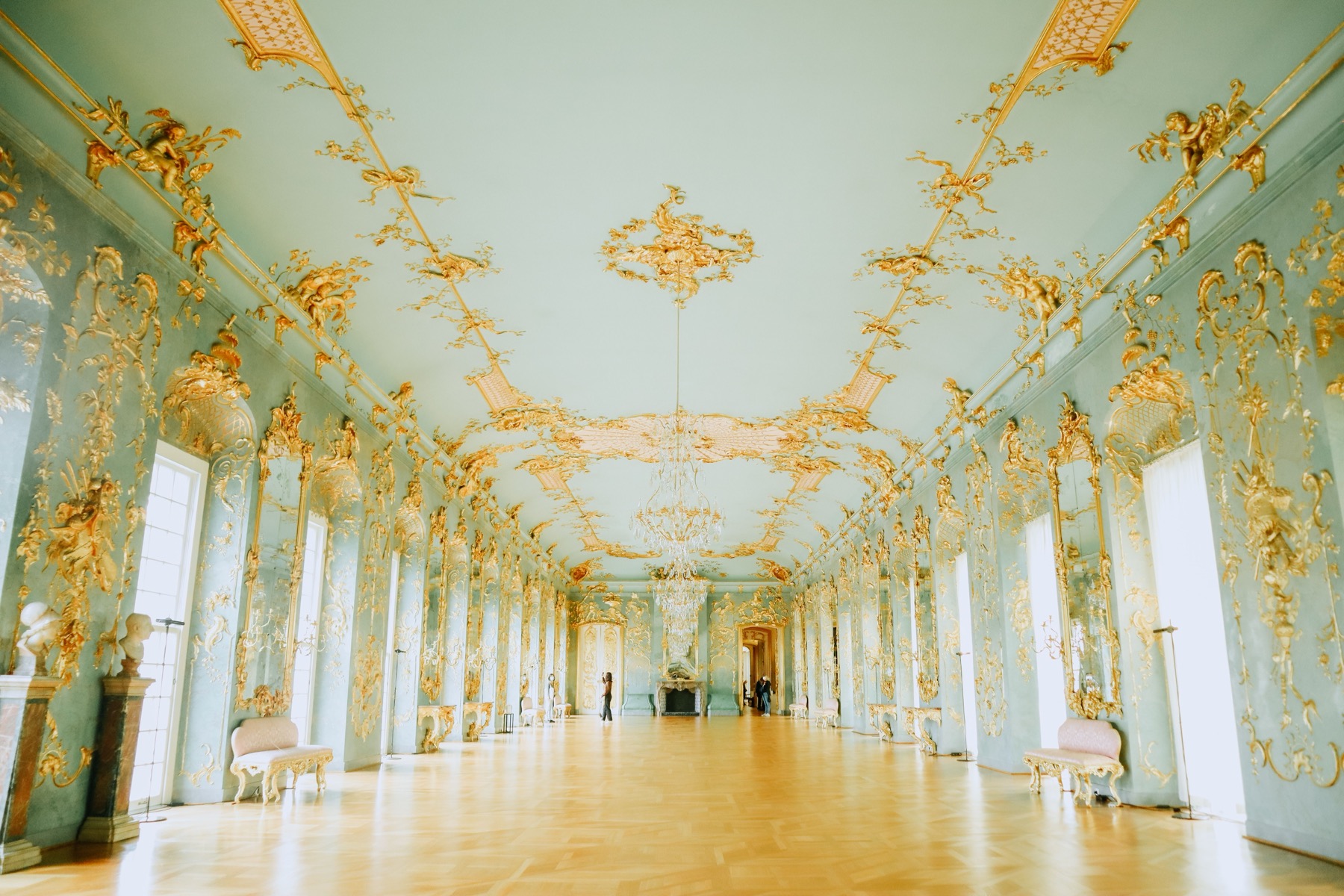
The moment you step inside, you feel as though time has rewound a couple of centuries — back to the days when Sweden was a great power and made sure the world knew it. The main staircase with its illusionistic paintings is so lavish it might make your head spin, but that’s really just the beginning of the whole experience. Every ruler left their own unique mark here, so the interior works like a colourful textbook of Swedish art history.
You’ll surely be wowed by the stunning Ehrenstrahl bedchamber with its dark, rich paintings, or the absolutely breathtaking library of Queen Lovisa Ulrika, said to be one of the most beautiful rooms in the entire country. Its glowing golden details and hundreds of historical volumes stacked from floor to ceiling create an incredibly photogenic space. Also well worth seeing is the long gallery of Karl XI, whose mirrors and windows are strikingly reminiscent of the Hall of Mirrors at the French Versailles.
As you move through these enormous halls, don’t forget to notice the very practical period details too, such as the richly decorated tiled stoves in the corners of the rooms. These Nordic gems not only look gorgeous, but during Sweden’s brutal winters they were the only thing standing between you and freezing. The huge, hard-to-heat chambers would have been completely uninhabitable without them.
💡 Tip: Try lifting your gaze to the ceilings during your visit. Most of the state halls boast incredibly detailed stucco work and frescoes depicting ancient myths or celebrating Sweden’s military victories of the era.
3. The Slottsteater palace theatre and its magic
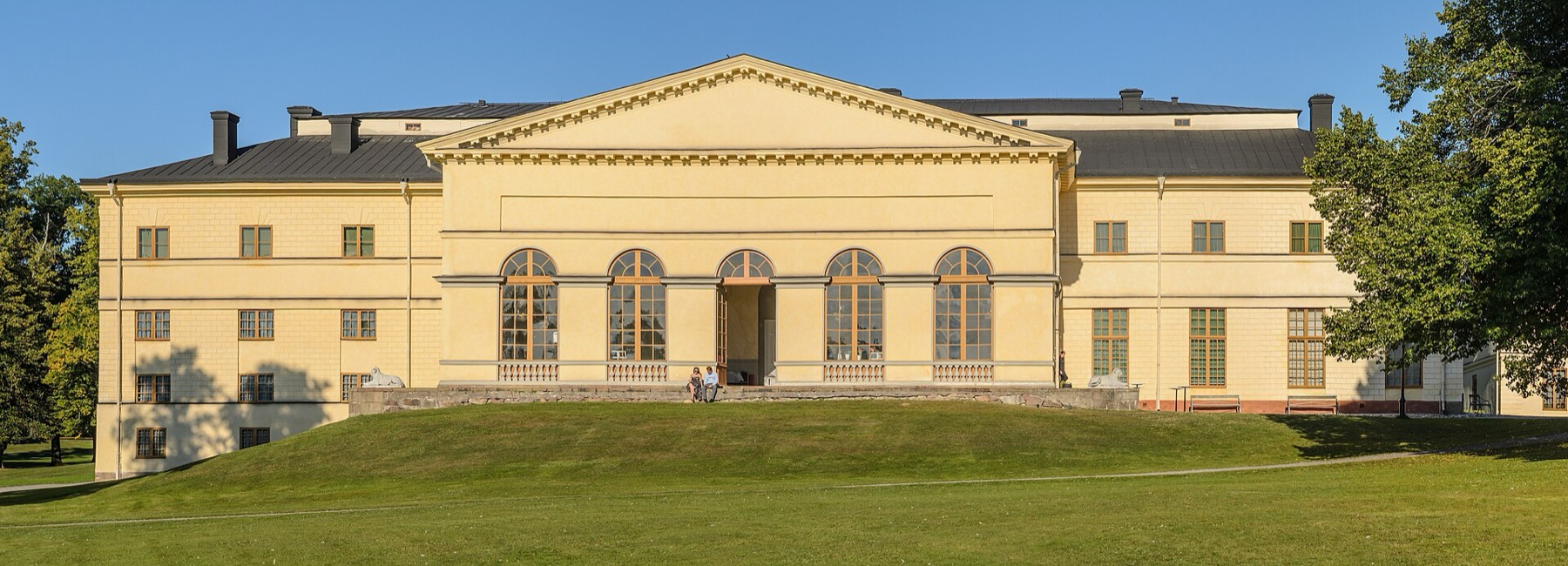
If you were only allowed to see one single thing at Drottningholm and skip the rest, let it be the palace theatre. This unassuming building from 1766 hides a worldwide rarity, because its complete original 18th-century stage machinery has survived to this day. While similar theatres elsewhere in Europe burned down or underwent insensitive modernisation, here time has stopped completely.
The complex system of trapdoors, pulleys, ropes and giant winches is still operated purely by hand using human power, without a scrap of electricity. It’s absolutely fascinating to see machines that produce theatrical illusions — creating the effect of a stormy sea using rotating wooden cylinders, or a giant thunder machine where heavy stones roll down wooden cascades. The theatre slept for more than a hundred years under layers of dust before it was rediscovered and brought back to life in the 1920s.
The tour draws you into an era when the royal court invited Europe’s finest artists here, and you’ll even peek into the original actors’ dressing rooms, where old wood scents the air and time has frozen somewhere in the 18th century. Everywhere smells of old wood, and the atmosphere here is simply magical.
💡 Tip: During the summer months, opera and ballet performances in authentic Baroque style are held here regularly, with the orchestra playing period instruments and performers wearing replicas of old costumes. Tickets for these performances vanish at rocket speed, so you’ll need to snag them on the theatre’s website up to six months in advance.
4. The Chinese Pavilion, a Rococo surprise
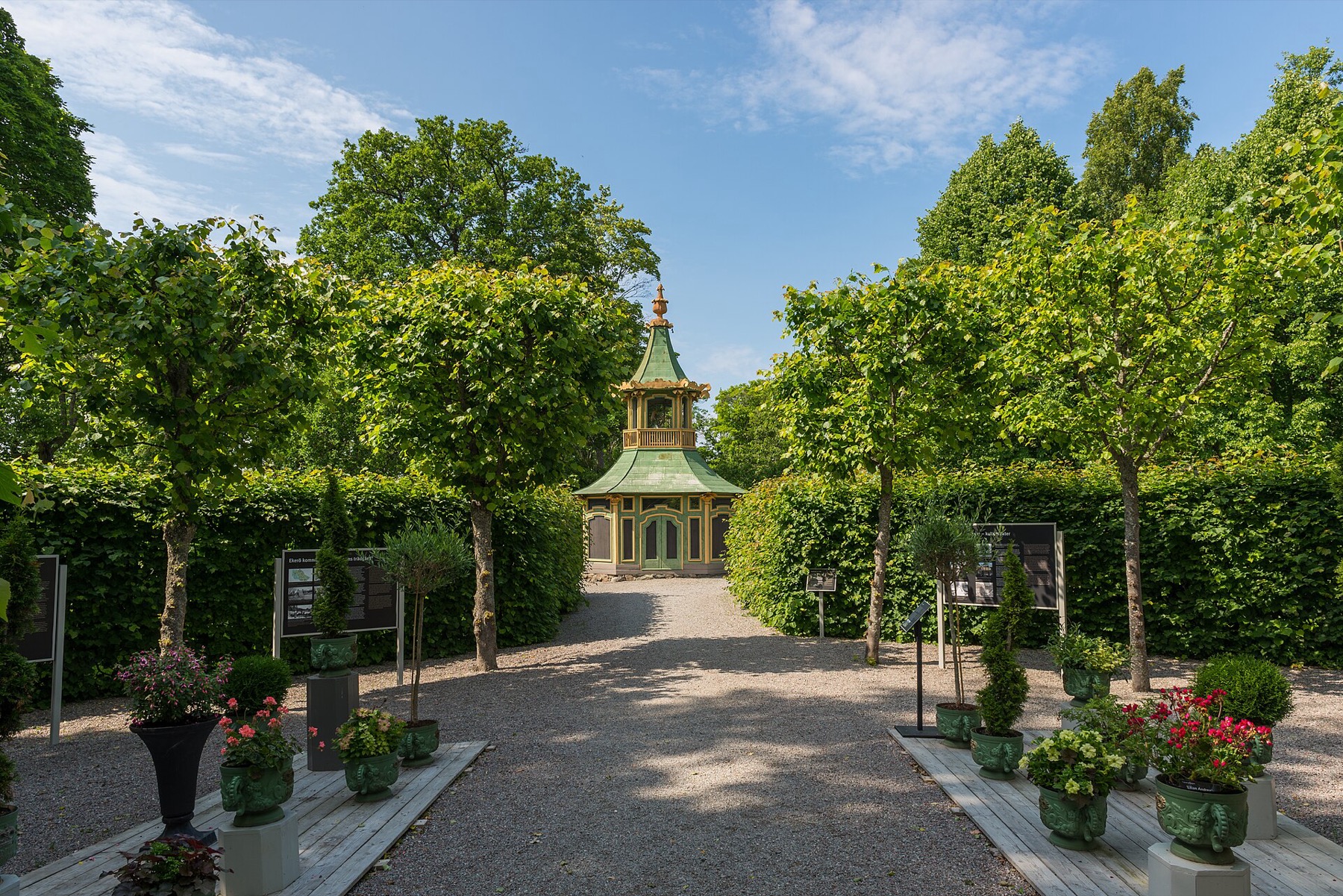
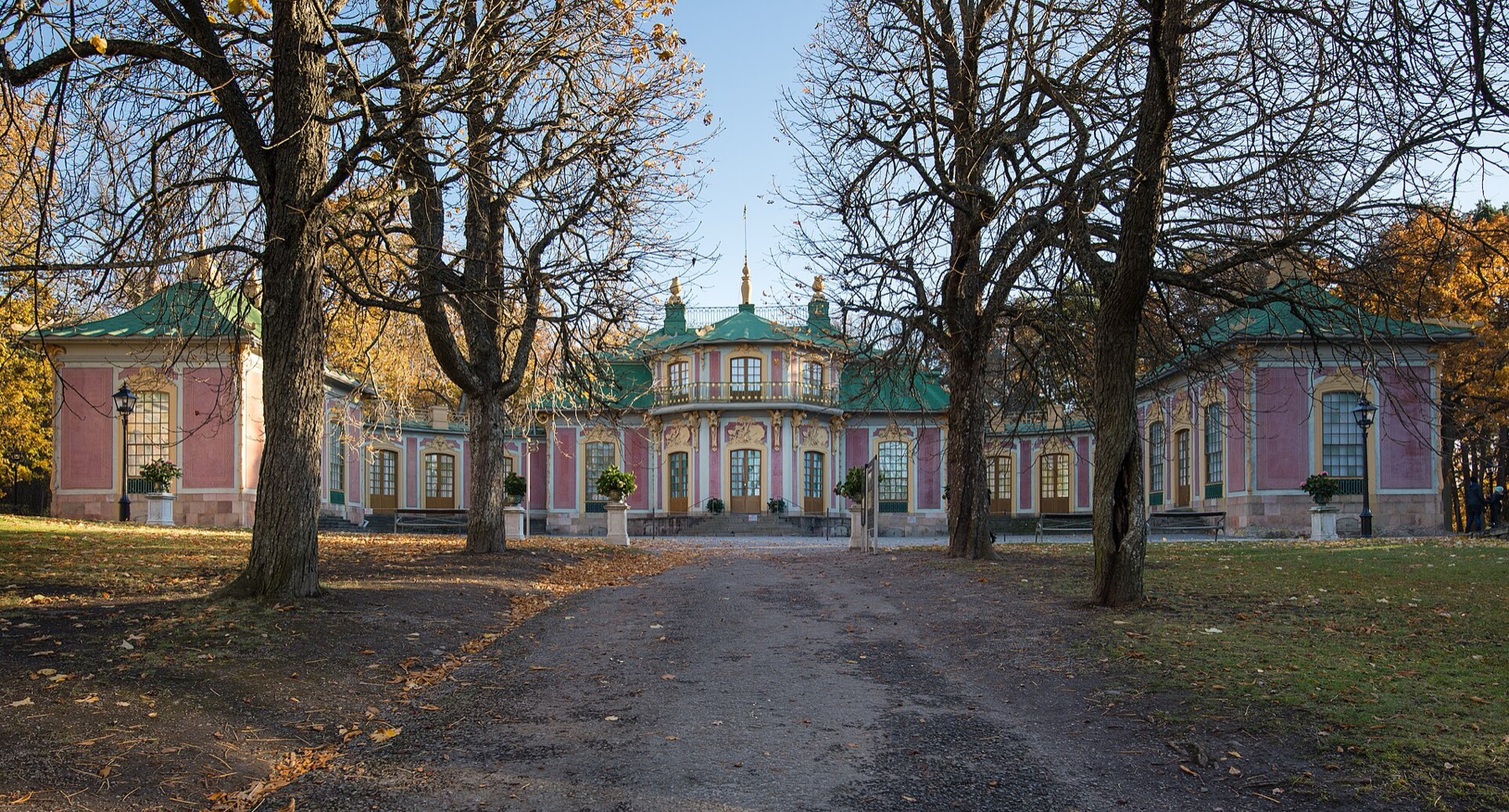
If you head a little deeper into the sprawling park from the main palace, you’ll come across a building that at first glance doesn’t belong here at all. The Chinese Pavilion (Kina slott) is a fairy-tale Rococo summer house that King Adolf Fredrik had secretly built as a huge birthday surprise for his wife Lovisa Ulrika in 1753. The queen reportedly couldn’t hide her delight, and the pavilion became her favourite retreat.
In the mid-18th century all of Europe was utterly obsessed with everything Chinese, even though it had only very romantic and heavily distorted notions of the real China. The pavilion is a wonderful example of the style known as chinoiserie, where traditional European Rococo boldly blends with oriental motifs, golden dragons, expensive silk wallpapers and lacquered furniture. It comes across as incredibly playful, exotic and — for the time — very relaxed.
Touring this smaller palace won’t take as much time as the main one, but it would definitely be a huge shame to skip it. Admission (roughly 120 SEK, about €11) is charged separately, but in the summer season it’s well worth buying a combined ticket straight away, which costs around 230 SEK (€21) and covers both buildings.
💡 Tip: Right next to the pavilion there’s a small romantic café serving excellent fresh waffles. You can sit down on the grass, order a coffee and calmly savour that absurd but visually gorgeous combination of Nordic nature and Asian architecture.
5. A palace park with a Czech trace
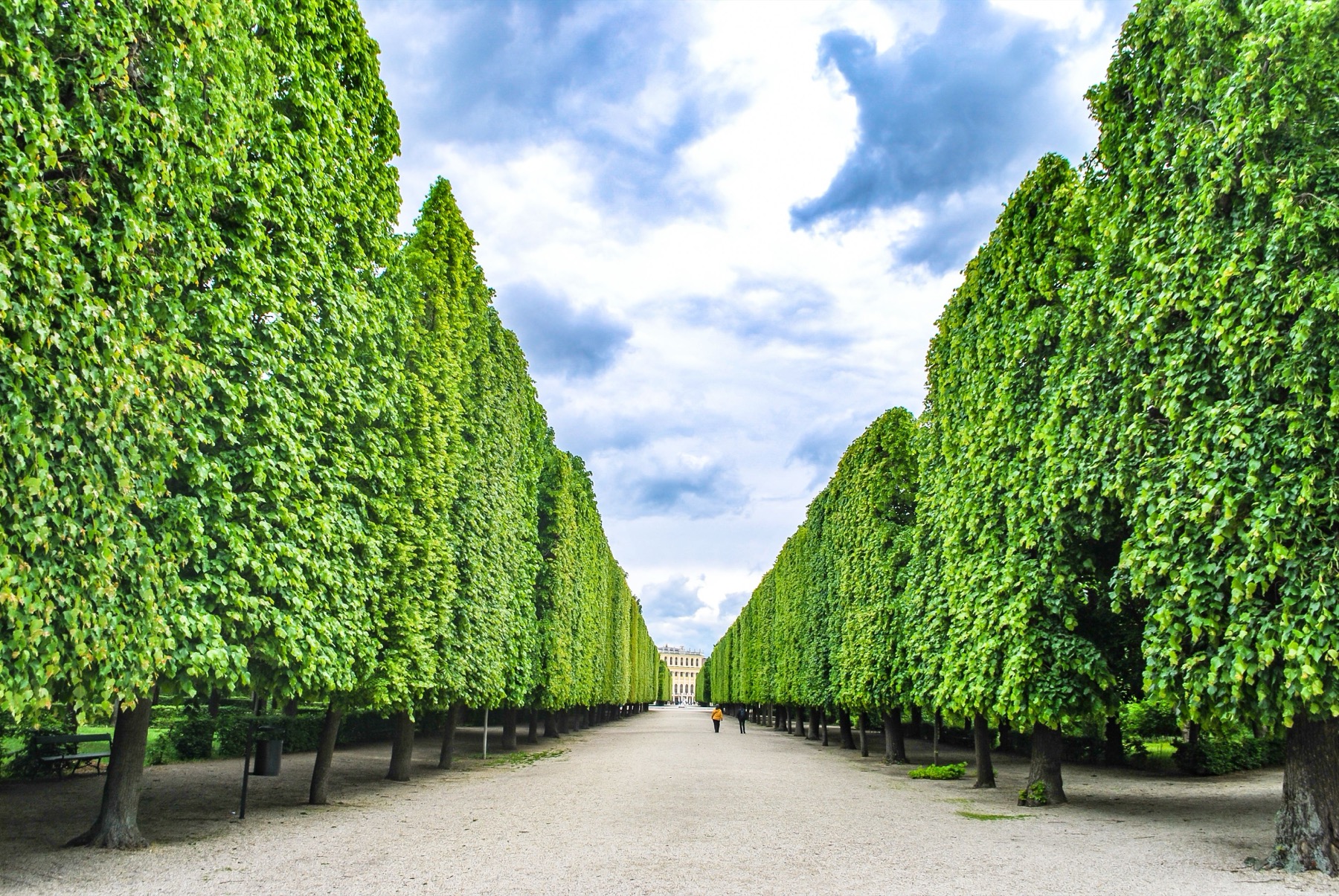
Drottningholm’s gardens are so vast and varied that they could easily fill a whole day trip on their own. The best news is that entry to the entire park is completely free year-round, so you can come here just for an afternoon stroll without buying a ticket to the indoor exhibitions. That’s why locals love coming here to relax at weekends.
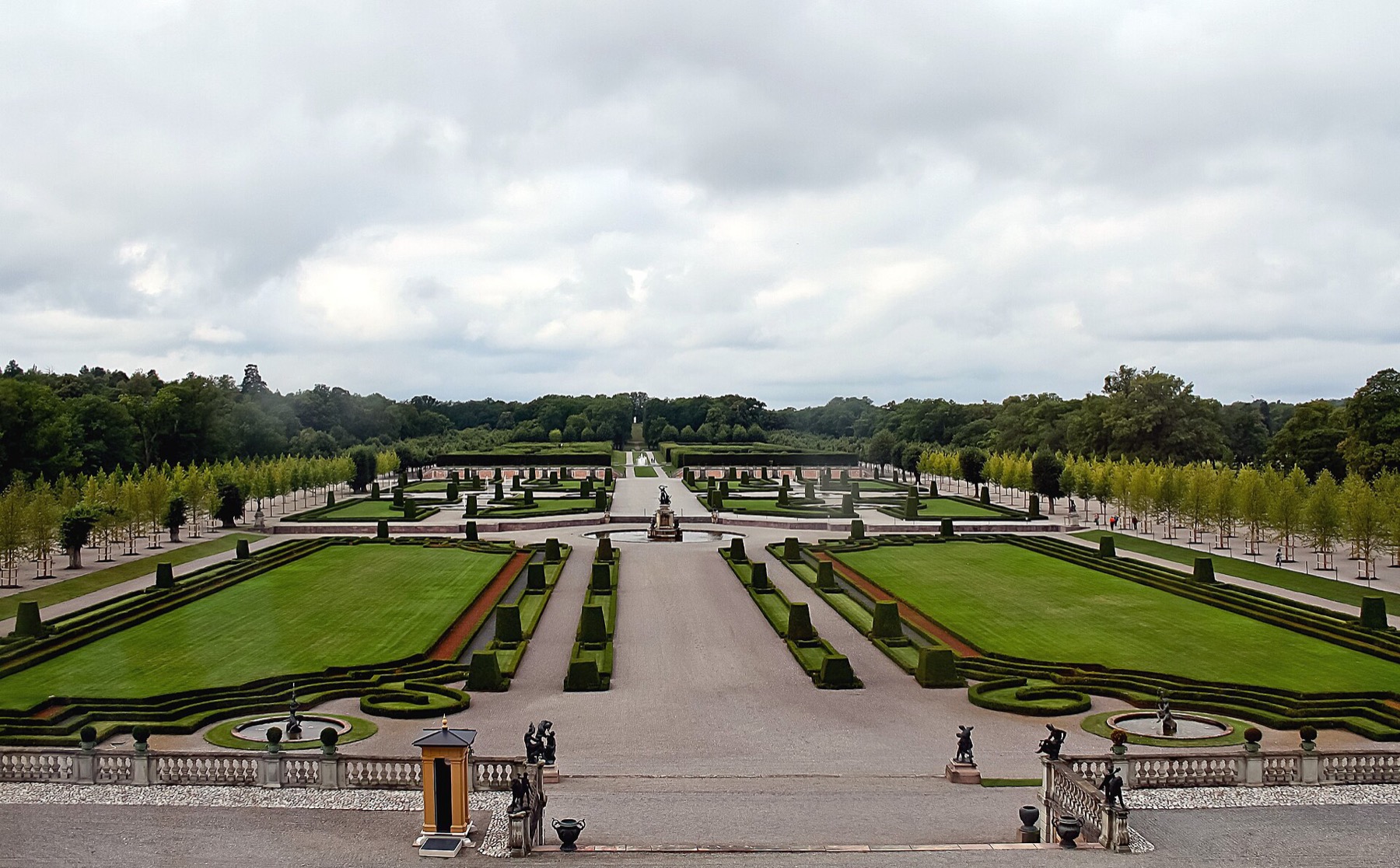
The park is divided into two entirely different sections, and the one closest to the palace is a strictly symmetrical Baroque French garden, full of geometrically trimmed hedges, large fountains and long avenues. This is exactly where an intriguing Czech surprise awaits you. Many of the bronze statues by the famous sculptor Adriaen de Vries that decorate this section were carted off by Swedish troops as war booty from Prague’s Wallenstein Palace at the very end of the Thirty Years’ War in 1648.
Further from the palace, this French formality smoothly gives way to a romantic English park, designed instead to evoke untamed, wild nature. You’ll find long winding paths, huge grassy lawns perfect for resting, and picturesque little ponds. For families with children there’s even a system of small hedge mazes where you can get lost for a surprisingly long time.
💡 Tip: If you enjoy long walks, head all the way to the far end of the English park. You’ll find much more peace and quiet there, along with wonderful views back towards the royal palace, beautifully mirrored on the surface of the local ponds.
6. The royal chapel and Sunday services
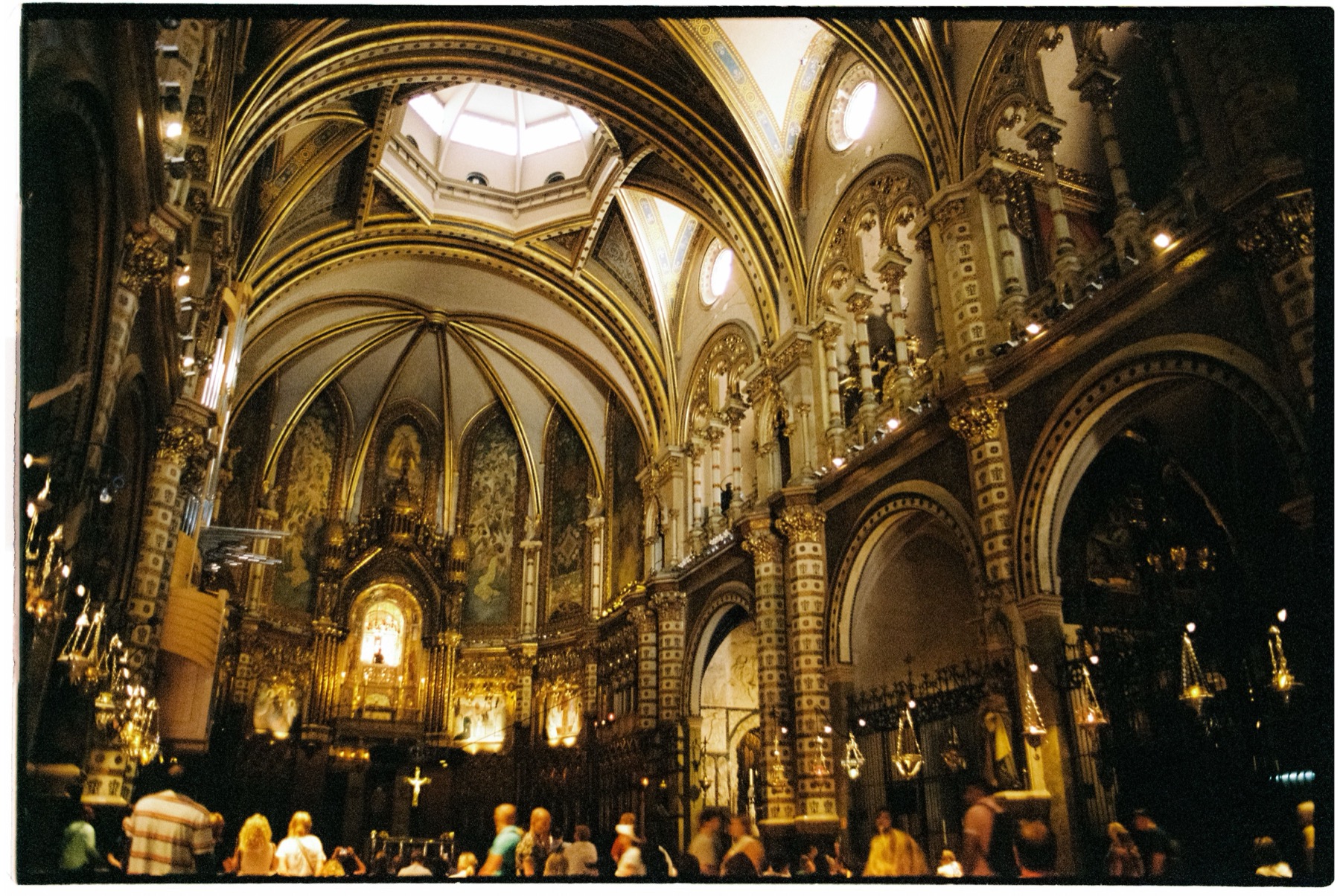
The architect masterfully incorporated the royal chapel into the palace’s north tower, and it remains genuinely alive today — not just a nicely lit backdrop. Its interior from 1746 is a display of the purest Nordic Rococo, dominated completely by snow-white paint combined with lavish gilding and heavy, hand-woven tapestries. Architect Carl Hårleman created a space here that feels incredibly bright and airy.
Since the late 18th century the chapel has been the regular parish church for all the permanent residents of Lovön island. If you come here on a Sunday morning, you can attend a classic Sunday service, which is open to the general public and requires no special invitation. It’s a beautiful and very authentic way to experience the palace’s atmosphere in its original, spiritual dimension.
During the summer, lavish weddings are also held here very often. It’s not at all unusual to unexpectedly run into a wedding party in their finest during a walk through the palace park. Locals love getting married here, so on a park stroll you might well come across newlyweds all dressed up — and that gives the whole place a completely different vibe than your average museum.
💡 Tip: Even if you’re not planning to attend a service, definitely pop into the chapel for at least a moment during your regular tour. The contrast between the plain exterior facade of the north tower and its richly decorated inner sanctuary is genuinely huge and well worth a few minutes of your time.
7. Two routes, two very different travel experiences
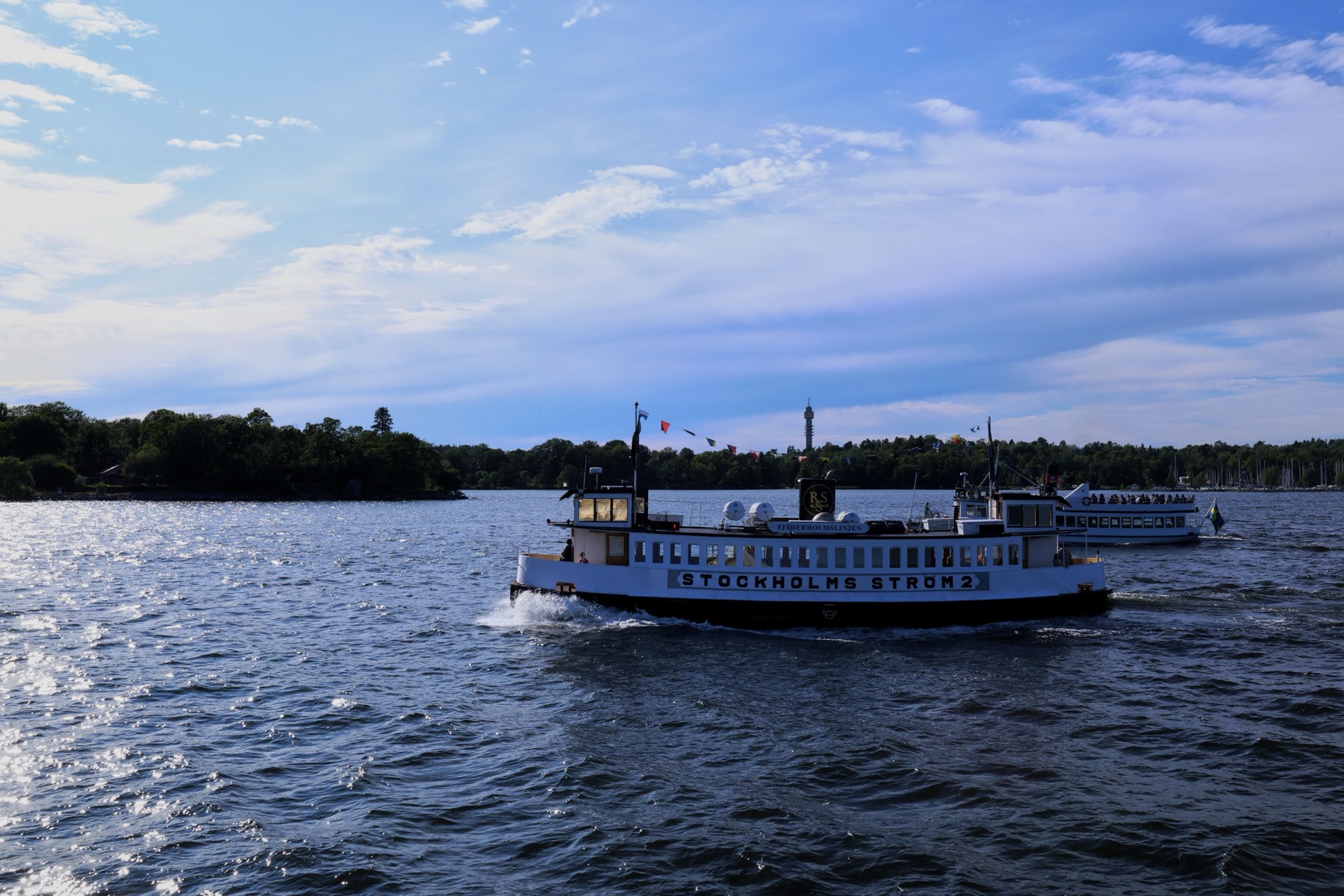
Getting to Drottningholm offers two completely different routes, and each has something going for it. The most romantic and by far the most beautiful option is a trip on a historic steamboat that transports you into the last century for a while. The cruise across the calm Lake Mälaren offers wonderful views of Stockholm’s shoreline, and that moment when the silhouette of the royal palace first appears on the horizon is simply priceless. You can sit on deck, sip your coffee and let the wind ruffle your hair.
But if you need to save time or you’re travelling on a tighter budget, Stockholm’s metro will get you there reliably and noticeably faster — and while waiting for your connection you can even photograph those wonderfully painted stations. The transfer to the bus is then completely seamless and hassle-free.
Whether you choose water or land, the journey to the palace works as a great overture to the whole experience. The palace was historically built to impress visitors arriving by water the most, so if you have the chance, I recommend taking the boat for at least one leg — ideally the morning one on the way there.
💡 Tip: Many travellers cleverly combine the two options. In the morning they take the sightseeing boat to the palace to enjoy that grand arrival by water, and in the afternoon they head back to the centre on the fast metro, once they’re tired from all the walking and want to be back at the hotel as soon as possible.
8. When to arrive and how to avoid the crowds
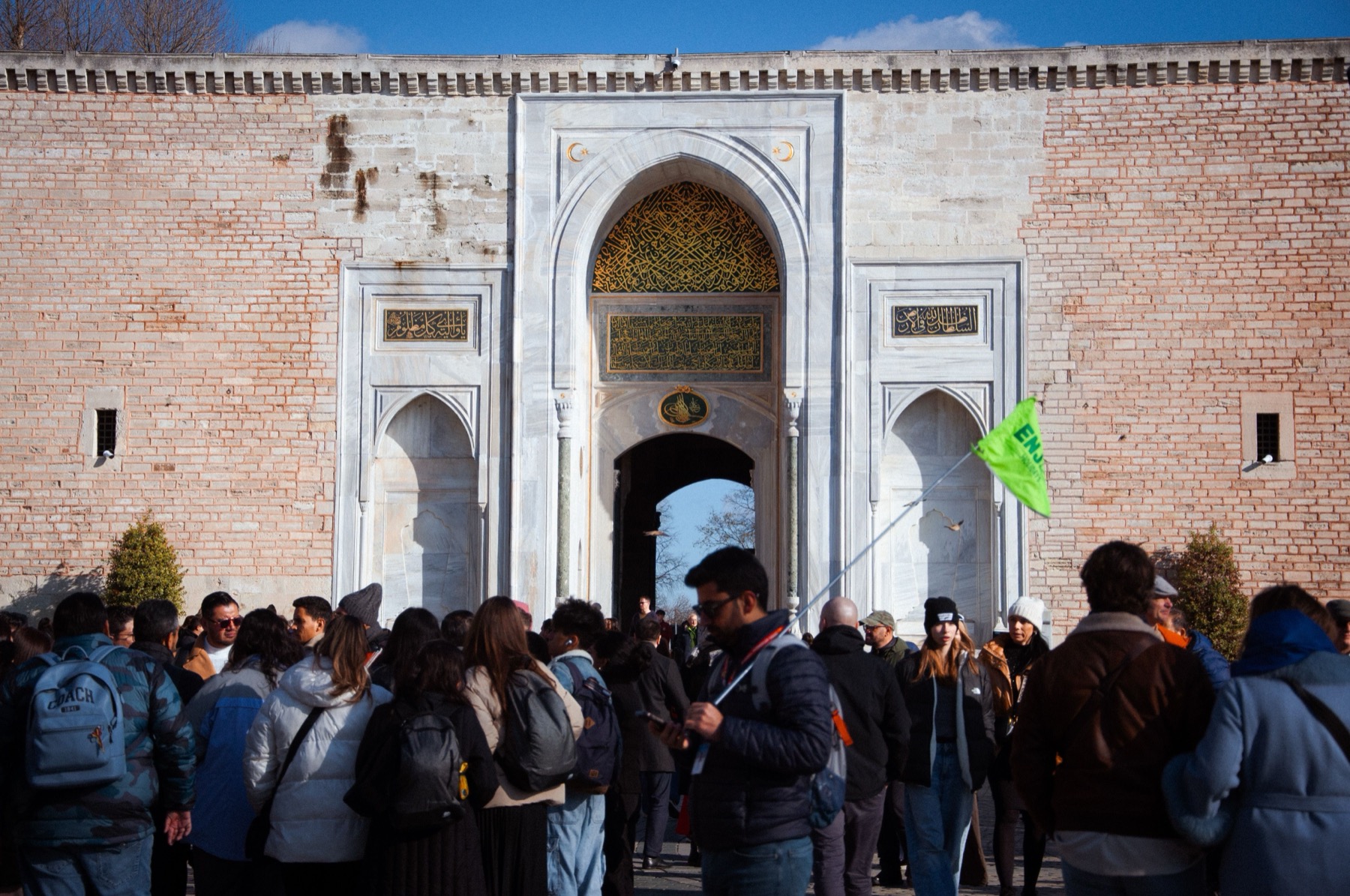
Drottningholm is immensely popular, and it can get really packed during the summer months. The palace sees the biggest surge of tourists and organised tours from giant cruise ships between 11 a.m. and 2 p.m., when it can be a struggle to get a nice photo without strangers in the frame. The palace corridors can feel a little tight at this time.
If you want to enjoy emptier chambers and a quiet park, the ideal strategy is to arrive right at opening time, which is usually 10 a.m. Always double-check the specific month on the website, since the times shift slightly by season. You’ll have roughly an hour and a half of pure time for the most beautiful halls before the main wave of visitors arrives. Another great option is an afternoon visit after 3 p.m., when most big groups are already heading back to the centre for dinner and the grounds empty out pleasantly.
July in Sweden is the time of the so-called industrisemester, when almost the whole country takes its collective holidays and heads out sightseeing. In this month, expect the absolute peak of the season at Drottningholm and the longest queues at the ticket desks. Travelling outside the main holidays, typically in May, June or September, will give you a much calmer and more authentic experience of the whole place.
💡 Tip: If you don’t mind slightly worse weather, a winter visit to the palace has a truly one-of-a-kind charm. The snow-covered park looks like something out of a fairy tale, and inside the palace you’ll often have the state halls almost to yourself. Just don’t forget to check the winter opening hours — it’s usually open mainly at weekends.
9. How much time to set aside for the visit
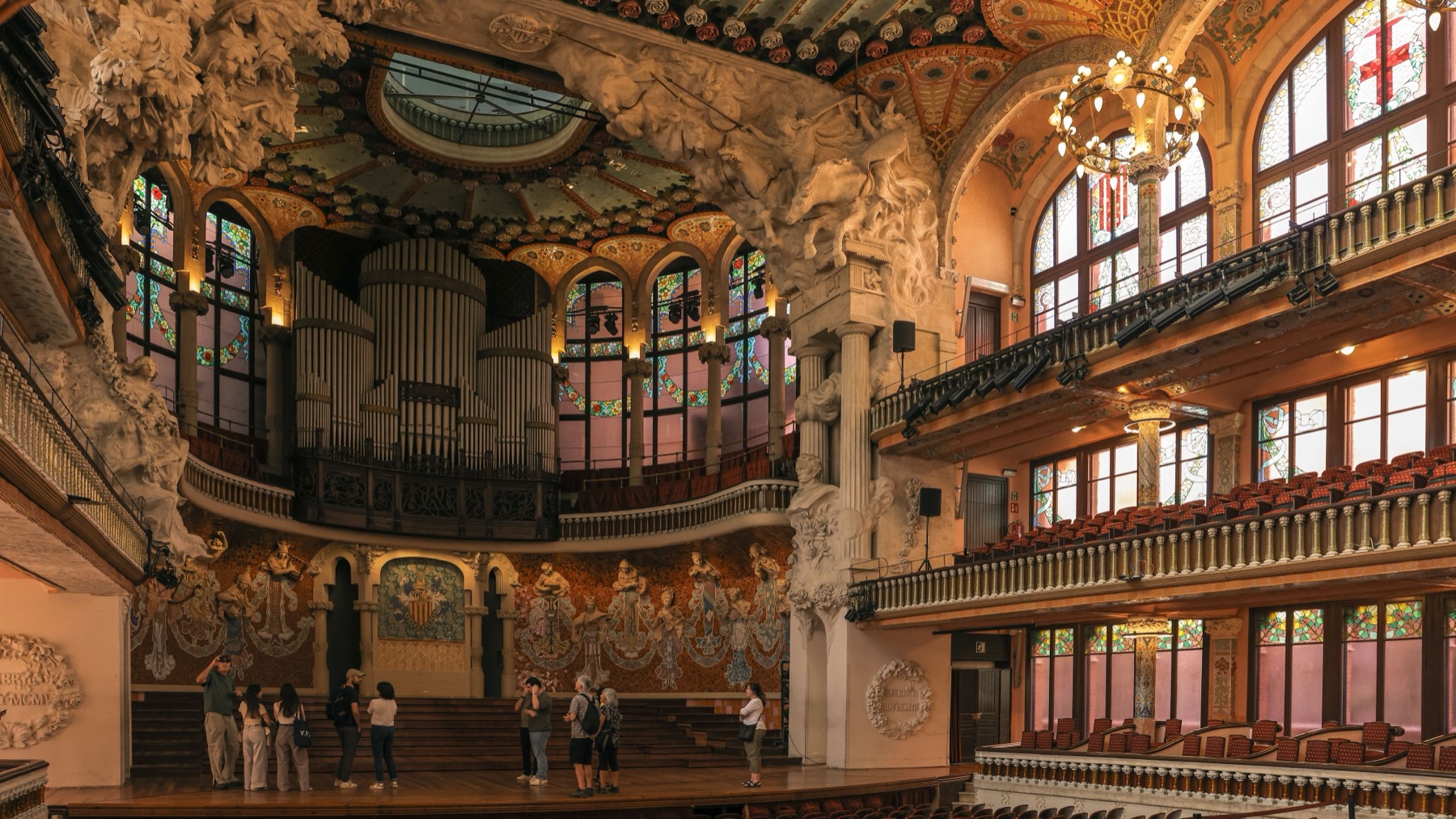
Definitely don’t count on popping in for a quick hour and heading straight off again. Drottningholm is a genuinely solid half-day trip that requires a certain time investment to be worth it and to enjoy at a relaxed pace. Just the journey from Stockholm and back will take you at least an hour and a half (if you go by public transport) to more than two hours (if you choose the sightseeing boat).
For the main palace itself and carefully working through the state halls you’ll need roughly 60 to 90 minutes of pure time, especially if you like to stop and study the historical details. The Chinese Pavilion lies fairly deep in the park, so the walk there and touring it will take you at least another hour. On top of that, the palace theatre can only be seen with a guide on a commented tour, which usually lasts 45 minutes.
Once you add in time for an afternoon coffee, the essential photos in the gardens and a walk through the sprawling English park, you’ll safely reach 3 to 4 hours spent purely on the island. So it’s ideal to set off first thing in the morning, take everything in at a relaxed pace, have lunch at the palace café and head back to Stockholm in the early afternoon.
💡 Tip: Don’t try to cram Drottningholm and another big Stockholm museum like the Vasa into a single day. You could probably manage it physically, but you’d just end up unnecessarily rushed and worn out from both experiences.


10. Audio guide and modern technology
Do you hate being herded along in an organised group with someone dictating your pace? Drottningholm takes a very modern and welcoming approach here. You can download the official app completely free straight to your smartphone — it’s called Kungliga slotten (The Royal Palaces) and works as an absolutely brilliant personal audio guide to the whole complex.
This handy app is available in English and several other world languages. It offers very detailed commentary on individual rooms, paintings and statues in the park, so you’ll learn plenty of historical gossip and context. Just don’t forget to pack your own headphones and you can explore the whole palace at your own pace. Stop where it interests you most, and simply move faster through the rooms that don’t grab you as much.
The app works offline too, so you don’t have to worry about mobile data, and although there is Wi-Fi on the grounds, you can’t really rely on it everywhere across the sprawling park.
💡 Tip: If you still prefer a live voice to technology, guided tours in English are held here regularly during the summer season, from January to the end of September. These tours are often included right in the price of the basic ticket — you just need to turn up on time at the designated meeting point in the main courtyard.
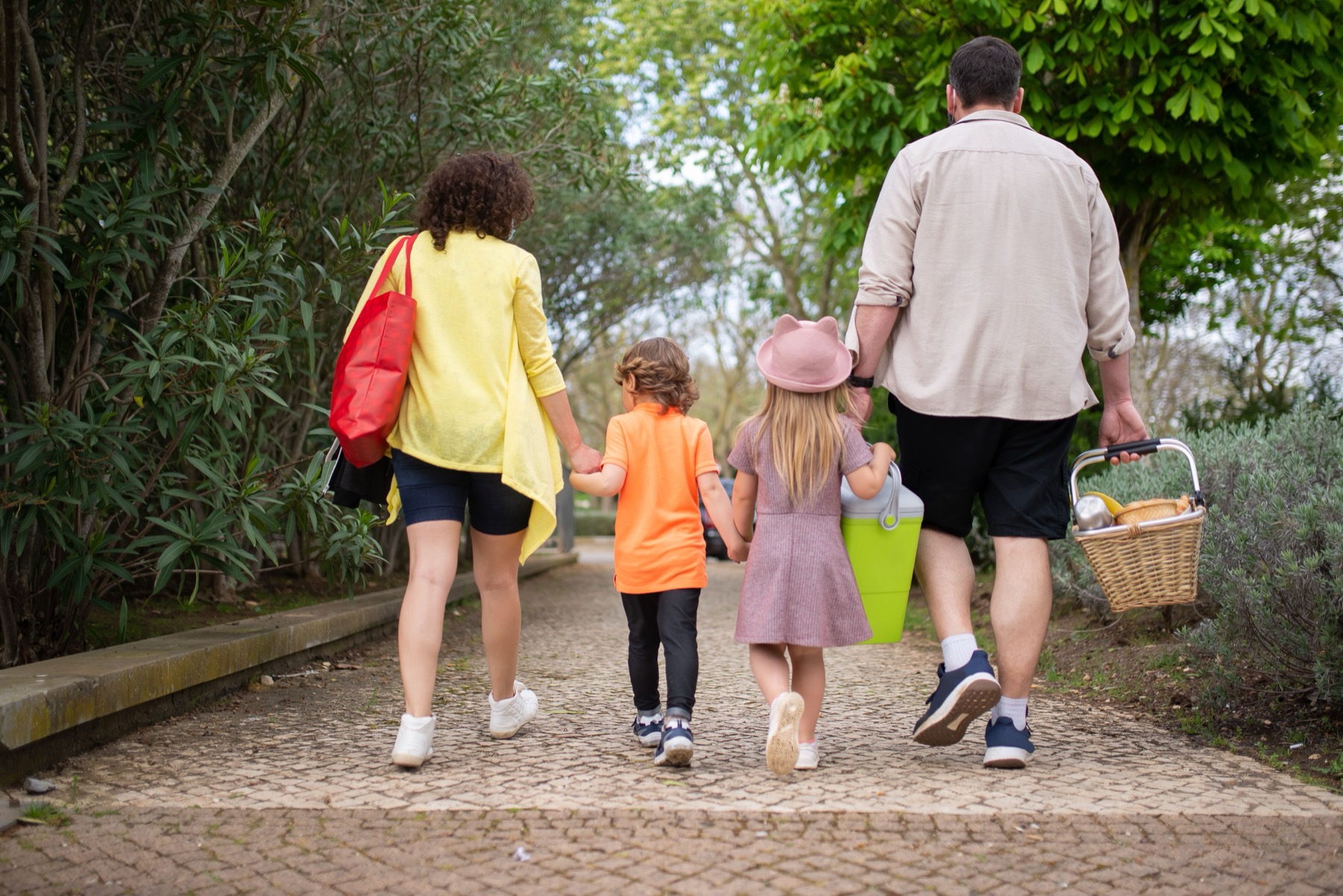
11. Visiting Drottningholm with kids
You might think dragging small children to a Baroque palace full of fragile historical furniture and gold ornaments is pure madness, but Swedes are extremely family-friendly and tolerant. During the summer months and school holidays there’s a special children’s programme here, where young visitors can actively join in various treasure-hunt games and fun historical quizzes right in the palace chambers.
But the real paradise for kids is clearly the adjacent palace park. The English section of the gardens with its large lawns practically invites running and family picnics. Nobody will scold you here when the children play on the grass or run around the trees. The local mazes made of tall hedges are also a huge hit, where you can get lost for a surprisingly long time and kids absolutely love it.
What’s more, the palace is largely barrier-free and accessible with a pram. Prams can’t, for understandable reasons, be taken directly into the historical halls to protect the precious floors and furniture, but there are safe spots ready right by the entrances where you can leave them parked without worry. You can then comfortably walk the interiors with smaller kids by the hand or in a carrier.
💡 Tip: A huge advantage for the family budget is the fact that all children and young people up to and including age 17 get free entry to all the indoor palace exhibitions. You only pay for the adult companions.
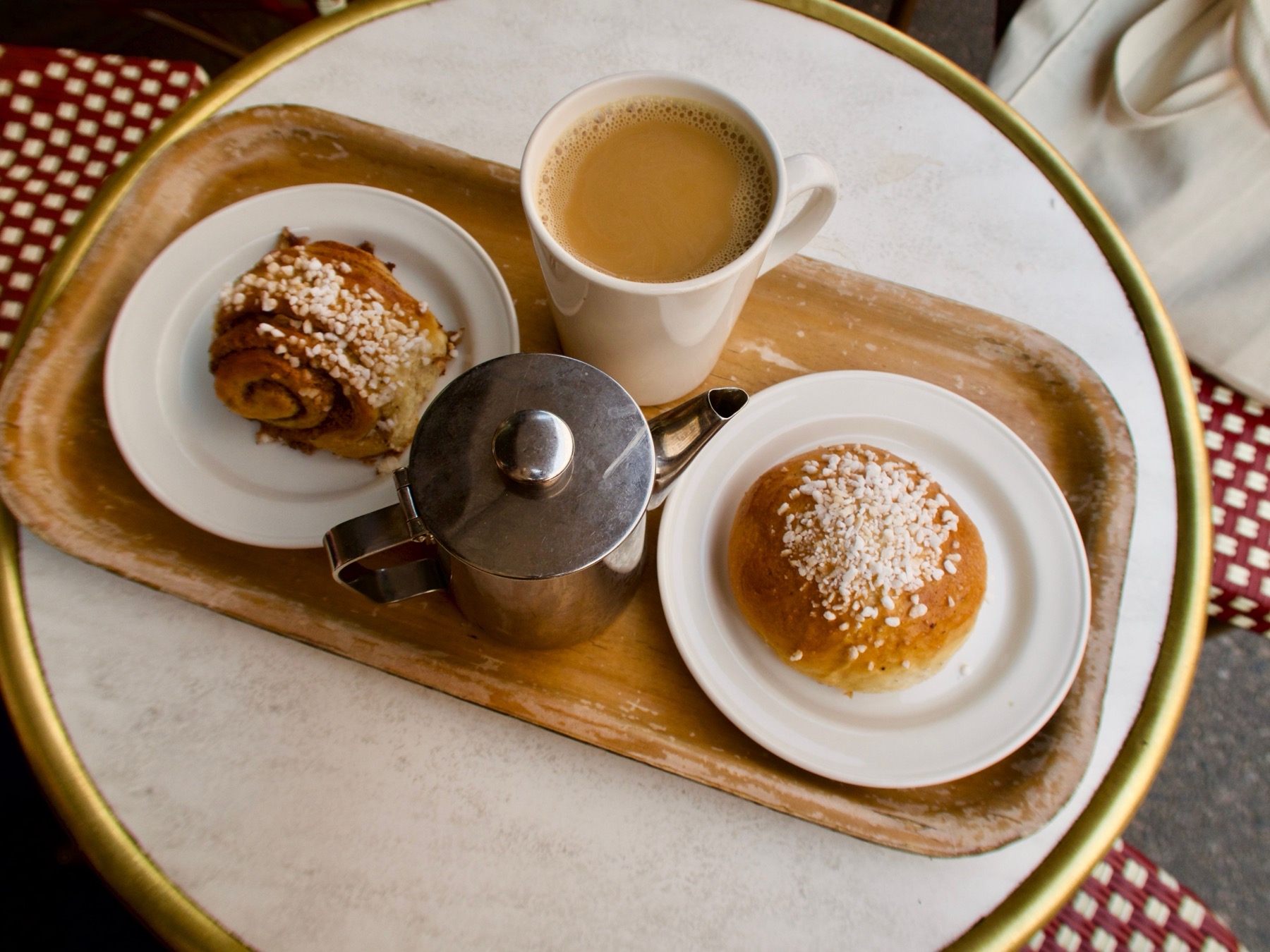
12. Where to eat and vegetarian tips nearby
Exploring royal history reliably works up an appetite, and luckily the complex is superbly prepared for visitors. Right by the main palace entrance you’ll come across Karamellan Café, a cosy palace café and restaurant that offers absolutely fantastic surroundings for a traditional Swedish fika (coffee break). You can settle in comfortably inside or on the lovely outdoor terrace with a great view right over the water.
For vegetarians, Swedish cuisine is generally very welcoming, and Karamellan is certainly no exception. Definitely try their salad bowls or the vegetarian cheese sandwich — they’re properly filled and come perfectly in handy after a morning of marching through the park. And your afternoon coffee simply can’t be without a freshly baked cardamom bun (kardemummabulle), which is genuinely renowned here and smells beautiful from a distance. You’ll find another smaller café with excellent sweet waffles right by the Chinese Pavilion.
Prices in the palace cafés are understandably a touch touristy — a coffee with a sweet pastry will cost you roughly 75 to 100 SEK (about €7 to €9) — but for the setting it’s definitely worth it.
💡 Tip: If you want to save a little and enjoy the very best the grounds have to offer, buy fresh bread, cheese and vegetables in central Stockholm in the morning and treat yourself to a luxurious royal picnic. In the sprawling English park you’ll find hundreds of perfect spots in the shade of old trees where you can lay out a blanket and lunch with a view of the Baroque facades.
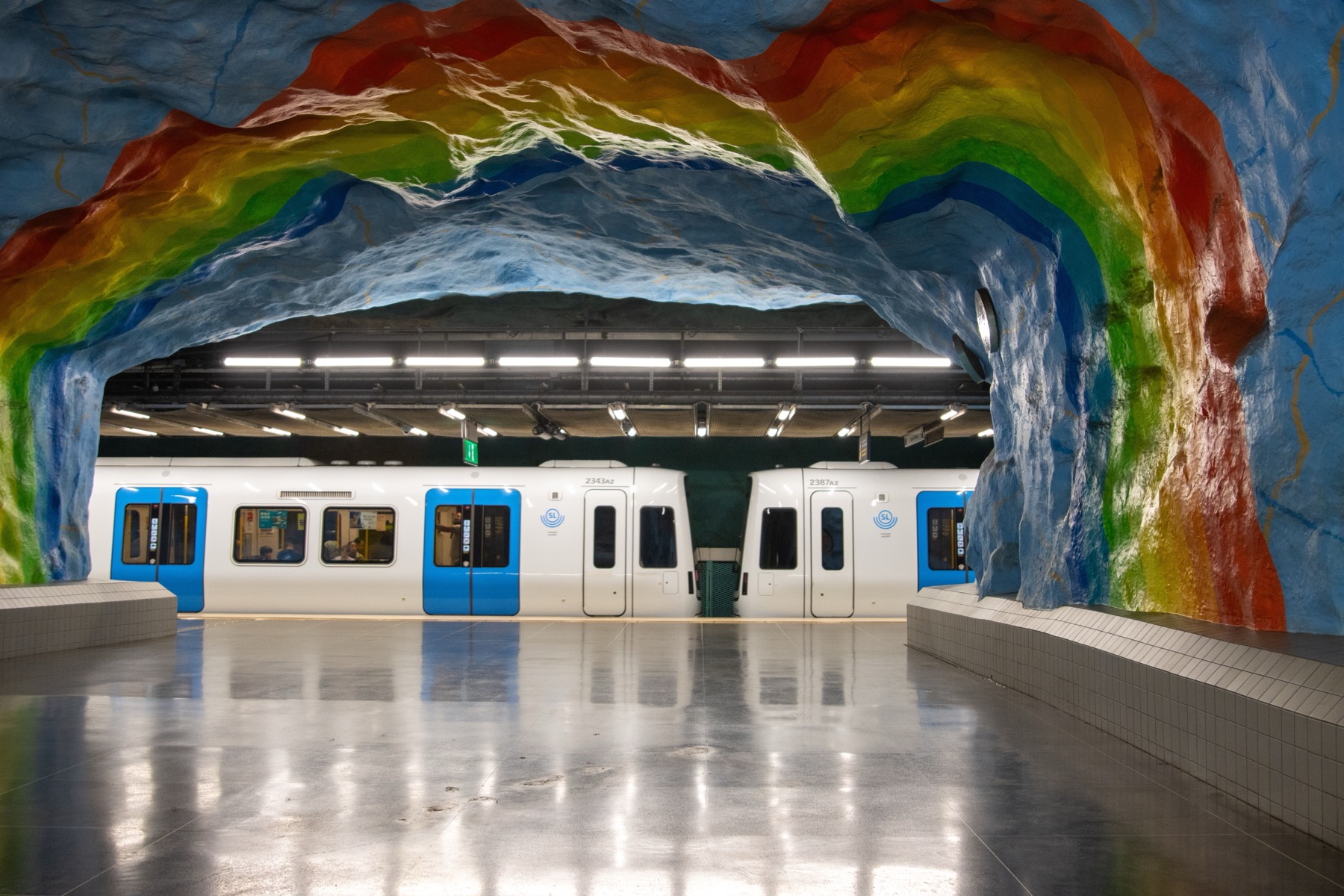
How to Get to Drottningholm
The logistics of the trip are surprisingly simple — you just need to decide whether you prefer romance, or speed and a low price.
If you want to turn the journey into a full-blown experience, the historic steamboat is the clear choice. Boats run by Strömma depart in the summer season straight from central Stockholm at the Stadshusbron quay, which you’ll find right next to the famous City Hall. The cruise itself across the calm Lake Mälaren takes roughly 50 minutes. A return ticket will cost you around 260 SEK (about €24). I recommend buying tickets online in advance, since these sightseeing boats tend to sell out fairly fast during the summer months. There’s usually a small buffet on board, so you can enjoy a morning coffee with the views.
The second, significantly cheaper and faster option is to use Stockholm public transport (SL). In the centre you board the metro (blue line) and ride to Brommaplan station. The underground journey takes a short while, and at Brommaplan you just walk up the stairs straight to the bus station. There you hop on the connecting bus line 176 or 177, which drops you off in just under 10 minutes at the Drottningholm stop, only a few steps from the palace gate. The whole journey takes about 40 minutes.
The huge advantage of the metro and bus is the price. A standard single ticket for 42 SEK (about €4) applies here. And if you’ve bought a multi-day or monthly pass, the trip to the palace is essentially completely free. That’s especially worth it in 2026, when state subsidies have brought the price of the monthly pass down to 530 SEK.
💡 Tip: If you have a rental car, there’s a spacious central car park (Karamellan parking) at the palace. It’s usually paid, though, and fills up quickly in the summer peak. Another option is to cycle from Stockholm — safe, quality bike paths run alongside the roads, and the ride from the centre takes roughly 45 to 60 minutes at a leisurely pace.
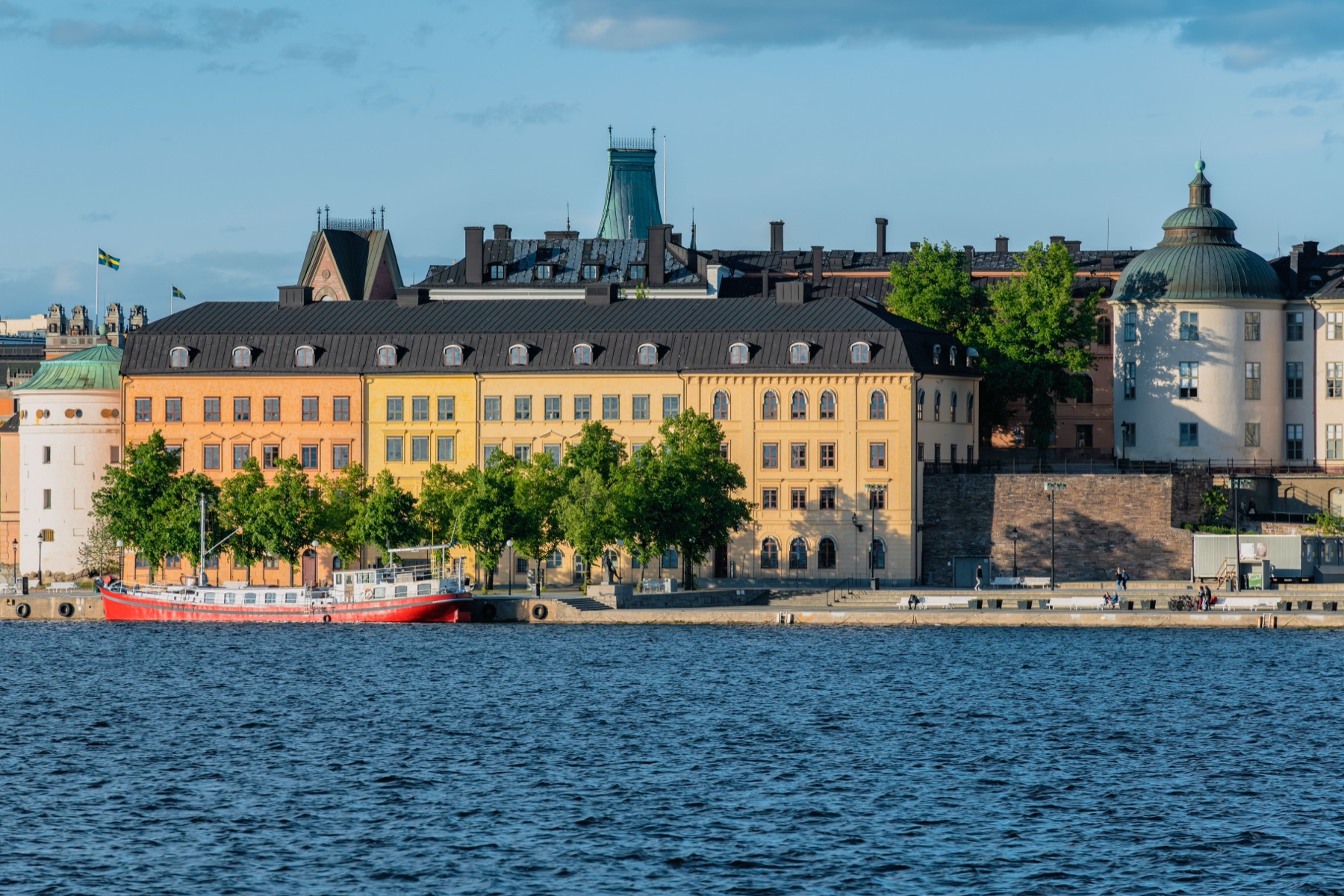
A Half-Day Trip Step by Step
To make planning easier and save you from any needless fumbling on the spot, I’ve put together an ideal timetable for the whole trip. This plan assumes you want to avoid the worst of the crowds and enjoy the palace in as much peace as possible.
9:00 a.m. Departure from Stockholm: Set off from the city centre. If you’re going by metro you have plenty of time; if you’re taking the boat, be at the City Hall a little early so you can grab the best spots on the outdoor deck.
10:00 a.m. Palace opening and the main palace: Arrive at the gates on the dot of ten. Head straight into the main palace to the state halls. You’ll have roughly an hour to walk through the Ehrenstrahl bedchamber, the library and the gallery in relative calm, without having to dodge the big groups from the cruise ships, who are still having breakfast in the harbour.
11:30 a.m. Moving into the park and the Chinese Pavilion: Step out of the palace and immerse yourself in the sprawling gardens. Walk through the French Baroque section and head towards the Chinese Pavilion. You’ll spend around 45 minutes here admiring the Rococo architecture and exotic wallpapers.
12:30 p.m. Palace lunch or picnic: Time to refuel. Either sit down at the café by the Chinese Pavilion for fresh waffles, lay out a blanket in the English park for your own picnic, or slowly make your way back to the entrance gate to Karamellan Café for a hearty vegetarian sandwich and a proper coffee.
1:30 p.m. Palace theatre: After a good lunch, join the guided tour of the historic Slottsteater theatre. The tour lasts 45 minutes and you’ll learn all about the fascinating 18th-century wooden machinery.
2:30 p.m. Back to Stockholm: You’re full of impressions and you’ve got a few kilometres in your legs. It’s the ideal time to head back to the centre, whether by boat or bus, so you can rest for a while at the hotel before an evening of exploring Stockholm’s streets.
💡 Tip: You can of course stretch this timetable however you like. If you hit lovely weather, there’s absolutely no problem spending another two hours just lying on the grass in the English park.
Practical Summary and Approximate Prices (2026)
Sweden is an almost 100% cashless country, and the Drottningholm grounds are no exception. You’ll pay for tickets, coffee and souvenirs by card only — cash really is happily refused here. Admission is also dynamic and changes depending on the season, so I always recommend verifying the final prices on the official site kungligaslotten.se.
For easier orientation, count on a rate of roughly 1 SEK = €0.09.
- Ticket to the main palace (adults): approx. 160–180 SEK (€15–17)
- Ticket to the Chinese Pavilion: approx. 120 SEK (€11)
- Combined ticket (palace + pavilion): approx. 230 SEK (€21), the best-value option in the summer season
- Children and young people up to and including 17: FREE ENTRY to all buildings
- Palace park and gardens: FREE ENTRY year-round
- Coffee and a cinnamon bun at the café: approx. 75–100 SEK (€7–9)
- Return ticket on the steamboat from the City Hall: approx. 260 SEK (€24)
- Metro and bus (SL ticket for 75 min): 42 SEK (€4)
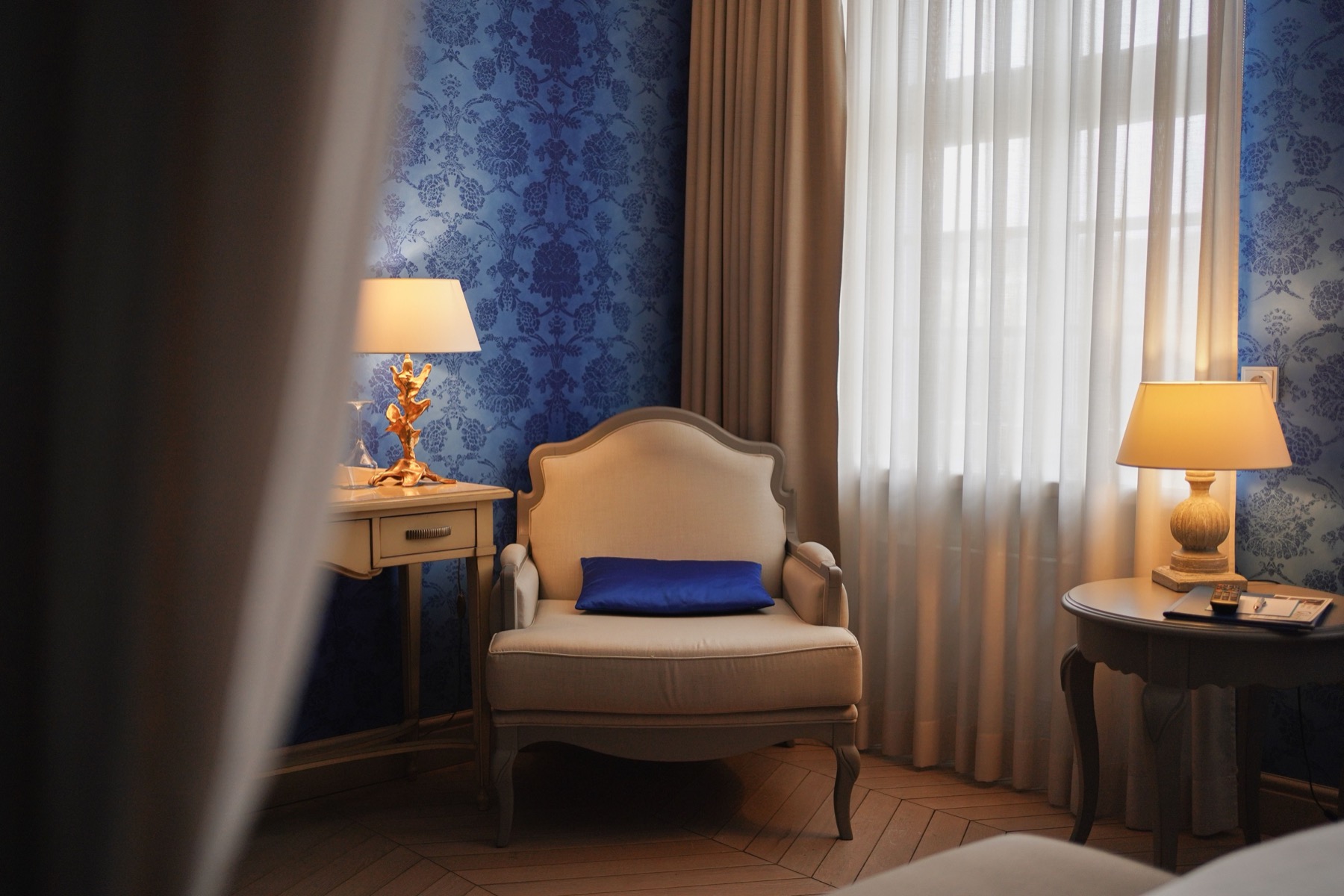
Where to Stay in Stockholm for an Easy Trip
💡 Accommodation and experience tip: We prefer to look for accommodation on Booking.com, where the cancellation terms tend to be the best. Tickets, tours and activities are then worth comparing and buying through GetYourGuide.
If you’re planning a trip to Drottningholm, it’s ideal to stay in Stockholm close to the main transport hubs so you don’t waste too much time in the morning crossing the city. Look for hotels either within walking distance of the City Hall (where the sightseeing steamboats depart), or near the blue metro line stations, which will quickly and comfortably take you to the Brommaplan interchange for the connecting buses.
Here are 3 specific tips for great accommodation, chosen for transport and quality:
- Radisson Blu Waterfront Hotel: Just a few steps from the main train station and Stockholm City Hall. The location is genuinely ideal — it’s a few minutes’ walk from breakfast to the steamboat, and the views of the lake and the City Hall tower are a bonus that sets a great morning mood.
- Scandic Grand Central: A classic Swedish hotel right by the main train station — clean, comfortable, and with the metro right under your nose. If you decide to take the metro and bus to the palace, it’ll save you loads of time on the early wake-up. Plus they have a great café right on the ground floor.
- Castle House Inn: A more budget-friendly and very cosy option tucked right in the heart of the historic Gamla Stan. The rooms are smaller, but they have a wonderful old-town atmosphere. From here it’s a lovely, roughly fifteen-minute walk along the water to the City Hall for the steamboat, which will reliably wake you up first thing in the morning.
Where to Go Next
If you’ve already got Drottningholm behind you and you’re wondering what to add to your Swedish itinerary, Stockholm and its surroundings offer countless more experiences. Here are our best tips to help you plan the rest of your trip:
- Stockholm: 25 Tips on What to See and Do: a complete guide to the city, from the narrow lanes of Gamla Stan to the best viewpoints and cafés.
- Sweden: 30 Tips on What to See and Do: if you’re about to leave the capital and head further north or to the sunny south, this article is for you.
- Djurgården: 15 Tips on What to See on the Island of Museums: an island full of fun where you’ll find the famous Skansen and plenty of greenery.
- The Vasa Museum in Stockholm: Tickets and Tips: how to avoid the queues at the world’s most famous sunken ship, an absolute Stockholm must.
- The Stockholm Archipelago: Which Island to Choose: how to swap the city bustle for absolute peace on one of the 30,000 islands in the Baltic Sea.
Frequently Asked Questions
How much does entry to Drottningholm cost?
A standard adult ticket to the main palace costs around 160–180 SEK (approximately €14–16), depending on the season. In summer, a combined ticket with the Chinese Pavilion for about 230 SEK is excellent value. A huge advantage is that all children and youth up to 17 years old have completely free entry to all interior buildings.
What’s the best way to get there from Stockholm?
You have two main options. The quickest and cheapest is to take the metro (blue line) to Brommaplan station and then continue on bus line 176 or 177, which takes about 40 minutes in total and is covered by a standard public transport ticket. A more romantic but pricier option is the historic steamboat ride directly from Stockholm City Hall, which takes just under an hour.
Does the Swedish king really live at the palace?
Yes, Drottningholm has been the permanent and official residence of the royal family since 1981. King Carl XVI Gustaf and Queen Silvia occupy the southern wing of the palace, which is strictly guarded and closed to the public. The rest of the extensive complex, including the main state rooms, remains open to visitors.
How much time should I allow for the visit?
For the journey itself, a tour of the main palace, a visit to the Chinese Pavilion, and a pleasant walk through the expansive gardens, you should definitely allow 3 to 4 hours of pure time. With transport to and from central Stockholm, this makes for a solid half-day trip that’s worth taking at a relaxed pace.
Is the palace open in winter too?
Yes, Drottningholm is accessible year-round, although in the winter months you’ll need to expect very limited opening hours (often only open on weekends and closing early in the afternoon). However, the palace park is freely accessible every day of the year and has an absolutely magical atmosphere under a blanket of snow.
Can you visit the historic theater?
The Palace Theater (Slottsteater) can be visited, but only as part of organized guided tours, which are usually held from spring to autumn. During the summer season, opera performances are also staged here, but tickets need to be secured many months in advance.
Is a trip to Drottningholm suitable for children?
Absolutely! Although it’s a historic palace, the Swedes are very welcoming to families with children. In summer there are special children’s programs and treasure hunts, entry is free for everyone under 17, and the endless English-style park with its hedge mazes is an ideal place where kids can run around safely.
Do I have to pay to enter the park?
No, entry to the vast palace park, which includes both the French baroque garden full of fountains and the wilder English-style park, is completely free all year round. Many locals come here just for a weekend picnic or afternoon stroll without ever going into the interior exhibitions.
Tips and Tricks for Your Vacation
Don’t Overpay for Flights
Search for flights on Kayak. It’s our favorite search engine because it scans the websites of all airlines and always finds the cheapest connection.
Book Your Accommodation Smartly
The best experiences we’ve had when looking for accommodation (from Alaska to Morocco) are with Booking.com, where hotels, apartments, and entire houses are usually the cheapest and most widely available.
Don’t Forget Travel Insurance
Good travel insurance will protect you against illness, accidents, theft, or flight cancellations. We’ve had a few hospital visits abroad, so we know how important it is to have proper insurance arranged.
Where we insure ourselves: SafetyWing (simple monthly subscription) and TrueTraveller (for extra-long trips).
Find the Best Experiences
Get Your Guide is a huge online marketplace where you can book guided walks, trips, skip-the-line tickets, tours, and much more. We always find some extra fun there!