

Belgium probably conjures images of chocolate, fries, and fairytale canals — but before you know it, a million questions start piling up: what does it actually cost, when’s the best time to go, and should you book a package or strike out on your own? We’ve been in exactly that phase of indecision ourselves, which is why we put this hub together.
You’ll find three things here: current tour and flight prices that we refresh every morning, our tips from our own trips and city guides, and a plan for when and what to book so you don’t overpay.

What to see and do in Belgium
Belgium is small but packed — you can easily hop between the main cities by train in just a few days, and each has its own distinct character. Here’s where we’d send you first:
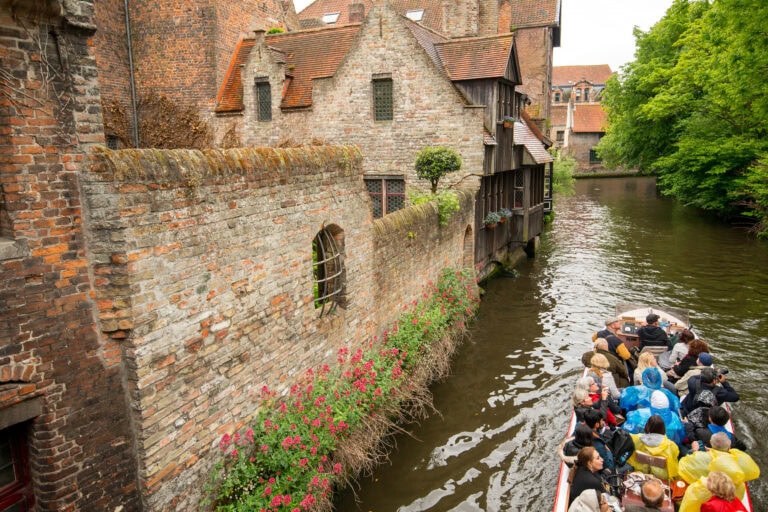
- Bruges — Belgium’s most photogenic city; a canal boat ride and the view from the Belfry are among the best experiences you’ll have here.
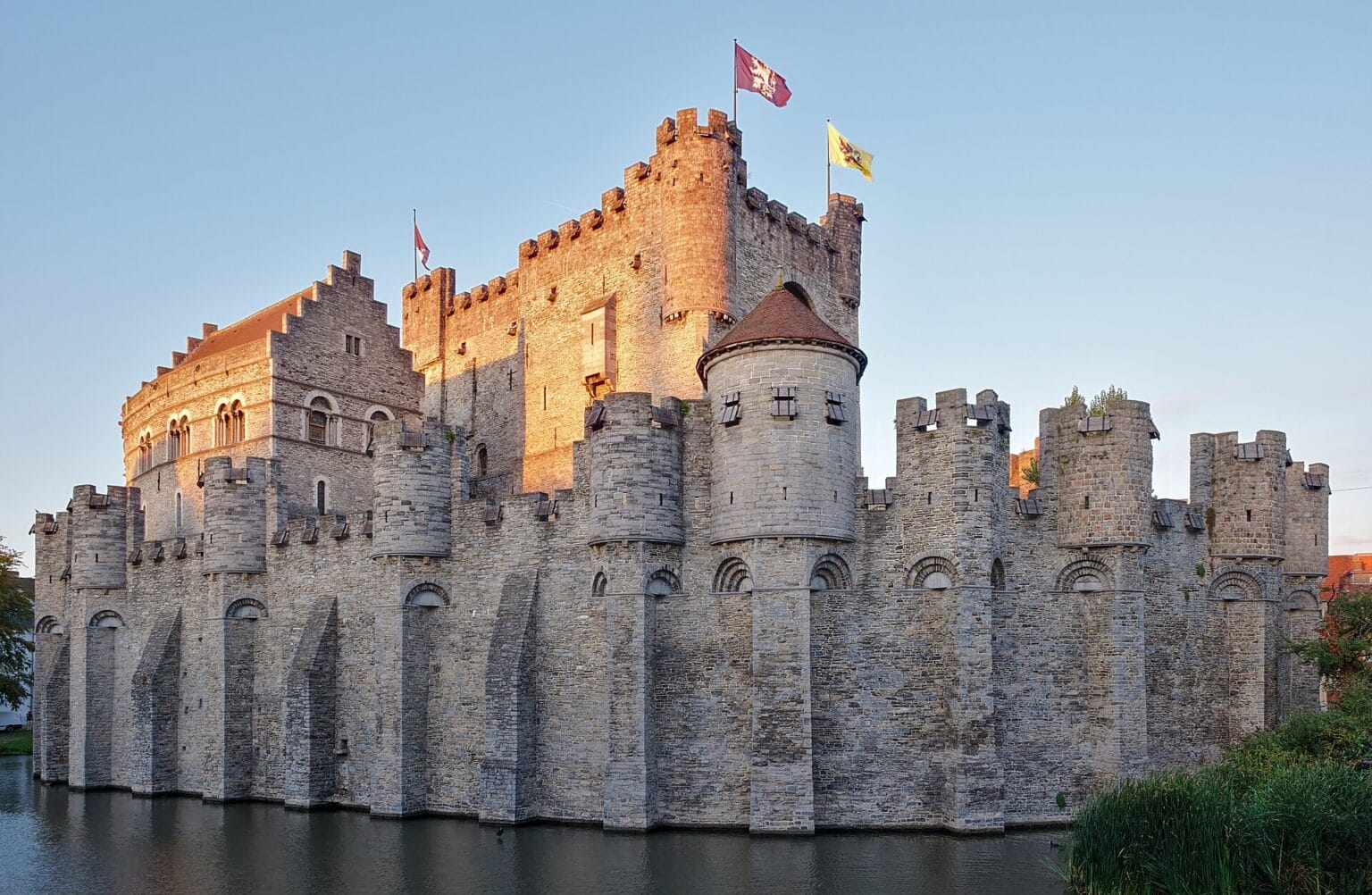
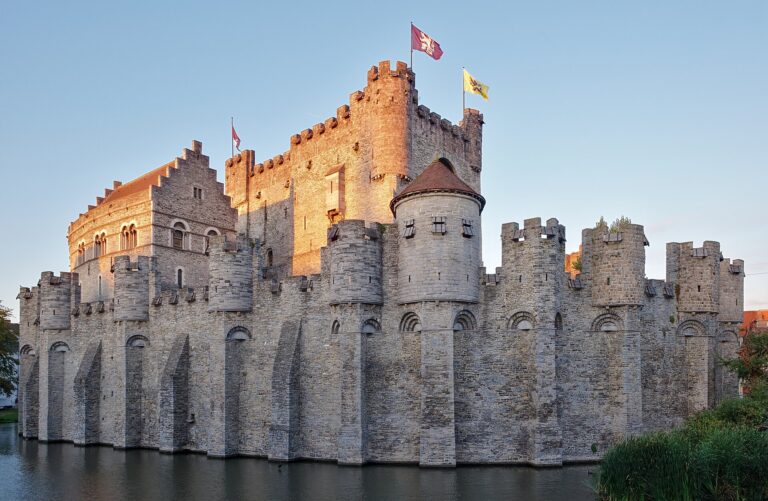
- Ghent — Bruges’ younger, livelier, less touristy sibling; medieval center with Gravensteen Castle and a fantastic atmosphere along the river.
- Brussels — the capital with its magnificent Grand Place, the Atomium, and the best Belgian fries and chocolate.
- And if you want the full overview, check out our article Belgium: 18 Tips on What to See and Do — you can use it to piece together the perfect itinerary.
Distances between cities are so short that you can get from Brussels to Bruges by train in an hour. That’s a huge advantage — you can base yourself in one city and take day trips to the rest.
When to visit Belgium
Belgium can be visited year-round, but the weather is rather changeable — bring an umbrella even in summer. The most pleasant time is from May to September, when temperatures are comfortable (around 18–23 °C) and café terraces are buzzing. Summer is also the busiest and most expensive period, especially in Bruges.
Our sweet spot is spring (April, May) and early autumn — fewer tourists, better prices, and the cities feel more relaxed. According to the data, tours are most commonly listed for March, April, May, August, October, and December, so there’s plenty to choose from throughout the year.
If you love atmosphere, don’t underestimate December with its Christmas markets — Brussels, Bruges, and Ghent transform into fairytales with twinkling lights, mulled wine, and ice skating. It’s cold and gets dark early, but the magic is worth it.
How to get to Belgium
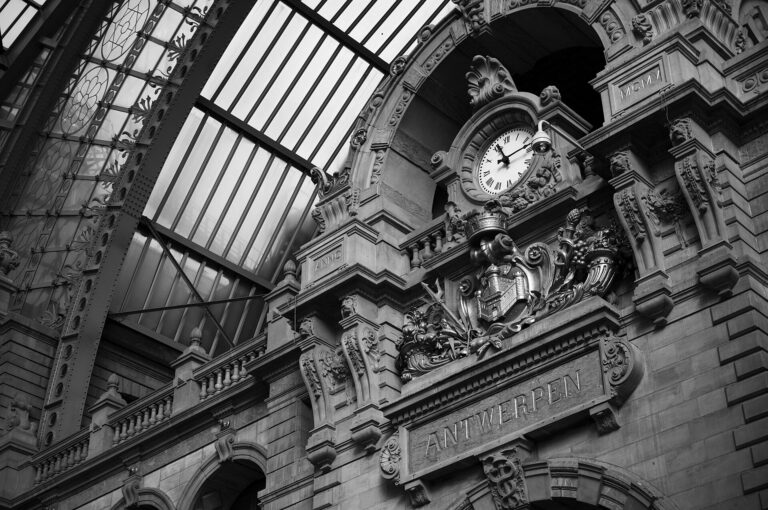
The quickest way to Belgium is by air — the main gateway is Brussels (BRU), from where you can reach the city center by train in about 20 minutes. From the Czech Republic, you’ll often also fly into the regional Brussels South Charleroi (CRL), which budget airlines serve; the actual flight from Prague takes around 1.5 hours. If you can’t find a direct connection, you’ll typically transfer through major European hubs like Amsterdam or Frankfurt.
By car, it’s about 900 km from Prague, so 9–10 hours of driving through Germany — the highways are good quality and in Belgium there are no tolls for passenger cars. Consider, though, whether you’ll even use a car in the cities: parking is expensive and trains between cities are faster and more comfortable. You can also take the train via Germany, but with transfers and time involved it’s really more for those who don’t want to fly.
Renting a car
Honestly — for a classic loop of Belgian cities, you don’t need a car. Trains run frequently, are fast and affordable, and parking in historic centers (especially Bruges) is expensive and complicated. A car only makes sense if you want to explore smaller villages, the Ardennes, or the Belgian coast on your own, off the main routes.
- Book through comparison sites and in advance — on-site options are more limited and pricier.
- Watch the insurance and deposit — basic coverage often has high excess; supplementary coverage is often worth it.
- For passenger cars in Belgium, there are no highway tolls, so you won’t save yourself that hassle — just factor in expensive parking in the cities.
Where to stay in Belgium
Where to rest your head depends mainly on your travel style. Brussels is the most practical base thanks to excellent train connections — you can get anywhere from here. Bruges is the most romantic, but packed with tourists during the day; those who stay right in the center get to enjoy the evening and early morning calm, when the city is nearly empty. Ghent is a great compromise — authentic, lively, and cheaper than Bruges.
- Hostels and backpacker accommodation — you’ll find the most in Brussels and Ghent, ideal for young travelers.
- Hotels and boutique guesthouses — wide selection in all cities; in Bruges you’ll pay a premium for the center.
- Apartments — a good choice for couples and families who want their own kitchen and can save on meals.
Package tour or independent travel?
Belgium is a destination where both options make sense — it depends on how much time you want to spend planning.
- A tour is worth it when: you want transport and accommodation sorted in one package, you’re going for a shorter trip and don’t want to deal with logistics, or you catch a discount up to −45%, which makes it cheaper than piecing the trip together yourself.
- A tour is worth it when: you’re traveling abroad alone for the first time or want a guide to quickly show you the highlights.
- Go independent when: you want to set your own pace and spend more time in individual cities.
- Go independent when: you’re traveling with one or more people and can keep an eye out for cheap flights from 4,290 Kč plus accommodation.
- Go independent when: you don’t mind a bit of planning — in Belgium it’s genuinely easy thanks to short distances and excellent trains.
The two of us prefer traveling Belgium independently — it’s small, safe, and logistically straightforward. But if you’re short on time or stumble on a good last-minute deal, we’d happily recommend a tour; in such an accessible country, you won’t go wrong either way.
Budget: daily costs in Belgium
| Level | Accommodation | Food | Transport & activities | Total/day |
|---|---|---|---|---|
| Backpacker | 700–1,000 Kč (hostel) | 400–600 Kč | 300–500 Kč | approx. 1,400–2,100 Kč |
| Standard | 1,800–2,800 Kč (3* hotel) | 800–1,200 Kč | 600–1,000 Kč | approx. 3,200–5,000 Kč |
| Comfort | 3,500 Kč+ (4*+ hotel) | 1,500 Kč+ | 1,200 Kč+ | approx. 6,200 Kč+ |
Prices are approximate per person per day and assume two sharing a room. Belgium is price-wise roughly on par with Germany or France — more expensive than the Czech Republic, but not extreme. You’ll save the most on food by combining street food (fries, waffles) with the occasional restaurant.
How to save when planning
- Buy flights around 2–3 months in advance — that’s usually the pricing sweet spot. Don’t count on last-minute deals with budget airlines; prices tend to rise. Search for flights in our finder.
- Book accommodation in Bruges early, especially for summer and Christmas markets — the best price-to-location deals disappear first. Our accommodation tips.
- Tours have two windows: early bird (best choice of dates) and last minute (discounts up to −45%), if you’re flexible. Keep an eye on current tours on this page — we refresh them every morning.
- Don’t overpay for food on the Grand Place and main squares — a few streets away you’ll pay substantially less for the same portion.
- Book popular activities (canal rides, Belfry climb) in advance during peak season, so you don’t waste time in queues. What to reserve ahead.
Practical information
- Language: Dutch (Flanders — Bruges, Ghent) and French (Wallonia), both in Brussels. You’ll get by fine with English, especially in cities and tourist areas.
- Payments: you can pay by card almost everywhere, contactless for even small purchases. Cash is needed only occasionally. They use the euro.
- Connectivity: the easiest option is an eSIM, which you activate before you fly and have data the moment you land — saves hunting for a SIM on arrival.
- Safety: Belgium is safe; just watch out for pickpockets at train stations and in tourist crowds (Grand Place, around Brussels stations).
- Tip: intercity trains have weekend and group discounts — transport can work out significantly cheaper that way.


