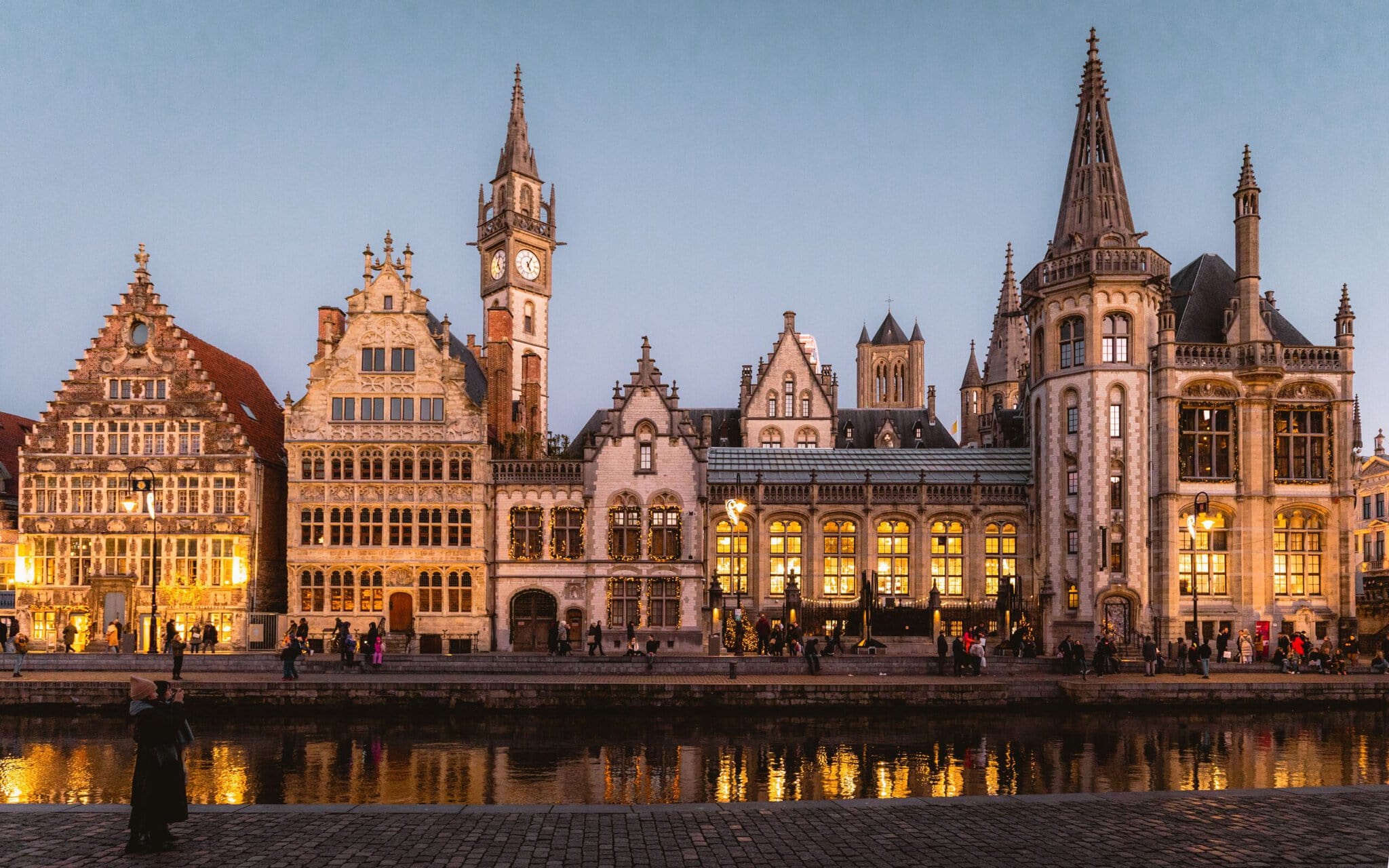
They say the Belgians themselves keep quiet about how amazing Ghent really is, just so it doesn’t turn into a second, overcrowded Bruges. Because this unassuming Flemish city hides an absolutely perfect blend of romantic medieval architecture and incredibly lively student energy. Most tourists visiting Belgium either rush through it or skip it entirely, which I think is a huge mistake you shouldn’t repeat. If you’re planning a trip to Ghent, Belgium, this little gem deserves a proper spot on your itinerary.
When I was recently mapping out our dream itinerary, I stumbled upon one utterly fascinating fact that caught my attention straight away. Ghent is the official vegetarian capital of Europe, and back in 2009 it became the very first city in the world to introduce regular meat-free Thursdays. For me and Lukáš, that’s obviously a massive draw, and this wonderful city instantly shot to the top of our European travel wish list.
In today’s article I’ll show you that Ghent offers a far more authentic and relaxed experience than its famous neighbour, Bruges. You’ll find stunning canals, a mysterious castle sitting right in the heart of the city, and a fantastic food scene that, by all accounts, will absolutely blow you away.
TL;DR
- A vegetarian paradise: The city has the most meat-free restaurants per capita in Europe, and Thursdays here traditionally belong to plant-based food lovers.
- Compact centre: You can comfortably explore all the key sights on foot in a single day, from Gravensteen Castle to the gorgeous historic quays.
- Student atmosphere: Unlike museum-like Bruges, the university gives Ghent an incredibly lively nightlife full of cosy pubs and cafés.
- A magical evening: The city’s award-winning lighting plan illuminates every landmark after sunset, creating a truly unforgettable romantic spectacle.
- Great location: The train ride from the centre of Brussels takes just half an hour, and tickets are wonderfully affordable.
The full destination guide: Belgium — guide and what to see
When to Visit Ghent
The weather across Belgium can be pretty unpredictable, and a handy folding umbrella should be within reach in practically any season. The Ghent, Belgium weather is at its best from May to September, when daytime temperatures hover around a pleasant 20°C and the days are nice and long. In the summer months the city comes alive in the most wonderful way, and locals spend long evenings out on restaurant terraces.
If you love culture and street art, definitely plan your trip for the second half of July, though there will be far more people around. That’s when the famous ten-day Gentse Feesten festival takes place, turning the whole historic centre into one giant, pulsating party full of music and theatre. Most of the events are completely free, and according to fellow travellers, it’s an absolutely unforgettable cultural experience.
Where to Stay in Ghent
💡 Tip for accommodation and experiences: We love finding places to stay on Booking.com, which usually has the best cancellation terms. For tickets, tours and activities, it pays to compare and book through GetYourGuide.
This Flemish city makes an absolutely ideal base for exploring the whole region, and it’s well worth staying at least one or two nights. You’ll get a much calmer, more authentic retreat than busy Brussels, and in the evening you can enjoy the beautifully lit landmarks without the crowds of day-trippers. You can easily find most of the great accommodation on Booking, where I recommend looking for hotels right in the centre around Korenmarkt square or in the Patershol district.
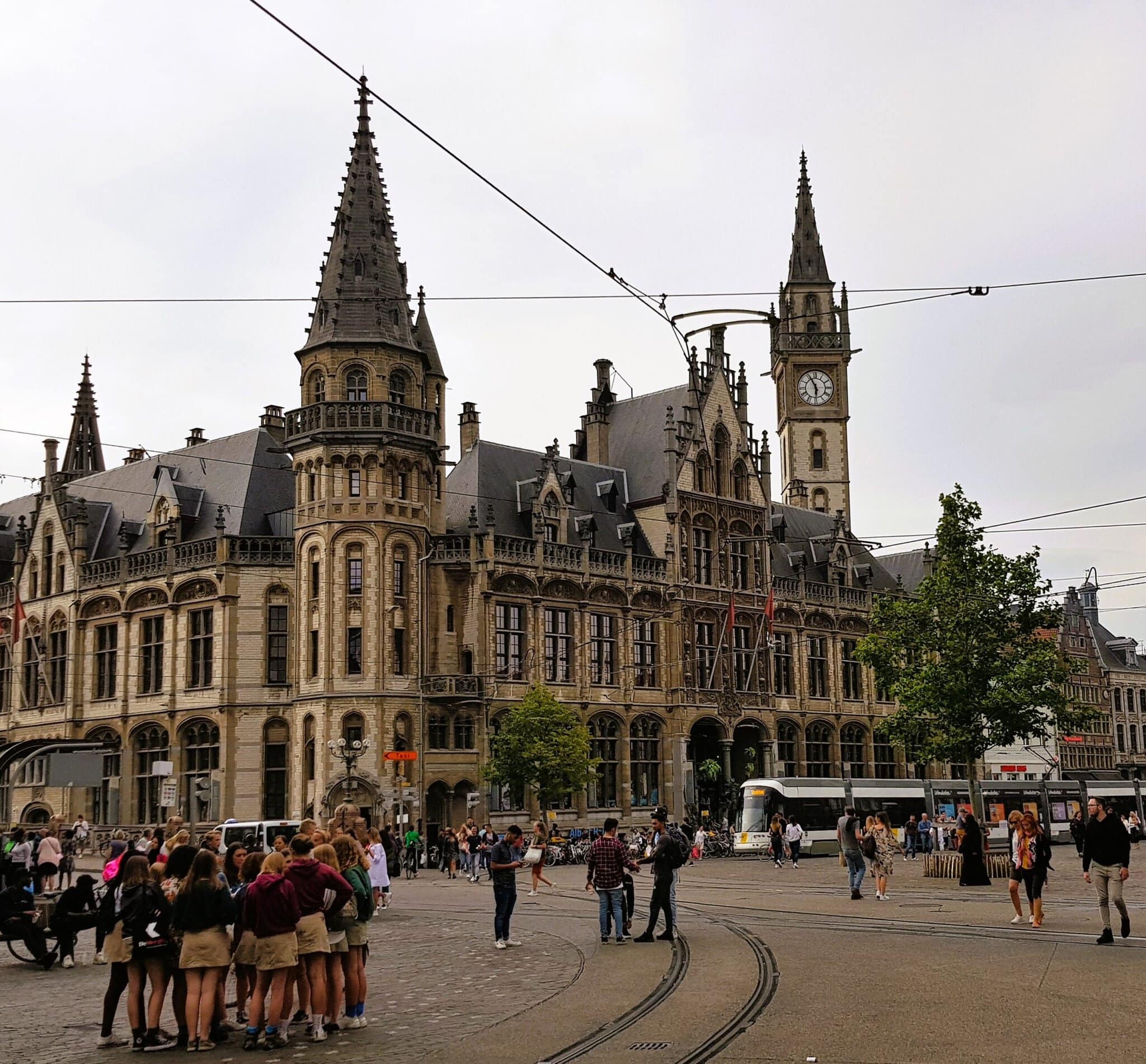
For lovers of pure luxury and top-notch design, there’s the 1898 The Post hotel, set in a wonderful former post office building right by the canal, with a stylish cocktail bar up in the tower. A beautiful and slightly more classic waterfront alternative is the four-star Marriott Ghent, with perfect service and a gorgeous historic façade.
If you’re after something cosier and more affordable, definitely check out the popular B&B Patershol, tucked away in the picturesque medieval quarter packed with excellent restaurants. Budget travellers and backpackers, meanwhile, swear by the cheaper Hostel Uppelink, which offers clean beds in shared rooms and an incredibly photogenic view straight onto the famous Graslei quay.
16 Best Things to See and Do in Ghent, Belgium
Let’s take a look together at the very best this stunning Belgian city has to offer. I’ve put together a list of sixteen places and experiences that, based on my research, definitely shouldn’t be missing from any good itinerary.
1. Gravensteen Water Castle
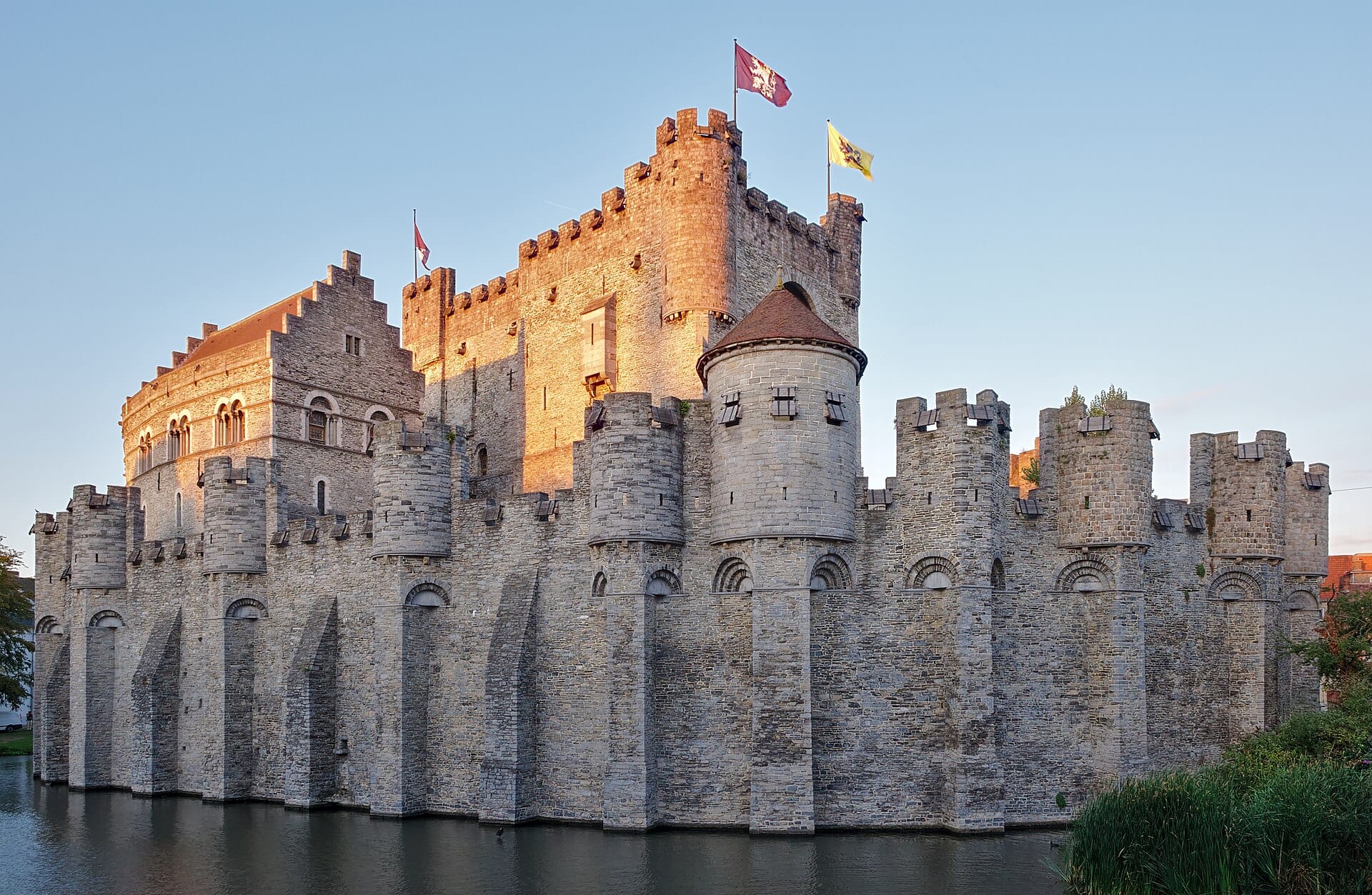
The Castle of the Counts of Flanders, or Gravensteen, is a true architectural gem, as it’s one of the few surviving medieval castles with a moat right in the middle of a city. The original structure dates all the way back to 1180, and looking at its mighty stone walls you’ll feel as though you’ve genuinely travelled back in time to Game of Thrones. It once served as a courthouse and a prison, which lends it a slightly dark and mysterious atmosphere.
Special mention goes to the audio guide voiced by Belgian comedian Wouter Deprez. According to delighted visitors, his commentary is incredibly funny, full of dry sarcasm, and turns an ordinary historic tour into a fantastic experience that’ll have you laughing out loud. Basic admission costs around €13, and the castle opens every day from ten in the morning.
💡 Tip: Don’t forget to climb all the way up to the stone battlements during your visit, because you’ll be treated to one of the most beautiful views over Ghent’s historic rooftops. I’d recommend planning your visit for first thing in the morning to avoid the biggest school-trip crowds.
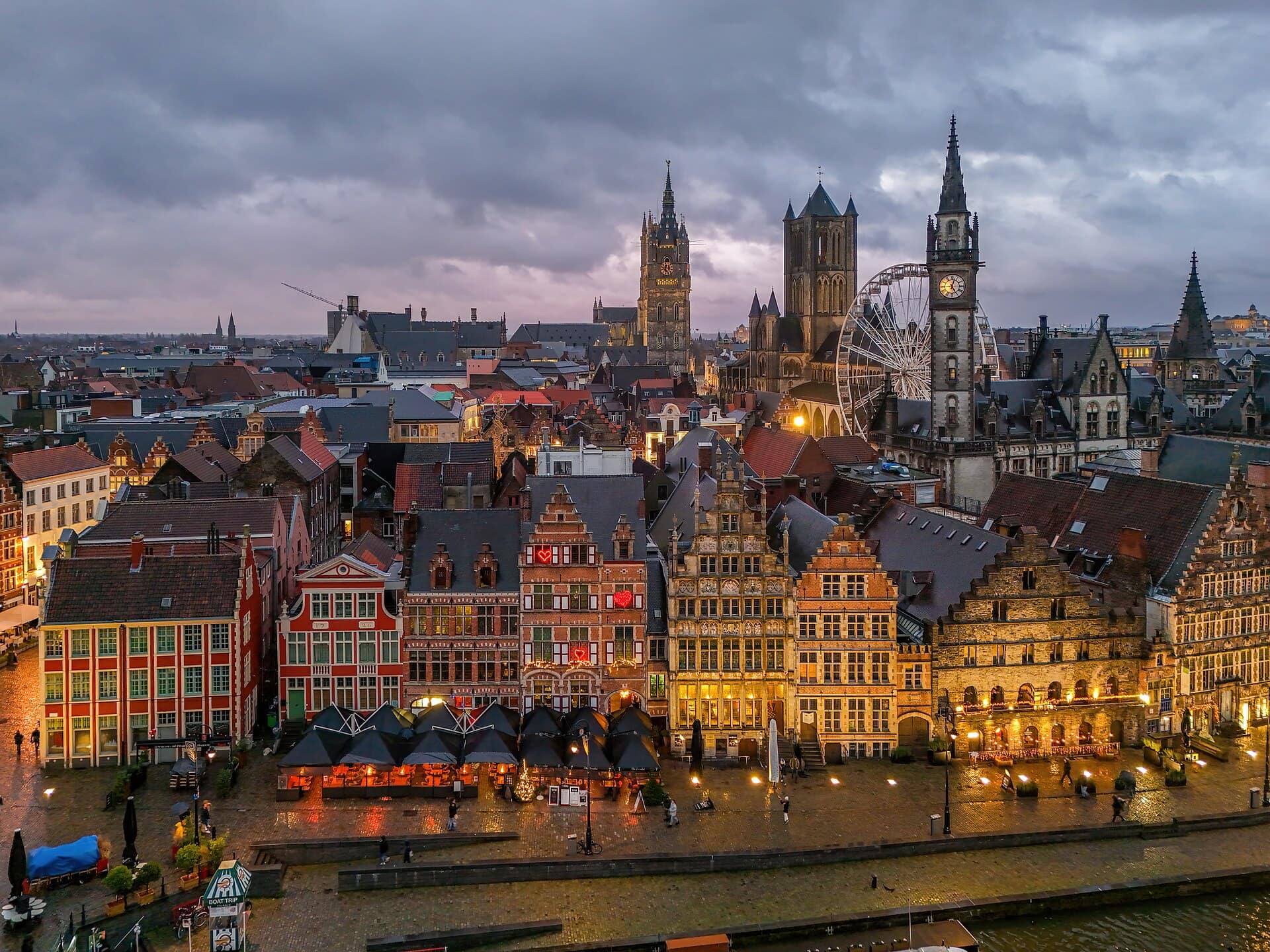
2. The Belfort Bell Tower
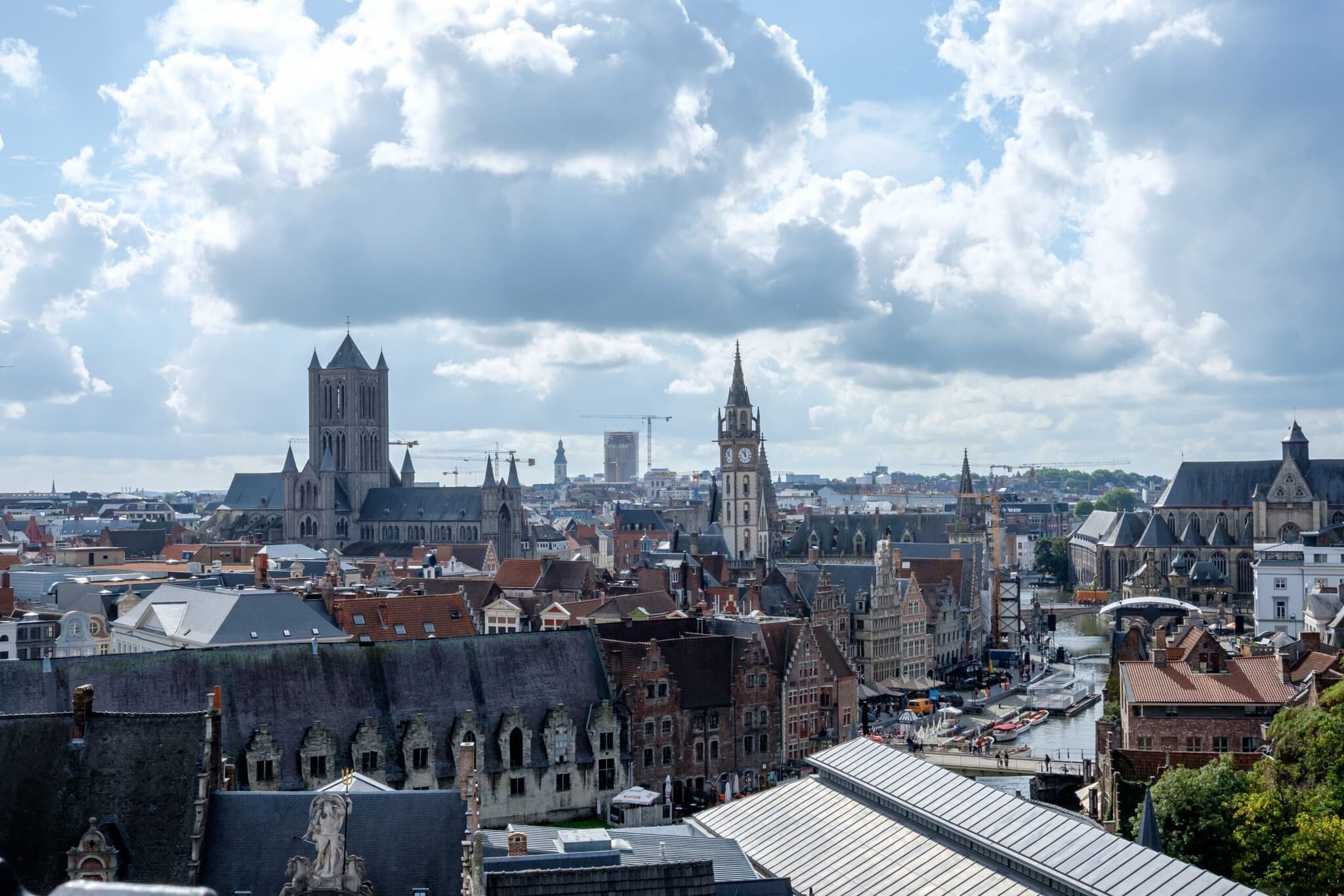
This majestic city belfry soars to an impressive 91 metres and rightly earns its place on UNESCO’s World Heritage list. It’s the middle one of the three famous towers that make up the unmistakable skyline of the historic centre, and it once served not only as a watchtower but also as a safe place to store the city’s important charters. On its very peak, a copper dragon proudly stands guard, symbolically protecting the whole city from all evil.
Luckily for our weary travelling feet, there’s a modern glass lift inside the building, so you don’t have to worry about endlessly trudging up narrow spiral stairs. Admission usually costs between €8 and €10, and on the comfortable way up you’ll even see the huge bell mechanism that still chimes its melody out over the surrounding streets every fifteen minutes.
💡 Tip: Once you step out onto the outdoor viewing platform, a truly breathtaking 360-degree view opens up in every direction. From up here you can admire the neighbouring cathedral and the Gothic church, and on a clear day you can reportedly see far out into the green Flemish countryside.
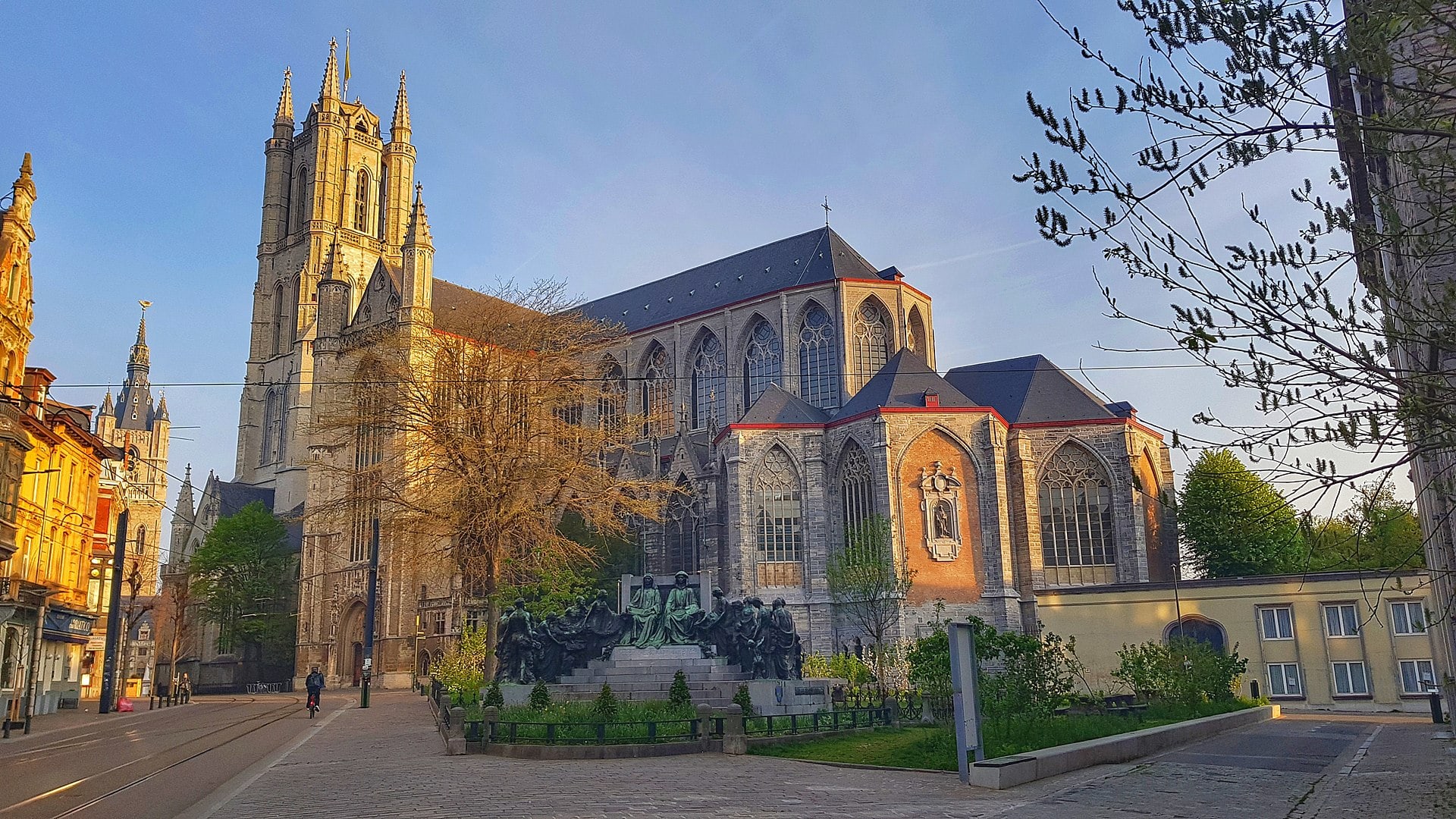
3. St Bavo’s Cathedral and the Ghent Altarpiece
At first glance, this enormous church is guaranteed to captivate you with its gorgeous mix of architectural styles, from Romanesque to Late Gothic. Entry into the main nave of the vast cathedral is completely free, and just wandering among the huge pillars beneath the stained-glass windows is absolutely worth it. The cathedral holds countless antique works of art, but its very greatest treasure hides in one special, closely guarded chapel.
That world-famous treasure is the stunning Ghent Altarpiece, also known as the Adoration of the Mystic Lamb, dating from 1432, created by the talented Van Eyck brothers. Admission to the restored altarpiece itself costs €12.50, or you can pay a little extra for a special combined ticket with augmented reality for €16. Many experts consider this polyptych one of the most important paintings in all of art history, and its incredible colourful detail feels utterly alive even after centuries.
💡 Tip: Note that the modern AR-glasses tour in the special visitor centre beneath the cathedral is available in English, Dutch, French and a few other languages. So if you’d like the full immersive experience, the AR ticket is well worth it — otherwise, the basic ticket to the altarpiece itself is more than enough.
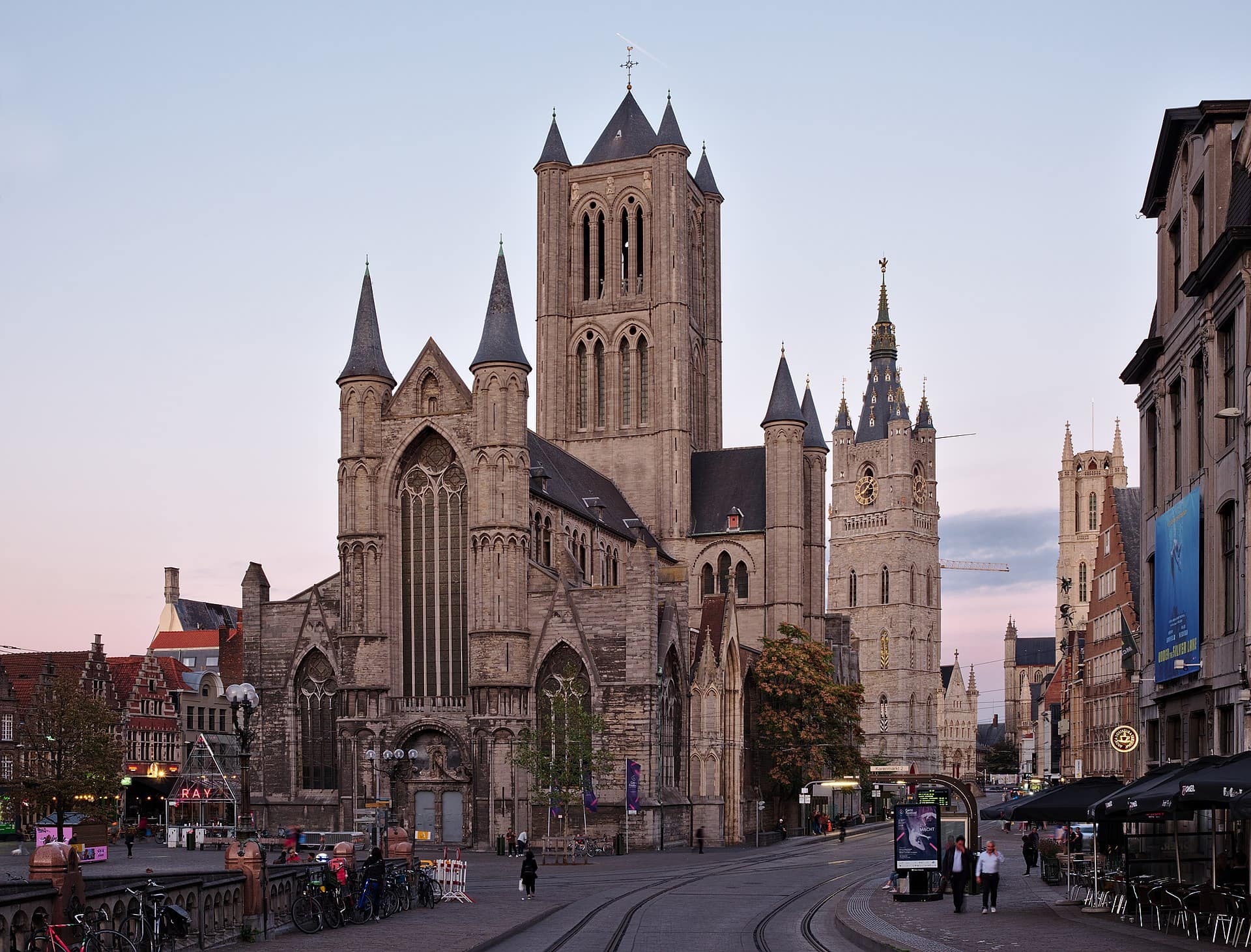
4. Sint-Niklaaskerk Church
Right across from the Belfort, you’ll find this stunning early-Gothic Church of St Nicholas, the third and final tower on the city’s famous skyline. Its massive blue-grey stone appearance and the unusually placed tower above the crossing make it one of the most impressive buildings in the entire area. Thanks to its location on a busy square, it once served as the main sanctuary for the wealthy guilds and local merchants.
Entry is free all day, and you definitely shouldn’t skip it on your wanders around the city. Inside, you’ll be surprised by the beautifully bright, light-filled interior and the exceptionally ornate 19th-century organ, which reportedly has a truly fantastic, crystal-clear sound. Occasionally there are even informal flea markets or interesting small exhibitions here, giving the historic space an unexpectedly down-to-earth feel.
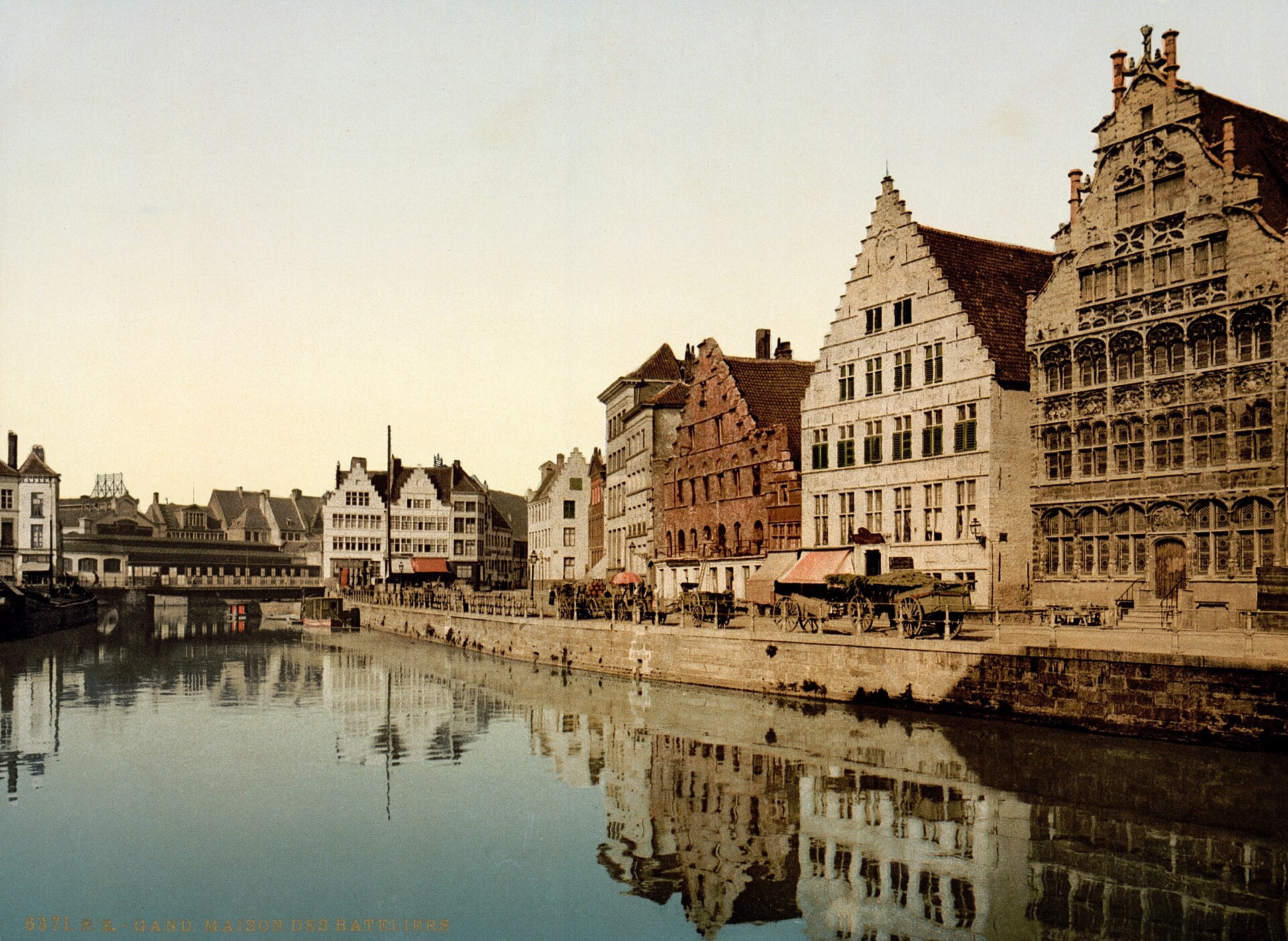
5. The Graslei and Korenlei Quays
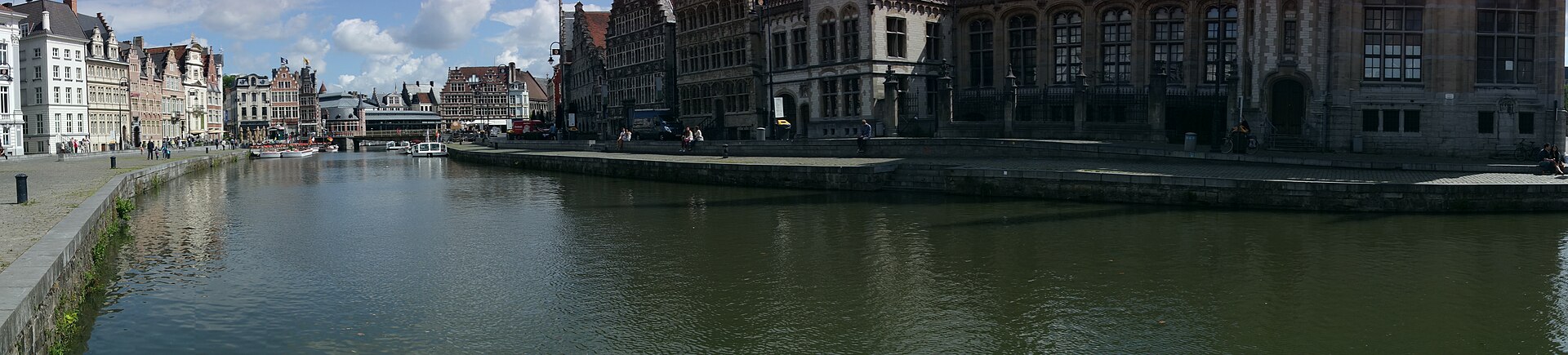
If you’re looking for the most iconic spot in the whole city, it’s these two historic quays lining the main river Leie. In the past this was the most important and bustling harbour, packed with trading ships, and today it’s home to wonderfully preserved guild houses with richly decorated medieval gables. Each building has its own fascinating story, and together they form an absolutely perfect historic backdrop.
On warm days, this is where local students gather, sitting on the stone walls with a coffee and simply relaxing as they watch the boats drift by. But the most beautiful atmosphere comes at dusk or after dark, when the ingenious city lighting switches on and all those ancient façades reflect perfectly on the surface of the dark river.
6. St-Michielsbrug Bridge
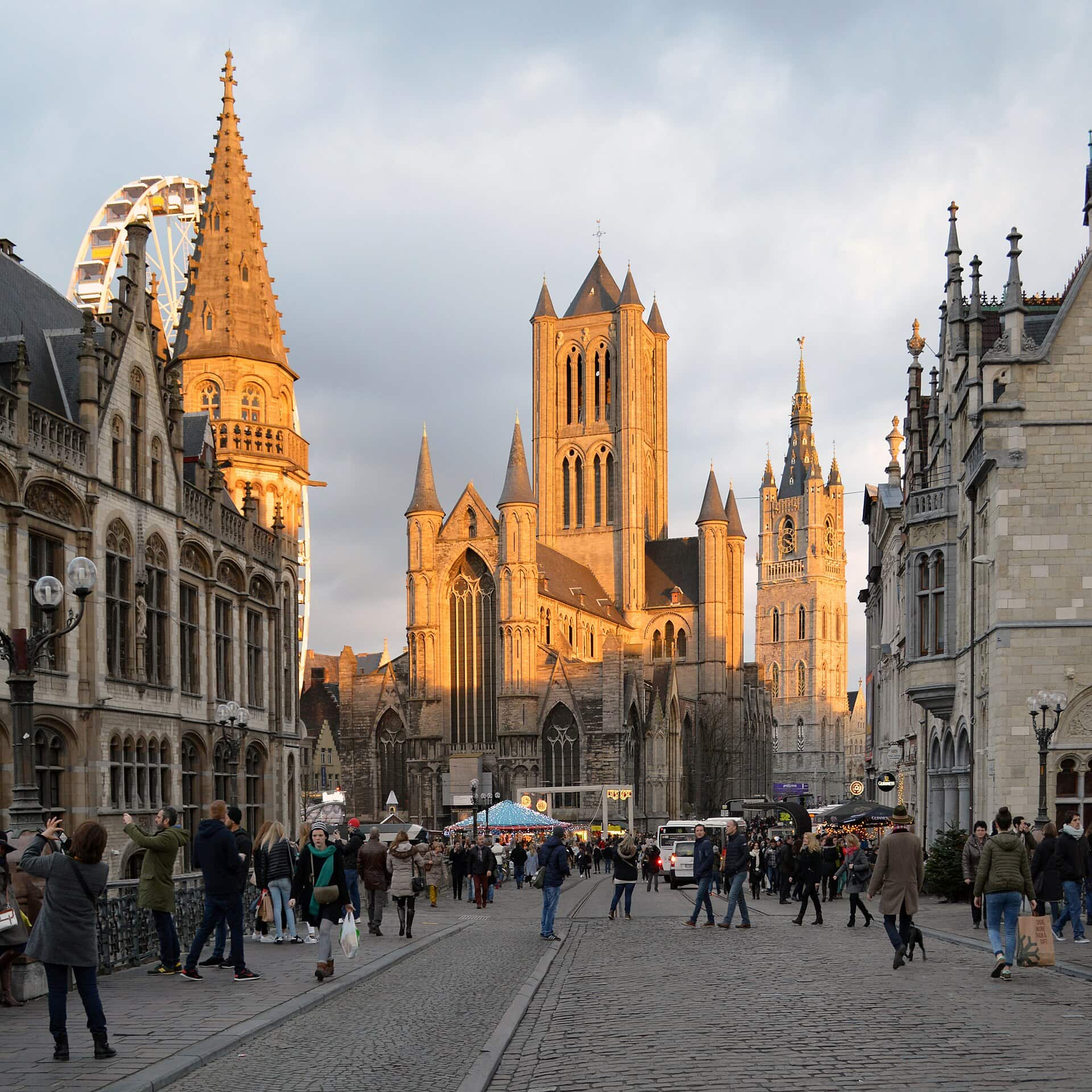
This mighty stone bridge with its bronze lanterns is without a doubt the best and most popular photo spot in the entire city. You’ll find it just a stone’s throw from the quays, and it’s one of the few places in the world where you get the perfect chance to see several historic landmarks all at once.
Stand in the middle of the bridge and look towards the centre, and you’ll capture all three famous towers in a single shot (the cathedral, the belfry and the church) neatly lined up one behind the other. At the same time you get the fairytale Graslei and Korenlei quays laid out before you, and Gravensteen Castle in the distance. Be sure to come first thing in the morning, before the crowds of camera-wielding tourists take over the bridge.
7. A Boat Cruise Along the Canals
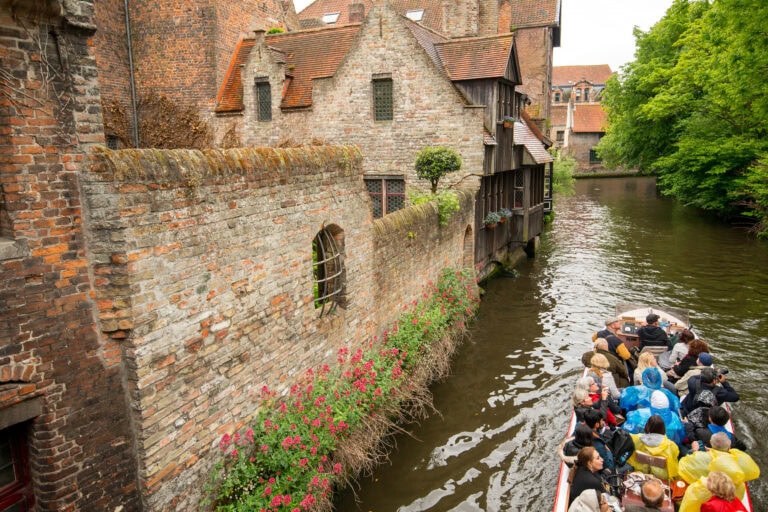
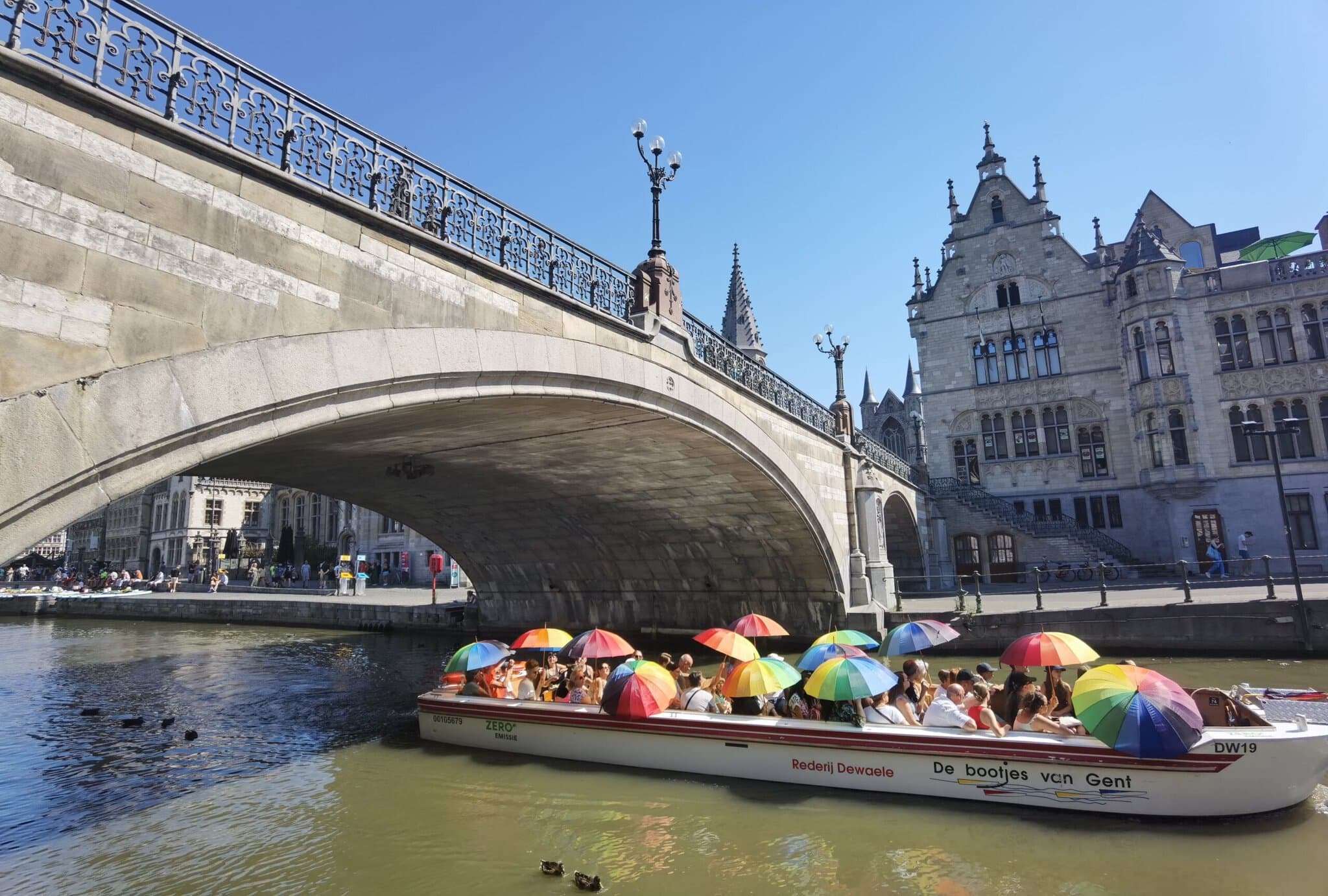
When your feet start aching after a few hours of walking on cobblestones, it’s high time to hop aboard one of the tourist boats. The open boats run by Rederij Dewaele set off every twenty minutes straight from the Korenlei quay, and during the forty-minute cruise you’ll see the city from a completely new and interesting perspective. The experienced captain will also share entertaining stories from the city’s long history in several languages along the way.
Adults pay a very reasonable eight euros, and children usually pay only around half that. It’s a wonderfully laid-back experience during which you’ll glide under many low stone bridges, get a look at the backs of old patrician houses, and snap the very best holiday photos from the water.
8. Graffiti Street (Werregarenstraat)
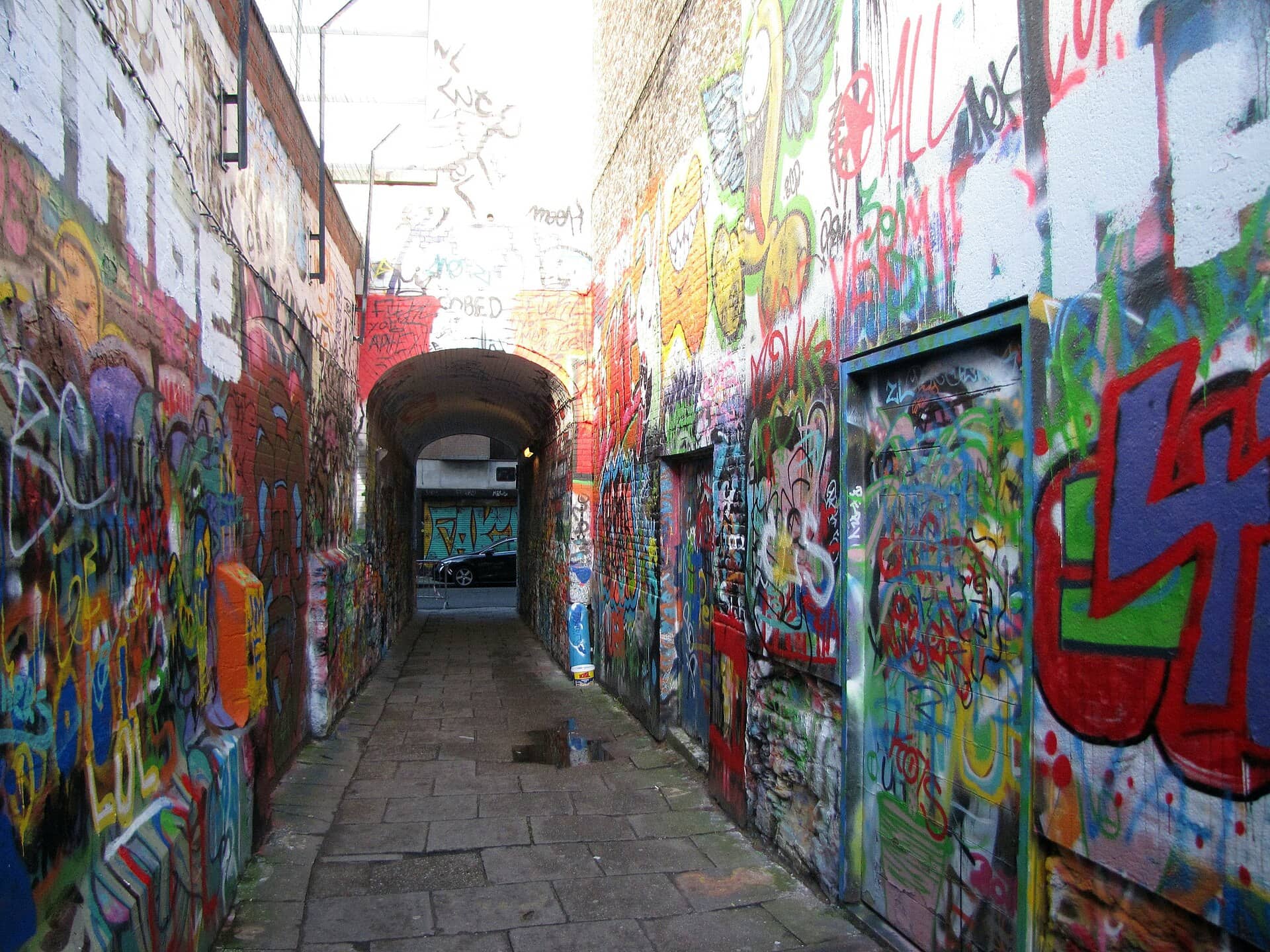
Just a short walk from the majestic architecture and ancient churches lies this incredibly colourful, slightly hidden little alley that makes a perfect modern contrast. Since 1995 it’s been an official and entirely legal zone for all street artists, who can freely create and express themselves here without worrying about any police fines.
What makes this spot so special is that it never looks the same two weeks in a row, as the individual works are constantly painted over and changed. Strolling through is free, of course, and it’s a great place for original photos — plus it beautifully captures the relaxed, youthful vibe of the whole student city.

9. Vrijdagmarkt Square
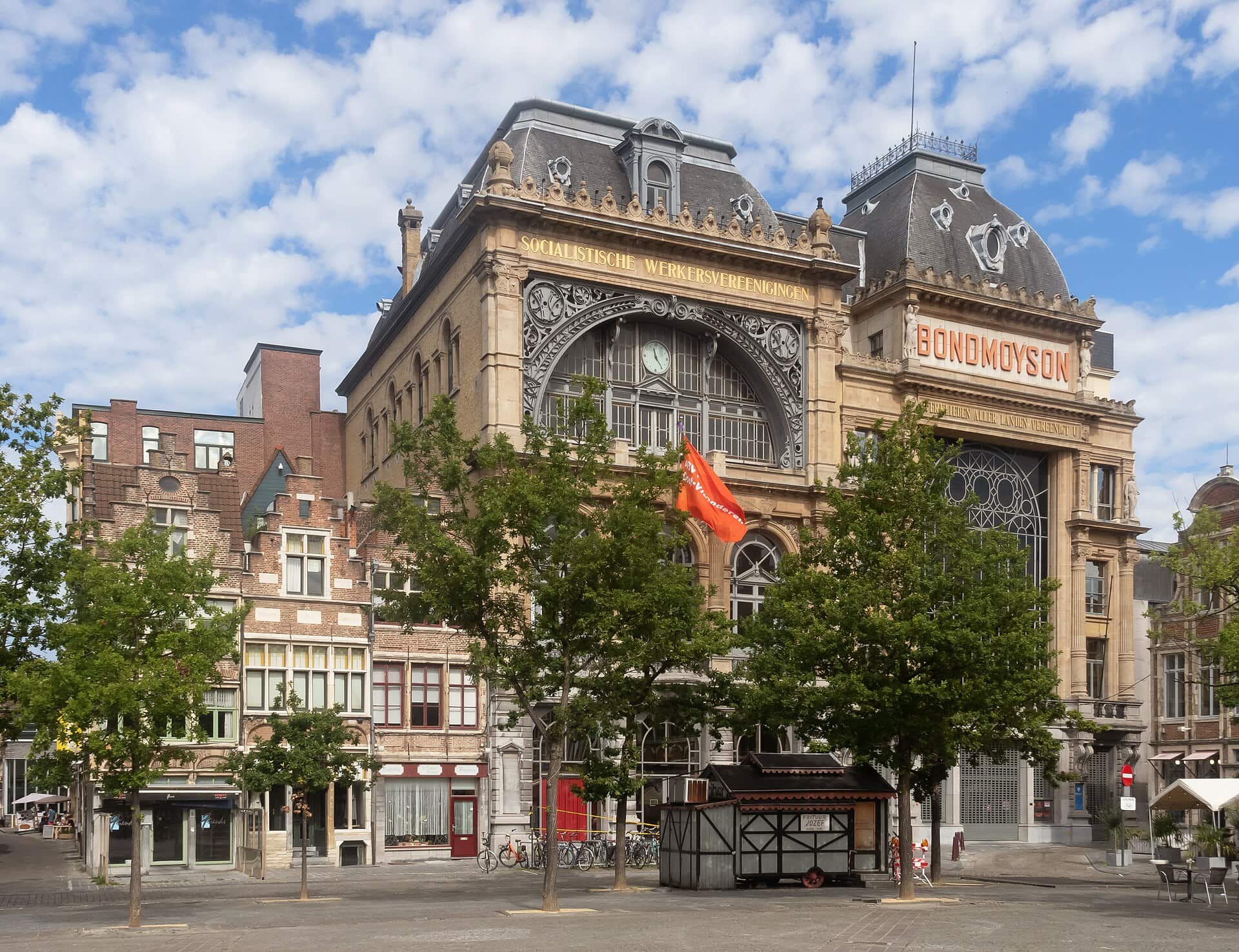
The historic Friday Market is one of the biggest and liveliest open spaces in the entire historic centre. In the middle of the square stands a mighty statue of Jacob van Artevelde, who helped bring the city considerable wealth in the fourteenth century, and all around you’ll find dozens of tempting café terraces and traditional restaurants.
If you head here on a Friday morning or during Saturday’s late morning, you’ll experience the real, genuine local markets that have been held here in more or less the same form since the early Middle Ages. You can soak up the authentic atmosphere, buy fresh local produce, and spend a while simply watching the bustle of the locals from the comfort of a nice terrace.
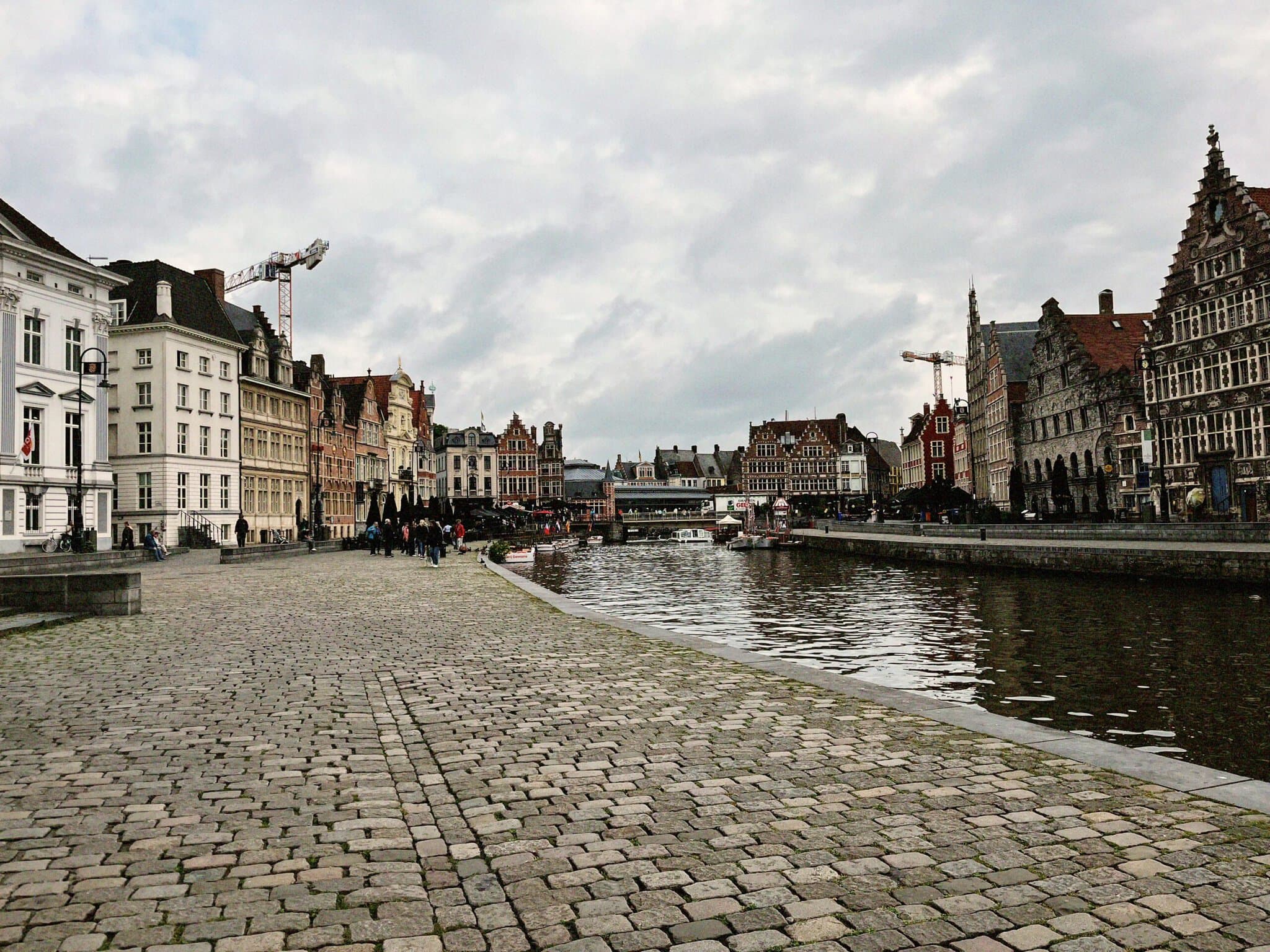
10. The Romantic Patershol District
This was once a closed-off quarter of poor tanners and craftsmen, but today it’s without a doubt the most picturesque and romantic part of the whole city. It’s a tangled labyrinth of narrow cobbled lanes full of perfectly preserved medieval red-brick houses, where you’ll happily lose yourself for a couple of hours.
These days this charming area is above all the city’s main food hub, packed with cosy bistros and family-run restaurants. If you’re looking for the best spot for a really good dinner or just a romantic evening stroll, this is where to head. In the evening there’s an incredibly intimate atmosphere here, with the narrow lanes beautifully and softly lit.

11. Dulle Griet Bar and the Hostage Shoe
Right beside Vrijdagmarkt square you’ll find a huge 15th-century cannon called Dulle Griet, but far more interesting is the legendary beer bar of the same name right across from it. Belgians are justly proud of their beer, and this establishment, with a menu of more than five hundred different varieties, is an absolute must for any beer lover.
The biggest curiosity here is the special local beer called “Max”, served in an enormous glass with a special wooden stand. Because tourists used to love pinching this quirky glass as a souvenir, you have to leave one of your own shoes behind as a deposit, which the staff will then hoist up to the ceiling in a special basket. Naturally, once you’ve finished and paid, they hand your shoe back with a smile.
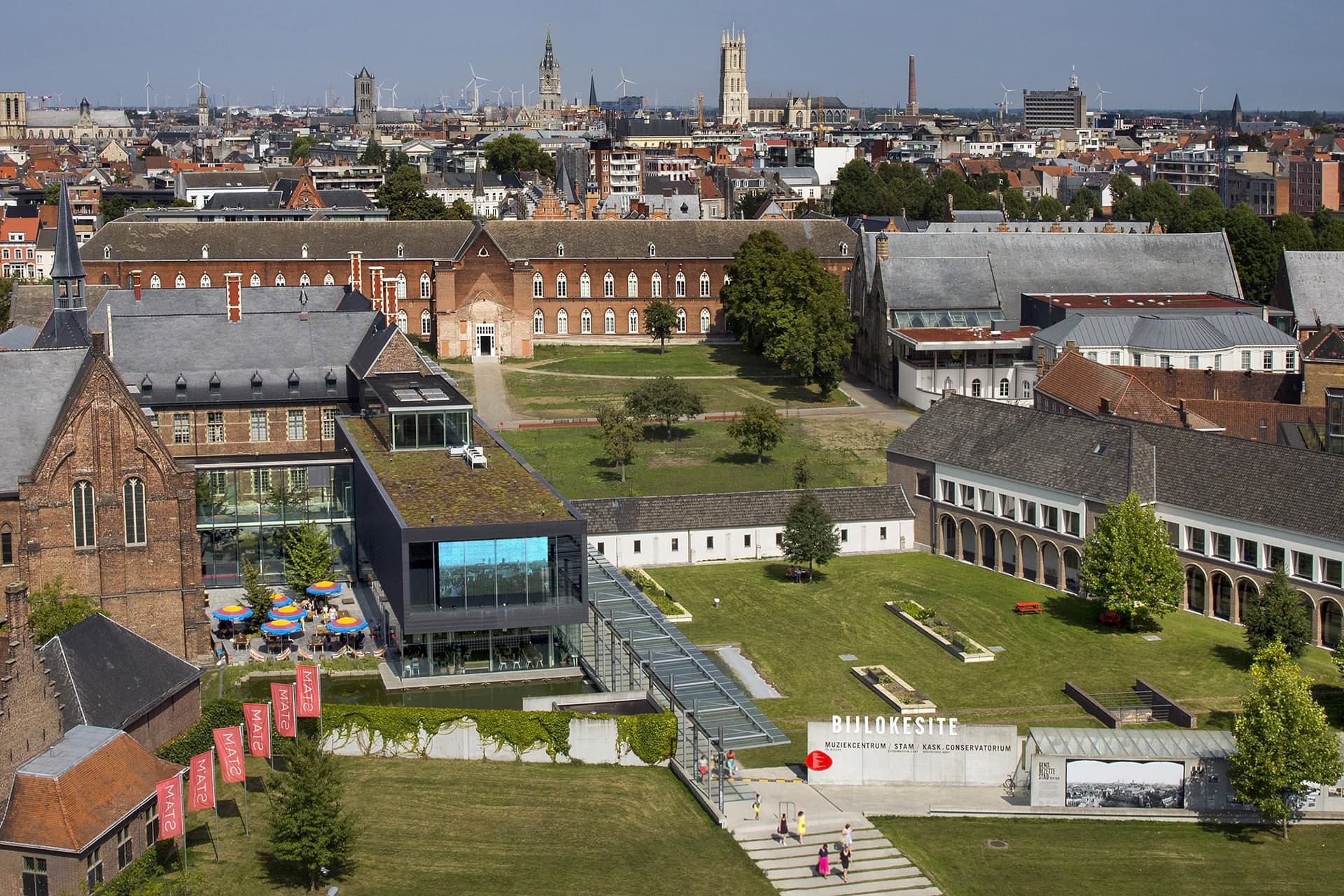
12. The STAM City Museum
If you really want to get to know the region’s long history in an interactive way, head to the stunning grounds of the former Bijloke Abbey. That’s where you’ll find the modern STAM museum, which tells the story of the city from its very beginnings right up to the present day, using clever and captivating multimedia displays.
Right at the start of your visit you’ll come across an enormous glass floor with a detailed aerial map of the whole of Ghent, which you can walk across freely, hunting for all the wonderful landmarks you’ve already seen in person. Admission costs around €12, and the exhibitions are so cleverly designed that they reportedly won’t bore even those who normally aren’t fans of classic history museums.
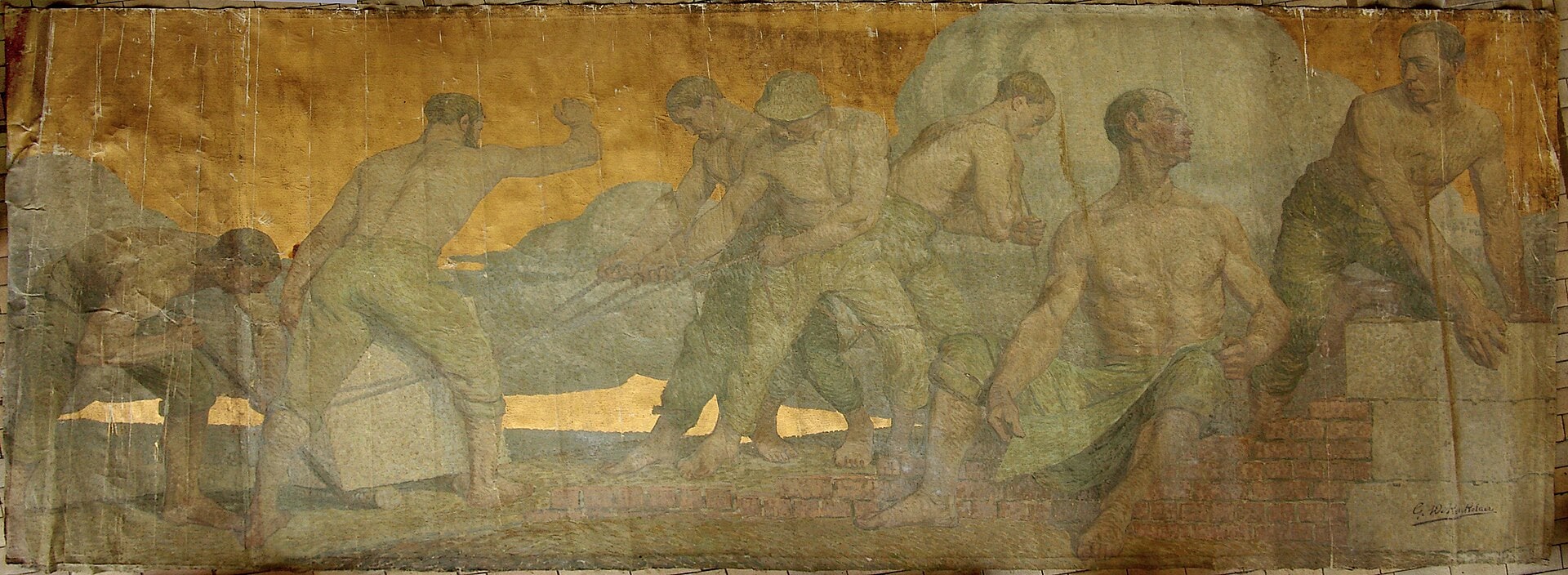
13. The MSK and S.M.A.K. Art Museums
Art lovers are sure to be in their element in the sprawling green Citadelpark, where they’ll find two absolutely top-class institutions standing right opposite each other. The first is the classic Museum of Fine Arts (MSK), home to stunning works by Bosch, Rubens and many other Flemish masters, all in gorgeously light-filled historic halls.
Directly opposite sits the modern S.M.A.K., the museum of contemporary art, which puts on often very provocative and unconventional exhibitions of works by artists from all over the world. Admission to each museum runs between 10 and 12 euros, and if you enjoy the contrast between classic painting and modern installations, I’d recommend cleverly combining both buildings into a single afternoon.
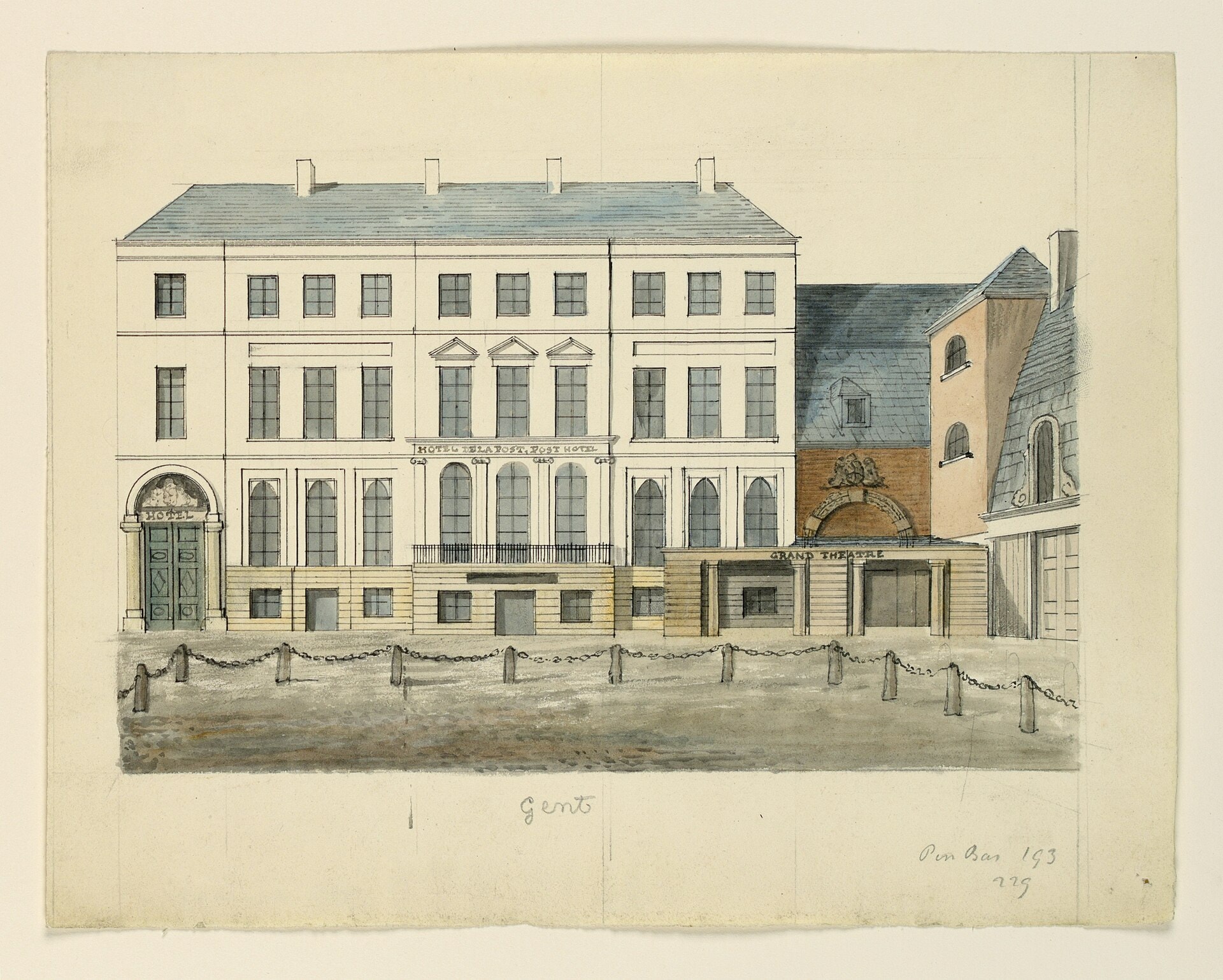
14. Design Museum Gent
This intriguing institution sits just a short walk from the famous Gravensteen Castle and is an absolute paradise for anyone into applied arts, furniture and interior design. The museum is housed in a gorgeous 18th-century patrician mansion, which in itself creates a wonderful contrast with all the modern, sometimes slightly zany exhibits inside.
You’ll find an extensive collection of historic Art Nouveau furniture, but also very imaginative and fresh contemporary Belgian and international design. Admission costs roughly twelve euros, and the ever-changing temporary exhibitions are, by all reviews, put together with a huge dose of creativity and wit — so surprisingly, they entertain even those who normally couldn’t care less about design.
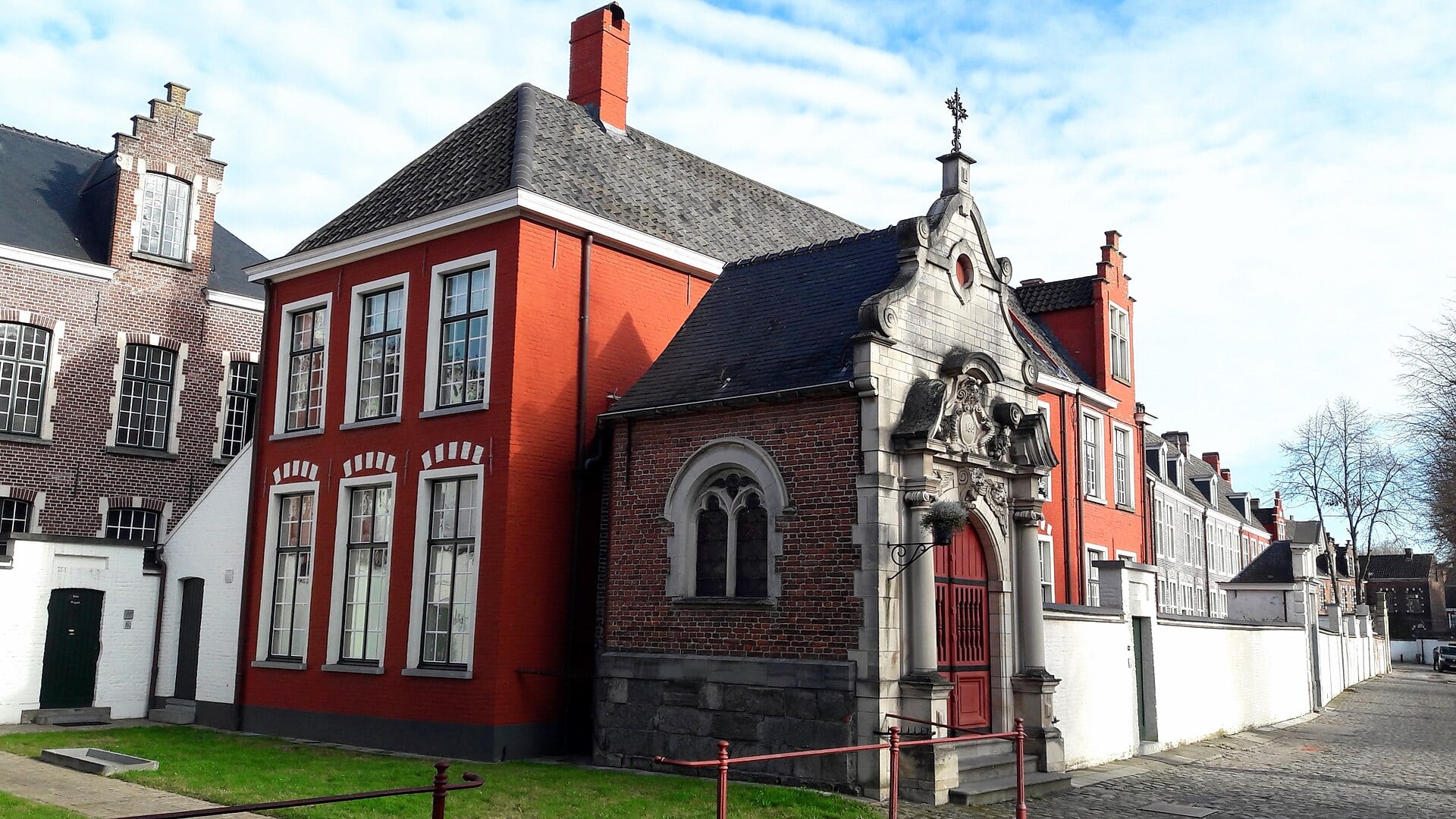
15. Klein Begijnhof Beguinage
If you need a moment’s rest from all the hustle and bustle, head to this small and wonderfully peaceful medieval beguinage dating from 1235, which is listed as a UNESCO site. It was once a closed community of pious women who, however, took no religious vows and lived here in neat little Baroque houses with red doors surrounded by greenery.
Today it’s a fascinating, quiet retreat in the middle of a busy city, and entry to the grounds is completely free for everyone. Strolling among these little brick houses feels incredibly calming, and you’ll feel as though you’ve truly stepped into another century, far from civilisation. (For completeness, I should add that in the Sint-Amandsberg district there’s another, much larger beguinage, the Groot Begijnhof.)
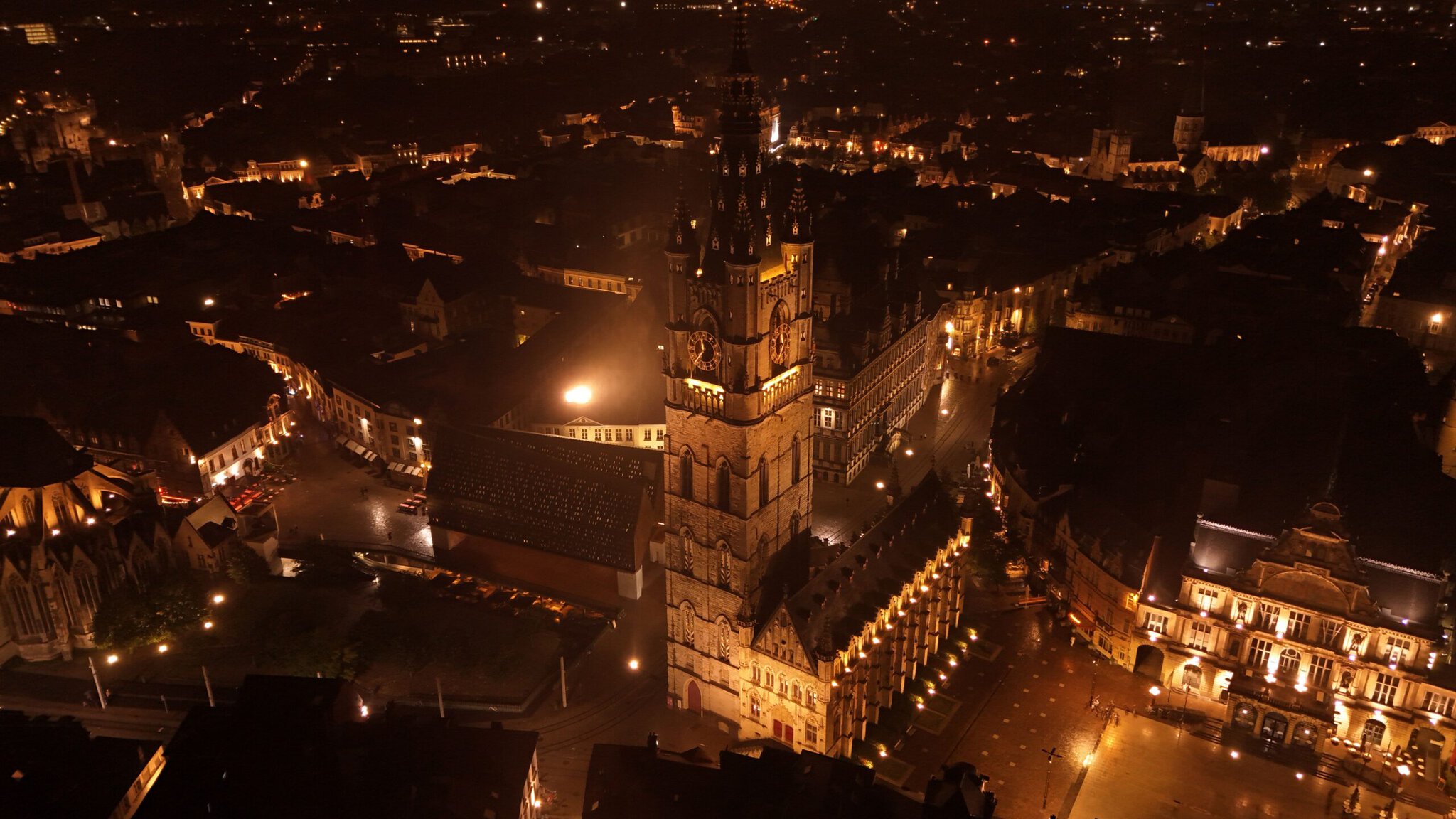
16. An Evening Walk and the Lichtplan
This is an experience you simply won’t get in Bruges, and it’s what makes this city so utterly exceptional. Years ago the city council introduced a permanent, world-renowned lighting plan (the Lichtplan), which magically and very sensitively illuminates all the most important landmarks, towers and historic bridges after sunset.
When you set off after dark on a simple stroll along the quays and canals, you’ll feel as though you’re walking straight through a romantic film set. The lighting in the mysterious Citadelpark and the reflections of the guild houses on the water’s surface are, according to travellers, some of the most powerful experiences of the whole visit — so it’s definitely worth staying up rather than heading to bed early.

Europe’s Vegetarian Capital and What to Taste
As I mentioned right at the start, for all lovers of plant-based food this city is an absolute dream come true. In 2009 they introduced the so-called Donderdag Veggiedag (meat-free Thursday), and today more than ninety restaurants take part in this brilliant initiative, with meat-free meals even served on a large scale in all the local school canteens.
You can head to fantastic spots like Greenway, home to the best veggie burgers and fresh bowls, or to the elegant Le Botaniste with its great organic food and wine. An incredible experience, apparently, is a visit to Komkommertijd, where a fixed price gets you an amazing all-you-can-eat vegan buffet. And even at the traditional chip shop De Frietketel you can tuck into a wide range of purely plant-based treats.
The city also has its own iconic sweet — the purple cone-shaped candies called cuberdons, nicknamed “neuzekes” (little noses) for their shape. On Groentenmarkt square there are even two rival stalls known as the “cuberdon war”, where you can buy them. Just be careful: the traditional artisanal candies often contain animal gelatine, so it’s best to ask carefully and look for a version made with gum arabic.
Another local highlight is the city brewery Gruut, where they brew a special beer with a secret blend of herbs instead of the usual hops — and it’s completely vegan-friendly too. If you’d nonetheless like to know what the traditional meat specialities are, the Flemish are proudest of their thick, creamy dish called waterzooi and their slow-braised beer-braised beef, stoofvlees (carbonnade).
Where to Go Next from Ghent
This area has a fantastic location, and the rail service is so fast and reliable that you can easily reach other wonderful Flemish gems.
- If you want to compare this lively student atmosphere with the fairytale (if far more touristy) one, definitely head to neighbouring Bruges. The train ride takes just 25 minutes, and in our detailed article Bruges: 16 Things to See and Do you’ll find everything you shouldn’t miss there.
- Straight from the airport, or as another stop, you can easily explore the capital and seat of the European institutions. The ride from Ghent takes about half an hour, and we’ve gathered practical tips for your visit in our article Brussels: 19 Things to See and Do.
- If you’re interested in the bigger picture and want to read a full overview of all the most interesting places and cities in the country (including diamond-city Antwerp), I recommend checking out our detailed article Belgium: What to See (Brussels, Bruges, Ghent, Antwerp).
Frequently Asked Questions
How to get from Brussels to Ghent?
The easiest and fastest way is to use the comfortable Belgian trains that run from all Brussels stations. The journey takes about half an hour and a return ticket will cost you just under 22 EUR. From Gent-Sint-Pieters station, tram number one runs to the centre, getting you to Korenmarkt square in about fifteen minutes.
How many days do I need for sightseeing?
The basic must-see sights can be covered in one full and slightly packed day. However, to enjoy the amazing local gastronomy, visit the museums at a leisurely pace, and especially experience the magical evening atmosphere of the illuminated city (Lichtplan), I definitely recommend staying overnight and allowing two days for the city.
What is this Donderdag Veggiedag?
It’s a famous initiative from 2009, when Ghent became the first city in the world to introduce an official meatless Thursday. The goal is to reduce meat consumption for ecological reasons, and today dozens of restaurants proudly participate, along with all the city’s schools, making the city an absolute paradise for all vegetarians.
When do festivals take place in Ghent?
The biggest event of the year is the massive ten-day Gentse Feesten festival, which regularly takes place in the second half of July (in 2026 it will be July 17th to 26th) and is largely free. Then approximately once every three years, there’s also the breathtaking Lichtfestival, with the next one planned for 2027.
Is the Ghent CityCard worth buying?
If you’re planning to visit monuments, then absolutely yes, it’s very much worth it. The 48-hour card costs around 42 EUR and includes not only all public transport and entry to monuments (including Gravensteen Castle and the Belfry), but even a beautiful boat cruise on the canals and bike rental.
Are Bruges or Ghent better?
Bruges is incredibly photogenic and fairytale-like, but due to the enormous number of tourists it sometimes feels a bit like a perfect museum. Ghent, on the other hand, is much more authentic, livelier and thanks to the university has a great youthful energy. I definitely recommend seeing both cities, but I’d prefer to stay here.
Where can you park near the center?
The historic center forms an extensive pedestrian zone and the entire city is also a so-called low emission zone (LEZ), which you cannot enter at all with older cars. The smartest and cheapest option is to leave your car at one of the P+R park-and-ride facilities on the outskirts of town and travel comfortably into the center by local tram.
Tips and Tricks for Your Vacation
Don’t Overpay for Flights
Search for flights on Kayak. It’s our favorite search engine because it scans the websites of all airlines and always finds the cheapest connection.
Book Your Accommodation Smartly
The best experiences we’ve had when looking for accommodation (from Alaska to Morocco) are with Booking.com, where hotels, apartments, and entire houses are usually the cheapest and most widely available.
Don’t Forget Travel Insurance
Good travel insurance will protect you against illness, accidents, theft, or flight cancellations. We’ve had a few hospital visits abroad, so we know how important it is to have proper insurance arranged.
Where we insure ourselves: SafetyWing (simple monthly subscription) and TrueTraveller (for extra-long trips).
Find the Best Experiences
Get Your Guide is a huge online marketplace where you can book guided walks, trips, skip-the-line tickets, tours, and much more. We always find some extra fun there!