If you’re dreaming up the perfect destination for a long weekend, Paris or London probably springs to mind first — but Belgium is an absolute hidden gem that’s guaranteed to win you over. As my friend who lives in Brussels likes to say: “Everyone only wants to see Brussels, but the best of Belgium begins where the city limits of Brussels end.” This little country in the heart of Europe offers a truly perfect mix of fairytale medieval towns, breathtaking architecture and food that makes your mouth water just thinking about it. If you’re looking for the best things to do in Belgium, you’ve come to the right place.
Say the word Belgium and most of us picture delicious chocolate, golden-fried chips and thousands of kinds of beer, but trust me, that’s only the very beginning. What’s truly fascinating is how close together all these gorgeous places sit, so within just a few days you can soak up the atmosphere of several completely different cities.
The best part of it all is the local rail network, which means you don’t need a car at all — trains whisk you comfortably and quickly straight into the historic centres. I’ve put together a detailed guide where we’ll take a look at the most beautiful spots together, along with practical tips so you can enjoy your Belgian trip to the fullest and without any unnecessary stress.
TL;DR
- Travel by train: Belgium is made for city-hopping — you can move between the main cities in just a few dozen minutes, and at weekends you even get half-price fares.
- Brussels as a base: The capital is an ideal starting point for day trips, but one full day is plenty to explore Brussels itself.
- Ghent vs. Bruges: While Bruges is romantic and fairytale-like, Ghent offers a more authentic and lively university atmosphere with far fewer tourists.
- Watch out with the chips: If you’re vegetarian, always check in advance what the chips are fried in — traditional Belgian recipes often use beef fat.
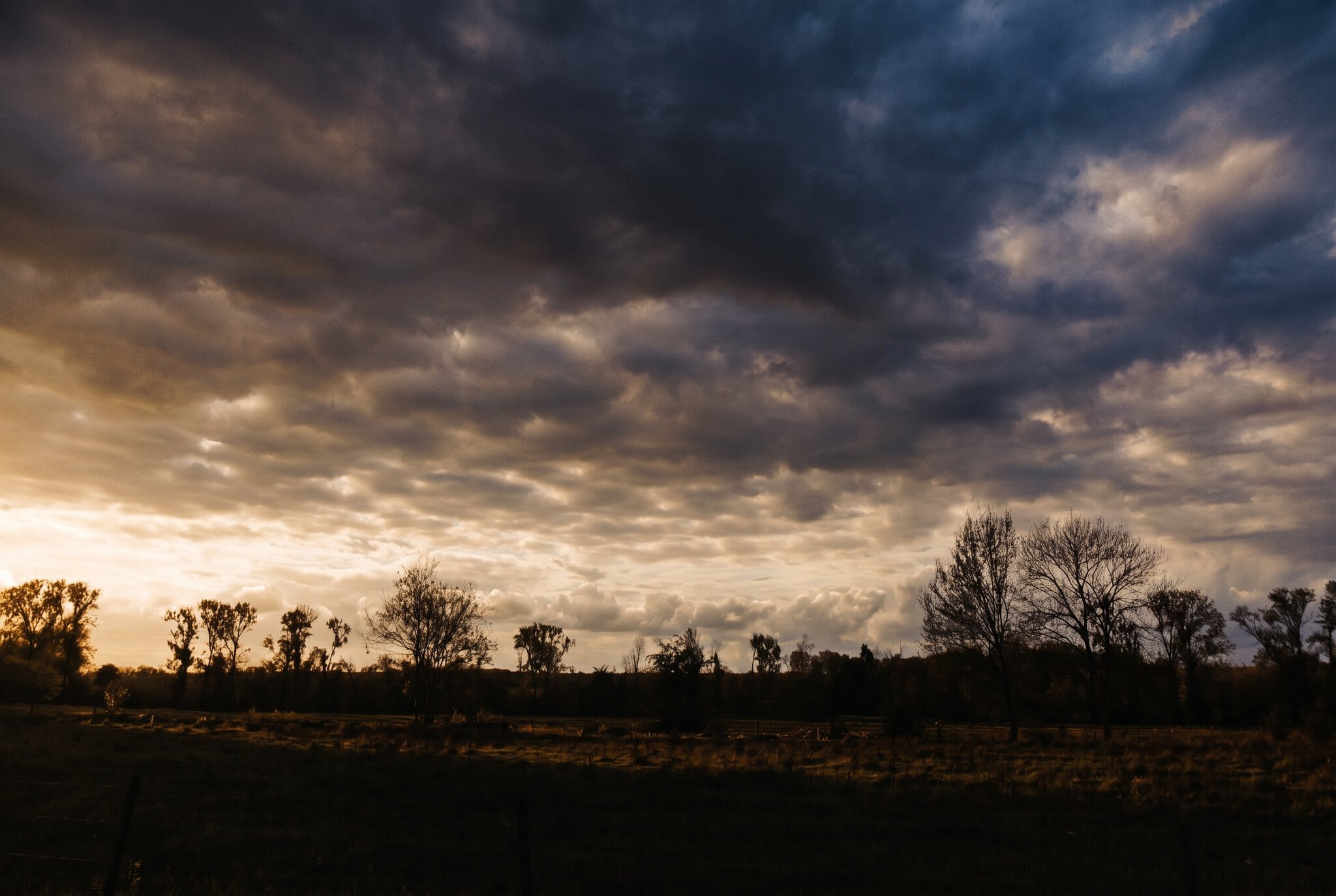
- The weather is unpredictable: Don’t forget to pack an umbrella no matter what season you travel in — it really can rain here at any time.
- A paradise for vegetarians: The city of Ghent is considered Europe’s vegetarian capital and you’ll find a huge number of fantastic meat-free spots here.
The full destination guide: Belgium — guide and what to see
When to Visit Belgium
Planning a trip to Belgium takes a bit of strategic thinking, because the local weather can be rather temperamental. The mild oceanic climate brings frequent rain showers throughout the year, so whenever you set off, a decent raincoat or umbrella definitely shouldn’t be missing from your backpack.
The best time to visit is from May to September, when the days are longest and temperatures hover around a pleasant 20 to 25 degrees. If you want to dodge the biggest crowds, go for September, which tends to be very stable temperature-wise and offers ideal conditions for full days of walking around the cities.
Winter is an interesting alternative too, because Belgian cities boast gorgeous Christmas markets — the ones in Brussels or the light festival in Bruges are among the most magical in Europe. Flower lovers should plan their trip for August in even-numbered years, when the famous flower carpet made of thousands of begonias spreads across Brussels’ Grand-Place.
Where to Stay in Belgium
💡 Tip for accommodation and experiences: We love finding our accommodation on Booking.com, which usually has the best cancellation policies. Tickets, tours and activities are worth comparing and booking through GetYourGuide.
Your choice of accommodation depends mainly on what kind of trip you’re planning, but broadly speaking there are two main strategies. Most travellers pick Brussels as their main base, since it offers the widest choice of hotels and excellent transport links to every corner of the country. But if you’re after a more romantic and peaceful atmosphere, I’d recommend staying in Ghent, which comes gorgeously to life after dark and takes on an incredible charm.
When looking for accommodation, always keep an eye out for locations within walking distance of the main train stations, which will save you loads of time on early morning departures for your day trips. Hotel prices vary by season, but expect to pay on average around 120 to 150 euros a night for a good double room in the centre.
In Brussels, a safe bet is the stylish Hotel Hubert Grand Place, just a few steps from the main square, offering modern design with excellent breakfasts. If you go for more authentic Ghent, take a look at the gorgeous Pillows Grand Boutique Hotel Reylof, housed in a historic building and offering pure luxury, including a beautiful inner courtyard. In Antwerp I can recommend the Hotel Rubens-Grote Markt, whose location right by the cathedral is absolutely unbeatable and within a short stroll of all the sights. Ideally, book your accommodation well in advance through Booking, especially if you’re travelling in the summer months.
18 Best Things to Do and See in Belgium
Let’s take a look together at the most interesting things this charming country has to offer, from iconic historic cities to practical travel advice. Belgium may not be huge in size, but the density of monuments and interesting spots here is absolutely incredible, so you won’t know where to turn first.
1. Brussels: A Capital City Full of Contrasts
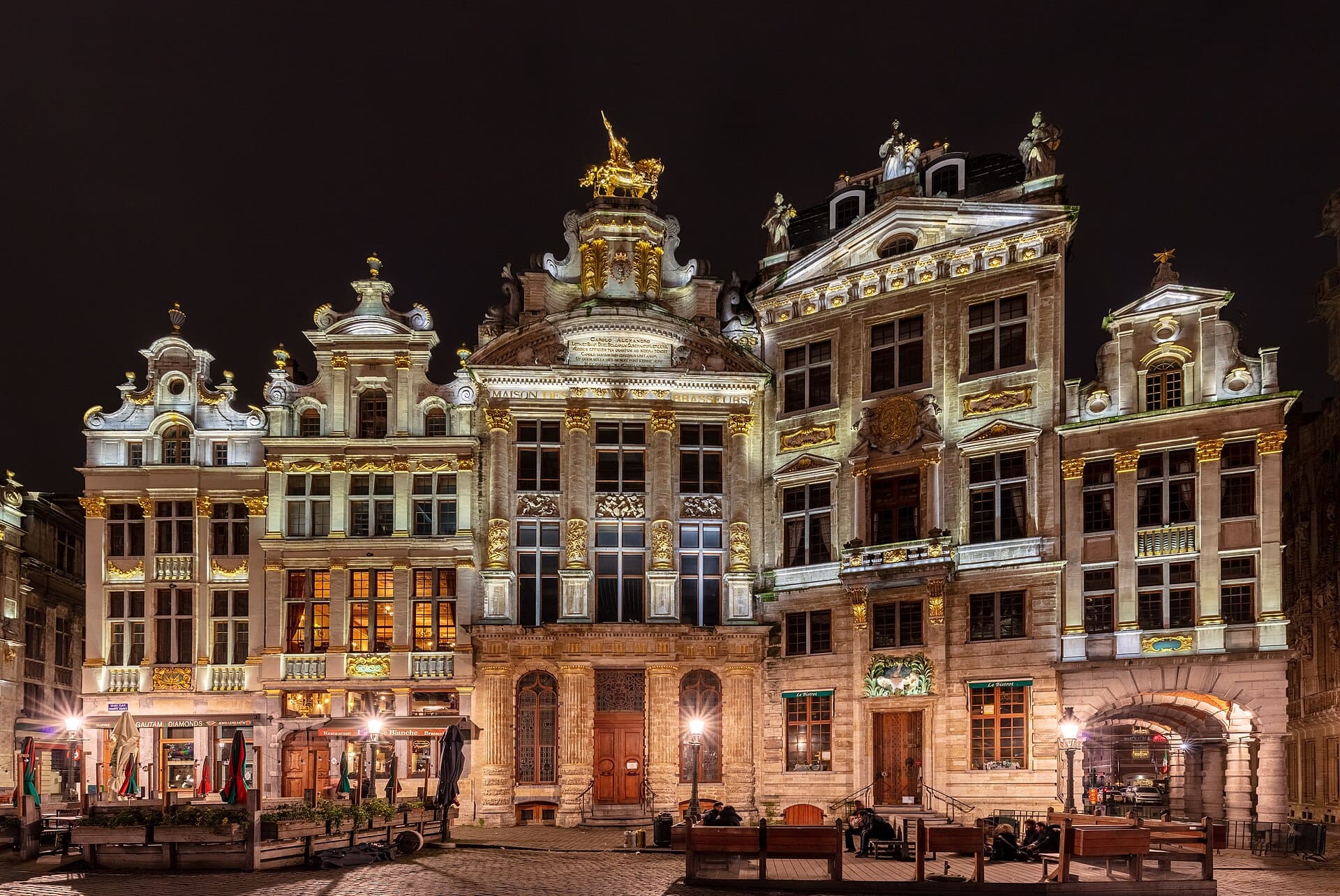
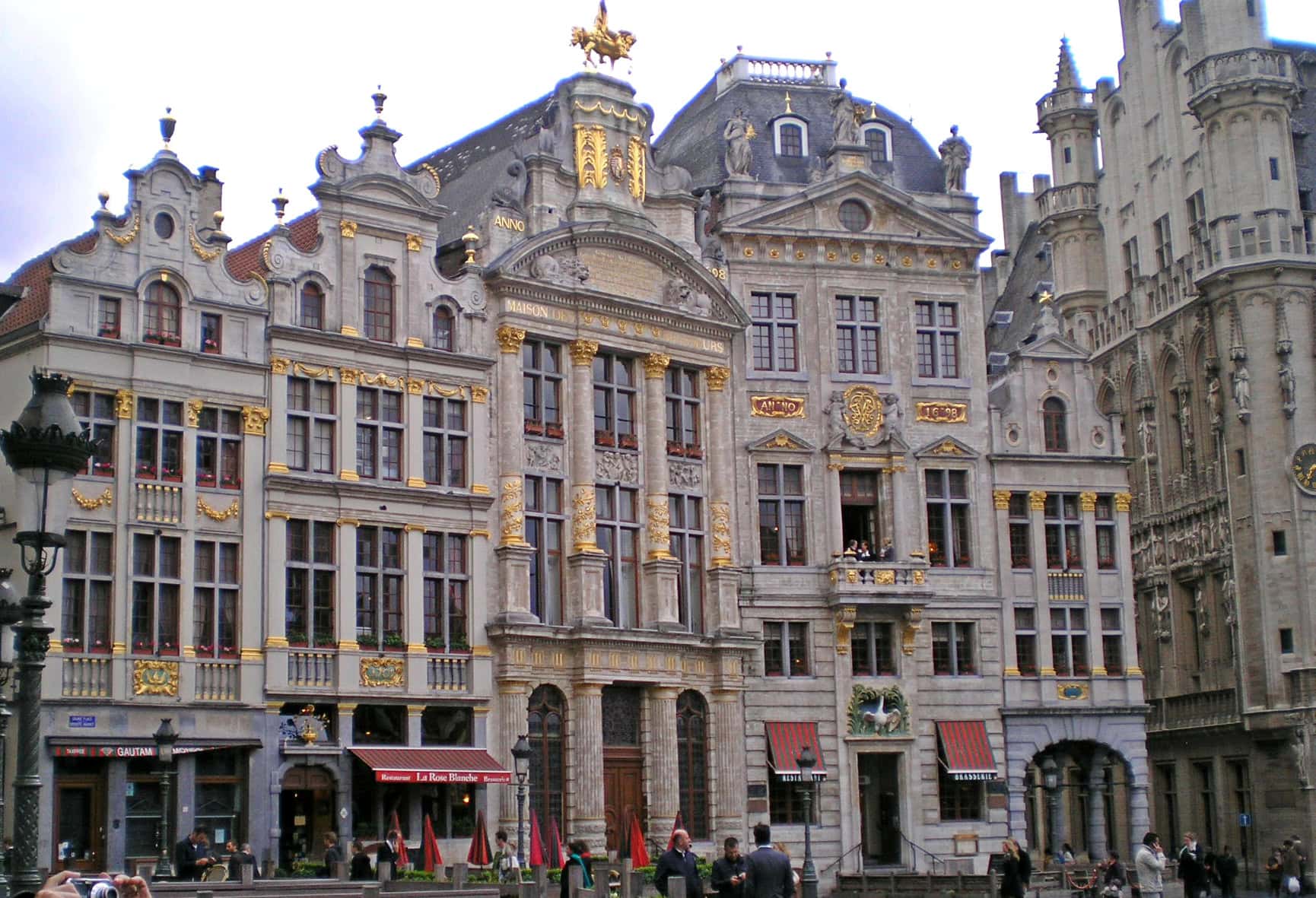
Brussels is a city that will surprise you with its variety, where beautiful historic architecture blends with the modern buildings of the European Union institutions. Your steps should definitely begin at Grand-Place, a UNESCO World Heritage site and one of the most beautiful squares anywhere in the world.
Strolling through the old town you’re sure to come across the famous statue of the peeing boy, Manneken Pis — surprisingly small, but one of the city’s most photographed symbols. Also worth a visit is the futuristic Atomium on the edge of town, built for Expo 58, offering a lovely view (admission is around 16 euros). If you want to discover all the secrets of this city, read our detailed article Brussels: 19 Things to Do and See.
2. Bruges: A Medieval Fairytale on the Water
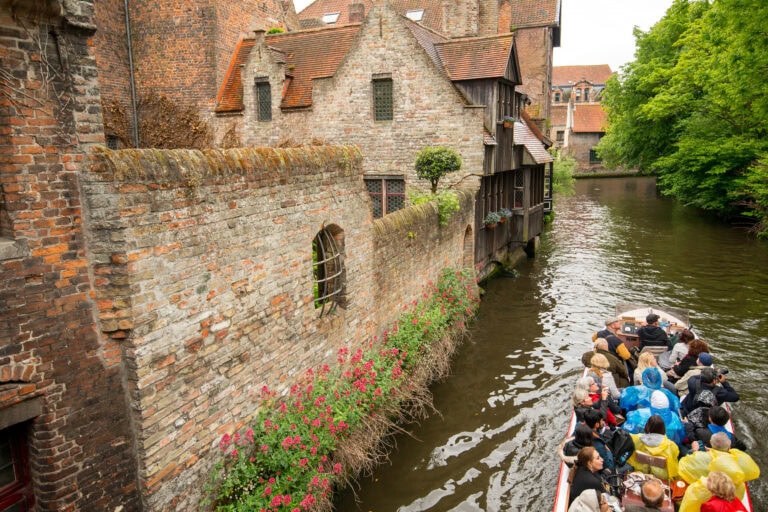
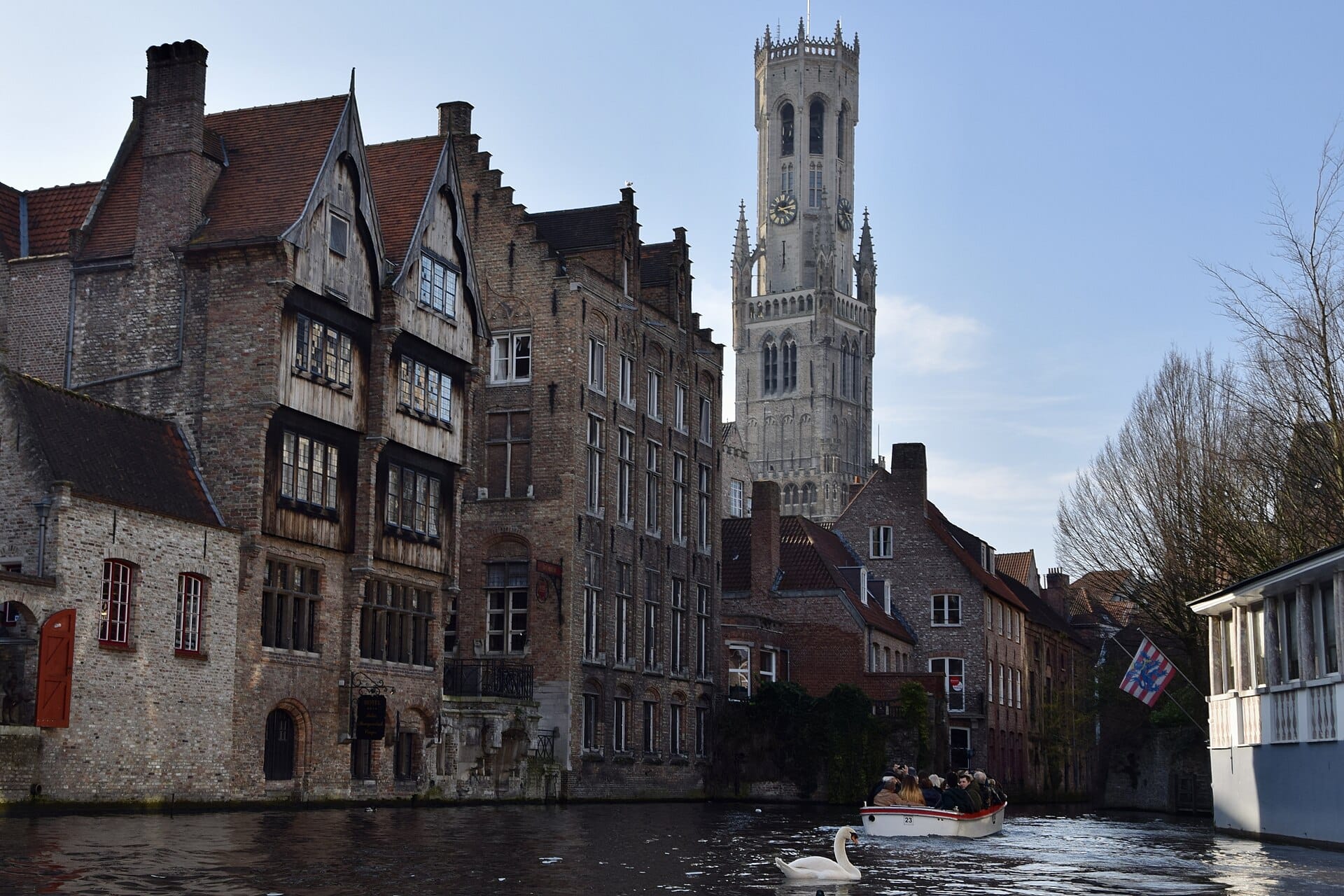
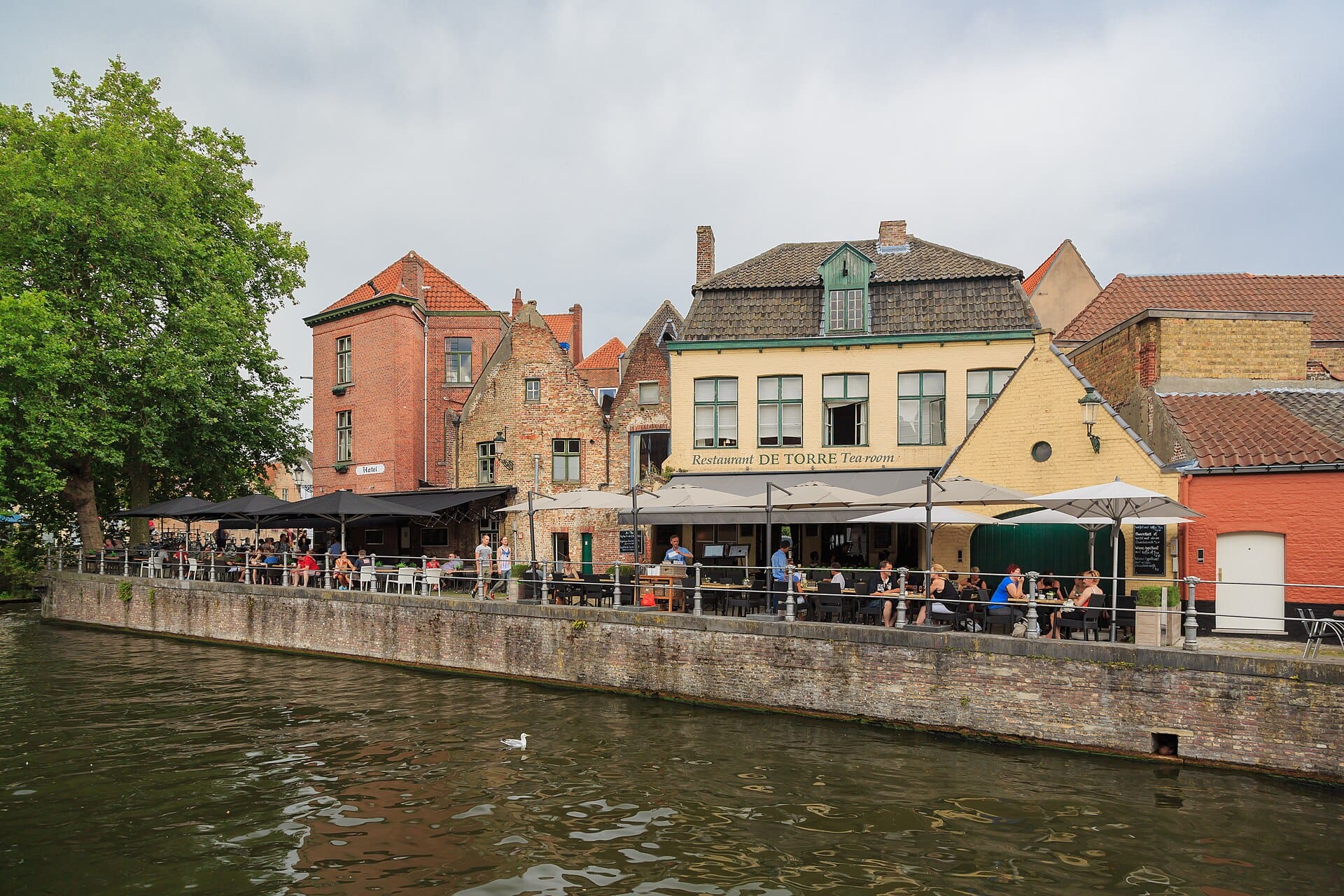
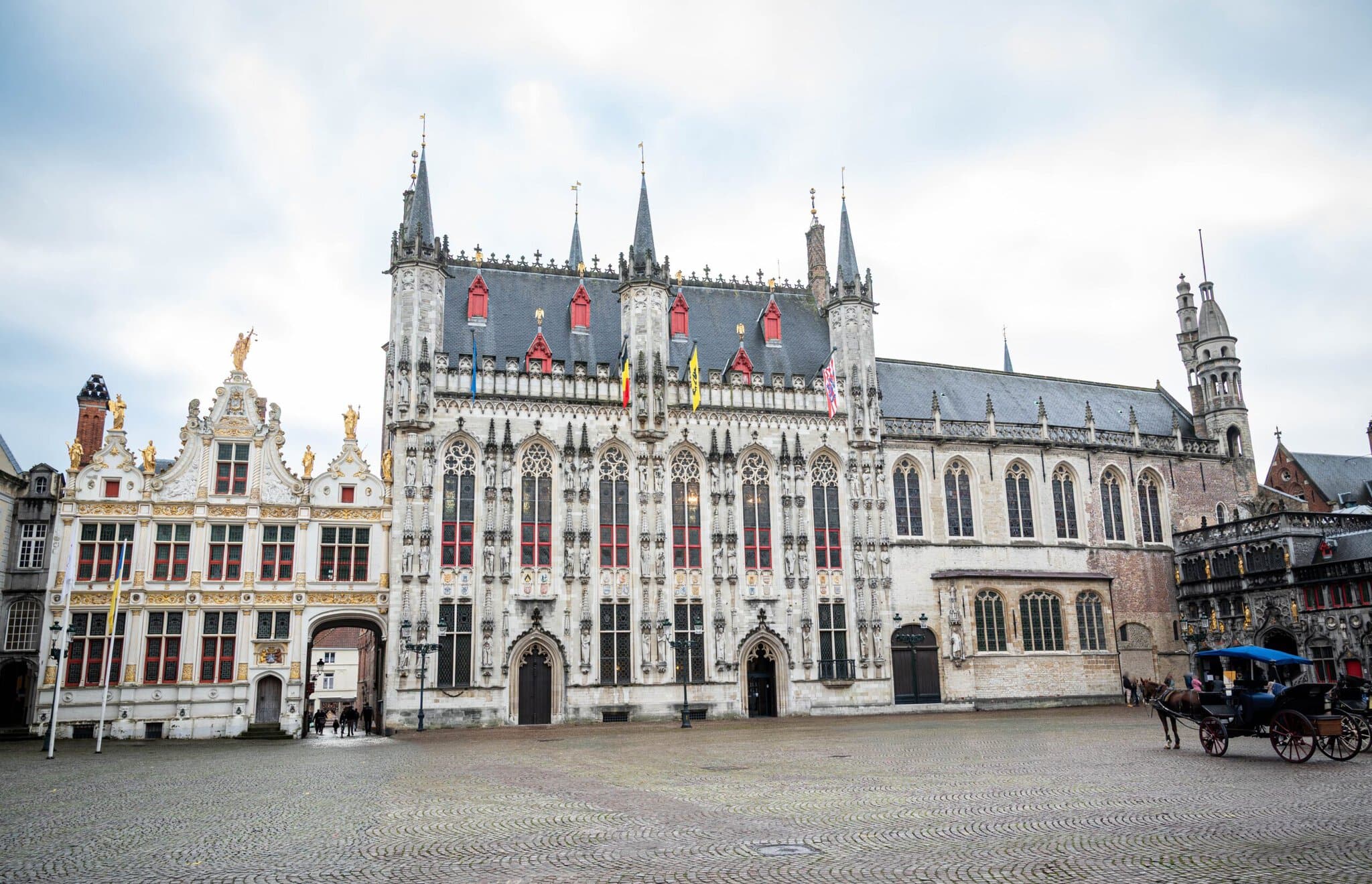
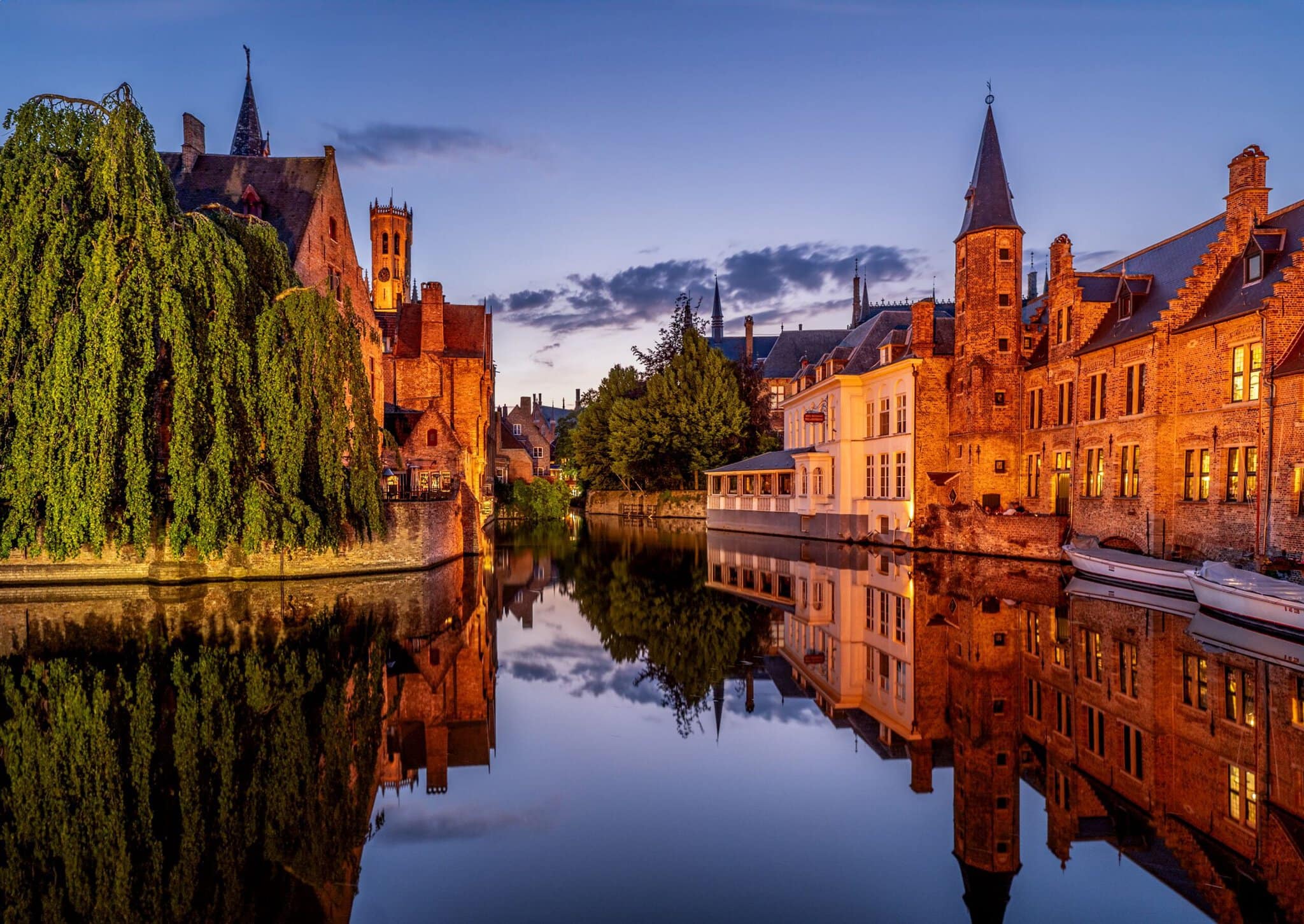
Bruges is often called the Venice of the North, and I have to say that comparison is spot on, because the network of local canals and more than 80 historic bridges create an unforgettable atmosphere. The best way to see the city is to hop on a roughly half-hour boat ride, from which you’ll see the loveliest brick houses from a completely different perspective.
The heart of the action is the main square with the imposing Belfort belfry, which you climb via 366 steps — but the view from the top is more than worth the initial effort. Be prepared for Bruges to be full of tourists during the day, so it’s ideal to get up early. You’ll find more tips in our guide Bruges: 16 Things to Do and See.
3. Ghent: A Lively Student City
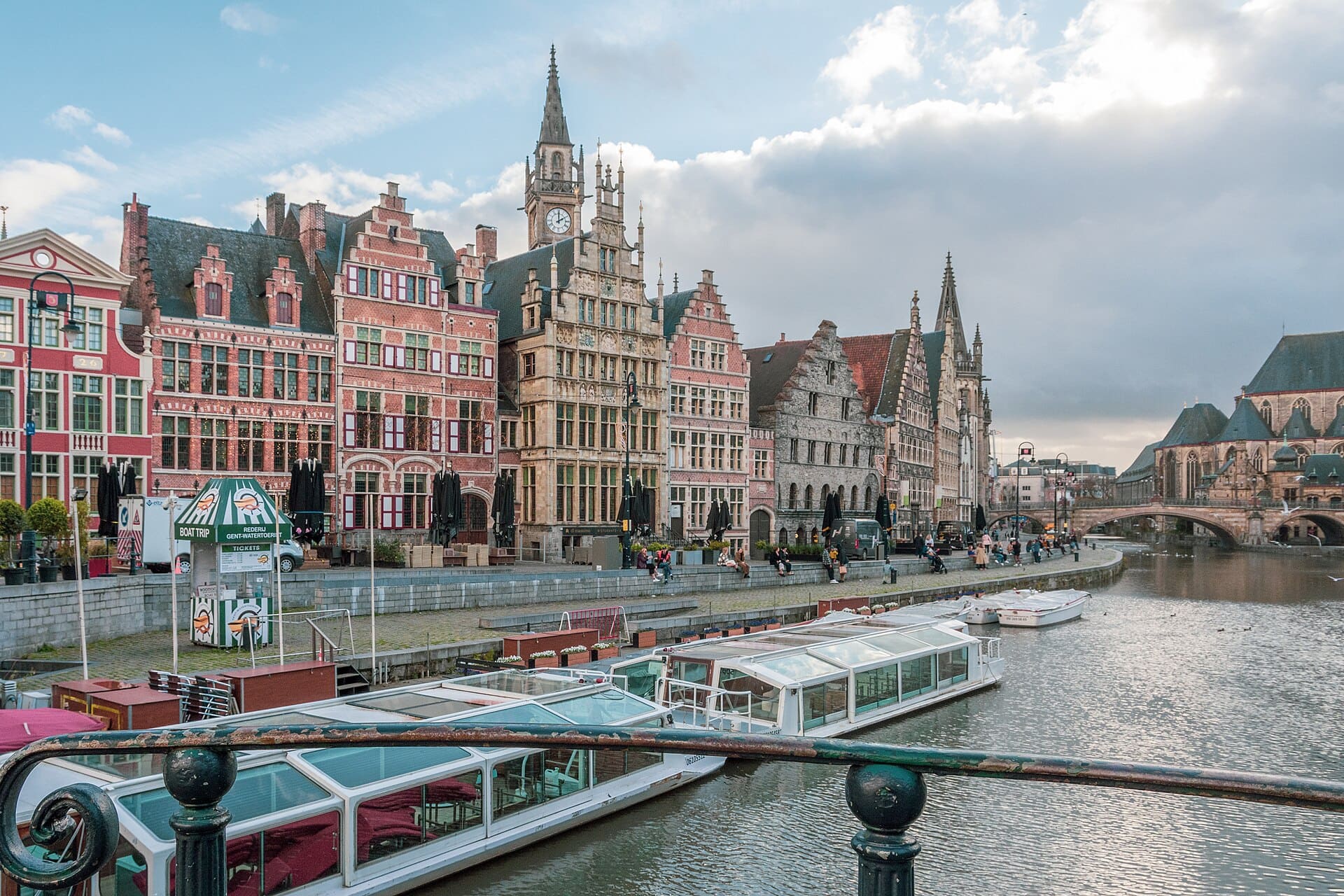
If I had to recommend just one Belgian city you can’t miss, it would probably be Ghent, which offers a perfect balance between history and modern life. The Graslei and Korenlei quays are among the most photogenic spots in Europe, especially in the evening hours, when the historic guild houses are gorgeously reflected in the calm surface of the river.
In the middle of the city stands the proud medieval Gravensteen castle, which has kept its rugged look and hides a fascinating exhibition on local history inside. Ghent is also famous for its superb food and art, including the celebrated Ghent Altarpiece by the van Eyck brothers. For detailed information, check out the article Ghent: 16 Things to Do and See.
4. Antwerp: A Jewel of Fashion, Diamonds and Art
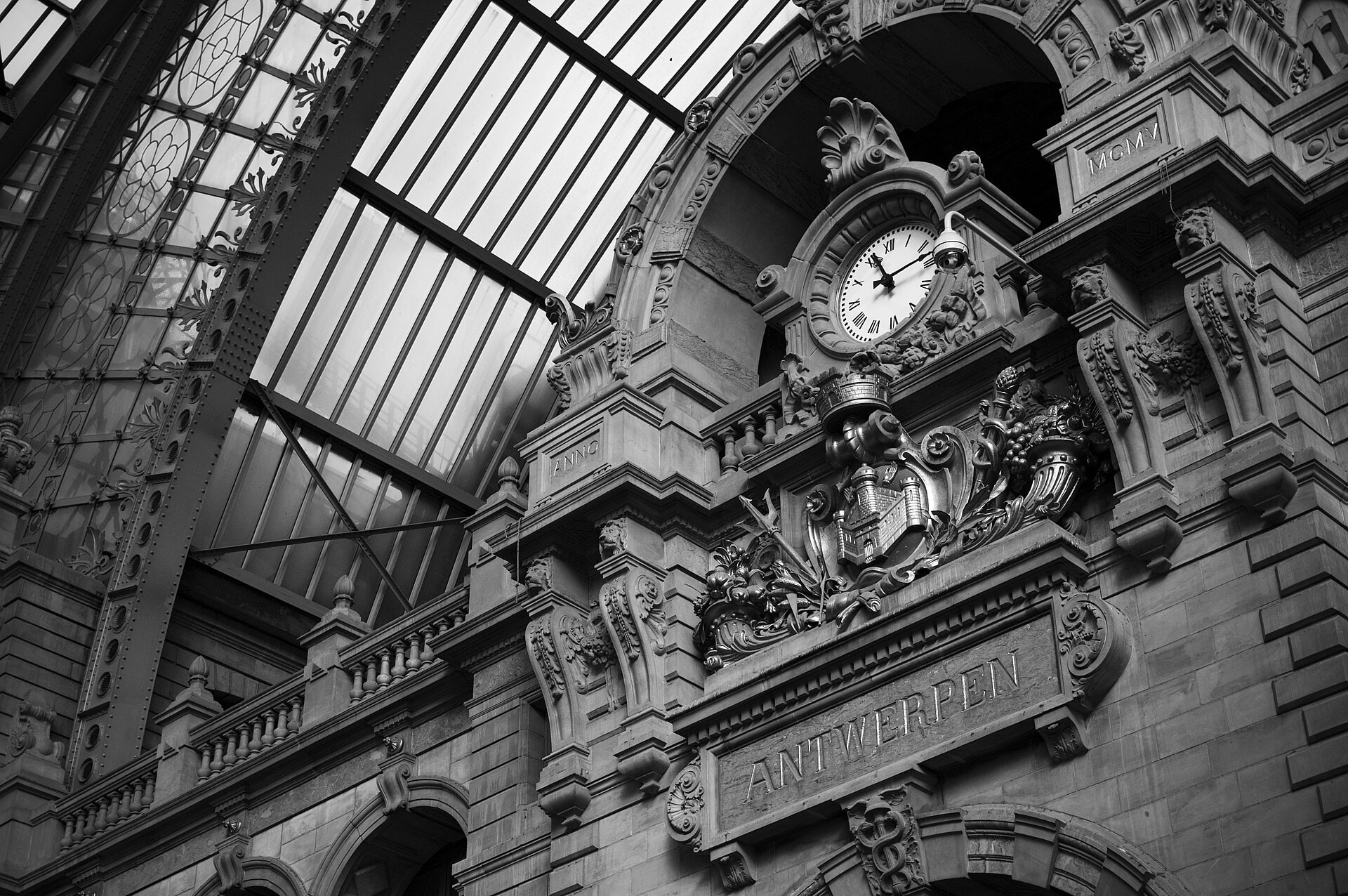
Antwerp is Belgium’s second-largest city and surprisingly often stays in the shadow of Bruges, even though in my view it’s one of the most interesting and trendiest places in the country. Even your arrival is an experience, because the main station, Antwerpen-Centraal, is an architectural marvel nicknamed the “railway cathedral” that repeatedly ranks among the most beautiful stations in the world.
The historic centre is dominated by the enormous Cathedral of Our Lady with the tallest church tower in Belgium, which measures a respectable 123 metres and hides breathtaking altarpieces by the famous painter Rubens inside. Admission is 12 euros, students and seniors get a discount, and children under 18 can visit completely free. Right next door you’ll find Grote Markt square with its gorgeous Renaissance town hall and the iconic Brabo fountain, which depicts the legend of the giant’s severed hand that supposedly gave the city its name.
For art and history, head to the famous Rubens House, where the master lived and worked, or to the Renaissance Plantin-Moretus printing house, the only one of its kind on the UNESCO list. Another great tip is the modern MAS museum in the port district, which offers fascinating exhibitions, but above all has a rooftop terrace on the 10th floor that’s completely free to access — with the best view over the whole city.
Antwerp is world-famous for its diamond district, through which an incredible 84 percent of the world’s rough diamond production passes, and also for the so-called Antwerp Six, a group of designers who turned the city into a European fashion capital. To round off the day, definitely don’t miss a visit to the local De Koninck brewery, where for around 20 euros you’ll enjoy a great interactive tour ending with a tasting of their famous Bolleke beer.
5. Leuven: History and Europe’s Longest Bar
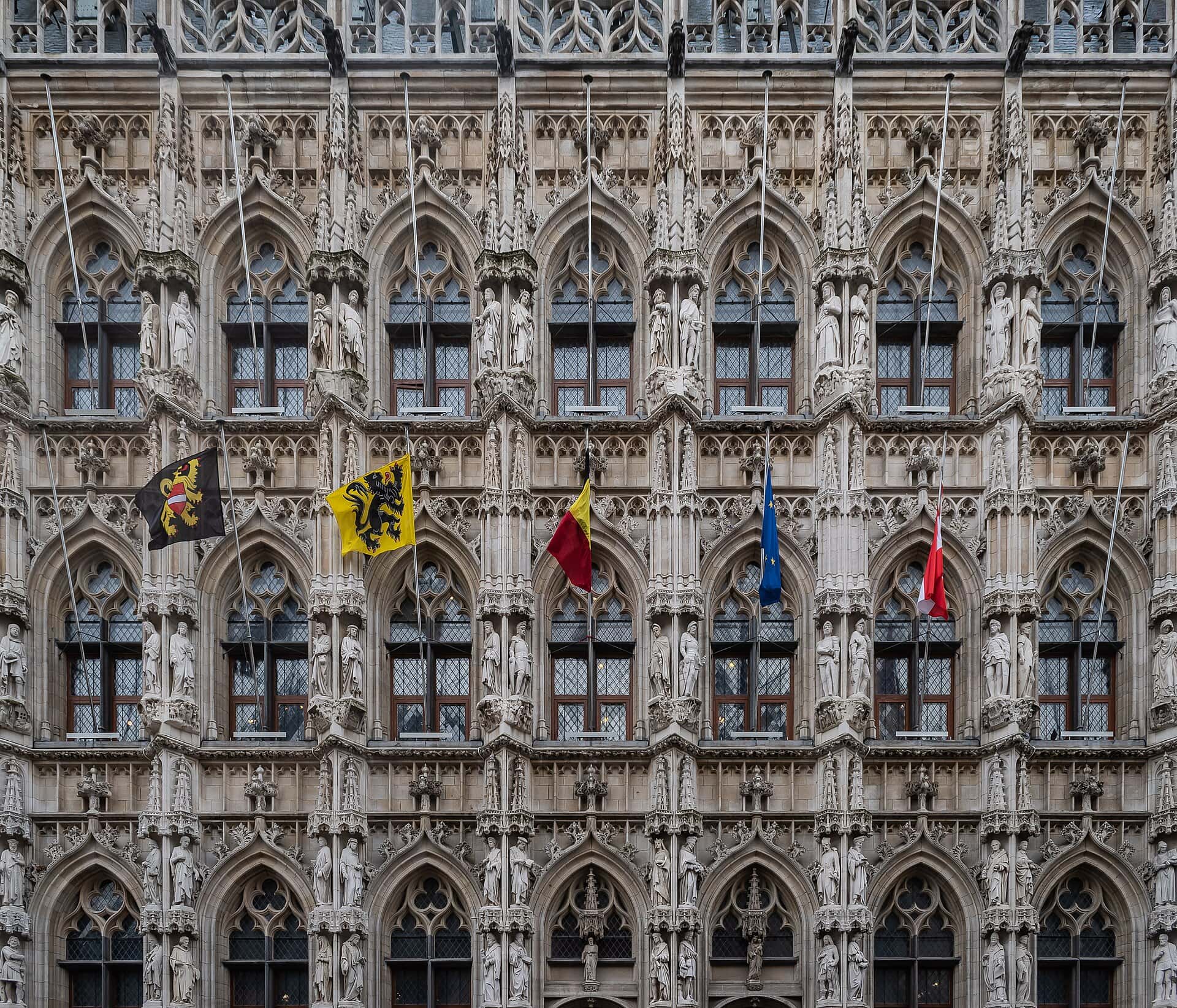
Leuven, also known as Louvain, lies just 25 minutes by train from Brussels and is home to the oldest university in the Low Countries, founded back in 1425. The city will instantly captivate you with its Gothic town hall, undoubtedly the most beautiful in all of Belgium, its façade adorned with an incredible 236 finely detailed statues.
Thanks to the ever-present students, the city has a fantastic energy, best soaked up on Oude Markt square. This spot is aptly nicknamed the longest bar in Europe, because it’s literally lined with dozens of pubs and cafés, where locals gather from afternoon into the night over a glass of Stella Artois, which is brewed right here.
6. Mechelen: The City of Carillons
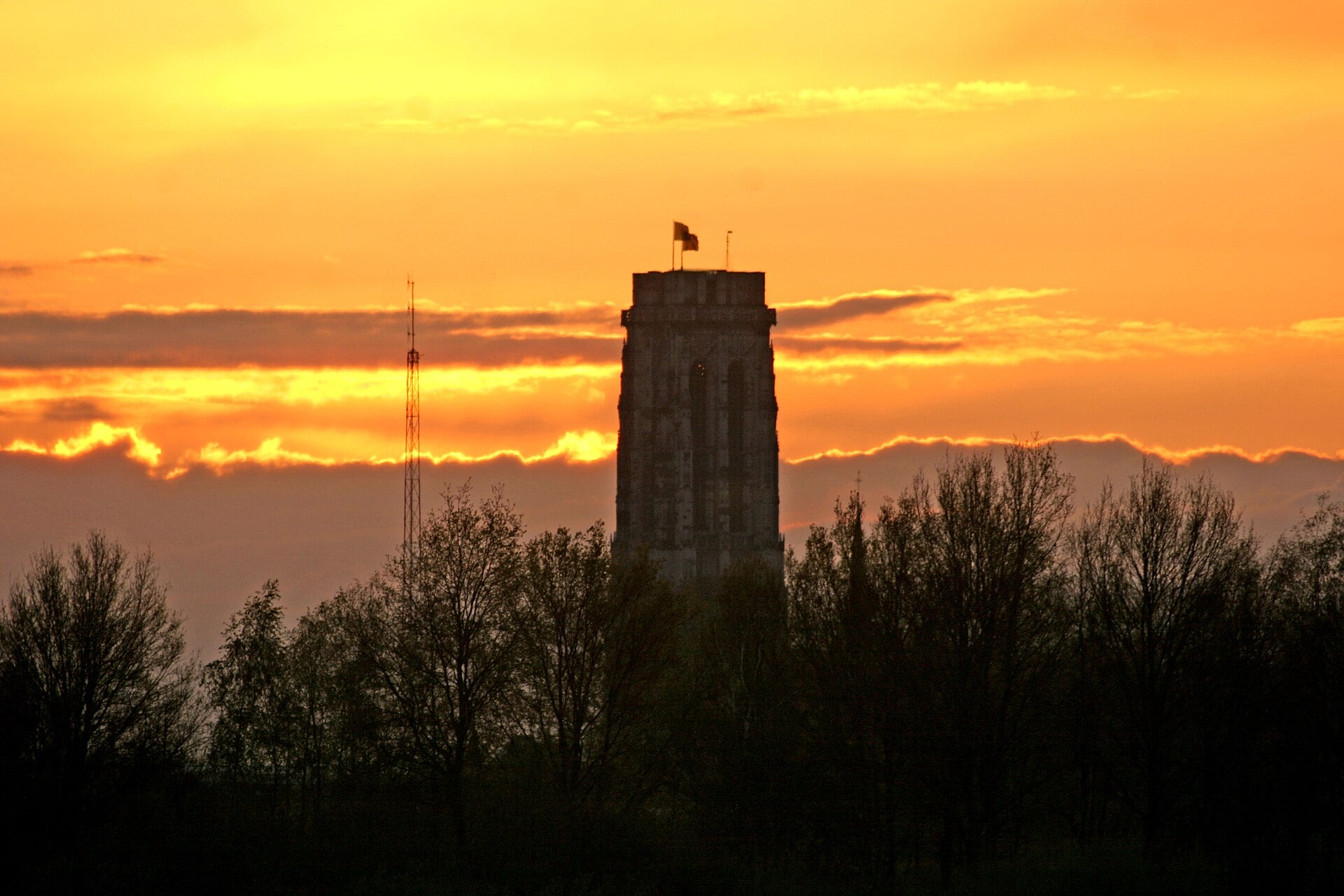
Mechelen is a smaller but incredibly picturesque town lying exactly halfway between Brussels and Antwerp, one that tourists often unfairly pass by. The main draw is the mighty tower of St. Rumbold’s Cathedral, a UNESCO site, which was never quite finished but still makes a hugely majestic impression.
If you’re in good shape, I’d recommend climbing the 538 steps to the Skywalk viewing platform at the very top of the tower. On the way up you’ll get an up-close look at the unique mechanism of the local carillons, and on a clear day you can see all the way to the Brussels Atomium from the top.
7. Namur: The Gateway to Wallonia
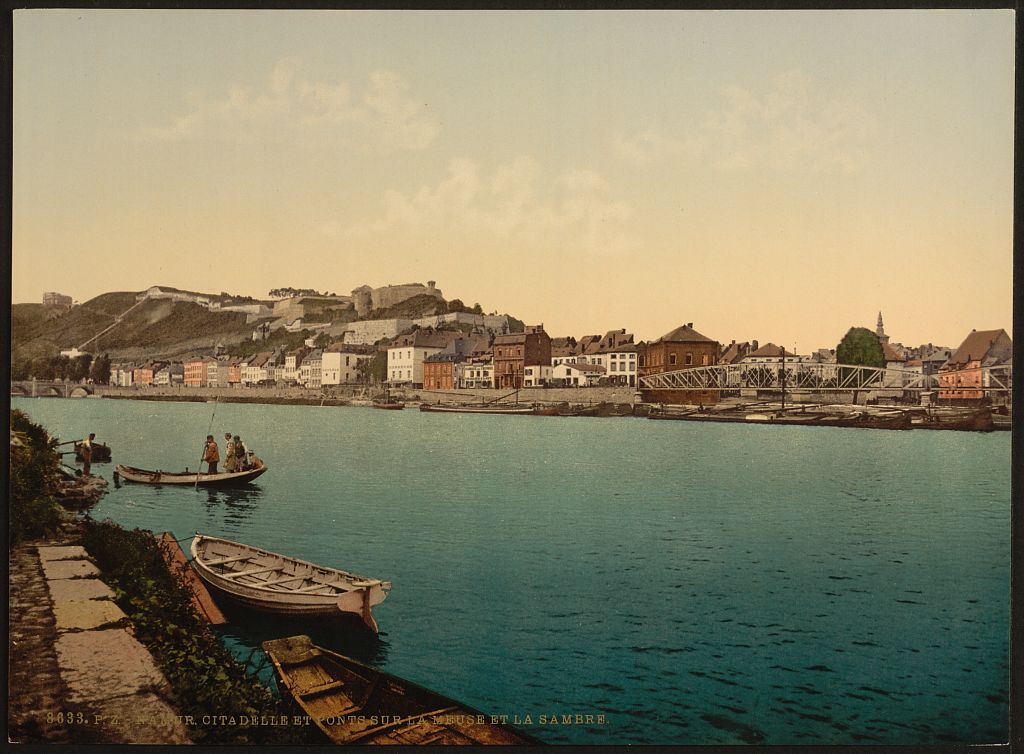
Namur is the capital of French-speaking Wallonia and sits at the picturesque confluence of the Sambre and Meuse rivers. The city is dominated by a huge historic citadel towering on a hill, which served for centuries as a key defensive point and today offers not only a tangled network of underground passages but also gorgeous views over the valley.
The city centre is full of narrow streets with brick houses and pleasant cafés, where time flows noticeably slower than in the north of the country. 💡 Tip: In the summer months, don’t forget to take a ride on the local water taxi called the Namourettes — little charming boats that ferry you across both rivers for a small fee and offer a unique view of the city from the water.

8. Dinant: Birthplace of the Saxophone
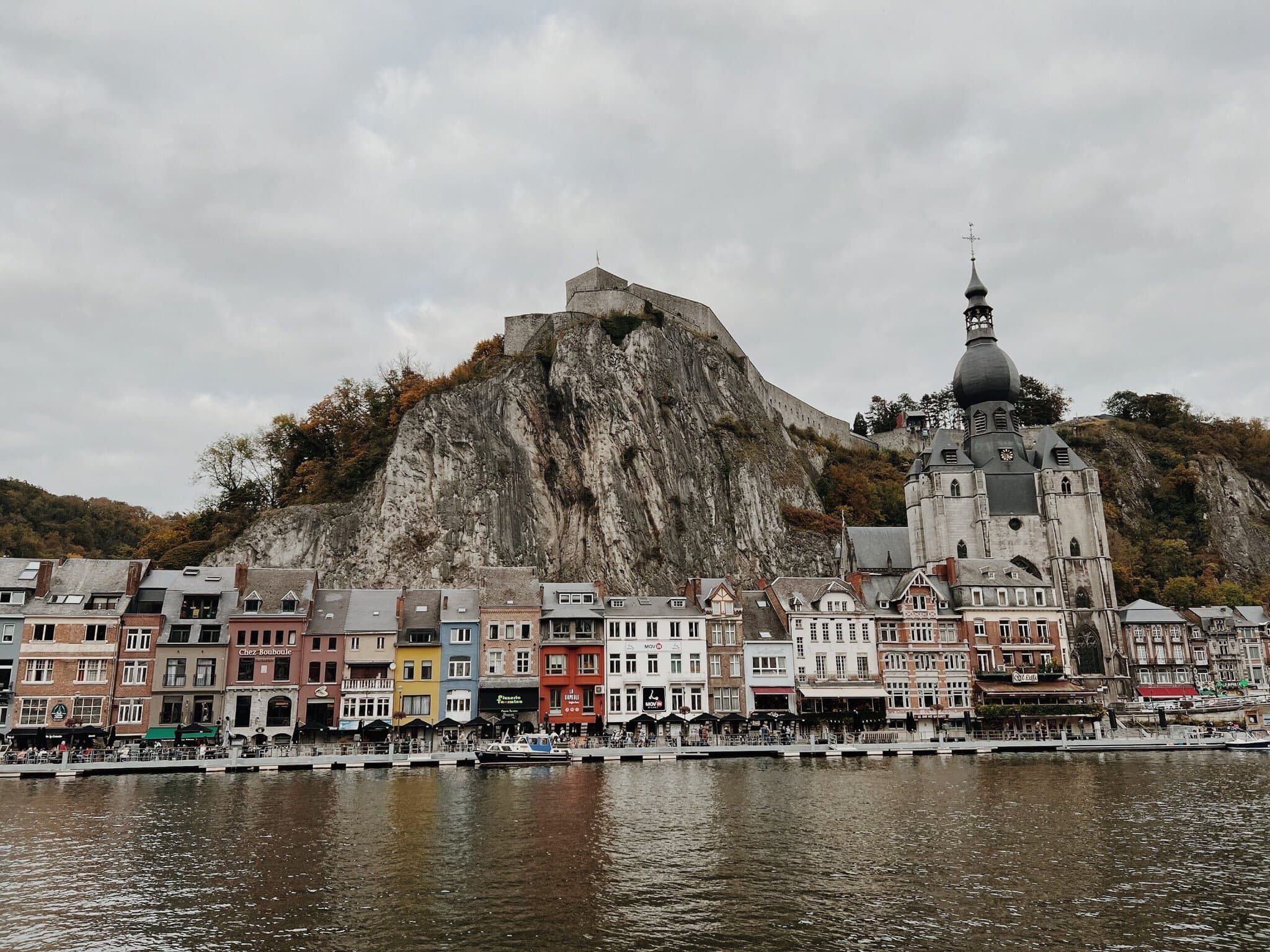
Dinant is, without exaggeration, one of the most photogenic towns in the whole country, incredibly tightly squeezed between the River Meuse and steep limestone cliffs. On arrival you’ll be blown away by the sight of the iconic Notre-Dame church with its typical onion-shaped tower, above which, at a height of 100 metres, looms an impregnable citadel you reach either by cable car or up 408 steep steps.
The town is also famous as the birthplace of Adolphe Sax, the ingenious inventor of the saxophone, and his legacy can be felt at every turn. The bridge over the river is lined with huge colourful saxophone sculptures, and you can also visit a small but very interesting museum dedicated to his life and work.
9. Spa: The Town That Gave the World a Name
The little town of Spa, nestled in the wooded hills of the Ardennes, has such a famous history that its name gave rise to the English word for a health resort. As early as the 18th century, European high society, including Russian Tsar Peter the Great, came here to relax and take advantage of the healing effects of the local iron-rich springs.
Today you can enjoy modern thermal complexes here that offer the perfect relaxation after a demanding trip. But the town is also known for a completely different reason, because just outside it lies the legendary Spa-Francorchamps racing circuit, one of the most beautiful and most challenging tracks on the Formula 1 calendar.
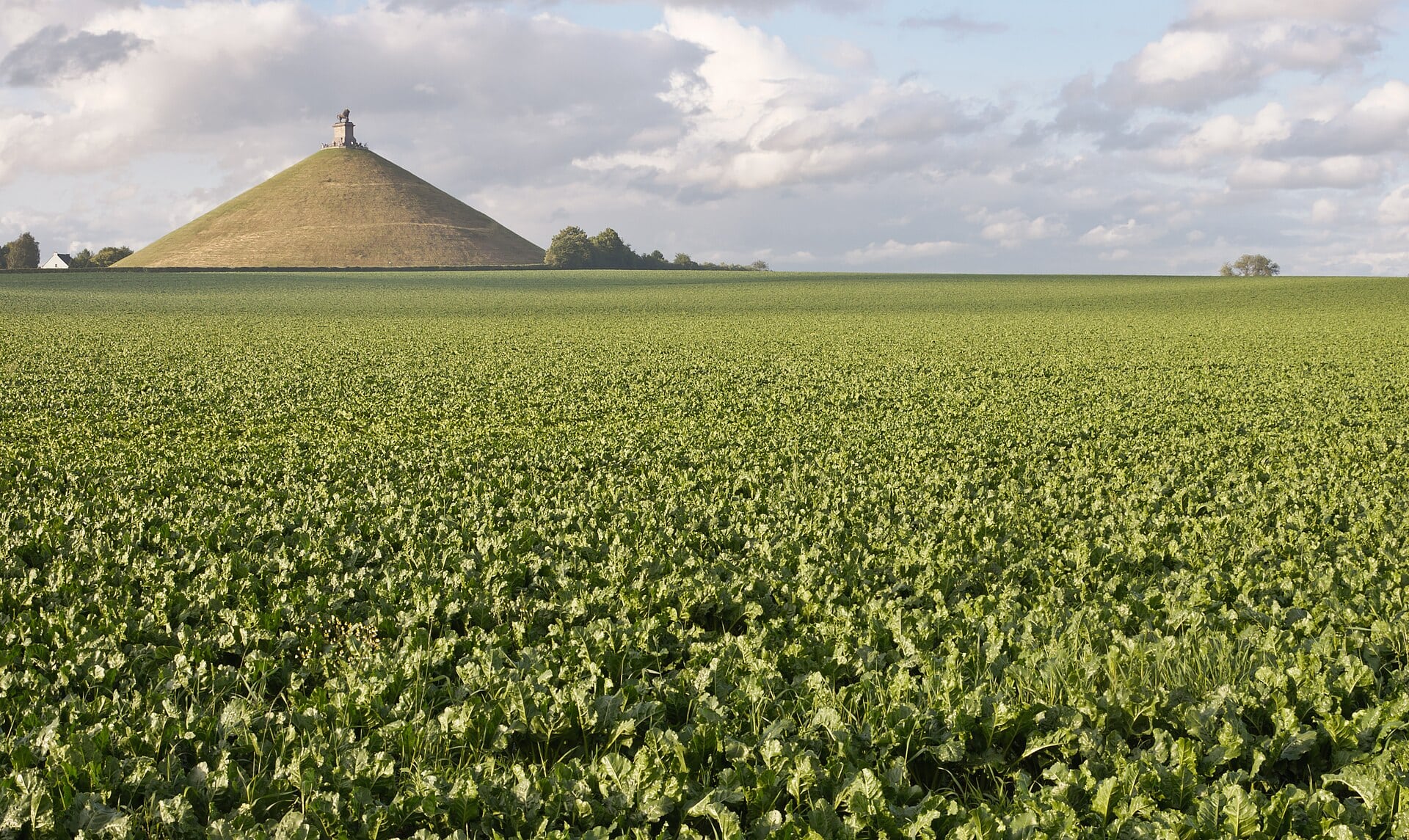
10. Waterloo: Where Napoleon Fell
Just south of Brussels lies a place that forever changed the map of Europe, because it was here in 1815 that the famous Battle of Waterloo took place. Today this historic battlefield is dominated by the so-called Lion’s Mound, an artificially raised hill, with 226 steps leading to its top, from where you can see the entire former battlefield laid out before you.
Right beneath the mound sits the modern underground Memorial 1815 museum, which uses cutting-edge interactive technology and a panoramic screen to draw you completely into the heat of battle. It’s a fascinating stop for all history lovers that’ll take you about half a day.
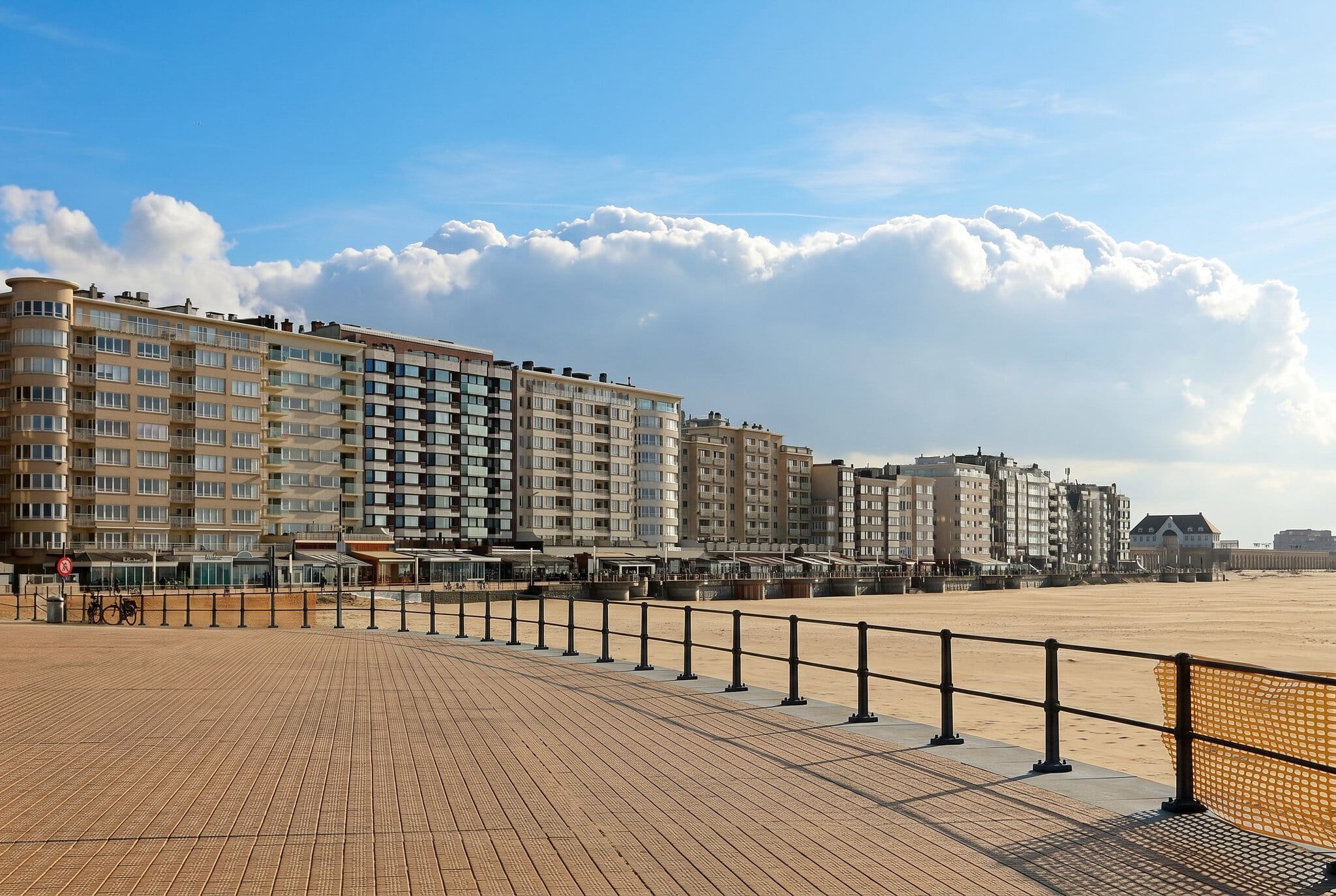
11. Ostend and the Coastal Tram
Belgium may have only 67 kilometres of North Sea coastline, but it’s made absolutely perfect use of it. The main seaside resort is the town of Ostend, which offers wide sandy beaches and a long seafront promenade, lined with plenty of restaurants and galleries.
A true world first, though, is the Kusttram coastal tram, which with its 68 stops is the longest tram line in the world. This line connects all the resorts from the Dutch to the French border, and riding it with a view of the roaring sea is a truly extraordinary experience.
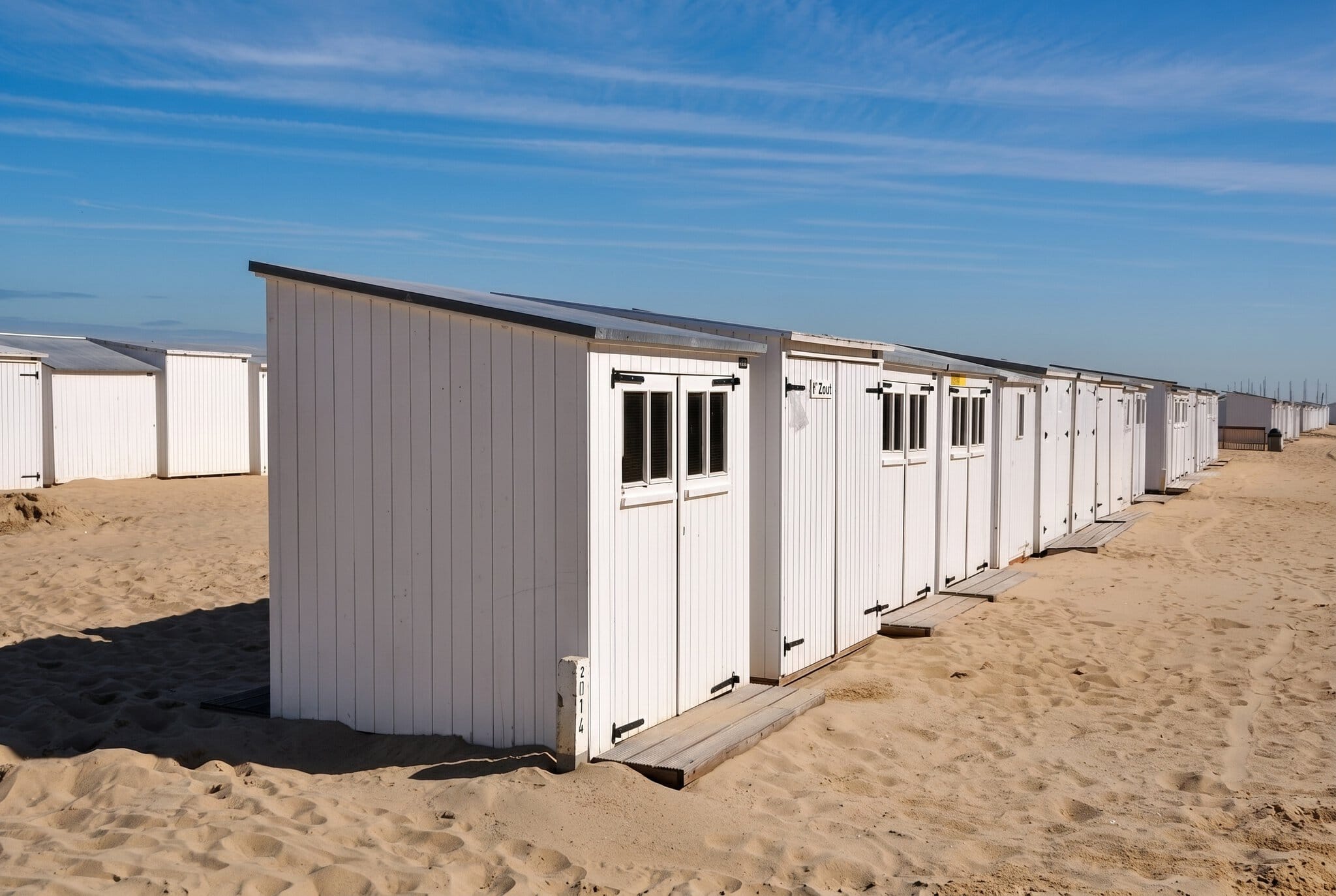
12. Knokke: The Coast’s Luxurious Face
If you’re after a slightly more elegant atmosphere, head to the resort of Knokke-Heist, located at the very north near the border with the Netherlands. This place is known as the Belgian Saint-Tropez and offers luxury boutiques, top-notch galleries and gorgeous villas hidden among the sand dunes.
Besides shopping and relaxing on the beach, you’ll also find the Zwin nature reserve here, a breathtaking area of salt marshes that serves as an important refuge for thousands of migratory birds and offers beautiful trails for peaceful walks in nature.
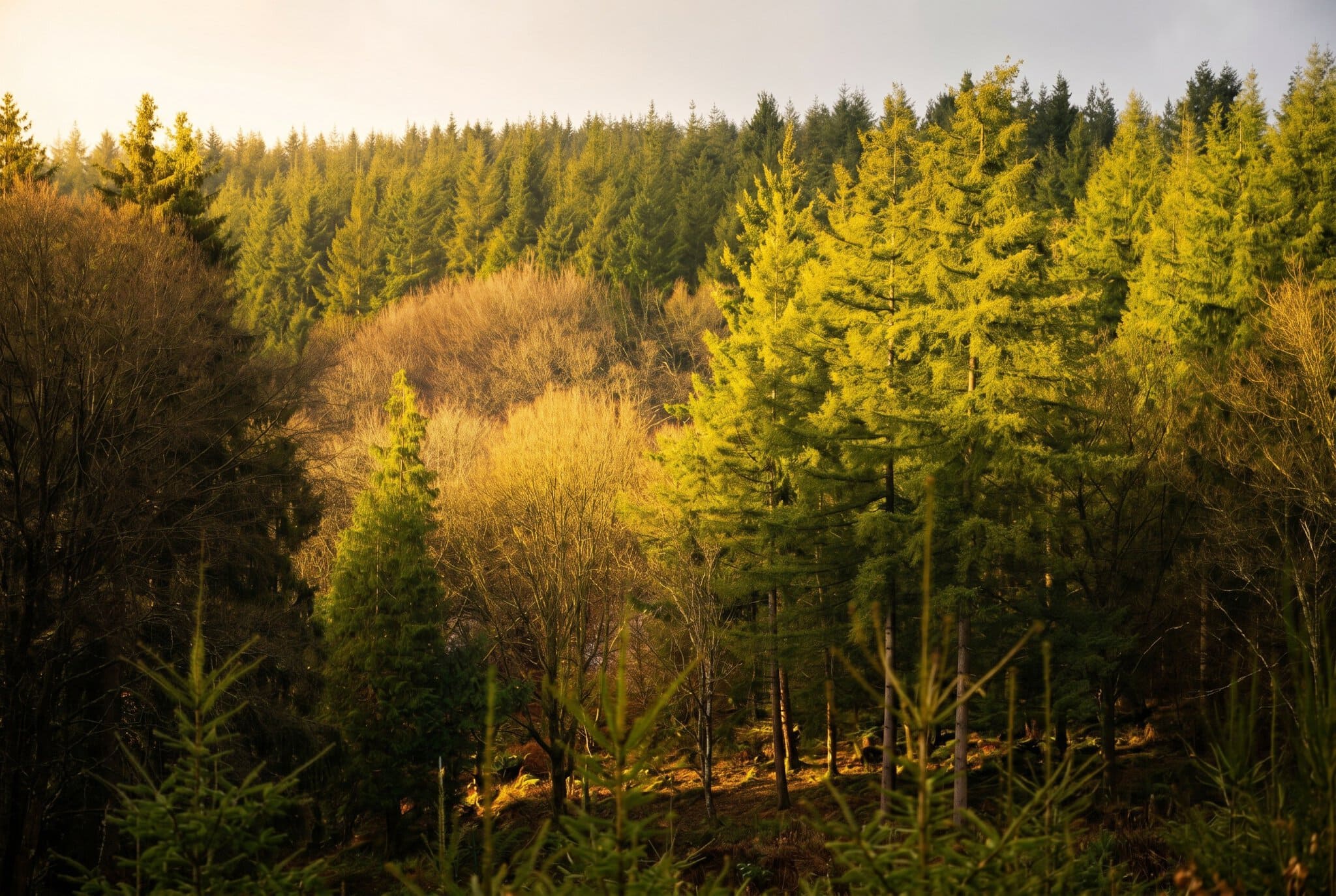
13. The Ardennes: The Country’s Green Heart
While the north of Belgium is completely flat, the southern Ardennes region offers gorgeously wooded hills, deep river valleys and wilder scenery. An ideal starting point is the town of La Roche-en-Ardenne with its romantic castle ruins, a hub for outdoor activities from hiking to kayaking down the river.
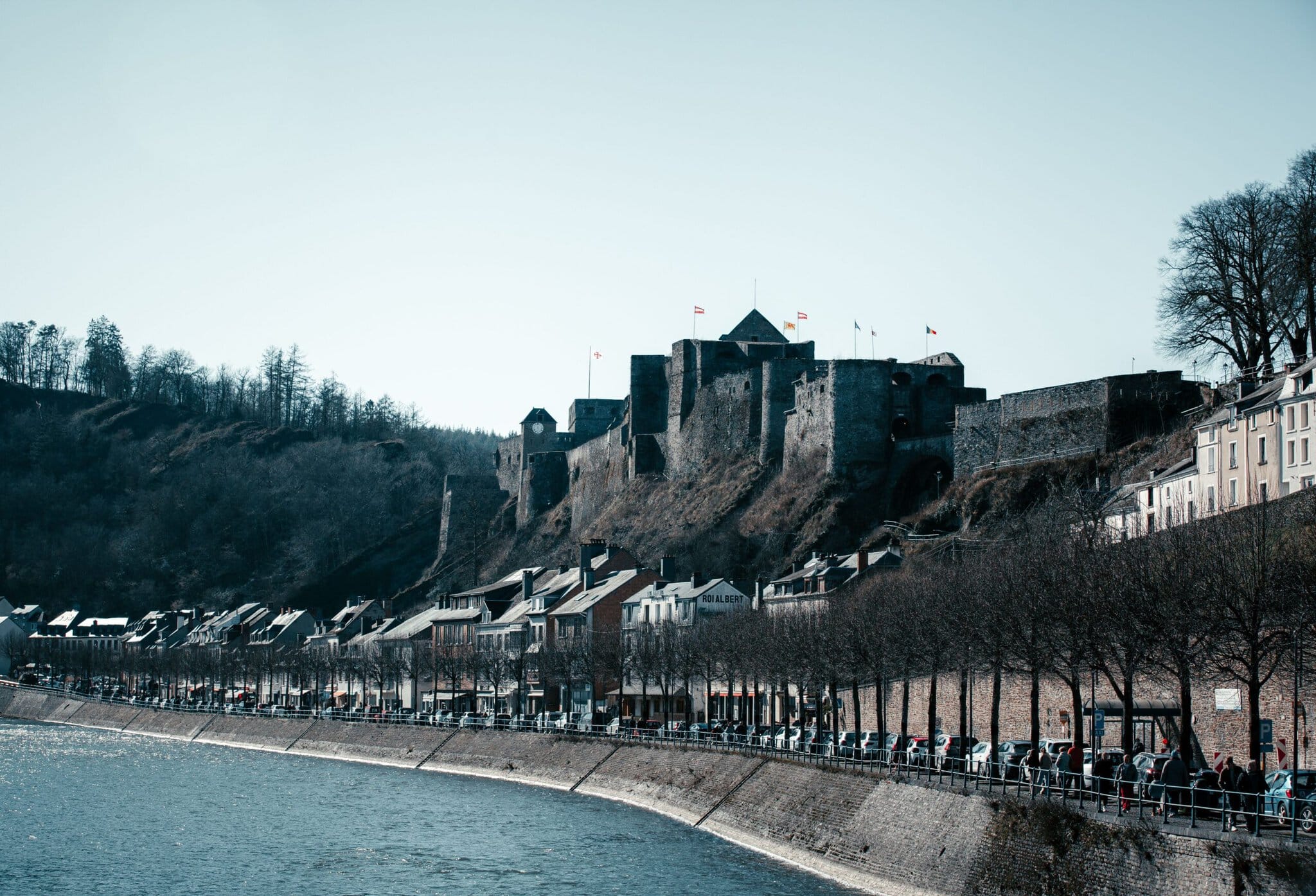
Definitely don’t miss the town of Bouillon with its imposing medieval castle, which belonged to the famous crusader Godfrey of Bouillon. If you’re looking for real wilderness, set off to the Hautes Fagnes area, where you’ll find fascinating, rugged peat bogs that resemble the Scottish Highlands more than central Europe.
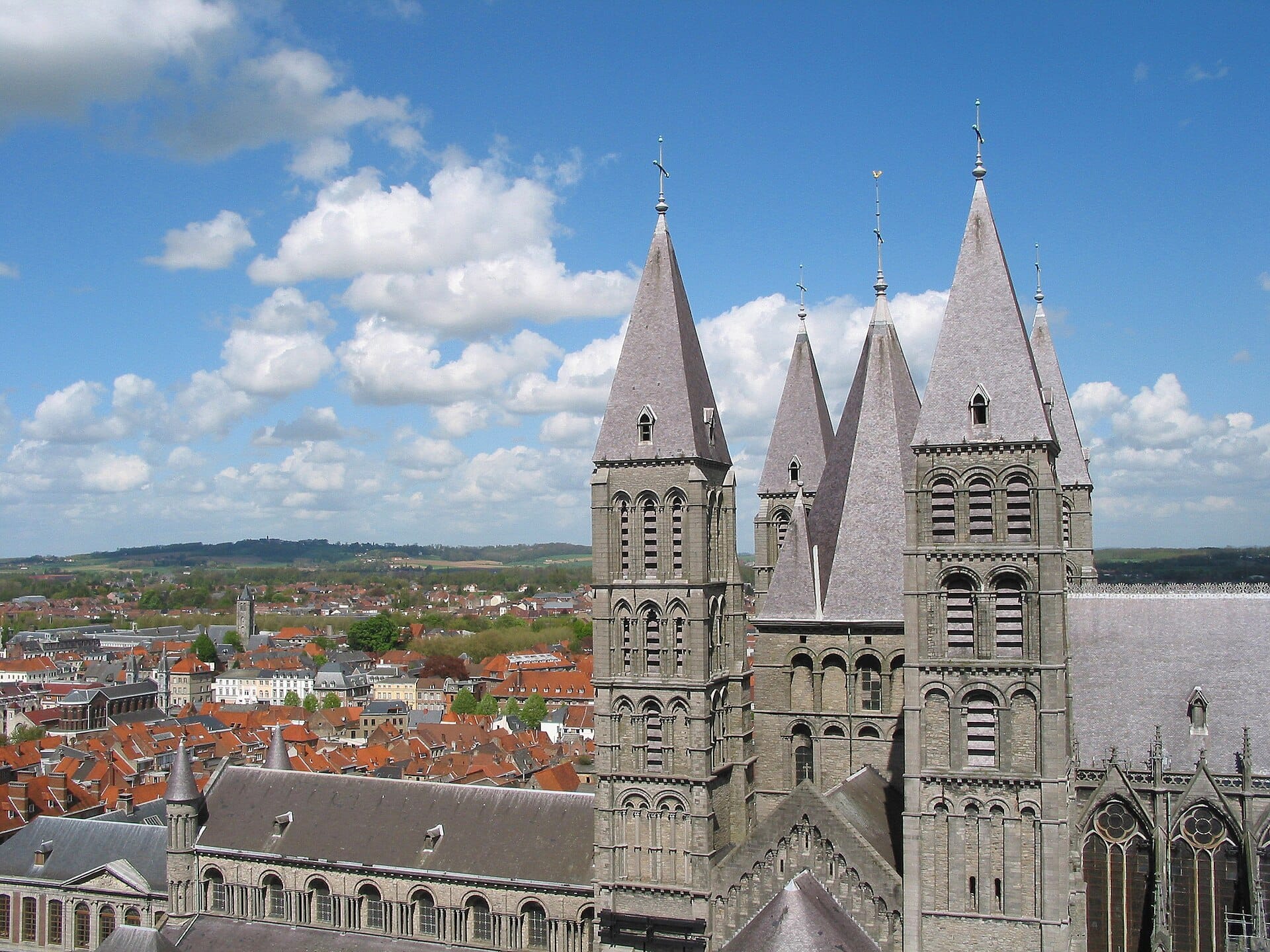
14. Tournai: A Double Dose of UNESCO
At the very west of Wallonia, near the French border, lies Tournai, one of the oldest towns in the country with an incredibly rich history. The town boasts two UNESCO World Heritage sites, the most striking of which is the Cathedral of Notre-Dame with its five distinctive towers, representing a unique transition between the Romanesque and Gothic styles.
The second major landmark is the local belfry dating all the way back to 1188, the oldest in all of Belgium. Tournai is off the main tourist track, so you can enjoy its beautiful cobbled squares and ancient lanes without being squeezed into the crowds.
15. How to Get to Belgium from the UK
For a city break from the UK, you’re spoilt for choice. The most scenic option is the Eurostar train from London St Pancras straight to Brussels-Midi in just under two hours — no airport hassle, and you arrive right in the heart of the city. From there, all of Belgium’s cities are just a short local train ride away.
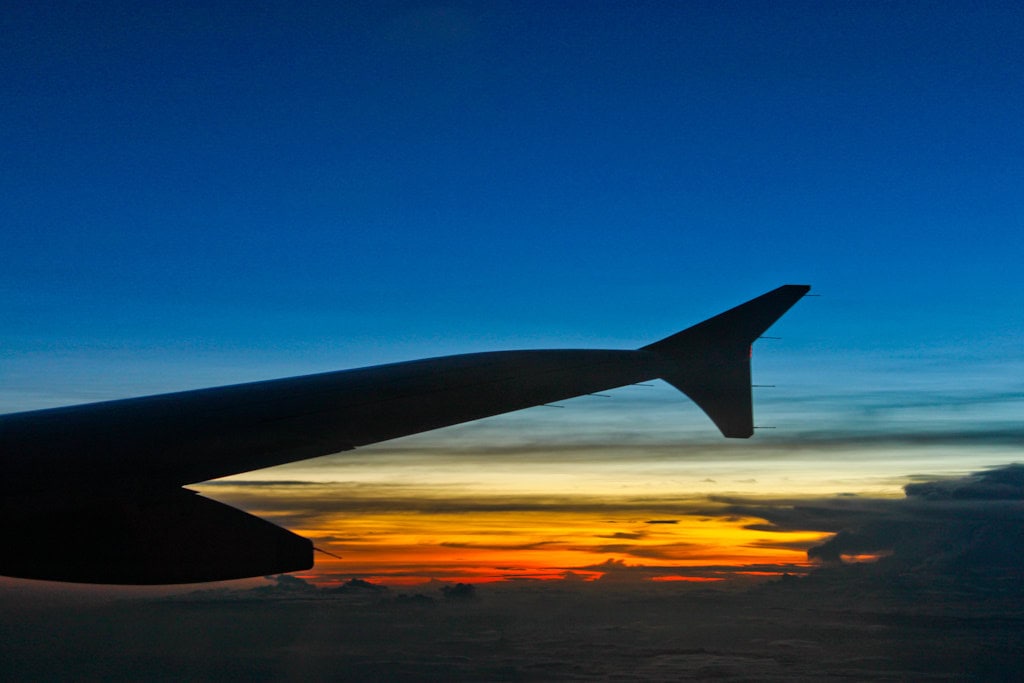
If you prefer to fly, plenty of direct flights connect the UK with Brussels Airport (BRU) in Zaventem — British Airways and Brussels Airlines serve it from London Heathrow, from where a train whisks you into the centre of Brussels in just 17 minutes (a ticket costs just under 10 euros). Budget carriers such as Ryanair and easyJet also fly from London, Manchester and other UK airports to Charleroi (CRL), around 50 kilometres south of Brussels. 💡 Tip: Fares to Charleroi tend to be cheaper, but always add roughly 15 to 20 euros for the Flibco shuttle bus and another hour of travel time to reach the centre, so flying into the main airport often works out much better value.
16. Getting Around Belgium by Train
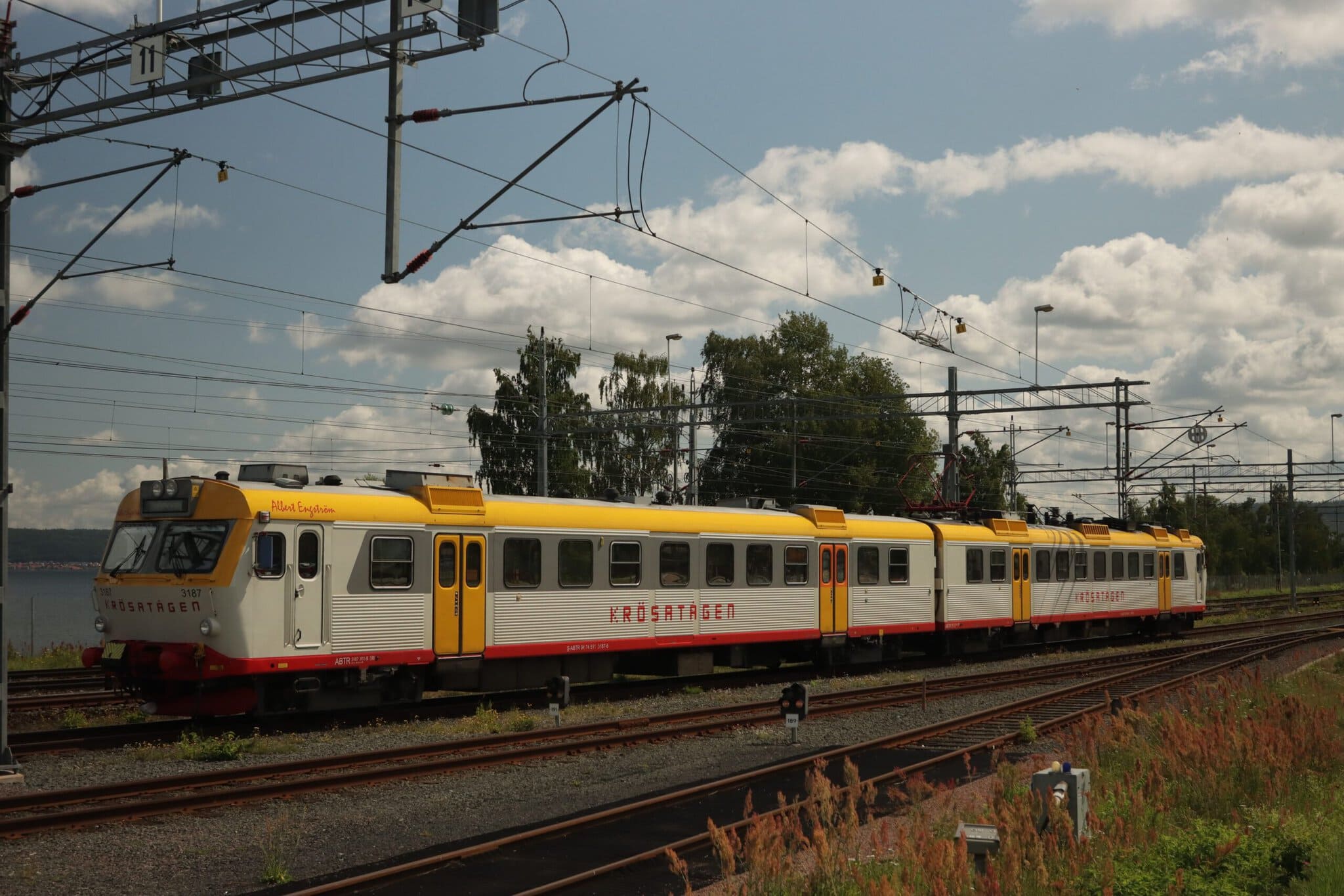
Belgium has one of the densest rail networks in Europe, and the national carrier SNCB (NMBS in Dutch) runs really well, so you can happily leave the car at home. Distances are minimal — from Brussels you’re in Leuven in 15 minutes, in Ghent in 30 minutes and in Bruges in about an hour, which makes the country a paradise for day trips.
Tickets have a fixed price and aren’t tied to a specific time, so you can board any train that day. A standard ticket from Brussels to Bruges comes to around 17.60 euros. 💡 Tip: If you’re travelling on a Friday evening or over the weekend, always buy the so-called Weekend ticket, which automatically gives you a 30 percent discount on the return journey (so you’ll get to Bruges for around 12.30 euros). The once-popular Standard Multi ticket for 10 journeys was scrapped in autumn 2025, so don’t rely on it in older guides anymore.
17. Belgian Cuisine (Not Only) for Vegetarians
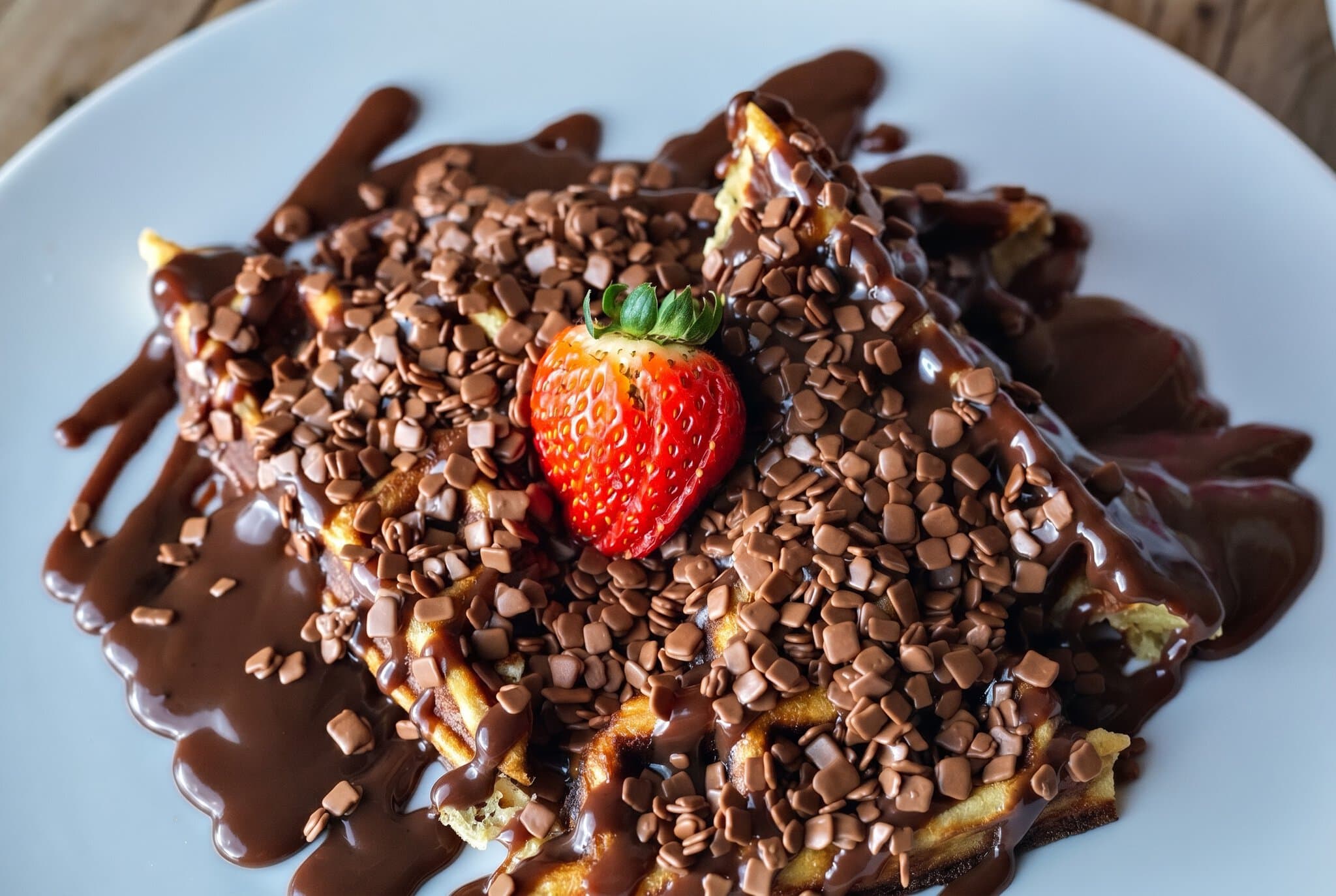
Belgian cuisine is renowned all over the world and, for vegetarians, it’s an absolute paradise full of sweets and quality beer. You absolutely have to try real Belgian pralines, a concept invented by Jean Neuhaus back in 1912, and stop by famous chocolatiers like Godiva or Leonidas. On your walks you’ll come across waffle stalls, where you can choose between the light rectangular Brussels waffle and the denser Liège waffle, which contains caramelised sugar crystals.
The greatest culinary pride is of course Belgian chips, but vegetarians need to be very careful, because traditionally they’re fried twice in beef fat, so always ask the staff whether they use vegetable oil. The absolute top choice for meat-free dining is the city of Ghent, a proud vegetarian capital that introduced the so-called Thursday Veggiedag back in 2009, so you’ll find excellent plant-based restaurants on every corner here. The locals do love meaty specialities such as mussels and chips (moules-frites) or beef stewed in beer, but trust me, you won’t miss out on great food even without meat. You can wash it all down with one of the 1,500 kinds of Belgian beer, the best of which are brewed by monks in Trappist monasteries.
18. Recommended Itineraries
If you’ve only got a standard weekend (2 to 3 days), don’t stress about trying to see everything and focus solely on the combination of Brussels and romantic Bruges. This gives you a perfect overview of the capital while enjoying the most famous historic classic, with train journeys taking up minimal time.
On a 4- to 5-day trip you can nicely expand your plan and add youthful Ghent and architecturally stunning Antwerp to Brussels and Bruges. If you’re lucky enough to be heading off for a whole week, don’t hesitate to throw in shorter trips to Leuven or Mechelen and clear your head down on the North Sea coast, or in the wooded hills of the south.
Where to Go Next from Belgium
- Brussels: 19 Things to Do and See
- Bruges: 16 Things to Do and See
- Ghent: 16 Things to Do and See
- The Best Christmas Markets in Europe
Frequently Asked Questions
How to get around Belgium best?
The best and most reliable choice are definitely the trains of the national company SNCB. The network is incredibly dense, connections run frequently, and they’ll take you directly to the historic city centers without any problems, so a car would be more of a burden.
How many days do I need to visit Belgium?
For a basic tour of the main highlights, 3 to 4 days will be enough to cover Brussels, Bruges, and Ghent. If you want to see Antwerp, Leuven, and head to the coast as well, ideally set aside a full week.
Is it better to stay in Brussels, or in smaller towns?
Brussels is great as a central base thanks to excellent train connections in all directions and a wide range of hotels. Smaller towns like Ghent or Bruges, however, offer a more authentic and peaceful evening atmosphere once the day-trippers have left.
What to watch out for when eating if I don’t eat meat?
Belgium is very vegetarian-friendly, but be extremely careful with traditional Belgian fries. In most classic stalls, they’re still fried in beef tallow, so always ask if they have a version made with vegetable oil.
What’s the difference between Belgian waffles?
In the streets you’ll come across two basic types of waffles. The Brussels waffle is rectangular, light, fluffy, and is usually served with whipped cream and fruit. The Liège waffle, on the other hand, is smaller, denser, rounded, and contains bits of caramelized sugar.
When is the best time to visit?
The ideal time to visit is from May to September when it’s warmest, with September offering fewer tourists and stable weather. In winter, the cities come alive with magnificent Christmas markets. Keep in mind, though, that it rains quite often in Belgium throughout the year.
Which airport should I choose for travel from the Czech Republic?
The main Brussels-Zaventem Airport (BRU) is much more convenient, located close to the city and you’ll reach the centre by train in 17 minutes. Charleroi Airport (CRL), where budget airlines fly to, is 50 kilometres away and the journey to Brussels by bus takes about an hour.
What is a Weekend ticket?
This is a special train ticket that’s valid from Friday evening through Sunday night and offers a 30% discount on round trips anywhere in Belgium. It’s the best way to save money on weekend getaways between cities.
Tips and Tricks for Your Vacation
Don’t Overpay for Flights
Search for flights on Kayak. It’s our favorite search engine because it scans the websites of all airlines and always finds the cheapest connection.
Book Your Accommodation Smartly
The best experiences we’ve had when looking for accommodation (from Alaska to Morocco) are with Booking.com, where hotels, apartments, and entire houses are usually the cheapest and most widely available.
Don’t Forget Travel Insurance
Good travel insurance will protect you against illness, accidents, theft, or flight cancellations. We’ve had a few hospital visits abroad, so we know how important it is to have proper insurance arranged.
Where we insure ourselves: SafetyWing (simple monthly subscription) and TrueTraveller (for extra-long trips).
Find the Best Experiences
Get Your Guide is a huge online marketplace where you can book guided walks, trips, skip-the-line tickets, tours, and much more. We always find some extra fun there!