

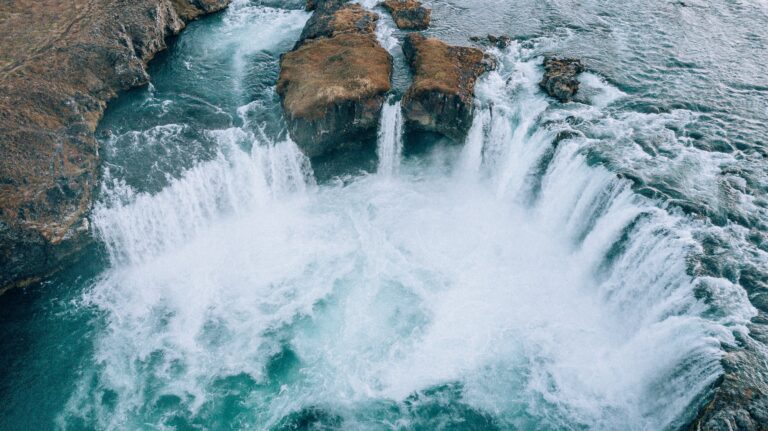
Iceland is the stuff of dreams – waterfalls tumbling off mossy cliffs, glaciers, volcanoes, and the northern lights dancing overhead in winter. But right behind the dream come the practical questions: how much will all this cost, when is the best time to go, and should you book a package tour or do it yourself behind the wheel?
We’ve pulled it all together here so you don’t have to dig through ten different websites. You’ll find up-to-date tour and flight prices that we refresh every morning, our own tips from the road and our articles, and above all a plan for when and what to book so you don’t end up overpaying.

What to see and do in Iceland
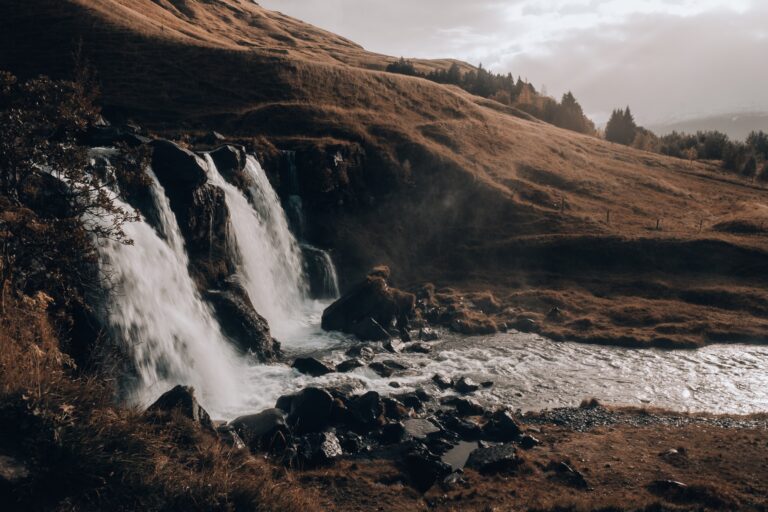
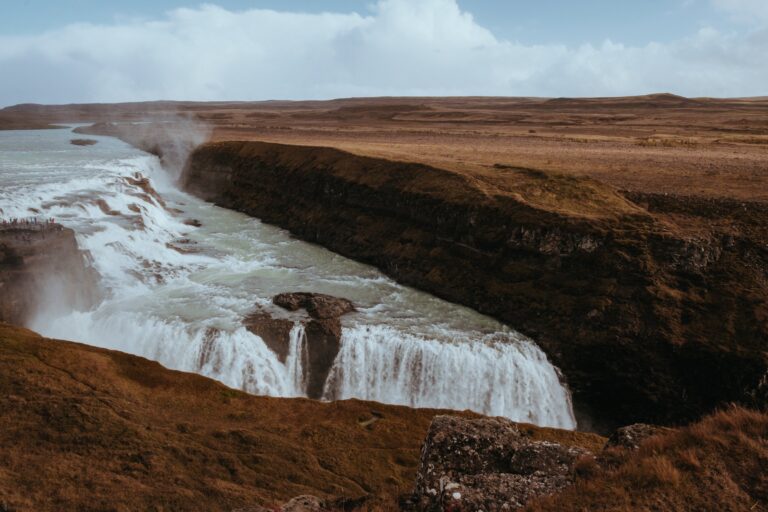
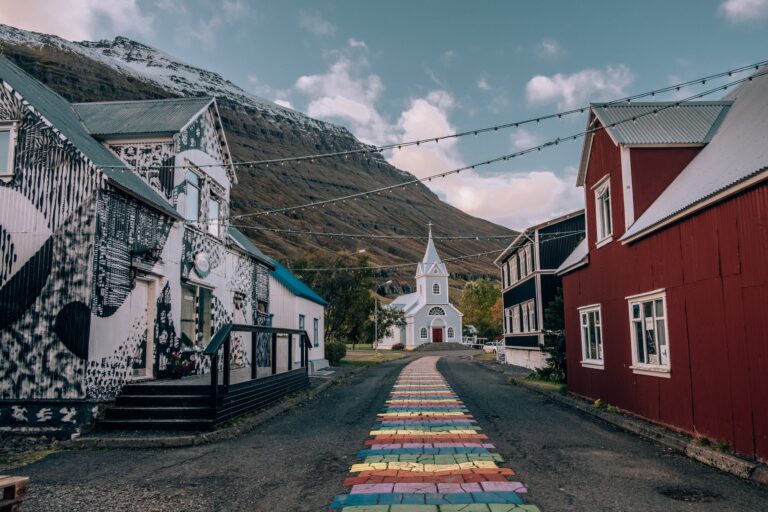
You can loop right around Iceland on the Ring Road, and every corner of the island has its own character. If you’re short on time, at least take in the Golden Circle – the Strokkur geyser, Gullfoss waterfall, and the continental rift at Þingvellir are all doable in a day from Reykjavík.
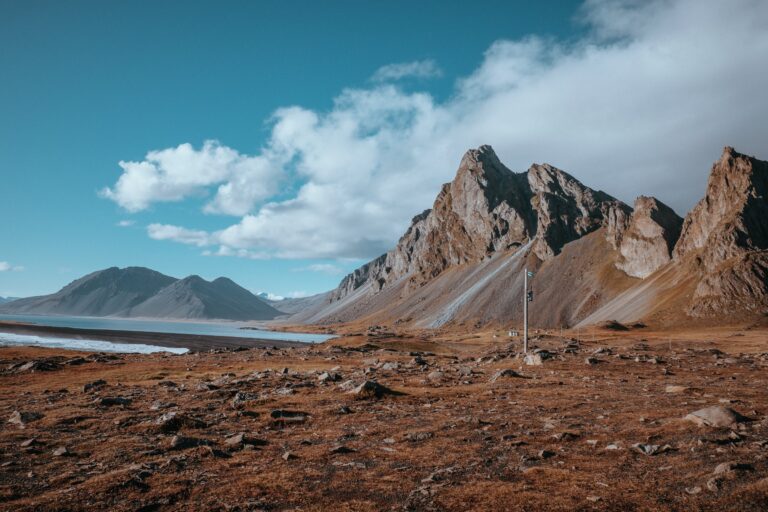
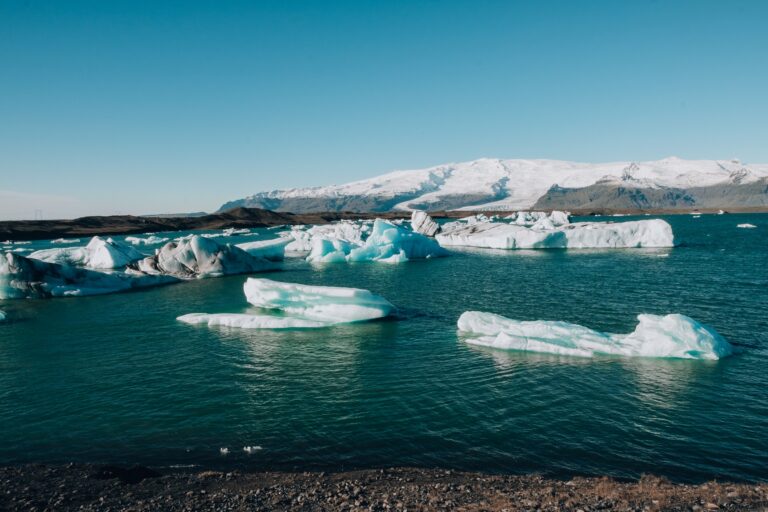
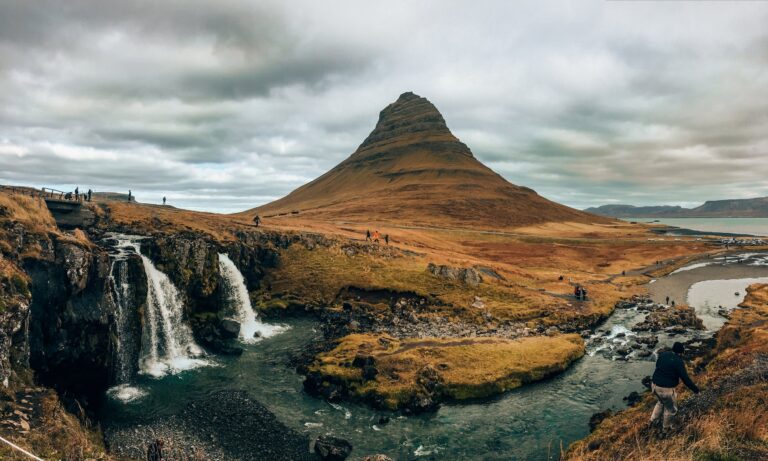
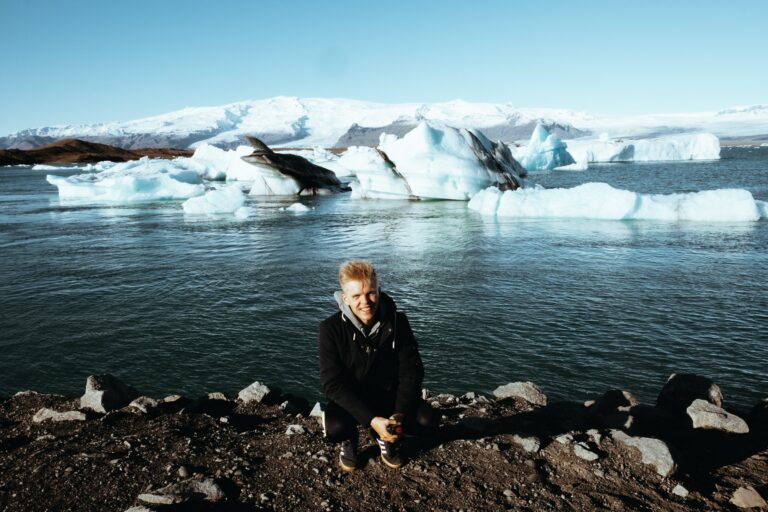
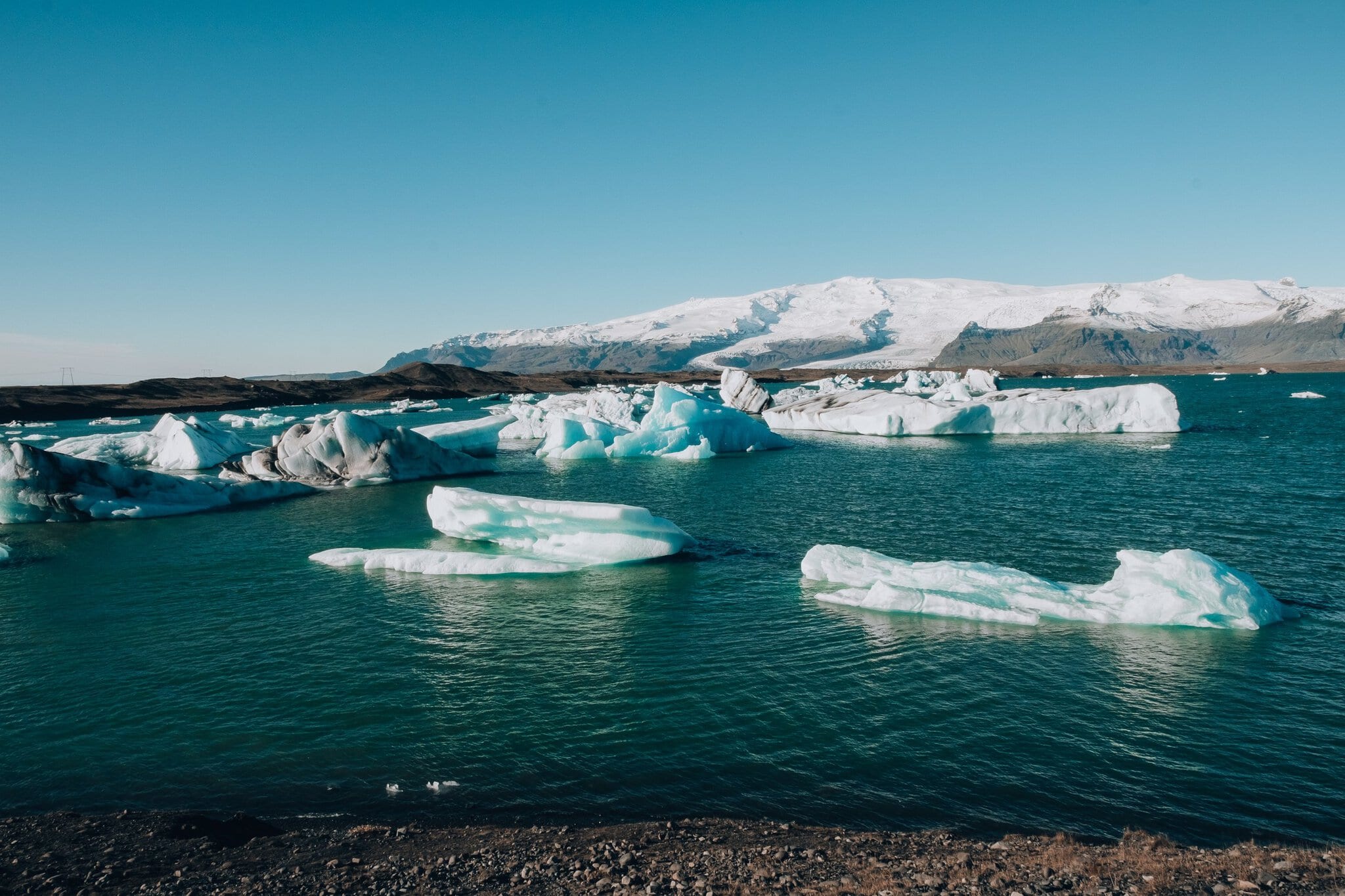
An absolute classic is the south coast with the Seljalandsfoss and Skógafoss waterfalls and the black-sand beach at Reynisfjara, which leads on to the Jökulsárlón lagoon with its floating icebergs and the glittering Diamond Beach. If you love wild places, you’ll fall for the Snæfellsnes peninsula and the remote Westfjords and Eastfjords.
- The rugged, less touristy north of Iceland and the Diamond Circle, with Dettifoss waterfall and Lake Mývatn.
- The lively scene of Reykjavík – cafés, museums, and the starting point for most trips.
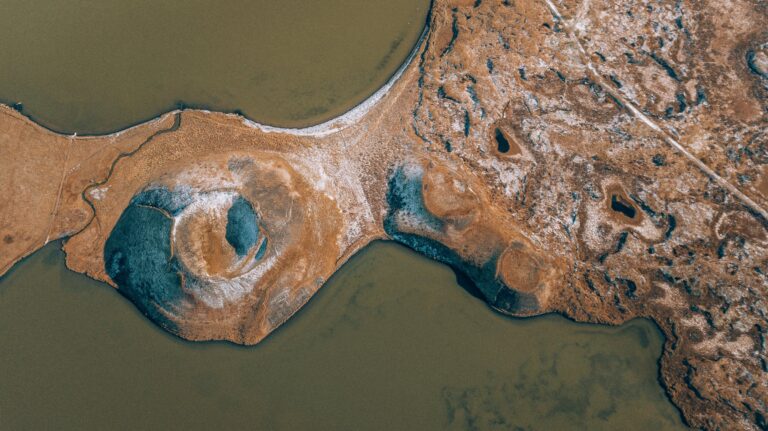
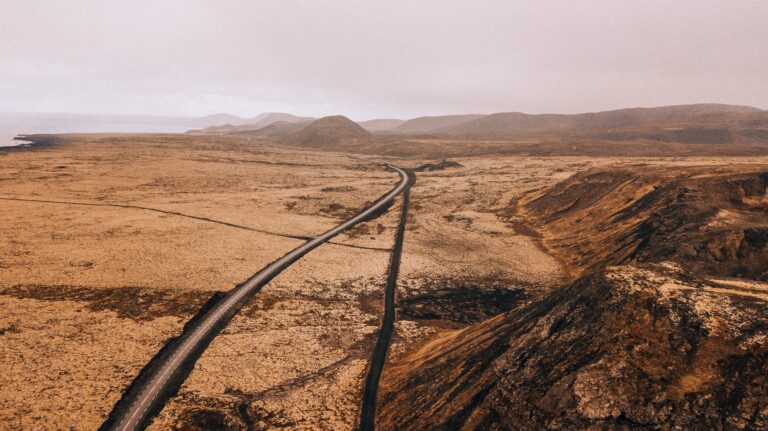
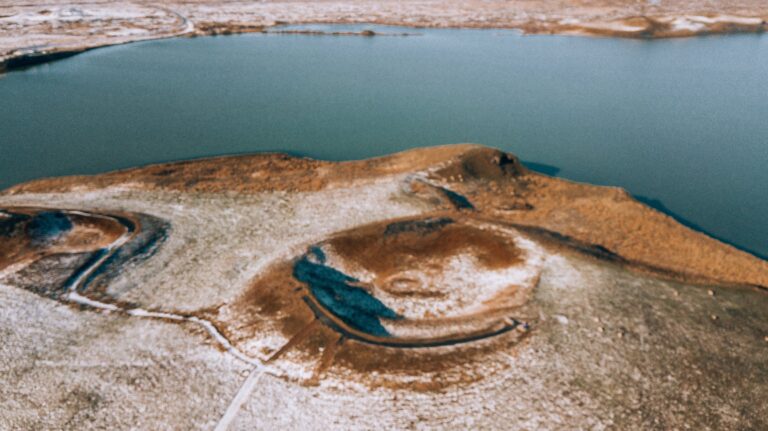
- Fresh lava and craters on the Reykjanes peninsula, just a short hop from the airport.
- A soak in the hot springs – from the Blue Lagoon to wild, free-of-charge streams.
- Plenty of inspiration in our round-up of the 20 most beautiful places in Iceland.
When to visit Iceland
You can visit Iceland year-round – you’ll just see a different island each time. Summer (June–August) brings long days, near-permanent daylight, an accessible interior (the F mountain roads), and the best conditions for trekking and driving the whole Ring Road. It’s also the priciest and busiest season.
For the northern lights, September to March is ideal, when the nights are long and dark. Winter offers ice caves and a quieter atmosphere, but expect shorter days, snow, and a closed interior. Plenty of people opt for the shoulder months – October strikes a lovely balance between price, weather, and your chances of catching the aurora.
Before you settle on dates, browse our month-by-month weather guide, and if autumn tempts you, we’ve also written a separate piece on what Iceland is like in October and what it costs.
If you should bring home a handful of unforgettable experiences from Iceland, it’s these. They come from places we’ve travelled ourselves and written up in our articles.
- A cruise among the icebergs on the lagoon – Jökulsárlón and a walk along Diamond Beach, see the glaciers of the southeast.
- Hunting the northern lights – from September to March, ideally away from city lights.
- A soak in a hot spring under the open sky – our pick of the 16 best hot springs.
- A glacier hike or an ice cave – only with a certified guide.
- Whale watching from Reykjavík or the north (Húsavík).
- A walk by fresh lava on Reykjanes when the volcano is active.
How to get to Iceland
The easiest way is by air. From Czechia you’ll usually fly to Iceland with one connection via a European hub (typically Frankfurt, Munich, Amsterdam, or Copenhagen), and in season there are occasional direct seasonal flights from nearby countries. Your destination is Keflavík International Airport just outside Reykjavík, and the total journey from Czechia takes roughly 5–8 hours depending on the connection.
Driving or taking a ferry from Czechia is essentially a non-starter – the Smyril Line ferry from Denmark via the Faroe Islands mainly suits those who want to bring their own car to Iceland and don’t mind a multi-day crossing. For the vast majority of travellers, it makes sense to fly into Keflavík and rent a car on the spot. We recommend tracking flights in our search tool.
Renting a car
A car almost always pays off in Iceland if you want to drive around the island and stop wherever you fancy – public transport outside the towns barely exists. You can manage without a car only in Reykjavík, where organised tours can take you everywhere. For the interior and the F mountain roads you’ll need a 4×4, while an ordinary car is fine for the loop around the island.
- Book ahead through a rental comparison site – on the spot the choice is smaller and prices higher, especially in summer.
- Watch out for insurance against sand, ash, and gravel (gravel/sand & ash) – in Iceland these damages are a real concern.
- Keep an eye on the deposit blocked on your card and the conditions for returning the car with a full tank.
- Factor in paid tunnels and ferries (e.g. to Vestmannaeyjar) and never drive off-road.
We cover everything step by step – from picking your vehicle to stress-free driving – in our guide to renting a car in Iceland.
Where to stay in Iceland
Where to stay depends mostly on your travel style. If you’re looping around the island, it pays to move on a little further along the route each night so you’re not clocking up needless miles. If you’re staying a few days without a car, the most practical base is Reykjavík, where day trips set off from.
- Reykjavík – the biggest choice of hotels, hostels, and apartments, and a great base for the Golden Circle and day trips.
- Guesthouses and farms across the island – personal, often with a kitchenette, perfect for a road trip.
- Campsites and campervans – the cheapest option in summer and maximum freedom; usually closed off-season.
- Stays in the south (Vík, Höfn) – strategically placed for the waterfalls, Jökulsárlón, and glaciers.
You’ll find specific, tried-and-tested tips by region in our 14-day itinerary with accommodation. In high season, don’t hesitate to book even a few months ahead – good spots are scarce and vanish fast.
Package tour or independent travel?
You can tackle Iceland either way – it comes down to how much time and energy you want to put into planning.
A package tour pays off when…
- you want your flight, accommodation, and itinerary sorted in a single click;
- you’re going for a shorter stay (3–5 days) and want to see the highlights;
- you’d rather not drive in tough weather or juggle bookings;
- you’re tempted by prices from 10 400 kr and discounts of up to −60% in a sale.
Go it alone when…
- you want to loop the whole island at your own pace;
- you enjoy planning the route and hunting down hidden spots;
- you’re travelling longer (10+ days) and want the flexibility;
- you’re happy to handle the car, accommodation, and weather yourself.
The two of us love a self-drive road trip best – nothing beats that feeling of freedom behind the wheel. But for a first short taste of Iceland, or when you’d rather not deal with anything, a package tour is a perfectly good choice. If you’re torn, start with our 14-day itinerary and compare it with the current tours below.
Budget: daily costs in Iceland
Iceland is one of Europe’s most expensive destinations – expect Scandinavian-level prices. The daily per-person budget below is a rough guide and doesn’t include your flight or the car rental cost spread across the trip.
| Level | Accommodation | Food | Transport & activities | Total/day |
|---|---|---|---|---|
| Backpacker | 4 700 kr–8 200 kr (hostel/camp) | 2 900 kr–5 300 kr (self-catering, supermarket) | 4 100 kr–7 100 kr (shared car, free nature) | approx. 11 800 kr–20 600 kr |
| Standard | 11 800 kr–20 600 kr (guesthouse) | 7 100 kr–11 800 kr (lunch out, cooking in the evening) | 8 800 kr–14 700 kr (own car, a few attractions) | approx. 27 600 kr–47 100 kr |
| Comfort | 23 500 kr–41 200 kr (hotel) | 14 700 kr–23 500 kr (restaurants) | 17 600 kr–29 400 kr (tours, spas, guided hikes) | approx. 55 900 kr–94 100 kr |
The biggest expenses are accommodation and food — cooking with your own supplies can cut your food costs in half. We break down day-by-day budgets in detail in our complete guide to Iceland.
How to save when planning
- Buy flights 2–4 months ahead and stay flexible on dates – shifting your trip by a few days can save you thousands. Search for flights in our tool.
- Tours work on both early-bird and last-minute deals – for summer it pays to book early, while for the shoulder season the odd bargain leftover pops up. Check out the current tours on this page.
- Book in-season accommodation well ahead, as good, reasonably priced spots are few and far between. You’ll find our accommodation tips above.
- The biggest overspends are restaurant food and petrol – self-cater and fill up near the larger towns.
- Book popular activities (ice caves, glaciers, whale watching) in advance, as on the day they tend to be sold out and pricier. We show what to book early in the what to book ahead section.
Practical information
- Language: Icelandic, but you’ll get by in English absolutely everywhere – Icelanders speak it brilliantly.
- Payments: Iceland is virtually cashless; you can pay by card even at the tiniest petrol station or campsite. You’ll barely need any cash.
- Connectivity: coverage is good even outside the towns; grab an eSIM before you fly out so you have data for navigation and weather the moment you land.
- Safety: crime is minimal – the main risk is the weather and nature, so check the forecasts and vegagerdin/safetravel.is before every trip.
Be ready for sudden weather changes even in summer – layer up, carry a waterproof jacket, and never open your car door into the wind (it can rip it right off). The tap water is excellent, so there’s no need to buy bottled. You’ll find more tips in our complete guide.


