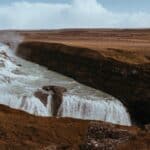
When you first step off the plane at Keflavík Airport, the cold, raw ocean wind will probably hit you square in the face. It smells of salt, distant sulphur and uncompromising wilderness, reminding you in that very first second that here, nature is in charge — not people. Booking flights to Iceland is the first step towards one of the most otherworldly trips you can take in Europe.
Lukáš and I set off for this magical island at the turn of September and October 2018, and I still remember how, right after landing, I was mesmerised by that endless, untamed emptiness that simply forces you to reconsider your own significance.
Searching for flights back then was a small nudge towards what felt like the trip of a lifetime, because Iceland isn’t just another holiday destination — it’s more like a different world altogether.
In this article you’ll find a complete guide to flights to Iceland: where it’s best to fly from, and what to watch out for in 2026.
I’ll show you where to find the best connections, explain the differences between the local airports, and throw in practical advice on car hire, current prices and accommodation, so you can enjoy the land of fire and ice to the max and without any unnecessary stress.
TL;DR
- Direct flights from the UK: In peak season, easyJet, Jet2, British Airways and Icelandair all fly direct from London and other UK cities. The flight takes roughly 3 hours.
- Flights with a connection: Off-season you may need to connect (often via Amsterdam, Copenhagen or Frankfurt), with return fares commonly running from £100 to £180.
- Collapse of PLAY Airlines: The budget carrier PLAY went bust in September 2025 — you’ll still see it mentioned in old guides, but you can no longer book tickets with them.
- Icelandair Stopover: If you fly Icelandair onward to North America, you can add a free stopover in Iceland for up to 7 days.
- Airport: International flights land at Keflavík (KEF), not in Reykjavík itself. The capital is about 45 minutes away by Flybus coach.
- Flight search: For the cheapest fares and trickier connections, we’ve long relied on the Skyscanner and Kiwi search engines.
- Prices and taxes 2026: A new per-kilometre tax on hire cars has been introduced, but petrol has actually dropped to roughly 210–225 ISK per litre.
- Documents: Iceland is in the Schengen Area. UK travellers can visit visa-free for up to 90 days, but you must have a valid passport (and from late 2026 you’ll need ETIAS).
The full destination guide: Iceland — guide and what to see
When to Go and How to Get There
Planning a trip starts with the right transport connection, which has changed quite dramatically in recent years. Getting from the UK up towards the Arctic Circle has never been easier, though you do need to keep an eye on seasonality and choose carefully which airline you entrust your plans to. Let’s take a look at which flights to Iceland make the most sense right now and how to avoid being caught out by outdated info floating around the internet.
1. Direct Flights from the UK and the Summer Season
If you can’t stand hanging around airports and want to reach your destination as fast as possible, I recommend focusing on the summer timetable. In season, direct flights to Iceland from the UK are offered by carriers such as easyJet, Jet2, British Airways and Iceland’s national carrier Icelandair, mainly from London but increasingly from regional airports too.
The flight from London officially takes around 3 hours, which is honestly an incredibly short time to find yourself in a completely different world full of volcanoes and glaciers. Flights usually run at fairly sensible times, so once you land you’ve still got a shot at picking up the car and doing your first food shop.
Return fares in summer commonly sit between £150 and £350, though the low-cost carriers occasionally drop sale tickets to around £90–£120. I’d advise against leaving your booking to the last minute, because despite the higher price tags, summer dates tend to sell out very quickly.
Always check your baggage allowance carefully, because basic fares often include only a small piece of hand luggage, and you’ll pay quite a bit extra for a hold suitcase. With winter clothing, which takes up an enormous amount of space, you simply won’t manage without a big case.
2. Connecting Flights Outside Peak Season
If you decide to head off in autumn, winter or early spring (which is what we did, at the turn of September and October), you’ll probably face a journey with a connection. Direct routes often don’t operate outside the main tourist season, or run only on a very limited schedule.
The most common transfer points are European hubs such as Amsterdam, Copenhagen, Frankfurt or Dublin. It does mean slightly longer travelling, but at least you can stretch your legs and grab a coffee at another European airport.
Although the journey takes longer, it often lets you snag genuinely cheap flights to Iceland, which off-season can start somewhere around £80 with the budget carriers. The typical average for a return with a connection runs between £100 and £180.
From my own experience, a short connection in Amsterdam or Copenhagen is nothing to dread, and the money you save on the ticket will come in handy on this very expensive island — for decent accommodation or a hire car.
3. Watch Out for the Collapse of PLAY Airlines
This is crucial information for 2026 that you must keep in mind if you’re reading older guides. You’ll sadly no longer see the bright red planes of budget airline PLAY Airlines in the sky.
The airline went bankrupt at the end of September 2025 and ceased all operations. It was a huge event that left eighteen thousand passengers stranded at airports around the world.
So if you come across tips on forums or older blogs telling you to look for super-cheap flights to Iceland with this airline, just close them and keep searching. The main stable carrier on the island now remains the dominant Icelandair, alongside the UK low-cost carriers in the summer season.
4. Icelandair’s Brilliant Stopover and How to Search for Flights
If you’re planning a big trip to North America (say to New York, Toronto or Chicago) and flying with Icelandair, you’ve got a huge trump card up your sleeve.
The airline offers a fantastic programme called Stopover, which lets you break your journey in Iceland for up to 7 nights at absolutely no extra cost on top of the ticket price. You’re effectively flying across the ocean and ticking magical Nordic wilderness off your bucket list along the way, without paying for another flight.
For searching out all these options, Lukáš and I swear by Skyscanner and the Kiwi app. They’re our favourite tools, cleverly combining different carriers to find either the fastest or, on the flip side, the cheapest connections.
Just be careful that your connections aren’t too tight. The weather in Iceland can be incredibly moody, and strong winds can occasionally delay flights a little.
Keflavík vs. Reykjavík: How the Airports Work and Getting into the City
When people buy their first flights to Iceland, they often assume they’ll land right in the capital and be at their hotel within five minutes. The reality, though, is that the island has its airports split in a very specific way, and it’s worth knowing where you’ll end up and how to get onward from there. The moment you step off the plane, you’ll feel that typical northern air and start sorting out the first logistical steps of your trip.
1. Where You Actually Land — and a Shopping Trick
All the major international flights you’ll book to Iceland from Europe or America land at Keflavík International Airport (KEF). This fairly modern airport sits on the Reykjanes Peninsula, about 45 minutes’ drive by car or coach from the centre of Reykjavík itself.
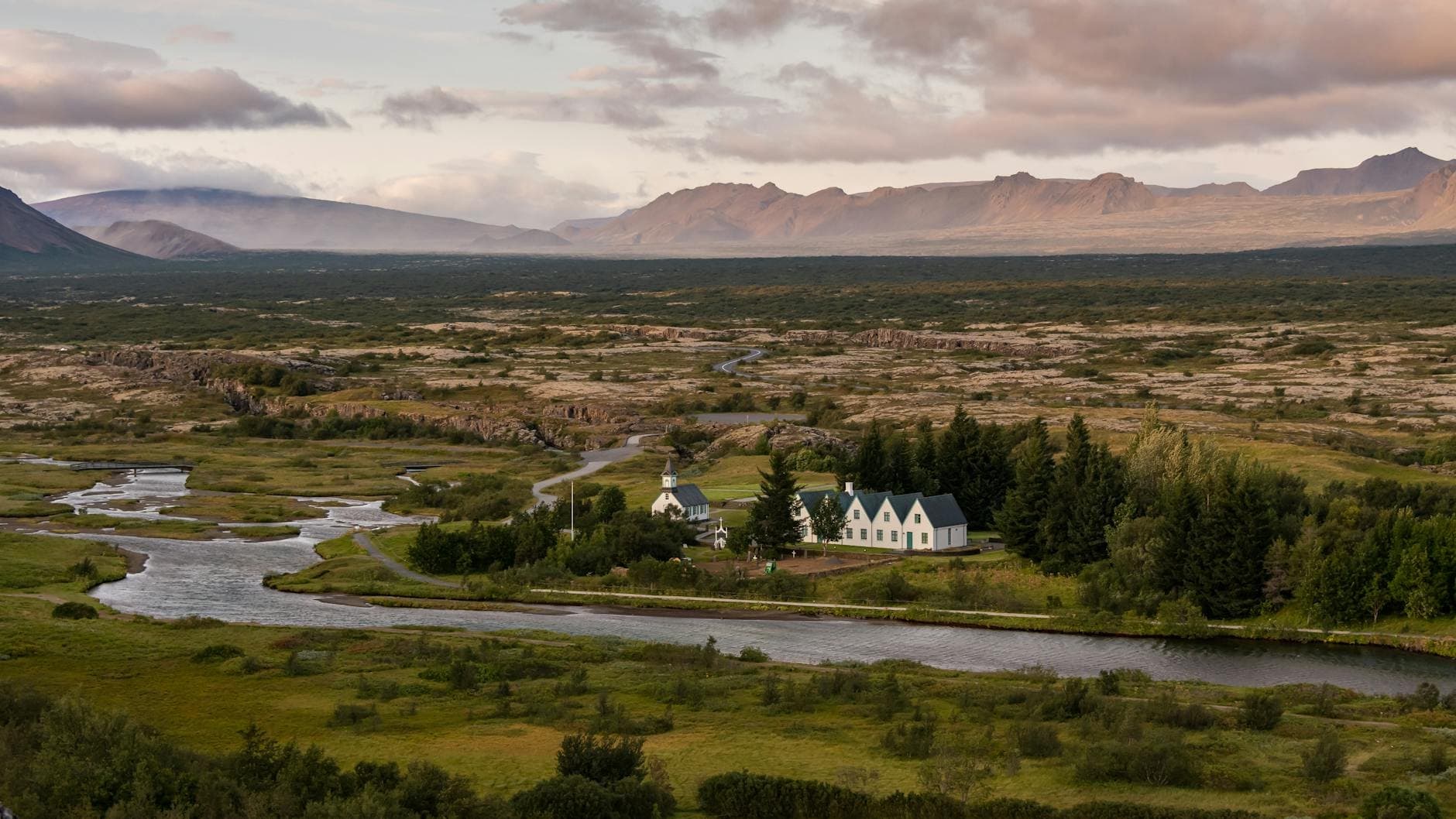
The capital does have its own smaller airport (Reykjavík Domestic Airport), but it serves exclusively domestic flights — to places like Akureyri in the north, the remote eastern fjords, or special flights to Greenland.
Keflavík Airport is very clear and perfectly organised, so you definitely won’t get lost. But I’ve got one huge tip for the moment you land.
Most duty-free shopping happens right by the baggage belts, because you simply can’t buy a bottle of wine or beer in ordinary Icelandic supermarkets.
Alcohol is sold only in the state-run Vínbúðin shops, which have very limited opening hours and astronomical prices. So if you fancy a glass after a day on the trails, stock up at the airport straight away.
2. Getting from the Airport into the Capital
The most comfortable way to get from Keflavík to central Reykjavík without your own car is the Flybus airport coaches. They leave directly from the arrivals hall, and a huge advantage is that they’re timed to every arrival.
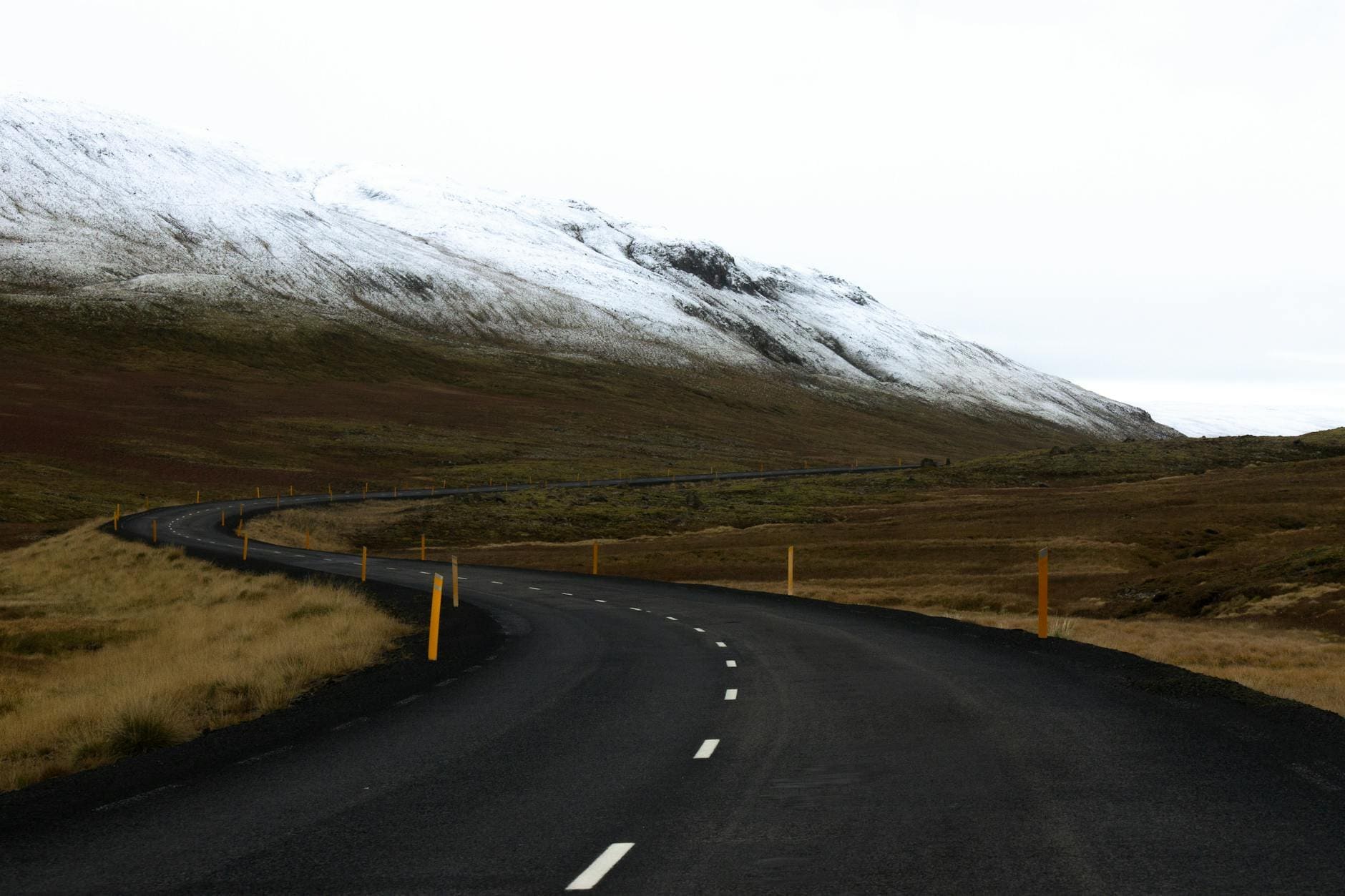
That means the coach will wait for you even if your flight is delayed by bad weather. The journey into the centre takes the aforementioned 45 minutes, and along the way you can soak up your first views of the lava fields.
The coaches also offer drop-off right at your hotel or at designated stops around the city. Lukáš and I bought our tickets conveniently in advance online, so that after landing we didn’t have to hang about at the counters and could hop straight onto a warm coach while a proper Icelandic gale was already kicking off outside.
💡 Tip: It pays to book tickets and organised tours (Iceland and beyond) in advance online via GetYourGuide — in season they fill up fast.
3. Car Hire, Wind and Iceland’s Tricky Insurance
Exploring Iceland without your own car is like going to the cinema and keeping your eyes shut. To compare deals and pick up a car right at Keflavík Airport, we use the service below.
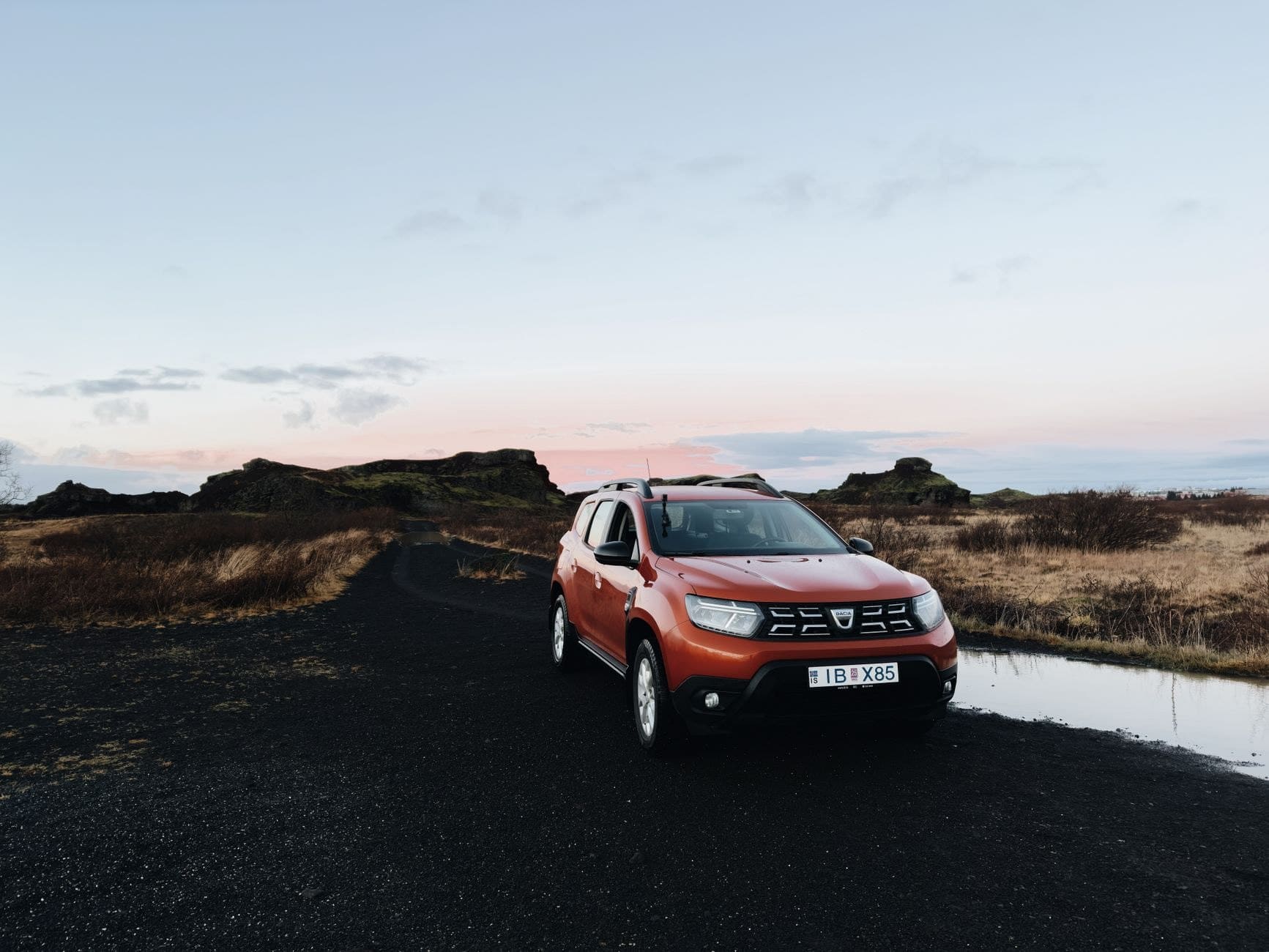
Car hire here is a discipline all of its own, with prices ranging from 5,000 ISK a day in winter up to 35,000 ISK for a proper SUV in summer. If you’re travelling in summer and only plan to drive the main paved Ring Road (Route 1) or the famous Golden Circle, a regular two-wheel-drive car will be more than enough.
But the moment you head into the rugged interior on the mountain F-roads (where ordinary cars are strictly banned and you risk ruinous fines) or travel in winter, 4×4 is an absolute must.
Pay close attention to the insurance, because Iceland has its own very specific rules and the forums are full of horror-story bills for damaged cars. Basic CDW cover simply isn’t enough here. Definitely pay extra for Gravel Protection (GP), which covers you against flying stones.
Roughly a third of the island’s roads are unpaved, and stones flung up by oncoming cars crack windscreens with absolute regularity. If you’re heading south and east, also consider SAAP (Sand and Ash Protection) against sandstorms, which can literally strip the paint off a car — a bill running into thousands of pounds.
The biggest enemy, though, is the Icelandic wind. It can be so strong that, if you’re careless, it’ll literally rip the car door clean off its hinges. Remember that this damage (so-called door-ripping) is usually covered by no insurance whatsoever.
Always hold the door firmly with both hands when getting out 😅! And if you’re heading into the interior with a 4×4, know that no insurance covers flooding the car while fording wild rivers — all the risk is on you.
Where to Stay + How Much It All Costs
Accommodation in Iceland takes a sizeable chunk out of your budget, and you really need to factor that in realistically in advance. A week-long road trip for two people at a mid-range standard (with your own hire car, insurance and heated guesthouse stays) will cost roughly £2,800 to £4,500 in 2026, excluding flights.
If you economise hard, sleep in a tent and cook your own food, you can bring it down to around £1,700 to £2,400. Booking.com is our favourite search tool, because the island has an enormous range of cosy guesthouses and farm stays.
From 1 January 2026, the government also introduced a new per-kilometre tax (Kilometre Fee) on all vehicles, amounting to roughly 6.95 ISK per kilometre driven (about £0.04). Car hire firms will either charge you this as a fixed daily rate (around 1,390–1,550 ISK) or deduct it from your card when you return the car, based exactly on the odometer.
The good news, though, is that as compensation the government scrapped part of the fuel tax. Whereas last year petrol cost a crazy 305 ISK, in 2026 the price has dropped to a more pleasant 210–225 ISK per litre (roughly £1.25–£1.35). In the end you’ll pay about the same — you’ll just hand the money to the car hire firm rather than the petrol station.
1. Reykjavík and the Southwest as a Base
If you’d rather not pack your bags every day and you’ve only got a long weekend or 4–5 days in Iceland, it makes huge sense to stay right in the capital or in its immediate surroundings on the Reykjanes Peninsula. From there you can do day trips out and back.
From Reykjavík you can comfortably drive the famous Golden Circle in a single day and return to the warmth. The next day you could set off to the volcanoes or the thermal baths.
Staying in the city also offers the luxury of great cafés and bakeries just around the corner. Guesthouses here run around €80 to €150 per night for two.
💡 Specific accommodation tips (check prices and availability via Booking — book early, as in season and around the 2026 eclipse rooms vanish months ahead):
- Center Hotels Grandi (Reykjavík)
- Hótel Berg (Keflavík)
- Hótel Borg (Reykjavík)
2. Accommodation on the Ring Road (South and East)
If you decide to drive right around the island on the Ring Road, which involves over 1,300 kilometres, you’ll need to embrace a nomadic way of life. The distances here are enormous and there’s no point doubling back.
In the south around the town of Vík, capacity tends to sell out very fast, because the vast majority of tourists head here to admire the black beaches and glaciers.
Heading east into the Eastfjords, both accommodation and crowds thin out, but I’d advise against leaving bookings to the last minute. We stayed in gorgeous wooden cabins overlooking endless pastures.
3. Camping and the Camping Card for Adventurers
Plenty of people tackle the cost of pricey accommodation by camping in the car or straight up in a roof tent, which is a huge phenomenon in Iceland. If you go for this option (and don’t mind a bit of cold), definitely get yourself a Camping Card.
In 2026 this card costs roughly 26,000 ISK (about £155) and is valid for 28 nights for two adults and four children. It gives you access to more than 40 campsites across the island.
On site you then only top up a token accommodation tax of 400 ISK per tent or car per night. It’s an absolutely fantastic way to save big money — just remember that most campsites close in mid-September.
What to See in Iceland: 6 Regions You Can’t Miss
Getting your bearings on the island is actually pretty simple, because the whole thing is ringed by the paved Ring Road. Newcomers, though, often make the huge mistake of cramming their itinerary to bursting point and trying to circle the island in five days.
The result is that they spend eight hours a day in the car and collapse with utter exhaustion every evening. For a relaxed loop of the whole road you need at least 8 to 10 days.
If you have less time, pick just a few regions from this list and get to know them properly. Let’s take a look at the very best Iceland has to offer.
1. The Golden Circle: A Classic to Start With
The Golden Circle is comfortably the most visited part of Iceland, and it’s an absolutely ideal day trip straight from Reykjavík, since the loop measures roughly 250 kilometres.
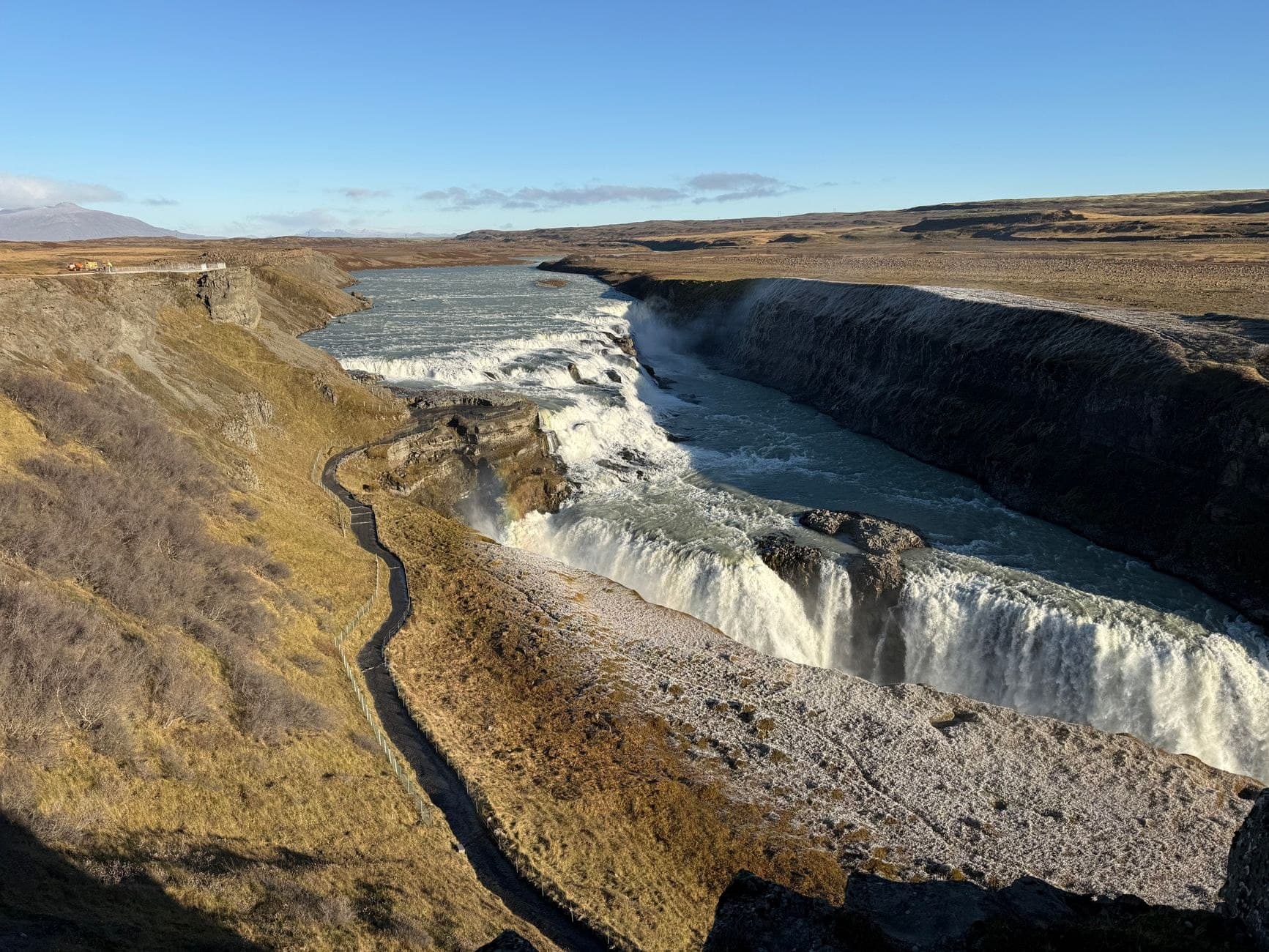
The first stop is usually Þingvellir National Park, a place of huge historical significance, since this is where Iceland’s first parliament was founded in 930.
It’s also the only place in the world where you can walk (or even dive in 2°C water) right in the Silfra fissure, which separates the North American and Eurasian tectonic plates.
The second must-see stop is the geothermal area of Haukadalur, where the famous Strokkur geyser awaits. Unlike the dormant Great Geysir, it spouts boiling water up to thirty metres high every five to ten minutes. It’s an absolutely fascinating natural spectacle that’ll leave you standing open-mouthed.
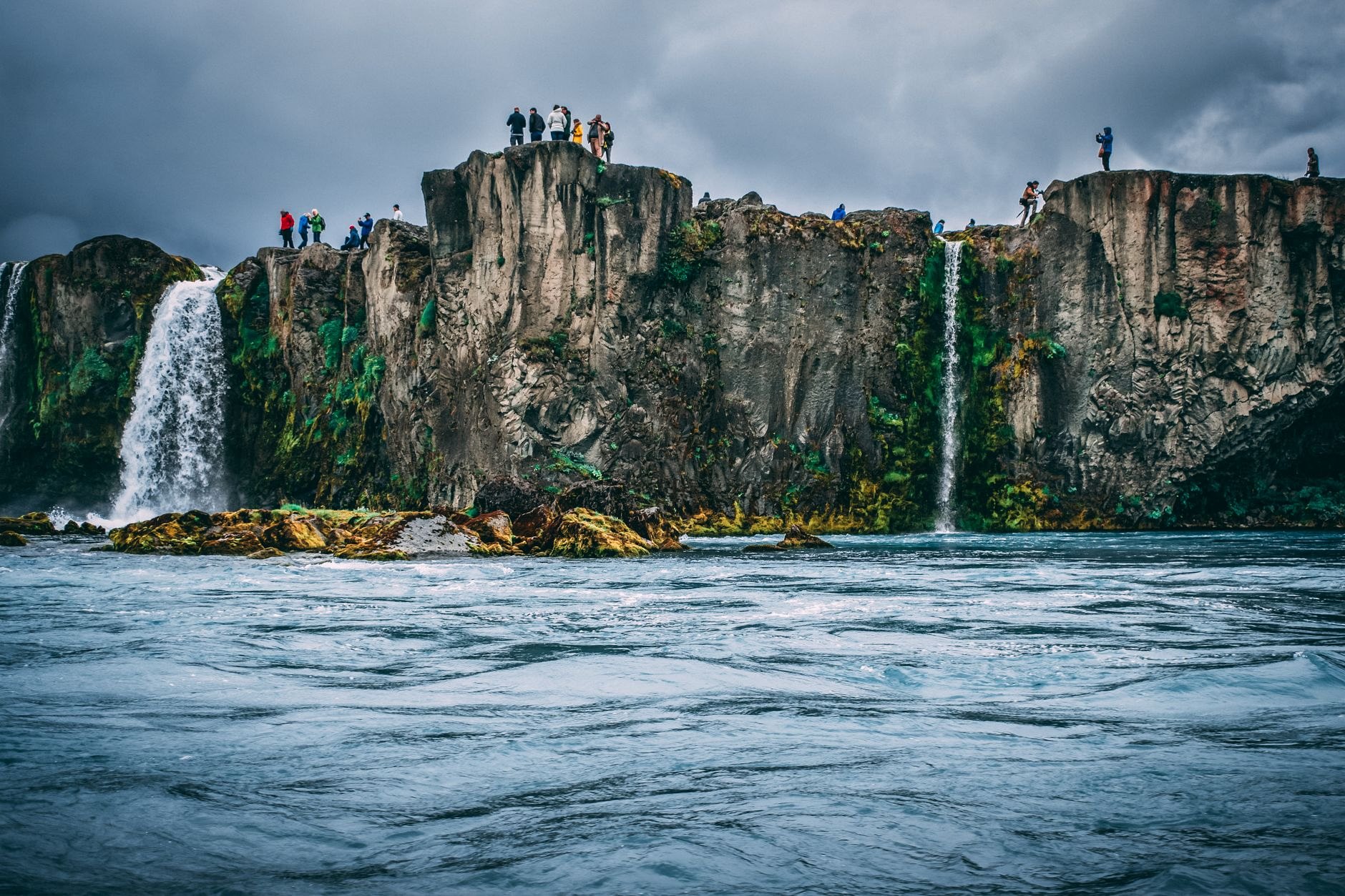
The crowning jewel of the loop is the massive two-tier Gullfoss waterfall. The water plunges into a deep canyon with a deafening roar, and in summer beautiful rainbows often shimmer around it.
2. The South Coast: Waterfalls and Stunning Black Beaches
As soon as you head east out of Reykjavík along Route 1, a parade of the most iconic, postcard-worthy spots opens up before you. First to greet you is Seljalandsfoss waterfall, which is unique in that you can walk all the way around it — even behind the falling water — along a slippery path.
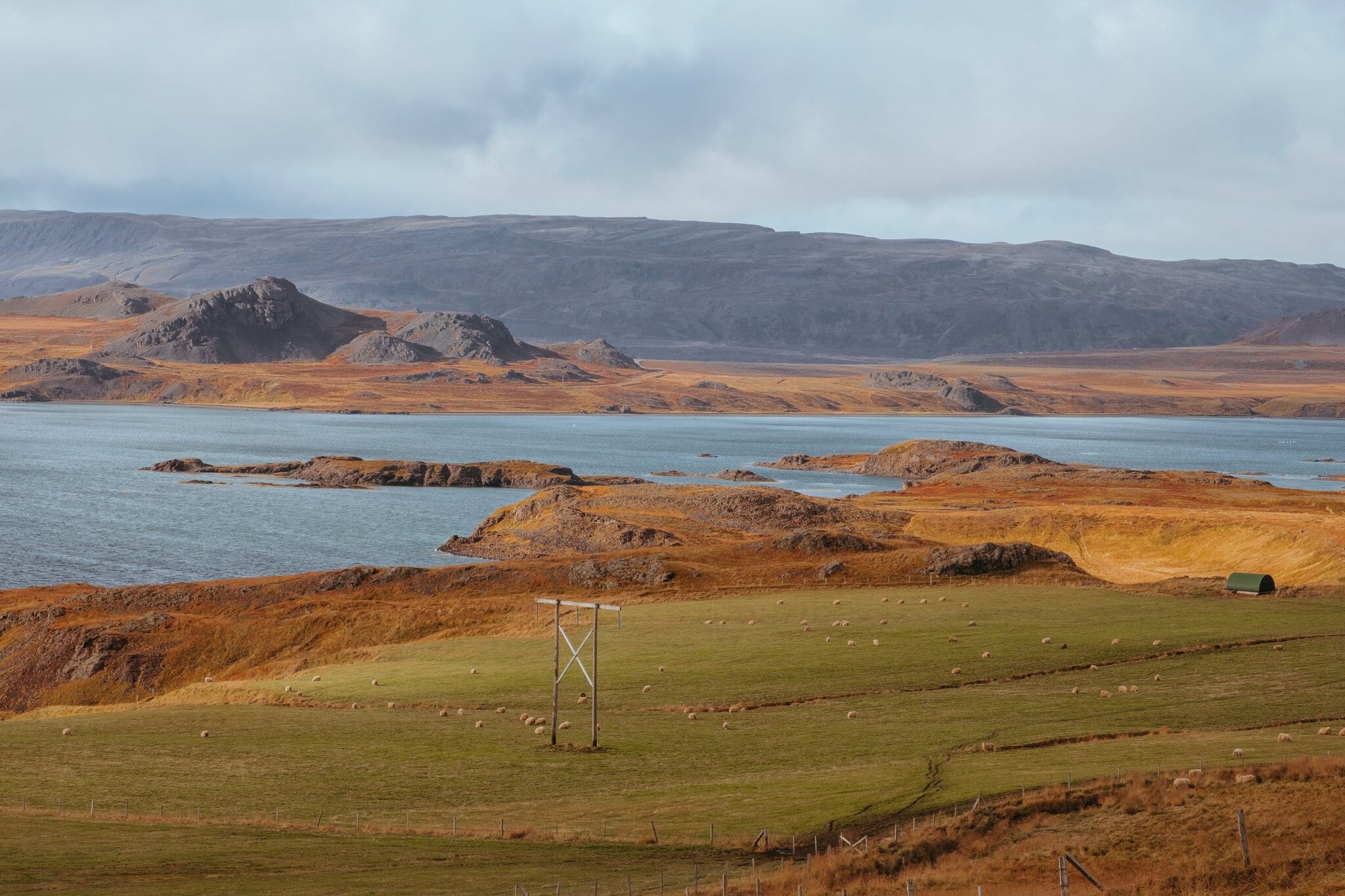
Just a little further on you’ll reach the immense and majestic Skógafoss, with hundreds of steps leading up alongside it to a viewpoint at the top. Since 2025, there’s unfortunately a parking fee of around 1,000 ISK at Skógafoss, easily paid via the Parka or EasyPark apps.
On the south coast you also can’t skip the iconic wreck of an American military plane, the DC-3, which made an emergency landing on the endless black sand plain of Sólheimasandur.
The walk to it from the car park takes about 45 minutes of dull trudging each way (or you can take the paid shuttle bus), but the photos from here look like something out of a post-apocalyptic film. And then the charming little town of Vík awaits, with the nearby and breathtaking Reynisfjara beach.
3. The Southeast: Jökulsárlón Glacier Lagoon and Vatnajökull
Once you pass the town of Vík, the crowds noticeably thin out and the landscape transforms. The entire southeast is unwaveringly dominated by Vatnajökull National Park, home to the largest glacier in Europe, which covers an incredible eight per cent of Iceland’s whole area. The absolute highlight of this whole region — and for Lukáš and me one of the most beautiful places on the planet — is the Jökulsárlón glacier lagoon.
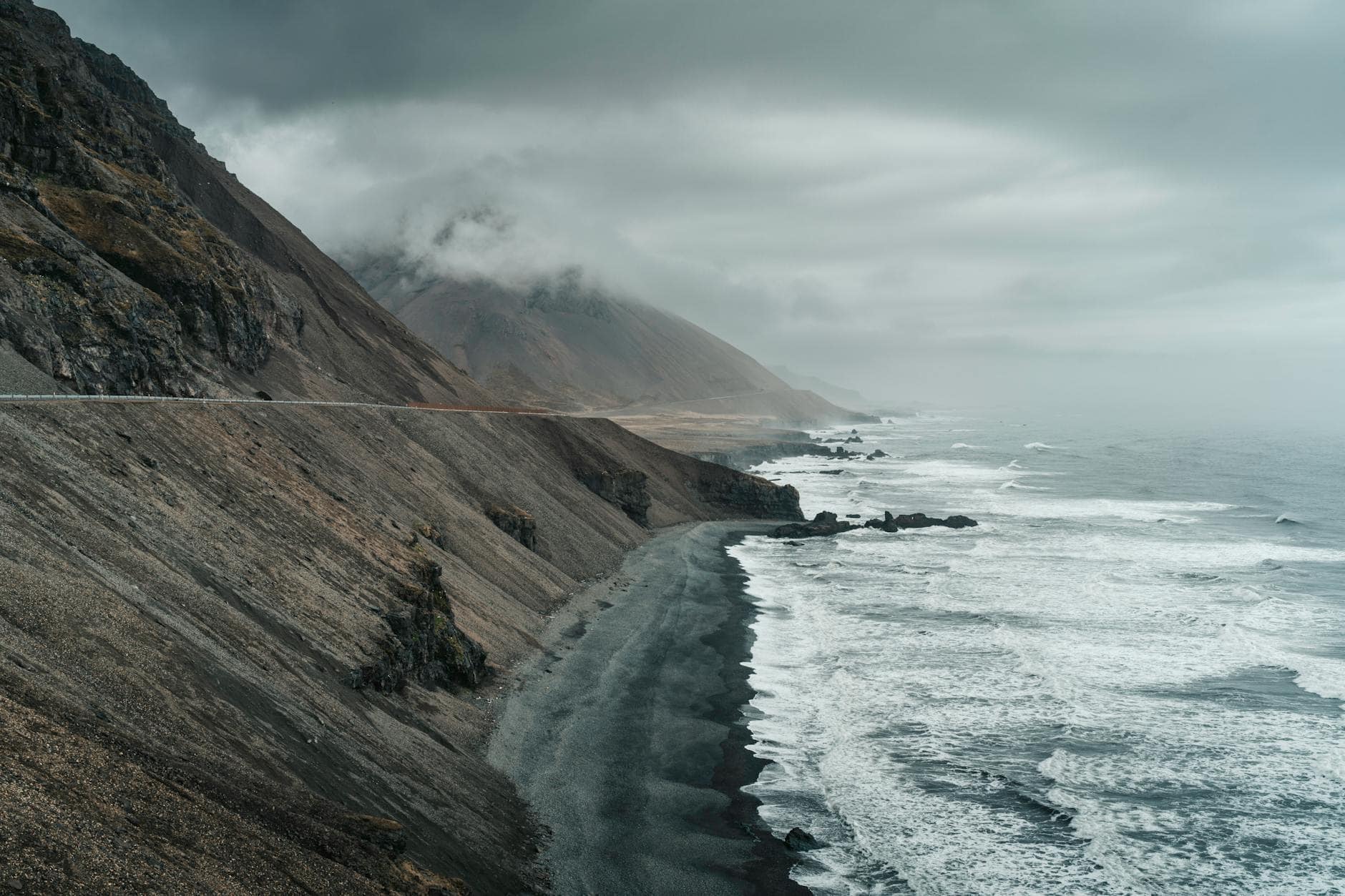
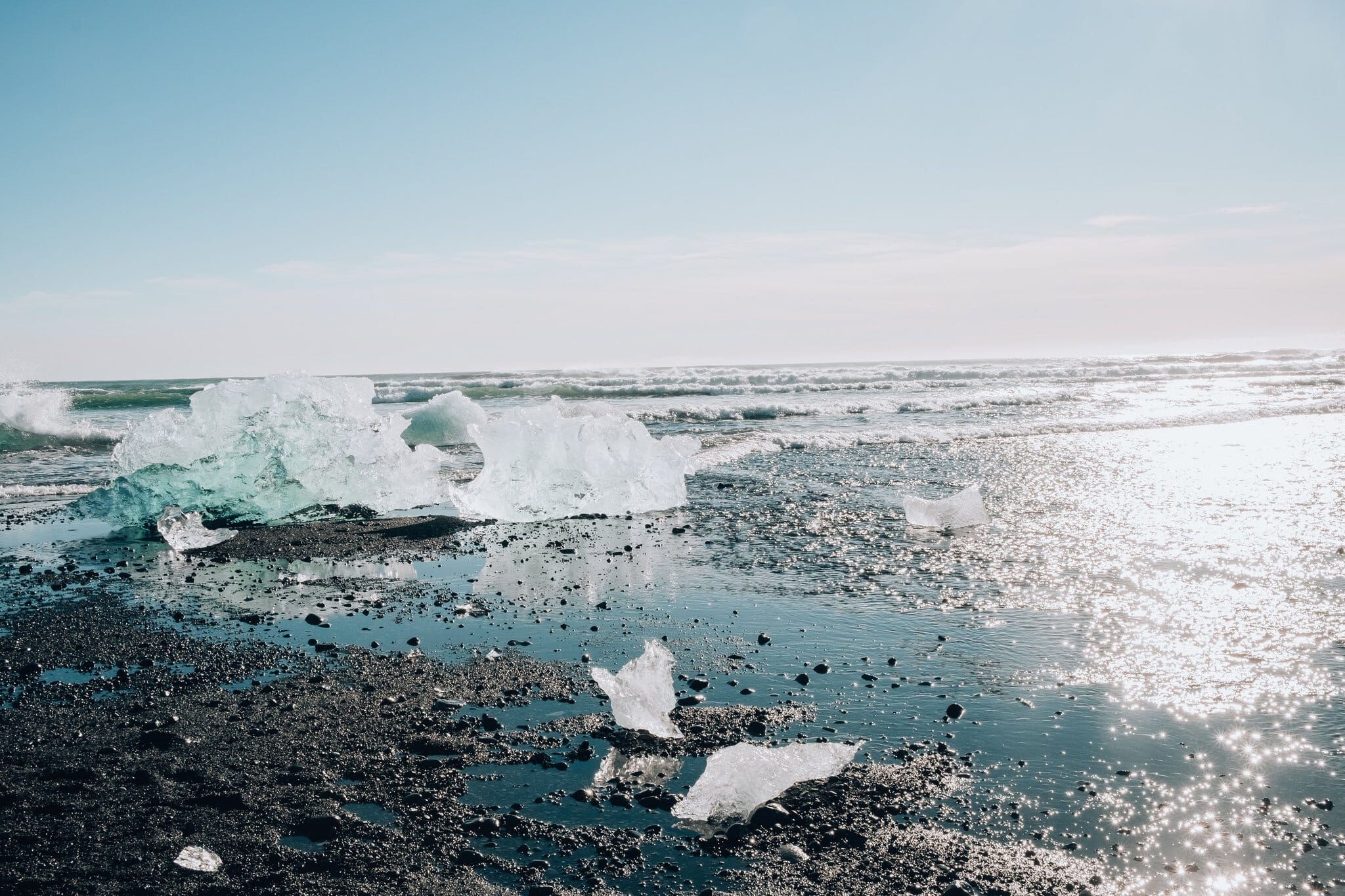
In this massive lagoon, enormous, vividly blue chunks of ice break off the melting glacier and drift slowly across the surface towards the ocean. The silence and majesty of it all are breathtaking.
Once the ice floes reach the ocean, strong waves polish them and wash them back onto the black volcanic beach opposite, fittingly known as Diamond Beach. The contrast of crystal-clear ice against coal-black sand is something you simply have to see with your own eyes.
4. North Iceland and the Diverse Diamond Circle
The capital of North Iceland is called Akureyri, and it’s a wonderful, lively little town full of great cafés and excellent food, sitting at the very end of a long fjord. From here people typically set out on the so-called Diamond Circle.
On it you’ll discover the divine Goðafoss waterfall, the stunningly bubbling mud pools of Hverir and the bizarre lava formations of Dimmuborgir by Lake Mývatn.
The circle is then crowned by Dettifoss, the most powerful waterfall in all of Europe by flow rate, with the roar of its murky water felt right through the soles of your boots.
If you’re heading north, stop off in the town of Húsavík, which is a global mecca for whale watching. Boats set out from here with a fascinating success rate of nearly 99%, and in the summer months you can sometimes even spot gigantic blue whales.
⚠️ I’ve got one more great tip for 2026: the popular Mývatn Nature Baths thermal spa is currently closed for a major rebuild, but under the new name Earth Lagoon it’s reopening in spring 2026, enhanced with an amazing new cave set right inside a lava fissure.

5. Snæfellsnes and the Remote Westfjords
The Snæfellsnes Peninsula is often affectionately nicknamed “Iceland in miniature”. You’ll find absolutely everything here — a dormant volcano capped with a glacier, the dramatic, wave-battered cliffs of Arnarstapi, the lonely black church of Búðir, and comfortably the most photographed mountain in Iceland, the pointed Kirkjufell, made famous by Game of Thrones.
Snæfellsnes is an absolutely ideal destination if you’ve only got 2 to 3 days to explore and don’t want to needlessly race around the whole island by car.
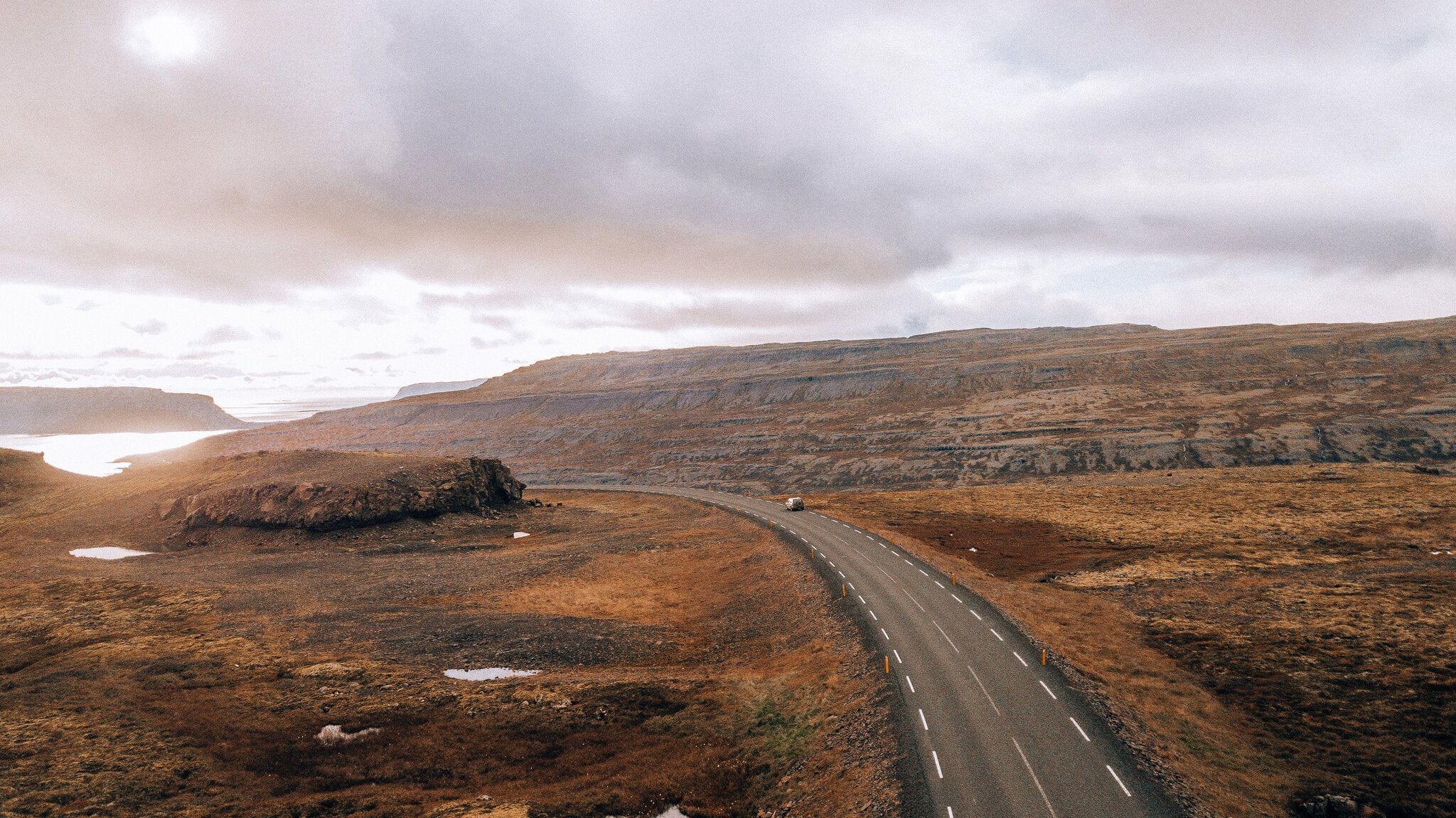
The Westfjords, by contrast, are a completely different, isolated world that fewer than ten per cent of all tourists ever reach. The roads here wearily trace deep fjords, the tarmac constantly turns to gravel, and driving is incredibly slow (set aside a good two days for a loop).
The reward for all that effort, though, is total isolation, the monumental cascading Dynjandi waterfall and the majestic cliffs of Látrabjarg.
These are the westernmost point of Iceland and, in summer, home to an incredible fifty thousand pairs of adorable little puffins. These fjords, however, are only sensibly drivable in summer.
6. The Wild Interior (Highlands)
This is the rugged heart of the island and a place for true adventurers only. No paved roads lead into the Highlands, you won’t find hotels with hot showers, and you won’t pass a single petrol station.
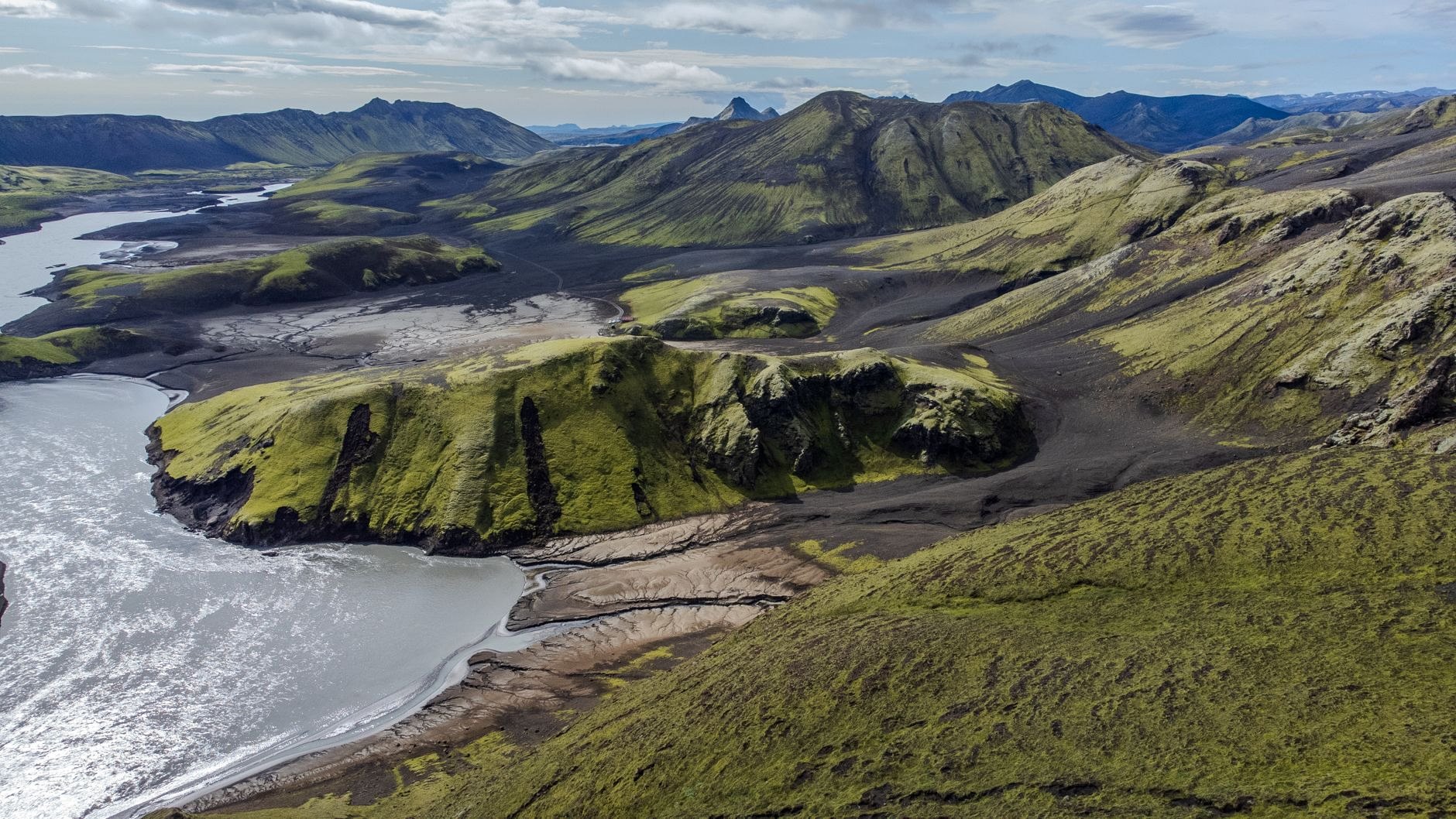
The only routes in are gravel mountain tracks called F-roads, which cross deep fords over wild glacial rivers. The area is accessible only with a proper 4×4 vehicle, and only in the summer months from mid-June to roughly mid-September.
If you dare to venture here, you’ll see a landscape that looks like it’s from another planet. You can bathe in natural hot springs in the Landmannalaugar area, famous for its rainbow-coloured rhyolite mountains.
The journey to the lunar landscape and the Askja volcano crater is a real test of driving skill. It’s stunning, but it demands maximum respect and preparation.
When to Go and What to Prepare For in Iceland
Iceland has one absolutely brilliant and fitting saying: “If you don’t like the weather, just wait five minutes.” That pretty much says it all. The Gulf Stream does keep temperatures within fairly bearable limits, but the ever-present wind can knock the perceived temperature down a good few notches.
So rule number one is constant layering and a really good, waterproof jacket that you probably won’t take off even in July.
1. The Reykjanes Eruptions and Safety
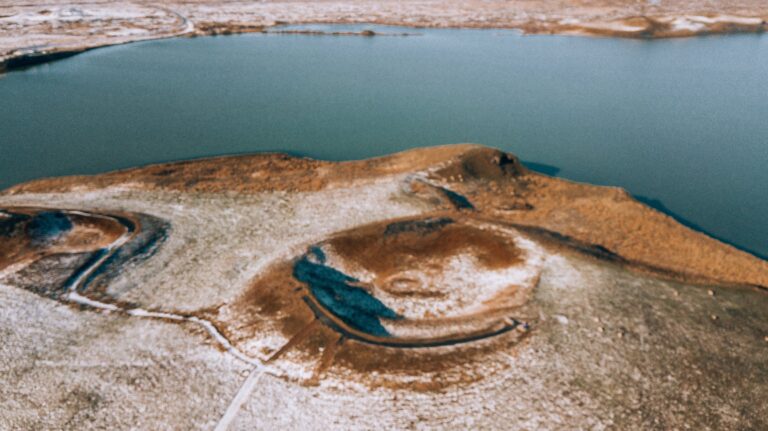
You may have seen frightening footage on TV of lava flowing on the Reykjanes Peninsula and wondered whether flights to Iceland are even a good idea. Since spring 2021 there have indeed been a whole series of eruptions here, and according to the meteorological office, over 26 million cubic metres of magma have gathered beneath the area.
It sounds apocalyptic, but for the overwhelming majority of tourists nothing actually changes. The eruptions here are effusive. That means the lava calmly flows out of fissures, but the volcano doesn’t spew clouds of ash into the atmosphere that would halt air travel.
Keflavík Airport, the capital and the main Ring Road route all operate with no restrictions whatsoever and are completely safe. The only real impact is on residents of the evacuated town of Grindavík and on the nearby famous Blue Lagoon spa.
The Blue Lagoon runs on a dynamic basis — sensors monitor activity and, if needed, the spa can be fully evacuated with two hours’ notice. Before you head anywhere, always check the current warnings on the excellent official site safetravel.is and on the meteorological office’s site vedur.is.
2. The Black Sun: The August 2026 Solar Eclipse
If you’re planning a trip for August 2026, I’ve got news that will either bring an excited smile to your face or force you to completely rethink your budget.
On the afternoon of Wednesday 12 August 2026, a band of total solar eclipse will pass right across Iceland. It’s the astronomical event of the century — the first such eclipse visible from Iceland since 1954, and the next one won’t be visible until the 22nd century!
The band of total darkness will sweep across the Westfjords, the Snæfellsnes Peninsula, Reykjavík and Keflavík. The longest darkness, over 2 minutes, will be experienced at the Látrabjarg cliffs. In Reykjavík itself the sun will disappear for roughly a minute around 17:43 local time. A huge festival is even being planned on Snæfellsnes, so the whole west will be buzzing.
If you want to see this magical phenomenon, be prepared for the island to be utterly, hopelessly packed to bursting. Accommodation in the eclipse band has largely been sold out since the start of 2025, and the prices of everything — from flights to car hire — are rocketing skywards.
An ordinary guesthouse here costs an astronomical $700 a night on these dates. If you’re going, you’d best book everything well in advance and get detailed info from the official site eclipse2026.is.
3. Treacherous Waves and the Dangerous Reynisfjara Beach
Although Iceland has long been the absolute safest country in the world in terms of crime, the nature here doesn’t forgive mistakes. The most famous and, sadly, most tragic example is the gorgeous black beach of Reynisfjara near the town of Vík in the south of the island.
Enormous waves, dramatic basalt columns and magical black sand form a breathtaking combination that draws crowds with cameras.
But I have to warn you very strongly about the phenomenon of so-called sneaker waves (treacherous, hidden waves). These waves arrive very unexpectedly, carry enormous force and reach tens of metres further up the beach than the previous ones.
Since 2013, six tourists have sadly lost their lives here, and most recently, in August 2025, the current swept away a nine-year-old girl. The beach now has a warning light traffic signal, which please respect without exception.
The golden rule is: never turn your back on the ocean and stay at least thirty metres from the water. A photo really isn’t worth it.
4. Chasing the Northern Lights (Aurora Borealis)
People often ask me whether winter flights to Iceland will guarantee them a sight of the Northern Lights. The honest answer is: no, they won’t — but your chances are huge.
One of the biggest travel myths is that the Northern Lights are somehow connected to cold and frost. In reality, to see them you only need three crucial things: complete darkness (which is why you’ve no chance in summer), a clear, cloudless sky and sufficient solar activity.
2026 is still well above average and exceptional for viewing, because the solar cycle is highly active, as confirmed by experts at NOAA. Lukáš and I got incredibly lucky and saw that fascinating green show on our very first evening, right by the guesthouse.
Don’t forget to bring a tripod, because on the camera screen you’ll see the aurora far more clearly than with the naked eye (shoot on manual, ISO around 1600–3200 and an exposure of 5–15 seconds). Also keep a regular eye on the KP index and cloud layers in the Veður app.
Where to Eat (Without Wrecking Your Budget)
When you start thinking about how much a holiday in Iceland costs, food will probably be the most painful item on the bill. A visit to even a perfectly ordinary restaurant can easily set you back 2,000 to 3,500 ISK (roughly £12 to £20) for just a main course. Lukáš and I are vegetarians, and although Iceland is a paradise for lovers of meat and fish, exploring a slightly different culinary scene was surprisingly no problem at all, and we ate brilliantly.
1. Bónus Supermarkets and Cooking on the Road
Every traveller’s best friend in Iceland is the Bónus supermarket, which you’ll spot from afar by its iconic yellow sign with the cheeky pink piggy. They have by far the friendliest prices, so this is where we’d go to stock up.
We regularly bought lovely fresh bread, Icelandic cheeses, plenty of vegetables, and in the guesthouse we’d prepare our own snacks each morning for the whole long day of trips. A slightly pricier alternative is the Krónan supermarket, and if you want something more premium, head to Hagkaup.
One more absolutely essential tip on drinks: tap water across the whole of Iceland is incredibly delicious, drinkable and completely free. Buying bottled water in plastic at the shop here is a huge sin, a waste of plastic and, above all, money thrown away. Just bring a reusable bottle from home and refill it anywhere from the tap.
2. Great Vegetarian Spots in Reykjavík
Reykjavík surprised us no end with its options for non-meat-eaters. I warmly recommend the renowned little spot Chickpea, where we had absolutely perfect fresh falafel with amazing hummus and warm pita.
Excellent, colourful and healthy vegetarian bowls are made at the restaurant Gló. And if, after a whole day freezing outside, you crave something warm and hearty, the pizzeria Flatey Pizza (on Grandagarður street) does a superb Margherita baked right in a wood-fired oven.
For breakfast we fell in love with the traditional Icelandic dairy product skyr. Don’t worry, it’s basically a thick yoghurt and is completely vegetarian. A tub of skyr is packed with protein (easily 16 grams) and fills you up wonderfully before a long hike to the waterfalls. In the towns you’ll also come across excellent Icelandic bakeries that make fantastic cinnamon buns.
3. Traditional Icelandic Cuisine (for Carnivores)
If you’re not vegetarian, Icelandic gastronomy offers a few very specific (and for some, perhaps terrifying) experiences. The national dish here is so-called hákarl, which is fermented shark. After catching it, locals leave it to rot and ferment buried in the ground for months, then wash it down with strong Icelandic schnapps, Brennivín.
Another common delicacy, which you’ll smell in every supermarket, is harðfiskur — hard-dried fish, eaten spread with a thick layer of butter. And of course there’s the ever-present Icelandic lamb. The sheep roam completely free across the mountains from spring to autumn, and Icelandic lamb soups are reportedly very popular among tourists after a whole day out in the cold.
Bureaucracy, Documents and Etiquette to Prepare For
Travelling around Europe is changing fast and the paperwork is piling up, but luckily Iceland is one of those countries where fairly simple rules still apply to UK travellers, even though this island isn’t formally a member of the European Union at all. There’s no visa to worry about for short trips — you just need to focus on a few cultural and practical quirks that’ll save you a lot of awkward moments and make your stay easier.
1. Passport, and a Word on ETIAS and EES
Because Iceland is a firm, full member of the Schengen Area, UK citizens can visit visa-free for up to 90 days within any 180-day period for tourism. You’ll need a valid passport (with at least three months’ validity beyond your planned departure and issued within the last 10 years). There’s a lot of wild chatter online lately about new fees and systems, so let’s set the record straight.
From 10 April 2026, the biometric EES system fully launches at the borders, and by the end of 2026 so does the paid travel authorisation ETIAS (the European equivalent of America’s ESTA, costing €20). As a UK traveller, both of these will apply to you as a non-EU visitor.
In practice, EES means your fingerprints and a photo will be registered at the border instead of a passport stamp, and ETIAS is a quick online form you’ll fill out before travel. Neither is complicated, but do factor in slightly longer queues at Keflavík while the new system beds in.
2. Nudity Rules in Icelandic Pools
While most tourists head straight for luxury spas like the famous Blue Lagoon (where you’ll pay crazy money), our favourite was the ordinary municipal pools called Sundlaug. You’ll find them in every smaller town, the water is heated by geothermal energy to a gorgeous 38–40°C, and entry costs only a fraction of the price. They do, however, have one very strict and uncompromising rule.
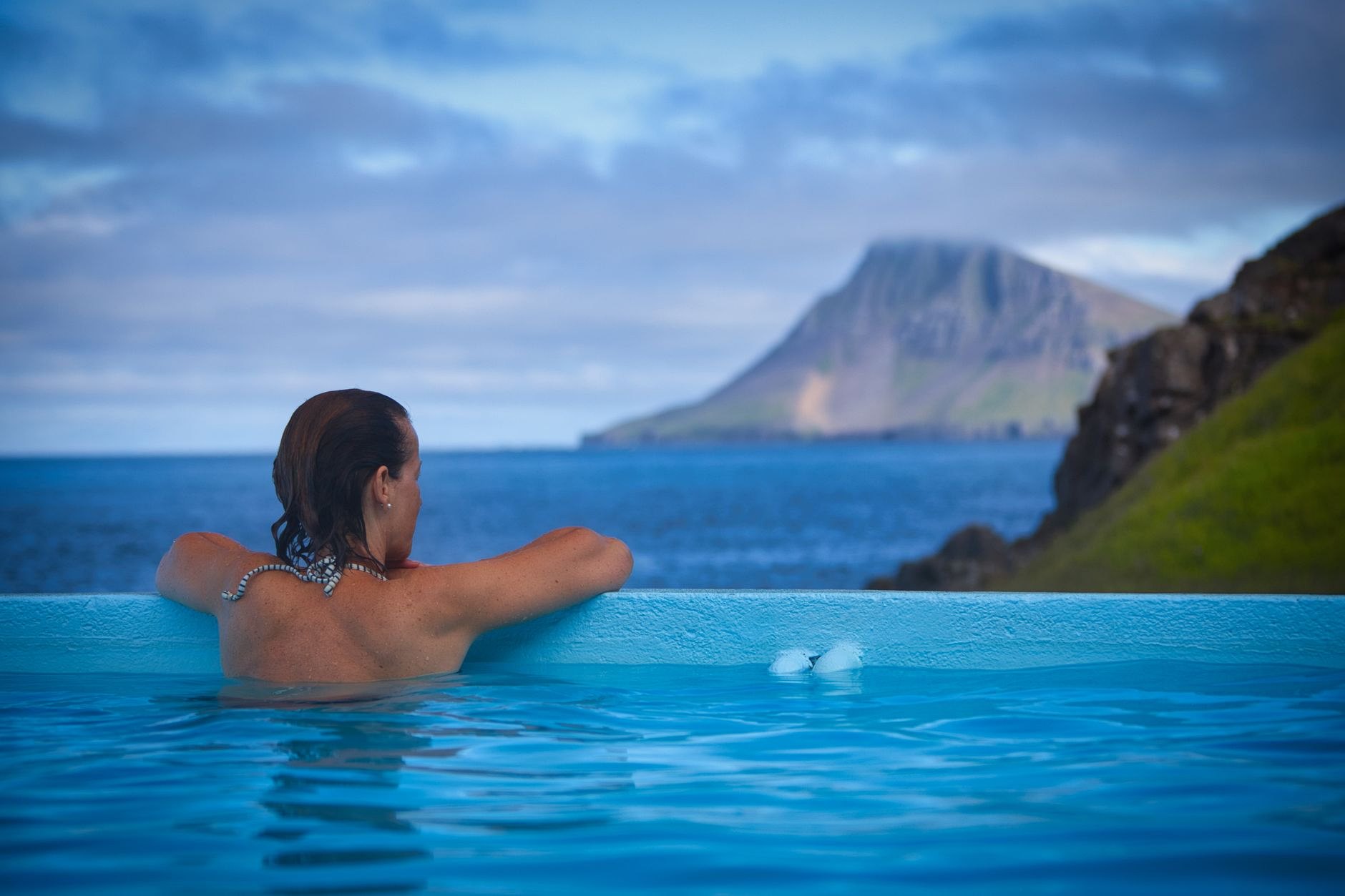
Before you even enter the pool, you must wash thoroughly with soap in the communal showers (including hair and armpits), and completely without swimwear! For us Central Europeans this is quite a shock at first, but Iceland uses an absolute minimum of chlorine in the water, and hygiene here is simply sacred.
The changing rooms are often supervised by staff who will send you back without mercy if you try to wash with clothes on. Don’t be shy — nobody’s going to stare at you, it’s simply a completely natural part of their culture.
3. Forget Cash, and Don’t Forget Your PIN
As I touched on above, exchanging Icelandic krónur (ISK) at a bureau de change back home is utterly pointless and you probably won’t even find them anyway. Iceland is a near-100% cashless society, where you can pay by card absolutely everywhere — from a morning coffee in a tiny café, to a camping fee somewhere by a glacier, to using the toilet at a rest stop.
The one absolutely critical thing you must have sorted is carrying a physical plastic payment card and knowing your PIN.
At self-service petrol stations (for example the very popular N1 chain) or at parking machines, simply tapping a phone with Apple Pay or Google Pay very often doesn’t work, or there’s a contactless limit of 7,500 ISK.
The fuel pump will simply, point-blank, require you to insert your card into the reader and tap in the numbers. Without it, you’re going nowhere.
Where to Next
If Iceland is calling you, Lukáš and I have put together plenty of other resources to help you plan your dream trip down to the last detail and gather more inspiration:
- Iceland Guide: Everything You Need to Know
- When to Visit Iceland? A Practical Weather Summary
- What Iceland Is Like in October and What It Cost Us
- The Most Beautiful Places in Iceland You Can’t Miss
Frequently Asked Questions
1. How many days do I need to drive around Iceland?
If you want to drive the entire Ring Road at a relaxed pace (all the way around, 1,322 km), set aside at least 8 to 10 days. Less time means just stress in the car. If you only have 4 to 5 days, focus solely on Reykjavík, the Golden Circle, and the south coast. To visit the remote Westfjords or the interior (Highlands), you’ll ideally need 12 to 14 days.
Do I need a 4×4 vehicle, or will a regular car do?
In the summer season, a regular smaller car (2WD) will be more than enough for driving the main asphalt Ring Road and visiting the Golden Circle. However, if you’re traveling in the winter months or planning to venture into the rugged interior on unpaved mountain roads (F-roads) in summer, 4×4 drive is an absolute necessity and even your legal obligation.
3. Should you reconsider your visit because of ongoing volcanic eruptions?
Definitely not. The volcanic activity on the Reykjanes Peninsula is very localized and the eruptions are so-called effusive (lava just flows out and the volcano doesn’t spew huge clouds of ash). Keflavík Airport and the main tourist routes like the Ring Road are operating completely normally. You just need to follow the current information on safetravel.is and avoid the evacuated area around the town of Grindavík.
How much does a week-long vacation in Iceland cost for two people?
A week-long road trip for two people with an average rental car (including insurance), petrol, accommodation in warmer guesthouses and occasional eating out will cost you on average €3,200 to €5,200 (excluding flights) for a mid-range experience. If you’re on a tight budget, cooking pasta and sleeping in a tent with a Camping Card, you’ll get down to roughly €2,000 to €2,800.
5. What’s the situation with taxes and expensive gas in 2026?
From January 2026, a so-called mileage tax was newly introduced, which amounts to 6.95 ISK per kilometer driven. The car rental company will usually charge it to you at the end of your trip. Thanks to the introduction of this tax, however, the government abolished part of the fees at gas stations, so fuel prices dropped significantly from the previous 305 ISK per liter to a more pleasant 210 to 225 ISK per liter.
6. Is Reynisfjara Black Beach Really That Dangerous?
Unfortunately, yes. While the beach is beautiful, it’s notoriously known for the phenomenon of so-called “sneaker waves” (hidden, treacherous waves). These massive waves come completely unexpectedly and with enormous force reach dozens of meters further than regular ones. Since 2013, six people have died here. It’s essential to watch the warning signal, not walk close to the water, and never turn your back to the ocean.
7. Do I need a passport, visa, or ETIAS fee for the trip?
You don’t need a visa or even a passport at all. Iceland is a full member of the European Schengen Area, so all you need to enter is a regular valid ID card. Moreover, citizens of the Czech Republic are not affected at all by the upcoming bureaucratic changes called ETIAS and EES, which are intended for travelers from outside the European Union.
Tips and Tricks for Your Vacation
Don’t Overpay for Flights
Search for flights on Kayak. It’s our favorite search engine because it scans the websites of all airlines and always finds the cheapest connection.
Book Your Accommodation Smartly
The best experiences we’ve had when looking for accommodation (from Alaska to Morocco) are with Booking.com, where hotels, apartments, and entire houses are usually the cheapest and most widely available.
 🚗 Car rental on the roadVerified rental cars in Iceland
Search with the DiscoverCars comparison engine — it compares prices from dozens of local and international rental companies, and most bookings come with free cancellation.
Compare car prices in Iceland →Don’t Forget Travel Insurance
Good travel insurance will protect you against illness, accidents, theft, or flight cancellations. We’ve had a few hospital visits abroad, so we know how important it is to have proper insurance arranged.
Where we insure ourselves: SafetyWing (simple monthly subscription) and TrueTraveller (for extra-long trips).
Find the Best Experiences
Get Your Guide is a huge online marketplace where you can book guided walks, trips, skip-the-line tickets, tours, and much more. We always find some extra fun there!