When you step off the plane in Keflavík, the first thing that probably hits you in the face is the wind. It’s not the gentle European breeze we’re used to, but rather a raw oceanic gust that smells of salt, sulphur and uncompromising wilderness. Lukáš and I drove all the way around Iceland at the turn of September and October in a rented Suzuki Grand Vitara.
It was two weeks that left an indelible mark on us. Back then we had a single unwritten rule: every day we had to find some thermal pool to soak in. It was the best idea we ever came up with 😅.
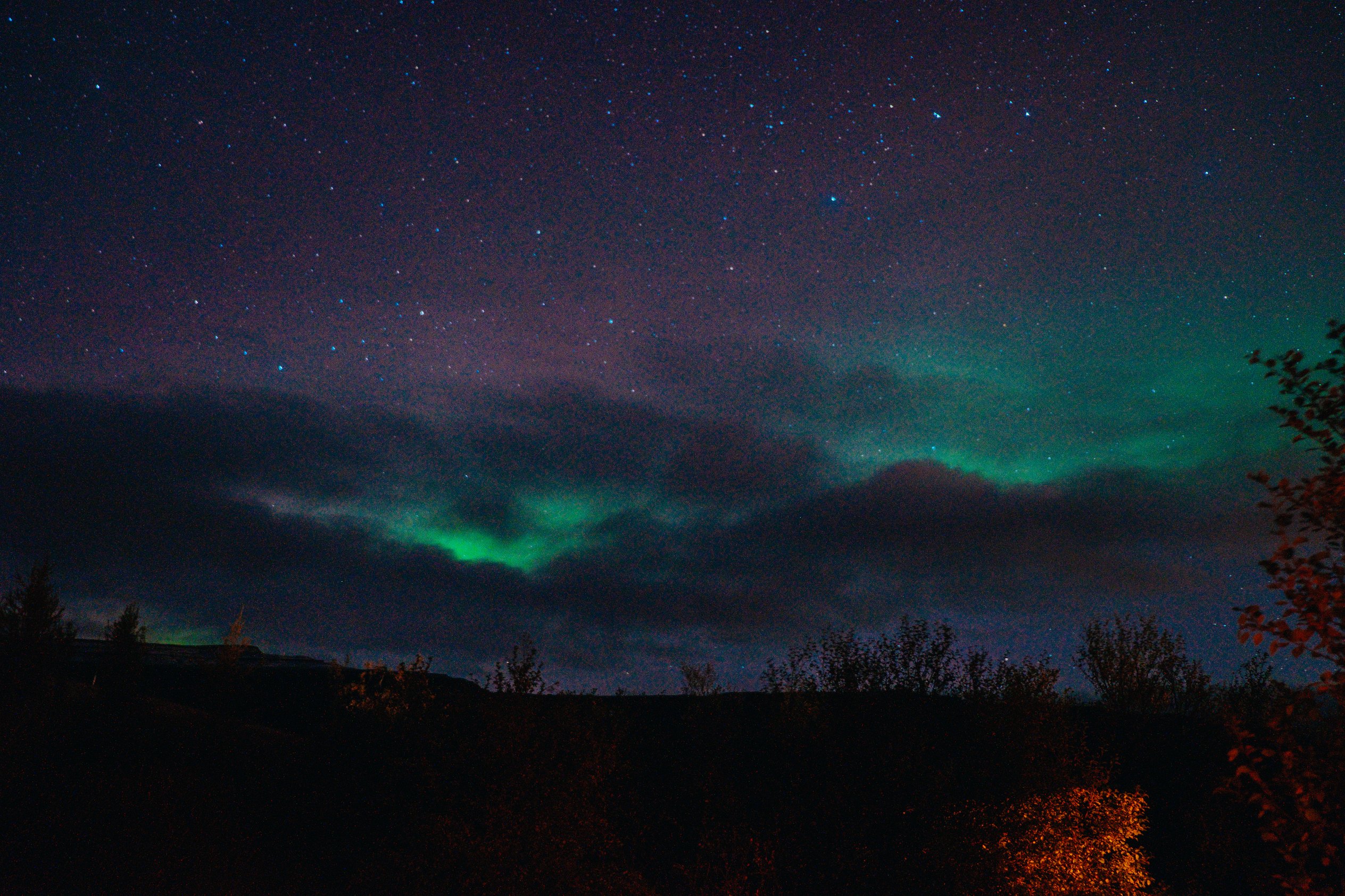
We fell in love with the Icelandic horses and their incredible manes, and I’ll never forget the moment when we stood in the middle of nowhere in the Westfjords and the green northern lights danced above our heads.
This guide to Iceland is designed to prepare you for the reality of the island without the rose-tinted glasses of social media. Iceland can be expensive, exhausting and incredibly moody, but once you accept its rules of the game, it rewards you with experiences for a lifetime. If you’re planning a holiday in Iceland in 2026, you’ll need to account for a number of new developments — from a per-kilometre tax to reawakened volcanoes.
In this article you’ll find a complete overview of when to go, how much the whole adventure costs, what to watch out for when renting a car and, of course, detailed tips on the spots you absolutely shouldn’t miss on your trip.
TL;DR
- How long to go for: To drive the main Ring Road you ideally need 7 to 10 days. The Golden Circle and south coast can be done in 4 to 5 days.
- Budget: Iceland is very expensive. A comfortable one-week holiday for two (excluding flights) comes to roughly £2,800 to £4,600. The cost can be cut by cooking your own food and staying in campsites.
- What’s new in 2026: The airline PLAY went bust, a new per-kilometre tax of 6.95 ISK per kilometre now applies on the roads, but petrol has dropped significantly to around 215 ISK per litre. In August the island will experience a total solar eclipse.
- Car: In summer a regular two-wheel-drive car is enough for the main road, but for the interior (F-roads) and for winter you absolutely need a 4×4.
- Safety: Beware of treacherous waves on Reynisfjara black beach and the extreme wind that can literally rip the doors off your car. The volcanoes on the Reykjanes Peninsula are active, but safely monitored.
The full destination guide: Iceland — guide and what to see
When to Go and How to Get There
Planning a holiday in Iceland starts with the question of what you actually expect from the trip. The weather here is hard to predict and often changes every five minutes. We set off at the turn of September and October, which in my opinion is an absolutely brilliant compromise.
There aren’t as many tourists as in summer, accommodation prices drop a little, and at the same time it’s dark enough for you to go hunting for the northern lights. What’s more, the Gulf Stream keeps temperatures surprisingly mild, so it rarely stays freezing in Reykjavík for long. The real dictator here, though, is the wind, which can knock the feels-like temperature down by ten degrees — so a quality windproof jacket is an absolute must, even in July.
If you want the best possible chance of passable roads and an open interior, aim for mid-June to the end of August. Summer days are endless and the sun sets for only a few hours, so you can pack a lot in.
On the other hand, 2026 has a huge astronomical event in store. On Wednesday 12 August there will be a total solar eclipse, which will be best visible from the Westfjords and Reykjavík. The path of totality will sweep across the western part of the country, and the longest darkness will be experienced at the Látrabjarg cliffs, where the eclipse will last over two minutes.
Accommodation for this date is sold out far in advance and prices are skyrocketing. For example, the price for an ordinary guesthouse in the town of Ísafjörður has climbed to $700 a night, and a massive festival is even being held on the Snæfellsnes Peninsula.
As for flights from the UK, you have several options. Several airlines fly direct from London (Heathrow, Gatwick and Luton) with easyJet, Icelandair and British Airways, with the journey taking around three hours and fares typically around £60 to £250 return depending on the season. Icelandair is a long-established and very reliable carrier that offers a great Stopover service.
That way you can break your journey to North America with a stopover in Iceland of up to seven days at absolutely no extra charge on top of your fare. Just be careful with older information online, because the popular budget airline PLAY went bankrupt and you’ll no longer see its red planes in the sky.
To enter the country you don’t need a visa, but as a UK traveller you will need a valid passport. Iceland is part of the Schengen Area but not the EU, so from late 2026 you should expect the new EU Entry/Exit System (EES) and, eventually, the ETIAS travel authorisation to apply to you. It’s worth checking the latest entry requirements before you fly, and bear in mind there may be slightly longer queues at the desks.
Where to Stay and What It Costs
Accommodation in Iceland is probably what hurts your wallet the most. The price of a stay depends primarily on the standard you require, because here you’ll find absolutely everything — from luxury glass-walled hotels to family farms to campsites.
During our road trip we mostly slept in so-called guesthouses, which is probably the most popular and most practical form of accommodation. You usually have a private or shared bathroom and, crucially, access to a shared kitchen, which is absolutely key to keeping your budget in check.
On average, expect a night for two in a decent guesthouse to cost £70 to £140, or roughly 80 to 150 euros. A great alternative for animal lovers is the so-called farmstays organised by the Hey Iceland network, where you wake up to the literal bleating of sheep and often have a fully equipped kitchenette at your disposal.
If you’re travelling solo or don’t mind shared rooms, you’ll also find clean, modern hostels all over the island, where a bed in a shared dorm goes for between $40 and $60 a night.
Accommodation is simply a major expense, so if you’re heading out in summer and have a more adventurous nature, you’ll save an incredible amount with the Camping Card. It costs around £155 (26,000 ISK) and gives you access to more than forty campsites across the island for up to 28 nights.
The card is also valid for two adults and up to four children, and on site you only top up with a small accommodation tax of around 400 ISK per night. It’s an absolutely ideal option for those renting a campervan.
As for the overall budget, a self-organised holiday in Iceland for two people for one week at mid-range comfort — with a rental car, petrol, food and entry to thermal pools — will cost an estimated £2,800 to £4,600 excluding flights. If you cook diligently, sleep in a tent and rent the smallest two-wheel-drive car, you can squeeze it down to somewhere around £1,750 to £2,500.
If, on the other hand, you want luxury hotels and private glacier excursions, the budget easily exceeds £10,500. For 2026, don’t forget to factor in the new per-kilometre tax on the rental car, which I’ll cover in more detail in the next section.
💡 Specific accommodation tips (check prices and availability via Booking, and book early — in peak season and around the 2026 eclipse they vanish months ahead):
- Hótel Kea (Akureyri)
- Fosshótel Glacier Lagoon (Hof)
- Hótel Katla by Keahotels (Vík)
Transport and Driving: 4 Things You Must Know
The roads in Iceland are an experience all of their own, and renting a car here feels a bit like a little wild west. You can either stick to the paved ring road known as the Ring Road, or dare to head into the interior on gravel tracks. Both options have their strict rules that really don’t pay to break, because roadside assistance is astronomically expensive, mobile speed cameras are merciless and the fines are even worse.
1. Which car to choose and when a two-wheel drive will do
The big dilemma is always the choice between a two-wheel-drive car and a 4×4. If you’re going in summer and only plan to drive the Golden Circle, the south coast or to loop the main Ring Road, a small front-wheel-drive car will be more than enough. Most of the main road is paved and only about thirty percent of the stretches are gravel.
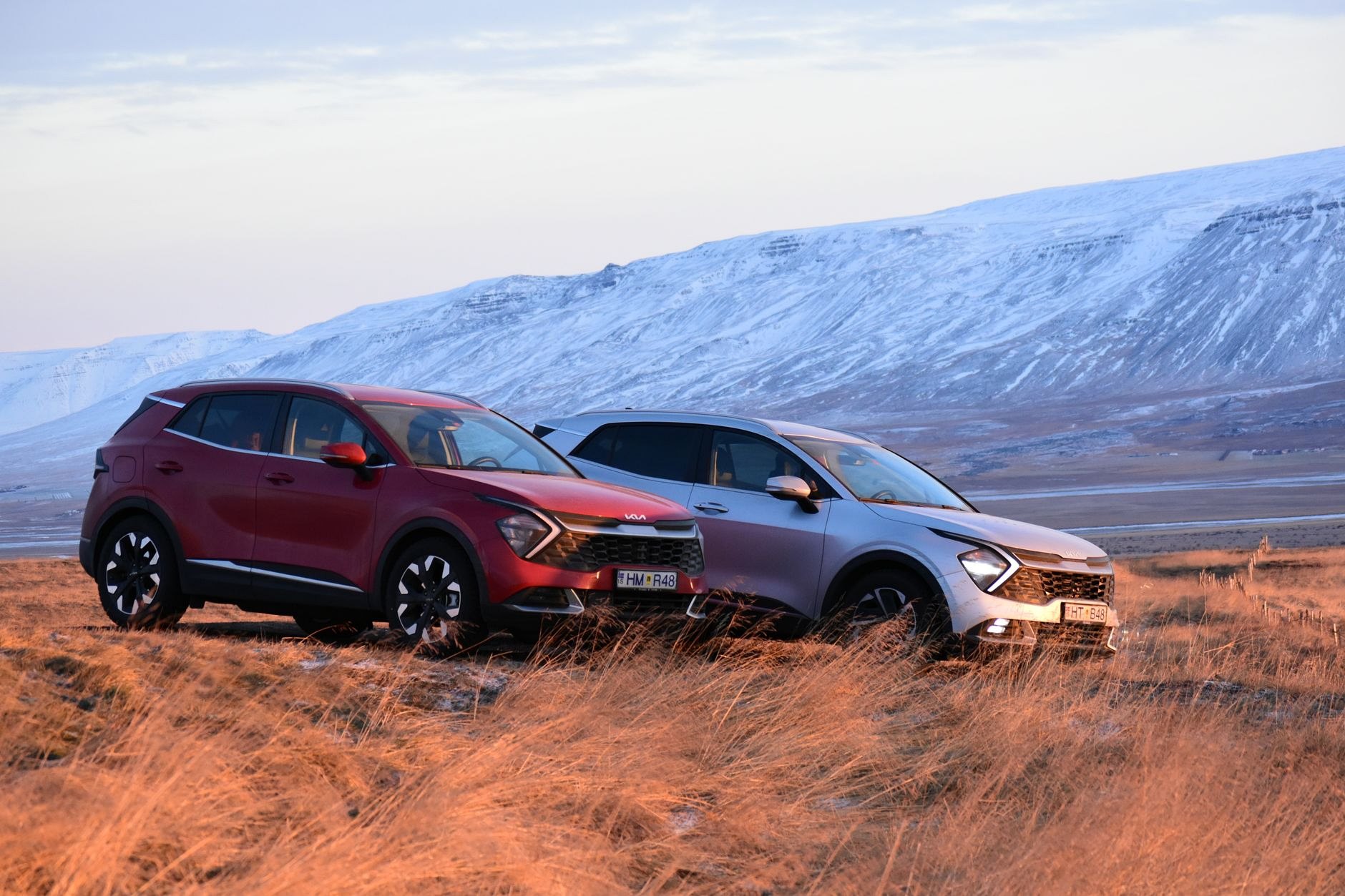
But as soon as you want to head onto the mountain roads marked with the letter F into the Icelandic interior, a 4×4 vehicle is an absolute necessity. By law you may not drive there in a regular car, all your insurance will be void, and believe me, those roads are genuinely rough.
A 4×4 is, of course, also essential for driving in the winter months. And watch out for the narrow single-lane bridges, the so-called Einbreið brú, where a simple rule always applies: whoever reaches the bridge first has right of way.
2. Insurance is an absolute essential
On Icelandic roads a lot of things can happen to your car that we simply don’t know in central Europe. Basic CDW insurance on a small car costs around 3,190 ISK a day, but it usually isn’t nearly enough.
Definitely pay extra for Gravel Protection, which covers you against flying gravel. The asphalt on the Ring Road often unexpectedly turns into gravel, and all it takes is a car coming the other way to send a tiny stone flying and instantly crack your windscreen.
If you’re heading to the south and east of the island, I also highly recommend Sand and Ash Protection. Windstorms can whip up volcanic ash and sand that literally strips the paint off your car down to the bare metal, and in that case the damage runs into many thousands of pounds — up to 1,500,000 ISK.
A special chapter is the river crossings in the interior. Unfortunately, no standard insurance covers those, and there you always drive entirely at your own risk.
3. Be extremely careful with the doors
It might sound a bit comical, but one of the most common types of damage at Icelandic car rental companies is the doors being torn off by the wind, which the locals call door-ripping. The force of the wind in Iceland can be so extreme that if you carelessly open your car door, the wind catches it and slams it back as far as the wing with enormous force.
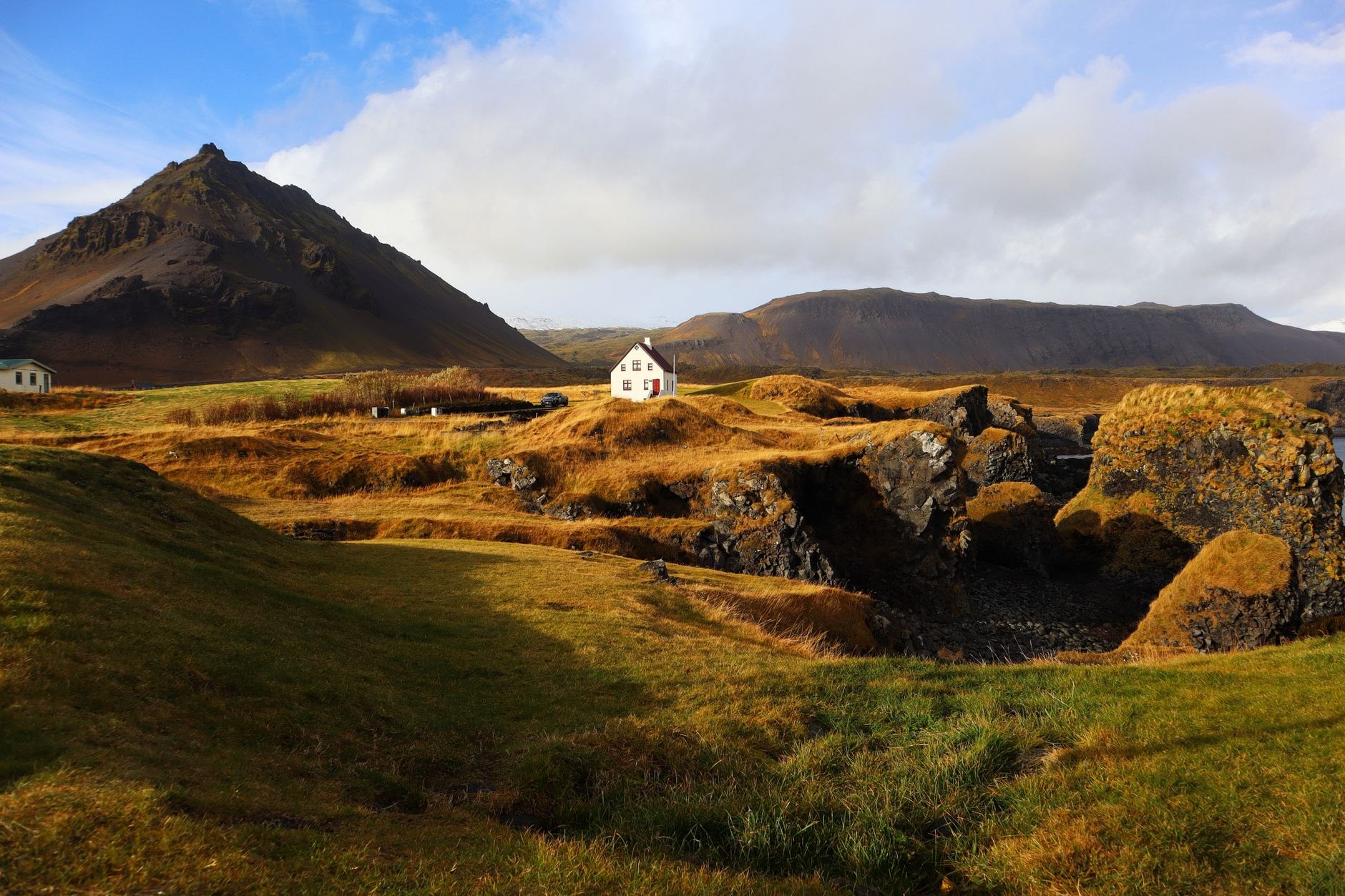
The repair costs absurd sums and ordinary insurance rarely covers this kind of damage. We have a simple rule: whenever the wind blows in Iceland, you have to hold the handle firmly with both hands and brace the door with your body as you get out. Likewise, be careful not to park into the direction of a strong wind with the doors open.
4. The per-kilometre tax and cheaper petrol for 2026
If you’re reading holiday accounts from Iceland from previous years, you need to know about a major change. As of 1 January 2026, the Icelandic government introduced a new per-kilometre tax, which also applies to electric cars. For passenger cars up to 3.5 tonnes this means a charge of 6.95 ISK, or roughly £0.04, for every kilometre driven.
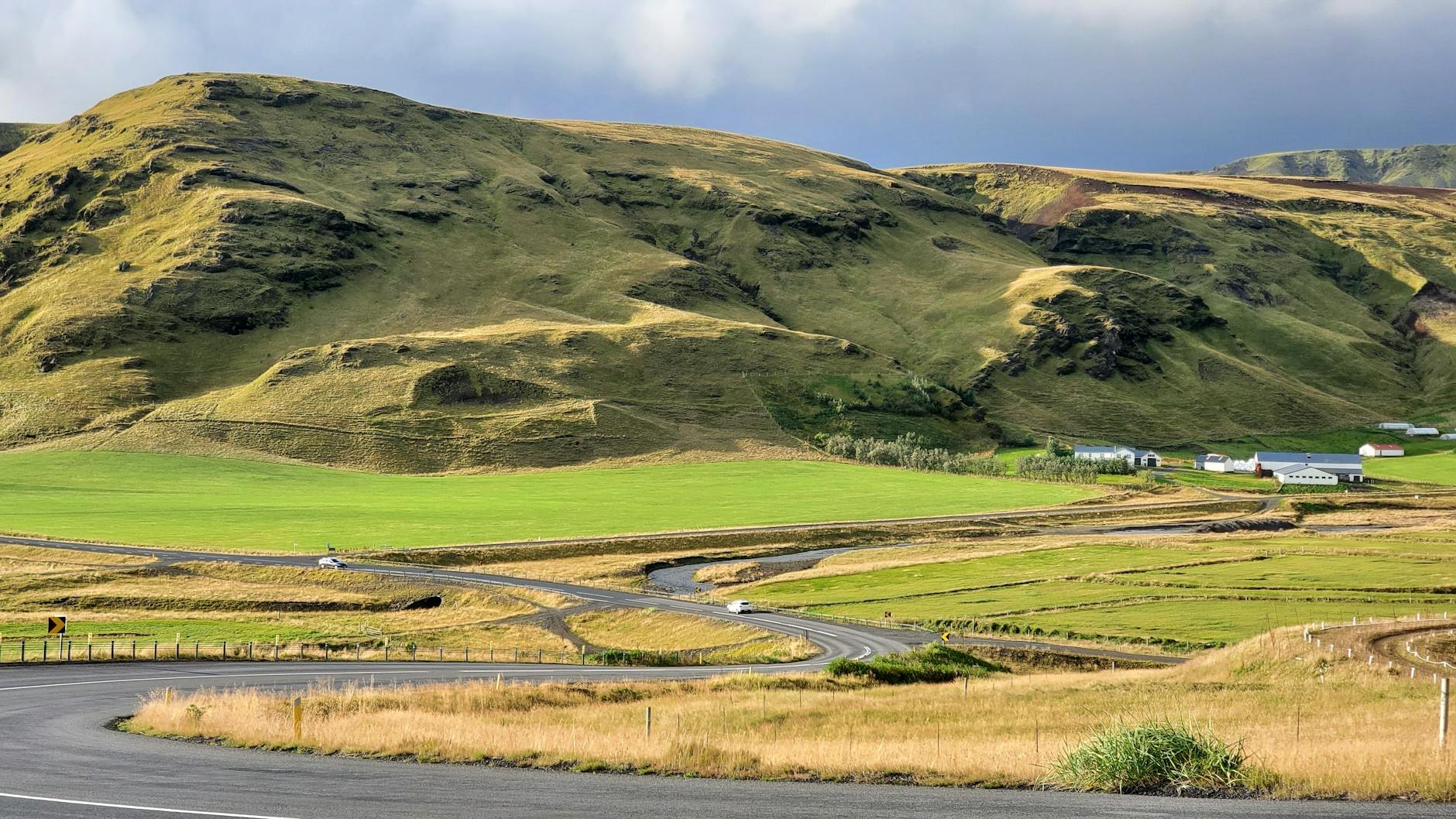
Rental companies will either bill you a fixed daily fee of around 1,390 to 1,550 ISK, or deduct it from your card precisely according to the odometer when you return the car.
But there’s no need to panic. Alongside this tax, the government also abolished part of the fuel excise duty, so petrol has become very pleasantly cheaper. While in 2025 a litre cost over 305 ISK, in 2026 prices range between roughly 210 and 225 ISK per litre depending on the petrol station network.
So the overall cost of a road trip roughly evens out — you just pay part of the money to the rental company and less at the pump. And don’t forget that at self-service petrol stations like N1 you’ll definitely need a physical bank card and to know your PIN, because contactless payments without a PIN have a limit of 7,500 ISK in Iceland.
Iceland and Safety: What to Watch Out For
Although Iceland has long held the top spot in the ranking of the safest countries in the world with almost zero crime, nature here unfortunately doesn’t forgive mistakes. People here often don’t lock their houses or cars and they’re incredibly kind, but on the other hand you can be killed by an inconspicuous wave on a black beach or caught out by an evacuation due to seismic activity. Just follow a few basic rules and you’ll be absolutely fine.
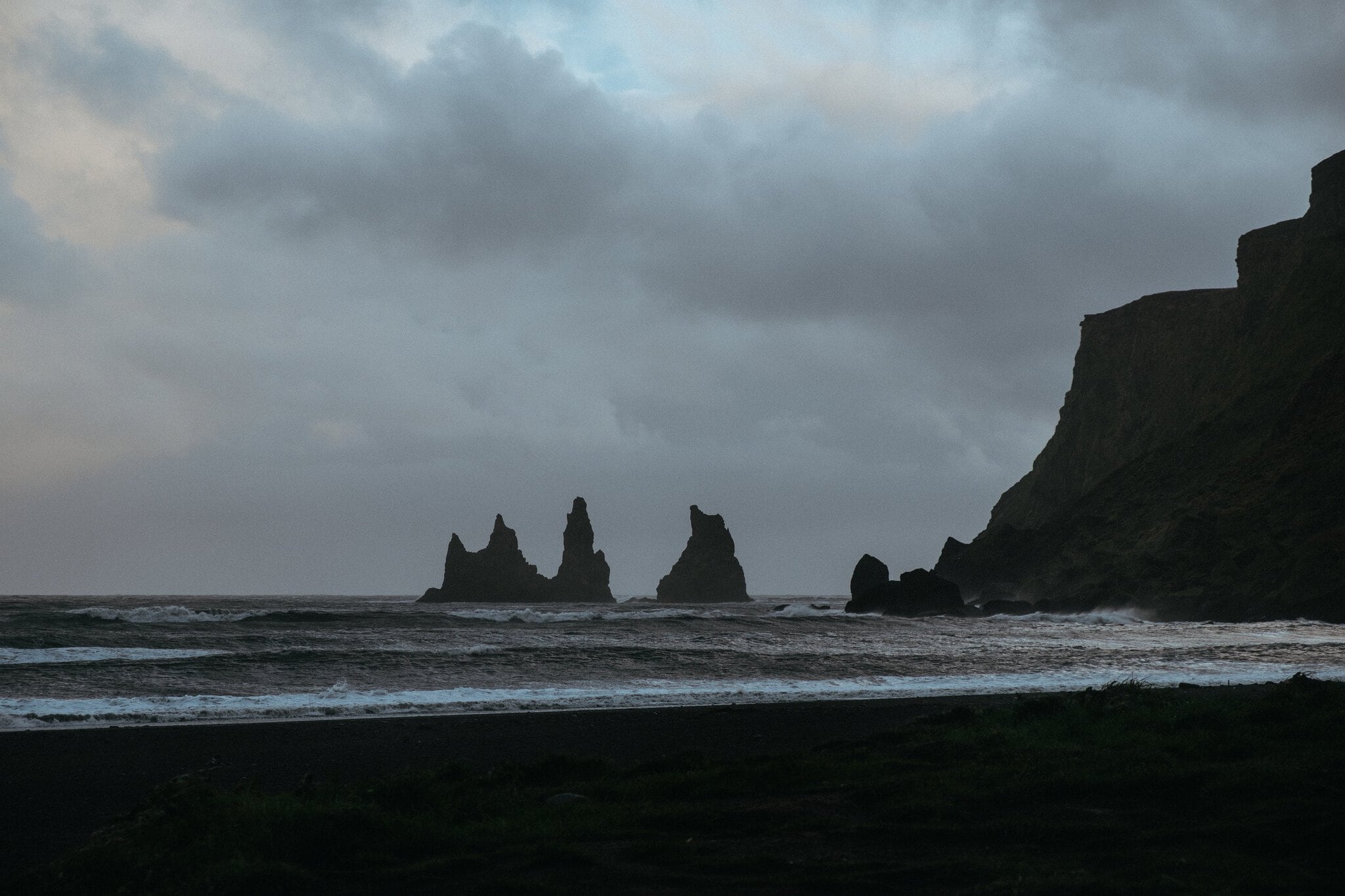
Probably the biggest bogeyman of recent years is located on the stunning Reynisfjara black beach near the town of Vík. The place is genuinely gorgeous, with basalt columns in the background, but the ocean here produces so-called sneaker waves — treacherous, creeping waves.
The ocean looks perfectly calm, then out of nowhere a huge mass of water surges in, reaching dozens of metres further onto land than the previous waves. The water has enormous force, and a strong undertow can easily drag a grown adult into the ocean. Sadly, six tourists have died here since 2013.
So respect the colour-coded warning signal right on the beach, stay at least thirty metres away from the water and, above all, never turn your back on the ocean for a photo.
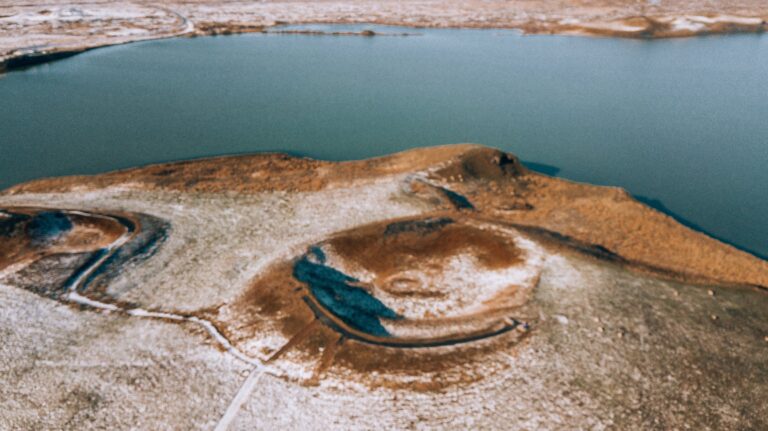
Another peculiarity is the volcanic activity on the Reykjanes Peninsula. Since March 2021 eruptions have come and gone here, and there have been nine in the Sundhnúkur volcanic system alone. They don’t pose a major nationwide risk to your safety, though, because these eruptions don’t spew clouds of ash but rather more calmly pour lava from fissures.
Keflavík airport operates without restrictions, but be very careful at the popular Blue Lagoon spa. It currently operates in a dynamic mode and, during increased seismic activity, it can fully evacuate with two hours’ notice.
Always check the app and the official website Safetravel.is before your trip, where you’ll find the latest warnings. Equally essential is the accurate weather portal Vedur.is.
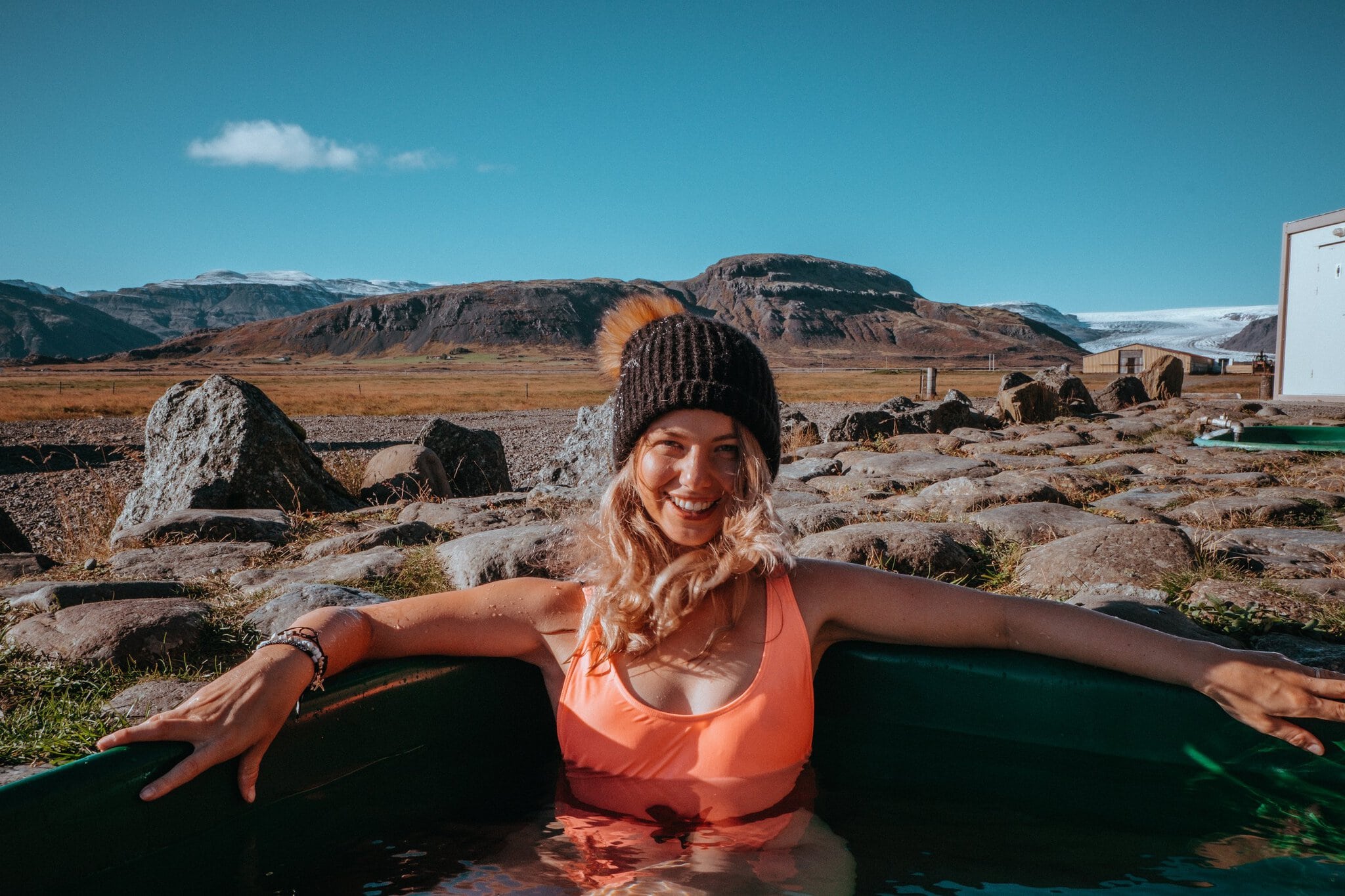
An entirely different category of safety and social rules is Icelandic etiquette in the thermal pools, or the Sundlaug. Tourists usually head for the expensive spas like the Sky Lagoon, but we fell in love with the local public pools you’ll find in every smaller town for a fraction of the entry fee.
They do, however, have one very strict rule. Because Icelanders use minimal chlorine, you must thoroughly shower with soap before entering the pool — and that means completely naked.
In the changing rooms you’ll often encounter staff, the so-called shower guards, who supervise hygiene, and if you don’t take your swimsuit off they’ll send you mercilessly back to the showers. You might feel a little shy, but no one is looking at you — it’s simply a necessary local tradition.
Region by Region: 15 Most Beautiful Places to Visit and What to Do There
Iceland is so vast and visually varied that you simply can’t take it all in on a single visit. Lukáš and I managed to drive around the whole island in fourteen days, but we had days where we sat in the car for many hours watching the asphalt turn into endless gravel tracks.
I’ve divided the island into its main regions for you, so you can pick exactly the spots that appeal to you most and easily put together your ideal itinerary.
1. Reykjavík and the Reykjanes Peninsula
Iceland’s capital probably won’t greet you with the classic historic atmosphere of European metropolises, but it has its own unmistakable Nordic charm. The whole city can be walked in a day, and I recommend starting at the dominant concrete church of Hallgrímskirkja, whose architecture is meant to evoke the basalt columns of the local landscape, with a trip up the viewing tower costing around 1,400 ISK.
A stroll around the modern glass-walled Harpa concert hall, which sits right by the harbour, is also lovely, and definitely don’t miss the steel Sun Voyager sculpture either. In the evening, head out on the famous rúntur, the traditional bar crawl along the lively Laugavegur street.
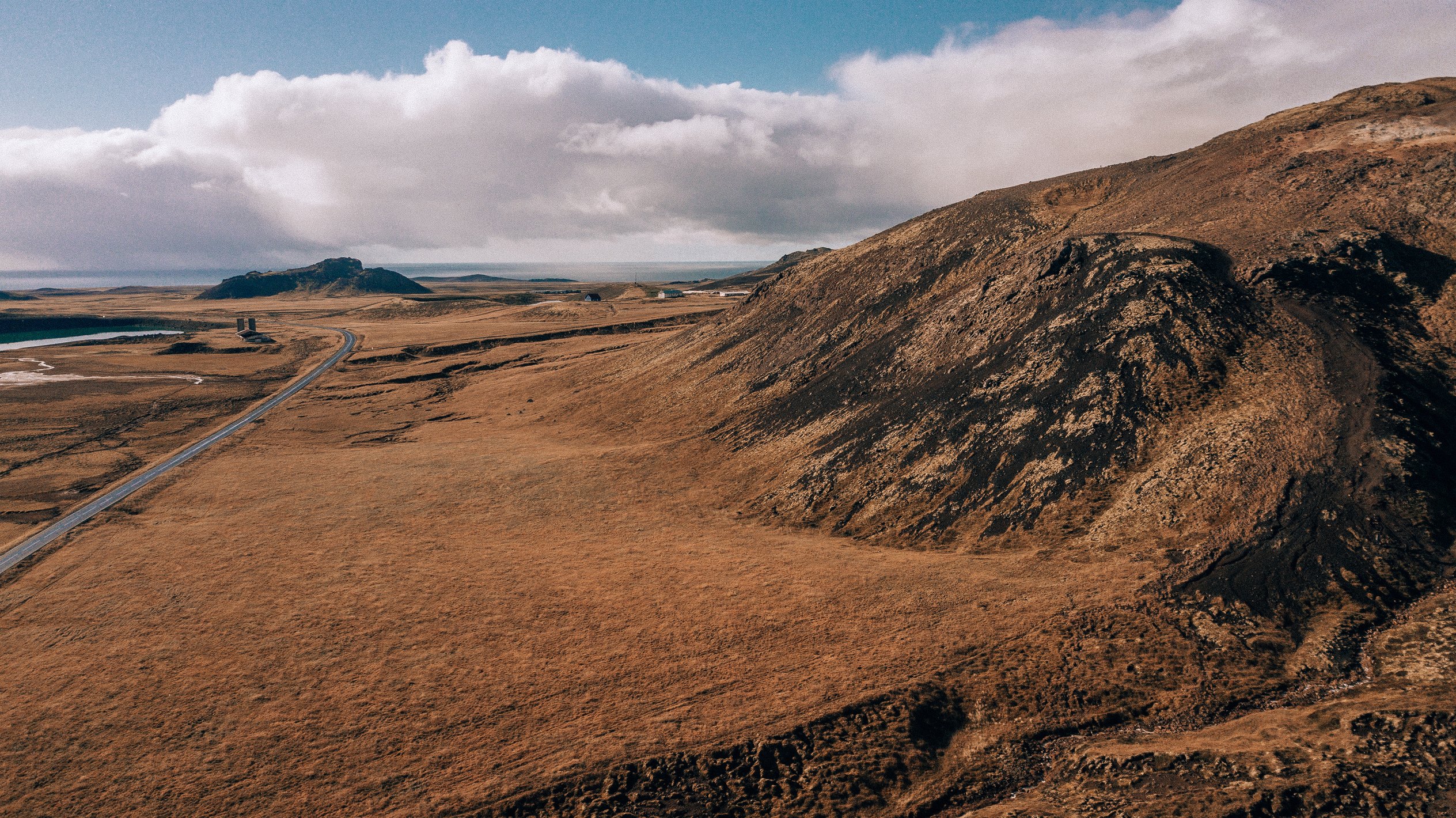
Beyond the city limits lies the Reykjanes Peninsula, where you’ll most likely land. Here you’ll find the famous Blue Lagoon with its milky-coloured water, which is occasionally temporarily evacuated due to local volcanic activity near the town of Grindavík, but usually operates without any problems.
Tickets must be booked well in advance. On this peninsula you’ll also find the so-called Bridge Between Continents, where you can freely walk through the rift between the Eurasian and North American tectonic plates.
💡 Tip: It pays to buy tickets and organised tours (in Iceland and the surrounding area) online in advance on GetYourGuide — they fill up fast in peak season.

2. The Golden Circle as a must-do start
This is the absolute classic, which you can drive from the capital in a single afternoon trip. The Golden Circle is made up of three main stops. The first is Þingvellir National Park, a place of huge historical significance, because the first Icelandic parliament met here as early as 930.
It’s also the only place in the world where you can clearly see two continental plates pulling apart on the surface, and the brave can even dive in the Silfra fissure in water of just two degrees Celsius.
The next stop is the geothermal Geysir area. The Great Geysir itself mostly sleeps these days, but its neighbour named Strokkur is very reliable, shooting boiling water to an impressive height of up to thirty metres roughly every five to ten minutes.
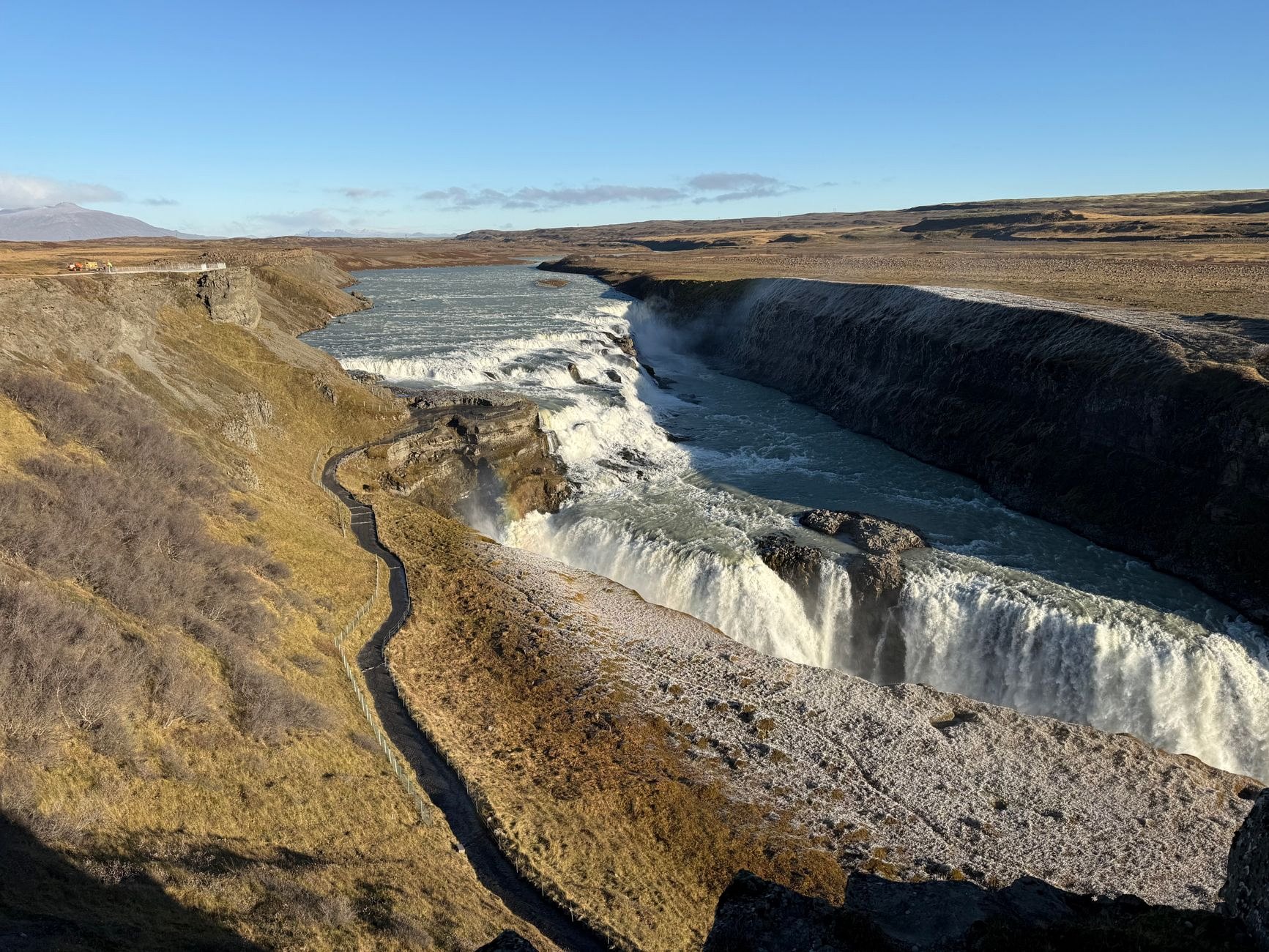
The whole route is rounded off by the imposing Gullfoss waterfall. This double cascading giant looks incredibly majestic, and in winter, when it’s surrounded by ice, you get the feeling you’ve ended up somewhere at the end of the world.
3. The south coast: waterfalls and black sand
If you head out of Reykjavík along ring road number 1 towards the south, get ready to be stopping every few minutes with your mouth wide open. The first huge draw is the Seljalandsfoss waterfall, whose uniqueness lies in the fact that you can safely walk all the way around behind it.
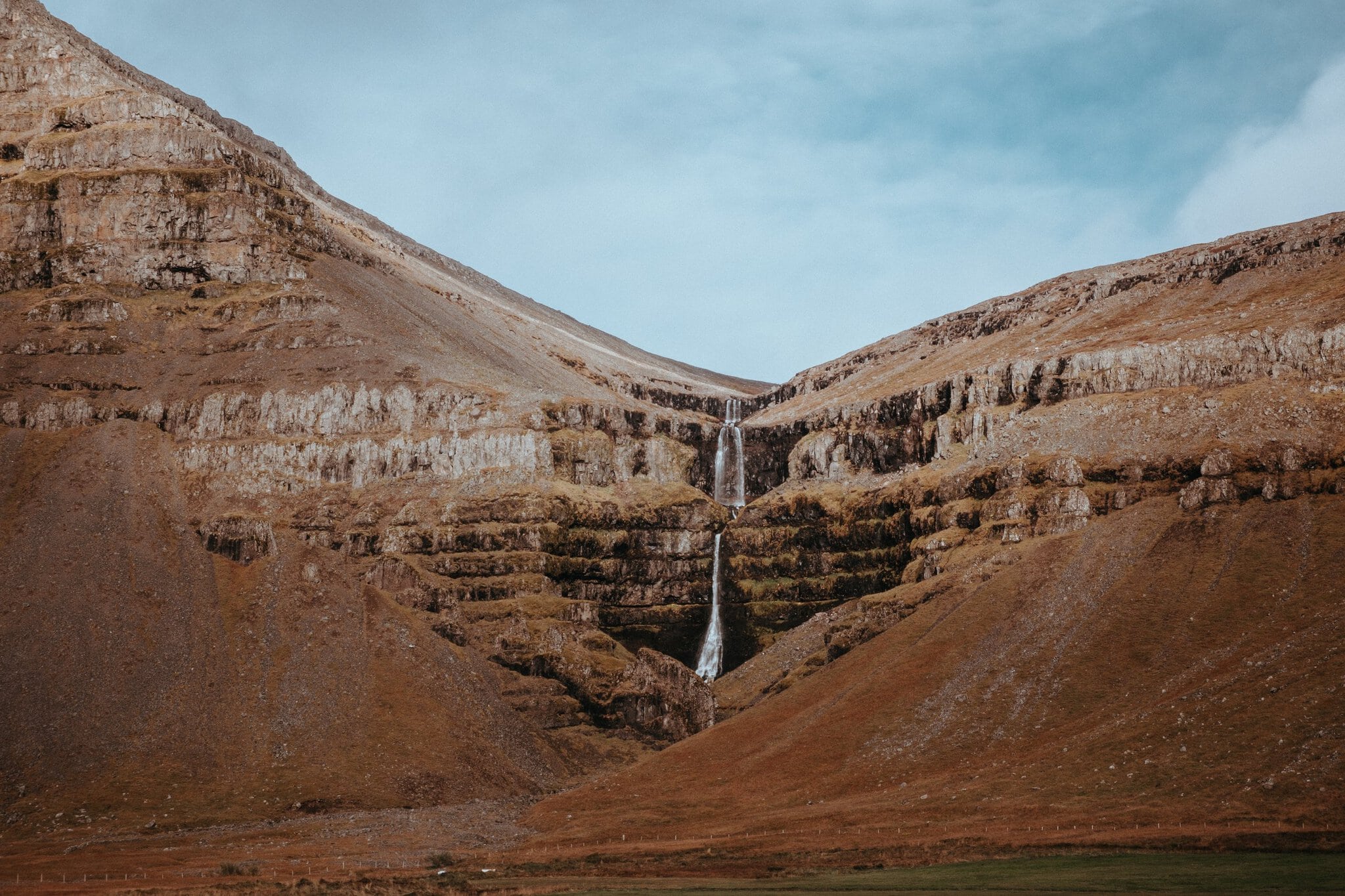
Just have a really good waterproof jacket ready, because the spray flies off it in every direction. Only a little further on you’ll come across mighty Skógafoss, alongside which you can climb hundreds of steps and watch as an enormous volume of water plunges sixty metres down into the river below.
At these popular spots, expect to pay parking fees of around 1,000 ISK, so go ahead and download the Parka app right away.
If you have a bit of extra time and don’t mind a longer walk, take a hike out to the wreck of an American military DC-3 plane on Sólheimasandur beach. The aircraft has lain there in the black sand since the 1970s, and although the flat, gravel-strewn path to it is a little tiresome, that post-apocalyptic sight is definitely worth it.
Once you reach the town of Vík, you’ll come across the aforementioned beautiful but dangerous Reynisfjara black beach with its basalt columns, where those utterly treacherous ocean waves await you.
4. The southeast and the magic of giant glaciers
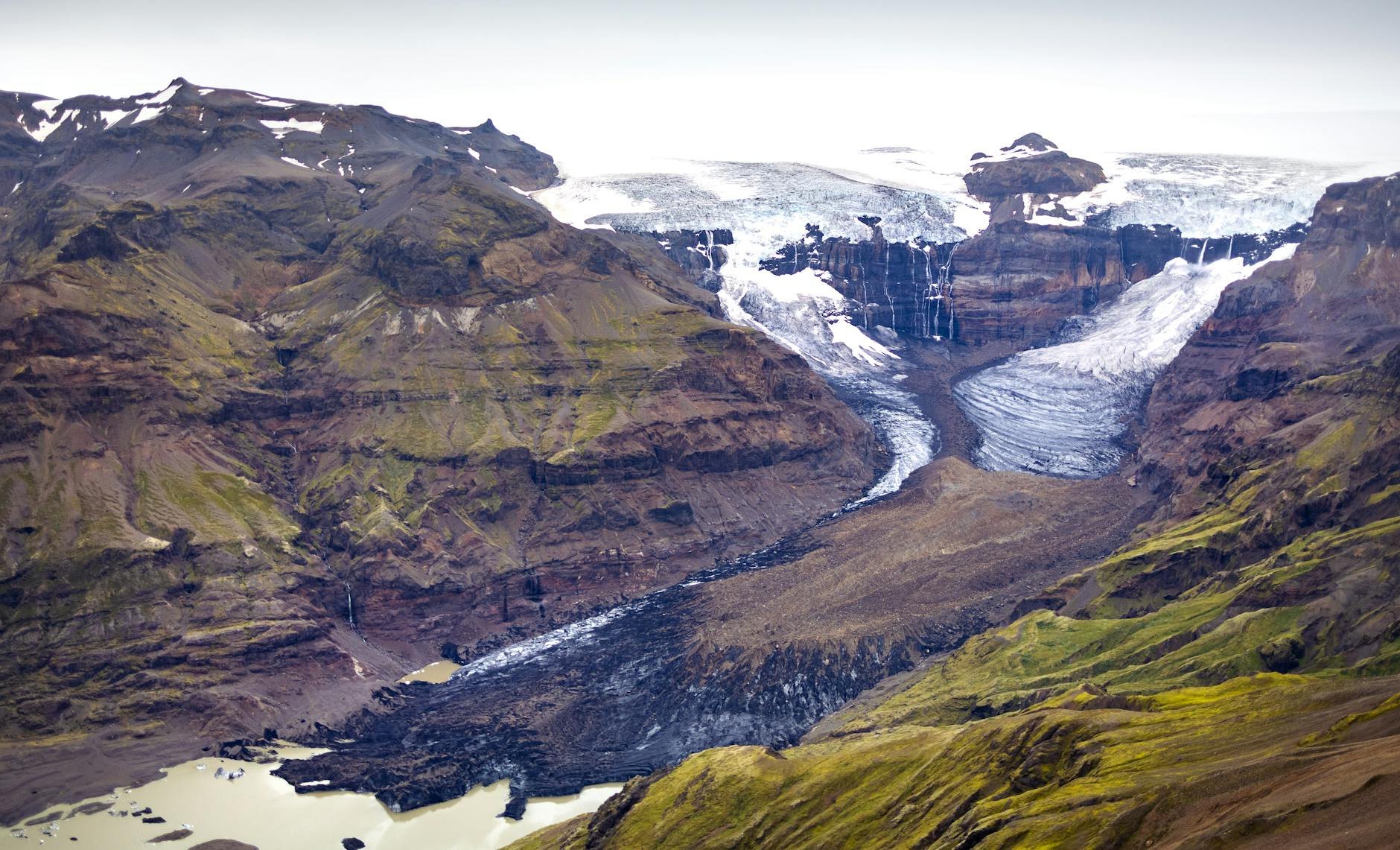
Beyond Vík the crowds of tourists noticeably thin out, and along a long straight road you’ll approach the enormous Vatnajökull National Park, home to the largest glacier in Europe, which covers an incredible eight percent of all of Iceland. This takes everyone’s breath away, without exception.
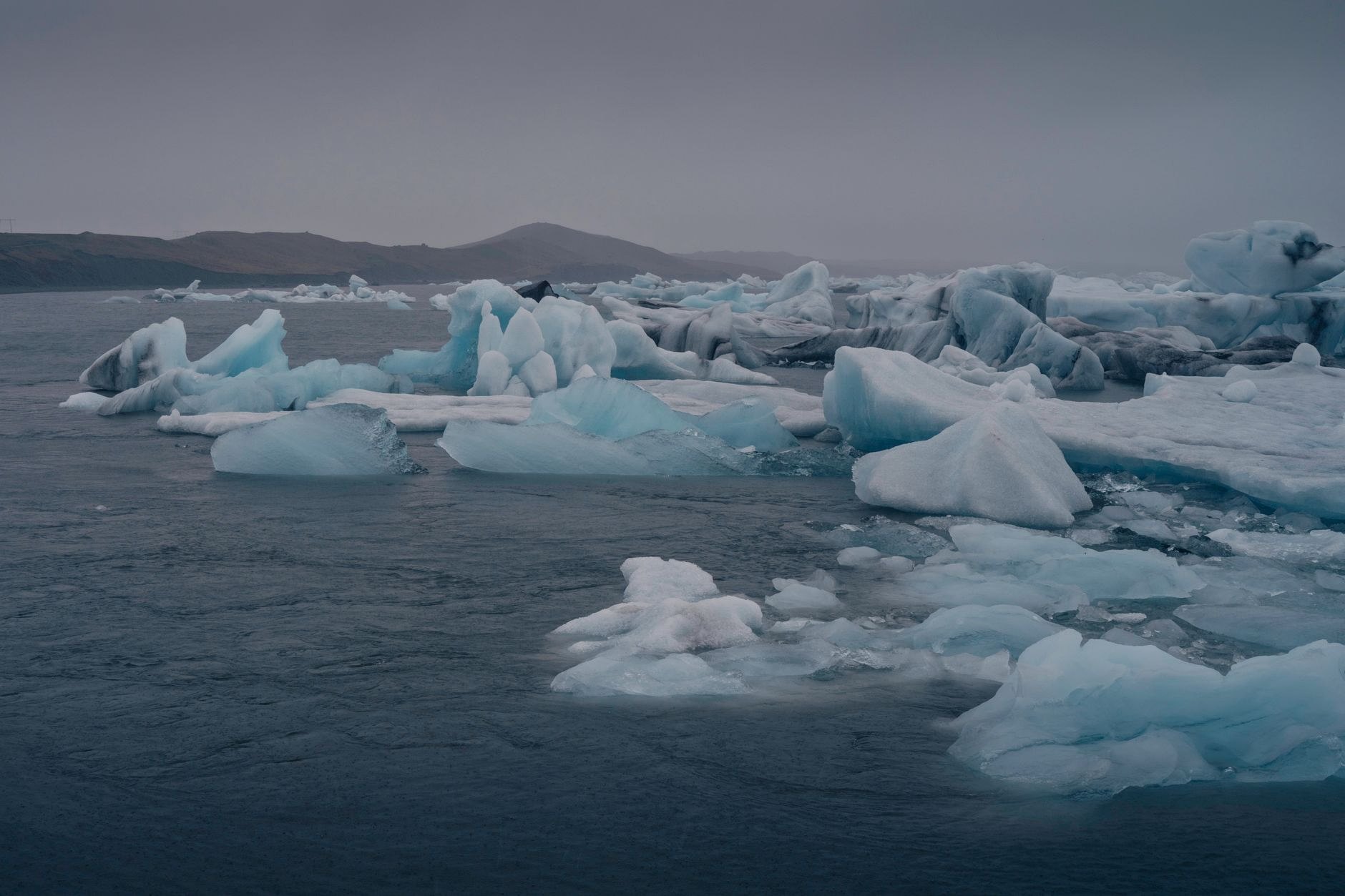
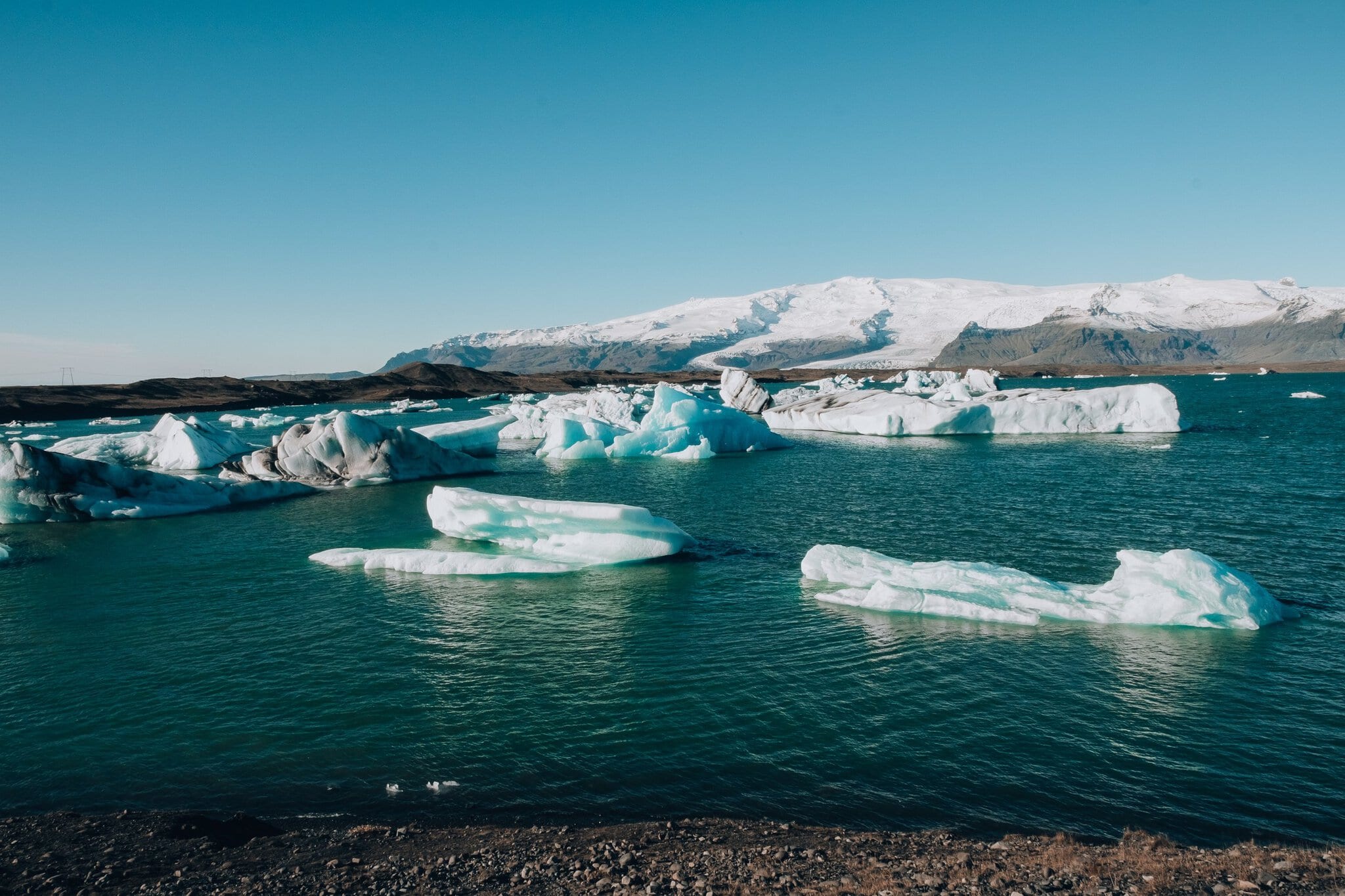
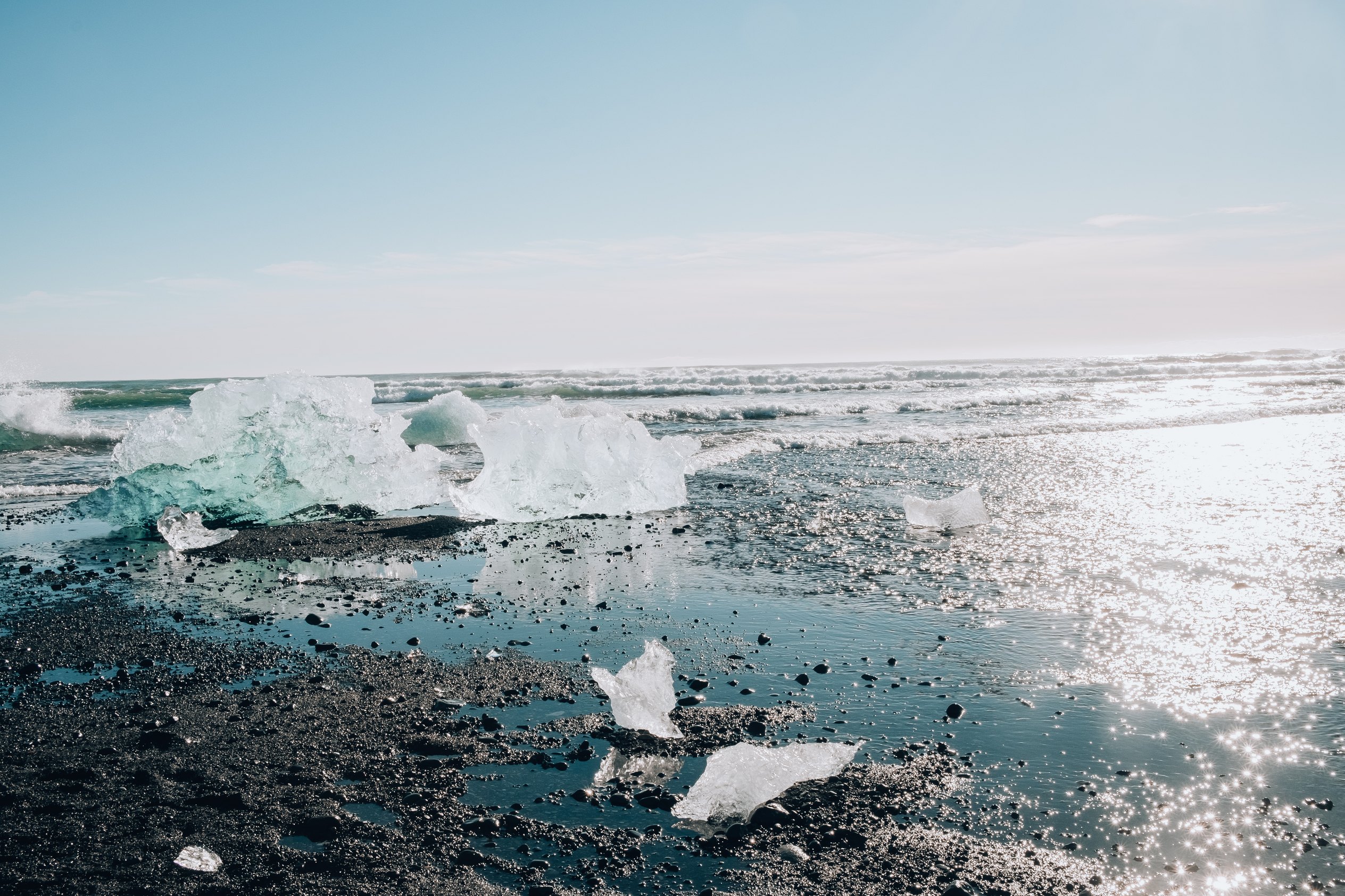
Lukáš and I made a longer stop at the famous Jökulsárlón glacier lagoon. Huge blue and white chunks of ice break off into this calm water and drift silently towards the ocean, often with curious seals basking on them.
Right across the road from the lagoon lies the so-called Diamond Beach. The churning ocean constantly tumbles those huge broken-off chunks of ice and gradually washes them back onto the shore. Ice of all shapes and sizes really does sparkle like diamonds on the deep black volcanic sand in the sunlight, making it one of the most photogenic spots on the whole island.
5. The Eastfjords (Austurland) and cliffside scenery
Once you drive through the rugged southeast, the road begins to twist dramatically and you enter the region of the Eastfjords. It’s a landscape of sharp, steep cliffs, deep bays and deserted roads, where you’re very likely to encounter whole herds of wild reindeer. Bear in mind that the distances between petrol stations here are noticeably longer, so don’t forget to refuel regularly and keep an eye on your tank.
The absolute gem of this area is the picturesque town of Seyðisfjörður, which sits at the end of one of the deep fjords. This place was made famous by its iconic blue church, reached by a wonderfully photogenic rainbow street. The atmosphere here is completely different from the rest of Iceland, full of artists, little cafés and an all-pervading calm.
6. The north and the wild Diamond Circle
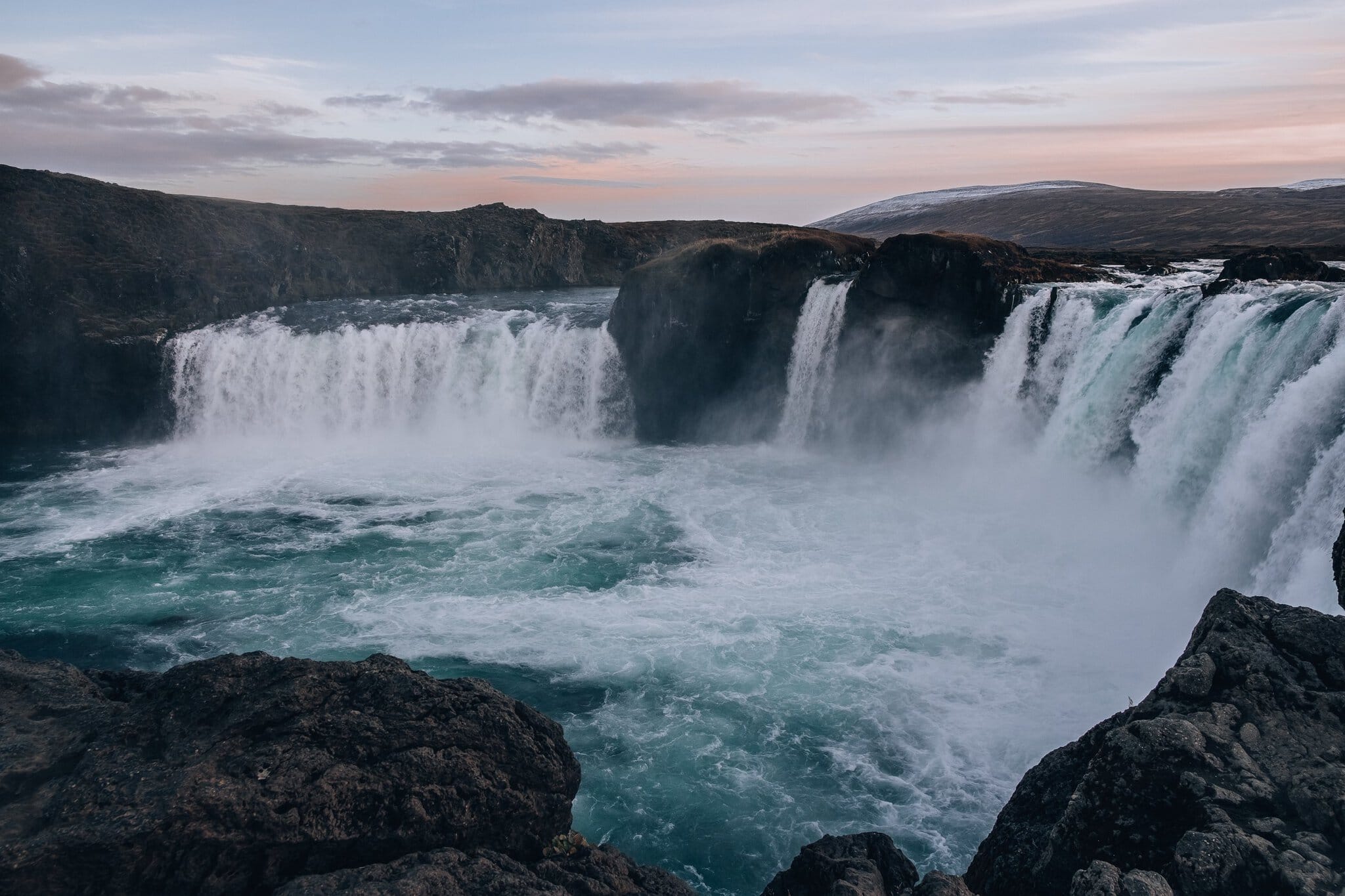
The role of northern capital is played by the likeable town of Akureyri, from which most travellers set off to explore the so-called Diamond Circle. It takes in the gorgeous Goðafoss waterfall and, above all, the geothermally active Mývatn lake area. This region feels literally like another planet.
At every turn it bubbles and hisses, you walk past colourful mud pots at Hverir and admire the Dimmuborgir lava formations. What’s more, at the turn of June and July 2026, after a long rebuild, the brand-new Earth Lagoon spa is opening here, replacing the original Mývatn Nature Baths.
The absolute highlight of the north for me is, without doubt, Dettifoss — the most powerful waterfall in all of Europe. Standing on its edge and feeling the physical tremors beneath your feet fills you with enormous respect for nature. If you love animals, take a trip to the nearby fishing town of Húsavík.
The chances of spotting whales from a boat trip here border on a certainty, and in the summer months even huge blue whales regularly swim in. After the cruise you can soak in the GeoSea thermal baths, where from the hot water you look out straight onto the ocean.
7. The Snæfellsnes Peninsula and the remote Westfjords
The western part of Iceland offers two completely different faces. The Snæfellsnes Peninsula is often nicknamed Iceland in miniature, because in a relatively small area you’ll find a little bit of everything.
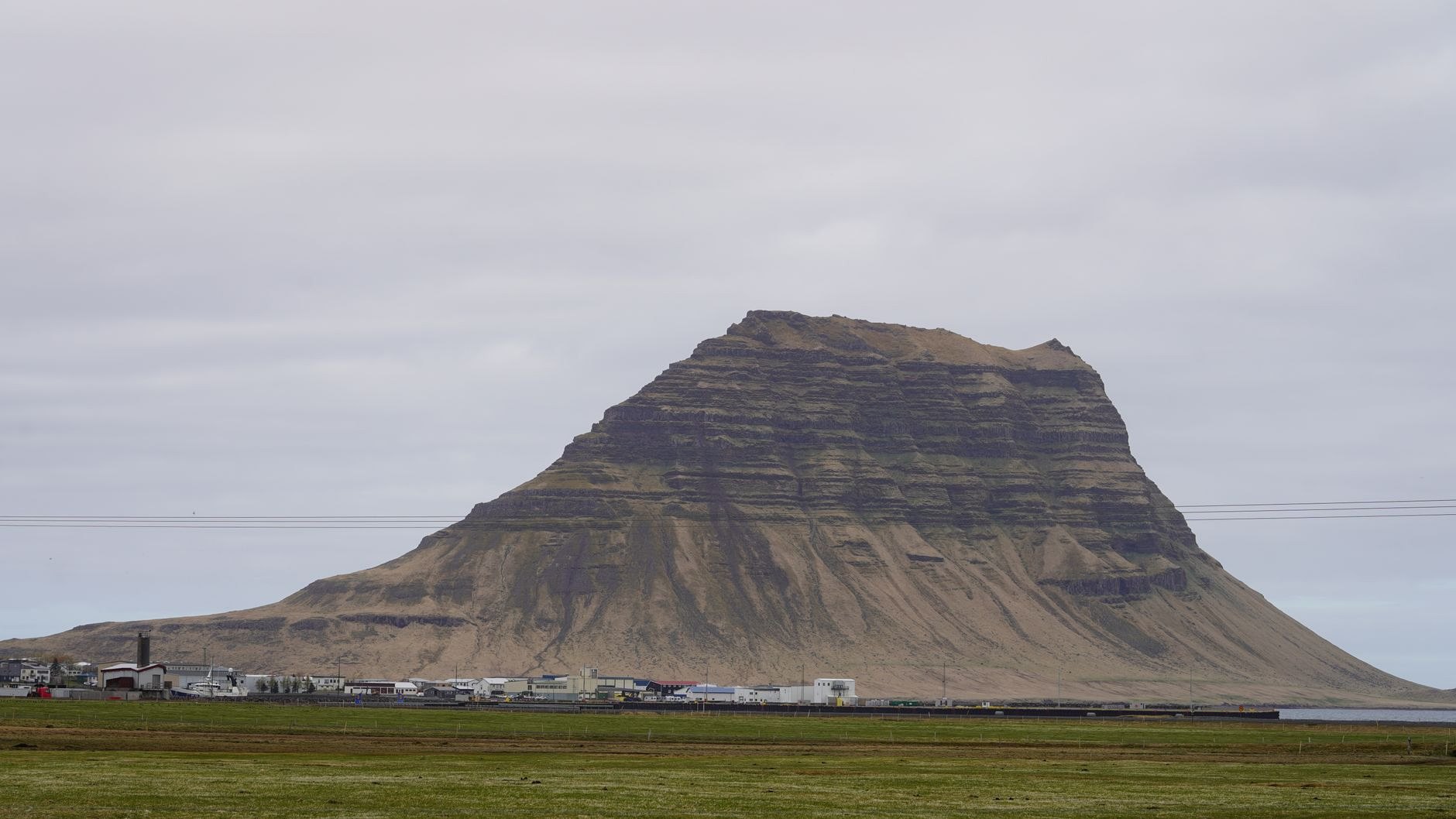
There’s the iconic pointed Mount Kirkjufell known from Game of Thrones, the romantic, solitary black church of Búðir in the middle of the wilderness, and the dramatic cliffs full of nesting birds at Arnarstapi. You can drive around it in two relaxed days, and in August 2026 a massive festival linked to the solar eclipse is even being held here.
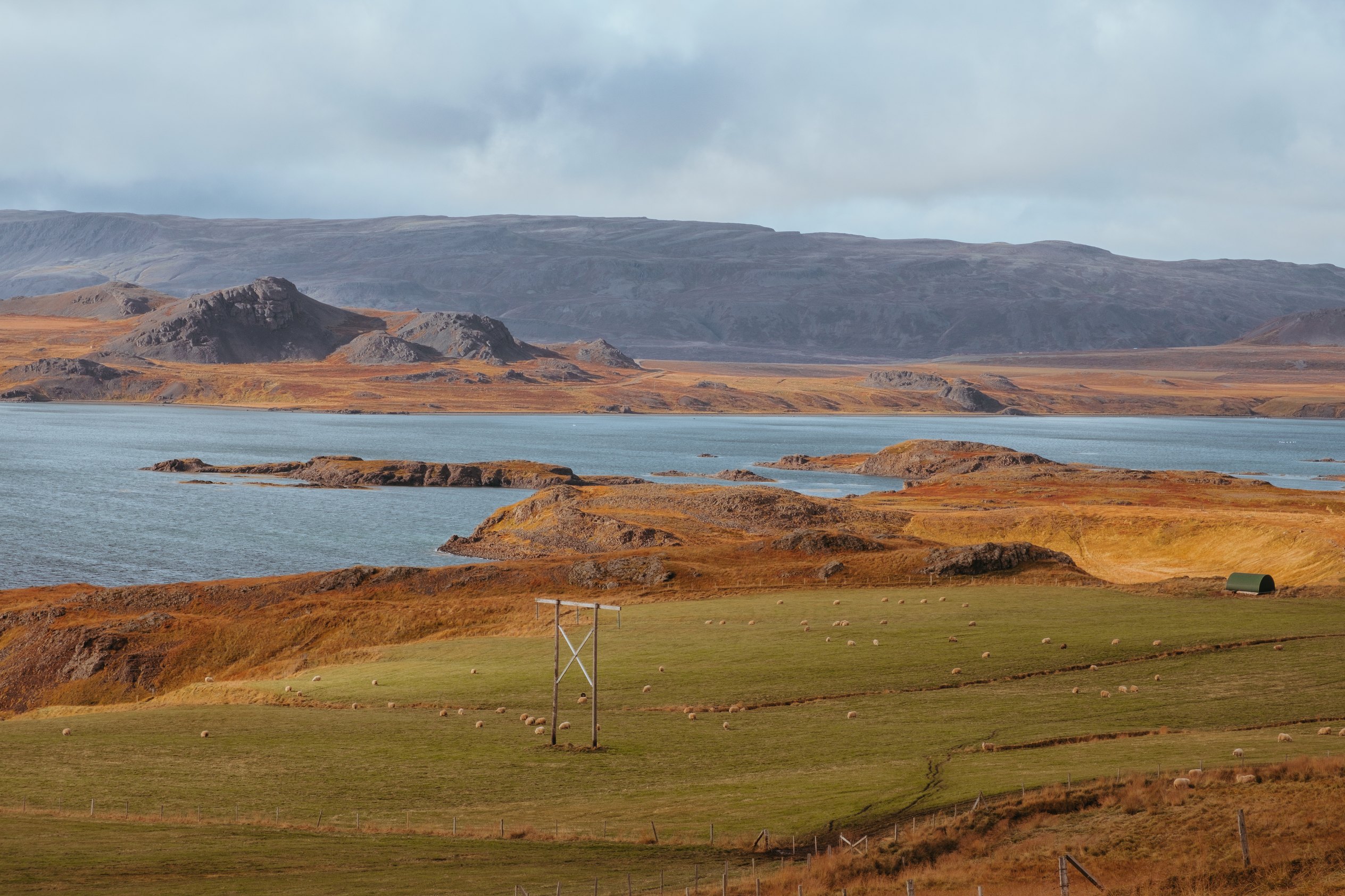
The Westfjords, by contrast, are for people who want to escape from everything and everyone. Fewer than ten percent of all tourists head here, because the roads constantly wind through deep fjords, the asphalt frequently turns to gravel and the driving is very slow.
The reward, though, is absolute isolation and the majestic cascading Dynjandi waterfall. Back then we stood on the Látrabjarg cliffs, the westernmost point of all of Europe, and in summer you can watch huge colonies of adorable puffins from a metre away.
8. The Highlands and the rainbow mountains of Landmannalaugar
The Highlands are the rugged and inhospitable heart of Iceland, where ordinary tourists with small cars never venture. There are no paved roads here at all, no petrol stations and no hotels — just endless gravel F-roads and crossings of wild rivers that you have to ford in your car at your own risk. The Highlands are accessible only from roughly mid-June to mid-September, and exclusively with a powerful 4×4 vehicle.
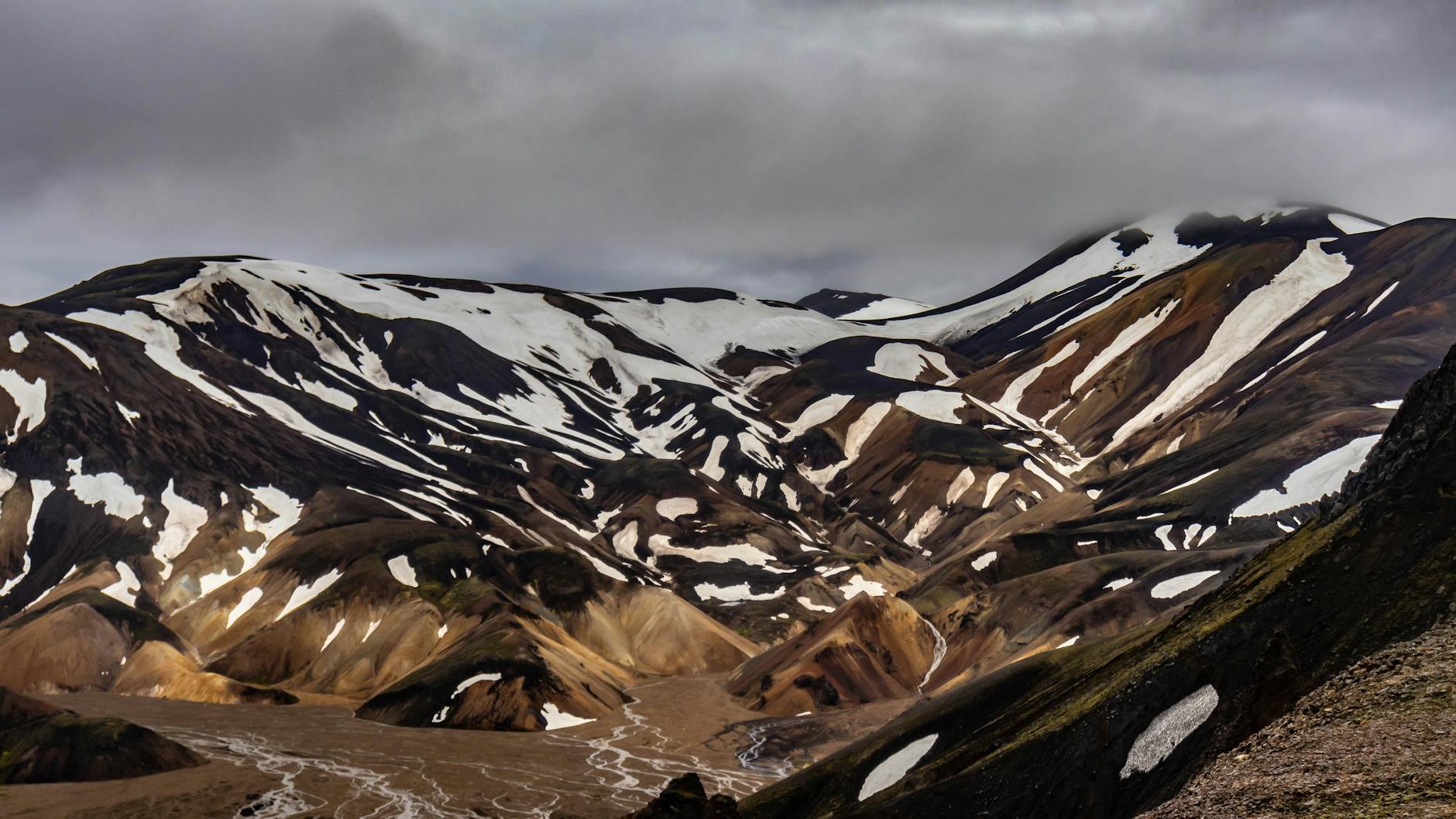
If you have the right car and the courage, scenery straight out of Mars awaits you here. The most famous area is Landmannalaugar, with its breathtaking, colourful rhyolite mountains, where you can take wonderful treks and bathe in natural hot streams. If you long for total solitude and have genuine off-road driving experience, you can head all the way out to the lunar landscape of the Askja volcano deep in the central interior.
Where to Eat in Iceland: A Guide for Vegetarians and the Curious
Restaurants in Iceland are a chapter all of their own and divide roughly into two basic categories: expensive and extremely expensive. A regular main course in a restaurant will easily cost you 2,000 to 3,500 Icelandic króna, and an ordinary beer in a bar can run to 1,500 ISK.
Since Lukáš and I are vegetarians and tried to keep to some sort of reasonable budget, we prepared most of our food ourselves from ingredients we bought.
We shopped exclusively in local supermarkets and quickly discovered that Bónus is the best, with the pink piglet on its logo and easily the lowest prices. A slightly pricier alternative is Krónan or Nettó, while we gave the upmarket supermarket Hagkaup a very wide berth.
The boot of our car soon turned into a functional field kitchen. Every day we cooked pasta with pesto, huge pots of fresh lentil soup, prepared chickpeas, and in the evening we often made homemade tacos with avocado or simply spread our beloved hummus on the excellent Icelandic bread.
A huge vegetarian discovery for us was genuine Icelandic Skyr, which is technically a thick cheese even though it looks like yoghurt — and because it contains over 16 grams of pure protein, it saved us pretty much every morning at breakfast. If you head into the bigger towns like Reykjavík or Akureyri in the north, you’ll easily find great vegetarian and vegan venues serving fantastic veggie bowls, crispy falafel or excellent vegan baked goods.
And one more incredibly important tip: never buy bottled water in plastic in Iceland. The tap water across the whole island is perfectly clean, delicious and, above all, completely free.
If you’re not vegetarian and have a more adventurous nature, you might be interested in the local traditional specialities you’ll commonly find on menus. You’ll often come across a thick lamb soup or pieces of dried fish called harðfiskur, which Icelanders routinely chew as a snack.
In the bolder establishments, tourists are even served the notorious hákarl, fermented Greenland shark with a powerful ammonia smell, which the locals wash down — just to be safe — with the sharp, caraway-flavoured spirit Brennivín.
Where to Go Next
- Iceland: 7-Day Ring Road Road Trip Itinerary
- The Most Beautiful Places in Iceland You Have to See
- When Is the Best Time to Fly to Iceland?
- 16 Best Hot Springs in Iceland to Soak In
Frequently Asked Questions
When is the best time to visit Iceland?
It depends on your priorities. If you want to explore the entire island, venture into the interior, and enjoy long days with minimal rainfall, go from June to August. However, if you’re dreaming of the Northern Lights and want to avoid the biggest crowds and astronomical summer prices, the best time is late September, October or the cooler month of March.
How much does a vacation in Iceland cost?
The price range on the island is enormous. The golden middle path for two people for a week without flights, including sleeping in nice guesthouses, renting a smaller car, and the occasional dinner at a restaurant, will cost you roughly €3,200 to €5,200. More budget-conscious travelers who diligently cook from supplies from the Bónus supermarket and camp in a tent or van can squeeze the budget down to €2,000 to €2,800.
How many hours does a flight to Iceland take?
If you fly from Prague with a direct flight in the summer season, for example with Smartwings, the flight to Keflavík International Airport takes just under four hours. When flying outside the season, expect one layover, most commonly via Copenhagen, Frankfurt, Vienna or London, which will logically extend the total journey to approximately six to eight hours.
Do I need a 4×4 car in Iceland or is a regular one enough?
In the summer months and for traveling on the main asphalt Ring Road and the popular Golden Circle, a regular smaller car with front-wheel drive will absolutely do the trick. However, as soon as you’re planning to head inland on the gravel mountain F-roads that cross rivers, or you’re traveling during the harsh winter months full of snow, 4×4 drive is an absolute must and on F-roads it’s actually required by law for safety reasons.
What’s not allowed in Iceland and what are the rules?
The island takes great care in protecting its fragile nature and strictly punishes any violations. It is strictly forbidden to drive off designated roads, or to engage in off-roading, step on the rare Icelandic moss that takes hundreds of years to grow, and you must not camp anywhere outside official designated campsites. Etiquette in thermal pools is also very important, where you must not enter without first taking a thorough shower without a swimsuit.
Is the island and volcanoes currently safe?
Yes, Iceland has long been considered the safest country in the world. The eruptions on the Reykjanes Peninsula are still active in 2026 and magma is accumulating, but these volcanic phenomena are very localized and there are no massive ash explosions into the atmosphere. Air traffic and major tourist attractions are operating normally and authorities are carefully monitoring everything, but it’s always worth checking the current situation through the Safetravel app.
How does the new mileage tax work for 2026?
Since January 2026, Iceland has introduced a new tax of 6.95 ISK per kilometre driven in a private car, including popular electric vehicles. Rental companies typically pass this cost directly on to customers in the form of a daily flat rate or exact billing upon vehicle return. The great news, however, is that thanks to this tax, the government has abolished part of the petrol fees, so fuel at petrol stations has become significantly cheaper to around 215 ISK per litre.
Tips and Tricks for Your Vacation
Don’t Overpay for Flights
Search for flights on Kayak. It’s our favorite search engine because it scans the websites of all airlines and always finds the cheapest connection.
Book Your Accommodation Smartly
The best experiences we’ve had when looking for accommodation (from Alaska to Morocco) are with Booking.com, where hotels, apartments, and entire houses are usually the cheapest and most widely available.
 🚗 Car rental on the roadVerified rental cars in Iceland
Search with the DiscoverCars comparison engine — it compares prices from dozens of local and international rental companies, and most bookings come with free cancellation.
Compare car prices in Iceland →Don’t Forget Travel Insurance
Good travel insurance will protect you against illness, accidents, theft, or flight cancellations. We’ve had a few hospital visits abroad, so we know how important it is to have proper insurance arranged.
Where we insure ourselves: SafetyWing (simple monthly subscription) and TrueTraveller (for extra-long trips).
Find the Best Experiences
Get Your Guide is a huge online marketplace where you can book guided walks, trips, skip-the-line tickets, tours, and much more. We always find some extra fun there!