When Lukáš and I set off on our big island roadtrip at the turn of September and October, we had a pretty clear idea of how cold it would get. After all, the thermometer showed a merciful minus one degree. But then we stepped out of the car and the Icelandic wind gave us a proper slap in the face. If you’re wondering when to visit Iceland, this is exactly the kind of detail that makes all the difference.
Thanks to those icy gusts, the wind-chill felt more like minus thirty, and we quickly piled on every single layer we had stuffed in our suitcase. 😅
At the same time, it was an absolutely magical season. We fell head over heels for the autumn colours, the endless mossy lava fields, and that divine sense of calm now that the crowds had thinned out dramatically. The greatest reward of all was the Northern Lights, which we eagerly chased in the remote Westfjords.
It did have its downside, though. From the 1st of October, signs reading “closed for winter, reopening in April” started popping up at many of the less touristy spots, and we sometimes searched in vain for an open restaurant. In this article you’ll find detailed tips on the best time to visit Iceland, what the weather is really like, and exactly what to expect from each month, so you can make the most of your trip and avoid any nasty surprises.
TL;DR
- Best time for waterfalls and treks: June to August offers the most pleasant climate, endless midnight sun, and the only window to reach the raw interior (the Highlands) with a 4×4.
- When to go for wildlife: If you want to see the adorable puffins, the ideal window runs from late April to early August. For whales, head north to Húsavík, best in the summer months.
- When to chase the Northern Lights: If you’re dreaming of the aurora, the season runs from late August to early April. Your very best chances are from November to February, when the darkness lasts longest.
- Ice caves: The fascinating natural blue caves beneath the Vatnajökull glacier are only safely accessible during the freezing months, from mid-October to March.
- Special event of summer 2026: On Wednesday 12 August 2026, western Iceland will experience a total solar eclipse. Accommodation in this area is already extremely expensive and sold out.
- How to save money: From November to March (outside the holidays), accommodation and flight prices drop by 30 to 50%. A good compromise is the shoulder months of May and September, when there are fewer people but the days are still fairly long.
The full destination guide: Iceland — guide and what to see
When to go and how to get there
Getting to this northern island from the UK is very convenient, though your mode of transport will depend on which season you ultimately choose for your trip. The summer months are the absolute peak of the season, with direct flights from several UK airports getting you to the land of fire and ice in just over two hours.
Once the summer holidays are over, however, you’ll most likely have to settle for a flight with a connection, which is exactly what happened to us in autumn.
The most common options are Icelandair, easyJet and British Airways, with plenty of direct routes from London, Manchester and Edinburgh in season, and connecting flights through London or Copenhagen the rest of the year. Don’t worry about connections, they tend to be quick, and Keflavík International Airport is fairly small and incredibly easy to navigate.
People sometimes ask us whether flights are threatened by the volcanic activity on the Reykjanes Peninsula, which awoke in 2021. Rest assured, the current eruptions are what’s known as effusive, meaning lava flows out of the fissures but they don’t produce clouds of choking volcanic ash that would ground air traffic, as happened with the famous Eyjafjallajökull volcano back in 2010.
We regularly search for flights on Skyscanner and Kiwi, our favourite portals for easily comparing all the options. Price-wise, in the off-season you can land a return flight for roughly £90 to £180, while in summer you should budget around £270 to £500 for direct flights.
If you don’t fancy renting a car and facing the harsh weather, or you’re not keen on fording rivers in the interior, you can leave it to the professionals. There are plenty of well-organised guided tours from the UK that take you on summer treks in Landmannalaugar or winter aurora hunts, so you won’t have to worry about a single thing.
Where to stay and how much it all costs
The local currency is the Icelandic króna (ISK), and for quick reference, just remember that 1,000 ISK is roughly £5.80 (the rate hovers around 1 ISK = £0.0058). You can forget about exchanging wads of banknotes at a counter.
This is probably the most cashless country in the world, and even to use a public toilet in the middle of nowhere you simply pay by card or phone via Apple Pay and Google Pay. Just make sure you don’t forget your physical card and your PIN, because self-service N1 petrol stations and parking machines will strictly require them, and without those four digits they simply won’t let you proceed.
When planning your budget, bear in mind this isn’t exactly a cheap destination and prices vary dramatically by season. For a stay in an ordinary guesthouse for two with a private bathroom, you’ll commonly pay around £120 to £170 per night in the high summer season, even more in Reykjavík, while from November to March prices easily drop by 30 to 50 percent.
Accommodation in more remote areas tends to be limited, so if you’re planning a summer roadtrip around the whole island along Route 1, you’ll need to book your rooms many months in advance. Booking.com is our favourite hotel search engine, and we warmly recommend booking options with free cancellation.
On top of that, from 1 January 2026 a new per-kilometre tax has been introduced for all rental cars and SUVs up to 3.5 tonnes. The fee is 6.95 ISK per kilometre driven (roughly £0.04), so a week-long roadtrip will set you back an extra £100 to £150 in state charges alone.
Most rental companies handle this either by charging a daily flat rate of around 1,390 to 1,550 ISK, or by settling up exactly when you hand back the keys. The good news is that fuel has become a little cheaper in return, since the state simultaneously scrapped the original fuel tax.
💡 Specific accommodation tips (check prices and availability via Booking, and book early — in season and around the 2026 eclipse, rooms vanish months ahead):
- Center Hotels Grandi (Reykjavík)
- Hótel Kea (Akureyri)
- Fosshótel Glacier Lagoon (Hof)
- Hótel Katla by Keahotels (Vík)
Spring and summer: 5 reasons to chase the sun and greenery
If you’re weighing up the ideal date for your very first visit to Iceland, the spring and summer months from late May to early August are the safest and most comfortable choice. Nature wakes up after the long winter, the mossy fields turn a beautiful green, and you won’t have to deal with frozen roads or unexpected snowstorms that could overturn your painstakingly planned itinerary overnight.
Let’s take a look at what you can experience during this fragrant season.
1. The midnight sun and endless days
The biggest phenomenon of summer is undoubtedly the midnight sun, which peaks around the summer solstice on 21 June. At that time, the sun in Reykjavík doesn’t set until four minutes past midnight and rises again less than three hours later. In practice, it never really gets dark at all.
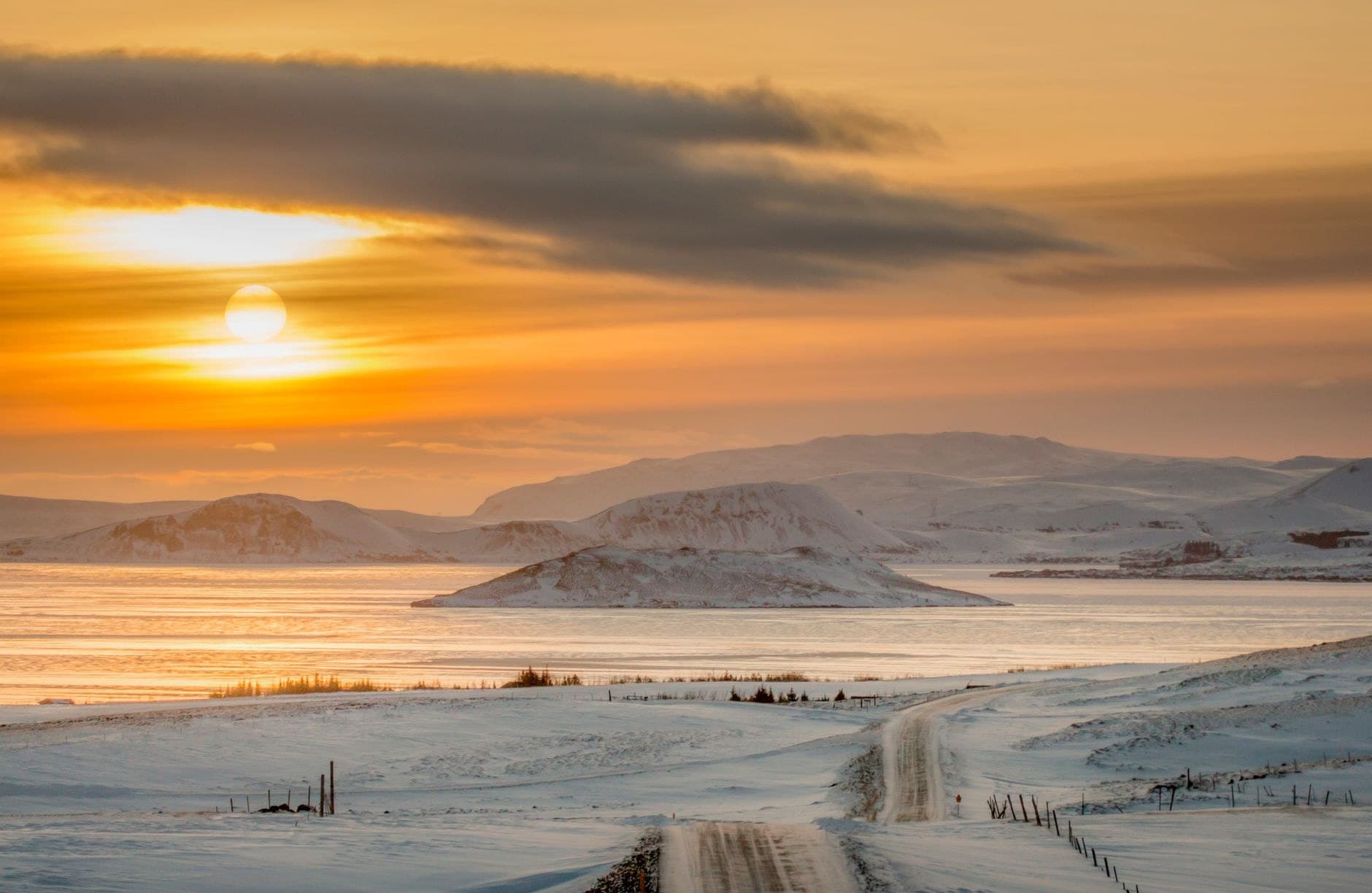
The sky takes on gorgeous orange and pink hues, it just dims slightly, and you have an incredible 21 hours of daylight to explore all the natural wonders. In the north of the island, around Akureyri, this phenomenon is even more extreme.
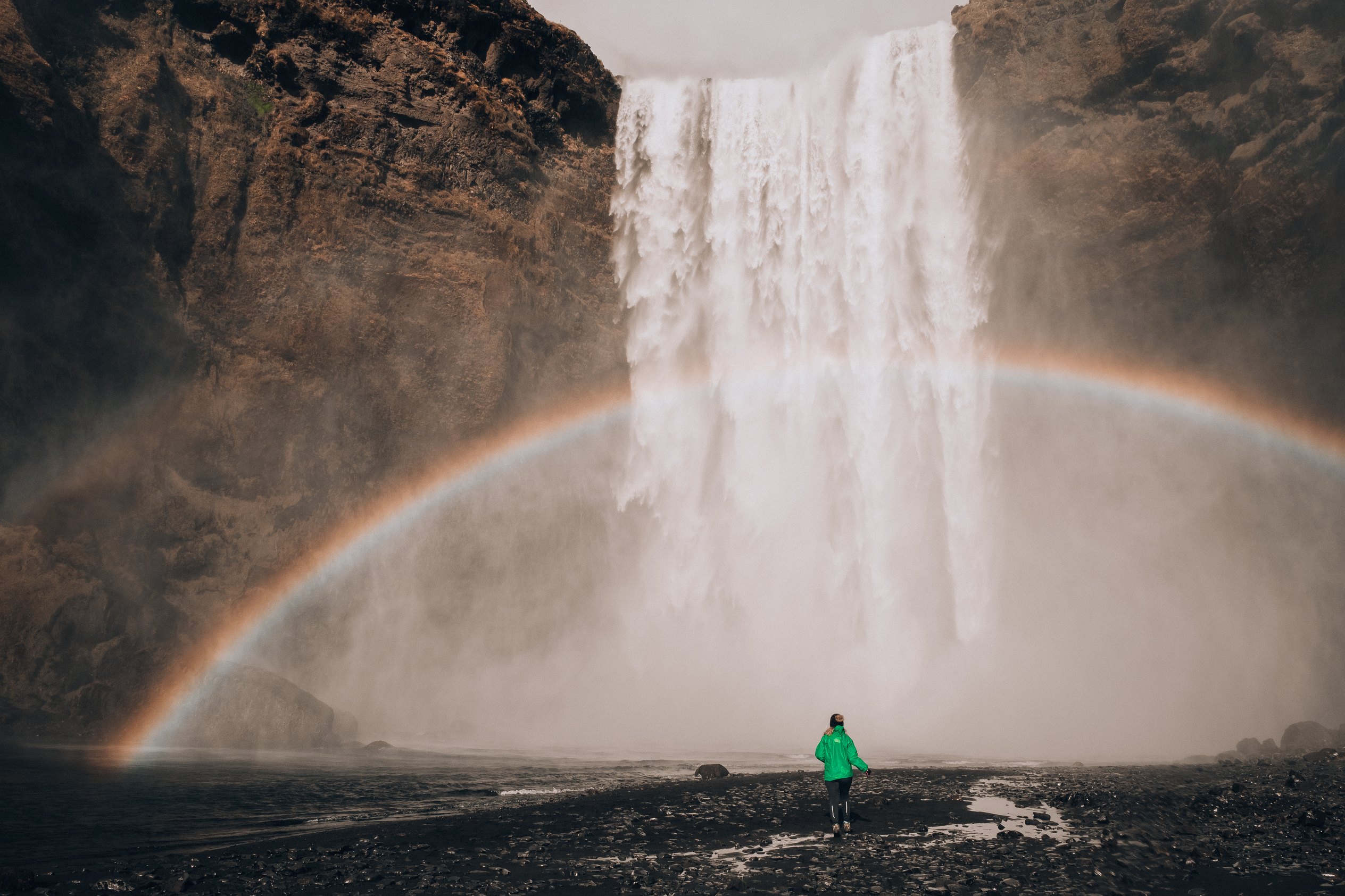
This gives you a huge tactical advantage when building your itinerary and lets you experience some truly magical moments. You can calmly head to the most famous spots, like the mighty Skógafoss waterfall, at midnight if you like. That way you completely dodge the enormous crowds and capture absolutely breathtaking photos without a single stranger in the frame.
We’d love to enjoy that kind of freedom ourselves, because honestly we hate the crush at viewpoints, and summer afternoons in the south of the island really are packed with tour buses.
There’s one small but very practical catch you mustn’t underestimate, though. Don’t forget to pack a really good sleep mask. Plenty of small family guesthouses and farmhouses simply don’t have perfect blackout curtains, and if you’re not used to sleeping in full daylight, your body clock will take a serious hit on the very first night.
2. Watching adorable puffins and giant whales
Animal lovers are in for an absolute feast during the summer months, and we were utterly enchanted by the local fauna. From late April to mid-August the island becomes a temporary home to millions of puffins that fly in from the ocean to nest.
You’ll find these adorable black-and-white birds with their brightly coloured beaks, affectionately nicknamed sea parrots, mainly on the towering Látrabjarg cliffs in the wild Westfjords, where they tend to be very tame and easy to photograph up close. For huge colonies you can also head to Borgarfjörður eystri in the east or the Vestmannaeyjar islands, where up to a million pairs reportedly nest.
The ideal time to spot them is the absolute height of summer, namely June and July. From our own experience, though, we know that access can sometimes be restricted at sites where these little birds nest, due to strict protection. Especially around the popular sea arch and Dyrhólaey cliff in the south, the trail may be completely closed in May and June so as not to disturb the nesting pairs, so always respect the marked ropes and barriers.
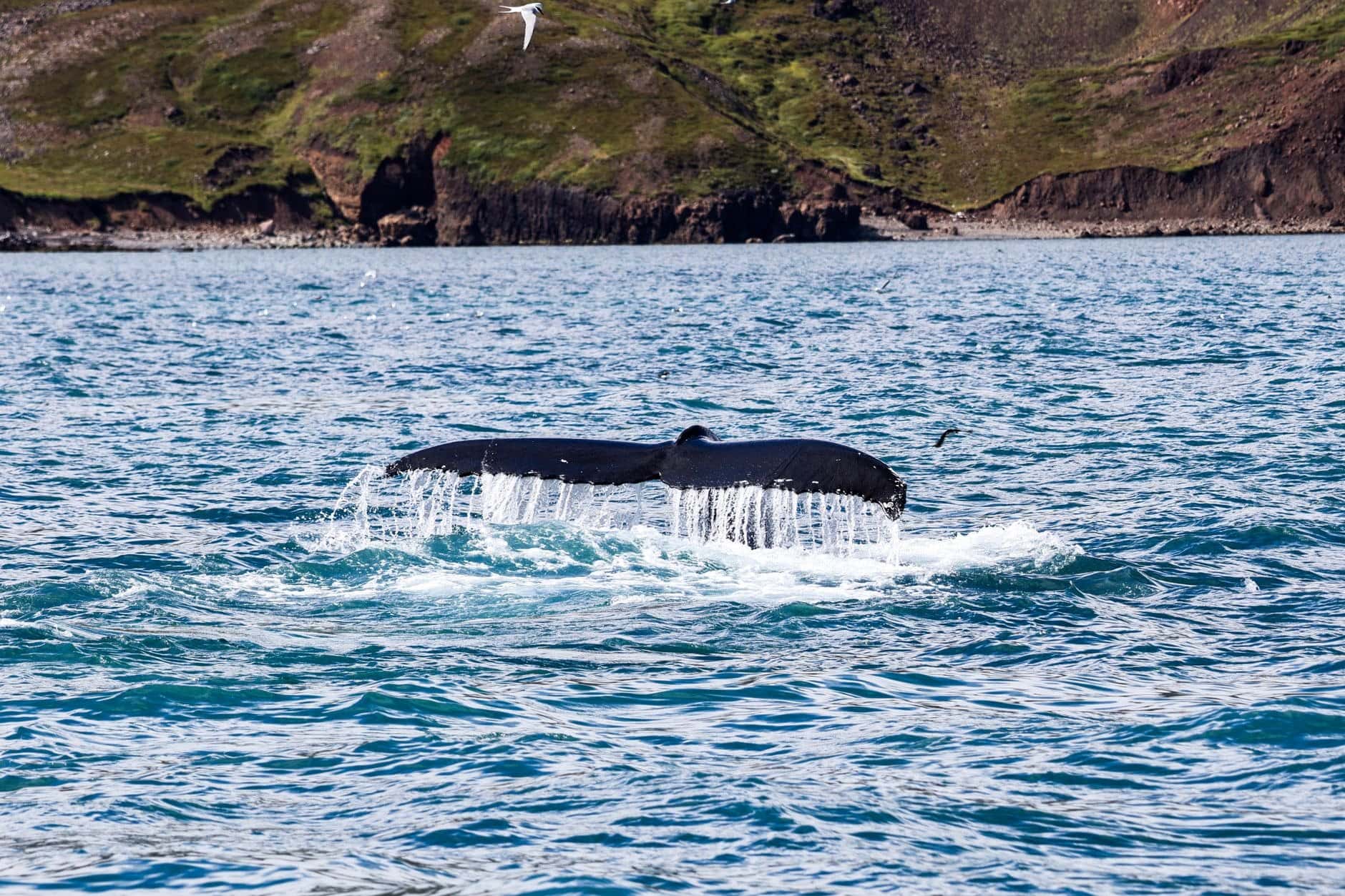
Summer is also the very best season for whale watching. Although tour boats leave the harbour in Reykjavík all year round, your best chance of success is from April to early October. If you want near-total certainty (boats here officially report success rates of a stellar 98 to 99 percent), head north to the charming little town of Húsavík.
This is known as the whale-watching capital of Europe, and in June and July even magnificent blue whales appear in these waters, which must be a once-in-a-lifetime experience.
3. The open interior and the rainbow mountains of Landmannalaugar
While the famous Route 1 (known as the Ring Road) that circles the entire island is fairly reliably passable year-round, the wild Icelandic interior, or Highlands, is sealed off in winter beneath many metres of heavy snow. Only depending on the speed of the spring thaw, usually between mid and late June, do the so-called mountain F-roads finally open.
These rough, dusty roads legally require a 4×4 vehicle, and we warmly recommend reading up in advance on the rules for fording rivers.
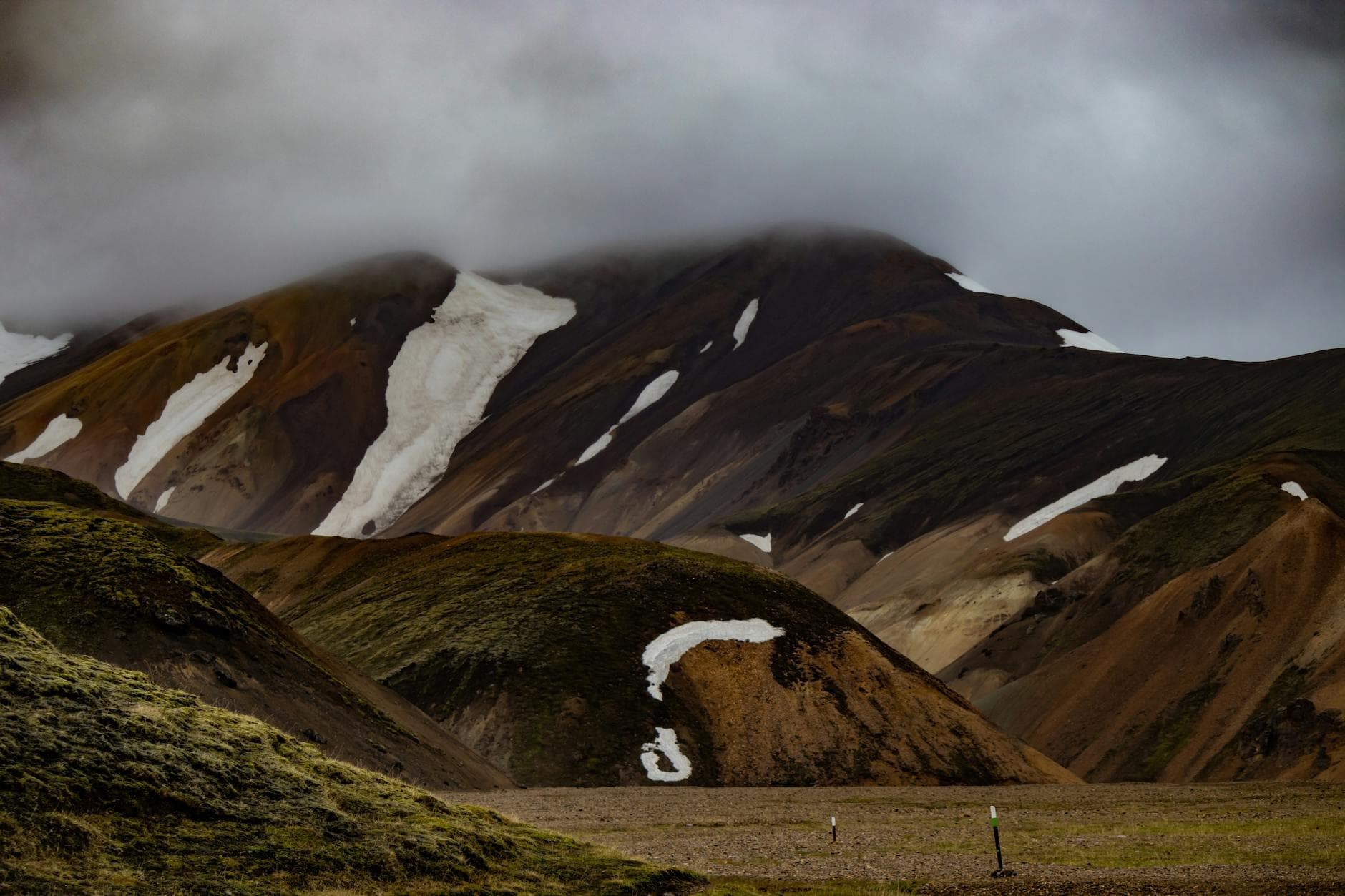
Venturing here is absolutely worth every extra pound, though. It opens up a world of raw, deserted wilderness that looks like another planet. Probably the most famous destination is the rainbow mountains of Landmannalaugar, which dazzle with seemingly every imaginable colour, from bright yellow through green to deep red, thanks to the high rhyolite content in the rock.
The roads into the Askja volcanic wilderness usually don’t open until the first or second week of July.
If you love hiking and have decent fitness, the famous Laugavegur trek also opens here in the summer months. It stretches an impressive 55 kilometres, leading from Landmannalaugar to the green valley of Þórsmörk, and is generally walked only in the short window from late June to early September.
Bear in mind, though, that beds in the mountain huts managed by the Ferðafélag Íslands association tend to be hopelessly sold out many months in advance. When we toured the island in autumn, we were gutted that the roads into the interior were already slowly filling with snow and we had to skip this other world entirely.
4. Descending right into the throat of the Þríhnúkagígur volcano
If you’re after an absolute world-first, summer offers an experience you won’t find just anywhere. In Iceland you have the unique chance to descend in a special open lift, reminiscent of a skyscraper window-cleaner’s platform, a full 198 metres down into the magma chamber of the dormant Þríhnúkagígur volcano.
This exclusive experience, called Inside the Volcano, runs only within a set window from 5 May to 30 October, when safety and weather conditions allow. Down below, an enormous underground dome awaits, glowing with every colour from purple through yellow to deep red, all thanks to minerals baked by extreme heat thousands of years ago.
We have to honestly warn you, though, that this is a very pricey bit of fun that will give your travel budget a serious airing. Prices for this roughly half-day trip start at around 300 US dollars per person.
Even so, slots in the high summer season fill up extremely quickly, so if you dream of this unique descent, definitely don’t leave your booking until the last minute.
5. The extreme solar eclipse of August 2026
If you’re planning a trip for summer 2026, you absolutely need to know about one huge event that will affect the entire island. On Wednesday 12 August 2026, western Iceland will be struck by a total solar eclipse.
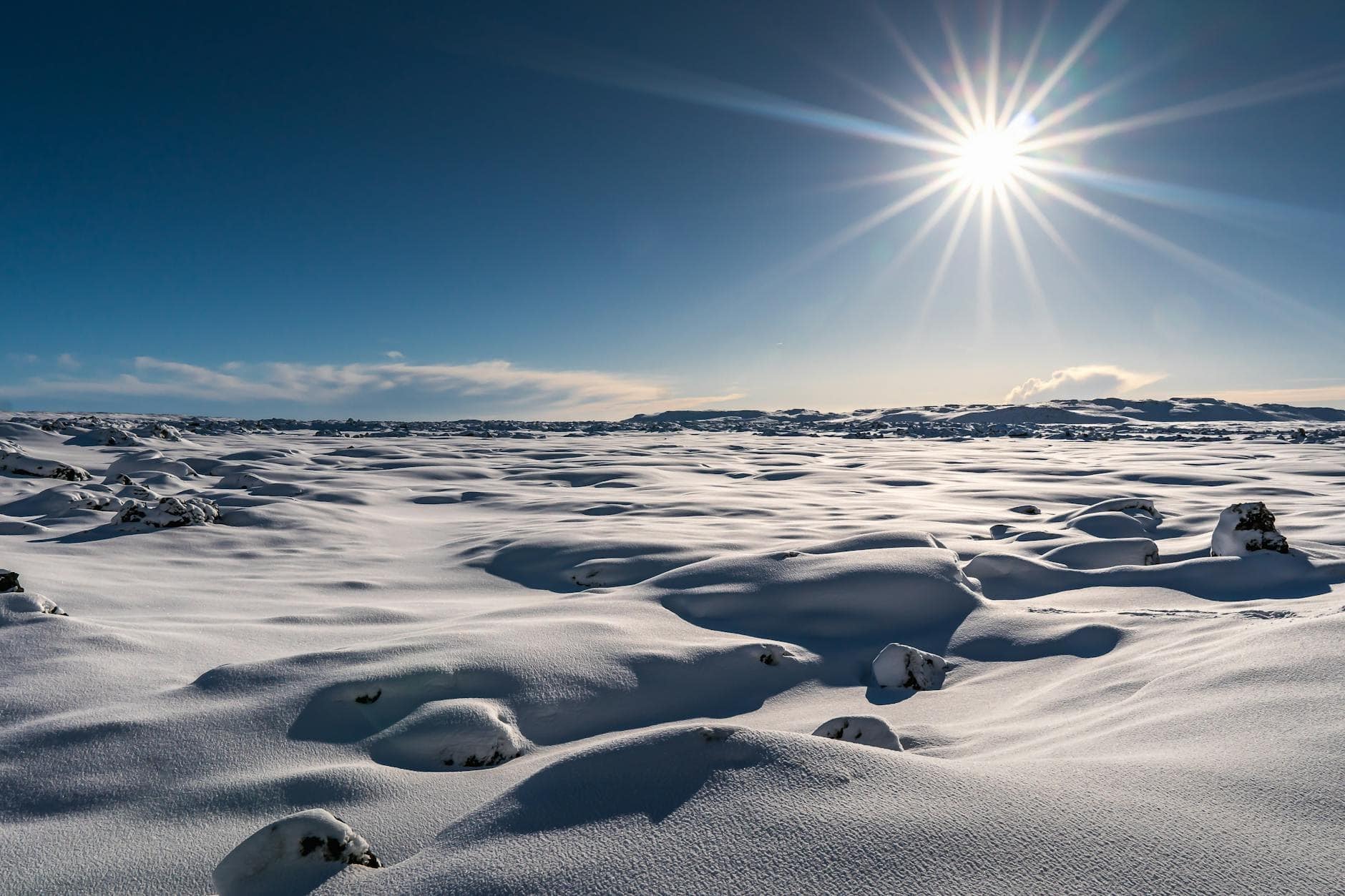
This is the first such astronomical event in the country since 1954, and the next one won’t come until 2196. The path of totality will pass directly across the remote Westfjords, the magical Snæfellsnes Peninsula, Reykjavík itself, and the Reykjanes Peninsula.
This unique event has caused absolute logistical chaos on the island. People flocking in from all over the world snapped up the accommodation in the path of totality often as early as the start of 2025.
Prices for the last remaining rooms are hitting unbelievable extremes, and it’s no exception at all to come across an ordinary older guesthouse in the town of Ísafjörður charging up to 700 US dollars a night. Snæfellsnes Peninsula is even preparing a huge festival.
The experience will certainly be incredible. In the fjord by the Látrabjarg cliffs, complete darkness will last more than two minutes, and in Reykjavík the sun will disappear around 17:48 for roughly a minute. Historical data shows, however, that August in Iceland is 70 to 80 percent overcast, so it’s a rather expensive lottery with the clouds.
For precise details on the best locations, check out the official website eclipse2026.is. If the eclipse isn’t your primary goal, we honestly recommend giving the western part of the island a very wide berth in mid-August 2026 and heading east instead, where the price situation will be a touch more bearable.
Autumn and winter: 5 experiences that will keep you up at night
A winter holiday near the Arctic Circle might sound a little crazy, but trust us, it has its own utterly indescribable charm. The winter and autumn months from late September to April will force you to slow right down.
Whereas in a summer itinerary you can race the car around and tick off five waterfalls in a day, winter shows its harsh face and you have to choose much more carefully what you can actually cover in those few precious hours of daylight.
1. Hunting the magical Northern Lights
People often ask us on Instagram which month they should go in to capture the best photos of the Northern Lights, or Aurora Borealis. The answer is surprisingly simple: what you need is as much darkness as possible. The season officially begins in late August and lasts roughly until early April.
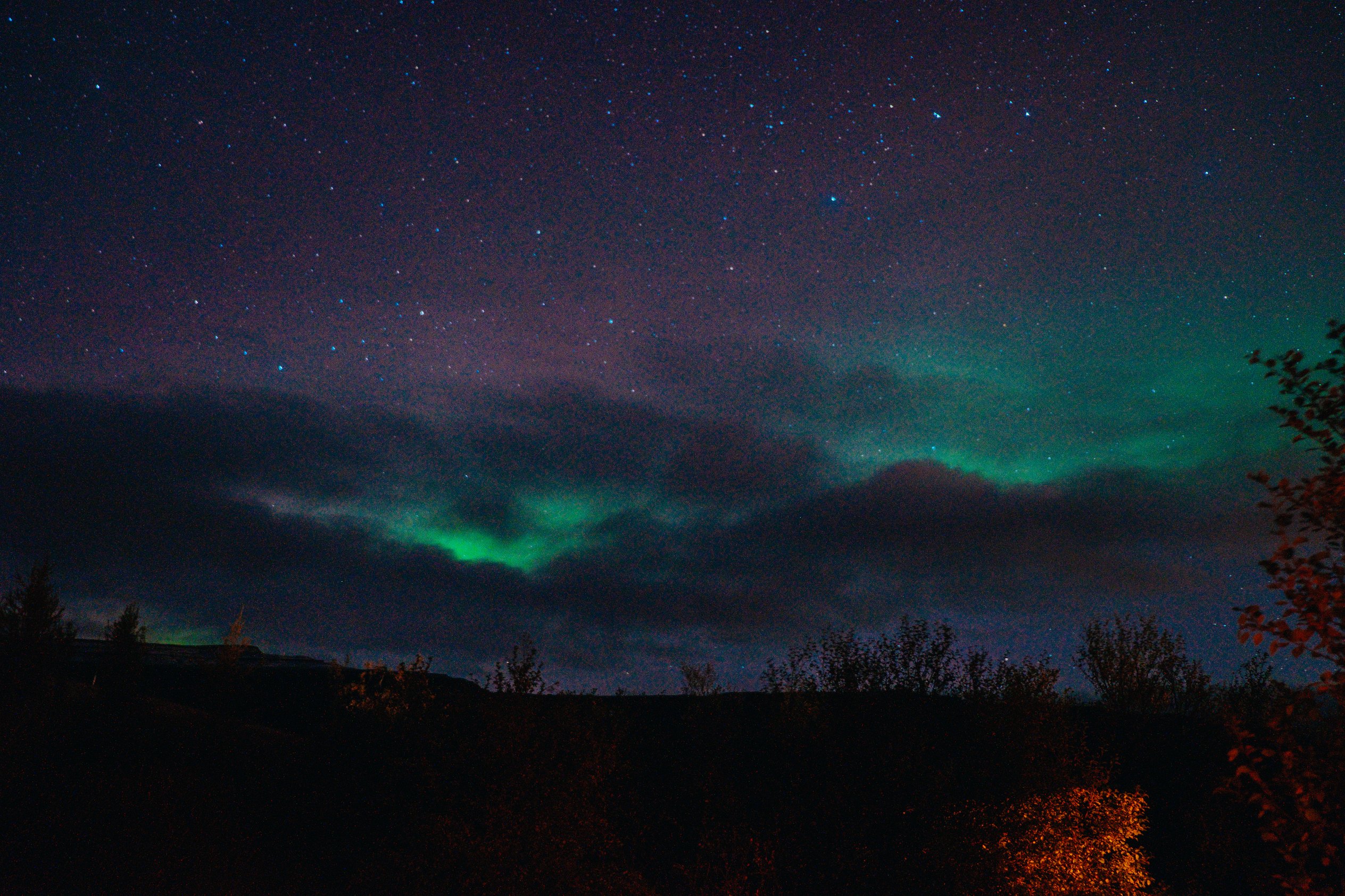
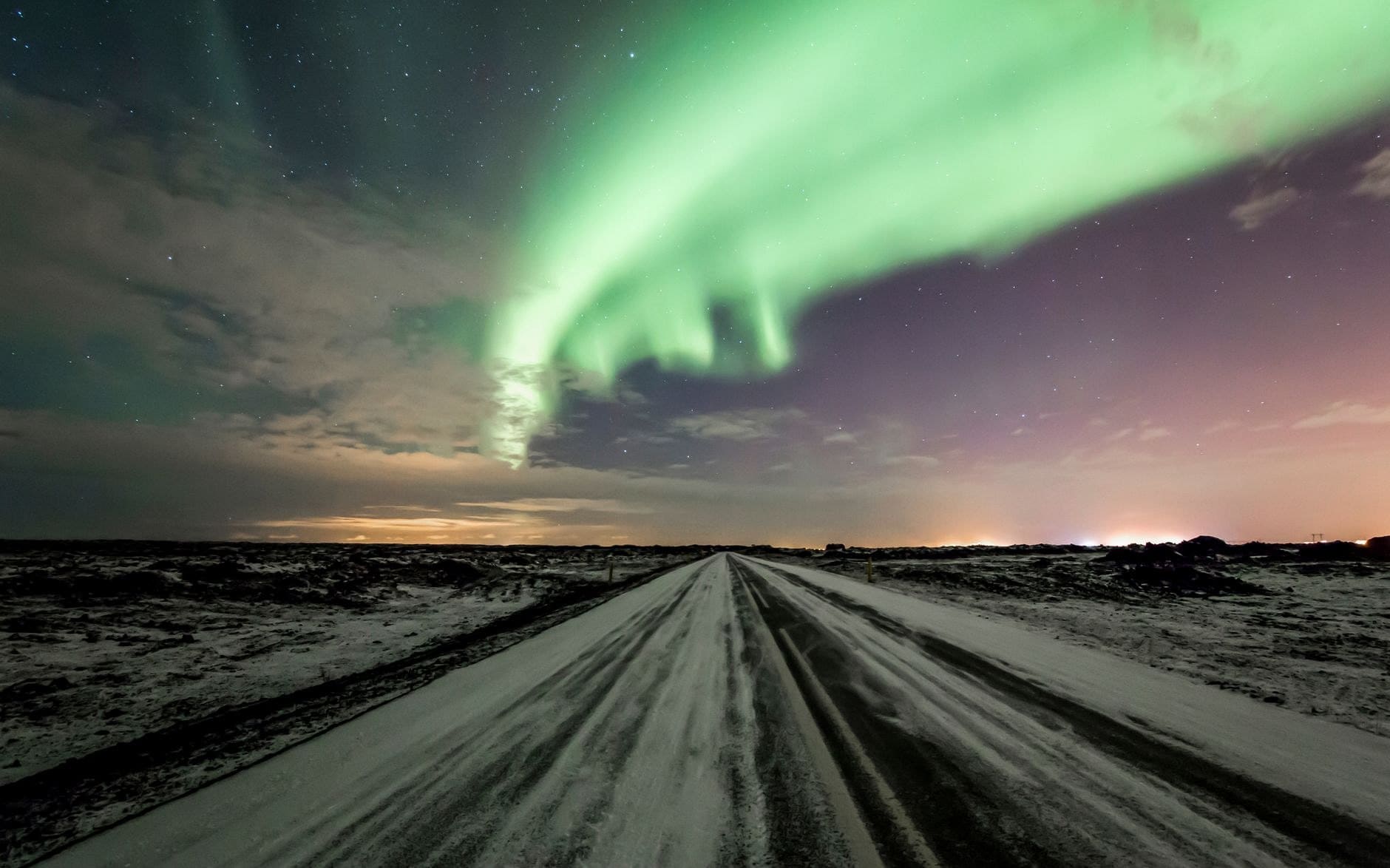
The best conditions are from November to February, when the sun is above the horizon for only a very short time and darkness rules the landscape. We saw the aurora ourselves in the Westfjords, and that feeling, when green ribbons start dancing overhead and you’re standing in the freezing cold in the middle of the wilderness, simply can’t be compared to anything.
For a successful hunt you need three basic things: complete darkness, clear skies, and the sun’s geomagnetic activity (the so-called KP index, measured on a scale from zero to nine). 2026 is especially favourable for hunters, as we’re at the peak of the so-called Solar Cycle 25, which brings the strongest auroras in over a decade.
It’s the cloud cover that tends to be the biggest stumbling block of all, though. So always check the official weather website en.vedur.is in the Aurora tab, where on the cloud map white means clear skies and green shows those pesky clouds.
Don’t be put off at all when the KP index shows only a 2 or 3. Even at these relatively lower values the show in the sky can be absolutely fantastic, provided you’re far enough from the light pollution of the big cities.
If you want to photograph the aurora, holding your phone in your hand usually won’t cut it. You definitely need a tripod, set the ISO to 1600–3200, open the aperture all the way (for example f/2.8), and stretch the shutter speed to 5–15 seconds with manual focus set to infinity.
💡 Tip: Tickets and organised excursions (in Iceland and around) are worth booking ahead online with GetYourGuide, as they fill up fast in season.
2. Exploring the stunning ice caves
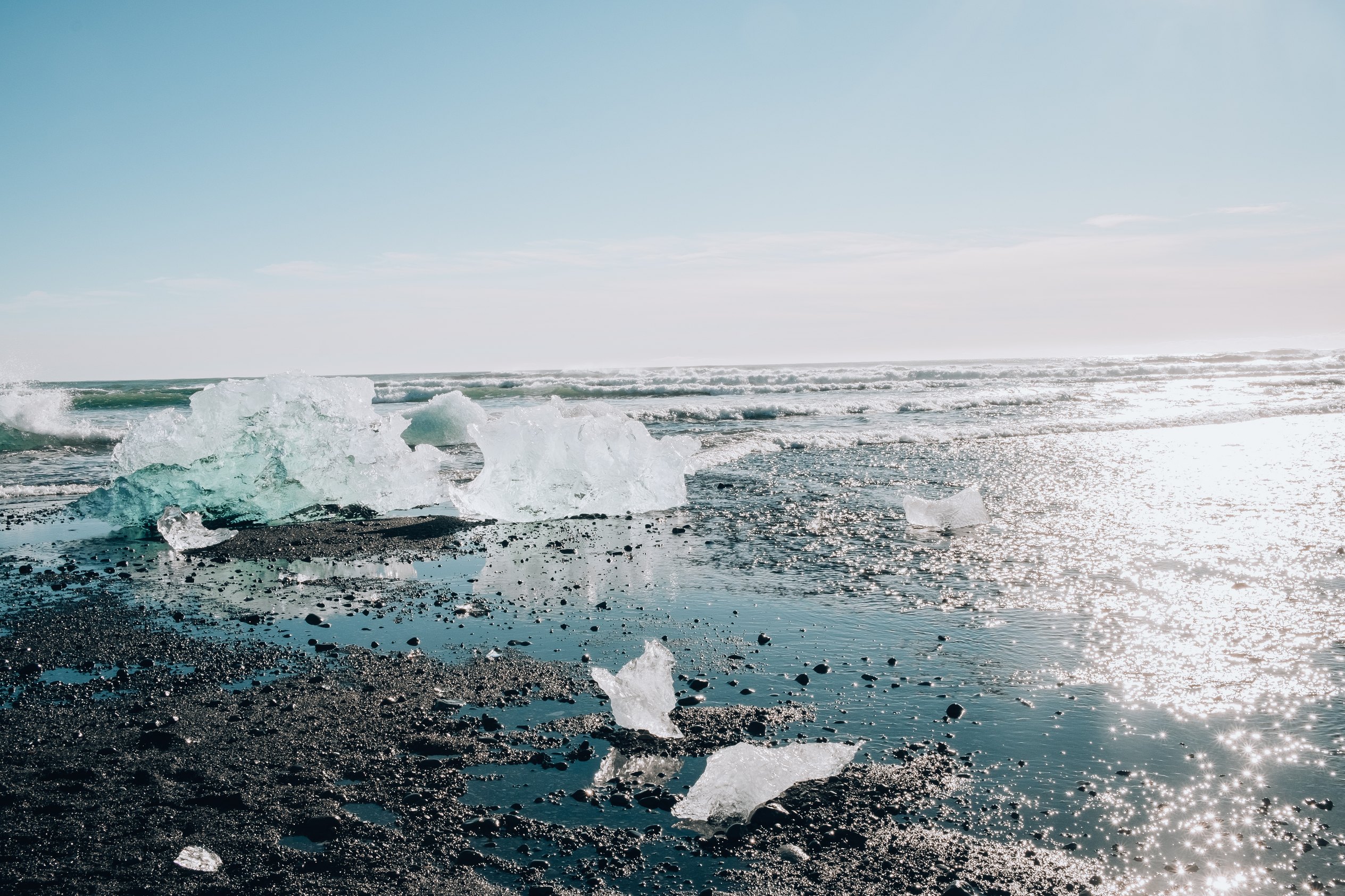
The second biggest magnet of the harsh Icelandic winter is the amazing natural ice caves, known worldwide as Ice Caves. They form entirely naturally through summer melting followed by the refreezing of water beneath the massive Vatnajökull glacier in the southeast of the island. Those enormous, translucent, crystal-blue tunnels near the Jökulsárlón lagoon or in Skaftafell National Park are only safely accessible during the genuinely freezing months, specifically from mid-October to March.
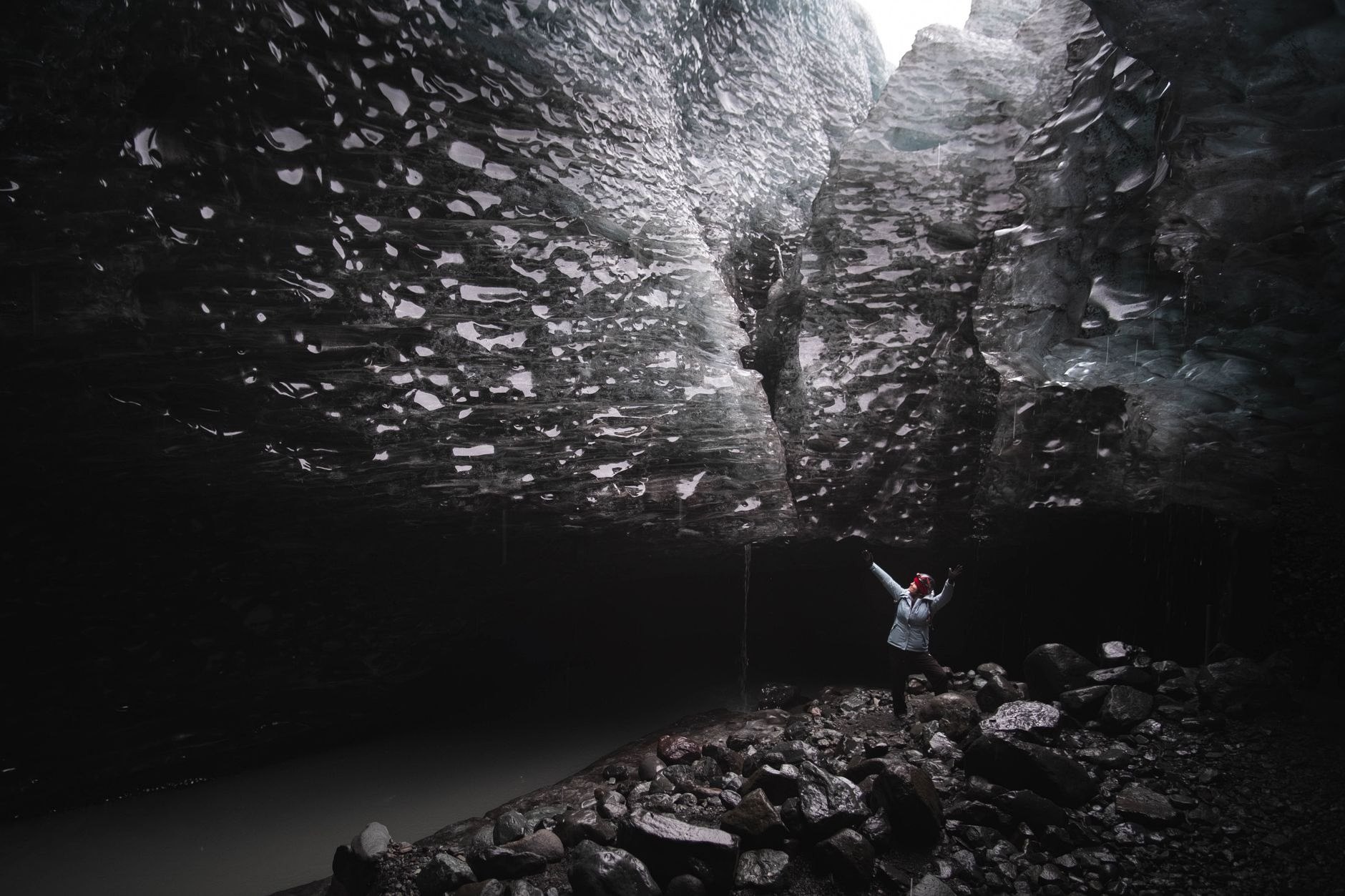
For safety reasons, you can only enter them with a certified guide, who carries the necessary equipment, hands out crampons and helmets, and crucially knows the current state of the glacier inside out. These mighty ice structures are constantly changing, shifting, and occasionally even collapsing.
The one exception to this winter rule is the slightly darker cave beneath the Katla glacier near the town of Vík, which is accessible more or less year-round, but the biggest translucent beauties simply require a proper, bone-chilling winter frost.
3. The treacherous winter beaches and waves at Reynisfjara
Iceland’s winter coastline is wild and incredibly photogenic, but it can also be deadly dangerous. This applies above all to the famous Reynisfjara beach near Vík, with its iconic black sand and basalt columns, lashed by icy winds in winter.
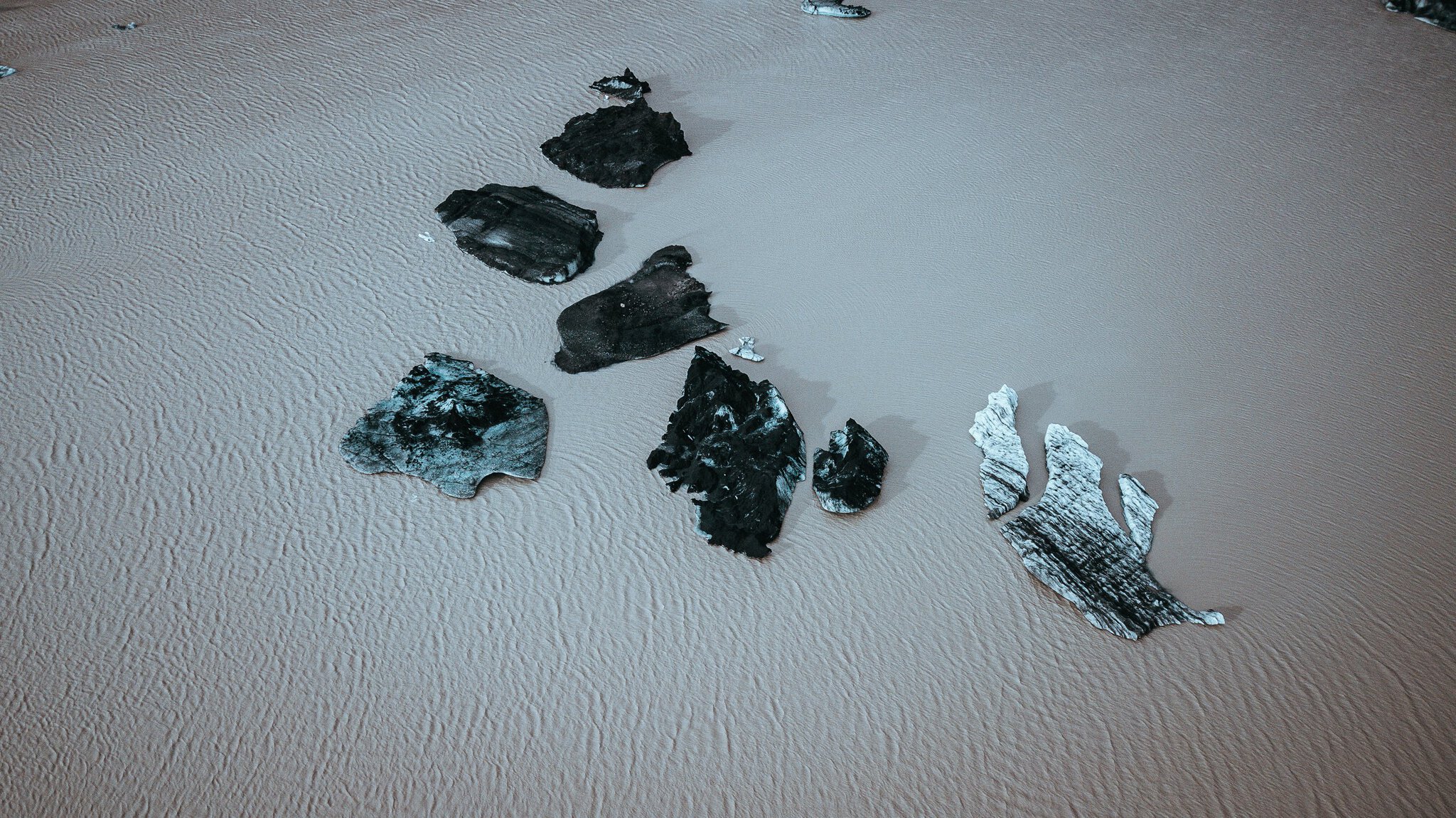
This is exactly where the so-called sneaker waves, or treacherous waves, regularly occur. At first the sea seems fairly calm and you happily snap photos, but out of nowhere comes a huge wave that surges tens of metres further up the beach than the previous ones.
These waves have enormous power, easily sweep your feet out from under you, and a strong undertow drags you mercilessly into the icy ocean, from which there’s practically no return thanks to heavy winter clothing. Over the past twenty years, several inattentive tourists have lost their lives here this way.
There’s now a large warning traffic light on the beach, and we sincerely beg you to respect it. If it shows yellow or red, keep a respectful distance of at least 30 metres from the water, and remember the locals’ golden rule: never turn your back on the wild ocean, not even for the most beautiful Instagram shot.

4. Hot springs with a view of the snow
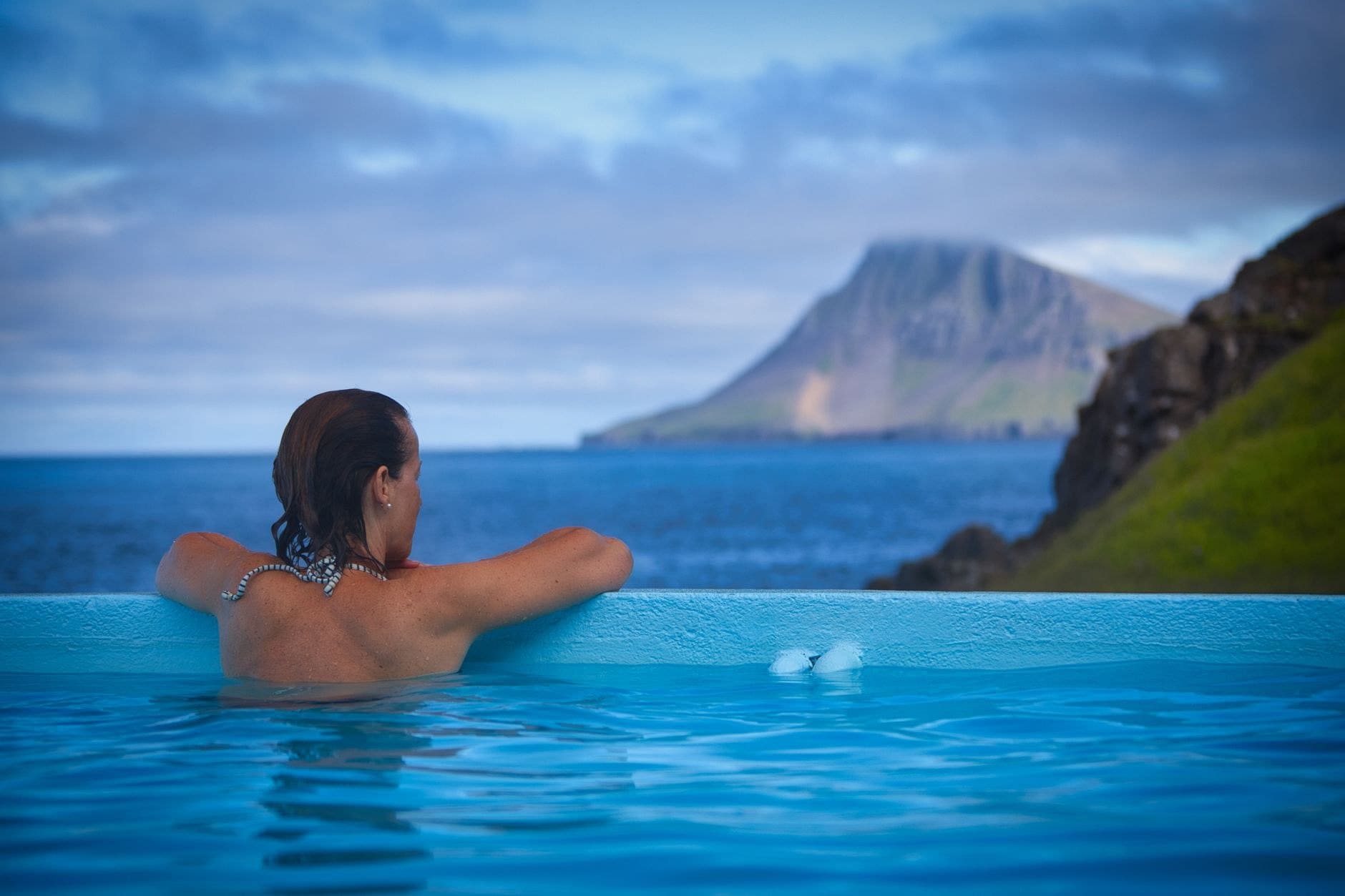
Warming up in hot geothermal water while snowflakes settle on your hat is one of our absolute favourite winter experiences. Open-air bathing is done here all year round, but only in winter does it have that truly magical contrast.
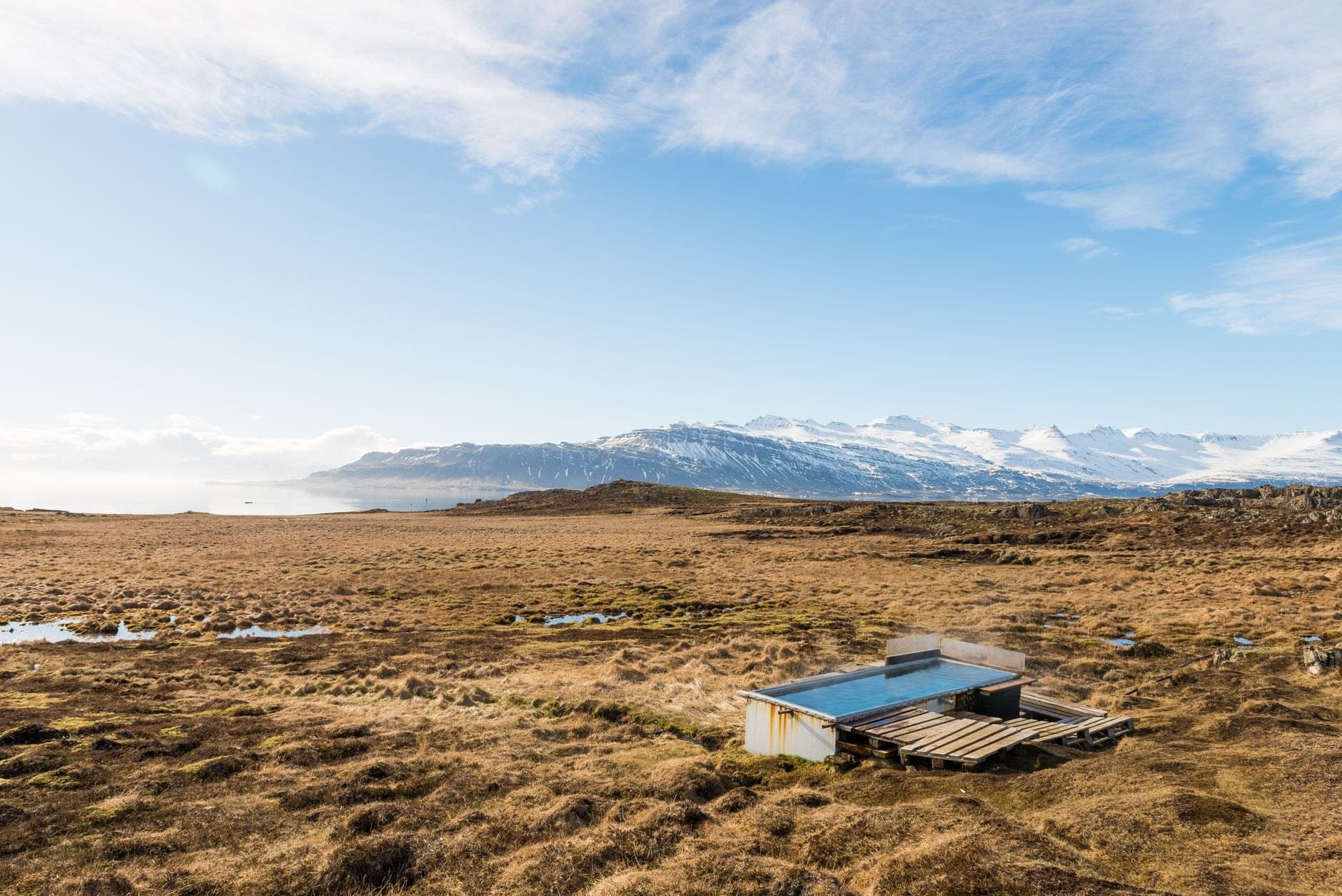
You can of course head to the famous Blue Lagoon near the airport (which, incidentally, has an excellently managed evacuation plan in case of a volcanic eruption on the nearby Reykjanes Peninsula), or try the architecturally gorgeous, modern Sky Lagoon right in Reykjavík with its luxurious seven-step cleansing ritual.
If you’re heading north in 2026 towards the volcanic lake Mývatn, however, you need to know about one major change. The old and beloved Mývatn Nature Baths closed completely on 1 January 2026 for a huge renovation. Reopening under a new modern name, Earth Lagoon, is planned for roughly the turn of June and July 2026.
Until then, there’s no need to despair, because in the north you can warm up beautifully in the excellent Forest Lagoon near the town of Akureyri, or in the breathtaking GeoSea pools in Húsavík with a view straight out over the open ocean.
5. Autumn colours and the shoulder season
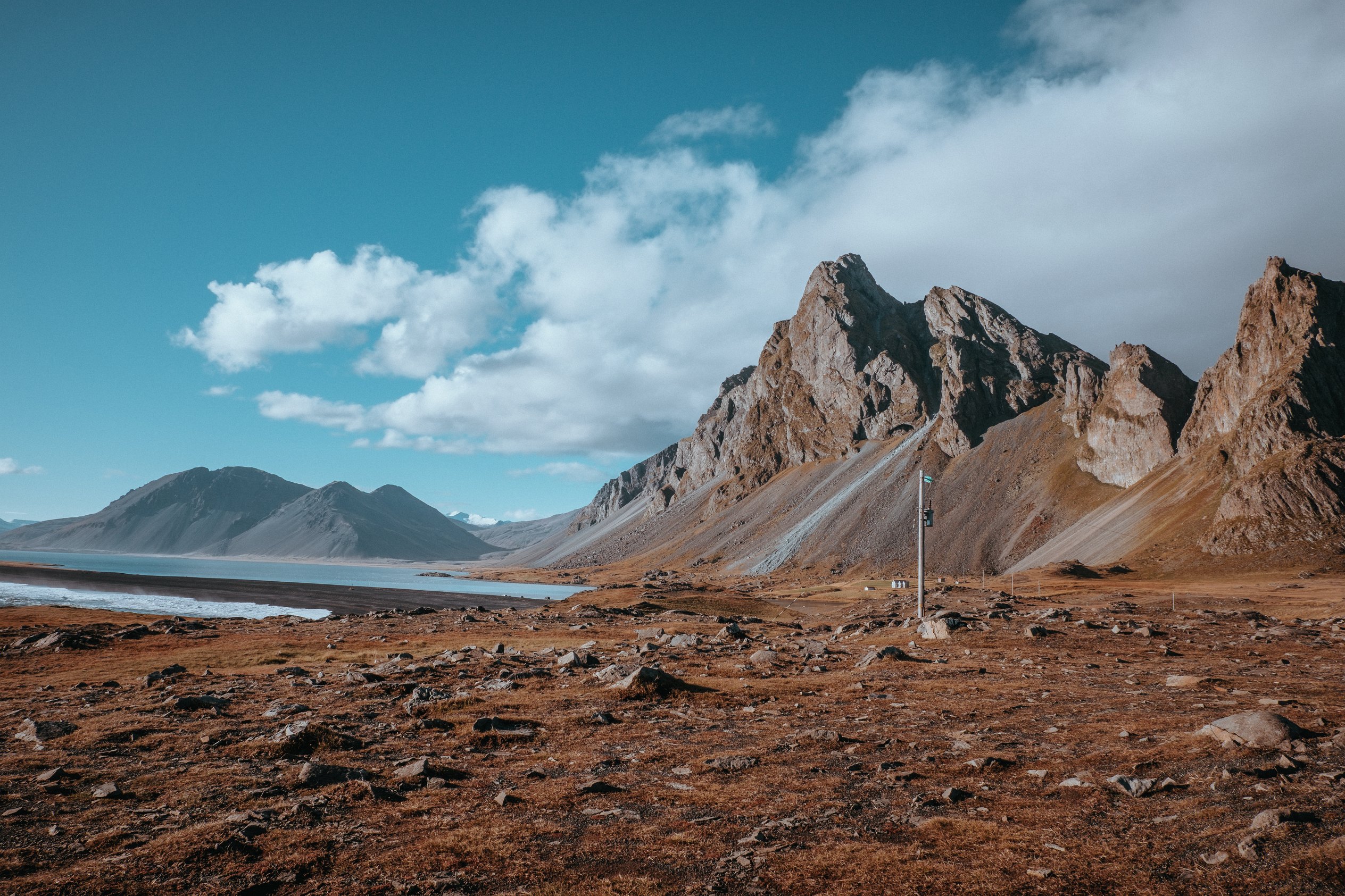
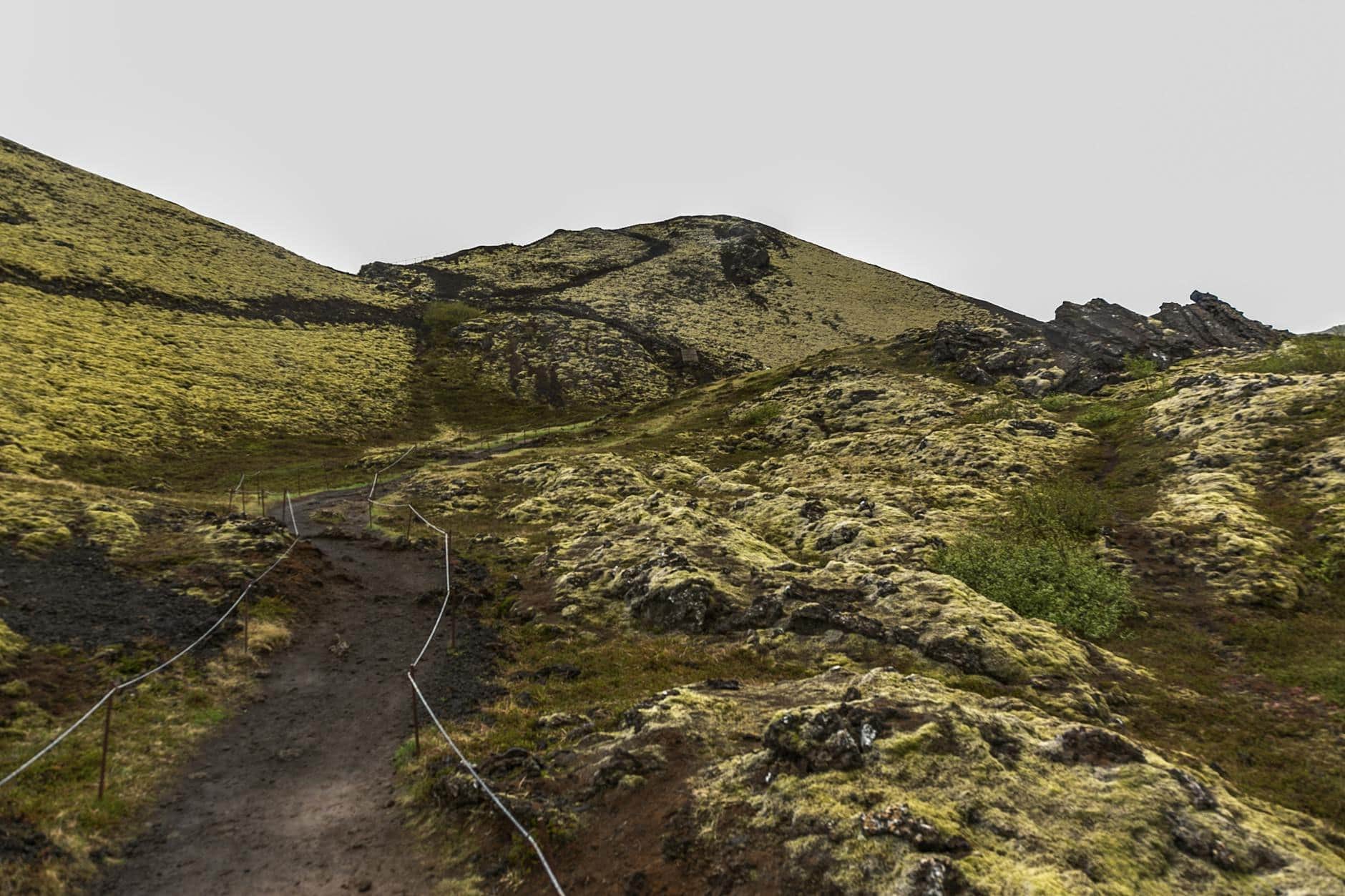
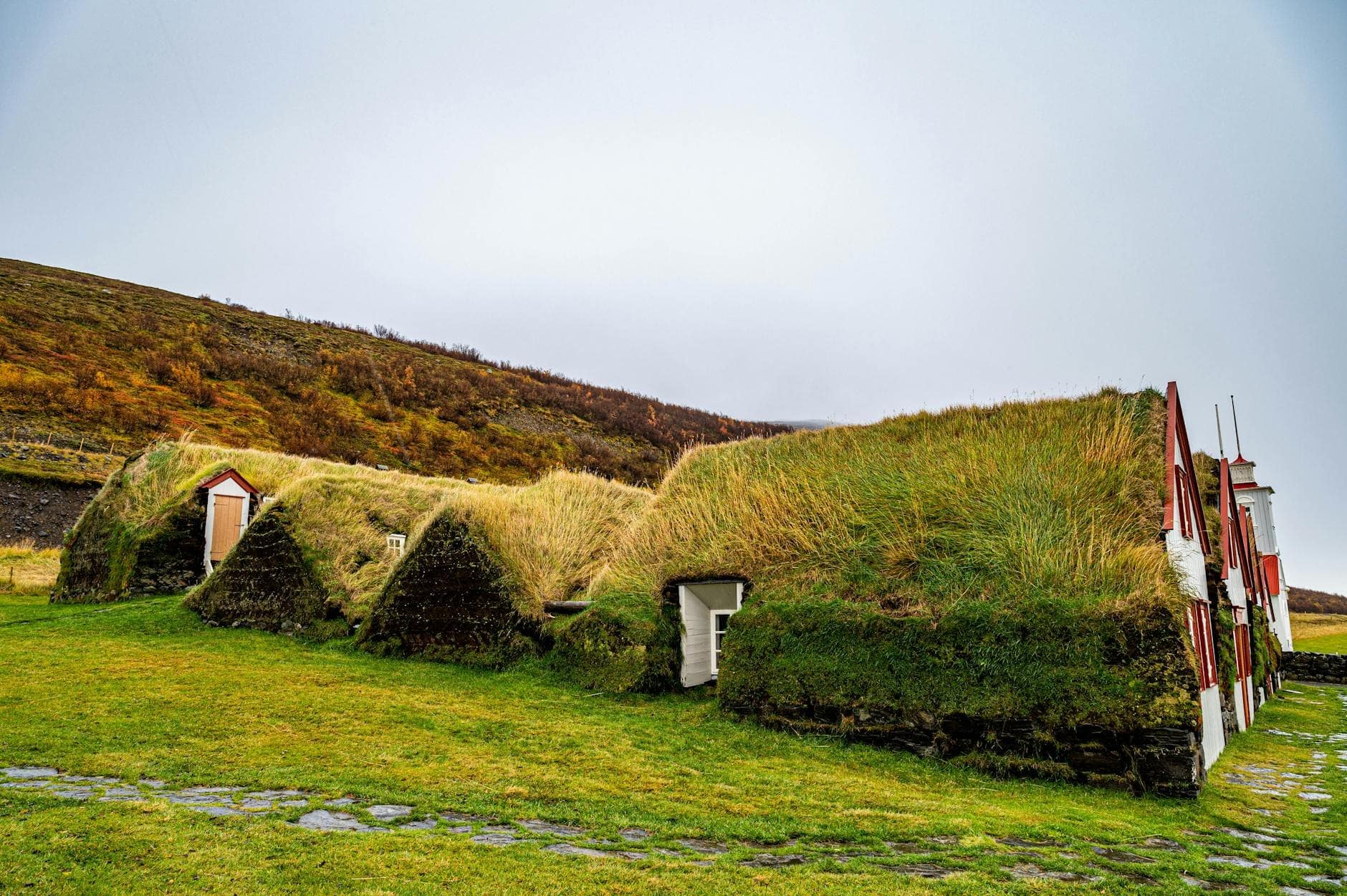
The transitional period, the so-called shoulder season at the turn of September and October, is exactly when Lukáš and I were here. From a nature point of view it was incredibly photogenic. The endless lava fields covered in that typical coarse moss turned gorgeous deep yellow shades, contrasting perfectly with the grey sky and the dark blue ocean in the background.
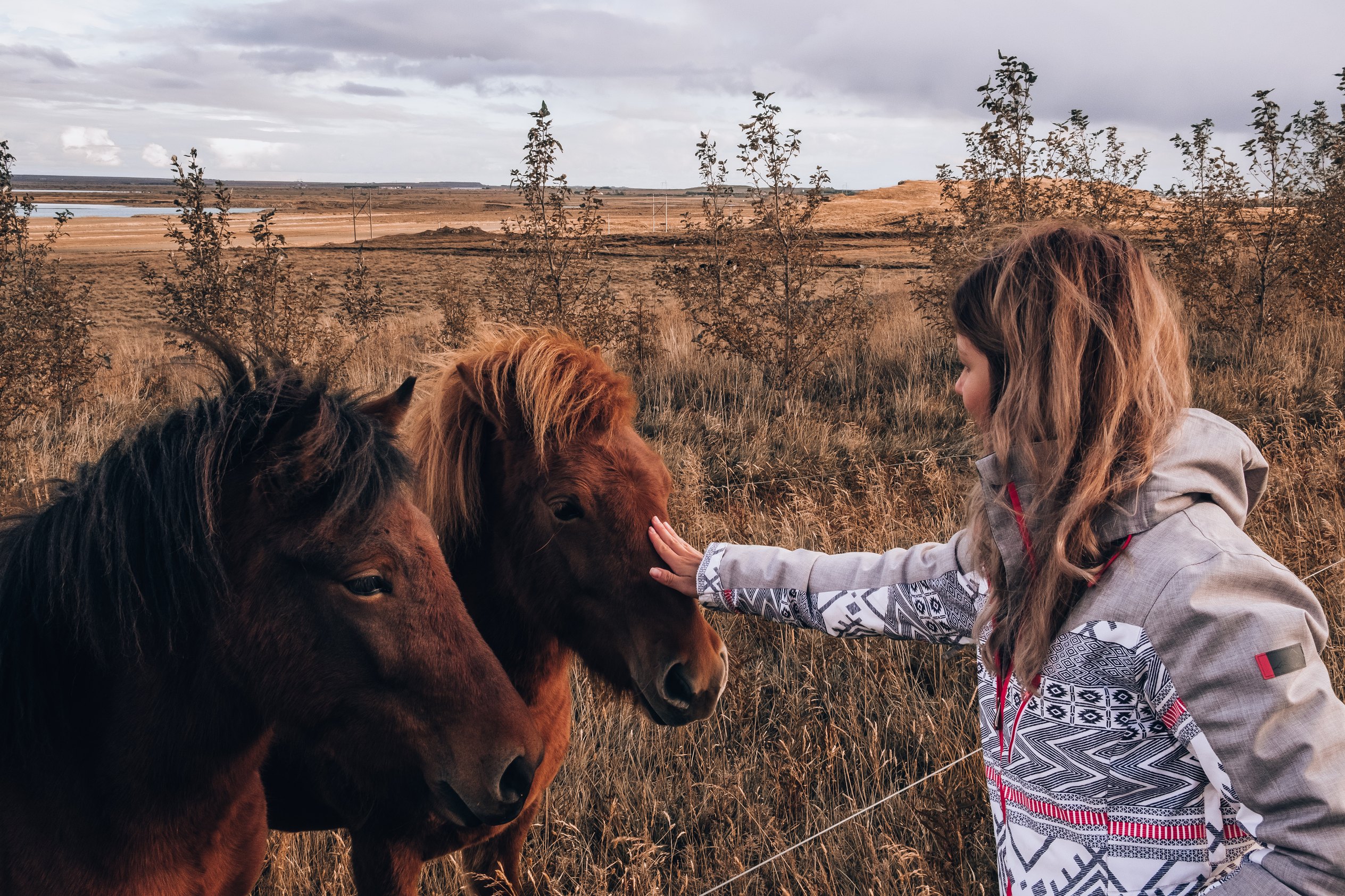
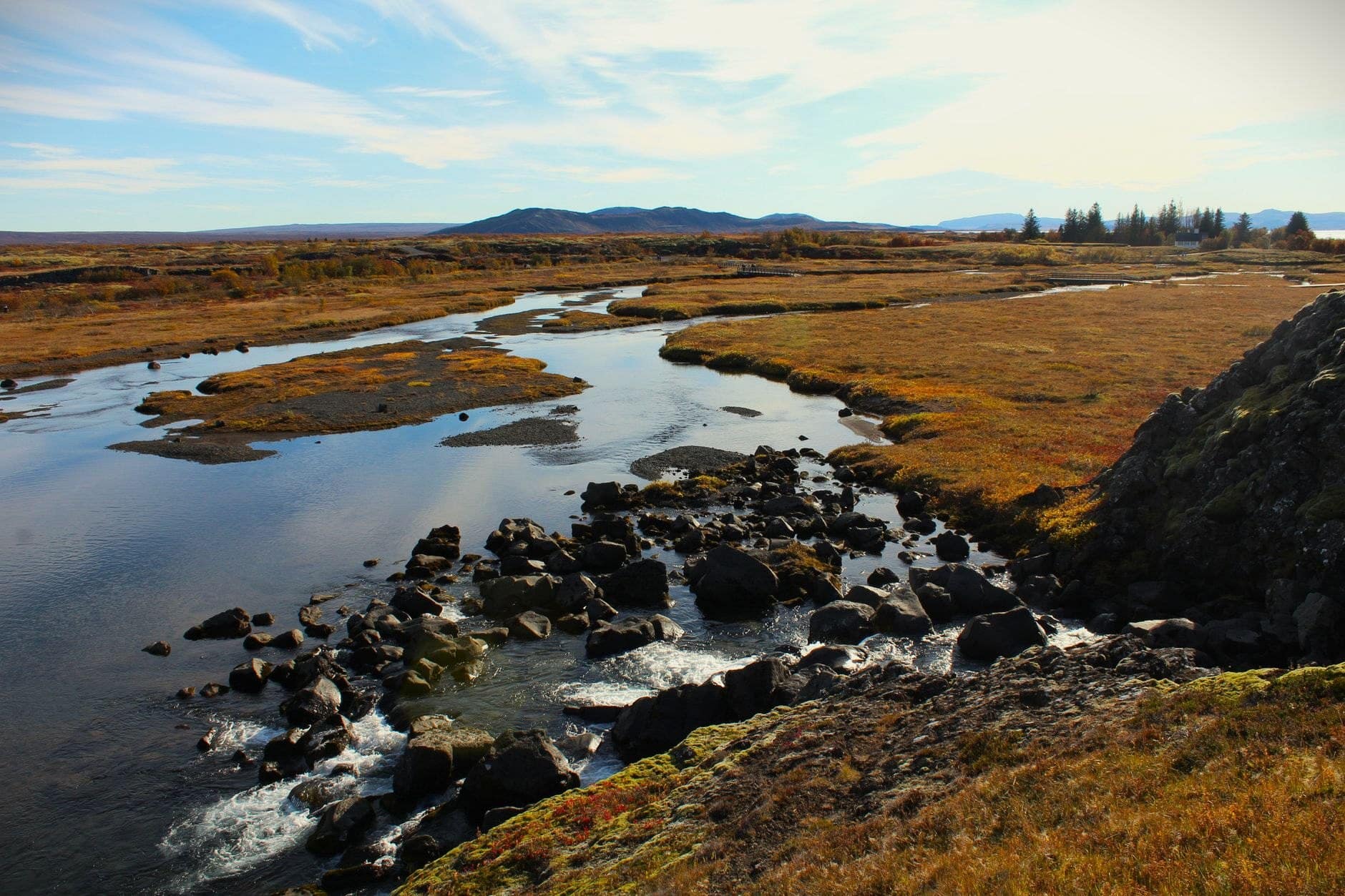
What’s more, we hugely appreciated that the crowds had thinned out dramatically. We weren’t jostling on the narrow viewing paths, guesthouse prices were noticeably friendlier than in jam-packed July, and at the famous waterfalls you could park completely stress-free.
September is also the month when, usually in the first half, you can still make a last-minute dash into the interior before the roads are sealed off by snow for many long months.
On the other hand, you need to know that October already brings sharp autumn winds and very heavy rain. From around the 1st of October, many smaller services outside the big towns, the little toilets near more remote sights, and the charming countryside bistros shut up shop without mercy, with a sign saying they’ll see you again in April, come spring.
You simply have to factor this in ahead of time and, to be safe, always carry a decent stash of snacks bought in town.
Weather month by month: what to expect
Although scary tales of Arctic frost do the rounds, thanks to the strong influence of the warm Gulf Stream, Icelandic winters are surprisingly mild and summers, by contrast, cooler. In the capital Reykjavík, the average temperature rarely drops far below freezing.
The real and unpredictable enemy here isn’t the mercury in the thermometer, but the constantly changing conditions and the extremely strong wind, which works absolute wonders on the wind-chill. Let’s break the year down in detail, step by step.
1. January to March (winter in full force)
The start of the year is marked by cold, long dark nights, and wild, unpredictable weather. In January, average temperatures in the capital hover just around zero, usually between -2 and +2 degrees Celsius.
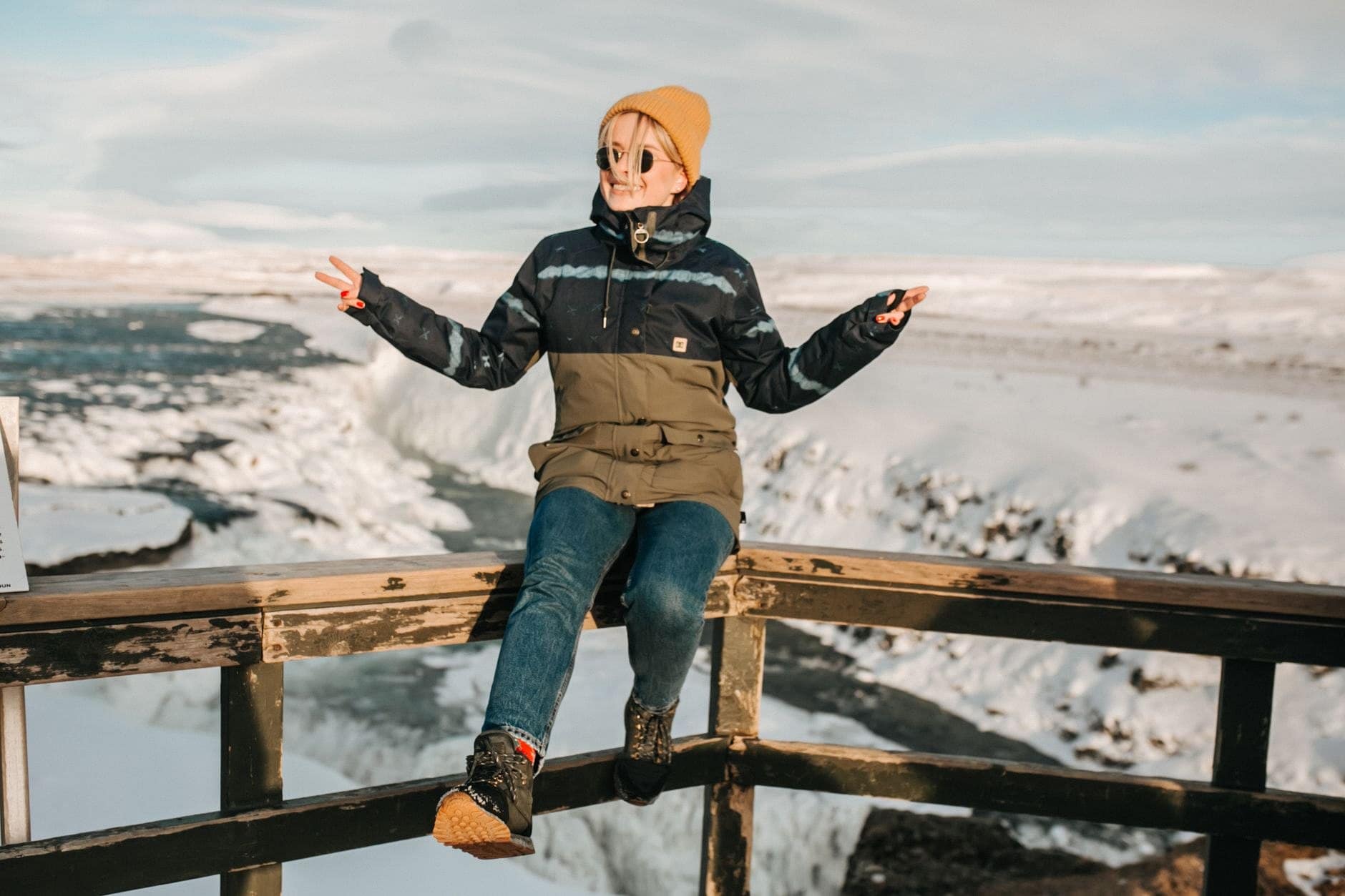
The sun peeks out for just a sad five hours or so a day, and statistically this is the windiest month of the entire year. Roads are commonly and dangerously covered in ice and drifting snow, so a 4×4 vehicle is an absolute necessity for your safety.
February (with temperatures of -2 to +3 degrees) and March slowly start adding precious daylight. By March the sun shines for a fantastic 11 hours or so, giving you far more room to manoeuvre when exploring the waterfalls in the south of the island.
These are absolutely ideal months for exploring the blue ice caves by day and hunting the Northern Lights in the evenings. A big bonus is the cost, because aside from the holidays, the winter months are generally the cheapest time of all, when you can easily save 30 to 50 percent on flights and accommodation compared with the high summer season.
2. April and May (the awakening and the puffins)
April and May mark the great spring awakening. The days suddenly grow rapidly longer, and in May you’ll enjoy a luxurious 18 hours of daylight.
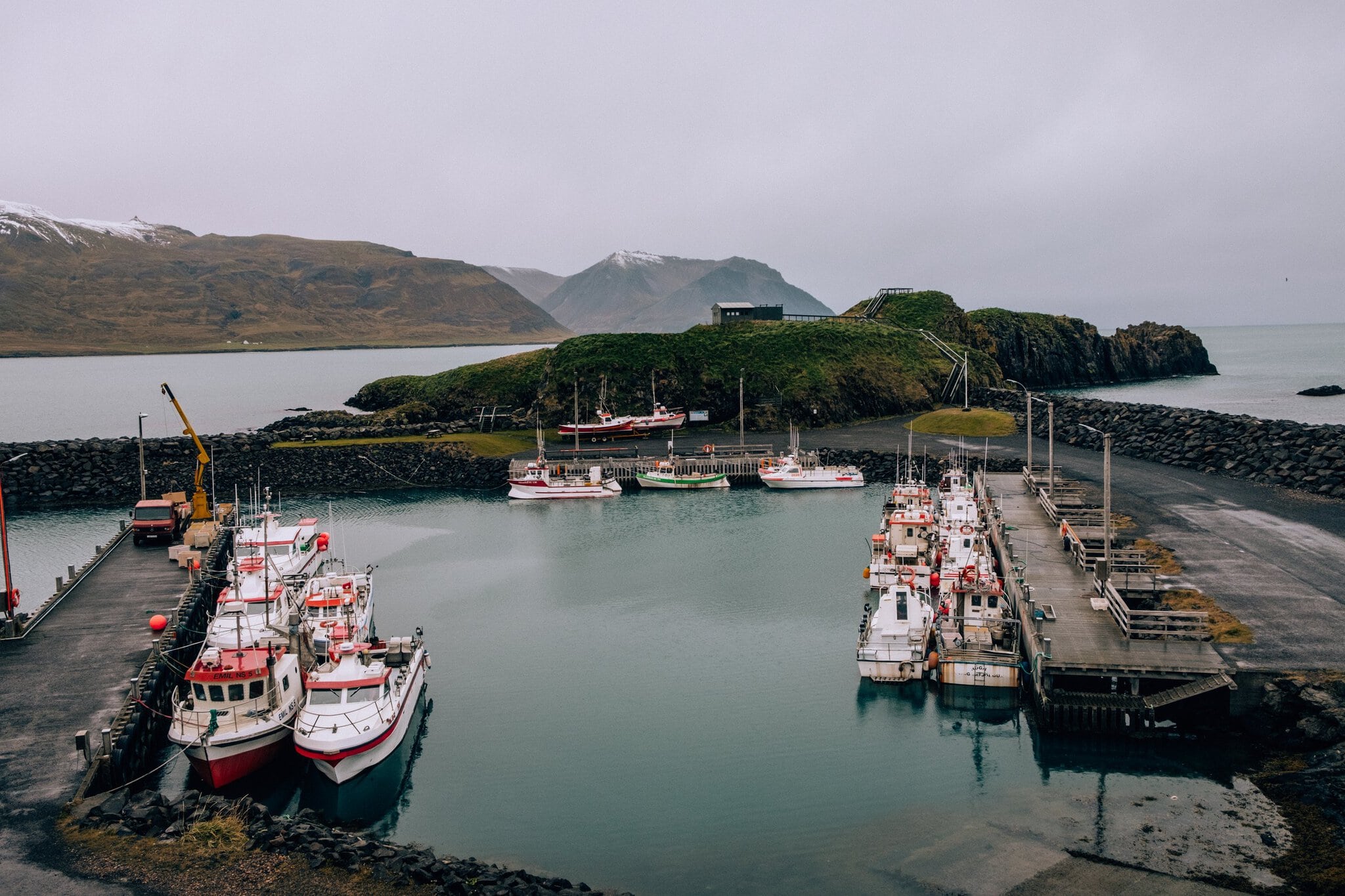
Temperatures slowly climb to more pleasant values, usually measuring between 4 and 9 degrees Celsius. May is also statistically one of the driest months in Iceland, which in such a rainy place we count as a huge plus, with no small relief.
In these months nature finally returns to life and the beloved flocks of puffins start arriving on the island en masse. The roads along the southern and northern coasts tend to be clear and easily passable without much stress, but the interior is still firmly gripped by snow and the mountain F-roads remain firmly closed.
It’s simply a great spring compromise, when you can enjoy beautiful awakening nature and whales in the bays, all completely without the jostling crowds of the summer holidays.
3. June to August (the high season)
These are by far the most popular months of the whole year. In June, rainfall drops to its annual minimum, and in July the wind is finally at its calmest of the year.
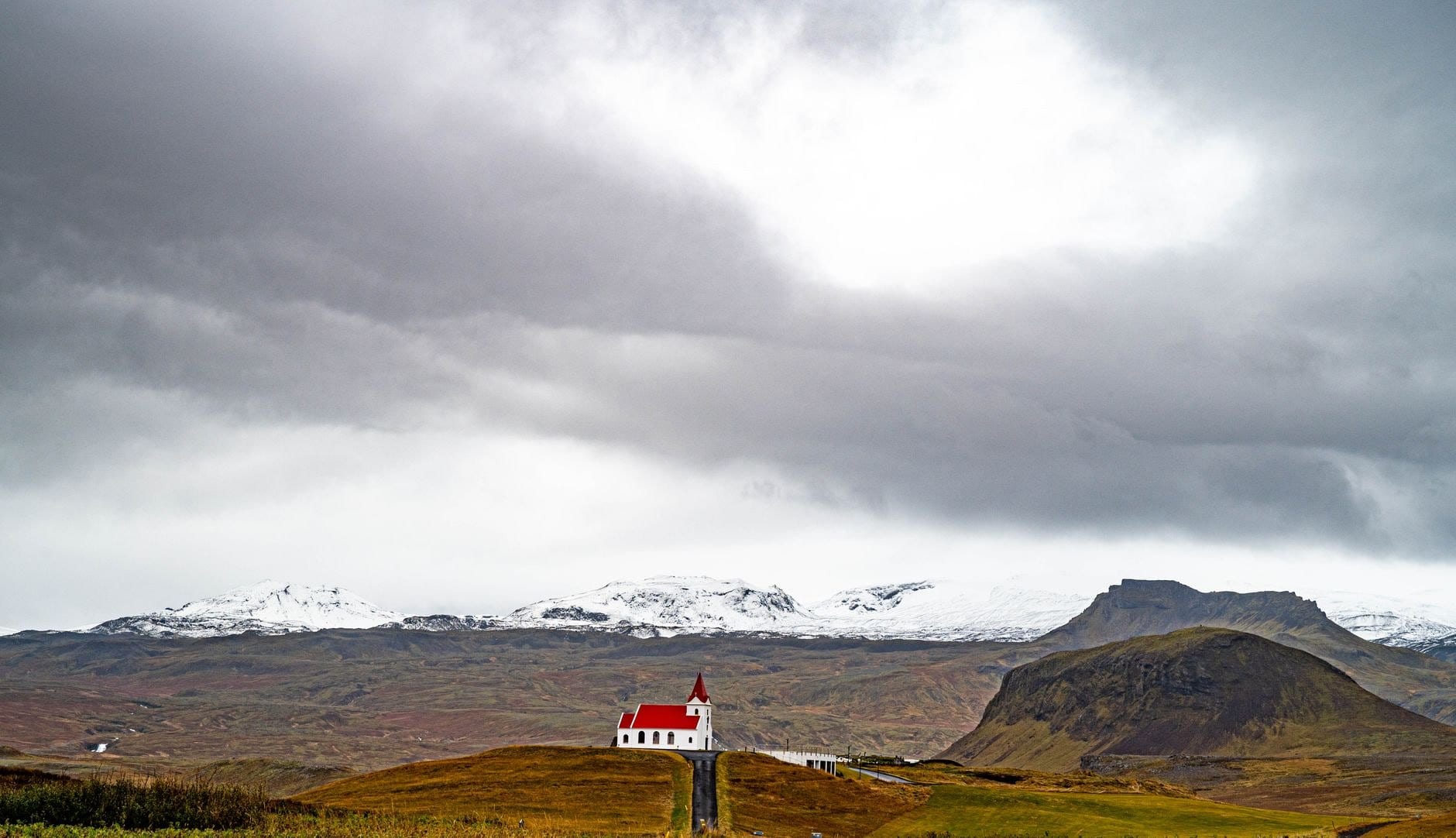
Temperatures during the day climb to a spring-like 9 to 13 degrees Celsius, and even though that doesn’t sound like much, in direct sunshine somewhere sheltered behind a rock you can quite happily sunbathe in a short-sleeved T-shirt. The magical midnight sun draws tens of thousands of visitors, and at the end of June the longed-for dusty roads to the Askja volcano and to colourful Landmannalaugar finally open.
In July the island is at the absolute peak of the summer tourist rush. Well-known sites in the south, like the beautiful Skógafoss waterfall or the Jökulsárlón glacier lagoon, are literally bursting at the seams under the onslaught of tour buses.
August is then marked by the departure of the puffins back out to the ocean (usually around mid-month) and the gradual shortening of the long days, while rainfall slowly starts to increase. So always book your rental car and all your hotel rooms many months in advance for the summer months, especially around the 2026 eclipse.
4. September to December (from colourful autumn to darkness)
September is immensely beautiful, but a little treacherous. Nature takes on gorgeous golden colours, the crowds thin out, and the green aurora returns to the sky with the longer nights, but according to the statistics it’s the single rainiest month of all.
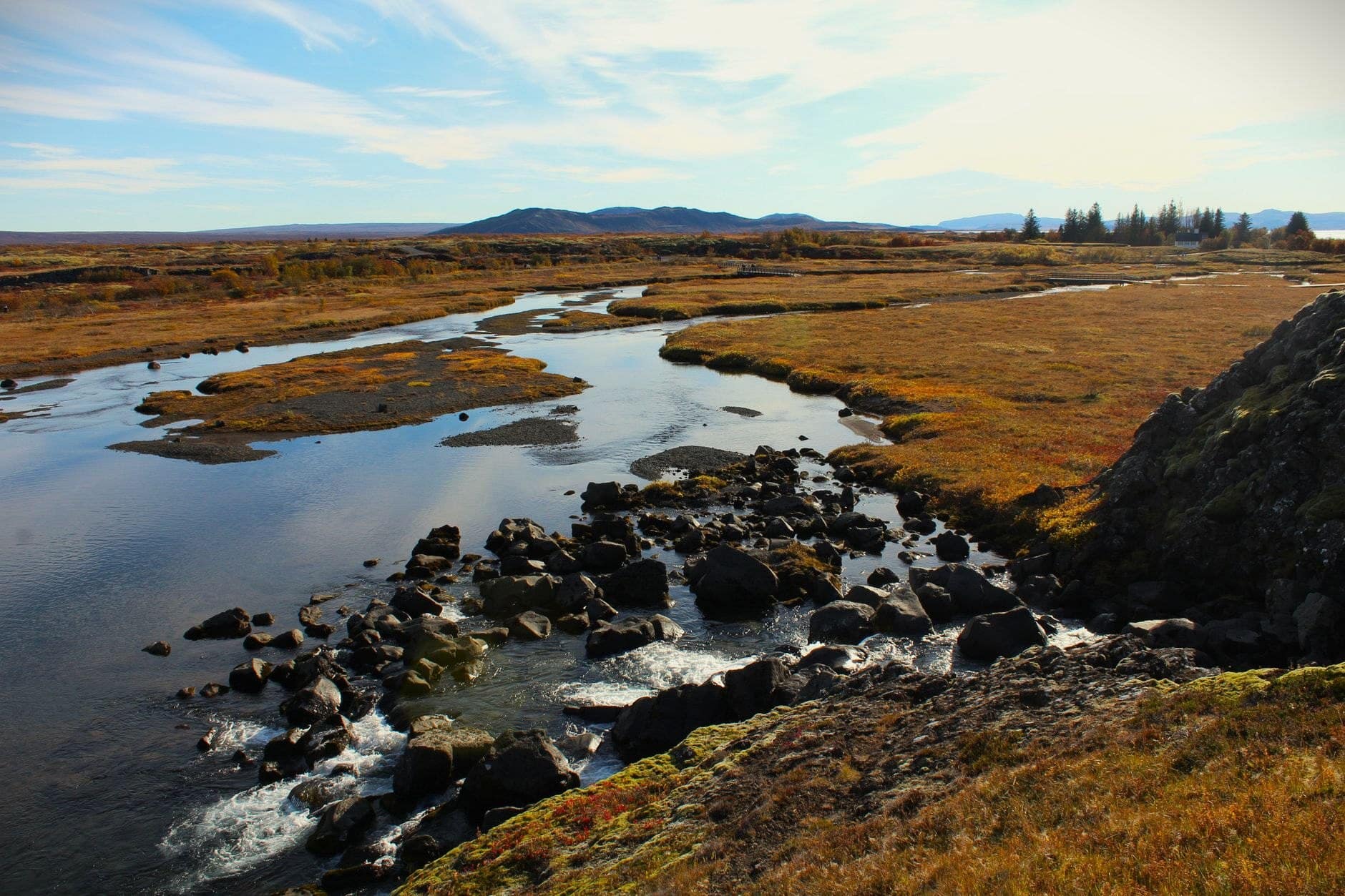
October (when temperatures range from 2 to 7 degrees) is a genuine lottery. Strong autumn storms often blow in from the ocean, along with wind so powerful it can literally rip the door off your rental car if you’re not careful. Most services outside the big towns also close their gates.
November and December are months mainly for the hardier adventurers. In December, around the winter solstice, it doesn’t get light until just before noon and the sun stays above the horizon for a meagre 4 hours, while temperatures constantly teeter around freezing.
In return, though, you can experience the incredibly magical pre-Christmas atmosphere in the streets of Reykjavík, warm up for hours on end in the hot springs without a shred of guilt, and every single evening, mug of tea in hand, watch the green aurora dancing over the snow-capped mountain peaks.
What to pack for the Icelandic wind and cold
There’s a lovely and one hundred percent true local saying that here, you can experience all four seasons during lunch. In the morning we set off from the guesthouse bathed in sunshine in just a light hoodie, at noon a strong horizontal rain caught us on a cliff, in the afternoon huge hailstones began to fall, and in the evening the aurora lit up a starry sky.
The key to survival and good spirits is quite simply smart, sensible packing.
1. Layering is absolutely essential
The number one basic rule is dressing in multiple layers. You can leave your classic jeans at home in the wardrobe with a clear conscience, because once they get soaked in the Icelandic wind, they probably won’t dry out until you’ve landed back home.
For your first base layer, always go for quality merino wool thermals, which wick away sweat brilliantly and keep you wonderfully warm even when slightly damp from the effort of a trek. On top of that comes a good insulating mid-layer, ideally a warm fleece or a thin, easily packable down jacket.
By far the most important item in your bag, though, is the outer layer. You absolutely need a completely waterproof and one hundred percent windproof jacket and quality trousers (this is where it pays to invest in a good Gore-Tex membrane). The Icelandic wind can very quickly lower the temperature you feel on your skin, and chills you far more than whatever the thermometer in the car shows.
A warm hat that covers your ears, waterproof gloves, and sturdy ankle-high hiking boots (which you mustn’t forget to treat properly with waterproofing before you fly) are a given in any weather. If you’re going in the winter months, definitely also pack good ice grips for the icy paths near the waterfalls and a powerful head torch.
Closely tied to this harsh and unpredictable weather is our strong recommendation about the rental car. The fierce wind here regularly lifts fine volcanic sand and sharp pebbles off the long plains, which within a few hours can literally strip the paint off the car down to bare metal and destroy the windscreen. We’ve had a long-standing good experience with the DiscoverCars search engine, which we use all over the world.
Definitely take out the special add-on insurances in Iceland: Gravel Protection (against flying gravel) and SAAP (against destructive ash and sand, where damage can otherwise climb to 500,000–1.5 million ISK, which is over £8,000). And remember, no insurance covers wrenched-off doors, so when it’s blowing on the car park, always hold them firmly with both hands as you get out.
2. Why to leave the umbrella at home and bring your swimsuit
It might seem obvious, but seriously, really don’t bring an umbrella in your suitcase. It’ll be utterly useless here, because the notorious Icelandic wind would turn it inside out and ruin it beyond repair within roughly five seconds of its ceremonial opening.
Instead of an umbrella, reach straight for a good rain jacket or a large poncho, which can be neatly thrown over a backpack full of camera gear too. In the summer months definitely pack the sleep mask mentioned earlier, and if you’re heading for Lake Mývatn, insect repellent against the annoying tiny midges comes in handy.
The thing you mustn’t forget at home under any circumstances whatsoever (and that holds even if you’re going in the middle of a dark January blizzard) is your swimsuit. Thermal baths are the absolute alpha and omega of the local culture, and warming up in hot water with a view of snow-white hills is the best relaxing feeling in the world after a demanding day in the car.
Bear in mind one crucial thing, though, namely the strict etiquette of the local pools (sundlaug). Before entering the hot water, you must always thoroughly wash with soap completely naked in the separate showers (and yes, that means a proper wash of your armpits, legs, and intimate areas). Icelanders deliberately don’t use as much chemical chlorine in the water and they take this strict hygiene incredibly seriously.
A quick shower with your swimsuit already on is considered a huge, rude faux pas here, often loudly criticised by the locals. Before each morning’s drive out of the hotel, don’t forget to check the current road conditions at umferdin.is and the safety wind warnings on the official rescue services website safetravel.is.
Where to eat in Iceland: a guide not just for vegetarians
The food in the island’s small cafés and restaurants is absolutely delicious, though you should be prepared in advance for it to reliably give your travel wallet an airing a touch more than similar places in the rest of Europe. Lukáš and I are both vegetarians, so a lot of the classic, celebrated fish restaurants on the coast passed us by completely on our roadtrip.
The locals love to offer traditional meaty specialities in the guidebooks, like fermented shark Hákarl (which these days is more of a pricey adrenaline-fuelled tourist attraction) or the warming lamb soup Kjötsúpa, which meat eaters rave about for its heartiness after a demanding, frosty day, but we always found something great and hot without meat here without any trouble.
Our absolute favourite during our travels around the south was the amazing tomato farm Friðheimar, cleverly located on the route of the popular Golden Circle, and we recommend booking a table. You sit right inside a warm, glowing greenhouse among hundreds of tall plants laden with ripe tomatoes, and they serve the best creamy tomato soup there with fresh homemade bread.
On top of that, it works on a brilliant “all you can eat” system, so for one fixed price you can keep ladling more until you’re about to burst, which after a cold, windswept morning at the geysers we appreciated enormously, polishing off about three bowls.
If hunger strikes in the afternoon in the small town of Selfoss while travelling along the south coast, we warmly recommend stopping at the wonderfully cosy family-run Kaffi Krús. You step into a little yellow house with a lovely atmosphere, where they make absolutely fantastic vegetarian pizzas in the oven with generous toppings and hearty pasta.
And if you wander the colourful streets of the capital Reykjavík, definitely stop for lunch at the lovely Kaffi Vínyl bistro or treat yourself to a luxurious veggie burger with a hefty portion of chips at the renowned hipster spot Block Burger. Surprisingly, the vegan scene works very well and naturally for us here, and at almost every larger petrol station (even the famous self-service N1 pumps) you can grab a decent hot vegan wrap or a fresh sandwich for the road without much searching. 😉
Where to go next
If you’re busy enthusiastically putting together plans for your island roadtrip, definitely check out our other articles full of detailed tips and specific routes that we’ve prepared for you on the blog.
- Iceland: The Complete Traveller’s Guide – Everything you need to know before you fly, all in one place.
- What Iceland Is Like in October and How Much It Costs – A detailed look at our autumn budget.
- The Most Beautiful Places in Iceland: What You Must See – Our favourite stops with parking tips.
- Where and How to Catch the Northern Lights: Iceland, Finland and Norway – A practical guide to photographing and hunting the aurora.
 🚗 Car rental on the road
Verified rental cars in Iceland
🚗 Car rental on the road
Verified rental cars in Iceland
Search with the DiscoverCars comparison engine — it compares prices from dozens of local and international rental companies, and most bookings come with free cancellation.
Compare car prices in Iceland →Frequently asked questions
When is the ideal time to go to Iceland?
It purely depends on what you actually want to experience from the trip. If you’re interested in pleasant warm months, dusty treks in the interior and endless days with the magical midnight sun, go from June to August. If you’d rather explore translucent ice caves in crampons and watch the green northern lights in the sky without crowds of tourists, choose the winter months from November to March instead.
When is the main tourist season in Iceland?
The absolute peak season on the island is in warm July and August. The weather during these months is typically the most pleasant and all roads, including the challenging mountain F-roads to Landmannalaugar and Askja, are fully open at this time. Logically, this is when the island attracts the most international tourists and prices for car rentals and guesthouses are at their absolute summer highs.
When can you see the Northern Lights in Iceland?
The northern lights season lasts, thanks to sufficient darkness, from late August until roughly the very beginning of April. However, the absolute best months for observing them are November through February, because the days are shortest and you have really long nighttime hours of dark sky to calmly see the aurora above you, endure the cold, and photograph it from a tripod.
What to watch out for in Iceland?
The biggest hidden danger for tourists is without a doubt the weather and extremely strong winds, which can tear off open car doors in the blink of an eye on your rental car. Be extra careful also at the famous Reynisfjara black sand beach near the town of Vík. There are so-called sneaker waves or very treacherous waves that look inconspicuous from a distance, but have enormous power and can easily pull you into the icy ocean if you don’t respect the warning signs and maintain at least 30 meters distance from the water.
Is a 4×4 vehicle necessary in winter?
Absolutely 100% yes and don’t compromise on this. From chilly November through March, roads off the main routes are very often icy and full of drifted, packed snow. Even for your own peace of mind behind the wheel, it’s incomparably better to have a stronger and higher vehicle. In the warm summer months, you can comfortably manage driving the paved Ring Road number one with a classic smaller car, but remember that for entering the interior on F-roads you need a 4×4 by law in any season.
What changes were introduced regarding fees in 2026?
From January 1, 2026, the Icelandic government introduced a so-called kilometer tax for all passenger vehicles and smaller SUVs. The fee is approximately 6.95 ISK per kilometer driven, which will be added on top of the regular daily rental price when you pay at the rental company. This amount is then handled by car rental companies either through a daily flat rate of around fifteen hundred ISK, or exact billing when you return the keys upon your return to the airport.
When can you see the adorable puffins?
Puffins, or colorful sea parrots, aren’t visible on Icelandic cliffs year-round, as they spend winter on the open ocean. They only come here for essential nesting roughly from late April to mid-August, with the absolute peak for photographing them being the months of June and July, when you have a chance to spot millions of these little beauties with fish in their beaks on the Látrabjarg cliffs and Vestmannaeyjar islands.
Tips and Tricks for Your Vacation
Don’t Overpay for Flights
Search for flights on Kayak. It’s our favorite search engine because it scans the websites of all airlines and always finds the cheapest connection.
Book Your Accommodation Smartly
The best experiences we’ve had when looking for accommodation (from Alaska to Morocco) are with Booking.com, where hotels, apartments, and entire houses are usually the cheapest and most widely available.
Don’t Forget Travel Insurance
Good travel insurance will protect you against illness, accidents, theft, or flight cancellations. We’ve had a few hospital visits abroad, so we know how important it is to have proper insurance arranged.
Where we insure ourselves: SafetyWing (simple monthly subscription) and TrueTraveller (for extra-long trips).
Find the Best Experiences
Get Your Guide is a huge online marketplace where you can book guided walks, trips, skip-the-line tickets, tours, and much more. We always find some extra fun there!