

You’ve probably already filed Türkiye away in your head as a safe bet — warm sea, all-inclusive resorts, ancient temples and balloons drifting over Cappadocia. But then come the practical doubts: when’s the best time to go, how much will the whole thing cost, and is it worth booking a package, or can you do it better on your own? That’s exactly where the two of us once stood. ☺️
So we’ve built this hub the way we’d have wanted to find it ourselves. In short: up-to-date tour and flight prices, which we refresh every morning; our own concrete tips from trips and articles that we link to here; and a plan for when and what to book so you don’t overpay for nothing.

What to see and do in Türkiye
Türkiye isn’t just one holiday — it easily holds five different ones. Here’s how we break it down:
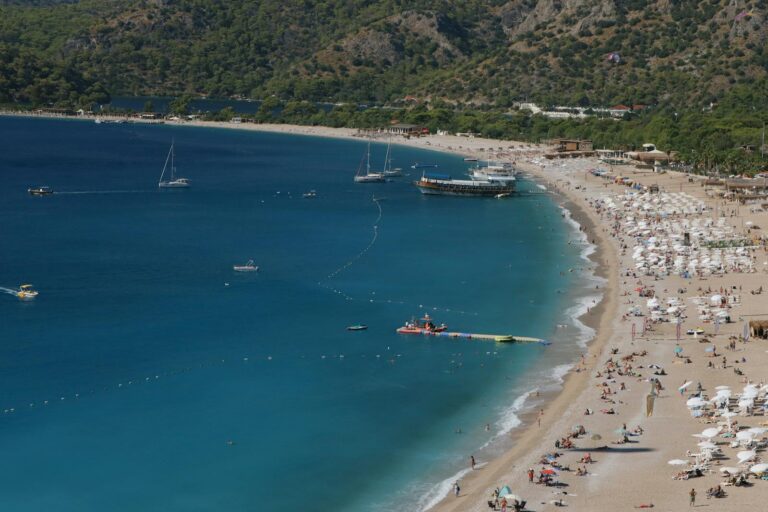
- Beaches and the Riviera: the heart of a summer holiday. We’ve travelled through Alanya, Side, Manavgat and Antalya, and put together a rundown of the most beautiful beaches in Türkiye (Patara, İztuzu, Kaputaş).
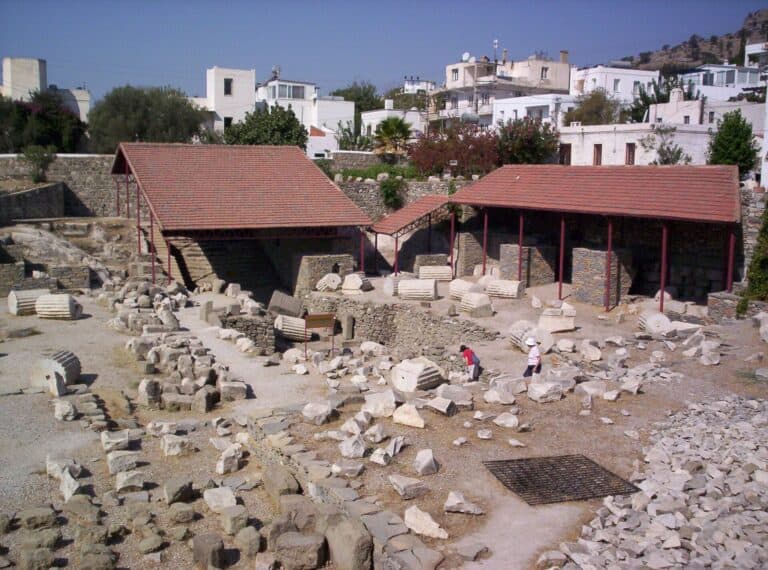
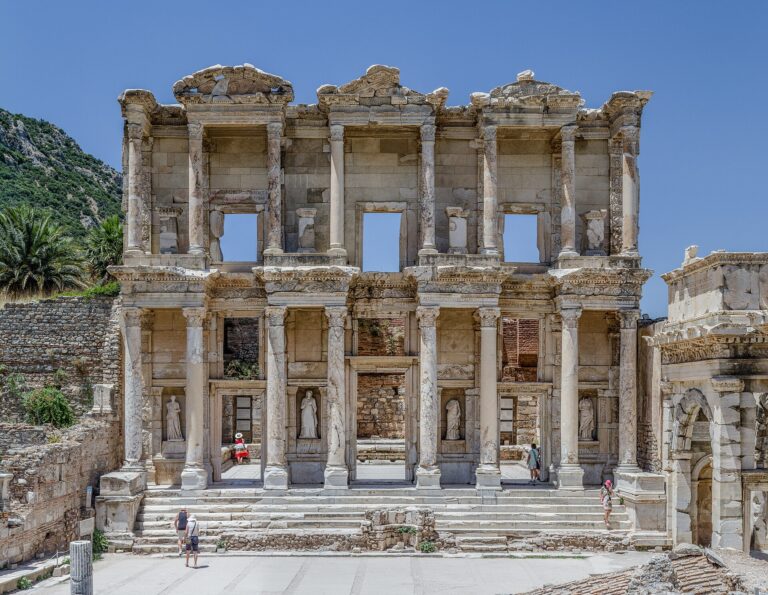
- Ancient history: the best-preserved ancient city, Ephesus (Efes), and the ancient complex of Hierapolis perched right above the travertine terraces.
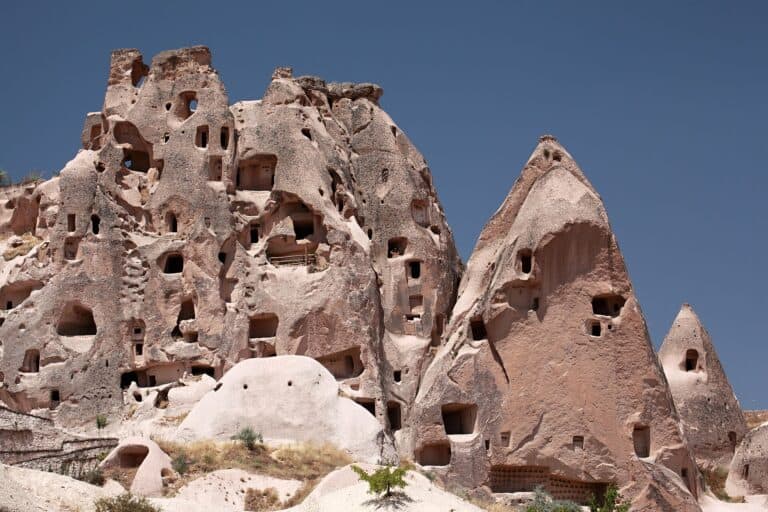
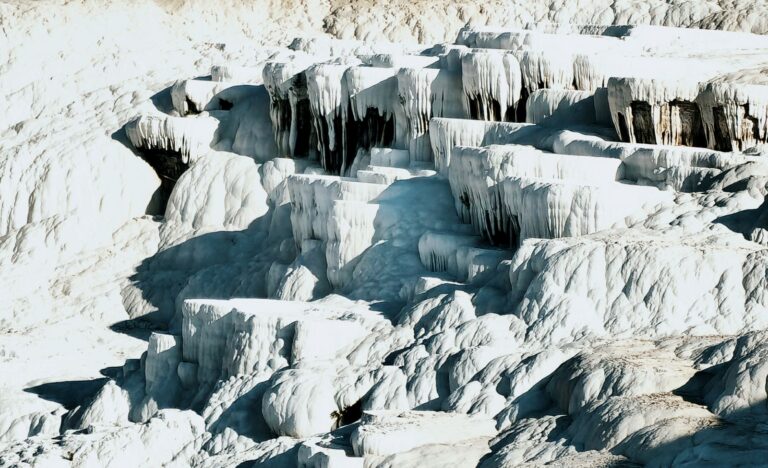
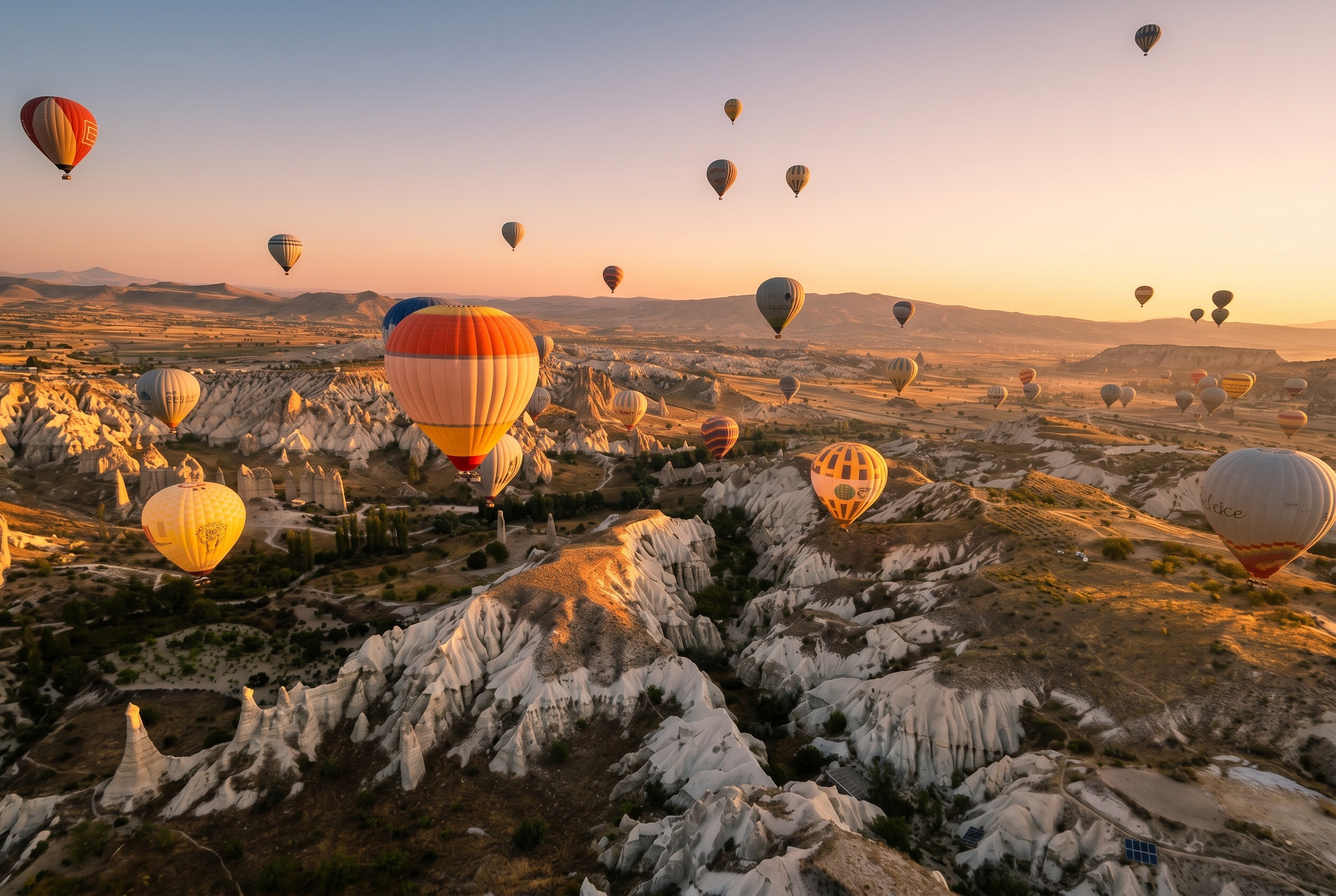
- Natural wonders: the white limestone cascades of Pamukkale and the lunar landscape of Cappadocia, with balloons over Göreme and cave hotels.
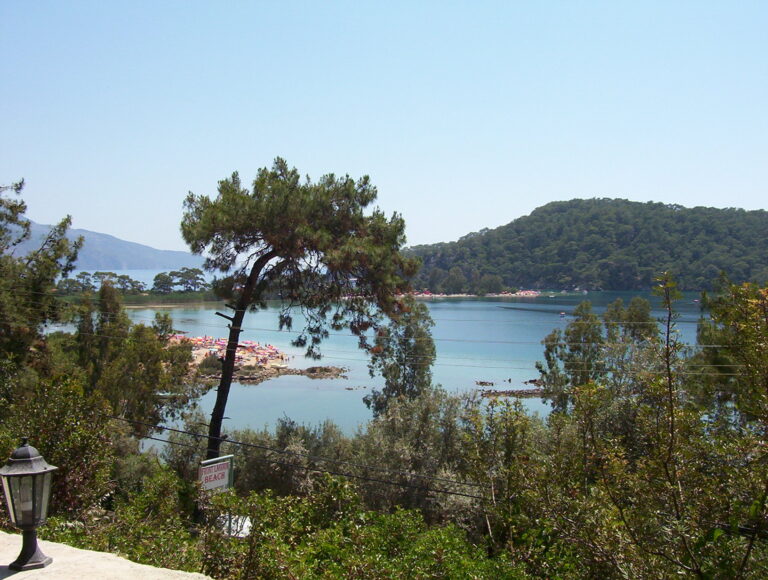
- The Aegean coast: turquoise Fethiye and Ölüdeniz with the Blue Lagoon and paragliding — our personal favourite for photos.
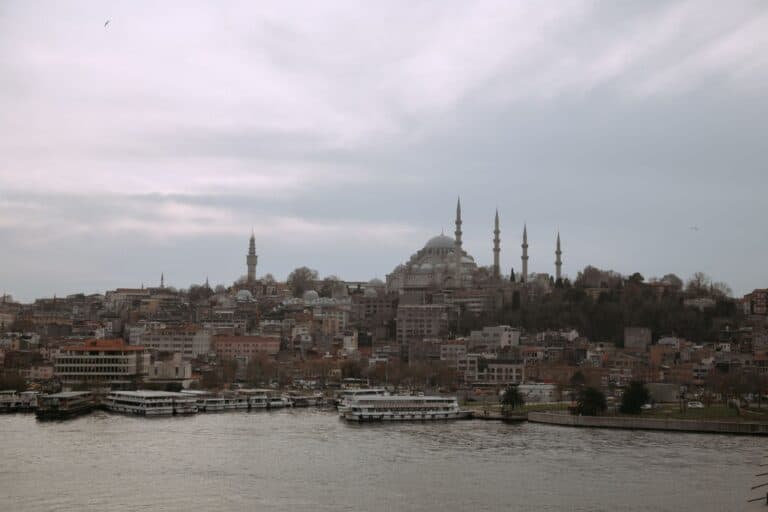
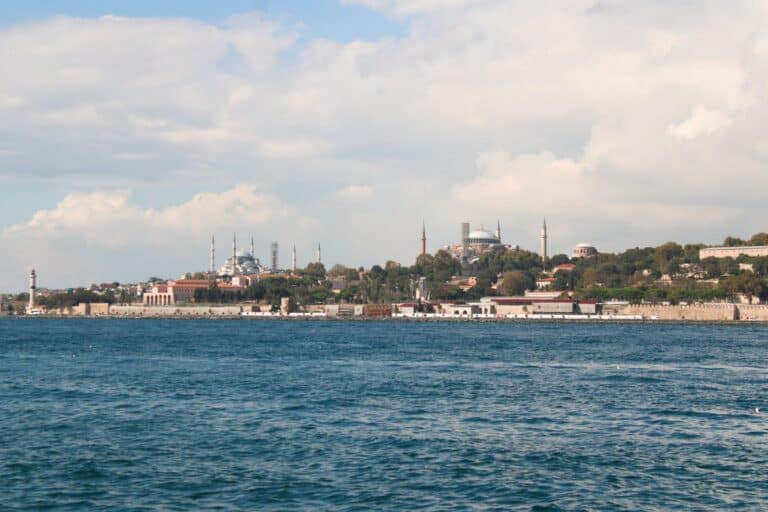
- A city on two continents: Istanbul — Hagia Sophia, the Grand Bazaar and a ferry across the Bosphorus.
- Comfort: if you’re weighing up a resort, we’ve got a guide on how to pick a good all-inclusive.
When to visit Türkiye
The main beach season on the Turkish Riviera (Antalya, Side, Alanya) runs roughly from May to October. The sea is warmest in August and September, when the water stays above 26 °C and swimming is lovely well into the evening. That said, stick to July and August for the sea alone — the interior and the ancient sites are oppressively hot at that time.
For sightseeing (Ephesus, Pamukkale, Cappadocia, Istanbul) we reckon the best time is spring (April–June) and autumn (September–October). It’s warm but not unbearable, and you don’t have to walk the terraces of Pamukkale or the ruins under the midday sun. Cappadocia also looks gorgeous outside summer — the balloons fly year-round, weather permitting.
The off-season (November–March) we’d only recommend for cities and culture — on the Riviera many hotels are closed and it’s too chilly for swimming. The upside: out of season, flight and accommodation prices are significantly lower.
Here are the experiences we remember most fondly and wouldn’t skip in Türkiye:
- A balloon flight at dawn over Cappadocia — an unbeatable experience; book well in advance.
- A walk across the travertines of Pamukkale and a swim in Cleopatra’s Pool at Hierapolis.
- Ancient Ephesus — one of the best-preserved ancient cities in the world.
- Paragliding over Ölüdeniz with views of the Blue Lagoon.
- A boat trip from Manavgat or out to the waterfalls on the Riviera.
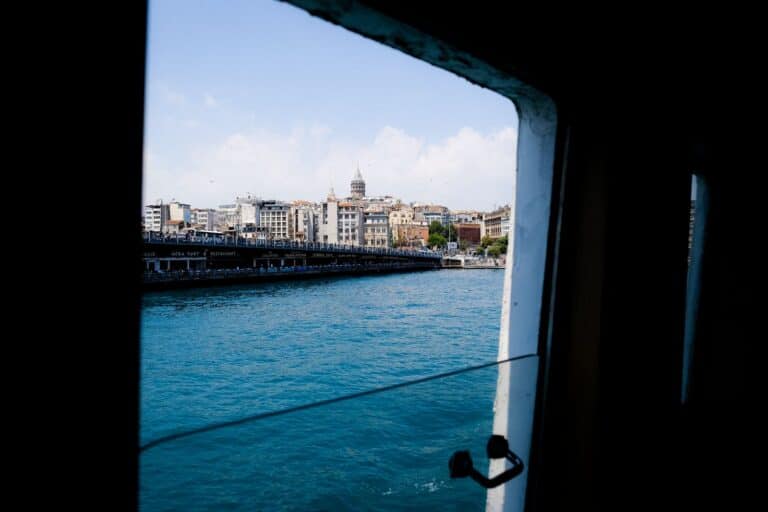
- A cruise across the Bosphorus in Istanbul — from Europe to Asia in a few minutes and a few lira.

How to get to Türkiye
The quickest way to reach Türkiye is by air. From Prague you can fly direct in season to Antalya (the gateway to the Riviera) and to Istanbul, with a flight time of around 3 hours. Outside the direct routes, you’ll most often connect via Istanbul, from where there are onward flights to every regional airport.
Driving from the Czech Republic across the Balkans is a long slog (easily 2 days on the road) and only makes sense for a few people — say, for a longer road trip. For an ordinary holiday, flying is both cheaper and more comfortable. On top of that, Czechs don’t need a visa for a tourist stay in Türkiye — a valid passport is enough.
Renting a car
A car in Türkiye really comes into its own on a road trip — the Aegean coast, day trips to ancient sites, or hopping between the beaches around Fethiye. If you’re going for a classic all-inclusive and rarely leave the resort, you won’t need a car; organised excursions or local transport work out cheaper. And definitely don’t drive in cities like Istanbul — the parking and the traffic will wreck your mood.
- Book ahead via a rental comparison site — in season it’s pricier on the spot and there’s less choice.
- Insurance and deposit: pay extra for full cover with no excess; the deposit is blocked on a credit card (count on a fairly hefty amount).
- Mind the tolls: Turkish motorways use electronic tolling (HGS) — check with the rental company how they handle it so you don’t end up with a fine.
- Fuel and driving style: petrol and diesel aren’t as cheap as food, and locals drive briskly — leave yourself a buffer.
Where to stay in Türkiye
Where you rest your head depends a lot on the type of holiday. For a classic summer by the sea, the simplest choice is a resort on the Riviera — Antalya, Side, Alanya. If you want comfort without worrying about meals, read our guide on how to pick a good all-inclusive.
- The Riviera (Antalya, Side, Alanya): the most resorts and all-inclusive options, ideal for swimming with the family.
- Fethiye and Ölüdeniz: smaller boutique hotels and apartments, beautiful scenery, a calmer pace.
- Cappadocia: spend at least one night in a cave hotel in Göreme — it’s an experience in its own right.
- Istanbul: stay in Sultanahmet or Beyoğlu to have the sights and nightlife within easy reach.
Package tour or independent travel?
A package tour is worth it when:
- you mainly want sea and relaxation and don’t want to deal with logistics;
- you’re travelling with kids or a bigger group and will appreciate the transfer and all-inclusive;
- you have fixed holiday dates and want the peace of mind of “nothing to worry about”;
- you’re after the best value for a beach holiday on the Riviera.
Go independent when:
- you want to combine several places — say Cappadocia, Pamukkale and Ephesus in one trip;
- you enjoy setting your own pace and exploring beyond the resorts;
- you’re travelling outside the main season or to cities like Istanbul;
- you’d rather spend on experiences than on comfort (and maybe save a bit too).
Here’s how the two of us do it: for a pure beach holiday we take a package (it often works out better than piecing it together yourself), but for sightseeing we travel independently — a car, our own plan and no rushing. Feel free to combine the two: a week at a resort, then a few days on a trip inland. ☺️
Budget: daily costs in Türkiye
| Level | Accommodation | Food | Transport & activities | Total/day |
|---|---|---|---|---|
| Backpacker | 710 ₺–1 290 ₺ | 360 ₺–570 ₺ | 290 ₺–570 ₺ | approx. 1 430 ₺–2 400 ₺ |
| Standard | 1 710 ₺–3 100 ₺ | 710 ₺–1 140 ₺ | 710 ₺–1 290 ₺ | approx. 3 100 ₺–5 600 ₺ |
| Comfort | 4 300 ₺+ | 1 430 ₺+ | 1 710 ₺+ | approx. 7 400 ₺+ |
These prices are approximate, per person per day and assume independent travel (excluding flights). Türkiye is one of the cheaper destinations — food and transport are markedly cheaper than in Western Europe, so even on a small budget you’ll eat well.
How to save when planning
- Book flights about 2–4 months ahead — that tends to be the best price-to-time ratio. For scheduled flights to Istanbul, it pays to track prices even further out. Search for flights in our flight finder.
- Package tours: with Türkiye both approaches work — first minute (winter/spring) secures the pick of the best hotels, while last minute gets you the lowest price if you’re not tied to a date. Compare the current tours on this page.
- Independent accommodation should be booked earlier mainly for August and early September, and for Cappadocia (the cave hotels fill up fast). Take a look at our accommodation tips.
- Where people overpay: excursions and activities booked through your hotel tend to cost more than online; popular experiences like the Cappadocia balloons also sell out. See what to book in advance.
- Don’t pay in euros — when paying by card, always choose Turkish lira and you’ll save on the exchange rate.
Practical information
- Language and communication: the official language is Turkish, but in tourist areas you’ll commonly get by in English, and often German too.
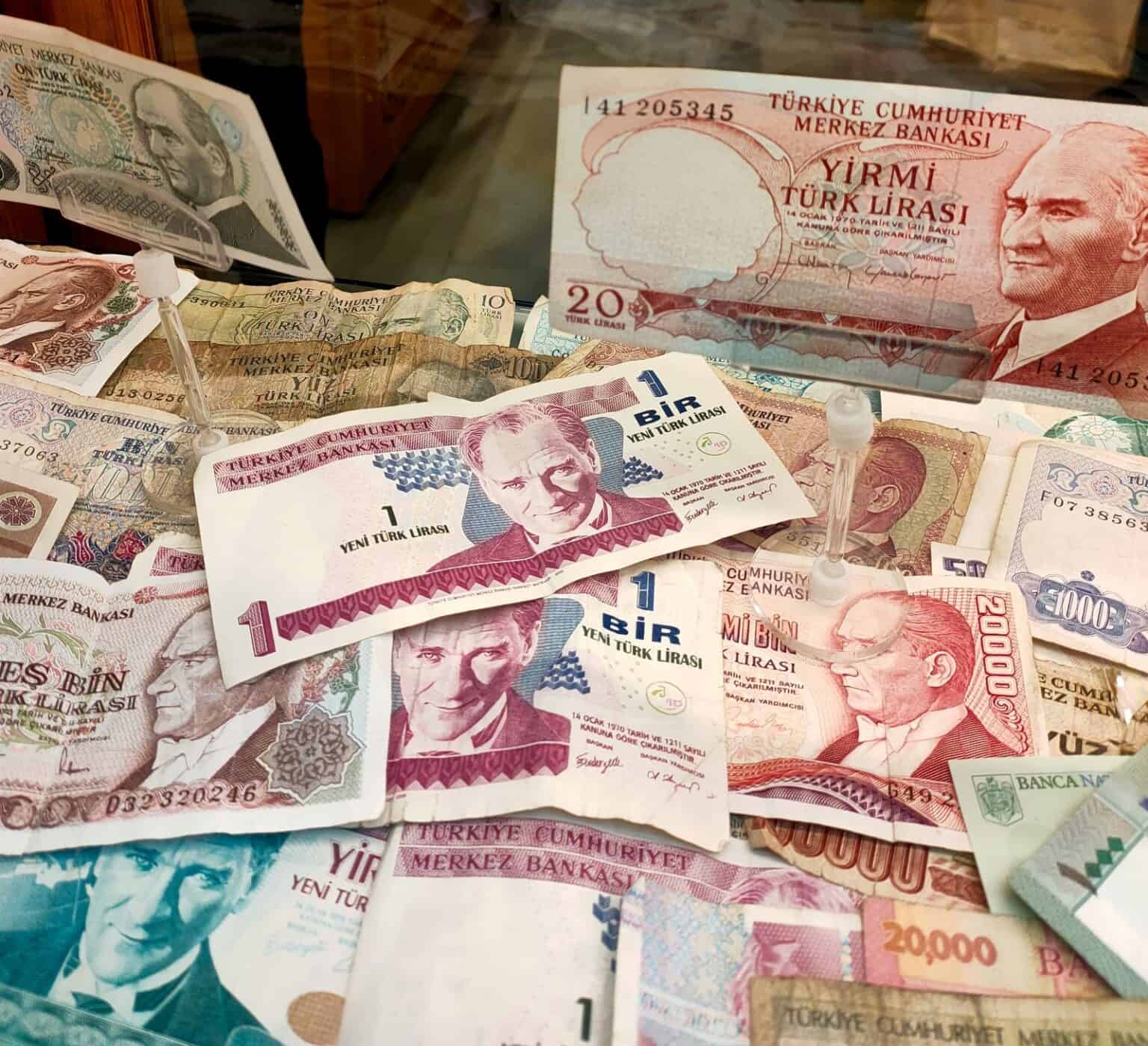
- Payments: the currency is the Turkish lira. You can pay by card in cities and resorts without any trouble; bring cash for markets and smaller establishments. Watch out for poor exchange rates if you pay in euros.
- Connectivity: the easiest option is an eSIM — activate it before you leave home and you’ll have data the moment you land, no hunting for a local SIM.
- Safety: tourist areas are calm; just keep the usual eye out for pickpockets in the bazaars and in Istanbul.
- Haggling: at markets and in the bazaar, bargaining is expected — feel free to start at half the asking price.
A practical tip worth its weight in gold: before you go, take a look at our rundown of what to pack for a holiday in Türkiye — it’ll save you a lot of last-minute squabbling over the suitcase.


