Turkey isn’t a single country – it’s two completely different worlds that happen to meet on one map. For thousands of British holidaymakers, holidays in Turkey are synonymous with carefree all-inclusive summers, where an army of waiters takes care of you from your morning coffee to your evening drink. For independent travellers, on the other hand, it’s one of the richest cultural crossroads on the planet, where antiquity, Byzantium and Ottoman grandeur blend with wild nature.
Whether you’re heading to a giant resort with water slides, a romantic balloon flight over Cappadocia, or a trek along turquoise cliffs, a holiday in Turkey offers unbeatable value for money and a flight from London takes only around four hours. You just need to pick the right part of the country and know what you’re getting into.
This guide is a signpost to the whole of Turkey – together we’ll go through the individual regions and resorts, advise you on when to go, how much it costs, whether to choose all-inclusive or travel independently, what to taste and which scams to watch out for. For every topic you’ll find a link to a detailed article.
TL;DR
- Why go: Excellent value for money, a 4-hour flight, five stars for the price of an apartment elsewhere, plus antiquity and beaches.
- Where to go for the beach: The Turkish Riviera (Antalya, Side, Alanya) for families and all-inclusive, the Aegean coast (Bodrum, Fethiye) for young and active travellers.
- Don’t miss: Istanbul, the balloons over Cappadocia, ancient Ephesus and the white terraces of Pamukkale.
- When to go: Beaches June–September, Istanbul and ancient sites in spring and autumn (in summer the interior is hellish).
- All-inclusive vs. independent: A resort on the Riviera for comfort, your own car and guesthouses for exploring.
- Money ⚠️: Turkey is not in the EU – buy an eSIM, pay by card in lira (TRY), passport valid for 6 months.
- Watch out for: taxi tricks and the “friendly local” in Istanbul, overpriced entry to monuments (prices in euros).
The full destination guide: Türkiye — guide and what to see
Why go on holiday to Turkey
Turkey (officially Türkiye since 2022) appeals for several reasons. The first is price: where you’d pay for a bare apartment in Croatia or Italy, here you get a five-star resort with ultra all-inclusive dining. The second is accessibility – charter and scheduled flights run from across the UK (London, Manchester, Birmingham), and you can be at the resorts around Antalya in roughly four hours.
The third reason is variety. On a single holiday you can lie on a sandy beach in the morning, wander an ancient city in the afternoon and sample meze at a bustling bazaar in the evening. ⚠️ It’s important to know that Turkey is not in the European Union or the Schengen Area, and EU roaming doesn’t apply here – so sort out a data eSIM before you leave home. The country’s tourist backbone is completely safe, and its infrastructure often puts southern Europe to shame.
💡 Tip: Your passport must be valid for at least 6 months after your return. UK citizens do not need a visa for stays of up to 90 days, but always double-check the latest entry rules on GOV.UK before you travel.
Where to go in Turkey: regions and resorts
For tourist purposes, Turkey divides into several distinct zones, and choosing the right one determines what kind of holiday you’ll have.
The Turkish Riviera: Antalya, Side, Alanya
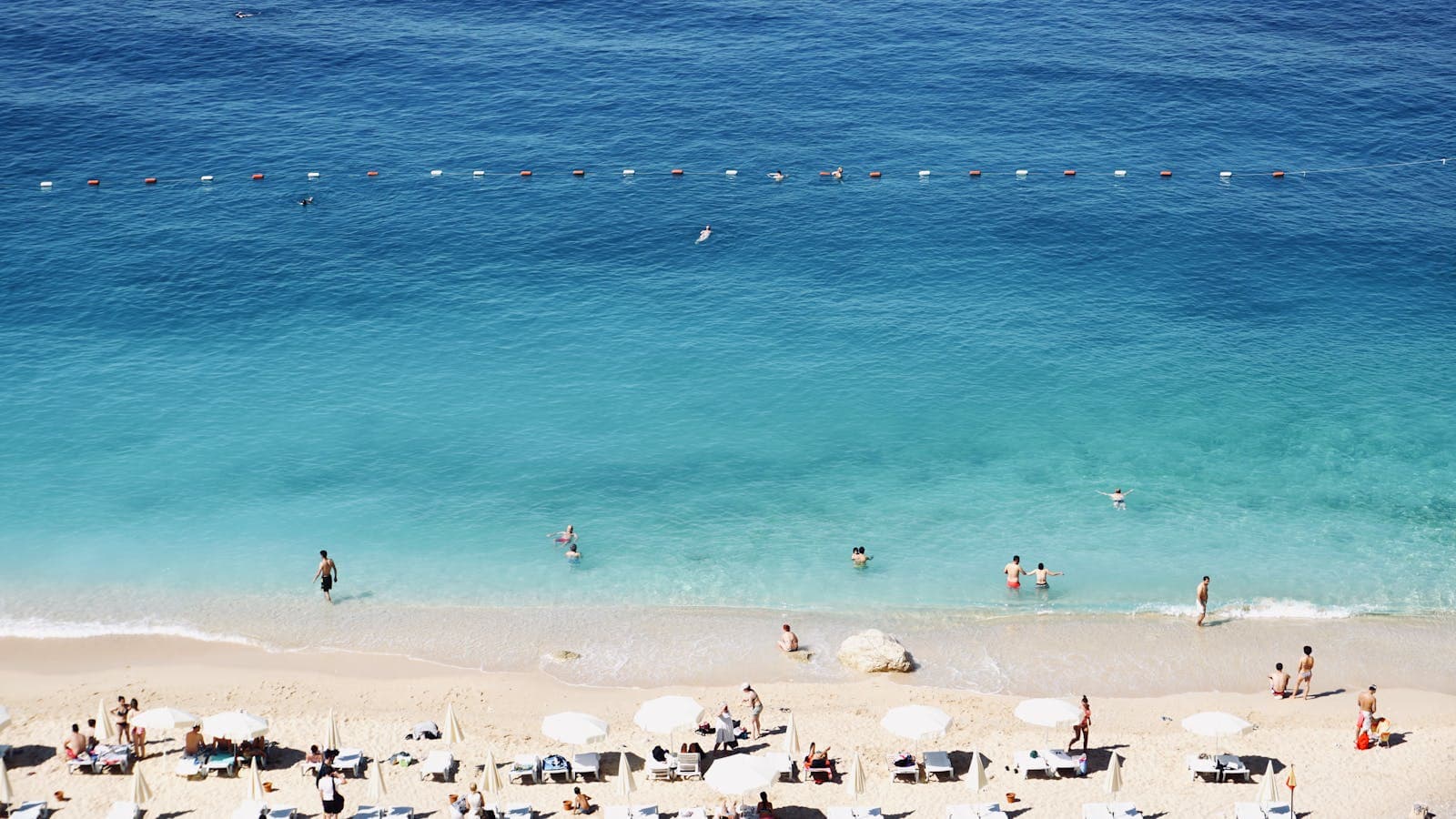
The coast around Antalya is the number one choice for British holidaymakers – a huge airport, sandy and pebble beaches, and unbeatable all-inclusive resorts. But each resort has its own character: Belek is luxury and golf, Lara/Kundu lies closest to the airport (ideal for families), Side adds ancient ruins to its beach, Kemer suits mountain lovers, and Alanya is the liveliest and cheapest. You’ll find the details in our guides to Antalya, Side, Alanya and Manavgat.
⚠️ What to watch out for: travel forums are full of disappointment over “canteen-style food” at weaker hotels – read the reviews carefully and check whether the hotel actually has a beach right on the doorstep, or whether a shuttle bus drives you there.
The Aegean coast: Bodrum, Marmaris, Fethiye
While families take over the Riviera, the Aegean coast (Dalaman and Bodrum airports) is the domain of the young, couples and active travellers. Bodrum works like a Turkish Saint-Tropez – chic, pricey, full of yachts; more in our article on Bodrum. Marmaris is a byword for wild nightlife, and Fethiye with Ölüdeniz has the iconic turquoise Blue Lagoon and paragliding from the 2,000-metre Mount Babadağ – one of the best adrenaline experiences in the world.
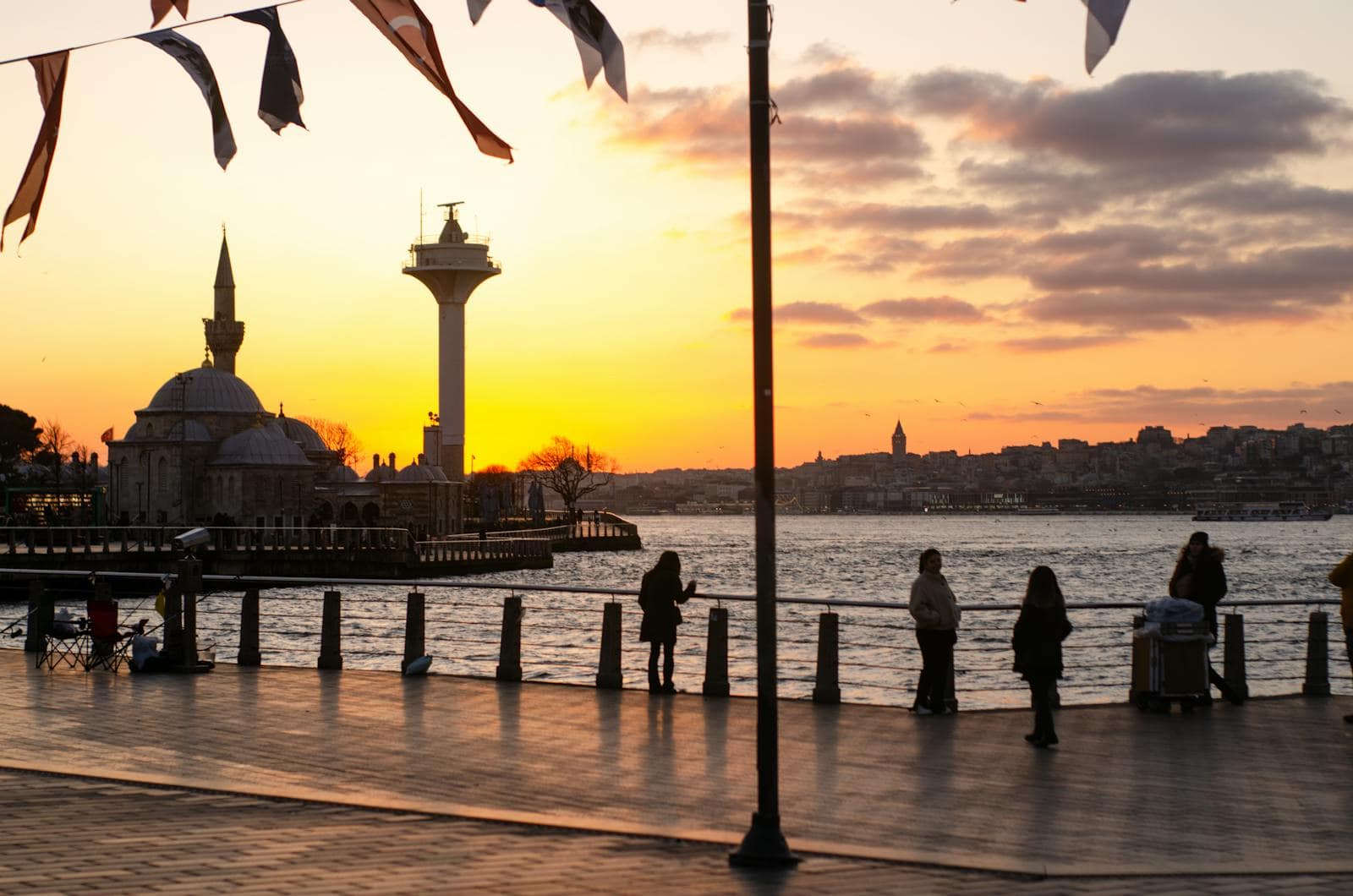
Istanbul: a cultural giant on two continents
Istanbul isn’t a destination for an afternoon trip from the beach – it deserves its own extended weekend (3–4 days). Mosques, bazaars, the Bosphorus and the best street food in the country. ⚠️ In 2026, though, you’ll run into brutal hikes in entry fees (prices in euros): Hagia Sophia €25, Topkapı Palace around €55, the Basilica Cistern around €38. Beware of the Museum Pass – it doesn’t cover Hagia Sophia or the Cistern, the most common tourist trap.
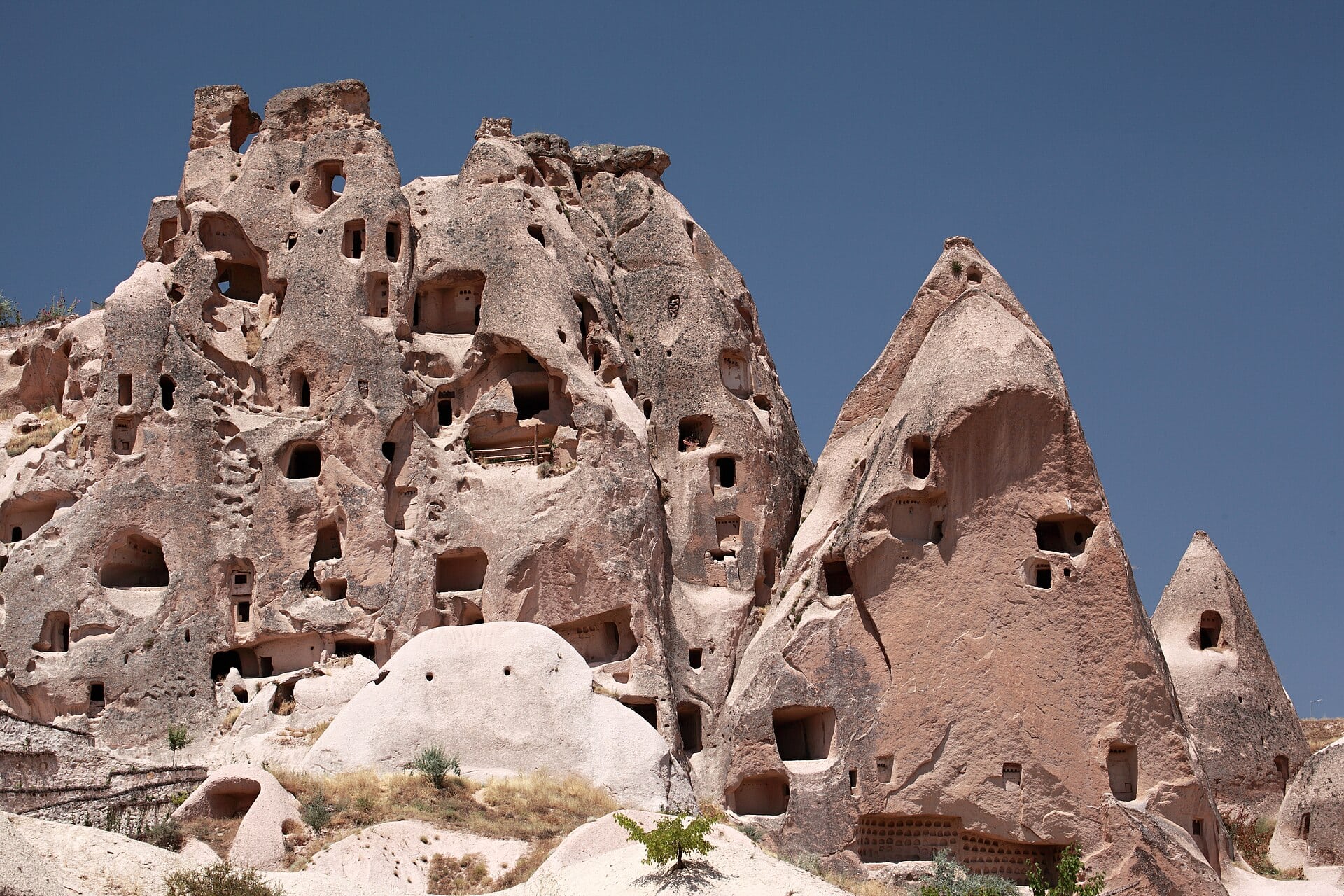
Cappadocia: balloons, cave hotels and rock cities
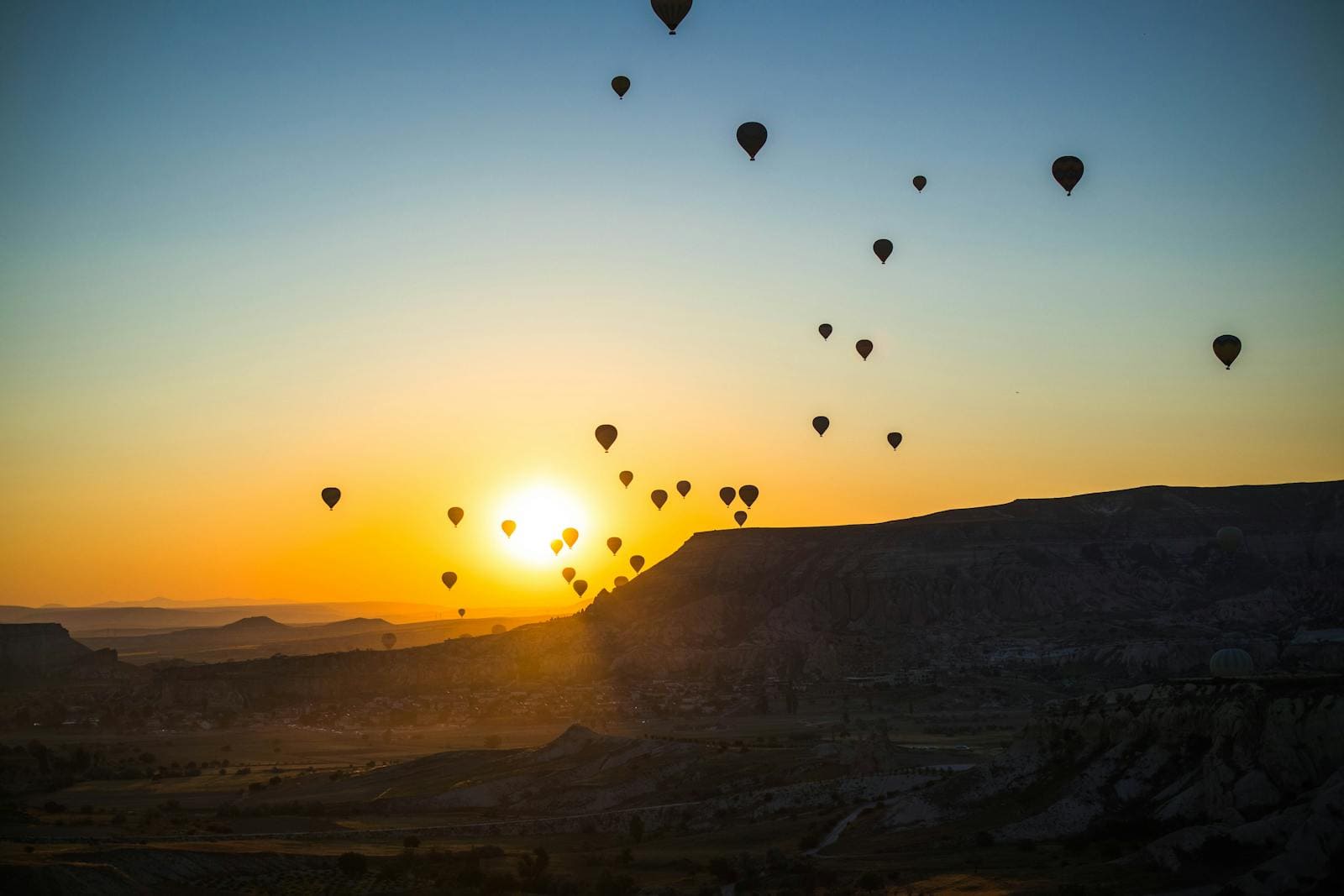
Inland Cappadocia is a magnet for hunters of unforgettable experiences. You stay in cave hotels in the town of Göreme, and the main draw is the morning hot air balloon flight over a fairytale rock landscape. ⚠️ Flights are often cancelled because of wind, so plan at least three nights as a buffer.
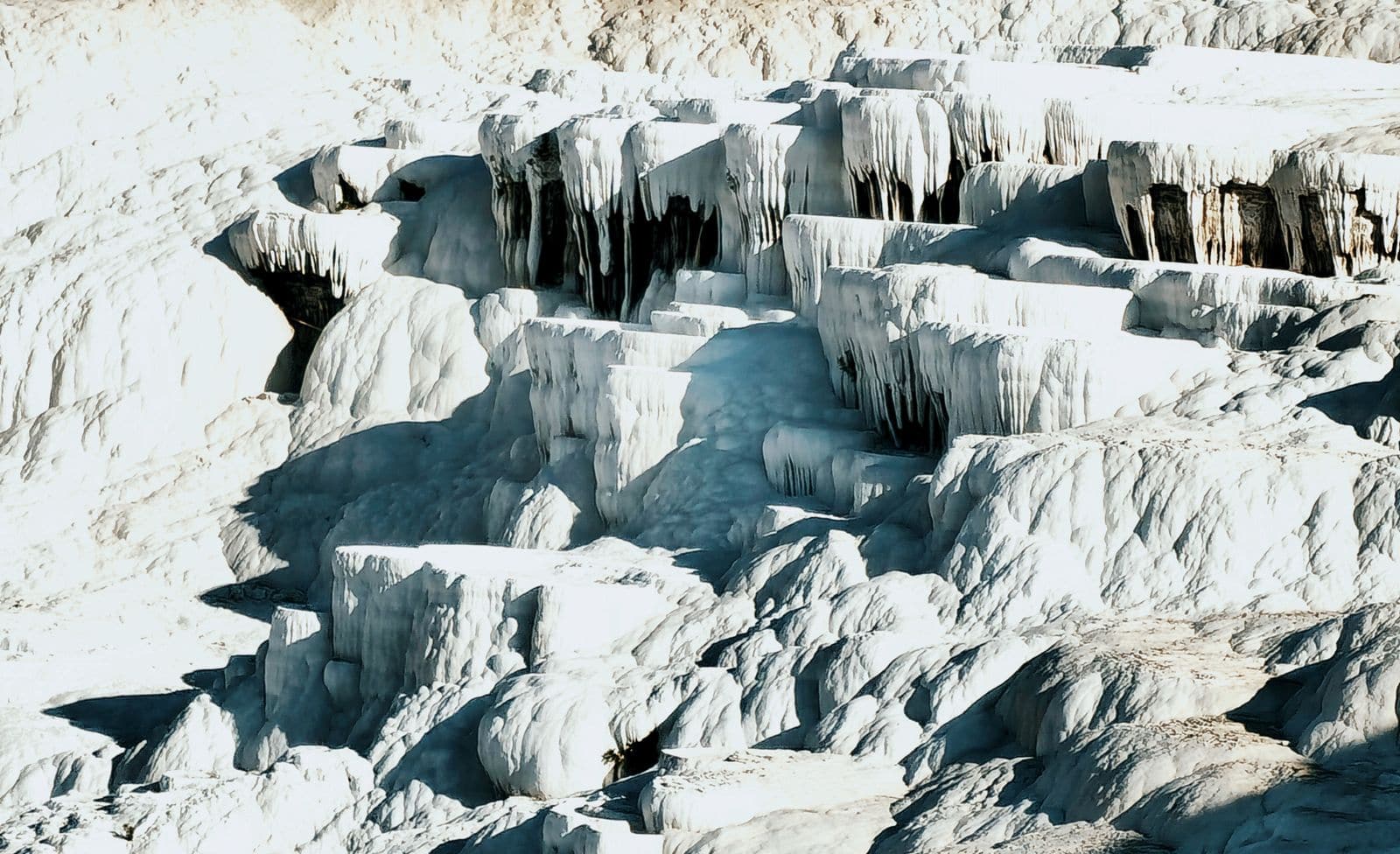
The ancient west: Ephesus and Pamukkale
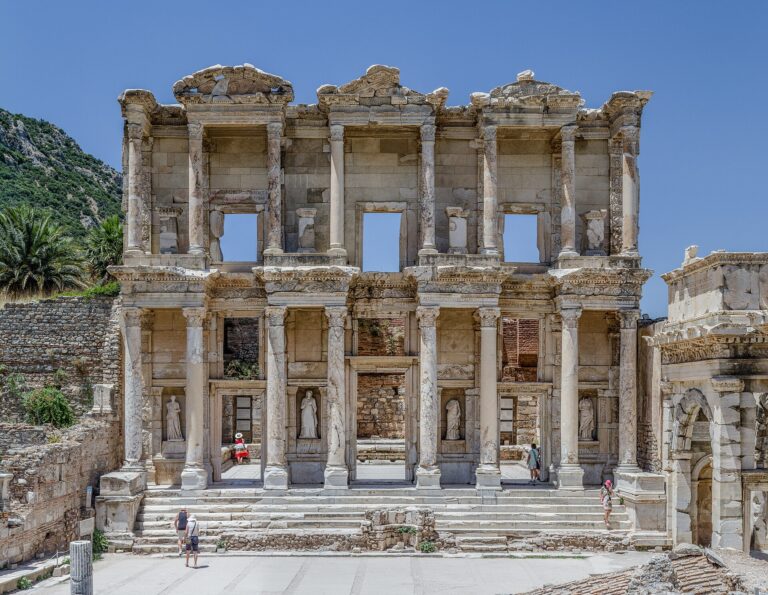
History lovers mustn’t miss Ephesus – the best-preserved ancient city in the world, with its iconic Library of Celsus – and the dazzling white travertine terraces of Pamukkale, with ancient Hierapolis rising above them. ⚠️ You must walk the Pamukkale terraces strictly barefoot, and the famous Cleopatra’s Pool is closed to swimming for renovation.
The east and the Black Sea
The Black Sea coast (Trabzon, Rize) resembles misty alpine meadows full of tea plantations, while the southeast hides the deepest historical treasures, including the 12,000-year-old Göbekli Tepe. ⚠️ For areas within 10 km of the Syrian and Iraqi borders, however, the highest level of warning applies – always check the current situation on the UK government’s travel advice pages (GOV.UK).
Quick overview of the regions
| Region / place | What you’ll find there | Who it’s for | When to go |
|---|---|---|---|
| Antalya and the Riviera | Huge AI resorts, sand and pebbles, water slides | Families, comfort lovers | June–September (August = warmest sea) |
| Aegean coast | Coves, nightlife, paragliding, yachts | Young, couples, active | June–September |
| Istanbul | Mosques, bazaars, the Bosphorus, street food | City breaks, foodies, history | Spring and autumn |
| Cappadocia | Rock cities, balloon flights, cave hotels | Couples, romance, photographers | April–May, September–October |
| Ancient west (Ephesus) | The best ancient ruins, thermal springs | Road-trippers, history lovers | Spring, autumn (summer is hellish here) |
Who Turkey is perfect for (and who it isn’t)
For families with children, Turkey is king. The entertainment programmes and kids’ clubs at the big resorts are a level above those in Greece or Bulgaria, and the food at decent hotels is safe. The worry about an upset stomach is solved by a simple rule: drink bottled water (it costs a few lira), but in a good hotel the ice in your drink or brushing your teeth won’t knock you out.
For couples and young travellers, the Aegean coast and Cappadocia are ideal – romantic cave hotels, balloon flights, beach clubs in Bodrum and Çeşme. For backpackers and digital nomads, Turkey offers one of the most beautiful long-distance trails in the world, the Lycian Way (760 km along the cliffs), and if you skip the expensive headline monuments, it remains a cheap destination.
For health tourists, Turkey is a huge phenomenon – thousands head to Istanbul and Antalya for hair transplants or new teeth at prices 50–70% lower than at home. ⚠️ But be very careful choosing a clinic; many of the cheapest procedures aren’t done by doctors but by technicians, and sorting out a complaint from abroad is a nightmare.
The hammam experience
You have to try a traditional Turkish bath, the hammam. You step into a marble room, lie down on a heated stone, and an attendant scrubs the old skin off you with a coarse kese mitt, followed by a foam massage. Etiquette? No phones, no noise, full nudity is taboo (keep your swimwear bottoms on), and it’s customary to leave a bakshish (tip) at the end. It’s a brilliant way to relax after a day among the monuments.
How much a holiday in Turkey costs
Turkey is one of the best-value destinations in the Mediterranean. A week of all-inclusive on the Riviera is usually cheaper than a comparable holiday in Greece, and thanks to the weak lira food and transport are cheap (lunch at a local restaurant costs just a few euros). On the other hand, entry to the top monuments has shot up in recent years and is charged in euros: Hagia Sophia, Topkapı and the Cistern in Istanbul alone will cost you over €100 per person, Ephesus €40 (+€15 for the Terrace Houses), Pamukkale €30. A balloon flight in Cappadocia is also a big item (€250–400 per person in season). Those travelling independently save on guesthouse accommodation and local food, but pay for domestic flights and entry fees.
When to go to Turkey
The ideal time depends on what you expect from your holiday. For the beaches of the Riviera and the Aegean coast, go between June and September; August has the warmest sea but also the fiercest heat and highest prices. Save Istanbul and the ancient sites (Ephesus, Pamukkale) for spring (April–May) and autumn (September–October), because in summer the interior turns into a scorching furnace. Cappadocia is loveliest in spring and early autumn, when there’s the best chance the balloons will fly.
💡 Tip: You’ll find a detailed month-by-month weather breakdown by region in our article on when to go to Turkey.

All-inclusive or independent?
This is the key decision. An all-inclusive resort on the Riviera is ideal for families and anyone who wants to switch off – you pay once and don’t have to worry about a thing, and the entertainment and kids’ clubs are a level above those in Greece or Bulgaria. Travelling independently with a hire car and guesthouses, on the other hand, pays off for those who want to explore Turkey – the ancient sites, Cappadocia, the Aegean coves and the mountain villages. We cover how to choose a good resort and avoid getting caught out in our article on all-inclusive in Turkey.
Where to stay: tips across the regions
💡 Tip for accommodation and experiences: We love searching for accommodation on Booking.com, which usually has the best cancellation terms. For tickets, tours and activities, it’s worth comparing and buying through GetYourGuide.
Turkey offers accommodation for every budget and style. For inspiration, we’ve picked popular, well-rated addresses across the most popular regions:
Specific tips for trusted accommodation across Turkey’s most popular regions (you can compare prices and availability in one click via Stay22, which finds the best deal across Booking.com, Airbnb and more):
- Rixos Premium Belek – a luxury ultra all-inclusive resort with its own beach and water park; the pinnacle of the Turkish Riviera.
- Ali Bey Resort Side – a popular family all-inclusive resort with a huge water park and elaborate entertainment programmes.
- Sultan Cave Suites – a cave hotel in Cappadocia with a famous terrace and views of the balloons at dawn.
- Sirkeci Mansion – a boutique hotel in the historic Sultanahmet district, with the main monuments within walking distance.
- The Bodrum by Paramount Hotels – a stylish resort with an infinity pool and views over the Aegean gulf; perfect for couples.
- Oyster Residences – a boutique hotel nestled in greenery just a short distance from the Blue Lagoon in Ölüdeniz.
💡 Tip: Go for ratings of 8.5+ and a large number of reviews; for Riviera resorts, read the comments about the food and the distance to the beach, while in Istanbul and Cappadocia focus on location and noise. In high season, book months ahead.
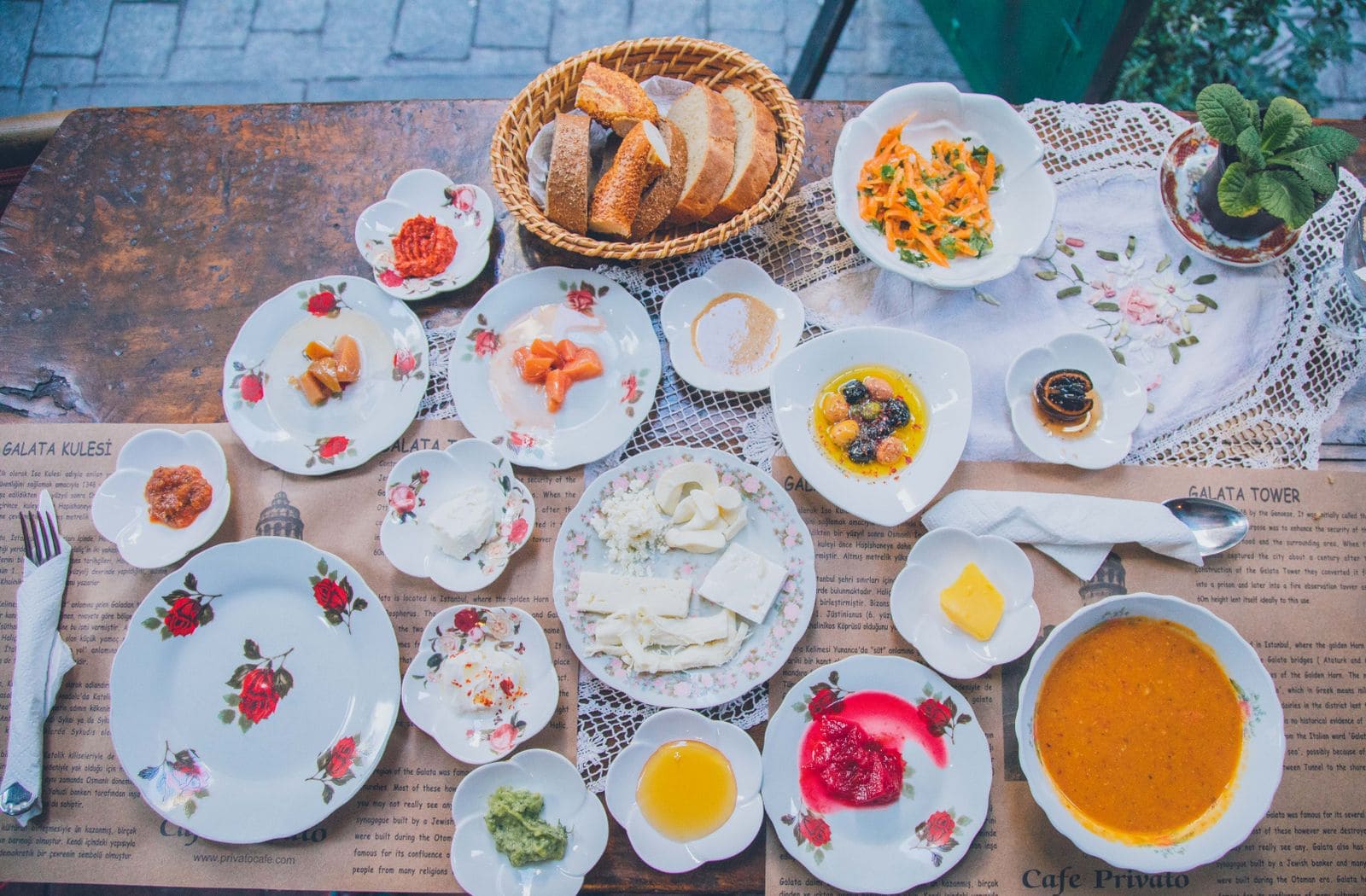
What to taste: Turkish cuisine is more than just kebabs
Turkish food is built on sharing dishes and is a paradise for vegetable lovers. The day starts with a hearty kahvaltı breakfast – a table full of little bowls of olives, tomatoes, cheeses, honey and kaymak clotted cream, plus menemen eggs and crispy sesame simit bread. Don’t miss the meze (cold starters), gözleme flatbreads filled with cheese or spinach, sweet baklava and Turkish tea (çay) in a tulip-shaped glass. Spicy meat specialities such as Adana kebap are a regional classic for non-vegetarians. More in our guide to Turkish cuisine.
Practical tips for a holiday in Turkey
- Money and inflation ⚠️: The lira (TRY) is weakening sharply, which makes everyday life here cheap for a British visitor. Pay by card in lira and at the ATM always decline the DCC conversion to pounds (it would rob you of 5–8%).
- eSIM instead of roaming ⚠️: Turkey isn’t in the EU. Get a data eSIM before you leave home so you have internet the moment you land. Our guide on what to pack for a holiday in Turkey will help too.
- Watch out for scams: In Istanbul, beware of taxi drivers (insist on the meter, pay with small notes or use an app), “shoe cleaners” and the “friendly local” who drags you into a bar with an astronomical bill.
- Water: Don’t drink the tap water; bottled costs a few lira. In good hotels, though, ice and brushing your teeth won’t be a problem.
- Etiquette: Cover shoulders and knees in mosques (women also their hair); when you take your shoes off, carry them with you. Tipping (bakshish) is appreciated.
- Transport: Turkish Airlines and Pegasus fly year-round, with seasonal charter routes from several UK airports (including London, Manchester and Birmingham) to Antalya. Domestic flights (İzmir, Cappadocia) are cheap with Pegasus, and in Istanbul the super-fast M11 metro whisks you from the new airport into the centre in 24 minutes.
- Ramadan ⚠️: In 2026 it falls roughly at the turn of winter and spring. You won’t feel the fasting at all in the resorts, but in smaller towns some local restaurants may be closed during the day – yet after sunset the streets come incredibly alive.
Itinerary: how to combine Turkey
If you don’t just want to lie by the pool, Turkey combines beautifully. For an extended weekend, Istanbul alone is enough. For 10–14 days, the classic triple combination is Istanbul + Cappadocia + the Aegean coast (domestic flights with Pegasus are cheap), or a road trip across the ancient west (Ephesus, Pamukkale, Pergamon) starting from İzmir. Anyone who just wants to relax stays on the Riviera and heads out only on day trips to the ancient sites.
Where next: detailed Turkey guides
Pick a region or topic and dive deeper. Big cities and experiences: Istanbul, Cappadocia, Ephesus, Fethiye and Ölüdeniz, Bodrum. Riviera and beaches: Antalya, Side, Alanya, Manavgat. Antiquity and nature: Pamukkale and Hierapolis. And practical advice: when to go to Turkey, all-inclusive in Turkey, Turkish cuisine and what to pack.
Frequently asked questions
Is a vacation in Turkey safe?
Yes, Turkey’s tourist spine – Istanbul, the Aegean coast, the Riviera and Cappadocia – is absolutely safe and often surpasses southern Europe in infrastructure. The main risks are petty scams targeting tourists (taxis, “friendly locals”) in Istanbul, not violent crime. ⚠️ The only exception is the zone within 10 km of the Syrian and Iraqi borders, where a travel ban applies – but this doesn’t affect regular tourist areas at all.
How much does a vacation in Turkey cost?
Turkey is one of the best-value destinations in the Mediterranean. A week-long all-inclusive package holiday to the Riviera is often cheaper than a comparable vacation in Greece, and food and transport are inexpensive thanks to the weak lira. On the other hand, admission to top attractions (Hagia Sophia, Ephesus, Topkapı) has jumped dramatically in recent years and is charged in euros, so you’ll spend more on entrance fees in Istanbul and at ancient sites.
When is the best time to go to Turkey?
For beaches between June and September (August = warmest sea plus highest heat and prices). Istanbul and ancient sites are best visited in spring (April–May) or autumn (September–October), as the interior is extremely hot in summer. Cappadocia is most beautiful in spring and early autumn, when hot air balloons fly most frequently.
Do I need a visa for Turkey?
Czechs do not need a visa for stays up to 90 days. However, your passport must be valid for at least 6 months after your return, and you won’t be allowed into the country with just an ID card. Turkey is neither in the EU nor in Schengen, so turn off roaming and get an eSIM.
Is all inclusive worth it, or going on your own?
It depends on the type of vacation. All inclusive resort on the Riviera is ideal for families and worry-free relaxation. Traveling on your own with a car and guesthouses is worth it if you want to explore Istanbul, Cappadocia, ancient sites and Aegean coves. You can also combine both worlds – a week by the sea and a few days on a historical trip.
Tips and Tricks for Your Vacation
Don’t Overpay for Flights
Search for flights on Kayak. It’s our favorite search engine because it scans the websites of all airlines and always finds the cheapest connection.
Book Your Accommodation Smartly
The best experiences we’ve had when looking for accommodation (from Alaska to Morocco) are with Booking.com, where hotels, apartments, and entire houses are usually the cheapest and most widely available.
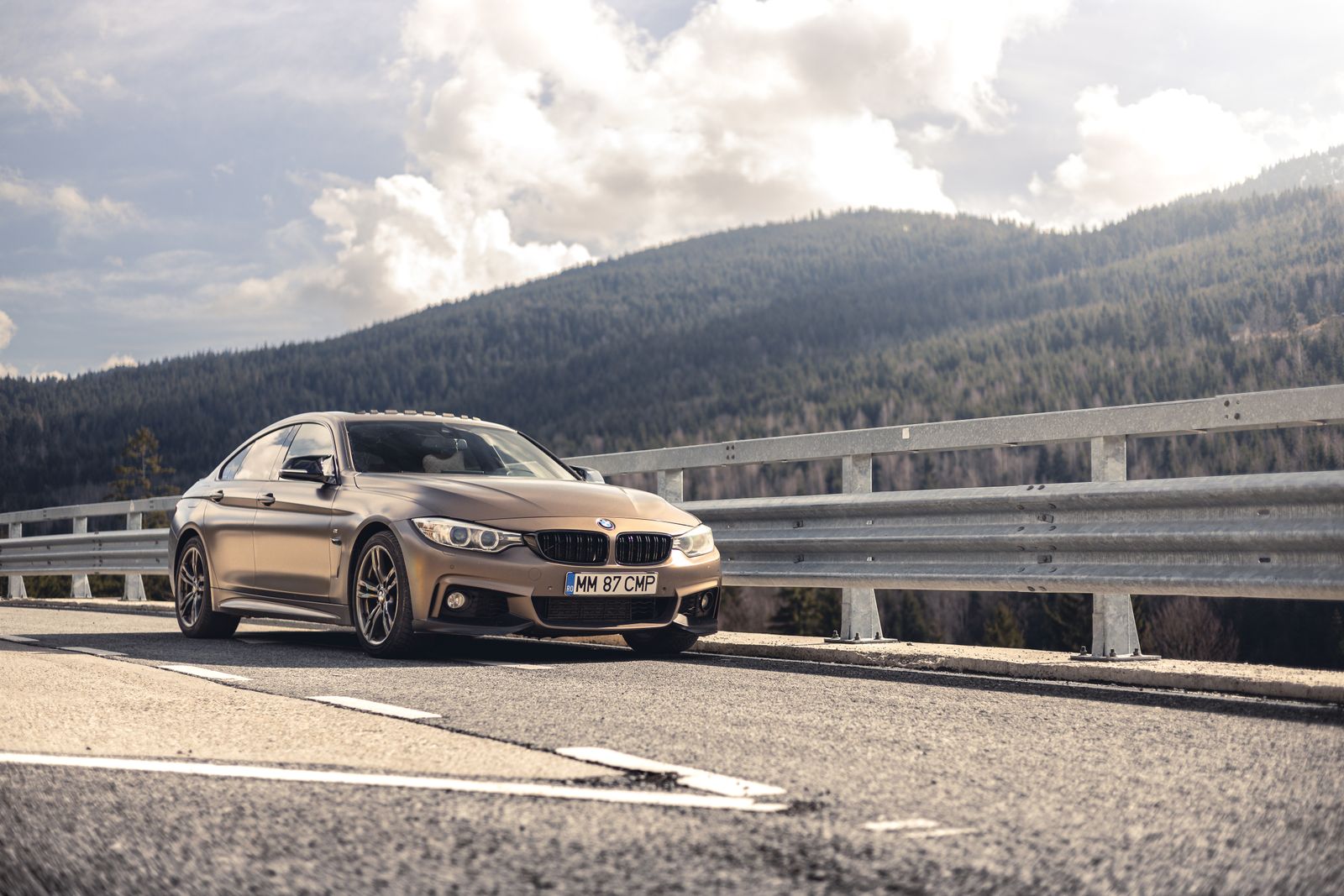 🚗 Car rental on the roadVerified rental cars in Turkey
Search with the DiscoverCars comparison engine — it compares prices from dozens of local and international rental companies, and most bookings come with free cancellation.
Compare car prices in Turkey →Don’t Forget Travel Insurance
Good travel insurance will protect you against illness, accidents, theft, or flight cancellations. We’ve had a few hospital visits abroad, so we know how important it is to have proper insurance arranged.
Where we insure ourselves: SafetyWing (simple monthly subscription) and TrueTraveller (for extra-long trips).
Find the Best Experiences
Get Your Guide is a huge online marketplace where you can book guided walks, trips, skip-the-line tickets, tours, and much more. We always find some extra fun there!