

Denmark tempts you with colourful harbour houses, cyclists gliding past and that famous laid-back “hygge” – but the moment you sit down with a map and a calculator, the questions start. How much will the whole thing cost, when’s the best time to go so it’s neither cold nor pricey, and is it worth booking a package or can we pull it off on our own? We wrestled with all those doubts too, so we know how quickly the initial excitement gives way to a very practical “right, but how?”.
This page is our jumping-off point for Denmark – and you’ll find three things here. First, up-to-date flight and package prices that we refresh every morning, so you’re always looking at fresh figures. Second, our tips from our own trips and articles – what’s genuinely worth your time and what you can happily skip. And third, a plan for when and what to book so you don’t end up overpaying.

What to see and do in Denmark
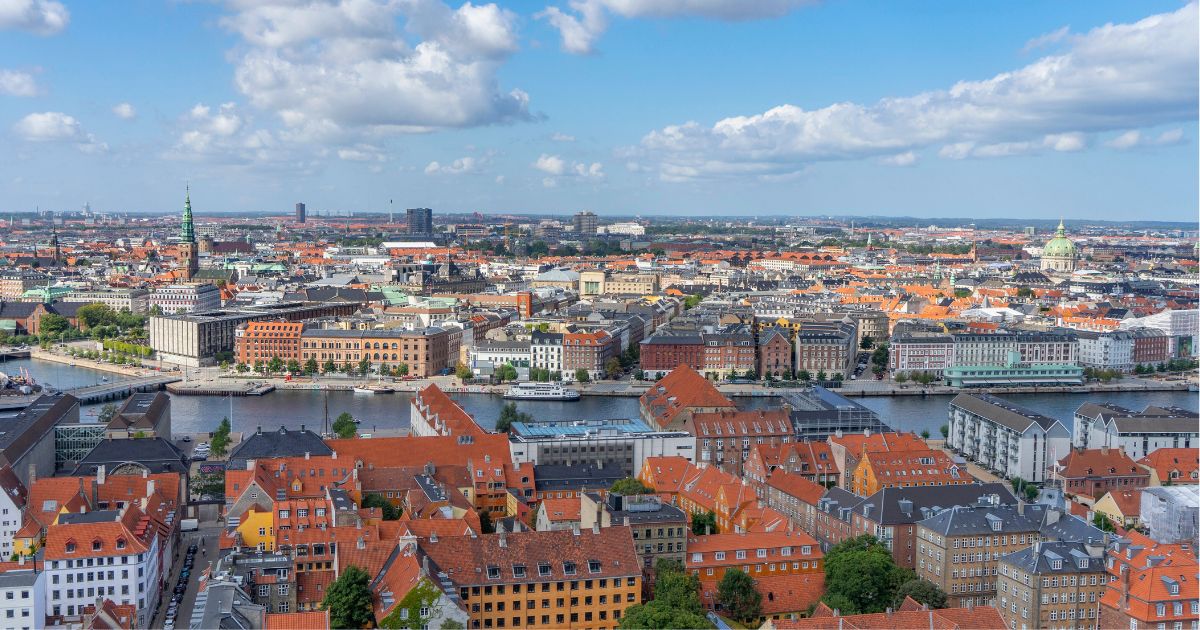
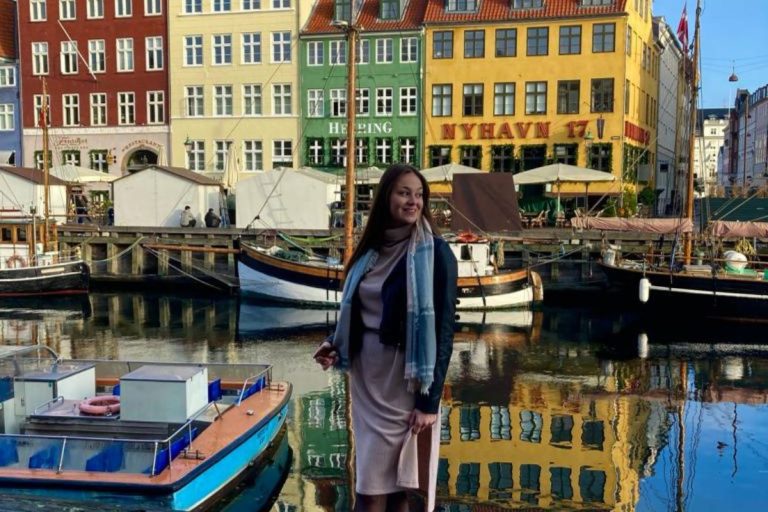
Most trips to Denmark start in the capital – and no wonder. Copenhagen serves up the Nyhavn harbour with its colourful houses, the Little Mermaid statue, the Tivoli amusement park and the alternative district of Christiania. For a few days it’s the perfect city break, easily explored on foot and by bike.
But Denmark isn’t just Copenhagen. It’s well worth venturing further – to castles, beaches, little towns and that classic Nordic landscape. We’ve gathered our favourite spots and experiences from across the whole country in our rundown of 25 things to see and do in Denmark, where you’ll find inspiration for a longer loop as well as day trips beyond the capital.
- Nyhavn and central Copenhagen – the colourful harbour you know from the postcards
- Tivoli Gardens – one of the oldest amusement parks in the world, magical especially in the evening
- Cycling – the Danes ride bikes everywhere, and it’s easy to join in
- Castles and fortresses – like Kronborg, said to be the setting for Hamlet
- Nordic beaches and quiet – for those who want to see Denmark beyond the city too
When to visit Denmark
Denmark is at its nicest from May to September, when it’s warmest, the days are long and everything is open. Summer temperatures tend to hover around 18–22 °C, so it’s not a sunbathing destination, but the weather is perfect for walks, cycling and sitting by the water. The peak season is July and August – expect higher prices and bigger crowds.
If you want to save and don’t mind more changeable weather, we’d bet on May, June and September. It’s warmer than autumn, there are fewer tourists and accommodation tends to be more affordable. As a city destination Copenhagen works year-round – even in winter it has its charm thanks to the Christmas markets and cosy atmosphere, just be ready for short days and cold.
October to March is the off-season: it tends to be damp, grey and dark early. But for a budget city break to Copenhagen it can still make sense – flights and hotels are at their cheapest precisely then.
You’ll fall for Denmark through experiences, not through a checklist of sights. Here are the ones we’d recommend slotting in first – you’ll find more tips in our rundown of what to see and do in Denmark and in our article on Copenhagen:
- A boat trip along Copenhagen’s canals – the best way to see the main sights from the water in an hour
- An evening at Tivoli – a historic amusement park that truly comes alive after dark with all the lights
- Renting a bike and looping around Copenhagen – ride through the city like a local and reach spots the public transport doesn’t
- A stroll through Nyhavn and sitting by the water – the iconic colourful harbour, perfect for photos and a coffee
- A visit to Christiania – a free-spirited district with its own rules and atmosphere
- A trip to the castles outside the city – like Kronborg, “Hamlet’s castle”, on the coast
How to get to Denmark
The quickest and most common way to reach Denmark is by air. From Prague it’s roughly a 1.5-hour flight to Copenhagen, with several connections a day, often direct. Copenhagen’s Kastrup airport is just a few minutes from the centre by metro, so you’re in the city in no time – which makes it an ideal gateway for a long weekend.
By car the journey from Czechia is longer – reckon on roughly 9–11 hours through Germany, plus crossing the Storebælt bridge or taking a ferry, both of which cost money. A car makes sense mainly if you want to explore the countryside and more towns. Alternatives include a ferry from a German port, or a train-and-bus combination, but flying usually works out fastest and cheapest.
Renting a car
For Copenhagen itself you don’t need a car – if anything it’s a burden (parking is expensive and limited). It only pays off when you want to explore the countryside, small towns and the coast, or hop over to another island and get to know Denmark beyond the capital. That’s when a car saves you a lot of time compared with trains and buses.
- Book online in advance through a rental comparison site – on the spot it tends to be pricier with less choice, especially in season
- Keep an eye on insurance and the deposit – the basic cover has a high excess, so additional insurance often pays off
- Budget for paid bridges and ferries – the Storebælt bridge, for example, has a toll, so factor it into your budget
- Return the car full – topping up through the rental company is usually far pricier than at a regular petrol station
Where to stay in Denmark
In Copenhagen we recommend staying as close to the centre as possible – you’ll save time and on transport. The areas of Indre By (the old town), Vesterbro and Nørrebro are well connected, full of cafés and within reach of the main sights. Vesterbro by the central station is handy for arriving and departing, while Nørrebro is more hipster and tends to be a bit cheaper.
- Hostels and shared rooms – the cheapest option, with a decent choice in Copenhagen for backpackers
- Mid-range hotels – good quality, but they sell out fast in season, so book early
- Apartments and Airbnb – worth it for two or more people, especially with your own kitchen (you’ll save on food)
- Campsites and cabins – great outside the city if you’re travelling by car and want to get to know the Danish countryside

Package tour or independent travel?
Denmark is very friendly towards independent travel – you can get by in English everywhere, you pay by card and the transport works brilliantly. Even so, a package tour does make sense in some cases.
A package is worth it when…
- you want everything sorted in advance and don’t want to spend time planning
- it’s your first time and you’ll appreciate a guide and a set programme
- you want to cover several cities in a short time without dealing with transport between them
- you’re travelling with parents or kids and want comfort without the hassle
Go it alone when…
- you’re mainly heading to Copenhagen for a long weekend – you can do that cheaply yourself
- you want your own pace, to cook for yourself and pick the programme on a whim
- you don’t mind booking flights and a hotel and keeping an eye on the budget
- you want to save and would rather spend the money on the ground
The two of us lean towards going it alone in Denmark – heading to Copenhagen in particular is easy, cheaper and gives you complete freedom. A package makes sense when you want to comfortably cover several places in a few days, or you simply don’t want to deal with anything. ☺️
Budget: daily costs in Denmark
| Level | Accommodation | Food | Transport & activities | Total/day |
|---|---|---|---|---|
| Backpacker | 210 kr–320 kr (hostel) | 120 kr–175 kr (self-catering, street food) | 90 kr–145 kr (public transport, bike) | approx. 410 kr–650 kr |
| Standard | 530 kr–880 kr (3* hotel) | 240 kr–350 kr (restaurants) | 175 kr–290 kr (admission, transport) | approx. 940 kr–1 530 kr |
| Comfort | 1 180 kr+ (4*+ hotel) | 440 kr+ (good restaurants) | 350 kr+ (taxis, attractions) | approx. 1 970 kr+ |
Prices are a rough guide per person per day and assume you’re already in Denmark (excluding flights). Denmark is one of the most expensive countries in Europe, especially for restaurant meals and alcohol — your biggest savings come from cooking and shopping at the supermarket.
How to save when planning
- Ideally buy flights 2–3 months ahead – for a short hop to Copenhagen the price moves most depending on the dates and day of the week, with weekdays usually cheaper. Search for flights in our flight finder.
- Book accommodation early – in Copenhagen the good-value hotels are the first to go, especially in summer. Take a look at our accommodation tips.
- You overpay most on food and alcohol – avoid that by shopping at the supermarket and choosing an apartment with a kitchen; save restaurants as a treat, not an everyday thing.
- Sort out activities and tickets in advance – popular attractions and canal cruises fill up in season, so see what to book early.
- Use the off-season for a city break – from October to March flights and hotels to Copenhagen are at their cheapest, just be ready for short days.
Practical information
- Language: Danish, but you’ll get by in English absolutely everywhere – the Danes speak it brilliantly
- Currency: the Danish krone (DKK), not the euro – reckon on roughly 1 DKK ≈ 10 kr
- Payments: Denmark is almost cashless, you can pay by card for even the smallest things; you’ll hardly need cash
- Connectivity: as part of the EU, roaming works with no surcharge; for a longer stay or peace of mind an eSIM with a data plan comes in handy
- Safety: Denmark is one of the safest countries in the world, so there’s nothing to worry about, just the usual care with your belongings in crowds
One last practical tip: get yourself a bike or a city card as soon as you arrive. In Copenhagen a bike is the fastest and cheapest way to get around, and at the same time the best way to see the city the way the locals do.


